
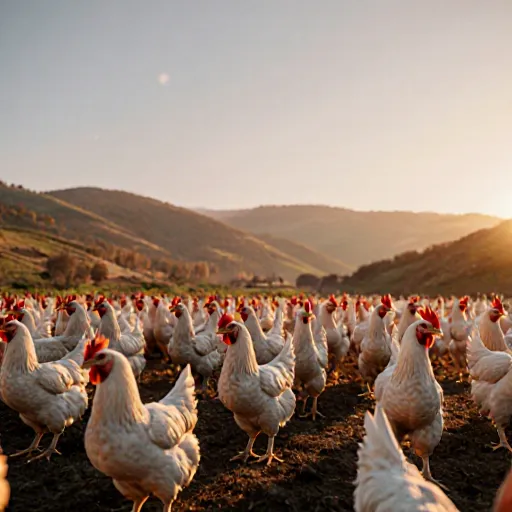
Boost your income with these hidden broiler farming tricks!
Table of Contents
- Identifying the Broiler Farm Location
- Assessing Market Demand for Broilers
- Choosing the Right Broiler Breed
- Procuring Low-Cost Housing Materials
- Building a Simple and Cost-Effective Brooder
- Ensuring Proper Ventilation and Temperature Control
- Establishing a Hygienic Environment
- Acquiring Quality Feed at Lower Costs
- Securing a Reliable Water Supply System
- Implementing Basic Management Practices
- Monitoring Broilers for Health Issues Early
- Minimizing Feed and Medication Costs
- Exploring Local Markets to Sell Broilers
- Scaling Up Gradually Based on Success
- Conclusion
- FAQ
Identifying the Broiler Farm Location
Choosing the right location for your broiler farm is crucial for a successful and cost-effective operation, especially when starting broiler farming with limited resources. The site you select should not only meet the basic requirements but also be strategically positioned to ensure optimal growth conditions, efficient management, and minimal costs. Here’s how to identify the best possible location:
1. Proximity to Water Supply
Access to a reliable water source is essential for broiler farming as it plays a crucial role in maintaining hygiene, which directly impacts bird health. Ensure that your farm is situated within easy access to clean and abundant water supply. This reduces the cost of transporting water, which can be a significant expense when starting with a low budget.
2. Consideration for Ventilation<|im_start|>⚗️
Assessing Market Demand for Broilers
Assessing market demand for broilers is a critical step before starting your broiler farming venture, especially if you are planning to do so with a low budget. Understanding the local and regional market demands can help you make informed decisions about the number of birds you will raise, the breeds you will choose, and the timing of your production cycle.
Market Research
The first step in assessing market demand is conducting thorough market research. This involves gathering data from various sources to understand current trends, future projections, and potential challenges. Here are some key areas to focus on:
- Sales Analysis: Review sales records of local poultry farms or grocery stores to identify the most popular broiler breeds and sizes.
- Consumer Preferences: Conduct surveys or interviews with consumers to understand their preferences regarding broiler quality, taste, and price. This can help you tailor your product offerings to meet market demands.
- Trends in Consumption: Keep an eye on trends such as the growing demand for organic, free-range, or locally-sourced broilers. These trends may influence your breeding choices and marketing strategy.
Competitor Analysis
Understanding your competitors can provide valuable insights into market dynamics. Here’s how you can conduct a competitive analysis:
- Analyze Competitors’ Products: Study the broilers offered by your direct and indirect competitors. Identify their strengths, weaknesses, and unique selling points.
- Identify Gaps in the Market: Look for gaps or unmet needs in the market that you can fill with innovative products or services. For instance, if most farms offer standard broilers, you could explore niche markets like organic broilers or broilers raised under specific conditions.
- Monitor Competitors’ Strategies: Stay informed about competitors' marketing strategies and customer feedback to anticipate potential threats and opportunities in the market.
Seasonal Considerations
The demand for broilers can vary significantly with the seasons. Understanding these fluctuations is crucial for optimizing your production cycle:
- High Season: Identify the times of year when demand for broilers is highest, such as during holidays or festivals.
- Low Season: Recognize periods when demand may be lower and plan accordingly to manage inventory and costs effectively.
- Adaptability: Be flexible in your production schedule to respond to market changes. For example, you might consider adjusting the breeding cycle during low-demand seasons or offering promotions during high-demand times.
Pricing Strategy
The price of broilers plays a significant role in determining their demand. Here are some tips for setting an appropriate pricing strategy:
- Cost Analysis: Calculate your production costs, including feed, labor, and overhead expenses, to determine the minimum selling price.
- Competitive Pricing: Set your prices competitively based on the market rates. If you offer unique products or superior quality, you may be able to charge a premium price.
- Promotions and Discounts: Offer occasional promotions or discounts to attract customers during low-demand periods, encouraging them to buy at times when demand is higher.
Marketing and Sales Channels
The success of your broiler farming venture also depends on the channels you choose for marketing and selling your products:
- Educational Campaigns: Inform potential customers about the benefits of your broilers. Highlight any unique features or certifications.
- Online Presence: Establish a strong online presence through a website, social media platforms, and e-commerce channels to reach a broader audience.
- Bulk Sales: Consider bulk sales to restaurants, supermarkets, or food chains which can significantly impact your sales volume. Offer discounts on large orders.
Conclusion
Assessing market demand for broilers is an ongoing process that requires continuous monitoring and adaptation. By conducting thorough market research, analyzing competitors, considering seasonal factors, optimizing pricing strategies, and leveraging effective marketing channels, you can ensure a successful start to your broiler farming venture with limited resources.
Choosing the Right Broiler Breed
Selecting the right broiler breed is crucial for successful broiler farming, especially when starting with a low budget. The choice of breed can significantly impact your farm's profitability and efficiency. Here are some key factors to consider when choosing the appropriate broiler breed:
1. Growth Rate
The growth rate is one of the most important factors in selecting broilers for a low-budget farming operation. Breeds with faster growth rates can reach market weight sooner, reducing feed costs and increasing profits. For instance, breeds like Cobb 500, Arbor Acres, and Ross 308 are renowned for their fast growth.
Example: A broiler farm that starts with a low budget should focus on breeds known for rapid weight gain to maximize returns within a shorter timeframe. For example, the Cobb 500 breed is famous for its early maturity and high feed efficiency, making it an excellent choice.
2. Feed Efficiency
Feed costs represent a significant portion of your broiler farming expenses. Therefore, selecting breeds that are efficient in converting feed into meat can help you minimize these costs. Breeds like Hybro and LSL are known for their high feed efficiency.
Practical Advice: To ensure your farm is cost-effective, prioritize breeds with higher feed conversion ratios (FCR). For example, a broiler that converts 2 kg of feed into 1 kg of meat is more efficient than one that requires 3 kg of feed for the same output. This efficiency directly translates to lower operating costs.
3. Disease Resistance
Disease resistance is another critical factor, especially in low-budget operations where veterinary expenses can be a strain on finances. Breeds like LSL and Hybro are generally more resistant to common broiler diseases such as coccidiosis and necrotic enteritis.
Example: By choosing disease-resistant breeds, you can reduce the need for frequent medication or vaccination, thus saving money in the long run. For instance, if a breed has lower mortality rates due to disease, it reduces the cost of replacing dead birds and ensures a more stable production cycle.
4. Climate Adaptability
The climate where you operate can greatly influence your broiler farming success. It is essential to choose breeds that are well-suited to the local environmental conditions, including temperature extremes. Breeds like LSL and Hybro perform well in various climatic conditions.
Practical Tip: If you live in a region with high humidity or extreme temperatures, consider choosing breeds known for their adaptability. This can prevent potential health issues that might arise from poor adaptation to the environment.
5. Carcass Quality
The quality of meat produced by your broilers is also an important consideration. Some breeds are bred specifically for high-quality carcasses, which can fetch higher prices in markets. For example, Hybro and LSL are noted for their excellent meat quality.
Example: If you plan to sell directly to consumers or participate in premium market channels, investing in a breed known for its superior meat quality might be worthwhile. This can enhance your product's appeal and command higher prices.
Conclusion
In summary, choosing the right broiler breed is essential for optimizing profitability and efficiency in a low-budget broiler farming operation. By considering factors such as growth rate, feed efficiency, disease resistance, climate adaptability, and carcass quality, you can make an informed decision that aligns with your farming goals.
Procuring Low-Cost Housing Materials
When starting a broiler farming operation on a low budget, it's crucial to focus not just on minimizing costs but also ensuring that your investment is used efficiently. Similarly, when procuring low-cost housing materials for your broilers, the key is in finding cost-effective yet durable solutions that will protect your birds and help maximize their growth potential. Here are some practical tips and examples to guide you through this process:
Research and Comparison Shopping
Before making any purchases, conduct thorough research on different suppliers and materials available in the market. Compare prices, quality, and customer reviews to ensure you get the best value for your money. It's also beneficial to ask local farmers or poultry experts for recommendations based on their experiences.
Exploring Alternative Materials
Instead of purchasing expensive commercial-grade housing materials, consider using locally available materials that can be sourced at a lower cost. For instance:
- Bamboo or Wooden Posts: These can be used for constructing pens and shelters. Bamboo is particularly popular in tropical regions due to its durability and low maintenance requirements.
- Gutters or Old Pipes: These can serve as effective drainage systems, helping keep the broiler housing dry and clean.
- Rice Husks: Used for bedding materials, rice husks provide cushioning and insulation while being affordable.
DIY Solutions
Making use of do-it-yourself (DIY) methods can significantly cut down on expenses. For example:
- Paper Boxes for Broilers: Old paper boxes, especially those made from thick cardboard, can be converted into temporary brooder boxes by adding heat lamps and ventilation holes.
- Used Plastic Bottles: Recycle plastic bottles to create waterers. Cut them in half and secure the top halves on a flat surface with wire mesh for easy cleaning.
Quality vs Cost
While it's important to keep costs low, remember that quality is crucial. Investing in slightly better-quality materials may end up being more cost-effective in the long run as they last longer and require fewer replacements. For instance:
- Better Quality Feeders and Waterers: High-quality feeders and waterers can reduce wastage, ensuring that your birds have consistent access to food and water.
- Durable Floors: Opt for materials like concrete or well-laid earth floors over temporary solutions as they last longer and are easier to clean and maintain.
Government Subsidies and Grants
Check with your local government or agricultural extension services to see if there are any available subsidies, grants, or programs aimed at supporting small-scale farmers. These can provide additional resources to help cover the cost of essential materials:
- Farm Improvement Programs: Some governments offer programs that provide financial aid for purchasing necessary farm equipment.
- Reclaimed Materials: Sometimes, grants or subsidies can be used to purchase reclaimed building materials which are often very affordable and still functional.
Conclusion
In conclusion, procuring low-cost housing materials doesn't mean compromising on quality. By being resourceful, seeking alternative solutions, and leveraging government support programs, you can create a suitable environment for your broilers that is both cost-effective and efficient. Remember, the goal is to provide a healthy and comfortable living space for your birds, which will ultimately lead to better growth rates and higher yields.
Building a Simple and Cost-Effective Brooder
Starting a broiler farming operation, especially on a low budget, can be challenging but also rewarding. One of the critical components for successful broiler rearing is creating an appropriate brooding environment. A well-designed brooder not only ensures the health and growth of your broilers but also contributes significantly to reducing costs. In this section, we will explore how to build a simple yet effective brooder using readily available materials.
The first step in building a cost-effective brooder is gathering all necessary materials. You can find most of these items at local hardware stores or even reuse existing ones from your home or farm:
- A large, clean container (like an old storage bin)
- Heat lamps
- PVC pipes for ventilation
- Rubber mats or newspaper lining
- Waterers and feeders
- Thermometer to monitor temperature
- Clean bedding material like wood shavings or straw (optional)
The design of your brooder should ensure that it provides a warm, dry, and clean environment for your chicks. Here’s how you can set up a simple yet effective brooder:
- Select a Suitable Location: Place the brooder in a sheltered area to protect the chicks from drafts and cold weather. Ensure there is proper ventilation but no direct airflow.
- Install Heat Lamps: Heat lamps are essential for providing warmth until your chicks can regulate their body temperature. Position them at one end of the container so that the chicks have a choice between warm and cool areas. Start with 1 heat lamp per 25 square feet or adjust based on your brooder size.
- Provide Clean Water: Place waterers close to the feeders to ensure easy access for the chicks. Ensure there is enough space around them so that they don't get overcrowded.
- Set Up Ventilation: Use PVC pipes with holes drilled at intervals to allow proper air circulation, preventing humidity and mold growth inside the brooder.
- Lining the Brooder: Line the bottom of your container with rubber mats or newspapers for easy cleaning. Avoid using cardboard as it can hold moisture and contribute to ammonia buildup.
The success of your brooder depends on consistent monitoring and adjustments based on the chicks' needs:
- Maintain Temperature: Chicks need a temperature range between 95°F to 100°F (35°C to 38°C) in their first week. Reduce this by about 5°F each week until they are fully feathered and can regulate their body heat.
- Monitor Humidity: Aim for a humidity level of around 60% during the first two weeks, reducing it to approximately 40% as your chicks grow.
- Check Ventilation: Ensure that the ventilation is sufficient and that there are no cold spots or hotspots in the brooder. Adjust the placement of the heat lamps if necessary.
To maximize efficiency and minimize costs, follow these practical tips:
- Regular Cleaning: Keep the brooder clean by regularly removing waste and soiled bedding. This helps prevent disease outbreaks and maintains a healthy environment.
- Nutritional Management: Provide high-quality feed to ensure your chicks grow strong and fast. Avoid overfeeding as this can lead to health issues and increased costs.
- Gradual Transition: Once your chicks are ready, gradually transition them from the brooder to outdoor conditions or larger housing to prepare them for full-grown farming.
By following these steps and tips, you can create a simple yet effective brooder that will support healthy growth and development of your broilers. Starting with such a setup not only helps in managing costs but also ensures the success of your broiler farm venture.
Ensuring Proper Ventilation and Temperature Control
To start broiler farming with a low budget, one of the critical factors to consider is ensuring proper ventilation and temperature control in your broiler house. These elements directly impact the health and growth rate of your birds, as well as the overall efficiency of your farm. Inadequate ventilation can lead to poor air quality, which increases stress on the birds and can even cause respiratory issues leading to higher mortality rates.
Importance of Ventilation
Ventilation is essential for maintaining a healthy environment within the broiler house. It helps in removing harmful gases such as ammonia, carbon dioxide, and moisture that are produced by the birds themselves. Proper ventilation also aids in controlling temperature, humidity, and air quality, which are crucial for the health of the broilers.
Temperature Control
The ideal temperature range for broilers is between 25°C to 30°C (77°F to 86°F) during the first week post-hatch. As they grow older, they can tolerate higher temperatures up to around 18-22°C (64°F - 72°F). However, this must be monitored closely as broilers have limited ability to thermoregulate and are highly susceptible to temperature fluctuations.
Strategies for Ventilation
- Use of Fans: Installing fans can help in circulating air efficiently throughout the house. This not only ensures even distribution but also helps in cooling down the broilers during hot days.
- Proper Placement of Exhaust Fans: Ensure that exhaust fans are strategically placed to effectively remove stale and heated air from the broiler house. The position should allow for optimal airflow patterns.
- Ventilation Holes or Windows: If you have windows in your broiler house, ensure they are properly maintained and can be adjusted as needed to regulate temperature and air quality.
Temperature Control Techniques
- Insulation: Proper insulation of the broiler house helps in retaining heat during cold seasons without overloading on energy costs. Materials like fiber glass or rock wool are cost-effective insulators.
- Use of Shade Curtains: Implementing shade curtains can help in reducing the impact of direct sunlight, which is especially beneficial during hot summer months.
- Humidity Control: High humidity levels can lead to respiratory issues. Using dehumidifiers or ensuring adequate ventilation helps in maintaining an ideal level of humidity within the broiler house.
Practical Advice for Low Budget Farmers
- DIY Solutions: Utilize materials that are readily available at a low cost. For instance, old car tires can be cut and used as insulation around the broiler house windows.
- Regular Monitoring: Invest in portable thermometers to regularly monitor temperature and humidity levels. This helps in identifying any issues early on and making necessary adjustments promptly.
- Training and Knowledge: Educate yourself about the best practices for broiler farming. Many agricultural extension services offer free or low-cost workshops that can be very beneficial.
In conclusion, ensuring proper ventilation and temperature control is paramount in broiler farming, especially with a limited budget. By following these strategies and implementing practical advice, you can create an environment conducive to the health and rapid growth of your broilers, leading to higher productivity and profitability for your farm.
Establishing a Hygienic Environment
Establishing a Hygienic Environment is crucial for broiler farming, especially when starting with a low budget. A clean and hygienic environment reduces the risk of disease outbreaks, improves bird health, and enhances overall productivity. Here are some key steps and tips to help you establish such an environment in your broiler farm:
1. Proper Sanitation Practices
To maintain a hygienic environment, regular cleaning and disinfection are essential. Use a combination of physical methods like sweeping and mechanical cleaning with chemical disinfectants. For example, sodium hypochlorite or formaldehyde-based solutions can be used to clean feeders, waterers, and other equipment. Always follow the manufacturer's instructions for these chemicals to ensure safety.
2. Ventilation
Adequate ventilation is vital in maintaining a hygienic environment. Poor ventilation leads to high ammonia levels, which can cause respiratory problems and reduce bird performance. Install automatic or manually operated fans to maintain proper air circulation. Ensure that there is sufficient space between broilers for airflow and avoid overcrowding.
3. Dust Management
Dust can harbor bacteria and fungi, leading to health issues in your flock. Regularly clean the barns and use dust suppressants such as hydrated lime or diatomaceous earth. Ensure that bedding materials are kept dry to minimize dust production.
4. Pest Control
Pests like rodents, birds, and insects can spread diseases and contaminate feed and water sources. Implement integrated pest management strategies by sealing all cracks in the barns and using traps or natural predators to control pests effectively. Regular inspections of the farm premises can help identify potential pest infestations early.
5. Feed and Water Hygiene
The quality of feed and water directly affects bird health. Store feeds properly to prevent contamination from mold, insects, or rodents. Provide clean, fresh water at all times using gravity-fed systems or automatic drinkers if feasible. Regularly inspect and clean water containers to avoid bacterial growth.
6. Biosecurity Measures
To protect your broilers from diseases, implement strict biosecurity measures. This includes controlling access to the farm by wearing protective clothing and shoes when entering the barns. Avoid visitors who are not part of the farming team to minimize exposure to pathogens. Quarantine new birds or equipment before introducing them into the main flock.
Practical Advice
Starting a broiler farm with a low budget requires careful planning and attention to detail. By focusing on establishing a hygienic environment, you can significantly improve your flock's health and productivity. Here are some practical tips:
- Start Small: Begin with a smaller scale of farming to understand the basics and gradually expand as you gain experience.
- Use Local Resources: Utilize locally available materials for building and equipment, which can be more cost-effective than imported products.
- Train Personnel: Ensure that all farm workers are well-trained in hygiene practices to maintain consistency across the farm.
- Monitor Regularly: Conduct regular health checks on your flock and monitor feed consumption and growth rates closely.
By following these steps and advice, you can create a hygienic environment that supports optimal broiler farming. Remember, prevention is better than cure, so always prioritize maintaining cleanliness and hygiene throughout the entire process.
Acquiring Quality Feed at Lower Costs
When starting a broiler farming operation with limited resources, acquiring quality feed is one of the most critical factors to ensure optimal performance and profitability. Here are some strategies to help you acquire quality feed at lower costs:
1. Understand Your Broilers' Nutritional Needs
- Determine Feed Formulation: Consult a veterinarian or a professional nutritionist to tailor your feed formulation to the specific nutritional requirements of broilers. This ensures that you are not overfeeding or underfeeding essential nutrients.
- Select the Right Ingredients: Choose ingredients that provide balanced nutrition without unnecessary additives. For instance, whole grains like corn and soybeans can be cost-effective sources of protein and energy.
2. Explore Local Feed Suppliers
- Local Markets: Visit local markets or feed mills to purchase bulk ingredients directly from suppliers. This can often lead to significant savings compared to buying pre-mixed feeds from large retail outlets.
- Bulk Buying: Consider purchasing in bulk if the quantities are sufficient for your needs. Bulk buying typically reduces per-unit costs and minimizes waste due to packaging.
3. Leverage Feed Sales Promotions and Discounts
- Seasonal Offers: Keep an eye on seasonal offers and discounts provided by feed suppliers. These can be a great way to stock up on essential ingredients when they are cheaper.
- Vendor Lock-In: Negotiate with your regular supplier for better terms, including bulk purchase discounts or extended payment plans that suit your budget.
4. Optimize Feed Management Practices
- Feed Efficiency: Implement feeding practices that enhance efficiency. For example, ensure feeders and waterers are properly maintained to prevent waste and spoilage.
- Feeding Schedule: Establish a consistent feeding schedule to avoid overeating, which can lead to increased feed costs.
5. Seek Government and Private Sector Support Programs
- Farm Subsidies: Look into government programs that provide subsidies or grants for small-scale farmers. These could help reduce the overall cost of feed acquisition.
- Non-Profit Partnerships: Partner with non-profit organizations that support agricultural activities. They often have resources and networks to help you access quality feed at lower costs.
Conclusion
By focusing on these strategies, you can effectively acquire high-quality feed for your broiler farming operation without breaking the bank. Proper planning and efficient management are key to minimizing expenses while maximizing productivity and profitability in a low-budget setting.
Securing a Reliable Water Supply System
To ensure that your WordPress-compatible blog is not only informative but also visually appealing and user-friendly, it's crucial to secure a reliable water supply system. Just as securing a water source is vital for the success of any broiler farming operation with a low budget, having a robust water management system for your website can significantly enhance its performance.
The internet works in much the same way that a broiler farm requires a consistent supply of water. A steady and reliable flow ensures everything functions smoothly and efficiently. For your blog, this means ensuring quick load times, smooth navigation, and effective content delivery.
Server Reliability
Just as a broiler farmer must ensure that the water source is clean and free from contaminants, you need to choose a reliable hosting provider for your WordPress blog. A reputable hosting service ensures that your site remains online 24/7 with minimal downtime. Look for providers that offer 99% uptime guarantees and have excellent customer support.
Content Delivery Network (CDN)
A CDN acts like a distributed water tank, caching content closer to the user's location. This reduces latency and improves load times, which is crucial for users browsing your blog. By leveraging a CDN, you can significantly enhance your site’s performance, making it faster and more efficient.
Backup and Recovery
Regularly backing up your WordPress database and files is akin to storing water in reserve tanks during dry seasons. This ensures that you always have a copy of your data should something go wrong. Use reliable backup plugins like UpdraftPlus or WP-Optimize, which can schedule automatic backups and store them securely.
Here are some practical steps to help you secure a reliable water supply system for your WordPress blog:
- Choose the Right Hosting Provider: Research different hosting providers and read reviews. Opt for one that offers excellent uptime, fast server response times, and good security features.
- Implement a CDN: Integrate a CDN service such as Cloudflare or MaxCDN to improve your site's load times and reliability.
- Optimize Your Content: Ensure your images are compressed, and your code is clean. This reduces the amount of data each page needs to fetch from the server.
- Regularly Update WordPress and Plugins: Keeping your software updated ensures that any security vulnerabilities are patched promptly.
- Create a Backup Schedule: Set up automatic backups and test them regularly to ensure they work as expected. This includes backing up not only your database but also your uploads folder.
Just like broiler farming, where the quality of water directly impacts the health and productivity of the broilers, a reliable water supply system is essential for maintaining the health and performance of your WordPress blog. By following these steps, you can ensure that your site remains fast, secure, and accessible to all visitors.
Implementing Basic Management Practices
To successfully start broiler farming with limited resources, it is crucial to implement basic management practices that ensure optimal growth and health of your birds. These practices are essential for minimizing costs while maximizing productivity. Here’s how you can apply these principles:
1. Housing and Environment
The environment where broilers are raised significantly impacts their growth rate and overall health. Using low-cost materials, such as plastic crates or wooden boxes, is a practical approach to creating adequate housing. Ensure that the space provides proper ventilation, temperature control, and cleanliness. Maintaining a consistent temperature between 28°C to 30°C during brooding period and reducing it gradually as birds grow helps in reducing stress on them.
For example, if you have access to an old building or garage, repurpose it into a broiler house with simple insulation. Use fans for ventilation and place heaters strategically to maintain the ideal temperature range mentioned above.
2. Feeding and Nutrition
Feeding your broilers a balanced diet is vital for their growth. Start by sourcing affordable but quality feed from local suppliers or cooperatives. You can also consider supplementing with kitchen scraps like vegetables, fruits, and grains, which are usually inexpensive and nutritious.
A balanced feeding schedule should be followed to avoid waste and ensure the birds receive all necessary nutrients at each stage of their growth. For instance, providing starter feed during the first two weeks, grower feed thereafter until they reach market weight ensures that your broilers get exactly what they need for optimal development.
3. Hygiene and Disease Control
Maintaining cleanliness in both the birds' environment and their feeding equipment reduces the risk of disease outbreaks, which can be very costly if left unchecked. Simple measures like frequent cleaning with disinfectants between batches help prevent the spread of pathogens.
Implementing vaccination programs based on common diseases prevalent in your area is another effective way to protect your flock from potential health threats. Regularly monitoring for signs of illness and consulting local veterinarians or experienced farmers can also aid in early detection and treatment.
4. Record Keeping
Keeping detailed records of feed intake, vaccination schedules, health observations, and performance data provides valuable insights into your broiler farming operation’s efficiency. This information is crucial for making informed decisions about future investments or adjustments in management practices.
For instance, tracking the growth rate of different batches allows you to identify any trends or issues that might arise over time. Using spreadsheets or simple databases can organize these records efficiently and allow easy analysis whenever needed.
By following these basic management practices, even with a low budget, you can establish a productive broiler farming operation. Remember that consistency in applying good management techniques is key to achieving successful results.
Monitoring Broilers for Health Issues Early
Monitoring broilers for health issues early is crucial in maintaining high productivity and profitability in your broiler farming operation. Even with a low budget, you can implement effective monitoring strategies that ensure the well-being of your birds and minimize potential losses.
The earlier you identify health issues, the more effectively they can be managed. Here are some key methods for early detection:
- Veterinary Consultation: Regular consultations with a veterinarian who specializes in poultry health can provide insights into common health challenges and recommend preventive measures.
- Visual Inspection: Daily inspections of the broilers by farm staff are essential. Look out for signs such as lethargy, ruffled feathers, changes in droppings, and any unusual behaviors. These visual cues can indicate underlying health issues early.
- Feeding and Watering Behavior: Observe how your birds eat and drink. Changes in consumption patterns might signal stress or illness. Ensuring that feeders and waterers are clean and accessible is also crucial for maintaining normal eating and drinking habits.
To prevent health issues, implement these practices:
- Hygiene: Maintaining strict hygiene protocols is fundamental. Clean and disinfect the broiler house regularly to avoid the spread of diseases.
- Environmental Control: Ensure that the broilers are housed in a controlled environment with appropriate temperature, humidity, and ventilation levels. These factors can significantly impact bird health.
- Nutritional Balance: A balanced diet is essential for optimal growth and health. Even on a low budget, you can still provide quality feed by making sure the nutritional requirements are met through cost-effective feeds.
Incorporating technology into your broiler farming operation can enhance monitoring capabilities:
- Automatic Monitoring Systems: Consider using simple, low-cost automatic monitoring systems that can track vital signs and send alerts in case of abnormalities.
- Mobile Apps: There are affordable mobile apps designed for poultry farmers that offer feeding schedules, health tips, and reminders for regular checks.
Nutrition plays a key role in disease prevention. On a low budget, focus on:
- Feeding Quality Feed: While it's important to cut costs, feeding inferior quality feed can lead to health issues. Aim for the best available options within your budget.
- Vaccination: Implement a vaccination schedule according to recommended guidelines from veterinarians or poultry experts. This can help protect your broilers against common diseases at an early stage.
By implementing these strategies, you can effectively monitor the health of your broilers and manage any issues before they escalate into larger problems. Early detection and intervention are key to maintaining a healthy flock and achieving success in your broiler farming venture, even with limited resources.
Minimizing Feed and Medication Costs
Minimizing Feed and Medication Costs with Reference to How to Start Broiler Farming With a Low Budget?
Starting a broiler farming business on a low budget requires careful management of every aspect, including feed and medication costs. These expenses can quickly add up, but with strategic planning and resourcefulness, you can significantly reduce them. Here are some practical tips and examples that will help you minimize these costs while ensuring healthy and productive birds.
### 1. Optimize Feed Usage
Feed is the single largest cost in broiler farming, so it's crucial to manage this expense effectively:
- **Feeding Schedule**: Stick to a strict feeding schedule to avoid overfeeding or waste. Overfeeding can lead to higher feed costs and increased mortality rates.
- **Precision Feeding**: Use precision feeding techniques that adjust the amount of feed based on the weight and age of the broilers. This ensures that each bird receives only what it needs, reducing waste.
- **Feed Quality**: While premium feeds are beneficial for growth, they can be expensive. Opting for a standard-quality feed can significantly reduce costs without compromising too much on performance. Monitor your flock's health closely to ensure they thrive even on a more budget-friendly diet.
### 2. Cost-effective Medications
Medications play a vital role in preventing and treating diseases in broilers, but they are also a significant cost:
- **Disease Prevention**: Invest in good biosecurity measures from the start. This includes maintaining clean living quarters, using disease-free stock, and avoiding overcrowded conditions that can lead to stress and illness.
- **Selective Medication Use**: Only use medications when absolutely necessary. Overuse of antibiotics can lead to resistance, making them less effective over time and increasing future costs. Always follow the prescribed dosage instructions strictly.
### 3. Alternative Feed Ingredients
Exploring alternative feed ingredients can help reduce your feed costs:
- **Local Feedstuffs**: Utilize locally sourced grains such as corn and soybeans. Buying local not only reduces transportation costs but also supports local agriculture, which can sometimes offer better prices or discounts due to bulk purchases.
- **By-products**: Consider using agricultural by-products like distiller’s dried grain (DDGS) or wheat middlings. These are often less expensive than traditional feeds and provide a good source of nutrients.
### 4. Efficient Management Practices
Implementing efficient management practices can help you manage costs more effectively:
- **Training Staff**: Ensure that your staff is well-trained in broiler farming techniques. Proper training leads to better flock management, which results in healthier birds and lower mortality rates.
- **Regular Monitoring**: Regularly monitor the health of your flock. Early detection of diseases allows for timely treatment, reducing the need for extensive medication use later on.
### Practical Examples
1. **Case Study: Local Feed Supplier**
A farmer decided to partner with a local feed supplier who provided bulk discounts and alternative ingredients like soybean meal and DDGS at competitive rates. This reduced his feed costs by 20%.
2. **Biosecurity Measures**
By implementing strict biosecurity measures, another farmer was able to avoid a disease outbreak that could have cost thousands of dollars in medication and lost birds. Instead, he maintained a healthy flock throughout the growing period.
### Conclusion
By carefully managing feed usage, optimizing the use of medications, exploring alternative feed ingredients, and employing efficient management practices, you can significantly minimize your feed and medication costs when starting broiler farming with a low budget. These strategies not only help in reducing expenses but also contribute to the overall health and productivity of your flock.
Exploring Local Markets to Sell Broilers
Once you have successfully started your broiler farming with a low budget, it is crucial to explore local markets where you can sell your broilers. The market dynamics can vary significantly depending on the region and the demand for poultry products. By understanding these dynamics, you can maximize your profits and ensure that your investment in broiler farming yields positive returns.
Understanding Local Demand
The first step in exploring local markets is to understand the demand for broilers in your area. Factors such as population density, dietary habits, and economic conditions play a significant role. For instance, areas with a high urban population may have a greater demand for broiler meat due to its convenience and affordability compared to other protein sources.
Networking with Local Buyers
To sell your broilers effectively in the local market, it is essential to network with potential buyers. This can include restaurants, hotels, supermarkets, and local food vendors. Attend agricultural fairs and farmer's markets where you can meet these buyers directly. Offering samples of your broiler meat or live birds can help build trust and establish a relationship.
Establishing Relationships
Selling broilers is not just about the product; it’s also about building relationships with buyers. Regular communication, reliability in supply, and meeting quality expectations are key to maintaining these relationships. Consider offering your products at competitive prices while ensuring that you meet or exceed quality standards.
Utilizing Local Distribution Channels
Once you have identified the local markets where there is a demand for broilers, it’s important to establish reliable distribution channels. This could be through direct sales, partnerships with local suppliers, or even online platforms if applicable. Ensure that your delivery methods are efficient and timely to meet buyer expectations.
Adapting to Market Trends
The poultry market can change due to trends in consumer preferences, health concerns, and economic factors. Stay informed about these changes by regularly consulting industry reports and engaging with other farmers. This will help you adapt your broiler farming practices and sales strategies accordingly.
Examples of Successful Strategies
Consider the case of a small-scale farmer in rural India who started selling his broilers to local markets. He initially faced challenges but eventually succeeded by focusing on organic farming methods, which aligned with growing consumer demand for healthier food options. Another example is a farmer in Kenya who leveraged social media platforms to sell live broilers directly to urban consumers, bypassing traditional retail channels.
Practical Advice
To start selling broilers effectively, follow these practical tips:
- Research thoroughly: Understand the local market demands and trends before entering it.
- Build relationships: Establish strong connections with buyers to ensure a steady flow of orders.
- Ensure quality: Maintain high standards in broiler farming to build a reputation for quality products.
- Be flexible: Adapt your strategies based on market feedback and changes.
In conclusion, exploring local markets is crucial for the success of any broiler farming venture. By understanding demand, networking with buyers, establishing reliable distribution channels, and staying adaptable to market trends, you can effectively sell your broilers and ensure a profitable business.
Scaling Up Gradually Based on Success
Starting a broiler farming business with limited resources can be both exciting and challenging. One of the key strategies for sustainable growth is to scale up gradually based on your initial success. This approach allows you to manage risks effectively while ensuring that your farm remains profitable and efficient.
Understanding Your Initial Success
The first step in scaling up is to thoroughly analyze how well the broiler farming venture has performed during its early stages. Evaluate factors such as the mortality rate, feed conversion efficiency, market demand, and profitability. By understanding these metrics, you can identify areas for improvement and pinpoint what contributed to your initial success.
Setting Realistic Expansion Goals
Based on your analysis of initial success, set realistic expansion goals that align with your financial capabilities and market demand. For example, if your broiler farm was initially successful in producing 10,000 broilers per month, you might consider increasing production by 20% each subsequent month until you reach a target monthly output. This incremental approach allows for better management of resources and reduces the risk associated with overexpansion.
Investing Wisely in Resources
To scale up your broiler farming operation, it's crucial to invest wisely in necessary resources such as land, equipment, labor, and feed. Prioritize investments that will directly impact productivity and profitability. For instance, investing in high-quality broiler breeds can significantly improve meat quality and yield, while upgrading feeding systems could enhance feed efficiency.
Expanding Your Market Reach
As your production capacity increases, so should your market reach. Explore new distribution channels such as local markets, restaurants, supermarkets, or online platforms to sell your broilers. Building relationships with these outlets not only expands your customer base but also helps you command better prices for your products.
Managing Risks and Challenges
Scaling up a broiler farming venture comes with its own set of challenges, including increased operational complexity, higher costs, and potential market fluctuations. To manage these risks effectively, maintain strong financial discipline by keeping a close eye on cash flow and expenses. Additionally, stay informed about industry trends and regulatory changes to ensure your farm remains compliant and competitive.
Learning from Successes and Failures
The most successful broiler farmers continuously learn from their experiences—both positive and negative. Keep a detailed record of all aspects of your farming operations, including production data, financial performance, and customer feedback. Use this information to refine your business strategies and make informed decisions about scaling up.
Practical Advice for Success
- Pilot Runs: Before making large-scale investments, conduct pilot runs with different broiler breeds or feeding methods to gauge their effectiveness. This helps minimize risks associated with new technologies or practices.
- Partnerships: Consider forming strategic partnerships with local businesses, suppliers, and veterinarians who can provide valuable support and expertise as you scale up your operations.
- Continuous Improvement: Always look for ways to improve efficiency in all areas of your farming operation. This could involve adopting new technologies, optimizing feed formulas, or improving sanitation practices.
In conclusion, scaling up a broiler farming venture gradually based on success is a strategic approach that can lead to long-term sustainability and profitability. By carefully analyzing your initial performance, setting realistic goals, investing wisely in resources, expanding market reach, managing risks, and continuously learning, you can successfully grow your broiler farming business.
Conclusion
Starting a broiler farming operation, especially on a low budget, can be both challenging and rewarding. The key lies in thorough planning and strategic decision-making. Here are some steps and tips to help you get started:
1. Market Research
Before diving into the project, it is crucial to understand the local demand for broilers. Conduct market research to identify potential customers and suppliers. This will give you a clear picture of what products are in high demand and which ones might be oversaturated.
2. Feasibility Study
Performing a feasibility study is vital. Assess your financial resources, available space, equipment requirements, and labor needs. This will help you determine the viability of your broiler farming venture at a low budget. Consider factors such as feed costs, housing, vaccination schedules, and expected returns.
3. Selecting the Right Broiler Breed
The breed you choose significantly impacts profitability. Low-budget farms might consider indigenous breeds like the Kadaknath or local varieties that have a shorter growing period and are less expensive to raise compared to exotic breeds. Crossbreeding can also be an option if available, as it offers a balance between growth rate and affordability.
4. Housing and Facilities
Budget-friendly housing options include using existing structures or repurposing buildings that are suitable for broiler farming. Ensure the space is clean, well-ventilated, and protected from extreme weather conditions. Proper ventilation reduces stress on birds, which in turn leads to better health and faster growth rates.
5. Nutrition Management
Nutrition plays a crucial role in broiler farming. While feed can be expensive, there are ways to manage costs effectively without compromising quality. Utilize local grains and other available ingredients that you might already have or source at lower prices. You can also explore alternative feeds like kitchen scraps under strict hygiene conditions.
6. Disease Management
Disease control is essential for minimizing losses. Implement a vaccination schedule based on the prevalent diseases in your area and ensure proper sanitation practices. Regularly monitor birds' health and seek advice from veterinarians if necessary. Early detection of problems can save significant costs in the long run.
7. Marketing Strategies
Developing a strong marketing strategy is crucial for selling your broilers at optimal prices. Establish relationships with local retailers, restaurants, and consumers to ensure steady sales. Consider participating in local agricultural markets or online platforms to reach more customers.
In conclusion, starting a broiler farming operation on a low budget requires careful planning and execution. By focusing on market research, feasibility studies, selecting the right breed, managing housing and facilities effectively, optimizing nutrition, controlling diseases, and implementing effective marketing strategies, you can successfully establish and grow your broiler farm.
FAQ
Q: What are the initial costs involved in starting a broiler farming business with a low budget?
Starting a broiler farming business on a low budget requires careful planning and prioritization. Initially, you need to focus on essential equipment and resources rather than purchasing everything at once. Here’s what you can start with:
- Biosecurity Measures: Prioritize hygiene by setting up proper biosecurity measures such as fencing the area to prevent wild animals from entering, maintaining cleanliness in feeding areas, and using disinfectants regularly.
- Egg Purchases: Start with purchasing eggs from a reliable source. This is crucial for getting your broilers off to a good start.
- Feed and Waterers: Simple feeders and waterers can be sourced locally or second-hand, which helps in reducing initial costs significantly.
Q: Where can I get inexpensive broiler breeds suitable for a low-budget farm?
The choice of broiler breed is crucial as it affects growth rate and efficiency. Look for local or less expensive broiler breeds that are well-suited to your climate and resources:
- Local Breeds: These often grow faster in your specific environment, reducing the time required to reach market weight.
- Breed Comparison: Compare different broiler breeds available locally. For instance, some breeds like Leghorn or Cornish may be more affordable and still provide good growth rates for a beginner farmer.
Q: What is the ideal location for setting up a broiler farm?
The right location can greatly influence your success in broiler farming. Look for these factors:
- Near Electricity and Water Supply: Ensure easy access to electricity as you will need lighting, ventilation fans, and feeders/waterers.
- Proximity to Markets: Choose a location close to markets or buyers to minimize transportation costs and time for your birds.
- Adequate Space: Ensure there is enough space for expansion as your business grows. Small areas can limit future scalability.
Q: How do I ensure hygiene in a broiler farm?
Hygiene is key to preventing diseases and maintaining healthy broilers:
- Daily Cleanliness: Regular cleaning of feeding areas, waterers, and the entire environment ensures no waste accumulates.
- Disinfection: Use disinfectants regularly to keep the area clean. This is especially important after every batch.
- Segregation of Areas: Keep different age groups separated within the farm for better management and health monitoring.
Q: What are some practical tips for feeding broilers on a low budget?
Feeding costs can be significant, but there are ways to manage this:
- Purchase Feed in Bulk: Buying feed in bulk from reputable suppliers helps reduce per-unit cost.
- Use Local Ingredients: Incorporate locally available grains or feed ingredients that are less expensive but still nutritious for the broilers.
- Control Feeding Time: Feed your birds at specific times to avoid waste and ensure they consume all provided feed.
Q: What should I do in case of disease outbreaks?
Disease management is critical for a sustainable broiler farming business:
- Identify Early: Regularly observe your birds and look out for signs of illness.
- Contact a Veterinarian: If you suspect a disease outbreak, immediately contact a veterinarian or poultry expert. They can provide guidance on treatment options.
- Isolate Infected Birds: Keep infected birds separate from healthy ones to prevent the spread of diseases.
Assessing Market Demand for Broilers
Assessing market demand for broilers is a critical step before starting your broiler farming venture, especially if you are planning to do so with a low budget. Understanding the local and regional market demands can help you make informed decisions about the number of birds you will raise, the breeds you will choose, and the timing of your production cycle.
Market Research
The first step in assessing market demand is conducting thorough market research. This involves gathering data from various sources to understand current trends, future projections, and potential challenges. Here are some key areas to focus on:
- Sales Analysis: Review sales records of local poultry farms or grocery stores to identify the most popular broiler breeds and sizes.
- Consumer Preferences: Conduct surveys or interviews with consumers to understand their preferences regarding broiler quality, taste, and price. This can help you tailor your product offerings to meet market demands.
- Trends in Consumption: Keep an eye on trends such as the growing demand for organic, free-range, or locally-sourced broilers. These trends may influence your breeding choices and marketing strategy.
Competitor Analysis
Understanding your competitors can provide valuable insights into market dynamics. Here’s how you can conduct a competitive analysis:
- Analyze Competitors’ Products: Study the broilers offered by your direct and indirect competitors. Identify their strengths, weaknesses, and unique selling points.
- Identify Gaps in the Market: Look for gaps or unmet needs in the market that you can fill with innovative products or services. For instance, if most farms offer standard broilers, you could explore niche markets like organic broilers or broilers raised under specific conditions.
- Monitor Competitors’ Strategies: Stay informed about competitors' marketing strategies and customer feedback to anticipate potential threats and opportunities in the market.
Seasonal Considerations
The demand for broilers can vary significantly with the seasons. Understanding these fluctuations is crucial for optimizing your production cycle:
- High Season: Identify the times of year when demand for broilers is highest, such as during holidays or festivals.
- Low Season: Recognize periods when demand may be lower and plan accordingly to manage inventory and costs effectively.
- Adaptability: Be flexible in your production schedule to respond to market changes. For example, you might consider adjusting the breeding cycle during low-demand seasons or offering promotions during high-demand times.
Pricing Strategy
The price of broilers plays a significant role in determining their demand. Here are some tips for setting an appropriate pricing strategy:
- Cost Analysis: Calculate your production costs, including feed, labor, and overhead expenses, to determine the minimum selling price.
- Competitive Pricing: Set your prices competitively based on the market rates. If you offer unique products or superior quality, you may be able to charge a premium price.
- Promotions and Discounts: Offer occasional promotions or discounts to attract customers during low-demand periods, encouraging them to buy at times when demand is higher.
Marketing and Sales Channels
The success of your broiler farming venture also depends on the channels you choose for marketing and selling your products:
- Educational Campaigns: Inform potential customers about the benefits of your broilers. Highlight any unique features or certifications.
- Online Presence: Establish a strong online presence through a website, social media platforms, and e-commerce channels to reach a broader audience.
- Bulk Sales: Consider bulk sales to restaurants, supermarkets, or food chains which can significantly impact your sales volume. Offer discounts on large orders.
Conclusion
Assessing market demand for broilers is an ongoing process that requires continuous monitoring and adaptation. By conducting thorough market research, analyzing competitors, considering seasonal factors, optimizing pricing strategies, and leveraging effective marketing channels, you can ensure a successful start to your broiler farming venture with limited resources.
Choosing the Right Broiler Breed
Selecting the right broiler breed is crucial for successful broiler farming, especially when starting with a low budget. The choice of breed can significantly impact your farm's profitability and efficiency. Here are some key factors to consider when choosing the appropriate broiler breed:
1. Growth Rate
The growth rate is one of the most important factors in selecting broilers for a low-budget farming operation. Breeds with faster growth rates can reach market weight sooner, reducing feed costs and increasing profits. For instance, breeds like Cobb 500, Arbor Acres, and Ross 308 are renowned for their fast growth.
Example: A broiler farm that starts with a low budget should focus on breeds known for rapid weight gain to maximize returns within a shorter timeframe. For example, the Cobb 500 breed is famous for its early maturity and high feed efficiency, making it an excellent choice.
2. Feed Efficiency
Feed costs represent a significant portion of your broiler farming expenses. Therefore, selecting breeds that are efficient in converting feed into meat can help you minimize these costs. Breeds like Hybro and LSL are known for their high feed efficiency.
Practical Advice: To ensure your farm is cost-effective, prioritize breeds with higher feed conversion ratios (FCR). For example, a broiler that converts 2 kg of feed into 1 kg of meat is more efficient than one that requires 3 kg of feed for the same output. This efficiency directly translates to lower operating costs.
3. Disease Resistance
Disease resistance is another critical factor, especially in low-budget operations where veterinary expenses can be a strain on finances. Breeds like LSL and Hybro are generally more resistant to common broiler diseases such as coccidiosis and necrotic enteritis.
Example: By choosing disease-resistant breeds, you can reduce the need for frequent medication or vaccination, thus saving money in the long run. For instance, if a breed has lower mortality rates due to disease, it reduces the cost of replacing dead birds and ensures a more stable production cycle.
4. Climate Adaptability
The climate where you operate can greatly influence your broiler farming success. It is essential to choose breeds that are well-suited to the local environmental conditions, including temperature extremes. Breeds like LSL and Hybro perform well in various climatic conditions.
Practical Tip: If you live in a region with high humidity or extreme temperatures, consider choosing breeds known for their adaptability. This can prevent potential health issues that might arise from poor adaptation to the environment.
5. Carcass Quality
The quality of meat produced by your broilers is also an important consideration. Some breeds are bred specifically for high-quality carcasses, which can fetch higher prices in markets. For example, Hybro and LSL are noted for their excellent meat quality.
Example: If you plan to sell directly to consumers or participate in premium market channels, investing in a breed known for its superior meat quality might be worthwhile. This can enhance your product's appeal and command higher prices.
Conclusion
In summary, choosing the right broiler breed is essential for optimizing profitability and efficiency in a low-budget broiler farming operation. By considering factors such as growth rate, feed efficiency, disease resistance, climate adaptability, and carcass quality, you can make an informed decision that aligns with your farming goals.
Procuring Low-Cost Housing Materials
When starting a broiler farming operation on a low budget, it's crucial to focus not just on minimizing costs but also ensuring that your investment is used efficiently. Similarly, when procuring low-cost housing materials for your broilers, the key is in finding cost-effective yet durable solutions that will protect your birds and help maximize their growth potential. Here are some practical tips and examples to guide you through this process:
Research and Comparison Shopping
Before making any purchases, conduct thorough research on different suppliers and materials available in the market. Compare prices, quality, and customer reviews to ensure you get the best value for your money. It's also beneficial to ask local farmers or poultry experts for recommendations based on their experiences.
Exploring Alternative Materials
Instead of purchasing expensive commercial-grade housing materials, consider using locally available materials that can be sourced at a lower cost. For instance:
- Bamboo or Wooden Posts: These can be used for constructing pens and shelters. Bamboo is particularly popular in tropical regions due to its durability and low maintenance requirements.
- Gutters or Old Pipes: These can serve as effective drainage systems, helping keep the broiler housing dry and clean.
- Rice Husks: Used for bedding materials, rice husks provide cushioning and insulation while being affordable.
DIY Solutions
Making use of do-it-yourself (DIY) methods can significantly cut down on expenses. For example:
- Paper Boxes for Broilers: Old paper boxes, especially those made from thick cardboard, can be converted into temporary brooder boxes by adding heat lamps and ventilation holes.
- Used Plastic Bottles: Recycle plastic bottles to create waterers. Cut them in half and secure the top halves on a flat surface with wire mesh for easy cleaning.
Quality vs Cost
While it's important to keep costs low, remember that quality is crucial. Investing in slightly better-quality materials may end up being more cost-effective in the long run as they last longer and require fewer replacements. For instance:
- Better Quality Feeders and Waterers: High-quality feeders and waterers can reduce wastage, ensuring that your birds have consistent access to food and water.
- Durable Floors: Opt for materials like concrete or well-laid earth floors over temporary solutions as they last longer and are easier to clean and maintain.
Government Subsidies and Grants
Check with your local government or agricultural extension services to see if there are any available subsidies, grants, or programs aimed at supporting small-scale farmers. These can provide additional resources to help cover the cost of essential materials:
- Farm Improvement Programs: Some governments offer programs that provide financial aid for purchasing necessary farm equipment.
- Reclaimed Materials: Sometimes, grants or subsidies can be used to purchase reclaimed building materials which are often very affordable and still functional.
Conclusion
In conclusion, procuring low-cost housing materials doesn't mean compromising on quality. By being resourceful, seeking alternative solutions, and leveraging government support programs, you can create a suitable environment for your broilers that is both cost-effective and efficient. Remember, the goal is to provide a healthy and comfortable living space for your birds, which will ultimately lead to better growth rates and higher yields.
Building a Simple and Cost-Effective Brooder
Starting a broiler farming operation, especially on a low budget, can be challenging but also rewarding. One of the critical components for successful broiler rearing is creating an appropriate brooding environment. A well-designed brooder not only ensures the health and growth of your broilers but also contributes significantly to reducing costs. In this section, we will explore how to build a simple yet effective brooder using readily available materials.
The first step in building a cost-effective brooder is gathering all necessary materials. You can find most of these items at local hardware stores or even reuse existing ones from your home or farm:
- A large, clean container (like an old storage bin)
- Heat lamps
- PVC pipes for ventilation
- Rubber mats or newspaper lining
- Waterers and feeders
- Thermometer to monitor temperature
- Clean bedding material like wood shavings or straw (optional)
The design of your brooder should ensure that it provides a warm, dry, and clean environment for your chicks. Here’s how you can set up a simple yet effective brooder:
- Select a Suitable Location: Place the brooder in a sheltered area to protect the chicks from drafts and cold weather. Ensure there is proper ventilation but no direct airflow.
- Install Heat Lamps: Heat lamps are essential for providing warmth until your chicks can regulate their body temperature. Position them at one end of the container so that the chicks have a choice between warm and cool areas. Start with 1 heat lamp per 25 square feet or adjust based on your brooder size.
- Provide Clean Water: Place waterers close to the feeders to ensure easy access for the chicks. Ensure there is enough space around them so that they don't get overcrowded.
- Set Up Ventilation: Use PVC pipes with holes drilled at intervals to allow proper air circulation, preventing humidity and mold growth inside the brooder.
- Lining the Brooder: Line the bottom of your container with rubber mats or newspapers for easy cleaning. Avoid using cardboard as it can hold moisture and contribute to ammonia buildup.
The success of your brooder depends on consistent monitoring and adjustments based on the chicks' needs:
- Maintain Temperature: Chicks need a temperature range between 95°F to 100°F (35°C to 38°C) in their first week. Reduce this by about 5°F each week until they are fully feathered and can regulate their body heat.
- Monitor Humidity: Aim for a humidity level of around 60% during the first two weeks, reducing it to approximately 40% as your chicks grow.
- Check Ventilation: Ensure that the ventilation is sufficient and that there are no cold spots or hotspots in the brooder. Adjust the placement of the heat lamps if necessary.
To maximize efficiency and minimize costs, follow these practical tips:
- Regular Cleaning: Keep the brooder clean by regularly removing waste and soiled bedding. This helps prevent disease outbreaks and maintains a healthy environment.
- Nutritional Management: Provide high-quality feed to ensure your chicks grow strong and fast. Avoid overfeeding as this can lead to health issues and increased costs.
- Gradual Transition: Once your chicks are ready, gradually transition them from the brooder to outdoor conditions or larger housing to prepare them for full-grown farming.
By following these steps and tips, you can create a simple yet effective brooder that will support healthy growth and development of your broilers. Starting with such a setup not only helps in managing costs but also ensures the success of your broiler farm venture.
Ensuring Proper Ventilation and Temperature Control
To start broiler farming with a low budget, one of the critical factors to consider is ensuring proper ventilation and temperature control in your broiler house. These elements directly impact the health and growth rate of your birds, as well as the overall efficiency of your farm. Inadequate ventilation can lead to poor air quality, which increases stress on the birds and can even cause respiratory issues leading to higher mortality rates.
Importance of Ventilation
Ventilation is essential for maintaining a healthy environment within the broiler house. It helps in removing harmful gases such as ammonia, carbon dioxide, and moisture that are produced by the birds themselves. Proper ventilation also aids in controlling temperature, humidity, and air quality, which are crucial for the health of the broilers.
Temperature Control
The ideal temperature range for broilers is between 25°C to 30°C (77°F to 86°F) during the first week post-hatch. As they grow older, they can tolerate higher temperatures up to around 18-22°C (64°F - 72°F). However, this must be monitored closely as broilers have limited ability to thermoregulate and are highly susceptible to temperature fluctuations.
Strategies for Ventilation
- Use of Fans: Installing fans can help in circulating air efficiently throughout the house. This not only ensures even distribution but also helps in cooling down the broilers during hot days.
- Proper Placement of Exhaust Fans: Ensure that exhaust fans are strategically placed to effectively remove stale and heated air from the broiler house. The position should allow for optimal airflow patterns.
- Ventilation Holes or Windows: If you have windows in your broiler house, ensure they are properly maintained and can be adjusted as needed to regulate temperature and air quality.
Temperature Control Techniques
- Insulation: Proper insulation of the broiler house helps in retaining heat during cold seasons without overloading on energy costs. Materials like fiber glass or rock wool are cost-effective insulators.
- Use of Shade Curtains: Implementing shade curtains can help in reducing the impact of direct sunlight, which is especially beneficial during hot summer months.
- Humidity Control: High humidity levels can lead to respiratory issues. Using dehumidifiers or ensuring adequate ventilation helps in maintaining an ideal level of humidity within the broiler house.
Practical Advice for Low Budget Farmers
- DIY Solutions: Utilize materials that are readily available at a low cost. For instance, old car tires can be cut and used as insulation around the broiler house windows.
- Regular Monitoring: Invest in portable thermometers to regularly monitor temperature and humidity levels. This helps in identifying any issues early on and making necessary adjustments promptly.
- Training and Knowledge: Educate yourself about the best practices for broiler farming. Many agricultural extension services offer free or low-cost workshops that can be very beneficial.
In conclusion, ensuring proper ventilation and temperature control is paramount in broiler farming, especially with a limited budget. By following these strategies and implementing practical advice, you can create an environment conducive to the health and rapid growth of your broilers, leading to higher productivity and profitability for your farm.
Establishing a Hygienic Environment
Establishing a Hygienic Environment is crucial for broiler farming, especially when starting with a low budget. A clean and hygienic environment reduces the risk of disease outbreaks, improves bird health, and enhances overall productivity. Here are some key steps and tips to help you establish such an environment in your broiler farm:
1. Proper Sanitation Practices
To maintain a hygienic environment, regular cleaning and disinfection are essential. Use a combination of physical methods like sweeping and mechanical cleaning with chemical disinfectants. For example, sodium hypochlorite or formaldehyde-based solutions can be used to clean feeders, waterers, and other equipment. Always follow the manufacturer's instructions for these chemicals to ensure safety.
2. Ventilation
Adequate ventilation is vital in maintaining a hygienic environment. Poor ventilation leads to high ammonia levels, which can cause respiratory problems and reduce bird performance. Install automatic or manually operated fans to maintain proper air circulation. Ensure that there is sufficient space between broilers for airflow and avoid overcrowding.
3. Dust Management
Dust can harbor bacteria and fungi, leading to health issues in your flock. Regularly clean the barns and use dust suppressants such as hydrated lime or diatomaceous earth. Ensure that bedding materials are kept dry to minimize dust production.
4. Pest Control
Pests like rodents, birds, and insects can spread diseases and contaminate feed and water sources. Implement integrated pest management strategies by sealing all cracks in the barns and using traps or natural predators to control pests effectively. Regular inspections of the farm premises can help identify potential pest infestations early.
5. Feed and Water Hygiene
The quality of feed and water directly affects bird health. Store feeds properly to prevent contamination from mold, insects, or rodents. Provide clean, fresh water at all times using gravity-fed systems or automatic drinkers if feasible. Regularly inspect and clean water containers to avoid bacterial growth.
6. Biosecurity Measures
To protect your broilers from diseases, implement strict biosecurity measures. This includes controlling access to the farm by wearing protective clothing and shoes when entering the barns. Avoid visitors who are not part of the farming team to minimize exposure to pathogens. Quarantine new birds or equipment before introducing them into the main flock.
Practical Advice
Starting a broiler farm with a low budget requires careful planning and attention to detail. By focusing on establishing a hygienic environment, you can significantly improve your flock's health and productivity. Here are some practical tips:
- Start Small: Begin with a smaller scale of farming to understand the basics and gradually expand as you gain experience.
- Use Local Resources: Utilize locally available materials for building and equipment, which can be more cost-effective than imported products.
- Train Personnel: Ensure that all farm workers are well-trained in hygiene practices to maintain consistency across the farm.
- Monitor Regularly: Conduct regular health checks on your flock and monitor feed consumption and growth rates closely.
By following these steps and advice, you can create a hygienic environment that supports optimal broiler farming. Remember, prevention is better than cure, so always prioritize maintaining cleanliness and hygiene throughout the entire process.
Acquiring Quality Feed at Lower Costs
When starting a broiler farming operation with limited resources, acquiring quality feed is one of the most critical factors to ensure optimal performance and profitability. Here are some strategies to help you acquire quality feed at lower costs:
1. Understand Your Broilers' Nutritional Needs
- Determine Feed Formulation: Consult a veterinarian or a professional nutritionist to tailor your feed formulation to the specific nutritional requirements of broilers. This ensures that you are not overfeeding or underfeeding essential nutrients.
- Select the Right Ingredients: Choose ingredients that provide balanced nutrition without unnecessary additives. For instance, whole grains like corn and soybeans can be cost-effective sources of protein and energy.
2. Explore Local Feed Suppliers
- Local Markets: Visit local markets or feed mills to purchase bulk ingredients directly from suppliers. This can often lead to significant savings compared to buying pre-mixed feeds from large retail outlets.
- Bulk Buying: Consider purchasing in bulk if the quantities are sufficient for your needs. Bulk buying typically reduces per-unit costs and minimizes waste due to packaging.
3. Leverage Feed Sales Promotions and Discounts
- Seasonal Offers: Keep an eye on seasonal offers and discounts provided by feed suppliers. These can be a great way to stock up on essential ingredients when they are cheaper.
- Vendor Lock-In: Negotiate with your regular supplier for better terms, including bulk purchase discounts or extended payment plans that suit your budget.
4. Optimize Feed Management Practices
- Feed Efficiency: Implement feeding practices that enhance efficiency. For example, ensure feeders and waterers are properly maintained to prevent waste and spoilage.
- Feeding Schedule: Establish a consistent feeding schedule to avoid overeating, which can lead to increased feed costs.
5. Seek Government and Private Sector Support Programs
- Farm Subsidies: Look into government programs that provide subsidies or grants for small-scale farmers. These could help reduce the overall cost of feed acquisition.
- Non-Profit Partnerships: Partner with non-profit organizations that support agricultural activities. They often have resources and networks to help you access quality feed at lower costs.
Conclusion
By focusing on these strategies, you can effectively acquire high-quality feed for your broiler farming operation without breaking the bank. Proper planning and efficient management are key to minimizing expenses while maximizing productivity and profitability in a low-budget setting.
Securing a Reliable Water Supply System
To ensure that your WordPress-compatible blog is not only informative but also visually appealing and user-friendly, it's crucial to secure a reliable water supply system. Just as securing a water source is vital for the success of any broiler farming operation with a low budget, having a robust water management system for your website can significantly enhance its performance.
The internet works in much the same way that a broiler farm requires a consistent supply of water. A steady and reliable flow ensures everything functions smoothly and efficiently. For your blog, this means ensuring quick load times, smooth navigation, and effective content delivery.
Server Reliability
Just as a broiler farmer must ensure that the water source is clean and free from contaminants, you need to choose a reliable hosting provider for your WordPress blog. A reputable hosting service ensures that your site remains online 24/7 with minimal downtime. Look for providers that offer 99% uptime guarantees and have excellent customer support.
Content Delivery Network (CDN)
A CDN acts like a distributed water tank, caching content closer to the user's location. This reduces latency and improves load times, which is crucial for users browsing your blog. By leveraging a CDN, you can significantly enhance your site’s performance, making it faster and more efficient.
Backup and Recovery
Regularly backing up your WordPress database and files is akin to storing water in reserve tanks during dry seasons. This ensures that you always have a copy of your data should something go wrong. Use reliable backup plugins like UpdraftPlus or WP-Optimize, which can schedule automatic backups and store them securely.
Here are some practical steps to help you secure a reliable water supply system for your WordPress blog:
- Choose the Right Hosting Provider: Research different hosting providers and read reviews. Opt for one that offers excellent uptime, fast server response times, and good security features.
- Implement a CDN: Integrate a CDN service such as Cloudflare or MaxCDN to improve your site's load times and reliability.
- Optimize Your Content: Ensure your images are compressed, and your code is clean. This reduces the amount of data each page needs to fetch from the server.
- Regularly Update WordPress and Plugins: Keeping your software updated ensures that any security vulnerabilities are patched promptly.
- Create a Backup Schedule: Set up automatic backups and test them regularly to ensure they work as expected. This includes backing up not only your database but also your uploads folder.
Just like broiler farming, where the quality of water directly impacts the health and productivity of the broilers, a reliable water supply system is essential for maintaining the health and performance of your WordPress blog. By following these steps, you can ensure that your site remains fast, secure, and accessible to all visitors.
Implementing Basic Management Practices
To successfully start broiler farming with limited resources, it is crucial to implement basic management practices that ensure optimal growth and health of your birds. These practices are essential for minimizing costs while maximizing productivity. Here’s how you can apply these principles:
1. Housing and Environment
The environment where broilers are raised significantly impacts their growth rate and overall health. Using low-cost materials, such as plastic crates or wooden boxes, is a practical approach to creating adequate housing. Ensure that the space provides proper ventilation, temperature control, and cleanliness. Maintaining a consistent temperature between 28°C to 30°C during brooding period and reducing it gradually as birds grow helps in reducing stress on them.
For example, if you have access to an old building or garage, repurpose it into a broiler house with simple insulation. Use fans for ventilation and place heaters strategically to maintain the ideal temperature range mentioned above.
2. Feeding and Nutrition
Feeding your broilers a balanced diet is vital for their growth. Start by sourcing affordable but quality feed from local suppliers or cooperatives. You can also consider supplementing with kitchen scraps like vegetables, fruits, and grains, which are usually inexpensive and nutritious.
A balanced feeding schedule should be followed to avoid waste and ensure the birds receive all necessary nutrients at each stage of their growth. For instance, providing starter feed during the first two weeks, grower feed thereafter until they reach market weight ensures that your broilers get exactly what they need for optimal development.
3. Hygiene and Disease Control
Maintaining cleanliness in both the birds' environment and their feeding equipment reduces the risk of disease outbreaks, which can be very costly if left unchecked. Simple measures like frequent cleaning with disinfectants between batches help prevent the spread of pathogens.
Implementing vaccination programs based on common diseases prevalent in your area is another effective way to protect your flock from potential health threats. Regularly monitoring for signs of illness and consulting local veterinarians or experienced farmers can also aid in early detection and treatment.
4. Record Keeping
Keeping detailed records of feed intake, vaccination schedules, health observations, and performance data provides valuable insights into your broiler farming operation’s efficiency. This information is crucial for making informed decisions about future investments or adjustments in management practices.
For instance, tracking the growth rate of different batches allows you to identify any trends or issues that might arise over time. Using spreadsheets or simple databases can organize these records efficiently and allow easy analysis whenever needed.
By following these basic management practices, even with a low budget, you can establish a productive broiler farming operation. Remember that consistency in applying good management techniques is key to achieving successful results.Monitoring Broilers for Health Issues Early
Monitoring broilers for health issues early is crucial in maintaining high productivity and profitability in your broiler farming operation. Even with a low budget, you can implement effective monitoring strategies that ensure the well-being of your birds and minimize potential losses.
The earlier you identify health issues, the more effectively they can be managed. Here are some key methods for early detection:
- Veterinary Consultation: Regular consultations with a veterinarian who specializes in poultry health can provide insights into common health challenges and recommend preventive measures.
- Visual Inspection: Daily inspections of the broilers by farm staff are essential. Look out for signs such as lethargy, ruffled feathers, changes in droppings, and any unusual behaviors. These visual cues can indicate underlying health issues early.
- Feeding and Watering Behavior: Observe how your birds eat and drink. Changes in consumption patterns might signal stress or illness. Ensuring that feeders and waterers are clean and accessible is also crucial for maintaining normal eating and drinking habits.
To prevent health issues, implement these practices:
- Hygiene: Maintaining strict hygiene protocols is fundamental. Clean and disinfect the broiler house regularly to avoid the spread of diseases.
- Environmental Control: Ensure that the broilers are housed in a controlled environment with appropriate temperature, humidity, and ventilation levels. These factors can significantly impact bird health.
- Nutritional Balance: A balanced diet is essential for optimal growth and health. Even on a low budget, you can still provide quality feed by making sure the nutritional requirements are met through cost-effective feeds.
Incorporating technology into your broiler farming operation can enhance monitoring capabilities:
- Automatic Monitoring Systems: Consider using simple, low-cost automatic monitoring systems that can track vital signs and send alerts in case of abnormalities.
- Mobile Apps: There are affordable mobile apps designed for poultry farmers that offer feeding schedules, health tips, and reminders for regular checks.
Nutrition plays a key role in disease prevention. On a low budget, focus on:
- Feeding Quality Feed: While it's important to cut costs, feeding inferior quality feed can lead to health issues. Aim for the best available options within your budget.
- Vaccination: Implement a vaccination schedule according to recommended guidelines from veterinarians or poultry experts. This can help protect your broilers against common diseases at an early stage.
By implementing these strategies, you can effectively monitor the health of your broilers and manage any issues before they escalate into larger problems. Early detection and intervention are key to maintaining a healthy flock and achieving success in your broiler farming venture, even with limited resources.
Minimizing Feed and Medication Costs
Exploring Local Markets to Sell Broilers
Once you have successfully started your broiler farming with a low budget, it is crucial to explore local markets where you can sell your broilers. The market dynamics can vary significantly depending on the region and the demand for poultry products. By understanding these dynamics, you can maximize your profits and ensure that your investment in broiler farming yields positive returns.
Understanding Local Demand
The first step in exploring local markets is to understand the demand for broilers in your area. Factors such as population density, dietary habits, and economic conditions play a significant role. For instance, areas with a high urban population may have a greater demand for broiler meat due to its convenience and affordability compared to other protein sources.
Networking with Local Buyers
To sell your broilers effectively in the local market, it is essential to network with potential buyers. This can include restaurants, hotels, supermarkets, and local food vendors. Attend agricultural fairs and farmer's markets where you can meet these buyers directly. Offering samples of your broiler meat or live birds can help build trust and establish a relationship.
Establishing Relationships
Selling broilers is not just about the product; it’s also about building relationships with buyers. Regular communication, reliability in supply, and meeting quality expectations are key to maintaining these relationships. Consider offering your products at competitive prices while ensuring that you meet or exceed quality standards.
Utilizing Local Distribution Channels
Once you have identified the local markets where there is a demand for broilers, it’s important to establish reliable distribution channels. This could be through direct sales, partnerships with local suppliers, or even online platforms if applicable. Ensure that your delivery methods are efficient and timely to meet buyer expectations.
Adapting to Market Trends
The poultry market can change due to trends in consumer preferences, health concerns, and economic factors. Stay informed about these changes by regularly consulting industry reports and engaging with other farmers. This will help you adapt your broiler farming practices and sales strategies accordingly.
Examples of Successful Strategies
Consider the case of a small-scale farmer in rural India who started selling his broilers to local markets. He initially faced challenges but eventually succeeded by focusing on organic farming methods, which aligned with growing consumer demand for healthier food options. Another example is a farmer in Kenya who leveraged social media platforms to sell live broilers directly to urban consumers, bypassing traditional retail channels.
Practical Advice
To start selling broilers effectively, follow these practical tips:
- Research thoroughly: Understand the local market demands and trends before entering it.
- Build relationships: Establish strong connections with buyers to ensure a steady flow of orders.
- Ensure quality: Maintain high standards in broiler farming to build a reputation for quality products.
- Be flexible: Adapt your strategies based on market feedback and changes.
In conclusion, exploring local markets is crucial for the success of any broiler farming venture. By understanding demand, networking with buyers, establishing reliable distribution channels, and staying adaptable to market trends, you can effectively sell your broilers and ensure a profitable business.
Scaling Up Gradually Based on Success
Starting a broiler farming business with limited resources can be both exciting and challenging. One of the key strategies for sustainable growth is to scale up gradually based on your initial success. This approach allows you to manage risks effectively while ensuring that your farm remains profitable and efficient.
Understanding Your Initial Success
The first step in scaling up is to thoroughly analyze how well the broiler farming venture has performed during its early stages. Evaluate factors such as the mortality rate, feed conversion efficiency, market demand, and profitability. By understanding these metrics, you can identify areas for improvement and pinpoint what contributed to your initial success.
Setting Realistic Expansion Goals
Based on your analysis of initial success, set realistic expansion goals that align with your financial capabilities and market demand. For example, if your broiler farm was initially successful in producing 10,000 broilers per month, you might consider increasing production by 20% each subsequent month until you reach a target monthly output. This incremental approach allows for better management of resources and reduces the risk associated with overexpansion.
Investing Wisely in Resources
To scale up your broiler farming operation, it's crucial to invest wisely in necessary resources such as land, equipment, labor, and feed. Prioritize investments that will directly impact productivity and profitability. For instance, investing in high-quality broiler breeds can significantly improve meat quality and yield, while upgrading feeding systems could enhance feed efficiency.
Expanding Your Market Reach
As your production capacity increases, so should your market reach. Explore new distribution channels such as local markets, restaurants, supermarkets, or online platforms to sell your broilers. Building relationships with these outlets not only expands your customer base but also helps you command better prices for your products.
Managing Risks and Challenges
Scaling up a broiler farming venture comes with its own set of challenges, including increased operational complexity, higher costs, and potential market fluctuations. To manage these risks effectively, maintain strong financial discipline by keeping a close eye on cash flow and expenses. Additionally, stay informed about industry trends and regulatory changes to ensure your farm remains compliant and competitive.
Learning from Successes and Failures
The most successful broiler farmers continuously learn from their experiences—both positive and negative. Keep a detailed record of all aspects of your farming operations, including production data, financial performance, and customer feedback. Use this information to refine your business strategies and make informed decisions about scaling up.
Practical Advice for Success
- Pilot Runs: Before making large-scale investments, conduct pilot runs with different broiler breeds or feeding methods to gauge their effectiveness. This helps minimize risks associated with new technologies or practices.
- Partnerships: Consider forming strategic partnerships with local businesses, suppliers, and veterinarians who can provide valuable support and expertise as you scale up your operations.
- Continuous Improvement: Always look for ways to improve efficiency in all areas of your farming operation. This could involve adopting new technologies, optimizing feed formulas, or improving sanitation practices.
In conclusion, scaling up a broiler farming venture gradually based on success is a strategic approach that can lead to long-term sustainability and profitability. By carefully analyzing your initial performance, setting realistic goals, investing wisely in resources, expanding market reach, managing risks, and continuously learning, you can successfully grow your broiler farming business.
Conclusion
Starting a broiler farming operation, especially on a low budget, can be both challenging and rewarding. The key lies in thorough planning and strategic decision-making. Here are some steps and tips to help you get started:
1. Market Research
Before diving into the project, it is crucial to understand the local demand for broilers. Conduct market research to identify potential customers and suppliers. This will give you a clear picture of what products are in high demand and which ones might be oversaturated.
2. Feasibility Study
Performing a feasibility study is vital. Assess your financial resources, available space, equipment requirements, and labor needs. This will help you determine the viability of your broiler farming venture at a low budget. Consider factors such as feed costs, housing, vaccination schedules, and expected returns.
3. Selecting the Right Broiler Breed
The breed you choose significantly impacts profitability. Low-budget farms might consider indigenous breeds like the Kadaknath or local varieties that have a shorter growing period and are less expensive to raise compared to exotic breeds. Crossbreeding can also be an option if available, as it offers a balance between growth rate and affordability.
4. Housing and Facilities
Budget-friendly housing options include using existing structures or repurposing buildings that are suitable for broiler farming. Ensure the space is clean, well-ventilated, and protected from extreme weather conditions. Proper ventilation reduces stress on birds, which in turn leads to better health and faster growth rates.
5. Nutrition Management
Nutrition plays a crucial role in broiler farming. While feed can be expensive, there are ways to manage costs effectively without compromising quality. Utilize local grains and other available ingredients that you might already have or source at lower prices. You can also explore alternative feeds like kitchen scraps under strict hygiene conditions.
6. Disease Management
Disease control is essential for minimizing losses. Implement a vaccination schedule based on the prevalent diseases in your area and ensure proper sanitation practices. Regularly monitor birds' health and seek advice from veterinarians if necessary. Early detection of problems can save significant costs in the long run.
7. Marketing Strategies
Developing a strong marketing strategy is crucial for selling your broilers at optimal prices. Establish relationships with local retailers, restaurants, and consumers to ensure steady sales. Consider participating in local agricultural markets or online platforms to reach more customers.
In conclusion, starting a broiler farming operation on a low budget requires careful planning and execution. By focusing on market research, feasibility studies, selecting the right breed, managing housing and facilities effectively, optimizing nutrition, controlling diseases, and implementing effective marketing strategies, you can successfully establish and grow your broiler farm.
FAQ
Q: What are the initial costs involved in starting a broiler farming business with a low budget?
Starting a broiler farming business on a low budget requires careful planning and prioritization. Initially, you need to focus on essential equipment and resources rather than purchasing everything at once. Here’s what you can start with:
- Biosecurity Measures: Prioritize hygiene by setting up proper biosecurity measures such as fencing the area to prevent wild animals from entering, maintaining cleanliness in feeding areas, and using disinfectants regularly.
- Egg Purchases: Start with purchasing eggs from a reliable source. This is crucial for getting your broilers off to a good start.
- Feed and Waterers: Simple feeders and waterers can be sourced locally or second-hand, which helps in reducing initial costs significantly.
Q: Where can I get inexpensive broiler breeds suitable for a low-budget farm?
The choice of broiler breed is crucial as it affects growth rate and efficiency. Look for local or less expensive broiler breeds that are well-suited to your climate and resources:
- Local Breeds: These often grow faster in your specific environment, reducing the time required to reach market weight.
- Breed Comparison: Compare different broiler breeds available locally. For instance, some breeds like Leghorn or Cornish may be more affordable and still provide good growth rates for a beginner farmer.
Q: What is the ideal location for setting up a broiler farm?
The right location can greatly influence your success in broiler farming. Look for these factors:
- Near Electricity and Water Supply: Ensure easy access to electricity as you will need lighting, ventilation fans, and feeders/waterers.
- Proximity to Markets: Choose a location close to markets or buyers to minimize transportation costs and time for your birds.
- Adequate Space: Ensure there is enough space for expansion as your business grows. Small areas can limit future scalability.
Q: How do I ensure hygiene in a broiler farm?
Hygiene is key to preventing diseases and maintaining healthy broilers:
- Daily Cleanliness: Regular cleaning of feeding areas, waterers, and the entire environment ensures no waste accumulates.
- Disinfection: Use disinfectants regularly to keep the area clean. This is especially important after every batch.
- Segregation of Areas: Keep different age groups separated within the farm for better management and health monitoring.
Q: What are some practical tips for feeding broilers on a low budget?
Feeding costs can be significant, but there are ways to manage this:
- Purchase Feed in Bulk: Buying feed in bulk from reputable suppliers helps reduce per-unit cost.
- Use Local Ingredients: Incorporate locally available grains or feed ingredients that are less expensive but still nutritious for the broilers.
- Control Feeding Time: Feed your birds at specific times to avoid waste and ensure they consume all provided feed.
Q: What should I do in case of disease outbreaks?
Disease management is critical for a sustainable broiler farming business:
- Identify Early: Regularly observe your birds and look out for signs of illness.
- Contact a Veterinarian: If you suspect a disease outbreak, immediately contact a veterinarian or poultry expert. They can provide guidance on treatment options.
- Isolate Infected Birds: Keep infected birds separate from healthy ones to prevent the spread of diseases.
Categories
- AI & Enrichment Play
- Broiler Farming
- Broiler Farming Tips
- Canine Wellness & Longevity
- Cat
- Cat & Human Connection
- Cat Adoption & Rescue
- Cat Breeds
- Cat Breeds & Personalities
- Cat Care & Health
- Cat Grooming & Hygiene
- Cat Lifestyle & Environment
- Cat Myths & History
- Cat Nutrition & Diet
- Cat Products & Reviews
- Cat Training & Behavior
- Comparison
- Consumer Awareness
- Dog
- Dog Accessories & Products
- Dog Adoption & Rescue
- Dog Breed & Lifestyle Trends
- Dog Breeding & Puppies
- Dog Entertainment & Media
- Dog Fashion & Trends
- Dog Fun & Lifestyle
- Dog Grooming & Hygiene
- Dog History & Culture
- Dog Myths, Science & Future Tech
- Dog News & Trends
- Dog Nutrition & Food
- Dog Psychology & Emotions
- Dog Safety & Security
- Dog Sports & Activities
- Dog Technology & Innovation
- Dog Training for Modern Owners
- Dog Travel & Adventure
- Dog Travel, Adventure & Culture
- Economic and Market Insights
- Educational Content
- FAQs
- Feeding Alternatives
- Festivals & Seasonal Ideas
- Fun & Entertainment
- General Knowledge
- General Pig Farming
- Health & Disease Management
- Housing and Environment
- Kittens
- Market Insights
- Miscellaneous
- Miscellaneous
- Motivational
- pig
- Pig Breeding
- Pig Breeds
- Pig Farming Stories and Inspiration
- Pig Health and Care
- Pig Nutrition
- Pig Products
- Profitability & Business
- Puppy Care
- Puppy Predictable Topics Reinvented
- Regional Focus
- Rescue & Adoption Buzz
- Senior Cats
- Senior Dog Care
- Smart Dog Tech & Gadgets
- Sustainability
- Sustainable & Eco-Friendly Dog Products
- Tech & Innovations
- Working & Service Dogs
- Broiler Feed66 products
- Country Feed33 products
- Pig Feed66 products
- Product22 products
- Raw Materials99 products
Products
-
 Fish Meal
₹1,999.00 – ₹2,999.00Price range: ₹1,999.00 through ₹2,999.00Rated 0 out of 5
Fish Meal
₹1,999.00 – ₹2,999.00Price range: ₹1,999.00 through ₹2,999.00Rated 0 out of 5 -
 FATTENING BROILER FEED
₹2,299.00 – ₹2,349.00Price range: ₹2,299.00 through ₹2,349.00Rated 0 out of 5
FATTENING BROILER FEED
₹2,299.00 – ₹2,349.00Price range: ₹2,299.00 through ₹2,349.00Rated 0 out of 5 -
 LAYER COUNTRY FEED
₹1,549.00 – ₹1,649.00Price range: ₹1,549.00 through ₹1,649.00Rated 0 out of 5
LAYER COUNTRY FEED
₹1,549.00 – ₹1,649.00Price range: ₹1,549.00 through ₹1,649.00Rated 0 out of 5 -
 COUNTER BROILER FEED
₹1,199.00 – ₹1,299.00Price range: ₹1,199.00 through ₹1,299.00Rated 0 out of 5
COUNTER BROILER FEED
₹1,199.00 – ₹1,299.00Price range: ₹1,199.00 through ₹1,299.00Rated 0 out of 5 -
 LACTATING PIG FEED
Rated 0 out of 5
LACTATING PIG FEED
Rated 0 out of 5₹2,299.00Original price was: ₹2,299.00.₹1,740.00Current price is: ₹1,740.00. -
 Maize
Rated 0 out of 5
Maize
Rated 0 out of 5₹1,650.00Original price was: ₹1,650.00.₹1,300.00Current price is: ₹1,300.00. -
 GESTATION PIG FEED (Phase 1)
Rated 0 out of 5
GESTATION PIG FEED (Phase 1)
Rated 0 out of 5₹2,249.00Original price was: ₹2,249.00.₹1,699.00Current price is: ₹1,699.00. -
 Pre Starter Broiler Feed
₹2,399.00 – ₹2,499.00Price range: ₹2,399.00 through ₹2,499.00Rated 0 out of 5
Pre Starter Broiler Feed
₹2,399.00 – ₹2,499.00Price range: ₹2,399.00 through ₹2,499.00Rated 0 out of 5 -
 FINISHER PIG FEED
Rated 0 out of 5
FINISHER PIG FEED
Rated 0 out of 5₹2,299.00Original price was: ₹2,299.00.₹1,749.00Current price is: ₹1,749.00. -
 Broiler Premix
Rated 0 out of 5
Broiler Premix
Rated 0 out of 5₹820.00Original price was: ₹820.00.₹699.00Current price is: ₹699.00.