
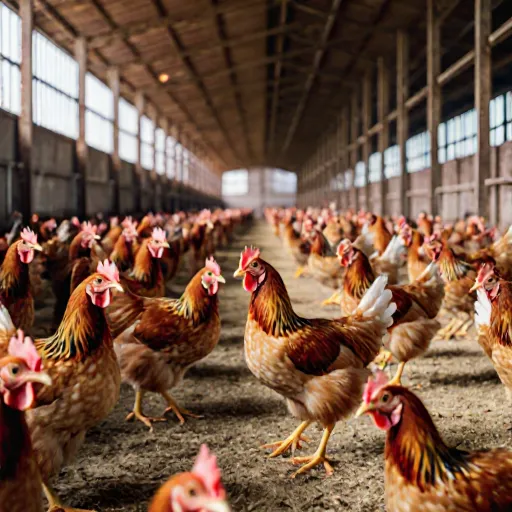
Maximize Profits with These Seasonal Tips!
Table of Contents
- Choosing the Right Broiler Variety for Winter
- Brooder Setup and Maintenance Tips for Winter
- Dietary Adjustments for Broilers in Winter
- Hydration Management in Winter
- Ventilation and Temperature Control in Winter
- Common Challenges in Winter Broiler Farming
- Winter Disease Prevention Tips for Broilers
- Summer Broiler Farming Tips: Choosing the Right Variety
- Brooder Setup and Maintenance Tips for Summer
- Dietary Adjustments for Broilers in Summer
- Hydration Management in Summer
- Ventilation and Temperature Control in Summer
- Common Challenges in Summer Broiler Farming
- Summer Disease Prevention Tips for Broilers
- Conclusion
- FAQ
Choosing the Right Broiler Variety for Winter
Choosing the right broiler variety for winter is crucial in seasonal broiler farming, as different breeds perform better under varying climatic conditions. Winter presents unique challenges that require specific broiler varieties adapted to withstand colder temperatures and maintain optimal growth rates and health.
Understanding Winter Conditions
The winter season typically brings lower temperatures, increased humidity, and shorter daylight hours compared to summer. These conditions can stress the broilers if not managed correctly. It is essential to choose a broiler variety that has been bred for resistance to cold stress, low feed intake, and high mortality rates.
Broiler Varieties Suitable for Winter
Some broiler varieties are specifically designed for winter conditions. These include:
- Local Breeds: Local breeds like the Kurotori, Hyoudai-baba, and Shaver have been adapted to local climates over generations, making them suitable for winter farming.
- Kurotori: Known for its excellent meat quality and adaptability to cold weather.
- Hyoudai-baba: A Japanese breed that performs well in cold environments with a high feed efficiency.
- Shaver: Native to the United States, this variety is known for its robustness and suitability for colder climates.
- Hybrid Breeds: Hybrids like Cobb 500 and Ross are widely used in commercial broiler farming. They can be modified by breeders to suit winter conditions better through cross-breeding with local breeds.
Poultry Management Tips for Winter
To ensure the health and productivity of your broilers during winter, consider these management tips:
- Proper Housing: Ensure that the broiler house is well-insulated and draft-free. Use heaters if necessary to maintain a temperature of around 23-25°C in the first week.
- Feeding Schedule: Increase feed intake during winter as energy requirements are higher due to lower temperatures. Provide a balanced diet rich in lysine, methionine, and other essential nutrients.
- Water Management: Cold water can lead to reduced consumption. Warm the water using heaters or by mixing warm water with cold water. Ensure that there is always clean drinking water available.
Practical Advice for Broiler Farmers
To maximize profitability and ensure successful winter broiler farming:
- Monitor your broilers regularly to detect any signs of stress or illness early. Prompt action can prevent the spread of diseases.
- Keep a detailed record of feed, water consumption, and mortality rates. This data will help you make informed decisions for future farming seasons.
- Consider consulting with poultry veterinarians or extension officers to get expert advice on broiler management during winter months.
In conclusion, choosing the right broiler variety is a critical decision in seasonal broiler farming. By selecting breeds adapted to cold weather and implementing proper management practices, you can ensure the health and productivity of your flock throughout the winter season.
Brooder Setup and Maintenance Tips for Winter
Winter presents unique challenges for brooder setup and maintenance, unlike its summer counterpart where higher temperatures allow for more open setups. In winter, maintaining a warm and hygienic environment is crucial for the health and growth of your chicks.
The first step in preparing your brooder setup for winter involves ensuring it's insulated effectively to retain heat. Materials such as bubble wrap, foam boards, or even old blankets can help insulate the brooder. This insulation is vital because cold winds and drafts can quickly chill your chicks.
Heating Options
Selecting the right heating option for winter brooding is essential. Heat lamps are a popular choice, but they require careful placement to avoid overheating or causing burns. Ensure that the heat lamp is positioned at least 12 inches above the floor and monitor it regularly. Additionally, infrared heaters can also be used effectively in a controlled environment.
Feeding and Watering
In winter, keeping feed and water warm is crucial for your chicks’ well-being. Consider using heated waterers to prevent freezing of water, which could lead to dehydration. Warm feed can also be provided by placing the feeder under a heat lamp or using a heating pad.
Regular cleaning and disinfection are key to maintaining a healthy brooding environment throughout winter. Once a week, thoroughly clean the brooder and replace soiled bedding materials with dry ones. Disinfecting tools and equipment prevents the spread of diseases.
Hygiene Practices
Maintaining cleanliness around the brooder helps prevent respiratory issues common in winter due to cold and damp conditions. Regularly check for any signs of wet bedding or stagnant water, which can lead to mold growth. Promptly address any such issues.
It's important to monitor the temperature and humidity levels regularly. Use a thermometer and hygrometer to ensure that the brooder maintains optimal conditions for your chicks' health and comfort. Ideal temperature ranges vary depending on the age of the chicks, but generally, they should be kept at around 90°F (32°C) during the first week and gradually lowered by 5 degrees Fahrenheit every few days until reaching room temperature.
Adapting to Winter Conditions
In comparison to summer brooding, winter requires more proactive measures. In summer, open setups are often preferred due to lower temperatures, whereas in winter, the focus shifts towards creating a warm and dry environment inside the brooder.
By following these setup and maintenance tips for your brooder during the winter season, you can ensure that your chicks thrive in their environment, leading to healthier and more successful farming practices. Remember, each farm is different, so it’s important to adapt these general guidelines to suit your specific needs and conditions.
Dietary Adjustments for Broilers in Winter
During winter, broilers face unique challenges that can impact their growth and health. Adjusting the diet accordingly is crucial to ensure optimal performance and efficiency throughout the colder months.
Understanding Winter Challenges
The cold weather in winter can lead to reduced feed intake by broilers due to decreased energy requirements for thermoregulation. This reduction in feed consumption can affect overall growth rates and meat quality if not managed properly. Additionally, poor ventilation in overcast or cold conditions can result in high ammonia levels within the poultry house, which can be detrimental to broilers’ respiratory health.
Key Dietary Adjustments
- Increase Energy Content: Winter diets should have a higher energy content compared to those used during summer. This increased energy helps broilers meet their extra metabolic demands for maintaining body temperature. For instance, incorporating more corn or wheat in the diet can boost the energy density of the feed.
- Example: A typical winter broiler ration might include 20-23% crude protein and up to 3400 kcal ME (Metabolizable Energy) per kilogram.
- Increase Protein Content: Although the energy content is increased, it's also important not to overlook the protein content. Higher protein levels help in muscle development but must be balanced with energy to avoid stress on the broilers' digestive systems.
- Example: Supplementing with amino acids like lysine or methionine can enhance protein efficiency without overfeeding.
- Incorporate Antioxidants and Vitamins: Cold stress increases the need for antioxidants to help broilers combat oxidative stress. Including vitamins C, E, and selenium in higher quantities ensures that birds have a robust immune system against infections which are more common during winter.
- Example: Adding vitamin C (ascorbic acid) at 200-300 ppm can significantly improve broilers' resistance to stress and disease.
- Promote Digestibility: Ensuring that feed ingredients are highly digestible is essential in winter when broilers have lower feed consumption. This can be achieved by using higher-quality grains, such as dehulled soybean meal or extruded feeds, which are more easily digested.
- Example: Extruding soybean meal increases its digestibility and palatability, leading to better feed efficiency.
- Adjust Water Intake: Cold weather can lead to reduced water consumption. To counter this, it is advisable to provide warm water (around 25°C) instead of cold water. Additionally, frequent cleaning and maintenance of waterers are essential to prevent contamination.
- Example: Ensuring that broilers have access to clean, warm drinking water can improve their overall health and performance.
Practical Tips for Winter Broiler Farming
To maximize the effectiveness of dietary adjustments during winter, consider implementing the following practices:
- Maintain Consistent Feeding Schedules: Ensure that broilers are fed at regular intervals to maintain their energy and protein needs. This consistency helps in managing feed intake efficiently.
- Monitor Feed Intake Closely: Use feeders equipped with sensors or manual checks to track feed consumption accurately. This data can guide adjustments to the diet if necessary.
- Improve Ventilation and Air Quality: Proper ventilation helps in maintaining air quality, reducing ammonia levels, and preventing respiratory issues. However, care should be taken not to overventilate as it can lead to cold drafts affecting broilers directly.
In conclusion, dietary adjustments are a critical aspect of winter broiler farming. By carefully balancing energy, protein, vitamins, and other nutrients while addressing challenges like reduced feed intake and poor ventilation, farmers can ensure that their broilers grow optimally during the colder months.
Hydration Management in Winter
Managing hydration is a critical aspect of broiler farming, especially during the winter months when environmental conditions can significantly impact water consumption and bird health. In contrast to the summer, where higher temperatures encourage increased fluid intake, winter presents its own set of challenges that require careful management.
Understanding Winter Hydration Challenges
The cold weather in winter can lead to reduced water consumption as broilers are less inclined to drink more water due to the lower ambient temperature. This reduction in hydration can have serious consequences for bird health and performance, as adequate hydration is essential for maintaining body temperature, digestion, and overall physiological processes.
Strategies for Effective Hydration Management
To ensure that broilers are adequately hydrated during winter, farmers should implement the following strategies:
- Heated Drinking Fountains: Installing heated waterers can help maintain water temperature and encourage birds to drink more. Ensuring that the water is not too hot or cold is crucial as extreme temperatures can deter consumption.
- Monitor Water Quality: In winter, water can become colder faster than feed, which may lead to contamination if not properly managed. Regularly checking and cleaning waterers helps maintain hygiene and prevent bacterial growth.
- Adjust Feeding Patterns: Some farmers adjust their feeding schedules during winter to ensure that broilers are consuming enough fluids throughout the day. Offering more frequent small meals can help increase overall intake, including water.
Practical Examples and Case Studies
Case Study: A local farm implemented heated waterers in their broiler sheds during winter. The implementation led to a 15% increase in average daily water consumption among the birds. This resulted in improved bird performance, enhanced weight gain, and better health outcomes.
Another example is a farmer who adjusted feeding times to include more frequent small feedings, which also helped increase overall fluid intake by ensuring that broilers had access to food and water at regular intervals throughout the day.
Conclusion
In summary, proper hydration management during winter months is essential for maintaining optimal health and performance in broiler farming. By understanding the challenges of reduced water consumption and implementing effective strategies such as heated drinking fountains and adjusted feeding patterns, farmers can significantly improve bird welfare and production efficiency.
Ventilation and Temperature Control in Winter
Seasonal broiler farming requires careful management of ventilation and temperature control, especially during winter months when environmental conditions can be challenging. Proper management ensures optimal growth, health, and welfare of the broilers while minimizing stress and maintaining productivity.
The cold weather in winter poses several challenges to broiler farming. Low temperatures can lead to increased heat production from the birds themselves, which must be managed through effective ventilation and temperature control systems. The goal is to maintain a balance between providing adequate airflow for air quality and preventing drafts that could cause stress or illness.
Proper ventilation is crucial in winter to prevent the buildup of ammonia, carbon dioxide, and other harmful gases. These by-products accumulate more rapidly at lower temperatures as the air does not exchange as quickly with the outside environment. Here are some tips for effective ventilation:
- Adjusting Ventilation Rates: Increase ventilation rates slightly compared to summer to allow for better gas exchange without causing cold drafts. A 20-30% increase in air movement is often sufficient.
- Use of Exhaust Fans: Ensure that exhaust fans are running continuously during winter months to keep the environment dry and fresh, which also helps prevent respiratory problems.
- Proper Placement of Fans: Place fans strategically so they distribute air evenly across the entire barn. This prevents hot spots and ensures uniform temperature distribution throughout the broiler house.
The primary objective during winter is to keep the birds comfortable without overheating them. Overheating can lead to increased feed consumption, reduced growth efficiency, and higher mortality rates. Here are some strategies for controlling temperature effectively:
- Use of Heating Systems: Install infrared heaters or heat lamps strategically within the broiler house to provide localized heating where needed without creating direct drafts.
- Insulation: Ensure that the barn is well-insulated to retain warmth. Proper insulation can significantly reduce energy costs and improve bird welfare by maintaining a stable temperature throughout the day.
- Heating Mats: For smaller broiler houses, heating mats placed under feeders or waterers can provide additional localized heat for birds that may not be able to find sufficient warmth elsewhere.
To implement these strategies effectively, it is important to monitor environmental conditions regularly. Consider installing automated systems that adjust ventilation and heating based on real-time data such as temperature and humidity levels.
Example: A typical winter scenario might involve setting up a system where the ventilation rate automatically increases by 10% when the temperature drops below 2°C, while infrared heaters are activated to maintain a comfortable range of 30-35°C. This setup ensures that the broilers remain healthy and grow efficiently without undue stress.
In conclusion, managing ventilation and temperature control in winter is essential for successful broiler farming. By understanding the challenges posed by cold weather and implementing appropriate measures such as proper ventilation, strategic heating placement, and regular monitoring, farmers can ensure optimal conditions that support robust growth and health of their broilers.
Common Challenges in Winter Broiler Farming
Seasonal variations significantly impact broiler farming, and winter presents unique challenges that differ from those faced during summer. Addressing these common issues is crucial for maintaining optimal growth rates, health, and productivity in your broiler farm.
The cold weather of winter can lead to various environmental stressors that affect broilers. Maintaining a consistent temperature within the broiler house is essential; however, it's equally important not to overheat the area as this can have negative effects on broilers' respiratory health.
Proper insulation and ventilation are key components of environmental management during winter. Over-insulation leads to overheating, which can cause discomfort and stress for the birds. On the other hand, insufficient insulation results in cold drafts that can chill the chickens. The ideal temperature range for broilers is typically between 28°F and 95°F (14°C to 35°C). It's important to monitor these conditions closely and adjust as needed.
Example: In one case, a farmer observed higher mortality rates during winter when the house was too cold. By increasing the insulation around the broiler house and installing a more efficient ventilation system, they were able to maintain optimal temperatures without compromising air quality or causing discomfort.
Broilers in winter require a slightly different nutritional profile compared to those reared during summer. Cold weather increases the birds' metabolic rate, which can lead to higher energy requirements. Ensuring that their feed contains adequate levels of protein and calories is essential.
Incorporating more fats into the diet can help improve energy efficiency and heat production in broilers. Additionally, providing extra vitamins and minerals, especially vitamin D3, can enhance bone health and support overall immune function during winter months when sunlight exposure may be limited.
Practical Advice: A balanced feed formulation tailored to the specific needs of your flock is crucial. Consulting with a veterinarian or animal nutritionist who specializes in poultry can provide valuable insights into adjusting feeds for colder seasons.
Increased susceptibility to respiratory diseases during winter is another significant challenge faced by broiler farmers. Cold, dry air promotes the spread of airborne pathogens such as Newcastle disease virus and Salmonella bacteria.
To mitigate this risk, maintaining high hygiene standards within the farm is vital. Regular cleaning and disinfection of feeders, drinkers, and other equipment are essential steps. Additionally, vaccinating your broilers according to recommended schedules can help protect them against common illnesses.
Example: One farmer noted a significant improvement in health status by implementing regular vaccination programs combined with improved hygiene practices. This approach reduced the incidence of respiratory diseases and improved overall flock performance.
Winter days are shorter, which can affect broiler growth patterns if not managed properly. Extended exposure to light helps stimulate feed intake and prevents cannibalism among birds kept in confined spaces.
Adjusting lighting schedules by extending the duration of artificial lighting during winter can help compensate for reduced natural daylight hours. This adjustment should be gradual to avoid sudden changes that could stress the birds.
Practical Tip: Gradually increasing daily light exposure over a period of several days ensures smooth adaptation to longer daylight cycles, promoting better feed conversion efficiency and overall well-being.
Cold temperatures can cause water lines to freeze, leading to dehydration in broilers. Ensuring that all water sources are protected from freezing is critical during winter months.
Installing heaters within the water lines or using anti-freeze solutions can prevent freezing issues while maintaining the health and performance of your flock. Regular checks on these systems ensure they remain effective throughout the season.
Example: A farmer reported significant improvements in broiler health after installing insulated water lines equipped with heaters, resulting in fewer instances of dehydration-related problems.
Winter Disease Prevention Tips for Broilers
Winter can present unique challenges to broiler farming, with cold temperatures and lower light conditions affecting both the birds' health and productivity. Here are some essential tips to ensure your winter broilers remain healthy and productive:
1. Proper Housing and Ventilation
To prevent respiratory diseases common in winter, it is crucial to maintain proper housing and ventilation. Ensure that the broiler houses are well insulated against cold winds but have adequate airflow for air quality. Avoid over-ventilating during cold spells as this can lead to drafts that chill the birds. Regular maintenance of heating systems is also essential.
Example: If your house fans are not working efficiently, consider replacing them or cleaning out any blockages to ensure proper airflow.
2. Nutritional Management
Nutrition plays a vital role in keeping broilers healthy during winter. Provide a balanced diet that includes adequate levels of vitamins and minerals, particularly vitamins A, D, E, and B-complex as these support the immune system against stressors like cold weather.
Practical Advice: Consult with your veterinarian or nutritionist to adjust feed formulations based on environmental conditions. Consider adding antioxidants such as vitamin C and selenium to enhance the birds' resistance to disease.
3. Hydration
Water consumption is crucial for broilers, especially in winter when water can freeze if not managed properly. Ensure that waterers are regularly checked and cleaned to prevent contamination. Use heated waterers or ensure there is a heat source nearby to maintain the temperature of the water.
Example: If you notice water consumption dropping, check for any blockages in the water system and consider using heaters specifically designed for broiler houses.
4. Biosecurity Measures
In winter, when disease pressure is high due to the close quarters of broilers and reduced outdoor movement, it's critical to implement strict biosecurity measures. This includes regular cleaning and disinfection of facilities, controlling access to the farm, and practicing good hygiene among staff.
Practical Tips: Train all farm personnel on proper hand washing procedures and ensure they understand the importance of wearing clean clothing and footwear when entering or leaving the broiler house. Regularly inspect visitors for signs of disease before allowing them onto the property.
5. Monitoring and Early Intervention
Regular monitoring of your broilers is key in winter to catch any potential health issues early on. This includes observing behavior, eating habits, water consumption rates, and body weight trends. Early intervention can significantly improve outcomes when treating sick birds.
Example: If you notice lethargic birds or changes in feed consumption, it is advisable to consult a veterinarian promptly for diagnosis and treatment.
Conclusion
Winter poses distinct challenges that require careful management to ensure the health and productivity of your broilers. By focusing on proper housing, nutritional support, hydration management, robust biosecurity practices, and vigilant monitoring, you can effectively prevent winter diseases in your broiler flock.
Summer Broiler Farming Tips: Choosing the Right Variety
When it comes to summer broiler farming, choosing the right variety of broilers is crucial for optimal growth and productivity. Unlike winter, where slower-growing breeds might be more suitable due to cooler temperatures, summer conditions demand a focus on heat tolerance and rapid weight gain.
Summer broilers are exposed to higher ambient temperatures, which can significantly affect their growth rate and health. Therefore, selecting breeds that have been specifically developed for heat tolerance is essential. Some popular varieties include:
- Local Native Varieties: Breeds like the Rermeth and Hakha native to Southeast Asia are known for their resilience in hot climates. These breeds have adapted over generations to cope with high temperatures, making them ideal for summer broiler farming.
- Hybrid Varieties: Modern hybrid broilers like the Brahma and Roya are bred to perform well in warm conditions. They have a higher body weight at maturity and can withstand temperatures up to 35°C.
A rapid growth rate is crucial during the summer months when feed consumption is higher due to increased energy requirements for heat dissipation. Choosing broiler varieties that grow quickly ensures efficient conversion of feed into meat, reducing costs and time.
- Fast-Growing Hybrids: Varieties like the Brahma Hybrid or Roya Hybrid are designed for rapid growth. They reach market weight in less than 70 days, making them perfect for summer broiler farming.
In addition to choosing the right breed, managing environmental factors is vital for successful summer broiler farming. Here are some practical tips:
- Provide Adequate Shade and Ventilation: Ensure that broilers have access to shaded areas where they can cool themselves off during the hottest parts of the day.
- Water Access: Fresh, clean water is crucial for keeping broilers hydrated. Provide multiple sources of water to reduce crowding and stress.
- Adjust Feeding Practices: Feed broilers earlier in the morning or later in the evening when temperatures are cooler. Avoid feeding during peak heat periods.
Selecting the right variety of broiler for summer farming is a critical decision that can impact your overall success as a farmer. By choosing breeds that are resilient to high temperatures and promoting rapid weight gain, you can ensure healthy growth and efficient production. Implementing strategies to manage heat stress will further enhance the well-being of your flock.
Brooder Setup and Maintenance Tips for Summer
During summer, brooding setups require specific adjustments to ensure that your chicks remain healthy and comfortable throughout their early stages of development.
Temperature Management
Summer temperatures can soar quickly, making it essential to manage the brooder temperature carefully. Unlike winter when higher temperatures are a concern, in summer you must focus on preventing overheating. Start with an initial temperature setting that is slightly lower than what you would use in winter. For example, if you typically set up your brooder at 95°F for the first week, aim for around 85°F instead.
Use a thermometer and monitor the temperature frequently. Adjust the heat lamp or light as needed to maintain the optimal range. If the area gets too hot, consider moving the heat source farther away from the chicks or increasing ventilation by opening windows slightly.
Humidity Control
In summer, humidity levels can drop significantly due to higher temperatures and reduced water intake of the chicks. Maintaining proper humidity is crucial for preventing respiratory issues and ensuring healthy feather development. Use a hygrometer to measure the relative humidity in the brooder.
For the first two weeks, aim for 60-70% humidity. After this period, reduce it to around 40-50%. To increase humidity, you can mist the area with water or use a humidifier. If the humidity is too low, the chicks may exhibit signs of dehydration and respiratory distress.
Ventilation and Air Quality
Summer brings its own set of challenges in terms of ventilation. The goal is to keep air quality high while preventing overheating and drafts that can chill your chicks. Ensure that there are no direct drafts, but provide enough fresh air circulation.
- Open windows slightly: This allows for cross-ventilation without causing cold drafts.
- Use fans carefully: Fans can help circulate the air and cool the brooder, but they should not blow directly on the chicks. Position them so that the air flow is gentle.
Hygiene and Cleanliness
Maintaining a clean environment is paramount in summer to prevent disease outbreaks caused by heat stress or poor hygiene. Regularly clean the brooder, removing any wet or soiled bedding material to reduce ammonia levels.
- Change bedding: Replace the bedding at least once per week or more frequently as needed.
- Clean feeders and waterers: Ensure that these are kept clean to avoid contamination.
Feeding and Watering
In summer, the chicks may drink less water due to increased heat stress. To encourage water consumption, provide cool water and consider adding electrolytes to prevent dehydration.
Offer a balanced diet that meets their nutritional needs for growth. Ensure that feeders are positioned in a way that prevents spillage, as wet feed can spoil more quickly in hot weather.
Poultry Health Tips
Monitor your chicks closely for signs of heat stress such as lethargy, labored breathing, or decreased activity. If you notice any issues, take immediate action to cool the environment and provide fresh water.
- Provide cooling stations: Install small fans or misters if possible to help cool down your chicks during extreme heat spells.
- Adjust lighting schedules: If you are using artificial lighting, consider adjusting the schedule to avoid peak heat periods when the lights are on.
By following these tips for brooder setup and maintenance in summer, you can help ensure that your chicks thrive in this challenging season. Remember, each flock is different, so it's important to adjust your practices based on specific environmental conditions and chick behavior.
Dietary Adjustments for Broilers in Summer
In summer, broilers face a unique set of challenges that can affect their growth and health. The high temperatures, humidity, and increased respiratory stress require specific dietary adjustments to ensure optimal performance and welfare. Here are some key points for dietary management during the summer season in seasonal broiler farming:
The heat stress in summer leads to higher water consumption by broilers, which is critical for cooling purposes. Ensuring adequate hydration is essential. Increase the availability of fresh and cool drinking water. Consider using waterers that have built-in coolers or provide shade and ventilation around waterers to reduce water temperature.
In summer, broilers need fewer calories as they are less active due to the heat stress. Overfeeding can lead to obesity, which exacerbates heat stress. Adjust feed intake by reducing the amount of concentrate in the diet and increasing the proportion of roughages like wheat bran or corn silage. This not only reduces energy density but also provides additional fiber for better digestion.
The quality of protein becomes more crucial during summer as broilers need amino acids to build proteins that help in thermoregulation. Incorporate high-quality sources of protein such as soybean meal, fishmeal, and blood meal into the diet. These ingredients are rich in essential amino acids which support muscle development and enhance heat tolerance.
Heat stress increases oxidative stress in broilers, leading to faster weight gain but at a higher risk of disease and reduced welfare. Supplementing the diet with antioxidants like vitamins E and C can help mitigate this effect. These vitamins act as free radical scavengers, protecting cells from damage caused by excessive heat.
Salt and electrolytes play a vital role in maintaining fluid balance under high temperature conditions. Broilers in summer may need more sodium and chloride through their feed or drinking water to replace those lost due to panting. Adding small amounts of salt to the diet can help maintain this balance effectively.
The feed formulation should also consider incorporating heat-stressed broilers' specific needs. Ingredients like calcium carbonate or sodium bicarbonate can be added to neutralize acid produced in the crop, which helps alleviate digestive issues common during hot weather.
- Increase Water Availability: Use multiple waterers per pen, especially in large broiler houses. Ensure that they are cleaned regularly to prevent contamination which can lead to health issues.
- Monitor Feed Intake: Regularly check feed consumption levels and adjust as necessary based on environmental conditions and bird behavior.
- Adjust Feed Formulation: Work with a nutritionist who understands seasonal farming tips. They can provide tailored advice specific to your location and broiler strain.
By implementing these dietary adjustments, you can help your broilers perform better during the summer months. Remember that each farm is unique, so it's important to monitor closely and adapt strategies as needed based on individual flock health and performance metrics.
Hydration Management in Summer
During summer, managing hydration is crucial for broilers as high temperatures can lead to increased water consumption and faster dehydration. Proper hydration ensures optimal growth, health, and performance of the birds during this critical season.
Understanding Summer Hydration Needs
The summer season brings with it higher ambient temperatures which can significantly affect broilers' physiological processes. Increased heat stress leads to increased respiration rates, more panting, and higher water demand from the birds. Ensuring that broilers have access to clean, fresh water at all times is essential for their well-being.
Water Quality and Source
The quality of the water source is just as important in summer as it is during other seasons. Ensure that the water is free from pathogens, heavy metals, and other contaminants that could compromise bird health. Using clean, filtered water helps prevent illness and supports better feed efficiency.
        <h3>Water Quality Testing</h3>
        <p>Regularly test the water for pH levels, chlorine content, and total dissolved solids to ensure it meets your broilers' requirements. Adjust as needed based on these tests.</p>
Hydration Management Strategies
- Water Fountains: Ensure that water fountains are strategically placed throughout the farm so that birds can access them easily. In summer, frequent cleaning of these fountains is essential to prevent contamination and ensure hygiene.
- Water Distribution: Monitor water distribution systems regularly during summer months to identify any leaks or blockages which could affect water availability.
- Temperature Control: Install misting systems or evaporative coolers in the farm area. These can help lower ambient temperatures and reduce stress on the birds, thereby enhancing their hydration levels.
Practical Tips for Summer Hydration Management
- Increase Water Intake: Provide additional water during the hottest parts of the day when broilers have increased water consumption needs due to higher temperatures and stress.
- Monitor Water Consumption: Regularly check the amount of water being consumed by your flock. This can help you identify potential issues early on, such as decreased water intake which may indicate health problems or other concerns.
- Prediction and Preparation: Based on historical data from previous summers, predict when temperatures will rise significantly and prepare accordingly by ensuring all necessary equipment is in good working order.
By focusing on these aspects of hydration management during the summer season, you can help ensure that your broilers remain healthy and productive. Remember, the key to effective hydration management lies in understanding each bird's specific needs and adapting practices accordingly throughout different stages of their growth cycle.
Ventilation and Temperature Control in Summer
In summer, seasonal broiler farming presents unique challenges compared to winter due to higher temperatures and increased humidity levels. Proper ventilation and temperature control are crucial for maintaining optimal growing conditions that ensure the health and productivity of your broilers.
The summertime heat can significantly stress broilers, leading to reduced feed efficiency, slower weight gain, and higher mortality rates. To combat these issues, effective ventilation strategies must be implemented. High humidity levels also play a key role in summer farming by affecting both the birds' comfort and growth rates.
- Proper Airflow: Ensure that air is moving freely throughout the farm. Proper airflow helps to regulate temperature and humidity levels, which are critical factors during hot weather. Implementing cross-ventilation systems or using fans can help improve air circulation.
- Humidity Control: Managing humidity levels is equally important as controlling temperature. Excessive moisture can lead to respiratory issues and poor air quality. Use dehumidifiers or misters that release cool water vapor into the air, which helps lower both temperature and humidity simultaneously.
- Positioning of Broilers: Place broilers in such a way that they are not directly exposed to strong drafts but still receive adequate airflow. This setup ensures even distribution of cool air, preventing any hotspots within the barn where temperatures could rise too high.
Example: Fans should be placed strategically around the barns so that they create a gentle breeze across the broilers without causing discomfort. A good rule of thumb is to have at least one fan for every 5,000 square feet of floor space.
Example: Install a digital hygrometer to monitor relative humidity levels within your barns. Aim for an ideal range of 60-70% to prevent excessive moisture buildup.
Temperature management in summer requires constant monitoring and adjustments based on environmental conditions outside your farm. Here are some practical tips:
- Adjusting Feed Formulations: During hot weather, broilers often eat less than they do during cooler months. Adjusting the feed formulation to include more fat content can help maintain energy intake and promote better weight gain despite reduced appetite.
- Water Quality: Clean water is essential for broilers in summer because it helps them stay hydrated and cool down their bodies through evaporation. Install automatic drinkers that provide fresh, clean water at all times. Additionally, consider using waterers with cooling features to further enhance hydration during hot spells.
- Shade Provision: Providing adequate shade can greatly alleviate stress caused by high temperatures. This can be achieved by installing shaded areas within the barns or using reflective materials outside to reduce heat absorption.
The key to successful summer broiler farming lies in continuous monitoring of environmental factors like temperature, humidity, and airflow. Farmers should regularly check these parameters throughout the day and make necessary adjustments as conditions change. Automated systems can be particularly helpful here by providing real-time data and alerts whenever thresholds are breached.
By implementing these ventilation and temperature control strategies tailored for summer farming, you can significantly improve broiler performance and overall flock health. Remember, every farm is unique; therefore, it's important to tailor these suggestions according to your specific needs and circumstances.
Common Challenges in Summer Broiler Farming
Summer broiler farming presents unique challenges that differ significantly from those encountered during winter. The high temperatures, humidity, and increased pest activity can severely impact broiler health and productivity if not managed properly. Here are some of the common challenges faced in summer broiler farming:
Heat Stress
One of the most significant issues in summer broiler farming is heat stress. High temperatures can lead to reduced feed intake, slower growth rates, and increased mortality rates if not addressed promptly.
- Water Consumption: Ensure that there is an adequate supply of clean water at all times. Encourage higher consumption by providing cool water through misting systems or cooling pads.
- Shade and Ventilation: Provide ample shade to reduce heat stress. Ensure proper ventilation in the broiler houses to maintain a comfortable temperature for the birds.
Increased Mortality Rates
The high temperatures can lead to higher mortality rates, which is a significant concern for farmers. To mitigate this:
- Optimal Management Practices: Regularly monitor the broilers' health and adjust feeding schedules as necessary.
- Hygiene: Maintain high standards of hygiene to prevent disease outbreaks, which can be exacerbated by heat stress.
Pest Control
The increased humidity and warmer temperatures in summer attract more pests such as flies, mosquitoes, and rodents. These pests not only spread diseases but also contaminate feed and water supplies:
- Chemical Controls: Use appropriate insecticides and rodenticides to control pest populations.
- Natural Methods: Introduce natural predators like ducks or geese into the farm to control pests. Ensure these measures are used in compliance with local regulations.
Fuel and Electricity Costs
The need for cooling systems, fans, and misting can significantly increase fuel and electricity costs:
- Energy Efficiency: Invest in energy-efficient equipment to reduce long-term costs.
- Solar Power: Consider the use of solar power systems for cooling and lighting if feasible and cost-effective.
Poor Feed Conversion Ratio (FCR)
In summer, broilers may consume less feed due to reduced activity levels, leading to a higher FCR. This can reduce profitability:
- Adapt Feeding Schedule: Adjust the feeding schedule based on environmental conditions to maximize feed efficiency.
- Quality Feed: Ensure that the diet is of high quality and meets all nutritional requirements, even in hot weather.
Practical Tips
Here are some practical tips for managing summer broiler farming effectively:
- Regular Monitoring: Regularly check the birds' health, growth rates, and feed intake.
- Adjustment Based on Conditions: Be prepared to make adjustments based on real-time environmental conditions and bird behavior.
- Training Staff: Ensure that staff are well-trained in managing heat stress and other challenges during the summer months.
In conclusion, while summer presents several challenges for broiler farming, with careful management, these challenges can be effectively addressed. By focusing on maintaining optimal environmental conditions, implementing appropriate pest control measures, and monitoring bird health regularly, farmers can ensure successful broiler production even in the heat of summer.
Summer Disease Prevention Tips for Broilers
During summer, broiler farming presents unique challenges due to high temperatures and increased humidity levels. Proper disease prevention is crucial to ensure the health of your flock and maximize production efficiency. Below are some key tips that align with seasonal considerations, specifically tailored for summertime.
1. Maintain Optimal Environment
The heat stress during summer can significantly impact broiler performance. Ensuring a cool environment is the first step in preventing diseases. Here’s what you should do:
- Airflow Management: Proper ventilation helps to keep the indoor temperature comfortable for your birds. Use fans strategically and ensure that fresh air can circulate freely throughout the barn.
- Water Supply: Provide clean, cool water at all times. Birds often consume more water in hot weather, so make sure you have an adequate supply of clean waterers.
- Ideal Temperature: Aim for a temperature range between 24°C to 30°C (75°F to 86°F) depending on the bird's age. Monitor and adjust the environment as necessary.
2. Hygiene and Sanitation
Cleanliness plays a major role in disease prevention, especially in summer when bacteria can thrive more easily due to higher temperatures and humidity levels.
- Daily Cleaning: Regularly clean the feeding areas, drinking waterers, and living quarters to prevent the buildup of harmful microorganisms.
- Disinfection: Use appropriate disinfectants between batches. Focus on cleaning and disinfecting the entire farm at least once a month or more frequently if necessary.
3. Vaccination and Medication
Vaccinations are critical in summer as diseases can spread more rapidly due to environmental stressors. Proper medication usage is also important for preventing outbreaks of common summertime illnesses.
- Schedule Vaccinations: Follow a strict vaccination schedule and consider consulting with your veterinarian on the best time to vaccinate during summer months.
- Medication: Use antibiotics or other medications only when necessary, following veterinary advice. Overuse can lead to antibiotic resistance and may be harmful for both birds and humans.
4. Diet and Nutrition
The diet provided during summer should support the bird’s energy needs while also helping them combat heat stress. Proper nutrition is essential to maintain strong immune systems.
- Energy Needs: Increase dietary energy content slightly to help birds cope with heat stress. Consult your nutritionist for specific recommendations based on your flock's age and size.
- Vitamins and Minerals: Ensure that the diet includes sufficient levels of vitamins and minerals, particularly those involved in metabolism and immune function.
5. Observation and Early Intervention
Regular monitoring is key to catching potential issues early on before they become major health problems. Early intervention can save a lot of time, money, and stress for the farmer.
- Daily Rounds: Conduct regular inspections of your flock to look out for signs of illness or distress.
- Consultation: Have a veterinarian on call who can provide immediate advice if you notice any unusual behavior or health issues in your broilers.
By following these tips, you can help ensure that your summer broiler flock remains healthy and productive. Remember to adapt these guidelines based on the specific conditions of your farm and local climate.
Conclusion
Seasonal broiler farming presents unique challenges and opportunities for farmers depending on the time of year. In winter, the cold weather can impact feed intake and growth rates, necessitating careful management to ensure optimal conditions. Farmers should provide adequate insulation in the sheds, maintain consistent temperature control, and ensure that water is not frozen. Feeding schedules may need adjustment to accommodate lower energy requirements due to reduced activity levels. For instance, during winter, broilers might require more time for digestion, so longer feeding intervals can be beneficial.
On the flip side, summer brings its own set of issues such as high temperatures and humidity, which can lead to heat stress in broilers. To mitigate these effects, farmers should focus on providing ventilation and cooling systems within the sheds. Mist cooling systems or evaporative coolers are effective strategies for reducing ambient temperature. Additionally, adjusting feed composition during summer is crucial; higher levels of certain nutrients like lysine and methionine can help enhance heat tolerance.
Water consumption increases significantly in hot weather to aid in thermoregulation, so ensuring an uninterrupted supply of clean water is paramount. Farmers should also consider using deep litter bedding or alternative flooring materials that provide better insulation against the floor. Regular monitoring of broiler health and growth during summer months ensures timely intervention if any issues arise.
In both seasons, maintaining hygiene standards is critical to prevent disease outbreaks. Implementing robust biosecurity measures, regular cleaning schedules, and vaccination programs are essential practices. Proper waste management also plays a vital role; efficient removal of manure not only keeps the environment cleaner but also reduces ammonia levels that can affect broiler health.
For successful seasonal broiler farming, it's important to stay informed about local weather patterns and adjust practices accordingly. Farmers should consult with veterinarians or agricultural extension services for tailored advice based on specific geographic conditions. By understanding how different seasons impact broiler performance and making appropriate adjustments, farmers can achieve higher productivity rates throughout the year.
FAQ
1. What are the Key Differences Between Winter and Summer Broiler Farming?
The primary differences in broiler farming between winter and summer lie in environmental conditions, feed efficiency, and disease management.
- Temperature Control: In winter, maintaining a consistent temperature is crucial for broilers. Higher temperatures can lead to heat stress, while lower temperatures can slow down growth rates. In contrast, summer requires cooling measures to prevent overheating and ensuring optimal feed conversion ratios.
- Feed Efficiency: Broilers grown in winter tend to be more efficient due to milder weather conditions that promote faster weight gain. Conversely, broilers during the summer face challenges such as heat stress which can reduce feed efficiency.
- Disease Management: Winter sees a higher prevalence of respiratory diseases like Pasteurellosis and Bronchitis due to cold drafts in sheds. In summer, heat stress increases the risk of coccidiosis and other temperature-sensitive diseases.
2. How Do You Adapt Broiler Housing for Different Seasons?
The adaptation of broiler housing is vital for managing seasonal changes effectively.
- In Winter: Ensure proper insulation and ventilation to maintain a stable temperature range between 30°F (25°C) and 41°F (5°C). Regular cleaning and disinfection are essential to prevent the spread of diseases. Consider using heaters or heat lamps if necessary.
- In Summer: Focus on cooling systems such as misters, fans, and water sprinklers to keep the broilers cool. Proper ventilation is crucial to remove excess moisture and heat from the sheds. Ensure that the humidity levels are maintained between 60-75% to prevent respiratory issues.
3. What Feed Adjustments Are Necessary for Broilers in Different Seasons?
Feed adjustments can significantly impact broiler performance and health during different seasons.
- In Winter: Increase the protein content slightly to support faster growth rates, especially if feed efficiency is not compromised by cold stress. Ensure that the diet includes sufficient vitamins and minerals to boost immunity against respiratory diseases.
- In Summer: Opt for feeds with higher energy content to provide extra calories needed to cope with heat stress. Adjust the protein levels according to the broilers’ requirements, as excessive protein can exacerbate dehydration. Add electrolytes to drinking water to help maintain hydration and balance.
4. How Do You Manage Broiler Health in Different Seasons?
Disease management is critical for maintaining optimal flock health throughout the year.
- In Winter: Regularly monitor broilers for signs of respiratory distress and provide prompt treatment with antibiotics if needed. Vaccination schedules should be closely followed to prevent outbreaks of diseases like Newcastle Disease (ND) and Infectious Bronchitis Virus (IBV).
- In Summer: Focus on preventing dehydration by ensuring adequate access to clean water. Implement strict hygiene practices, including regular cleaning of feeders and drinkers. Monitor for signs of heat stress-related issues such as reduced feed intake and increased mortality.
5. Are There Any Seasonal Considerations for Broiler Management Practices?
Sustainable broiler farming practices are essential, especially during the challenging periods of winter and summer.
- In Winter: Pay attention to light duration management to ensure optimal feed intake. Avoid overcrowding in sheds as it can exacerbate respiratory issues caused by cold stress.
- In Summer: Implement rotational grazing if possible, allowing broilers access to shade and grass areas during the hottest parts of the day. Regularly check water quality and cleanliness to prevent contamination that could lead to disease outbreaks.
Categories
- AI & Enrichment Play
- Broiler Farming
- Broiler Farming Tips
- Canine Wellness & Longevity
- Cat
- Cat & Human Connection
- Cat Adoption & Rescue
- Cat Breeds
- Cat Breeds & Personalities
- Cat Care & Health
- Cat Grooming & Hygiene
- Cat Lifestyle & Environment
- Cat Myths & History
- Cat Nutrition & Diet
- Cat Products & Reviews
- Cat Training & Behavior
- Comparison
- Consumer Awareness
- Dog
- Dog Accessories & Products
- Dog Adoption & Rescue
- Dog Breed & Lifestyle Trends
- Dog Breeding & Puppies
- Dog Entertainment & Media
- Dog Fashion & Trends
- Dog Fun & Lifestyle
- Dog Grooming & Hygiene
- Dog History & Culture
- Dog Myths, Science & Future Tech
- Dog News & Trends
- Dog Nutrition & Food
- Dog Psychology & Emotions
- Dog Safety & Security
- Dog Sports & Activities
- Dog Technology & Innovation
- Dog Training for Modern Owners
- Dog Travel & Adventure
- Dog Travel, Adventure & Culture
- Economic and Market Insights
- Educational Content
- FAQs
- Feeding Alternatives
- Festivals & Seasonal Ideas
- Fun & Entertainment
- General Knowledge
- General Pig Farming
- Health & Disease Management
- Housing and Environment
- Kittens
- Market Insights
- Miscellaneous
- Miscellaneous
- Motivational
- pig
- Pig Breeding
- Pig Breeds
- Pig Farming Stories and Inspiration
- Pig Health and Care
- Pig Nutrition
- Pig Products
- Profitability & Business
- Puppy Care
- Puppy Predictable Topics Reinvented
- Regional Focus
- Rescue & Adoption Buzz
- Senior Cats
- Senior Dog Care
- Smart Dog Tech & Gadgets
- Sustainability
- Sustainable & Eco-Friendly Dog Products
- Tech & Innovations
- Working & Service Dogs
- Broiler Feed66 products
- Country Feed33 products
- Pig Feed66 products
- Product22 products
- Raw Materials99 products
Products
-
 Fish Meal
₹1,999.00 – ₹2,999.00Price range: ₹1,999.00 through ₹2,999.00Rated 0 out of 5
Fish Meal
₹1,999.00 – ₹2,999.00Price range: ₹1,999.00 through ₹2,999.00Rated 0 out of 5 -
 FATTENING BROILER FEED
₹2,299.00 – ₹2,349.00Price range: ₹2,299.00 through ₹2,349.00Rated 0 out of 5
FATTENING BROILER FEED
₹2,299.00 – ₹2,349.00Price range: ₹2,299.00 through ₹2,349.00Rated 0 out of 5 -
 LAYER COUNTRY FEED
₹1,549.00 – ₹1,649.00Price range: ₹1,549.00 through ₹1,649.00Rated 0 out of 5
LAYER COUNTRY FEED
₹1,549.00 – ₹1,649.00Price range: ₹1,549.00 through ₹1,649.00Rated 0 out of 5 -
 COUNTER BROILER FEED
₹1,199.00 – ₹1,299.00Price range: ₹1,199.00 through ₹1,299.00Rated 0 out of 5
COUNTER BROILER FEED
₹1,199.00 – ₹1,299.00Price range: ₹1,199.00 through ₹1,299.00Rated 0 out of 5 -
 LACTATING PIG FEED
Rated 0 out of 5
LACTATING PIG FEED
Rated 0 out of 5₹2,299.00Original price was: ₹2,299.00.₹1,740.00Current price is: ₹1,740.00. -
 Maize
Rated 0 out of 5
Maize
Rated 0 out of 5₹1,650.00Original price was: ₹1,650.00.₹1,300.00Current price is: ₹1,300.00. -
 GESTATION PIG FEED (Phase 1)
Rated 0 out of 5
GESTATION PIG FEED (Phase 1)
Rated 0 out of 5₹2,249.00Original price was: ₹2,249.00.₹1,699.00Current price is: ₹1,699.00. -
 Pre Starter Broiler Feed
₹2,399.00 – ₹2,499.00Price range: ₹2,399.00 through ₹2,499.00Rated 0 out of 5
Pre Starter Broiler Feed
₹2,399.00 – ₹2,499.00Price range: ₹2,399.00 through ₹2,499.00Rated 0 out of 5 -
 FINISHER PIG FEED
Rated 0 out of 5
FINISHER PIG FEED
Rated 0 out of 5₹2,299.00Original price was: ₹2,299.00.₹1,749.00Current price is: ₹1,749.00. -
 Broiler Premix
Rated 0 out of 5
Broiler Premix
Rated 0 out of 5₹820.00Original price was: ₹820.00.₹699.00Current price is: ₹699.00.