
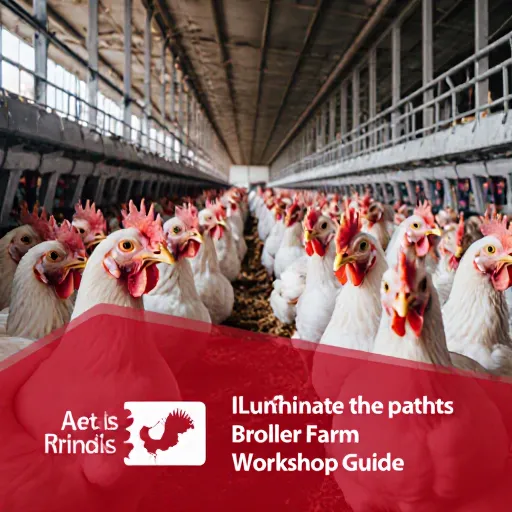
Unlock profit secrets from a broiler farm workshop.
Table of Contents
- Selecting the Right Broiler Breed for Your Area
- Understanding Broiler Farm Management Practices
- Designing an Ideal Broiler House Layout
- Proper Ventilation and Environmental Control in Broiler Farms
- Feeding Programs for Maximizing Broiler Performance
- Health Management and Disease Prevention Strategies
- Effective Waste Management Systems for Broiler Farms
- Introduction to Broiler Breeding Programs
- Feeding and Watering Equipment Selection
- Training and Skills Development of Broiler Farmers
- Case Studies from Successful Broiler Farms
- Addressing Common Challenges in Broiler Farm Operations
- Promoting Sustainable Practices in Broiler Farming
- Conducting Effective Follow-Up and Evaluation
- FAQs on Conducting Broiler Farm Workshops
- Conclusion
Selecting the Right Broiler Breed for Your Area
Selecting the right broiler breed for your area is crucial to ensure optimal performance, profitability, and sustainability of your broiler farm. The choice of broiler breed can significantly impact growth rate, feed efficiency, meat quality, and disease resistance. Conducting broiler farm workshops in your area can provide valuable insights into local conditions and needs, helping you make an informed decision.
Before selecting a broiler breed, it's essential to understand the environmental and climatic factors specific to your region. Factors such as temperature, humidity, altitude, and availability of feed resources can influence which broiler breed will perform best.
Climate Adaptation
Broilers bred for tropical regions may not thrive in cooler climates, and vice versa. For instance, breeds like the Local White Leghorn are well-suited to warm, humid conditions, while breeds such as Cobb or Ross perform better in temperate climates.
Conducting workshops can help you identify and promote locally sourced broiler breeds that are best suited to your area. These workshops should focus on:
- Local Needs Assessment: Identify the specific needs of local farmers regarding breed performance, feed efficiency, disease resistance, and market preferences.
- Breed Performance Analysis: Discuss the growth rate, feed conversion ratio (FCR), carcass yield, and meat quality of different broiler breeds available in your region.
- Disease Resistance: Highlight the importance of disease resistance, especially for local breeds that have adapted to common pathogens in your area.
Practical Advice
To ensure success with a particular broiler breed, consider these practical tips:
- Select Quality Stock: Purchase broiler chicks from reputable hatcheries to avoid introducing diseases or poor genetics.
- Promote Good Management Practices: Ensure proper feeding, hydration, and environmental control during the growing period. Workshops can provide training on best management practices for broilers.
- Diversify Your Breeding Stock: Consider maintaining a diverse breeding stock to enhance genetic diversity and resilience against diseases.
Selecting the right broiler breed is just one part of successful broiler farming. By conducting workshops in your area, you can gather valuable local knowledge and make informed decisions that will benefit both your farm and the broader agricultural community.
Understanding Broiler Farm Management Practices
Understanding broiler farm management practices is crucial for any professional or aspiring poultry farmer. Proper management ensures optimal growth, health, and productivity of broilers while minimizing risks such as disease outbreaks and environmental impact. Here’s a detailed guide to help you understand how to conduct effective workshops in your area.
The success of a broiler farm heavily depends on the implementation of best management practices. These include:
- Sanitation and Hygiene: Regular cleaning, disinfection, and pest control are essential to prevent disease outbreaks and ensure high-quality meat production.
- Nutrition: Providing a balanced diet that meets the specific nutritional requirements of broilers is vital for their health and growth. Nutrition workshops should focus on teaching farmers about protein levels, energy sources, vitamins, minerals, and feed management strategies.
- Vaccination and Disease Control: Implementing a comprehensive vaccination program and disease monitoring plan can protect your flock from various infectious diseases. Workshops should cover topics like immunization schedules, biosecurity measures, and treatment protocols.
- Environmental Management: Maintaining optimal environmental conditions is critical for broiler growth and health. This includes temperature control, humidity regulation, ventilation, and lighting management. Farmers should learn about the importance of these factors during workshops.
- Feeding and Watering Systems: Efficient feeding and watering systems ensure that broilers receive adequate nutrients and water at all times. Workshops can educate farmers on different types of feeders and drinkers, their installation, maintenance, and troubleshooting tips.
To effectively conduct workshops in your area, follow these steps:
- Identify Target Audience: Determine the type of farmers you want to reach. Are they small-scale or large commercial farms? Understanding their needs will help tailor the content and provide more relevant information.
- Plan the Workshop Content: Based on the identified audience, plan sessions that cover key topics such as broiler management practices, poultry health, feed management, and environmental control. Include hands-on activities if possible to enhance learning.
- Promote Your Workshops: Utilize various channels like social media, local agricultural extension services, and community centers to promote the workshops. Offer incentives or discounts for early registrants to attract more participants.
- Recruit Trainers: Ensure that your trainers are experienced in broiler farming and have the necessary qualifications. They should be able to provide practical advice and answer questions effectively.
- Provide Resources: Supply participants with reference materials such as brochures, manuals, and online resources to supplement their learning experience.
- Evaluate and Follow-Up: After the workshops, gather feedback from attendees to identify areas for improvement. Offer follow-up sessions or one-on-one consultations if needed.
To maximize productivity and profitability in your broiler farm:
- Monitor feed intake and growth rates regularly to detect any deviations early.
- Implement a strict disease control program, including vaccination schedules and biosecurity measures.
- Ensure consistent environmental conditions by maintaining appropriate temperature, humidity, ventilation, and lighting levels.
- Optimize feeding practices by adjusting feed intake based on weight gains and nutrient requirements.
- Stay updated with the latest research and industry trends to continuously improve management practices.
By understanding these broiler farm management practices and effectively conducting workshops in your area, you can contribute significantly to the success of local poultry farming communities. Remember that continuous learning and adaptation are key to maintaining a competitive edge in the poultry industry.
Designing an Ideal Broiler House Layout
When designing an ideal broiler house layout, it is crucial to consider several factors that will impact both productivity and hygiene. The design should be tailored to the specific requirements of your broiler farm, taking into account local conditions, available resources, and best practices in poultry farming. This section provides detailed insights into how you can conduct workshops in your area to guide farmers on designing their broiler houses.
- Space Utilization: Ensure that the layout maximizes space without compromising hygiene. Proper spacing between cages and feeders ensures easy access for cleaning and reduces stress on the birds.
- Airflow and Ventilation: Adequate ventilation is essential to maintain a healthy environment for the broilers. Natural ventilation can be supplemented with mechanical systems to ensure consistent airflow, which helps in controlling temperature and humidity.
- Hygiene and Sanitation: A well-designed layout should facilitate easy cleaning and disinfection of the house. Separate pathways for staff and visitors help prevent contamination from outside sources.
- Feeding and Watering Systems: Efficient feeding and watering systems are vital for optimal growth rates. Automated systems can reduce labor costs and ensure consistent feed intake.
- Lighting and Temperature Control: Proper lighting and temperature control help in reducing stress on the birds, leading to better weight gain and fewer health issues.
Organizing workshops is an effective way to disseminate knowledge and best practices among local farmers. Here are some practical steps you can follow:
- Identify Your Target Audience: Understand the needs of your target audience, which may include small-scale farmers, commercial farms, or extension officers.
- Purpose and Objectives: Clearly define the purpose and objectives of the workshop. This could range from basic broiler house design to advanced management techniques.
- Content Selection: Choose relevant topics that align with the needs of your audience, such as broiler housing design, feeding regimes, health management, and marketing strategies.
- Presentation Methods: Use a combination of lectures, demonstrations, and hands-on activities to engage participants. Practical exercises can include designing a mock broiler house or role-playing farm management tasks.
- Resource Materials: Provide attendees with handouts, manuals, and other reference materials that they can use for future reference.
- Follow-Up Activities: Encourage continuous learning by providing resources for further study. Follow-up meetings or online forums can help address any questions participants may have after the workshop.
To illustrate these concepts, consider sharing case studies from local farms that have successfully implemented efficient broiler house designs. For example:
- A farm in your area that optimized space utilization by using multi-tiered cages.
- Another farm that introduced automated feeding systems to reduce labor costs and improve feed efficiency.
In conclusion, designing an ideal broiler house layout is not just about building structures; it's about creating a system that supports optimal growth and health of the birds. By organizing workshops effectively and sharing practical knowledge through case studies and hands-on activities, you can greatly enhance the productivity and sustainability of local broiler farms.
Proper Ventilation and Environmental Control in Broiler Farms
Proper ventilation and environmental control are crucial aspects of broiler farming that significantly impact the health, productivity, and welfare of the birds. Ensuring these conditions can lead to better growth rates, higher feed efficiency, and improved meat quality.
Ventilation is the process of exchanging indoor air with outdoor air in broiler farms. It helps control temperature, humidity, ammonia levels, and dust. Proper ventilation can prevent respiratory diseases and other health issues that may arise from poor air quality.
Key Components of Ventilation
- Air Inlet: The air inlet is the primary source for bringing in fresh air into the farm. It should be strategically placed to ensure an even distribution of air throughout the facility.
- Ventilator Fans: These fans are responsible for moving the air through the building. The speed and placement of these fans can significantly impact ventilation efficiency.
- Air Exchanger: This component helps remove stale, warm air from the building and replace it with fresh air.
Environmental Control
The goal of environmental control is to maintain optimal conditions within the broiler house. This includes controlling temperature, humidity, air quality, and light levels.
Temperature Management
Broilers require a specific range of temperatures for their growth. Temperatures that are too high or too low can negatively affect their health and productivity. Regular monitoring and adjustment of the thermostat are necessary to maintain these ideal conditions.
Humidity Control
Humidity levels play a vital role in maintaining good air quality and preventing respiratory issues among broilers. High humidity can lead to increased ammonia levels, which is harmful to birds. Conversely, low humidity can cause the air to become dry and dusty.
Air Quality
Good ventilation helps maintain air quality by reducing the concentration of harmful gases like ammonia. Regular cleaning of the farm and proper use of bedding materials are also important in maintaining clean air.
Light Management
The amount and type of light can influence broiler behavior, feed consumption, and growth rates. It is important to ensure that lighting schedules are set appropriately for feeding times and rest periods.
Hosting workshops in your area can provide valuable educational opportunities for farmers on how to maintain proper ventilation and environmental control. These workshops should cover practical aspects such as:
- Farm Layout and Design: Discuss the importance of farm layout that facilitates effective air movement.
- Training on Equipment Maintenance: Educate farmers on how to properly maintain ventilator fans, air exchangers, and other equipment.
- Data Collection and Analysis: Teach participants about monitoring environmental parameters using sensors or meters.
- Emergency Preparedness: Provide training on how to handle emergencies related to ventilation and environmental control issues.
These workshops should be interactive, with hands-on demonstrations where possible. By providing farmers with the necessary knowledge and tools, you can help improve broiler farming practices in your area, leading to healthier birds and better outcomes for all involved.
Feeding Programs for Maximizing Broiler Performance
To maximize broiler performance, it is crucial to implement a well-designed feeding program that meets the nutritional needs of your birds throughout different stages of growth. Proper nutrition ensures optimal weight gain, feed efficiency, and overall health, which are essential for successful poultry farming. Here’s how you can conduct workshops in your area to guide farmers on these practices:
A feeding program tailored specifically for broilers should be based on the stages of growth, from hatchling to market weight. The goal is to provide a balanced diet that meets all necessary nutrient requirements without excesses or deficiencies.
- Day-old chicks: Focus on starter feeds rich in protein and energy to support rapid growth during the crucial early stages of life.
- Growing phase (2-6 weeks): Transition to grower feed that continues to supply sufficient nutrients for continued growth but adjusts to meet the changing needs as birds mature.
- Finisher phase (7-8 weeks): Provide finisher feeds which are lower in protein and higher in energy content, ensuring efficient conversion of feed into meat without overfeeding.
The quality of the feed directly impacts broiler performance. Farmers should ensure they use high-quality ingredients that contain essential amino acids, vitamins, minerals, and other nutrients crucial for growth. Poor quality feeds can lead to suboptimal health and reduced productivity.
Sample Feed Quality Checkpoints
- Test for mold and spoilage in the feed ingredients.
- Ensure proper storage conditions to prevent contamination.
- Monitor feed consistency; it should be neither too dry nor too wet.
The key to successful broiler farming is education. By organizing workshops, you can provide farmers with practical knowledge and hands-on training necessary for effective broiler feeding programs.
Workshop Structure
- Welcome and Introduction: Briefly introduce yourself and the purpose of the workshop. Explain the importance of good nutrition in broiler farming.
- Theoretical Session: Discuss various feeding programs, the stages of broiler growth, and the nutritional needs at each stage. Include case studies or examples from successful farms to illustrate points.
- Presentation of Feeding Programs: Show visual aids such as charts and graphs demonstrating feed intake vs. weight gain for different age groups. Discuss how to adjust feeds based on environmental factors like temperature.
- Hands-on Practice: Have participants practice adjusting feeds using a sample feeding schedule. This could be done in small groups with supervision from experts.
Promoting Sustainable Practices
Incorporate discussions on sustainable practices such as reducing waste by minimizing overfeeding and ensuring all feed is consumed before discarding it. Encourage farmers to recycle used bedding materials into compost or mulch, thereby contributing positively to the environment.
By investing in education through workshops focused on broiler feeding programs, you empower local farmers with the knowledge needed to achieve higher yields and better quality meat. These initiatives not only benefit individual farms but also contribute to overall agricultural development within your community.
Health Management and Disease Prevention Strategies
In order to ensure that broilers reach their full potential, it is crucial to focus on health management and disease prevention. This not only enhances the productivity of your farm but also ensures the well-being of the birds. Here are some key strategies to consider:
1. Hygiene and Sanitation
Maintaining a clean and hygienic environment is fundamental in preventing diseases. Regular cleaning and disinfection of feeders, waterers, and other equipment can help reduce the spread of pathogens.
- Regular Cleaning: Clean all feeding and drinking equipment at least once a week or more frequently if needed.
- Disinfection: Use approved disinfectants to sanitize areas where birds come into contact with each other. Ensure thorough coverage of all surfaces.
2. Nutritional Balance
A well-balanced diet is essential for the health and resilience of broilers. Proper nutrition supports their immune system, helping them fight off diseases more effectively.
- Balanced Feed: Provide feed that meets the specific nutritional requirements of broilers at different stages of growth.
- Vitamins and Minerals: Ensure that vitamins, minerals, and trace elements are included in the diet to support overall health.
3. Disease Vaccination
Vaccinations play a vital role in preventing certain diseases from affecting your flock. It's important to work closely with veterinarians to choose appropriate vaccines and vaccination schedules.
- Vaccine Selection: Choose vaccines that are effective against prevalent diseases in your region.
- Vaccination Schedule: Follow the recommended schedule provided by the vaccine manufacturer.
4. Monitoring and Early Detection
Regular monitoring of the flock can help detect health issues early, allowing for prompt intervention and treatment.
- Visual Inspection: Regularly check birds for signs of illness or injury.
- Health Records: Maintain detailed records of feed intake, water consumption, and any observed health issues.
- Consultation with Veterinarians: Seek professional advice when you notice unusual behavior or symptoms.
5. Stress Management
Minimizing stress in the broiler flock is crucial for maintaining health and preventing diseases. Stress can weaken the immune system, making birds more susceptible to infections.
- Environmental Control: Maintain optimal temperature, humidity, and lighting conditions.
- Handling Procedures: Handle birds gently and minimize stress during routine operations like weighing or moving them.
Conducting Broiler Farm Workshops
In your area, conducting workshops on health management and disease prevention strategies can be a valuable resource for both new and experienced farmers. These workshops should cover the following aspects:
- Introduction to Broiler Management: Provide an overview of broiler farming practices.
- Disease Prevention Techniques: Discuss various methods to prevent diseases in broilers, including vaccination and biosecurity measures.
- Feeding and Nutrition: Explain the importance of a balanced diet for maintaining bird health.
- Common Diseases and Symptoms: Identify common diseases affecting broilers and how to recognize their symptoms early.
- Handling and Management Practices: Offer tips on managing stress, maintaining hygiene, and monitoring bird health.
Effective Waste Management Systems for Broiler Farms
Effective waste management systems are crucial for broiler farms, not only to ensure environmental sustainability but also to enhance the overall health and productivity of the farm. Proper waste management helps in reducing contamination, minimizing odors, and preventing the spread of diseases. Here's a detailed guide on how to implement effective waste management systems for broiler farms:
1. Understanding Waste Generation
The first step in establishing an efficient waste management system is understanding what types of wastes are generated by your broiler farm. Typically, these include manure, feathers, bedding materials, and spilled feed. By identifying the sources and quantities of waste, you can tailor your waste management strategies accordingly.
2. Implementing Waste Collection and Handling
Proper collection and handling of wastes are essential to prevent contamination and ensure that the waste is managed safely. Use appropriate containers for different types of waste, ensuring they are lined with impermeable materials to contain any potential leaks.
- Manure and Feather Collection: Collect these separately from other forms of waste using designated bins or bags. This separation allows for more effective recycling or disposal.
- Bedding Material Handling: Remove soiled bedding regularly to prevent ammonia buildup, which can lead to respiratory issues in both the birds and nearby animals.
3. Recycling Opportunities
Exploring recycling options is a key part of effective waste management. Manure, for instance, can be used as organic fertilizer after being processed properly. Feather waste can be turned into compost or even used in the production of biodegradable plastics.
- Manure Recycling: Partner with local farmers who require fertilizers. The manure from your broiler farm could provide them with valuable nutrients for their crops.
- Feather Composting: Feather waste can be composted and used as mulch or soil amendment in gardens or agricultural fields.
4. Waste Minimization Strategies
To reduce the amount of waste generated, consider implementing strategies that minimize feed wastage and optimize bird health to prevent illness-related deaths:
- Feed Management: Use precision feeding techniques to ensure birds receive only what they need. This reduces overfeeding and subsequent waste.
- Veterinary Care: Regular health checks can help in early detection of diseases, thereby minimizing the number of sick or dead birds.
5. Environmental Compliance
To ensure your farm complies with environmental regulations, it's important to understand and follow local laws regarding waste disposal. This might include permits for certain types of waste handling or restrictions on the distance from water sources.
By adhering to these guidelines, you can contribute positively to the environment while maintaining a productive broiler farm.
Conducting Broiler Farm Workshops
To effectively disseminate knowledge and best practices in waste management, consider organizing workshops in your area. These workshops could cover topics such as waste generation, collection methods, recycling opportunities, and environmental compliance. By engaging local stakeholders, you can foster a community commitment to sustainable farming practices.
- Workshop Content: Include presentations, hands-on activities, and case studies to provide comprehensive learning experiences for participants.
- Promotional Materials: Distribute brochures and leaflets that summarize the key points discussed during the workshop. These materials can serve as valuable reference tools for attendees post-workshop.
- Follow-Up Sessions: Organize follow-up meetings to discuss any challenges faced by participants in implementing the learned practices, providing additional support where needed.
By focusing on these strategies and integrating them into your daily operations, you can significantly improve waste management at your broiler farm. Remember, sustainable farming starts with effective waste management systems that benefit both the environment and your business.
Introduction to Broiler Breeding Programs
Broiler breeding programs are crucial for maintaining high-quality broilers that meet market demands efficiently. These programs involve selecting and mating broilers with desirable traits such as growth rate, feed conversion efficiency, disease resistance, and meat quality. Conducting workshops in your area on how to implement these programs can help local farmers improve their broiler production practices.
Broiler breeding involves selecting the best individuals from a flock of parent stock for their genetic potential and combining them in a way that maximizes desirable traits. This process is not just about choosing the right parents but also ensuring they produce offspring with consistent performance.
Selecting Breeding Stock
The foundation of any successful breeding program lies in selecting high-quality parent stock. Breeders should look for broilers that exhibit excellent growth rates, feed efficiency, and good health. Additionally, parents must have the ability to produce broilers with consistent meat quality.
Genetic Testing
Genetic testing plays a vital role in identifying the best candidates for breeding. DNA tests can reveal genetic markers associated with specific traits, helping breeders make informed decisions. By using this data, farmers can ensure they are selecting broilers that will pass on desirable characteristics to future generations.
Hosting workshops in your area provides an excellent opportunity for local farmers to learn about breeding programs and apply them effectively. Here’s what you can cover during these sessions:
1. Introduction to Breeding Programs
- Overview of broiler genetics.
- The importance of selecting high-quality parent stock.
- Understanding genetic diversity and its impact on farm productivity.
2. Breeding Management Practices
- How to set up breeding units for optimal performance.
- Mating strategies that maximize broiler offspring quality.
- The role of environmental conditions in breeding success.
3. Feeding and Nutrition
- Proper feeding plans for parent stock to improve egg quality.
- Nutritional requirements specific to broiler breeding programs.
- The benefits of using supplements that enhance reproductive health.
4. Health and Disease Management
- Preventing diseases in parent stock to maintain productivity.
- Managing biosecurity measures during breeding processes.
- The significance of vaccination schedules for broilers born from these parents.
To make your workshops more engaging, include practical examples. For instance:
Example 1: Case Study on Breeding Success
Showcase a successful case study where improved breeding practices led to enhanced broiler performance metrics such as higher growth rates and better feed efficiency.
Example 2: Interactive Demonstration
Conduct a hands-on demonstration of how to set up a breeding unit, including the placement of roosters and hens in specific configurations for optimal mating success.
Conclusion
By implementing broiler breeding programs effectively and organizing informative workshops, farmers can significantly improve their broiler production. These efforts not only benefit individual farms but also contribute positively to the broader agricultural community by promoting sustainable practices and increased efficiency.
Feeding and Watering Equipment Selection
When conducting broiler farm workshops, selecting the right feeding and watering equipment is crucial for ensuring optimal growth and health of your broilers. The choice of equipment can significantly impact feed efficiency, water consumption, and ultimately, profitability. Below are some key considerations and practical advice to help you make informed decisions during these workshops.
The type of feeding system used in broiler farms can vary widely depending on the scale and management style of the farm. Here are some important factors to consider:
- Type of Feeder: Common types include nipple feeders, pan feeders, and automatic feeders. Nipple feeders are popular for their ease of use and hygiene but may not be suitable for all farm setups. Pan feeders provide a larger area for birds to eat but can lead to waste if not managed properly. Automatic feeders ensure consistent feeding schedules but require regular maintenance.
- Capacity: Ensure the feeder capacity matches the daily feed requirement of your broilers. Overfilling or underfilling can lead to waste and potential health issues.
Example: For smaller farms, pan feeders are often preferred due to their simplicity and low cost. However, for large-scale operations, automatic feeders are more efficient as they can be programmed to provide precise amounts of feed at specific times.
Water is just as critical as feed in broiler farming. Proper watering equipment ensures that birds have access to clean, fresh water at all times, which supports their growth and reduces stress.
- Type of Waterer: Similar to feeders, nipple drinkers and pan drinkers are commonly used. Nipple drinkers provide a continuous flow of water, while pan drinkers offer more space but can lead to contamination if not cleaned regularly.
- Water Pressure: Ensure that the water pressure is sufficient to keep the nipples open at all times, especially as the flock grows and consumes more water. Insufficient pressure can lead to reduced water intake, which affects feed efficiency and growth.
During your workshops, it is essential to provide hands-on training on how to set up and maintain feeding and watering equipment. Here are some practical tips:
- Regular Inspections: Emphasize the importance of regular inspections to ensure that feeders and waterers are functioning correctly. Encourage farmers to check for blockages, leaks, or worn parts.
- Training in Maintenance: Teach participants how to clean and disinfect feeding and watering equipment regularly. This is crucial to prevent the spread of diseases within the flock.
- Energy Efficiency: Discuss the energy efficiency of different types of equipment, which can be a significant cost factor for large farms. Highlight that investing in more efficient systems can lead to long-term savings.
Selecting the appropriate feeding and watering equipment is a critical step in running an effective broiler farm. By understanding the needs of your flock, considering the type and capacity of equipment, and ensuring proper maintenance, you can significantly enhance feed efficiency and bird health. This knowledge will be invaluable during your workshops as you aim to equip farmers with essential skills for successful broiler farming.
Training and Skills Development of Broiler Farmers
The success of a broiler farm heavily depends on the knowledge and skills of the farmers. Providing comprehensive training and fostering continuous skill development can significantly enhance productivity, efficiency, and profitability in broiler farming. Conducting workshops is an effective way to achieve this goal.
Importance of Training and Skills Development
- Improves Efficiency: Proper training ensures that farmers are adept at managing every aspect of the broiler farm, from feeding to health management.
- Enhances Product Quality: Understanding best practices can lead to higher-quality products and better meat yield.
- Promotes Sustainable Practices: Educating farmers on sustainable farming methods helps in reducing environmental impact.
- Supports Continuous Learning: Regular workshops keep farmers updated with the latest technologies and trends in broiler farming.
Steps to Conduct Broiler Farm Workshops
- Determine Objectives: Clearly define what you aim to achieve. This could include improving hatchery techniques, enhancing feed management, or boosting disease control methods.
- Identify Target Audience: Tailor your workshops to specific groups, such as small-scale farmers, large commercial farms, or those interested in transitioning into broiler farming.
- Collaborate with Experts: Involve professionals from universities, research institutions, or successful broiler farms to provide insights and practical advice.
- Create Engaging Sessions: Use a mix of presentations, discussions, hands-on activities, and demonstrations to keep participants engaged.
- Foster Networking Opportunities: Encourage interaction among attendees through roundtable discussions, Q&A sessions, and breakout groups. This helps build a supportive community of broiler farmers.
- Follow Up with Resources: Provide materials such as manuals, checklists, and contact information for further support. Follow-up sessions or webinars could also be scheduled at regular intervals.
- Evaluate and Improve: After each workshop, gather feedback from participants to understand what worked well and what could be improved. Use this information to enhance future training programs.
Example: A workshop focused on improving hatchery efficiency might involve training sessions led by experts who demonstrate advanced incubation practices and share case studies of successful hatcheries in the region.
Example: For a small-scale farmer workshop, the focus could be on low-cost yet effective methods for managing broilers and making efficient use of resources.
Example: Invite veterinarians to discuss common health issues in broilers and how to prevent them. This could include sessions on vaccination protocols, biosecurity measures, and treatment options.
Example: Conduct practical sessions where farmers can apply the knowledge they gain by participating in small group feeding trials or disease simulation exercises.
Example: Organize informal networking events where participants can share challenges and solutions they face in their farms, potentially leading to collaborative problem-solving.
Example: Send out broiler farming guides that summarize the key points covered in the workshops along with a list of resources where they can get additional help when needed.
Example: Conduct surveys or hold focus groups where farmers can provide suggestions for improving the content of the workshops or the methods used to deliver them.
Conclusion
By investing in the training and skills development of broiler farmers, you not only contribute to the success of individual farms but also strengthen the overall broiler farming sector. Conducting well-structured workshops is a key step towards achieving these goals.
Case Studies from Successful Broiler Farms
Successful broiler farms around the world have demonstrated that with the right knowledge, resources, and implementation strategies, one can achieve high productivity and profitability in poultry farming. Here are some case studies that highlight how these farms succeeded through effective management practices.
Case Study 1: Innovative Broiler Farming Techniques
Broiler farm X in Thailand introduced innovative broiler farming techniques to improve productivity and efficiency. They focused on advanced ventilation systems, precise temperature control, and optimal feeding schedules. These measures helped them achieve higher weight gain rates and better feed conversion ratios.
- Advanced Ventilation: Implementing state-of-the-art ventilation systems ensured that the broilers had a stable and healthy environment throughout their growth period.
- Precise Temperature Control: Maintaining optimal temperatures was crucial for reducing stress and ensuring proper feathering and meat quality.
- Optimal Feeding Schedules: A well-designed feeding schedule helped in maximizing weight gain while minimizing feed waste.
The farm also conducted regular workshops to share their knowledge with local farmers. These workshops focused on practical aspects of broiler farming, such as disease prevention and management, feeding strategies, and the importance of clean water supply.
Case Study 2: Efficient Broiler Farm Management
A broiler farm in Nigeria implemented efficient management practices that significantly improved their operations. They focused on maintaining cleanliness, proper vaccination schedules, and regular monitoring of health and growth.
- Maintaining Cleanliness: Keeping the broiler houses clean minimized the risk of disease outbreaks and ensured a healthy environment for the birds.
- Proper Vaccination Schedules: Regular vaccinations played a crucial role in preventing common diseases, reducing mortality rates, and enhancing productivity.
- Regular Monitoring: Continuous monitoring of broiler health and growth allowed them to identify and address issues promptly, leading to better overall performance.
The farm also organized workshops for local farmers on best practices in broiler management. These sessions covered topics such as disease identification, treatment methods, and the importance of maintaining a clean environment.
Case Study 3: Sustainable Broiler Farming Practices
A sustainable broiler farm in Brazil adopted practices that focused on reducing environmental impact while increasing productivity. They implemented recycling systems for waste, used renewable energy sources, and practiced organic farming methods.
- Recycling Systems: The farm recycled water and manure, which helped reduce their environmental footprint and cut down costs associated with waste disposal.
- Renewable Energy Sources: By harnessing solar power for lighting and other farm activities, they reduced electricity bills while minimizing carbon emissions.
- Organic Farming Methods: Using organic farming methods ensured better soil health and produced healthier broilers. This approach also attracted a premium market segment willing to pay more for eco-friendly products.
The farm regularly held workshops for local farmers, teaching them sustainable practices such as composting, energy-efficient lighting, and the benefits of organic farming in poultry production.
How to Conduct Broiler Farm Workshops in Your Area
To replicate the success of these farms, you can conduct workshops that cover various aspects of broiler farming. Here’s a step-by-step guide on how to organize such workshops:
- Identify Key Topics: Based on local needs and challenges, select topics such as disease management, feed efficiency, environmental sustainability, and advanced breeding techniques.
- Invite Experts: Invite experienced poultry farmers or agricultural extension officers to share their knowledge. They can provide practical insights and answer questions from participants.
- Promote the Workshops: Use social media, local radio stations, and community bulletin boards to advertise the workshops. Encourage participation by offering incentives such as free brochures or seedlings.
- Provide Practical Sessions: Include hands-on sessions where participants can learn practical techniques such as setting up broiler houses, vaccination procedures, and feeding schedules.
- Evaluate Feedback: After the workshops, gather feedback from attendees to identify areas for improvement. Use this information to refine future events and ensure they meet the needs of local farmers.
By following these steps and learning from successful case studies, you can help local broiler farms achieve higher productivity and sustainability, ultimately contributing to the overall growth of the poultry industry in your area.
Addressing Common Challenges in Broiler Farm Operations
The success of a broiler farm is highly dependent on the effective management and operation of every aspect of the farm. Despite best practices, challenges can still arise that affect productivity and profitability. Conducting workshops in your area is an excellent way to address these common issues by providing practical solutions and enhancing knowledge among farmers.
1. Nutritional Management
Nutrition plays a crucial role in the growth and health of broiler chickens. Ensuring that feed meets the specific nutritional requirements of the birds is essential for optimal performance. Common challenges include overfeeding or underfeeding, which can lead to poor weight gain and increased mortality rates.
- Overfeeding: This leads to higher feed costs without a proportional increase in weight gain. Overfed broilers may also exhibit reduced mobility and increased susceptibility to disease.
- Underfeeding: Broilers that are not receiving adequate nutrition will grow slowly, resulting in lower meat quality and quantity.
To tackle these issues, workshops should focus on the formulation of balanced feeds tailored to different stages of broiler growth. Demonstrations on feed distribution methods and monitoring feed consumption can also be beneficial.
2. Disease Control
Diseases are one of the major threats to broiler farms, affecting both productivity and profitability. Common diseases include Newcastle disease, coccidiosis, and salmonellosis. Proper vaccination schedules and hygiene practices are vital for maintaining a healthy flock.
- Vaccination: Ensuring that all birds receive timely vaccinations against prevalent diseases is crucial. Workshops should cover the importance of accurate timing and proper administration methods.
- Husbandry Practices: Cleanliness in the farm environment, such as regular disinfection of feeders and waterers, can significantly reduce disease spread. Demonstrations on effective cleaning techniques are recommended.
3. Ventilation and Temperature Control
The right ventilation system is essential for maintaining a suitable temperature in the broiler house to prevent heat stress and respiratory issues. Poor ventilation can lead to poor air quality, affecting bird health and growth rates.
- Temperature Control: The optimal temperature range for broilers varies by age. High temperatures during summer months are particularly challenging. Workshops should cover the importance of maintaining a stable environment through proper ventilation techniques.
- Monitoring Systems: Implementing and regularly checking monitoring systems to ensure they function correctly can help prevent issues before they become serious problems.
4. Water Management
Adequate water supply is as critical as proper feed intake for broilers. Ensuring that birds have access to clean and fresh water at all times helps in maintaining their health and growth rates.
- Clean Water: The quality of drinking water can significantly impact bird health. Regular testing and treatment are necessary to prevent contamination.
- Water Quantity: Ensuring that birds receive enough water is crucial, especially during hot weather when they require more hydration.
Workshops should provide farmers with the tools and knowledge needed to manage these critical areas effectively. By addressing common challenges through education and practical demonstrations, workshops can empower farmers to enhance the overall performance of their broiler farms.
Promoting Sustainable Practices in Broiler Farming
Adopting sustainable practices in broiler farming is crucial for ensuring environmental responsibility, animal welfare, and economic efficiency. These practices not only help in reducing the ecological footprint but also enhance the overall quality of life within the agricultural community. Conducting workshops in your area can be a powerful tool to disseminate knowledge and encourage farmers to implement these sustainable practices.
Understanding Sustainable Practices
Sustainable broiler farming involves minimizing resource use, reducing waste, and promoting animal health and welfare. Some key practices include:
- Proper Waste Management: Implementing effective waste management systems can significantly reduce environmental impact. This includes composting manure to create organic fertilizers.
- Water Conservation: Efficient water usage is critical in broiler farming, especially considering the high water demand for poultry. Farmers should invest in rainwater harvesting systems and use drip irrigation where appropriate.
- Nutrient Cycling: Recycling nutrients through integrated farming practices can reduce the need for chemical inputs. This can be achieved by growing crops that complement broiler feeding requirements or using cover crops to fix nitrogen.
Conducting Broiler Farm Workshops
To promote sustainable practices, organizing workshops is an excellent initiative. These workshops should focus on educating farmers about the latest techniques and technologies that enhance sustainability in broiler farming. Here are some steps to consider:
Workshop Planning
- Determine Objectives: Clearly define what you want participants to learn from the workshop, such as sustainable feeding practices or waste management techniques.
- Target Audience: Identify local farmers who would benefit most from attending. This could be done through community outreach programs or by partnering with local agricultural extension services.
- Expert Speakers: Invite experts in broiler farming and sustainable practices to share their knowledge and experiences. Local veterinarians, nutritionists, and environmental scientists can provide valuable insights.
Workshop Content
The content of your workshop should be comprehensive yet practical. Here are some topics you might cover:
- Feeding Practices: Discuss the importance of balanced diets and how to minimize feed waste.
- Healthcare: Explore methods for preventing diseases without relying on antibiotics, such as improving hygiene and using probiotics.
- Environmental Impact: Educate farmers about the environmental impact of their farms and ways to mitigate it through sustainable practices.
Promoting Sustainability Post-Workshop
Encourage participants to share what they learned with others in their community. You can also establish a network or group where farmers can exchange ideas and support each other in implementing sustainable practices.
Follow-Up Actions
- Sustainability Audits: Encourage farms to conduct regular sustainability audits to measure progress and identify areas for improvement.
- Feedback Mechanism: Set up a system where farmers can provide feedback on the workshops, helping you understand what worked well and how to improve future events.
By organizing these workshops, you are not only promoting sustainable practices in broiler farming but also fostering a community of responsible agriculturalists who care for both their livelihoods and the environment.
Conducting Effective Follow-Up and Evaluation
To ensure that your broiler farm workshops are successful and beneficial for all attendees, it is crucial to conduct effective follow-up and evaluation. This process helps you understand the impact of the workshop, identify areas for improvement, and plan future activities more effectively.
1. Set Clear Objectives
Before conducting a workshop, set clear objectives that align with your goals for the broiler farm. These could include improving broiler health, increasing productivity, or enhancing management skills. Having these objectives in mind will help you structure the workshop and measure its success.
2. Collect Feedback
After the workshop, collect feedback from attendees to gauge their satisfaction and understanding of the material covered. This can be done through surveys or interviews. For example:
- Ask participants how they found the workshop.
- Identify what topics were most helpful or least helpful.
- Determine if the workshop met their expectations.
3. Monitor and Evaluate Attendance
Track attendance throughout the period leading up to and following the workshop. High initial attendance may not always translate into long-term engagement, so it's important to evaluate how many attendees are still active in the broiler farming community.
4. Implement Action Plans
If follow-up activities are part of your workshop plan, ensure that these are carried out effectively. For instance:
- Schedule regular meetings or webinars to reinforce learning.
- Provide additional resources such as brochures, manuals, and online tutorials.
- Create a platform for attendees to ask questions and share experiences.
5. Measure Impact
To truly assess the effectiveness of your workshops, measure their impact on the broiler farm community. This could be done by:
- Monitoring changes in broiler health and productivity.
- Tracking improvements in management practices.
- Evaluating the overall efficiency of the farms involved.
6. Continuous Improvement
Based on your evaluation, continuously improve future workshops. Consider incorporating new technologies or best practices into the curriculum. For example:
- Incorporate the latest vaccination schedules and feeding regimes.
- Introduce sustainable farming methods to reduce environmental impact.
- Encourage the use of digital tools for better farm management.
By following these steps, you can ensure that your broiler farm workshops are not only informative but also impactful. This will help you build a stronger and more resilient broiler farming community in your area.
FAQs on Conducting Broiler Farm Workshops
Conducting broiler farm workshops is crucial for the success and sustainability of poultry farming businesses. These workshops provide farmers with essential knowledge, best practices, and practical advice that can significantly improve their flock health and productivity. Below are some frequently asked questions along with detailed answers to help you plan and conduct effective workshops in your area.
1. What Are the Key Topics to Include in Broiler Farm Workshops?
- Vaccination Practices: Discuss various vaccines suitable for broilers, their schedules, and proper administration techniques. Vaccines like those against Newcastle disease (ND), Marek’s disease (MD), and infectious bronchitis are critical.
- Feeding and Nutrition: Explain the importance of balanced diets during different stages of broiler growth. Include information on feed composition, nutritional requirements, and feeding strategies to maximize weight gain and health.
- Hygiene and Biosecurity: Emphasize the role of hygiene in preventing diseases. Cover topics like cleaning and disinfection protocols, visitor control, and waste management.
- Environmental Control: Discuss factors such as temperature, humidity, ventilation, and lighting that can affect broiler performance. Provide tips on maintaining optimal conditions for better growth and health.
- Disease Management and Monitoring: Teach farmers how to identify common diseases in broilers and the importance of early detection through regular monitoring. Include information on treatment protocols and biosecurity measures during outbreaks.
2. How Should You Structure a Broiler Farm Workshop?
The structure should be well-planned to ensure all participants receive comprehensive knowledge and practical skills. Here’s a suggested outline:
- Welcome and Introduction: Briefly introduce yourself, the purpose of the workshop, and what attendees can expect.
- Topic Presentations: Deliver presentations on each key topic mentioned above, using visuals like diagrams, charts, and videos to enhance understanding.
- Interactive Sessions: Organize question-and-answer sessions, case studies, and group discussions where farmers can share experiences and ask questions. This interaction helps solidify learning and fosters a community of practice.
- Demonstrations: Conduct live demonstrations on best practices such as vaccine administration, feeding techniques, or environmental control measures. Practical demonstrations are more effective in teaching than theoretical discussions alone.
- Field Visits (Optional): If possible, arrange field visits to nearby broiler farms where attendees can observe real-world applications of the concepts discussed in the workshop.
- Follow-Up Materials: Provide participants with handouts or a comprehensive workbook containing all presented materials. These resources serve as references for future use and review.
3. What Are Some Practical Tips for Effective Broiler Farm Workshops?
- Pre-Workshop Planning: Conduct surveys or interviews with local farmers to identify their specific needs and challenges. Tailor your workshop content accordingly.
- Engage Local Stakeholders: Collaborate with local veterinary services, agricultural extension officers, and other relevant agencies to ensure a comprehensive approach to knowledge sharing.
- Promote Continuous Learning: Encourage farmers to attend follow-up workshops or training sessions. Offer resources like online courses, webinars, and newsletters to keep them updated on the latest developments in broiler farming.
- Evaluate Impact: After each workshop, gather feedback from participants to assess its effectiveness. Use this information to improve future events.
4. How Can You Promote Broiler Farm Workshops?
Promotion is key to ensuring a good turnout and maximizing the workshop's impact. Consider these strategies:
- Social Media Marketing: Utilize platforms like Facebook, Twitter, and LinkedIn to reach out to potential attendees.
- Email Campaigns: Send targeted emails to local farmers and agricultural associations inviting them to the workshop.
- Collaborate with Local Organizations: Partner with organizations that have existing networks in your area, such as agricultural cooperatives or extension services. Their support can significantly increase visibility and participation rates.
By addressing these questions comprehensively, you can create engaging and informative broiler farm workshops that contribute to the growth and success of local poultry farming communities.
Conclusion
To effectively conduct broiler farm workshops in your area, it is crucial to ensure that you cover all essential aspects of broiler farming. This involves not only providing theoretical knowledge but also practical insights and hands-on training for the participants. Here are some detailed steps and tips on how to organize a successful workshop:
Planning the Workshop
The first step in organizing a broiler farm workshop is meticulous planning. You need to consider various factors such as venue, date, time, and duration of the workshop. The venue should be spacious enough to accommodate all participants comfortably while also providing ample space for demonstrations if planned.
Inviting Participants
A well-structured invitation strategy is key to ensuring a good turnout at your workshop. You can reach out to local farmers, agricultural extension officers, veterinarians, and other stakeholders in the poultry industry through various channels like social media platforms, emails, flyers, and word of mouth.
Workshop Content
The content of your workshop should be comprehensive and cover all aspects of broiler farming. This includes topics such as broiler genetics, feed formulation, housing design, disease management, vaccination schedules, nutrition requirements, environmental control, hygiene practices, and biosecurity measures.
Hands-On Training
Incorporating practical sessions into your workshop can greatly enhance the learning experience. This might include guided tours of operational broiler farms, live demonstrations on handling equipment, setting up brooder setups, feeding techniques, and other relevant activities.
Facilitating Knowledge Exchange
Encourage interaction among participants by organizing group discussions, case studies, and Q&A sessions. This not only promotes knowledge exchange but also allows participants to share their own experiences and challenges.
Follow-Up Support
After the workshop, it's important to provide continued support to your participants. This could involve distributing resource materials, offering consultation services, setting up a follow-up meeting or webinar, and establishing a network of local experts who can continue to assist them.
Measuring Success
To gauge the effectiveness of your workshop, it is important to gather feedback from participants. This could be done through surveys, evaluations, or informal discussions. Feedback helps identify areas for improvement and ensures that future workshops are more effective.
In conclusion, conducting broiler farm workshops requires careful planning and execution to ensure they meet the needs of the participants and contribute positively to the poultry farming industry in your area. By following these steps and providing comprehensive, practical, and engaging content, you can make a significant impact on the knowledge and practices of those involved in broiler farming.
Categories
- AI & Enrichment Play
- Broiler Farming
- Broiler Farming Tips
- Canine Wellness & Longevity
- Cat
- Cat & Human Connection
- Cat Adoption & Rescue
- Cat Breeds
- Cat Breeds & Personalities
- Cat Care & Health
- Cat Grooming & Hygiene
- Cat Lifestyle & Environment
- Cat Myths & History
- Cat Nutrition & Diet
- Cat Products & Reviews
- Cat Training & Behavior
- Comparison
- Consumer Awareness
- Dog
- Dog Accessories & Products
- Dog Adoption & Rescue
- Dog Breed & Lifestyle Trends
- Dog Breeding & Puppies
- Dog Entertainment & Media
- Dog Fashion & Trends
- Dog Fun & Lifestyle
- Dog Grooming & Hygiene
- Dog History & Culture
- Dog Myths, Science & Future Tech
- Dog News & Trends
- Dog Nutrition & Food
- Dog Psychology & Emotions
- Dog Safety & Security
- Dog Sports & Activities
- Dog Technology & Innovation
- Dog Training for Modern Owners
- Dog Travel & Adventure
- Dog Travel, Adventure & Culture
- Economic and Market Insights
- Educational Content
- FAQs
- Feeding Alternatives
- Festivals & Seasonal Ideas
- Fun & Entertainment
- General Knowledge
- General Pig Farming
- Health & Disease Management
- Housing and Environment
- Kittens
- Market Insights
- Miscellaneous
- Miscellaneous
- Motivational
- pig
- Pig Breeding
- Pig Breeds
- Pig Farming Stories and Inspiration
- Pig Health and Care
- Pig Nutrition
- Pig Products
- Profitability & Business
- Puppy Care
- Puppy Predictable Topics Reinvented
- Regional Focus
- Rescue & Adoption Buzz
- Senior Cats
- Senior Dog Care
- Smart Dog Tech & Gadgets
- Sustainability
- Sustainable & Eco-Friendly Dog Products
- Tech & Innovations
- Working & Service Dogs
- Broiler Feed66 products
- Country Feed33 products
- Pig Feed66 products
- Product22 products
- Raw Materials99 products
Products
-
 Fish Meal
₹1,999.00 – ₹2,999.00Price range: ₹1,999.00 through ₹2,999.00Rated 0 out of 5
Fish Meal
₹1,999.00 – ₹2,999.00Price range: ₹1,999.00 through ₹2,999.00Rated 0 out of 5 -
 FATTENING BROILER FEED
₹2,299.00 – ₹2,349.00Price range: ₹2,299.00 through ₹2,349.00Rated 0 out of 5
FATTENING BROILER FEED
₹2,299.00 – ₹2,349.00Price range: ₹2,299.00 through ₹2,349.00Rated 0 out of 5 -
 LAYER COUNTRY FEED
₹1,549.00 – ₹1,649.00Price range: ₹1,549.00 through ₹1,649.00Rated 0 out of 5
LAYER COUNTRY FEED
₹1,549.00 – ₹1,649.00Price range: ₹1,549.00 through ₹1,649.00Rated 0 out of 5 -
 COUNTER BROILER FEED
₹1,199.00 – ₹1,299.00Price range: ₹1,199.00 through ₹1,299.00Rated 0 out of 5
COUNTER BROILER FEED
₹1,199.00 – ₹1,299.00Price range: ₹1,199.00 through ₹1,299.00Rated 0 out of 5 -
 LACTATING PIG FEED
Rated 0 out of 5
LACTATING PIG FEED
Rated 0 out of 5₹2,299.00Original price was: ₹2,299.00.₹1,740.00Current price is: ₹1,740.00. -
 Maize
Rated 0 out of 5
Maize
Rated 0 out of 5₹1,650.00Original price was: ₹1,650.00.₹1,300.00Current price is: ₹1,300.00. -
 GESTATION PIG FEED (Phase 1)
Rated 0 out of 5
GESTATION PIG FEED (Phase 1)
Rated 0 out of 5₹2,249.00Original price was: ₹2,249.00.₹1,699.00Current price is: ₹1,699.00. -
 Pre Starter Broiler Feed
₹2,399.00 – ₹2,499.00Price range: ₹2,399.00 through ₹2,499.00Rated 0 out of 5
Pre Starter Broiler Feed
₹2,399.00 – ₹2,499.00Price range: ₹2,399.00 through ₹2,499.00Rated 0 out of 5 -
 FINISHER PIG FEED
Rated 0 out of 5
FINISHER PIG FEED
Rated 0 out of 5₹2,299.00Original price was: ₹2,299.00.₹1,749.00Current price is: ₹1,749.00. -
 Broiler Premix
Rated 0 out of 5
Broiler Premix
Rated 0 out of 5₹820.00Original price was: ₹820.00.₹699.00Current price is: ₹699.00.