
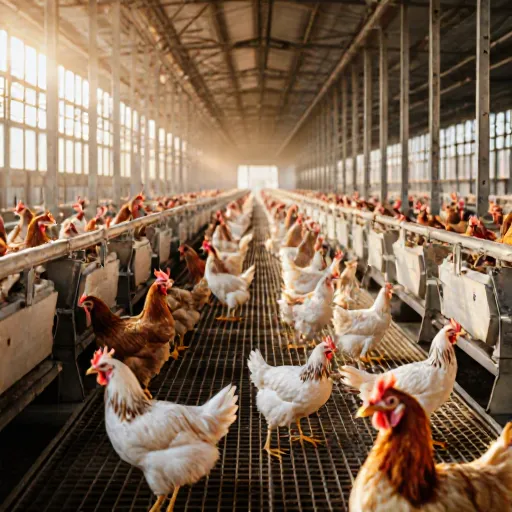
Invest in Broilers for Sustainable Profits Today!
Table of Contents
- Planning Your Broiler Farm Layout
- Choosing the Right Location
- Selecting Quality Broiler Breed
- Proper Nutrition and Feeding Programs
- Hygiene and Disease Management
- Ventilation and Temperature Control
- Water Quality and Supply
- Automated Feeding Systems
- Monitoring and Recording Data
- Ensuring Sustainable Practices
- Training and Competency Building of Staff
- Economic Aspects and Profitability
- Market Research and Sales Strategies
- Building a Strong Brand Identity
- Conclusion
- FAQs
Planning Your Broiler Farm Layout
When planning your broiler farm layout, it's crucial to consider several key factors that will not only enhance production efficiency but also ensure the well-being of your birds. Proper planning can lead to a successful and sustainable farming operation, building a legacy with your broiler farm.
The location of your broiler farm is foundational in ensuring optimal performance. Factors such as proximity to water sources, availability of electricity, transportation infrastructure, and climate conditions play significant roles. For instance, a site close to a reliable water source can reduce costs associated with pumping water, while a favorable climate ensures that temperature fluctuations are minimal.
Consider the soil quality for proper drainage and avoid areas prone to flooding or landslides. Additionally, proximity to other farms should be managed carefully to minimize the risk of disease spread.
The design of your broiler farm layout should prioritize space utilization and bird comfort. A well-planned layout can lead to better air circulation, which is essential for maintaining a healthy environment within the barns.
Aim for an open plan with sufficient spacing between the rows of cages or pens to allow for easy movement of staff and equipment. Ensure that there are designated areas for feeding, drinking, and waste management. For example, placing feeders at specific intervals ensures even distribution of food while reducing competition among birds.
Proper infrastructure is vital in creating a safe and efficient environment for broilers. This includes robust ventilation systems to control temperature and humidity levels effectively. Installing automated feeding and watering systems can help maintain consistent feed intake, which is crucial for optimal growth.
Invest in good quality lighting that mimics natural light cycles to promote healthy behavior patterns among your birds. Additionally, ensure there are adequate sanitation facilities to keep the environment clean and hygienic, reducing the risk of disease outbreaks.
Protecting your broiler farm from adverse environmental impacts is crucial for sustainability. Implement measures such as proper waste management systems that comply with local regulations. This includes composting manure or using it in crop production, which not only reduces pollution but also enriches the soil.
Consider implementing renewable energy solutions like solar panels to reduce reliance on non-renewable resources and lower operational costs over time.
To build a legacy with your broiler farm, it's important to plan for future growth and adaptability. Regularly review and update your layout design based on advancements in technology and farming practices. For example, adopting smart farming technologies can provide real-time data on bird health and behavior, enabling quicker responses to potential issues.
Building relationships with local communities and stakeholders ensures long-term support and recognition for your sustainable practices. Engage in community projects or educational programs that promote responsible agriculture practices.
In conclusion, planning the layout of your broiler farm requires careful consideration of various elements including site selection, layout design, infrastructure, environmental considerations, and future-proofing strategies. By focusing on these aspects, you can create a successful and sustainable broiler farm that will serve as a foundation for building a lasting legacy.
Choosing the Right Location
Selecting the right location is crucial for building a successful and sustainable broiler farm. The site you choose can significantly impact your operation's efficiency, profitability, and environmental footprint. Here are some key factors to consider when choosing the ideal location:
Proximity to Feed Suppliers
Closer proximity to feed suppliers not only reduces transportation costs but also ensures a steady supply of high-quality feed for your broilers. Optimal feed is essential for maintaining optimal health and growth rates, which can directly translate into higher yields and profits.
Access to Clean Water
Adequate access to clean water is paramount for the success of a broiler farm. Broilers have high water consumption needs, especially during hot weather conditions. Ensuring that your location has reliable sources of clean water can help prevent health issues in your flock and reduce stress on your operation.
Climate Considerations
The climate plays a significant role in the success of broiler farming. Optimal temperatures, humidity levels, and wind patterns are critical for maintaining ideal growing conditions. For instance, areas with moderate temperatures and low humidity can help reduce the risk of heat stress on your broilers.
Land Availability and Quality
The size and quality of the land you choose will affect various aspects of your farm's operation. Ensuring that the land is flat or gently sloping, fertile, and free from contamination can significantly reduce operational challenges and costs. Additionally, consider factors such as drainage capabilities and soil fertility to ensure long-term success.
Environmental Regulations
Being aware of local environmental regulations is crucial. Compliance with these regulations can help you avoid legal issues and fines. Proper management of waste and runoff from your broiler farm, for instance, is often a key requirement under environmental laws. Familiarize yourself with the specific guidelines applicable to your region.
Supportive Infrastructure
The presence of necessary infrastructure can greatly enhance the efficiency of your operation. Reliable electricity supply, good road networks, and access to veterinary services are essential for ensuring a smooth running farm. A supportive community and local expertise can also provide valuable resources and knowledge.
Examples of Successful Broiler Farms
To further illustrate the importance of choosing the right location, consider examples from successful broiler farms around the world:
- Case Study 1: A farm in a region with moderate temperatures and low humidity was able to achieve higher growth rates and lower mortality rates. The proximity to feed suppliers also helped maintain consistent quality feed.
- Case Study 2: Another successful farm benefited from access to clean water, which significantly reduced the risk of health issues in their broilers. This allowed them to focus more on other aspects of farm management and innovation.
In conclusion, selecting the right location for your broiler farm is a critical decision that can have long-lasting impacts on your business's success. By carefully considering factors such as feed supply proximity, water access, climate conditions, land quality, environmental regulations, and supportive infrastructure, you can set yourself up for a thriving and sustainable operation.
Selecting Quality Broiler Breed
Selecting quality broiler breed is fundamental when you are building a legacy with your broiler farm. The choice of broiler breed can significantly impact the productivity, efficiency, and profitability of your farm.
Broilers come in various breeds each suited to different environmental conditions and production goals. For instance, Arbor Acres and Cobb are popular commercial broiler breeds known for their meat yield and feed conversion efficiency. On the other hand, Hy-Line breeds focus more on egg-laying traits but can be cross-bred with broilers for specific performance enhancements.
- Climate Adaptation: Different breeds are adapted to varying climatic conditions. Selecting a breed that thrives in your local climate can reduce stress and increase productivity.
- Growth Rate: Opt for breeds that have an optimal growth rate suitable for your production timeline.
- Fitness and Health: Look for breeds with strong immune systems to minimize the risk of disease outbreaks, which can decimate your flock if not managed properly.
- Ethics and Welfare: Consider choosing breeds that are ethically produced and have good welfare standards. This ensures a sustainable future for your broiler farm.
To select the right breed, you should consult with poultry experts or veterinarians who can provide insights based on your specific needs and environmental conditions. You can also visit farms that have successfully implemented these breeds to see their performance firsthand.
Example of Successful Implementation
Take a look at the success story of a farmer in Texas, USA, who transitioned from using native broiler breeds to commercially bred ones. By choosing Arbor Acres, he noticed an increase in meat quality and yield which led to higher profits.
- Reputation of Hatcheries: Always purchase broilers from reputable hatcheries known for their quality and consistency. This ensures that you get healthy, strong chicks which are essential for a successful farm.
- Health Certificates: Ensure the chicks come with health certificates confirming they are free from diseases.
Selecting quality broiler breed is not just about choosing the right bird but also about laying a strong foundation for your broiler farm. By making informed decisions, you can build a sustainable and profitable legacy that will thrive for generations.
Proper Nutrition and Feeding Programs
To build a legacy with your broiler farm, proper nutrition and feeding programs are paramount. A well-nourished bird will grow faster, achieve higher body weight, and be more resilient to diseases. This section delves into the importance of balanced feed and the strategic implementation of feeding schedules that can significantly impact the success of your broiler farm.
The nutritional requirements of broilers vary depending on their age, weight, and stage of growth. A balanced diet should include proteins, carbohydrates, fats, vitamins, minerals, and water. Proteins are essential for muscle development and feathering, while energy sources like carbohydrates provide the necessary calories. Fats serve as a reserve energy source.
- Proteins: Essential amino acids should be provided in adequate amounts to support rapid growth during the broiler's life cycle.
- Carbohydrates: Corn and wheat are commonly used as carbohydrate sources, providing energy for optimal performance.
- Fats: Fats should be included sparingly but effectively to reduce feed costs while enhancing growth rates.
- Vitamins & Minerals: These are crucial for overall health and disease resistance. Deficiencies can lead to poor performance and higher mortality rates.
A well-timed feeding schedule plays a significant role in the broiler's growth and development. Feeding too much or too little at any stage can have adverse effects on your flock's performance.
- Starter Feed: This is fed to chicks during their first week of life, when they are particularly vulnerable and require high-quality protein for rapid growth.
- Growing Feed: Used from the second week until 6 weeks, this feed should provide enough energy and protein while reducing the proportion of starter mix to encourage weight gain in a controlled manner.
- Finisher Feed: Fed during the final two weeks before slaughter, finisher feed is lower in protein but higher in fats and carbohydrates to maximize meat yield without compromising quality.
To ensure that each bird receives exactly what it needs, precision feeding can be implemented. This involves tailoring the feed based on body weight, age, and environmental conditions. Precision feeding helps reduce waste, lower feed costs, and enhance bird performance.
The environment in which broilers are raised can influence their nutritional requirements. Factors such as temperature, humidity, and stress levels should be taken into account when formulating diets. For instance, during hot weather, broilers need more water and less protein to avoid overheating.
Regular monitoring of your flock's health and performance is crucial for adjusting the feeding programs as needed. Growth rates, feed conversion ratios, and mortality rates are key indicators that should be tracked closely. If any issues arise, adjustments can be made to the diet or feeding schedule.
In conclusion, proper nutrition and feeding programs are integral to building a successful legacy with your broiler farm. By providing balanced diets and implementing strategic feeding schedules, you ensure optimal bird performance, cost-effectiveness, and ultimately a higher return on investment. Continuous monitoring and adjustments will help maintain the health and productivity of your flock.
Hygiene and Disease Management
In building a legacy with your broiler farm, hygiene and disease management are critical components that ensure the health of your flock and the sustainability of your operation. Proper hygiene practices not only enhance bird health but also prevent costly losses due to diseases.
Importance of Hygiene
Hygiene in a broiler farm involves maintaining cleanliness in all aspects of the farm, from feed and water supplies to equipment and the environment. Cleanliness reduces the risk of disease outbreaks by minimizing the presence of pathogens that can cause illnesses.
Feeding Hygiene
Ensuring clean and hygienic feeding practices is essential for maintaining bird health. Contaminated feed or water can introduce harmful bacteria, fungi, or parasites into the flock, leading to various diseases such as salmonellosis and coccidiosis.
- Store Feed Properly: Store feed in a dry, cool place away from pests. Use sealed containers to prevent contamination.
- Use Clean Feeders: Regularly clean feeders to eliminate mold and other contaminants.
- Avoid Spoiled Feed: Discard any feed that appears spoiled or has been exposed to moisture.
Water Hygiene
Clean, fresh water is crucial for the health of your broilers. Contaminated water can lead to severe health issues and reduce feed conversion efficiency.
- Regularly Clean Waterers: Ensure that waterers are cleaned daily to prevent the buildup of bacteria and other contaminants.
- Disinfect Regularly: Use appropriate disinfectants to clean and disinfect waterers, especially after an outbreak or suspected contamination.
- Monitor Water Quality: Test the water regularly for pH levels, mineral content, and presence of harmful microorganisms. Adjust as necessary.
Disease Management
Preventing disease outbreaks is a key part of maintaining a healthy flock. A proactive approach to disease management includes vaccination programs, biosecurity measures, and early detection protocols.
Vaccination Programs
Vaccinating your broilers against specific diseases can significantly reduce the risk of outbreaks. Work with your veterinarian to develop an appropriate vaccination schedule based on local disease patterns and your farm’s specific needs.
- Consult a Veterinarian: Regularly consult with your veterinarian to ensure that all necessary vaccines are administered at the correct intervals.
- Monitor Vaccine Response: Observe birds for any adverse reactions after vaccination and seek veterinary advice if needed.
Biosecurity Measures
Biosecurity practices help protect your flock from external sources of disease. These measures include limiting access to the farm, disinfecting equipment and vehicles before entry, and quarantining new stock.
- Control Access: Limit the number of people entering the farm and require them to follow strict hygiene protocols upon arrival.
- Disinfect Equipment: Regularly disinfect equipment such as feeders, drinkers, and transport vehicles before use on your farm.
- Quarantine New Stock: Quarantine new birds for at least a week to monitor for signs of disease before introducing them to the main flock.
Early Detection Protocols
Early detection of diseases can help in their prompt treatment and control, thereby minimizing losses. Regular health checks by trained personnel are crucial to identify any potential issues early.
- Regular Health Checks: Conduct regular health checks on your flock using visual inspection, temperature checks, and other diagnostic tools as recommended by veterinarians.
- Isolate Sick Birds: If you notice any sick birds, isolate them immediately to prevent the spread of disease within the flock.
Promoting a Healthy Environment
A clean and healthy environment is essential for maintaining optimal health in your broilers. This includes proper ventilation, temperature control, and bedding management.
- Proper Ventilation: Ensure adequate ventilation to prevent the buildup of harmful gases that can affect bird health.
- Temperature Control: Maintain a consistent and appropriate temperature in your broiler house to support optimal growth and health.
- Bedding Management: Use clean bedding materials and manage them properly to reduce ammonia levels and provide a comfortable environment for the birds.
By focusing on hygiene and disease management, you can build a strong foundation for a healthy flock, ultimately contributing to your legacy in broiler farming. These practices not only enhance bird health but also improve productivity and profitability of your farm.
Ventilation and Temperature Control
In building a legacy with your broiler farm, one of the most critical factors to consider is proper ventilation and temperature control. These elements play a crucial role in maintaining optimal growing conditions for your broilers, which directly impacts their health, growth rate, and overall productivity.
Importance of Ventilation
Ventilation ensures that the air quality inside the broiler house remains high, providing fresh oxygen and removing harmful gases such as carbon dioxide (CO2), ammonia (NH3), and moisture. Poor ventilation can lead to respiratory issues in the birds, increased stress levels, and even death in severe cases.
- Reduces Humidity: Proper ventilation helps in maintaining optimal humidity levels inside the broiler house. Excess humidity promotes the growth of bacteria and fungi, which can be harmful to the birds' health.
- Air Quality: Fresh air supply is essential for preventing respiratory diseases and ensuring that the birds have a comfortable environment.
- Heat Distribution: Ventilation also helps in distributing heat evenly throughout the house, which is crucial during colder months or when using heaters.
Temperature Control
The temperature inside the broiler house needs to be closely monitored and managed for optimal performance. The ideal temperature range for broilers varies depending on their age, but generally, it should be adjusted as follows:
| Age of Broilers (Days) | Recommended Temperature Range (°C) |
|---|---|
| 0-7 | 35-32 |
| 8-21 | 32-29 |
| 22-42 | 29-25 |
| Over 42 days | 25-20 |
Heat Distribution: It's important to ensure that the heat is evenly distributed across the broiler house. This can be achieved by using heaters strategically placed at various points in the house.
- Heaters: Use of infrared or radiant floor heaters can help maintain the recommended temperature range. Ensure they are not too close to the birds to avoid burns.
- Insulation: Proper insulation of the broiler house helps in retaining heat during colder months, reducing energy costs and maintaining a consistent temperature inside.
Practical Advice
To effectively manage ventilation and temperature control in your broiler farm, here are some practical tips:
- Regular Monitoring: Invest in an automated monitoring system that can track both temperature and humidity levels. Regular checks by a qualified technician or farmer can also help identify any issues early.
- Adjust Ventilation as Needed: Depending on the season, you may need to adjust the ventilation settings. For instance, during colder months, you might want to reduce air flow slightly to keep more heat inside the house.
- Use of Insulation Materials: Apply insulation materials such as foam panels or fibreglass to walls and ceilings to help maintain temperature stability throughout the year.
- Proper Placement of Heaters: Ensure that heaters are placed in areas where they can provide even heat distribution. This will help prevent hotspots which could stress the birds.
Conclusion
In conclusion, proper ventilation and temperature control are essential for maintaining a healthy environment for your broilers. By understanding the importance of these factors and implementing effective management practices, you can contribute significantly to building a sustainable and successful legacy with your broiler farm.
Water Quality and Supply
In building a legacy with your broiler farm, ensuring the quality and supply of water plays a crucial role. Water is not just essential for the daily operations of the farm but also directly impacts the health and productivity of your birds. The quality of water can significantly affect growth rates, feed efficiency, and overall profitability.
Importance of Clean WaterThe Importance of Clean Water in Broiler Farms
Clean water is paramount for maintaining the health of your broilers. Contaminated water can lead to a range of health issues, from minor infections to severe diseases that may result in high mortality rates and increased medication costs. Ensuring that the water supply is free from harmful pathogens, chemicals, and other contaminants is non-negotiable.
Water Quality Parameters
- pH Levels: The pH level of the water should be within a range of 6.5 to 7.5 for optimal consumption by broilers. This slight alkaline range helps in maintaining digestive health.
- Bacteria and Pathogens: Regular testing is necessary to ensure that there are no harmful bacteria or pathogens present in the water supply. Escherichia coli (E.coli), Salmonella, and Campylobacter jejuni are common culprits that can cause health issues.
- Turbidity: Turbid water can be indicative of contamination from dirt, clay, or microorganisms. It is important to keep the turbidity low to prevent any adverse effects on bird health.
- Dissolved Minerals and Salinity: High levels of minerals like sodium, chloride, and sulfates can lead to poor water quality. Excessive salinity can also be problematic for broilers as it affects their ability to absorb nutrients efficiently.
Water Supply Management
Effective management of the water supply is crucial in a broiler farm. This includes ensuring that there are no blockages or leaks in the piping system, regular cleaning and disinfection of water storage tanks, and maintaining optimal pressure levels to ensure consistent flow.
Practical Advice
- Install Water Filters: Consider installing multi-stage water filters at different points in your supply chain. This helps in removing impurities, bacteria, and other contaminants before the water reaches your broilers.
- Regular Testing: Conduct regular tests for pH levels, bacterial contamination, turbidity, and salinity to ensure that water quality is maintained throughout the year.
- Use Clean Water Sources: Opt for clean water sources such as municipal supplies or well water (if treated) to avoid contamination from external factors.
- Monitor Consumption Patterns: Keep an eye on how much water your broilers are consuming. A sudden increase in consumption might indicate health issues, while a decrease could point towards water quality problems.
Conclusion
In conclusion, the quality and supply of water are critical aspects that contribute to the success of a broiler farm legacy. By ensuring clean, safe, and adequately supplied water, you not only enhance bird health but also optimize productivity and profitability. Investing in proper management practices today ensures a sustainable future for your farm.
Automated Feeding Systems
In the context of building a legacy with your broiler farm, implementing an effective automated feeding system is crucial. This not only ensures optimal feed distribution but also plays a significant role in enhancing the productivity and sustainability of your broiler operation. An automated feeding system allows for precise control over feed intake, which can directly impact the growth rate and overall health of your birds.
Key Components of Automated Feeding Systems
- Feeders: Modern automated feeders are designed to dispense feed accurately at predetermined intervals. These systems often come with sensors that monitor the remaining feed levels and automatically adjust the feeding schedule.
- Programmable Controllers: Programmable logic controllers (PLCs) can be integrated into your farm management system, allowing for customized feeding programs based on different stages of broiler growth. This ensures that feed is provided at optimal times to meet the nutritional needs of the birds.
- Data Logging and Monitoring: Advanced systems include data logging capabilities, which provide valuable insights into feeding patterns and bird behavior. This data can be used to make informed decisions about feed types, quantities, and timing, thereby optimizing farm productivity.
Benefits of Automated Feeding Systems
Implementing an automated feeding system offers numerous advantages that contribute to the long-term success of your broiler farm:
- Precision Feeding: Ensures consistent feed distribution, reducing waste and ensuring that each bird receives the right amount of nutrients.
- Reduction in Labor Costs: Automated systems minimize the need for manual feeding, thus reducing labor requirements and costs.
- Better Feed Utilization: Precise feed delivery leads to better feed efficiency, which is crucial for cost control and environmental sustainability.
- Improved Bird Welfare: Consistent access to feed helps maintain healthy birds, leading to improved growth rates and lower mortality rates.
Case Study: Building a Legacy
A local broiler farm that has successfully built a legacy through its innovative use of automated feeding systems is the Johnson Broiler Farm. By integrating advanced feeders with programmable controllers, they have achieved remarkable results in both productivity and sustainability.
"By automating our feeding processes, we were able to significantly reduce waste and improve our overall feed efficiency," says Johnathan Johnson, owner of Johnson Broiler Farm. "This has not only saved us money but also ensured that our broilers are receiving the best possible care."
Johnathan's farm has implemented a feeding system where the automated feeders are calibrated to provide specific amounts of feed at certain times during the day, adapting to the growth stages of the birds. This approach has led to healthier and more productive broilers, which in turn has allowed Johnson Broiler Farm to maintain its reputation as a leader in sustainable broiler farming.
Practical Advice for Implementing an Automated Feeding System
- Evaluate Your Needs: Before investing in an automated feeding system, carefully evaluate your farm’s requirements. Consider the number of birds you have and the stages at which they need different types of feed.
- Select Reliable Equipment: Invest in high-quality equipment from reputable manufacturers to ensure reliability and longevity. Look for systems that are easy to install and maintain.
- Train Your Staff: Ensure your staff is well-trained on how to operate and troubleshoot the system. Regular training will help maximize the efficiency of the automated feeding process.
- Monitor and Adjust: Continuous monitoring of feed intake patterns helps in making necessary adjustments to ensure optimal results. This practice is crucial for adapting to any changes in bird behavior or market conditions.
In conclusion, an automated feeding system is a vital tool in building a successful legacy with your broiler farm. By providing precise and efficient feed distribution, these systems contribute significantly to the overall health and productivity of your broilers. With careful planning and implementation, you can achieve sustainable growth and ensure that your broiler farm remains competitive and resilient for years to come.
Monitoring and Recording Data
In building a legacy with your broiler farm, monitoring and recording data is crucial for maintaining high standards of hygiene, efficiency, and sustainability. This process involves tracking various metrics that can provide valuable insights into the performance of your farm. By doing so, you ensure that every aspect of your operation runs smoothly, leading to better decision-making and ultimately contributing to a successful legacy.
Key Metrics to Monitor
- Feed Intake: Regularly monitor the amount of feed consumed by each bird. This helps in identifying any discrepancies that may indicate health issues or feeding inefficiencies.
- Water Consumption: Tracking water usage ensures that birds have access to adequate hydration, which is critical for their overall health and growth.
- Weighing Schedules: Regular weighing of the broilers at specific intervals allows you to assess weight gain trends. This data can help in adjusting feeding schedules or identifying underperforming birds early on.
- Temperature Monitoring: Ensuring that the broiler house maintains an optimal temperature is crucial for bird health and growth. Regular checks using thermometers placed strategically throughout the farm can prevent heat stress or cold-related issues.
- Mortality Rates: Keeping a close eye on mortality rates helps identify any potential problems in your broiler management practices that need addressing immediately to maintain high standards of hygiene and health.
Data Recording Methods
To effectively monitor these metrics, it is essential to have robust systems for recording data. Here are some practical methods:
- Automated Systems: Utilize automated monitoring and recording systems that integrate with your farm's existing technology infrastructure. These can include IoT devices or software applications specifically designed for poultry farms.
- Digital Logs: Maintain digital logs of all recorded data using spreadsheets or dedicated software tools. This approach allows for easy tracking, analysis, and sharing of information across different stakeholders involved in the farm management.
- Regular Reports: Generate regular reports that summarize key metrics from your monitoring efforts. These reports serve as a valuable resource for making informed decisions about future improvements or adjustments needed based on current performance data.
Importance of Accurate Data
The accuracy and reliability of the data you collect play a significant role in shaping your farm's reputation and success. By maintaining detailed records, you demonstrate commitment to excellence and transparency which can build trust among customers and stakeholders.
In conclusion, diligent monitoring and recording of data are fundamental aspects of managing a broiler farm effectively. They serve as the backbone for informed decision-making processes that contribute significantly towards establishing a robust foundation upon which a legacy can be built.
Ensuring Sustainable Practices
In today's rapidly evolving world, sustainability has become more than just a buzzword; it is a critical pillar for the longevity and success of any business. For broiler farmers like yourselves, ensuring sustainable practices can not only help in maintaining environmental responsibility but also pave the way for building a lasting legacy that benefits both present and future generations.
Understanding Sustainable Practices
Sustainable practices in broiler farming involve adopting methods that minimize negative impacts on the environment while maximizing productivity and efficiency. This includes optimizing feed utilization, minimizing waste generation, promoting biodiversity, and ensuring biosecurity measures are robust. By integrating these principles into your farm management, you can significantly contribute to sustainable development.
Key Sustainable Practices
- Optimizing Feed Efficiency: Implementing precision feeding techniques ensures that broilers receive only what they need. This not only reduces waste but also lowers feed costs, making your farm more economically viable.
- Water Conservation: Efficient water management systems can help conserve this precious resource without compromising hygiene standards. Consider investing in rainwater harvesting or recycling systems to reduce dependency on municipal supplies.
- Biosecurity Measures: Strict biosecurity protocols prevent the introduction and spread of diseases, ensuring healthier birds and reducing veterinary costs. Regularly updating vaccination schedules based on local disease trends is crucial here.
Building a Legacy
The essence of building a legacy lies in leaving behind something valuable for future generations. For broiler farmers, this means not only achieving immediate financial success but also contributing positively to the environment and community welfare.
You can start by investing in education and training programs that help your staff understand sustainable practices better. Additionally, consider supporting local communities through initiatives such as scholarships, donations, or community projects. By fostering strong relationships within your industry, you're creating a network of support that can drive collective progress towards sustainability.
Practical Advice for Implementing Sustainable Practices
- Analyze Your Current Operations: Begin by assessing where there are opportunities to improve current processes. Identify areas with the highest potential impact and prioritize them accordingly.
- Seek Expert Advice: Consulting with agricultural extension services, veterinarians, or other experts can provide valuable insights on best practices tailored specifically for your region and farm size.
- Engage Stakeholders: Involve all team members in sustainability efforts. Encourage them to share ideas and contribute towards achieving common goals. A collaborative approach leads to better results and higher engagement levels among employees.
- Evaluate Regularly: Sustainability is an ongoing process, not a one-time project. Continuously monitor performance metrics related to resource use, productivity, and environmental impact.
In conclusion, by focusing on sustainable practices, broiler farmers can ensure long-term viability while making significant contributions towards global sustainability goals. Let's work together to build a better future for all stakeholders involved in the poultry sector!
Training and Competency Building of Staff
In the intricate world of broiler farming, training and competency building for staff are paramount to establishing a sustainable legacy. The success of your farm is not only dependent on the quality of equipment but also deeply rooted in the knowledge, skills, and dedication of those who manage it daily. Investing time and resources into comprehensive training programs can significantly enhance productivity, reduce operational costs, and ensure environmental sustainability.
Continuous learning is essential for staff to adapt to the latest advancements in broiler farming technology and practices. Regular workshops, seminars, and on-the-job training sessions should be part of an ongoing educational strategy. This helps staff stay updated with industry trends such as improved feed efficiency, vaccination techniques, and biosecurity measures.
Case Study: Improved Feed Efficiency
A farmer who attended a series of workshops on advanced feeding practices reported a 10% increase in feed conversion ratios (FCR) within six months. By learning how to precisely calibrate feed amounts based on the broilers' weight and age, they were able to reduce waste and improve overall farm profitability.
Beyond theoretical knowledge, practical exercises are crucial for developing staff competency. Simulations of real-world scenarios allow employees to apply what they've learned in a controlled environment where mistakes can be corrected without significant consequences. This hands-on approach also fosters teamwork and problem-solving skills.
Example: Biosecurity Drills
A broiler farm conducted regular biosecurity drills, simulating potential disease outbreaks. By practicing isolation procedures, disinfection protocols, and quarantine measures, the staff became more prepared to respond effectively in case of a real emergency. This practice not only enhances their confidence but also minimizes the risk of contamination spreading across farms.
The role of leaders within the broiler farm is pivotal. Training programs should focus on leadership qualities such as decision-making, communication, and motivation to inspire and guide other staff members. Leaders play a key part in fostering a culture of innovation and continuous improvement.
Example: Mentoring Programs
A mentoring program was established where experienced managers mentored newer employees. This not only provided guidance but also created an environment where knowledge can be shared across generations, ensuring the legacy is built on strong foundations.
In conclusion, training and competency building are integral to the success of any broiler farm aiming to build a sustainable legacy. By investing in staff development, farms not only achieve higher productivity but also create resilient teams capable of facing future challenges head-on. Remember that the journey towards excellence begins with continuous learning and improvement.
Economic Aspects and Profitability
Building a legacy with your broiler farm involves more than just raising chickens. It requires careful planning, strategic decision-making, and a deep understanding of the economic aspects that contribute to profitability. Here’s how you can ensure your broiler farm is not only sustainable but also profitable.
Understanding Costs
The first step in maximizing profitability is understanding all costs involved in running a broiler farm. This includes feed, medication, labor, utilities, and equipment maintenance. By keeping detailed records of each expense, you can identify areas where costs can be reduced or optimized.
For example, feed accounts for the largest portion of your expenses. By sourcing high-quality feed at competitive prices and ensuring efficient feeding practices, you can minimize waste and maximize growth rates. Consider negotiating contracts with suppliers to secure better deals or explore locally sourced ingredients to reduce transportation costs.
Optimizing Production
To optimize production, focus on improving hatchability, feed conversion efficiency, and mortality rates. These factors directly impact the number of viable birds you can produce per batch, which in turn affects your profitability.
Hatchery selection plays a crucial role here. Partnering with reputable hatcheries ensures that you are receiving quality chicks that are more likely to grow into healthy broilers. Implementing proper vaccination and biosecurity measures will help reduce mortality rates due to disease, further enhancing profitability.
Market Demand and Pricing
Maintaining a strong presence in the market is key to achieving high prices for your broiler products. Stay informed about current trends and consumer preferences to align your offerings with what consumers are willing to pay for.
Research local markets to identify potential buyers such as restaurants, hotels, or supermarkets. Building relationships with these entities can lead to consistent demand and higher sales volumes. Additionally, consider diversifying your product line by offering processed products like chicken nuggets or ground meat, which may command premium prices in certain segments of the market.
Scaling Up
If you’re looking to scale up your operation, doing so strategically can increase profitability. However, it’s important not to overexpand too quickly. Instead, focus on incremental growth that aligns with your financial capabilities and market demand.
Invest in technology and infrastructure improvements that will support larger-scale operations without compromising quality or efficiency. For instance, automation can help reduce labor costs and improve consistency in production processes. Efficient storage solutions can also prevent spoilage losses during peak seasons when demand spikes.
Long-Term Vision
Beyond immediate profitability, building a legacy with your broiler farm means having a long-term vision that includes environmental sustainability practices and community engagement initiatives.
Eco-friendly farming methods such as reducing water usage through recycling systems or utilizing renewable energy sources can attract environmentally conscious consumers who are willing to pay more for sustainably produced goods. Engaging positively within the community by supporting local schools, charities, or agricultural events fosters goodwill and loyalty among stakeholders.
Market Research and Sales Strategies
In building a legacy with your broiler farm, market research and sales strategies play a crucial role. Understanding the market dynamics, customer needs, and competition can significantly influence the success of your enterprise. Here's how you can approach these aspects:
Conduct Thorough Market Research
Gathering accurate information about the demand for broilers in your region is essential. Conduct surveys, analyze sales data, and study trends to identify potential opportunities. This research will help you tailor your products and services to meet customer expectations.
- Identify Key Trends: Stay updated with industry news, consumer preferences, and technological advancements that could impact broiler farming.
- Analyze Competitors: Study your competitors' strengths and weaknesses to find niches you can exploit. Look for areas where you can differentiate yourself in terms of quality, price, or service.
- Understand Consumer Needs: Engage with potential customers through focus groups, interviews, and social media interactions. This will provide insights into what they are looking for in broilers.
Develop Effective Sales Strategies
Sales strategies should be designed to not only increase immediate sales but also build long-term customer relationships that contribute to your legacy.
- Promote High-Quality Products: Ensure your broilers meet the highest standards in terms of quality and health. Promoting these qualities will enhance your reputation and attract loyal customers.
- Leverage Digital Marketing: Utilize social media platforms, blogs, and websites to reach a wider audience. Share information about your farming practices, product benefits, and customer testimonials to build trust and credibility.
- Offer Value-Added Services: Provide additional services such as delivery, packaging, or nutritional advice to differentiate yourself from competitors.
Build Strong Customer Relationships
A key factor in building a legacy is maintaining strong relationships with your customers. This involves understanding their needs and providing exceptional service.
- Customer Feedback: Regularly collect feedback from your customers to understand what they like and dislike about your products and services. Use this information to improve and innovate.
- Personalization: Tailor your approach to each customer based on their preferences and requirements. Personalized service can lead to increased loyalty and repeat business.
- Customer Support: Offer prompt and efficient customer support to address any issues that arise. Happy customers are more likely to become loyal advocates for your brand.
Conclusion
By investing in market research and implementing effective sales strategies, you can position yourself as a leader in the broiler farming industry. This approach will help you build a strong foundation for your legacy while ensuring sustained growth and success.
Building a Strong Brand Identity
In today's competitive marketplace, building a strong brand identity is not just about creating a catchy slogan or designing an appealing logo. It’s about crafting a consistent and compelling narrative that resonates with your audience and helps you build a lasting legacy in the industry. This section will delve into how you can apply these principles to your broiler farm, ensuring it becomes more than just a business—it becomes a cornerstone of trustworthiness, innovation, and sustainability.
Understand Your Audience
To build a strong brand identity, you must first understand who your audience is. For a broiler farm, this could mean understanding the needs, preferences, and expectations of both consumers and farmers. By conducting market research and gathering feedback from stakeholders, you can identify key trends and opportunities that will help shape your brand’s direction.
Define Your Unique Value Proposition
Your unique value proposition (UVP) is the core reason why someone should choose your broiler farm over others. It could be anything from the quality of your broilers, to your commitment to sustainability, or perhaps even a community-focused approach that supports local farmers and consumers alike. Clearly defining what sets you apart will help position your brand in the market effectively.
Consistent Branding Across All Touchpoints
A strong brand identity requires consistency across all touchpoints—whether it's through your website, social media channels, or physical retail outlets. This includes consistent messaging, visual elements (like colors and logos), and tone of voice. Consistency helps to build trust with consumers and ensures that they recognize your brand whenever they interact with you.
Engage Your Community
Building a legacy is about more than just selling products; it’s about creating connections and engaging your community. For a broiler farm, this could mean organizing events like farmers’ markets or educational workshops where people can learn more about sustainable farming practices. By fostering relationships with local communities, you create loyal customers who are invested in the long-term success of your brand.
Invest in Quality and Innovation
A strong brand identity is built on a foundation of quality and innovation. Continuously improving the quality of your broilers and staying ahead of industry trends will help you maintain relevance and attract new customers. Whether through sustainable farming methods or cutting-edge technology, investing in these areas shows that you are committed to excellence.
Build Long-Term Relationships
To truly build a legacy, it’s important to focus on building long-term relationships rather than short-term gains. This means being patient and persistent, always striving for growth but never compromising on quality or integrity. By treating every interaction with your customers as an opportunity to strengthen that relationship, you’ll be laying the foundation for a sustainable and successful brand.
Final Thoughts
In conclusion, building a strong brand identity is essential for any business, especially one like broiler farming where trust plays such a crucial role. By following these steps—understanding your audience, defining your UVP, maintaining consistency across all touchpoints, engaging with your community, investing in quality and innovation, and building long-term relationships—you can ensure that your broiler farm not only thrives today but also continues to flourish for generations to come.
Conclusion
Building a legacy with your broiler farm is not just about achieving profitability and sustainability; it's about creating a lasting impact that can inspire future generations. In today’s fast-paced world, where environmental consciousness is growing, the role of sustainable farming practices becomes increasingly important. By integrating these practices into your broiler operations, you are not only contributing to a healthier planet but also ensuring the longevity of your farm and its reputation.
Strategic Planning for Long-term Success
The first step in building a legacy with your broiler farm is strategic planning. This involves setting clear goals that align with both business objectives and environmental stewardship. By identifying long-term targets, such as reducing carbon footprint or enhancing resource efficiency, you set the foundation for sustainable growth. For instance, adopting renewable energy sources like solar panels can significantly lower electricity costs while minimizing your ecological impact.
Investing in Quality Broiler Breeds
Selecting high-quality broiler breeds is crucial to achieving optimal production efficiency and maintaining health standards. Investing in breeds that are resistant to diseases and have a shorter growth cycle can lead to higher yields and better overall performance. Additionally, ensuring proper nutrition through balanced feed formulations helps improve bird welfare and product quality.
Enhancing Animal Welfare
The well-being of the broilers is directly linked to their productivity and longevity. Providing adequate space, clean water, and nutritious food ensures that your birds thrive in healthy conditions. Implementing humane handling practices during transportation and processing further enhances animal welfare standards.
Adopting Sustainable Practices
To build a legacy with your broiler farm, it's essential to adopt sustainable farming practices. This includes implementing water-saving techniques, recycling waste materials, and minimizing pesticide use. For example, installing drip irrigation systems can help conserve water while maintaining optimal growing conditions for the broilers.
Community Involvement and Education
Involving local communities in your farm’s operations fosters a sense of ownership and pride among stakeholders. Educating both employees and community members about sustainable practices can lead to broader adoption and support for eco-friendly initiatives. Hosting workshops or seminars on best farming practices also contributes to the development of skilled workers who can carry forward these values.
Continuous Improvement and Innovation
The key to building a lasting legacy lies in continuous improvement and innovation. Stay updated with the latest research and technologies that could benefit your broiler farm. Whether it’s adopting new feed formulations, utilizing precision farming tools, or exploring alternative marketing strategies, staying ahead of trends ensures sustained success.
Conclusion
In conclusion, building a legacy with your broiler farm requires commitment and dedication to sustainability, innovation, and community involvement. By integrating these principles into your operations, you contribute positively to the environment while securing a prosperous future for yourself and subsequent generations. The journey may be challenging, but it is rewarding in every sense of the word.
FAQs
Building a legacy with your broiler farm is not just about achieving immediate financial gains but also ensuring sustainability and leaving a positive impact on the environment. Here are some frequently asked questions to guide you through this journey.
1. What Are the Key Considerations for Establishing a Broiler Farm?
- Market Research: Conduct thorough market research to understand demand and identify potential customers. This helps in tailoring your products to meet specific needs, ensuring you have a steady customer base.
- Location: Choose a suitable location that is favorable for broiler farming. Factors such as proximity to water sources, climate conditions, and feed supply are crucial.
- Infrastructure: Invest in quality infrastructure that meets hygiene standards and supports efficient operation. This includes housing facilities, ventilation systems, and waste management solutions.
2. How Do I Ensure Sustainable Practices in My Broiler Farm?
Sustainability is key to building a lasting legacy. Here are some practices you can adopt:
- Ethical Treatment: Prioritize the welfare of your broilers by providing them with clean, healthy environments and nutritious feed.
- Resource Efficiency: Optimize water and feed usage to minimize waste. Implement recycling programs for resources like manure which can be used as compost.
- Environmental Impact: Minimize the environmental footprint by reducing pollution, conserving energy, and using renewable resources where possible.
3. What Steps Should I Take to Promote My Broiler Farm?
Building a legacy requires effective marketing strategies that resonate with your target audience:
- Brand Identity: Develop a strong brand identity that reflects the quality and uniqueness of your broilers. This includes consistent branding across all platforms.
- Social Media Presence: Leverage social media to engage with customers, share updates about your farm, and promote special offers or events.
- Customer Feedback: Encourage customer feedback and use it to improve your products and services. Satisfied customers are more likely to become loyal patrons and advocates for your brand.
4. How Can I Ensure Continuous Improvement in My Broiler Farm?
To ensure continuous improvement, adopt these strategies:
- Innovation: Stay updated with the latest technologies and farming practices that can enhance efficiency and productivity.
- Career Development: Invest in your farm workers' skills and knowledge through training programs. A skilled workforce leads to better outcomes.
- Data Analysis: Use data analytics to track performance metrics, identify areas for improvement, and make informed decisions.
5. What Are the Challenges in Building a Legacy with Your Broiler Farm?
Every journey comes with challenges; here are some common ones:
- Pricing Pressure: Staying competitive in price while maintaining quality can be tough.
- Regulatory Compliance: Navigating various regulations and ensuring compliance can be complex.
- Demand Fluctuations: Market demand for broilers can fluctuate, affecting sales and revenue.
To overcome these challenges, stay adaptable and continuously seek ways to innovate and improve your operations. By doing so, you'll be well on your way to building a sustainable legacy with your broiler farm.
Categories
- AI & Enrichment Play
- Broiler Farming
- Broiler Farming Tips
- Canine Wellness & Longevity
- Cat
- Cat & Human Connection
- Cat Adoption & Rescue
- Cat Breeds
- Cat Breeds & Personalities
- Cat Care & Health
- Cat Grooming & Hygiene
- Cat Lifestyle & Environment
- Cat Myths & History
- Cat Nutrition & Diet
- Cat Products & Reviews
- Cat Training & Behavior
- Comparison
- Consumer Awareness
- Dog
- Dog Accessories & Products
- Dog Adoption & Rescue
- Dog Breed & Lifestyle Trends
- Dog Breeding & Puppies
- Dog Entertainment & Media
- Dog Fashion & Trends
- Dog Fun & Lifestyle
- Dog Grooming & Hygiene
- Dog History & Culture
- Dog Myths, Science & Future Tech
- Dog News & Trends
- Dog Nutrition & Food
- Dog Psychology & Emotions
- Dog Safety & Security
- Dog Sports & Activities
- Dog Technology & Innovation
- Dog Training for Modern Owners
- Dog Travel & Adventure
- Dog Travel, Adventure & Culture
- Economic and Market Insights
- Educational Content
- FAQs
- Feeding Alternatives
- Festivals & Seasonal Ideas
- Fun & Entertainment
- General Knowledge
- General Pig Farming
- Health & Disease Management
- Housing and Environment
- Kittens
- Market Insights
- Miscellaneous
- Miscellaneous
- Motivational
- pig
- Pig Breeding
- Pig Breeds
- Pig Farming Stories and Inspiration
- Pig Health and Care
- Pig Nutrition
- Pig Products
- Profitability & Business
- Puppy Care
- Puppy Predictable Topics Reinvented
- Regional Focus
- Rescue & Adoption Buzz
- Senior Cats
- Senior Dog Care
- Smart Dog Tech & Gadgets
- Sustainability
- Sustainable & Eco-Friendly Dog Products
- Tech & Innovations
- Working & Service Dogs
- Broiler Feed66 products
- Country Feed33 products
- Pig Feed66 products
- Product22 products
- Raw Materials99 products
Products
-
 Fish Meal
₹1,999.00 – ₹2,999.00Price range: ₹1,999.00 through ₹2,999.00Rated 0 out of 5
Fish Meal
₹1,999.00 – ₹2,999.00Price range: ₹1,999.00 through ₹2,999.00Rated 0 out of 5 -
 FATTENING BROILER FEED
₹2,299.00 – ₹2,349.00Price range: ₹2,299.00 through ₹2,349.00Rated 0 out of 5
FATTENING BROILER FEED
₹2,299.00 – ₹2,349.00Price range: ₹2,299.00 through ₹2,349.00Rated 0 out of 5 -
 LAYER COUNTRY FEED
₹1,549.00 – ₹1,649.00Price range: ₹1,549.00 through ₹1,649.00Rated 0 out of 5
LAYER COUNTRY FEED
₹1,549.00 – ₹1,649.00Price range: ₹1,549.00 through ₹1,649.00Rated 0 out of 5 -
 COUNTER BROILER FEED
₹1,199.00 – ₹1,299.00Price range: ₹1,199.00 through ₹1,299.00Rated 0 out of 5
COUNTER BROILER FEED
₹1,199.00 – ₹1,299.00Price range: ₹1,199.00 through ₹1,299.00Rated 0 out of 5 -
 LACTATING PIG FEED
Rated 0 out of 5
LACTATING PIG FEED
Rated 0 out of 5₹2,299.00Original price was: ₹2,299.00.₹1,740.00Current price is: ₹1,740.00. -
 Maize
Rated 0 out of 5
Maize
Rated 0 out of 5₹1,650.00Original price was: ₹1,650.00.₹1,300.00Current price is: ₹1,300.00. -
 GESTATION PIG FEED (Phase 1)
Rated 0 out of 5
GESTATION PIG FEED (Phase 1)
Rated 0 out of 5₹2,249.00Original price was: ₹2,249.00.₹1,699.00Current price is: ₹1,699.00. -
 Pre Starter Broiler Feed
₹2,399.00 – ₹2,499.00Price range: ₹2,399.00 through ₹2,499.00Rated 0 out of 5
Pre Starter Broiler Feed
₹2,399.00 – ₹2,499.00Price range: ₹2,399.00 through ₹2,499.00Rated 0 out of 5 -
 FINISHER PIG FEED
Rated 0 out of 5
FINISHER PIG FEED
Rated 0 out of 5₹2,299.00Original price was: ₹2,299.00.₹1,749.00Current price is: ₹1,749.00. -
 Broiler Premix
Rated 0 out of 5
Broiler Premix
Rated 0 out of 5₹820.00Original price was: ₹820.00.₹699.00Current price is: ₹699.00.