
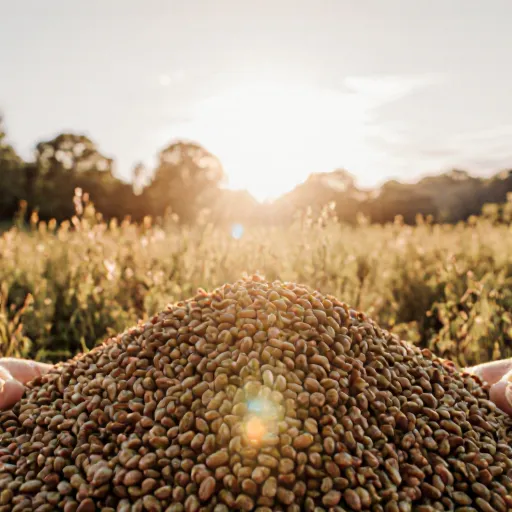
Discover the secret to profitable pig farming!
Table of Contents
- Pros of Organic Pig Feed for Sustainable Farming Practices
- Enhanced Animal Health with Organic Pig Feed
- Improved Taste and Nutritional Quality in Meat Products
- Support for Ethical Farming Practices
- Organic Pig Feed Reduces Environmental Impact
- Cost Considerations of Organic Pig Feed
- Supply Chain Challenges with Organic Pig Feed
- Potential for Higher Production Costs
- Less Predictable Feed Availability
- Impact on Animal Growth Rates and Productivity
- Quality Control and Consistency in Organic Feed
- Consumer Awareness and Acceptance of Organic Pig Feed
- Environmental Factors Affecting Organic Pig Feed Production
- Conclusion
- FAQs about Organic Pig Feed
Pros of Organic Pig Feed for Sustainable Farming Practices
The use of organic pig feed is a cornerstone of sustainable farming practices, offering numerous benefits that align with environmental stewardship and animal welfare. Organic pig feed is derived from natural ingredients without the use of synthetic additives or genetically modified organisms (GMOs), making it an attractive option for farmers committed to reducing their ecological footprint.
Organic pig feed contributes positively to environmental sustainability by:
- Reducing Chemical Use: Organic feeds eliminate the need for harmful pesticides, fertilizers, and herbicides that can contaminate soil and water bodies. This reduces pollution and helps maintain a healthier ecosystem.
- Promoting Biodiversity: By using natural ingredients, organic pig feed supports local ecosystems, encouraging the growth of beneficial insects, birds, and other wildlife.
Pig health can be significantly enhanced by feeding them organically produced ingredients. Key advantages include:
- Nutritional Quality: Organic feeds are richer in essential nutrients and antioxidants, which enhance pig growth and overall health.
- No Hormones or Antibiotics: Avoiding synthetic hormones and antibiotics ensures pigs remain healthier without the risk of antibiotic resistance. This also aligns with the growing consumer demand for meat products that have not been treated with such substances.
Besides environmental and health benefits, organic pig feed can offer economic advantages:
- Market Premiums: Organic pigs fetch higher prices in the market due to increased consumer preference for naturally raised animals.
- Potential Cost Savings: While initial investments may be higher, long-term savings can come from reduced veterinary costs and increased production efficiency.
To fully harness the benefits of organic pig feed, follow these practical tips:
- Consult with Experts: Work closely with agricultural extension services or certified organic advisors to ensure you are using feeds that meet specific standards and requirements.
- Monitor Feed Quality: Regularly check the quality and consistency of your feed sources, especially if sourcing locally. This ensures optimal nutrition for your pigs.
- Plan Ahead: Organic certification processes can be rigorous; plan accordingly to avoid delays in adopting this feeding practice.
In contrast, conventional pig feed may have the following drawbacks:
- Pollution Risks: The use of synthetic additives and GMOs can lead to soil and water contamination.
- Limited Nutritional Content: Conventional feeds might lack certain essential nutrients found in organic alternatives.
- Potential Antibiotic Resistance: Regular use of antibiotics can foster antibiotic-resistant bacteria, posing risks not only to livestock but also to human health.
Enhanced Animal Health with Organic Pig Feed
The use of organic pig feed has gained significant traction among farmers and animal health experts for its potential to enhance the overall well-being of pigs. Organic pig feed is produced without synthetic chemicals, pesticides, or genetically modified organisms (GMOs), focusing instead on natural ingredients derived from plants, animals, and minerals. This approach not only promotes a healthier environment but also aims to produce pigs that are free from harmful residues and contaminants.
- Better Health for Pigs: Organic pig feed often includes a variety of natural ingredients like organic grains, legumes, and vegetables. These components provide essential nutrients that can improve the health and growth rate of pigs. For instance, organic oats are rich in fiber and antioxidants, which support digestive health.
- Eco-Friendly Practices: Organic farming practices promote sustainability by reducing environmental impact. By avoiding synthetic pesticides and fertilizers, farmers can minimize pollution and protect local ecosystems. This is particularly beneficial for farms located near water sources or forests.
- Better Taste and Quality of Meat: Studies have shown that pigs fed organic feed tend to produce meat with a better flavor profile and higher nutritional value. The meat from such pigs often contains lower levels of saturated fats, making it healthier for human consumption.
- Higher Production Costs: Organic pig feed is typically more expensive than conventional alternatives due to the higher costs associated with organic certification and sourcing. This increased cost can significantly impact a farm's profitability, especially for small-scale operations.
- Limited Feed Options: Organic agriculture has fewer approved ingredients compared to conventional farming methods. This limitation can make it challenging to formulate feed that meets all the nutritional requirements of pigs, potentially leading to deficiencies if not managed properly.
- Potential for Nutritional Deficiencies: While organic pig feed aims to be nutritionally balanced, there have been instances where specific nutrients are insufficient. For example, certain essential amino acids or fatty acids might be less abundant in some organic ingredients, necessitating careful monitoring and supplementation.
For farmers considering the switch to organic pig feed, it is crucial to thoroughly research and understand the specific needs of their pigs. Here are some practical steps:
- Educate Yourself: Attend workshops or seminars on organic pig farming practices. Understanding the nuances of organic agriculture can help in making informed decisions.
- Work with Certified Suppliers: Partner with suppliers who provide certified organic feed ingredients to ensure quality and compliance.
- Monitor Nutritional Content: Regularly check the nutrient content of your pigs' feed to identify any deficiencies early on. Adjustments may be necessary based on the farm's specific conditions.
- Consider Mixed Feeding Strategies: In some cases, a combination of organic and conventional feeds might offer the best balance between cost-effectiveness and nutritional adequacy.
In conclusion, while there are challenges associated with using organic pig feed, its benefits in terms of animal health and environmental sustainability make it an attractive option for many farmers. By carefully managing these factors, farmers can maximize the advantages of organic pig feed while minimizing potential drawbacks.
Improved Taste and Nutritional Quality in Meat Products
Improving the taste and nutritional quality of meat products is a critical aspect for both consumers and producers. This can be achieved through careful management of feed, which directly influences the health and well-being of the pigs. Organic pig feed, in particular, has gained significant attention due to its potential benefits. Let's explore how organic pig feed contributes to improved taste and nutritional quality, along with a detailed examination of its pros and cons.
The use of organic pig feed can lead to enhanced flavor profiles in meat products. Organic feed is typically derived from non-GMO ingredients that are free from synthetic pesticides, fertilizers, and other chemical additives. This results in pigs that are healthier and more stress-free, which translates into meat with a richer flavor and better texture.
Organic pig feed also promotes overall health by providing essential nutrients and antioxidants that support immune function and reduce inflammation. These benefits can be observed in the final product as improved marbling and tenderness, leading to higher-quality cuts of meat that are more appealing to consumers.
- Better Flavor: Organic pig feed leads to a richer flavor profile in the meat due to fewer additives and better animal health.
- Nutritional Value: Pigs fed organic feed tend to have higher levels of essential fatty acids, vitamins, and minerals, contributing to healthier meat.
- Ethical and Sustainable Practices: Organic farming practices prioritize environmental sustainability and animal welfare, aligning with ethical consumer values.
- Cost Implications: Organic feed is generally more expensive than conventional alternatives, increasing production costs for farmers.
- Limited Availability: Not all regions have access to the wide variety of organic ingredients required for pig feed, limiting its availability.
- Potential Decrease in Yield: Organic practices can sometimes result in lower pig growth rates and overall yield compared to conventional methods.
To maximize the benefits of organic pig feed, farmers should consider diversifying their feeding strategies. This might include rotating between different types of organic feeds or combining them with other supplements that complement nutritional needs. Additionally, proper management practices such as stress reduction techniques and optimal housing conditions are essential to ensure pigs thrive on organic diets.
Consumers interested in the taste and health benefits of organic meat should look for certifications like USDA Organic or EU Organic labels when purchasing products. These labels guarantee that the meat comes from animals fed an organic diet, ensuring the highest standards of quality and sustainability.
In conclusion, while there are challenges associated with using organic pig feed, its benefits in terms of taste and nutritional quality make it a viable option for those prioritizing health and ethical farming practices. By addressing the cons through strategic planning and management, both producers and consumers can enjoy the superior qualities that organic pig feed brings to meat products.
Support for Ethical Farming Practices
In the quest for sustainable agriculture, ethical farming practices play a crucial role. One significant aspect of this is the use of organic pig feed, which aligns with broader ethical standards but comes with its own set of pros and cons.
Pros of Organic Pig Feed
- Better Animal Welfare: Organic pig feed often includes higher quality ingredients that are free from harmful chemicals, which can lead to healthier pigs. This contributes positively to animal welfare by reducing stress and promoting natural behaviors.
- Pigs fed organic feed may have more space and access to outdoor areas, leading to less stressful environments.
- Eco-Friendly: Organic farming practices are designed to be sustainable. By avoiding synthetic pesticides and fertilizers, the production of organic pig feed helps reduce environmental impact. This approach supports biodiversity and minimizes pollution in waterways.
- Organic farming promotes soil health through natural methods like crop rotation and composting, which can enhance long-term agricultural productivity without depleting resources.
- Healthier Products: Organic pig feed results in meat that is free from residues of antibiotics and pesticides. Consumers benefit from food products that are safer to consume.
Cons of Organic Pig Feed
- Cost Implications: The production of organic pig feed can be more expensive due to the higher costs associated with natural ingredients and sustainable farming practices. This increased cost is often passed on to consumers, leading to potentially higher prices for pork products.
- Pork produced from pigs fed organic feed may have a different flavor profile compared to conventionally raised pigs, which could influence consumer preferences and market demand.
- Limited Availability: Organic pig feed is not as widely available as conventional feed. This can make it challenging for farmers to source consistent supplies of organic ingredients. Additionally, the availability of certified organic grains can fluctuate based on weather conditions and other factors.
Promoting Ethical Farming Practices
To fully support ethical farming practices, it is important to consider a balanced approach that includes promoting education about sustainable agriculture, supporting local farmers who adopt organic methods, and encouraging consumer awareness of the benefits and challenges of organic pig feed.
Consumers can play an active role by choosing products from farms that adhere to ethical standards. They can also support policies that encourage the use of organic pig feed without compromising on quality or affordability.
Organic Pig Feed Reduces Environmental Impact
Organic pig feed is gaining traction as a sustainable practice that aligns with ecological principles. It involves using organic inputs, such as plant-based ingredients and non-synthetic fertilizers, to nourish pigs. This approach not only promotes healthier livestock but also has significant environmental benefits. However, like any agricultural practice, it comes with its own set of pros and cons.
The use of organic pig feed contributes positively to the environment in several ways:
- Reduction in Chemical Use: Organic pig feed eliminates the need for synthetic fertilizers, pesticides, and antibiotics. This reduction leads to a decrease in chemical runoff into water bodies, minimizing pollution.
- Soil Health Improvement: By incorporating organic inputs like compost and natural soil conditioners, the quality of soil is enhanced. This promotes better nutrient retention, reduced erosion, and increased biodiversity.
- Biodiversity Enhancement: Organic farming practices encourage a more diverse ecosystem within and around pig farms. This supports local wildlife and reduces dependency on non-renewable resources.
- Sustainable Resource Management: Organic feed often emphasizes the use of locally sourced, renewable ingredients, thus reducing carbon footprint associated with transportation.
While organic pig feed offers numerous advantages, there are also some challenges and potential downsides to consider:
- Limited Availability of Ingredients: The availability of certain organic ingredients might be limited in specific regions. This can make it difficult for farmers to source all the necessary components required for organic pig feed.
- Higher Production Costs: Organic farming practices often require more labor and time, leading to higher production costs compared to conventional methods. These increased expenses could translate into higher prices for consumers or reduced profitability for farmers.
- Potential Yield Reductions: In some cases, organic pig feed might not provide the same level of nutrition as conventional feeds. This can result in lower growth rates and productivity among pigs, potentially affecting farm profitability.
- Regulatory Compliance: Ensuring compliance with organic standards requires meticulous record-keeping and adherence to strict guidelines. Non-compliance could lead to loss of certification status and potential legal repercussions.
To maximize the benefits of organic pig feed while minimizing its drawbacks, consider these practical tips:
- Plan Proactively: Plan your feeding strategy well in advance to ensure that you have a reliable supply of organic ingredients. Diversify sources whenever possible to mitigate risks associated with limited availability.
- Invest in Quality Ingredients: While sourcing local and organic ingredients, prioritize quality over quantity. This ensures that pigs receive all the necessary nutrients for optimal health and growth.
- Monitor Livestock Health Closely: Regularly monitor your pigs' health to detect any signs of nutritional deficiencies early. Adjust feeding plans as needed based on observed changes in pig performance or behavior.
- Stay Informed About Regulations: Keep abreast of updates regarding organic farming regulations and guidelines. This helps you stay compliant while making informed decisions about feed sourcing and production practices.
In summary, organic pig feed presents a promising path towards more sustainable agricultural practices. Despite the challenges it poses, its environmental benefits make it an attractive option for those committed to reducing their ecological footprint. By carefully planning and implementing best practices, farmers can harness these benefits effectively.
Cost Considerations of Organic Pig Feed
When considering organic pig feed for your farm, it's crucial to understand the financial implications that come with this choice. While organic farming practices can yield numerous benefits, they also have their associated costs. Here’s a breakdown of the pros and cons in terms of cost considerations:
Pros
- Better Livestock Health: Organic feed often results in healthier pigs due to fewer synthetic additives, which can lead to reduced veterinary costs. However, this also means that you might need more time and resources to ensure the pigs are healthy.
- Pigs raised on organic feed tend to have higher quality meat with improved flavor and texture.
- Less risk of antibiotic resistance in livestock which can be beneficial for public health.
- Better Soil Quality: Organic farming practices often lead to better soil health, which can reduce long-term costs related to soil degradation. This is less immediately tangible but important in the sustainability of your farm over time.
Cons
- Higher Initial Costs: Organic pig feed tends to be more expensive than conventional alternatives because organic ingredients are generally pricier, and the production methods require higher labor costs. This can significantly impact your initial investment.
- Limited Supply: Organic ingredients might not always be available in sufficient quantities or at competitive prices. This scarcity can lead to fluctuations in feed costs and potential supply chain disruptions.
- When organic supplies are scarce, you may have to rely on more expensive alternatives or face shortages that could affect your pig’s diet.
- Potential for Lower Growth Rates: Organic pigs might not grow as fast as those fed conventional diets. This can extend the time it takes to reach market weight, increasing feed costs over a longer period.
Practical Advice
To manage these cost considerations effectively:
- Budgeting for Organic Feed: Start by budgeting for the higher initial costs and plan for potential price fluctuations. Research suppliers who offer organic feed to ensure you get the best deals.
- Optimization of Feeding Practices: Work with a nutritionist or veterinarian to optimize feeding practices that can maximize growth rates and minimize waste, thereby offsetting some of the higher costs.
- Diversification of Feed Sources: Consider diversifying your feed sources to include organic options where they are most cost-effective. This can help in managing supply chain issues and maintaining consistent quality.
Supply Chain Challenges with Organic Pig Feed
The transition to organic pig feed presents a unique set of supply chain challenges that are both significant and varied. Organic pig feed requires adherence to strict environmental, social, and ethical standards, which can complicate the logistics and sourcing process. Here’s an in-depth look at these challenges:
Sourcing organic ingredients for pig feed is one of the primary supply chain challenges. Organic farming practices often result in lower yields, which can drive up costs. Additionally, the availability of certain certified organic ingredients may be limited, leading to potential shortages or increased dependency on imported products.
Pros and Cons
- Pro: Ensures no use of genetically modified organisms (GMOs) and synthetic pesticides.
- Con: Higher production costs due to lower yields and limited availability.
The logistics involved in transporting organic pig feed are more complex than traditional feeds. Organic certification requires that ingredients be handled, stored, and transported separately from non-organic products to prevent contamination. This can lead to increased costs and reduced efficiency.
Pros and Cons
- Pro: Ensures the integrity of organic certification standards.
- Con: Increased costs due to separate handling, storage, and transportation requirements.
Ensuring full traceability in the supply chain is crucial for organic pig feed. This involves tracking every step from farm to feedlot to ensure that all components meet organic standards. The complexity of this process can be overwhelming, requiring advanced technology and systems.
Pros and Cons
- Pro: Enhances consumer trust in the quality and authenticity of the product.
- Con: Requires significant investment in technology and infrastructure for tracking.
The organic pig feed supply chain must comply with numerous regulations. These can vary by country, making international trade particularly challenging. Ensuring compliance requires constant monitoring and updating of practices to meet new standards as they are introduced.
Pros and Cons
- Pro: Helps in maintaining a high level of quality and ethical farming practices.
- Con: The complexity of regulatory requirements can be costly and time-consuming to comply with.
To overcome these challenges, producers and suppliers are exploring various solutions. These include forming strategic partnerships with organic farmers, investing in advanced tracking technology, and leveraging digital platforms for better management of the supply chain. By doing so, they aim to enhance efficiency while maintaining high standards.
Conclusion
In conclusion, while the shift towards organic pig feed presents unique challenges in the supply chain, addressing these issues can lead to significant benefits both for the environment and animal welfare. Producers need to be proactive and innovative in finding solutions that ensure quality and compliance.
Potential for Higher Production Costs
The use of organic pig feed can have significant implications for production costs, both positive and negative. Understanding these pros and cons is crucial for farmers and producers aiming to make informed decisions about their feeding strategies.
Pros of Organic Pig Feed
- Ethical Considerations: Organic pig feed aligns with ethical farming practices, promoting the well-being of animals. This can enhance consumer trust and brand reputation, potentially leading to higher market premiums.
- Sustainability: Organic feeds often use natural ingredients that are less processed, which can reduce waste and promote sustainable agricultural practices.
- Biodiversity Support: The production of organic feed may support biodiversity by encouraging the growth of diverse crops and reducing reliance on monoculture farming methods.
Cons of Organic Pig Feed
- Economic Costs: Organic pig feed is generally more expensive than conventional alternatives due to higher production costs associated with organic certification, labor-intensive processes, and limited yields. This can significantly increase the overall production cost.
- Limited Availability: The supply of organic feed ingredients may not be sufficient to meet high demand, leading to potential shortages or increased importation expenses.
- Potential for Higher Production Costs: While organic pig feed can enhance animal health and well-being, it does not always result in higher production efficiency. This means that while pigs may grow healthier, they might also have slower growth rates, leading to longer feeding times and thus increasing overall costs.
Potential for Higher Production Costs
The increased cost of organic pig feed can lead to higher production expenses. Farmers and producers must carefully consider the trade-offs between ethical considerations, sustainability goals, and economic realities. While organic pig feed offers numerous benefits, it is essential to weigh these against potential increases in production costs.
For instance, if a farm decides to switch to organic feed due to consumer demand for ethically produced pork, they might face increased feed expenses that could offset the market premium received from selling certified organic meat. In some cases, this might even result in lower profits or necessitate adjustments in production strategies to maintain financial viability.
Practical Advice
- Market Research: Conduct thorough market research to understand consumer preferences and the potential demand for organic pork. This can help in making informed decisions about switching to organic feed.
- Cost-Benefit Analysis: Perform a detailed cost-benefit analysis to evaluate whether the benefits of using organic pig feed outweigh the increased production costs. Consider long-term gains such as improved animal health and reputation versus short-term financial impacts.
- Alternative Feed Sources: Explore alternative feed sources or mixed feeding strategies that combine organic and conventional feeds, which can help mitigate some of the higher costs associated with pure organic diets.
Less Predictable Feed Availability
The unpredictability of feed availability can significantly impact the consistency and profitability of organic pig farming. This variability in supply can lead to challenges in maintaining a consistent diet for pigs, which is crucial for their health and growth.
Pros:
- Ethical Sourcing: Organic pig feed often comes from ethically sourced ingredients, ensuring that the pigs are fed high-quality, natural food. This can improve pig health and reduce the risk of diseases.
- Pigs on organic diets tend to have better nutrient balance, which leads to healthier animals with fewer health issues.
- Environmental Sustainability: Organic feed production practices are more environmentally friendly. This can help in reducing the carbon footprint and promoting sustainable farming.
- The use of organic methods like crop rotation, cover cropping, and minimal tillage helps to maintain soil health, which is crucial for long-term environmental sustainability.
Cons:
- Variability in Feed Availability: One of the main downsides of organic pig feed is its less predictable availability. Organic feed ingredients, such as grains and proteins, can be subject to weather conditions, market fluctuations, and other external factors.
- This unpredictability can lead to supply chain disruptions, which may force farmers to switch to non-organic alternatives if they are not prepared for these changes.
- Higher Costs: Organic feed is generally more expensive than conventional feed. The higher costs could make it less economically viable for small-scale or struggling farms.
- Pig farmers may find it difficult to balance the cost of organic feed with their profit margins, especially during times when feed availability is low and prices are high.
Practical Advice:
To mitigate the challenges associated with less predictable feed availability, pig farmers can take several steps. One approach is to establish a diverse network of suppliers who can provide organic feed during times of scarcity. Another strategy is to grow some of their own feed ingredients if possible, thereby reducing dependency on external markets.
Example:
A farm in North Carolina has successfully diversified its feed sourcing by establishing partnerships with local farmers and purchasing a portion of its feed from them. This not only ensures a steady supply but also supports the local economy. Additionally, the farm grows some of its own forage crops to supplement their pig diet.
Conclusion:
In conclusion, while organic pig feed offers numerous benefits such as ethical sourcing and environmental sustainability, the less predictable availability poses significant challenges that need careful management. By adopting strategies like diversifying suppliers and growing some of their own feed ingredients, farmers can navigate these challenges more effectively.
Impact on Animal Growth Rates and Productivity
The use of organic pig feed has a notable impact on animal growth rates and productivity. Organic pig feed is derived from natural, non-GMO ingredients that are free from synthetic pesticides, fertilizers, antibiotics, and chemicals commonly found in conventional feeds. This shift to organic practices aims to improve the overall health and well-being of pigs while enhancing their environmental sustainability. Herein lies a detailed exploration of both the positive impacts and potential drawbacks associated with this practice.
Positive Impacts
- Better Growth Rates: Studies have shown that pigs fed organic diets tend to grow at healthier rates compared to those on conventional feeds. This is because organic feeds often contain higher levels of essential nutrients and antioxidants which support better overall health.
- Example: A study published in the Journal of Animal Science found that pigs fed an organic diet had faster weight gains than their counterparts eating a conventionally produced feed. The difference was attributed to increased nutrient absorption efficiency due to lower anti-nutritional factors present in conventional feeds.
- Improved Meat Quality: Organic pork is known for its superior flavor, juiciness, and less fat content which can be directly linked to the high-quality feed it consumes.
- Example: Customers often prefer organic meat due to its perceived higher quality. This preference translates into better market prices for farmers who use organic feeds.
- Better Animal Welfare: Organic farming practices prioritize humane treatment of animals, which can lead to improved productivity and health.
- Example: Pigs fed organic feed are less likely to suffer from infections or illnesses because their immune systems are bolstered by the natural components in the feed.
Negative Impacts
- Limited Feed Options: Organic pig feed production faces challenges due to limited availability of suitable crops. This can restrict the variety of feeds that are available, potentially leading to nutritional imbalances if not carefully managed.
- Example: Farmers may have to rely on imported organic ingredients which increases costs and logistical complexities.
- Highest Initial Costs: Transitioning to organic pig feed can be costly, especially during the initial phase. This includes buying new equipment, training staff, and altering farming practices.
- Example: A small-scale farmer might spend thousands of dollars on converting their existing farm setup to accommodate organic standards.
- Potential Nutritional Deficiencies: Organic feeds may not always meet all the nutritional requirements of pigs. Farmers need to ensure they are providing a balanced diet that meets these needs, which can be challenging and costly.
- Example: Adding supplements or fortified feed might become necessary but could further increase expenses for farmers.
In conclusion, while organic pig feed offers significant advantages in terms of growth rates, meat quality, and animal welfare, it also presents challenges that need careful consideration. Farmers must weigh these pros against the cons to decide if switching to organic pig feed is viable for their operations.
Quality Control and Consistency in Organic Feed
Ensuring quality control and consistency is crucial when it comes to organic pig feed, as the health and productivity of pigs are directly influenced by their diet. Organic pig feed, derived from natural and sustainably produced ingredients, offers several benefits but also comes with its own set of challenges.
- Better Animal Health: Organic feeds are free from synthetic chemicals such as antibiotics, hormones, and pesticides. This reduces the risk of antibiotic resistance and supports overall animal health.
- Sustainable Farming Practices: Organic feed production promotes sustainable farming practices that minimize environmental impact. It encourages biodiversity and soil health.
- Better Taste and Nutritional Value: Organic feeds are often richer in essential nutrients, vitamins, and minerals due to the natural growing conditions of ingredients like grains, legumes, and vegetables.
- Variability: The inconsistency in feed quality can lead to variable performance among pigs. For instance, changes in weather or soil conditions might affect the nutritional profile of crops used in organic feeds.
- Limited Availability and Higher Cost: Organic ingredients are often more expensive due to lower yields compared to conventional farming methods. This makes it challenging for farmers to provide consistent feed at a reasonable cost.
- Potential for Contamination: Although organic feeds avoid synthetic additives, they can still be susceptible to contamination from external sources such as wild animals or improperly managed storage facilities.
To mitigate the challenges associated with organic pig feed, farmers must implement robust quality control measures. Here are some practical strategies:
1. Source Quality Ingredients
Select reliable suppliers who adhere to strict organic standards. Establishing long-term relationships can ensure a steady supply of consistent ingredients.
2. Regular Testing and Monitoring
Conduct regular laboratory tests on feed samples to monitor nutrient content, microbial load, and potential contaminants. This helps in identifying any deviations early and taking corrective actions promptly.
3. Advanced Storage Solutions
Invest in proper storage facilities that prevent contamination from external sources. Controlled environments can help maintain the integrity of organic feed ingredients.
4. Crop Rotation and Soil Management
Adopt crop rotation practices and implement effective soil management techniques to ensure consistent nutrient levels in crops used for pig feed.
5. Training and Education
Provide ongoing training for farmers and staff on best practices for handling organic feeds. This includes proper mixing, storage, and feeding procedures to maintain consistency.
In conclusion, while organic pig feed presents unique challenges in terms of quality control and consistency, these can be effectively managed through strategic planning and continuous improvement efforts. By focusing on sustainable sourcing and rigorous monitoring, farmers can harness the benefits of organic feeds without compromising on quality or consistency.
Consumer Awareness and Acceptance of Organic Pig Feed
The shift towards organic farming practices, including feeding livestock with organic pig feed, has been gaining momentum in recent years. However, the acceptance and awareness among consumers about the benefits and drawbacks of using organic pig feed are still evolving.
Pros of Organic Pig Feed
- Better Animal Welfare: Organic pig feed is typically produced without synthetic hormones, antibiotics, or genetically modified organisms (GMOs). This approach supports more humane and sustainable farming practices, which can improve the overall health and well-being of pigs.
- Organic farms often provide pigs with access to outdoor spaces, allowing them to graze and engage in natural behaviors that promote better physical and mental health.
- Eco-Friendly Production: Organic pig feed is produced without chemical fertilizers or pesticides, which can lead to reduced environmental impact. This method helps maintain soil quality and biodiversity, contributing to a more sustainable farming ecosystem.
- Organic farms typically follow natural methods of pest control and crop rotation, further minimizing the use of harmful chemicals that could contaminate water sources or contribute to climate change.
Cons of Organic Pig Feed
- Costlier Production: Producing organic pig feed is often more expensive due to the higher quality standards and the avoidance of synthetic inputs. This can lead to increased costs for farmers, which may be passed on to consumers.
- Organic grains and supplements used in feeding pigs are usually more costly than their conventional counterparts, leading to higher feed prices for organic livestock.
- Limited Availability: Currently, the supply of organic pig feed is limited compared to conventional options. This scarcity can restrict farmers' choices and potentially affect the availability of organic pork products in the market.
- The production of organic feed often requires specific growing conditions and certification processes, which are not as readily available or affordable for all farmers.
Consumer Awareness
As consumer awareness about food safety, health benefits, and environmental sustainability grows, more people are questioning the origins of their food. This includes a growing interest in organic pig feed and its impact on pork quality.
However, many consumers still have limited knowledge about what makes pig feed "organic" or how it differs from conventional options. Educating the public on these issues can help foster greater acceptance of organic products.
Practical Advice for Farmers
- Diversify Crop Rotation: Organic farmers should focus on diversifying their crop rotations to ensure soil health and reduce dependency on specific crops, which is crucial for maintaining the quality of organic pig feed.
- Promote Transparency: Farmers can enhance consumer trust by clearly labeling products as "organic" and providing detailed information about production methods and sourcing of ingredients.
Conclusion
The adoption of organic pig feed offers significant benefits in terms of animal welfare, environmental sustainability, and eco-friendly practices. However, challenges such as higher costs and limited availability need to be addressed to ensure broader acceptance among consumers. By promoting awareness and providing practical advice, both farmers and consumers can contribute to the growth and success of this sustainable practice.
Environmental Factors Affecting Organic Pig Feed Production
The production of organic pig feed is significantly influenced by various environmental factors. These factors can either enhance or hinder the quality and quantity of the feed, thereby affecting overall productivity and sustainability in pork farming.
- Ethical Livestock Practices: Organic pig feed production promotes ethical treatment of animals by ensuring that they are fed natural ingredients free from harmful chemicals. This fosters healthier and happier pigs, leading to better meat quality.
- Organic feeds typically contain no antibiotics, growth hormones, or synthetic additives. This minimizes the risk of antibiotic resistance in both livestock and humans.
- Eco-Friendly: The production process aligns with environmentally friendly practices by using sustainable agricultural methods that reduce pollution and conserve natural resources.
- Crop rotation, cover cropping, and the use of organic fertilizers help to maintain soil health and fertility, which is crucial for long-term farm sustainability.
- Limited Nutritional Content: While organic feed emphasizes natural ingredients, it may sometimes lack some essential nutrients that conventional feeds provide. This can lead to potential deficiencies if not carefully balanced.
- Pigs require specific nutrients like vitamins and minerals for optimal growth and health. Organic farmers must ensure these are adequately supplemented in the diet.
- Higher Production Costs: The production of organic pig feed is often more costly due to higher labor, material costs, and stringent quality control measures.
- The use of certified organic ingredients can drive up expenses. Additionally, the certification process itself incurs additional costs.
To mitigate some of the challenges associated with organic pig feed production, farmers should:
- Maintain a Balanced Diet: Regularly test and adjust the diet to ensure it meets all nutritional requirements. This might involve incorporating additional supplements or diversifying the types of crops used.
- Implement Sustainable Practices: Adopt practices like crop rotation and integrated pest management (IPM) to enhance soil health while reducing reliance on chemical inputs.
- Seek Expert Advice: Consult with agricultural extension services or nutritionists who specialize in organic farming to get expert guidance tailored to local conditions.
Organic pig feed production can vary widely depending on geographical location and available resources. Here are a few examples:
- In regions with abundant grasslands, farmers might incorporate grass into the diet as a primary component.
- For areas rich in legumes like beans or peas, these could be included to provide protein content naturally.
- Using locally sourced grains and vegetables can also contribute to reducing transportation costs and supporting local economies.
Conclusion
The use of organic pig feed can significantly impact the health, performance, and sustainability of pig farming operations. Here are some detailed insights into both the pros and cons of organic pig feed:
Pros of Organic Pig Feed
- Ethical and Ethnocultural Considerations: Organic pig feed aligns with ethical standards that promote animal welfare. It ensures that pigs are not exposed to harmful chemicals, antibiotics, or synthetic ingredients, which can have long-term effects on their health and the environment.
- Pigs fed organic feed exhibit better growth rates compared to those given conventional feed. This is because organic feeds often contain higher levels of essential nutrients that support faster development and stronger immune systems.
- Organic pig feed can lead to more sustainable farming practices. By reducing the use of synthetic additives, farmers contribute to a healthier ecosystem, promoting biodiversity and minimizing pollution.
Cons of Organic Pig Feed
- Cost: One major drawback is the higher cost associated with organic pig feed. The production process for organic feeds involves stricter standards, which can increase the price per unit. This may not be feasible for all farms, especially those operating on a smaller scale.
- Purchasing organic pig feed requires careful budgeting and planning. Farmers must ensure they are getting good value for their investment by comparing prices from different suppliers.
- The increased cost can also affect the final product's market price, making it less competitive in the marketplace.
In conclusion, while organic pig feed offers significant benefits in terms of animal health and sustainability, its higher costs pose challenges for many farmers. By balancing these pros and cons, farmers can make informed decisions that best suit their operations and goals. It is essential to weigh the long-term advantages of using organic feeds against immediate financial constraints.
FAQs about Organic Pig Feed
What is Organic Pig Feed?
Organic pig feed refers to a diet that meets the standards set by organic farming. This type of feed strictly avoids synthetic fertilizers, pesticides, herbicides, and other chemical additives. Instead, it focuses on providing natural ingredients that are grown without harmful chemicals, promoting better health for pigs and a more sustainable agricultural practice.
Pros of Organic Pig Feed
- Better Animal Health: Organic feed can lead to healthier animals because it avoids the use of synthetic medications. Pigs fed organically are less likely to develop antibiotic-resistant bacteria, which is a growing concern in both animal and human health.
- Ethical Farming: Organic farming methods prioritize animal welfare, which means pigs have access to natural environments and can roam freely. This approach aligns with ethical agricultural practices and promotes more humane treatment of livestock.
- Better Taste and Quality: Some consumers believe that organic products, including pig meat, are tastier due to the natural feeding process. Organic pork is also perceived as having better nutritional quality compared to conventionally raised pigs.
Cons of Organic Pig Feed
- Cost: One of the main drawbacks of organic pig feed is its higher cost. Organic ingredients are often more expensive than their conventional counterparts, leading to increased production costs for farmers.
- Limited Availability: Organic pig feed may not be available in all regions, and finding reliable suppliers can be challenging. This scarcity can limit the options for farmers who want to switch to organic practices.
- Potential Yield Reduction: While some studies suggest that pigs fed organically can achieve similar growth rates as those on conventional diets, others report lower yields in terms of weight gain and feed efficiency. This difference could affect profitability for pig farmers.
Practical Advice for Farmers Considering Organic Pig Feed
If you're considering switching to organic pig feed, it's important to plan carefully. First, ensure that your farm meets the criteria for organic certification and works with approved suppliers. Secondly, monitor your pigs' health closely during the transition period. Finally, be prepared to adjust feeding strategies as needed to optimize growth and productivity without compromising animal welfare.
Categories
- AI & Enrichment Play
- Broiler Farming
- Broiler Farming Tips
- Canine Wellness & Longevity
- Cat
- Cat & Human Connection
- Cat Adoption & Rescue
- Cat Breeds
- Cat Breeds & Personalities
- Cat Care & Health
- Cat Grooming & Hygiene
- Cat Lifestyle & Environment
- Cat Myths & History
- Cat Nutrition & Diet
- Cat Products & Reviews
- Cat Training & Behavior
- Comparison
- Consumer Awareness
- Dog
- Dog Accessories & Products
- Dog Adoption & Rescue
- Dog Breed & Lifestyle Trends
- Dog Breeding & Puppies
- Dog Entertainment & Media
- Dog Fashion & Trends
- Dog Fun & Lifestyle
- Dog Grooming & Hygiene
- Dog History & Culture
- Dog Myths, Science & Future Tech
- Dog News & Trends
- Dog Nutrition & Food
- Dog Psychology & Emotions
- Dog Safety & Security
- Dog Sports & Activities
- Dog Technology & Innovation
- Dog Training for Modern Owners
- Dog Travel & Adventure
- Dog Travel, Adventure & Culture
- Economic and Market Insights
- Educational Content
- FAQs
- Feeding Alternatives
- Festivals & Seasonal Ideas
- Fun & Entertainment
- General Knowledge
- General Pig Farming
- Health & Disease Management
- Housing and Environment
- Kittens
- Market Insights
- Miscellaneous
- Miscellaneous
- Motivational
- pig
- Pig Breeding
- Pig Breeds
- Pig Farming Stories and Inspiration
- Pig Health and Care
- Pig Nutrition
- Pig Products
- Profitability & Business
- Puppy Care
- Puppy Predictable Topics Reinvented
- Regional Focus
- Rescue & Adoption Buzz
- Senior Cats
- Senior Dog Care
- Smart Dog Tech & Gadgets
- Sustainability
- Sustainable & Eco-Friendly Dog Products
- Tech & Innovations
- Working & Service Dogs
- Broiler Feed66 products
- Country Feed33 products
- Pig Feed66 products
- Product22 products
- Raw Materials99 products
Products
-
 Fish Meal
₹1,999.00 – ₹2,999.00Price range: ₹1,999.00 through ₹2,999.00Rated 0 out of 5
Fish Meal
₹1,999.00 – ₹2,999.00Price range: ₹1,999.00 through ₹2,999.00Rated 0 out of 5 -
 FATTENING BROILER FEED
₹2,299.00 – ₹2,349.00Price range: ₹2,299.00 through ₹2,349.00Rated 0 out of 5
FATTENING BROILER FEED
₹2,299.00 – ₹2,349.00Price range: ₹2,299.00 through ₹2,349.00Rated 0 out of 5 -
 LAYER COUNTRY FEED
₹1,549.00 – ₹1,649.00Price range: ₹1,549.00 through ₹1,649.00Rated 0 out of 5
LAYER COUNTRY FEED
₹1,549.00 – ₹1,649.00Price range: ₹1,549.00 through ₹1,649.00Rated 0 out of 5 -
 COUNTER BROILER FEED
₹1,199.00 – ₹1,299.00Price range: ₹1,199.00 through ₹1,299.00Rated 0 out of 5
COUNTER BROILER FEED
₹1,199.00 – ₹1,299.00Price range: ₹1,199.00 through ₹1,299.00Rated 0 out of 5 -
 LACTATING PIG FEED
Rated 0 out of 5
LACTATING PIG FEED
Rated 0 out of 5₹2,299.00Original price was: ₹2,299.00.₹1,740.00Current price is: ₹1,740.00. -
 Maize
Rated 0 out of 5
Maize
Rated 0 out of 5₹1,650.00Original price was: ₹1,650.00.₹1,300.00Current price is: ₹1,300.00. -
 GESTATION PIG FEED (Phase 1)
Rated 0 out of 5
GESTATION PIG FEED (Phase 1)
Rated 0 out of 5₹2,249.00Original price was: ₹2,249.00.₹1,699.00Current price is: ₹1,699.00. -
 Pre Starter Broiler Feed
₹2,399.00 – ₹2,499.00Price range: ₹2,399.00 through ₹2,499.00Rated 0 out of 5
Pre Starter Broiler Feed
₹2,399.00 – ₹2,499.00Price range: ₹2,399.00 through ₹2,499.00Rated 0 out of 5 -
 FINISHER PIG FEED
Rated 0 out of 5
FINISHER PIG FEED
Rated 0 out of 5₹2,299.00Original price was: ₹2,299.00.₹1,749.00Current price is: ₹1,749.00. -
 Broiler Premix
Rated 0 out of 5
Broiler Premix
Rated 0 out of 5₹820.00Original price was: ₹820.00.₹699.00Current price is: ₹699.00.