
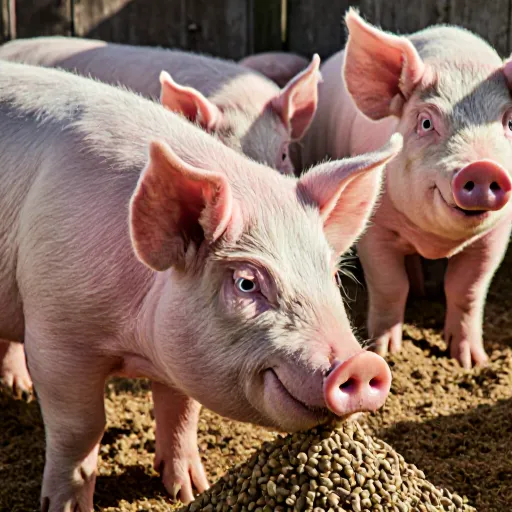
Unlock Pig Success with Essential Nutrients!
Table of Contents
- Overview of Minerals in Pig Diets
- Role of Calcium for Bone Development
- Phosphorus and Its Impact on Growth
- Sodium's Function in Electrolyte Balance
- Iron's Role in Hemoglobin Formation
- Iodine for Thyroid Hormone Production
- Chloride's Contribution to Acid-Base Balance
- Minerals and Immune System Support in Pigs
- Vitamin A for Vision and Immunity
- Vitamin D's Impact on Calcium Absorption
- Thiamine and Its Function in Energy Metabolism
- Niacin's Role in Cell Growth and Repair
- Vitamin E as an Antioxidant for Pigs
- Conclusion
- FAQ
Overview of Minerals in Pig Diets
The role of minerals in pig diets is crucial for their overall health, growth, and productivity. Minerals are essential nutrients that cannot be synthesized by pigs and must therefore be provided through their diet. These nutrients play a variety of roles within the body, including bone development, enzyme function, hormone production, muscle contraction, and pH balance.
The primary minerals required for pig diets include calcium (Ca), phosphorus (P), magnesium (Mg), sodium (Na), chloride (Cl), potassium (K), iron (Fe), copper (Cu), zinc (Zn), manganese (Mn), iodine (I), and selenium (Se). Each of these minerals serves a specific purpose in maintaining the pig's health and performance.
Critical Functions of Minerals
- Calcium (Ca): Necessary for bone development, tooth formation, blood clotting, and muscle contraction. A deficiency can lead to poor bone density and increased susceptibility to injury.
- Pigs require approximately 0.9-1.2% calcium in their diet depending on age and stage of production.
- Calcium should be balanced with phosphorus at a ratio between 1:1 and 2:1 for optimal bone health.
- Phosphorus (P): Essential for bone formation, energy metabolism, DNA synthesis, and cellular function. An imbalance can lead to poor bone density and reduced growth rates.
- Pigs require about 0.6-1% phosphorus in their diet.
- The calcium:phosphorus ratio is crucial for preventing phosphorus deficiency while ensuring adequate calcium intake.
- Magnesium (Mg): Involved in muscle contraction, nerve function, and the production of ATP (adenosine triphosphate), which provides energy to cells. Deficiency can cause muscle weakness and poor appetite.
- Pigs typically need 0.2-0.3% magnesium in their diet.
- Magnesium works synergistically with calcium and potassium for proper muscle function.
- Sodium (Na) and Chloride (Cl): Important for maintaining electrolyte balance, fluid regulation, and nerve impulse transmission. Deficiency can lead to dehydration and poor growth.
- Pigs generally need 0.3-0.5% sodium chloride in their diet.
- Water sources should always be clean and available to pigs at all times to prevent deficiency symptoms.
- Zinc (Zn): Critical for immune function, protein synthesis, wound healing, and reproductive health. Deficiency can impair growth and reproduction rates.
- Pigs require about 40-60 ppm zinc in their diet.
- Excessive zinc can have adverse effects, so it is important to maintain the right balance.
- Iodine (I) and Selenium (Se): Important for thyroid hormone production and antioxidant defense systems. Deficiency can lead to goiter in young pigs and reproductive disorders in sows.
- Pigs need about 0.1-0.2 ppm iodine and 0.15-0.3 ppm selenium in their diet.
- These minerals are typically provided through trace mineral supplements or fortified feeds.
The role of vitamins and minerals in pig diets is often interdependent. For instance, vitamin D aids in calcium absorption, while vitamin A is necessary for proper immune function and bone growth. Minerals also play a vital role in the activation or regulation of various vitamins.
Practical Advice
- Regular Monitoring: Conduct regular blood tests to assess mineral levels and adjust diets accordingly. This ensures that pigs are receiving all necessary nutrients without excess, which can be harmful.
- Diverse Feed Sources: Incorporate a variety of feed ingredients rich in minerals into the diet. For example, bones provide calcium, while green forages offer magnesium and potassium.
- Fortified Diets: Use fortified feeds or supplements to ensure that mineral requirements are met, especially during critical stages like gestation and lactation.
- Potable Water: Always provide clean, fresh water to prevent deficiencies caused by poor hydration. The quality of water can significantly impact the effectiveness of minerals in the diet.
Role of Calcium for Bone Development
The role of calcium in bone development is paramount, much like how minerals and vitamins play a crucial part in pig diets. Calcium, being one of the major mineral components of bones, ensures that they maintain their structural integrity and strength throughout an individual's life cycle.
Cautioning about deficiencies: Similar to pigs, humans and other animals require adequate levels of calcium in their diet. A deficiency can lead to severe health issues such as rickets in children or osteoporosis in adults.
Calcium's role is not just structural; it also supports various physiological functions including muscle contraction, nerve impulses, and blood clotting. Thus, ensuring that the body has sufficient calcium from dietary sources like dairy products, leafy greens, and fortified foods is vital for overall health.
According to studies referenced in The Role of Minerals and Vitamins in Pig Diets, providing an optimal amount of calcium in pig diets ensures the animals' skeletal development. Pigs require a balance between calcium (Ca) and phosphorus (P), as an imbalance can lead to metabolic bone disease.
For example, if pigs are fed a diet with too much phosphorus relative to calcium, it can impair their ability to absorb calcium effectively. This leads to weak bones that are prone to fractures. Therefore, careful consideration must be given when formulating pig diets to maintain the appropriate ratio of these minerals.
- Incorporate Fortified Feed: Use feeds that are specifically fortified with calcium, ensuring they meet nutritional standards set by agricultural bodies like the National Research Council (NRC).
- Bone Meal Usage: Adding bone meal to pig feed can provide a natural source of calcium. However, it should be used judiciously due to potential contamination concerns.
- Diversify Feed Sources: Include a variety of foods rich in calcium such as oyster shells, crushed eggshells, or supplements designed for livestock.
Regular monitoring is key to maintaining optimal bone health. Farmers should regularly check the calcium levels in their pigs' diets and adjust accordingly based on growth stages and specific needs of different breeds.
The role of minerals like calcium in pig diets extends beyond just bone development. It supports overall growth, immune function, and reproductive success. Therefore, it is crucial to strike a balance that meets the nutritional requirements without causing health risks such as hypercalcemia or hypocalcemia.
In conclusion, calcium plays a critical role in bone development, much like how minerals and vitamins are essential for pig growth. Ensuring an adequate supply of this mineral through balanced diets is fundamental to the health and welfare of pigs.
Phosphorus and Its Impact on Growth
The role of phosphorus, a key mineral, is vital for growth and development in pigs. Phosphorus plays multiple roles within an animal's body, including bone formation, energy metabolism, and the synthesis of DNA and RNA. In pig diets, adequate phosphorus levels are crucial to ensure healthy skeletal structure, proper digestion, and overall well-being.
Phosphorus is a critical component of bone and tooth formation, making it essential for growing pigs. Deficiencies can lead to weak bones and teeth, which are more prone to fractures and other health issues. Proper phosphorus intake also supports the production of ATP (adenosine triphosphate), the body's main energy currency, aiding in muscle function and overall metabolism.
Phosphorus Sources
Pigs require both organic and inorganic forms of phosphorus. Organic phosphorus sources are typically more bioavailable and include animal by-products and certain grains. In contrast, inorganic sources like calcium phosphate or monocalcium phosphate can be used but may not always provide the same level of bioavailability.
Phosphorus Deficiency
A deficiency in phosphorus can lead to stunted growth, poor appetite, and lethargy. Pigs deficient in phosphorus might also show signs of bone deformities and a weakened immune system. Monitoring feed intake and ensuring balanced nutrition are critical steps in preventing such deficiencies.
Phosphorus Toxicity
While phosphorus is essential, an excess can be detrimental as well. High levels of phosphorus in the diet might interfere with calcium absorption, leading to a condition known as phosphorus wasting or renal phosphate wasting. This results in reduced growth rates and increased mortality.
Phosphorus should be considered alongside other essential minerals like calcium, magnesium, and zinc, which all play important roles in pig nutrition. Similarly, vitamins such as vitamin D3 help in the absorption and utilization of phosphorus by facilitating calcium uptake from the intestines.
The interaction between these nutrients is crucial for optimal growth and health. For instance, a diet lacking in vitamin D might exacerbate phosphorus deficiencies since vitamin D aids in the absorption of both phosphorus and calcium.
Practical Advice
- Regular Monitoring: Regularly check feed formulations to ensure balanced levels of phosphorus and other essential minerals.
- Adaptation to Age and Stage: Adjust phosphorus intake according to the age and growth stage of pigs, as younger pigs have different nutritional requirements.
- Diversity in Feed Sources: Incorporate a variety of feed sources known for their phosphorus content to ensure comprehensive nutrition.
In conclusion, phosphorus is indispensable for pig growth and development. By understanding its role and managing it effectively within the diet, farmers can promote healthy and efficient pig production.
Sodium's Function in Electrolyte Balance
Sodium, a critical electrolyte, plays a pivotal role in maintaining fluid balance within an organism. In pigs, sodium is essential for the absorption of water and the regulation of blood pressure. Sodium ions are involved in nerve impulse transmission and muscle contraction, making it indispensable for proper physiological function.
Minerals such as sodium, potassium, calcium, magnesium, and chloride are vital components of a pig's diet. These minerals are not only electrolytes but also serve various other functions that support overall health and productivity.
Sodium Chloride (Salt)
The most common source of dietary sodium for pigs is table salt or sodium chloride (NaCl). Salt provides sodium and chloride, both essential for proper fluid balance. Sodium chloride aids in the regulation of water absorption, helps maintain blood volume, and supports nerve function.
In electrolyte balance, sodium works synergistically with other minerals such as potassium to help prevent acid-base imbalances and regulate pH levels within the body. The ratio of sodium to potassium is crucial for maintaining a healthy electrolyte profile in pigs' diets.
The Impact on Pig Diets
Ensuring adequate sodium intake is particularly important for pigs during periods of high activity or heat stress, as these conditions can lead to increased fluid loss. Pigs may need additional salt supplementation if environmental factors make it difficult for them to obtain sufficient sodium through their diet alone.
A balanced diet should include the appropriate amount of sodium chloride according to pig age and size. Over-supplementation with sodium can be harmful, leading to dehydration or other health issues. Therefore, it's important to monitor intake carefully based on individual needs.
Practical Advice for Pig Farmers
- Monitor Environmental Factors: Pay close attention to weather conditions and provide adequate salt licks during hot periods when pigs are more likely to lose electrolytes through sweat.
- Consult Nutritionists: Work with animal nutrition experts who understand the specific requirements of different breeds and stages of growth. They can help determine optimal sodium levels tailored specifically for your farm's needs.
- Observe Signs of Electrolyte Imbalance: Be aware of symptoms such as lethargy, muscle weakness, or increased thirst which could indicate an imbalance in electrolytes like sodium.
In conclusion, proper management of sodium through diet is crucial for maintaining the health and performance of pigs. By understanding its role in electrolyte balance and considering all factors that influence a pig's nutritional needs, farmers can ensure their animals thrive under various environmental conditions.
Iron's Role in Hemoglobin Formation
Iron plays a critical role in hemoglobin formation, which is essential for transporting oxygen throughout the body. In the context of hemoglobin, iron serves as the central component of the heme group, a complex structure that binds to oxygen and facilitates its transport from the lungs to tissues. Hemoglobin's efficiency depends significantly on adequate iron intake, making it one of the most vital minerals for overall health.
Iron deficiency anemia is a common condition that occurs when there isn't enough iron to produce sufficient hemoglobin. This can lead to fatigue, weakness, and shortness of breath. Ensuring adequate dietary intake of iron helps prevent this condition. Sources of dietary iron include red meat, poultry, fish, beans, lentils, spinach, fortified cereals, and iron supplements.
The absorption of iron from food is influenced by various factors such as the form of iron (ferrous vs. ferric), vitamin C content, and the presence of other nutrients like calcium. For instance, non-heme iron (plant-based) absorbs less efficiently than heme iron (meat-based). Consuming foods rich in vitamin C alongside iron-rich meals can enhance absorption.
In pig diets, the role of minerals like iron is analogous to its function in human nutrition. Iron deficiency in pigs can lead to similar health issues such as anemia and reduced growth rates. The dietary recommendations for iron in pigs are based on ensuring optimal absorption and utilization, much like in humans.
- Increase the intake of iron-rich foods or consider supplementing with iron.
- Incorporate vitamin C-rich foods into meals to enhance iron absorption.
- Avoid excessive consumption of calcium, which can inhibit iron absorption.
Iron is indispensable for hemoglobin formation and overall health. Understanding its role in the diet is crucial for maintaining optimal physiological function. By following dietary guidelines and making informed food choices, one can ensure adequate iron intake to support healthy hemoglobin levels.
Iodine for Thyroid Hormone Production
Iodine plays a crucial role in the production of thyroid hormones, specifically thyroxine (T4) and triiodothyronine (T3). These hormones are essential for regulating metabolism, growth, and development. Inadequate iodine intake can lead to hypothyroidism, which results in sluggish metabolism and other health issues. Ensuring adequate levels of iodine in the diet is therefore vital.
Just like in pig diets where minerals and vitamins are essential for optimal growth and development, humans also require these nutrients to maintain proper thyroid function. The most important mineral involved in this process is iodine, which is critical for the synthesis of thyroid hormones.
Iodine Sources
Good sources of iodine include seafood (like seaweed, fish, and shellfish), dairy products, eggs, and iodized salt. In regions where soil and water are naturally low in iodine, supplementation through diet or iodized salt is recommended.
The Impact of Iodine Deficiency
Iodine deficiency can lead to a condition called endemic goiter, characterized by an enlarged thyroid gland. Severe deficiencies during pregnancy and early childhood can also cause brain damage in the developing fetus or child, leading to intellectual disabilities.
Supplementation and Fortification
In many parts of the world, iodine is added to table salt (iodized salt) as a public health measure. This ensures that even individuals with limited access to seafood or other iodine-rich foods still receive adequate amounts through their diet.
Interactions and Considerations
While iodine is crucial for thyroid function, excessive intake can also be problematic. Too much iodine can interfere with the body’s ability to absorb sufficient amounts of other essential minerals like calcium, magnesium, and zinc. Therefore, it's important to maintain a balanced diet.
Practical Advice
- Eat a varied diet that includes seafood, dairy products, eggs, and iodized salt.
- Avoid excessive consumption of goitrogens such as soy products, cruciferous vegetables like broccoli and cauliflower, and certain medications known to interfere with thyroid function.
- For pregnant women and those planning a pregnancy, it's recommended to consult healthcare providers about adequate iodine intake.
In conclusion, ensuring an adequate intake of iodine is essential for maintaining healthy thyroid function. This is especially important given the prevalence of goitrogenic foods in our diet. By understanding and addressing iodine needs through a well-balanced diet, individuals can support their body’s natural processes and overall health.
Chloride's Contribution to Acid-Base Balance
Chloride, primarily known for its role as a major electrolyte, plays a crucial part in maintaining the acid-base balance within the body. This balance is essential for optimal physiological function and overall health. Chloride works alongside other minerals like sodium and potassium to help regulate fluid levels and pH levels in bodily fluids.
In the context of acid-base homeostasis, chloride ions are key players. They contribute directly to the formation of hydrochloric acid (HCl) which is secreted by the stomach and helps maintain the body's pH balance. Chloride also aids in the secretion of bicarbonate by the kidneys, which plays a vital role in buffering excess acids or bases.
Chloride's Specific Function
When chloride enters the digestive system through dietary sources, it combines with hydrogen ions to form hydrochloric acid. This acid not only aids digestion by breaking down food but also helps maintain the stomach's acidic environment that is necessary for the absorption of nutrients like iron and calcium.
In pig diets, minerals such as chloride (from sodium chloride) are essential components. Sodium chloride, commonly known as table salt, is a key source of chloride that pigs require for various physiological processes including electrolyte balance and fluid regulation.
Importance in Pig Diets
Minerals like chloride contribute to the overall health and well-being of pigs. They play a critical role in supporting the acid-base balance, which is essential for maintaining proper pH levels in the blood and other bodily fluids. This balance ensures that pigs can efficiently absorb nutrients from their diet.
Practical Advice
- Monitor Intake: Regularly check the chloride intake to ensure it aligns with nutritional requirements and avoid overfeeding, which could lead to health issues like metabolic acidosis.
- Vary Sources: Incorporate different types of salt in pig feed to provide a balanced diet. This ensures that pigs receive various nutrients including chloride.
- Hydration: Ensure that water sources are clean and readily available as water is crucial for the absorption of minerals like chloride.
While vitamins do not directly affect the acid-base balance, they support overall health and can indirectly aid in maintaining this balance. For instance, vitamin C acts as an antioxidant that helps protect cells from free radical damage which could otherwise lead to pH imbalances.
Conclusion
In summary, chloride is a vital mineral for maintaining acid-base balance through its role in electrolyte regulation and the secretion of hydrochloric acid. In pig diets, ensuring adequate chloride intake is crucial for supporting overall health and proper nutrient absorption. By following practical advice and incorporating these nutrients effectively into their diet, pigs can thrive with balanced physiological function.
Minerals and Immune System Support in Pigs
The role of minerals in a pig's diet extends far beyond just maintaining skeletal integrity; they play a crucial part in supporting the immune system, ensuring optimal health and growth. Minerals such as zinc, copper, iron, manganese, and selenium are essential for various bodily functions, including immune response modulation.
One of the key minerals involved in immune function is zinc. Zinc serves multiple roles within a pig's body, including the activation of over 300 enzymes that aid in metabolism and DNA synthesis. Additionally, it plays an essential role in cell division and growth, making it crucial for the development of new cells in wounds healing or replacing old cells.
Zinc helps to regulate the immune system by supporting the production of cytokines—molecules involved in signaling between different parts of the body during infection. A deficiency in zinc can lead to a weakened immune response, leaving pigs more susceptible to diseases and infections.
While copper is required in much smaller quantities than other minerals like iron or calcium, it remains vital for proper immune system function. Copper works synergistically with zinc to enhance white blood cell activity, which are crucial for fighting off pathogens such as bacteria and viruses.
Copper also supports the formation of connective tissues, including bone and cartilage, but its impact on the immune system cannot be overstated. Deficiency in copper can result in impaired iron metabolism, leading to anemia and reduced resistance against infections.
Iron is one of the most critical minerals for overall health because it is essential for oxygen transport throughout the body via hemoglobin within red blood cells. However, its importance does not end there; iron also plays a significant role in immune function by supporting white blood cells and their ability to destroy invading pathogens.
A deficiency in iron can lead to anemia, which reduces the efficiency of the circulatory system and impairs oxygen delivery to tissues. This, in turn, hampers the body's ability to mount effective immune responses against infections and parasites.
Manganese is necessary for a variety of metabolic processes, including energy production and bone development. In terms of supporting immunity, manganese activates an important enzyme called superoxide dismutase (SOD), which helps neutralize harmful free radicals produced during the immune response against pathogens.
Free radical damage can compromise the effectiveness of the immune system if not properly managed. Thus, adequate levels of manganese help protect both the cells involved in fighting infections and the overall integrity of the body from oxidative stress caused by inflammation.
Selenium is a trace mineral known for its powerful antioxidant properties. It works closely with vitamin E to form an effective defense against oxidative stress, which can impair immune function if left unchecked. Selenium also supports thyroid hormone production and regulates the activity of the immune system through T-cell activation.
Deficiency in selenium has been linked to increased susceptibility to infectious diseases among pigs due to compromised antioxidant defenses and reduced efficacy of certain aspects of the immune response.
Though not typically considered a mineral crucial for immunity, potassium is still essential as it helps maintain proper fluid balance in cells and supports muscle function. These functions are indirectly related to maintaining an efficient immune system by ensuring that both physical barriers like skin and internal organs operate optimally.
Adequate levels of potassium contribute to better hydration status which can enhance overall performance and recovery from illnesses among pigs.
- Regular Monitoring: Regularly check for signs of mineral deficiencies such as poor growth rates, pale skin or mucous membranes, lethargy, diarrhea, or respiratory issues. These symptoms could indicate that your pig's diet lacks certain essential minerals.
- Balanced Diet: Ensure that the feed provided contains balanced amounts of all necessary minerals. Supplements can be used if deficiencies are identified through testing but should only be administered under professional guidance.
It is advisable to consult with a veterinarian or nutritionist specializing in swine husbandry before making any significant changes to the diet of your pigs.
In conclusion, providing adequate levels of these essential minerals in your pig's diet is vital for maintaining a robust immune system and overall health. By understanding the role each mineral plays, you can help ensure that your pigs remain strong and resilient against various threats.
Vitamin A for Vision and Immunity
The role of Vitamin A in a pig's diet is crucial for maintaining optimal health, particularly concerning vision and immunity. Vitamin A plays a vital role in the production of rhodopsin, a pigment essential for night vision, ensuring that pigs can see clearly even in low-light conditions.
Vitamin A supports ocular health by promoting proper formation and function of the retina. This nutrient helps prevent eye infections and contributes to overall visual acuity, which is especially important for pigs that are active during daylight hours.
Signs of Vitamin A Deficiency
- Frequent eye infections or inflammation
- Cloudy eyes or corneal ulcers
- Increased sensitivity to light (photophobia)
Inadequate Vitamin A can lead to severe visual impairment, which may limit a pig's mobility and overall quality of life. Ensuring that their diet is rich in this nutrient is therefore essential.
Beyond vision support, Vitamin A is fundamental in the immune system's functioning. It helps white blood cells fight off pathogens and supports mucosal integrity to prevent infections from entering the body through the respiratory or digestive tracts.
Immune System Benefits of Vitamin A
- Enhances natural killer cell activity
- Promotes antibody production
- Supports mucosal barrier function
A robust immune system is critical for pigs, especially in stressful environments or during periods of rapid growth when their nutritional needs are high.
The relationship between minerals and vitamins like Vitamin A cannot be overstated. While Vitamin A is essential for vision and immunity, it requires other nutrients to function optimally. For example, zinc works synergistically with Vitamin A to support skin integrity and wound healing.
Other Vitamins and Minerals in Pigs' Diets
- Vitamin E: Acts as an antioxidant alongside Vitamin A, protecting cells from oxidative stress.
- Zinc: Supports immune function and skin health.
- Iron: Essential for oxygen transport and energy metabolism.
Ensuring a balanced diet that includes these nutrients is key to supporting a pig's overall well-being.
To ensure your pigs receive adequate Vitamin A, consider incorporating the following into their diet:
- Carrots and Sweet Potatoes: These root vegetables are rich in beta-carotene, which converts to Vitamin A in the pig's body.
- Pumpkin Seeds: A good source of zinc, which works with Vitamin A for optimal function.
- Green Leafy Vegetables: Such as spinach and kale, provide a variety of essential nutrients including Vitamin E and iron.
Regularly monitor your pigs' health to catch any signs of deficiency early. Consulting with a veterinarian or a nutritionist can also help tailor a diet that meets the specific needs of your livestock.
Vitamin D's Impact on Calcium Absorption
Vitamin D plays a crucial role in enhancing calcium absorption, which is essential for maintaining strong bones and teeth. In the context of animal nutrition, particularly relevant to pig diets as discussed in "The Role of Minerals and Vitamins in Pig Diets," this relationship between Vitamin D and calcium absorption is vital for optimal growth and health.
Vitamin D deficiency can lead to poor bone development and increased susceptibility to diseases. It facilitates the intestinal absorption of calcium by promoting its movement from the intestines into the bloodstream. This process ensures that the body has sufficient levels of calcium, which are necessary for various physiological functions including muscle contraction, blood clotting, and nerve function.
In pigs specifically, adequate Vitamin D is critical during the growing phase when bone density needs to be optimized. A study from "The Role of Minerals and Vitamins in Pig Diets" suggests that dietary Vitamin D supplementation can improve calcium absorption efficiency by up to 30%. This enhancement translates into better skeletal development, which is beneficial for overall health and productivity.
Practical advice for pig farmers includes ensuring the diet meets the recommended levels of Vitamin D. For example, incorporating fortified feed or using supplements can help meet these needs. Additionally, maintaining a balanced diet with adequate calcium content ensures that the absorption process is maximized when Vitamin D is present in sufficient quantities.
The interaction between Vitamin D and calcium also has implications for other physiological processes. For instance, it supports immune function by promoting the differentiation of cells into T-cells, which are essential components of the adaptive immune system.
In summary, Vitamin D's impact on calcium absorption is not just about bone health but extends to broader aspects of pig nutrition and overall well-being. Understanding this relationship helps in formulating diets that support healthy growth and development throughout a pig’s life cycle.
Thiamine and Its Function in Energy Metabolism
In the context of pig nutrition, thiamine (vitamin B1) plays a crucial role in energy metabolism. Thiamine is essential for the proper function of enzymes involved in carbohydrate metabolism, particularly those that convert carbohydrates into usable energy.
Thiamine acts as a coenzyme in several important metabolic pathways. One of its key functions is to assist in the conversion of pyruvate into acetyl-CoA through the action of the enzyme pyruvate dehydrogenase complex (PDC). This process occurs in the mitochondria and is critical for the Krebs cycle, which generates high-energy electrons that are ultimately used to produce ATP.
Poor thiamine status can lead to a condition known as beriberi, characterized by impaired energy metabolism. In pigs, this may manifest as reduced growth rates, poor feed efficiency, and increased susceptibility to stress. Ensuring adequate dietary intake of thiamine helps maintain optimal health and performance.
Role in Pig Diets
The role of minerals and vitamins in pig diets is multifaceted, with thiamine being one of the key micronutrients that support overall health and productivity. A deficiency in thiamine can have significant negative impacts on pigs' physiological processes.
Deficiency Symptoms
- Poor feed efficiency
- Reduced growth rates
- Increased susceptibility to stress and infections
- Vomiting
- Muscle weakness and tremors
Prevention and Supplementation
To prevent thiamine deficiency, it is important to include adequate levels of the vitamin in the diet. This can be achieved by using fortified feed additives or by incorporating natural sources rich in thiamine such as brewer's yeast.
Supplementing diets with a balanced mix of other B vitamins is also beneficial as they work synergistically to support various metabolic pathways. For instance, riboflavin (vitamin B2) and niacin (vitamin B3) are involved in the conversion of nutrients into energy, just like thiamine.
Practical Advice
Regular monitoring of pig health and performance can help identify potential deficiencies early. If thiamine levels are found to be low, it is advisable to adjust feed formulations accordingly. Consulting with a veterinarian or a nutritionist specializing in pig diets can provide tailored advice based on individual farm conditions.
Conclusion
In summary, thiamine is indispensable for energy metabolism and overall health in pigs. Ensuring adequate intake through well-balanced diets is crucial to prevent deficiencies and support optimal growth and productivity. Understanding the role of thiamine in pig nutrition helps in making informed decisions that can lead to healthier and more productive pigs.
Niacin's Role in Cell Growth and Repair
Niacin, also known as vitamin B3, plays a crucial role in cell growth and repair within the human body. It is involved in numerous metabolic processes that are essential for maintaining overall health and wellness. This section delves into the specific mechanisms by which niacin supports cellular function and how this might draw parallels to the role of minerals and vitamins in pig diets.
Niacin is primarily known for its involvement in energy metabolism, but it also plays a vital part in cell growth and repair. It acts as a coenzyme that helps convert food into energy by facilitating the breakdown of carbohydrates, fats, and proteins during cellular respiration. This process ensures that cells have the necessary fuel to perform various tasks such as muscle contraction, nerve signaling, and immune function.
Niacin's Role in DNA Synthesis
One of the key processes niacin supports is DNA synthesis. During cell division, new cells are formed by replicating their genetic material. Niacin helps ensure that this process occurs efficiently by aiding in the production of nucleotides, which are building blocks for DNA and RNA. This function is critical not just for repair but also for growth and reproduction.
Supporting Cellular Repair
In addition to promoting cell division, niacin aids in cellular repair through its involvement in processes such as wound healing and recovery from injuries or diseases. By ensuring that cells have sufficient energy and building blocks, niacin helps them recover more quickly and effectively. This is particularly important for maintaining the integrity of tissues throughout the body.
The role of niacin in human cell growth and repair has interesting parallels when considering vitamins and minerals in pig diets. Just as niacin helps humans by supporting metabolic processes, certain vitamins and minerals are essential for pigs to maintain optimal health and productivity.
Minerals' Role in Pig Diets
Magnesium, calcium, and phosphorus are crucial for bone development and overall skeletal integrity in pigs. These minerals work together with other nutrients to ensure that the pig's bones can support its body weight and protect vital organs. Similarly, niacin supports cellular function by enabling efficient energy conversion, which is essential for maintaining robust muscle tissue.
Vitamins' Role in Pig Diets
Vitamin D, like niacin, plays a significant role in bone health. It aids in the absorption of calcium and phosphorus from the diet, ensuring that these minerals are available to form strong bones and teeth. Vitamin C is also vital for pigs as it supports immune function and wound healing, much like how niacin contributes to tissue repair.
Integrated Nutritional Strategy
To maximize pig health and productivity, a balanced approach that includes both vitamins and minerals is necessary. Just as niacin is essential for human cell growth and repair, ensuring adequate intake of these nutrients in pigs' diets can lead to improved performance and well-being.
For pig farmers looking to optimize their animals' health through diet, it's important to consider a comprehensive approach that includes all necessary vitamins and minerals. Regularly reviewing dietary plans with a veterinarian or nutritionist can help ensure that the right balance of nutrients is provided.
In conclusion, niacin's role in cell growth and repair highlights its importance in maintaining overall health. By understanding this mechanism and comparing it to other nutrients essential for pigs' diets, we can better appreciate the interconnectedness of nutrition across species.
Vitamin E as an Antioxidant for Pigs
Vitamin E plays a crucial role as an antioxidant for pigs, contributing significantly to their overall health and well-being. This essential nutrient helps protect cells from oxidative damage by neutralizing free radicals, which are highly reactive molecules that can harm tissues when present in excess.
Vitamin E is particularly important for pigs due to its antioxidant properties. It works synergistically with other antioxidants like selenium and vitamin C to enhance the body's defense mechanisms against oxidative stress. Oxidative stress can lead to various health issues, including muscle damage, reproductive disorders, and compromised immune function.
Antioxidant Properties of Vitamin E
Vitamin E acts as a lipid-soluble antioxidant, protecting cell membranes from lipid peroxidation. This process involves the breakdown of fatty acids in cell membranes due to oxidative stress, which can lead to cellular dysfunction and damage.
Examples of Vitamin E Deficiency
- Poor growth performance: Pigs may exhibit reduced feed intake, lower weight gain, and poor overall growth when deficient in vitamin E.
- Muscle disorders: Animals can develop white muscle disease or muscular dystrophy if there is a lack of this essential antioxidant.
- Reproductive issues: Deficiency can lead to infertility or reduced fertility rates in sows.
Importance in Pig Diets
The role of minerals and vitamins, including vitamin E, is crucial in the diet of pigs. A well-balanced diet ensures that all essential nutrients are provided to support optimal health and growth. Vitamin E should be included according to the specific dietary recommendations for pigs.
Practical Advice for Providing Vitamin E
- Ensure a balanced feed: Consult with a veterinarian or nutritionist to determine the appropriate amount of vitamin E in your pig's diet. A balanced feed is key to providing all necessary nutrients.
- Supplement when needed: If you suspect a deficiency, consider adding a supplement rich in vitamin E to your pig's food.
- Monitor health regularly: Regular veterinary check-ups can help identify any signs of nutrient deficiencies early on.
Conclusion
In summary, vitamin E is vital for pigs as an antioxidant. It helps protect cells from oxidative damage and supports overall health and growth. By ensuring that your pig's diet includes adequate levels of this essential nutrient, you can help maintain the animal's well-being and productivity.
Conclusion
The role of minerals and vitamins in pig diets is crucial for their optimal growth, health, and performance. Minerals and vitamins are essential because they serve as building blocks for various bodily functions, supporting the immune system, promoting bone development, and enhancing overall vitality.
Minerals play a vital role in maintaining the pig's health and ensuring that all body systems function correctly. Some of the most important minerals include:
- Calcium (Ca): Essential for bone development, muscle contraction, and blood clotting.
- Potassium (K): Important for nerve impulse transmission, muscle function, and fluid balance.
- Sodium (Na): Necessary for maintaining electrolyte balance and osmotic pressure in the body.
- Zinc (Zn): Involved in numerous physiological processes including DNA synthesis, wound healing, and immune function.
- Iodine: Crucial for thyroid hormone production which regulates metabolism.
Vitamins are critical for energy metabolism, tissue repair, and a robust immune system. Some of the essential vitamins include:
- Vitamin A: Supports vision, reproduction, and immune function.
- Vitamin D: Helps in calcium absorption and bone health.
- Vitamin E: Acts as an antioxidant to protect cells from oxidative stress.
- B-Vitamins (Thiamine, Riboflavin, Niacin): Involved in energy metabolism and red blood cell formation.
To ensure pigs receive the necessary minerals and vitamins, farmers should consider incorporating a balanced diet plan. This can include:
- Multivitamin and mineral supplements: Adding these to feed formulations can help meet nutritional requirements.
- Regular monitoring: Conduct regular blood tests to assess the pig's mineral and vitamin levels and adjust diets accordingly.
- Variety in diet: Offering a diverse range of feeds, including fortified grains, vegetables, and fruits, can provide essential nutrients naturally.
An example of a balanced diet for pigs includes:
- Grains: Corn, wheat, barley, and oats are rich in energy but lack essential minerals. Therefore, they should be supplemented with minerals and vitamins.
- Protein Sources: Soybean meal or fishmeal provide necessary amino acids but may need additional vitamins to complete the diet.
- Vegetables and Fruits: Incorporating vegetables like carrots, spinach, and fruits such as apples can contribute essential minerals and vitamins naturally.
In conclusion, understanding the role of minerals and vitamins in pig diets is fundamental for successful pig farming. By providing a balanced diet that meets all nutritional requirements, farmers can ensure their pigs grow healthily and perform optimally.
FAQ
Pigs, like all animals, require a balanced diet to maintain health and support optimal growth. The role of minerals and vitamins in the pig's diet is crucial for ensuring that these animals receive the necessary nutrients for their development and overall well-being.
Minerals
Minerals are essential for pigs as they play various roles in body functions, including bone formation, muscle contraction, nerve function, and fluid balance. Here’s a breakdown of some key minerals required by pigs:
- Calcium (Ca): Important for bone development and teeth strength. Calcium deficiency can lead to poor bone structure and increased susceptibility to diseases.
- Phosphorus (P): Works with calcium in bone formation. Deficiency can result in rickets, a condition characterized by soft bones.
- Sodium (Na) and Chloride (Cl): Key electrolytes that help regulate water balance and blood pH levels.
- Magnesium (Mg): Essential for muscle function and nerve transmission. Deficiency can lead to muscular weakness or spasms.
- Zinc (Zn): Involved in many enzymatic reactions, wound healing, and immune function.
- Iodine (I): Crucial for proper thyroid function. Iodine deficiency can lead to goiter or cretinism in pigs.
To ensure that pigs receive adequate minerals, it is recommended to use a balanced feed formulated specifically for pigs. These feeds are designed by nutritionists and veterinarians to provide the correct balance of minerals based on the pig's age, weight, and specific needs.
Vitamins
Just like humans, vitamins play a vital role in the digestive process, bone health, blood clotting, and overall immunity. Here are some essential vitamins for pigs:
- Vitamin A (Retinol): Supports vision, skin integrity, and immune function.
- Vitamin D3 (Cholecalciferol): Helps in calcium absorption and bone health. It is also crucial for maintaining a proper balance between calcium and phosphorus.
- Vitamin E: An antioxidant that protects cells from oxidative damage, supports the immune system, and promotes reproductive health.
- B-complex vitamins (Thiamine, Riboflavin, Niacin): Involved in energy metabolism and cell function. Deficiency can lead to digestive issues and poor growth rates.
Pigs can obtain these vitamins through their feed or supplements. Ensuring the diet is balanced with appropriate levels of vitamins prevents deficiencies that could negatively impact pig health and productivity.
Practical Advice for Pig Farmers
For farmers, it’s important to understand how mineral and vitamin deficiencies can affect pigs:
- Detecting Deficiencies: Signs of vitamin or mineral deficiency include poor growth rates, reduced appetite, weakness, and increased susceptibility to diseases.
- Supplementation: If a particular pig is showing signs of deficiency, it may be necessary to add specific supplements to its diet. Consulting with a veterinarian can help determine the exact supplementation needed.
- Feed Quality: Always choose high-quality feed that meets nutritional standards set by agricultural authorities. Regularly check for freshness and ensure there is no contamination.
In conclusion, understanding the role of minerals and vitamins in pig diets is crucial for ensuring healthy growth and productivity. By providing a balanced diet, farmers can help their pigs reach their full potential while avoiding health issues associated with deficiencies.
Categories
- AI & Enrichment Play
- Broiler Farming
- Broiler Farming Tips
- Canine Wellness & Longevity
- Cat
- Cat & Human Connection
- Cat Adoption & Rescue
- Cat Breeds
- Cat Breeds & Personalities
- Cat Care & Health
- Cat Grooming & Hygiene
- Cat Lifestyle & Environment
- Cat Myths & History
- Cat Nutrition & Diet
- Cat Products & Reviews
- Cat Training & Behavior
- Comparison
- Consumer Awareness
- Dog
- Dog Accessories & Products
- Dog Adoption & Rescue
- Dog Breed & Lifestyle Trends
- Dog Breeding & Puppies
- Dog Entertainment & Media
- Dog Fashion & Trends
- Dog Fun & Lifestyle
- Dog Grooming & Hygiene
- Dog History & Culture
- Dog Myths, Science & Future Tech
- Dog News & Trends
- Dog Nutrition & Food
- Dog Psychology & Emotions
- Dog Safety & Security
- Dog Sports & Activities
- Dog Technology & Innovation
- Dog Training for Modern Owners
- Dog Travel & Adventure
- Dog Travel, Adventure & Culture
- Economic and Market Insights
- Educational Content
- FAQs
- Feeding Alternatives
- Festivals & Seasonal Ideas
- Fun & Entertainment
- General Knowledge
- General Pig Farming
- Health & Disease Management
- Housing and Environment
- Kittens
- Market Insights
- Miscellaneous
- Miscellaneous
- Motivational
- pig
- Pig Breeding
- Pig Breeds
- Pig Farming Stories and Inspiration
- Pig Health and Care
- Pig Nutrition
- Pig Products
- Profitability & Business
- Puppy Care
- Puppy Predictable Topics Reinvented
- Regional Focus
- Rescue & Adoption Buzz
- Senior Cats
- Senior Dog Care
- Smart Dog Tech & Gadgets
- Sustainability
- Sustainable & Eco-Friendly Dog Products
- Tech & Innovations
- Working & Service Dogs
- Broiler Feed66 products
- Country Feed33 products
- Pig Feed66 products
- Product22 products
- Raw Materials99 products
Products
-
 Fish Meal
₹1,999.00 – ₹2,999.00Price range: ₹1,999.00 through ₹2,999.00Rated 0 out of 5
Fish Meal
₹1,999.00 – ₹2,999.00Price range: ₹1,999.00 through ₹2,999.00Rated 0 out of 5 -
 FATTENING BROILER FEED
₹2,299.00 – ₹2,349.00Price range: ₹2,299.00 through ₹2,349.00Rated 0 out of 5
FATTENING BROILER FEED
₹2,299.00 – ₹2,349.00Price range: ₹2,299.00 through ₹2,349.00Rated 0 out of 5 -
 LAYER COUNTRY FEED
₹1,549.00 – ₹1,649.00Price range: ₹1,549.00 through ₹1,649.00Rated 0 out of 5
LAYER COUNTRY FEED
₹1,549.00 – ₹1,649.00Price range: ₹1,549.00 through ₹1,649.00Rated 0 out of 5 -
 COUNTER BROILER FEED
₹1,199.00 – ₹1,299.00Price range: ₹1,199.00 through ₹1,299.00Rated 0 out of 5
COUNTER BROILER FEED
₹1,199.00 – ₹1,299.00Price range: ₹1,199.00 through ₹1,299.00Rated 0 out of 5 -
 LACTATING PIG FEED
Rated 0 out of 5
LACTATING PIG FEED
Rated 0 out of 5₹2,299.00Original price was: ₹2,299.00.₹1,740.00Current price is: ₹1,740.00. -
 Maize
Rated 0 out of 5
Maize
Rated 0 out of 5₹1,650.00Original price was: ₹1,650.00.₹1,300.00Current price is: ₹1,300.00. -
 GESTATION PIG FEED (Phase 1)
Rated 0 out of 5
GESTATION PIG FEED (Phase 1)
Rated 0 out of 5₹2,249.00Original price was: ₹2,249.00.₹1,699.00Current price is: ₹1,699.00. -
 Pre Starter Broiler Feed
₹2,399.00 – ₹2,499.00Price range: ₹2,399.00 through ₹2,499.00Rated 0 out of 5
Pre Starter Broiler Feed
₹2,399.00 – ₹2,499.00Price range: ₹2,399.00 through ₹2,499.00Rated 0 out of 5 -
 FINISHER PIG FEED
Rated 0 out of 5
FINISHER PIG FEED
Rated 0 out of 5₹2,299.00Original price was: ₹2,299.00.₹1,749.00Current price is: ₹1,749.00. -
 Broiler Premix
Rated 0 out of 5
Broiler Premix
Rated 0 out of 5₹820.00Original price was: ₹820.00.₹699.00Current price is: ₹699.00.