
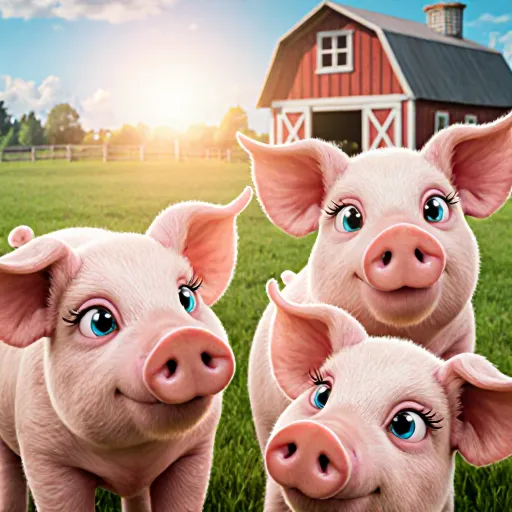
Unlock pig feeding truths for healthier livestock!
Table of Contents
- Myth 1: Pigs Should Only Eat Meat
- Myth 2: Salt Is Harmful to Pigs
- Myth 3: Corn Is the Best Food for Pigs
- Myth 4: Table Scraps Are Good for Pigs
- Myth 5: Pigs Do Not Need Fresh Water
- Myth 6: Commercial Pig Feed Is Unhealthy
- Myth 7: More Food Means Faster Growth
- Myth 8: Pigs Should Eat Vegetables Every Day
- Myth 9: Pigs Will Only Eat What They Need
- Myth 10: Pigs Should Have Access to Dirt at All Times
- Myth 11: Pigs Prefer a Single Type of Food
- Myth 12: Pigs Will Overeat If Given Unlimited Food
- Myth 13: Salt Licks Are Necessary for Pigs
- Myth 14: Pigs Should Have Only One Type of Water Bowl
- Conclusion
- FAQ
Myth 1: Pigs Should Only Eat Meat
Myth 1: Pigs Should Only Eat Meat
The idea that pigs should only eat meat is a common misconception. In reality, pigs are omnivores and have a diverse diet that can include both plant-based and animal-based foods. This myth likely stems from the fact that wild pigs are known to hunt and consume small animals, but domesticated pigs thrive on a well-rounded diet.
Domesticated pigs should receive a balanced diet that includes:
- Grains and cereals: These provide essential carbohydrates. Good options include oats, barley, corn, and wheat.
- Vegetables: A variety of vegetables can be included in the pig's diet for vitamins and minerals. Examples are carrots, cabbage, squash, spinach, and broccoli.
- Fruits: Fruits like apples, bananas, melons, and berries not only provide additional nutrients but also help with hydration. However, fruits should be given in moderation due to their high sugar content.
- Protein sources: While meat is a good source of protein for pigs, they can also benefit from plant-based proteins like soybean meal, lupine, and alfalfa.
A balanced diet ensures that your pig receives all the necessary nutrients it needs to maintain good health. Overfeeding meat alone could lead to nutrient imbalances, causing health issues such as obesity or deficiencies in vitamins and minerals.
For example, a piglet's diet should be rich in protein for proper growth and development. However, this doesn't mean that all the protein must come from meat sources. Soybean meal is commonly used by farmers to provide high-quality plant-based proteins to growing pigs without relying solely on animal products.
In conclusion, while meat can be a part of your pig's diet, it should not be the only component. Ensure you consult with a veterinarian or a nutritionist who specializes in pig care for guidance tailored to your specific type and stage of development of your pig. This will help ensure that your pig is receiving a balanced and nutritious diet.
Myth 2: Salt Is Harmful to Pigs
One common myth surrounding pig feeding is that salt is harmful to pigs. This misconception likely arises from concerns about sodium chloride overdose, which can indeed be detrimental if consumed in excessive amounts. However, when fed correctly, salt plays a crucial role in maintaining the health and well-being of pigs.
Understanding Salt's Role
Pigs require salt (sodium chloride) for proper electrolyte balance, water retention, and overall nutrient absorption. Sodium helps regulate blood pressure and fluid levels within the body, while chloride contributes to the production of hydrochloric acid in the stomach, aiding digestion.
Common Misconceptions
The fear that salt is harmful stems from overfeeding or incorrect administration methods. For instance, offering large amounts of salted treats or allowing pigs unrestricted access to salt licks can lead to health issues such as dehydration, hypernatremia (excessive sodium levels), and kidney damage.
Safe Salt Intake
To ensure safe intake, it's essential to provide salt in moderation. The amount of salt a pig needs depends on its age, size, activity level, and environmental conditions. Typically, young pigs need about 1/4 teaspoon per day for every 25 pounds of body weight, while adult sows require around 1/3 teaspoon daily.
Practical Advice
Use Salt Licks Sparingly: While salt licks are convenient, they should not be the sole source of sodium. Instead, offer small amounts as a supplement to their regular feed. Monitor your pigs closely for any signs of overconsumption.
Balanced Diets Matter: Always ensure that your pig's diet is balanced and includes all necessary nutrients. Consult with a veterinarian or a livestock nutritionist if you're unsure about the right balance for your specific type of pig.
Hydration Is Key: Pigs need plenty of clean water at all times. Ensuring they have access to fresh, cool water can help prevent any potential issues related to salt intake and overall health.
Conclusion
In conclusion, while there is a myth that salt is harmful to pigs, this belief is grounded in misunderstanding rather than fact. When used correctly and in moderation, salt is an essential component of a pig's diet. By providing small, controlled amounts as part of a balanced diet and ensuring proper hydration, you can help your pigs thrive without risking their health.
Myth 3: Corn Is the Best Food for Pigs
One of the most common misconceptions about pig feeding is that corn is the best food for pigs. While corn can be a part of a balanced diet, it is not necessarily the optimal choice for all aspects of pig nutrition.
The Role of Corn in Pig Diets
Corn has long been considered a staple in pig feed because it provides a good source of energy and some essential nutrients. However, its high starch content can cause digestive issues if fed excessively or improperly mixed with other ingredients. Pigs have a relatively simple digestive system that is not as efficient at breaking down fiber and complex carbohydrates compared to humans or ruminants.
Why Corn Isn't Always the Best Choice
Corn lacks certain amino acids that pigs need for optimal growth and health. These essential amino acids must be supplemented in a pig's diet, especially during critical periods like gestation and lactation. Relying solely on corn can lead to nutritional imbalances, such as deficiencies in lysine or methionine.
Alternative Feed Options
- Grains: Besides corn, other grains like oats and barley can be beneficial. Oats provide a good source of fiber without being too high in starch, making them easier on the pig's digestive system.
- Legumes: Soybeans and peas are excellent sources of protein that pigs need for muscle development and overall health.
- Vegetables and Fruits: Including a variety of vegetables in the diet can add essential vitamins, minerals, and fiber. For example, carrots provide beta-carotene, which is important for vision and immune function.
Pig Feeding Practices
To ensure your pigs receive all the nutrients they need, it's crucial to diversify their diet. A balanced pig feed should include:
- Protein sources: Such as soybean meal or meat and bone meal.
- Fibrous foods: Like hay or alfalfa for roughage.
- Vitamins and minerals: Essential for maintaining health and preventing deficiencies.
Practical Advice
When formulating a diet, consider the age, breed, and purpose of your pigs. For instance, growing pigs need more protein and energy than lactating sows or breeding boars. Always consult with a veterinarian or animal nutritionist to tailor the feeding plan to individual needs.
Conclusion
In summary, while corn can be a useful component in pig feed due to its high energy content, it is not sufficient on its own for optimal nutrition. By understanding the specific dietary requirements of pigs and incorporating a variety of ingredients into their diet, you can ensure your pigs stay healthy and thrive.
Myth 4: Table Scraps Are Good for Pigs
One of the most common misconceptions about feeding pigs is that table scraps, especially leftovers from your dinner, are good for them. This myth often circulates among people who have limited knowledge about pig nutrition and care.
Pigs require a balanced diet that includes essential nutrients such as protein, fats, carbohydrates, vitamins, and minerals. While some table scraps can be included in their diet, they should not form the bulk of what pigs eat. Pigs have specific nutritional needs that are different from human dietary requirements.
- Fatty Foods: These can lead to health issues such as pancreatitis or obesity in pigs. Pigs should avoid foods high in fat, like bacon, fried items, and excessive dairy products.
- Sugary Foods: Candy, cookies, and other sugary treats are not good for pigs. Too much sugar can lead to weight gain and other health problems.
- Fruits and Vegetables: While some fruits and vegetables like carrots and leafy greens can be beneficial in moderation, others like onions and garlic can be toxic to pigs.
To ensure your pigs are healthy and well-nourished, it's important to provide them with a balanced diet. Here’s how you can do that:
- Commercial Pig Feed: Purchase high-quality commercial pig feed from reputable sources. These feeds are formulated to meet the specific nutritional needs of pigs at different stages of life.
- Supplements: Depending on your pig's age and health, you may need to add supplements like vitamins or minerals to their diet.
- Fresh Water: Always ensure that fresh water is available for your pigs. Proper hydration is crucial for their overall health.
In summary, while table scraps can be a treat for pigs in small amounts, they should not replace the balanced diet they need to thrive. By understanding and providing them with the right nutrients, you can help ensure that your pigs stay healthy and happy.
Myth 5: Pigs Do Not Need Fresh Water
The myth that pigs do not need fresh water is one of the most prevalent misconceptions about pig care. This belief can lead to serious health issues and reduced productivity in pig herds. Pigs, like all animals, need a constant supply of fresh water for several critical reasons.
Hydration and Health
Pigs require access to clean, fresh water at all times because they are highly susceptible to dehydration. Dehydration can lead to reduced feed intake, slower growth rates, and increased susceptibility to illnesses. In hot weather or during periods of stress, the need for water becomes even more crucial.
Water Intake and Digestion
Pigs use water in their digestive process to break down food efficiently. Proper hydration helps maintain a healthy environment within the pig's gastrointestinal system, which can improve overall health and reduce the risk of digestive disorders.
Behavioral Needs
Pigs are intelligent animals with natural foraging behaviors that include rooting in the ground to find water sources. Providing fresh water satisfies this behavior while also ensuring their basic needs are met. If pigs do not have access to clean water, they may resort to ingesting soil or other unsuitable substances.
Practical Advice
- Regular Inspection: Check water sources frequently for cleanliness and ensure that they are functioning properly. Clean out waterers at least once a week, especially during warmer months when algae can grow rapidly.
- Water Quality: Monitor the quality of your pigs' water source to avoid contaminants like bacteria or chemicals that could harm them.
- Water Quantity: Provide enough space for each pig so they all have access to clean water without competition. Aim for at least 0.5 liters per hour per pig.
Examples
A study conducted by the National Academy of Sciences found that pigs can drink up to 1 liter of water per day, depending on their diet and environmental conditions. In a commercial setting, providing clean water sources can lead to significant improvements in pig health and productivity.
For example, a farmer who implemented a new system for regularly cleaning and refilling waterers noticed an increase in the pigs' feed efficiency by 10%, leading to faster growth rates and lower mortality rates. This improvement was directly linked to ensuring that the pigs had access to fresh water at all times.
Myth 6: Commercial Pig Feed Is Unhealthy
One common myth about pig feeding is that commercial pig feed is unhealthy. This notion often stems from concerns about additives, preservatives, and the sourcing of ingredients used in commercially produced feeds. However, when it comes to commercial pig feed, there are rigorous standards in place to ensure quality and safety.
Pig farmers who use commercial pig feed do so because these feeds are formulated by nutritionists with the specific needs of pigs in mind. These feeds contain a balanced mix of proteins, fats, carbohydrates, vitamins, minerals, and other essential nutrients that support healthy growth and development.
- Proteins: Essential for muscle growth and repair. Common sources include soybean meal, corn gluten meal, and fish meal.
- Fats: Provide energy and help with the absorption of fat-soluble vitamins. Fats also aid in piglet growth.
- Vitamins and Minerals: Support overall health and immune function. Deficiencies can lead to various health issues.
Pig feeds are regulated by government agencies such as the Food Safety Authority in many countries. These regulations ensure that all ingredients used meet strict standards, and that the feed is safe for consumption by pigs and humans (if appropriate). The use of antibiotics or other pharmaceuticals in pig feed is strictly controlled to prevent misuse.
- Example 1: A feed containing a blend of soybean meal, wheat, and barley, supplemented with vitamins, minerals, and essential fatty acids. This formula is designed to support piglets during their early growth stages.
- Example 2: An adult pig feed formulated with high-quality protein sources like fish meal and a variety of grains. It also includes probiotics to improve gut health.
Farmers should choose reputable brands of commercial pig feed, ensuring that the product is sourced from trusted suppliers who adhere to strict quality control measures. Always follow the feeding instructions provided by the manufacturer and adjust based on the age and size of the pigs.
Additionally, it's important for farmers to monitor their pigs' health closely. Regular veterinary check-ups and prompt treatment of any observed issues can help ensure that your pigs are receiving optimal nutrition from their feed.
Myth 7: More Food Means Faster Growth
One common misconception among pig owners and farmers is that providing more food will lead to faster growth. While it might seem logical, this approach can actually be counterproductive in several ways.
In reality, excessive feeding does not necessarily translate into quicker growth or better health for pigs. Overfeeding can lead to a range of issues including obesity, digestive problems, and increased susceptibility to diseases. Pigs need balanced nutrition that supports their rapid growth rates without causing stress on their organs.
Understanding Pig Nutrition
Piglets require specific nutrients for optimal growth. A balanced diet includes proteins, fats, carbohydrates, vitamins, minerals, and water. Each of these components plays a crucial role in the pig's metabolism and overall health.
Proteins: Essential for muscle development and tissue repair. The most important source of protein for pigs is high-quality feed that contains amino acids like lysine and methionine.
Fats: Provide energy, support the pig's immune system, and enhance skin and coat quality. However, too much fat can lead to obesity and other health issues.
Carbohydrates: Supply essential energy for daily activities and growth. Choose carbohydrates that are easily digestible to avoid digestive issues.
Practical Advice
To ensure your pigs grow quickly yet stay healthy, it's crucial to follow a balanced feeding schedule provided by reputable sources or veterinarians:
- Control Portion Sizes: Overfeeding can lead to obesity and health problems. Follow the recommended portion sizes for each pig based on their age and weight.
- Regular Monitoring: Regularly check your pigs' growth rates, body condition scores, and overall health. Adjust feed amounts as necessary.
- Vary the Diet: A varied diet can help prevent nutritional deficiencies while providing a balanced intake of essential nutrients.
Examples
For instance, a typical daily feeding schedule for piglets might look like this:
| Meal Time | Feed Type | Portion Size |
|---|---|---|
| Morning | Piglet Pellets | 1/2 cup per piglet |
| Lunch | Grain Mix with Supplements | 1/4 cup per piglet |
| Dinner | Vegetable Scraps and Hay | Vary based on availability |
Note: Always consult with a veterinarian or a nutritionist to tailor these recommendations to your specific pigs' needs.
Conclusion
To summarize, feeding more food does not equate to faster growth. Instead, it's essential to focus on providing balanced and appropriate portions of quality feed. By following these guidelines, you can ensure that your pigs grow quickly and stay healthy throughout their development.
Myth 8: Pigs Should Eat Vegetables Every Day
One common myth about pig feeding is that pigs should eat vegetables every day. While it's true that pigs are omnivores and can digest a variety of foods, including fruits and vegetables, there are important considerations to keep in mind when incorporating these into their diet.
Understanding Pigs' Nutritional Needs
Pigs have specific nutritional requirements for optimal health. Their diet should be balanced with the right amounts of protein, fat, vitamins, and minerals. While vegetables can provide some nutrients, they are not a complete food source.
Protein and Fat in Pigs' Diets
Pigs need high-quality protein to grow strong muscles and stay healthy. Corn, soybeans, and wheat are commonly used in pig feed for this purpose. Meat meals, fish meal, and other animal by-products also provide essential amino acids that plants cannot.
Fat is another crucial component of a pig's diet. It helps pigs absorb fat-soluble vitamins like A, D, E, and K. Fat also provides energy and supports the development of organs such as the heart and brain. While vegetables can contain some fats, they are not sufficient on their own.
The Role of Vitamins and Minerals
Vitamins and minerals play a vital role in maintaining pigs' overall health. Some essential vitamins that should be included in pig feed include:
- Vitamin A: Supports vision, immune function, and reproduction.
- Vitamin D: Promotes calcium absorption for bone health.
- Vitamin E: Acts as an antioxidant to protect cells from damage.
- B vitamins: Involved in energy metabolism and red blood cell formation.
Minerals like calcium, phosphorus, magnesium, zinc, and iron are also necessary for bone health, enzyme function, and overall growth. While vegetables contain some of these nutrients, they do not provide the full spectrum that pigs need.
The Importance of a Balanced Diet
A balanced diet is essential for pigs to maintain good health. Feeding them only vegetables can lead to deficiencies in critical nutrients, which may result in poor growth rates and susceptibility to diseases.
Practical Advice
To ensure your pigs receive all the necessary nutrients:
- Consult a Veterinarian or Nutritionist: They can provide guidance on creating a balanced diet tailored to your specific pig's needs.
- Incorporate Commercial Pig Feed: High-quality commercial feed is formulated to meet all of the nutritional requirements for pigs. It provides a complete source of protein, fat, vitamins, and minerals.
- Incorporate Vegetables as Treats: You can offer vegetables as occasional treats or part of a varied diet. Just ensure that they are not the only component in their meal plan.
Conclusion
In summary, while pigs can eat vegetables and benefit from some of the nutrients they provide, it is essential to recognize that these alone cannot meet all of a pig's nutritional needs. A balanced diet that includes commercial pig feed, along with occasional vegetable treats, will ensure your pigs remain healthy and thrive.
Myth 9: Pigs Will Only Eat What They Need
The notion that pigs will only eat what they need is one of many common misconceptions about pig feeding. While it's true that pigs are efficient at consuming just the right amount of food for their immediate needs, this doesn't mean they won't overeat if given the opportunity. In fact, pigs have a natural tendency to consume more than necessary when food is available.
Pigs are known for their voracious appetites and can quickly polish off large portions of food. This behavior often stems from their evolutionary history where finding enough food was critical for survival. Even in modern settings like farms or pet owners' homes, pigs will continue to eat if food is constantly available, leading to potential overconsumption.
One practical example of this myth comes from commercial pig farming practices. In some instances, when feeders are not properly regulated and pigs have access to unlimited food, they can easily gain excess weight, leading to health issues such as obesity or fatty liver disease.
To manage feeding behavior effectively, it's crucial to provide controlled feeding schedules and portion sizes. Feeding pigs in smaller, more frequent meals throughout the day rather than leaving food available all the time helps prevent overeating. Additionally, offering treats or special snacks only during certain times can help maintain a balanced diet while satisfying their natural desire for variety.
In conclusion, while pigs are indeed efficient at meeting their immediate nutritional needs, they have the potential to eat more than necessary if not properly managed. By understanding and addressing these behaviors, whether in farming or pet care settings, we can ensure that our pigs stay healthy and happy with appropriate feeding practices.
Myth 10: Pigs Should Have Access to Dirt at All Times
One common myth surrounding pig care is that pigs should have access to dirt at all times. While it's true that pigs are naturally inclined to root and forage in the soil, this doesn't necessarily mean they should be left with constant access to dirt.
Pigs need a balanced diet that includes protein, fats, vitamins, minerals, and fiber. Soil, while rich in beneficial microorganisms, is not sufficient on its own as a food source. Overexposure to dirt can also lead to health issues such as skin infections or parasitic infestations.
Understanding Pigs' Natural Behavior
Pigs are known for their rooting behavior, which helps them explore and forage for food. However, this should not be confused with the need for constant dirt exposure. Instead of leaving pigs in soil all day long, it's important to provide them with a balanced diet that meets their nutritional needs.
Practical Advice
- Proper Nutrition: Ensure your pigs have access to quality pig feed that includes the necessary nutrients. Consult with a veterinarian or animal nutritionist for specific dietary requirements based on age, breed, and activity level.
- Dirt Access as Exercise: While dirt can be used as an exercise area, it should not be the sole source of enrichment. Provide other forms of physical and mental stimulation to keep your pigs healthy and happy. This could include puzzle feeders or interactive toys designed for pets.
- Maintenance and Hygiene: Regularly clean and maintain their living space to prevent health issues. Pigs should have access to a clean, dry area where they can rest and feel safe.
Examples of Balanced Pig Care
A balanced approach to pig care includes providing them with a variety of food sources while ensuring their living environment is clean and stimulating. For example:
- Grain-Based Diets: Feed grains like corn, oats, or barley as part of their regular diet.
- Fresh Vegetables: Offer fresh vegetables such as carrots, kale, and other leafy greens to provide additional nutrients.
- Protein Sources: Include protein-rich foods like soybean meal or pellets designed for pigs.
By providing a balanced diet and a clean living environment that includes dirt as an exercise area rather than a primary food source, you can ensure your pigs are healthy and happy.
Myth 11: Pigs Prefer a Single Type of Food
Pigs, much like humans and many other animals, are not limited to just one type of food. This myth stems from the observation that pigs often show a preference for certain foods over others, but this does not mean they will refuse or cannot eat a variety of different types of food. In fact, offering a diverse diet can be beneficial for their health and well-being.
Understanding Pig Dietary Requirements
Pigs have omnivorous diets, meaning they naturally consume both plant-based and animal-based foods. Their digestive systems are designed to process a wide range of nutrients from various sources, including grains, fruits, vegetables, proteins, and fats.
Commonly Debunked Myths About Pig Feeding
- Pigs will only eat pork: While pigs are often associated with meat consumption due to their omnivorous nature and the commercial use of pig products, they can easily digest and enjoy a wide range of plant-based foods as well. A varied diet helps ensure they receive all necessary nutrients.
- Pigs cannot eat vegetables: Pigs can certainly consume many types of vegetables, such as carrots, green beans, and squash, which are rich in vitamins and minerals essential for their health.
- Pigs will only eat sugary foods: While pigs may enjoy sweet treats like apples or honeydew melons, excessive sugar consumption can lead to obesity and other health issues. A balanced diet is crucial for maintaining pig health.
Practical Advice on Feeding Pigs
To ensure your pigs receive a healthy and varied diet:
- Incorporate a range of grains: Include oats, barley, corn, and other grains in their feed to provide essential carbohydrates.
- Add fruits and vegetables: Offer a selection of fruits like apples, pears, and berries, as well as leafy greens like spinach and kale for vitamins and minerals.
- Incorporate proteins: Provide high-quality sources of protein such as soybean meal or commercial pig pellets to support muscle development and overall health.
- Vary the diet seasonally: Adjust their feeding regimen based on what is in season, ensuring they have access to fresh, nutritious foods year-round.
Conclusion
In summary, pigs do not prefer a single type of food. Their diverse dietary requirements can be met by offering them a wide range of plant-based and animal-based nutrients. By understanding these myths and providing a balanced diet, you can ensure your pigs are healthy and happy.
Myth 12: Pigs Will Overeat If Given Unlimited Food
Pigs, like many animals, have a natural instinct to eat when food is available. However, contrary to the popular belief that pigs will overeat if given unlimited access to food, this myth overlooks several important factors regarding pig behavior and physiology.
Understanding Pig Behavior
Pigs are intelligent creatures with complex feeding behaviors. They have the ability to regulate their intake based on hunger levels. When provided with an ample supply of food, pigs will eat until they feel satisfied rather than consuming an excessive amount just because it is available. This regulation is due to their natural instincts and metabolism.
The Role of Metabolism
Pigs have a relatively efficient digestive system that processes food efficiently. Their metabolism helps them determine when they are full, thus preventing overeating. If given unlimited access to food, pigs will consume only as much as they need for their energy and growth requirements.
Practical Advice for Pig Feeders
- Free-Feeding vs. Portion Control: Free-feeding allows pigs to eat whenever they want, which can be suitable if you have a controlled environment where pigs do not overeat due to their natural regulation. However, portion control is necessary in open environments or when dealing with younger pigs that are more prone to overeating.
- Monitoring Pig Behavior: Regularly observe your pigs to ensure they are eating healthily and maintaining the right weight. Overeating can be a sign of health issues such as obesity or metabolic disorders, which need to be addressed promptly.
- Hygiene Practices: Ensure that food is clean and fresh at all times. Uneaten or spoiled food should be removed immediately to prevent pigs from consuming contaminated items out of desperation for food.
Examples and Case Studies
In a case study conducted by researchers at the University of Minnesota, it was found that when pigs were provided with unlimited access to feed in controlled conditions, they did not overeat. Instead, they adjusted their intake based on their energy needs. This research supports the idea that providing pigs with ample food does not lead to excessive consumption.
Another example comes from a commercial farm where pigs are raised extensively. The farm implemented a free-feeding system and observed no cases of overeating among the pigs. The pigs were healthy, grew at an optimal rate, and had minimal waste in their feeding areas.
Conclusion
In conclusion, pigs have the ability to regulate their food intake based on their natural instincts and metabolic processes. Providing unlimited access to food does not necessarily lead to overeating. Understanding this can help farmers and pet owners create a more balanced and humane approach to pig feeding.
Myth 13: Salt Licks Are Necessary for Pigs
One common myth among pig owners and farmers is that salt licks are necessary for pigs. While it's true that salt can be beneficial, especially during certain times of the year or under specific conditions, there is no absolute requirement for a pig to have access to a salt lick all the time.
Understanding Salt Requirements
Pigs need sodium (which is part of salt) in their diet. Sodium helps regulate electrolyte balance and supports proper muscle function and fluid balance in pigs. However, pigs can obtain sufficient sodium from their regular feed if it meets the nutritional requirements recommended by a veterinarian or nutritionist.
When Salt Licks Are Beneficial
During periods of high stress, such as hot weather or after weaning, some pigs may be more prone to mineral deficiencies. In these cases, providing access to salt licks can help meet their increased demand for sodium and other essential minerals.
Additionally, if your pig's diet is primarily composed of feeds that are low in sodium (like corn-based diets), offering a salt lick could ensure they receive adequate amounts of this mineral.
Practical Advice
- Check Your Pig’s Diet: Review the nutritional content of your pig's feed to see if it already contains enough sodium. If it does, you may not need to provide a salt lick.
- Monitor Your Pigs’ Behavior: Observe how your pigs interact with the salt lick. Some pigs might not show much interest in eating it at all.
- Purchase Quality Salt Licks: If you decide to provide a salt lick, choose high-quality options that are specifically formulated for pigs and free from harmful additives like sand or dirt.
Conclusion
In summary, while salt licks can be beneficial in certain situations, they are not an absolute necessity for all pigs. By understanding your pig's nutritional needs and making informed decisions based on their specific circumstances, you can ensure they stay healthy without the need for a constant supply of salt licks.
Myth 14: Pigs Should Have Only One Type of Water Bowl
Pigs, like any other animal, can benefit from having access to multiple types of water bowls depending on their needs and environment. Debunking the myth that pigs should have only one type of water bowl involves understanding why variety can be beneficial.
Why Variety Matters
Providing different types of water bowls allows pigs to adapt to various conditions, whether they are in a warm or cold environment, or if there is competition for water from other animals. Different bowls can help prevent stress and reduce the risk of dehydration.
- Thermoregulation: On hot days, pigs may prefer a larger bowl with more surface area to cool their mouths, while on cold days, they might need deeper bowls for comfort.
- Space and Competition: If you have multiple pigs or other animals sharing the same water source, having different sizes of bowls can help avoid fighting over access. This is especially important in social groups where competition for resources can lead to stress or injury.
Examples of Different Water Bowls
Here are some examples of how you can provide variety:
- Larger Bowls: For pigs that like to drink in larger volumes at once, or during hot weather when they need more water.
- Deeper Bowls: To prevent splashing and spillage, which can be important for maintaining cleanliness.
- Anti-Tip Bowls: For stability in areas where there might be movement or where the bowl could otherwise tip over easily.
Practical Advice
To implement this effectively, consider these practical tips:
- Regular Cleaning: Regardless of the type of water bowl you choose, regular cleaning is crucial to prevent bacterial growth. Consider using a solution that is safe for pigs.
- Observe Your Pigs: Pay attention to what types of bowls your pigs prefer and adjust as needed. Each pig might have different preferences.
- Seasonal Adjustments: Make adjustments based on the season or weather conditions to ensure your pigs stay hydrated and comfortable.
In conclusion, having multiple types of water bowls is not only practical but also essential for maintaining pig health and well-being. By providing variety, you can better meet their needs in different situations, ensuring they remain happy and healthy.
Conclusion
Common Pig Feeding Myths Debunked
Finding the Right Diet for Your Pigs: Fact vs. Fiction
The world of pig feeding is often filled with myths and misconceptions, leading to confusion among pig owners about what their animals need to eat. Understanding these common myths can help ensure that your pigs are getting the right nutrition for optimal health and growth.
Myth 1: Pigs Are Omnivores Like Humans
This is a popular misconception, but it's not entirely accurate. While pigs do consume both plant and animal matter in the wild, they are primarily herbivorous when fed a balanced diet. This means that feeding pigs meat or fish should be done with caution, as their digestive systems are not designed to efficiently process these types of proteins.
Practical Advice: Offer your pigs a variety of plants and grains such as corn, oats, and hay. Adding small amounts of protein sources like soybean meal can supplement their diet without compromising their health.
Myth 2: Pigs Will Eat Anything
Pigs are known for being very curious and will often try to investigate or eat nearly anything they come across, but this doesn't mean that everything is safe for them. Feeding pigs table scraps can lead to nutritional imbalances and digestive issues.
Practical Advice: Stick to a balanced diet of grains, hay, and supplements like vitamins and minerals. Avoid feeding them spoiled food, chocolate, onions, and garlic, which are toxic to pigs.
Myth 3: Pigs Only Need Water When They Eat
This is another myth that can lead to serious health problems for your pigs. Staying hydrated is crucial for their overall well-being, especially during hot weather or exercise.
Practical Advice: Ensure that fresh water is always available and check it regularly to make sure it remains clean and plentiful.
Myth 4: All Pigs Need the Same Diet
Different breeds of pigs have different nutritional needs, just as different species of pets do. The size, age, and activity level of your pig also play a significant role in determining their dietary requirements.
Practical Advice: Consult with a veterinarian or an experienced pig breeder to tailor the diet to your specific pig's needs. Pigs that are pregnant, lactating, growing, or working require more specialized diets.
Myth 5: Pig Feed Should Be Given in Large Quantities
Giving pigs too much feed can lead to obesity and related health issues such as arthritis, heart disease, and diabetes. Overfeeding can also create waste that is difficult for your pigpen to handle.
Practical Advice: Feed your pigs according to their body weight and activity level. Monitor their body condition score regularly and adjust the quantity of feed accordingly. Consider using a feeding schedule to ensure consistent portion sizes.
Conclusion
In conclusion, understanding these common pig feeding myths is crucial for providing proper nutrition and care to your pigs. By avoiding the pitfalls of these misconceptions, you can help ensure that your pigs lead healthy, happy lives. Remember, a well-balanced diet tailored to their specific needs will not only improve their health but also enhance their quality of life.
FAQ
Myth 1: Pigs Are Omnivores, So They Can Eat Anything.
Pigs are indeed omnivorous, meaning they can eat both plant and animal-based foods. However, this does not mean that they should or can eat anything. Feeding pigs improperly can lead to health problems and nutritional deficiencies. For example, feeding pigs table scraps from your kitchen can be harmful if the scraps contain excessive fat or salt. It's important to provide them with a balanced diet that includes grains, proteins, vitamins, and minerals.
Myth 2: Corn Is Good for Pigs’ Health.
Corn is widely used in pig feed because it provides energy and some essential nutrients. However, feeding pigs an all-corn diet can lead to nutritional imbalances. Corn lacks certain amino acids that are crucial for a pig's growth and development. A balanced diet should include other ingredients like soybean meal, which provides necessary proteins.
Myth 3: Salt Is Good for Pigs’ Water Intake.
Salt is important for maintaining electrolyte balance in pigs, but overfeeding salt can lead to dehydration and other health issues. It's crucial to provide a balanced amount of salt through their diet or water without adding excessive amounts directly to the feed.
Myth 4: Leftovers Are Safe for Pigs.
Leftovers from your household can be safe if they are appropriate and not harmful. However, some foods like avocado pits, chocolate, and onions are toxic to pigs. Always check the safety of any leftover food before giving it to your pigs. It's better to stick to a standard pig feed that is specifically formulated for their nutritional needs.
Myth 5: Pigs Can Eat Raw Meat Safely.
Pigs can eat raw meat, but there are significant risks involved. Raw meat can be contaminated with harmful bacteria like Salmonella and E. coli, which can cause serious illness in both pigs and humans. To ensure safety, it's best to cook the meat thoroughly before feeding it to your pigs.
Myth 6: Pigs Don't Need Any Special Diets During Certain Stages of Life.
Pigs have different nutritional requirements during their growth stages, such as weaning, breeding, and lactation. For instance, piglets need a diet high in protein for muscle development. Pregnant sows require more calories to sustain fetal development. Tailoring the diet according to these stages helps ensure healthy growth and reproduction.
Myth 7: More Food Equals Faster Growth.
While proper nutrition is important, overfeeding can lead to obesity and related health issues in pigs. It's crucial to provide the right amount of food based on their age, size, and activity level. Overeating can also cause digestive problems.
Myth 8: Pigs Don't Need Vitamins or Minerals.
Vitamins and minerals play a crucial role in maintaining the overall health of pigs. Deficiencies in these nutrients can lead to various health issues, including poor growth, weakened immunity, and reproductive problems. A balanced diet that includes supplements when necessary is essential for pig health.
Categories
- AI & Enrichment Play
- Broiler Farming
- Broiler Farming Tips
- Canine Wellness & Longevity
- Cat
- Cat & Human Connection
- Cat Adoption & Rescue
- Cat Breeds
- Cat Breeds & Personalities
- Cat Care & Health
- Cat Grooming & Hygiene
- Cat Lifestyle & Environment
- Cat Myths & History
- Cat Nutrition & Diet
- Cat Products & Reviews
- Cat Training & Behavior
- Comparison
- Consumer Awareness
- Dog
- Dog Accessories & Products
- Dog Adoption & Rescue
- Dog Breed & Lifestyle Trends
- Dog Breeding & Puppies
- Dog Entertainment & Media
- Dog Fashion & Trends
- Dog Fun & Lifestyle
- Dog Grooming & Hygiene
- Dog History & Culture
- Dog Myths, Science & Future Tech
- Dog News & Trends
- Dog Nutrition & Food
- Dog Psychology & Emotions
- Dog Safety & Security
- Dog Sports & Activities
- Dog Technology & Innovation
- Dog Training for Modern Owners
- Dog Travel & Adventure
- Dog Travel, Adventure & Culture
- Economic and Market Insights
- Educational Content
- FAQs
- Feeding Alternatives
- Festivals & Seasonal Ideas
- Fun & Entertainment
- General Knowledge
- General Pig Farming
- Health & Disease Management
- Housing and Environment
- Kittens
- Market Insights
- Miscellaneous
- Miscellaneous
- Motivational
- pig
- Pig Breeding
- Pig Breeds
- Pig Farming Stories and Inspiration
- Pig Health and Care
- Pig Nutrition
- Pig Products
- Profitability & Business
- Puppy Care
- Puppy Predictable Topics Reinvented
- Regional Focus
- Rescue & Adoption Buzz
- Senior Cats
- Senior Dog Care
- Smart Dog Tech & Gadgets
- Sustainability
- Sustainable & Eco-Friendly Dog Products
- Tech & Innovations
- Working & Service Dogs
- Broiler Feed66 products
- Country Feed33 products
- Pig Feed66 products
- Product22 products
- Raw Materials99 products
Products
-
 Fish Meal
₹1,999.00 – ₹2,999.00Price range: ₹1,999.00 through ₹2,999.00Rated 0 out of 5
Fish Meal
₹1,999.00 – ₹2,999.00Price range: ₹1,999.00 through ₹2,999.00Rated 0 out of 5 -
 FATTENING BROILER FEED
₹2,299.00 – ₹2,349.00Price range: ₹2,299.00 through ₹2,349.00Rated 0 out of 5
FATTENING BROILER FEED
₹2,299.00 – ₹2,349.00Price range: ₹2,299.00 through ₹2,349.00Rated 0 out of 5 -
 LAYER COUNTRY FEED
₹1,549.00 – ₹1,649.00Price range: ₹1,549.00 through ₹1,649.00Rated 0 out of 5
LAYER COUNTRY FEED
₹1,549.00 – ₹1,649.00Price range: ₹1,549.00 through ₹1,649.00Rated 0 out of 5 -
 COUNTER BROILER FEED
₹1,199.00 – ₹1,299.00Price range: ₹1,199.00 through ₹1,299.00Rated 0 out of 5
COUNTER BROILER FEED
₹1,199.00 – ₹1,299.00Price range: ₹1,199.00 through ₹1,299.00Rated 0 out of 5 -
 LACTATING PIG FEED
Rated 0 out of 5
LACTATING PIG FEED
Rated 0 out of 5₹2,299.00Original price was: ₹2,299.00.₹1,740.00Current price is: ₹1,740.00. -
 Maize
Rated 0 out of 5
Maize
Rated 0 out of 5₹1,650.00Original price was: ₹1,650.00.₹1,300.00Current price is: ₹1,300.00. -
 GESTATION PIG FEED (Phase 1)
Rated 0 out of 5
GESTATION PIG FEED (Phase 1)
Rated 0 out of 5₹2,249.00Original price was: ₹2,249.00.₹1,699.00Current price is: ₹1,699.00. -
 Pre Starter Broiler Feed
₹2,399.00 – ₹2,499.00Price range: ₹2,399.00 through ₹2,499.00Rated 0 out of 5
Pre Starter Broiler Feed
₹2,399.00 – ₹2,499.00Price range: ₹2,399.00 through ₹2,499.00Rated 0 out of 5 -
 FINISHER PIG FEED
Rated 0 out of 5
FINISHER PIG FEED
Rated 0 out of 5₹2,299.00Original price was: ₹2,299.00.₹1,749.00Current price is: ₹1,749.00. -
 Broiler Premix
Rated 0 out of 5
Broiler Premix
Rated 0 out of 5₹820.00Original price was: ₹820.00.₹699.00Current price is: ₹699.00.