
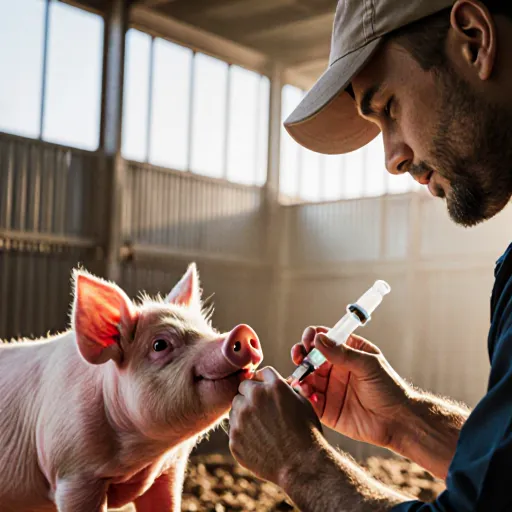
Unlock Pig Farming Profits with Better Vaccinations
Table of Contents
- Introduction to Vaccination in Pig Farming
- Understanding the Role of Vaccines
- Types of Vaccines Used in Pig Farms
- Common Diseases Vaccination Prevents Against
- Preventing the Spread of Viral Infections
- Boosting Pig Immune Systems
- Economic Benefits of Vaccination
- Impact on Food Safety and Quality
- Effectiveness in Reducing Veterinary Costs
- Sustainability and Environmental Health
- Long-Term Benefits for Pig Farms
- Challenges in Implementing Vaccination Programs
- Best Practices for Effective Vaccination
- Conclusion
- FAQs About Vaccination in Pig Farming
Introduction to Vaccination in Pig Farming
The importance of vaccination in pig farming cannot be overstated. Vaccinations play a critical role in protecting pigs from various diseases, ensuring their health and well-being while minimizing economic losses for farmers. By preventing the spread of infectious agents such as viruses and bacteria, vaccinations help maintain a healthy herd, reduce the risk of disease outbreaks, and enhance the overall productivity of pig farms.
Vaccination involves introducing a weakened or inactivated form of an infectious agent into the body. This stimulates the immune system to produce antibodies without causing illness. Over time, this immunity helps protect against future infections from that particular pathogen. In pig farming, vaccinations are administered to piglets and adult pigs as part of preventive health management.
Pig farms typically use a range of vaccines tailored to their specific needs. Some common types include:
- Porcine Reproductive and Respiratory Syndrome (PRRS) Vaccine: PRRS is one of the most economically significant diseases affecting swine herds worldwide. This virus can cause reproductive failure in sows, respiratory disease in piglets, and significant mortality among growing pigs.
- Hog Cholera (Swine Fever) Vaccine: While hog cholera has been eradicated from many regions due to successful vaccination programs, it remains a concern for areas where the disease persists. Vaccination is crucial for preventing outbreaks in susceptible populations.
- Porcine Epidemic Diarrhea Virus (PEDV) Vaccine: PEDV causes severe diarrhea and vomiting in piglets, leading to high mortality rates. Vaccination against PEDV helps reduce these losses and maintain healthy piglet survival rates.
- Pseudorabies (Aujeszky’s Disease) Vaccine: This vaccine is essential for preventing pseudorabies, which can cause reproductive disorders and neurological symptoms in pigs.
Vaccinations are vital because they provide a layer of protection against diseases that can devastate pig herds. By protecting against these pathogens, vaccinations help:
- Prevent the spread of disease within the herd.
- Minimize mortality and morbidity rates among pigs.
- Enhance growth performance and feed efficiency in healthy animals.
- Reduce the need for antibiotic treatments, which can lead to antibiotic resistance.
- Preserve economic stability by avoiding costly losses due to disease outbreaks.
To ensure the effectiveness of vaccination programs on pig farms:
- Consult with a Veterinarian: Work closely with your veterinarian to determine which vaccines are necessary and appropriate for your herd's specific needs.
- Schedule Vaccinations Appropriately: Follow the recommended vaccination schedule provided by vaccine manufacturers. Timing is crucial for optimal immune response.
- Administer Properly: Ensure that vaccinations are administered correctly, following best practices to avoid errors that could affect their effectiveness.
- Monitor Response and Side Effects: Regularly monitor pigs after vaccination for any adverse reactions or signs of illness. Prompt attention can help mitigate potential issues early on.
- Adopt Biosecurity Measures: Vaccination is part of a broader biosecurity strategy that includes measures such as cleaning, disinfection, and isolation protocols to prevent the introduction of pathogens onto the farm.
In conclusion, vaccinations are an essential component of pig farming practices. By understanding their importance and implementing effective vaccination programs, farmers can significantly enhance the health and productivity of their herds while safeguarding against potential economic impacts from disease outbreaks.
Understanding the Role of Vaccines
The role of vaccines in pig farming is paramount, ensuring the health and productivity of the herd while minimizing the risk of disease outbreaks. Vaccination plays a critical part in maintaining optimal farm practices by preventing the spread of infectious diseases that can have devastating effects on both animal welfare and profitability.
Vaccines help prevent the outbreak of common pig diseases such as Porcine Reproductive and Respiratory Syndrome (PRRS), Swine Influenza, and Transmissible Gastroenteritis. These diseases can lead to significant economic losses due to increased mortality rates, reduced growth rates, and lower reproductive performance.
Case Study: PRRS Outbreak
A recent case study from a large pig farm in the Midwest illustrates the impact of a vaccine-preventable disease. Prior to implementing a comprehensive vaccination program, the farm experienced high mortality rates and poor reproductive performance, leading to substantial losses. After introducing regular vaccinations against PRRS, the farm saw a marked improvement in health and productivity, resulting in increased profitability.
Vaccines stimulate the immune system of pigs, helping them develop immunity against specific pathogens. This not only protects individual animals but also contributes to herd immunity, which is essential for controlling infectious diseases effectively.
Practical Advice: Vaccination Schedule
To ensure maximum protection, it's crucial to follow a recommended vaccination schedule provided by veterinary professionals. Typically, piglets are vaccinated shortly after birth and then at specific intervals throughout their growth cycle. For example, pigs may receive vaccinations against PRRS at 2 weeks of age, again at 6 weeks, and as part of an annual booster program.
The economic benefits of vaccination in pig farming are substantial. By preventing diseases that can lead to high mortality rates and reduced growth, vaccinations help maintain a healthy and productive herd. This results in lower veterinary costs, improved feed efficiency, and increased marketable weight at slaughter.
Example: Cost Savings
A study conducted by the National Pork Board found that farms that implement a robust vaccination program see cost savings of up to 20% compared to those without such programs. The reduction in veterinary expenses, lower mortality rates, and improved feed conversion efficiency contribute significantly to these savings.
The importance of vaccination in pig farming cannot be overstated. By preventing outbreaks, boosting immunity, and minimizing economic losses, vaccines play a vital role in maintaining healthy pigs and sustainable farm operations. Farmers should work closely with their veterinarians to develop and implement effective vaccination strategies tailored to the specific needs of their herd.
Types of Vaccines Used in Pig Farms
The importance of vaccination in pig farming cannot be overstated. Vaccination plays a crucial role in protecting pigs from various diseases, reducing mortality rates, and ensuring the overall health and productivity of the herd. Understanding the types of vaccines used is essential for farmers to make informed decisions about their vaccination programs. Below are the different types of vaccines commonly used in pig farms, along with their significance.
Killed virus vaccines contain inactivated or attenuated viruses derived from pathogens such as swine fever virus (SFV) or hog cholera virus (HCV). These vaccines are stable and can be stored for extended periods, making them convenient for farmers to use. They work by introducing a dead version of the pathogen into the pig's immune system, which triggers an immune response without causing disease.
Example: A common killed virus vaccine used in pig farms is the one that protects against porcine reproductive and respiratory syndrome (PRRS) virus. This vaccine has been instrumental in controlling PRRS outbreaks, which can cause significant economic losses due to reproductive failure and respiratory issues.
Practical Advice: Administering killed virus vaccines requires careful timing to ensure they are given before the pig is exposed to the pathogen. It's also important to follow the manufacturer's instructions regarding dosages and schedules for optimal protection.
Modified live virus (MLV) vaccines contain weakened forms of the virus that are capable of replicating in the pig's body but do not cause disease. These vaccines provide a strong immune response and can offer long-lasting protection against diseases such as hog cholera or swine fever.
Example: MLV vaccines for hog cholera (now largely replaced by killed virus vaccines due to the development of effective inactivated vaccines) once played a significant role in protecting pigs against this deadly disease. While not widely used today, understanding their mechanism is still important for historical context.
Practical Advice: MLV vaccines are potent and can cause live viral shedding, which means the virus may be passed to other animals. Therefore, they should only be administered in well-isolated herds or under strict biosecurity protocols. Always check with your veterinarian before using these vaccines.
Subunit vaccines contain specific parts of the pathogen, such as proteins or sugars, rather than the whole organism. This approach reduces the risk of side effects while still providing effective protection. For example, subunit vaccines targeting porcine circovirus type 2 (PCV2) have been developed to prevent disease associated with this virus.
Example: A PCV2 subunit vaccine is crucial in controlling diseases like postweaning multisystemic wasting syndrome (PMWS), which can lead to significant economic losses. These vaccines are safer for use and often require fewer booster shots compared to traditional whole-organism vaccines.
Practical Advice: Subunit vaccines may require multiple doses or adjuvants to achieve full protection, so it's important to follow the vaccination schedule provided by the manufacturer. Regular monitoring of pig health is also necessary to ensure the vaccine is working effectively.
Toxoid vaccines contain deactivated toxins produced by bacteria or other microorganisms, which stimulate an immune response without causing disease. This type of vaccine can be effective in protecting against diseases caused by toxigenic organisms like Clostridium perfringens.
Example: Toxoid vaccines for Clostridium perfringens are used to protect pigs against necrotic enteritis, a condition that causes severe diarrhea and dehydration. Proper vaccination can significantly reduce mortality rates associated with this disease.
Practical Advice: Administer toxoid vaccines according to the recommended schedule and ensure that all pigs in the herd are vaccinated to achieve herd immunity. Regular monitoring of pig health is essential, as these vaccines do not provide lifelong protection.
5. Recombinant DNA Vaccines
Recombinant DNA vaccines use genetic engineering techniques to produce viral proteins or other antigens that can stimulate an immune response. These vaccines are still in the developmental stages but hold promise for future use, particularly in diseases where traditional methods have limitations.
Example: While not yet widely used, recombinant DNA vaccines for PRRS and other pig diseases are being researched to improve protection against these challenging pathogens. These vaccines could potentially offer more targeted immunity than existing options.
Practical Advice: As with all new technologies, it's crucial to stay informed about the latest developments in recombinant DNA vaccine technology and work closely with veterinarians when considering their use in your herd.
In conclusion, understanding the different types of vaccines available is key to ensuring effective disease control on pig farms. By choosing the right vaccine for each disease threat and following best practices for administration and monitoring, farmers can significantly enhance the health and productivity of their herds, ultimately leading to greater economic success.
Common Diseases Vaccination Prevents Against
The importance of vaccination in pig farming cannot be overstated. Vaccinations play a crucial role in protecting pigs from various common diseases, which can significantly impact their health and overall productivity. Proper vaccination not only helps prevent the outbreak of these diseases but also minimizes economic losses for farmers due to potential mortality or reduced performance. Here are some of the most significant diseases that vaccinations help prevent:
Porcine Reproductive and Respiratory Syndrome (PRRS)
PRRS is one of the most economically damaging viral diseases affecting swine. It can cause reproductive failure, respiratory disease, and sometimes mortality in piglets. Vaccination against PRRS can help reduce the severity of infections and prevent the spread of the virus within the herd.
Hog cholera (Swine Fever)
Caused by hog cholera virus, swine fever is a highly contagious disease that affects pigs worldwide. Vaccination against hog cholera helps to control outbreaks and maintain herd health, ensuring that farmers can continue to produce healthy pigs for market.
Porcine Parvovirus (PPV)
PPV primarily affects pregnant sows, leading to reproductive disorders such as abortion, stillbirths, and weak piglets. Vaccination against PPV is essential in preventing these complications and maintaining a healthy breeding herd.
Pasteurellosis
This bacterial infection can cause respiratory problems, mastitis, and arthritis in pigs. While not always fatal, it can lead to significant health issues that impact the farm’s productivity. Vaccination against pasteurellosis helps manage these infections effectively.
Aujeszky's Disease
Also known as pseudorabies, this viral disease primarily affects swine and can cause severe neurological symptoms in young pigs. Vaccination is critical for preventing outbreaks of this potentially devastating disease.
Hemophilus parasuis
This bacterium causes various respiratory diseases in pigs, including pneumonia. Proper vaccination helps to control these infections, reducing the need for antibiotic treatments and minimizing mortality rates.
In conclusion, vaccinations are a cornerstone of pig farming management, providing essential protection against common diseases that can disrupt operations and reduce profitability. By implementing a comprehensive vaccination program tailored to the specific needs of each farm, farmers can ensure healthier pigs and more efficient production processes. Always consult with a veterinarian or livestock expert to develop an appropriate vaccination strategy for your herd.
Preventing the Spread of Viral Infections
The importance of vaccination cannot be overstated when it comes to preventing the spread of viral infections on pig farms. Vaccines play a crucial role in protecting pigs against various pathogens, thereby reducing the risk of disease outbreaks and ensuring healthier livestock. Here are some detailed strategies and practical advice for implementing effective vaccination programs:
Viral infections can significantly impact pig farming by causing severe health issues and economic losses. Common viral diseases include Porcine Epidemic Diarrhea Virus (PEDV), Transmissible Gastroenteritis Virus (TGEV), and Pseudorabies. These viruses spread rapidly through direct contact, aerosols, or contaminated materials, making prevention critical.
- Preventive Vaccination: Implementing a preventive vaccination program is the first step in controlling viral infections. This involves vaccinating sows before they become pregnant and piglets at an early age to provide passive immunity.
- Biosecurity Measures: Strengthen biosecurity protocols by minimizing external contact with potentially infected animals, using protective clothing, and disinfecting equipment. Vaccination alone cannot prevent infections without proper biosecurity practices in place.
- Frequent Monitoring: Regularly monitoring pig health and vaccination schedules ensures that vaccines remain effective. Early detection of disease signs allows for timely interventions and containment measures.
One notable example is the implementation of PEDV vaccines in pig farms across North America. These vaccines have significantly reduced the incidence of PEDV, leading to healthier pig populations and lower mortality rates among piglets.
A similar success story involves Transmissible Gastroenteritis Virus (TGEV) vaccination in European pig farms. By integrating TGEV vaccination into their routine protocols, these farms have seen a substantial decrease in the number of outbreaks and related economic losses.
- Consult with Veterinarians: Work closely with your veterinarian to determine which vaccines are most appropriate for your specific farm conditions. Vaccines should be tailored to the prevalent diseases in your region.
- Educate Staff: Ensure that all staff members understand the importance of vaccination and biosecurity measures. Regular training sessions can help maintain consistent practices throughout the farm.
- Record Keeping: Maintain detailed records of vaccinations, pig health, and any outbreaks. This information is invaluable for tracking effectiveness and making informed decisions about future programs.
Vaccination not only prevents the spread of viral infections but also contributes to sustainable farming practices. By reducing the need for antibiotics, vaccination helps minimize environmental impact and supports animal welfare standards.
In conclusion, implementing a robust vaccination program is essential for preventing the spread of viral infections on pig farms. By understanding the importance of vaccines, following best practices in biosecurity, and continuously monitoring farm health, farmers can ensure healthier pigs and more sustainable operations.
Boosting Pig Immune Systems
The importance of vaccination in pig farming cannot be overstated, as it plays a crucial role in protecting pigs from various diseases and ensuring their overall health. However, relying solely on vaccinations is not enough to keep pig farms healthy and productive. Boosting the immune system of pigs through proper nutrition, environmental management, and stress reduction also contributes significantly to disease prevention and animal welfare.
The immune system of pigs, like that of humans, is a complex network designed to protect against pathogens. It comprises both innate and adaptive components:
- Innate immunity: This provides an immediate, non-specific response to invaders.
- Adaptive immunity: This tailors the body's defenses to specific threats over time.
A balanced diet rich in essential nutrients is vital for maintaining a strong immune system. Key nutrients that support pig immunity include:
- Vitamins: Vitamins A, C, and E are crucial antioxidants that help neutralize free radicals and reduce inflammation.
- Microminerals: Zinc and selenium play vital roles in immune function. They are involved in the production of enzymes necessary for cellular metabolism and antioxidant defense.
- Protein: High-quality proteins from sources like soybean meal or meat-and-bone meal support the synthesis of antibodies and other immune molecules.
An optimal environment can significantly enhance pig immunity by reducing stressors that could compromise health. Key aspects include:
- Housing conditions: Clean, dry, and well-ventilated housing minimizes exposure to pathogens.
- Hygiene practices: Regular cleaning and disinfection of the environment reduce the presence of harmful bacteria and viruses.
- Temperature control: Maintaining appropriate temperature ranges helps pigs maintain their energy reserves, which are otherwise diverted towards thermoregulation during stress.
Stress can suppress the immune system and increase susceptibility to diseases. To minimize stress in pig farms:
- Consistent routines: Stable feeding, watering, and management schedules reduce anxiety for pigs.
- Social interactions: Ensuring that social groups are stable and not overcrowded helps maintain a calm environment.
- Movement control: Minimize unnecessary handling and transportation to avoid stress during transport to market or other locations.
In addition to the above measures, some pig farmers use supplementary products to support immune health:
- Probiotics and Prebiotics: These can enhance gut health, which is closely linked to overall immunity.
- Electrolytes: During periods of high stress or illness, electrolyte supplementation helps maintain fluid balance and electrolyte levels in pigs.
In summary, while vaccination is essential for protecting pig herds against specific diseases, it should be complemented by a holistic approach that includes boosting the immune system through proper nutrition, environmental management, stress reduction, and supplementary support. By adopting these practices, farmers can ensure healthier pigs with stronger immunity, leading to increased productivity and reduced veterinary costs.
Economic Benefits of Vaccination
Vaccination plays a crucial role in pig farming by enhancing animal health and well-being, which directly translates into economic benefits for farmers. By preventing diseases that can lead to significant financial losses, vaccinations help maintain productivity and profitability.
Reduction in Veterinary Costs
One of the most immediate economic benefits of vaccination is a reduction in veterinary expenses. Vaccinations prevent the need for more costly treatments or interventions when animals fall ill. For instance, a common illness like Porcine Reproductive and Respiratory Syndrome (PRRS) can lead to substantial losses due to increased mortality rates and decreased productivity. By vaccinating against such diseases, farmers can avoid the high costs associated with treatment and recovery.
Example: A large pig farm that vaccinates its herd against PRRS reports a 20% reduction in veterinary bills over a year compared to farms without vaccination protocols. This translates directly into increased profitability for the farm.
Promotion of Animal Productivity
Vaccination ensures that pigs remain healthy and productive, which is essential for maintaining high levels of output in pig farming operations. Healthy animals grow faster and more efficiently, leading to higher yields per animal. This increased productivity also means quicker return on investment.
Practical Advice: Farmers should ensure they are aware of the specific vaccines recommended by veterinarians based on their geographic location and farm conditions. Regular vaccination schedules can help maintain peak performance in pigs throughout their lifecycle.
Avoidance of Losses Due to Disease
Diseases such as swine flu, cholera, and leptospirosis can have devastating effects on pig populations, leading to high mortality rates and reduced weight gain. Vaccination is a proactive measure that helps prevent these diseases from spreading within the herd.
Example: A small-scale pig farm in a region with frequent outbreaks of swine flu implemented vaccination protocols and saw an 85% decrease in mortality rates among its piglets over two years. This not only improved overall health but also increased the number of market-ready pigs, thereby enhancing profitability.
Enhanced Reputation and Market Access
Vaccination contributes to maintaining a clean reputation for the farm, which is essential in building trust with buyers and securing contracts. Many consumers prefer purchasing from farms that demonstrate care through vaccination practices.
Practical Advice: Farmers should consider joining certification programs or obtaining accreditation for disease-free status as this can significantly enhance market access and pricing power in competitive markets.
Conclusion
In summary, the economic benefits of vaccination in pig farming are manifold. From reducing veterinary costs to enhancing productivity and avoiding losses due to diseases, vaccinations offer a robust investment strategy for farmers looking to maximize their returns while ensuring animal health and welfare.
Impact on Food Safety and Quality
The importance of vaccination in pig farming extends far beyond disease prevention; it significantly impacts food safety and quality. Proper vaccination practices are essential for maintaining a healthy herd, which directly contributes to the production of safe and high-quality pork products.
Preventing Disease and Contamination
Vaccination helps in preventing diseases that can compromise pig health, leading to better growth rates, reduced stress, and higher overall productivity. Diseased pigs are more likely to be contaminated with pathogens, which can seep into the meat supply chain. By keeping pigs healthy through vaccination, farmers ensure that they do not introduce harmful bacteria or viruses into their food products.
Reduction in Antibiotic Use
A well-vaccinated pig herd is less prone to outbreaks of diseases like porcine epidemic diarrhea (PED) and swine influenza. This reduces the need for farmers to rely heavily on antibiotics, which can lead to antibiotic resistance and negatively affect food safety standards. By minimizing the use of antibiotics, vaccination also supports a more sustainable farming practice that enhances food quality.
Enhanced Animal Welfare
Vaccination contributes to better animal welfare by reducing stress and pain associated with diseases. This leads to healthier animals that are more likely to produce high-quality meat without the risk of contamination from pathogens. Animals raised in a healthier environment tend to have fewer carcass defects, which improves product consistency and safety.
Food Safety Regulations Compliance
In many countries, there are strict regulations regarding food safety that require farmers to adhere to certain vaccination protocols. Compliance with these regulations not only ensures that the meat meets health standards but also protects consumers from potential risks associated with consuming contaminated or low-quality products.
Practical Vaccination Strategies
- Regular Health Checks: Farmers should conduct regular health checks to identify any signs of disease early, ensuring timely vaccination coverage.
- Adherence to Schedules: Following recommended vaccination schedules provided by veterinarians is crucial for optimal protection against diseases.
- Vaccination Records: Maintaining detailed records of vaccinations can help in tracking the health status of each pig, aiding in quick identification and treatment of any issues.
Examples from the Industry
In Denmark, one of the world's leading pork producers, vaccination is a cornerstone of their farming practices. Farms here have implemented comprehensive vaccination programs that not only protect pigs against common diseases but also contribute to food safety and quality assurance.
A Danish pig farm example shows how regular vaccination has helped in reducing the incidence of PED from 50% in unvaccinated herds to less than 10% in vaccinated ones. This reduction translates directly into safer pork products with improved quality.
Conclusion
In conclusion, the importance of vaccination in pig farming cannot be overstated when it comes to enhancing food safety and maintaining product quality. By prioritizing vaccination practices, farmers contribute significantly to producing safe, high-quality pork that meets global standards and consumer expectations.
Effectiveness in Reducing Veterinary Costs
The effectiveness in reducing veterinary costs is one of the most significant benefits pig farmers can achieve through proper vaccination practices. Vaccinations play a crucial role in preventing infectious diseases that can lead to high vet bills and productivity losses. By prioritizing vaccinations, pig farmers not only safeguard their animals' health but also minimize the risks associated with potential outbreaks.
Vaccinations are designed to stimulate an immune response in pigs without causing disease. This immunity helps protect the herd against various pathogens, thereby reducing the likelihood of costly veterinary treatments and losses due to illness or death. Proper vaccination schedules should be established based on local disease prevalence, pig farm practices, and expert advice.
- Pseudorabies: Also known as Aujeszky's disease, this virus can severely impact pig herds. Effective vaccination programs help control its spread, preventing significant financial losses.
- Hog cholera (Swine fever):
This highly contagious viral infection has serious economic implications for pig farmers. Vaccination is a critical tool in managing this disease and can significantly reduce the need for expensive interventions during outbreaks.
The cost of treating a single outbreak can be substantial, often far exceeding the initial investment in vaccinations. By preventing such outbreaks, pig farmers avoid not only immediate treatment expenses but also long-term productivity declines that affect overall farm profitability.
For example, an outbreak of hog cholera in a large commercial farm could result in thousands or even millions of dollars in losses due to increased mortality rates, decreased feed efficiency, and the need for additional veterinary care. In contrast, consistent vaccination practices can lead to healthier animals, reduced medication usage, and more efficient farming operations.
- Consult with a Veterinarian: Regular consultations ensure that the chosen vaccines are appropriate for your herd's specific needs. A veterinarian can also provide guidance on the best vaccination protocols to follow.
- Adhere to Schedules: Vaccination schedules should be strictly followed to maximize their effectiveness. Skipping doses or using outdated vaccines can lead to reduced immunity and increased disease risk.
- Monitor Response: After each vaccination, monitor the pigs for any adverse reactions or signs of illness. Early detection allows for prompt treatment and minimizes potential complications.
In conclusion, the importance of vaccinations in pig farming cannot be overstressed. By investing in proper vaccination programs, pig farmers can significantly reduce their risk of expensive veterinary costs while promoting healthier, more productive herds. The long-term benefits far outweigh any initial expenses, making vaccination a vital component of sustainable and profitable pig farming.
Sustainability and Environmental Health
Vaccination plays a crucial role in maintaining sustainability and environmental health on pig farms. By preventing the spread of diseases, vaccinations help to minimize environmental contamination, reduce antibiotic use, and ensure animal welfare. This section explores how vaccination contributes to these aspects.
Preventing Disease Spread
Vaccinations are essential in controlling infectious diseases that can devastate pig populations. Diseases like Porcine Epidemic Diarrhea Virus (PEDV), Porcine Respiratory Syndrome (PRRS), and Salmonellosis can have severe impacts on pig health, leading to high mortality rates and economic losses. By vaccinating pigs early in their life cycle, farmers can significantly reduce the risk of these diseases spreading through the herd.
Example: In a large-scale study conducted by veterinarians at the University of Minnesota, vaccination against PEDV was shown to decrease mortality rates by up to 70% and reduce the spread of the virus within farms by over 85%. This not only benefits pig health but also the overall sustainability of the farm.
Minimizing Environmental Contamination
Diseases that affect pigs can lead to increased stress, lower feed efficiency, and higher mortality rates. These factors contribute to higher levels of waste and runoff from pig farms, which can contaminate water sources and soil. By preventing outbreaks through vaccination, farmers can maintain healthier animals that are more efficient in utilizing feed resources. This reduces the need for excessive use of antibiotics, which often lead to antibiotic resistance and environmental pollution.
Practical Advice: Farmers should work closely with their veterinarians to develop a comprehensive vaccination schedule that targets common pathogens specific to their region. Regular monitoring of herd health and prompt vaccination can help in minimizing the risk of disease outbreaks, thereby reducing environmental contamination.
Reducing Antibiotic Use
The overuse of antibiotics in pig farming has raised significant concerns about antibiotic resistance and its impact on public health. Vaccination is a key strategy to reduce reliance on antibiotics by preventing diseases before they occur. This not only helps in maintaining animal health but also supports sustainable agricultural practices.
Example: A report from the European Food Safety Authority (EFSA) highlights that farms with robust vaccination programs tend to use fewer antibiotics, leading to a lower risk of antibiotic resistance. For instance, by vaccinating against PRRS and other respiratory diseases early in piglets' lives, farmers can reduce the need for long-term antibiotic treatment.
Ensuring Animal Welfare
Vaccination is not only beneficial for disease control but also crucial for animal welfare. Healthy pigs are more active and have better quality of life, which leads to improved productivity and overall farm performance. By protecting pigs against diseases through vaccination, farmers can ensure that their animals lead healthier lives, reducing stress and improving longevity.
Practical Tip: Incorporate vaccination into the piglets' management plan right from birth. Regular booster vaccinations and routine health checks are essential in maintaining a healthy herd. This approach helps in identifying potential issues early on, allowing for timely interventions that support animal welfare.
Conclusion
In conclusion, vaccination is an integral part of sustainable pig farming practices. By preventing diseases, minimizing environmental contamination, reducing antibiotic use, and ensuring animal welfare, vaccinations help to create a more resilient and environmentally friendly agricultural sector. Farmers should prioritize regular consultations with veterinarians to tailor their vaccination strategies to the specific needs and risks of their farms.
Long-Term Benefits for Pig Farms
The long-term benefits of maintaining a robust vaccination program in pig farms are numerous and far-reaching, extending beyond immediate health concerns to encompass economic stability, sustainability, and animal welfare. Effective vaccination not only protects pigs against prevalent diseases but also contributes significantly to the overall productivity and profitability of the farm.
Vaccination is a cornerstone in minimizing the incidence of various pig diseases such as Porcine Reproductive and Respiratory Syndrome (PRRS), Swine Influenza, and Salmonellosis. By preventing these diseases, farms can avoid costly treatments, loss of stock, and reduced growth rates. For instance, PRRS alone is estimated to cost the global pork industry billions annually in lost productivity.
Vaccination plays a crucial role in enhancing reproductive health among pigs. By reducing the impact of reproductive diseases like Pseudorabies and Leptospirosis, farmers can expect healthier litters with higher birth weights and improved survival rates. This translates directly into better economic returns as each piglet represents a significant investment.
Pigs that are vaccinated consistently tend to grow faster and consume feed more efficiently, leading to reduced finishing times and lower production costs. For example, studies have shown that pigs given regular vaccinations can achieve weight gains up to 10% higher compared to non-vaccinated counterparts.
By preventing diseases and optimizing growth, farms can maintain steady profitability over the long term. Vaccination programs not only reduce direct costs associated with treatment but also prevent indirect costs such as lost labor hours and reduced productivity due to absenteeism among farm workers.
Vaccination contributes positively to animal welfare by reducing suffering from infectious diseases, promoting healthier animals, and ensuring humane conditions. Healthy pigs lead more comfortable lives, which is crucial for maintaining ethical standards in farming practices.
A well-vaccinated pig farm is better equipped to withstand economic downturns or market fluctuations. By consistently applying vaccination protocols, farmers can ensure that their operations remain productive and competitive even during challenging times.
In conclusion, the importance of vaccination in pig farming cannot be overstated. It serves as a vital tool for maintaining long-term benefits across multiple aspects of farm management, from disease control to economic stability. By embracing comprehensive vaccination programs, farmers can build resilient and sustainable operations that thrive over the years.
Challenges in Implementing Vaccination Programs
The implementation of vaccination programs is crucial for maintaining pig health and productivity on farms. However, several challenges can arise during this process, making it difficult to achieve optimal outcomes. These challenges are particularly significant in the context of pig farming, where the importance of vaccinations cannot be overstated. Vaccinations play a pivotal role in preventing the spread of diseases that could decimate herds and cause significant financial losses.
A common challenge in implementing effective vaccination programs is ensuring proper handling of vaccines. Vaccines must be stored at the correct temperature and used within a specified timeframe to remain effective. Any deviation from these conditions can compromise their efficacy, leading to suboptimal protection against diseases. Farms often face challenges in maintaining consistent cold chain logistics, especially during transportation or storage.
Example: In one instance, a farm experienced a batch of vaccines becoming ineffective due to exposure to excessive heat, rendering them useless for the planned vaccination round.
To overcome this challenge, farms should invest in reliable refrigeration systems and follow strict protocols for vaccine storage. Regular training on proper handling techniques can also help minimize errors.
Selecting the right vaccines tailored to specific risks is another significant challenge. Different pig farms may face varied threats depending on geographical location, herd size, and management practices. Incorrectly choosing or scheduling vaccinations can result in wasted resources and ineffective protection.
Example: A farm focused primarily on breeding pigs might prioritize vaccines that protect against reproductive disorders over those targeting respiratory diseases, which could lead to unnecessary costs without addressing the most pressing health concerns.
Farmers should consult with veterinarians to conduct risk assessments and develop customized vaccination schedules. Regular monitoring of herd health data can also aid in adjusting these plans as needed.
The effectiveness of a vaccination program heavily depends on the knowledge and adherence of farm staff. Without adequately trained personnel, there is a higher risk of errors during administration, leading to ineffective or even harmful outcomes.
Example: Inadequate training resulted in improper injection techniques, causing stress and potential infections among pigs being vaccinated.
To address this issue, ongoing education and hands-on practice sessions should be provided for staff. Regular audits of vaccination protocols can help ensure compliance and identify areas for improvement.
One of the most critical aspects often overlooked is post-vaccination monitoring. It's essential to observe pigs closely after receiving vaccinations to detect any adverse reactions promptly. Failure to do so can delay necessary interventions, exacerbating potential issues.
Example: After a vaccination round, a farm noticed several pigs displaying signs of severe lethargy and fever that were not initially recognized until it was too late for effective treatment.
Implementing robust monitoring systems and setting up dedicated personnel to oversee this process can help mitigate these risks. Early detection of adverse reactions allows for timely medical intervention, improving overall pig health.
In conclusion, while vaccinations are vital in pig farming, they require careful planning and execution to yield maximum benefits. Addressing the challenges associated with proper handling, targeted selection, staff training, and effective monitoring is crucial for successful implementation of vaccination programs. By overcoming these obstacles, farmers can significantly enhance herd health and productivity, ensuring long-term sustainability.
Best Practices for Effective Vaccination
Vaccination plays a crucial role in the health management of pig farms, helping to prevent and control infectious diseases that can have devastating impacts on both animal welfare and profitability. Implementing best practices for effective vaccination is essential to ensure the health and well-being of pigs, minimize disease outbreaks, and maintain productivity levels. Here are some key best practices for effective vaccination in pig farming:
1. Consult with a Veterinarian
The first step in developing an effective vaccination program is consulting with a veterinarian who specializes in pig health. A professional can provide tailored advice based on your specific farm conditions, the prevalent diseases in your area, and the types of pigs you raise. Regular consultations ensure that vaccines are up-to-date and aligned with current best practices.
Example: If your region is prone to Porcine Reproductive and Respiratory Syndrome (PRRS), a veterinarian can recommend appropriate vaccines and vaccination schedules tailored to your farm's needs.
2. Establish an Immunization Schedule
An immunization schedule should be established early in the pig's life and followed consistently throughout its lifespan. This ensures that all pigs receive adequate protection against targeted diseases at the right times. The schedule should cover essential vaccines such as those for porcine epidemic diarrhea virus (PEDV), PRRS, leptospirosis, and others recommended by your veterinarian.
Example: A common vaccination schedule might include vaccinations at birth or weaning, followed by booster shots at 3-4 weeks of age, and then annual boosters as recommended by the vet.
3. Proper Handling and Storage
The effectiveness of vaccines depends heavily on proper handling and storage to maintain their potency. Vaccines must be stored according to manufacturer guidelines, typically in a cool, dry place away from direct sunlight. Always check for expiration dates before use and follow protocols for mixing multiple vaccines or adding adjuvants.
Practical Advice: Consider investing in an automated vaccine cooler if you have a large farm where storage can be challenging. This ensures that vaccines remain effective until they are administered.
4. Monitor and Record Vaccinations
Regular monitoring of the vaccination process helps identify any issues early on, ensuring that all pigs receive their vaccinations properly. Keeping detailed records allows for tracking which pigs have been vaccinated and when, making it easier to manage future rounds of vaccination and trace any outbreaks back to specific batches or times.
Example: A farm using a digital system can log each pig's vaccination history, including the type of vaccine used, date administered, and responses observed. This information is invaluable for managing herd health over time.
5. Educate Staff
Vaccination protocols are only as effective as the people carrying them out. Ensuring that all staff members involved in handling pigs understand proper procedures is crucial. Training should cover not just how to administer vaccines but also what signs indicate successful vaccination and how to identify potential issues.
Practical Tip: Conduct regular training sessions with your team to reinforce knowledge and address any concerns they may have about vaccine administration techniques or observations after injection.
Conclusion
In conclusion, effective vaccination is a cornerstone of good pig farming practices. By adhering to these best practices—consulting veterinarians, establishing clear schedules, ensuring proper handling and storage, monitoring results closely, and educating staff—you can significantly reduce the risk of disease outbreaks and maintain robust herd health.
Conclusion
The importance of vaccination in pig farming cannot be overstated. Vaccinations play a crucial role in protecting pigs from various diseases that can severely impact their health, productivity, and overall welfare. By ensuring proper vaccination protocols are followed, farmers not only safeguard the well-being of their livestock but also prevent potential economic losses associated with outbreaks.
The effectiveness of vaccinations depends on strict adherence to a comprehensive vaccination protocol. This includes selecting appropriate vaccines based on the specific pathogens prevalent in the region, administering vaccines at recommended intervals, and ensuring all pigs are covered. Regular health checks and monitoring can help identify potential issues early, allowing for timely interventions.
- Porcine Reproductive and Respiratory Syndrome (PRRS): This virus is highly contagious and can cause reproductive failure in sows and respiratory issues in piglets. Proper vaccination against PRRS has shown significant improvements in herd health and productivity.
- Hog Cholera: Although this is a viral disease that primarily affects swine and can be fatal, vaccination remains one of the key strategies to control outbreaks. Vaccines for hog cholera are available in various forms, including killed vaccines and modified live vaccines.
- Nipah Virus: While not common in all regions, the Nipah virus can cause severe illness in pigs and humans. Vaccination is an important preventive measure to manage this zoonotic disease.
Example: The use of modified live vaccines for PRRS has been effective in reducing the prevalence of this disease, but it's crucial to follow strict biosecurity measures to prevent the spread of the virus.
Practical Advice: Farmers should ensure they receive accurate information on vaccine efficacy and safety from their local veterinarians or agricultural extension services.
Example: In affected areas, vaccination campaigns have been successful in reducing the incidence of the virus among pig populations.
The involvement of veterinarians is essential for developing a tailored vaccination strategy that meets the specific needs of the farm. They can provide guidance on vaccine selection, dosing schedules, and other critical aspects of the vaccination program.
Biosecurity measures are vital in maintaining herd health. These include limiting access to the farm by visitors, ensuring proper hygiene among staff, and implementing strict quarantine procedures for new animals. Vaccinations alone cannot protect pigs if there is a breakdown in biosecurity practices.
FAQs About Vaccination in Pig Farming
What is the Importance of Vaccination in Pig Farming?
Vaccination plays a crucial role in pig farming by protecting pigs against various diseases that can severely impact their health and productivity. By preventing outbreaks of infectious diseases, vaccination helps maintain high levels of animal welfare and ensures sustainable production practices.
For example, Porcine Reproductive and Respiratory Syndrome (PRRS) is a significant concern in pig farming. PRRS can lead to reproductive failure, respiratory issues, and even death among piglets. Regular vaccination against PRRS helps reduce the incidence of these problems, improving overall farm performance.
Practical advice: Farms should work closely with veterinarians to develop a comprehensive vaccination schedule tailored to local disease prevalence and pig breed characteristics.
Which Vaccines are Used in Pig Farming?
The specific vaccines used depend on the farm's geographical location, herd health status, and the types of diseases prevalent in the area. Common vaccines include those for:
- Porcine Reproductive and Respiratory Syndrome (PRRS)
- Swine Influenza Virus
- Hog cholera (Classical Swine Fever, CSF)
- Brucellosis
Veterinarians play a key role in recommending the most appropriate vaccines for each farm.
How Often Should Vaccinations Be Administered?
The frequency of vaccinations varies depending on the vaccine, the health status of the herd, and local disease pressure. Typically:
- Initial vaccination series for piglets is done at 2-4 weeks old.
- Pigs are revaccinated annually or biannually to maintain immunity.
Adherence to a strict vaccination schedule is crucial. Missed vaccinations can leave the herd susceptible to disease outbreaks, which can be costly and difficult to control.
Are There Any Side Effects or Risks Associated with Vaccination?
Most vaccines are safe when administered correctly, but like any medical intervention, there is a possibility of side effects. These may include:
- Mild fever
- Lethargy in some individuals
- Local reactions at the injection site
In rare cases, severe allergic reactions can occur. Farms should monitor pigs closely following vaccination and seek veterinary advice if any concerning symptoms arise.
What Are the Benefits of Vaccination Beyond Disease Prevention?
Beyond simply preventing disease, vaccination in pig farming can provide additional benefits:
- Economic Savings: Reduced incidence of diseases translates to lower treatment costs and increased productivity.
- Promoting Animal Welfare: Healthy pigs lead happier, more productive lives.
- Sustainability: Sustainable pig farming practices are essential for the long-term health of both animals and the environment.
Vaccination is a cornerstone of responsible and sustainable pig farming practices.
Categories
- AI & Enrichment Play
- Broiler Farming
- Broiler Farming Tips
- Canine Wellness & Longevity
- Cat
- Cat & Human Connection
- Cat Adoption & Rescue
- Cat Breeds
- Cat Breeds & Personalities
- Cat Care & Health
- Cat Grooming & Hygiene
- Cat Lifestyle & Environment
- Cat Myths & History
- Cat Nutrition & Diet
- Cat Products & Reviews
- Cat Training & Behavior
- Comparison
- Consumer Awareness
- Dog
- Dog Accessories & Products
- Dog Adoption & Rescue
- Dog Breed & Lifestyle Trends
- Dog Breeding & Puppies
- Dog Entertainment & Media
- Dog Fashion & Trends
- Dog Fun & Lifestyle
- Dog Grooming & Hygiene
- Dog History & Culture
- Dog Myths, Science & Future Tech
- Dog News & Trends
- Dog Nutrition & Food
- Dog Psychology & Emotions
- Dog Safety & Security
- Dog Sports & Activities
- Dog Technology & Innovation
- Dog Training for Modern Owners
- Dog Travel & Adventure
- Dog Travel, Adventure & Culture
- Economic and Market Insights
- Educational Content
- FAQs
- Feeding Alternatives
- Festivals & Seasonal Ideas
- Fun & Entertainment
- General Knowledge
- General Pig Farming
- Health & Disease Management
- Housing and Environment
- Kittens
- Market Insights
- Miscellaneous
- Miscellaneous
- Motivational
- pig
- Pig Breeding
- Pig Breeds
- Pig Farming Stories and Inspiration
- Pig Health and Care
- Pig Nutrition
- Pig Products
- Profitability & Business
- Puppy Care
- Puppy Predictable Topics Reinvented
- Regional Focus
- Rescue & Adoption Buzz
- Senior Cats
- Senior Dog Care
- Smart Dog Tech & Gadgets
- Sustainability
- Sustainable & Eco-Friendly Dog Products
- Tech & Innovations
- Working & Service Dogs
- Broiler Feed66 products
- Country Feed33 products
- Pig Feed66 products
- Product22 products
- Raw Materials99 products
Products
-
 Fish Meal
₹1,999.00 – ₹2,999.00Price range: ₹1,999.00 through ₹2,999.00Rated 0 out of 5
Fish Meal
₹1,999.00 – ₹2,999.00Price range: ₹1,999.00 through ₹2,999.00Rated 0 out of 5 -
 FATTENING BROILER FEED
₹2,299.00 – ₹2,349.00Price range: ₹2,299.00 through ₹2,349.00Rated 0 out of 5
FATTENING BROILER FEED
₹2,299.00 – ₹2,349.00Price range: ₹2,299.00 through ₹2,349.00Rated 0 out of 5 -
 LAYER COUNTRY FEED
₹1,549.00 – ₹1,649.00Price range: ₹1,549.00 through ₹1,649.00Rated 0 out of 5
LAYER COUNTRY FEED
₹1,549.00 – ₹1,649.00Price range: ₹1,549.00 through ₹1,649.00Rated 0 out of 5 -
 COUNTER BROILER FEED
₹1,199.00 – ₹1,299.00Price range: ₹1,199.00 through ₹1,299.00Rated 0 out of 5
COUNTER BROILER FEED
₹1,199.00 – ₹1,299.00Price range: ₹1,199.00 through ₹1,299.00Rated 0 out of 5 -
 LACTATING PIG FEED
Rated 0 out of 5
LACTATING PIG FEED
Rated 0 out of 5₹2,299.00Original price was: ₹2,299.00.₹1,740.00Current price is: ₹1,740.00. -
 Maize
Rated 0 out of 5
Maize
Rated 0 out of 5₹1,650.00Original price was: ₹1,650.00.₹1,300.00Current price is: ₹1,300.00. -
 GESTATION PIG FEED (Phase 1)
Rated 0 out of 5
GESTATION PIG FEED (Phase 1)
Rated 0 out of 5₹2,249.00Original price was: ₹2,249.00.₹1,699.00Current price is: ₹1,699.00. -
 Pre Starter Broiler Feed
₹2,399.00 – ₹2,499.00Price range: ₹2,399.00 through ₹2,499.00Rated 0 out of 5
Pre Starter Broiler Feed
₹2,399.00 – ₹2,499.00Price range: ₹2,399.00 through ₹2,499.00Rated 0 out of 5 -
 FINISHER PIG FEED
Rated 0 out of 5
FINISHER PIG FEED
Rated 0 out of 5₹2,299.00Original price was: ₹2,299.00.₹1,749.00Current price is: ₹1,749.00. -
 Broiler Premix
Rated 0 out of 5
Broiler Premix
Rated 0 out of 5₹820.00Original price was: ₹820.00.₹699.00Current price is: ₹699.00.