
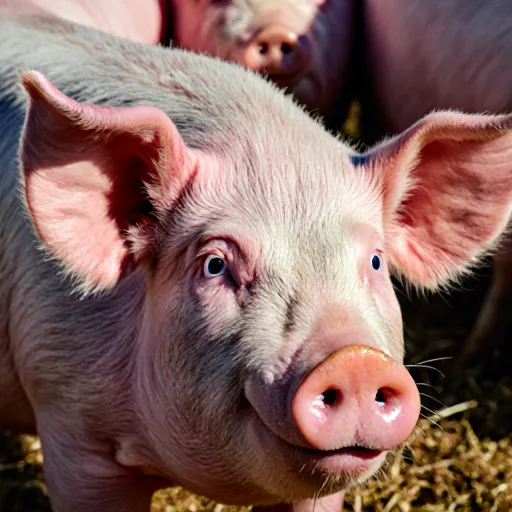
Spot Hidden Health Issues Before It’s Too Late
Table of Contents
- Signs Your Pig Might Be Limping or Unsteady on Its Feet
- Loss of Appetite and Weight Loss
- Changes in Drinking Habits
- Increased Sleep or Lack of Energy
- Swelling Around the Eyes, Face, or Lower Legs
- Discharge from Nose or Eyes
- Changes in Behavior or Temperament
- Abnormal Breathing Patterns
- Diarrhea or Constipation
- Vomiting or Difficulty Eating
- Bruising or Red Spots on the Skin
- Changes in Litterbox Habits
- Decreased Milk Production (in Nursing Pigs)
- Conclusion
- FAQ
Signs Your Pig Might Be Limping or Unsteady on Its Feet
Just like how you might notice signs your pig is sick, there are also clear indicators that suggest your pig might be experiencing mobility issues or discomfort. These symptoms can range from limping to being unsteady on its feet. Here’s a detailed look at what these signs could mean:
Limping
Observing that your pig is limping is one of the most common signs you might notice that something is wrong with their gait or mobility. A limp can be subtle, such as favoring one leg over another, or more pronounced, where the pig struggles to put full weight on a limb.
- Pain in Legs: Your pig may show signs of pain when walking, which could lead to limping. This can be due to various reasons such as injuries (sprains, fractures), infections, or even arthritis.
- Injury or Trauma: If your pig has recently been involved in an accident or has a history of trauma, it might result in a limp. Check for any external wounds that could have caused the injury.
Unsteadiness on Feet
If you observe your pig being unsteady on its feet, it can indicate an underlying issue affecting its balance and coordination. This can be a sign of more severe health issues compared to limping alone.
- Vestibular Disease: Also known as inner ear disease, this condition affects the pig’s ability to maintain balance. It is often seen in older pigs but can also occur suddenly. Signs include circling, falling over easily, and trouble standing up.
- Nerve Damage: Nerve damage due to injury or degeneration could lead to unsteady walking. This condition requires immediate veterinary attention as it can rapidly worsen if not treated promptly.
What to Do
If you notice your pig exhibiting either of these signs, it is crucial to take action without delay:
- Contact Your Veterinarian: A vet can perform a thorough examination and provide the necessary treatment. Early diagnosis and intervention are key in managing such issues.
- Pain Management: If pain is involved, medications like NSAIDs (non-steroidal anti-inflammatory drugs) prescribed by your vet might help alleviate discomfort.
Regular check-ups and maintaining a healthy environment can also prevent these mobility issues. Ensuring that the pig has proper nutrition and exercise will contribute to its overall well-being, reducing the likelihood of such problems arising.
Loss of Appetite and Weight Loss
If you notice a significant change in your pig's appetite or if they are experiencing weight loss, it could be an early sign that something is wrong. Healthy pigs typically have a robust appetite and maintain their weight. Any noticeable changes can indicate potential health issues that require immediate attention.
Signs Your Pig Might Be Sick
- Loss of Appetite: If your pig has been eating less than usual or refuses to eat at all, this could be a cause for concern. A decrease in food intake can lead to weight loss and may indicate gastrointestinal issues, dental problems, or even more serious conditions like infections.
- Weight Loss: Sudden or unexplained weight loss is another important sign. If your pig's body condition score drops, it could be due to a variety of factors including dietary changes, illness, stress, or other underlying health problems.
Steps to Take
- Evaluate Diet: Check if there have been any recent changes in your pig's diet. Sometimes, simply switching up the feed can resolve appetite issues. Ensure that the food is appropriate for pigs and meets all their nutritional needs.
- Monitor Water Intake: Dehydration can also lead to loss of appetite. Make sure your pig has access to clean, fresh water at all times.
- Check for Dental Issues: If your pig is refusing food or only eating soft foods, they may be experiencing dental problems which need immediate attention from a veterinarian.
- Consult a Veterinarian: If the appetite loss persists or if you notice other symptoms such as lethargy, vomiting, diarrhea, or changes in behavior, it is crucial to consult a veterinarian for a proper diagnosis and treatment plan.
Preventive Measures
To prevent loss of appetite and subsequent weight loss, ensure that your pig's environment remains stress-free. Regular veterinary check-ups can help catch any health issues early on. Proper nutrition and a balanced diet are also essential in maintaining your pig's overall health.
Remember, while these signs can indicate potential problems, they do not always mean there is an illness. However, it is better to err on the side of caution and seek professional advice if you notice any unusual behavior or changes in your pet's routine.
Changes in Drinking Habits
Just as with humans and other pets, changes in a pig's drinking habits can be an early indicator of potential health issues. Monitoring your pig’s water consumption is crucial for maintaining its overall well-being. Here are some signs that may suggest your pig is not feeling well:
Increased Water Intake
If your pig has started drinking more than usual, it could be a sign of several health problems such as urinary tract infections (UTIs), diabetes, or even dental issues. UTIs can cause discomfort and increased thirst as the body tries to flush out bacteria. Diabetes may also lead to excessive thirst due to high blood sugar levels that cause the body to try to excrete excess sugar through urine.
It's important to note that pigs generally do not drink a large amount of water compared to some other animals, so even slight increases can be significant. If you notice your pig drinking more than usual, it could be wise to consult with a veterinarian for proper diagnosis and treatment.
Decreased Water Intake
Conversely, if your pig is drinking less water than usual, this too can indicate health problems. Dehydration can lead to various issues including lethargy, lack of appetite, and even more serious conditions like kidney failure or heatstroke in hot weather.
Pigs may reduce their water intake due to dental pain, mouth sores from ulcers, or simply not feeling well. If you observe a decrease in your pig's water consumption, it is advisable to seek veterinary advice promptly to rule out any underlying issues.
Other Indicators
In addition to changes in drinking habits, there are other signs that may indicate your pig is sick. These include:
- Change in Behavior: Sudden lethargy or excessive energy can be indicators of illness.
- Changes in Appetite: A loss of appetite or an increased desire for food might point to various health conditions.
- Peeing and Pooping Patterns: Changes in the frequency, color, or consistency of your pig's waste can also signal that something is wrong.
Practical Advice
To help monitor your pig’s health effectively, here are some practical tips:
- Regular Check-ups: Schedule regular visits to the veterinarian for check-ups and advice on maintaining your pig's health.
- Maintain a Hygienic Environment: Ensure that your pig’s living space is clean and free from potential hazards or contaminants in its food and water supply.
- Observe Regularly: Keep an eye on changes in your pig's behavior, drinking habits, and other key indicators. Early detection of issues can lead to better outcomes and quicker recovery times for your pet.
By staying informed about these signs and taking proactive steps, you can help ensure that your pig remains healthy and happy. Remember, any significant changes in behavior or health should be addressed promptly by a professional to maintain the best care for your pet.
Increased Sleep or Lack of Energy
When your pig exhibits increased sleep or a lack of energy, it may be an early sign that something is not quite right with their health. This behavior can indicate various underlying issues ranging from minor discomfort to more serious medical conditions. Understanding these signs and knowing how to respond can help ensure the well-being of your pet.
Common Signs Your Pig Might Be Sick
- Increased Sleep or Lack of Energy: Pigs that are typically active may suddenly become lethargic, sleeping more than usual. This is one of the earliest signs of potential illness. A healthy pig will usually be alert and responsive.
- Poor Appetite or Refusal to Eat: If your pig refuses food for more than a day or shows reduced interest in eating, it could indicate an underlying health issue.
- Changes in Water Consumption: A noticeable increase or decrease in water intake can be another indicator of illness.
- Persistent Lack of Interest in Activities: If your pig no longer shows interest in playing or engaging in its usual activities, it could mean they are feeling unwell.
- Changes in Urination or Defecation Patterns: Any deviation from the normal pattern, such as diarrhea or constipation, should be monitored closely.
Possible Causes of Increased Sleep or Lack of Energy
Increased sleep or lack of energy can stem from various causes. Here are a few possibilities to consider:
- Infections or Inflammations: Common infections like upper respiratory tract infections (URIs) can lead to lethargy and poor appetite.
- Viral or Bacterial Infections: Viral or bacterial infections, including salmonellosis or toxoplasmosis, can cause significant fatigue in pigs. Prompt veterinary attention is crucial for treatment.
- Parasite Infestations: Internal parasites such as roundworms and coccidia can lead to severe debilitation if left untreated.
- Metabolic Disorders: Conditions like hypocalcemia (low calcium levels) or hyperthyroidism may also result in lethargy and lack of energy.
- Pain: Any form of pain, whether from injuries or internal issues, can cause a pig to become less active.
Practical Advice for Addressing Increased Sleep or Lack of Energy
If you observe increased sleep or lack of energy in your pig, here are some steps you can take:
- Monitor Behavior Closely: Keep a close eye on other signs that may indicate illness and track changes over time.
- Adjust Environment: Ensure the pig is in a comfortable, quiet environment. Sometimes providing more rest can help if it's not due to an illness.
- Contact Your Veterinarian: If lethargy persists for more than 24 hours or worsens, contact your veterinarian immediately. Early intervention can prevent complications.
- Provide Comfort: Ensure the pig has access to fresh water and any food it is still willing to eat. Offer soft bedding if necessary.
- Consider Blood Tests or Imaging: Your vet may recommend blood tests, X-rays, or ultrasounds to identify specific causes of lethargy.
Early detection and treatment are key in managing health issues in pigs. By being vigilant about changes in behavior and responding promptly, you can help ensure your pig remains healthy and energetic.
Swelling Around the Eyes, Face, or Lower Legs
Swelling around the eyes, face, or lower legs in pigs can be a sign of various health issues that require attention. This swelling is often associated with fluid accumulation and can indicate underlying conditions ranging from minor to severe. Understanding these signs and taking timely action can help ensure your pig's well-being.
Causes of Swelling
- Allergic Reactions: Pigs, like other animals, can experience allergic reactions to substances in their environment or diet. Common allergens include moldy feed, dust mites, and pollen. An allergic reaction may cause localized swelling around the eyes, face, or lower legs.
- Infections: Bacterial or viral infections can lead to swelling. Pus-filled lumps (abscesses) or inflammation from infectious diseases such as leptospirosis may cause localized swelling.
- Hydrocele or Seroma: Accumulation of fluid within tissues can lead to swelling. This condition often affects older pigs and can occur for various reasons, including trauma or developmental issues.
- Lymphedema: This condition results from impaired lymphatic drainage and can cause fluid buildup in tissues, leading to swelling. It is more common in pigs with certain genetic predispositions or those who have had previous surgeries affecting the lymphatic system.
- Monitor Your Pig: Keep an eye on the swelling and note any changes in its behavior or additional symptoms such as lethargy, reduced appetite, or difficulty breathing.
- Consult a Veterinarian: Do not wait for the swelling to worsen. Early diagnosis can lead to more effective treatment options. A veterinarian will likely conduct a physical examination and possibly order tests like blood work, imaging studies, or biopsies to determine the underlying cause.
- Maintain Hygiene: Cleanliness is essential in preventing infections. Ensure that your pig's living area is kept clean and dry, especially around areas prone to moisture accumulation which can exacerbate swelling issues.
Example: If your pig suddenly starts sneezing and has swollen facial tissues, it might be due to an allergy. Monitoring for other symptoms like lethargy or skin irritation can help determine if a veterinary visit is necessary.
Example: If you notice a warm, painful lump on your pig's face accompanied by lethargy and loss of appetite, it could be an abscess. Prompt veterinary care is crucial in these cases to prevent the infection from spreading.
Example: If your pig has a soft, non-painful swelling around its eyes that does not go away after a few days, it might be a hydrocele. However, any persistent swelling should be checked by a veterinarian to rule out other potential causes.
Example: If your pig exhibits signs of swelling that gradually worsens over time, especially after periods of inactivity like lying down for extended durations, it could be a sign of lymphedema. Early intervention can help manage this condition effectively.
Immediate Actions
In conclusion, while some forms of localized swelling may resolve on their own with proper care or treatment, persistent or rapidly progressing swelling should never be ignored. By recognizing the signs early and seeking professional advice, you can provide your pig with the best possible care to ensure its health and comfort.
Discharge from Nose or Eyes
Pigs, like any other animals, can show various signs of illness. One common indicator that your pig might be sick is the presence of discharge from its nose or eyes. This discharge could vary in color and consistency, providing valuable clues to the nature of the underlying health issue.
Types of Discharge
- Mucus: Clear or slightly cloudy mucus can indicate a mild respiratory infection or allergies. If it thickens or changes color, it might suggest a more serious condition.
- Blood: The presence of blood in the discharge is often alarming and indicates trauma, injury, or possibly a severe infection. Immediate veterinary attention is crucial if you notice this symptom.
- Pus: Pus suggests an infection that has moved beyond a simple irritation to a more serious bacterial condition. This should be addressed by a veterinarian as soon as possible.
Causes of Discharge
There are several potential causes for discharge from the nose or eyes in pigs:
- Viral Infections: Common viruses like porcine respiratory coronavirus (PRCV) can lead to nasal and ocular discharge.
- Bacterial Infections: Bacteria such as Mycoplasma hyopneumoniae or Pasteurella multocida are frequent causes of respiratory issues in pigs, leading to mucus or pus-like discharges.
- Allergies: Environmental allergens can cause allergic rhinitis, resulting in clear nasal discharge and sometimes eye irritation.
- Injury or Trauma: Physical injuries can lead to bleeding from the nose or eyes. This is often accompanied by other signs of trauma such as swelling or difficulty moving.
Preventive Measures
To prevent illnesses in your pigs, consider these preventive measures:
- Clean Environment: Keep the pig's living area clean and dry. Regular cleaning can reduce the risk of respiratory infections caused by airborne pathogens.
- Vaccination: Ensure that your pigs are vaccinated against common diseases such as swine influenza and pneumonia to protect them from viral infections.
A balanced diet rich in vitamins and minerals can boost the immune system, making it harder for pathogens to take hold.
When to Seek Veterinary Help
If you notice any of the following symptoms along with discharge from the nose or eyes, seek veterinary help immediately:
- High fever (above 104°F)
- Lethargy and lack of appetite
- Frequent sneezing or coughing
- Skin irritation or lesions around the eyes
- Bloody discharge, especially if accompanied by lethargy
Conclusion
Discharge from a pig's nose or eyes can be an important indicator of illness. By understanding the types and causes of this discharge, you can take proactive steps to maintain your pig’s health. If you suspect that something is wrong, consulting with a veterinarian is essential for prompt diagnosis and treatment.
Changes in Behavior or Temperament
Signs your pig might be sick often include changes in behavior or temperament. Healthy pigs are generally active and curious, but when they start showing signs of discomfort or illness, their usual patterns can drastically change.
Loss of Appetite
A decrease in appetite is a common sign that something might be wrong with your pig. If you notice that your pig has lost interest in food, it could indicate an underlying health issue. This behavior is often the first sign owners observe when their pet is unwell.
Reduced Activity Level
Pigs are naturally lively creatures, but a significant drop in activity levels can be a warning sign of illness. A normally active pig that has become lethargic or refuses to move around could be feeling unwell. This reduced activity is often accompanied by other symptoms such as lack of energy and increased sleep.
Unusual Vocalizations
Pigs can vocalize in various ways, from grunting to squealing. If you notice your pig making unusual noises that are out of character for it, this could be an indication of pain or discomfort. For example, a piglet that was once quiet might start making frequent high-pitched sounds, which is not typical.
Changes in Sleep Patterns
A change in sleep patterns can also point to illness. Healthy pigs typically have regular sleep-wake cycles but if you notice your pig sleeping more than usual or at odd times, it may be a sign that something is wrong. This increased drowsiness is often accompanied by other symptoms like reduced activity and lack of interest in its surroundings.
Unusual Postures
Your pig might also change its posture or positioning if it’s feeling unwell. For instance, a normally upright pig that starts to hunch over could be an indicator of pain or discomfort. Pigs with soreness may find it difficult to stand or move around comfortably.
Decreased Hygiene
Healthy pigs are usually clean and will spend time grooming themselves. If you notice a drop in your pig’s hygiene, this could be a sign that it is not feeling well. Reduced self-grooming can also lead to an accumulation of dirt or hair on the skin, which might further contribute to discomfort.
Unusual Restlessness
If your pig seems restless and agitated for no apparent reason, this could be a sign that it is in pain or discomfort. Pigs can become very active suddenly as they try to find a more comfortable position. This restlessness might also include pacing around the enclosure or constantly moving from one spot to another.
Increased Aggression
In some cases, changes in temperament can be observed as increased aggression. Pigs that are typically calm and docile may suddenly become more aggressive or irritable if they are unwell. This behavior could manifest as growling, biting, or pushing others away more forcefully than usual.
Signs Your Pig Might Be Sick
Understanding these behavioral changes can help you identify when your pig is not feeling well. However, it’s important to remember that some of these signs can also occur due to environmental changes or other factors unrelated to illness. If you notice any of these behaviors in your pig, it’s best to consult a veterinarian for a proper diagnosis and treatment.
Abnormal Breathing Patterns
Understanding the normal breathing pattern of your pig is essential for recognizing when something might be wrong. Healthy pigs typically have a quiet, steady breathing rate that can vary depending on their activity level and environmental conditions. However, if you notice any changes in their breathing patterns, it could indicate health issues that require attention.
Common Abnormal Breathing Patterns to Watch For
- Increased Respiratory Rate: A pig with a higher than normal respiratory rate may be struggling to breathe. In healthy pigs, the breathing rate can range from 12 to 30 breaths per minute when at rest. If your pig is breathing more frequently or rapidly, it could indicate stress, pain, or an underlying health issue.
- Decreased Respiratory Rate: While a slightly lower respiratory rate might be normal for some pigs, a marked decrease in the breathing rate can also signal problems such as hypothermia, severe illness, or even neurological disorders.
- Labored Breathing: If your pig appears to be having difficulty inhaling or exhaling, it could indicate respiratory distress. Labored breathing might be accompanied by open-mouth breathing, which is an effort to take in more air.
- Nostril Flaring: This is a common sign of respiratory distress. The nostrils flare as the pig tries to draw in more oxygen through its nose.
- Rapid or Shallow Breathing: Rapid, shallow breathing can be a sign of pain, infection, or other health issues affecting the respiratory system.
Practical Advice for Monitoring Your Pig's Health
To help ensure your pig remains healthy, it’s important to monitor its behavior and appearance regularly. Establishing a routine that includes checking your pig’s breathing pattern can make early detection of potential health issues easier.
- Observe Regularly: Spend time observing your pig daily to get a baseline for their normal behaviors, including their respiratory rate and how they breathe. This will help you notice any deviations from the norm more quickly.
- Create a Comfortable Environment: Ensure your pig’s living space is clean, warm, and free of drafts. A comfortable environment can reduce stress and support overall health.
- Encourage Regular Activity: Keeping your pig active helps maintain their respiratory fitness. However, make sure to allow for rest periods as needed. Overexertion can lead to increased breathing rates or other health concerns.
- Monitor Other Signs of Illness: Abnormal breathing patterns are not the only sign that something might be wrong with your pig. Watch for changes in appetite, lethargy, discharge from the eyes or nose, and any unusual behaviors. These can all indicate a health issue.
If you notice any of these abnormal breathing patterns or other signs that concern you, it’s best to consult with a veterinarian experienced in pig care as soon as possible. Early intervention is crucial for the best outcome when dealing with potential health issues in pigs.
Diarrhea or Constipation
Detecting signs of illness early can be crucial for the health and well-being of your pet pig. Understanding the differences between diarrhea and constipation is essential, as both conditions can indicate a variety of underlying issues that require attention.
Diarrhea in Pigs
Diarrea in pigs can vary widely in terms of severity and duration. Common signs include loose stools, frequent defecation, and general discomfort or lethargy. It is important to monitor the consistency and frequency of your pig's waste to identify any changes.
- Frequency: Increased trips to the litter box
- Stool Consistency: Watery, bloody, or mucous-like stools
- Lethargy and General Discomfort: Your pig may seem less active or show signs of pain during defecation.
If your pig exhibits these symptoms, it is advisable to consult a veterinarian. Diarrhea can be caused by various factors such as dietary changes, infections (bacterial, viral, or parasitic), stress, or other medical conditions. Proper treatment depends on the underlying cause, so a professional diagnosis is crucial.
Constipation in Pigs
Constipation is less common but equally concerning. It typically presents with infrequent defecation and hard stools that can be painful for your pig to pass. This condition can lead to significant discomfort and distress if not addressed promptly.
- Frequency: Reduced or no defecation
- Stool Consistency: Hard, dry, or small lumps that are difficult for your pig to pass
- Lethargy and Painful Defecation: Your pig may show signs of discomfort during the defecation process.
If you notice these symptoms, it is important to seek veterinary advice. Constipation can be caused by dehydration, a poor diet, lack of exercise, or even stress. In some cases, it might also indicate an underlying health issue that needs professional attention.
Preventive Measures and Advice
To help prevent both diarrhea and constipation in your pig, consider the following tips:
- Dietary Balance: Ensure a balanced diet with adequate fiber content to promote healthy digestion.
- Adequate Hydration: Provide fresh water at all times to prevent dehydration that can lead to constipation.
- Limited Stressors: Minimize stress in your pig's environment as much as possible, as stress can exacerbate both diarrhea and constipation.
In conclusion, recognizing the signs of diarrhea or constipation in your pet pig is crucial for prompt medical attention. By understanding these symptoms and taking preventive measures, you can help ensure a healthier and happier life for your pig.
Vomiting or Difficulty Eating
Signs Your Pig Might Be Sick: Vomiting or Difficulty Eating
Vomiting and difficulty eating are two common signs that your pig might be sick. These symptoms can indicate a wide range of health issues, from mild discomfort to more serious conditions. Understanding these signs is crucial for early detection and treatment.
- Vomiting: If your pig vomits frequently or if there is blood present in the vomit, it could be a sign of an underlying health issue. Other signs may include lethargy and lack of appetite.
- Difficulty Eating: This can manifest as refusing to eat food, swallowing food with difficulty, or regurgitation after eating.
There are several potential causes for vomiting or difficulty eating in pigs. These include but are not limited to:
- Digestive Issues: Pigs can experience various digestive problems such as stomach ulcers, gastroenteritis, or dietary indiscretion. Improper diet choices like feeding too many table scraps can upset their sensitive stomachs.
- Infections: Bacterial or viral infections in the gastrointestinal tract may lead to vomiting and difficulty eating.
- Toxins: Consumption of toxic plants, medications, or household chemicals could cause these symptoms. It's important to check your pig's environment for potential toxins.
- Gastric Dilatation-Volvulus (GDV): This is a life-threatening condition where the stomach twists and fills with gas and fluid. It’s more common in larger breeds but can affect any pig. Signs include painful abdominal distension, bloating, and difficulty eating.
- Dental Issues: Problems with teeth or gums could make eating uncomfortable for your pig.
If you notice your pig vomiting or having trouble eating, it's important to take immediate action:
- Contact a Veterinarian: Seek veterinary care immediately. A vet can perform diagnostic tests such as blood work, fecal examinations, X-rays, or ultrasound scans to determine the exact cause of the problem.
- Maintain Hydration: If your pig is vomiting and not eating, it’s crucial to prevent dehydration by providing small amounts of water frequently. Electrolyte solutions can also be beneficial if recommended by a vet.
- Limit Food Intake: Temporarily withhold food for a few hours to give the digestive system time to settle down. Afterward, start with bland foods like cooked rice and boiled vegetables before gradually returning to regular meals under veterinary guidance.
- Monitor Behavior Closely: Keep an eye on your pig’s behavior, appetite, and any other changes in its normal routine. This information can be invaluable during consultations with a veterinarian.
Pigs have a strong predatory appetite which makes them vulnerable to eating anything they find interesting or appealing. This behavior is perfectly natural but it’s essential to monitor what your pig consumes. Avoid offering items that could be harmful, such as chocolate, onions, grapes, avocados, or any other toxic substances.
To help prevent vomiting and difficulty eating in pigs:
- Establish a Balanced Diet: Feed your pig according to the guidelines provided by breeders. Avoid overfeeding and ensure that all food items are safe for consumption.
- Provide Fresh Water: Always have clean water available, especially if your pig is eating less due to an illness or discomfort.
- Regular Vet Checkups: Regular visits to the veterinarian can help in early detection of any health issues and ensure that your pig is receiving the best care possible.
By being aware of these signs and taking appropriate steps, you can help keep your pet healthy and happy. Remember, early intervention is key in treating many conditions related to vomiting or difficulty eating in pigs.
Bruising or Red Spots on the Skin
Spotting bruising or red spots on your skin can be alarming, especially if you don't recall any injuries. While these marks are often harmless and can arise from minor reasons like a fall or bumping into something, they can also indicate underlying health issues that require attention. Here's how to differentiate between the two scenarios:
Safeguarding Your Pet: Signs Your Pig Might Be Sick
Just as with humans, unusual skin conditions in pigs can be a sign of illness or an external issue such as injury. Monitoring your pig’s health is crucial to ensuring they remain healthy and happy. Below are some signs that could indicate something is wrong:
- Bruising: Unexplained bruising on the skin, especially if it appears in multiple spots or at unusual places like the ears, nose, or tail, can be a sign of internal bleeding or blood clotting disorders. If your pig shows signs of bruising along with lethargy, loss of appetite, or difficulty moving, seek veterinary advice immediately.
- Red Spots: Red spots on the skin could indicate an infection, such as erysipelas (a bacterial infection), or a reaction to something in their environment. If these red spots are accompanied by swelling, discharge, or your pig is acting out of character, it’s time to call the vet.
Practical Advice:
- Regularly check your pig's skin for any unusual marks or changes. Early detection can help in addressing issues before they become more serious.
- If you notice bruising or red spots, observe if there are other symptoms such as lethargy, loss of appetite, or abnormal behavior that might indicate illness.
- Ensure your pig’s environment is safe and free from potential hazards that could cause accidental injuries. Regularly inspect their living space for any sharp edges or objects that could lead to skin trauma.
Remember, while some bruises and red spots may be benign, it's always better to err on the side of caution. If you're unsure about what you're observing or if your pig shows other concerning signs, don't hesitate to consult a veterinarian for a professional opinion. Your pig’s health is paramount, so staying informed and proactive can make all the difference.
Changes in Litterbox Habits
Changes in litterbox habits can be an early sign that your pig might be sick. While a healthy pig generally maintains consistent and clean litterbox behavior, deviations from this norm could indicate underlying health issues or stress. Monitoring these changes can help you catch potential problems early.
- Changes in Litterbox Habits:
- Peeing and pooping outside the litterbox area.
- Increased frequency or urgency to use the litterbox.
- Litterbox accidents inside the living space.
- Straining, difficulty, or discomfort when eliminating.
To effectively monitor changes in litterbox habits, it's crucial to first understand your pig’s normal behavior. A healthy pig typically uses the litterbox consistently and without difficulty. If you notice any deviation from this norm, consider these behaviors a potential red flag.
- Physical Pain: Pigs might avoid the litterbox if they are experiencing pain. Conditions like bladder stones or urinary tract infections can cause discomfort when eliminating, leading to accidents outside the litterbox.
- Stress and Anxiety: Changes in routine, new environments, or loud noises can stress your pig, causing it to avoid its usual habits.
- Digestive Issues: Diarrhea or constipation can make using the litterbox uncomfortable for your pig. This discomfort might lead to accidents.
If you notice changes in your pig’s litterbox habits, here are some steps you can take:
- Observe Carefully: Take note of the frequency and any signs of discomfort. This information is valuable when discussing with a veterinarian.
- Consult Your Vet: If changes persist, it’s important to consult your veterinarian. They can provide a thorough examination and appropriate treatment for any underlying health issues.
- Maintain Routine: Try to keep your pig's daily routine as stable as possible to minimize stress-related accidents.
Here are some specific examples of problematic litterbox behavior that could indicate health issues in pigs:
- Frequent Accidents: If your pig is peeing and pooping inside the living space frequently, it might be a sign of a urinary tract infection or other digestive problems.
- Bloody Diarrhea: This could indicate a serious health issue that requires immediate veterinary attention.
- No Elimination for Long Periods: If your pig hasn’t eliminated in the litterbox for an unusually long time, it might be experiencing pain or discomfort.
By staying vigilant and understanding what is normal for your pig’s behavior, you can quickly identify changes that could signal a health issue. Early intervention is key to ensuring your pig stays healthy and happy.
Decreased Milk Production (in Nursing Pigs)
Decreased milk production in nursing pigs can be a sign of underlying health issues that affect both the mother pig and her piglets. Monitoring this condition is crucial for maintaining good health among your livestock. Below are some key signs to look out for, along with practical advice on how to manage and address decreased milk production.
Signs Your Pig Might Be Sick
- Lethargy: A decrease in energy levels or general lack of activity can indicate illness. Healthy pigs are usually active, exploring their environment and interacting with other pigs.
- Loss of Appetite: Reduced food intake is another common sign that your pig may be unwell. Healthy pigs have a good appetite and will eagerly eat their feed.
- Vomiting or Diarrhea: These are clear indicators that something is wrong with the digestive system, which could lead to decreased milk production if the mother pig is affected.
- Late Stage Pregnancy Signs: If a pregnant sow shows signs of illness during her late stages, it can impact her ability to produce sufficient milk for her offspring. Look out for symptoms like increased body temperature and difficulty breathing.
Causes of Decreased Milk Production
The decrease in milk production could be due to various factors including nutritional deficiencies, stress, or health issues in the mother pig. It is important to identify these causes promptly to ensure the well-being of both the sow and her piglets.
Nutritional Deficiencies
- Inadequate Calcium Levels: A lack of calcium can lead to poor milk production. Ensure your pigs have access to a balanced diet rich in essential minerals.
- Vitamin Deficiency: Lack of certain vitamins, especially vitamin E and selenium, can also affect milk production. Consulting with a veterinarian for tailored dietary advice is recommended.
Stress Factors
High levels of stress in the mother pig due to overcrowding or changes in environment can lead to reduced milk production. Providing a calm and comfortable environment helps reduce stress.
Health Issues
- Infection: Infections such as mastitis, which affects mammary glands, can severely impact milk production. Early diagnosis and treatment are crucial to prevent further issues.
- Toxins or Parasites: Exposure to toxins or parasitic infestations in the environment or feed can also reduce milk production. Regular testing of water sources and feeds is essential.
Managing Decreased Milk Production
Addressing decreased milk production requires a combination of proper management, nutrition, and sometimes veterinary intervention. Here are some practical steps you can take:
- Ensure Proper Nutrition: Feed the mother pig a balanced diet that meets her nutritional needs during lactation. A veterinarian or an animal nutritionist can provide tailored recommendations.
- Provide Clean Water: Access to clean and fresh water is vital for overall health, especially when milk production is reduced due to dehydration.
- Monitor Temperatures: Ensure the piglets are kept in an environment with moderate temperatures that prevent overheating or chilling. This helps maintain their comfort and energy levels.
- Vet Consultation: If signs of illness persist, consult a veterinarian for diagnosis and treatment. Early intervention can often resolve issues effectively.
Promoting Recovery
To help your nursing pigs recover from decreased milk production, ensure they receive adequate care and nutrition. This includes providing them with high-quality feed, clean water, and a comfortable environment free from stressors.
Conclusion
When you notice signs that your pig might be sick, it's crucial to act quickly and appropriately. Understanding these symptoms can help you provide timely care or seek veterinary assistance if necessary. Here are some detailed insights into the various signs of illness in pigs:
Changes in Behavior
Pigs that are typically active may become lethargic, showing a marked decrease in energy levels and interest in their surroundings. Conversely, some sick pigs might exhibit increased agitation or restlessness for no apparent reason. Changes in behavior can be an early indicator of illness.
Appetite Loss
A sudden loss of appetite is often a red flag. Healthy pigs have consistent eating habits, and a change could signal that something isn't right. If your pig stops eating for more than one day or has significantly reduced food intake, it's important to investigate further.
Weight Loss
If you notice your pig losing weight without any changes in feeding habits, this could be a sign of illness. Weighing the pig regularly can help monitor its health status over time and catch potential issues early.
Frequent Gagging or Coughing
Signs such as frequent gagging or coughing are not common in pigs but could indicate respiratory problems. If your pig is displaying these symptoms, it's important to consider the possibility of an underlying illness and seek professional advice.
Abnormal Litter Size
Pigs that have delivered litters significantly smaller than usual or experience stillbirths might be suffering from health issues. Reproductive problems can sometimes be linked to internal illnesses, so addressing these symptoms promptly is advisable.
Diarrhea and Changes in Waste
Digestive disorders are common in pigs, and changes in their waste can indicate a problem. Diarrhea that lasts longer than 24 hours should be monitored closely, as it can lead to dehydration if not addressed properly.
Swelling or Discharge
If you notice swelling around the eyes, nose, or any other part of the body, or signs of discharge from these areas, this could indicate a local infection. Prompt treatment is essential to prevent complications.
Loss of Interest in Play and Socializing
A decrease in social interaction can be another sign that your pig might be unwell. Healthy pigs enjoy interacting with their owners and peers; withdrawal from these activities could signal a health issue.
In conclusion, recognizing the signs of illness early is key to ensuring your pig's well-being. By paying attention to changes in behavior, appetite, weight, respiratory symptoms, reproductive issues, digestive health, and overall social interactions, you can take proactive steps to maintain your pig’s health. If any concerning signs persist or worsen, it is always best to consult a veterinarian for professional advice and treatment.
FAQ
Understanding the signs that your pig might be sick is crucial for maintaining its health and well-being. Here are some frequently asked questions along with detailed answers to help you recognize these symptoms early.
1. My Pig Is Eating Less Than Usual
Eating habits can vary from one pig to another, but a sudden change in appetite is often the first sign of illness. If your pig starts eating less than usual, it could be indicative of several health issues such as dental problems, gastrointestinal upset, or even stress. It's important to monitor this behavior closely and ensure that your pig has access to fresh water.
Example: If your pig normally finishes its food within 15 minutes but now takes an hour, it might be a sign of discomfort.
2. Changes in Water Consumption
Pigs can easily develop hydration issues if they are not consuming enough water. A decrease or increase in water consumption could signal dehydration or overhydration. Hydration is critical for overall health, and a pig that drinks more than usual might be experiencing stress, illness, or discomfort.
Example: If you notice your pig drinking more water than usual, it may indicate an underlying health issue like kidney problems or infection.
3. Changes in Litter Box Habits
Pigs that have been potty trained often develop specific patterns of elimination. Any deviation from these habits can be a sign of illness. For instance, if your pig suddenly starts eliminating outside the designated area or exhibits diarrhea, it could indicate a urinary tract infection or other gastrointestinal issues.
Example: If you notice frequent small amounts of feces being eliminated, this might suggest digestive problems.
4. Lethargy and Lack of Energy
A healthy pig should be active, especially if it's young or well-nourished. If your pig suddenly becomes lethargic, lacks energy, and prefers to lie down more than usual, it could be a sign of illness. This could be due to anemia, respiratory issues, or even internal parasites.
Example: A normally active pig that refuses to play with toys or interact is likely feeling unwell.
5. Changes in Breathing Patterns
Normally, pigs breathe quietly and steadily. If you notice your pig breathing heavily, rapidly, or abnormally, this could indicate respiratory issues such as pneumonia or bronchitis. These conditions can be exacerbated by environmental factors like cold drafts or dust.
Example: A pig that is breathing heavily during rest might need to be checked for respiratory infections.
6. Skin and Coat Changes
A healthy pig's skin should be smooth, pink, and free from lumps or sores. If you notice any changes in the pig's coat, such as dullness, flaking, or dryness, it could indicate an underlying health issue like poor nutrition, parasites, or even hormonal imbalances.
Example: A pig with a patchy coat that seems to be losing hair might have a skin condition like ringworm or mange.
7. Unusual Vocalizations
Pigs communicate through various vocalizations, and changes in their usual sounds can indicate illness. If your pig is suddenly making more noise than usual, it could be a sign of pain, discomfort, or even fear. Prolonged crying or unusual cries that are different from the normal squeals should not be ignored.
Example: A pig that starts to cry loudly and frequently might have abdominal pain or other health issues.
8. Abnormal Gait
A pig's gait should be smooth and balanced. If your pig is walking with an unusual gait, such as limping or dragging a leg, it could indicate joint problems or injuries. This might need immediate attention to avoid further complications.
Example: A pig that suddenly starts hopping instead of walking normally might have an injured foot.
Conclusion
By keeping a close eye on these signs and responding promptly, you can help ensure your pig stays healthy. Regular check-ups by a veterinarian familiar with pigs can also provide additional reassurance and professional advice if needed.
Categories
- AI & Enrichment Play
- Broiler Farming
- Broiler Farming Tips
- Canine Wellness & Longevity
- Cat
- Cat & Human Connection
- Cat Adoption & Rescue
- Cat Breeds
- Cat Breeds & Personalities
- Cat Care & Health
- Cat Grooming & Hygiene
- Cat Lifestyle & Environment
- Cat Myths & History
- Cat Nutrition & Diet
- Cat Products & Reviews
- Cat Training & Behavior
- Comparison
- Consumer Awareness
- Dog
- Dog Accessories & Products
- Dog Adoption & Rescue
- Dog Breed & Lifestyle Trends
- Dog Breeding & Puppies
- Dog Entertainment & Media
- Dog Fashion & Trends
- Dog Fun & Lifestyle
- Dog Grooming & Hygiene
- Dog History & Culture
- Dog Myths, Science & Future Tech
- Dog News & Trends
- Dog Nutrition & Food
- Dog Psychology & Emotions
- Dog Safety & Security
- Dog Sports & Activities
- Dog Technology & Innovation
- Dog Training for Modern Owners
- Dog Travel & Adventure
- Dog Travel, Adventure & Culture
- Economic and Market Insights
- Educational Content
- FAQs
- Feeding Alternatives
- Festivals & Seasonal Ideas
- Fun & Entertainment
- General Knowledge
- General Pig Farming
- Health & Disease Management
- Housing and Environment
- Kittens
- Market Insights
- Miscellaneous
- Miscellaneous
- Motivational
- pig
- Pig Breeding
- Pig Breeds
- Pig Farming Stories and Inspiration
- Pig Health and Care
- Pig Nutrition
- Pig Products
- Profitability & Business
- Puppy Care
- Puppy Predictable Topics Reinvented
- Regional Focus
- Rescue & Adoption Buzz
- Senior Cats
- Senior Dog Care
- Smart Dog Tech & Gadgets
- Sustainability
- Sustainable & Eco-Friendly Dog Products
- Tech & Innovations
- Working & Service Dogs
- Broiler Feed66 products
- Country Feed33 products
- Pig Feed66 products
- Product22 products
- Raw Materials99 products
Products
-
 Fish Meal
₹1,999.00 – ₹2,999.00Price range: ₹1,999.00 through ₹2,999.00Rated 0 out of 5
Fish Meal
₹1,999.00 – ₹2,999.00Price range: ₹1,999.00 through ₹2,999.00Rated 0 out of 5 -
 FATTENING BROILER FEED
₹2,299.00 – ₹2,349.00Price range: ₹2,299.00 through ₹2,349.00Rated 0 out of 5
FATTENING BROILER FEED
₹2,299.00 – ₹2,349.00Price range: ₹2,299.00 through ₹2,349.00Rated 0 out of 5 -
 LAYER COUNTRY FEED
₹1,549.00 – ₹1,649.00Price range: ₹1,549.00 through ₹1,649.00Rated 0 out of 5
LAYER COUNTRY FEED
₹1,549.00 – ₹1,649.00Price range: ₹1,549.00 through ₹1,649.00Rated 0 out of 5 -
 COUNTER BROILER FEED
₹1,199.00 – ₹1,299.00Price range: ₹1,199.00 through ₹1,299.00Rated 0 out of 5
COUNTER BROILER FEED
₹1,199.00 – ₹1,299.00Price range: ₹1,199.00 through ₹1,299.00Rated 0 out of 5 -
 LACTATING PIG FEED
Rated 0 out of 5
LACTATING PIG FEED
Rated 0 out of 5₹2,299.00Original price was: ₹2,299.00.₹1,740.00Current price is: ₹1,740.00. -
 Maize
Rated 0 out of 5
Maize
Rated 0 out of 5₹1,650.00Original price was: ₹1,650.00.₹1,300.00Current price is: ₹1,300.00. -
 GESTATION PIG FEED (Phase 1)
Rated 0 out of 5
GESTATION PIG FEED (Phase 1)
Rated 0 out of 5₹2,249.00Original price was: ₹2,249.00.₹1,699.00Current price is: ₹1,699.00. -
 Pre Starter Broiler Feed
₹2,399.00 – ₹2,499.00Price range: ₹2,399.00 through ₹2,499.00Rated 0 out of 5
Pre Starter Broiler Feed
₹2,399.00 – ₹2,499.00Price range: ₹2,399.00 through ₹2,499.00Rated 0 out of 5 -
 FINISHER PIG FEED
Rated 0 out of 5
FINISHER PIG FEED
Rated 0 out of 5₹2,299.00Original price was: ₹2,299.00.₹1,749.00Current price is: ₹1,749.00. -
 Broiler Premix
Rated 0 out of 5
Broiler Premix
Rated 0 out of 5₹820.00Original price was: ₹820.00.₹699.00Current price is: ₹699.00.