
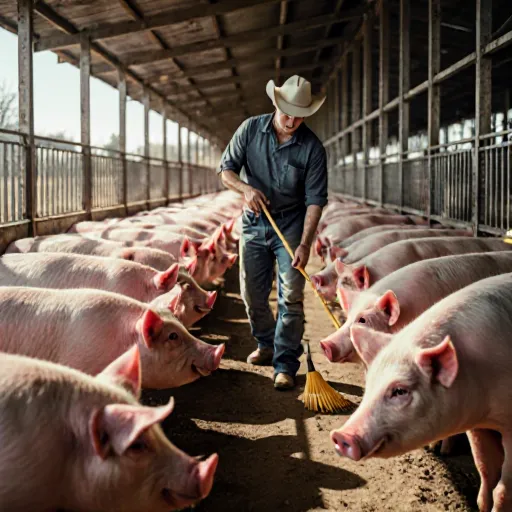
Discover hidden pig hygiene tips for maximum profits!
Table of Contents
- Feeding Areas and Equipment Cleaning
- Regular Disinfection of Housing Areas
- Proper Waste Management and Removal
- Hygiene Practices for Handlers and Workers
- Importance of Clean Water Supply
- Ventilation and Air Quality Control
- Regular Health Checks and Monitoring
- Preventing Access to Unsanitary Areas
- Rodent and Pest Control Measures
- Frequent Cleaning of Pig Pens and Enclosures
- Use of Disinfectants and Cleansers
- Employee Training on Hygiene Procedures
- Records Keeping for Sanitary Practices
- Conclusion
- FAQ
Feeding Areas and Equipment Cleaning
Pig hygiene and sanitation are critical components of maintaining a healthy environment, reducing the risk of disease outbreaks, and ensuring optimal growth performance. Proper management of feeding areas and equipment cleaning is essential to achieving these goals.
1. Feeding Area Management
The design and maintenance of feeding areas play a crucial role in pig hygiene. Here are some best practices:
- Clean Feeding Floors: Ensure that the floors are clean, dry, and free from waste materials. Wet and dirty floors can promote the growth of harmful bacteria.
- Adequate Space: Provide sufficient space for pigs to eat without overcrowding, which can lead to stress and health issues.
- Frequent Cleaning: Clean and disinfect feeding areas after each use. This helps eliminate pathogens that can cause disease outbreaks.
Example: Use a broom or vacuum cleaner to sweep up any leftover feed and manure regularly.
PRACTICAL ADVICE: Regularly disinfect feeding areas with an appropriate disinfectant to prevent bacterial growth.
Example: Ensure that there is enough room between feeders to allow pigs easy access to food.
PRACTICAL ADVICE: Monitor pig behavior during feeding times; if they are struggling for space, adjust the number of feeders or increase feeder capacity.
Example: Use a mixture of water and detergent to clean surfaces thoroughly before applying an appropriate disinfectant.
PRACTICAL ADVICE: Implement a cleaning schedule based on pig population size, feed type, and frequency of use. Consistency is key!
2. Equipment Cleaning
Cleaning and sanitizing feeding equipment regularly is vital to maintaining good hygiene standards within the pig facility.
Feeders and Waterers
Poorly maintained feeders and waterers can harbor bacteria, mold, and other pathogens. Here’s how you can clean them effectively:
- Manual Cleaning: Thoroughly wash all parts of the feeder or waterer with a mild detergent solution.
- Disinfection: After cleaning, apply an approved disinfectant to kill any remaining pathogens.
PRACTICAL ADVICE: Use non-corrosive detergents to prevent damage to metal components. Scrub all surfaces, including nozzles and valves where applicable.
PRACTICAL ADVICE: Follow manufacturer guidelines for dilution rates and contact times. Make sure the equipment is completely dry before reinstallation or use.
Storage and Handling
To maintain hygiene, it's important to store feed properly and handle it carefully:
- Avoid Contamination: Store feed in a secure, dry location away from moisture sources.
- Clean Transportation Equipment: Clean and sanitize all vehicles or equipment used for transporting feed before use, especially after handling contaminated loads.
PRACTICAL ADVICE: Use sealed containers or bins to prevent access by rodents and other pests. Ensure that feed is not exposed to dust or dirt.
PRACTICAL ADVICE: Regularly check loading areas and transport routes for signs of contamination. Implement a cleaning protocol immediately if any issues are identified.
Conclusion
By following these best practices, you can significantly improve the hygiene levels within your pig facility. This not only contributes to better animal health but also enhances productivity and profitability of your operation. Remember, consistent maintenance and monitoring are key to long-term success.
Regular Disinfection of Housing Areas
Regular disinfection of housing areas is a critical aspect of pig hygiene and sanitation, ensuring that both the animals and their environment remain healthy. Proper disinfection practices not only prevent the spread of diseases but also reduce stress on the pigs by maintaining a clean and hygienic living space.
The primary goal of regular disinfection is to eliminate pathogens, bacteria, viruses, fungi, and other harmful microorganisms that may be present in housing areas. This process helps to maintain a healthy environment for the pigs, reducing the risk of disease outbreaks and ensuring optimal growth rates.
- Select the Right Disinfectant: It is crucial to choose a disinfectant that effectively targets all types of pathogens present in the environment. Look for products that are approved by veterinary authorities and have broad-spectrum activity.
- Follow Manufacturer's Instructions: Always read and follow the instructions provided by the manufacturer, including dilution rates and contact times required for effective disinfection.
- Ensure Proper Coverage: Make sure that all surfaces are thoroughly covered with the disinfectant. This includes feeding areas, watering stations, bedding materials, and any other areas where pigs come into direct contact.
- Allow Adequate Dwell Time: Most disinfectants require a certain amount of time to work before being rinsed off or air-drying. Ensure that you allow the specified dwell time for effective pathogen elimination.
- Thorough Cleaning Prior to Disinfection: Before applying any disinfectant, ensure that all surfaces are clean and free from organic matter. Organic materials can interfere with the effectiveness of the disinfectant.
- Repetition is Key: Regular disinfection should be performed at least once a week or more frequently depending on the number of pigs housed and the frequency of movement in and out of the housing area.
To ensure that your regular disinfection program is effective, consider implementing the following strategies:
- Establish a Schedule: Develop and adhere to a disinfection schedule that fits into your overall pig management plan. This will help you stay organized and consistent with your hygiene efforts.
- Train Staff Properly: Ensure that all staff involved in the cleaning and disinfecting process are trained properly. This includes understanding the correct use of disinfectants, proper handling procedures, and the importance of following protocols.
- Monitor and Adjust as Needed: Regularly assess the effectiveness of your disinfection practices. If you notice a spike in disease or infection rates, it may be necessary to adjust your schedule or switch to a different type of disinfectant.
Here are some examples of effective disinfection practices:
- Daily Cleaning and Disinfection of Feeding Areas: This helps to prevent the buildup of feed residue, which can attract pests and harbor pathogens. Clean and disinfect feeding areas daily using a suitable disinfectant.
- Weekly Disinfection of Watering Stations: Regularly cleaning and disinfecting watering stations ensures that pigs have access to clean water free from contaminants. This is crucial for maintaining good health and preventing dehydration in the pigs.
- Moving Pigs into Clean Housing Areas: When moving pigs into new housing areas, ensure that these areas are thoroughly cleaned and disinfected before introducing the animals. This minimizes the risk of disease transmission between different groups or batches of pigs.
In conclusion, regular disinfection of housing areas is an essential component of pig hygiene and sanitation. By following best practices and implementing effective strategies, you can significantly enhance the health and well-being of your pigs while reducing the risk of disease outbreaks in your herd.
Proper Waste Management and Removal
Pig hygiene and sanitation are crucial components of maintaining a healthy environment for pigs, preventing the spread of diseases, and ensuring overall animal welfare. Proper waste management and removal play a significant role in achieving these goals by keeping living spaces clean and hygienic.
1. Regular Cleaning of Housing Areas
The first step in managing waste properly is regular cleaning of the housing areas where pigs reside. This involves removing soiled bedding, manure, and urine from stalls on a daily basis. Using appropriate cleaning solutions can help reduce odors and eliminate harmful bacteria.
Example:
One effective method is to use a combination of water and biodegradable cleaning agents. These products are gentle yet effective at breaking down waste materials, making the area more comfortable for pigs and less likely to attract pests or harbor pathogens.
2. Proper Waste Disposal
Once waste has been removed from the stalls, it must be disposed of properly to prevent contamination of water sources, soil, and air quality. This can include composting, spreading on fields as fertilizer after appropriate treatment, or using environmentally safe waste removal services.
Example:
A common practice is to create a separate area for waste storage where it can be safely transported off-site by professionals who specialize in agricultural waste management. This ensures that no harmful substances are left behind on the farm property, potentially affecting nearby ecosystems.
3. Maintaining Clean Water Sources
A clean water supply is essential for pig health; contaminated water can lead to illness and even death among livestock. Regular inspection of drinking troughs and automatic watering systems helps ensure they are free from debris, algae growth, or any other contaminants.
Practical Advice:
- Check the condition of your water sources weekly during warmer months when algae may grow more rapidly.
- Replace broken or damaged equipment promptly to avoid prolonged exposure to poor conditions.
- Consider using UV light systems in outdoor troughs to kill harmful microorganisms naturally without chemicals.
4. Pest Control Measures
Pest control is another important aspect of waste management and sanitation because pests like rodents, flies, and insects can spread diseases among pigs and other animals on the farm. Implementing strategies such as sealing off entry points into buildings and using traps or baits are effective ways to manage pest populations.
Example:
Setting up fly screens on doors and windows helps prevent flies from entering indoor areas where pigs spend time, reducing the likelihood of them spreading diseases through their bites. Additionally, placing feeders at least 5 feet above ground level can deter rodents from accessing food sources.
Conclusion
By following these best practices for waste management and removal, you not only promote pig hygiene but also contribute positively to environmental sustainability by minimizing negative impacts on local ecosystems. Remember that consistent effort towards cleanliness fosters better health outcomes both for your animals and the surrounding environment.
Hygiene Practices for Handlers and Workers
Ensuring hygiene practices among handlers and workers is critical to maintaining pig health and preventing disease outbreaks. Here are some best practices that align with those recommended by industry experts:
1. Personal Hygiene
- Wash Hands Regularly: Handlers should wash their hands thoroughly with soap and water before and after handling pigs, changing pig bedding, or performing any task that involves contact with animals.
- Avoid Touching Face: Encourage workers to avoid touching their face, mouth, nose, or eyes as much as possible while in the work environment. This helps prevent the spread of pathogens from hands to the body.
2. Proper Clothing and Footwear
- Clean Work Uniforms: Provide workers with clean, sanitized uniforms that are changed regularly. Avoid wearing street clothes into pig enclosures to minimize the risk of contamination.
- Footwear: Ensure handlers wear appropriate footwear for handling pigs and change them when moving between different areas within the enclosure or after contact with sick pigs.
3. Sanitation Practices
- Clean and Disinfect Equipment: Regularly clean and disinfect all equipment used in pig management, including feeders, waterers, and transport vehicles. This prevents the spread of pathogens from one area to another.
- Sanitization Stations: Place hand sanitizers and cleaning stations at strategic locations within the facility for quick access by workers.
4. Training and Education
Regular training sessions on proper hygiene practices are essential to ensure that all staff members understand the importance of these measures:
- New Employee Orientation: Provide comprehensive orientation for new employees, covering the importance of personal hygiene, sanitation procedures, and disease prevention.
- Ongoing Training: Conduct regular refresher courses to keep all workers up-to-date on best practices and any changes in protocols due to emerging health concerns or regulatory requirements.
5. Biosecurity Measures
- Restricted Access: Limit access to the pig facility to authorized personnel only, particularly during outbreaks of disease. This helps prevent the introduction of pathogens from outside sources.
- Vehicle and Equipment Controls: Clean and disinfect vehicles entering or leaving the facility to prevent the spread of diseases through contaminated transport vehicles.
In conclusion, maintaining rigorous hygiene practices is key in protecting pig health and overall farm productivity. By adhering to these best practices, handlers and workers can significantly reduce the risk of disease transmission within the pig population.
Importance of Clean Water Supply
The importance of a clean water supply cannot be overstated, especially in environments where hygiene and sanitation are critical, such as pig farms. Clean water is the backbone of maintaining health, reducing infections, and enhancing productivity in pigs. In pig husbandry, improper water quality can lead to significant health issues, reduced growth rates, increased mortality rates, and costly veterinary treatments.
The best practices for ensuring clean water supply involve a combination of regular maintenance, proper filtration systems, and strict hygiene protocols. Here are some key practices that pig farmers should adhere to:
- Frequent Cleaning of Waterers: Regular cleaning of waterers is essential to prevent the growth of harmful bacteria and other pathogens. Farmers should clean waterers at least once a week, using disinfectants as recommended by veterinarians.
- Use of Clean Water Sources: Ensuring that the source water is clean and free from contaminants is crucial. Farmers should monitor the quality of their water sources regularly, especially if they are drawing water from wells or nearby rivers.
- Water Flow Control: Proper flow control is essential to prevent contamination from feces or urine. Farmers should ensure that there are no leaks in the pipes and that the flow rate is appropriate for pig consumption.
- Disinfection: Regular disinfection of drinking water can significantly reduce the spread of diseases among pigs. Farmers should follow a schedule for adding disinfectants to the water supply, which should be in accordance with local regulations and veterinary guidelines.
- Regular Monitoring: Continuous monitoring of the water quality and flow rate is vital for effective hygiene and sanitation practices. Farmers should have a system in place to regularly check these parameters, such as turbidity levels and pH balance.
For example, farms often use chlorine solutions or quaternary ammonium compounds to disinfect waterers between cleanings. This helps in maintaining the cleanliness of drinking water and reducing the risk of disease spread among pigs.
To ensure this, farmers can install water testing kits to check for pollutants, nitrates, and other harmful substances. For instance, some farms use reverse osmosis systems to purify water before it reaches the pigs' drinking stations.
This can be achieved by using modern water distribution systems that regulate the pressure and flow, thus minimizing the risk of contamination. For example, automated waterers that adjust based on pig activity levels help maintain a clean and consistent supply of water.
A common practice is to add sodium hypochlorite or other approved disinfectants at specific intervals. This not only helps in maintaining clean water but also acts as an additional preventive measure against infectious diseases.
This can be done using automated sensors that provide real-time data on water quality. For example, some farms use IoT devices connected to their monitoring systems to send alerts when water quality falls below acceptable standards.
In summary, the importance of a clean water supply in pig farming cannot be emphasized enough. By adhering to these best practices for hygiene and sanitation, farmers can ensure that their pigs have access to safe drinking water, which ultimately leads to healthier animals, improved productivity, and lower veterinary costs.
Ventilation and Air Quality Control
Effective ventilation and air quality control are crucial elements in maintaining pig hygiene and sanitation. Proper management ensures a clean, healthy environment that minimizes the risk of disease spread and maximizes productivity.
Purposeful Ventilation
The primary goal of ventilation is to maintain optimal air quality within the housing facilities. This involves providing fresh air while minimizing the presence of harmful gases and allergens. Proper ventilation helps prevent respiratory diseases, which are common among pigs due to their sensitive respiratory systems.
Best Practices:
- Proper Installation: Ensure that all fans, vents, and air exchange systems are correctly installed according to manufacturer specifications. This ensures efficient operation and longevity of the equipment.
- Regular Maintenance: Regularly inspect and clean ventilation systems to prevent dust buildup and blockages. Filters should be checked and replaced as needed to ensure they do not restrict airflow.
- Adequate Airflow: Maintain a consistent airflow that is sufficient to remove stale air and introduce fresh air, but not so strong as to cause drafts or discomfort for the pigs.
Air Quality Control
Controlling air quality involves managing several parameters including temperature, humidity, and the presence of pathogens. Maintaining these factors within optimal ranges is essential for pig health and growth performance.
Temperature Management
Temperature control is vital as pigs are sensitive to both high and low temperatures. Optimal temperature ranges vary depending on age and breed, but generally, it should be maintained between 65°F (18°C) to 70°F (21°C).
Humidity Control
Relative humidity should be kept within the range of 50% to 60% to prevent moisture buildup, which can lead to mold growth and respiratory issues. High humidity levels also increase the risk of heat stress.
Pathogen Management
To control pathogens, regular air filtration is essential. Filters that are appropriate for capturing airborne particles should be installed and regularly replaced. Additionally, using UV lights or ozone generators can help reduce pathogen load in the environment.
Practical Examples
- Automatic Ventilation Systems: Install systems that automatically adjust based on environmental conditions such as temperature and humidity levels. This ensures optimal conditions are maintained without manual intervention.
- Positive Pressure Systems: Use positive pressure ventilation to prevent dust and pathogens from entering the housing area, especially in areas where there is high risk of airborne diseases like swine influenza.
Conclusion
In conclusion, maintaining proper ventilation and air quality control is fundamental for pig hygiene and sanitation. By adhering to best practices, farmers can significantly reduce the risk of disease outbreaks, improve pig health, and enhance productivity. Regular monitoring and maintenance are key to ensuring these systems continue to function optimally over time.
Regular Health Checks and Monitoring
In order to maintain optimal health and hygiene, regular health checks and monitoring are crucial for pigs. This practice not only helps in early detection of any potential health issues but also ensures the overall well-being of your pig population. By adhering to best practices for pig hygiene and sanitation, you can significantly reduce the risk of disease outbreaks and ensure that your farm remains productive.
Importance of Regular Health Checks
- Disease Prevention: Routine health checks allow for early detection of diseases or signs of illness. This is particularly important in pig farming as pigs are susceptible to various pathogens and parasites. Early intervention can prevent the spread of disease within the herd, thereby protecting the entire population.
- Health Monitoring: Regular monitoring helps track the overall health status of your pigs over time. This includes checking for changes in behavior, appetite, weight, and general demeanor which could indicate underlying issues that need attention.
- Vaccination Schedule: Keeping a consistent schedule for vaccinations is essential to maintain herd immunity against common diseases such as Porcine Reproductive and Respiratory Syndrome (PRRS), swine influenza, and others. Regular health checks can help you stay on top of your vaccination plan.
Best Practices for Pig Hygiene and Sanitation
To ensure that regular health checks are effective, it's important to maintain a high standard of hygiene and sanitation across the farm. Here are some best practices:
Clean Water Supply
- Ensure all pigs have access to clean drinking water at all times.
- Regularly clean and disinfect waterers to prevent contamination from bacteria or other pathogens.
- Monitor the pH level of the water to ensure it is suitable for your pig's health.
Clean and Dry Environment
- Maintain a clean, dry environment by regularly cleaning stalls and pens. This helps prevent the buildup of pathogens that can lead to disease.
- Use absorbent bedding materials such as straw or wood shavings to help keep the living space dry and comfortable for your pigs.
Proper Waste Management
- Implement a waste management system that includes regular removal of manure from stalls and pens. This helps in reducing the risk of pathogen spread within the farm.
- Consider using composting or anaerobic digestion to manage waste, which can also produce valuable organic fertilizers for your crops.
Pig Health Records
Keeping detailed health records is a best practice that allows you to monitor the health of individual pigs over time. This includes noting any signs of illness, treatments given, and vaccination dates. These records can be invaluable for diagnosing new conditions or outbreaks.
Conclusion
In conclusion, regular health checks and monitoring combined with best practices in pig hygiene and sanitation are fundamental to maintaining a healthy and productive farm. By prioritizing these measures, you can create an environment that not only supports the well-being of your pigs but also enhances their growth and productivity.
Preventing Access to Unsanitary Areas
To ensure optimal pig health, hygiene, and overall farm productivity, it is crucial to maintain a clean and sanitized environment. One of the key aspects of this involves preventing access to unsanitary areas that could harbor disease-causing pathogens or attract pests. By implementing best practices for pig hygiene and sanitation, you can significantly reduce the risk of infections and improve animal welfare.
Identifying Unsuitable Areas
The first step in preventing access to unsanitary areas is identifying potential problem zones on your farm. These could include:
- Areas with standing water or poor drainage, which can breed mosquitoes and other disease vectors.
- Overgrown vegetation around feeders, water sources, and shelters where pests like rats and mice may take refuge.
- Excessively muddy areas that can lead to foot injuries and increase the risk of infectious diseases.
Physical Barriers
Once identified, it is essential to install physical barriers to prevent pigs from accessing these unsuitable areas. These measures should be robust enough to withstand pig behavior but humane in design:
- Fencing and Gates: Use sturdy fencing or gates that are high enough to discourage pigs from climbing over. Ensure all gate seals are secure to prevent gaps.
- Hurdles and Obstacles: Install low hurdles at key entry points to deter pigs from crossing into unsuitable areas.
Regular Maintenance
Maintaining the integrity of these barriers is crucial for their effectiveness. Regular inspection and maintenance will help you catch any signs of wear or damage early:
- Daily Checks: Perform quick checks each day to look for any gaps or areas that need immediate attention.
- Weed Control: Keep areas around feeders, water sources, and shelters clear of overgrowth. Regular mowing and herbicide treatments can help prevent pests from nesting in these areas.
Pig Behavior Management
Besides physical barriers, managing pig behavior plays a significant role in preventing access to unsuitable areas:
- Training and Positive Reinforcement: Train pigs to avoid certain areas by using positive reinforcement techniques. Reward them for staying away from dangerous or unsanitary spots.
- Socialization: Encourage social behavior that promotes cleanliness, such as encouraging pigs to play in clean, designated play areas rather than unsuitable zones.
Hygiene Practices
Alongside preventing access, maintaining proper hygiene practices is essential for pig health:
- Daily Cleaning: Regularly clean and disinfect feeders, water sources, and shelters to eliminate pathogens.
- Sanitation of Equipment: Ensure all equipment used in handling pigs is sanitized between uses to prevent the spread of disease.
Conclusion
In conclusion, preventing access to unsuitable areas on a pig farm is an integral part of maintaining hygiene and sanitation. By identifying potential problem zones, installing appropriate barriers, maintaining these structures regularly, managing pig behavior positively, and adhering to strict hygiene practices, you can significantly enhance the health and welfare of your pigs.
Rodent and Pest Control Measures
Effective rodent and pest control is crucial not only for maintaining a clean and healthy environment in pig farms but also to prevent the spread of diseases that can affect both pigs and humans. Proper hygiene and sanitation practices are essential components of any successful rodent and pest management program.
Identify Common Rodents and Pests
The first step in managing rodents and pests is understanding which species commonly infest pig farms. Some common pests include rats, mice, voles, and birds like pigeons. Identifying the specific pest population allows for targeted control strategies.
- Rats: Known carriers of diseases such as leptospirosis and salmonellosis. They are typically larger than mice and can be identified by their droppings, which resemble beans or grains.
- Mice: Smaller than rats, they are more agile and can spread pathogens like hantavirus through their urine.
- Voles: Small burrowing rodents that damage crops and can transmit diseases to pigs.
- Pigeons: While not as harmful as other pests, they can spread parasites and diseases, especially in areas with poor sanitation.
Implement Best Practices for Pig Hygiene
To prevent pest infestations, it's essential to maintain high standards of pig hygiene. Proper sanitation practices are the backbone of any rodent control program. Here are some best practices:
- Regular Cleaning: Clean and disinfect all feeding areas, waterers, and waste storage facilities regularly. This removes food sources that attract pests.
- Ventilation: Ensure good ventilation in pig housing to reduce moisture buildup, which can create a breeding ground for pests.
- Waste Management: Properly manage manure and other waste materials. Use enclosed storage facilities or composting methods to prevent pests from accessing these resources.
Pest Control Measures
In addition to hygiene, implementing effective pest control measures is vital for maintaining a healthy environment. Here are some practical strategies:
Physical Barriers
- Install mesh screens and barriers around pig pens to prevent access by rodents and birds.
- Seal any openings or gaps in the structure of buildings where pests could enter.
Poisonous Baiting
Use baits that are designed specifically for rodent control. Ensure they are placed out of reach of pigs and other animals. Always follow manufacturer instructions carefully to avoid accidental poisoning of livestock or wildlife.
Biopesticides
Consider using biopesticides, such as those derived from bacteria like Bacillus thuringiensis, which can be effective in controlling pests without harming non-target species.
Integrated Pest Management (IPM)
The most successful pest control programs adopt an integrated approach that combines multiple strategies. IPM involves:
- Educating staff on the importance of hygiene and sanitation.
- Monitoring for signs of pests regularly.
- Using a combination of physical barriers, chemical controls, and biopesticides as needed.
Conclusion
By following these best practices for pig hygiene and sanitation, you can effectively manage rodent and pest populations on your farm. This not only improves the health of your pigs but also ensures a safer environment for all involved in the farming operation.
Frequent Cleaning of Pig Pens and Enclosures
Ensuring frequent cleaning of pig pens and enclosures is crucial for maintaining optimal hygiene and sanitation, which directly impacts the health and well-being of pigs. Proper cleanliness helps prevent the spread of diseases, minimizes odors, and promotes a healthier environment for the animals. Here are best practices that should be followed to achieve this:
A regular cleaning schedule is essential to maintain pig hygiene and sanitation effectively. The frequency of cleaning depends on the size of the pens, the number of pigs, and their dietary habits. Generally, cleanings are performed daily or at least every two days for young pigs (weanlings), while adult pigs can tolerate a slightly longer interval between cleanings.
Daily Tasks
- Remove Waste: Use shovels, scoops, and wheelbarrows to remove manure and urine from the pens. This task is crucial as it prevents ammonia accumulation and reduces bad odors.
- Clean Waterers: Clean waterers daily to ensure they are free of waste buildup that can contaminate drinking water and introduce pathogens into the system.
Weekly Tasks
- Cleanup: Conduct a thorough cleanup once a week. This includes removing all remaining waste, washing down the pen floors with a pressure washer to ensure no residues are left behind.
- Sanitization: Use disinfectants such as bleach or commercial pig-specific cleaners to sanitize the pens after cleaning. Make sure that the area is completely dry before reintroducing pigs into the enclosure.
To ensure thorough and efficient cleaning, it’s important to have the right equipment:
- Pressure Washers: High-pressure washers are invaluable for removing hard-to-reach dirt and debris from pen floors. They also help in reducing ammonia levels by flushing out excess waste.
- Scrapers and Rakes: These tools are used to scrape away manure and other organic matter that may be stuck to the pen surfaces.
- Disinfectants: Always use products approved for pig environments. They should be safe for both pigs and handlers while effectively killing harmful pathogens.
The design of the pens can greatly influence how easily they are to clean. Optimal designs include:
- Easy Access: Ensure that all parts of the pen, including corners and walls, can be easily accessed for cleaning.
- Flat Surfaces: Flat surfaces reduce the risk of waste accumulation in hard-to-reach areas. This design also facilitates thorough washing with water or pressure washers.
Including cleanliness as a part of your daily pig management routine can help maintain high standards:
- Training Staff: Ensure all staff members involved in the care and cleaning of pigs are properly trained on best practices for hygiene and sanitation.
- Monitoring Health: Regular health checks by veterinarians can help identify signs of disease early, which may indicate a need for more frequent cleaning or other adjustments to the pig environment.
Frequent and thorough cleaning is not just about keeping the pens looking nice; it's essential for preventing illness, ensuring good growth rates, and maintaining productivity. By adhering to these best practices, you can significantly improve pig hygiene and sanitation in your facility.
Use of Disinfectants and Cleansers
The use of disinfectants and cleansers plays a crucial role in maintaining pig hygiene and sanitation, which directly impacts animal health and overall farm productivity. Proper cleaning and disinfection practices ensure that the living and feeding areas remain free from harmful pathogens and bacteria, thereby reducing the risk of diseases and infections among pigs.
Disinfectants are chemical agents designed to kill or inactivate microorganisms on surfaces. Cleansers, on the other hand, help remove dirt, grime, and organic matter from surfaces, making it easier for disinfectants to work effectively.
Selecting the Right Disinfectant
- Effectiveness: Choose a disinfectant that is effective against common pathogens found in pig farming environments. This includes viruses, bacteria, fungi, and spores.
- Type of Surface: Different surfaces may require different types of disinfectants (e.g., aqueous vs. alcohol-based).
- Label Claims: Ensure the product label specifies its use on animal housing areas or equipment.
Best Practices for Cleaning and Disinfection
- Pre-cleaning: Before applying any disinfectant, remove visible dirt and debris from the surfaces using a suitable cleanser. This step is crucial as it ensures that the disinfectant can reach all parts of the surface.
- Dilution and Application: Follow the manufacturer’s instructions for diluting the disinfectant. Overdosing or underdosing can reduce its effectiveness.
- Rinsing and Drying: After applying the disinfectant, allow it to work for the recommended time before rinsing or wiping off. Ensure that all areas are thoroughly dried after cleaning.
Example: Use a non-rinse cleaner to break down organic matter before applying a chlorine-based disinfectant.
Tips: Use a sprayer or brush applicator to ensure even coverage of the surface. Allow sufficient contact time according to the product label (usually 10-30 minutes).
Prioritizing Key Areas
Pig farms should focus on cleaning and disinfecting key areas such as feeding troughs, waterers, bedding materials, and waste disposal zones. Regular attention to these areas can help prevent the spread of diseases.
Rotation and Alternation of Products
To avoid the development of resistance in bacteria, it is recommended to rotate different types of disinfectants periodically. This practice helps maintain their effectiveness over time.
Educating Staff
Proper hygiene practices must be implemented by all farm staff. Regular training sessions on cleaning and disinfection procedures are essential for maintaining a hygienic environment for pigs. Ensure that staff members follow the correct steps in using disinfectants and cleansers.
Monitoring and Maintenance
Regular monitoring of hygiene standards is crucial. Establish a routine maintenance schedule to ensure that all cleaning and disinfection practices are being followed correctly. This includes checking for signs of infection or disease outbreaks, which could indicate inadequate hygiene measures.
In conclusion, the careful selection and application of disinfectants and cleansers along with adherence to best practices can significantly enhance pig hygiene and sanitation on a farm. By prioritizing these practices, farmers can contribute to better animal health, improved productivity, and overall profitability of their operations.
Employee Training on Hygiene Procedures
To ensure optimal pig health and welfare, it is crucial to implement strict hygiene procedures. Proper training of employees on these procedures can significantly reduce the risk of disease transmission and improve overall farm efficiency. Here are some best practices that should be followed:
Personal Hygiene
Employees must maintain high standards of personal hygiene when interacting with pigs. This includes regular handwashing with soap and water, especially before handling animals or entering designated pig areas.
- Wear Clean Clothing: Ensure that clothing is washed regularly to prevent the transfer of harmful bacteria and viruses.
- Footwear Care: Shoes should be cleaned and disinfected daily. Consider wearing coveralls or boot covers if there are multiple pig groups.
Animal Handling
Proper handling of pigs minimizes stress, which can compromise their immune system and make them more susceptible to diseases. Employees should be trained in gentle but firm techniques for moving and restraining pigs.
- Gentle Approach: Approach animals calmly to avoid sudden movements that could startle or frighten the pig.
- Careful Restraint: Use appropriate tools such as handling boards if necessary, but always ensure minimal physical contact to prevent injury.
Pig Housing and Environment
The living environment of pigs plays a critical role in maintaining their health. Clean and hygienic housing is essential for preventing the spread of diseases within the herd.
- Cleanliness: Regularly clean and disinfect pens, feeding areas, and waterers to remove fecal matter and other contaminants that could harbor pathogens.
- Adequate Ventilation: Ensure proper ventilation in the housing area to maintain air quality and reduce stress from poor conditions.
Feed and Water Management
Fresh, uncontaminated feed and water are vital for pig health. Proper management of these resources helps prevent the introduction of harmful organisms into the herd.
- Pest Control: Regularly inspect feed storage areas for signs of pest infestation and use appropriate measures to control them.
- Water Quality: Ensure that water sources are clean and free from contaminants. Chlorination may be necessary in some cases, but always follow local regulations and guidelines.
Disease Prevention
Proactive measures to prevent disease outbreaks can save both money and lives by minimizing the impact of potential health issues on the farm. Employees should be aware of common diseases affecting pigs and know how to identify early signs of illness.
- Vaccination Programs: Follow a strict vaccination schedule recommended by veterinarians to protect against key pathogens like Porcine Reproductive and Respiratory Syndrome Virus (PRRSV).
- Contact Management: Limit the number of visitors entering pig areas and require them to follow strict hygiene protocols before doing so.
In conclusion, implementing these best practices for pig hygiene and sanitation not only enhances animal welfare but also supports sustainable farming practices. Regular training sessions and ongoing education are key to ensuring that all employees adhere to these standards effectively.
Records Keeping for Sanitary Practices
Effective records keeping is a cornerstone of good pig hygiene and sanitation practices. Proper documentation helps in maintaining the health and well-being of pigs, reducing the risk of disease outbreaks, and ensuring regulatory compliance.
1. Detailed Health Monitoring Records
Keeping comprehensive health monitoring records is essential for early detection of any issues. This includes:
- Daily observations of pig behavior and appearance.
- Health check-ups conducted by veterinarians or trained staff.
- Medication administration logs, including types of medications used, dosages, and times of administration.
- Vaccination schedules and any adverse reactions noted.
2. Feed and Water Logs
Records of feed and water supply are crucial for maintaining proper nutrition and preventing contamination:
- Daily logs of feed intake, including type, amount, and any discrepancies.
- Water quality checks, including pH levels, chlorine content, and temperature.
- Note on any changes to the diet or water supply due to health concerns or environmental factors.
3. Cleanliness and Disinfection Records
Regular cleaning and disinfection are key to preventing disease spread:
- Frequency of cleaning and disinfection, specifying the areas cleaned.
- Type and concentration of disinfectants used.
- Date and time of each cleaning session.
- Any observations or issues noted during cleaning.
4. Visitor and Personnel Logs
Controlling access to the facility can help prevent the introduction of pathogens:
- List of visitors, including their purpose for visiting and any protective measures they took upon entry.
- Logs of staff members entering or exiting the facility, noting their roles and any protective gear used.
5. Waste Management Records
Proper waste management is vital for environmental health and disease prevention:
- Type and frequency of waste removal.
- Methods of waste disposal, including whether it's composted or taken off-site.
- Any incidents of improper waste handling noted.
6. Environmental Monitoring
Monitoring the environment for potential health risks is necessary:
- Temperature, humidity, and air quality logs.
- Observations of ventilation efficiency.
- Note on any changes in environmental conditions that could affect pig health.
7. Incident Reports
Documenting incidents ensures lessons are learned and improvements made:
- Date, time, and details of the incident (e.g., outbreak, injury).
- Action taken in response to the incident.
- Follow-up actions planned or implemented.
8. Regular Audits
Periodic audits help ensure that hygiene and sanitation practices are being followed:
- Date of the audit.
- List of areas audited, including observations and findings.
- Actions recommended based on audit results.
By maintaining detailed records, pig producers can identify trends, address issues promptly, and continually improve hygiene and sanitation practices. This not only enhances the health and welfare of pigs but also protects against potential outbreaks that could have far-reaching consequences for both animal health and public health.
Conclusion
Ensuring pig hygiene and sanitation is critical for maintaining optimal health, productivity, and welfare within a pig farming operation. This section delves into best practices that can be implemented to achieve these goals.
Regular cleaning and disinfection of housing facilities are paramount in preventing the spread of diseases among pigs. Utilizing effective cleaning agents and ensuring thorough coverage is essential. For instance, using a combination of water pressure and cleaning solutions can enhance the effectiveness of the cleaning process.
Effective waste management reduces the risk of disease transmission by minimizing exposure to pathogens in the environment. Implementing a robust waste disposal system that includes regular collection and proper treatment is crucial. For example, composting organic waste can not only manage waste but also produce valuable nutrients for soil.
Good ventilation ensures fresh air supply to the pig housing facilities, which helps in controlling temperature and humidity levels. This creates a healthier environment that reduces stress on pigs and enhances their overall health. Installing mechanical ventilation systems can provide precise control over airflow.
Feeding practices significantly impact pig health. Providing clean, fresh water and nutritious feed is essential for maintaining good hygiene. It's advisable to use high-quality feed that meets all nutritional requirements while avoiding contaminated or spoiled feeds. Regularly inspecting feed bins and waterers can help in early detection of any issues.
Continuous health monitoring is vital for early detection of any potential health issues among pigs. Implementing a systematic approach to routine checks, vaccinations, and medical treatments ensures timely interventions. Regular consultations with veterinarians can provide expert advice on preventive measures and treatment plans.
The personal hygiene of farm staff plays a crucial role in maintaining overall sanitation standards. Staff should be educated on the importance of handwashing, wearing protective clothing, and avoiding direct contact with sick pigs. Providing training sessions and enforcing strict hygiene protocols can significantly reduce the risk of disease transmission.
The best practices outlined above align closely with those recommended by industry standards and expert organizations dedicated to animal welfare and health. For instance, the World Organization for Animal Health (OIE) provides comprehensive guidelines that emphasize the importance of hygiene and sanitation in pig farming.
By adhering to these best practices, farmers can create a healthier environment for their pigs, leading to improved productivity and overall well-being. Continuous education and adaptation to new technologies and methodologies are key to maintaining these high standards over time.
FAQ
What are the Best Practices for Pig Hygiene and Sanitation?
Pig hygiene and sanitation are crucial in maintaining a healthy environment, reducing the risk of disease outbreaks, and ensuring optimal growth and production. Here are some best practices to follow:
- Regular Cleaning: Regularly clean enclosures, feeding areas, and equipment with disinfectants suitable for pig environments. This helps remove pathogens and prevent the spread of diseases.
- Proper Disposal of Waste: Ensure waste is disposed of properly to avoid contamination. Use appropriate facilities and practices to handle manure and other waste materials safely.
- Disinfection of Equipment: Regularly disinfect feeders, waterers, and any equipment that comes into contact with pigs or their surroundings. This prevents the spread of pathogens between animals.
- Control of External Pests: Manage external pests such as flies, rodents, and insects to prevent them from coming into contact with the pigs. Use integrated pest management strategies where appropriate.
- Hygiene of Personnel: Encourage personnel involved in pig care to maintain high standards of hygiene. This includes regular handwashing and using protective clothing when necessary.
- Vaccination and Monitoring: Implement a robust vaccination program and regularly monitor the health status of pigs through routine checks and medical interventions if needed.
How Can I Ensure My Pig Enclosures Are Clean?
To ensure that your pig enclosures remain clean, follow these steps:
- Regular Cleaning Schedule: Establish a cleaning schedule and stick to it. This helps in maintaining cleanliness consistently.
- Use Appropriate Tools: Utilize the right tools for cleaning, such as brushes, hoses, and disinfectants that are suitable for pig enclosures.
- Disinfection Process: After cleaning, use a disinfectant to kill any remaining pathogens. Make sure it is safe for both pigs and humans.
What Role Does Hygiene Play in Disease Prevention?
Hygiene plays a vital role in disease prevention by:
- Maintaining Clean Environments:
- By keeping enclosures clean and hygienic, you reduce the presence of pathogens that can lead to diseases.
- Promoting Healthy Pigs:
- A clean environment helps pigs grow healthier and stronger, reducing the likelihood of infections.
- Preventing Cross-Contamination:
- Proper hygiene practices prevent diseases from spreading between pigs or to other animals within the farm.
What Are Some Practical Tips for Maintaining Pig Hygiene?
Here are some practical tips:
- Monitor and Adjust Feeding Practices: Ensure that pigs have access to clean water at all times. Overfeeding can lead to messiness, which increases the risk of contamination.
- Regular Inspection: Conduct regular inspections of pig enclosures for signs of disease or poor hygiene practices. Address any issues promptly.
- Educate and Train Staff: Educate all staff involved in pig care about the importance of hygiene and sanitation. Regular training sessions can reinforce these practices.
Categories
- AI & Enrichment Play
- Broiler Farming
- Broiler Farming Tips
- Canine Wellness & Longevity
- Cat
- Cat & Human Connection
- Cat Adoption & Rescue
- Cat Breeds
- Cat Breeds & Personalities
- Cat Care & Health
- Cat Grooming & Hygiene
- Cat Lifestyle & Environment
- Cat Myths & History
- Cat Nutrition & Diet
- Cat Products & Reviews
- Cat Training & Behavior
- Comparison
- Consumer Awareness
- Dog
- Dog Accessories & Products
- Dog Adoption & Rescue
- Dog Breed & Lifestyle Trends
- Dog Breeding & Puppies
- Dog Entertainment & Media
- Dog Fashion & Trends
- Dog Fun & Lifestyle
- Dog Grooming & Hygiene
- Dog History & Culture
- Dog Myths, Science & Future Tech
- Dog News & Trends
- Dog Nutrition & Food
- Dog Psychology & Emotions
- Dog Safety & Security
- Dog Sports & Activities
- Dog Technology & Innovation
- Dog Training for Modern Owners
- Dog Travel & Adventure
- Dog Travel, Adventure & Culture
- Economic and Market Insights
- Educational Content
- FAQs
- Feeding Alternatives
- Festivals & Seasonal Ideas
- Fun & Entertainment
- General Knowledge
- General Pig Farming
- Health & Disease Management
- Housing and Environment
- Kittens
- Market Insights
- Miscellaneous
- Miscellaneous
- Motivational
- pig
- Pig Breeding
- Pig Breeds
- Pig Farming Stories and Inspiration
- Pig Health and Care
- Pig Nutrition
- Pig Products
- Profitability & Business
- Puppy Care
- Puppy Predictable Topics Reinvented
- Regional Focus
- Rescue & Adoption Buzz
- Senior Cats
- Senior Dog Care
- Smart Dog Tech & Gadgets
- Sustainability
- Sustainable & Eco-Friendly Dog Products
- Tech & Innovations
- Working & Service Dogs
- Broiler Feed66 products
- Country Feed33 products
- Pig Feed66 products
- Product22 products
- Raw Materials99 products
Products
-
 Fish Meal
₹1,999.00 – ₹2,999.00Price range: ₹1,999.00 through ₹2,999.00Rated 0 out of 5
Fish Meal
₹1,999.00 – ₹2,999.00Price range: ₹1,999.00 through ₹2,999.00Rated 0 out of 5 -
 FATTENING BROILER FEED
₹2,299.00 – ₹2,349.00Price range: ₹2,299.00 through ₹2,349.00Rated 0 out of 5
FATTENING BROILER FEED
₹2,299.00 – ₹2,349.00Price range: ₹2,299.00 through ₹2,349.00Rated 0 out of 5 -
 LAYER COUNTRY FEED
₹1,549.00 – ₹1,649.00Price range: ₹1,549.00 through ₹1,649.00Rated 0 out of 5
LAYER COUNTRY FEED
₹1,549.00 – ₹1,649.00Price range: ₹1,549.00 through ₹1,649.00Rated 0 out of 5 -
 COUNTER BROILER FEED
₹1,199.00 – ₹1,299.00Price range: ₹1,199.00 through ₹1,299.00Rated 0 out of 5
COUNTER BROILER FEED
₹1,199.00 – ₹1,299.00Price range: ₹1,199.00 through ₹1,299.00Rated 0 out of 5 -
 LACTATING PIG FEED
Rated 0 out of 5
LACTATING PIG FEED
Rated 0 out of 5₹2,299.00Original price was: ₹2,299.00.₹1,740.00Current price is: ₹1,740.00. -
 Maize
Rated 0 out of 5
Maize
Rated 0 out of 5₹1,650.00Original price was: ₹1,650.00.₹1,300.00Current price is: ₹1,300.00. -
 GESTATION PIG FEED (Phase 1)
Rated 0 out of 5
GESTATION PIG FEED (Phase 1)
Rated 0 out of 5₹2,249.00Original price was: ₹2,249.00.₹1,699.00Current price is: ₹1,699.00. -
 Pre Starter Broiler Feed
₹2,399.00 – ₹2,499.00Price range: ₹2,399.00 through ₹2,499.00Rated 0 out of 5
Pre Starter Broiler Feed
₹2,399.00 – ₹2,499.00Price range: ₹2,399.00 through ₹2,499.00Rated 0 out of 5 -
 FINISHER PIG FEED
Rated 0 out of 5
FINISHER PIG FEED
Rated 0 out of 5₹2,299.00Original price was: ₹2,299.00.₹1,749.00Current price is: ₹1,749.00. -
 Broiler Premix
Rated 0 out of 5
Broiler Premix
Rated 0 out of 5₹820.00Original price was: ₹820.00.₹699.00Current price is: ₹699.00.