
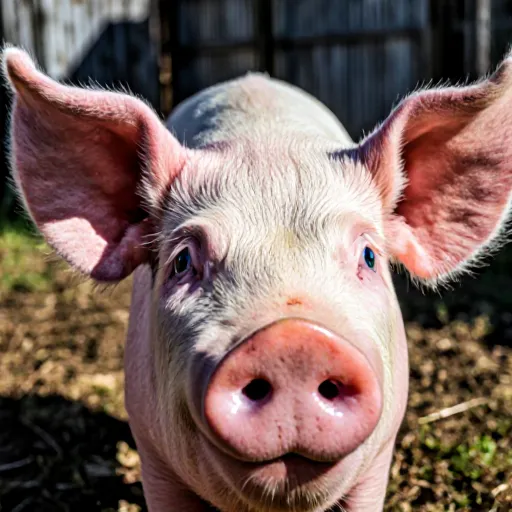
Beat the Heat with These Pig Cooling Tips!
Table of Contents
- Identifying Heat Stress Symptoms in Pigs
- Understanding the Impact of Heat on Pig Health and Productivity
- Implementing Environmental Controls to Reduce Heat Stress
- Providing Adequate Water Access for Cooling
- Adapting Feeding Schedules and Diets
- Ensuring Ventilation in Housing Structures
- Using Fans and Air Movement Devices
- Shade and Cooling Systems for Outdoor Pigs
- Monitoring Pig Body Temperatures Regularly
- Adjusting Housing to Suit Cooler Conditions
- Providing Hydration Breaks and Water Fountains
- Educating Staff on Heat Stress Management Practices
- Implementing Emergency Response Plans for Heat Stress
- Conclusion
- FAQs About Managing Heat Stress in Pigs
Identifying Heat Stress Symptoms in Pigs
Identifying heat stress symptoms in pigs is crucial for maintaining their health and productivity. Understanding these signs can help you manage heat stress effectively, ensuring your pig's well-being during hot weather conditions.
- Increased Respiration: Pigs may breathe faster or more heavily than usual. This is a common sign of heat stress as they try to cool down by increasing their respiratory rate.
- Reduced Appetite: Heat stress can cause pigs to lose their appetite, leading to reduced feed intake. Monitoring feed consumption closely during hot weather is essential.
- Increased Water Consumption: Pigs will drink more water in an attempt to cool themselves down through sweating and panting. Increased thirst is a clear indicator of heat stress.
- Lethargy and Reduced Activity: Pigs may appear sluggish, lying around more than usual or moving slowly. This lethargy can be a sign that they are trying to conserve energy by resting in cooler areas.
- Hunched Posture: A pig may adopt a hunched posture with its head low and ears flattened against the body. This is a defensive posture often seen when pigs feel stressed, including from heat stress.
- Reddened Skin and Ears: The skin around the ears or other extremities can turn red due to increased blood flow trying to cool the body down externally.
To manage heat stress effectively, consider implementing these strategies:
- Provide Cool Water: Ensure that clean, cool water is always available. Consider installing misters or sprinklers to provide a cooling effect in drinking areas.
- Shade and Ventilation: Provide ample shade by using shaded structures or overhangs. Good ventilation helps in reducing the indoor temperature significantly.
- Adjust Feeding Times: Feed pigs during cooler times of the day, such as early morning or late evening, to minimize their exposure to heat during feeding time.
- Use Cooling Systems: Install fans and misters in pig housing areas. These can help in reducing the ambient temperature and provide a more comfortable environment for pigs.
- Dress Appropriately: Ensure that the pig housing area is equipped with appropriate insulation to keep the inside cool during hot weather. Light-colored materials also reflect heat better than dark ones.
- Monitor and Adjust Diet: Feed a diet low in protein, which requires more energy for digestion, as pigs already have a higher metabolic rate under stress conditions. Also, consider adding electrolytes to drinking water to prevent dehydration.
By recognizing heat stress symptoms early and taking preventive measures, you can significantly improve the health and productivity of your pigs during hot weather. Proper management not only helps in reducing stress but also enhances overall pig welfare.
Understanding the Impact of Heat on Pig Health and Productivity
Understanding the Impact of Heat on Pig Health and Productivity
The impact of heat stress on pigs is a critical consideration for pig producers. Pigs, like many other animals, are susceptible to heat stress which can significantly affect their health and productivity. High temperatures not only reduce feed intake but also compromise the immune system, leading to increased susceptibility to diseases. This section aims to delve deeper into how heat stress affects pigs and provides practical advice on managing it.
Heat stress can lead to a variety of health issues in pigs, including:
- Increased Respiratory Rates: Pigs, which are not well-suited to heat due to their lack of sweat glands, rely heavily on respiration for cooling. In hot conditions, they breathe faster and harder to dissipate excess body heat.
- Dehydration: High temperatures lead pigs to drink more water, but they often consume less feed, leading to dehydration. Dehydration can cause lethargy and reduce overall performance.
- Weakened Immune System: Heat stress weakens the immune system, making pigs more susceptible to diseases such as pneumonia and other respiratory infections.
The economic impact of heat stress is substantial. Reduced feed intake directly translates into lower weight gain and slower growth rates. Pigs that are stressed by heat may also experience higher mortality rates, leading to increased costs for replacement stock. Additionally, the cost of cooling systems and other management strategies can add up.
- Increased Feed Costs: Pigs require more feed when they are not consuming as much due to high temperatures. This results in higher feed costs without a corresponding increase in weight gain or productivity.
- Mortality Rates: Higher mortality rates can lead to increased expenses for replacement stock and veterinary care.
- Reduced Product Quality: Inadequate cooling can result in poor meat quality, affecting the overall value of the product.
To mitigate the effects of heat stress on pigs, producers need to implement effective management strategies. Here are some practical tips:
Cooling Systems
- Water Mist Cooling: Install misters or sprayers in pig housing areas. These can cool the air and provide a cooling effect as pigs walk through them.
- Ventilation: Ensure proper ventilation to keep air moving, which helps with heat dissipation. Use fans strategically to enhance airflow.
Feed Management
- Feeding Schedule: Adjust feeding times so that pigs eat when it is coolest in the day (early morning and late evening). This can help reduce heat stress during meal times.
- Feed Formulation: Use feeds with higher metabolizable energy content to support pig performance under stressful conditions. Additionally, consider adding buffers like sodium bicarbonate or xylitol which have been shown to improve feed efficiency and reduce respiratory acidosis.
Biosecurity Measures
During heat stress periods, biosecurity measures become even more critical:
- Limiting Personnel Movement: Reduce the number of people entering and exiting pig areas to minimize disease transmission.
- Cleanliness: Maintain high standards of cleanliness in all areas to prevent the spread of pathogens that thrive in hot, humid conditions.
In summary, heat stress has a significant impact on pig health and productivity. By understanding these impacts and implementing effective management strategies, producers can reduce the negative effects of heat stress and maintain optimal performance levels in their pig operations.
Implementing Environmental Controls to Reduce Heat Stress
To effectively manage heat stress in pigs, it is crucial to implement environmental controls that can help reduce their exposure to excessive heat. Heat stress not only impacts the well-being of pigs but also affects their productivity and performance. By implementing strategic environmental controls, farmers and pig producers can significantly mitigate these challenges.
Adequate water availability is paramount in reducing heat stress among pigs. Pigs have a high respiratory rate and require more water per pound of body weight compared to other livestock. Ensuring that pigs have access to clean, cool water can help them thermoregulate effectively.
- Waterers Placement: Position the waterers in shaded areas to prevent heat from affecting the water temperature. Regular cleaning and disinfection of waterers are also essential for maintaining hygiene.
- Automatic Waterers: Consider installing automatic waterers that provide continuous access to water, especially during hot weather when pigs need more frequent hydration.
Providing shaded areas for pigs can offer respite from the sun's heat. Shading reduces the temperature of both air and ground, which is beneficial for pigs trying to cool themselves through evaporative cooling.
- Natural Shade: Use large trees or strategically placed buildings to provide natural shade during the hottest parts of the day.
- Artificial Shade: Install shade structures, such as shade cloths or shelters, in areas where pigs spend most of their time.
Ventilation is equally important for maintaining a comfortable environment. Proper ventilation ensures that fresh air circulates and removes excess heat and humidity from the pig enclosure.
- Natural Ventilation: Utilize existing openings or install fans to enhance natural airflow, which can help cool the air inside the barn.
- Mechanical Ventilation: For larger operations, mechanical ventilation systems can be installed to provide controlled and consistent airflow throughout the building.
Mist systems can effectively cool pigs by increasing evaporation rates. By spraying water in strategic locations within the pig enclosure, farmers can help lower ambient temperatures significantly.
- Spray Nozzles: Place spray nozzles around the pig house to provide a continuous mist that cools the environment without soaking the pigs excessively.
- Mist Systems: Install mist systems in areas where pigs spend most of their time, such as feeders or resting areas.
The timing and frequency of feeding can impact how heat stress affects your pig population. Adjusting the feeding schedule to provide meals during cooler parts of the day (early morning or late evening) can help pigs manage their body temperatures better.
- Early Feeding: Start feedings early in the morning when temperatures are lower, allowing pigs more time to consume food and digest it before the heat of the day sets in.
- Extended Feeding Periods: Extend feeding periods slightly longer than usual to ensure that pigs have ample access to food during cooler times.
The materials used for constructing pig enclosures can influence how heat is retained or dissipated. Using insulated materials in the construction of housing structures helps maintain a more stable internal temperature, which is crucial during hot weather.
- Insulated Walls: Install insulated walls to help keep the interior cool and prevent external heat from entering the enclosure.
- Roof Insulation: Use roof insulation to minimize heat transfer into the building, keeping the internal environment cooler for pigs.
In conclusion, managing heat stress in pigs involves a combination of environmental controls that address water availability, shade and ventilation, mist systems, feeding schedules, and housing materials. By implementing these strategies, farmers can ensure the health and productivity of their pig populations, even during periods of extreme heat.
Providing Adequate Water Access for Cooling
In managing heat stress in pigs, providing adequate water access is crucial. Pigs, like other livestock, rely on cooling mechanisms such as sweating and panting to regulate their body temperature. However, since pigs do not sweat effectively due to the lack of sweat glands over most of their bodies, they primarily rely on evaporative cooling through respiration and water intake.
Importance of Water Access
Water is essential for thermoregulation in pigs. When temperatures rise, pigs increase their respiratory rate to cool down. This process requires additional moisture in the form of water vapor exhaled during breathing. Ensuring a consistent supply of clean and fresh water helps maintain proper hydration levels, which aids in the cooling process.
Water Sources
- Automatic Waterers: These are highly recommended as they provide constant access to water. Pigs can drink at their own pace and do not have to wait for someone to refill a bucket or trough.
- Fresh Water Troughs: While not as efficient as automatic waterers, they are still effective if managed properly. Ensure the troughs are regularly cleaned and refilled with clean water.
- Waterer Design: The design of the waterer can significantly affect pig behavior. Opt for waterers with non-slip surfaces to prevent pigs from tripping, which can lead to injuries.
Example: For a group of 20 pigs, an automatic waterer with a capacity of at least 1 gallon per minute is sufficient to meet their needs during hot weather.
Practical Tip: Place fresh water troughs in shaded areas to reduce water temperature and encourage higher consumption during hot periods.
Monitoring Water Intake
Regularly monitoring water intake is a key practice in managing heat stress effectively. Pigs should consume at least 5-7 gallons of water per day under normal conditions; this amount may increase during hot weather.
How to Monitor: Install flow meters on water lines or use automated systems that send alerts when water usage drops below a set threshold, indicating potential heat stress issues.
Environmental Factors
- Temperature Control: In addition to water access, maintaining optimal environmental temperatures is essential. Use fans or misting systems in conjunction with adequate water access to enhance cooling efficiency.
- Shade and Ventilation: Provide ample shade and ensure good ventilation to help reduce the temperature of the air pigs breathe. This can be achieved by installing portable shades, using overhead sprinklers, or even adjusting barn design for better airflow.
Conclusion
Providing adequate water access is a fundamental aspect of managing heat stress in pigs. By ensuring clean and consistent water availability, pig farmers can help their animals stay hydrated and cool, thereby reducing the risk of heat-related illnesses and improving overall pig welfare.
Adapting Feeding Schedules and Diets
Managing heat stress in pigs is a critical aspect of pig farming, as high temperatures can significantly impact their health and productivity. One effective strategy involves adapting feeding schedules and diets to help alleviate the negative effects of heat stress.
Heat stress occurs when environmental conditions exceed a pig's thermal comfort zone, leading to physiological responses aimed at reducing body temperature. This can result in reduced feed intake, lower growth rates, and increased mortality if not managed properly.
The first step in managing heat stress is adjusting feeding schedules to minimize the risk of overheating during meal times. Pigs are more likely to consume food when it's cooler outside, so consider shifting feedings to early morning or late evening hours when temperatures are lower.
- Early Morning Feeding: This period is usually the coolest part of the day and allows pigs to eat while their body temperature is still low. Early feeding also helps reduce competition for food, which can lead to stress and reduced intake.
- Late Evening Feeding: Another ideal time for feedings as temperatures begin to drop again. This schedule provides an additional benefit by reducing the amount of time pigs spend in the heat during daylight hours.
The composition and nutrient density of pig diets can also play a crucial role in managing heat stress. High-protein feeds, in particular, generate more metabolic heat than other nutrients. Therefore, it's advisable to reduce protein levels during hot months.
- Lower Protein Content: Reducing the protein content of feed by 5%–10% can decrease the amount of heat produced during digestion without compromising growth or performance.
- Incorporate Fat: Adding fat to diets increases energy density, allowing pigs to consume less food while still meeting their caloric needs. This reduces the metabolic heat load on the animal.
- Use High-Quality Feed Additives: Certain feed additives, like organic acids or probiotics, can help improve pig digestion and overall health, thereby enhancing their ability to cope with heat stress.
To implement these strategies effectively, it's important to monitor environmental conditions closely. Use digital tools such as temperature sensors or weather apps to track ambient temperatures and adjust feedings accordingly.
In addition to changing schedules and diets, providing cool water sources like shade areas or misting systems can further assist pigs in maintaining their body temperature. Ensuring that all changes are gradual helps reduce any potential stress associated with dietary modifications.
By adapting feeding schedules and diets to better suit the environmental conditions, farmers can significantly mitigate the effects of heat stress on their pig population. This approach not only supports animal welfare but also contributes to improved productivity and profitability in swine operations.
Ensuring Ventilation in Housing Structures
To manage heat stress effectively, it is crucial to ensure proper ventilation in housing structures. Proper ventilation helps regulate temperature and humidity levels, which are key factors in preventing overheating and reducing the risk of heat stress among pigs.
Importance of Ventilation for Pigs
The ability to cool themselves through evaporative cooling is one of the main ways that pigs manage heat. This process requires a constant flow of fresh air, which can be achieved by ensuring proper ventilation in their housing structures.
Types of Ventilation Systems
Pig housing structures should have adequate natural and mechanical ventilation systems to ensure optimal airflow. Here are some types of ventilation systems commonly used:
- Natural Ventilation: This system relies on the wind and temperature differences between inside and outside the building to create air movement. Windows, doors, and vents can be opened or adjusted according to weather conditions.
- Mechanical Ventilation: This system uses fans, blowers, or air conditioning units to control airflow. It provides more consistent ventilation than natural methods but requires regular maintenance to ensure it functions properly.
Example: Opening windows during cooler evenings and closing them in the early morning when temperatures start rising can help maintain a stable indoor environment.
Example: Installing and maintaining a fan system that circulates air throughout the housing structure can help maintain optimal temperature levels.
Design Considerations for Ventilation
The design of the ventilation system is critical to ensuring effective heat stress management. Here are some key considerations:
- Adequate Airflow: Ensure that there is enough space and air movement within the housing structure.
- Location of Ventilation Points: Place vents or windows in strategic locations to allow for proper air circulation. For instance, placing lower-level vents can help draw warm air upwards, while upper-level vents can expel it more effectively.
- Insulation and Heat Absorption: Proper insulation can help maintain the desired temperature inside the structure by minimizing heat transfer from outside sources.
Monitoring and Maintenance
To ensure that ventilation systems are functioning effectively, it is important to monitor them regularly. Here are some tips for maintaining your ventilation system:
- Cleanliness: Keep vents, fans, and other components free of debris to prevent blockages.
- Regular Checks: Inspect the system periodically to check for any signs of wear or damage. Address issues promptly to avoid compromising pig health.
- Schedule Maintenance: Schedule regular maintenance checks, especially during seasonal changes when conditions can affect ventilation efficiency.
Conclusion
In conclusion, ensuring proper ventilation in housing structures is a vital aspect of managing heat stress in pigs. By implementing the right strategies and maintaining these systems effectively, you can help ensure that your pigs remain healthy and comfortable during hot weather.
Using Fans and Air Movement Devices
To effectively manage heat stress in pigs, utilizing fans and other air movement devices can play a crucial role. These tools help to increase airflow, which can significantly improve the thermal comfort of pigs by helping them dissipate excess body heat more efficiently.
Key Benefits of Fans
- Increase Airflow: Fans enhance air circulation within a pen or housing area. This increased airflow helps to cool the environment by removing warm air and replacing it with cooler air from outside.
- Better Feed Efficiency: Studies have shown that pigs exposed to optimal temperature conditions (neither too hot nor too cold) are more likely to achieve higher feed efficiency, which is essential for growth performance. Fans can help maintain these ideal conditions by ensuring consistent airflow and temperature distribution.
- Reduction in Stress: Pigs that remain cool are less stressed, leading to better overall health and reduced susceptibility to diseases.
Types of Air Movement Devices
In addition to fans, there are several other air movement devices that can be used to manage heat stress in pigs:
- Ceiling Fans: These are particularly effective for providing a cooling breeze. They should be placed strategically at the ceiling level so that they create an upward airflow.
- Ventilation Systems: These systems can include both natural and mechanical ventilation. Natural ventilation relies on wind and temperature differences, while mechanical ventilation uses fans to force air movement through the building. Properly designed ventilation systems help maintain a comfortable temperature range within the housing area.
- Exhaust Fans: Located at the higher levels of the building, these fans draw warm air upwards and out of the structure, replacing it with cooler outside air when temperatures allow.
Practical Advice for Implementation
To maximize the effectiveness of using fans and air movement devices in managing heat stress:
- Position Fans Strategically: Ensure that fans are placed at an optimal height to create a cooling breeze. They should be positioned so that they do not blow directly onto pig feeding areas or resting zones.
- Monitor Humidity Levels: High humidity can counteract the effects of increased air movement. It's important to monitor and manage humidity levels to ensure that fans are contributing effectively to cooling without increasing moisture in the environment.
- Use Cool Cell Systems: For extremely hot environments, cool cell systems (evaporative cooling pads) can be combined with fans for additional effectiveness. These systems provide a more direct source of cool air, which can help maintain lower temperatures even when external conditions are not ideal.
Examples and Case Studies
Several farms have successfully implemented these strategies to manage heat stress in pigs:
- Farm A: This farm installed a combination of ceiling fans and mechanical ventilation systems. By carefully managing the timing and speed of the fans, they were able to maintain cooler temperatures during peak heat periods without significantly increasing energy costs.
- Farm B: Recognizing that humidity was a significant issue in their region, Farm B installed cool cell systems along with traditional ventilation fans. This dual approach allowed them to keep pigs at optimal body temperature throughout the hottest months of the year.
In conclusion, using fans and air movement devices is an essential strategy for managing heat stress in pigs. By strategically implementing these tools, farmers can improve pig health, growth performance, and overall productivity while minimizing the impact of high environmental temperatures.
Shade and Cooling Systems for Outdoor Pigs
To ensure the health and well-being of outdoor pigs, it's crucial to manage heat stress effectively. Excessive heat can lead to dehydration, reduced feed intake, poor performance, and even death if not addressed promptly. Providing adequate shade and cooling systems is essential for maintaining the comfort and productivity of your pig herd.
Importance of Shade
Shade plays a vital role in reducing heat stress by providing pigs with respite from direct sunlight. Pigs, like many livestock, do not have sweat glands that can cool them down effectively, making shade an essential resource for thermoregulation.
- Location of Shade Structures: Positioning shade structures in areas where they can catch the prevailing winds will enhance their cooling effect. For outdoor pigs, this could be near windbreaks or in open fields where natural breezes can circulate through the shaded area.
- Types of Shade: Permanent shelters like barns and portable structures made from materials such as shade cloth or canvas are excellent options. Trees and tall plants can also provide natural shade, but these should be managed to prevent overcrowding.
Cooling Systems
In addition to providing shade, cooling systems help reduce body temperature and increase comfort for your pigs. Here are some effective strategies:
Water Access
Ensure that pigs have constant access to clean water. Pigs need at least 1-2 liters of water per day for every kilogram of body weight, especially during hot weather. Water troughs should be regularly cleaned and checked to ensure they are functioning properly.
Mud Wallows
Mud wallows provide natural cooling through the evaporation process when pigs wallow in them. This is particularly effective for outdoor pigs that spend time outside. Regularly maintain mud wallows by cleaning and replenishing mud to keep them functional.
Sprinklers
Sprinklers can effectively cool down the air around pigs, reducing heat stress significantly. They should be strategically placed in areas where pigs gather frequently. It's important to avoid overwatering as too much water can lead to muddy conditions and potential foot issues.
Fans
Fans can help improve ventilation and air movement, which is especially beneficial on hot days. However, fans alone are not enough for cooling; they should be used in conjunction with other methods like sprinklers or misters to provide a comprehensive cooling system.
Mister Systems
Misters can spray fine water droplets into the air, creating evaporative cooling. This method is highly effective but requires careful management to prevent pigs from getting wet all over and developing skin issues.
Monitoring and Adjusting
Regularly monitor your pig's behavior and health to ensure that they are comfortable in their environment. If you notice signs of heat stress such as lethargy, excessive panting, or loss of appetite, it may be necessary to adjust the shade and cooling systems accordingly.
To summarize, providing adequate shade and implementing effective cooling strategies is critical for managing heat stress in outdoor pigs. By combining these methods with regular monitoring, you can create a comfortable environment that promotes the health and productivity of your pig herd.
Monitoring Pig Body Temperatures Regularly
To effectively manage heat stress in pigs, regular monitoring of their body temperatures is crucial. This practice helps farmers and ranchers to identify early signs of heat stress before it becomes severe, allowing for timely interventions that can significantly improve the health and productivity of the herd.
Why Monitor Body Temperatures?
Maintaining optimal body temperature is vital for pigs' overall well-being. Heat stress not only affects their performance but also impacts their immune system, making them more susceptible to diseases. By monitoring temperatures regularly, farmers can catch issues early and take proactive measures, such as adjusting feed intake or providing shade.
Tools and Methods for Monitoring
There are several tools available for measuring pig body temperatures:
- Infrared Thermometers: These are quick and non-invasive, making them ideal for frequent checks. They can be used to measure the temperature of the ear or snout.
- Ear Tags with Built-In Sensors: Some modern ear tags come equipped with sensors that monitor body temperature continuously. This is particularly useful in large-scale operations where manual checks would be impractical.
- Manual Rectal Thermometers: Although less convenient, they provide an accurate reading and are commonly used by veterinarians and experienced farmhands.
Signs of Heat Stress
Pigs suffering from heat stress often exhibit the following signs:
- Increased respiratory rate
- Lethargy or lack of activity
- Reddened skin, especially around the ears and snout
- Reduced feed intake
Regular temperature checks can help identify these signs early. For instance, a normal pig's rectal temperature is typically between 101°F to 102°F (38.5°C to 39°C). Temperatures above this range could indicate heat stress.
Strategies for Managing Heat Stress
Once you've detected elevated temperatures, it's important to implement strategies that help alleviate the effects of heat stress:
- Provide Shade and Cooling: Offering shaded areas where pigs can rest is essential. Additionally, misters or sprinklers can provide a cooling effect.
- Adjust Feeding Times: Feeding during cooler parts of the day (early morning or late evening) reduces heat stress caused by digestion.
- Modify Feed Formulations: High-protein diets generate more body heat, so adjusting to a lower protein content can help. Additionally, using feeds that are more easily digestible will reduce metabolic heat production.
- Ensure Adequate Hydration: Pigs need plenty of clean water at all times. Ensure there is an adequate supply and consider adding electrolytes to the water during extreme heat.
Case Study: A Success Story
A local pig farm noticed a significant increase in mortality rates during summer months, attributing it to heat stress. By implementing regular temperature monitoring and adjusting their management practices based on these readings (such as providing cooling stations and modifying feeding times), they saw a marked improvement in their herd's health and productivity.
Regularly monitoring pig body temperatures is not just about reducing the immediate effects of heat stress; it’s also an investment in long-term animal welfare. By staying proactive, farmers can ensure that their pigs remain healthy and productive, even during the hottest months.
Adjusting Housing to Suit Cooler Conditions
To effectively manage heat stress in pigs, it is crucial to adjust their housing conditions accordingly. By creating a cooler and more comfortable environment, you can significantly improve the welfare of your animals and ensure they remain healthy and productive.
Understanding Heat Stress
Heat stress occurs when pigs are exposed to high temperatures for extended periods. This condition can lead to decreased feed efficiency, weight loss, increased respiratory rates, and even death in severe cases. Managing heat stress is essential, especially during the hot months of the year.
Adjusting Housing
The first step in managing heat stress is adjusting the pig housing to better suit cooler conditions. This involves several key strategies:
1. Shade and Ventilation
Providing adequate shade and ventilation is crucial for maintaining a comfortable temperature inside the pen.
- Shade: Install shade structures or use trees to provide natural cover. This will help reduce direct sunlight exposure, which can significantly lower temperatures by up to 15 degrees Fahrenheit (8.3 degrees Celsius).
- Ventilation: Ensure proper airflow through the housing. Fans and cross-ventilation systems can be installed to circulate cooler air throughout the pen.
2. Temperature Control
Using temperature control measures can help maintain a more consistent and comfortable environment for your pigs.
- Water Sprinklers: Installing misting systems or water sprinklers can provide cooling through evaporation, especially in hot weather. Be sure to use clean water to avoid introducing harmful bacteria into the system.
- Air Conditioners: For larger pig operations, air conditioners can be an effective solution for maintaining a cooler temperature within the housing. However, these systems are more expensive and may not be feasible for all farms.
3. Insulation
Insulating the walls and floors of pig pens can help retain cool temperatures during hot weather.
- Materials: Use materials such as Styrofoam, polyurethane foam, or even straw bales to insulate the housing. These materials provide excellent insulation properties and are relatively inexpensive.
- Placement: Insulate the roof of the pen first, followed by walls and floors. This will help reduce heat transfer from outside sources into the pen.
4. Hydration
Maintaining proper hydration is essential for pigs to cope with high temperatures effectively.
- Fresh Water: Ensure there is always fresh, clean water available for your pigs. Consider using automatic watering systems that are shaded and protected from direct sunlight.
- Water Quality: Regularly test the quality of the drinking water to ensure it is free from harmful bacteria or chemicals. Poor-quality water can exacerbate heat stress symptoms.
Practical Advice
To implement these strategies effectively, consider the following tips:
- Monitor Temperatures: Use thermometers to regularly monitor temperatures within and outside the housing. This will help you identify when adjustments are needed.
- Adapt Gradually: Make gradual changes to your pig's environment, allowing them time to adapt to new conditions. Sudden changes can cause stress, which may worsen heat stress symptoms.
- Cleanliness: Keep the housing clean and dry to prevent the growth of bacteria and fungi that can exacerbate heat stress.
Conclusion
By adjusting the housing conditions in response to cooler temperatures, you can effectively manage heat stress in pigs. Implementing these strategies will not only improve pig welfare but also enhance productivity and reduce the risk of health issues. Remember, each farm is unique, so it may be necessary to experiment with different methods to find what works best for your specific situation.
Providing Hydration Breaks and Water Fountains
In managing heat stress among pigs, providing adequate hydration through regular breaks and accessible water fountains is crucial. Heat stress can lead to reduced feed intake, increased respiration rates, and overall poor health if not managed effectively. Ensuring that pigs have easy access to clean water at all times helps them regulate their body temperature and maintain optimal performance.
Hydration is a vital component of heat stress management for pigs. During periods of high environmental temperatures, pigs rely on sweating and panting to cool themselves down. However, these mechanisms are less efficient in pigs compared to other mammals because they have fewer sweat glands. Therefore, the primary method for thermoregulation relies heavily on water intake.
Signs of Dehydration in Pigs
- Droopy ears
- Lethargic behavior
- Muscle tremors or seizures
- Decreased feed intake
- Increased respiratory rate and panting
The placement and design of water fountains play a significant role in how effectively pigs can access them. Here are some practical tips for setting up hydration stations:
1. Frequency of Water Fountains
To ensure that all pigs have easy access to water, it is recommended to install multiple water fountains throughout the pig housing area. The ideal number can vary depending on the size and layout of your facility, but a general rule of thumb is one fountain per 10-20 pigs.
2. Placement of Water Fountains
Pigs need easy access to water at all times; therefore, fountains should be placed in areas where they are most likely to frequent. Consider the following:
- Near feeding areas: Pigs often drink after eating.
- In shaded areas: Providing shade helps reduce stress and ensures that pigs do not have to travel far for water.
- Avoid corners or enclosed spaces: These areas can become hot and stressful, which might discourage pig movement towards the water fountain.
3. Water Quality
The quality of the water is just as important as its availability. Clean, fresh water should be provided at all times to prevent health issues such as digestive disorders or infections. Regularly check and clean the water fountains to ensure they are free from contaminants.
Encouraging pigs to take regular hydration breaks can also be beneficial in managing heat stress:
1. Encourage Short, Frequent Breaks
Avoid long, infrequent water breaks as this can lead to dehydration and poor health. Instead, encourage short, frequent breaks where pigs can drink small amounts of water more often.
2. Monitor Water Consumption
Regularly check the amount of water consumed by your pigs. If consumption drops significantly over a period of time, it may indicate that they are not getting enough hydration or that there might be an issue with the water quality or fountains.
By providing accessible and frequent hydration breaks through strategically placed water fountains, you can help manage heat stress effectively in your pig population. This practice ensures that pigs stay hydrated and healthy, which ultimately leads to better performance and well-being.
Educating Staff on Heat Stress Management Practices
Managing heat stress is critical for maintaining pig health and productivity, especially in warm climates. Proper education of staff on heat stress management practices can significantly improve the welfare of pigs under high environmental temperatures. This section provides practical advice and examples to help educate your team on how to manage heat stress effectively.
Heat stress in pigs occurs when their body temperature rises above normal, leading to a range of health issues. Common signs include panting, increased respiration rate, reduced feed intake, and even lethargy or depression. Educating staff on recognizing these symptoms early can help prevent complications.
The first line of defense against heat stress is environmental control. Staff should be trained to monitor temperature and humidity levels regularly. Here are some practical measures:
- Provide Adequate Ventilation: Ensure that ventilation systems are functioning properly and can cool the environment through air movement.
- Use Shade and Cooling Devices: Provide shaded areas where pigs can rest comfortably, and consider misting or sprinklers to help lower the temperature around them.
- Adjust Feeding Times: Feed during cooler parts of the day (early morning or late evening) when it's less likely that pigs will suffer from heat stress.
Proper feeding practices can play a crucial role in managing heat stress. Staff should be aware of how to adjust diets accordingly:
- Offer Wet Feeds: Providing wet feeds instead of dry ones can help pigs stay cooler because the water content aids in cooling down through evaporation.
- Maintain Proper Hydration: Ensure that all pigs have access to clean, cool water at all times. Adding electrolytes to drinking water can also enhance hydration and support overall health.
Maintaining good hygiene practices is essential in managing heat stress. Here are some tips:
- Cleanliness: Regular cleaning of pens helps reduce ammonia levels, which can exacerbate respiratory issues due to heat stress.
- Grooming and Rest: Encourage gentle grooming sessions during cooler times of the day. This not only reduces stress but also provides a calming effect that aids in recovery from heat stress.
Regular monitoring is key to effective management practices. Staff should be trained on:
- Daily Checks: Conduct regular checks for signs of heat stress, including panting, lethargy, or changes in behavior.
- Adjustments Based on Conditions: Be prepared to make immediate adjustments based on real-time observations and environmental conditions. This might include changing feed types, adjusting ventilation settings, or providing additional cooling solutions.
Educational efforts should be ongoing. Regular training sessions and updates keep staff informed about the latest practices and technologies available for managing heat stress in pigs:
- In-service Trainings: Conduct workshops or seminars to discuss new findings and best practices.
- Social Media and Online Resources: Encourage staff to follow relevant agricultural agencies or industry leaders on social media for updates and tips.
By educating your staff on these heat stress management practices, you not only enhance the well-being of your pigs but also contribute to a more efficient and sustainable farming operation. Remember that prevention is always better than cure when it comes to managing heat stress in pigs.
Implementing Emergency Response Plans for Heat Stress
To effectively manage heat stress, especially critical for livestock like pigs, it is essential to have well-implemented emergency response plans. These plans should be designed not only to address immediate dangers but also to prevent future occurrences by identifying and addressing the root causes of heat stress in your pig environment.
Heat stress occurs when the body’s temperature regulation mechanisms are overwhelmed, leading to overheating. For pigs, this can be particularly dangerous as they lack sweat glands and rely heavily on panting and adjusting their behavior to cool down.
In severe cases, heat stress can lead to lethargy, increased respiratory rate, decreased feed intake, and in extreme circumstances, death. Implementing strategies that help mitigate these risks is crucial for maintaining pig health and productivity.
An effective emergency response plan should include the following components:
- Rapid Identification of Affected Pigs: Early detection is key to preventing further escalation. Regular monitoring and quick action can save lives.
- Immediate Cooling Measures: Use misting systems, fans, or shaded areas to cool down the environment quickly. Ensure that these measures are effective and accessible immediately when needed.
- Maintenance of Hydration: Provide access to clean water at all times. Consider adding electrolytes to the drinking water if necessary.
- Nutritional Adjustments: Reduce feeding during peak heat periods and provide balanced feed that supports health and recovery.
- Veterinary Consultation: Have a plan in place for when veterinary assistance is required. Ensure that there are no delays in seeking professional help.
Beyond immediate responses, preventive measures are equally important to ensure long-term protection against heat stress:
- Shade and Ventilation: Ensure that pigs have access to shaded areas and well-ventilated spaces. Proper ventilation helps in maintaining a cooler environment.
- Water Quality and Quantity: Clean, fresh water is crucial for preventing dehydration. Regularly check the quality of water sources and ensure adequate supply.
- Behavioral Changes: Adjust feeding times to avoid peak heat periods. Provide extra feed in cooler parts of the day if necessary.
- Sunscreen Application: While not common, some pig breeds can benefit from applying sunscreen on exposed areas to protect against sunburn.
Ensure that all staff involved in the management of pigs are trained to recognize signs of heat stress and know how to implement emergency response plans. Regular training sessions can help maintain readiness and improve overall care practices.
In conclusion, implementing robust emergency response plans for managing heat stress is vital for pig health and welfare. By focusing on both immediate responses and long-term preventive strategies, you can significantly reduce the impact of heat stress on your pigs, ensuring their well-being and productivity.
Conclusion
Managing heat stress in pigs is a critical aspect of pig husbandry, directly impacting their health and productivity. Heat stress can lead to reduced feed intake, lower growth rates, increased mortality rates, and even reproductive failure. Therefore, implementing effective strategies for managing heat stress is essential for optimal farm performance.
Understanding the Impact of Heat Stress on Pigs
The signs of heat stress in pigs include excessive panting, lethargy, reduced feed intake, and increased water consumption. These symptoms can escalate into more severe conditions if not addressed promptly. Understanding these indicators is crucial for timely interventions.
Strategies to Manage Heat Stress
Environmental Modifications
- Cooling Systems: Utilize misting systems, evaporative coolers, and fans to reduce ambient temperature. These setups can significantly lower the air temperature around pigs, providing a more comfortable environment.
- Shade Provision: Ensure that pens are equipped with adequate shade structures, such as shaded roofs or tree plantations. This helps in reducing direct sunlight exposure.
- Watering Systems: Install automated watering systems to ensure a constant supply of fresh water. Encouraging water intake is vital as it helps pigs cool themselves through panting and sweating.
Nutritional Adjustments
Focusing on the nutritional aspects can help manage heat stress effectively:
- Feeding Times: Shift feeding times to cooler parts of the day, such as early morning or late evening. Feeding during these periods reduces the need for pigs to eat under warm conditions.
- Nutritional Supplementation: Incorporate heat stress additives like electrolytes and probiotics into feed rations. These supplements help in maintaining proper fluid balance and supporting overall pig health.
Management Practices
Pig management practices play a significant role in mitigating the effects of heat stress:
- Breeding Management: Optimize breeding schedules to ensure sows are bred during cooler months or periods. This reduces the stress on both the mother and offspring.
- Piglet Care: Provide piglets with plenty of water and ensure they have access to a shaded area where they can rest. Piglet care is critical as they are more susceptible to heat stress due to their smaller size and higher metabolic rate.
Monitoring and Evaluation
To effectively manage heat stress, regular monitoring of the pig herd's health and performance is essential:
- Health Checks: Conduct daily checks to monitor for signs of heat stress. Early detection allows for timely interventions.
- Data Collection: Keep records of feed intake, water consumption, growth rates, and any observed health issues. This data can be used to identify patterns and areas for improvement in management practices.
In conclusion, managing heat stress in pigs requires a multi-faceted approach that combines environmental modifications, nutritional adjustments, and effective management practices. By understanding the signs of heat stress and implementing these strategies, farmers can ensure the health and productivity of their pig herds. Proper care not only enhances animal welfare but also leads to more profitable and sustainable farming operations.
FAQs About Managing Heat Stress in Pigs
Q: What is heat stress, and why is it critical for pig management?
Heat stress occurs when pigs are exposed to environmental temperatures that exceed their ability to cool themselves effectively. This can lead to increased respiration rates, decreased feed intake, reduced growth rates, and even health issues if not managed properly. Proper heat stress management is crucial because it directly impacts pig performance, welfare, and productivity.
Q: What are the signs that pigs may be suffering from heat stress?
- Increased respiration rate
- Panting
- Reduced feed intake
- Lethargy or lack of activity
- Muscular weakness and poor coordination
- Excessive drinking
Q: How can I provide shade for pigs to manage heat stress?
Providing adequate shade is essential in managing heat stress. Shade structures should be positioned where they block direct sunlight but still allow some airflow. Options include:
- Shade cloths or nets
- Natural tree cover
- Artificial structures like shade domes or tunnels
Q: What role does ventilation play in managing heat stress?
Proper ventilation is key to reducing the risk of heat stress. It helps cool the air and reduce humidity levels, which can exacerbate heat stress.
- Use exhaust fans: Install powerful ceiling or wall-mounted fans to help remove warm air from the pig area.
- Air movement: Ensure that airflow is consistent throughout the barn by using fans strategically placed around the facility.
- Natural ventilation: If possible, open windows and doors during cooler times of the day to allow fresh air in and hot air out.
Q: How can I adjust feeding schedules to manage heat stress?
Feeding pigs when temperatures are lower can reduce their stress levels. Here are some practical strategies:
- Feed earlier in the morning and later in the evening, when temperatures are cooler.
- Avoid feeding during peak heat periods (usually midday).
- Provide extra feed at night to ensure pigs have enough energy reserves for the day ahead.
Q: What dietary changes can help manage heat stress?
Adjusting the pig's diet can make a significant difference in managing heat stress. Consider these tips:
- Use heat-stress formulations: These diets are formulated to be lower in energy content and contain ingredients that improve water consumption.
- Increase water intake: Ensure pigs have access to clean, fresh water at all times. This can be done by adding electrolytes to the water supply during extreme heat conditions.
- Use cooling additives: Ingredients like sodium bicarbonate or propylene glycol can help reduce heat stress and improve feed efficiency.
Q: How does humidity affect pigs, and what steps can I take to manage it?
High humidity combined with high temperatures can be particularly dangerous for pigs. Here are some ways to combat high humidity:
- Increase ventilation: Proper airflow helps reduce the moisture in the air, making it more bearable for pigs.
- Use misters or sprinklers: These can provide a cooling effect by evaporating water and reducing the temperature of the air.
- Install air conditioners: In extreme cases, especially in confined areas, air conditioning may be necessary to maintain an optimal environment.
Q: What is the importance of hygiene during heat stress?
Maintaining good hygiene practices is vital for pig health and performance. Poor hygiene can lead to increased disease risk, which can further stress pigs in hot conditions. Regular cleaning and disinfection of pens, feeding areas, and water sources are essential.
Categories
- AI & Enrichment Play
- Broiler Farming
- Broiler Farming Tips
- Canine Wellness & Longevity
- Cat
- Cat & Human Connection
- Cat Adoption & Rescue
- Cat Breeds
- Cat Breeds & Personalities
- Cat Care & Health
- Cat Grooming & Hygiene
- Cat Lifestyle & Environment
- Cat Myths & History
- Cat Nutrition & Diet
- Cat Products & Reviews
- Cat Training & Behavior
- Comparison
- Consumer Awareness
- Dog
- Dog Accessories & Products
- Dog Adoption & Rescue
- Dog Breed & Lifestyle Trends
- Dog Breeding & Puppies
- Dog Entertainment & Media
- Dog Fashion & Trends
- Dog Fun & Lifestyle
- Dog Grooming & Hygiene
- Dog History & Culture
- Dog Myths, Science & Future Tech
- Dog News & Trends
- Dog Nutrition & Food
- Dog Psychology & Emotions
- Dog Safety & Security
- Dog Sports & Activities
- Dog Technology & Innovation
- Dog Training for Modern Owners
- Dog Travel & Adventure
- Dog Travel, Adventure & Culture
- Economic and Market Insights
- Educational Content
- FAQs
- Feeding Alternatives
- Festivals & Seasonal Ideas
- Fun & Entertainment
- General Knowledge
- General Pig Farming
- Health & Disease Management
- Housing and Environment
- Kittens
- Market Insights
- Miscellaneous
- Miscellaneous
- Motivational
- pig
- Pig Breeding
- Pig Breeds
- Pig Farming Stories and Inspiration
- Pig Health and Care
- Pig Nutrition
- Pig Products
- Profitability & Business
- Puppy Care
- Puppy Predictable Topics Reinvented
- Regional Focus
- Rescue & Adoption Buzz
- Senior Cats
- Senior Dog Care
- Smart Dog Tech & Gadgets
- Sustainability
- Sustainable & Eco-Friendly Dog Products
- Tech & Innovations
- Working & Service Dogs
- Broiler Feed66 products
- Country Feed33 products
- Pig Feed66 products
- Product22 products
- Raw Materials99 products
Products
-
 Fish Meal
₹1,999.00 – ₹2,999.00Price range: ₹1,999.00 through ₹2,999.00Rated 0 out of 5
Fish Meal
₹1,999.00 – ₹2,999.00Price range: ₹1,999.00 through ₹2,999.00Rated 0 out of 5 -
 FATTENING BROILER FEED
₹2,299.00 – ₹2,349.00Price range: ₹2,299.00 through ₹2,349.00Rated 0 out of 5
FATTENING BROILER FEED
₹2,299.00 – ₹2,349.00Price range: ₹2,299.00 through ₹2,349.00Rated 0 out of 5 -
 LAYER COUNTRY FEED
₹1,549.00 – ₹1,649.00Price range: ₹1,549.00 through ₹1,649.00Rated 0 out of 5
LAYER COUNTRY FEED
₹1,549.00 – ₹1,649.00Price range: ₹1,549.00 through ₹1,649.00Rated 0 out of 5 -
 COUNTER BROILER FEED
₹1,199.00 – ₹1,299.00Price range: ₹1,199.00 through ₹1,299.00Rated 0 out of 5
COUNTER BROILER FEED
₹1,199.00 – ₹1,299.00Price range: ₹1,199.00 through ₹1,299.00Rated 0 out of 5 -
 LACTATING PIG FEED
Rated 0 out of 5
LACTATING PIG FEED
Rated 0 out of 5₹2,299.00Original price was: ₹2,299.00.₹1,740.00Current price is: ₹1,740.00. -
 Maize
Rated 0 out of 5
Maize
Rated 0 out of 5₹1,650.00Original price was: ₹1,650.00.₹1,300.00Current price is: ₹1,300.00. -
 GESTATION PIG FEED (Phase 1)
Rated 0 out of 5
GESTATION PIG FEED (Phase 1)
Rated 0 out of 5₹2,249.00Original price was: ₹2,249.00.₹1,699.00Current price is: ₹1,699.00. -
 Pre Starter Broiler Feed
₹2,399.00 – ₹2,499.00Price range: ₹2,399.00 through ₹2,499.00Rated 0 out of 5
Pre Starter Broiler Feed
₹2,399.00 – ₹2,499.00Price range: ₹2,399.00 through ₹2,499.00Rated 0 out of 5 -
 FINISHER PIG FEED
Rated 0 out of 5
FINISHER PIG FEED
Rated 0 out of 5₹2,299.00Original price was: ₹2,299.00.₹1,749.00Current price is: ₹1,749.00. -
 Broiler Premix
Rated 0 out of 5
Broiler Premix
Rated 0 out of 5₹820.00Original price was: ₹820.00.₹699.00Current price is: ₹699.00.