
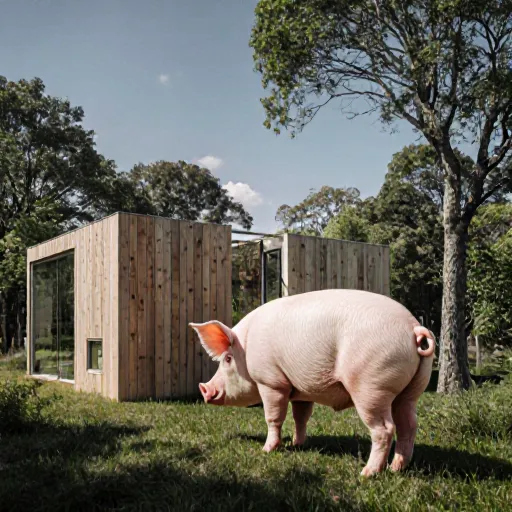
Explore eco-friendly pig housing solutions!
Table of Contents
- Understanding the Importance of Eco-Friendly Housing for Pigs
- Choosing the Right Location for Pig Housing
- Eco-Friendly Building Materials
- Natural Ventilation Systems
- Insulation and Climate Control
- Use of Renewable Energy Sources
- Composting Facilities for Waste Management
- Water Conservation Measures
- Organic Feed and Growing Practices
- Incorporating Vegetation and Landscaping
- Encouraging Social Behavior in Pigs
- Healthier Living Environments with Natural Light
- Regular Maintenance and Upkeep
- Case Studies of Successful Eco-Friendly Housing Projects
- Conclusion
- FAQ
Understanding the Importance of Eco-Friendly Housing for Pigs
Eco-friendly housing is crucial for pigs not only because it promotes their well-being but also because it supports sustainable farming practices. By providing a healthy and comfortable environment, eco-friendly housing ensures that pigs are free from stress, diseases, and other health issues that can be exacerbated by poor living conditions.
Healthier Pigs for Better Productivity
The first benefit of eco-friendly pig housing is the improved health of the animals. Pigs housed in clean, well-ventilated, and appropriately sized spaces are less likely to contract diseases, which can lead to better overall health and productivity. Eco-friendly options like open-air shelters or climate-controlled barns with proper ventilation reduce the risk of respiratory problems and other illnesses.
Environmental Sustainability
Eco-friendly housing is designed to minimize environmental impact. This includes using materials that are biodegradable, recyclable, or sustainably sourced. For example, straw bedding can be reused multiple times for litter, reducing waste and the need for chemical cleaning agents. Additionally, solar-powered lighting and natural light systems help reduce energy consumption, making the housing more sustainable.
Animal Welfare
Pigs kept in eco-friendly environments are happier and less stressed. This leads to better meat quality and increased longevity. Stress-free pigs have a lower fat percentage in their muscles, which translates into leaner cuts of pork. Happy animals also exhibit fewer aggressive behaviors, creating a safer working environment for farmers.
Practical Eco-Friendly Housing Options
- Outdoor Run Systems: These allow pigs to roam freely and access fresh air and natural light. They should be equipped with shelter from extreme weather conditions.
- Climatized Barns: For areas where temperatures can vary widely, these barns provide controlled environments that maintain optimal living conditions year-round.
- Straw Bunkers: These are simple yet effective structures that provide pigs with comfortable resting spaces and reduce the need for synthetic bedding.
Conclusion
In summary, eco-friendly housing for pigs is not just a trend but a necessity. It ensures healthier animals, better productivity, reduced environmental impact, and improved animal welfare. By adopting these sustainable practices, farmers can contribute to both the well-being of their livestock and the health of our planet.
Choosing the Right Location for Pig Housing
Selecting the appropriate location for pig housing is critical not only for the health and welfare of your pigs but also for maintaining an eco-friendly environment. Properly designed pig housing can minimize environmental impact, reduce resource use, and promote sustainable farming practices.
Key Considerations
When choosing a location for pig housing, consider several key factors:
- Nearness to Water Sources: Ensure that your pig housing is located near a reliable water source. Access to clean and fresh water is essential for the pigs' health and well-being.
- Pen Size and Layout: The size and layout of the pen significantly impact the pigs’ comfort and the efficiency of waste management. A spacious, well-ventilated area helps prevent overheating in hot climates and ensures proper air circulation.
- Soil Type: Choose a location with good soil drainage to prevent waterlogging, which can lead to health issues for your pigs. Sandy or loamy soils are generally preferable as they allow for better drainage.
- Proximity to Farmers' Markets and Retailers: If you plan to sell your pigs or their products, consider the proximity to local markets and retailers to reduce transportation costs and carbon emissions.
Eco-Friendly Housing Options
Eco-friendly pig housing options focus on sustainability and minimizing environmental impact. Here are some practical examples:
- Use of Natural Materials: Constructing pens with sustainable materials like bamboo, wood, or straw can reduce the carbon footprint associated with building materials.
- Permaculture Practices: Incorporating permaculture principles into your pig housing design can enhance biodiversity and create a self-sustaining system. For instance, integrating plants that provide shade for pigs during hot weather can help regulate temperatures.
- Bio-digestion Systems: Implementing bio-digestion systems to convert pig waste into biogas or compost is an excellent way to recycle resources and reduce pollution. This not only helps in managing waste but also generates renewable energy for your farm.
Practical Advice
To ensure the success of your eco-friendly pig housing project, follow these practical advice:
- Consult with Experts: Before starting the construction, consult agricultural experts or environmental consultants to get insights and recommendations tailored to your specific location.
- Regular Maintenance: Regularly inspect and maintain the housing facilities to ensure they remain safe and functional. This includes cleaning out waste regularly to prevent odors and pests.
- Monitor Environmental Impact: Keep a close eye on the environmental impact of your pig farming practices. Use tools like carbon footprint calculators or consult with professionals to assess and improve sustainability measures.
By carefully considering these factors, you can choose an ideal location for pig housing that is not only conducive to the pigs' health but also promotes a sustainable and eco-friendly approach to farming. This thoughtful planning will contribute significantly to reducing your environmental footprint while ensuring long-term success in your pig farming venture.
Eco-Friendly Building Materials
Eco-friendly building materials are crucial when considering eco-friendly housing options, especially for pigs. These materials not only contribute to a sustainable environment but also ensure the health and well-being of the animals by providing safe and comfortable living conditions.
The use of biodegradable materials is one of the most significant steps towards creating an eco-friendly housing option for pigs. These materials decompose naturally without harming the environment, reducing waste significantly. Common examples include:
- Straw: Straw is a renewable resource that provides excellent bedding and insulation in pig housing. It helps maintain the right temperature and humidity levels inside the house, which are crucial for pigs’ comfort.
- Hay: Similar to straw, hay can be used as bedding material or even as food. Its natural properties make it an eco-friendly choice that enhances animal welfare.
Choosing sustainable wood products ensures that the furniture and structures for pig housing are made from responsibly managed forests. This reduces deforestation and supports forest ecosystems:
- Cedar: Cedar is a popular choice due to its natural resistance to rot and insects, making it durable and long-lasting.
- Bamboo: Bamboo grows quickly and sustainably. It can be used for fence posts or even as part of the housing structure itself.
The use of recycled materials helps divert waste from landfills, reducing environmental impact while providing pig housing that is both functional and sustainable:
- Rewhipped plastics: Old plastic items can be repurposed into various building components such as fence panels or flooring.
- Metal scraps: Salvaged metal can be used for constructing parts of the pig housing, adding strength and durability to the structure.
Proper insulation ensures energy efficiency and temperature control within the pig house, which is essential for maintaining a healthy environment:
- Bark mulch: Bark mulch provides excellent insulating properties while being environmentally friendly.
- Cellulose: Made from recycled paper products, cellulose insulation helps reduce heat loss in the winter and keeps the house cool during summer.
When selecting eco-friendly building materials for pig housing, consider the following practical advice:
- Local sourcing: Opt for materials that are locally sourced to reduce transportation emissions and support local economies.
- Durability: Choose materials known for their durability to minimize frequent replacements, which can contribute to waste.
- Cost-effectiveness: While eco-friendly options might initially seem more expensive, they often save money in the long run due to reduced energy costs and lower maintenance needs.
In conclusion, incorporating eco-friendly building materials into pig housing not only benefits the environment but also enhances the overall well-being of pigs. By making thoughtful choices about the construction of their living spaces, farmers can contribute positively to sustainable practices in agriculture.
Natural Ventilation Systems
In eco-friendly housing options for pigs, natural ventilation systems play a crucial role in maintaining optimal living conditions. These systems are designed to provide fresh air circulation without the need for mechanical assistance, thereby promoting healthier and more sustainable environments for pigs.
Key Benefits of Natural Ventilation
- Eco-Friendly: Reduces reliance on electricity and promotes energy savings.
- Improved Air Quality: Fresh air reduces the concentration of harmful gases like ammonia, which is crucial for pig health.
- Comfortable Environment: Proper ventilation keeps the temperature stable, preventing overheating during hot months and avoiding cold drafts in winter.
Design Considerations
The design of natural ventilation systems should consider several factors to ensure they are effective and sustainable. These include:
- Building Orientation: Structures should be oriented to maximize cross-ventilation through natural wind patterns.
- Window and Door Placement: Strategically placed windows and doors facilitate natural airflow. Ensuring that these openings are appropriately sized and positioned is crucial.
- Roof Design: A sloped roof allows for rainwater to run off easily while also facilitating the flow of fresh air through eaves or ridge vents.
- Use of Awnings and Overhangs: These structures can provide shade and shelter while also directing airflow into the building.
For example, buildings with large windows on the prevailing wind side can allow for better air flow. This orientation ensures that fresh air enters while stale air is expelled efficiently.
Windows that open at the top or side allow for a more effective exchange of air, as they can catch more wind and provide better ventilation.
Ridge vents are particularly useful in allowing warm, stale air to escape from the top of the building. This creates a natural airflow that helps cool the interior during hot weather.
Awnings or overhangs on windows and doors help to block direct sunlight but still allow for cross-ventilation. This not only cools the interior space but also reduces energy consumption by minimizing heat gain.
Practical Advice for Implementing Natural Ventilation
To successfully implement natural ventilation systems in pig housing, follow these practical steps:
- Regular Maintenance: Keep all ventilation openings clear of debris and obstructions to ensure optimal airflow.
- Inspection: Regularly inspect the roof and exterior walls for any signs of damage or leaks that could affect ventilation efficiency.
- Adjust Ventilation as Needed: Depending on the weather conditions, adjust windows and doors to maximize natural airflow. This might mean opening more windows during warmer months and closing them during colder ones.
Conclusion
Natural ventilation systems are essential for eco-friendly pig housing as they contribute significantly to the overall health of pigs by providing a clean, comfortable, and sustainable environment. By carefully considering design elements and maintaining these systems regularly, farmers can create healthier living conditions for their animals while reducing their environmental footprint.
Insulation and Climate Control
Eco-friendly housing options for pigs are crucial for their comfort, health, and welfare. Proper insulation and climate control play a significant role in maintaining the optimal temperature and humidity levels within the pigsty, which is essential for reducing stress and improving overall animal well-being.
Importance of Insulation
In environments with extreme temperatures, whether it be hot or cold, proper insulation can make a significant difference in keeping the interior of the pigsty comfortable. In colder climates, adequate insulation helps to retain heat and prevent drafts from entering the space, which can cause stress and health issues for pigs. Conversely, in warmer regions, good insulation helps to keep the area cool by reducing external heat from entering the pigsty.
Materials for Insulation
When selecting materials for insulating a pigsty, it is important to choose eco-friendly options that are safe for both pigs and the environment. Common materials include:
- Straw Bales: Straw provides excellent insulation and helps in maintaining consistent temperature levels. It also acts as bedding material, making it a versatile choice.
- Corn Stalks: Another natural insulator that can be easily sourced locally, especially if you are located near an agricultural area.
- Rice Husks: This is a byproduct of rice production and can be used as insulation material. It is highly effective at retaining heat in cold climates.
Climate Control Strategies
In addition to proper insulation, there are several strategies that can help maintain optimal climate conditions within the pigsty:
Cooling Systems
If you live in a warm or hot climate, implementing cooling systems such as fans and misters can be very effective. Fans help circulate air and increase airflow, which aids in heat dissipation. Misters spray water into the air, creating a cool, refreshing environment that helps lower temperatures.
Ventilation
Adequate ventilation is crucial to prevent the buildup of harmful gases and maintain fresh air circulation within the pigsty. Proper ventilation also helps regulate temperature by allowing hot or stale air to escape while bringing in cooler, fresher air. Ensuring that there are openings on all sides of the pigsty can help with this.
Shade Structures
In areas prone to high temperatures, providing shaded areas within the pigsty is essential. This can be achieved by installing shade sails or using natural shelters like trees and large plants. These provide a cool spot where pigs can retreat from direct sunlight when they need to rest.
Practical Tips for Maintaining Optimal Conditions
- Monitor Temperature Regularly: Use thermometers or other temperature monitoring tools to ensure that the temperature stays within a comfortable range. Pigs are sensitive to changes in temperature, and even small variations can affect their health.
- Adjust Insulation Layers Seasonally: Depending on the time of year, you may need to adjust the amount of insulation used. In winter, add more layers; in summer, remove some to allow for better air circulation.
- Use Eco-Friendly Insulation: Always opt for materials that are sustainable and non-toxic when making modifications to your pigsty's insulation. This not only benefits the environment but also ensures the safety of your pigs.
Conclusion
In conclusion, maintaining proper insulation and implementing effective climate control measures is essential for creating a comfortable and healthy living environment for pigs. By using eco-friendly materials and strategies, you can ensure that your pigsty not only meets the welfare standards but also contributes positively to the environment.
Use of Renewable Energy Sources
The integration of renewable energy sources into eco-friendly housing options for pigs is not just a trend but a crucial step towards sustainable agriculture. As part of an overall strategy to minimize environmental impact and ensure the health and well-being of pigs, renewable energy can play a vital role in powering various aspects of pig farming. Here’s how it works:
Pigs are sensitive to temperature changes, and maintaining optimal conditions is essential for their health and productivity. By incorporating solar panels or geothermal systems into the housing structure, farmers can generate electricity that powers heating and cooling systems. For instance, a solar-powered fan system can be used during hot summer months to keep pig sheds cool, reducing reliance on traditional energy sources like fossil fuels.
Heating water for pigs is another area where renewable energy can make a significant impact. Solar water heaters are an excellent choice as they provide a sustainable and cost-effective way to heat water without emitting greenhouse gases. This not only reduces the farm's carbon footprint but also lowers utility costs over time.
LED lighting is highly efficient, providing bright illumination that is ideal for pig farms. By using solar or wind power to run these lights, farmers can reduce their energy expenses and decrease their environmental impact. This setup also ensures the safety and well-being of workers who are present on the farm.
Renewable energy sources like biomass or biogas can be harnessed to manage air quality in pig housing. For example, bioenergy systems can provide heat and power ventilation fans, ensuring that fresh air is constantly supplied to the pigs’ living area. This improves respiratory health and reduces stress among the animals.
In addition to heating water, renewable energy can also be used for water filtration systems. By implementing solar power or wind turbines to run pumps that filter and treat water, farmers ensure clean drinking water for pigs. This approach not only promotes better pig health but also aligns with eco-friendly practices.
- Economic Savings: Reducing reliance on non-renewable energy sources can lead to significant cost savings over time.
- Environmental Impact Reduction: By minimizing greenhouse gas emissions, farmers contribute positively to environmental conservation efforts.
- Better Animal Welfare: Optimizing living conditions through renewable energy helps ensure the health and happiness of pigs.
In conclusion, integrating renewable energy sources into pig farming is a proactive measure that aligns with eco-friendly housing options. By leveraging solar, wind, geothermal, and other sustainable technologies, farmers can create more efficient, cost-effective, and environmentally responsible pig operations.
Composting Facilities for Waste Management
In eco-friendly housing options for pigs, composting facilities play a crucial role in waste management. These facilities not only help in reducing the environmental impact but also promote sustainable practices within pig farming communities.
Composting is the process of decomposing organic materials into a rich soil amendment known as compost. This method involves managing and accelerating natural decay processes using factors like moisture, temperature, and aeration to convert waste products such as pig manure into valuable fertilizer.
Benefits of Composting
- Reduction in Landfill Waste: By composting, you significantly reduce the amount of organic waste sent to landfills. This practice helps to decrease methane emissions from decomposing materials.
- Natural Fertilizer: Compost can be used as a natural fertilizer for crops and pastures, enhancing soil health and reducing the need for chemical fertilizers.
- Eco-Friendly Housing: Proper composting contributes to creating a healthier living environment for pigs by minimizing odors and pathogens in waste management.
Setting Up Composting Facilities
To effectively set up composting facilities, it's important to consider the specific needs of your pig farm. Here are some practical steps:
- Select a Location: Choose an area that is well-ventilated and accessible for regular monitoring. The location should be far enough from water sources but close enough to the housing for easy transportation.
- Design the Pile: Compost piles should be aerated regularly to ensure proper decomposition. This can be achieved by using a compost turner or simply turning the pile manually once in a while.
- Manage Moisture Levels: Keep the compost moist but not too wet. Too much moisture can lead to anaerobic conditions, which are less effective for composting.
Composting Materials
The materials used in pig farming composting should include a mix of green and brown waste:
- Green Waste: This includes fresh plant material like grass clippings, vegetable scraps, and manure.
- Brown Waste: This consists of dry materials such as straw, sawdust, and wood chips.
Pig Manure Management
Pig manure is a valuable component in composting. Here’s how to manage it effectively:
- Stratification: Layer the manure with other materials like bedding or straw to improve oxygen circulation and reduce ammonia emissions.
- Water Content Monitoring: Ensure that the manure is not overly wet as it can lead to poor composting results. Add dry material if necessary.
Monitoring Composting
Regular monitoring ensures that your compost pile remains efficient and effective. Look out for:
- Temperature: The core temperature of the compost should reach at least 140°F (60°C) to kill pathogens and weed seeds.
- Moisture: Keep checking moisture levels and adjust as necessary.
- Aeration: Ensure that there is sufficient air flow for decomposition.
Potential Challenges
Like any other system, composting can face certain challenges:
- Pathogen Control: While high temperatures are ideal, they may not always be achievable. Ensure that pathogens are controlled through proper handling and storage.
- Scent Management: Proper management of compost piles can minimize odors. Regular turning and ensuring the right mix of materials help in this regard.
Conclusion
Incorporating composting facilities into your eco-friendly pig farming practices is a step towards sustainable waste management. By following these guidelines, you not only enhance environmental stewardship but also contribute to the overall well-being of your pigs and the surrounding ecosystem.
Water Conservation Measures
Incorporating water conservation measures into eco-friendly housing options is crucial, especially when considering pig welfare and sustainability. Here are some practical steps and examples to help you implement these measures:
Installing low-flow nozzles in water systems can significantly reduce water consumption without compromising hygiene standards. These nozzles limit the flow rate but still provide adequate pressure for effective cleaning and sanitation. This simple change can lead to substantial savings, especially when dealing with large pig populations.
Rainwater harvesting systems can be an excellent way to supplement water supplies in eco-friendly housing options for pigs. By collecting rainwater from roofs and other surfaces, you can reduce the dependency on municipal water sources. This method not only conserves water but also ensures a consistent supply during dry periods.
Smart irrigation systems equipped with soil moisture sensors or weather data feeders are highly effective in managing water usage efficiently. These systems ensure that pigs receive just the right amount of water, avoiding overuse and wastage. By integrating such technology, you can significantly enhance your environmental footprint while maintaining pig health.
Recirculating water systems are an innovative approach to water conservation that involves filtering and reusing water in pig housing facilities. This method not only reduces the amount of fresh water used but also minimizes the discharge of wastewater into the environment, leading to a more sustainable operation.
Educating staff about the importance of water conservation can lead to behavioral changes that further enhance sustainability efforts. Regular training sessions on best practices in water management can help ensure that all team members are actively contributing to water-saving initiatives.
Regular monitoring of water systems is essential for identifying leaks, inefficiencies, or other issues that could lead to excessive water use. Proper maintenance practices, including timely repairs and regular check-ups, can help keep the system running optimally, ensuring maximum efficiency.
In conclusion, implementing these water conservation measures in eco-friendly housing options for pigs is not only beneficial for reducing environmental impact but also for enhancing pig welfare and operational efficiency. By adopting these practices, you can contribute to a more sustainable future while maintaining high standards of animal care.
Organic Feed and Growing Practices
Eco-friendly housing options for pigs not only benefit the environment but also contribute to healthier animals and sustainable farming practices. Organic feed and growing practices are crucial components in achieving these goals. Here, we delve deeper into the methods that ensure pigs grow healthily while minimizing environmental impact.
Organic Feed
Organic feed is a critical aspect of raising pigs sustainably. It involves using natural ingredients and avoiding synthetic additives, hormones, antibiotics, and genetically modified organisms (GMOs). This approach not only supports the health of the pigs but also aligns with the principles of organic agriculture.
Ingredients in Organic Feed
- Corn and Soybeans: These are traditional feed staples that provide essential proteins and energy. However, non-organic corn and soy may contain GMOs, so choosing organic varieties ensures they are free from genetic modifications.
- Grains and Legumes: Organic grains like oats, barley, and peas offer additional nutrients to the pigs' diet. These ingredients are often sourced locally to reduce transportation emissions and support local farmers.
- Vegetable Oils: Organic sunflower or safflower oil can be used as an energy source in feed mixes. It is important to select organic oils that have not been processed with harmful solvents.
- Supplements: Vitamins, minerals, and probiotics are added to ensure a balanced diet. These supplements help improve the pigs' immune systems and overall health.
Feeding Practices
Proper feeding practices are essential for the well-being of the pigs and the sustainability of the farm. Here are some key practices:
- Calibration: Ensure feeders are calibrated properly to avoid overfeeding, which can lead to waste and increased resource consumption.
- Frequency: Feed pigs at regular intervals throughout the day. This helps maintain consistent energy levels and reduces stress on both the animals and the environment.
- Variety: Offer a variety of feeds that include both grains and forage to ensure a balanced diet rich in essential nutrients.
Growing Practices
Growing practices play a significant role in the sustainability and well-being of pigs. Here are some eco-friendly growing practices:
Housing Design
- Indoor Housing: Indoor housing can be made more environmentally friendly by using straw bedding instead of wood shavings, which reduces waste and promotes better air quality.
- Outdoor Housing: Outdoor housing should incorporate areas for pigs to roam freely. This not only improves their physical health but also helps them maintain natural behaviors.
Health Management
Avoiding the use of synthetic additives is key in maintaining a healthy herd without compromising on sustainability. Here are some practices:
- Ethical Use of Antibiotics: If antibiotics are necessary, ensure they are used only as a last resort and follow strict guidelines to prevent resistance.
- Vaccination: Regular vaccinations can help prevent diseases without the need for overuse of medication. This ensures pigs remain healthy naturally.
Waste Management
Effective waste management is crucial in maintaining a sustainable pig farm. Here are some practices to consider:
- Composting: Organic waste can be composted and used as fertilizer for crops, reducing the need for chemical fertilizers.
- Recycling: Reuse water in feed systems and other areas where it is safe to do so. This reduces water usage and minimizes runoff into nearby ecosystems.
Conclusion
Incorporating organic feed and adopting sustainable growing practices can significantly enhance the health of pigs while promoting environmental sustainability. By focusing on these methods, farmers contribute positively to both their communities and the planet.
Incorporating Vegetation and Landscaping
Incorporating vegetation and landscaping into your eco-friendly housing options for pigs is not just about aesthetics; it's a crucial step towards creating a sustainable environment that promotes the health and well-being of your animals. By thoughtfully integrating natural elements, you can reduce stress levels in your pig population, enhance their living conditions, and contribute to overall environmental sustainability.
Benefits of Vegetation and Landscaping for Pigs
- Reduction in Stress Levels: Pigs that live in environments rich with natural elements tend to be less stressed. This is because they can explore, root around, and engage in natural behaviors. Plants provide shade, shelter, and a more stimulating environment which helps reduce stress.
- Improved Health: Natural environments offer pigs the opportunity to forage for food, which encourages natural behavior patterns that can improve overall health. Additionally, being outdoors reduces exposure to indoor pathogens and enhances their immune systems.
- Sustainable Living Conditions: Proper landscaping with native plants helps in managing water runoff and soil erosion. This ensures a healthier living environment by reducing the need for chemical treatments and maintaining natural resources.
Practical Advice on Incorporating Vegetation
To effectively incorporate vegetation into your pig’s housing, consider the following practical advice:
- Select Native Plants: Opt for plants that are native to your region. These plants require less maintenance and water, which is environmentally friendly.
- Create Shade Areas: Pigs need shade from direct sunlight to avoid overheating during hot weather. Trees or large shrubs can provide necessary shade while also enhancing the overall aesthetic appeal of the area.
- Incorporate Vegetation for Rooting and Foraging: Allow pigs access to areas where they can root through dirt and find hidden seeds, roots, and other natural treats. This mimics their wild behaviors which helps in keeping them mentally stimulated and physically healthy.
- Purposeful Landscaping: Design your landscaping with the purpose of providing different terrains for pigs to explore. For example, include gentle slopes, small mounds, or even a few rocks scattered around for variety.
Examples of Eco-Friendly Housing Options
Here are some examples of how you can incorporate vegetation and landscaping into pig housing:
- Natural Run Areas: Create a natural run area where pigs can roam freely. Include various types of plants that they can interact with, such as grasses, wildflowers, and low-lying shrubs.
- Shade Structures: Use trees or tall shrubs to create shaded areas within the pig enclosure. This not only provides a cool spot for pigs but also adds character to your landscape.
- Water Features: Adding small water features can be beneficial as they encourage pigs to explore and play in the water, thus promoting their natural behaviors.
Incorporating vegetation and landscaping into your pig’s housing is a rewarding endeavor that not only enhances the quality of life for your animals but also contributes positively to the environment. By carefully considering these elements, you can create an eco-friendly living space that is both sustainable and enjoyable for your pigs.
Encouraging Social Behavior in Pigs
Encouraging social behavior is crucial for pigs' well-being, especially when they are housed in eco-friendly environments. Proper socialization not only enhances their emotional and mental health but also promotes a more sustainable farming practice by reducing stress and aggression among the animals.
Pigs, being highly intelligent animals, have complex social structures. In nature, they live in groups where they engage in various activities that strengthen their bonds, such as grooming each other, playing, and exploring together. When kept in controlled environments like farms or homesteads, it's essential to replicate these natural behaviors to ensure their psychological well-being.
When choosing eco-friendly housing options for pigs, there are several factors to consider that directly impact social behavior:
- Larger Living Spaces: Providing ample space allows the pigs to move around freely, which is essential for their physical and mental health. Larger spaces also encourage natural behaviors such as rooting and foraging.
- Example: A mobile pig pen with a rotation system that allows pigs to roam in different fields can provide them with varying terrain to explore and socialize.
- Group Housing: Pigs are herd animals and benefit greatly from being housed together. Group housing mimics their natural living conditions and reduces stress, as they have companions for playtime and exploration.
- Practical Advice: Ensure that the space is divided into areas to prevent overcrowding but still allows all pigs access to resources like food and water.
- Natural Enrichment: Incorporating natural elements such as logs, branches, and dirt can simulate their wild habitats. This not only encourages play but also promotes social interactions among the pigs.
- Example: Adding a mud wallow or creating areas where pigs can dig in the soil can provide mental stimulation and encourage group activities.
Encouraging social behavior through appropriate housing options leads to several positive outcomes:
- Reduced Stress and Aggression: Pigs in groups are less likely to exhibit aggressive behaviors compared to individually housed pigs. This reduces the need for anti-stress medications or other interventions.
- Better Health: Social interaction can boost immune systems, making them more resilient to diseases. It also leads to healthier eating habits as they may share food and learn from each other's behavior regarding feeding practices.
- Sustainable Farming Practices: By promoting natural behaviors, farms using eco-friendly housing options can reduce feed costs, lower waste production, and improve overall sustainability by creating a more balanced and healthier environment for the pigs.
In conclusion, encouraging social behavior in pigs within eco-friendly housing options is not just about enhancing their quality of life but also about fostering sustainable agricultural practices. By understanding and replicating natural behaviors, farmers can create environments that are both beneficial for the animals' well-being and environmentally friendly.
Healthier Living Environments with Natural Light
Incorporating natural light into pig housing can significantly enhance their health and well-being, making it an essential aspect of eco-friendly housing options. Pigs are naturally diurnal animals, meaning they are more active during the day when there is ample sunlight. Providing them with a living environment that mimics these conditions not only improves their physical health but also promotes mental stimulation.
- Enhanced Vitamin D Production: Pigs, like humans and other mammals, require vitamin D for strong bones and healthy immune systems. Exposure to natural light helps stimulate the production of vitamin D in their bodies.
- Mental Stimulation and Well-being: Natural light can help reduce stress levels in pigs by creating a more stimulating environment that mimics their outdoor living conditions.
- Better Sleep Patterns: Pigs need adequate exposure to both daylight and darkness to establish proper circadian rhythms, which are crucial for their overall health.
When designing pig housing to maximize natural light, consider the following tips:
- Orientation of the Building: Ensure that the building is oriented to face south in the Northern Hemisphere or north in the Southern Hemisphere. This orientation allows for maximum exposure to sunlight.
- Use of Skylights and Windows: Install skylights and large windows to allow natural light to flood into the pig housing area. This not only helps in providing the necessary vitamin D but also keeps the environment more pleasant and stimulating for the pigs.
- Reflective Surfaces: Use reflective surfaces within the pig housing to bounce sunlight deeper into the space, ensuring that all areas are adequately lit.
One practical example of using natural light in eco-friendly pig housing is seen at a farm in Northern Europe. The farm designed a series of open-sided shelters with large skylights and windows that allow sunlight to penetrate deep into the building. This design not only provides the necessary vitamin D but also keeps the pigs cool during hot summer months as the sunlight helps in natural ventilation.
Another example is a pig farm located in Southern Brazil, which uses solar-powered lighting systems integrated with traditional daylighting. During the day, these systems capture and store natural light to provide light even when it is cloudy or at nightfall, ensuring consistent exposure to light for the pigs throughout their daily cycle.
In conclusion, incorporating natural light into pig housing is a vital component of creating healthier living environments that align with eco-friendly practices. By providing adequate sunlight, farms can significantly improve the health and well-being of their pigs while also promoting sustainable farming practices.
Regular Maintenance and Upkeep
Eco-friendly housing options for pigs are designed to ensure that the pigs have a healthy, comfortable living environment while minimizing environmental impact. Regular maintenance and upkeep of these structures play a crucial role in maintaining pig health, reducing stress, and promoting sustainable farming practices. Proper care ensures the longevity of the housing and helps prevent issues such as ammonia buildup, mold growth, and structural damage.
Inspection and Cleaning
Regular inspections and thorough cleaning are essential to maintaining a hygienic environment for pigs. Here are some key aspects to consider:
- Clean Water Sources: Ensure that water sources are clean, fresh, and accessible at all times.
- Dry Bedding: Provide dry bedding materials like straw or wood shavings. Replace them regularly to prevent dampness and mold growth.
- Frequent Sweeping: Regularly sweep the living area to remove any waste, hay, or debris that accumulates on the floor.
- Mess-Free Flooring: Opt for flooring materials like clay tile or rubber mats, which are easy to clean and provide good pig traction. Avoid dirt or mud in the living area as it can lead to health issues and discomfort.
Temperature and Ventilation Control
Eco-friendly housing should be designed with temperature control in mind, ensuring that pigs are not exposed to extreme heat or cold. Proper ventilation is also crucial for maintaining a healthy environment:
- Insulation: Use natural insulating materials such as sheep wool or recycled cotton to keep the housing warm during colder months.
- Natural Ventilation: Allow fresh air to circulate through open windows, doors, or vents. This not only helps in temperature regulation but also reduces the risk of respiratory issues caused by poor ventilation.
- Fan Systems: If natural ventilation is insufficient, consider using small fans that run on renewable energy sources like solar power to enhance air flow and reduce indoor humidity.
Health Checks and Biosecurity
Regular health checks are vital for early detection of any potential health issues. Implementing a strict biosecurity protocol can help prevent the spread of diseases:
- Daily Health Checks: Conduct daily checks to monitor pigs' behavior, appetite, and overall health. Early intervention can prevent minor problems from escalating into major health concerns.
- Biosecurity Practices: Limit access to the housing area by visitors or animals that are not part of your farm. Disinfect shoes and equipment before entering the pig housing to minimize the risk of introducing pathogens.
Environmental Considerations
Incorporating eco-friendly practices into regular maintenance can significantly reduce the environmental footprint:
- Solar-Powered Systems: Install solar panels to power fans, water heaters, and other essential equipment. This reduces reliance on non-renewable energy sources.
- Composting Waste: Compost pig manure and bedding materials to create organic fertilizer for your farm or community garden. This not only reduces waste but also provides a sustainable resource.
- Natural Pest Control: Use natural methods such as introducing beneficial insects or using plant-based repellents instead of chemical pesticides to keep the housing area pest-free.
Practical Tips for Regular Maintenance
To ensure your eco-friendly pig housing remains in optimal condition, consider implementing these practical tips:
- Create a Schedule: Establish a regular maintenance schedule that includes cleaning, inspection, and repairs. Consistency is key to maintaining the integrity of your eco-friendly housing.
- Use Quality Materials: Invest in high-quality materials for construction and furnishings. While initial costs may be higher, they are more durable and require less frequent replacement.
- Train Staff Properly: Ensure that all staff involved in the care of pigs are trained on best practices for maintenance and upkeep to ensure consistency across the farm.
In conclusion, regular maintenance and upkeep of eco-friendly housing options for pigs is essential for providing a healthy, comfortable living environment. By focusing on cleanliness, temperature control, health checks, and environmental considerations, you can contribute to both animal welfare and sustainable farming practices.
Case Studies of Successful Eco-Friendly Housing Projects
Eco-friendly housing projects are not just limited to human dwellings but extend to various living entities, including pigs. These projects aim to minimize environmental impact while ensuring the health and well-being of the animals. Below are some successful case studies that highlight eco-friendly housing options for pigs.
Case Study 1: Organic Pig Farm in Denmark
The Organic Pig Farm in Denmark is renowned for its innovative approach to sustainable pig farming. The farm uses a combination of natural feed and organic practices, reducing the need for synthetic chemicals. They have implemented state-of-the-art ventilation systems that ensure optimal air quality within the housing units, minimizing stress on the pigs.
Key Features:
- Natural feed sources
- Organic farming practices
- Advanced ventilation systems
Case Study 2: Eco-Friendly Pig Housing in Australia
In Australia, a leading pig farm has embraced eco-friendly housing by incorporating solar panels and rainwater harvesting systems. These renewable energy sources significantly reduce the carbon footprint of their operations.
Key Features:
- Solar panel installation
- Rainwater harvesting
- Energy-efficient lighting and heating
Case Study 3: Sustainable Pig Housing in the Netherlands
The Netherlands has a strong focus on sustainable agricultural practices. One of its leading pig farms uses low-emission manure management systems, which not only reduce emissions but also enhance soil fertility.
Key Features:
- Low-emission manure management
- Farm waste recycling programs
- Use of sustainable building materials
Case Study 4: Integrated Eco-Friendly Pig Farming in Germany
In Germany, an integrated eco-friendly pig farming project combines pig housing with renewable energy production. The farm generates its own electricity and heat through biogas from manure, reducing dependency on fossil fuels.
Key Features:
- Biogas generation from manure
- Electricity and heat production
- Farm-to-table food systems
Practical Advice for Implementing Eco-Friendly Housing Options for Pigs
To replicate the success of these projects, consider implementing a few key strategies:
- Assess Current Practices: Evaluate your current farming practices to identify areas where improvements can be made.
- Prioritize Renewable Energy Sources: Consider integrating solar panels or wind turbines into your farm for electricity generation.
- Invest in Sustainable Building Materials: Choose materials that are environmentally friendly and durable, such as bamboo or recycled glass.
- Implement Efficient Ventilation Systems: Ensure proper ventilation to maintain optimal air quality within the housing units.
- Promote Waste Recycling Programs: Set up recycling programs for both organic waste and non-organic materials.
Conclusion
Eco-friendly housing options for pigs are crucial not only for animal welfare but also for sustainable farming practices. These options aim to provide a living environment that is both healthy and respectful of the environment, reducing negative impacts on both the animals and their surroundings.
Types of Eco-Friendly Housing
- Free Range Systems: This system allows pigs to roam freely in a controlled outdoor area. It provides them with ample space, natural sunlight, and fresh air, which are essential for their health and well-being.
- Low-Roofed Barns: These structures have open sides and roofs that allow airflow and light penetration, reducing the need for artificial lighting and cooling. They also provide shelter from extreme weather conditions while allowing pigs to access outdoor areas when desired.
- Hoop Houses: Typically made of flexible materials like plastic or wood, these shelters offer shade and protection from harsh elements. They can be easily erected and dismantled, making them ideal for temporary or mobile housing solutions.
Advantages of Eco-Friendly Housing
The benefits of eco-friendly housing extend beyond just the pigs' health; they also contribute to environmental sustainability. By reducing waste and resource consumption, these systems help in minimizing pollution and promoting a healthier ecosystem.
- Reduction in Waste: Proper ventilation and waste management practices can significantly reduce odors and the spread of diseases. This helps maintain cleaner living conditions for both pigs and humans.
- Sustainable Resource Use: Eco-friendly housing designs often incorporate renewable materials, which help conserve natural resources like timber and water.
- Energy Efficiency: Natural ventilation, solar panels, and other energy-efficient features can reduce reliance on fossil fuels and lower operational costs.
Pig Welfare and Health
A well-designed eco-friendly housing system ensures that pigs have access to proper nutrition, clean water, and adequate space for movement. This leads to healthier animals with fewer health issues, resulting in better meat quality and a higher yield from each pig.
- Nutrition: Providing a balanced diet is essential in eco-friendly housing systems. Feeding pigs locally produced organic feed not only supports local agriculture but also ensures that the animals receive high-quality nutrients.
- Adequate Water Supply: Clean, fresh water should be readily available at all times to prevent dehydration and related health problems.
- Movement and Socialization: Ensuring pigs have enough space to move around and interact with each other promotes their physical and mental well-being. This reduces stress levels and enhances their overall quality of life.
Practical Advice for Farmers
To successfully implement eco-friendly housing options, farmers should consider the following tips:
- Site Selection: Choose a location that is well-drained and free from flooding to prevent waterlogging, which can lead to poor pig health.
- Proper Ventilation: Ensure there is adequate ventilation to maintain good air quality. This prevents the buildup of harmful gases and keeps the environment fresh.
- Sunlight and Shade: Provide both sunlight for vitamin D synthesis and shade from direct sunlight to protect pigs from overheating.
- Regular Cleaning: Keep the living area clean by regularly removing waste and deadstock to prevent disease outbreaks.
In conclusion, eco-friendly housing options for pigs are not just a trend but a necessity in modern pig farming. By adopting sustainable practices, farmers can create healthier environments that benefit both their animals and the planet as a whole.
FAQ
- Q: What are eco-friendly housing options for pigs?
A: Eco-friendly housing options for pigs refer to structures and systems that promote the well-being of pigs while minimizing environmental impact. This includes using sustainable materials, implementing natural ventilation, and integrating renewable energy sources. For example, straw bale construction or recycled plastic buildings are popular choices due to their insulation properties and reduced carbon footprint.Practical Advice: When choosing a housing option, consider factors like climate, space availability, and budget. Ensure that the structure allows for proper ventilation, lighting, and temperature regulation.
- Q: How does natural ventilation help pigs?
A: Natural ventilation is crucial for pig health as it helps regulate temperature and humidity levels in their living space. Pigs are susceptible to heat stress, especially during hot weather, which can lead to poor growth rates and increased mortality rates.For instance, designing housing with large windows or open-sided enclosures allows fresh air to circulate freely. This not only keeps the pigs cool but also reduces the need for mechanical cooling systems.
- Q: What role does straw bedding play in pig housing?
A: Straw bedding provides a comfortable and hygienic environment for pigs, reducing stress and promoting better health. It acts as insulation, keeping the area warm during colder months while also absorbing moisture.An example of using straw bedding effectively is in open-air shelters where it helps maintain a stable temperature and reduces odors. Additionally, this practice encourages natural behaviors like nesting, which are important for pig welfare.
- Q: How can renewable energy sources be integrated into pig housing?
A: Integrating renewable energy sources such as solar panels or wind turbines can significantly reduce the environmental impact of pig farming operations. Solar power is particularly effective in providing electricity for lighting and water pumps, while wind turbines could generate additional power.A practical example would be installing a small-scale solar panel system to supply energy needs during daylight hours, thereby reducing reliance on grid electricity.
- Q: Are there specific materials that are recommended for eco-friendly pig housing?
A: Yes, certain materials are highly recommended due to their sustainability and durability. Bamboo is one such material known for its fast growth rate and strength, making it an excellent choice for building durable structures. Recycled plastic or wood composite boards are also popular as they require less maintenance and are resistant to rotting.To ensure the longevity of these materials, it's important to source them from reputable suppliers who prioritize environmental sustainability.
- Q: How can pig housing be designed to promote natural behaviors?
A: Promoting natural behaviors is essential for maintaining the health and happiness of pigs. Housing designs should include areas where pigs can root, wallow, and play. For instance, incorporating large open spaces with soft bedding encourages these activities.Another example would be providing climbing structures or tunnels that mimic their wild habitats. This not only enhances pig welfare but also contributes to overall farm productivity by reducing stress-related issues.
Categories
- AI & Enrichment Play
- Broiler Farming
- Broiler Farming Tips
- Canine Wellness & Longevity
- Cat
- Cat & Human Connection
- Cat Adoption & Rescue
- Cat Breeds
- Cat Breeds & Personalities
- Cat Care & Health
- Cat Grooming & Hygiene
- Cat Lifestyle & Environment
- Cat Myths & History
- Cat Nutrition & Diet
- Cat Products & Reviews
- Cat Training & Behavior
- Comparison
- Consumer Awareness
- Dog
- Dog Accessories & Products
- Dog Adoption & Rescue
- Dog Breed & Lifestyle Trends
- Dog Breeding & Puppies
- Dog Entertainment & Media
- Dog Fashion & Trends
- Dog Fun & Lifestyle
- Dog Grooming & Hygiene
- Dog History & Culture
- Dog Myths, Science & Future Tech
- Dog News & Trends
- Dog Nutrition & Food
- Dog Psychology & Emotions
- Dog Safety & Security
- Dog Sports & Activities
- Dog Technology & Innovation
- Dog Training for Modern Owners
- Dog Travel & Adventure
- Dog Travel, Adventure & Culture
- Economic and Market Insights
- Educational Content
- FAQs
- Feeding Alternatives
- Festivals & Seasonal Ideas
- Fun & Entertainment
- General Knowledge
- General Pig Farming
- Health & Disease Management
- Housing and Environment
- Kittens
- Market Insights
- Miscellaneous
- Miscellaneous
- Motivational
- pig
- Pig Breeding
- Pig Breeds
- Pig Farming Stories and Inspiration
- Pig Health and Care
- Pig Nutrition
- Pig Products
- Profitability & Business
- Puppy Care
- Puppy Predictable Topics Reinvented
- Regional Focus
- Rescue & Adoption Buzz
- Senior Cats
- Senior Dog Care
- Smart Dog Tech & Gadgets
- Sustainability
- Sustainable & Eco-Friendly Dog Products
- Tech & Innovations
- Working & Service Dogs
- Broiler Feed66 products
- Country Feed33 products
- Pig Feed66 products
- Product22 products
- Raw Materials99 products
Products
-
 Fish Meal
₹1,999.00 – ₹2,999.00Price range: ₹1,999.00 through ₹2,999.00Rated 0 out of 5
Fish Meal
₹1,999.00 – ₹2,999.00Price range: ₹1,999.00 through ₹2,999.00Rated 0 out of 5 -
 FATTENING BROILER FEED
₹2,299.00 – ₹2,349.00Price range: ₹2,299.00 through ₹2,349.00Rated 0 out of 5
FATTENING BROILER FEED
₹2,299.00 – ₹2,349.00Price range: ₹2,299.00 through ₹2,349.00Rated 0 out of 5 -
 LAYER COUNTRY FEED
₹1,549.00 – ₹1,649.00Price range: ₹1,549.00 through ₹1,649.00Rated 0 out of 5
LAYER COUNTRY FEED
₹1,549.00 – ₹1,649.00Price range: ₹1,549.00 through ₹1,649.00Rated 0 out of 5 -
 COUNTER BROILER FEED
₹1,199.00 – ₹1,299.00Price range: ₹1,199.00 through ₹1,299.00Rated 0 out of 5
COUNTER BROILER FEED
₹1,199.00 – ₹1,299.00Price range: ₹1,199.00 through ₹1,299.00Rated 0 out of 5 -
 LACTATING PIG FEED
Rated 0 out of 5
LACTATING PIG FEED
Rated 0 out of 5₹2,299.00Original price was: ₹2,299.00.₹1,740.00Current price is: ₹1,740.00. -
 Maize
Rated 0 out of 5
Maize
Rated 0 out of 5₹1,650.00Original price was: ₹1,650.00.₹1,300.00Current price is: ₹1,300.00. -
 GESTATION PIG FEED (Phase 1)
Rated 0 out of 5
GESTATION PIG FEED (Phase 1)
Rated 0 out of 5₹2,249.00Original price was: ₹2,249.00.₹1,699.00Current price is: ₹1,699.00. -
 Pre Starter Broiler Feed
₹2,399.00 – ₹2,499.00Price range: ₹2,399.00 through ₹2,499.00Rated 0 out of 5
Pre Starter Broiler Feed
₹2,399.00 – ₹2,499.00Price range: ₹2,399.00 through ₹2,499.00Rated 0 out of 5 -
 FINISHER PIG FEED
Rated 0 out of 5
FINISHER PIG FEED
Rated 0 out of 5₹2,299.00Original price was: ₹2,299.00.₹1,749.00Current price is: ₹1,749.00. -
 Broiler Premix
Rated 0 out of 5
Broiler Premix
Rated 0 out of 5₹820.00Original price was: ₹820.00.₹699.00Current price is: ₹699.00.