
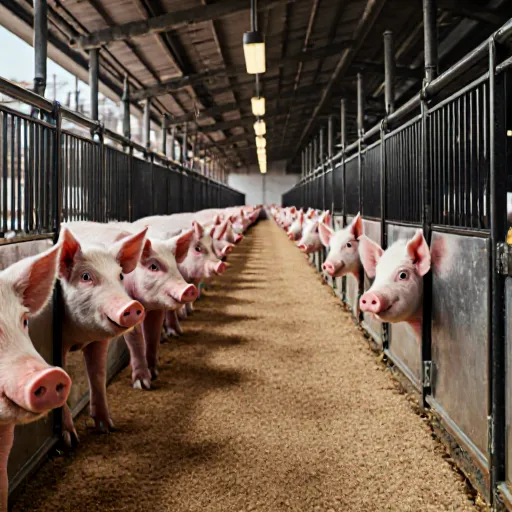
Transform Your Pig Pen with Smart Flooring Solutions!
Table of Contents
- Ideal Flooring Types for Pig Pens: Introduction
- Importance of Flooring in Pig Housing
- Benefits of Solid Floors
- Disadvantages of Solid Floors
- Advantages of Slatted Floors
- Disadvantages of Slatted Floors
- Benefits of Rubber Mats
- Disadvantages of Rubber Mats
- Advantages of Concrete Floors
- Disadvantages of Concrete Floors
- Benefits of Straw or Wood Shavings
- Disadvantages of Straw or Wood Shavings
- Conclusion
- FAQs about Ideal Flooring for Pig Pens
Ideal Flooring Types for Pig Pens: Introduction
When selecting flooring types for pig pens, it is crucial to consider factors such as hygiene, durability, comfort, and ease of cleaning. The ideal flooring type should provide a safe environment that minimizes stress on the pigs while reducing the risk of injury and disease.
Cement Floors
Cement floors are widely used in pig pens due to their durability, ease of cleaning, and cost-effectiveness. However, they can be cold and uncomfortable for the pigs, especially during colder months. To improve comfort, rubber mats or straw can be placed on top of cement floors.
Gravel Floors
Gravel floors provide good drainage and are relatively inexpensive. They are suitable for outdoor pens where drainage is a concern. However, they can become dusty and uncomfortable for the pigs, especially if not properly maintained.
Slate Tiles
Slate tiles offer a smooth surface that is easy to clean and maintain. They provide good support for pig legs but can be slippery when wet. Regular cleaning and maintenance are necessary to prevent slipping accidents.
Wood Chips
Wood chips are a popular choice for bedding in pig pens, providing comfort and insulation. However, they need regular replacement and careful management to avoid bacterial growth and odors. Wood chip floors should be used cautiously as they can pose tripping hazards.
Concrete Blocks
Concrete blocks provide a stable surface that is easy to clean. They are often used in combination with other flooring types for added comfort. However, like cement floors, they can be cold and uncomfortable for the pigs.
- Hygiene: The flooring should facilitate easy cleaning and minimize the risk of disease spread.
- Durability: The flooring must be able to withstand frequent cleaning and use without deteriorating quickly.
- Comfort: Pigs need a comfortable surface that does not cause discomfort or injury.
- Ease of Maintenance: Easy maintenance ensures the longevity of the flooring and keeps it in good condition.
When selecting a flooring type, consider the specific needs of your pigs and the environmental conditions. For instance, if you live in an area with cold winters, prioritize comfort over cost-effectiveness. Regular maintenance is key to keeping any flooring type effective and safe for your pigs.
Ultimately, the ideal flooring type should balance durability, cleanliness, and pig comfort. By carefully selecting and maintaining your flooring, you can create a healthier and more comfortable environment for your pigs, leading to better health outcomes and overall well-being.
Importance of Flooring in Pig Housing
The flooring in pig housing plays a critical role in ensuring the health, comfort, and overall well-being of pigs. Proper flooring not only enhances hygiene but also prevents various diseases that can arise from unsuitable environments. The type of flooring chosen for pig pens significantly influences the pig's behavior and growth rate.
1. Concrete Floors
Concrete floors are a common choice in many pig housing systems due to their durability, ease of cleaning, and resistance to moisture. However, they can be hard on the pigs' feet if not properly maintained with non-slip finishes or mats.
- Advantages: Durable, easy to clean, provides a stable environment for pig pens.
- Disadvantages: Can be cold and hard, leading to sore feet if not properly managed.
Practical Advice: Use rubber mats or non-slip flooring in areas where pigs spend extended periods. Ensure proper drainage systems to prevent standing water.
2. Dirt Floors
Dirt floors can be beneficial for pig pens as they provide a natural surface that is less stressful on the pigs' feet compared to concrete. However, they require frequent maintenance and careful management to prevent mud or dust from becoming problematic.
- Advantages: Natural feel, reduces stress on pigs' feet.
- Disadvantages: Requires regular cleaning; can become muddy or dusty.
Practical Advice: Regularly turn the dirt to keep it loose and dry. Use controlled watering systems to avoid excessive mud formation.
3. Bedding Floors
Bedding floors, such as straw or wood shavings, are used in some pig housing systems. These materials provide a soft surface that is comfortable for the pigs and can help reduce stress levels.
- Advantages: Soft, cushioned environment; reduces risk of injuries from falls.
- Disadvantages: Can become dirty quickly, leading to hygiene issues if not managed properly.
Practical Advice: Regularly replace bedding materials and ensure proper ventilation to prevent the buildup of ammonia. Use high-quality, clean bedding materials for best results.
4. Gravel Floors
Gravel floors are sometimes used in outdoor pig pens as they provide a relatively hard but more comfortable surface compared to concrete or dirt.
- Advantages: Provides a balance between comfort and stability, easier on the pigs' feet than concrete.
- Disadvantages: Can become slippery when wet; requires careful management during rain or snow.
Practical Advice: Ensure proper drainage to prevent puddles and slippage. Use a mix of gravel sizes for better traction and comfort.
Selecting the ideal flooring type for pig pens is crucial in maintaining high standards of hygiene, reducing stress levels, and promoting optimal growth rates. By considering the specific needs of pigs and managing the chosen flooring materials properly, farmers can significantly improve the welfare and productivity of their herd.
Benefits of Solid Floors
The use of solid floors in pig pens offers numerous benefits that contribute significantly to animal welfare, hygiene, and overall farm efficiency. Solid flooring is particularly advantageous for pig housing as it provides a stable and supportive surface that can withstand the weight and movement of pigs over extended periods.
Enhanced Animal Welfare
Solid floors help in maintaining a clean and dry environment, which is crucial for the health and comfort of pigs. Pigs on solid floors are less likely to develop skin infections or respiratory issues compared to those housed on slatted floors, where water can accumulate and create an unsanitary condition.
Hygiene and Sanitation
Solid floors make it easier for farmers to clean and disinfect the pen. This is essential in preventing the spread of diseases among pigs. Regular cleaning with appropriate sanitizers ensures that pathogens are eliminated, contributing to a healthier environment.
Reduction in Stress Levels
A stable floor reduces stress levels in pigs by providing them with secure footing. Pigs on solid floors exhibit less pacing and wandering behaviors, which can lead to better feed conversion rates and overall growth performance. This is particularly important for farmers aiming to maximize productivity while ensuring animal well-being.
Environmental Control
Solid floors allow for better environmental control within the pen. Farmers can effectively manage temperature, humidity, and ventilation, which are critical factors in maintaining a comfortable environment for pigs. This is especially important during extreme weather conditions, ensuring that pigs remain healthy and stress-free.
Cost Efficiency
The initial investment in solid flooring may be higher compared to other types of flooring, but the long-term benefits in terms of reduced veterinary costs and improved productivity make it a cost-effective choice. By minimizing disease outbreaks and enhancing growth rates, farmers can see significant savings on feed and labor.
Ideal Flooring Types for Pig Pens
- Concrete Floors: Concrete is durable and long-lasting, making it ideal for pig pens. It provides a smooth surface that is easy to clean and disinfect. However, concrete can be cold in winter and hot in summer, which may require additional insulation or cooling measures.
- Tiled Floors: Tiled floors offer excellent slip resistance and are aesthetically pleasing. They are particularly effective in maintaining hygiene as they are easy to clean. However, they can be more expensive than concrete and may have a shorter lifespan if not properly maintained.
- PVC Flooring: PVC flooring is lightweight, durable, and provides good slip resistance. It is an excellent choice for pig pens due to its ease of installation and maintenance. PVC floors are also resistant to moisture and chemicals, making them ideal for cleaning with disinfectants.
In conclusion, the benefits of using solid floors in pig pens cannot be overstated. They contribute to improved animal health, enhanced hygiene practices, reduced stress levels, better environmental control, and cost efficiency. By choosing the right type of flooring, such as concrete, tiled, or PVC, farmers can create a conducive environment that promotes optimal growth and well-being of their pigs.
Disadvantages of Solid Floors
The use of solid floors in pig pens can present several significant disadvantages when compared to ideal flooring types. Solid floors, while seemingly straightforward and cost-effective, do not offer the same level of comfort or health benefits as alternative flooring options such as slatted floors or straw bedding.
1. Poor Hygiene and Increased Risk of Disease
Solid floors can lead to poor hygiene conditions in pig pens because they trap waste and moisture, creating an environment where bacteria and pathogens thrive. This increases the risk of disease transmission among pigs, which is particularly problematic in confined spaces like pens.
2. Increased Stress on Pigs
Pigs naturally move around to maintain their body temperature and distribute pressure evenly across their bodies. On solid floors, they are forced to stay in one place for extended periods, leading to increased stress levels which can impact their overall health and well-being.
3. Reduced Locomotion and Activity
Solid floors do not provide the same level of freedom as other flooring types, limiting pigs' natural behaviors such as walking, rolling, and rooting. This reduced locomotion can lead to muscle atrophy and a decrease in overall fitness.
4. Difficulty in Cleaning and Maintenance
Cleaning solid floors is more challenging and time-consuming compared to other flooring types like slatted floors or straw bedding. The uneven surface traps waste, making it difficult to thoroughly clean the area between pigs.
5. Inconsistent Temperature Regulation
Solid floors can lead to inconsistent temperature regulation within pig pens. Pigs have specific thermal preferences and need environments that help them maintain their body temperature. Solid floors do not provide this necessary environmental stability, which can affect the pigs' comfort levels.
6. Potential for Lameness
The hard surface of solid floors can contribute to lameness in pigs by causing pressure sores and other injuries if they spend too much time standing or walking on it. This is particularly problematic in confined spaces where the pigs have limited options for movement.
In conclusion, while solid floors might seem like a practical choice due to their cost-effectiveness and simplicity, they come with several disadvantages that can negatively impact pig health and well-being. Ideal flooring types such as slatted floors or straw bedding offer better hygiene, increased comfort, and more freedom for the pigs, making them preferable options for pig pens.
Advantages of Slatted Floors
Slatted floors are a crucial component in pig farming, providing a hygienic and efficient environment that directly impacts animal health and productivity. Here are the advantages of slatted floors specifically for pig pens:
Improved Hygiene
The primary advantage of using slatted floors in pig pens is improved hygiene. These floors allow feces, urine, and other waste products to fall through the gaps into a collection system below. This eliminates the need for manual cleaning, reducing labor costs and minimizing the risk of spreading diseases. The continuous flow of fresh air helps in maintaining a clean environment, which is vital for pig health.
Enhanced Air Circulation
Pigs housed on slatted floors enjoy better air circulation compared to solid flooring. This improved air movement reduces the risk of respiratory issues and other health problems associated with poor ventilation in enclosed spaces. Proper airflow also helps in controlling temperature, which is critical for maintaining optimal conditions during different seasons.
Reduced Risk of Disease
The design of slatted floors minimizes the chances of disease transmission among pigs. By preventing the accumulation of waste on the floor, these systems reduce environmental contamination and the risk of bacterial or viral outbreaks. Additionally, the ease of cleaning ensures that any potential pathogens are quickly removed from the environment.
Cost-Effective Maintenance
Maintaining slatted floors is relatively straightforward compared to solid flooring. The gaps between slats allow for easy removal and inspection of waste materials, making it easier to address any issues promptly. This proactive approach helps in preventing the build-up of harmful substances that could lead to health problems.
Increased Piggery Productivity
Pigs housed on slatted floors tend to have better growth rates and higher feed efficiency due to reduced stress from unsanitary conditions. The improved environment supports their overall well-being, leading to increased productivity at the farm level. Farmers can expect healthier pigs that are more resilient to stress and illness.
Example of Ideal Flooring Types for Pig Pens
- Slatted Floors: Preferred due to their hygienic benefits, ease of cleaning, and reduced risk of disease transmission.
- Cleaned Concrete Floors: Useful in areas where slats are not practical but require the same level of hygiene. Regular cleaning is essential with this type of flooring.
- Litter-Based Flooring: Ideal for smaller pig operations or nurseries, providing a more natural surface that can be easily managed and cleaned when necessary.
In conclusion, slatted floors offer a range of advantages that make them the ideal choice for pig pens in modern pig farming practices. By prioritizing hygiene, air quality, and overall animal welfare, farmers can expect better health outcomes and higher productivity from their pig herds.
Disadvantages of Slatted Floors
The use of slatted floors in pig pens has been a common practice, but they come with certain disadvantages that are important to consider when choosing flooring types for your pig pen. Understanding these drawbacks can help you make an informed decision about the ideal flooring type for your specific needs.
1. Increased Risk of Injury
Slatted floors are made up of narrow slats that provide poor traction, especially when wet. This lack of grip increases the risk of injuries to pigs, particularly during movement and feeding times. Pigs can slip and fall, leading to sprains, fractures, or even more severe injuries.
2. Health Concerns
The slats of these floors allow waste matter to pass through quickly, which might seem beneficial at first glance. However, it also means that infectious agents and pathogens can spread easily across the pen. This increases the risk of disease transmission among pigs, especially in close quarters.
3. Stress for Pigs
The discomfort caused by slatted floors can lead to increased stress levels in pigs. Continuous exposure to hard surfaces may affect their behavior and overall well-being. This stress can manifest as reduced feed intake or even aggressive behaviors, which are detrimental to the health and productivity of your herd.
4. Maintenance Challenges
Slatted floors require regular cleaning to prevent the build-up of waste material and harmful bacteria. However, maintaining these floors can be labor-intensive and time-consuming. Additionally, the slats themselves are prone to wear and tear over time, which can lead to costly replacements.
5. Temperature Regulation
Slatted floors allow for better air circulation than solid flooring options. While this is beneficial in terms of reducing ammonia levels, it also means that the pigs are more exposed to temperature fluctuations. In colder climates, this can lead to increased energy expenditure by the pigs to maintain body heat.
Ideal Flooring Types for Pig Pens
- Solid Concrete Floors: These provide a stable and non-slip surface that is easy to clean. They are particularly useful in reducing injury risks associated with slatted floors. However, they require proper drainage systems to prevent standing water.
- Bonded Sand Floors: This type of flooring combines sand with a binder to create a solid yet porous surface. It allows for good air circulation and is less harsh on pig hooves compared to concrete. Regular maintenance is necessary to ensure the integrity of the floor over time.
- Porous Rubber Floors: These floors offer excellent traction, even when wet, making them safer for pigs. They also provide a comfortable surface that reduces stress and injury risks. However, they can be more expensive than other options.
In conclusion, while slatted floors have their advantages in certain situations, the disadvantages outlined above make it important to consider alternative flooring types. By understanding these potential drawbacks, you can choose a flooring option that best meets the needs of your pig herd and contributes to their overall health and well-being.
Benefits of Rubber Mats
Rubber mats are highly beneficial for pig pens, offering a range of advantages that enhance both comfort and hygiene. These mats provide an ideal surface for pigs to rest on, ensuring their well-being while also facilitating easier maintenance of the pen.
Enhanced Comfort
The soft, resilient nature of rubber mats significantly improves the comfort level of pigs. Pigs that are more comfortable are less likely to engage in harmful behaviors such as biting or fighting with each other. This, in turn, reduces stress levels within the pen and contributes to better overall health.
Improved Hygiene
Rubber mats help maintain cleanliness by preventing the accumulation of waste materials like mud, dirt, and excrement directly onto hard flooring surfaces. The non-porous nature of rubber makes it easy to clean, ensuring that pens remain hygienic and free from bacterial growth which can lead to health issues for the pigs.
Shock Absorption
The rubber mats provide excellent shock absorption properties, protecting both the pigs and their feet. This is particularly important given the weight of adult pigs and the potential strain on their joints over time. Soft rubber surfaces reduce pressure points and promote healthier growth and development.
Slip Resistance
Another key benefit is the slip-resistant quality provided by rubber mats, especially in areas where water or other substances might accumulate. This feature not only ensures pig safety but also helps prevent injuries among staff members who may need to move around the pen frequently.
Practical Recommendations
- Material Choice: Opt for high-quality rubber mats that offer durability and longevity. Look for options made from natural rubber or synthetic blends designed specifically for agricultural applications.
- Installation: Ensure proper installation to maximize the benefits. Lay out mats evenly across the entire pen area, following manufacturer guidelines regarding spacing between rows of mats.
- Maintenance: Regular cleaning and inspection are crucial to maintaining the effectiveness of rubber mats. Use appropriate cleaners and avoid harsh chemicals that could damage the surface over time.
Conclusion
In summary, rubber mats serve as an excellent investment for any pig pen due to their numerous benefits. From enhancing comfort and improving hygiene to providing shock absorption and slip resistance, these mats contribute significantly to creating a healthier living environment for pigs while also simplifying maintenance tasks for farmers.
Disadvantages of Rubber Mats
The use of rubber mats in pig pens can present several disadvantages, particularly when compared to other flooring types that are more suitable for the specific needs and health requirements of pigs. These disadvantages include:
1. Poor Drainage
Rubber mats do not allow water and waste to drain effectively, which can lead to a buildup of moisture and ammonia in the pen. This environment is conducive to the growth of harmful bacteria and fungi, increasing the risk of respiratory infections and other health issues for the pigs.
2. Warmth Retention
Rubber mats retain heat well, which can cause the pens to become excessively warm during hot weather. This overheating can lead to stress in the pigs, affecting their overall health and productivity. Additionally, the excessive warmth may make it difficult for piglets to maintain their normal body temperature.
3. Poor Air Circulation
The smooth surface of rubber mats does not provide enough texture or roughness to promote good air circulation. This can lead to poor ventilation and unhealthy conditions, further exacerbating the risk of respiratory diseases in pigs.
4. Difficult Cleaning
Rubber mats can be challenging to clean thoroughly due to their smooth surface and the tendency for waste materials to stick to them. This makes it difficult to maintain a hygienic environment, which is crucial for preventing disease outbreaks and ensuring pig health.
5. Slippery Surfaces
Rubber mats can become slippery when wet, increasing the risk of piglet falls and injuries. This is particularly problematic in areas where pigs are moving frequently or during feeding times.
6. Not Ideal for Pig Behavior
Pigs have natural behaviors such as rooting and wallowing that contribute to their physical well-being and mental stimulation. Rubber mats do not provide the necessary texture or space for these behaviors, which can lead to boredom and stress in pigs.
Recommended Flooring Types for Pig Pens
Given the disadvantages of rubber mats, it is important to consider alternative flooring types that are more appropriate for pig pens. These include:
- Pen Gravel or Sand: Pen gravel and sand provide excellent drainage, allowing water and waste to be quickly removed from the pen. This helps maintain a dry environment that is less conducive to harmful bacteria growth.
- Sawdust or Shavings: These materials are soft and allow for good air circulation. They also promote healthy rooting behavior in pigs and can help absorb waste, reducing ammonia levels.
- Covered Concrete Slab: A covered concrete slab provides a smooth surface that is easy to clean while maintaining proper drainage through the grated openings. This option offers excellent hygiene without sacrificing pig comfort.
- Straw or Hay Beds: Straw or hay beds provide soft, comfortable bedding for pigs and promote natural behaviors like rooting and lying down. They are also effective at absorbing waste and providing insulation during colder months.
By considering these flooring options, farmers can create an environment that is not only safer and more hygienic but also better suited to the unique needs of pigs, enhancing their overall health and productivity.
Advantages of Concrete Floors
Concrete floors offer a host of advantages that make them an ideal choice for pig pens, especially when compared to other flooring types such as wood, straw, or dirt.
Hygiene and Cleanliness
One of the most significant advantages of concrete floors is their ability to maintain high levels of hygiene. Concrete surfaces are smooth and easy to clean, making them resistant to bacterial growth and contamination. This is crucial in pig pens where cleanliness can significantly impact animal health and productivity. Regular cleaning with water and disinfectants ensures that the environment remains free from harmful pathogens.
Cost-Effectiveness
Concrete floors are a cost-effective solution for long-term use. They have a longer lifespan compared to other flooring types, requiring minimal maintenance over time. Additionally, concrete does not need frequent replacement or significant repairs, which can save money in the long run.
Temperature Regulation
Pig pens with concrete floors offer better temperature regulation than dirt or straw floors. Concrete helps to keep the pen cooler during hot weather and warmer during cold weather, providing a more comfortable environment for the pigs. This can lead to improved pig health and growth rates.
Reduced Slips and Falls
Concrete floors are non-slippery, reducing the risk of accidents for both the pigs and the workers who manage them. This is particularly important in pig pens where slippery surfaces can lead to injuries. The smooth surface also makes it easier for workers to move around, clean, and maintain the pen.
Environmental Considerations
Concrete floors are environmentally friendly as they are made from readily available materials and do not require frequent replacement or significant resource consumption. Additionally, concrete can be recycled at the end of its lifecycle, making it a sustainable choice for pig pens.
Practical Advice
To ensure that your concrete floors remain in optimal condition, regular maintenance is essential. This includes periodic cleaning and sealing to prevent cracking and further deterioration. It's also important to design the pen layout to allow for proper drainage, ensuring water does not accumulate on the floor which can lead to mold growth.
Examples
- A pig farm in Denmark that switched from dirt floors to concrete found a significant reduction in disease outbreaks among its herd, leading to improved health and higher productivity.
- An American pig farmer who installed concrete floors reported reduced cleaning time by 50%, resulting in more efficient use of labor and resources.
In conclusion, the advantages of using concrete floors for pig pens are numerous, from hygiene and cost-effectiveness to temperature regulation and environmental sustainability. By choosing concrete, farmers can provide a healthier environment for their pigs while also benefiting from long-term savings and improved productivity.
Disadvantages of Concrete Floors
Concrete floors are a popular choice for pig pens due to their durability and cost-effectiveness. However, there are several disadvantages associated with concrete flooring that can impact the health, comfort, and overall well-being of pigs. Understanding these drawbacks is crucial for farmers and animal caretakers aiming to provide optimal conditions for their livestock.
1. Lack of Insulation
Concrete floors lack any form of insulation, which means they can become extremely cold in winter and very hot in summer. This temperature fluctuation can stress the pigs, leading to decreased productivity and increased susceptibility to health issues such as respiratory infections and digestive problems.
2. Poor Drainage
Poor drainage is a significant disadvantage of concrete floors. If not properly managed, water can accumulate, creating wet and muddy conditions. Prolonged exposure to wet and cold environments increases the risk of diseases such as pneumonia and lameness in pigs.
3. Hard Surfaces
The hard surface of concrete floors can lead to injuries, particularly during rough play or aggressive behaviors among pigs. The lack of cushioning also contributes to joint issues over time, especially for older pigs.
4. Difficulty in Cleaning and Sanitization
Cleaning concrete floors is often labor-intensive due to the uneven surface and difficulty in reaching all areas. This can lead to persistent hygiene problems, which may harbor pathogens harmful to both pigs and humans.
5. Impact on Behavior
The hard, unyielding nature of concrete floors can affect pig behavior negatively. Pigs have a natural instinct to root in the ground, but this activity is impossible on concrete surfaces. This limitation may lead to stress and frustration among pigs.
Practical Advice for Mitigating Disadvantages
To mitigate these disadvantages while still utilizing concrete floors, consider implementing a few practical solutions:
- Use of Underfloor Heating: Install underfloor heating to maintain optimal temperatures and ensure comfort for the pigs.
- Proper Drainage Systems: Invest in efficient drainage systems to prevent water accumulation and muddy conditions. Regular cleaning can also help keep these areas dry.
- Use of Mats or Bedding: Providing mats or bedding can offer a softer surface, reducing the risk of injuries and providing comfort for the pigs.
- Regular Cleaning and Maintenance: Implementing a strict cleaning schedule will help keep the floor clean and hygienic. Regular inspections can also identify potential issues early on.
Ideal Flooring Types for Pig Pens
Considering these disadvantages, it is beneficial to explore alternative flooring types that offer better insulation, drainage, and comfort for the pigs:
- Sawdust or Straw Bedding: These materials provide a soft surface that is comfortable for the pigs. They also help absorb moisture and keep the pen dry.
- Packed Earth Floors: Packed earth floors offer good insulation, drainage, and comfort. However, they require regular maintenance to ensure they remain in optimal condition.
- Grated Floors: Grated floors can be a good option as they allow for easy cleaning and proper drainage while still offering some cushioning for the pigs.
In conclusion, while concrete floors have their merits, understanding their disadvantages is key to providing a healthier environment for pigs. By considering alternative flooring options and implementing practical solutions, farmers can create more comfortable and hygienic living conditions for their livestock.
Benefits of Straw or Wood Shavings
The use of straw or wood shavings as bedding material in pig pens offers numerous benefits that contribute to a healthier and more comfortable environment for pigs. These materials provide cushioning, absorb moisture, and help maintain temperature stability within the pen, which are crucial factors for pig welfare.
Improved Hygiene
The use of straw or wood shavings helps in maintaining better hygiene by absorbing urine and feces effectively. This reduces the risk of ammonia build-up, which can lead to respiratory issues among pigs. Additionally, the bedding material creates a drier environment, minimizing the spread of pathogens.
Enhanced Comfort
Straw or wood shavings provide a soft and comfortable surface for pigs to rest on, reducing stress and promoting better sleep quality. Pigs are less likely to develop skin injuries or sores from hard surfaces like concrete floors when straw is used as bedding.
Better Temperature Regulation
Both straw and wood shavings help in regulating the temperature of the pen, offering a cooler surface during hot weather and acting as an insulator against cold temperatures. This ensures that pigs remain comfortable year-round, which is essential for their overall health and well-being.
Promotion of Natural Behavior
Providing straw or wood shavings encourages natural behaviors such as rooting and foraging. Pigs can spend time engaging in activities they would normally perform if outdoors, which helps to keep them mentally stimulated and physically active.
Ideal Flooring Types for Pig Pens
- Straw: Ideal for pens where space is limited or during winter months when bedding needs to retain heat. Straw provides excellent insulation, making it perfect for cold weather conditions and smaller spaces.
- Wood Shavings: Suitable for larger pig units due to its easy maintenance and quick drying properties. Wood shavings are less likely to pack down over time, ensuring consistent comfort for the pigs.
In conclusion, using straw or wood shavings as bedding in pig pens is a practical and effective solution that enhances pig welfare by improving hygiene, providing better temperature regulation, promoting natural behavior, and offering enhanced comfort. Choosing the right type of bedding material based on your specific needs can significantly contribute to a healthier and more productive livestock environment.
Disadvantages of Straw or Wood Shavings
The use of straw or wood shavings as flooring materials in pig pens can present several disadvantages, particularly when considering their suitability for ideal flooring types. While these options may seem appealing due to their natural and absorbent properties, they come with certain drawbacks that need careful consideration.
1. Absorbency and Moisture Management
Straw and wood shavings are highly absorptive materials, which can be advantageous for managing moisture in pig pens. However, this very property can also lead to issues such as excessive dampness. Excessively wet bedding can cause health problems for the pigs, including respiratory infections and skin irritations. Additionally, prolonged exposure to moisture can promote the growth of mold and bacteria, potentially leading to contaminated environments.
2. Odor and Cleanliness
The use of straw or wood shavings as flooring materials can result in unpleasant odors, which are especially noticeable during warm weather conditions. The decomposition process of these organic materials contributes to the buildup of ammonia and other volatile compounds, leading to a less hygienic environment for both the pigs and humans involved in their care.
3. Dust and Respiratory Health
The generation of dust is another significant disadvantage associated with straw or wood shavings floors. As these materials break down over time, they produce fine particles that can become airborne, posing a risk to the respiratory health of both pigs and handlers. Prolonged exposure to dust can lead to chronic respiratory problems, necessitating additional measures for ventilation control and air filtration.
4. Maintenance and Management
Maintaining straw or wood shavings floors requires regular cleaning and replacement. The frequent need for bedding changes can be labor-intensive and costly in terms of both time and resources. Additionally, improper handling of the bedding material can lead to contamination if not managed properly.
5. Environmental Impact
The production and disposal of straw or wood shavings contribute to environmental concerns. The cultivation and processing of these materials require significant amounts of water and energy, impacting sustainability efforts. Furthermore, the decomposition process can release carbon dioxide into the atmosphere, contributing to greenhouse gas emissions.
Practical Advice for Flooring Choice
Given the above disadvantages, it is essential to carefully consider alternative flooring options that balance cost-effectiveness with health and hygiene requirements. Ideal flooring types for pig pens should focus on providing a dry, clean, and comfortable environment for the pigs while minimizing maintenance burdens.
- Concrete Floors: Offer excellent drainage and are easy to clean but can be cold in winter and hot in summer.
- Recycled Rubber Matting: Provides cushioning and is resistant to moisture, making it a popular choice for indoor pig housing systems.
- PVC Flooring: Durable, easy to clean, and provides good slip resistance; however, it can be costly and may contain harmful chemicals.
- Clay Tile Floors: Known for their durability and hygiene but require frequent cleaning and maintenance.
In conclusion, while straw or wood shavings offer some benefits in pig pen flooring, they come with notable disadvantages that need to be addressed. By carefully considering these drawbacks and exploring alternative options, farmers can ensure a healthier and more comfortable environment for their pigs.
Conclusion
Gravel Flooring
Gravel flooring provides good drainage but may not be suitable in areas prone to flooding or extreme weather conditions. It requires regular maintenance due to the accumulation of debris which can reduce its effectiveness over time. Pigs may also find it challenging to walk on gravel, especially if it is too loose.
Straw Flooring
Straw offers cushioning and warmth but must be replaced regularly as pigs tend to eat it, making it unsanitary. It is a cost-effective solution for smaller pig operations or temporary pens. However, it requires careful management to prevent the buildup of ammonia which can negatively affect air quality in the pen.
Wood Chips Flooring
Wood chips provide good cushioning and are easy on pigs' hooves compared to concrete. They also allow for better airflow and drainage but need frequent replacement due to wear and tear from the pig's movement. Proper bedding of wood chips can help control temperature and humidity, creating a more comfortable environment.
Hybrid Flooring
A combination of different materials can provide a balanced approach in terms of comfort, hygiene, and durability. For instance, using concrete as the base layer for stability and drainage, with a layer of wood chips or straw on top to offer cushioning and warmth. This hybrid setup requires careful planning but can be highly effective.
Practical Advice
Regular cleaning and disinfection are key regardless of the flooring type chosen. Ensuring proper ventilation is also crucial as it helps maintain air quality and prevent respiratory issues among pigs. Monitoring pig behavior and health can provide insights into whether the current flooring setup is adequate or if changes are needed.
In summary, selecting the ideal flooring for pig pens involves considering various factors such as comfort, hygiene, durability, and cost-effectiveness. By understanding these aspects and implementing practical maintenance practices, farmers can create a healthier environment for their pigs, leading to better overall health and productivity.
Wood Chips Flooring
Wood chips provide good cushioning and are easy on pigs' hooves compared to concrete. They also allow for better airflow and drainage but need frequent replacement due to wear and tear from the pig's movement. Proper bedding of wood chips can help control temperature and humidity, creating a more comfortable environment.
Hybrid Flooring
A combination of different materials can provide a balanced approach in terms of comfort, hygiene, and durability. For instance, using concrete as the base layer for stability and drainage, with a layer of wood chips or straw on top to offer cushioning and warmth. This hybrid setup requires careful planning but can be highly effective.
Practical Advice
Regular cleaning and disinfection are key regardless of the flooring type chosen. Ensuring proper ventilation is also crucial as it helps maintain air quality and prevent respiratory issues among pigs. Monitoring pig behavior and health can provide insights into whether the current flooring setup is adequate or if changes are needed.
In summary, selecting the ideal flooring for pig pens involves considering various factors such as comfort, hygiene, durability, and cost-effectiveness. By understanding these aspects and implementing practical maintenance practices, farmers can create a healthier environment for their pigs, leading to better overall health and productivity.
Practical Advice Regular cleaning and disinfection are key regardless of the flooring type chosen. Ensuring proper ventilation is also crucial as it helps maintain air quality and prevent respiratory issues among pigs. Monitoring pig behavior and health can provide insights into whether the current flooring setup is adequate or if changes are needed. In summary, selecting the ideal flooring for pig pens involves considering various factors such as comfort, hygiene, durability, and cost-effectiveness. By understanding these aspects and implementing practical maintenance practices, farmers can create a healthier environment for their pigs, leading to better overall health and productivity.
FAQs about Ideal Flooring for Pig Pens
When it comes to flooring options for pig pens, the ideal choice can vary depending on factors such as hygiene, durability, and comfort for the pigs. Here are some frequently asked questions along with detailed answers to help you make an informed decision.
Frequently Asked Questions
1. What Are the Ideal Flooring Types for Pig Pens?
The ideal flooring types for pig pens include concrete, rubber matting, and wood shavings. Each has its own set of advantages and disadvantages:
- Concrete: Concrete is a popular choice due to its durability and ease of cleaning. However, it can be cold in the winter and hot in the summer, which may affect pig comfort.
- Rubber Matting: Rubber matting provides cushioning for the pigs, making them more comfortable. It also offers good traction, reducing the risk of slips and falls. However, it can be expensive to replace over time.
- Wood Shavings: Wood shavings are a natural option that is soft on the pig's feet. They absorb moisture well, which helps in maintaining hygiene. However, they need regular replacement and care must be taken to ensure they do not become too deep or harbor bacteria.
2. How Do Concrete Floors Affect Pig Health?
Concrete floors can have both positive and negative impacts on pig health:
- Positive Impact: They are easy to clean, which helps in maintaining hygiene.
- Negative Impact: Cold surfaces in winter or hot surfaces in summer can cause discomfort for the pigs. Additionally, hard flooring can lead to leg and joint problems if not properly maintained with bedding materials like straw or wood shavings.
3. What Are the Benefits of Rubber Matting?
Rubber matting offers several benefits that make it a favorable option for pig pens:
- Comfort and Cushioning: It provides a soft surface, reducing stress on the pigs' joints and muscles.
- Traction: The textured surface helps prevent slips and falls, which can be a significant safety concern.
4. How Should Wood Shavings Be Managed?
Wood shavings are an excellent choice for pig pens due to their natural properties. However, they require careful management:
- Maintenance: Regularly replace the shavings as they get too deep or start to harbor bacteria.
- Air Quality: Ensure proper ventilation to prevent dampness and mold growth.
5. What Are the Considerations for Choosing Flooring Based on Pig Size?
The size of the pig can influence your flooring choice, especially regarding comfort and hygiene:
- Larger Pigs: Rubber matting may be more suitable due to its cushioning properties.
- Younger Pigs: Concrete or rubber matting can provide a safer environment as they are less likely to get injured on softer surfaces like wood shavings.
6. Are There Any Environmental Considerations?
Eco-friendly options should be considered, especially if you're looking for sustainable solutions:
- Rubber Matting: While durable, rubber can take a long time to decompose and may contribute to landfill waste.
- Wood Shavings: Sustainable sourcing of wood shavings is crucial. Look for options that are responsibly harvested and reused as bedding or mulch after use.
7. How Does Flooring Affect the Pig's Behavior?
The flooring type can have a significant impact on pig behavior:
- Better Hygiene Leads to Reduced Stress: Pigs in cleaner environments are less likely to become stressed, leading to better overall health.
- Comfort Enhances Well-being: Floors that provide cushioning and traction can reduce stress and discomfort for the pigs.
Conclusion
Selecting the right flooring for your pig pens is crucial for ensuring the health, comfort, and well-being of your pigs. By considering factors such as durability, hygiene, and comfort, you can choose the ideal flooring type that best suits your needs.
Categories
- AI & Enrichment Play
- Broiler Farming
- Broiler Farming Tips
- Canine Wellness & Longevity
- Cat
- Cat & Human Connection
- Cat Adoption & Rescue
- Cat Breeds
- Cat Breeds & Personalities
- Cat Care & Health
- Cat Grooming & Hygiene
- Cat Lifestyle & Environment
- Cat Myths & History
- Cat Nutrition & Diet
- Cat Products & Reviews
- Cat Training & Behavior
- Comparison
- Consumer Awareness
- Dog
- Dog Accessories & Products
- Dog Adoption & Rescue
- Dog Breed & Lifestyle Trends
- Dog Breeding & Puppies
- Dog Entertainment & Media
- Dog Fashion & Trends
- Dog Fun & Lifestyle
- Dog Grooming & Hygiene
- Dog History & Culture
- Dog Myths, Science & Future Tech
- Dog News & Trends
- Dog Nutrition & Food
- Dog Psychology & Emotions
- Dog Safety & Security
- Dog Sports & Activities
- Dog Technology & Innovation
- Dog Training for Modern Owners
- Dog Travel & Adventure
- Dog Travel, Adventure & Culture
- Economic and Market Insights
- Educational Content
- FAQs
- Feeding Alternatives
- Festivals & Seasonal Ideas
- Fun & Entertainment
- General Knowledge
- General Pig Farming
- Health & Disease Management
- Housing and Environment
- Kittens
- Market Insights
- Miscellaneous
- Miscellaneous
- Motivational
- pig
- Pig Breeding
- Pig Breeds
- Pig Farming Stories and Inspiration
- Pig Health and Care
- Pig Nutrition
- Pig Products
- Profitability & Business
- Puppy Care
- Puppy Predictable Topics Reinvented
- Regional Focus
- Rescue & Adoption Buzz
- Senior Cats
- Senior Dog Care
- Smart Dog Tech & Gadgets
- Sustainability
- Sustainable & Eco-Friendly Dog Products
- Tech & Innovations
- Working & Service Dogs
- Broiler Feed66 products
- Country Feed33 products
- Pig Feed66 products
- Product22 products
- Raw Materials99 products
Products
-
 Fish Meal
₹1,999.00 – ₹2,999.00Price range: ₹1,999.00 through ₹2,999.00Rated 0 out of 5
Fish Meal
₹1,999.00 – ₹2,999.00Price range: ₹1,999.00 through ₹2,999.00Rated 0 out of 5 -
 FATTENING BROILER FEED
₹2,299.00 – ₹2,349.00Price range: ₹2,299.00 through ₹2,349.00Rated 0 out of 5
FATTENING BROILER FEED
₹2,299.00 – ₹2,349.00Price range: ₹2,299.00 through ₹2,349.00Rated 0 out of 5 -
 LAYER COUNTRY FEED
₹1,549.00 – ₹1,649.00Price range: ₹1,549.00 through ₹1,649.00Rated 0 out of 5
LAYER COUNTRY FEED
₹1,549.00 – ₹1,649.00Price range: ₹1,549.00 through ₹1,649.00Rated 0 out of 5 -
 COUNTER BROILER FEED
₹1,199.00 – ₹1,299.00Price range: ₹1,199.00 through ₹1,299.00Rated 0 out of 5
COUNTER BROILER FEED
₹1,199.00 – ₹1,299.00Price range: ₹1,199.00 through ₹1,299.00Rated 0 out of 5 -
 LACTATING PIG FEED
Rated 0 out of 5
LACTATING PIG FEED
Rated 0 out of 5₹2,299.00Original price was: ₹2,299.00.₹1,740.00Current price is: ₹1,740.00. -
 Maize
Rated 0 out of 5
Maize
Rated 0 out of 5₹1,650.00Original price was: ₹1,650.00.₹1,300.00Current price is: ₹1,300.00. -
 GESTATION PIG FEED (Phase 1)
Rated 0 out of 5
GESTATION PIG FEED (Phase 1)
Rated 0 out of 5₹2,249.00Original price was: ₹2,249.00.₹1,699.00Current price is: ₹1,699.00. -
 Pre Starter Broiler Feed
₹2,399.00 – ₹2,499.00Price range: ₹2,399.00 through ₹2,499.00Rated 0 out of 5
Pre Starter Broiler Feed
₹2,399.00 – ₹2,499.00Price range: ₹2,399.00 through ₹2,499.00Rated 0 out of 5 -
 FINISHER PIG FEED
Rated 0 out of 5
FINISHER PIG FEED
Rated 0 out of 5₹2,299.00Original price was: ₹2,299.00.₹1,749.00Current price is: ₹1,749.00. -
 Broiler Premix
Rated 0 out of 5
Broiler Premix
Rated 0 out of 5₹820.00Original price was: ₹820.00.₹699.00Current price is: ₹699.00.