
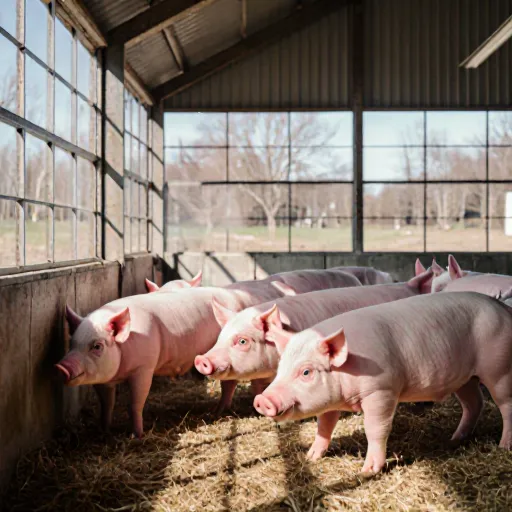
Unlocking temperature secrets to boost pig farm efficiency.
Table of Contents
- Introduction to Pig Farming Practices
- Importance of Temperature Control in Livestock
- Common Challenges in Maintaining Optimal Temperatures
- Role of Environmental Factors
- Impact on Pig Health and Welfare
- Effects on Growth Rates
- Cost Implications for Farmers
- Strategies for Maintaining Optimal Temperatures
- Installation of Ventilation Systems
- Use of Insulation Materials
- Temperature Monitoring and Control Technology
- Training for Farm Staff on Temperature Management
- Case Studies of Successful Temperature Management
- Conclusion
- FAQs
Introduction to Pig Farming Practices
In pig farming, maintaining optimal temperature is crucial for the health and productivity of pigs. Temperature affects their eating habits, growth rate, and overall well-being. Pigs are sensitive to extreme temperatures, especially during hot summer months or cold winter periods. Therefore, understanding and implementing effective practices to maintain a comfortable environment can significantly enhance farm performance.
The optimal temperature range for pigs is typically between 68°F (20°C) and 77°F (25°C). However, this can vary slightly depending on the pig's age and breed. Younger pigs have less efficient thermoregulation systems compared to adults, making them more sensitive to changes in temperature.
Effects of Temperature Extremes
Temperature extremes can lead to various issues that negatively impact farm productivity:
- Hypothermia and Hyperthermia: Prolonged exposure to cold or hot temperatures can cause hypothermia (low body temperature) or hyperthermia (high body temperature), both of which are detrimental to pig health.
- Increased Mortality Rates: Extreme temperatures increase stress levels, leading to higher mortality rates among pigs.
- Limited Growth and Development: Pigs exposed to suboptimal temperatures may grow slower or not reach their full potential size.
To maintain optimal temperature in pig farms, farmers can adopt several practical measures:
1. Proper Ventilation
Adequate ventilation is essential to regulate the indoor environment and remove excess heat or moisture. Farmers should ensure that there are enough fans and exhaust systems to circulate air throughout the pig barns.
- Frequency of Cleaning: Regular cleaning of fan blades helps maintain optimal airflow.
- Placement of Fans: Fans should be strategically placed to ensure even distribution of air, avoiding hot or cold spots.
2. Insulation and Heating Systems
In colder climates, proper insulation can help retain warmth within the barns. For warmer months, heating systems are necessary to prevent pigs from overheating:
- Insulation Materials: Use high-quality insulating materials such as fiberglass or polystyrene foam.
- Heating Options: Electric heaters or water pipes can provide consistent warmth. Ensure they are installed safely to prevent overheating and fires.
3. Shade Structures
In hot climates, providing shaded areas is vital for pigs to avoid excessive heat stress:
- Natural Shading: Install shade structures using trees or durable shade cloths.
- Water Sprinklers: Automated sprinkler systems can provide cool water droplets that help keep the pigs cooler during hot days.
4. Feeding Practices
The timing and type of feed can also influence a pig's body temperature:
- Feeding Times: Feed pigs more in the morning when temperatures are cooler, allowing them to digest food without overheating.
- Type of Feed: High-protein feeds generate more heat during digestion. Balance this with cooling feed additives or strategies like providing water-soaked feed.
5. Monitoring and Adjustment
Regular monitoring of environmental conditions is crucial to make necessary adjustments promptly:
- Temperature Sensors: Install temperature sensors in different parts of the barn to get accurate readings.
- Data Logging: Keep detailed records of temperature fluctuations and adjust ventilation or heating systems accordingly.
Maintaining optimal temperature is a fundamental aspect of pig farming that can significantly enhance productivity. By implementing the above practices, farmers can ensure their pigs remain healthy and grow efficiently.
Importance of Temperature Control in Livestock
The importance of temperature control cannot be overstated when it comes to maintaining optimal conditions for livestock, especially in pig farms. Piglets are particularly vulnerable to environmental changes and require a controlled environment to ensure their health and growth. Pigs are endothermic animals, meaning they can regulate their body temperature internally, but this ability is limited by external factors such as ambient temperature.
Temperature control plays a crucial role in the overall health and productivity of pigs. Pigs are sensitive to both cold and heat stress. When temperatures drop below or exceed their optimal range, it can lead to reduced feed efficiency, lower growth rates, increased mortality rates, and higher veterinary costs.
Cold Stress
When ambient temperatures fall below the pig's thermoneutral zone (usually between 20-25°C or 68-77°F), pigs may experience cold stress. Cold stress can lead to increased energy expenditure, as pigs burn more calories trying to maintain their body temperature. This results in reduced feed efficiency and slower growth rates. In severe cases, prolonged exposure to cold temperatures can increase the risk of pneumonia and other respiratory diseases.
Heat Stress
On the other hand, when ambient temperatures rise above the thermoneutral zone, pigs are exposed to heat stress. Heat stress reduces feed intake and energy expenditure, leading to a decrease in growth rates and increased fat deposition. Pigs may also become more agitated and restless, which can lead to reduced productivity.
To maintain optimal temperatures in pig farms, farmers employ various strategies:
- Proper Housing Design: Well-ventilated and insulated housing helps regulate temperature. Proper insulation can help retain heat during cold periods and prevent excessive heat gain during hot weather.
- Watering Systems: Providing clean, fresh water is essential for pigs, as it helps them cool down through panting and sweating (though pigs do not sweat). Ensuring a consistent supply of water can significantly reduce the impact of heat stress.
- Shade and Cooling Systems: Providing shade in outdoor areas can protect pigs from direct sunlight. For indoor environments, misting fans or evaporative coolers can be used to reduce ambient temperatures.
Examples of Insulation Materials
Pig barns are often equipped with materials like polystyrene boards or fibreglass to provide effective thermal insulation. Additionally, the design should include features that allow for natural ventilation in summer and trapping warm air during winter.
Practical Advice
Water should be kept at a temperature that is comfortable for the pigs. In hot weather, this might mean providing cool water or even chilled drinking systems to help the pigs stay hydrated and regulate their body temperature more effectively.
Potential Cooling Solutions
Misting systems spray water into the air, creating a cooling effect as it evaporates. Evaporative coolers use large pads that are periodically drenched with water, which cools the air as it passes through.
In summary, temperature control is vital for maintaining optimal conditions in pig farms. By understanding the impacts of both cold and heat stress on pigs' health and productivity, farmers can implement effective strategies to ensure a healthy and productive herd. Proper planning and investment in environmental controls not only enhance animal welfare but also contribute significantly to economic efficiency.
Common Challenges in Maintaining Optimal Temperatures
Maintaining optimal temperatures in pig farms is crucial for ensuring the health, growth, and productivity of pigs. However, this task comes with several common challenges that farmers often face. Understanding these challenges can help you implement effective strategies to overcome them.
1. Variability in External Factors
The climate plays a significant role in temperature regulation within pig farms. Seasonal changes, unpredictable weather patterns, and extreme temperatures are common challenges. For instance, during hot summer months, high ambient temperatures can stress pigs, leading to reduced feed intake and slower growth rates. Conversely, cold winters pose the risk of hypothermia if proper insulation measures are not taken.
Practical advice: Regularly monitor weather forecasts and adjust ventilation systems accordingly. Implement shading structures in hot months and use heaters or heat lamps during colder periods.
2. Inadequate Ventilation Systems
Poor ventilation can lead to poor air quality, which not only affects the comfort but also the respiratory health of pigs. Improperly ventilated areas can accumulate moisture and ammonia, creating an environment unsuitable for optimal temperature maintenance.
Examples: Some farms experience issues with stale air circulation due to outdated or insufficient fans. This results in discomfort and stress among the animals.
Practical advice: Invest in state-of-the-art ventilation systems that are capable of maintaining a balance between fresh air supply and heat removal. Regularly clean and maintain these systems to ensure they function efficiently.
3. Insufficient Insulation
Inadequate insulation can lead to significant temperature fluctuations, making it difficult for pigs to regulate their body temperatures effectively. This is particularly problematic in areas with wide diurnal temperature variations or during sudden weather changes.
Practical advice: Upgrade the farm's insulation materials and consider using reflective surfaces to help manage heat distribution better.
4. Inadequate Monitoring Tools
The lack of reliable monitoring tools can lead to delayed responses to temperature-related issues, potentially causing harm to the pigs. Without real-time data on ambient temperatures, farmers might miss critical moments when adjustments are needed.
Practical advice: Invest in advanced monitoring devices that provide precise readings and alerts for any deviations from optimal conditions.
5. Inconsistent Management Practices
Inconsistent management practices can lead to variations in temperature control across different areas of the farm. For example, one section might receive more attention than others, resulting in suboptimal conditions for some pigs while others are comfortably housed.
Practical advice: Establish clear protocols and ensure all staff members follow them consistently. Regularly conduct training sessions to enhance their knowledge and skills in managing temperature-related issues.
6. Limited Access to Resources
Farmers with limited financial resources may struggle to invest in the necessary equipment and technology needed for optimal temperature maintenance. This can result in compromised living conditions for pigs, affecting both their health and productivity.
Practical advice: Seek out grants or subsidies available for upgrading farm facilities. Explore cost-effective solutions such as using natural materials like straw bedding which can help maintain a stable microclimate around the pigs.
In conclusion, while maintaining optimal temperatures in pig farms presents several common challenges, these obstacles are not insurmountable. By understanding and addressing each challenge proactively through practical measures, farmers can significantly improve the overall well-being of their pigs leading to better productivity and profitability of the farm operations.
Role of Environmental Factors
The role of environmental factors, particularly maintaining optimal temperature, is crucial for the health and productivity of pigs on farms. In pig farming, temperature plays a significant role in influencing growth rates, feed efficiency, stress levels, and overall animal welfare. Pigs are sensitive to changes in their environment, especially when it comes to thermal regulation.
Importance of Optimal Temperature
Optimal temperatures ensure that pigs remain comfortable, which is essential for their health and well-being. The ideal temperature range varies depending on the age and weight of the pig, but generally, the optimal temperature for growing pigs is between 68°F to 72°F (20°C to 22°C). For sows in lactation, a slightly higher temperature is beneficial, usually between 73°F to 75°F (23°C to 24°C).
Impact of Temperature on Pig Growth and Welfare
When temperatures are too high or too low, pigs can experience stress, which leads to reduced feed intake and lower growth rates. Stress also increases the likelihood of respiratory issues and other health problems. For instance, if a piglet is exposed to cold temperatures for extended periods, it may not be able to maintain its body temperature through shivering, leading to increased energy expenditure. Conversely, exposure to excessive heat can cause pigs to pant heavily, which can lead to dehydration and heat stress.
Strategies for Maintaining Optimal Temperature
To ensure that the temperature remains within the optimal range, farmers employ various strategies:
- Use of Fans and Ventilation Systems: Proper ventilation helps in maintaining air quality and temperature. Fans can be strategically placed to provide cool air circulation during hot periods.
- Insulation: Insulating buildings can help retain heat during colder months, thereby reducing heating costs.
- Watering Systems: Ensuring that pigs have access to clean water is crucial. Water serves not only as a source of hydration but also helps in regulating body temperature through evaporation from the skin surface and respiration.
- Group Housing and Bedding: Providing adequate space for group housing and appropriate bedding material can help insulate pigs against cold temperatures, reducing their need to huddle together for warmth.
Monitoring and Adjusting Environmental Factors
Farmers should regularly monitor environmental conditions using temperature sensors and other monitoring devices. This helps in making timely adjustments that are essential for maintaining optimal temperatures. For example, if the temperature exceeds 75°F (24°C), farmers can increase ventilation or provide additional cooling systems such as misters or sprinklers to keep pigs cool.
Conclusion
In summary, maintaining optimal temperature is a critical aspect of pig farming that impacts various aspects of pig health and productivity. By understanding the specific needs of different age groups and implementing effective strategies, farmers can create an environment that promotes the well-being of their pigs while maximizing production efficiency.
Impact on Pig Health and Welfare
Maintaining optimal temperature is crucial for the health and welfare of pigs on a farm. Pigs, like many other animals, are highly sensitive to changes in their environment, particularly when it comes to temperature. The ideal range for maintaining pig comfort and promoting healthy growth is generally between 68°F to 72°F (20°C to 22.2°C). Deviations from this range can lead to stress and health issues that can negatively impact productivity.
Impact of Temperature on Pig Health
When temperatures are too low, pigs may suffer from hypothermia, leading to reduced feed intake, slower growth rates, and increased susceptibility to respiratory diseases. Conversely, high temperatures can cause heat stress, which increases the risk of heatstroke and other temperature-related illnesses.
Respiratory Health: In cold environments, pigs may spend more time in their shelters, leading to poor air quality and an increase in respiratory issues such as pneumonia. Conversely, during hot weather, pigs try to escape the heat by panting, which can also lead to respiratory problems if not managed properly.
Growth Rates: Optimal temperature is directly linked to growth rates. Pigs that are kept within their thermal comfort zone tend to grow faster and more efficiently. In contrast, when temperatures deviate from this range, pigs may experience reduced appetite and slower growth, resulting in higher production costs for the farmer.
Impact on Pig Welfare
Pig welfare is closely tied to their comfort and health. When pigs are stressed due to improper temperature control, it can lead to a decrease in quality of life. This stress can also manifest as aggression or lethargy, which further affects the overall welfare of the herd.
Behavioral Changes: Pigs that are uncomfortable due to extreme temperatures may exhibit abnormal behaviors such as pacing, biting at their skin, and reduced activity levels. These changes not only affect individual pig health but also disrupt the entire farm environment.
Practical Advice for Maintaining Optimal Temperature
- Insulation: Ensuring proper insulation of barns can help maintain consistent temperatures, especially in cold climates. Materials like polyurethane foam or fibrous glass are effective.
- Airflow Management: Proper ventilation is essential for maintaining a comfortable environment. Over-ventilation can lead to drafts and cold spots, while under-ventilation can cause excessive heat buildup. Balancing airflow is key.
- Waterers and Humidity: Ensuring that waterers are always available prevents dehydration, which is especially important in hot environments. Additionally, maintaining appropriate humidity levels helps to reduce the risk of respiratory issues during high temperatures.
Heating Systems: For colder regions, electric heaters or infrared lamps can be used to keep the temperature within the optimal range during winter months.
Conclusion
In summary, maintaining optimal temperature on pig farms is not just about comfort; it's a vital component of ensuring good health and welfare for pigs. By understanding the specific needs of pigs regarding thermal regulation and implementing practical strategies to manage these factors, farmers can significantly improve productivity and reduce the risk of health issues.
Effects on Growth Rates
The optimal temperature for pigs plays a crucial role in their growth rates. Pigs are sensitive to changes in temperature, and maintaining the right environmental conditions can significantly impact their health and productivity. The ideal temperature range for piglets is between 85°F (29°C) and 90°F (32°C), while growing pigs thrive best at temperatures around 70°F (21°C).
Temperature extremes can have detrimental effects on growth rates. For example, if the temperature in a pig farm exceeds 85°F (29°C), it can cause stress and discomfort to the pigs, leading to reduced feed intake and slower weight gain. Conversely, temperatures below the optimal range can result in increased energy expenditure by the pigs as they try to maintain their body heat, which again reduces available nutrients for growth.
Practical advice: Farmers should ensure that HVAC systems or ventilation fans are properly maintained and adjusted according to the age of the pigs. For instance, during hot summer months, extra cooling measures such as misting systems or shade structures can be installed. In cold winter periods, heaters or insulation around the pig pens might be necessary.
Another effective method is using thermoregulation techniques like providing bedding materials that help insulate pigs from harsh temperatures. Additionally, farmers should monitor and adjust ventilation rates to prevent air quality issues which can also affect temperature regulation inside the barns.
An important point to note is that maintaining optimal temperature requires a balance between preventing overheating or overcooling. Too much heat can lead to dehydration and respiratory problems, while excessive cooling might cause hypothermia if not managed properly.
By closely monitoring and adjusting the environmental conditions based on these guidelines, farmers can ensure that their pigs are in optimal health, which directly contributes to improved growth rates and overall productivity. This approach helps maximize profitability by minimizing costs associated with disease outbreaks and improving feed efficiency ratios.
Cost Implications for Farmers
Maintaining optimal temperature in pig farms is crucial for ensuring the health, growth rates, and overall productivity of pigs. The cost implications of not maintaining these conditions can be significant and extend beyond just energy consumption. Here’s a detailed look at how this affects farmers:
The primary cost associated with maintaining optimal temperature is energy consumption. Pigs have specific temperature requirements that vary based on their age, health, and developmental stages. For instance, piglets need warmer environments to avoid hypothermia, while older pigs require cooler conditions to prevent overheating.
Farmers often use various types of equipment such as heaters in winter and fans or evaporative coolers in summer to regulate temperature. The cost of these systems can vary greatly depending on the size of the farm and the climate zone. For example, a large-scale pig farm in a hot region like Florida might need extensive cooling systems, which could include air conditioning units, while farms in colder regions may rely more heavily on heaters.
Poor temperature control can lead to health problems for the pigs, such as respiratory issues and stress. These health complications not only increase veterinary costs but also result in higher mortality rates among piglets or older stock. For instance, if a piglet becomes hypothermic due to inadequate heating, it may require intensive care, which includes additional feeding, medication, and potentially euthanasia.
The cost of feed is another major expense in pig farming, and maintaining the optimal temperature can impact how efficiently pigs convert feed into meat. Pigs that are kept at suboptimal temperatures may consume more feed to compensate for energy lost through heat or cold stress. This increased feed consumption translates directly into higher costs without a corresponding increase in growth rates.
The quality of the final product—whether it's meat, litters, or other pig-related products—is also affected by temperature control. Pigs that are exposed to extreme temperatures may grow at slower rates, have lower weights at market age, or produce less desirable carcass grades. This can lead to reduced revenue from selling pigs and their products.
- Regular Monitoring: Farmers should invest in temperature monitoring systems that provide real-time data. This allows for quick adjustments if temperatures deviate from the optimal range.
- Proper Insulation: Ensuring that buildings are well-insulated can help reduce heat loss in winter and keep cool air in during summer, thus reducing heating or cooling costs.
- Strategic Placement of Equipment: Placing heaters and fans strategically within the barns ensures that temperature is evenly distributed. This minimizes the need for excessive use of equipment which can lower energy bills.
- Hygienic Conditions: Keeping pigs in a clean, well-ventilated environment helps prevent stress-related illnesses, reducing health-related expenses and improving overall productivity.
In summary, the cost implications of maintaining optimal temperature in pig farms are multifaceted. While immediate costs involve energy consumption and equipment maintenance, long-term savings can be realized through improved animal health, increased feed efficiency, better quality products, and higher market value. By implementing strategic practices and regular monitoring, farmers can effectively manage these costs.
Strategies for Maintaining Optimal Temperatures
To maintain optimal temperatures on pig farms, it is crucial to understand how temperature affects pig health and growth. Pigs are sensitive to changes in temperature, and maintaining the right environment can significantly improve their well-being and productivity.
The ideal temperature range for pigs varies depending on their age and weight. Typically, piglets require a warmer environment than older pigs. For instance, newborn piglets should be kept in an environment between 85°F to 90°F (29°C to 32°C) during the first week of life, which gradually decreases as they grow.
1. Proper Ventilation and Air Circulation
A well-ventilated environment is essential to maintain optimal temperatures. Excess heat can be managed by ensuring that the air has enough circulation, which helps in cooling down the temperature without causing drafts. This can be achieved through proper placement of fans or using tunnel ventilation systems.
2. Use of Insulation
In colder climates, insulation can play a vital role in keeping pigs warm. Materials such as straw bedding or synthetic insulation mats provide additional warmth without overcrowding the space. This helps to maintain an optimal temperature range even when external temperatures drop.
3. Water and Humidity Control
Water is not only crucial for hydration but also plays a significant role in temperature regulation. Ensuring that pigs have access to clean, fresh water can help them maintain body temperature more effectively. Additionally, managing humidity levels within the barn can prevent heat stress by creating a cooler microclimate.
4. Strategic Placement of Waterers and Feeders
The strategic placement of waterers and feeders is important to ensure that pigs are not exposed to direct sun or drafts. Placing these in shaded areas during hot days can help maintain a more stable temperature around feeding times.
5. Regular Monitoring and Adjustment
Regular monitoring of the barn’s environmental conditions is key to maintaining optimal temperatures. This includes using thermometers, humidity meters, and other monitoring devices to track changes in temperature and adjust strategies accordingly. Farmers should also be prepared to make quick adjustments based on weather forecasts or sudden changes in climate.
6. Use of Cooling Systems
In extremely hot conditions, farmers can employ cooling systems such as misters or evaporative coolers. These systems provide a localized cooling effect that helps reduce heat stress among the pigs. It's important to ensure these systems are regularly maintained and tested to function properly.
- Ensure all equipment used for temperature regulation is in good working order before the start of each season.
- Train staff on how to identify signs of heat stress and what actions to take if such conditions arise.
- Consider implementing a rotation schedule for pigs to access shaded areas during hot periods.
- Use data collected from monitoring devices to refine strategies continuously over time.
In conclusion, maintaining optimal temperatures on pig farms is a multifaceted task that requires careful planning and execution. By implementing the above strategies, farmers can ensure their pigs are healthy and productive in any climate.
Installation of Ventilation Systems
The installation of proper ventilation systems is critical for maintaining optimal temperature and air quality in pig farms. Proper ventilation not only helps in controlling the ambient temperature but also ensures that harmful gases such as ammonia, carbon dioxide, and hydrogen sulfide are minimized, which can have significant impacts on pig health and growth.
Key Components of Ventilation Systems
- Fans: Fans play a crucial role in circulating air within the pig farm. They help to pull in fresh air from outside while expelling stale, contaminated air inside the building.
- Inlet Devices: These are used to control the amount of fresh air that enters the barn. Properly positioned and sized inlet devices can ensure a steady flow of fresh air without causing drafts or cold spots.
- Ductwork: Efficient ductwork ensures that the airflow is directed effectively throughout the building, ensuring all areas receive adequate ventilation.
Types of Ventilation Systems
Pig farms typically use a combination of natural and mechanical ventilation systems. Understanding the differences between these types can help in selecting the most appropriate system for your farm's specific needs.
| Type | Description | Advantages | Disadvantages |
|---|---|---|---|
| Natural Ventilation | This system relies on wind and temperature differences to move air through the barn. Windows, doors, and louvers are used for air movement. | Cost-effective, reduces energy costs, minimal noise. | Limited control over airflow, depends heavily on weather conditions. |
| Mechanical Ventilation | This system uses fans and other equipment to control the flow of air through the barn. It provides more precise control over temperature and humidity levels. | Controlled airflow, flexibility in adjusting settings. | Higher initial costs, requires regular maintenance. |
Best Practices for Installation
To ensure the installation of a ventilation system that effectively maintains optimal temperatures and air quality:
- Consult with Experts: Always consult with HVAC professionals or agricultural engineers who specialize in farm environments. They can provide tailored advice based on the specific layout and size of your pig farm.
- Consider Climate and Geography: The climate and geographic location of your farm will influence the design and installation of your ventilation system. For example, farms in hot and humid regions may need more robust cooling systems compared to those in cooler climates.
- Ensure Proper Placement: Fans should be placed strategically around the barn to maximize air flow without causing drafts or discomfort for the pigs. Inlet devices should be positioned to bring in fresh air from clean, unobstructed areas.
Practical Advice
To maintain optimal temperature and air quality:
- Regular Maintenance: Regularly check and maintain all components of the ventilation system to ensure they are functioning properly. This includes cleaning or replacing filters, checking fan belts, and ensuring ducts are not blocked.
- Monitor Humidity Levels: High humidity can exacerbate heat stress in pigs, so it's important to monitor and control humidity levels along with temperature. Dehumidifiers may be necessary in certain conditions.
- Adapt Systems for Growing Needs: As the farm expands or as new technologies become available, consider upgrading your ventilation system to meet increased demands and improve efficiency.
Use of Insulation Materials
Ensuring that pig farms maintain optimal temperature is crucial for the health and productivity of pigs. Proper insulation materials play a pivotal role in achieving this balance, helping to prevent heat stress during hot months and cold drafts during colder periods. The right choice of insulation can significantly improve energy efficiency, reduce operational costs, and enhance overall farm management.
The selection of appropriate insulation materials is vital for maintaining a stable temperature in pig farms. Here are some commonly used materials:
- Polystyrene Foam (EPS): This material provides excellent thermal insulation and is lightweight, making it easy to handle and install. EPS panels can be found in various thicknesses depending on the specific needs of your farm.
- Rigid Polyisocyanurate (Polyiso): Known for its high R-value and durability, this material offers superior insulation properties. It is often used in commercial buildings but can also be adapted for agricultural purposes.
- Fiberglass Insulation: This material is widely available and relatively inexpensive. It provides good insulation but may not be as durable as other options, especially if exposed to moisture or direct sunlight.
- Occlusive Insulation Layers (OIL): These layers are designed specifically for agricultural settings. They combine thermal insulation with moisture resistance, making them ideal for maintaining optimal temperatures while preventing humidity issues.
Example: A pig barn insulated with 2 inches of EPS foam would help maintain a consistent temperature, reducing heating costs during winter months.
Example: A barn insulated with rigid polyisocyanurate could see a reduction of up to 40% in heating costs over traditional materials like fiberglass.
Example: A smaller pig house insulated with fiberglass could achieve a 25% reduction in heating costs compared to uninsulated facilities.
Example: Using OIL in a pig barn can help keep the interior dry and comfortable, reducing respiratory illnesses among pigs during wet seasons.
To ensure that insulation materials work effectively in maintaining optimal temperatures in pig farms:
- Choose the Right Thickness: The thickness of insulation material directly affects its insulating power. A thicker layer will provide better thermal resistance, but it may also increase construction time and cost.
- Seal Gaps Properly: Even small gaps can significantly reduce the effectiveness of insulation. Careful sealing around doors, windows, and other openings is essential to maintain a barrier against heat transfer.
- Consider Climate Conditions: Farms located in different climates will require different types of insulation materials. For instance, farms in tropical regions may need more focus on moisture resistance than those in temperate zones.
- Regular Maintenance: Insulation should be checked regularly to ensure it remains effective over time. Over time, materials can become damaged or lose their insulating properties due to weathering or wear and tear.
In summary, the use of proper insulation materials is a critical component in maintaining optimal temperatures within pig farms. By selecting the right type of insulation based on your farm’s specific needs and climate conditions, you can create a more comfortable environment for the pigs, enhance their health, and reduce operational costs.
Temperature Monitoring and Control Technology
Effective temperature monitoring and control technology are crucial for maintaining optimal conditions in pig farms. Proper management of ambient temperatures directly impacts pig health, growth rates, feed efficiency, and overall productivity. This section discusses the importance of temperature control and introduces various technologies available to achieve this goal.
The ideal temperature range for pigs varies depending on their age and stage in the lifecycle:
- Newborn piglets require temperatures between 95°F (35°C) to 80°F (27°C).
- Farrowing sows need a temperature of around 65°F (18°C).
- Growing pigs generally prefer a range from 70°F (21°C) to 75°F (24°C).
Several technologies and practices can help in monitoring and controlling temperature effectively:
Heating Systems
For areas where ambient temperatures drop below the desired range, heating systems are essential. These include:
- Infrared Heat Lamps: Used for piglets in farrowing pens to provide warmth without heat loss.
- Electric Heat Pads: Place directly under the piglet to maintain temperature.
- Heat Panels: Install on walls or floors for a consistent heat source.
Cooling Systems
To prevent overheating, cooling systems are necessary. These include:
- Fan and Ventilation Systems: Provide airflow to dissipate excess heat. Proper ventilation should maintain air flow rates that promote good air quality.
- Radiant Cooling: Utilize reflective surfaces or cooling mats to manage temperature effectively in warm environments.
Environmental Monitoring Devices
Automated systems for continuous monitoring can be invaluable tools. These devices include:
- Infrared Sensors: Measure surface temperatures accurately, useful in tracking temperature changes.
- Thermocouples and Thermistors: Provide real-time data on ambient and specific point temperatures within the pig barn.
- Smart Thermostats: Automatically adjust heating or cooling based on predefined settings, ensuring optimal conditions at all times.
To ensure your temperature monitoring and control efforts are effective:
- Regular Maintenance: Keep all heating, cooling, and environmental sensors in good working order.
- Training Staff: Ensure that farm staff are well-trained on operating the systems to maximize their effectiveness.
- Data Analysis: Use collected data for optimization of your temperature control strategies. Regularly review trends and make necessary adjustments.
Consider a scenario where a pig farm employs an automated system with smart thermostats and infrared sensors. During the summer, the system detects rising temperatures in certain areas of the barn. It automatically activates fans and cooling panels to maintain optimal conditions for the pigs.
In another example, during winter months, low temperatures are detected near the farrowing pens. The system uses electric heat pads and radiant heating devices to keep piglets warm and healthy.
Effective temperature monitoring and control technology play a vital role in maintaining optimal conditions within pig farms. By implementing these technologies, farmers can ensure the health and well-being of their pigs, leading to better growth rates and productivity. Regular maintenance and smart strategies will contribute significantly to the overall success of your farm.
Training for Farm Staff on Temperature Management
Pig farms are highly sensitive environments where maintaining optimal temperatures is crucial for the health and well-being of the pigs. Proper temperature control ensures that the pigs remain stress-free, which directly impacts their growth rate, feed efficiency, and overall production performance.
Importance of Temperature Control
The ideal temperature range for pigs varies depending on their age and weight. Newborn piglets require a temperature between 95°F (35°C) to 80°F (27°C), while adult pigs are more tolerant, with an optimal range around 65°F (18°C). Temperatures outside these ranges can lead to stress, sickness, and reduced productivity.
Training Content
Pig farm staff should be well-trained in recognizing the signs of temperature-related stress. These include changes in behavior such as panting, huddling together, or seeking shade. Staff should also understand how to monitor and adjust environmental conditions effectively.
Training Sessions
- Introduction to Temperature Management: Provide a comprehensive overview of why temperature is critical for pig health and performance. Discuss the differences between indoor and outdoor pig housing in terms of heat retention and insulation.
- Tools and Equipment: Train staff on using thermometers, humidifiers, and ventilation systems to monitor and control the environment.
- Pig Behavior Observation: Teach staff how to observe pigs for signs of temperature stress. Explain what actions they should take if such symptoms are observed.
- Emergency Protocols: Develop emergency protocols for extreme weather conditions, including heatwaves and cold snaps. Ensure all staff know how to respond quickly to prevent any adverse effects on the pigs.
Practical Exercises
To reinforce learning, organize practical exercises where farm staff can apply their knowledge in real-world scenarios. These sessions should include:
- Hands-on Training with Equipment: Conduct workshops using actual tools and equipment to demonstrate how temperature management works.
- Simulation Exercises: Simulate various weather conditions, both hot and cold, to practice adjusting the environment accordingly. This helps staff understand immediate responses needed in different situations.
Continuous Monitoring and Improvement
Temperature management is an ongoing process that requires continuous monitoring and adjustment. Encourage staff to regularly review temperature data logs and discuss any issues or challenges encountered with the farm manager or veterinarian.
Implement a feedback loop where suggestions for improvements are welcome. This ensures that the farm can adapt to new conditions or technologies as they become available.
Conclusion
Effective temperature management is foundational in ensuring the health and productivity of pigs on a farm. By providing comprehensive training, practical exercises, and continuous monitoring, pig farmers can create environments that promote optimal growth and reduce stress for their livestock.
Case Studies of Successful Temperature Management
In pig farming, maintaining optimal temperature is crucial for the health and productivity of pigs. Extreme temperatures can lead to stress, reduced feed efficiency, and increased mortality rates. Below are some case studies that highlight successful strategies in managing temperature within pig farms.
Case Study 1: Climate Control Systems
Pig farmers at Green Pastures Farm implemented a state-of-the-art climate control system to manage the indoor temperature of their barns. This system includes advanced ventilation, heating, and cooling technologies that can dynamically adjust based on real-time environmental conditions.
Before implementing this technology, the farm struggled with high mortality rates during summer months due to excessive heat stress. After installing the climate control system, they saw a significant improvement in pig health and performance. The average weight gain increased by 15%, and the mortality rate dropped by 20%.

Case Study 2: Insulation and Ventilation
At Happy Pigs Farm, the focus was on improving insulation and ventilation to maintain optimal temperatures. By upgrading the barns with better insulation materials and installing efficient ventilation systems, they were able to reduce energy costs while enhancing pig comfort.
The farm observed a 10% increase in feed efficiency and a 5% improvement in growth rate after these changes. Additionally, the farm reported lower utility bills by optimizing energy use during cooler months when heating was required.

Case Study 3: Natural Cooling Solutions
Pigs at Fresh Air Farm were exposed to natural cooling solutions such as shaded areas, misting systems, and water pools. These approaches helped reduce heat stress during hot periods without relying on mechanical cooling.
The farm implemented these strategies after noticing that pigs in unshaded areas showed signs of heat stress more frequently than those with access to shade and water. The use of natural cooling methods not only improved pig health but also reduced the need for expensive cooling systems, leading to cost savings and environmental benefits.

Practical Advice
- Regular Monitoring: Use temperature sensors and monitoring systems to track temperatures in real-time. This allows for prompt adjustments to maintain optimal conditions.
- Adaptation Based on Season: Tailor your temperature management strategies according to the season. For instance, focus more on cooling during summer and heating during winter.
- Incorporate Shade and Water: Providing shaded areas and access to water can help pigs cool down naturally, especially in hot climates.
- Educate Staff: Ensure that all farm staff are trained on the importance of temperature management and how it affects pig health and productivity.
In conclusion, successful temperature management is key to ensuring optimal growth rates, feed efficiency, and overall health in pig farms. By learning from these case studies and implementing practical advice, farmers can significantly improve their operations and profitability.
Conclusion
FAQs
Ensuring that pig farms maintain optimal temperatures is crucial for the health, growth, and overall well-being of the pigs. Here are answers to some frequently asked questions regarding this important topic.
1. Why is maintaining the right temperature critical for pig farms?
The optimal temperature range for pigs typically falls between 70°F (21°C) and 85°F (29.4°C), depending on their age and size. Pigs cannot regulate their body heat as efficiently as humans, which makes maintaining the right environmental conditions essential. Extreme temperatures can lead to stress, reduced feed efficiency, increased mortality rates, and poor growth performance.
For example, in hot weather, pigs will pant excessively to cool down, which can lead to dehydration if they are not provided with enough water or shade. In cold weather, pigs may huddle together for warmth but still struggle to maintain their body heat efficiently.
2. What are the best practices for maintaining optimal temperature in pig farms?
- Proper Ventilation: Ensure that there is good airflow without causing drafts, which can chill pigs. Proper ventilation helps regulate humidity and temperature. Fans placed strategically around the farm can help circulate air effectively.
- Use of Insulation: Proper insulation helps maintain stable temperatures within the pig pens. Adding insulation in walls and floors can reduce heat loss during winter and prevent excess heat gain in summer.
For instance, in hot weather, fans should be directed to areas where pigs congregate to help cool them down. In cold weather, heaters near the sides of the barns can prevent drafts while providing warmth.
3. How does temperature affect pig feed efficiency?
Feed efficiency is significantly impacted by environmental conditions, particularly temperature. Pigs have a higher feed conversion ratio (FCR) when the temperature is within their optimal range because they do not expend extra energy on thermoregulation.
An example of this can be seen in studies where pigs housed at temperatures outside the optimal range consume more feed to maintain body heat, leading to less efficient growth. This results in higher production costs for farmers and lower profits.
4. What role does humidity play in maintaining temperature?
High humidity can exacerbate discomfort caused by high temperatures, while low humidity can increase stress during cold spells. A balance is necessary to ensure that pigs are neither too hot nor too cold.
A practical approach is to monitor and adjust the relative humidity levels using dehumidifiers in summer and humidifiers in winter. For instance, if the humidity level rises above 70%, it can be beneficial to use air conditioning or fans with misting systems to cool the pigs down effectively without making them too cold.
5. How does temperature affect pig behavior?
Pigs are social animals and prefer to maintain a certain level of comfort in their environment. When they feel uncomfortable due to extreme temperatures, their behavior can change significantly. They may become less active or aggressive, which can disrupt the overall farm dynamics.
For example, if pigs are kept too cold, they might huddle together and refuse to feed properly until conditions improve. If it’s too hot, they might seek shade and water more frequently, leading to increased water consumption but reduced feeding time. Understanding these behaviors can help farmers make informed decisions about temperature management.
6. What tools are available for monitoring and adjusting temperatures?
- Temperature Sensors: These sensors provide real-time data on the ambient temperature, allowing farmers to respond quickly to changes. They can be placed throughout the farm in strategic locations.
- Automated Systems: Modern pig farms often use automated systems that adjust ventilation or heating based on sensor readings. This ensures that temperatures are consistently maintained within the optimal range without manual intervention.
7. What should farmers do if they notice a pig is not thriving due to temperature issues?
If you observe pigs exhibiting signs of discomfort such as lethargy, lack of appetite, or increased aggression, it may be an indication that the temperature in their environment is not optimal. Immediate action should be taken to adjust the temperature and ensure all necessary resources like water and shade are readily available.
A practical step would be to consult with a veterinarian for further advice if the issue persists. Regular check-ups and adjustments based on environmental conditions can prevent such issues from becoming more serious problems.
Products
-
 Fish Meal
Price range: ₹1,999.00 through ₹2,999.00
Fish Meal
Price range: ₹1,999.00 through ₹2,999.00
-
 FATTENING BROILER FEED
Price range: ₹2,299.00 through ₹2,349.00
FATTENING BROILER FEED
Price range: ₹2,299.00 through ₹2,349.00
-
 LAYER COUNTRY FEED
Price range: ₹1,549.00 through ₹1,649.00
LAYER COUNTRY FEED
Price range: ₹1,549.00 through ₹1,649.00
-
 COUNTER BROILER FEED
Price range: ₹1,199.00 through ₹1,299.00
COUNTER BROILER FEED
Price range: ₹1,199.00 through ₹1,299.00
-
 LACTATING PIG FEED
Original price was: ₹2,299.00.₹1,740.00Current price is: ₹1,740.00.
LACTATING PIG FEED
Original price was: ₹2,299.00.₹1,740.00Current price is: ₹1,740.00.
-
 Maize
Original price was: ₹1,650.00.₹1,300.00Current price is: ₹1,300.00.
Maize
Original price was: ₹1,650.00.₹1,300.00Current price is: ₹1,300.00.
-
 GESTATION PIG FEED (Phase 1)
Original price was: ₹2,249.00.₹1,699.00Current price is: ₹1,699.00.
GESTATION PIG FEED (Phase 1)
Original price was: ₹2,249.00.₹1,699.00Current price is: ₹1,699.00.
-
 Pre Starter Broiler Feed
Price range: ₹2,399.00 through ₹2,499.00
Pre Starter Broiler Feed
Price range: ₹2,399.00 through ₹2,499.00
-
 FINISHER PIG FEED
Original price was: ₹2,299.00.₹1,749.00Current price is: ₹1,749.00.
FINISHER PIG FEED
Original price was: ₹2,299.00.₹1,749.00Current price is: ₹1,749.00.
-
 Broiler Premix
Original price was: ₹820.00.₹699.00Current price is: ₹699.00.
Broiler Premix
Original price was: ₹820.00.₹699.00Current price is: ₹699.00.