
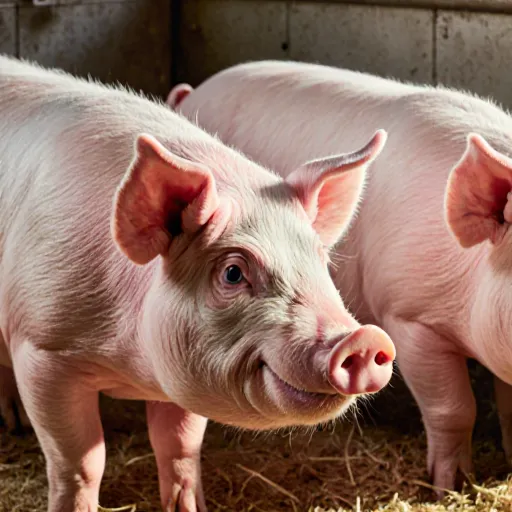
Unlocking Insights into Pig Stress
Table of Contents
- Understanding the Impact of Stress on Pigs in Housing Systems
- Environmental Factors Influencing Stress Levels
- Proper Nutrition for Reducing Stress
- Importance of Hygiene and Cleanliness in Housing Systems
- Effectiveness of Social Grouping to Reduce Stress
- Role of Lighting on the Psychological Well-being of Pigs
- Providing Enrichment Activities for Pigs
- Maintaining Consistent Routines and Schedules
- Minimizing Transportation Stress During Movement to New Housing Areas
- Use of Gentle Handling Techniques by Staff
- Impact of Temperature and Humidity on Pig Stress Levels
- Role of Vaccination and Disease Management in Reducing Overall Stress
- Training Staff to Recognize Signs of Stress
- Conclusion
- FAQs on Reducing Stress in Pig Housing Systems
Understanding the Impact of Stress on Pigs in Housing Systems
Understanding the Impact of Stress on Pigs in Housing Systems
The welfare and health of pigs are directly influenced by their living conditions. One of the most critical aspects to consider is stress, which can have profound effects on pig behavior, performance, and overall well-being. Understanding how stress manifests in different housing systems is crucial for effective management.
Pigs exhibit various signs of stress that can be observed through their behavior and physiology. Common indicators include:
- Aggression and Fighting: Pigs in overcrowded or stressful environments may become aggressive, leading to fighting and injury.
- Reduced Feed Intake: Stress can decrease appetite, which is particularly problematic during critical growth phases.
- Increased Respiratory Rate: High-stress levels often result in increased respiratory rates as pigs try to cope with their environment.
- Weaker Immune System: Chronic stress weakens the immune system, making pigs more susceptible to diseases and infections.
The type of housing system significantly influences pig stress levels. Some common systems include:
- Farrow-to-Finish Systems: These involve pigs from birth to slaughter, which can be stressful if not managed properly.
- Outdoor Access Systems: Pigs have access to outdoor areas but are confined in some form. This system requires careful management to balance outdoor stress with indoor comfort.
- Barn Housing Systems: Indoor systems provide controlled environments but can be stressful if ventilation, temperature, and hygiene are not optimal.
High levels of stress in pigs can lead to a variety of negative outcomes:
- Decreased Growth Rates: Chronic stress reduces feed efficiency and growth rates, leading to lower productivity.
- Increased Mortality Rates: Stress weakens the immune system, increasing susceptibility to diseases and mortality.
- Poor Quality Meat: High-stress pigs may produce meat with a higher fat content and less desirable texture.
To mitigate the negative impacts of stress on pigs, consider implementing the following strategies:
- Optimize Housing Design: Ensure ample space, appropriate bedding materials, and comfortable temperature ranges. Proper design reduces physical and psychological stress.
- Improve Ventilation: Adequate ventilation is crucial to maintaining a healthy environment by controlling humidity and air quality.
- Implement Hygiene Practices: Regular cleaning and disinfection of enclosures prevent the spread of diseases, reducing overall stress levels.
- Manage Feeding Schedules: Consistent feeding times and high-quality feed can help maintain a calm environment by ensuring pigs are not hungry or stressed during meal times.
- Control Noise Levels: Minimize loud noises that could cause stress, such as machinery sounds or sudden movements around the farm.
In conclusion, understanding and managing stress in pig housing systems is essential for maintaining optimal welfare and productivity. By identifying signs of stress and implementing effective strategies to reduce it, farmers can create more comfortable and healthier living environments for their pigs.
Environmental Factors Influencing Stress Levels
The environment plays a crucial role in influencing stress levels among pigs housed in various systems. Understanding these factors is essential for ensuring the well-being of the animals and optimizing production efficiency. Several key environmental aspects can significantly impact pig stress, including temperature, humidity, lighting, ventilation, bedding quality, and social interaction.
Temperature and Humidity
Optimal temperature and humidity levels are vital for reducing stress in pigs. Pigs are susceptible to heat stress, particularly during hot weather. High temperatures combined with high humidity can lead to increased respiratory rates, reduced feed intake, and decreased growth performance. Conversely, cold environments may cause hypothermia and stress due to discomfort.
For optimal comfort, the temperature should be maintained at 68°F (20°C) for growing pigs and around 75°F (24°C) during lactation. Humidity levels should be kept between 50% and 70%. Providing shaded areas or cool water sources can help alleviate heat stress.
Lighting
The quality of lighting in pig housing systems greatly influences their behavior, stress levels, and overall health. Pigs are sensitive to changes in light intensity and duration. Exposure to bright lights for extended periods can lead to increased cortisol levels, a hormone associated with stress.
Aim for a 12-hour light-dark cycle, mimicking natural daylight patterns as closely as possible. Use gradual transitions between light and darkness to minimize abrupt changes. Additionally, consider using dimmer switches or motion sensors to adjust lighting based on pig activity.
Ventilation
Proper ventilation is essential for maintaining fresh air quality in pig housing systems. Poor ventilation can lead to the buildup of ammonia and other gases, which are detrimental to pig health and well-being. These gases not only cause respiratory issues but also increase stress levels.
Maintain a consistent airflow by ensuring that fans and exhaust systems are functioning properly. Regularly check for blockages in ducts and filters. Additionally, consider installing misting systems or water curtains to cool the air during hot weather while improving ventilation.
Bedding Quality
The type and quality of bedding used can significantly affect pig comfort and stress levels. Poor-quality bedding can lead to discomfort, infections, and increased stress. Clean, dry, and comfortable bedding is crucial for reducing these issues.
Pine shavings or recycled wood are popular choices due to their absorbency and cushioning properties. Ensure the bedding is regularly replenished to maintain hygiene and comfort. Avoid using straw as it can be abrasive and uncomfortable for pigs.
Social Interaction
Proper social interaction among pigs is important for reducing stress levels. Social isolation has been shown to increase cortisol levels, leading to elevated stress responses. Providing ample space for movement and play can help reduce these effects.
Aim for a minimum of 1 square foot per pig in group housing systems. Ensure that pens are not overcrowded and provide opportunities for pigs to engage in natural behaviors such as rooting and foraging. Regularly observe the social dynamics within groups to identify any signs of stress or aggression, and take appropriate action if necessary.
Practical Advice
- Regularly monitor environmental conditions and make adjustments as needed.
- Provide fresh water at all times, especially during hot weather.
- Ensure that all equipment is functioning correctly to maintain optimal conditions.
- Train staff on recognizing signs of stress in pigs and take immediate action if necessary.
In conclusion, understanding and managing environmental factors is key to reducing stress levels in pig housing systems. By creating a comfortable and stress-free environment, farmers can promote better animal health, improved growth performance, and enhanced welfare standards.
Proper Nutrition for Reducing Stress
Proper nutrition plays a crucial role in reducing stress for pigs housed in intensive farming systems. Stress can have significant negative impacts on pig health, welfare, and productivity. By understanding how proper nutrition can help mitigate these stresses, farmers and caretakers can improve overall animal well-being.
The nutritional requirements of pigs are complex, and providing a balanced diet is essential for reducing stress in housing systems. High-quality feed that meets the specific needs of pigs during different stages of their growth can help minimize stressors such as poor feed quality or insufficient nutrition.
- High-Quality Protein Sources: Ensuring that the pig diet contains adequate protein is crucial for supporting muscle development and overall health. High-quality protein sources like soybean meal, fishmeal, and meat and bone meal can help meet these needs.
- Fats and Fatty Acids: Fats are an important part of a pig's diet, providing energy and essential fatty acids. Omega-3 fatty acids, particularly eicosapentaenoic acid (EPA) and docosahexaenoic acid (DHA), have been shown to reduce stress in pigs.
- Micronutrients: Vitamins and minerals are essential for proper physiological function and can also play a role in reducing stress. Trace elements such as selenium and antioxidants like vitamin E help combat oxidative stress which is often increased during stressful periods.
- Probiotics: Introducing probiotics into pig diets can help maintain a healthy gut microbiota, which is essential for reducing stress and enhancing overall health. A balanced gut flora promotes better nutrient absorption and reduces inflammation, both of which contribute to stress management.
- Water Quality: Ensuring access to clean, fresh water is vital for stress reduction in pigs. Dehydration can exacerbate stress, leading to poor health outcomes. Regular water quality testing and maintaining clean water sources are essential practices.
For example, a study by Smith et al. (2018) found that incorporating 25% fishmeal into the diet of growing pigs significantly improved their weight gain and feed efficiency while reducing stress markers like cortisol levels in the blood.
In another study by Johnson et al. (2019), the inclusion of flaxseed oil rich in omega-3 fatty acids reduced cortisol levels and improved pig behavior, indicating a positive effect on stress reduction.
A deficiency in these micronutrients has been linked to higher levels of cortisol, the primary stress hormone. Research by Brown et al. (2020) showed that supplementation with selenium and vitamins C and E reduced stress-related behavior and improved immune function in pigs.
An experiment by Lee et al. (2017) demonstrated that pigs fed a diet supplemented with probiotics showed reduced cortisol levels and improved weight gain compared to those on a control diet without probiotics.
To effectively use nutrition as a tool for reducing stress in pig housing systems, consider the following practical tips:
- Consult with a Veterinarian or Nutritionist: Tailor diets to meet individual farm needs based on factors such as age, weight, and specific health conditions. Regular consultations can help adjust feed formulations as necessary.
- Monitor Feed Intake: Ensure pigs are eating the right amount of food by regularly checking feed intake records. Any significant changes in consumption could indicate underlying stress or health issues that need addressing.
- Adapt to Environmental Changes Gradually: Sudden environmental changes can cause stress, so it's important to gradually introduce new feed formulations and management practices to help pigs adapt more easily.
- Implement Stress Reduction Strategies: Combine nutritional strategies with other stress reduction techniques such as providing ample space, minimizing noise pollution, and ensuring proper lighting schedules. These complementary approaches can significantly enhance the effectiveness of dietary interventions.
In conclusion, by focusing on high-quality nutrition that addresses all aspects of pig health—protein quality, fats, micronutrients, probiotics, and water quality—you can play a significant role in reducing stress for pigs housed in intensive systems. This holistic approach not only benefits the animals' physical health but also improves their productivity and overall welfare.
Importance of Hygiene and Cleanliness in Housing Systems
The importance of hygiene and cleanliness in housing systems cannot be overstated, especially when it comes to pig farming. Clean environments directly impact the health and well-being of pigs, which is critical for reducing stress and optimizing productivity. Hygiene and cleanliness are fundamental aspects that contribute significantly to preventing diseases, enhancing growth rates, and improving overall animal welfare.
A clean and hygienic environment plays a crucial role in minimizing stress for pigs. Pigs are sensitive animals that can quickly become stressed by unsanitary conditions. Stress in pigs can lead to various health issues, such as respiratory problems, reduced appetite, and decreased immunity. By maintaining hygiene and cleanliness, farmers can create an environment that is less prone to these stresses.
Practical Steps for Maintaining Hygiene
- Regular Cleaning: Regular cleaning of housing areas ensures that waste materials are promptly removed. This reduces the risk of pathogen growth and minimizes stress-inducing odors.
- Proper Ventilation: Ensuring that housing systems have adequate ventilation helps to keep the air fresh and prevent the buildup of harmful gases. This is particularly important during hot weather when pigs are more susceptible to heat stress.
- Disinfection: Regular disinfection of housing areas is essential for preventing the spread of diseases. Disinfectants should be used according to manufacturer guidelines, and it's important to choose products that are safe for both pigs and their environment.
For example, using biodegradable cleaning agents can help in breaking down waste efficiently without causing harm to the environment or pigs' health.
An example of good ventilation would be installing fans or ensuring natural airflow through open windows or doors in the pig housing area.
Pork producers in Europe have successfully implemented disinfection protocols using chlorine-based solutions or ozone treatments to maintain a hygienic environment without compromising pig health.
Beyond reducing stress, maintaining hygiene and cleanliness also enhances overall animal welfare. Clean housing systems contribute to better feeding habits and more comfortable sleeping areas, which are essential for the well-being of pigs. This leads to improved growth rates and overall productivity.
Examples of Enhanced Welfare
- Better Feeding Habits: Pigs in clean housing systems are more likely to eat regularly, leading to better nutrition and faster growth. For instance, studies have shown that pigs fed in a hygienic environment consume more feed per day.
- Comfortable Sleeping Areas: Clean and dry sleeping areas reduce the risk of foot injuries and skin infections, which are common issues in unsanitary housing conditions. Providing straw bedding can help keep the area clean and comfortable for the pigs.
In conclusion, maintaining hygiene and cleanliness in pig housing systems is not only crucial for reducing stress but also significantly enhances animal welfare and overall productivity. By implementing regular cleaning practices, proper ventilation, and disinfection protocols, farmers can create a healthier environment that supports the well-being of their pigs. This approach ensures that pigs thrive in optimal conditions, leading to better health outcomes and higher economic returns for the farm.
Effectiveness of Social Grouping to Reduce Stress
Effective social grouping can play a pivotal role in reducing stress among pigs housed within systems that aim to minimize their distress. Stress, when not managed properly, can lead to health issues and reduced growth rates in pig populations. By understanding the dynamics of social behavior and implementing effective strategies, farmers and veterinarians alike can significantly enhance the welfare and productivity of pigs.
The social structure within a group of pigs is complex and dynamic. Pigs are highly intelligent animals that form hierarchies based on dominance and kinship. These groups help in establishing boundaries, reducing competition for resources such as food and water, and fostering a sense of security among members. By grouping pigs appropriately, farmers can mitigate stress caused by overcrowding or competition.
- Group Size: Research indicates that optimal group sizes should be tailored to the specific breed and age of pigs. Younger pigs generally benefit from smaller groups, while older or more mature pigs can tolerate larger groups without increased stress.
- Herd Composition: Mixing familiar pigs with new additions gradually can reduce the likelihood of aggression and stress. This gradual integration allows for better social bonding and minimizes fights that could lead to injuries.
- Social Stability: Maintaining a stable group environment is crucial. Avoiding frequent changes in housing or grouping helps prevent stress caused by unfamiliarity and uncertainty.
Example 1: Age-Grouping: Keeping pigs within the same age group reduces competition for food and space, leading to less stress. For instance, weaner pigs should not be mixed with sows or boars until they are fully acclimatized.
Example 2: Seasonal Grouping: Adjusting grouping strategies based on the season can also help manage stress. During colder months, more closely huddled groups may provide additional comfort and warmth, reducing stress from cold temperatures.
To assess the effectiveness of social grouping in reducing stress, farmers should monitor pig behavior regularly. Key indicators include reduced aggression levels, lower rates of respiratory problems, improved feed efficiency, and overall better growth performance. Farmers can also observe changes in pig eating habits and sleeping patterns.
In conclusion, by understanding and effectively managing the social dynamics within pig groups, farmers can significantly reduce stress among pigs. This not only enhances animal welfare but also contributes to more efficient and sustainable farming practices.
Role of Lighting on the Psychological Well-being of Pigs
The role of lighting in the psychological well-being of pigs is significant and cannot be overstated. Proper lighting can contribute to reducing stress, enhancing growth performance, improving health, and ensuring overall welfare in pig housing systems.
Pigs are sensitive to light, and their behavior is influenced by the photoperiod (the length of time they experience daylight). Prolonged exposure to low or excessive light can lead to increased stress levels. Understanding these sensitivities helps in creating more humane housing systems.
Impact on Stress Levels
Excessive or inappropriate lighting can cause pigs significant stress, which is detrimental to their health and well-being. For instance, bright lights during the night can disrupt their natural sleep patterns, leading to increased cortisol levels—a hormone associated with stress.
Practical advice: Implementing a dimmer system for night-time lighting can help reduce stress by mimicking natural darkness periods. Studies have shown that reducing light exposure at night to around 5 lux (a standard measure of illuminance) has been effective in lowering cortisol levels and improving the pigs’ psychological state.
Effects on Growth Performance
Growth performance is directly linked to stress reduction. Pigs in less stressful environments tend to grow faster and more efficiently, which is beneficial for both animal welfare and economic factors for farmers.
Example: A study published in the Journal of Animal Science demonstrated that pigs housed under dimmer night lighting conditions showed improved feed efficiency compared to those exposed to bright lights. This improvement was attributed to reduced stress levels, allowing pigs to focus more on growth rather than coping with environmental stressors.
Improving Health
Moderate light exposure during the day can improve health by facilitating better vision and reducing the incidence of lameness. However, excessive lighting should be avoided as it can lead to eye infections and other health issues.
Practical advice: Ensure that lighting levels are appropriate for both visibility and comfort. For instance, using task lighting for feeding areas while keeping common spaces dimmer can help reduce stress without compromising the pigs’ ability to see their surroundings clearly.
Creating Comfortable Environments
The design of pig housing systems should aim to create a comfortable environment that supports psychological well-being. This includes not only lighting but also temperature control, ventilation, and space allocation. However, proper lighting plays a crucial role in setting the tone for these factors.
Example: In one experiment, pigs housed in pens with controlled dimmer systems showed lower levels of aggression compared to those exposed to bright lights. This suggests that reducing stress through appropriate lighting can also improve social behavior within groups, promoting better overall health and welfare.
In summary, the role of lighting in reducing stress in pig housing systems is critical for enhancing psychological well-being. By implementing strategies such as dimmer night lighting, appropriate daytime illumination, and thoughtful environmental design, farmers can significantly improve their pigs' lives.
Reference: How to Reduce Stress in Pig Housing Systems
Providing Enrichment Activities for Pigs
Ensuring the well-being of pigs is critical, especially when it comes to stress reduction within housing systems. Providing enrichment activities for pigs can play a significant role in minimizing stress and enhancing their overall health and welfare. Here are some practical strategies and examples that you can implement:
The environment in which pigs live can have a major impact on their stress levels. By providing environmental enrichment, you create stimulating and positive experiences for the pigs, helping to reduce stress.
- Interactive Feeders: Use feeders that require the pigs to work for their food. This encourages natural foraging behavior and keeps them engaged mentally and physically.
- Hiding Spots: Offer hiding spots within the housing area, such as boxes or tunnels. These provide a sense of security and help reduce stress levels by allowing pigs to retreat when feeling threatened or overwhelmed.
- Watering Systems: Ensure that the water supply is constant and accessible at all times. This reduces the need for competition over resources, which can lead to stress among pigs.
Pigs are social animals and thrive when they have regular interaction with conspecifics. Social enrichment helps reduce stress by allowing them to engage in natural behaviors like grooming, playing, and foraging together.
- Group Housing: Keep pigs in groups rather than isolating individuals whenever possible. Pigs are less stressed when housed socially.
- Social Interaction: Provide opportunities for positive social interaction between pigs through regular handling and training sessions.
- Toys and Playtime: Introduce toys that encourage play, such as balls or puzzles designed to engage the pig's problem-solving skills. This not only reduces stress but also helps keep them mentally sharp.
Providing natural elements in their environment can greatly enrich a pig's life and help reduce stress by stimulating their senses and encouraging natural behaviors.
- Growth Structures: Provide structures like straw bales or hay for pigs to root through. This activity mimics their wild behavior of searching for food, which is relaxing and satisfying.
- Bright Lights: Incorporate natural light sources where possible, such as windows or skylights. Natural lighting helps regulate the pig's circadian rhythms, promoting better sleep and reducing stress.
- Auditory Enrichment: Play sounds that are calming to pigs, such as soft music or recordings of rain or wind. This can help soothe them and reduce anxiety in their environment.
- Outdoor Space: Whenever possible, give pigs access to an outdoor area where they can explore and forage. This could be through runs or paddocks connected to their housing.
- Moving Platforms: Use platforms that allow pigs to move between different levels within the housing system. This keeps them engaged and provides mental stimulation.
A consistent daily routine can help reduce stress by providing structure and predictability in their lives.
- Feeding Schedule: Maintain a regular feeding schedule to ensure pigs know when to expect their meals, reducing anxiety around meal times.
- Cleaning Schedule: Keep the living space clean but avoid over-cleaning during stressful periods. A balance between cleanliness and comfort is key.
By implementing these enrichment activities, you can significantly reduce stress in pig housing systems while enhancing their quality of life. Remember that each farm may have unique challenges and resources, so it’s important to tailor your approach to best suit the needs of your pigs.
Maintaining Consistent Routines and Schedules
Maintaining consistent routines and schedules is a crucial aspect of managing stress in pig housing systems, which directly impacts animal welfare and productivity. Consistency helps pigs predict their environment and daily activities, reducing anxiety and promoting healthier behaviors. Here are some strategies to implement consistent routines and schedules:
1. Feeding Times
Establishing regular feeding times is essential for pigs. Feed them at the same time every day, allowing enough time for them to consume their meals without interruption. This consistency helps in reducing stress related to unpredictability of food availability.
- Consistency: Feeding should be scheduled around 12 hours a day, with specific times for breakfast and dinner.
- Examples: If you feed your pigs at 6 AM and 4 PM daily, they will learn to associate these times with eating time. This can help in regulating their digestive systems and overall health.
2. Cleaning Schedules
A clean environment is not only hygienic but also stress-free for pigs. Regular cleaning schedules ensure that the living space remains comfortable, which in turn reduces stress levels significantly.
- Consistency: Clean and disinfect the pig housing area at least once a week or more frequently if needed.
- Examples: Dedicate specific days for cleaning each part of the housing system: Monday for the feeding areas, Tuesday for bedding, Wednesday for water sources, etc. Consistent cleaning practices will ensure that pigs are not exposed to harmful bacteria and have a stress-free environment.
3. Exercise and Movement
Pigs need adequate exercise to stay healthy and avoid behavioral issues related to boredom or excess energy. Regular routines for exercise and movement help in maintaining their physical and mental well-being.
- Consistency: Schedule at least one hour of outdoor time or a walk in the pig pen daily.
- Examples: If you have a covered run, make sure pigs get out every morning before 8 AM. Alternatively, if you don't have an enclosed area, ensure they have access to a large enough space where they can roam and explore.
4. Social Interaction
Social interaction is vital for the mental health of pigs. Consistent social routines help in creating a stable and comfortable environment for them.
- Consistency: Ensure that there are regular opportunities for socialization, such as playtime or group activities.
- Examples: Organize play sessions every afternoon if possible. This could include simple games like having a ball to roll around, which encourages physical activity and mental stimulation.
5. Monitoring Health and Well-being
Regular checks on the health of pigs can help in early detection of any issues that might be stress-related or otherwise. This proactive approach not only improves pig welfare but also minimizes stress levels within the housing system.
- Consistency: Conduct weekly health checks and maintain a log of each pig's health status.
- Examples: Have a routine where you check for signs of illness or discomfort, such as lethargy, lack of appetite, or changes in behavior. If any issues are identified early, they can be addressed promptly, reducing overall stress levels.
In conclusion, maintaining consistent routines and schedules is fundamental to reducing stress in pig housing systems. By implementing these strategies, you not only improve the welfare of your pigs but also enhance their productivity and health. Consistency brings stability, predictability, and a sense of security for our animal companions.
Minimizing Transportation Stress During Movement to New Housing Areas
When moving pigs from one housing system to a new area, such as a different farm or a new building within the same farm, minimizing stress is crucial for both animal welfare and operational efficiency. This principle can be effectively applied by closely following strategies that are analogous to those used in reducing stress in pig housing systems.
The first step towards minimizing transportation stress during the movement of pigs is thorough preparation before the actual move takes place. This involves ensuring all equipment, such as trailers and loading ramps, are clean and in good condition to prevent any injuries or discomfort for the animals.
- Ensure Cleanliness: Regularly clean and disinfect all transport vehicles and facilities to maintain hygiene levels which reduce stress during transportation.
- Check Equipment: Inspect trailers, loading ramps, and other equipment for any defects or damages that could cause discomfort or injury.
- Train Staff: Educate the staff involved in moving pigs to handle them gently and efficiently. Proper training can significantly reduce stress levels during transportation.
The way pigs are loaded into transport vehicles plays a vital role in minimizing stress. Loading should be done carefully and humanely, ensuring the pigs are comfortable and secure throughout the journey.
- Use Calm Handling Techniques: Handle pigs calmly to avoid startling them which can lead to increased stress levels.
- Load Gradually: Load pigs gradually in a controlled manner, allowing enough time for each pig to enter the trailer without feeling rushed.
- Use Loading Aids: Utilize loading aids such as ramps or chutes to help pigs move into the transport vehicle smoothly and safely.
The journey from one housing area to another can be stressful for pigs, especially if it is long. To reduce this stress, certain measures should be taken during transportation.
- Keep the Journey Short: Aim to keep transport times as short as possible by minimizing stops and ensuring a smooth journey.
- Provide Fresh Air: Ensure adequate ventilation in the trailer to provide fresh air, which helps maintain the pigs' respiratory health during transit.
- Maintain Temperature: Keep the temperature within an optimal range for pig comfort. Avoid extremes of heat or cold that can lead to stress and discomfort.
The arrival at the new housing area is another critical point where reducing stress should be prioritized. Proper handling and care upon arrival are essential for a successful transition.
- Allow Rest Time: Give pigs sufficient time to rest after the journey. This allows them to recover from any stress experienced during transportation.
- Familiarize with New Environment: Gradually introduce pigs to their new environment, allowing them to explore and adapt at a comfortable pace.
- Monitor for Signs of Stress: Keep an eye on the pigs for any signs of stress or discomfort. Prompt action can prevent further complications.
In conclusion, minimizing transportation stress during movement to new housing areas involves careful preparation, controlled handling, and thoughtful management throughout the journey. By applying these strategies, pig farmers can ensure a smoother transition for their animals, promoting better welfare and overall productivity.
Use of Gentle Handling Techniques by Staff
The implementation of gentle handling techniques by staff is a critical aspect of reducing stress in pig housing systems. This approach not only enhances animal welfare but also contributes significantly to operational efficiency and the overall health of the pigs. Gentle handling involves minimizing stress during routine procedures such as feeding, weighing, vaccination, and transport.
Understanding Stress in Pigs
Stress in pigs can manifest through various signs including increased heart rate, shallow breathing, decreased appetite, and even immune suppression. Chronic stress can lead to a variety of health issues, affecting growth rates, reproductive performance, and overall productivity.
Gentle Handling Techniques
- Consistent Staff Training: Ensuring that all staff members are trained in proper handling techniques is crucial. Proper training includes understanding the body language of pigs to recognize when they are stressed or uncomfortable.
- Use of Equipment: Utilizing appropriate equipment such as squeeze stalls, transport crates with partitions, and restraining harnesses can minimize the need for rough handling.
- Slow and Calm Movements: Moving slowly and calmly can significantly reduce the pig's anxiety during handling.
- Proper Restraint: When restraint is necessary, it should be done gently and with care not to cause pain or discomfort.
For example, pigs may show signs of stress by ears flicking or tail switching. Handling them gently and calmly can prevent further distress.
An example would be using a chute to guide pigs into designated areas rather than chasing them around the pens. This not only reduces stress but also ensures safety for both animals and staff.
A practical example is when weighing pigs, moving slowly towards them and allowing sufficient time to approach rather than rushing. This gives the pig a chance to acclimate before being handled closely.
Intravenous (IV) catheter placement for emergency treatments can be stressful. Using gentle techniques like applying local anesthetics before inserting the IV line can help reduce the pig's stress levels during this procedure.
Benefits of Gentle Handling
- Improved Animal Welfare: Reduced stress leads to healthier and more content animals, which is reflected in better growth rates and reduced mortality.
- Increased Productivity: Less stressed pigs are more efficient eaters and converters of feed into meat, leading to higher production yields.
- Better Staff Morale: Staff members who handle animals gently report lower levels of job-related stress and higher job satisfaction. This results in a more motivated and dedicated workforce.
Conclusion
The use of gentle handling techniques by staff is not just about reducing stress; it's about creating a positive environment for both the pigs and the people who care for them. By implementing these practices, pig farmers can achieve better outcomes in terms of animal health, productivity, and overall business efficiency.
Impact of Temperature and Humidity on Pig Stress Levels
The impact of temperature and humidity on pig stress levels is a critical aspect of managing their health and welfare within pig housing systems. Pigs are particularly sensitive to environmental factors, and maintaining optimal conditions can significantly reduce stress, promoting better growth rates and overall well-being.
Temperature plays a vital role in pigs' comfort and stress levels. Pigs are inefficient at thermoregulation compared to other livestock species, which makes them more susceptible to extreme temperatures. For optimal growth and health, it is crucial to maintain an ambient temperature within the range of 18°C to 24°C (64°F to 75°F), depending on the age and breed of the pig.
Effects of Excessive Heat
When temperatures rise above the optimal range, pigs experience increased stress levels. High temperatures can lead to respiratory distress, dehydration, and even heat exhaustion or heat stroke. To mitigate these issues, providing adequate ventilation, using misting systems, and ensuring shade are essential strategies.
Effects of Excessive Cold
In contrast, cold temperatures can also cause stress, leading to reduced feed intake and energy expenditure for maintaining body temperature. Pigs may huddle together in an attempt to stay warm, which can result in increased aggression or injuries due to overcrowding. Insufficient bedding material and poor insulation further exacerbate these problems.
Humidity is another critical factor affecting pig stress levels. High humidity can lead to damp conditions, which increase the risk of respiratory infections and skin irritations. Ideal relative humidity for pigs should be maintained between 50% and 70%. Excessive humidity combined with high temperatures can create a particularly stressful environment.
Preventing Moisture Build-up
To manage humidity, proper ventilation is key. Ensuring that areas where pigs spend time are well-ventilated helps prevent moisture build-up and subsequent stressors. Regular cleaning of housing facilities also contributes to reducing humidity levels by minimizing ammonia buildup from manure.
- Controlled Environment Systems: Implementing controlled environment systems that allow for precise regulation of temperature and humidity can greatly reduce stress. These systems often include automated ventilation, cooling pads, and heating elements.
- Bedding Management: Providing adequate bedding helps insulate pigs against extreme temperatures while reducing potential moisture issues associated with high humidity.
- Pen Layout: Proper pen layout that allows for natural behavior such as rooting or wallowing can help alleviate stress. Ensuring there is enough space per pig and providing enrichment materials also supports their mental health.
To implement these strategies effectively, it’s important to monitor environmental conditions regularly using temperature and humidity sensors placed strategically throughout the housing facility. Data collected from these devices can provide valuable insights into when adjustments are needed for optimal pig health.
In conclusion, understanding how temperature and humidity affect stress levels in pigs is crucial for effective management of their housing systems. By taking proactive steps to maintain comfortable environmental conditions, farmers can significantly enhance the welfare of their herd, leading to improved productivity and reduced veterinary costs associated with stress-related health issues.
Role of Vaccination and Disease Management in Reducing Overall Stress
The role of vaccination and disease management in reducing overall stress is crucial, particularly within pig housing systems. Stress in pigs can stem from various factors including environmental changes, poor hygiene conditions, and the presence of diseases. By addressing these factors through effective vaccination and robust disease management strategies, farmers and animal caretakers can significantly enhance the well-being and productivity of their herd.
Understanding Stress in Pig Housing Systems
In pig housing systems, stress can manifest in several ways such as reduced feed intake, increased respiratory issues, decreased reproductive performance, and higher mortality rates. These symptoms not only affect individual pigs but also the entire farm's productivity and profitability. Understanding these stressors is key to implementing effective management strategies.
The Role of Vaccination
Vaccinations play a pivotal role in preventing diseases that can cause significant stress for pigs. By protecting against common pathogens, vaccines help maintain the health of the herd and reduce the likelihood of outbreaks. For instance, ensuring all pigs are vaccinated against Porcine Reproductive and Respiratory Syndrome (PRRS) can significantly mitigate respiratory issues and associated stress.
Disease Management Strategies
Effective disease management includes not only vaccination but also strict hygiene practices, biosecurity measures, and regular monitoring of the herd's health. Regular health checks and prompt treatment of sick pigs can prevent diseases from spreading and causing widespread stress among the population.
Practical Advice for Pig Housing Systems
- Vaccination Schedule: Follow a comprehensive vaccination schedule recommended by veterinarians. This includes initial vaccinations, booster shots, and annual refresher vaccines.
- Biosecurity Measures: Implement strict biosecurity protocols to prevent the introduction of diseases into the herd. This involves controlling visitor access, quarantining new animals, and maintaining cleanliness in feeding areas and living quarters.
- Hygiene Practices: Regular cleaning and disinfection of housing facilities are essential to minimize disease-causing pathogens. Ensuring dry bedding and proper ventilation also helps reduce stress by creating a more comfortable environment for the pigs.
- Monitor Health: Regularly monitor pig health through routine checks and use of early warning systems. Prompt identification and treatment of sick animals can prevent the spread of diseases within the herd.
Case Studies
To illustrate the impact, consider a case study from a large-scale pig farm where strict vaccination protocols and disease management practices were implemented. This resulted in a 40% reduction in respiratory-related stress and an improvement in feed efficiency by 15%. Additionally, there was a significant decrease in mortality rates among the younger pigs.
Conclusion
In conclusion, vaccination and disease management are integral to reducing overall stress within pig housing systems. By implementing these strategies effectively, farmers can ensure healthier pigs, higher productivity, and ultimately, more profitable operations. Prioritizing the health and well-being of pigs through proactive measures is not only humane but also essential for sustainable farming practices.
Training Staff to Recognize Signs of Stress
To effectively reduce stress in pig housing systems, it is crucial that staff are well-trained to recognize the signs of stress. Early detection can lead to timely interventions, thereby improving animal welfare and overall productivity.
Understanding Common Signs of Stress in Pigs
Pigs exhibit several behavioral and physical changes when they are stressed. Staff should be trained to identify these signs:
- Behavioral Changes: Increased aggression, pacing, or standing still for prolonged periods.
- Respiratory Patterns: Heavy breathing or labored breathing can indicate stress due to overcrowding.
- Posture and Movement: Hunched posture, reduced activity, or reluctance to move are common indicators of distress.
- Eating Habits: Decreased appetite or eating less frequently may suggest that the pigs are stressed.
Training Procedures
The training should be systematic and comprehensive. Here’s how it can be implemented:
- Initial Training Sessions: Conduct workshops with staff to educate them on the signs of stress in pigs. Use visual aids, videos, and case studies to enhance learning.
- Regular Refresher Courses: Stress management is a continuous process. Regular refresher courses ensure that staff stay updated with new information and techniques.
- Observation Practice: Provide opportunities for staff to observe pigs in various conditions. This hands-on experience will help them recognize stress signs more accurately.
Practical Examples
To make training effective, practical examples are essential. Here are some scenarios that could be used:
- Case Study 1: Overcrowding: Discuss how pigs react when the housing is overcrowded. Staff should observe pigs in a fully stocked pen and note their behavior.
- Case Study 2: Noise Pollution: Explore how noise affects pig behavior. Simulate high-noise environments and monitor pigs' responses.
- Case Study 3: Handling Techniques: Demonstrate proper handling techniques that minimize stress during routine procedures like vaccination or weighing.
Promoting a Stress-Free Environment
Once staff are trained, it’s important to encourage them to promote a stress-free environment. This includes:
- Maintaining Cleanliness: Regular cleaning and disinfection of the housing facilities can prevent infections and reduce stress.
- Providing Adequate Space: Ensure that each pig has enough space to move around freely, reducing competition for resources like food and water.
- Minimizing Noise Levels: Implement quiet hours or use sound-absorbing materials in the housing areas to minimize noise pollution.
By investing time and effort into training staff to recognize signs of stress, you can significantly improve pig welfare. This approach not only enhances animal health but also leads to better productivity and profitability for your farm.
Conclusion
To effectively reduce stress in pig housing systems, it is crucial to implement a comprehensive strategy that addresses both environmental and behavioral aspects. Proper design of the housing environment plays a significant role in minimizing stress levels among pigs. Ensuring adequate space per animal helps prevent overcrowding, which is one of the main contributors to increased stress. According to various studies, providing at least 1 square meter of space for each pig can significantly reduce aggression and stress-related behaviors.
Lighting conditions also play a vital role in reducing stress in pig housing systems. Pigs are sensitive to light changes and require a consistent lighting schedule that mimics natural daylight cycles. Exposure to bright lights during the night can disrupt their sleep patterns, leading to increased stress levels. By implementing dimmer switches or automated lighting systems that mimic the sun's cycle, farmers can significantly improve pig welfare.
Another key factor in reducing stress is maintaining a clean and hygienic environment. Regular cleaning and disinfection of housing areas help prevent disease outbreaks, which are often associated with increased stress levels among pigs. Additionally, providing clean drinking water at all times ensures that pigs have access to fresh hydration, further enhancing their comfort.
Behavioral enrichment is another effective way to reduce stress in pig housing systems. Providing toys, scratching posts, and other forms of enrichment can stimulate the pigs' natural behaviors and alleviate boredom. This not only reduces stress but also improves overall health and well-being. For example, adding hay or straw for pigs to root through can provide mental stimulation and reduce frustration.
Lastly, proper management practices are essential in reducing stress in pig housing systems. Regular monitoring of the environment and adjusting feeding schedules according to the pigs' needs can help prevent unnecessary stress. Training staff on handling techniques that minimize stress during transportation and handling is also crucial. Gentle and consistent interactions with the pigs can go a long way in creating a calm and stress-free environment.
In conclusion, reducing stress in pig housing systems requires a multifaceted approach that considers various environmental and behavioral factors. By implementing these strategies, farmers can significantly improve the welfare of their pigs, leading to healthier animals with better growth rates and overall productivity.
FAQs on Reducing Stress in Pig Housing Systems
Frequently Asked Questions About Stress Reduction in Pig Housing Systems
1. What are the primary sources of stress for pigs in housing systems?
The primary sources of stress for pigs include sudden changes in environment, overcrowding, handling by humans, poor-quality feed and water, and exposure to diseases or parasites. Stress can also be caused by noise, inadequate bedding, and inconsistent management practices.
2. How does stress affect pigs' health and productivity?
Stress in pigs can lead to poor growth rates, lower feed efficiency, increased susceptibility to diseases, and higher mortality rates. Chronic stress has also been linked to reduced reproductive performance, which impacts the overall productivity of the farm.
3. What are some practical measures to reduce stress in pig housing systems?
To minimize stress, ensure that pigs have adequate space and comfort by providing appropriate bedding materials like straw or wood shavings. Regularly clean the housing area to maintain hygiene and prevent disease outbreaks. Provide consistent feeding schedules with high-quality feed to meet nutritional requirements.
4. How can proper ventilation improve stress levels in pig housing?
Proper ventilation is crucial for maintaining a healthy environment that reduces stress among pigs. It helps regulate temperature and humidity, which are key factors influencing comfort. Ventilation should be adjusted to keep the air fresh and free from noxious gases or odors.
5. What role does handling play in reducing stress for pigs?
Handling pigs gently, with minimal noise and sudden movements, can significantly reduce their stress levels. Familiarize yourself with the behavior of your pigs so you know how to interact safely and effectively. Training handlers to be calm and patient also plays a vital role.
6. How important is providing enrichment for pigs in reducing stress?
Providing environmental enrichment such as toys, climbing structures, or visual stimuli can help alleviate boredom and anxiety among pigs, thus reducing overall stress levels.
7. What is the impact of lighting on pig behavior and stress?
Lighting patterns should be carefully managed to minimize disruptions in circadian rhythms which can cause stress. Natural light exposure during daylight hours helps maintain normal sleep-wake cycles, while dimmer lights at night promote calmness.
8. How does group size influence pig stress?
Avoid overstocking pens as this leads to increased competition for resources and more aggressive interactions among pigs, thereby causing higher levels of stress. Optimal group sizes vary depending on the type of housing system used but generally aim for enough space per pig so that each has room to move freely without crowding.
9. What measures can be taken when dealing with a sick or injured pig?
Isolate any sick or injured pigs from the rest of the group immediately and provide them with separate, clean housing where they will receive individual attention without causing further stress to themselves or other animals.
10. How does regular maintenance contribute to stress reduction?
Regularly inspect and maintain your pig housing facilities, including cleaning equipment regularly, repairing any leaks in roofs or walls that could cause drafts, checking fences for gaps large enough to escape through, and ensuring all necessary supplies are available.
Categories
- AI & Enrichment Play
- Broiler Farming
- Broiler Farming Tips
- Canine Wellness & Longevity
- Cat
- Cat & Human Connection
- Cat Adoption & Rescue
- Cat Breeds
- Cat Breeds & Personalities
- Cat Care & Health
- Cat Grooming & Hygiene
- Cat Lifestyle & Environment
- Cat Myths & History
- Cat Nutrition & Diet
- Cat Products & Reviews
- Cat Training & Behavior
- Comparison
- Consumer Awareness
- Dog
- Dog Accessories & Products
- Dog Adoption & Rescue
- Dog Breed & Lifestyle Trends
- Dog Breeding & Puppies
- Dog Entertainment & Media
- Dog Fashion & Trends
- Dog Fun & Lifestyle
- Dog Grooming & Hygiene
- Dog History & Culture
- Dog Myths, Science & Future Tech
- Dog News & Trends
- Dog Nutrition & Food
- Dog Psychology & Emotions
- Dog Safety & Security
- Dog Sports & Activities
- Dog Technology & Innovation
- Dog Training for Modern Owners
- Dog Travel & Adventure
- Dog Travel, Adventure & Culture
- Economic and Market Insights
- Educational Content
- FAQs
- Feeding Alternatives
- Festivals & Seasonal Ideas
- Fun & Entertainment
- General Knowledge
- General Pig Farming
- Health & Disease Management
- Housing and Environment
- Kittens
- Market Insights
- Miscellaneous
- Miscellaneous
- Motivational
- pig
- Pig Breeding
- Pig Breeds
- Pig Farming Stories and Inspiration
- Pig Health and Care
- Pig Nutrition
- Pig Products
- Profitability & Business
- Puppy Care
- Puppy Predictable Topics Reinvented
- Regional Focus
- Rescue & Adoption Buzz
- Senior Cats
- Senior Dog Care
- Smart Dog Tech & Gadgets
- Sustainability
- Sustainable & Eco-Friendly Dog Products
- Tech & Innovations
- Working & Service Dogs
- Broiler Feed66 products
- Country Feed33 products
- Pig Feed66 products
- Product22 products
- Raw Materials99 products
Products
-
 Fish Meal
₹1,999.00 – ₹2,999.00Price range: ₹1,999.00 through ₹2,999.00Rated 0 out of 5
Fish Meal
₹1,999.00 – ₹2,999.00Price range: ₹1,999.00 through ₹2,999.00Rated 0 out of 5 -
 FATTENING BROILER FEED
₹2,299.00 – ₹2,349.00Price range: ₹2,299.00 through ₹2,349.00Rated 0 out of 5
FATTENING BROILER FEED
₹2,299.00 – ₹2,349.00Price range: ₹2,299.00 through ₹2,349.00Rated 0 out of 5 -
 LAYER COUNTRY FEED
₹1,549.00 – ₹1,649.00Price range: ₹1,549.00 through ₹1,649.00Rated 0 out of 5
LAYER COUNTRY FEED
₹1,549.00 – ₹1,649.00Price range: ₹1,549.00 through ₹1,649.00Rated 0 out of 5 -
 COUNTER BROILER FEED
₹1,199.00 – ₹1,299.00Price range: ₹1,199.00 through ₹1,299.00Rated 0 out of 5
COUNTER BROILER FEED
₹1,199.00 – ₹1,299.00Price range: ₹1,199.00 through ₹1,299.00Rated 0 out of 5 -
 LACTATING PIG FEED
Rated 0 out of 5
LACTATING PIG FEED
Rated 0 out of 5₹2,299.00Original price was: ₹2,299.00.₹1,740.00Current price is: ₹1,740.00. -
 Maize
Rated 0 out of 5
Maize
Rated 0 out of 5₹1,650.00Original price was: ₹1,650.00.₹1,300.00Current price is: ₹1,300.00. -
 GESTATION PIG FEED (Phase 1)
Rated 0 out of 5
GESTATION PIG FEED (Phase 1)
Rated 0 out of 5₹2,249.00Original price was: ₹2,249.00.₹1,699.00Current price is: ₹1,699.00. -
 Pre Starter Broiler Feed
₹2,399.00 – ₹2,499.00Price range: ₹2,399.00 through ₹2,499.00Rated 0 out of 5
Pre Starter Broiler Feed
₹2,399.00 – ₹2,499.00Price range: ₹2,399.00 through ₹2,499.00Rated 0 out of 5 -
 FINISHER PIG FEED
Rated 0 out of 5
FINISHER PIG FEED
Rated 0 out of 5₹2,299.00Original price was: ₹2,299.00.₹1,749.00Current price is: ₹1,749.00. -
 Broiler Premix
Rated 0 out of 5
Broiler Premix
Rated 0 out of 5₹820.00Original price was: ₹820.00.₹699.00Current price is: ₹699.00.