
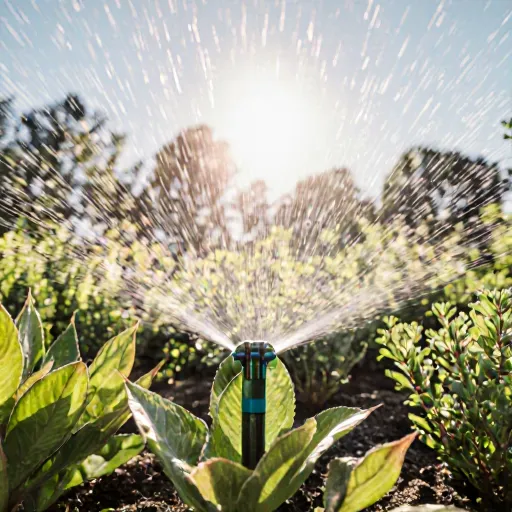
Irrigate Smarter for Abundant Gains
Table of Contents
- Introduction to Pig Farming
- Importance of Efficient Watering Systems
- Types of Watering Systems Available
- Automated vs. Manual Watering Systems
- Benefits of Automated Watering Systems in Pig Farming
- Cost Considerations for Installing a System
- Maintenance and Troubleshooting Tips
- Impact on Animal Health and Welfare
- Effectiveness in Reducing Water Waste
- Environmental Impact of Efficient Watering Systems
- Case Studies of Successful Implementations
- Future Trends in Pig Farming Watering Technology
- Conclusion
- FAQs About Efficient Watering Systems for Pig Farming
Introduction to Pig Farming
In modern pig farming, efficient management practices are crucial for ensuring the health, well-being, and productivity of pigs. One key aspect that significantly impacts pig performance is the design and implementation of an appropriate watering system. Proper hydration is essential for optimal growth, health, and overall efficiency in pig farming.
The quality and availability of water play a pivotal role in the success of any pig farm. Pigs require access to clean, fresh water at all times. Lack of proper hydration can lead to reduced feed intake, lower growth rates, and increased susceptibility to disease. Efficient watering systems ensure that pigs receive adequate amounts of water, which is critical for their daily functions such as digestion, thermoregulation, and waste management.
Types of Watering Systems
- Automatic Waterers: These are highly recommended due to their ability to provide pigs with continuous access to clean water. Automatic systems use sensors to detect when the water level drops, ensuring that fresh water is always available.
- Drip Systems: In this system, a pipe delivers water directly onto the pig's nose, mimicking natural drinking behavior and reducing waste.
- Flower Pot Systems: A simple yet effective method where pigs drink from upside-down flower pots. This can be an affordable option for small-scale farmers.
Selecting the Right System
The choice of watering system should depend on various factors including farm size, budget, and specific pig breed needs. For instance, large-scale farms may benefit more from advanced automatic systems that integrate with other farm management tools, whereas smaller operations might opt for simpler solutions like drip or flower pot systems.
Practical Advice
- Maintenance: Regular cleaning and maintenance of the watering system are essential to prevent contamination. Cleanliness helps in maintaining water quality, thus promoting pig health.
- Sizing: Ensure that the system's capacity matches the number of pigs you have. An undersized system can lead to dehydration, while an oversized one is a waste of resources.
- Monitoring: Use sensors and monitoring tools to keep track of water usage and pig behavior. This data can be used to make informed decisions about feed and water distribution.
Conclusion
In summary, an efficient watering system is a fundamental component in successful pig farming. By providing pigs with access to clean, fresh water at all times through appropriate systems like automatic waterers or drip systems, farmers can enhance pig health and productivity.
Importance of Efficient Watering Systems
The importance of efficient watering systems cannot be overstated, especially in sectors where water is a critical resource. In pig farming, for example, the use of efficient watering systems directly impacts the health and productivity of the pigs as well as the overall efficiency of the farm operations.
Adequate and efficient hydration is crucial for maintaining the health and performance of pigs. Efficient watering systems ensure that water is always readily available to pigs, which helps them stay hydrated, particularly during hot weather or periods of stress. This can reduce instances of dehydration, illness, and mortality, thereby improving overall pig welfare.
Pigs need the right balance of water for optimal feed efficiency. Efficient watering systems help in delivering the exact amount of water needed per pig, which prevents wastage and ensures that pigs receive the necessary hydration with minimal water loss. This translates to better feed conversion ratios (FCR), meaning more weight gain per unit of feed consumed.
In an era where water conservation is increasingly important, efficient watering systems play a vital role in minimizing the farm's environmental footprint. By reducing water wastage and ensuring that every drop counts, these systems help pig farmers meet sustainability goals without compromising on hygiene or health standards.
An efficient watering system contributes to increased productivity by ensuring consistent access to clean drinking water for the pigs. This consistency leads to better growth rates and higher quality meat, which is essential for meeting market demands and achieving economic success.
- Select Appropriate Systems: Choose watering systems that are suitable for the size of your pig farm and the specific needs of your pigs. Automated systems can provide a more consistent water supply, while gravity-fed systems may be sufficient for smaller operations.
- Regular Maintenance: Regularly check and maintain your watering system to ensure it is functioning properly. This includes cleaning nozzles, checking pipes for leaks, and ensuring that the system is adjusted correctly for each pig's water needs.
- Monitor Water Quality: Ensure that the water provided to pigs meets all health standards by regularly testing it for contaminants or impurities. Clean, fresh water is essential for good health and productivity.
Some examples of efficient watering systems include:
- Automatic Waterers: These systems provide pigs with a steady supply of water and can be programmed to deliver water at specific intervals.
- Gravity-Fed Systems: These rely on the natural flow of water from higher elevations, making them cost-effective for smaller farms.
- Potable Water Systems: Ensuring that pigs have access to clean and potable water can significantly improve their health. This often involves using filters or other purification methods.
In conclusion, efficient watering systems are not just a luxury but a necessity in pig farming. They contribute to the overall well-being of the pigs, enhance productivity, and support sustainable farming practices. By investing in high-quality and maintenance-efficient systems, pig farmers can achieve better economic returns while minimizing their environmental impact.
Types of Watering Systems Available
Implementing efficient watering systems is crucial in pig farming to ensure the optimal growth and health of pigs. Proper hydration supports their overall well-being, digestion, and nutrient absorption. Below are some common types of watering systems used in pig farms that can help improve efficiency:
1. Gravity Flow Systems
Gravity flow systems utilize gravity to distribute water from a high point to the pigs' drinking stations. This system is cost-effective and requires minimal maintenance if correctly installed. It works best when the farm's elevation allows for natural flow.
- Advantages: Low initial setup costs, reduces labor, simple design.
- Disadvantages: Requires sufficient elevation difference, may not be suitable for all farms.
2. Piped Systems
Piped systems involve installing pipes and valves to supply water directly to the pigs' drinking stations. This setup can be customized based on the farm's layout and needs. Piped systems offer flexibility in adjusting flow rates and managing water pressure.
- Advantages: Easy to control, adjustable water pressure, can be automated.
- Disadvantages: Initial installation cost, maintenance required for pipes and valves.
3. Fountain Systems
Fountain systems use a fountain-like design to provide pigs with water. These systems are popular among farmers because they encourage natural behavior and mimic the wild pig's instinctive drinking habits. They can be fixed or portable.
- Advantages: Encourages natural drinking behavior, easy to maintain, enhances hygiene.
- Disadvantages: Higher initial cost compared to other systems, requires regular cleaning and maintenance.
4. Automatic Waterers
Automatic waterers are designed to provide continuous access to clean drinking water without manual intervention. These systems use sensors or timers to regulate water flow, ensuring pigs always have fresh water available.
- Advantages: Ensures constant access to water, reduces labor costs, easy to maintain.
- Disadvantages: Requires electricity and a backup power supply for uninterrupted use, initial setup cost can be high.
5. Solar-Powered Water Systems
Solar-powered water systems are environmentally friendly solutions that rely on solar energy to pump water from underground sources or nearby tanks. This option is particularly beneficial for remote locations where electricity is not readily available.
- Advantages: Eco-friendly, reduces operational costs, reliable in areas with adequate sunlight.
- Disadvantages: High initial installation cost, depends on weather conditions and sunlight availability.
In conclusion, selecting the right watering system for your pig farm involves considering factors such as the farm's layout, water source, and budget. By choosing an efficient and appropriate system, you can significantly enhance pig health and overall farming productivity.
Automated vs. Manual Watering Systems
The choice between automated and manual watering systems is crucial for efficient pig farming, especially when it comes to water management. Both systems have their pros and cons, but the right choice can significantly impact productivity, animal health, and overall operational efficiency.
Manual Watering Systems
Manual watering systems involve physically turning on and off water supplies for pigs using valves or manually filling troughs. This method is typically employed in smaller-scale farms where labor availability is not a significant constraint. However, it requires constant monitoring to ensure the water supply is adequate.
- Pros:
- Cost-effective for small operations.
- No need for complex infrastructure or technology.
- Workers can visually inspect and maintain equipment.
- Cons:
- Time-consuming, especially in large farms.
- Labor-intensive, which can be a challenge during peak times or when labor is scarce.
- High variability in water delivery due to human error.
Automated Watering Systems
Automated watering systems use technology to regulate and monitor the water supply, ensuring pigs receive a consistent amount of clean water. These systems are designed to adapt to changing needs based on environmental conditions and pig behavior.
- Pros:
- Achieves precise control over water distribution.
- Reduces labor costs by automating routine tasks.
- Minimizes the risk of under- or over-watering pigs.
- Promotes better health and growth in pigs due to consistent hydration levels.
- Cons:
- Initial installation costs can be high.
- Requires regular maintenance and technical support.
- Potential for technical failures, which could disrupt water supply.
Practical Advice
When considering an automated system, it's important to evaluate the specific needs of your farm. Automated systems can be tailored to different scales and types of operations. For instance, a small-scale farm might benefit from a simple automatic valve that is easy to operate and maintain.
- Considerations:
- Evaluate the size and layout of your pig farm.
- Determine the water demands and preferences of your pigs.
- Assess your budget for both installation and maintenance costs.
- Choose a system that integrates well with existing infrastructure.
Examples
Manual System Example: A farm using buckets to supply water manually during feeding times ensures that each pig gets enough water. However, this method requires workers to visit each pen frequently.
Automated System Example: An automated system where sensors monitor the water levels in troughs and refill them as needed can significantly reduce labor costs and ensure consistent water supply. This type of setup is particularly beneficial for larger farms with many pens.
Conclusion
The decision between manual and automated watering systems should be based on your farm's specific needs, budget constraints, and operational goals. By carefully evaluating these factors, you can choose the system that will best enhance efficiency in your pig farming operations.
Benefits of Automated Watering Systems in Pig Farming
Automated watering systems have revolutionized pig farming by enhancing efficiency, reducing labor costs, and improving animal welfare. These systems are designed to provide pigs with a consistent supply of clean water, which is critical for their health and growth.
One of the primary benefits of automated watering systems is that they ensure pigs have access to fresh, uncontaminated water at all times. This consistency helps prevent dehydration and ensures optimal hydration levels, which are crucial for maintaining pig health and growth rates.
Automated systems eliminate the need for manual watering, significantly reducing labor costs and allowing farm workers to focus on other tasks. This not only saves money but also increases overall productivity by freeing up human resources for more critical activities.
Pigs that have access to a constant supply of clean water are generally healthier and exhibit fewer signs of stress or illness. Automated systems help maintain the cleanliness of the water, which further enhances pig welfare by reducing exposure to harmful bacteria and pathogens.
Proper hydration is essential for optimal growth in pigs. Automated watering systems ensure that pigs receive the necessary amounts of water, leading to improved feed efficiency and faster growth rates. This not only benefits individual pig health but also contributes to increased farm profitability.
Automated systems are designed with ease of maintenance in mind. Regular checks can be performed to ensure the system is functioning correctly, which helps prevent potential issues before they arise. This proactive approach ensures that pigs always have access to clean water.
The scalability of automated systems allows farms to easily adapt to changes in pig numbers or farm size without requiring significant modifications to the system. This flexibility is particularly beneficial for growing operations that anticipate expansion.
Modern automated systems offer precision control over water delivery, ensuring that pigs receive only as much water as they need. This feature helps conserve resources and reduces waste, making it a cost-effective solution in the long term.
By minimizing water wastage and ensuring efficient use, automated systems contribute to environmental sustainability on pig farms. This aligns with broader agricultural efforts to reduce resource consumption and minimize ecological impact.
In summary, the benefits of automated watering systems in pig farming are manifold, encompassing improved health and growth rates, enhanced animal welfare, reduced labor costs, and environmental sustainability. By investing in these systems, farmers can achieve higher productivity while ensuring ethical treatment of their animals.
Practical Advice
- Select a system that fits your farm's specific needs in terms of size and pig population.
- Ensure the system is installed by a professional to guarantee proper functioning.
- Regularly check and maintain the system to keep it operating efficiently.
- Educate staff on the importance of regular maintenance to ensure consistent water quality.
Cost Considerations for Installing a System
When considering the installation of a watering system specifically designed for efficient pig farming, it's crucial to carefully evaluate all associated costs. These systems are instrumental in optimizing water distribution and ensuring the health and well-being of your pigs. Below are some key cost considerations:
1. Initial Investment
The initial investment can vary widely depending on the size of your farm, the number of pigs you intend to house, and the specific features you require in your watering system. It's important to choose a system that meets both current needs and future expansion plans.
- Automatic vs. Manual Systems: Automatic systems can be more expensive upfront but offer significant long-term savings through reduced labor costs and improved efficiency.
- Material Quality: Higher-quality materials, such as stainless steel or durable plastic, may cost more initially but last longer and require less maintenance.
2. Installation Costs
The installation phase can be a substantial part of the total cost. It involves not only setting up the system but also ensuring it is properly integrated into your existing infrastructure.
- Hiring Professionals: If you opt for professional installation, factor in labor costs and expertise fees. Local contractors may have experience with similar projects and can provide valuable insights.
- DIY Approach: For smaller farms or simpler systems, a DIY approach might be feasible. This can reduce overall costs but requires time and effort.
3. Maintenance Costs
Maintaining your watering system is essential for its longevity and efficiency. Regular upkeep helps prevent costly repairs down the line.
- Regular Inspections: Routine inspections can catch issues early, preventing more significant problems later on.
- Replacement Parts: Over time, parts like valves or pumps may need replacement. Budget for these necessary expenses to avoid disruption in your operations.
4. Water Quality and Source Costs
The quality of water is crucial for pig health. Poor-quality water can lead to illness, reduce growth rates, and increase veterinary costs.
- Water Treatment: If your source water requires treatment, consider the cost of filters or other purification systems.
- Transportation Costs: For some farms, especially in remote locations, transporting clean water can add to overall expenses.
5. Energy and Operational Costs
The ongoing operational costs associated with your watering system should not be overlooked. These include electricity or fuel for pumps, if applicable.
- Energy Efficiency: Look for systems that are energy-efficient to minimize these ongoing expenses.
- Scheduling Systems: Implementing a scheduling system can help manage water distribution more effectively, reducing waste and unnecessary use.
6. Long-Term Savings
While the initial costs may seem high, there are numerous long-term benefits to investing in an efficient watering system for your pig farm.
- Improved Pig Health: Efficient water distribution leads to healthier pigs, which can increase productivity and reduce mortality rates.
- Increased Productivity: Pigs that have access to clean, consistent water are more likely to grow faster and reach market weight sooner.
- Eco-Friendly Solutions: Investing in sustainable systems can also align with broader environmental goals, potentially opening up opportunities for grants or tax incentives.
In conclusion, careful planning and thorough consideration of these cost factors will help ensure that your investment in a watering system is both effective and financially sound. By weighing the initial costs against long-term benefits and operational efficiency, you can make informed decisions that support the health and success of your pig farming operation.
Maintenance and Troubleshooting Tips
Proper maintenance of watering systems is crucial for ensuring the health, comfort, and productivity of pigs. A well-maintained system helps prevent stress, illness, and waste, contributing to overall efficiency in pig farming.
1. Regular Cleaning and Inspection
Regular cleaning and inspection are essential to keep your watering systems running smoothly. Here’s how you can ensure that your system is clean and functioning properly:
- Daily Checks: Look for any leaks, clogs, or damaged parts during daily rounds of monitoring.
- Weekly Cleaning: Disassemble the waterers to clean them thoroughly. Remove any debris, algae, and mineral buildup that can affect water quality.
- Monthly Inspections: Conduct a more thorough inspection to check for structural integrity and replace worn-out parts.
2. Water Quality Monitoring
Maintaining the quality of drinking water is critical, as contaminated water can lead to health issues among pigs. Here are some tips to ensure water quality:
- Regular Testing: Test your water supply for contaminants and pH levels regularly. This will help you catch any problems early.
- Clean Water Lines: Ensure that the pipes from the source to the watering system are clean and free of rust or other debris that can affect the taste and quality of the water.
3. Troubleshooting Common Issues
Even with regular maintenance, problems may arise. Here’s how you can troubleshoot some common issues:
- No Water Flow: Check the water supply line for blockages or leaks. Ensure that the valves are open and that there is sufficient pressure.
- Water Leaks: Fix any visible leaks promptly to prevent waste and potential damage to the system.
- Inconsistent Water Pressure: This could be due to a clogged filter or a malfunctioning pump. Replace filters as needed and check the pump for proper operation.
4. Preventive Measures
To avoid future issues, consider implementing these preventive measures:
- Use High-Quality Parts: Investing in high-quality components will help ensure that your system lasts longer and performs better.
- Pig Management: Ensure pigs are not standing on or near the waterers, which can cause damage. Also, encourage proper drinking habits to prevent waste from splashing and spills.
5. Professional Help
If you encounter issues that you cannot resolve yourself, it may be time to call in a professional:
- Water System Experts: They can provide expertise and ensure your system is functioning optimally.
- Disease Control Specialists: If there are signs of illness among the pigs, they can offer advice on how to prevent contamination from affecting water sources.
In conclusion, regular maintenance and troubleshooting are key components in managing watering systems effectively. By following these tips, you will ensure that your pig farm operates efficiently and productively.
Impact on Animal Health and Welfare
The efficiency and design of watering systems play a pivotal role in maintaining the health and welfare of pigs on pig farms. Proper hydration is essential for optimal growth, nutrient absorption, and overall well-being. Inefficient or poorly maintained watering systems can lead to dehydration, which not only affects performance but also compromises the immune system, making animals more susceptible to diseases.
The quality of water supplied by pig watering systems directly impacts animal health and welfare. Pigs need clean, fresh water free from contaminants such as bacteria, viruses, and other pathogens. Poorly maintained systems that allow for stagnant or moldy water can harbor harmful microorganisms, leading to gastrointestinal issues, respiratory problems, and even outbreaks of disease.
Regular cleaning and sanitization of watering systems are crucial to ensure water quality. Farmers should also consider installing filtration systems to remove impurities and contaminants from the water supply. Monitoring water quality regularly through laboratory tests can help identify potential hazards early and prevent them from affecting pig health.
Easily accessible drinking water is essential for pigs, as they are susceptible to heat stress in warm climates. Inadequate access to water during hot weather can lead to severe dehydration, which can be life-threatening if not addressed promptly. Efficient watering systems should provide a consistent flow of water throughout the day and night.
Pigs have high water consumption rates, especially when they are eating. It is recommended that pigs have access to clean, fresh water at all times. Automatic watering systems with sensors can help ensure continuous availability by detecting low water levels and refilling tanks promptly.
The temperature of the water provided by pig watering systems also affects animal health and welfare. Cold water may cause pigs to reduce their water intake, while warm water can lead to heat stress during hot weather. Finding an optimal balance in water temperature is important for maintaining hydration levels without causing discomfort.
For maximum efficiency, automated systems with adjustable settings can be used to maintain a preferred temperature range. This flexibility allows farmers to tailor the system to local climate conditions and specific pig requirements, ensuring that pigs are always drinking comfortably.
The design of watering systems also influences pig behavior, which in turn affects their health and welfare. Pigs may show signs of distress or discomfort if they cannot access water easily or if the system is prone to leaks or blockages. Well-designed, user-friendly systems that are easy for pigs to use can help reduce stress and improve overall well-being.
For instance, nipple drinkers should be positioned at a height that is comfortable for pigs, ensuring they do not have to strain to reach the water source. The flow rate of the water should also be appropriate, neither too fast nor too slow. Regular maintenance checks can help identify and rectify any issues that might cause discomfort or distress.
- Regular Maintenance: Schedule regular cleaning and inspection of all watering systems to prevent the buildup of dirt, mold, and bacteria. This will help maintain water quality and ensure proper functioning.
- Adjustable Systems: Consider installing adjustable watering systems that can be tailored to meet specific environmental conditions and pig behavior patterns.
- Monitoring: Use monitoring devices to track the usage and performance of your watering system, allowing for timely adjustments and maintenance as needed.
In conclusion, efficient and well-maintained watering systems are critical components in maintaining the health and welfare of pigs on modern pig farms. By focusing on water quality, availability, temperature, and pig behavior, farmers can create a healthier and more comfortable environment for their animals, ultimately leading to better growth rates, lower mortality rates, and improved overall farm productivity.
Effectiveness in Reducing Water Waste
Effectiveness in reducing water waste is critical in pig farming, not only for sustainability but also to ensure efficient use of resources. Proper management and implementation of watering systems can significantly enhance the overall productivity and health of the pigs while conserving water. Here are several strategies and practical advice that can help achieve this goal.
1. Use of Automated Watering Systems
Automated watering systems offer precision control over water distribution, reducing waste through overwatering or underutilization. These systems can be programmed to deliver the exact amount of water needed at specific times, ensuring that pigs receive only what they require.
- Example: An automatic nipple system installed in pig stalls ensures each pig gets its share of water without overflow or wastage.
- Advice: Regularly calibrate and maintain the watering systems to ensure they function optimally, especially after seasonal changes which might affect water pressure and flow rates.
2. Water Pressure Management
Inadequate management of water pressure can lead to significant water waste. Ensuring that water pressure is appropriately regulated helps in preventing unnecessary overflow from watering stations.
- Example: Installing regulators at the point where water enters each stall allows for precise control over the amount of water delivered, minimizing wastage.
- Advice: Conduct regular checks and adjustments to the pressure settings. Higher pressure than necessary can also lead to increased evaporation in open systems.
3. Use of Drip Irrigation Systems
Drip irrigation is particularly effective in reducing water waste by delivering water directly to the roots of plants, which helps minimize evaporation and runoff. This principle can be adapted for pig watering systems where dripping lines or targeted sprays are used.
- Example: Using drip emitters that release water slowly at the base of each stall ensures that every drop counts and is absorbed by the pigs without any loss.
- Advice: Consider using this method for supplementary watering areas where pigs are not directly housed, such as outdoor exercise spaces or feeding zones.
4. Rainwater Collection
Capturing rainwater can be a sustainable and effective way to supplement water supplies in pig farms. This collected water can then be used for non-critical watering needs, such as cleaning stalls or maintaining the pigs' outdoor areas.
- Example: Installing a rainwater harvesting system with a storage tank allows farmers to collect and store enough water during rainy periods to last through dry spells.
- Advice: Ensure that the collection system is properly designed and maintained to prevent contamination. Use this water for less critical tasks, not for drinking or direct consumption by pigs.
5. Monitoring and Optimization
The most effective way to reduce water waste is through continuous monitoring and optimization of the system performance. Regular audits can help identify inefficiencies and areas that need improvement.
- Example: Using smart sensors and meters to monitor water flow rates and usage patterns helps in pinpointing where and when adjustments are needed.
- Advice: Set up a routine check-up schedule for all watering systems. This includes checking for leaks, blockages, and other issues that can lead to unnecessary water loss.
In conclusion, by implementing these strategies, pig farmers can significantly reduce water waste in their operations. Not only does this contribute positively to environmental sustainability, but it also ensures better resource management and cost efficiency for the farm.
Environmental Impact of Efficient Watering Systems
Efficient watering systems play a crucial role in sustainable pig farming by minimizing water waste and optimizing resource use. This section delves into the environmental benefits and practical implementations of such systems.
Reduction in Water Usage
The first and most significant benefit of efficient watering systems is the reduction in overall water usage. By using advanced technologies like drip irrigation or precision sprinklers, farmers can ensure that water is delivered directly to the roots of plants (in this case, pig feed) without unnecessary wastage. This not only conserves a precious resource but also reduces the environmental footprint associated with water treatment and distribution.
For instance, traditional watering methods often result in significant runoff or evaporation, leading to higher water consumption than necessary. Efficient systems such as those used for pig farming can minimize these losses by delivering water exactly where it is needed. This reduction translates into lower operational costs for the farm and a more sustainable agricultural practice.
Minimized Pollution
Another critical aspect of efficient watering systems is their ability to reduce pollution. Excessive water use can lead to runoff, which often carries harmful chemicals, fertilizers, or other pollutants into nearby bodies of water. In pig farming, this runoff can contain waste materials that are not suitable for natural environments.
By using efficient watering methods, such as rainwater harvesting and recycled systems, farmers can significantly reduce the amount of polluted runoff entering local ecosystems. This helps protect aquatic life and ensures that nearby streams or rivers remain clean and healthy. For example, a pig farm equipped with a state-of-the-art watering system could capture rainwater for use in irrigation, thereby reducing the need for municipal water sources.
Supporting Biodiversity
The conservation of natural habitats is another important benefit of efficient watering systems. By minimizing water waste and runoff, these systems help support local biodiversity. Water scarcity and pollution are significant threats to many ecosystems, but by practicing sustainable water management, farms can contribute positively to the environment.
A practical example would be a pig farm that implements a drip irrigation system in its feed production area. This not only reduces water usage but also ensures that the surrounding vegetation receives just enough moisture to thrive without overwatering. Such practices help maintain healthy soil conditions and support local plant and animal species, contributing to overall biodiversity.
Practical Advice for Farmers
To implement efficient watering systems effectively, farmers should consider several factors:
- Evaluate Current Water Usage: Conduct a thorough audit of current water usage patterns and identify areas where improvements can be made.
- Select Appropriate Technology: Choose irrigation technologies that suit the specific needs of your farm, such as drip irrigation or smart sprinklers. Consider factors like soil type, climate conditions, and crop requirements when making these decisions.
- Regular Maintenance: Ensure that all watering systems are regularly inspected and maintained to prevent leaks or inefficiencies. This will help maintain the system's efficiency over time.
- Educate Staff: Train your farm staff on best practices for water conservation, such as proper use of equipment and identification of potential issues.
Conclusion
In summary, efficient watering systems are essential components of sustainable pig farming. By reducing water usage, minimizing pollution, and supporting biodiversity, these systems contribute significantly to environmental conservation efforts. Farmers who adopt these practices can not only benefit their operations economically but also play a crucial role in protecting the environment.
Case Studies of Successful Implementations
The integration of efficient watering systems into pig farming operations has been a game-changer, leading to significant improvements in productivity and animal health. Below are detailed case studies from farms across the world that have successfully implemented advanced watering systems.
Case Study 1: Green Acres Pig Farm
Location: North Carolina, USA
Date of Implementation: January 2019
Type of System: Automated Watering Station with Digital Monitoring
Green Acres Pig Farm faced challenges in maintaining consistent water supply to its large pig population. The traditional manual watering systems were inefficient, often leading to under- or over-watering issues. After implementing an automated watering system with digital monitoring capabilities, the farm saw a 25% increase in growth rates and a 10% reduction in water waste.
The automated system ensures that each pig receives exactly the amount of water it needs based on its weight and activity level. The digital monitoring feature provides real-time data on water usage, allowing farmers to make informed decisions about feed and water distribution. This has not only improved efficiency but also reduced labor costs significantly.
Case Study 2: Pig Paradise Farm
Future Trends in Pig Farming Watering Technology
The future of pig farming is undoubtedly intertwined with advancements in technology, particularly in the area of watering systems. Efficient water management not only ensures optimal health and growth for pigs but also contributes to sustainable practices that benefit both farm operations and the environment.
Innovations such as smart sensors are poised to revolutionize pig farming by providing real-time data on water consumption, temperature, and even pig behavior. These sensors can be embedded in watering systems to monitor hydration levels continuously. This technology allows farmers to adjust the amount of water provided based on actual need rather than fixed intervals.
Example: A farm in Sweden implemented a system using smart sensors that detected when pigs were not drinking enough, prompting immediate intervention which significantly improved pig health and reduced stress levels.
The use of data analytics is another key trend. By collecting and analyzing water usage patterns over time, farmers can make more informed decisions about water distribution methods and timing. This approach helps in minimizing waste and ensuring that every drop of water used is effective.
Practical Advice: Farmers should invest in software solutions designed for agriculture to manage their data effectively. Platforms like FarmSense or AgriApp can help track water consumption trends, identify inefficiencies, and suggest improvements based on historical data.
Farmers are increasingly adopting adaptable watering systems that cater to the varying needs of different age groups within pig herds. Younger pigs require more frequent and smaller quantities of water compared to larger, older pigs. Adaptive systems can automatically adjust flow rates and intervals based on these factors.
Example: A farm in Denmark uses a system where individual watering stations are calibrated for each group of pigs. This ensures that younger pigs do not struggle with too much water while older ones get the hydration they need.
Achieving sustainability is a critical goal, and efficient watering systems play a vital role in this endeavor. Technologies like rainwater harvesting or recycling used water for non-drinking purposes can significantly reduce overall water consumption on pig farms.
Practical Tip: Consider installing a small-scale rainwater collection system to supplement the farm's water supply during dry periods. This not only saves money but also reduces dependency on municipal water sources.
The automation of watering systems is becoming more prevalent, offering precision and ease of use for farmers. Automated control systems can be programmed to operate at specific times or intervals based on predetermined conditions like temperature or humidity levels.
Example: A farm in the Netherlands uses an automated system that adjusts water flow rates based on external weather forecasts. This ensures pigs are hydrated even during unexpected droughts or heatwaves.
The future of pig farming watering technology is bright and filled with opportunities for innovation. By embracing these trends, farmers can not only improve the efficiency of their operations but also contribute to more sustainable practices that benefit the broader community.
Conclusion
Watering systems are crucial components in efficient pig farming, ensuring that animals remain healthy and productive. Proper hydration is essential for pigs' overall well-being, as it affects their growth rates, feed efficiency, and disease resistance. Inadequate water supply can lead to reduced feed intake, weight loss, and even death, especially during hot weather or periods of stress.
The choice of watering system should be tailored to the specific needs of your farm, considering factors like size, climate, and pig breed. Some common types include:
- Automatic Drinkers: These systems are designed for group drinking and ensure that pigs have easy access to clean water at all times. They come in various forms such as nipple drinkers or bell drinkers.
Nipple Drinkers: Ideal for larger groups, these drinkers provide individual access to water by using a small metal or plastic nipple attached to the pipe. They are popular because they prevent waste and cross-contamination between pigs.
Bell Drinkers: These systems consist of a large bowl that pivots when activated by a pig's head, allowing for continuous drinking. They are less common but can be effective in smaller herds or specific situations where nipple drinkers may not fit well.
Implementing efficient watering systems offers numerous benefits beyond just ensuring proper hydration:
- Improved Feed Efficiency: Pigs that are properly hydrated tend to eat more efficiently, leading to better weight gain and reduced feed costs.
- Better Health: Proper access to clean water helps prevent digestive issues and other health problems in pigs.
- Increased Productivity: Well-hydrated pigs grow faster and are generally more productive, resulting in higher profits for the farmer.
To set up an efficient watering system on your pig farm, follow these practical steps:
- Assess Your Needs: Conduct a thorough assessment of your farm's size and layout to determine the best type of watering system for your needs.
- Choose Quality Materials: Invest in high-quality, durable materials to ensure longevity and reliability. Look for systems that are easy to clean and maintain.
- Regular Maintenance: Regularly check and clean the watering system to prevent blockages or contamination. This is crucial for maintaining hygiene and preventing health issues among your pigs.
In conclusion, a well-designed and efficient watering system is indispensable in pig farming. By providing clean and easy access to water, farmers can enhance the health and productivity of their livestock. Proper management of this aspect not only leads to better animal welfare but also contributes significantly to the overall profitability of the farm.
FAQs About Efficient Watering Systems for Pig Farming
Q: Why is an efficient watering system important for pig farming?
An efficient watering system is crucial in pig farming as it directly impacts the health, growth rate, and overall productivity of pigs. Proper hydration ensures that the pigs receive enough water to maintain their body functions, support digestion, and prevent dehydration. This can lead to better feed efficiency, faster weight gain, and improved meat quality.
Q: What are the different types of efficient watering systems available for pig farming?
- Automatic Drinkers: These systems use sensors or timers to control when water is dispensed. They ensure that pigs have constant access to clean, fresh water without human intervention.
- Gravity Flow Systems: Water flows from a higher elevation tank down to the pig troughs, ensuring a continuous supply of water. This system requires minimal maintenance but can be affected by changes in elevation and weather conditions.
- Recirculating Systems: These systems recirculate used water through filters and purification processes before reusing it, which reduces water waste and cost. They are particularly beneficial for farms with limited water resources.
Q: How do efficient watering systems contribute to pig health?
An efficient watering system helps prevent the spread of diseases by ensuring that water troughs remain clean and free from contaminants. Regular access to clean water also supports the pigs' immune systems, reducing the likelihood of infections and illnesses. Additionally, consistent hydration can help alleviate stress in the animals, leading to better overall health.
Q: What are some practical tips for maintaining an efficient watering system?
- Regularly clean water troughs and drinker nozzles to prevent bacterial growth and clogs.
- Ensure that the water supply is adequate to meet the pigs' needs, especially during hot weather or high stocking densities.
- Check for leaks and blockages in the system daily to maintain optimal performance.
- Observe pig behavior; if they are reluctant to drink, it may indicate a problem with the water quality or flow rate.
Q: Can an efficient watering system be customized for different types of pig farms?
Yes, efficient watering systems can be customized based on farm size and layout. For small-scale operations, portable automatic drinkers or simple gravity flow systems may suffice. Larger farms with higher stocking densities might benefit from more advanced recirculating systems that provide precise water distribution and continuous monitoring.
Q: What are the environmental benefits of using efficient watering systems?
In addition to improving pig health, efficient watering systems also contribute positively to the environment. By reducing water waste and optimizing resource use, these systems help minimize the farm's ecological footprint. This is particularly important for farms facing increasing water scarcity or higher operational costs.
Future Trends in Pig Farming Watering Technology
The future of pig farming is undoubtedly intertwined with advancements in technology, particularly in the area of watering systems. Efficient water management not only ensures optimal health and growth for pigs but also contributes to sustainable practices that benefit both farm operations and the environment.
Innovations such as smart sensors are poised to revolutionize pig farming by providing real-time data on water consumption, temperature, and even pig behavior. These sensors can be embedded in watering systems to monitor hydration levels continuously. This technology allows farmers to adjust the amount of water provided based on actual need rather than fixed intervals.
Example: A farm in Sweden implemented a system using smart sensors that detected when pigs were not drinking enough, prompting immediate intervention which significantly improved pig health and reduced stress levels.
The use of data analytics is another key trend. By collecting and analyzing water usage patterns over time, farmers can make more informed decisions about water distribution methods and timing. This approach helps in minimizing waste and ensuring that every drop of water used is effective.
Practical Advice: Farmers should invest in software solutions designed for agriculture to manage their data effectively. Platforms like FarmSense or AgriApp can help track water consumption trends, identify inefficiencies, and suggest improvements based on historical data.
Farmers are increasingly adopting adaptable watering systems that cater to the varying needs of different age groups within pig herds. Younger pigs require more frequent and smaller quantities of water compared to larger, older pigs. Adaptive systems can automatically adjust flow rates and intervals based on these factors.
Example: A farm in Denmark uses a system where individual watering stations are calibrated for each group of pigs. This ensures that younger pigs do not struggle with too much water while older ones get the hydration they need.
Achieving sustainability is a critical goal, and efficient watering systems play a vital role in this endeavor. Technologies like rainwater harvesting or recycling used water for non-drinking purposes can significantly reduce overall water consumption on pig farms.
Practical Tip: Consider installing a small-scale rainwater collection system to supplement the farm's water supply during dry periods. This not only saves money but also reduces dependency on municipal water sources.
The automation of watering systems is becoming more prevalent, offering precision and ease of use for farmers. Automated control systems can be programmed to operate at specific times or intervals based on predetermined conditions like temperature or humidity levels.
Example: A farm in the Netherlands uses an automated system that adjusts water flow rates based on external weather forecasts. This ensures pigs are hydrated even during unexpected droughts or heatwaves.
The future of pig farming watering technology is bright and filled with opportunities for innovation. By embracing these trends, farmers can not only improve the efficiency of their operations but also contribute to more sustainable practices that benefit the broader community.
Conclusion
Watering systems are crucial components in efficient pig farming, ensuring that animals remain healthy and productive. Proper hydration is essential for pigs' overall well-being, as it affects their growth rates, feed efficiency, and disease resistance. Inadequate water supply can lead to reduced feed intake, weight loss, and even death, especially during hot weather or periods of stress.
The choice of watering system should be tailored to the specific needs of your farm, considering factors like size, climate, and pig breed. Some common types include:
- Automatic Drinkers: These systems are designed for group drinking and ensure that pigs have easy access to clean water at all times. They come in various forms such as nipple drinkers or bell drinkers.
Nipple Drinkers: Ideal for larger groups, these drinkers provide individual access to water by using a small metal or plastic nipple attached to the pipe. They are popular because they prevent waste and cross-contamination between pigs.
Bell Drinkers: These systems consist of a large bowl that pivots when activated by a pig's head, allowing for continuous drinking. They are less common but can be effective in smaller herds or specific situations where nipple drinkers may not fit well.
Implementing efficient watering systems offers numerous benefits beyond just ensuring proper hydration:
- Improved Feed Efficiency: Pigs that are properly hydrated tend to eat more efficiently, leading to better weight gain and reduced feed costs.
- Better Health: Proper access to clean water helps prevent digestive issues and other health problems in pigs.
- Increased Productivity: Well-hydrated pigs grow faster and are generally more productive, resulting in higher profits for the farmer.
To set up an efficient watering system on your pig farm, follow these practical steps:
- Assess Your Needs: Conduct a thorough assessment of your farm's size and layout to determine the best type of watering system for your needs.
- Choose Quality Materials: Invest in high-quality, durable materials to ensure longevity and reliability. Look for systems that are easy to clean and maintain.
- Regular Maintenance: Regularly check and clean the watering system to prevent blockages or contamination. This is crucial for maintaining hygiene and preventing health issues among your pigs.
In conclusion, a well-designed and efficient watering system is indispensable in pig farming. By providing clean and easy access to water, farmers can enhance the health and productivity of their livestock. Proper management of this aspect not only leads to better animal welfare but also contributes significantly to the overall profitability of the farm.
FAQs About Efficient Watering Systems for Pig Farming
Q: Why is an efficient watering system important for pig farming?
An efficient watering system is crucial in pig farming as it directly impacts the health, growth rate, and overall productivity of pigs. Proper hydration ensures that the pigs receive enough water to maintain their body functions, support digestion, and prevent dehydration. This can lead to better feed efficiency, faster weight gain, and improved meat quality.
Q: What are the different types of efficient watering systems available for pig farming?
- Automatic Drinkers: These systems use sensors or timers to control when water is dispensed. They ensure that pigs have constant access to clean, fresh water without human intervention.
- Gravity Flow Systems: Water flows from a higher elevation tank down to the pig troughs, ensuring a continuous supply of water. This system requires minimal maintenance but can be affected by changes in elevation and weather conditions.
- Recirculating Systems: These systems recirculate used water through filters and purification processes before reusing it, which reduces water waste and cost. They are particularly beneficial for farms with limited water resources.
Q: How do efficient watering systems contribute to pig health?
An efficient watering system helps prevent the spread of diseases by ensuring that water troughs remain clean and free from contaminants. Regular access to clean water also supports the pigs' immune systems, reducing the likelihood of infections and illnesses. Additionally, consistent hydration can help alleviate stress in the animals, leading to better overall health.
Q: What are some practical tips for maintaining an efficient watering system?
- Regularly clean water troughs and drinker nozzles to prevent bacterial growth and clogs.
- Ensure that the water supply is adequate to meet the pigs' needs, especially during hot weather or high stocking densities.
- Check for leaks and blockages in the system daily to maintain optimal performance.
- Observe pig behavior; if they are reluctant to drink, it may indicate a problem with the water quality or flow rate.
Q: Can an efficient watering system be customized for different types of pig farms?
Yes, efficient watering systems can be customized based on farm size and layout. For small-scale operations, portable automatic drinkers or simple gravity flow systems may suffice. Larger farms with higher stocking densities might benefit from more advanced recirculating systems that provide precise water distribution and continuous monitoring.
Q: What are the environmental benefits of using efficient watering systems?
In addition to improving pig health, efficient watering systems also contribute positively to the environment. By reducing water waste and optimizing resource use, these systems help minimize the farm's ecological footprint. This is particularly important for farms facing increasing water scarcity or higher operational costs.
Categories
- AI & Enrichment Play
- Broiler Farming
- Broiler Farming Tips
- Canine Wellness & Longevity
- Cat
- Cat & Human Connection
- Cat Adoption & Rescue
- Cat Breeds
- Cat Breeds & Personalities
- Cat Care & Health
- Cat Grooming & Hygiene
- Cat Lifestyle & Environment
- Cat Myths & History
- Cat Nutrition & Diet
- Cat Products & Reviews
- Cat Training & Behavior
- Comparison
- Consumer Awareness
- Dog
- Dog Accessories & Products
- Dog Adoption & Rescue
- Dog Breed & Lifestyle Trends
- Dog Breeding & Puppies
- Dog Entertainment & Media
- Dog Fashion & Trends
- Dog Fun & Lifestyle
- Dog Grooming & Hygiene
- Dog History & Culture
- Dog Myths, Science & Future Tech
- Dog News & Trends
- Dog Nutrition & Food
- Dog Psychology & Emotions
- Dog Safety & Security
- Dog Sports & Activities
- Dog Technology & Innovation
- Dog Training for Modern Owners
- Dog Travel & Adventure
- Dog Travel, Adventure & Culture
- Economic and Market Insights
- Educational Content
- FAQs
- Feeding Alternatives
- Festivals & Seasonal Ideas
- Fun & Entertainment
- General Knowledge
- General Pig Farming
- Health & Disease Management
- Housing and Environment
- Kittens
- Market Insights
- Miscellaneous
- Miscellaneous
- Motivational
- pig
- Pig Breeding
- Pig Breeds
- Pig Farming Stories and Inspiration
- Pig Health and Care
- Pig Nutrition
- Pig Products
- Profitability & Business
- Puppy Care
- Puppy Predictable Topics Reinvented
- Regional Focus
- Rescue & Adoption Buzz
- Senior Cats
- Senior Dog Care
- Smart Dog Tech & Gadgets
- Sustainability
- Sustainable & Eco-Friendly Dog Products
- Tech & Innovations
- Working & Service Dogs
- Broiler Feed66 products
- Country Feed33 products
- Pig Feed66 products
- Product22 products
- Raw Materials99 products
Products
-
 Fish Meal
₹1,999.00 – ₹2,999.00Price range: ₹1,999.00 through ₹2,999.00Rated 0 out of 5
Fish Meal
₹1,999.00 – ₹2,999.00Price range: ₹1,999.00 through ₹2,999.00Rated 0 out of 5 -
 FATTENING BROILER FEED
₹2,299.00 – ₹2,349.00Price range: ₹2,299.00 through ₹2,349.00Rated 0 out of 5
FATTENING BROILER FEED
₹2,299.00 – ₹2,349.00Price range: ₹2,299.00 through ₹2,349.00Rated 0 out of 5 -
 LAYER COUNTRY FEED
₹1,549.00 – ₹1,649.00Price range: ₹1,549.00 through ₹1,649.00Rated 0 out of 5
LAYER COUNTRY FEED
₹1,549.00 – ₹1,649.00Price range: ₹1,549.00 through ₹1,649.00Rated 0 out of 5 -
 COUNTER BROILER FEED
₹1,199.00 – ₹1,299.00Price range: ₹1,199.00 through ₹1,299.00Rated 0 out of 5
COUNTER BROILER FEED
₹1,199.00 – ₹1,299.00Price range: ₹1,199.00 through ₹1,299.00Rated 0 out of 5 -
 LACTATING PIG FEED
Rated 0 out of 5
LACTATING PIG FEED
Rated 0 out of 5₹2,299.00Original price was: ₹2,299.00.₹1,740.00Current price is: ₹1,740.00. -
 Maize
Rated 0 out of 5
Maize
Rated 0 out of 5₹1,650.00Original price was: ₹1,650.00.₹1,300.00Current price is: ₹1,300.00. -
 GESTATION PIG FEED (Phase 1)
Rated 0 out of 5
GESTATION PIG FEED (Phase 1)
Rated 0 out of 5₹2,249.00Original price was: ₹2,249.00.₹1,699.00Current price is: ₹1,699.00. -
 Pre Starter Broiler Feed
₹2,399.00 – ₹2,499.00Price range: ₹2,399.00 through ₹2,499.00Rated 0 out of 5
Pre Starter Broiler Feed
₹2,399.00 – ₹2,499.00Price range: ₹2,399.00 through ₹2,499.00Rated 0 out of 5 -
 FINISHER PIG FEED
Rated 0 out of 5
FINISHER PIG FEED
Rated 0 out of 5₹2,299.00Original price was: ₹2,299.00.₹1,749.00Current price is: ₹1,749.00. -
 Broiler Premix
Rated 0 out of 5
Broiler Premix
Rated 0 out of 5₹820.00Original price was: ₹820.00.₹699.00Current price is: ₹699.00.