
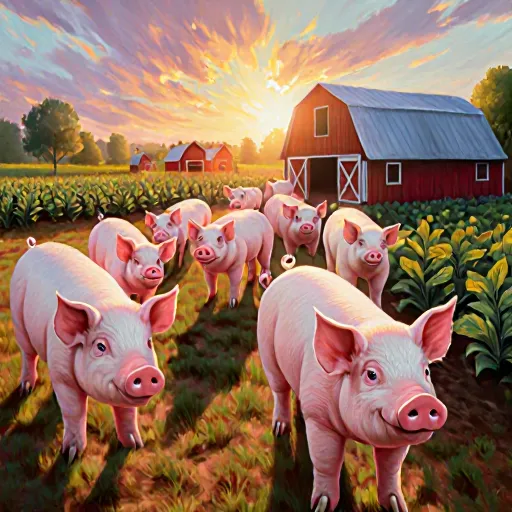
Unlock growth with pigs—nature's secret to sales success!
Table of Contents
- Identifying Market Needs for Value-Added Pig Products
- Research and Development in Pig Product Innovation
- Sourcing Quality Raw Materials from Local Farmers
- Developing Novel Processing Techniques for Extended Shelf Life
- Enhancing Flavor and Texture through Innovative Formulations
- Exploring New Market Channels to Reach Consumers
- Packaging Design for Brand Recognition and Consumer Appeal
- Implementing Quality Control Measures in Manufacturing
- Environmental Sustainability in Pig Product Production
- Employee Training for Advanced Manufacturing Techniques
- Customer Feedback and Continuous Improvement
- Creating Value-Added Products with Health Benefits
- Marketing Strategies for Promoting New Pig Products
- Conclusion
- FAQ
Identifying Market Needs for Value-Added Pig Products
To effectively create value-added pig products, it is crucial to identify market needs. Understanding what consumers want and are willing to pay for can significantly enhance the success of your venture. Here’s how you can go about identifying these needs:
Conduct Market Research
The first step in identifying market needs is thorough market research. This involves collecting data from various sources such as surveys, focus groups, and analyzing industry trends. For instance, understanding the growing demand for organic, sustainable products or specific dietary preferences like halal or kosher can guide your product development.
Analyze Competitor Products
By examining what competitors are offering, you can pinpoint gaps in the market that your products could fill. For example, if most pig products focus on traditional cuts and cured meats, exploring the demand for innovative products like plant-based alternatives or processed meat-free options could be a lucrative opportunity.
Identify Consumer Trends
Trends such as health-conscious living, environmental sustainability, and convenience are continuously evolving. Keeping an eye on these trends can help you align your products with consumer expectations. For example, increasing awareness about the benefits of collagen-rich foods could drive demand for pig-derived collagen supplements or skincare products.
Utilize Data Analytics
Data analytics tools can provide valuable insights into consumer behavior and preferences. By analyzing purchase patterns, feedback from customers, and social media trends, you can refine your product offerings to better meet market needs. For instance, using sentiment analysis on social media posts about pig products can help identify common complaints or desired improvements.
Engage with Your Target Audience
Direct interaction with potential customers through workshops, webinars, and direct feedback mechanisms allows you to gather first-hand insights. This approach not only helps in understanding customer preferences but also builds a loyal community around your brand. For example, hosting cooking classes that incorporate value-added pig products can provide real-time feedback on product quality and taste.
Stay Flexible
The market is dynamic; therefore, it's essential to remain flexible in your approach. Be prepared to adapt your product line based on evolving trends and customer feedback. This flexibility ensures that you continuously meet the needs of a changing market and maintain relevance.
In conclusion, identifying market needs for value-added pig products requires a comprehensive strategy that includes thorough research, trend analysis, competitor benchmarking, and direct engagement with consumers. By following these steps, you can create products that not only meet but exceed consumer expectations, thereby increasing their value and appeal in the marketplace.
Research and Development in Pig Product Innovation
The development of value-added pig products is a critical component in the ever-evolving food industry. By focusing on innovation, companies can create new product lines that not only meet consumer demand but also enhance profitability. This section delves into how research and development (R&D) plays a pivotal role in this process.
Understanding Consumer Trends
To innovate effectively, it's essential to understand current market trends and future consumer expectations. Market research is the cornerstone of successful product innovation. By analyzing data on dietary preferences, health concerns, and lifestyle choices, companies can identify gaps in the market that they could fill with innovative pig products.
Utilizing Technology for Innovation
Advancements in technology provide numerous opportunities to innovate within the pig product sector. For instance, precision agriculture techniques can improve feed efficiency and health management, directly impacting product quality. Additionally, biotechnology offers a range of tools that can be used to develop novel products such as genetically modified pigs or those with enhanced nutritional profiles.
Collaborating with Experts
Collaboration between various stakeholders is crucial in the R&D process for pig product innovation. Working closely with veterinarians, nutritionists, food scientists, and other industry experts ensures that products are safe, nutritious, and meet regulatory standards. For example, consulting a veterinarian can help ensure that any new product does not pose risks to animal health.
Developing Sustainable Products
Sustainability is becoming increasingly important for consumers. Companies engaged in pig product R&D should focus on developing environmentally friendly and resource-efficient practices throughout the supply chain. This includes exploring sustainable feed options, improving waste management processes, and investing in renewable energy sources.
Case Study: Value-Added Pork Products
A notable example of successful value-added product innovation is the development of pork sausages infused with herbs and spices that offer unique flavors. Companies like Hormel have leveraged R&D to create products that not only taste great but also provide health benefits such as increased protein content or reduced fat.
Practical Advice for Innovation
- Set Clear Objectives: Define what you want to achieve with your innovation efforts. Are you targeting a new market segment, improving product quality, or reducing costs?
- Invest in Research: Allocate resources towards understanding both internal and external factors that influence consumer behavior.
- Pilot Projects: Test new ideas on small scales before launching them full-scale. This helps identify potential issues early on.
- Stay Flexible: Be prepared to adapt your innovations based on feedback from consumers and market conditions.
Conclusion
Innovating in the pig product sector requires a combination of scientific rigor, consumer insight, and strategic planning. By continuously investing in R&D, companies can stay ahead of competitors and meet evolving consumer demands while ensuring sustainability and ethical production practices.
Sourcing Quality Raw Materials from Local Farmers
In creating value-added pig products, sourcing quality raw materials is a critical step that directly impacts the final product's quality and customer satisfaction. By partnering with local farmers, you can ensure consistent access to high-quality ingredients while fostering community support and sustainability. Here’s how you can effectively source quality raw materials from local farmers:
The first step in sourcing quality raw materials is establishing a strong relationship with local farmers. Regular communication and collaboration help create trust, ensuring that both parties are aligned on the standards of quality you require. Visiting farms to personally inspect their operations can also provide valuable insights into the practices used.
Understanding Farmer Needs
To ensure a steady supply of raw materials, it's essential to understand the needs and challenges faced by local farmers. By addressing these issues, you can create mutually beneficial partnerships that last over time. For instance, if a farmer is facing difficulties in transporting their products, offering logistical support can be a great way to help them.
Clear quality standards must be established for raw materials before purchasing from local farmers. These standards should encompass not only the physical characteristics of the product but also considerations like freshness and hygiene. By setting these expectations upfront, you provide a clear guideline that both parties can follow.
For example, in creating value-added pig products, it is crucial to specify the type of pork used (e.g., loin, belly) and its quality grade (e.g., prime or standard). Additionally, discussing handling and storage practices with farmers ensures that the raw materials meet these standards before they reach your facility.
Collaboration is key in maintaining high-quality standards throughout the supply chain. Regular inspections by both parties can help identify any issues early on and ensure compliance with agreed-upon quality criteria. This collaborative approach fosters a culture of continuous improvement, which benefits not only your business but also the farmers involved.
Case Study: Local Pig Farmer Partnership
A successful example of sourcing high-quality raw materials from local farmers can be seen in a case study involving a pig products company and a nearby farmer. The company provided training on best practices for raising pigs, which helped the farmer improve the quality of his pork. In return, the company prioritized purchasing pork from this farmer, creating a mutually beneficial relationship.
Sustainable farming practices are essential in maintaining long-term supply chains and environmental stewardship. By encouraging local farmers to adopt sustainable methods, you contribute positively to the environment while ensuring consistent quality of raw materials. This can include supporting organic fertilizers or promoting rotational grazing.
Practical Advice
- Set clear expectations: Clearly communicate your quality requirements and expectations.
- Regular check-ins: Schedule regular visits to farms for quality checks.
- Promote collaboration: Work together with farmers on improving practices and standards.
- Support sustainable initiatives: Encourage and support environmentally friendly farming methods.
Sourcing quality raw materials from local farmers is not just about securing ingredients but also building a foundation for long-term success. By fostering strong relationships, establishing clear standards, and promoting sustainability, you can create value-added pig products that not only meet high-quality demands but also contribute to the community and environment.
Developing Novel Processing Techniques for Extended Shelf Life
The quest to extend the shelf life of products while maintaining their quality and nutritional value is a crucial endeavor in food processing. This section explores innovative methods that can be adapted from the creation of value-added pig products to other food sectors, emphasizing techniques that enhance product longevity without compromising safety or taste.
Advanced Preservation Methods
Incorporating advanced preservation methods such as vacuum packaging, modified atmosphere packaging (MAP), and active packaging can significantly extend the shelf life of pig products. These techniques control the environment around the food, reducing bacterial growth and ensuring that freshness is maintained for longer periods.
- Vacuum Packaging: This method removes air from the package, which reduces oxygen levels and thus slows down oxidation reactions and microbial activity.
- Modified Atmosphere Packaging (MAP): MAP involves replacing the normal atmospheric composition with a mix of gases that inhibit spoilage organisms. For instance, using higher concentrations of nitrogen can help extend shelf life by creating an anaerobic environment.
Natural Antimicrobial Agents
The use of natural antimicrobial agents derived from plants or other sources can provide a safer and more sustainable alternative to synthetic preservatives. These agents not only enhance shelf life but also offer additional health benefits due to their natural origins.
- Herbs and Spices: Herbs like oregano, thyme, and rosemary contain phytochemicals that have antimicrobial properties. Incorporating these into pig products can help in extending shelf life.
- Fermented Products: Fermentation is an ancient technique used to preserve foods by producing lactic acid through bacterial action. This process also creates an environment hostile to pathogenic bacteria and yeasts.
Innovative Packaging Materials
The development of new packaging materials that offer enhanced barrier properties can greatly improve shelf life. These materials are designed to protect the product from external factors such as light, moisture, and oxygen.
- Polyethylene Terephthalate (PET): PET is widely used in food packaging due to its high resistance to oxidative degradation and good clarity. It allows for better visual inspection of the product inside the container.
- Polyvinyl Chloride (PVC): PVC provides excellent barrier properties against gases, making it suitable for products that require extended shelf life under various storage conditions.
Enhancing Flavor and Texture
While extending shelf life is important, maintaining or even enhancing the flavor and texture of pig products is equally crucial. Innovative processing techniques can achieve this by preserving the natural characteristics of the meat while ensuring its safety.
- Marination: Marinating pork with a combination of herbs, spices, and acids (like vinegar) not only enhances flavor but also protects against spoilage by creating an acidic environment that inhibits bacterial growth.
- Cooking Techniques: Utilizing sous-vide cooking can help in achieving the perfect balance between flavor and extended shelf life. This low-temperature cooking method ensures minimal loss of moisture and nutrients, resulting in a product that tastes fresh even after an extended storage period.
Practical Advice for Implementing These Techniques
To successfully implement these techniques, it is essential to conduct thorough research and testing. Collaboration between food scientists, packaging experts, and culinary professionals can lead to the development of innovative products that not only extend shelf life but also offer improved sensory qualities.
For instance, a pork product developed using vacuum packaging combined with natural antimicrobial agents could be marketed as an eco-friendly option for consumers who prioritize health and sustainability. Similarly, the use of sous-vide cooking can cater to those looking for convenience without compromising on taste or quality.
Enhancing Flavor and Texture through Innovative Formulations
In the realm of creating value-added pig products, enhancing flavor and texture through innovative formulations is crucial. This section will explore various techniques and strategies that can be implemented to improve both the taste and mouthfeel of these products. By delving deeper into this topic, we aim to provide insights that are not only beneficial for culinary enthusiasts but also for food product developers looking to innovate in the market.
Understanding Flavor Profiles
The first step in enhancing flavor is understanding what your target audience prefers. Flavors can be enhanced by using natural ingredients like herbs, spices, and extracts which provide a rich depth without relying heavily on artificial additives. For instance, adding a hint of cinnamon or nutmeg to pork products not only boosts the flavor but also evokes nostalgia and warmth.
It is important to consider cultural preferences when formulating new flavors. What might appeal to one region could be off-putting in another. Conducting market research can help identify trends and preferences that can guide your formulation decisions.
Innovative Textural Enhancements
The texture of a product is often what consumers notice first, influencing their perception of quality. Innovating textural elements involves exploring different cooking methods such as sous-vide, slow-cooking, or even smoking to achieve the desired consistency and tenderness. For example, using sous-vide techniques can significantly improve the texture by ensuring even cooking without overcooking.
Another way to enhance texture is through the use of ingredients like agar-agar or carrageenan which act as natural binders. These ingredients help in creating a firmer structure while maintaining moisture content, thus improving both flavor and texture.
Marinades and Glazes
Making use of marinades and glazes can dramatically change the taste and appearance of your pig products. Marinating meats in citrus juices or vinegars can enhance their natural flavors by breaking down tough fibers and tenderizing the meat. Adding a layer of glaze towards the end of cooking can add sweetness, depth of flavor, and a glossy finish.
Examples include using hoisin sauce with honey for a sweet-savory balance, or balsamic vinegar combined with soy sauce to create an umami-rich finish. These combinations not only enhance the taste but also contribute to the visual appeal of your product.
Utilizing Texture-Building Agents
Innovative texture-building agents can be sourced from various natural sources such as seaweed, beans, or grains. For instance, adding chia seeds before cooking can absorb water and swell slightly during preparation, resulting in a gelatinous texture that adds body to the dish.
Similarly, using bean flours like soybean flour can contribute to better binding properties and enhance overall texture by providing more protein content which holds moisture longer. This results in products that stay juicy even after extended storage times.
Conclusion
Innovative formulations play a key role in creating value-added pig products, ensuring they meet or exceed consumer expectations. By focusing on enhancing flavor and texture through strategic use of natural ingredients, innovative cooking methods, marinades, glazes, and textural agents, you can create memorable eating experiences that stand out in the competitive market.
Exploring New Market Channels to Reach Consumers
To effectively create value-added pig products and expand market reach, it is crucial to explore new market channels. These channels not only provide direct access to consumers but also offer valuable insights into consumer preferences and behavior. By diversifying distribution methods, businesses can enhance their competitive edge and increase sales.
Understanding Consumer Preferences
To create value-added pig products that resonate with the market, a deep understanding of consumer preferences is essential. Conducting market research through surveys, focus groups, and customer feedback can help identify trends in demand for specific types of products. For instance, many consumers are now seeking healthier alternatives or products that align with sustainable practices.
Exploring Online Marketplaces
One effective way to reach a broader audience is by leveraging online marketplaces. Platforms like Amazon, eBay, and specialty food websites offer opportunities for direct sales without the need for physical retail space. This approach can significantly reduce overhead costs while increasing visibility.
- Selling on Amazon: Create an Amazon account, list your products with detailed descriptions and high-quality images to attract potential buyers.
- Ebay: Use eBay's features such as Buy It Now and Auctions to sell pig products. Offer competitive pricing and fast shipping options to enhance customer satisfaction.
Promoting Through Social Media
Social media platforms like Instagram, Facebook, and TikTok are powerful tools for promoting value-added pig products. These channels allow businesses to share engaging content such as videos, photos, and stories that showcase the quality and uniqueness of their products.
- Instagram: Utilize Instagram's Stories feature to provide behind-the-scenes looks at your production process or highlight customer testimonials. Use relevant hashtags like #PigProducts, #HealthyEating, or #Sustainability to increase visibility.
- Facebook: Create a business page and engage with customers through regular posts, live sessions, and interactive content such as quizzes or polls. Offer exclusive discounts for followers who engage with your brand.
B2B Partnerships
Building strong Business-to-Business (B2B) partnerships can open up new market channels and increase sales volume. Partnering with restaurants, hotels, and food service providers can provide a steady stream of demand for your products.
- Leverage Networking Events: Attend industry events and trade shows to network with potential B2B partners. Introduce yourself and share information about your value-added pig products.
- Collaborate on Promotions: Partner with other businesses to co-create promotions or bundle offerings that appeal to customers looking for variety in their purchases.
Incorporating Eco-Friendly Packaging
To attract environmentally conscious consumers, incorporating eco-friendly packaging into your value-added pig products can set you apart from competitors. This not only enhances the brand image but also appeals to customers who prioritize sustainability.
- Use Recyclable Materials: Opt for packaging made from recyclable materials such as cardboard, paper, or biodegradable plastics.
- Educate Consumers: Include information about the environmental benefits of your packaging on product labels and marketing materials to educate consumers.
Conclusion
In conclusion, exploring new market channels is vital for creating value-added pig products that meet consumer demands. By understanding preferences, leveraging online platforms, promoting through social media, building B2B partnerships, and incorporating eco-friendly packaging, businesses can effectively reach a wider audience and drive sales growth.
Packaging Design for Brand Recognition and Consumer Appeal
In the highly competitive market of value-added pig products, effective packaging design plays a crucial role in not only protecting the product but also enhancing brand recognition and consumer appeal. The right packaging can communicate quality, safety, and added value to potential buyers, ultimately influencing purchase decisions.
Understanding Consumer Psychology
To create successful packaging for pig products, it is essential to understand the psychological factors that drive consumer behavior. Consumers are often swayed by aesthetics, functionality, and sustainability in their purchasing choices. Packaging should be designed with these elements in mind.
- Aesthetics: The visual appeal of packaging can significantly impact first impressions. Using high-quality images, vibrant colors, and an appealing design can grab attention from a crowded shelf. For example, incorporating unique illustrations or photography that highlights the natural qualities of pig products can make them stand out.
- Functionality: The packaging should be practical for consumers. It must protect the product during transportation and storage while being easy to open and use. Considerations such as resealable packages, convenient sizes, and clear labeling are crucial. For instance, vacuum-sealed containers not only preserve freshness but also appeal to health-conscious consumers.
- Sustainability: Consumers today are increasingly concerned about environmental impact. Packaging that is eco-friendly or recyclable can enhance the brand’s image as environmentally responsible. Using recycled materials and minimizing packaging waste can make a positive impression on environmentally aware customers.
Highlighting Added Value
Pig products, when branded correctly with value-added features like organic certification, heritage breed origins, or innovative processing methods, should be prominently displayed in the packaging. This differentiation can attract consumers looking for unique and high-quality options.
- Organic Certification: Displaying the USDA Organic Seal or similar certifications on the product packaging assures consumers that they are getting a pure and unadulterated product. For example, packaging that includes phrases like “100% Organic” can enhance credibility.
- Breed Specificity: Highlighting specific breeds of pigs can be appealing to consumers who value heritage products or those interested in the quality of the meat. For instance, packaging that reads "Made from Heritage Breed Pork" can attract a niche market seeking distinct flavors and textures.
- Innovative Processing: If your product is processed using unique methods (e.g., slow-curing techniques), this should be highlighted in the packaging to differentiate it from competitors. For example, “Slow-Cooked for 48 Hours” can communicate superior quality and care.
Consistency with Brand Identity
The packaging design must align seamlessly with the overall brand identity of your value-added pig products. Consistency in branding across all touchpoints—whether it’s online or offline—helps build a strong and recognizable brand presence.
- Logo Placement: The company logo should be prominently displayed on the packaging to ensure immediate brand recognition. It can be placed strategically, such as in the upper corner of the front label or even on the side panels for smaller products.
- Tone and Messaging: Ensure that the tone and messaging used in the packaging align with your brand’s personality. Whether it’s humorous, rustic, or sophisticated, this should be reflected throughout all marketing materials including packaging design.
Practical Advice for Designing Effective Packaging
To effectively design packaging that resonates with consumers and highlights the value of your pig products:
- Conduct Market Research: Understand what features and designs are most appealing to your target audience. This could involve surveys, focus groups, or even observing competitors’ strategies.
- Test Different Concepts: Before finalizing the design, test different packaging concepts with a sample of your potential customers. Gather feedback on what works best in terms of aesthetics and functionality.
- Stay Updated: The market changes quickly, so continuously monitor trends to ensure that your packaging remains relevant and appealing.
By focusing on these elements—consumer psychology, highlighting added value, consistency with brand identity—you can create packaging design that effectively boosts brand recognition and enhances consumer appeal for your value-added pig products.
Implementing Quality Control Measures in Manufacturing
In today's competitive market, ensuring the highest quality of products is crucial for both consumer satisfaction and business success. This holds especially true when creating value-added pig products such as specialty cuts or processed meats. Effective implementation of quality control measures not only guarantees product safety but also enhances brand reputation.
1. Establish Clear Quality Standards
Before you begin manufacturing, it is essential to establish clear and specific quality standards that align with industry benchmarks and customer expectations. For creating value-added pig products, these standards should cover aspects like freshness, texture, flavor, and nutritional content.
- Freshness: Implement strict temperature control measures during storage and transportation to maintain the freshness of ingredients.
- Texture: Use consistent cutting techniques and equipment to ensure uniformity in texture.
- Flavor: Source high-quality raw materials and consider traditional or innovative flavoring methods that enhance taste without compromising quality.
2. Implement Robust Inspection Procedures
Regular inspection of the manufacturing process is critical to maintaining consistent product quality. This includes visual inspections, sensory tests, and even chemical analysis where necessary.
- Visual Inspections: Train your staff to conduct thorough visual checks for any signs of spoilage or contamination at every stage of production.
- Sensory Tests: Use taste, smell, and touch tests conducted by trained personnel to assess the quality of ingredients and final products.
- Chemical Analysis: Utilize advanced laboratory equipment for detailed chemical analysis if required. This step is particularly important when dealing with processed meats that might contain additives or preservatives.
3. Continuous Monitoring and Improvement
Quality control should not be a one-time activity but an ongoing process of improvement. By continuously monitoring your processes, you can identify areas for enhancement and make necessary adjustments to meet evolving standards.
- Data Collection: Collect data on production yields, customer feedback, and any discrepancies observed during inspections. This information is invaluable for identifying trends and potential issues early.
- Feedback Loop: Establish a robust feedback loop that involves both internal staff and external stakeholders such as suppliers and customers. Their insights can provide fresh perspectives and innovative solutions to quality challenges.
4. Staff Training and Development
A skilled workforce is the backbone of any successful manufacturing operation, especially when it comes to producing complex value-added pig products. Regular training sessions on best practices in quality control can significantly enhance productivity and product excellence.
- Training Programs: Offer comprehensive training programs that cover all aspects of your production process, including safety protocols, efficient use of machinery, and advanced inspection techniques.
- Continuous Learning: Encourage a culture of continuous learning by providing resources such as workshops, seminars, and access to industry publications. This ensures that your team remains up-to-date with the latest trends and technologies in quality control.
5. Compliance with Regulations
To ensure long-term sustainability and prevent legal issues, it is imperative that you comply with all relevant food safety regulations and standards set by local authorities or international bodies such as the World Organization for Animal Health (OIE) and the Food and Agriculture Organization of the United Nations (FAO).
For instance, in the context of creating value-added pig products, compliance might include adhering to guidelines related to hygiene practices, ingredient sourcing, labeling requirements, and traceability systems.
Environmental Sustainability in Pig Product Production
The environmental impact of pig product production is a growing concern worldwide. Sustainable practices not only help in reducing the ecological footprint but also offer opportunities to create value-added products that cater to an increasingly health-conscious consumer base. Here’s how you can integrate sustainability into your pig production and processing processes while generating higher-value products.
1. Waste Management for Resource Recovery
The efficient management of waste from pig production is crucial for environmental sustainability. By implementing proper waste disposal methods, you can convert organic waste into valuable resources such as compost or biogas. For instance, using anaerobic digestion technology to process pig manure and food waste generates renewable energy which can be harnessed for on-site use in your farm operations.
Practical Advice: Partner with local agricultural or energy companies that specialize in waste management and resource recovery. They can provide the necessary expertise and infrastructure to convert waste into compost, biofuel, or other useful products.
2. Efficient Use of Water Resources
Pig farming consumes significant amounts of water, making it essential to implement water-saving strategies. By optimizing feed efficiency, you can reduce the amount of water required for production. Additionally, recycling water within your operation, such as using treated wastewater for non-potable purposes like cooling or irrigation, helps conserve this vital resource.
Example: A study by the University of Minnesota found that improving feed conversion ratios (FCR) by just 10% can lead to a reduction in water usage of approximately 20%. Implementing precision feeding techniques ensures that pigs receive exactly what they need, minimizing waste and excess consumption.
3. Sustainable Feed Production
Cultivating sustainable feed ingredients is fundamental to reducing the environmental impact of pig production. Prioritizing locally sourced organic grains reduces transportation emissions while supporting local agriculture. Incorporating alternative proteins like insects or plant-based substitutes into your diet can further decrease reliance on traditional soybean meal and corn, which are resource-intensive crops.
Practical Tip: Collaborate with researchers or agricultural experts to explore innovative feed solutions that align with both sustainability goals and animal health requirements. This approach ensures a balanced diet while promoting environmental responsibility.
4. Value-Added Product Development
Creating value-added products from pig by-products adds significant economic value to your operation while contributing positively to the environment. High-quality pet food, edible gelatin for pharmaceutical use, and specialty meats are just a few examples of premium products that can be developed using leftover materials.
Example: Companies like JBS and Hormel have successfully transformed trimmings into high-end sausages and other gourmet items. This not only increases revenue but also reduces waste, encouraging circular economy practices within the industry.
5. Consumer Education & Market Demand
Understanding and addressing market demands for eco-friendly products plays a critical role in achieving environmental sustainability goals. Educating consumers about the benefits of sustainably produced pig products fosters greater acceptance and demand for these offerings. Highlighting your commitment to sustainability through transparency and certifications like USDA Organic or GlobalGAP can enhance brand reputation.
Advice: Engage with stakeholders, including customers, partners, and regulatory bodies, to ensure alignment on sustainable practices. Regularly update communication channels such as websites, social media platforms, and direct mail campaigns to keep the public informed about your efforts towards environmental stewardship.
Employee Training for Advanced Manufacturing Techniques
In today's competitive market, staying ahead requires more than just cutting-edge technology. Employees need to be trained in advanced manufacturing techniques to fully leverage these technologies and maximize their potential. This training is not only about enhancing the skills of your workforce but also about fostering innovation and value creation within your organization.
Why Training Matters
Training employees on advanced manufacturing techniques ensures that they can operate new machinery and processes efficiently, effectively reducing errors and increasing productivity. For instance, when introducing a robotic arm in a production line, training employees to program and maintain this equipment is crucial. Without proper training, the investment in such technology may not yield the expected returns.
Value-Added Products: A Case Study
The case of How to Create Value-Added Pig Products offers a prime example of how advanced manufacturing techniques can be applied to add value. In this context, training employees on precision cutting and packaging can transform ordinary pig products into premium goods that command higher prices in the market.
Precision Cutting
Advanced cutting techniques allow for more precise segmentation of pig parts. This not only enhances the quality but also ensures minimal waste, which directly translates to cost savings and increased efficiency. For example, training employees on how to use CNC machines can help in creating intricate cuts that are not possible with traditional methods.
Custom Packaging
Training staff in custom packaging techniques can elevate the product's appeal and shelf life. By learning about different materials and designs, employees can create packages that protect the product better and make it stand out on store shelves. This could involve using eco-friendly materials or adding value-added features like vacuum-sealed packaging.
Practical Tips for Effective Training
- Regular Updates: Ensure that training programs are regularly updated to reflect new technologies and processes. This keeps the workforce prepared for any changes in manufacturing methods.
- Hands-On Experience: Wherever possible, provide hands-on experience through workshops or simulations. Practical experience is often the best way to retain knowledge.
- Multimedia Resources: Utilize videos, infographics, and interactive tools to make training more engaging and easier to understand.
- Cross-Department Collaboration: Encourage collaboration between departments to share insights and experiences. This can help in integrating different perspectives into the manufacturing process.
Conclusion
Incorporating advanced manufacturing techniques into your production processes requires a well-trained workforce. By investing in comprehensive training programs, you not only enhance productivity but also create value-added products that can significantly boost your business's market position.
Customer Feedback and Continuous Improvement
In the context of creating value-added pig products, customer feedback plays a crucial role in driving continuous improvement. Understanding what customers want and expect from your product can significantly influence the development process and help you stay competitive in the market.
Listening to Customers
Customer feedback is essential for identifying areas of improvement and innovation. By actively listening to customer needs, you can better tailor your products to meet their expectations. This approach not only enhances customer satisfaction but also fosters a loyal customer base. For instance, if customers frequently mention the need for healthier alternatives in pig products, this information should be used as a guiding factor in product development.
Collecting Feedback
To effectively gather feedback, it is important to employ various methods that cater to different customer preferences. Surveys, focus groups, and direct communication through social media or email can provide valuable insights into customer opinions. For example, conducting a survey after the launch of new pig products can help you understand what aspects are being well-received and which areas need improvement.
Acting on Feedback
Once feedback is collected, it's critical to act on it in a timely manner. Demonstrating that your business listens to its customers by implementing changes based on their suggestions can significantly improve brand loyalty and customer satisfaction. For example, if customers express dissatisfaction with the packaging of a product, addressing this issue promptly could result in higher sales and positive reviews.
Case Study: Successful Implementation
A notable case study is that of Company X, which focused on creating value-added pig products. After receiving feedback from customers regarding the taste and quality of their products, they introduced a new line of organic pig products. This change not only met customer expectations but also aligned with growing consumer trends towards healthier lifestyles.
Tools for Continuous Improvement
To facilitate continuous improvement, businesses can use various tools such as Lean Six Sigma or Kaizen methodologies. These frameworks help streamline processes and eliminate inefficiencies, ultimately leading to better product quality and customer satisfaction. For instance, implementing a Kaizen event focused on improving the production process of pig products could lead to increased efficiency and reduced costs.
Conclusion
In conclusion, incorporating customer feedback into your business strategy is vital for creating value-added pig products that meet market demands. By listening attentively, collecting diverse forms of feedback, acting swiftly on suggestions, and utilizing effective tools like Lean Six Sigma or Kaizen, you can continuously improve your offerings and stay ahead in the competitive landscape.
Creating Value-Added Products with Health Benefits
In today's competitive market, businesses are constantly seeking ways to differentiate themselves by creating value-added products that not only meet customer needs but also offer added health benefits. This approach can significantly enhance the perceived value of your product and attract a broader audience. For instance, in the agricultural sector, how-to guides on creating value-added pig products have become increasingly popular as producers look to leverage their resources more effectively.
Understanding Value-Added Products
Value-added products are goods that have been enhanced with additional features or benefits beyond their basic form. These enhancements can include improved quality, functionality, and added health benefits. For example, a simple pork chop can be transformed into a healthier dish by incorporating it into a meal plan that also includes vegetables and whole grains.
Health Benefits in Value-Added Products
Incorporating health benefits into your products can significantly enhance their appeal to consumers who are increasingly concerned about their well-being. For instance, value-added pig products like sausages made with lean cuts of meat and added fibers or proteins from legumes can offer a healthier alternative while still tasting great.
Practical Steps for Creating Health-Benefited Value-Added Products
- Research Market Needs: Understand what your customers are looking for in terms of health benefits. Surveys and focus groups can provide valuable insights into consumer preferences.
- Collaborate with Experts: Partner with nutritionists, dietitians, or food scientists to develop products that offer genuine health benefits. This collaboration ensures the product's claims are accurate and credible.
- Incorporate Natural Ingredients: Use natural ingredients like fruits, vegetables, whole grains, and lean meats to enhance the nutritional value of your products. For example, adding apples or carrots to a pork-based dish can increase its vitamin content.
- Label Clearly: Ensure that all health claims on your product labels are accurate and follow regulatory guidelines. Clear labeling helps build trust with consumers.
Case Studies: Creating Health-Benefited Value-Added Pig Products
One company, Farm Fresh Foods, has successfully created a line of value-added pig products that include health benefits. Their sausages are made from lean cuts of pork and are enhanced with added proteins from lentils and whole grains. These products not only meet customer demand for healthier options but also command higher prices due to their unique selling proposition.
Conclusion
Creating value-added products that offer health benefits is a strategic approach to differentiating your offerings in the market. By understanding consumer needs, collaborating with experts, and incorporating natural ingredients, you can create products that are not only delicious but also contribute to better health outcomes.
Marketing Strategies for Promoting New Pig Products
Creating value-added pig products is just one part of the process; successfully marketing these products is equally critical. Effective marketing strategies can help you not only introduce new pig products to the market but also ensure their long-term success. Here are some key strategies and practical advice to consider:
1. Understand Your Target Audience
Before launching any marketing campaign, it is crucial to understand who your target audience is. This includes demographics such as age, gender, income level, and lifestyle preferences. For instance, if you are creating a new line of artisanal pig products aimed at health-conscious consumers, your marketing efforts should focus on emphasizing the nutritional benefits and sustainable sourcing practices.
Example: A company that produces organic pig meat could target eco-conscious consumers by highlighting its commitment to reducing environmental impact through sustainable farming methods. Practical advice includes conducting surveys or using social media analytics to gather insights about customer preferences.
2. Leverage Social Media and Online Platforms
Social media platforms offer an excellent opportunity to engage directly with consumers, build brand loyalty, and generate buzz around new pig products. Utilize these channels to share stories behind the product development process, showcase quality control measures, and provide educational content about the benefits of your products.
Example: A company that introduces a new line of gourmet pig sausages could create video tutorials on how to cook them at home or invite influencers to try their products. Practical advice includes regularly posting relevant content, encouraging user-generated reviews, and participating in relevant conversations within the pig product industry.
3. Collaborate with Influencers
Celebrity endorsements or collaborations with well-known influencers can greatly enhance credibility and appeal to a broader audience. Partnering with respected figures in agriculture or food safety can help establish trustworthiness among potential customers.
Example: An innovative company might collaborate with renowned chefs who specialize in utilizing unique pig cuts creatively. By having them feature your products on their menus, you gain additional exposure and legitimacy. Practical advice involves researching potential partners carefully to ensure compatibility between the influencer's audience demographics and yours.
4. Implement Search Engine Optimization (SEO)
To maximize visibility in search engine results pages, implementing SEO techniques is essential for attracting organic traffic from interested consumers seeking information about new pig products. This involves optimizing website content, meta tags, descriptions, URL structures, and images to rank higher in relevant searches.
Example: If selling online, ensure product listings contain keywords like "new pig products" along with specific types of items (e.g., "organic pig sausages"). Practical advice includes working with professionals specializing in SEO if needed but also continuously monitoring analytics tools for performance metrics and making necessary adjustments accordingly.
5. Attend Trade Shows & Exhibitions
Participating in trade shows and exhibitions allows you to meet potential buyers face-to-face, showcase your offerings firsthand, and gather valuable feedback directly from industry experts and customers alike. These events provide networking opportunities that can lead to partnerships or further business developments.
Example: Exhibiting at agricultural conventions or food expos provides an ideal setting for introducing new pig products. Practical advice suggests preparing comprehensive presentations or demonstrations tailored specifically towards attendees' interests while also offering samples whenever possible.
6. Offer Special Promotions & Discounts
Offering special promotions and discounts can encourage early adoption of your new pig products, helping to build initial interest and drive sales volumes during the introductory phase. This tactic is particularly effective when combined with other marketing efforts such as social media campaigns or influencer partnerships.
Example: Introduce a limited-time offer where customers receive a complimentary gift when they purchase a certain amount of new pig products. Practical advice recommends carefully planning these promotions to maximize impact and ensure they align well with overall business objectives.
7. Educate Consumers About Your Products
Educating consumers about your new pig products can increase awareness, foster understanding, and ultimately lead to greater acceptance and preference for your offerings. Provide clear explanations regarding ingredients used, production processes, nutritional values, and any unique selling points.
Example: Share detailed brochures or videos explaining the health benefits of consuming specific types of pork cuts. Practical advice includes utilizing various mediums such as email newsletters, blog posts, and infographics to convey information effectively.
Conclusion
By combining these diverse marketing strategies, businesses can create comprehensive approaches aimed at successfully promoting new pig products. Remember that continuous evaluation of each tactic's effectiveness is vital for refining future campaigns based on real-world outcomes rather than assumptions alone.
Conclusion
FAQ
Creating value-added pig products can significantly enhance your business's profitability and market presence. Below are some frequently asked questions along with detailed answers to help guide you through the process.
1. What is a Value-Added Product?
A value-added product in the context of pig farming involves taking raw materials from pigs and adding value by processing, packaging, or innovating new products that are more appealing to consumers. This can include everything from specialty sausages and cured hams to pet food ingredients.
Example:
One example is the creation of artisanal smoked bacon. By selecting high-quality cuts of pork belly, smoking it slowly over wood chips, and then slicing it thinly, you can create a premium product that commands a higher price in specialty stores or online marketplaces.
2. How Do I Decide Which Products to Focus On?
The decision should be based on market demand, your production capabilities, and the potential profitability of each product. Research trends in local and global markets to identify what consumers are seeking. For instance, if there's a growing interest in organic or sustainable products, consider focusing on these areas.
Practical Advice:
- Analyze your current resources and skills.
- Survey potential customers to understand their preferences.
- Consider collaborating with chefs or food experts for product development ideas.
3. What Equipment Do I Need?
The equipment required will depend on the type of value-added products you plan to produce. Basic setups might include a meat grinder, smoker, and packaging machines, while more complex processes may require additional specialized tools like vacuum sealers or temperature-controlled fermentation chambers.
Example:
If you're planning to produce traditional sausages, you'll need a sausage stuffer along with various casings. For making salami, a meat slicer and a curing chamber are essential. Smaller producers might start with portable smokers or cold smoke boxes.
4. How Do I Ensure Quality?
Maintaining high standards of quality is crucial for the success of value-added products. This involves sourcing premium ingredients, implementing strict hygiene protocols during processing, and adhering to food safety regulations.
Example:
To ensure the highest quality in your cured hams, use only the best cuts of leg meat from heritage breeds known for their superior taste. Ensure your curing process follows traditional methods closely, which can involve precise control over salt and sugar levels, temperature, and humidity.
5. Marketing Your Value-Added Products
Marketing plays a vital role in driving sales of value-added pig products. Utilize social media platforms, food blogs, and local markets to showcase your unique offerings. Collaborating with chefs or food bloggers can also generate buzz around your products.
Example:
A local farmer's market is an excellent place to introduce your value-added products directly to consumers. Hosting cooking demonstrations using your specialty items can attract potential buyers and offer them a taste of what you have to offer.
Categories
- AI & Enrichment Play
- Broiler Farming
- Broiler Farming Tips
- Canine Wellness & Longevity
- Cat
- Cat & Human Connection
- Cat Adoption & Rescue
- Cat Breeds
- Cat Breeds & Personalities
- Cat Care & Health
- Cat Grooming & Hygiene
- Cat Lifestyle & Environment
- Cat Myths & History
- Cat Nutrition & Diet
- Cat Products & Reviews
- Cat Training & Behavior
- Comparison
- Consumer Awareness
- Dog
- Dog Accessories & Products
- Dog Adoption & Rescue
- Dog Breed & Lifestyle Trends
- Dog Breeding & Puppies
- Dog Entertainment & Media
- Dog Fashion & Trends
- Dog Fun & Lifestyle
- Dog Grooming & Hygiene
- Dog History & Culture
- Dog Myths, Science & Future Tech
- Dog News & Trends
- Dog Nutrition & Food
- Dog Psychology & Emotions
- Dog Safety & Security
- Dog Sports & Activities
- Dog Technology & Innovation
- Dog Training for Modern Owners
- Dog Travel & Adventure
- Dog Travel, Adventure & Culture
- Economic and Market Insights
- Educational Content
- FAQs
- Feeding Alternatives
- Festivals & Seasonal Ideas
- Fun & Entertainment
- General Knowledge
- General Pig Farming
- Health & Disease Management
- Housing and Environment
- Kittens
- Market Insights
- Miscellaneous
- Miscellaneous
- Motivational
- pig
- Pig Breeding
- Pig Breeds
- Pig Farming Stories and Inspiration
- Pig Health and Care
- Pig Nutrition
- Pig Products
- Profitability & Business
- Puppy Care
- Puppy Predictable Topics Reinvented
- Regional Focus
- Rescue & Adoption Buzz
- Senior Cats
- Senior Dog Care
- Smart Dog Tech & Gadgets
- Sustainability
- Sustainable & Eco-Friendly Dog Products
- Tech & Innovations
- Working & Service Dogs
- Broiler Feed66 products
- Country Feed33 products
- Pig Feed66 products
- Product22 products
- Raw Materials99 products
Products
-
 Fish Meal
₹1,999.00 – ₹2,999.00Price range: ₹1,999.00 through ₹2,999.00Rated 0 out of 5
Fish Meal
₹1,999.00 – ₹2,999.00Price range: ₹1,999.00 through ₹2,999.00Rated 0 out of 5 -
 FATTENING BROILER FEED
₹2,299.00 – ₹2,349.00Price range: ₹2,299.00 through ₹2,349.00Rated 0 out of 5
FATTENING BROILER FEED
₹2,299.00 – ₹2,349.00Price range: ₹2,299.00 through ₹2,349.00Rated 0 out of 5 -
 LAYER COUNTRY FEED
₹1,549.00 – ₹1,649.00Price range: ₹1,549.00 through ₹1,649.00Rated 0 out of 5
LAYER COUNTRY FEED
₹1,549.00 – ₹1,649.00Price range: ₹1,549.00 through ₹1,649.00Rated 0 out of 5 -
 COUNTER BROILER FEED
₹1,199.00 – ₹1,299.00Price range: ₹1,199.00 through ₹1,299.00Rated 0 out of 5
COUNTER BROILER FEED
₹1,199.00 – ₹1,299.00Price range: ₹1,199.00 through ₹1,299.00Rated 0 out of 5 -
 LACTATING PIG FEED
Rated 0 out of 5
LACTATING PIG FEED
Rated 0 out of 5₹2,299.00Original price was: ₹2,299.00.₹1,740.00Current price is: ₹1,740.00. -
 Maize
Rated 0 out of 5
Maize
Rated 0 out of 5₹1,650.00Original price was: ₹1,650.00.₹1,300.00Current price is: ₹1,300.00. -
 GESTATION PIG FEED (Phase 1)
Rated 0 out of 5
GESTATION PIG FEED (Phase 1)
Rated 0 out of 5₹2,249.00Original price was: ₹2,249.00.₹1,699.00Current price is: ₹1,699.00. -
 Pre Starter Broiler Feed
₹2,399.00 – ₹2,499.00Price range: ₹2,399.00 through ₹2,499.00Rated 0 out of 5
Pre Starter Broiler Feed
₹2,399.00 – ₹2,499.00Price range: ₹2,399.00 through ₹2,499.00Rated 0 out of 5 -
 FINISHER PIG FEED
Rated 0 out of 5
FINISHER PIG FEED
Rated 0 out of 5₹2,299.00Original price was: ₹2,299.00.₹1,749.00Current price is: ₹1,749.00. -
 Broiler Premix
Rated 0 out of 5
Broiler Premix
Rated 0 out of 5₹820.00Original price was: ₹820.00.₹699.00Current price is: ₹699.00.