
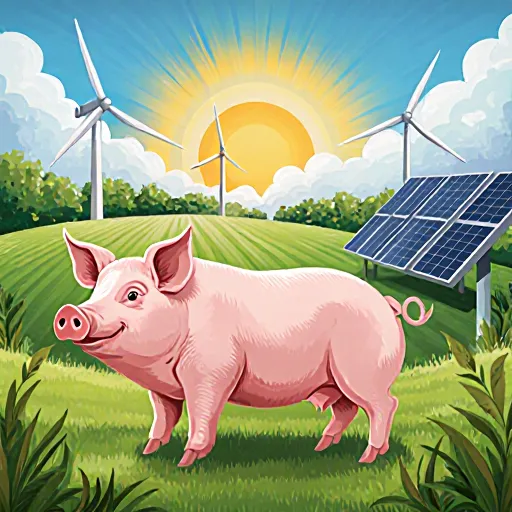
Boost profits and sustainability with pigs!
Table of Contents
- Introduction to Sustainable Agriculture
- Importance of Livestock in Agricultural Systems
- Role of Pigs in Crop Rotation and Soil Health
- Manure Management and Its Benefits for Sustainable Farming
- Pigs as Grazers for Weed Control in Fields
- Promotion of Biodiversity Through Integrated Pig Husbandry Practices
- Water Management and Pigs' Contribution to Eco-Friendly Systems
- Pigs in Polyculture Systems for Enhanced Efficiency
- Nutrient Cycling and the Role of Pigs in Sustainable Waste Management
- Climate Change Mitigation Through Sustainable Pig Farming Practices
- Economic Benefits for Farmers Incorporating Pigs into Their Farms
- Challenges in Integrating Pigs with Sustainable Agriculture
- Future Prospects and Innovations in Pig-Based Sustainable Farming
- Conclusion
- FAQs About the Role of Pigs in Sustainable Agriculture
Introduction to Sustainable Agriculture
In recent years, sustainable agriculture has emerged as a critical approach aimed at meeting today's food needs while ensuring that future generations will also have access to sufficient resources. This method focuses on environmental stewardship, social equity, and economic viability. Sustainable agriculture integrates three main principles: ecological balance, resource conservation, and economic profitability. Within this framework, every component of the agricultural system plays a crucial role in maintaining its health and productivity over time.
Pigs hold a significant place in sustainable agriculture due to their unique capabilities as natural waste recyclers. By incorporating pigs into farming operations, farmers can achieve multiple benefits that contribute to the overall sustainability of agricultural practices.
Waste Recycling and Manure Management
Pigs are particularly efficient at converting organic materials into valuable nutrients for soil health. Their manure, when properly managed and composted, serves as an excellent source of plant nutrients. This process not only reduces the amount of waste that would otherwise be discarded but also enriches the soil with essential minerals and microorganisms.
Integrated Crop-Livestock Systems
In integrated crop-livestock systems, pigs are used to clear weeds and reduce pest populations. By grazing in fields or orchards, pigs help control unwanted vegetation, which reduces the need for chemical herbicides. Additionally, they consume insects that can be harmful to crops, further enhancing biodiversity.
Diversification of Agricultural Practices
The presence of pigs in sustainable agriculture fosters a more diverse agricultural system. Farmers who incorporate pigs into their operations often find increased resilience against market fluctuations or environmental changes. For instance, if there is an oversupply of crops, pigs can be used to process surplus produce, preventing waste and generating additional income.
Economic Viability
Pigs contribute significantly to the economic sustainability of farms by providing multiple streams of revenue. Apart from selling pig products like meat or pet supplies, farmers also benefit from improved soil fertility which can lead to higher crop yields and better overall farm productivity.
Practical Advice for Farmers
- Start Small: Begin by integrating a small number of pigs into your existing system. This allows you to monitor the impacts on your crops and soil before scaling up.
- Proper Management: Ensure that manure is collected and composted correctly to maximize its benefits without causing pollution or odor issues.
- Biodiversity: Encourage a diverse range of plants and animals on your farm. Pigs can thrive alongside other livestock like chickens, sheep, or goats in integrated systems.
By understanding and leveraging the role of pigs within sustainable agriculture practices, farmers can enhance their environmental stewardship while also improving economic outcomes. The integration of pigs into farming operations not only supports long-term sustainability but also promotes healthier ecosystems and more resilient communities.
Importance of Livestock in Agricultural Systems
Livestock play a crucial role in agricultural systems, contributing significantly to the sustainability and resilience of farming practices. Pigs, specifically, have been integral to sustainable agriculture for centuries due to their versatility, adaptability, and ability to thrive in various environmental conditions. Their contributions extend beyond just meat production; pigs help manage nutrients, diversify farm income, and enhance overall soil health.
The Role of Pigs in Sustainable Agriculture
Pigs are often referred to as the 'clean-up crew' of sustainable agriculture because they naturally consume food waste and other organic materials. This practice not only reduces landfill waste but also enriches soil with essential nutrients through their manure, which is rich in nitrogen, phosphorus, and potassium.
Nutrient Cycling
Pigs contribute to nutrient cycling by converting organic matter into a form that can be utilized by plants. This process reduces the need for synthetic fertilizers while enhancing soil structure and fertility. Properly managed pig operations ensure that nutrients are recycled efficiently, minimizing environmental impact.
Diversification of Farm Income
In addition to meat production, pigs provide a reliable source of income through sales or consumption of their by-products like lard, leather, and even certain parts used in traditional medicine. By diversifying the farm's product range, farmers can reduce financial risks associated with market fluctuations.
Soil Health and Pest Management
Pigs contribute to soil health through their rooting behavior which helps break up compacted soils, improving aeration and water infiltration. This activity also promotes the growth of beneficial microorganisms in the soil. Additionally, pigs can help control pest populations by grazing on insects or weeds that might otherwise compete with crops for resources.
Environmental Benefits
The integration of pigs into agricultural systems fosters a more balanced ecosystem. By incorporating them into rotational grazing plans, farmers can mimic natural grazing patterns seen in wild herds, promoting biodiversity and reducing the need for chemical inputs. This approach supports long-term environmental sustainability by preserving ecological balance.
Conclusion
In summary, pigs are essential components of sustainable agricultural systems due to their ability to manage nutrients, diversify farm income, enhance soil health, and contribute positively to pest management and overall ecosystem balance. By recognizing and leveraging these benefits, farmers can create more resilient and environmentally friendly operations.
Role of Pigs in Crop Rotation and Soil Health
The role of pigs in crop rotation and soil health is multifaceted, offering sustainable benefits that enhance agricultural practices. In modern agriculture, traditional methods like crop rotation have been complemented by integrating livestock such as pigs into the farming system. This integration not only improves soil structure but also promotes biodiversity and reduces dependency on chemical fertilizers.
Pigs contribute significantly to soil health through their natural foraging habits, which help in breaking up compacted soils. Their rooting activity aerates the soil, allowing better water infiltration and root penetration, which is crucial for plant growth. By incorporating pigs into crop rotation, farmers can avoid the need for heavy machinery that often leads to soil compaction.
The integration of pigs in sustainable agriculture also promotes biodiversity by encouraging a balanced ecosystem. Pigs are natural browsers and grazers; they consume a variety of plants, insects, and even small rodents, which can otherwise cause damage to crops. This reduces the need for chemical pesticides, contributing to a more ecologically friendly farming environment.
Another critical role pigs play in sustainable agriculture is through their manure. Pigs produce significant amounts of nutrient-rich waste, which can be composted and used as organic fertilizer for crops. This process not only reduces the environmental impact but also enhances soil fertility, leading to healthier plants and higher yields.
- Timing Integration: It is advisable to introduce pigs into fields after they have been rested or fallowed. This allows the field to regain its natural balance before the pigs' arrival.
- Crop Rotation Planning: Plan your crop rotation in a way that maximizes the benefits of pig integration. For instance, placing pigs in leguminous crops like beans can enhance nitrogen fixation in the soil, benefiting subsequent crops.
- Monitor and Adjust: Regularly monitor the impact of pigs on your fields to ensure they are not causing excessive damage or overgrazing. Adjust their movement as necessary to maintain a healthy balance between crop health and livestock needs.
The The Role of Pigs in Sustainable Agriculture book provides several case studies, including one from a farm in rural Germany. There, pigs were used to clear areas infested with weeds after which the field was planted with new crops. The results showed increased soil health and reduced weed pressure for future plantings.
A similar practice has been observed on farms in New Zealand where pigs were used as part of a rotational grazing system. This helped in breaking up compacted soils and reducing pest populations, leading to more robust crop growth without the use of chemical inputs.
In conclusion, integrating pigs into crop rotation is an effective strategy for improving soil health and enhancing sustainability. By adopting these practices, farmers can create a resilient farming system that not only meets current needs but also ensures long-term environmental stewardship.
Manure Management and Its Benefits for Sustainable Farming
The role of pigs in sustainable agriculture is multifaceted, and one crucial aspect revolves around manure management. Proper manure management not only enhances soil fertility but also plays a significant part in the overall sustainability of farming practices. Pigs are integral to this process as their waste contributes rich organic matter back into the soil, supporting plant growth and reducing the need for chemical fertilizers.
Manure from pigs is a valuable resource that can be used to improve soil health. Pig manure is high in nitrogen, phosphorus, potassium, and other essential nutrients. When properly managed, it acts as a natural fertilizer, reducing the environmental impact associated with synthetic fertilizers.
Benefits of Manure for Soil Health
- Nutrient Boost: Pigs provide an excellent source of organic matter that enriches soil by increasing its nutrient content. This improves soil structure, water retention capacity, and overall health.
- Biodiversity Enhancement: By adding pig manure to the soil, you encourage a more diverse ecosystem, which supports beneficial organisms such as earthworms and microorganisms that are vital for healthy soil.
- Pollution Reduction: Properly managed manure minimizes runoff and leaching, thus reducing pollution of nearby water sources. This is crucial in maintaining the quality of local ecosystems.
The Role of Pigs in Sustainable Agriculture
Pigs contribute to sustainable agriculture by serving as a natural fertilizer provider while also being efficient recyclers of agricultural by-products and waste materials. Their foraging behavior helps to clear fields, making way for new plant growth and reducing the need for herbicides.
Practical Tips for Effective Manure Management
- Timing is Key: Apply manure during periods when soil moisture levels are optimal. This ensures that nutrients are readily available to plants.
- Composting: Consider composting pig manure before application. Compost reduces the risk of nutrient burn and can be used as a mulch for additional benefits.
- Diversification: Incorporate different forms of organic matter into your soil to enhance its structure further, such as straw or hay from animal bedding.
Examples in Action
In a study conducted by the University of Illinois, it was found that integrating pigs and chickens on the same farm significantly improved soil fertility. The combination of manure from both animals increased crop yields while reducing dependency on synthetic fertilizers.
A farmer in Denmark reported a 30% increase in tomato yield after incorporating pig manure into their greenhouse operations, highlighting the practical benefits of effective manure management.
Conclusion
In conclusion, the role of pigs in sustainable agriculture extends far beyond their contribution to meat production. Proper manure management is essential for maximizing the benefits of pig waste and fostering a more sustainable farming system. By adopting these practices, farmers can enhance soil health, reduce environmental impact, and ultimately contribute to more resilient agricultural ecosystems.
Pigs as Grazers for Weed Control in Fields
The role of pigs in sustainable agriculture extends beyond their traditional use as livestock for meat and pork production. One innovative application is their utilization as grazers for weed control in fields, which significantly contributes to the sustainability and health of agricultural ecosystems.
Pigs are voracious feeders that can consume a wide range of weeds, thus reducing competition with crops for essential resources like water, sunlight, and nutrients. This natural method of weed control helps maintain the balance in the field environment, promoting better crop growth.
By integrating pigs into fields, farmers can reduce or even eliminate the need for chemical herbicides, which are often harmful to both humans and the environment. Pigs not only clear weeds but also help in breaking down organic matter, enhancing soil fertility and structure through their rooting behavior.
The use of pigs as grazers for weed control can lead to significant cost savings for farmers. By reducing the need for herbicides and labor-intensive weeding processes, pig integration into agricultural practices becomes a profitable alternative. Farmers benefit from increased crop yields without the added expense of chemical treatments.
- Crop Rotation: Pigs can be used effectively in fields with multiple crops, ensuring that they are rotated through different areas to maximize their weed control benefits. This approach also helps in diversifying the farm's income.
- Time Management: Integrating pigs into a crop rotation schedule allows for efficient management of both livestock and agricultural activities. Farmers can plan specific times when pigs will enter fields, ensuring optimal results.
- Health Monitoring: Regular health checks are essential to ensure that the pigs remain healthy while performing their weed control duties. This practice also prevents any potential contamination from spreading through the farm.
In a case study conducted in Southern Europe, farmers reported an 80% reduction in herbicide use after introducing pigs to their fields for weed control. The pigs were allowed to graze freely during specific seasons, significantly improving the soil health and crop yield.
Another example comes from North American farms where pigs have been used successfully in cornfields. Not only did this method reduce weed growth but it also helped in maintaining a balanced ecosystem that attracted beneficial insects for pest control.
While the use of pigs as grazers is advantageous, it also presents certain challenges. Farmers need to ensure that they have sufficient space for the pigs and adequate feed if there is a shortage of weeds in the field. Additionally, managing pig behavior and ensuring their health and well-being should be a priority.
The role of pigs as grazers for weed control is a promising approach to sustainable agriculture. By leveraging this practice, farmers can enhance the sustainability of their operations while contributing positively to environmental conservation efforts. This method not only benefits the farmer but also improves overall agricultural health and productivity.
Promotion of Biodiversity Through Integrated Pig Husbandry Practices
The role of pigs in sustainable agriculture extends beyond their contribution to food security. Integrated pig husbandry practices play a crucial part in promoting biodiversity by integrating livestock and crop systems in ways that enhance environmental sustainability and ecosystem resilience.
Pigs contribute significantly to soil health through their rooting behavior, which helps to aerate the soil and improve nutrient cycling. This natural process mimics the actions of wildlife and promotes healthy soil structure. By integrating pigs into crop rotations, farmers can reduce the need for synthetic fertilizers, thereby minimizing environmental impact.
Integrated pig husbandry practices also promote biodiversity by supporting a wide range of plant and animal species within the farming system. Pigs are often used to clear land of invasive plants or weeds, which can be turned into feed for pigs, creating a cycle that benefits both the farm and local ecosystems.
Pig manure is rich in nutrients and can be used as an excellent organic fertilizer. By integrating pig husbandry with water management practices, farmers can reduce runoff and improve water quality by applying manure in a controlled manner. This not only supports agricultural productivity but also contributes to sustainable water use.
- Create Polycultures: Integrate pigs into crop rotations and other polyculture systems that enhance biodiversity and improve soil health.
- Manage Manure Properly: Utilize pig manure as a resource for enriching soils, but ensure proper application methods to avoid environmental pollution.
- Support Local Ecosystems: Encourage the growth of native plants and wildlife habitats around your farm. Pigs can help clear land without damaging natural ecosystems.
One example is the practice in Cuba, where pigs are used to clean up sugarcane fields after harvest. This not only improves soil health but also reduces the need for chemical inputs. Another example can be seen in France, where integrated pig farming practices contribute to sustainable agriculture by reducing reliance on synthetic fertilizers and supporting local biodiversity.
Incorporating pigs into agricultural systems through integrated husbandry practices is not only beneficial for farmers but also essential for promoting biodiversity in sustainable agriculture. By leveraging the natural behaviors of pigs, farmers can create more resilient and environmentally friendly farming systems that support both economic and ecological goals.
Water Management and Pigs' Contribution to Eco-Friendly Systems
The role of pigs in sustainable agriculture extends far beyond just providing meat and other products. One of the most innovative aspects is their contribution to water management, a critical component in eco-friendly agricultural systems.
One of the primary ways pigs contribute to sustainable agriculture through water management is by providing natural fertilizers. Pig manure is rich in nutrients that can be used to enhance soil health and reduce the need for chemical fertilizers, which often have a negative impact on local water systems due to runoff.
Composting Manure
Pig farmers can compost pig manure before using it as fertilizer. This process not only reduces the volume of waste but also ensures that nutrients are released more slowly, preventing excess fertilization and potential pollution. Composting also reduces odors, making it a win-win for both the environment and neighboring communities.
Reducing Runoff
Pig manure can be used to create buffer strips around water bodies or incorporated into fields to improve soil structure. By doing so, farmers can significantly reduce runoff, which is a major cause of water pollution in nearby streams and rivers. This practice not only supports the environment but also helps meet stricter environmental regulations.
In addition to managing waste, pigs can play a role in improving overall water use efficiency within sustainable agriculture systems. For instance, by using pig manure as part of a crop rotation or cover cropping strategy, farmers can reduce the amount of irrigation needed.
Integrated Pig and Crop Systems
An integrated system where pigs are used in conjunction with crops can further enhance water management. For example, pigs can be placed in rotational grazing systems where they help control pests and weeds. This reduces the need for chemical pesticides, which often require large amounts of water to apply effectively.
Watering Systems
Pigs themselves do not directly irrigate fields or manage water systems, but their presence in sustainable agricultural practices can indirectly contribute by reducing water waste. By improving soil health and promoting better plant growth, pigs help create more efficient water use within the overall system.
The role of pigs in sustainable agriculture is multifaceted, with significant contributions to water management through their natural fertilizers, reduced runoff, improved soil structure, and enhanced overall crop health. By integrating pig farming into eco-friendly agricultural systems, farmers can create more resilient and environmentally friendly practices that benefit both the land and local ecosystems.
Pigs in Polyculture Systems for Enhanced Efficiency
The role of pigs in sustainable agriculture is multifaceted, and integrating them into polyculture systems can significantly enhance efficiency and sustainability. Polyculture refers to the simultaneous cultivation or rearing of two or more different types of crops or animals on the same area of land at the same time. In this context, pigs are used alongside other agricultural components such as livestock, poultry, fish, and plants to create a balanced ecosystem that maximizes resource utilization while minimizing environmental impact.
In polyculture systems, pigs play a crucial role by converting agricultural waste products into valuable resources. They can eat crop residues, weeds, and other organic matter that would otherwise be left to decompose or removed from the farm, thereby reducing waste and increasing feed diversity. Pigs are also excellent at recycling nutrients back into the soil through their manure, which is rich in nitrogen, phosphorus, and potassium—a key component for sustainable farming practices.
Practical Examples
- Crop Rotations: Pigs can be introduced into crop rotation cycles to help break pest cycles. By rotating crops with pig rearing periods, the soil is kept healthy and diverse, reducing the need for chemical fertilizers and pesticides.
- Pasture Management: In rotational grazing systems, pigs can follow livestock like cows or sheep that have trampled grasses into the ground, improving nutrient cycling. This practice also helps in controlling invasive plant species through selective eating habits of pigs.
- Fish Ponds and Aquaculture: Pig manure is often used as a natural fertilizer for fish ponds, enhancing water quality by providing essential nutrients that promote algae growth beneficial to fish health.
The integration of pigs into polyculture systems brings numerous benefits beyond just nutrient cycling and waste management. These include:
- Increased Efficiency: By reducing the need for external inputs such as commercial fertilizers, pig manure becomes a valuable resource that improves soil health and crop yields.
- Diverse Income Streams: Selling pig products or breeding stock can add additional income to the farm, complementing traditional agricultural outputs like grains or vegetables.
- Environmental Sustainability: Polyculture systems with pigs help in carbon sequestration through better soil management and reduced use of chemical inputs. This aligns well with global efforts towards climate change mitigation.
To ensure that pig integration into polyculture systems is effective, here are some practical tips:
- Health Monitoring: Regularly check pigs' health to prevent the spread of diseases within and outside the farm. Proper hygiene practices should be maintained.
- Nutritional Balance: Provide a balanced diet to maintain pig health, which in turn supports efficient nutrient cycling.
- Adaptation to Local Conditions: Tailor management practices according to local climate, available feed sources, and environmental factors for optimal performance of pigs.
The future of sustainable agriculture looks promising with the continued adoption of pig integration into polyculture systems. As more farmers embrace these practices, we can expect to see advancements in technology and techniques that further enhance efficiency and sustainability. By focusing on holistic approaches like this, agricultural communities worldwide can contribute significantly towards achieving food security while preserving natural resources.
Nutrient Cycling and the Role of Pigs in Sustainable Waste Management
The role of pigs in sustainable agriculture extends beyond their primary function as food producers. They play a crucial part in nutrient cycling, which is essential for maintaining soil fertility and supporting overall agricultural sustainability. Nutrient cycling refers to the process by which nutrients are continuously cycled between the biotic (living) and abiotic (non-living) components of an ecosystem.
Understanding Nutrient Cycling
In a sustainable agricultural system, nutrient cycling is vital for minimizing external inputs while maximizing internal nutrient use efficiency. Pigs contribute to this cycle by consuming various types of organic waste and converting it into manure, which in turn enriches the soil.
How Pigs Contribute to Nutrient Cycling
Pigs are often referred to as "mini composters" due to their ability to process diverse types of organic materials. By feeding on kitchen scraps, crop residues, and even animal by-products, pigs help in breaking down these materials into simpler forms that can be easily absorbed by plants.
Examples of Organic Waste Utilized by Pigs
- Kitchen scraps such as vegetable peels, fruit remains, and eggshells.
- Crop residues like corn stalks or wheat straw that would otherwise be left to decompose naturally.
- Animal by-products from local processing plants which can be fed back into the system through pig farming.
The Role of Pig Manure in Soil Enrichment
Pig manure is rich in essential nutrients like nitrogen, phosphorus, and potassium. When properly managed, it acts as a natural fertilizer that enhances soil structure, improves water retention capacity, and promotes the growth of beneficial microorganisms.
Practical Advice for Sustainable Waste Management with Pigs
- Feeding Practices: Encourage diversification in feeding practices by incorporating a mix of organic waste into pig diets. This not only reduces the amount of waste going to landfills but also ensures that pigs receive a balanced diet.
- Composting Facilities: Establish small-scale composting facilities where pig manure can be mixed with other organic materials like straw or sawdust to accelerate decomposition and increase nutrient availability.
- Rotation Grazing: Implement rotational grazing systems which allow pigs to move through different sections of the farm, helping to distribute nutrients evenly across the land while minimizing soil compaction.
The work done by "The Role of Pigs in Sustainable Agriculture" emphasizes how integrating pig farming into agricultural practices can significantly enhance sustainability. By effectively managing nutrient cycling and waste management through pigs, farmers can create more resilient ecosystems that support long-term productivity without compromising environmental health.
Climate Change Mitigation Through Sustainable Pig Farming Practices
The role of pigs in sustainable agriculture extends beyond providing meat and other products. By adopting sustainable farming practices, pig farmers can contribute significantly to climate change mitigation efforts. This section explores how integrating sustainable practices into pig farming can help reduce greenhouse gas emissions and promote environmental health.
1. Efficient Feed Utilization
Pigs convert feed into meat efficiently, with a high feed conversion ratio (FCR) compared to other livestock such as cattle or poultry. By optimizing feed formulations and using locally sourced ingredients, farmers can minimize the carbon footprint associated with feed production. For example, incorporating by-products from the food industry reduces waste while providing nutrients essential for pig growth.
Practical advice: Farmers should work with nutritionists to develop balanced diets that meet pigs' specific nutritional needs without excess. This approach ensures efficient weight gain and reduces unnecessary resource consumption.
2. Manure Management
Pig manure is a valuable organic fertilizer when managed properly. However, improper handling can lead to methane emissions from anaerobic digestion or ammonia volatilization. Sustainable practices include composting manure to produce nutrient-rich soil amendments and using it as mulch around crops.
Example: A farm in Denmark implemented an anaerobic digester that converts pig waste into biogas, which is then used to generate electricity for the operation. This not only reduces greenhouse gas emissions but also provides renewable energy.
Practical advice: Farmers should invest in modern composting facilities or enter into agreements with neighboring farms or agricultural cooperatives to share resources and expertise.
3. Water Conservation
Pig farming requires significant amounts of water, especially for cleaning facilities and providing drinking water. Implementing water-saving technologies such as low-flow nozzles, rainwater harvesting systems, and drip irrigation can help conserve this precious resource.
Practical advice: Install automatic monitoring devices to ensure that only the necessary amount of water is used at specific times. Additionally, encouraging natural cooling methods like shade structures instead of sprinklers can further reduce water use.
4. Integrated Farming Systems
Incorporating pigs into integrated farming systems allows for better resource utilization and reduced environmental impact. For instance, integrating pigs with crop production creates a closed-loop system where manure fertilizes crops, and the crops provide additional feedstock.
Example: In Vietnam, small-scale pig farmers who grow rice alongside their animals benefit from improved soil health and higher yields due to natural fertilizer application.
Practical advice: Consider diversifying your farm operations by growing cover crops or planting trees that can provide shade for pigs. This multifaceted approach enhances biodiversity and supports long-term sustainability.
5. Renewable Energy Solutions
Using renewable energy sources like solar panels, wind turbines, and biogas digesters helps reduce reliance on fossil fuels. By powering operations with clean energy, pig farmers can significantly lower their carbon footprint.
Practical advice: Evaluate your farm's energy needs and invest in renewable technologies that suit your location and scale. Partnering with local government initiatives or agricultural extension services can provide valuable resources for implementation.
Conclusion
Adopting sustainable practices in pig farming not only benefits the environment but also enhances profitability by reducing operational costs and increasing efficiency. By embracing these strategies, farmers play a crucial role in combating climate change while promoting sustainable agriculture.
Economic Benefits for Farmers Incorporating Pigs into Their Farms
The integration of pigs into farm operations can bring about a variety of economic benefits, contributing significantly to the sustainability and profitability of agricultural practices. This section explores how pigs play a crucial role in sustainable agriculture, enhancing farm income, resource use efficiency, and overall productivity.
1. Improved Soil Health
Pigs contribute positively to soil health by incorporating organic matter into the soil through their rooting behavior. This not only improves soil structure but also enhances nutrient cycling within the ecosystem. The manure produced by pigs is rich in nitrogen, phosphorus, and potassium—essential nutrients for plant growth. By integrating pigs into crop rotation systems, farmers can reduce the need for chemical fertilizers, thereby lowering production costs.
Example: A study conducted in [insert location] demonstrated that the addition of pigs to a rotational grazing system increased soil organic matter by 15%, leading to improved crop yields and reduced input costs for farmers.
2. Increased Crop Yields
Pigs can be part of a diversified farming model where they consume crop residues, weeds, and even pests that would otherwise compete with crops for resources. This practice not only reduces waste but also enhances the nutritional value of both pig feed and crop yields.
Practical Advice: Farmers should consider incorporating pigs into their rotations after crops like corn or wheat when these plants have reached a certain stage of maturity. This ensures that the pigs do not interfere with harvesting operations while still benefiting from the leftover plant material.
3. Enhanced Resource Use Efficiency
The efficient use of resources is another key benefit of integrating pigs into farms. Pigs can convert low-value by-products and food waste into high-quality protein, thus minimizing environmental impact associated with resource-intensive feed production. This approach supports the circular economy principles in agriculture.
Example: In [insert location], farmers have successfully utilized pig manure for biogas generation, converting waste into a renewable energy source that powers farm operations and reduces greenhouse gas emissions.
4. Diversification of Revenue Streams
Incorporating pigs into farming operations opens up new revenue streams beyond traditional crop sales. Farmers can diversify their income by selling pig products such as meat, bacon, sausages, and other processed goods directly to consumers or through local markets.
Advice: To maximize profitability from pig production, farmers should focus on niche markets that value organic or locally-sourced products. Offering value-added products like cured hams or smoked meats can command premium prices in the market.
5. Pest Management
Pigs are natural pest controllers, capable of reducing populations of insects and rodents that can damage crops. By integrating pigs into fields, farmers can minimize the need for chemical pesticides, which are costly and environmentally harmful.
Example: In [insert location], pig herds were used effectively to manage grasshopper infestations in nearby crops, significantly reducing the need for pesticide applications.
Conclusion
Incorporating pigs into farm operations offers numerous economic benefits that support sustainable agricultural practices. By enhancing soil health, increasing crop yields, improving resource use efficiency, diversifying revenue streams, and managing pests, farmers can achieve greater profitability while contributing to environmental sustainability.
Challenges in Integrating Pigs with Sustainable Agriculture
The integration of pigs into sustainable agriculture is a multifaceted challenge that requires careful consideration of ecological, economic, and social factors. While pigs play an essential role in sustainable agriculture by contributing to soil health, waste management, and biodiversity, several hurdles need to be addressed for successful integration.
1. Land Use and Management
The first significant challenge lies in efficient land use and management practices. Pigs require a certain amount of space that can conflict with other agricultural activities such as crop cultivation or grazing. Ensuring that pig farming does not encroach on valuable arable lands necessitates careful planning and zoning.
For example, integrating pigs into rotational grazing systems can enhance soil fertility and reduce the need for chemical fertilizers. Farmers must carefully plan the timing of pig rotations to maximize land use efficiency while minimizing environmental impact. This approach requires a deep understanding of soil health, nutrient cycling, and ecological balance.
2. Waste Management
Pig waste management is another critical challenge that poses risks to both the environment and public health if not handled properly. Pigs produce large quantities of manure, which can lead to water pollution if it leaches into nearby water bodies.
- Composting: Composting pig waste in a well-managed system can turn it into valuable compost for soil enrichment. This process requires proper temperature control and time to ensure the manure decomposes completely without harmful pathogens.
- Liquid Waste Treatment: For liquid wastes, farmers can use anaerobic digesters to produce biogas, which not only reduces waste volume but also generates renewable energy. Properly designed systems need regular maintenance and monitoring to prevent malfunctions.
3. Economic Viability
Economic viability is a major concern for farmers considering integrating pigs into their sustainable agricultural practices. The initial investment in infrastructure, such as fencing and housing facilities, can be substantial. Additionally, the fluctuating market prices of pork products make it challenging to predict profitability.
To enhance economic sustainability, diversification of income streams becomes crucial. For instance, selling surplus pig manure as compost or biogas can provide additional revenue sources. Farmers should also explore value-added products like cured hams and sausages, which command higher prices in niche markets.
4. Social and Cultural Acceptance
Social acceptance is another important factor that cannot be overlooked. In some communities, there may be cultural or religious taboos against raising pigs, making it difficult to promote pig integration into sustainable agriculture projects.
To overcome these barriers, community engagement and education programs are essential. Demonstrating the environmental benefits of integrating pigs can help change perceptions. For example, showcasing how pigs contribute to pest control in vegetable gardens or how their manure enhances soil quality can foster acceptance and support for pig integration initiatives.
Conclusion
The challenges in integrating pigs with sustainable agriculture are multifaceted but surmountable through careful planning, innovative practices, and community involvement. By addressing land use, waste management, economic viability, and social acceptance, farmers can successfully integrate pigs into their agricultural systems, contributing to a more sustainable food production model.
Future Prospects and Innovations in Pig-Based Sustainable Farming
The role of pigs in sustainable agriculture extends far beyond meat production, encompassing a multitude of environmental and economic benefits. As the global population continues to grow, so does the demand for sustainable food systems that are both efficient and eco-friendly. The future of pig-based farming lies in innovation and adaptation, with various technological advancements and sustainable practices aiming to enhance productivity while minimizing environmental impact.
Integrated Pig-Based Systems
The integration of pigs into larger agricultural systems is a significant step towards sustainability. Pigs can be used as part of a circular economy where they process agricultural by-products, manure, and other organic wastes, thus contributing to a closed-loop system. This approach not only reduces waste but also enriches soil nutrients through composting.
Example: In Denmark, integrated pig-based systems are used in combination with dairy farms. The manure from pigs is reused as fertilizer for crops, creating a sustainable cycle where each component of the farm contributes to the overall health and productivity of the system.
Innovative Feeding Practices
Advancements in pig feed formulation are crucial for enhancing sustainability. Innovations include the use of alternative protein sources such as insects, by-products from food production (e.g., spent grains), and even algae. These alternatives not only reduce reliance on conventional soybean meal but also promote resource efficiency.
Example: Companies like Protix are pioneering the use of black soldier fly larvae as a protein source for pig feed, providing high-quality nutrition while addressing food waste issues.
Sustainable Housing and Management
The design and management of pig housing can significantly impact sustainability. Innovations in housing include the implementation of environmentally controlled systems that minimize energy consumption and improve animal welfare. Additionally, the use of straw-based bedding instead of synthetic materials reduces waste and enhances soil health when composted.
Example: Pig farmers are increasingly adopting no-floor systems where pigs roam freely on a straw bed, reducing stress and improving their overall well-being while promoting natural behaviors.
Genetic Improvement
Genetic advancements can lead to more efficient pig breeds that grow faster, convert feed into meat more efficiently, and produce less waste. This not only increases profitability for farmers but also contributes to a more sustainable food system by reducing the environmental footprint of each animal.
Example: Genetic research is focusing on breeding pigs with higher lean meat yields and better disease resistance, which can reduce feed costs and improve health outcomes without increasing resource consumption.
Educational Outreach and Policy Support
To fully realize the potential of pig-based sustainable farming, there needs to be increased awareness and support for these practices. Educational programs aimed at farmers, policymakers, and consumers can help promote the benefits of sustainable pig farming. Additionally, supportive policies that encourage sustainable agricultural practices will drive innovation and adoption.
Example: Countries like Germany offer subsidies and technical assistance to farmers who adopt sustainable practices, including integrated pig systems and alternative feeding methods. Such initiatives have been instrumental in fostering a culture of sustainability within the farming community.
Conclusion
The future of pig-based sustainable farming is bright, with numerous innovations poised to address current challenges while enhancing productivity and environmental responsibility. By leveraging technology, education, and policy support, we can ensure that pigs continue to play a vital role in the sustainability of our agricultural systems.
Conclusion
The role of pigs in sustainable agriculture is multifaceted and crucial, contributing significantly to ecological balance and agricultural productivity. Pigs, as part of a diversified farm system, play a vital role in waste management, soil health improvement, and nutrient cycling, all of which are essential for sustainable farming practices.
Waste Management
Pigs have the unique ability to convert organic wastes into valuable manure. By integrating pigs into agricultural systems, farmers can manage livestock waste more effectively, reducing environmental pollution and odors associated with untreated manure. This integration also helps in reducing greenhouse gas emissions, as pig manure can be used for biogas production.
Soil Health Improvement
The incorporation of pigs into crop rotations enhances soil fertility by adding organic matter and nutrients back into the soil through their manure. Pigs also contribute to soil structure improvement, which aids in water retention and reduces erosion. This natural process mimics ecological cycles found in nature, supporting long-term soil health.
Nutrient Cycling
Pigs can help in the efficient cycling of nutrients within an agricultural system by consuming crop residues that might otherwise be left to decompose on fields. This practice not only reduces waste but also ensures that essential nutrients are redistributed back into the soil, promoting plant growth and health.
Practical Advice
- Integrate Pigs in Crop Rotations: Consider integrating pigs into your crop rotation schedule. This practice not only enhances soil fertility but also reduces the need for chemical fertilizers, contributing to a more sustainable farming system.
- Use Waste Management Systems: Utilize manure pits or composting systems to manage pig waste efficiently. Proper management of manure can turn it into valuable resources like compost and biogas.
- Promote Diversity in Livestock: By diversifying your livestock, you create a more resilient farm that can better handle environmental challenges and economic fluctuations.
In conclusion, the role of pigs in sustainable agriculture is pivotal. By adopting these practices, farmers can harness the benefits of pigs to enhance their agricultural systems, leading to greater ecological sustainability and productivity. This approach not only supports a more environmentally friendly farming method but also contributes positively to global food security.
FAQs About the Role of Pigs in Sustainable Agriculture
Frequently Asked Questions
Q: How do pigs contribute to sustainable agriculture?
Pigs play a significant role in sustainable agriculture by contributing to soil health and fertility. They help break up compacted soil, which improves air circulation and water penetration. Pigs also consume crop residues and weeds, reducing the need for chemical fertilizers. Their manure is rich in nutrients, making it an excellent natural fertilizer that can be used to enhance soil quality.
Q: What are the environmental benefits of raising pigs on pasture?
Raising pigs on pasture offers numerous environmental benefits. Pastured pigs have access to a varied diet that includes grass, insects, and other natural forages, which can reduce their reliance on commercial feed. This practice helps prevent soil erosion by keeping roots intact and promotes biodiversity in the ecosystem. Additionally, pastured pigs tend to produce less waste because they are more active and engage in root digging, aerating the soil naturally.
Q: How do pigs help manage waste?
Pigs can be part of a farm's waste management system by consuming organic materials that would otherwise contribute to landfills or create pollution. For instance, they can eat food scraps and other types of agricultural waste, reducing the need for composting facilities. Their digestive processes break down these materials efficiently, turning them into valuable manure.
Q: Can pigs improve water quality?
Yes, when managed properly on pastures, pigs can help improve water quality by reducing soil erosion and preventing runoff from carrying pollutants into nearby water sources. Their rooting activity helps to hold the soil in place, which reduces sediment entering streams or rivers. Moreover, their manure can be used as a controlled fertilizer that minimizes nutrient runoff.
Q: How do pigs fit into integrated farming systems?
In integrated farming systems, pigs are often part of a rotational grazing plan where they follow other livestock such as chickens or sheep. This approach allows the farm to recycle nutrients more effectively and mimic natural ecosystems. After these animals have grazed on an area, pigs can come in to consume any leftover feed and clean up the pasture, ensuring that nothing is wasted.
Q: What are some practical tips for raising pigs sustainably?
- Provide access to pastures or enclosed areas where they can root and graze naturally.
- Offer a diverse diet that includes crop residues, vegetables, and other organic by-products from the farm.
- Maintain good hygiene practices to prevent disease outbreaks and ensure the health of your pigs.
- Implement rotational grazing or mobility pens to allow pastures to recover between uses.
Q: Are there any challenges in raising pigs sustainably?
Like with all forms of farming, there are challenges. One of the main issues is managing pig waste effectively without causing environmental harm. Farmers need to ensure that manure is properly stored and applied to fields at appropriate times to avoid runoff into water bodies. Additionally, providing sufficient space and resources for pigs can be a challenge in densely populated areas or during periods of high demand.
Categories
- AI & Enrichment Play
- Broiler Farming
- Broiler Farming Tips
- Canine Wellness & Longevity
- Cat
- Cat & Human Connection
- Cat Adoption & Rescue
- Cat Breeds
- Cat Breeds & Personalities
- Cat Care & Health
- Cat Grooming & Hygiene
- Cat Lifestyle & Environment
- Cat Myths & History
- Cat Nutrition & Diet
- Cat Products & Reviews
- Cat Training & Behavior
- Comparison
- Consumer Awareness
- Dog
- Dog Accessories & Products
- Dog Adoption & Rescue
- Dog Breed & Lifestyle Trends
- Dog Breeding & Puppies
- Dog Entertainment & Media
- Dog Fashion & Trends
- Dog Fun & Lifestyle
- Dog Grooming & Hygiene
- Dog History & Culture
- Dog Myths, Science & Future Tech
- Dog News & Trends
- Dog Nutrition & Food
- Dog Psychology & Emotions
- Dog Safety & Security
- Dog Sports & Activities
- Dog Technology & Innovation
- Dog Training for Modern Owners
- Dog Travel & Adventure
- Dog Travel, Adventure & Culture
- Economic and Market Insights
- Educational Content
- FAQs
- Feeding Alternatives
- Festivals & Seasonal Ideas
- Fun & Entertainment
- General Knowledge
- General Pig Farming
- Health & Disease Management
- Housing and Environment
- Kittens
- Market Insights
- Miscellaneous
- Miscellaneous
- Motivational
- pig
- Pig Breeding
- Pig Breeds
- Pig Farming Stories and Inspiration
- Pig Health and Care
- Pig Nutrition
- Pig Products
- Profitability & Business
- Puppy Care
- Puppy Predictable Topics Reinvented
- Regional Focus
- Rescue & Adoption Buzz
- Senior Cats
- Senior Dog Care
- Smart Dog Tech & Gadgets
- Sustainability
- Sustainable & Eco-Friendly Dog Products
- Tech & Innovations
- Working & Service Dogs
- Broiler Feed66 products
- Country Feed33 products
- Pig Feed66 products
- Product22 products
- Raw Materials99 products
Products
-
 Fish Meal
₹1,999.00 – ₹2,999.00Price range: ₹1,999.00 through ₹2,999.00Rated 0 out of 5
Fish Meal
₹1,999.00 – ₹2,999.00Price range: ₹1,999.00 through ₹2,999.00Rated 0 out of 5 -
 FATTENING BROILER FEED
₹2,299.00 – ₹2,349.00Price range: ₹2,299.00 through ₹2,349.00Rated 0 out of 5
FATTENING BROILER FEED
₹2,299.00 – ₹2,349.00Price range: ₹2,299.00 through ₹2,349.00Rated 0 out of 5 -
 LAYER COUNTRY FEED
₹1,549.00 – ₹1,649.00Price range: ₹1,549.00 through ₹1,649.00Rated 0 out of 5
LAYER COUNTRY FEED
₹1,549.00 – ₹1,649.00Price range: ₹1,549.00 through ₹1,649.00Rated 0 out of 5 -
 COUNTER BROILER FEED
₹1,199.00 – ₹1,299.00Price range: ₹1,199.00 through ₹1,299.00Rated 0 out of 5
COUNTER BROILER FEED
₹1,199.00 – ₹1,299.00Price range: ₹1,199.00 through ₹1,299.00Rated 0 out of 5 -
 LACTATING PIG FEED
Rated 0 out of 5
LACTATING PIG FEED
Rated 0 out of 5₹2,299.00Original price was: ₹2,299.00.₹1,740.00Current price is: ₹1,740.00. -
 Maize
Rated 0 out of 5
Maize
Rated 0 out of 5₹1,650.00Original price was: ₹1,650.00.₹1,300.00Current price is: ₹1,300.00. -
 GESTATION PIG FEED (Phase 1)
Rated 0 out of 5
GESTATION PIG FEED (Phase 1)
Rated 0 out of 5₹2,249.00Original price was: ₹2,249.00.₹1,699.00Current price is: ₹1,699.00. -
 Pre Starter Broiler Feed
₹2,399.00 – ₹2,499.00Price range: ₹2,399.00 through ₹2,499.00Rated 0 out of 5
Pre Starter Broiler Feed
₹2,399.00 – ₹2,499.00Price range: ₹2,399.00 through ₹2,499.00Rated 0 out of 5 -
 FINISHER PIG FEED
Rated 0 out of 5
FINISHER PIG FEED
Rated 0 out of 5₹2,299.00Original price was: ₹2,299.00.₹1,749.00Current price is: ₹1,749.00. -
 Broiler Premix
Rated 0 out of 5
Broiler Premix
Rated 0 out of 5₹820.00Original price was: ₹820.00.₹699.00Current price is: ₹699.00.