
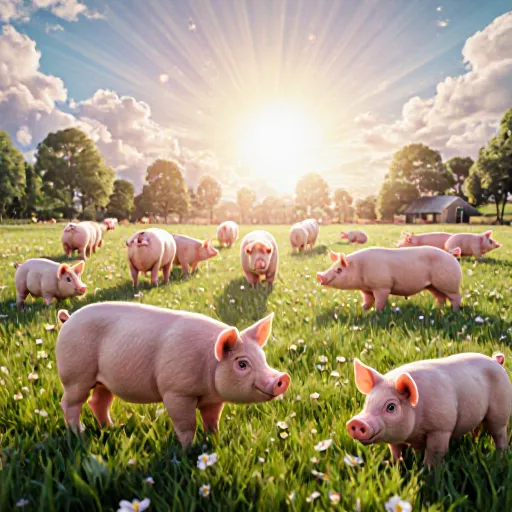
Transforming Pig Farming with Organics
Table of Contents
- Introduction to Organic Pig Farming
- Environmental Impact of Organic Pig Farming
- Soil Health and Management in Organic Pig Farms
- Biodiversity and Organic Pig Farms
- Water Usage in Organic Pig Farming
- Feed Sourcing and Quality in Organic Pig Farms
- Health and Welfare of Pigs in Organic Systems
- Economic Benefits for Farmers
- Challenges Faced by Organic Pig Farmers
- Regulatory Compliance for Organic Pig Farms
- Consumer Demand and Preferences for Organic Pork
- FAQs About Organic Pig Farming
- Conclusion: Pros and Cons of Organic Pig Farming
- Future Trends in Organic Pig Farming
- Final Thoughts on Organic Pig Farming Practices
Introduction to Organic Pig Farming
Organic pig farming is a method of raising pigs that adheres strictly to organic agricultural practices. This approach focuses on sustainable and environmentally friendly methods, ensuring the health and well-being of the animals while minimizing environmental impact. The principles of organic pig farming include avoiding synthetic chemicals such as antibiotics, hormones, and pesticides, promoting animal welfare, and maintaining biodiversity in the ecosystem.
- No Synthetic Additives: Pigs raised organically are not given any synthetic chemicals or additives. This includes antibiotics, hormones, or other pharmaceuticals that can alter their natural growth and health.
- Natural Diet: Organic pigs are fed a diet consisting of organic feed made from whole grains, legumes, and other plant-based ingredients. These feeds are free from genetically modified organisms (GMOs) and synthetic fertilizers.
- Animal Welfare: Pigs in an organic farm setting have access to ample space and natural lighting, allowing them to exhibit natural behaviors such as foraging and movement. They also receive regular veterinary care and humane treatment during transport and slaughter.
The benefits of organic pig farming extend beyond just the production of high-quality meat products. Here are some key advantages:
- Ethical Sourcing: Consumers can trust that organic pigs were raised humanely and sustainably, aligning with ethical values.
- Better Health: Organic pork is often perceived as being safer for consumption due to the absence of synthetic chemicals. It may also be lower in saturated fat compared to conventionally produced pork.
- Eco-Friendly: Organic farming practices help reduce pollution and promote biodiversity, contributing positively to environmental sustainability.
While organic pig farming offers numerous benefits, there are also some challenges associated with it. These include:
- Higher Costs: The production costs for organic pigs tend to be higher due to the use of natural feed and other organic practices.
- Supply Chain Complexity: Ensuring that all inputs are truly organic can be complex, making it difficult to maintain consistent quality throughout the supply chain.
- Limited Availability: Currently, there is a limited supply of organic pork products compared to conventionally produced meat. This can result in higher prices and reduced availability for consumers.
To successfully implement organic pig farming practices, here are some practical tips:
- Choose the Right Breed: Select breeds that are naturally disease-resistant and well-suited to outdoor environments.
- Plan Your Feed Intelligently: Work with certified organic feed suppliers to ensure that your pigs receive the right nutrients without synthetic additives.
- Provide Clean Living Conditions: Maintain clean, hygienic living spaces for your pigs to minimize the risk of disease and infection.
In conclusion, organic pig farming represents a sustainable approach that prioritizes animal welfare, environmental health, and ethical production methods. While it comes with its own set of challenges, the growing demand for organic products makes it an increasingly viable option for conscientious farmers looking to meet consumer preferences.
Environmental Impact of Organic Pig Farming
Organic pig farming, which emphasizes sustainable practices and avoids synthetic chemicals, has a significant impact on the environment. Understanding this impact is crucial for anyone involved in or considering organic pig farming.
- Reduction in Pollution: By avoiding synthetic pesticides and fertilizers, organic farming reduces water pollution from runoff. Pigs on organic farms are typically fed with natural feed, which minimizes the presence of harmful chemicals in the environment.
- Biodiversity Promotion: Organic practices often involve crop rotation and maintaining diverse habitats around pig enclosures, which helps to preserve local biodiversity.
- Degradation Prevention: Organic farming techniques help prevent soil erosion and degradation by promoting sustainable land use. This is especially important in areas prone to heavy rainfall or poor soil quality.
While organic pig farming offers numerous benefits, it also presents some challenges:
- Limited Feed Options: Organic feed is more expensive and less abundant compared to conventional feed. This can lead to higher costs for the farmer and potentially impact the pigs' diet.
- Potential for Soil Degradation: Over time, without proper management, organic farming can still lead to soil degradation if practices are not sustainable or if the farm is too large relative to its land resources.
- Eutrophication Risk: Organic pig farms that use manure as fertilizer need careful management to avoid over-fertilization. Over-fertilization can lead to eutrophication, causing excessive growth of algae and other organisms in water bodies, which depletes oxygen levels.
To mitigate the potential negative impacts and maximize benefits, organic pig farmers should follow these practices:
- Water Management: Proper irrigation techniques can reduce water usage and prevent over-fertilization. Monitoring soil moisture levels is crucial.
- Manure Utilization: Organic farms often use manure as a natural fertilizer, but it must be composted properly to avoid contamination of nearby water sources.
- Crop Rotation and Cover Cropping: These practices help maintain soil health and reduce the need for synthetic fertilizers. They also provide additional benefits such as pest control and increased biodiversity.
In conclusion, organic pig farming offers a more environmentally friendly approach to raising pigs by reducing pollution, promoting biodiversity, and preventing soil degradation. However, it requires careful management practices to avoid potential challenges like limited feed options and eutrophication risk. By adopting sustainable techniques, farmers can ensure that their operations are both profitable and environmentally responsible.
Soil Health and Management in Organic Pig Farms
In organic pig farming, soil health and management play a critical role in ensuring sustainable practices that support both environmental preservation and animal welfare. The soil is not merely a foundation for the farm but an essential component of the ecosystem. Proper soil management enhances nutrient cycling, supports plant growth, and contributes to the overall health of the pigs by providing them with clean, healthy living conditions.
The quality of the soil directly impacts the well-being of the pigs. Healthy soil should have a balanced pH level, adequate water-holding capacity, and contain beneficial microorganisms that promote plant growth. In organic pig farming, it is crucial to maintain these aspects naturally without synthetic chemicals.
Nutrient Cycling
Organic farms rely on natural nutrient cycling processes rather than artificial fertilizers. This involves the decomposition of organic matter such as manure and crop residues, which not only enriches the soil but also reduces the environmental impact of farming practices.
Water Management
Effective water management is essential for maintaining soil health. Proper drainage systems and irrigation methods help prevent waterlogging and ensure that there is enough oxygen in the soil, which is crucial for beneficial microbes to thrive. Excessive water can lead to poor soil structure and nutrient leaching.
Crop Rotation and Cover Cropping
Crop rotation helps prevent soil depletion by alternating different crops that have varying nutritional demands. Cover cropping, such as legumes, can fix nitrogen in the soil naturally, reducing the need for external inputs.
Composting
Composting pig manure and other organic materials is a key practice in maintaining soil health. Compost provides essential nutrients and improves soil structure. It also helps to control pests and diseases by ensuring that waste products are fully decomposed before being incorporated into the soil.
- Better Animal Welfare: Healthy soil leads to healthier plants, which in turn provide clean, nutritious feed for the pigs. This contributes to better animal health and welfare.
- Eco-Friendly Practices: Sustainable farming practices that enhance soil health are beneficial for the environment, helping to reduce greenhouse gas emissions.
- Increased Yield: Well-managed soil can lead to higher crop yields, which in turn supports more pigs on a given farm area without the need for expansion.
While organic pig farming offers numerous benefits, it also comes with its own set of challenges. One significant challenge is ensuring that soil remains healthy despite reduced use of synthetic fertilizers and pesticides. Farmers must implement alternative practices such as rotational grazing and integrated crop-livestock systems to overcome these hurdles.
Integrated Crop-Livestock Systems
In this system, pigs are allowed to graze in fields that have been recently planted or harvested crops. This not only reduces the need for chemical fertilizers but also helps in recycling nutrients back into the soil through manure.
In conclusion, maintaining soil health is vital for organic pig farming. By focusing on sustainable practices such as crop rotation, composting, and integrated systems, farmers can ensure that their pigs have access to a healthy living environment while also preserving the natural resources of the farm.
By adopting these methods, organic pig farmers not only enhance soil health but also contribute positively to environmental conservation efforts. This holistic approach ensures long-term sustainability in pig farming practices.
Biodiversity and Organic Pig Farms
Organic pig farming is a method of raising pigs that emphasizes environmental sustainability, animal welfare, and the avoidance of synthetic chemicals. This approach not only aims to provide consumers with healthier pork products but also seeks to enhance biodiversity in agricultural systems by integrating organic practices into the broader landscape. Understanding how these practices impact biodiversity can help us appreciate their importance in creating more sustainable food production systems.
Organic pig farming contributes positively to local ecosystems by promoting greater biodiversity within and around farm environments. By mimicking natural habitats, organic farms often include diverse plantings that support a variety of insects, birds, and other wildlife. For instance, rotational grazing practices in combination with mixed crop fields help maintain soil health while supporting pollinators and beneficial insects.
A notable example comes from the Organic Pig Farming project led by Dr. Sarah Green at Greenfield Farms. Here, pigs are allowed to roam freely in pastures where they contribute to natural fertilization through manure deposition. The farm also incorporates hedgerows and wildflower strips which not only provide additional food sources for animals but also serve as corridors for wildlife movement.
Crop rotation is another key component of organic pig farming that fosters biodiversity. Instead of monocultures, farmers plant different crops sequentially throughout the year. This variety ensures that nutrients are replenished naturally rather than relying on chemical fertilizers. Pigs play an integral part in this cycle by trampling old crop residues into the soil, thus preparing it for subsequent planting and enhancing its fertility.
The emphasis on humane treatment of animals also plays a crucial role in maintaining biodiversity. When pigs are given ample space to move around and access natural resources like shade and water, they are less likely to become stressed or ill. Healthier livestock contribute positively to their surroundings by being more resilient against diseases which can be transmitted through poor farming practices.
Despite its benefits, organic pig farming does have some challenges that affect biodiversity. The requirement for large tracts of land suitable for pasture and crop rotation may conflict with urbanization or conservation efforts. Additionally, the higher costs associated with this form of production could limit its scalability.
In summary, organic pig farming offers significant advantages when it comes to enhancing biodiversity by integrating ecological principles into traditional agricultural methods. Through careful planning and implementation, these practices can lead to healthier ecosystems benefiting both animals and people alike. However, finding balance between economic viability and environmental responsibility remains critical for widespread adoption of such approaches.
Water Usage in Organic Pig Farming
In organic pig farming, water usage is a critical aspect that significantly impacts both the environment and the farm's operational efficiency. The water used not only supports the pigs' health but also plays a crucial role in maintaining hygiene on the farm. Here’s an in-depth look at how water usage affects organic pig farming, its pros and cons:
Understanding Water Usage
The primary uses of water in organic pig farming include drinking water for the pigs, cleaning facilities and equipment, and supporting the natural processes like manure management. Proper water management is essential to ensure that the pigs stay healthy and that the farm adheres to organic standards.
Pros of Efficient Water Usage
- Healthier Pigs: Clean drinking water ensures that the pigs remain hydrated, which is vital for their overall health. This can lead to fewer infections and better growth rates.
- Reduced Waste: Efficient irrigation of feed and bedding materials can reduce excess moisture and minimize runoff into nearby water bodies.
- Sustainable Farming: By reusing water where possible, farms can significantly reduce their environmental footprint. This also aligns with the principles of organic farming to maintain soil health and biodiversity.
Cons of Poor Water Management
- Potential for Contamination: If water is not properly treated or sourced, it can lead to contamination that affects pig health. This could result in increased veterinary costs and lower productivity.
- Erosion and Runoff: Poorly managed water can lead to soil erosion and runoff into nearby water sources, causing pollution and environmental damage.
- Inefficiency: Overuse of water can be wasteful and costly. Inefficient irrigation practices or inappropriate cleaning methods can result in higher operational costs for the farm.
Practical Advice for Water Management
To manage water usage effectively, organic pig farmers should consider several strategies:
- Install Rainwater Harvesting Systems: Collecting rainwater can provide a sustainable source of drinking and cleaning water.
- Use Low-Flow Fixtures: Installing low-flow showerheads or nozzles in the pigs' living areas helps to conserve water without compromising hygiene.
- Implement Recycling Systems: Recycle wastewater for non-potable uses, such as irrigation of crops and cleaning. This reduces overall demand on fresh water supplies.
In conclusion, effective water management is vital in organic pig farming to ensure the health of pigs, sustainability practices, and compliance with organic standards. By addressing water usage thoughtfully and implementing efficient strategies, farmers can mitigate many of the cons associated with poor water management while reaping the benefits of a more sustainable and productive operation.
Feed Sourcing and Quality in Organic Pig Farms
In organic pig farming, feed sourcing and quality are crucial aspects that significantly impact the overall health of the pigs and the sustainability of the farm. The principles of organic farming emphasize the use of natural and non-synthetic substances to ensure that the animals' diet is free from harmful chemicals and artificial additives. This approach not only benefits the pigs but also supports environmental conservation efforts by promoting sustainable agricultural practices.
Importance of Sourcing Organic Feed
Sourcing organic feed ensures that the pigs are fed with ingredients that have been grown without the use of synthetic fertilizers, pesticides, or genetically modified organisms (GMOs). This practice helps in maintaining the integrity of the farm's organic certification and contributes to a healthier living environment for the animals. Organic feed often includes locally sourced grains, legumes, and vegetables which not only support local farmers but also reduce transportation emissions.
Quality Assurance
The quality of the feed directly influences the growth rate, health, and welfare of the pigs. Ensuring high-quality feed involves several key factors:
- Proper Nutritional Balance: The feed must provide all necessary nutrients such as proteins, fats, vitamins, and minerals in adequate amounts to support optimal pig growth.
- Freshness and Hygiene: Feeds should be stored properly to prevent contamination and spoilage. Fresh feeds ensure that the pigs receive maximum nutritional value.
- Digestibility: The feed must be easily digestible for the pig's digestive system, reducing the risk of gastrointestinal issues.
Challenges in Feed Sourcing
Despite its benefits, sourcing organic feed can present challenges. These include limited availability of organic ingredients, higher costs compared to conventional feeds, and difficulties in meeting high demand during specific times of the year.
Practical Advice for Organic Pig Farmers
- Diversify Feed Sources: Explore various local sources for feed ingredients to ensure a steady supply and reduce dependency on any single supplier. This can also help in building stronger relationships with local farmers.
- Quality Control: Implement strict quality control measures during the feed production process to ensure that all batches meet organic standards.
- Pig Welfare: Monitor pig health closely and adjust feeding practices as necessary. Healthy pigs are more efficient converters of feed into meat, leading to better economic returns.
Conclusion
In conclusion, the sourcing and quality of feed play a pivotal role in organic pig farming. By adhering to these principles, farmers can produce high-quality pork that meets the demand for organic products while contributing positively to environmental conservation efforts.
Health and Welfare of Pigs in Organic Systems
In organic pig farming, the health and welfare of pigs are of paramount importance. Organic systems emphasize providing a natural environment that promotes the well-being of the animals while avoiding synthetic chemicals, antibiotics, and growth hormones. This approach aims to maintain the integrity of both the farm's ecosystem and the final product.
- Natural Diet: Organic pigs are fed a diet consisting solely of organic feed, which is free from synthetic additives, GMOs, and antibiotics. This ensures that the pigs' digestive systems remain healthy and balanced.
- Better Living Conditions: Organic farms typically provide spacious living conditions with access to outdoor areas where pigs can engage in natural behaviors such as rooting and foraging. This reduces stress and promotes healthier growth.
- No Hormones or Antibiotics: By avoiding the use of hormones and antibiotics, organic farming supports the development of a stronger immune system among the pigs, reducing the risk of disease outbreaks.
- Vulnerability to Disease: Without routine use of antibiotics, organic farms are more susceptible to bacterial infections if hygiene standards slip or if external factors such as poor weather conditions affect the environment.
- Cost Implications: The higher costs associated with sourcing organic feed and maintaining strict production practices can lead to increased operational expenses. This may result in higher product prices, potentially affecting market competitiveness.
- Limited Medication Options: In cases of illness, farmers must rely on natural remedies or herbal treatments rather than conventional medications, which might not be as effective immediately.
To maximize the health and welfare of pigs in organic systems, it is crucial to focus on several key aspects:
- Regular Monitoring: Regularly check pig behavior, eating habits, and overall health. Early detection of any issues can prevent them from escalating into larger problems.
- Clean Environment: Maintain a clean and hygienic environment by regularly cleaning living areas and providing fresh water to avoid contamination risks.
- Vaccination and Parasite Control: Although organic farming avoids synthetic medications, it is important to implement effective natural methods for vaccination and parasite control. This includes rotational grazing and the use of herbal remedies.
In conclusion, while organic pig farming presents unique challenges in terms of maintaining health and welfare without synthetic interventions, it also offers numerous benefits that align with ethical and sustainable practices. By carefully managing diet, environment, and medical care, farmers can ensure the well-being of their pigs and produce high-quality, healthy meat.
Economic Benefits for Farmers
Economic benefits play a crucial role in the success of any farming venture, including organic pig farming. Organic pig farming not only provides farmers with various economic advantages but also aligns with sustainable and ethical practices. Here’s an in-depth look at these economic benefits:
The global market is increasingly demanding organic products due to health consciousness and environmental awareness. Organic pig farming ensures that farmers produce meat without the use of synthetic chemicals, growth hormones, or antibiotics. This allows them to tap into a niche market that values these attributes highly.
Higher Prices for Organic Meat
Pigs raised organically often command higher prices in the marketplace compared to conventionally produced pigs. Consumers are willing to pay more for organic meat, which can significantly enhance farmers' profits. For example, studies have shown that organic pork can fetch up to 20-30% more than non-organic pork.
While the initial setup costs may be higher due to the need for certified organic feed and adherence to strict farming practices, farmers can achieve cost efficiency over time. Organic pigs are generally healthier with fewer health issues, which reduces veterinary expenses. Additionally, the focus on natural feed and management practices can lead to better growth rates and lower mortality rates.
Government Incentives
Government bodies often provide incentives for farmers who adopt organic farming methods. These incentives include subsidies for equipment purchases, research grants, and tax breaks. For instance, in some regions, farmers can receive up to 50% of the cost of converting their farm to organic status.
Organic pig farming supports sustainable practices that benefit both the environment and long-term profitability. Farmers who adopt these methods are more likely to see reduced input costs, improved soil fertility, and higher yields in subsequent crops or livestock rotations. This sustainability can lead to a more consistent income stream over time.
Enhanced Reputation
Farmers who engage in organic pig farming often build a strong reputation among consumers and other stakeholders. This positive image can attract new customers, create loyalty, and foster partnerships with eco-conscious businesses. A good reputation also opens doors to more lucrative contracts and collaborations.
While there are significant economic benefits, organic pig farming also comes with challenges that farmers must consider:
Higher Initial Costs
The transition to organic farming can be expensive. Farmers need to invest in certified organic feed and equipment, undergo certification processes, and adhere to strict regulations. These upfront costs can be a barrier for some farmers.
Regulatory Compliance
Farmers must comply with rigorous standards set by organizations like the USDA or EU Organic Certification Bodies. Failure to meet these requirements can result in penalties or loss of certification, which could impact sales and profits.
Limited Availability of Certified Feed
Access to certified organic feed is crucial for successful organic pig farming but may not be readily available in all regions. Farmers need to ensure they have reliable sources of organic feed to maintain their certification and meet market demands.
In conclusion, while the transition to organic pig farming requires careful planning and investment, it offers substantial economic benefits that can lead to a sustainable and profitable venture for farmers. By understanding both the advantages and challenges, farmers can make informed decisions to maximize the potential of this agricultural practice.
Challenges Faced by Organic Pig Farmers
Organic pig farming is a sustainable practice that prioritizes animal welfare, environmental health, and food safety. However, it comes with its own set of challenges that organic pig farmers must navigate. These challenges can significantly impact the success and profitability of an organic pig farm.
1. Feed Sourcing
Organic pig farmers face unique feed sourcing issues compared to conventional farmers. Organic feed must be derived from approved organic sources, which can be limited in availability. This often requires farmers to find alternative suppliers or grow their own feed crops organically. The challenge here is ensuring that the feed meets strict organic standards while also being sufficient for optimal pig growth and health.
For example, organic corn and soybeans may not always be available locally, necessitating long-distance transportation or imports. This can lead to increased costs and logistical challenges. Farmers must also consider crop rotation and soil management practices that are compatible with organic standards.
2. Animal Welfare
Animal welfare is a cornerstone of organic pig farming. Ensuring that pigs have access to clean water, adequate space, and freedom from stress is crucial. However, maintaining these standards can be difficult in large-scale operations where resources may be limited. Farmers need to invest in appropriate facilities and equipment to provide comfortable living conditions for their pigs.
Practical advice: Organic farms often have smaller herd sizes compared to conventional ones. This allows farmers more hands-on care for the animals, but it also means higher labor costs. To manage this, farmers can look into specialized training programs or hire part-time workers who understand organic farming practices.
3. Market Demand and Pricing
The demand for organic products is growing; however, meeting that demand while ensuring profitability remains a challenge. Organic pigs tend to be more expensive due to higher production costs associated with organic feed and care. Farmers must ensure they can sell their products at competitive prices to stay profitable.
Example: A farmer might struggle to find buyers willing to pay the premium price for organic pork if the local market is dominated by cheaper conventional options. To overcome this, farmers could diversify their product offerings or explore direct-to-consumer sales through online platforms and community-supported agriculture (CSA) programs.
4. Regulatory Compliance
Farmers in organic pig farming must adhere to strict regulations set by organizations like the USDA Organic Standards. These standards dictate how pigs are raised, fed, and handled throughout their lifecycle. Ensuring compliance can be time-consuming and require detailed record-keeping.
Practical advice: Regular audits from third-party certifiers ensure that farms meet these stringent requirements. Farmers should stay updated on changes to regulations and work closely with certification bodies to maintain their organic status.
5. Climate and Environmental Factors
Pig farming, both conventional and organic, is susceptible to climate change impacts such as extreme weather conditions that can affect feed supplies or housing structures. Organic farms might face additional challenges due to the need for more natural shelters and reduced reliance on synthetic materials.
Example: Heavy rain could lead to flooding of pig pens, causing stress to the animals. Farmers should implement sustainable practices like building elevated pens or using permeable flooring to mitigate these risks.
Conclusion
In summary, while organic pig farming offers numerous benefits including better animal welfare and environmental sustainability, it also presents distinct challenges that require thoughtful planning and adaptation from farmers. By addressing these challenges head-on through careful management practices and innovative solutions, organic pig farmers can continue to thrive in this rewarding industry.
Regulatory Compliance for Organic Pig Farms
Ensuring regulatory compliance is a critical aspect of organic pig farming, as it ensures that the practices employed align with the standards set by relevant authorities. Organic pig farming involves raising pigs using methods that are designed to promote health and welfare while minimizing environmental impact. This section will delve into the specific requirements and considerations for regulatory compliance in organic pig farming.
The first step towards regulatory compliance is understanding the standards set by organizations such as the USDA (United States Department of Agriculture) or EU regulations, depending on your geographical location. These standards are designed to ensure that pigs raised organically have access to pasture and forage, receive organic feed, and live in a stress-free environment.
For instance, according to Organic Pig Farming: Pros and Cons, the USDA defines organic pig farming as a production system that avoids the use of synthetic fertilizers, pesticides, growth hormones, and antibiotics. Farms must also provide outdoor access for pigs, allowing them to exhibit their natural behaviors.
To meet these standards, farmers need to implement specific practices:
- Pasture Access: Pigs should have continuous access to pasture or a similar environment that allows them to root and forage naturally. This can be challenging in areas with cold climates where outdoor access is not feasible year-round.
- Natural Diet: Feed must be organic, meaning it cannot contain synthetic additives or genetically modified organisms (GMOs). Farmers should source feed from trusted suppliers who adhere to organic standards.
- Health and Welfare: Pigs must have access to clean water, fresh air, and adequate space. They should also be provided with bedding material that is free of chemicals.
Accurate record keeping is crucial for proving compliance with organic standards. Farmers must document all aspects of their operation, including feed sources, health care practices, and management protocols. This documentation can be reviewed by auditors during inspections to ensure the farm meets certification requirements.
An example from Organic Pig Farming: Pros and Cons suggests that maintaining detailed records of all inputs used on the farm, such as feed ingredients and medications, helps demonstrate adherence to organic principles.
Farms must undergo regular inspections by certifying bodies to ensure they continue to meet organic standards. These inspections can be rigorous, requiring farmers to provide evidence of compliance through documentation and on-site visits.
A practical advice for farm owners is to engage with a certified organic consultant who can guide them through the certification process and help identify any areas needing improvement before the official audit.
Despite the benefits of organic pig farming, there are challenges in maintaining regulatory compliance:
- Costs: Organic feed is often more expensive than non-organic alternatives, which can increase production costs. Farmers need to carefully manage expenses while still meeting certification requirements.
- Pest Control: Without the use of synthetic pesticides, managing pests can be difficult. Innovative approaches such as introducing natural predators or using organic pest control methods may help.
In conclusion, regulatory compliance in organic pig farming is essential for maintaining credibility and trust with consumers who value organic products. By understanding the standards, implementing appropriate practices, keeping accurate records, and being prepared for inspections, farmers can successfully navigate the challenges of organic pig farming.
Consumer Demand and Preferences for Organic Pork
The demand for organic pork has been on a steady rise, reflecting consumers' growing awareness of environmental sustainability, animal welfare practices, and health concerns. Organic pig farming represents a shift away from conventional methods, emphasizing the use of organic feed, natural habitats, and minimal veterinary intervention. This section delves into the consumer preferences that drive this demand and explores both the advantages and challenges associated with organic pig farming.
Consumers are increasingly seeking products that align with their values of health and environmental responsibility. The trend towards organic pork is fueled by a desire to:
- Improve Animal Welfare: Consumers prefer pigs raised in more natural environments, free from antibiotics and growth hormones.
- Promote Sustainable Practices: There is a growing preference for products that support sustainable agriculture practices, reducing the environmental impact of farming.
- Ensure Healthier Eating Habits: Organic pork is often seen as more nutritious due to its lower antibiotic and hormone content.
These preferences are evident in various market trends. For instance, organic pork is often associated with higher prices but commands a premium among health-conscious consumers willing to pay more for perceived quality. Retailers report that customers are particularly drawn to labels indicating organic status and humane farming practices.
Pros of Organic Pig Farming
- Better Animal Welfare: Pigs in organic systems typically have more space, access to natural environments, and are fed a diet free from artificial additives.
- Sustainability: Organic farming practices can help reduce the environmental footprint by promoting biodiversity and soil health.
- Health Benefits: Reduced exposure to antibiotics and hormones in organic pork may contribute to healthier consumption habits.
Cons of Organic Pig Farming
- Higher Costs: The higher costs associated with organic feed, certification processes, and limited production can make organic products more expensive for consumers.
- Lower Productivity: Due to fewer interventions like antibiotics, pigs in organic systems may have lower growth rates compared to conventionally raised pigs.
- Supply Chain Challenges: Organic pig farming is still a niche market, which can lead to supply chain inefficiencies and limited availability.
To meet consumer demand, farmers and retailers are focusing on transparent labeling and education campaigns. Certifications like USDA Organic or EU Organic labels help reassure consumers about product authenticity. Additionally, marketing strategies that highlight the unique benefits of organic pork can drive sales and build a loyal customer base.
The increasing consumer demand for organic pork reflects broader trends towards healthier and more sustainable food choices. While there are challenges in maintaining high standards, the positive impact on animal welfare and environmental sustainability makes it an attractive option for those committed to responsible consumption practices. As awareness grows, so too will the market for organically raised pigs.
FAQs About Organic Pig Farming
Finding the Right Balance Between Tradition and Modernity
One of the key challenges in organic pig farming is finding a balance between traditional practices and modern methods. Organic farms often prioritize animal welfare, sustainable practices, and environmental impact over increasing production yields at all costs. This approach can sometimes lead to lower productivity compared to conventional methods. However, by focusing on natural feed sources like whole grains and legumes, and by allowing pigs to forage in pastures, organic farmers can enhance the quality of life for their animals while reducing the need for antibiotics.
Organic Feed and Its Impact
The use of organic feed is one of the defining characteristics of organic pig farming. Organic feed must be produced without synthetic fertilizers, pesticides, or genetically modified organisms (GMOs). This can sometimes result in less consistent feed quality compared to conventional feed. However, by using locally sourced grains and legumes, farmers can reduce their carbon footprint and support local agriculture.
Animal Health and Welfare
In organic pig farming, animal health is closely monitored without the use of antibiotics or other synthetic medications. This approach can lead to higher levels of stress for pigs during illness as they do not receive immediate medical intervention. However, this also encourages stronger immune systems through natural practices such as vaccination and preventive care. Farmers often rely on rotational grazing and providing access to clean water and open space.
Environmental Impact
The environmental impact of organic pig farming is a significant advantage over conventional methods. By reducing the use of chemical fertilizers and pesticides, farmers can minimize pollution from runoff into nearby water sources. Additionally, allowing pigs to forage in pastures helps reduce waste by turning it into nutrient-rich manure that can be used as fertilizer. However, this also requires more land usage which could be seen as a disadvantage depending on the scale of operations.
Market Demand and Consumer Preferences
The growing demand for organic products has led to an increase in market opportunities for organic pig farmers. Consumers are willing to pay premium prices for meat that is produced without synthetic additives or hormones, leading to higher profitability for farms adhering to these standards. However, meeting the strict certification requirements can be time-consuming and costly.
Challenges of Organic Pig Farming
Despite its benefits, organic pig farming also faces several challenges. One major challenge is maintaining consistent quality due to variations in feed sources and foraging conditions. Another challenge is achieving profitability given the higher costs associated with certified organic production compared to conventional methods. Farmers must carefully plan their operations to maximize efficiency while adhering to strict guidelines.
Conclusion
In conclusion, organic pig farming offers numerous advantages such as improved animal welfare, reduced environmental impact, and increased consumer trust in product quality. However, it also comes with its own set of challenges that require careful management. By understanding both the pros and cons, farmers can make informed decisions about whether this type of farming aligns with their goals and resources.
Conclusion: Pros and Cons of Organic Pig Farming
Pros of Organic Pig Farming
Organic pig farming focuses on sustainable practices that promote the health of pigs, as well as environmental conservation. Here are some key advantages:
- Ethical Treatment and Welfare: Organic standards mandate that pigs have access to outdoor spaces, fresh air, and natural light. This promotes better animal welfare by reducing stress and improving their overall quality of life.
- Natural Diet: Organic pigs are fed a diet free from genetically modified organisms (GMOs) and synthetic additives, which supports their health and growth naturally.
- Eco-Friendly Practices: By avoiding chemical fertilizers and pesticides in feed production, organic farming reduces environmental impact. Additionally, manure management practices contribute to soil enrichment without the use of harmful chemicals.
Furthermore, consumers often prefer purchasing meat produced through organic methods due to perceived health benefits and reduced risk of antibiotic resistance.
Cons of Organic Pig Farming
While there are numerous benefits, organic pig farming also faces some challenges:
- Costs and Profitability: The higher cost associated with organic feed and certification can make this type of farming less profitable compared to conventional methods. Farmers must ensure that their practices meet strict standards set by organizations like the USDA or EU.
- Space Requirements: Organic pigs need more space for outdoor access, which increases land requirements and may limit scalability.
- Vulnerability to Disease: The reduced use of antibiotics can make organic pigs more susceptible to diseases, especially in densely populated areas. This requires farmers to implement robust biosecurity measures.
Pig farmers must balance these challenges while continuing to meet the growing demand for ethically sourced and environmentally friendly products.
Practical Advice
To succeed in organic pig farming, consider the following practical steps:
- Compliance with Standards: Stay updated on regulations and certifications required by relevant organizations.
- Diversification of Feed: Explore alternative feed sources to reduce costs while maintaining nutritional value.Investment in Biosecurity: Implement strong biosecurity measures to minimize the risk of disease outbreaks.
Educating yourself and continuously improving farming practices will help overcome some of the challenges associated with organic pig farming.
Future Trends in Organic Pig Farming
The future of organic pig farming holds significant promise and challenges. As consumer preferences evolve, the demand for sustainably produced meat continues to grow, driving innovation in organic farming practices. Here are some key trends that are shaping the future of organic pig farming:
1. Integrated Farming Systems
Incorporating more integrated farming systems is a notable trend. This approach combines crop and livestock production to create sustainable, self-sustaining ecosystems. For example, pigs can be used to clean up waste from other parts of the farm, reducing environmental impact while enhancing overall productivity. By integrating pig farming with other agricultural activities, farmers can minimize resource use and maximize efficiency.
2. Genetically Improved Organic Breeds
The development of genetically improved organic breeds is another significant trend. These breeds are specifically designed to thrive in organic environments, producing leaner meat while requiring fewer resources. Research into genetic modifications is aimed at enhancing disease resistance and improving feed conversion rates without compromising ethical standards.
3. Smart Technology Integration
The integration of smart technology in pig farming is revolutionizing the industry. Farmers are using IoT devices, sensors, and AI algorithms to monitor and optimize various aspects of pig health and welfare. For instance, automated feeders adjust based on the pigs' activity levels and nutritional needs, ensuring that they receive the right amount of food at the right time. This not only improves efficiency but also helps in reducing waste and enhancing animal well-being.
4. Alternative Feed Sources
The search for alternative feed sources is crucial for the future of organic pig farming. Farmers are exploring various options such as insects, algae, and by-products from other industries to supplement traditional feeds like corn and soybeans. For example, black soldier fly larvae have gained attention due to their high protein content and ability to convert organic waste into a valuable resource.
5. Consumer Education and Certification
As the market for organic products expands, consumer education plays a vital role in driving demand. Educating consumers about the benefits of organic pig farming can help increase acceptance and preference for these products. Additionally, certification programs that ensure rigorous standards are being implemented to maintain the integrity of organic certifications. This includes third-party audits and continuous improvement processes.
Conclusion
The future of organic pig farming is bright but requires careful planning and execution. By embracing these trends, farmers can contribute positively to environmental sustainability while meeting growing consumer demand for ethically produced meat.
(Referenced from: Organic Pig Farming: Pros and Cons)
Final Thoughts on Organic Pig Farming Practices
After exploring the intricacies of organic pig farming practices, it is clear that this method offers a more sustainable approach to raising pigs. Organic farming emphasizes the use of natural feed and minimal intervention in the animals' environment, promoting healthier meat products while also supporting ecological balance. This practice not only benefits the pig's health but also contributes positively to the environment by reducing the need for synthetic chemicals.
- Ethical Treatment: Organic farming ensures that pigs are raised in humane conditions, with ample space and access to natural environments. This practice helps reduce stress and promotes the well-being of the animals.
- Natural Feed: Organic farms use certified organic feed made from whole grains, vegetables, and legumes, which are free from synthetic additives like antibiotics or hormones. This approach leads to healthier pigs with higher nutritional value in their meat.
- Sustainable Environment: By avoiding the use of chemical fertilizers and pesticides, organic farming helps maintain soil fertility and biodiversity. Additionally, waste management practices such as composting contribute to a cleaner environment.
Despite its advantages, organic pig farming also presents certain challenges that farmers need to consider:
- Cost of Production: The use of natural feed and adherence to strict regulations can increase production costs. This may lead to higher retail prices for the meat.
- Supply Chain Issues: Organic certification requirements and limited availability of certified organic ingredients can sometimes complicate supply chain management.
- Growth Rate: Pigs raised organically tend to have a slower growth rate compared to those given feed containing growth promoters. This can extend the time from birth to slaughter, affecting profitability.
To successfully implement organic pig farming practices, farmers should:
- Obtain Organic Certification: Ensure that all feed and production methods meet the standards set by relevant certification bodies. This will help guarantee the marketability of your products.
- Optimize Feed Usage: Work with nutritionists to design a balanced diet that maximizes growth while minimizing resource usage. This approach can improve profitability without compromising on organic principles.
- Invest in Facilities: Ensure that the pig barns and enclosures are clean, well-ventilated, and provide sufficient space for the pigs. Proper facilities contribute to better animal health and welfare.
In conclusion, while organic pig farming practices present challenges, they offer significant benefits in terms of ethical treatment, sustainable production, and environmental responsibility. By understanding both the pros and cons and adopting practical strategies, farmers can successfully navigate this method to produce high-quality meat that meets consumer demand for healthier and more responsibly sourced products.
Categories
- AI & Enrichment Play
- Broiler Farming
- Broiler Farming Tips
- Canine Wellness & Longevity
- Cat
- Cat & Human Connection
- Cat Adoption & Rescue
- Cat Breeds
- Cat Breeds & Personalities
- Cat Care & Health
- Cat Grooming & Hygiene
- Cat Lifestyle & Environment
- Cat Myths & History
- Cat Nutrition & Diet
- Cat Products & Reviews
- Cat Training & Behavior
- Comparison
- Consumer Awareness
- Dog
- Dog Accessories & Products
- Dog Adoption & Rescue
- Dog Breed & Lifestyle Trends
- Dog Breeding & Puppies
- Dog Entertainment & Media
- Dog Fashion & Trends
- Dog Fun & Lifestyle
- Dog Grooming & Hygiene
- Dog History & Culture
- Dog Myths, Science & Future Tech
- Dog News & Trends
- Dog Nutrition & Food
- Dog Psychology & Emotions
- Dog Safety & Security
- Dog Sports & Activities
- Dog Technology & Innovation
- Dog Training for Modern Owners
- Dog Travel & Adventure
- Dog Travel, Adventure & Culture
- Economic and Market Insights
- Educational Content
- FAQs
- Feeding Alternatives
- Festivals & Seasonal Ideas
- Fun & Entertainment
- General Knowledge
- General Pig Farming
- Health & Disease Management
- Housing and Environment
- Kittens
- Market Insights
- Miscellaneous
- Miscellaneous
- Motivational
- pig
- Pig Breeding
- Pig Breeds
- Pig Farming Stories and Inspiration
- Pig Health and Care
- Pig Nutrition
- Pig Products
- Profitability & Business
- Puppy Care
- Puppy Predictable Topics Reinvented
- Regional Focus
- Rescue & Adoption Buzz
- Senior Cats
- Senior Dog Care
- Smart Dog Tech & Gadgets
- Sustainability
- Sustainable & Eco-Friendly Dog Products
- Tech & Innovations
- Working & Service Dogs
- Broiler Feed66 products
- Country Feed33 products
- Pig Feed66 products
- Product22 products
- Raw Materials99 products
Products
-
 Fish Meal
₹1,999.00 – ₹2,999.00Price range: ₹1,999.00 through ₹2,999.00Rated 0 out of 5
Fish Meal
₹1,999.00 – ₹2,999.00Price range: ₹1,999.00 through ₹2,999.00Rated 0 out of 5 -
 FATTENING BROILER FEED
₹2,299.00 – ₹2,349.00Price range: ₹2,299.00 through ₹2,349.00Rated 0 out of 5
FATTENING BROILER FEED
₹2,299.00 – ₹2,349.00Price range: ₹2,299.00 through ₹2,349.00Rated 0 out of 5 -
 LAYER COUNTRY FEED
₹1,549.00 – ₹1,649.00Price range: ₹1,549.00 through ₹1,649.00Rated 0 out of 5
LAYER COUNTRY FEED
₹1,549.00 – ₹1,649.00Price range: ₹1,549.00 through ₹1,649.00Rated 0 out of 5 -
 COUNTER BROILER FEED
₹1,199.00 – ₹1,299.00Price range: ₹1,199.00 through ₹1,299.00Rated 0 out of 5
COUNTER BROILER FEED
₹1,199.00 – ₹1,299.00Price range: ₹1,199.00 through ₹1,299.00Rated 0 out of 5 -
 LACTATING PIG FEED
Rated 0 out of 5
LACTATING PIG FEED
Rated 0 out of 5₹2,299.00Original price was: ₹2,299.00.₹1,740.00Current price is: ₹1,740.00. -
 Maize
Rated 0 out of 5
Maize
Rated 0 out of 5₹1,650.00Original price was: ₹1,650.00.₹1,300.00Current price is: ₹1,300.00. -
 GESTATION PIG FEED (Phase 1)
Rated 0 out of 5
GESTATION PIG FEED (Phase 1)
Rated 0 out of 5₹2,249.00Original price was: ₹2,249.00.₹1,699.00Current price is: ₹1,699.00. -
 Pre Starter Broiler Feed
₹2,399.00 – ₹2,499.00Price range: ₹2,399.00 through ₹2,499.00Rated 0 out of 5
Pre Starter Broiler Feed
₹2,399.00 – ₹2,499.00Price range: ₹2,399.00 through ₹2,499.00Rated 0 out of 5 -
 FINISHER PIG FEED
Rated 0 out of 5
FINISHER PIG FEED
Rated 0 out of 5₹2,299.00Original price was: ₹2,299.00.₹1,749.00Current price is: ₹1,749.00. -
 Broiler Premix
Rated 0 out of 5
Broiler Premix
Rated 0 out of 5₹820.00Original price was: ₹820.00.₹699.00Current price is: ₹699.00.