
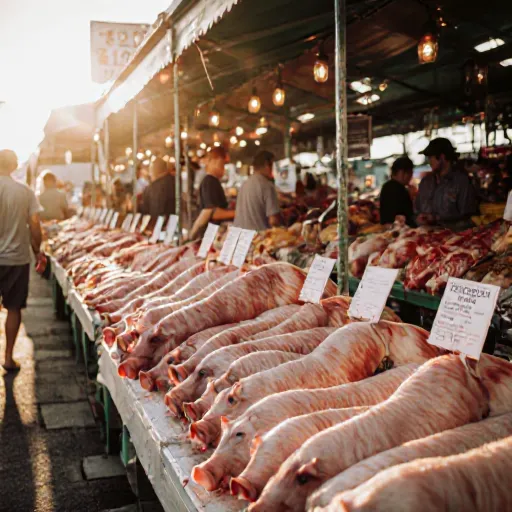
Unlocking Pork's Potential Beyond the Predictable
Table of Contents
- Market Overview of the Global Pork Industry
- Global Production Trends
- Major Export and Import Markets
- Impact of Disease Outbreaks on the Industry
- Technological Innovations in Pig Farming
- Sustainability Efforts and Challenges
- Consumer Preferences and Trends
- Government Policies and Regulations
- Impact of Trade Agreements on the Industry
- Economic Impact on Local Economies
- Environmental Considerations and Mitigation Strategies
- Future Prospects and Forecasting
- Challenges Facing Small-Scale Farmers
- Comparative Analysis with Other Protein Sources
- FAQs about the Global Pork Industry
- Conclusion
Market Overview of the Global Pork Industry
The global pork industry is a cornerstone of the world’s food supply, playing a crucial role in meeting dietary needs across diverse cultures. According to "The Global Pork Industry: Trends and Insights," this sector has been experiencing significant transformations driven by economic growth, changing consumer preferences, and technological advancements. The market overview highlights several key trends that are shaping the future of pork production and consumption.
- Growing Demand from Emerging Economies: As countries like China, India, and Brazil experience rapid economic growth, there is a rising demand for meat products. Pork, being relatively affordable compared to other meats, continues to be a staple in many diets. This trend is expected to continue, driven by population increases and urbanization.
- Health-Conscious Consumers: The shift towards healthier lifestyles has led to increased interest in lean protein sources like pork. While this presents an opportunity for the industry to promote its nutritional benefits, it also requires a focus on quality and sustainability.
- Sustainability Focus: There is growing pressure from consumers and regulatory bodies to improve environmental practices within the pork sector. This includes reducing emissions, optimizing feed efficiency, and enhancing animal welfare standards.
The global pork industry is dominated by a few major players who operate across various regions. Companies like Smithfield Foods, JBS S.A., and Cargill are key participants shaping market dynamics through innovation and strategic partnerships.
In terms of regional distribution:
- Asia-Pacific Region: This region contributes the largest share to global pork consumption, driven by China's significant contribution. The demand is expected to grow further due to rising disposable incomes and increasing population density.
- North America: Here, the focus is more on exports rather than domestic consumption. The U.S. in particular has a strong influence on global pork trade.
- Europe: While per capita meat consumption is high, this region faces challenges such as rising environmental concerns and stricter regulations regarding animal welfare.
The global pork industry is embracing technology to enhance productivity, sustainability, and food safety. Innovations include:
- Genetic Engineering: Advances in breeding techniques have led to more efficient animals with better meat quality.
- Smart Farming: The use of IoT devices and AI for monitoring farm conditions, optimizing feed usage, and predicting health issues can significantly improve operational efficiency.
- FDA Compliance: Ensuring compliance with food safety regulations through advanced tracking systems and quality control measures is crucial.
The global pork industry faces several challenges, including:
- Supply Chain Disruptions: Issues such as pandemics (e.g., African Swine Fever) can drastically affect production levels.
- Regulatory Hurdles: Different countries have varying standards and regulations, which can pose challenges for international trade.
Despite these challenges, the industry also presents numerous opportunities:
- Innovation in Processing: New processing techniques that extend shelf life or improve texture are continually being developed.
- Export Opportunities: Countries with favorable trade policies and stable demand offer significant potential for growth.
In conclusion, the global pork industry is dynamic and resilient. By understanding these market trends, key players, regional dynamics, technological advancements, challenges, and opportunities, stakeholders can better position themselves to capitalize on this vibrant sector.
Global Production Trends
The global pork industry has been witnessing significant shifts due to various factors including changing consumer preferences, advancements in technology, and environmental concerns. According to "The Global Pork Industry: Trends and Insights," these trends are reshaping the landscape of pork production globally.
Changing Consumer Preferences
One of the most notable trends is the shift towards healthier eating habits and increased awareness about food safety and origin. Consumers are more inclined towards organic, grass-fed, or locally produced pork alternatives. This trend has spurred a rise in demand for sustainably sourced products.
A study by "The Global Pork Industry" suggests that the demand for premium-quality pork cuts is growing, especially among younger consumers who prioritize health and wellness. These preferences are driving producers to adopt new breeding practices and feeding methods aimed at improving meat quality.
Advancements in Technology
The use of technology has dramatically impacted the industry by enhancing efficiency and reducing costs. Precision farming techniques, for instance, allow farmers to monitor and optimize feed usage, water consumption, and health management more effectively. These technologies help maintain high standards of hygiene and biosecurity.
Artificial Intelligence (AI) is also playing a pivotal role in predictive analytics and decision-making processes within the pork industry. AI algorithms can analyze vast amounts of data to forecast market trends and optimize production schedules, thus improving overall profitability.
Environmental Concerns
The environmental impact of large-scale farming practices has been a growing concern globally. This has led to increased scrutiny on the sustainability practices within pork production. The industry is responding by implementing more sustainable methods such as reducing water usage, minimizing waste, and adopting renewable energy sources.
For instance, some farms are exploring vertical farming techniques where pigs are housed in multi-story structures. This approach not only conserves space but also reduces the carbon footprint associated with traditional pig rearing practices.
Policies and Regulations
Government policies play a crucial role in shaping the future of pork production. Compliance with stringent animal welfare regulations is becoming increasingly important, particularly as ethical considerations gain more traction among consumers and producers alike.
Environmental regulations are also pushing for greater transparency in supply chains to ensure compliance with international standards regarding food safety and traceability. This trend underscores the importance of collaboration between governments, industry stakeholders, and consumer groups.
Conclusion
The global pork industry is undergoing a transformation driven by consumer preferences, technological advancements, environmental concerns, and regulatory requirements. Producers must stay adaptable to these changes in order to thrive in this evolving market. By embracing sustainable practices and leveraging technology, the industry can ensure its long-term viability while meeting the changing expectations of consumers.
Major Export and Import Markets
The global pork industry is characterized by significant trade flows between various regions. Understanding the major export and import markets of pigs and pork products is crucial for players in this sector, including producers, processors, and traders.
Major Export Markets
In 2021, China was the largest exporter of pig meat globally with exports reaching approximately 895,000 metric tons. This was followed by Denmark, which exported about 762,000 metric tons, and Germany with around 447,000 metric tons.
Denmark's export strategy focuses on high-quality products such as fresh pork loins, hams, and bacon, while China’s exports often include processed products like sausages and canned meats. The United States also plays a significant role in the global market with its export volume surpassing 400,000 metric tons.
Major Import Markets
The top importers of pig meat globally are China, which imports about 2.8 million metric tons annually, followed by South Korea (1.7 million metric tons) and Japan (over 650,000 metric tons). These markets are driven by domestic production shortfalls, dietary preferences, and food safety concerns.
China’s Pork Market
Despite being the largest producer of pork globally, China still imports substantial quantities due to domestic supply chain challenges and consumer demand for diverse products. Imports from Denmark are particularly popular in China for their quality and reliability. Other major suppliers include the Netherlands and Germany.
South Korea’s Pork Market
South Korea's pork market is characterized by a high level of demand for premium cuts like riblets and loin, which are often sourced from countries with stringent animal welfare standards. Denmark continues to be South Korea's leading supplier due to the consistent quality and safety measures it adheres to.
Japan’s Pork Market
In Japan, there is a strong preference for premium cuts like loin chops and tenderloin. The country also imports processed products such as sausages and hams from Europe. Imports from Denmark and the Netherlands are preferred due to their adherence to strict hygiene standards.
Market Trends and Insights
The global pork trade is influenced by several factors, including geopolitical events, currency fluctuations, and health scares like African Swine Fever (ASF). For instance, during the 2018-2019 ASF outbreak in China, imports from neighboring countries increased significantly as domestic production was severely impacted.
Geopolitical tensions can also disrupt trade routes. For example, the imposition of tariffs by China on U.S. pork products led to a shift in sourcing strategies for some importers who sought alternative suppliers like Denmark and Canada.
To navigate these challenges, exporters are focusing on diversifying their market reach and improving product quality to meet stringent international standards. Additionally, the use of digital platforms for market analysis and sales is becoming increasingly important.
Impact of Disease Outbreaks on the Industry
The impact of disease outbreaks on the industry, particularly within the global pork industry, can be profound. Disease outbreaks not only affect individual farms and businesses but also have cascading effects across supply chains and economies. Understanding these impacts is crucial for stakeholders in the pork sector to ensure resilience and sustainability.
The global pork industry is a significant player in the agricultural economy, with millions of animals raised annually for meat production. However, disease outbreaks such as Porcine Epidemic Diarrhea Virus (PEDV) and African Swine Fever (ASF) have posed severe challenges to this sector.
Porcine Epidemic Diarrhea Virus (PEDV)
PEDV is a highly contagious virus affecting pigs of all ages, but it primarily impacts piglets. The virus causes severe diarrhea and vomiting in young pigs, leading to high mortality rates and significant economic losses for producers.
Impact: PEDV outbreaks have led to substantial reductions in pork production capacity. Farms that experience outbreaks often face prolonged periods of reduced output or even closure temporarily. This disrupts supply chains and can lead to price volatility in the market.
African Swine Fever (ASF)
ASF is a viral disease affecting both domestic pigs and wild boars. It is more lethal than PEDV, with mortality rates as high as 100% in infected herds. The virus can spread rapidly through direct contact or by contaminated materials.
Impact: ASF outbreaks have caused widespread panic among farmers and consumers alike. The disease has led to mass culling of entire pig populations, resulting in a significant drop in pork availability on the global market. This has had ripple effects on food security and economic stability in affected regions.
Disease outbreaks disrupt supply chains by causing production slowdowns or halts. This is particularly problematic for countries heavily reliant on pork imports, as disruptions at the source can lead to shortages of raw materials and finished products.
Practical Advice: To mitigate these risks, producers should implement robust biosecurity measures such as regular disinfection protocols, restricted visitor access, and strict quarantine procedures. Additionally, diversifying suppliers and expanding market reach can help minimize the impact of localized outbreaks on overall supply chains.
The economic toll of disease outbreaks is significant, encompassing direct costs such as veterinary care and culling, as well as indirect costs related to lost productivity. The global pork industry contributes billions of dollars annually to national economies, particularly in Asia where pork consumption is high.
Insights: Economies that rely heavily on the pork sector face greater financial strain during outbreaks due to increased government spending on control measures and support for affected farmers. It is essential for governments to provide targeted subsidies and insurance programs to cushion the impact on small-scale producers who are most vulnerable.
The global pork industry must prioritize sustainability and resilience in the face of future disease outbreaks. This involves investing in research and development for vaccines and treatments, enhancing biosecurity practices, and fostering international collaboration to prevent the spread of diseases across borders.
Advice: Producers should stay informed about emerging trends and best practices regarding disease control. Participating in industry associations and networks can provide valuable resources and support during crises. Moreover, adopting sustainable farming practices that reduce environmental stress on animals can help bolster overall health and resilience within the sector.
In conclusion, while disease outbreaks present significant challenges to the global pork industry, they also offer opportunities for growth and innovation. By understanding the trends and insights from past outbreaks, stakeholders in the pork sector can better prepare for future disruptions and contribute to a more resilient and sustainable industry.
Technological Innovations in Pig Farming
The global pork industry is undergoing a significant transformation, driven by technological innovations that aim to increase efficiency, sustainability, and animal welfare. These advancements are crucial not only for the economic health of pig farming but also for meeting increasing consumer demand for safe, high-quality meat products. Below are some key technological innovations in pig farming as highlighted in "The Global Pork Industry: Trends and Insights."
The introduction of automated feeding systems has revolutionized how pigs are fed on modern farms. These systems not only ensure that the correct amount of feed is delivered at specific times but also offer precise control over nutrient delivery, which can lead to improved growth rates and reduced waste.
Example: Companies like Precision Plus (now owned by Cargill) have developed advanced feeding systems that use sensors and AI algorithms to adjust feeding based on the pigs' individual needs. This precision not only optimizes feed efficiency but also minimizes environmental impact by reducing the amount of uneaten feed that ends up in landfills.
Practical Advice: Farms should consider investing in these systems as they pay for themselves through reduced feed costs and improved performance metrics over time. Farmers can consult with veterinarians or animal nutritionists to better understand how to implement such technologies effectively within their specific operations.
Internet of Things (IoT) devices combined with data analytics are providing farmers with real-time insights into various aspects of pig health, growth, and environmental conditions. This information helps in making informed decisions that can enhance overall farm productivity.
Example: Devices such as smart collars equipped with sensors provide continuous monitoring of heart rate variability, activity levels, and even stress indicators for individual pigs. Such data is invaluable for early detection of health issues or suboptimal conditions in the barn.
Practical Advice: Farms can start small by integrating one or two IoT devices into their operations to get used to the data it generates before scaling up. It's important to choose solutions that integrate well with existing systems and provide easy-to-understand outputs. Collaboration between farm management teams and IT experts ensures smooth implementation.
The quest for leaner, faster-growing pigs continues through ongoing genetic improvements. Advances in DNA analysis allow breeders to select animals with the best traits more accurately than ever before.
Example: Pig breeding companies like Genus plc and Liakos Genetics are leveraging genomic selection technology to identify superior genetics early in the animal's life cycle, leading to increased efficiency of growth and better meat quality.
Practical Advice: For smaller farms, joining cooperative breeding programs can be a cost-effective way to access advanced genetic material without large upfront investments. Farmers should stay updated on research trends and consider consulting with breeders who specialize in these technologies to tailor their approach to local market preferences.
Eco-friendly practices are becoming increasingly important as part of sustainable pig farming. Innovations include methods for reducing greenhouse gas emissions, optimizing waste management, and enhancing energy efficiency within the farm infrastructure.
Example: Some farms have implemented anaerobic digestion systems where manure is converted into biogas, which can be used to generate electricity or heat. This not only reduces methane emissions but also provides an additional revenue stream through the sale of green energy credits.
Practical Advice: Farms should explore all available options for sustainable practices that align with their business model and local regulations. Partnerships with environmental consultants can provide valuable guidance on how to best integrate these changes into daily operations.
Technological innovations are playing a pivotal role in shaping the future of pig farming globally. By adopting these cutting-edge practices, farms can improve their bottom lines while contributing positively towards environmental sustainability and animal welfare standards. It’s essential for farmers to stay informed about new developments and adapt technologies that best fit their unique circumstances.
Sustainability Efforts and Challenges
The global pork industry is facing increasing pressure to adopt more sustainable practices due to growing environmental concerns, changing consumer preferences, and rising production costs. Sustainability efforts in this sector are critical not only for the long-term viability of farms but also for maintaining public trust and ensuring a stable supply chain.
One of the key areas of focus within the pork industry is reducing greenhouse gas emissions. Farms are implementing strategies such as improving feed efficiency, optimizing herd management, and adopting new technologies that minimize waste and energy consumption. For instance, some farms have started using anaerobic digesters to convert manure into biogas, which can be used for electricity generation.
Water conservation is another major sustainability effort. Many pork producers are exploring ways to reduce water usage in feed production and processing. Techniques such as precision irrigation and recycling wastewater are being implemented to minimize the environmental footprint of farming operations.
Despite these efforts, there are significant challenges that hinder full sustainability across the pork industry:
- Economic Constraints: Implementing sustainable practices often requires substantial upfront investment. Small and medium-sized farms may struggle to afford the necessary upgrades or technology needed for sustainability.
- Regulatory Barriers: The fragmented nature of regulations across different countries can create obstacles for consistent implementation. Farms must navigate a complex landscape of local, state, and federal laws that do not always align with sustainable goals.
- Consumer Awareness: While there is increasing demand from consumers for sustainably produced pork, educating the public about the benefits and challenges remains a challenge. Many consumers are unaware of the environmental impact of their food choices or the steps taken by producers to address these issues.
To overcome these challenges, collaboration between governments, industry leaders, and stakeholders is essential. Organizations like The Global Pork Industry: Trends and Insights provide valuable insights into best practices and emerging trends that can guide sustainable development efforts in the pork sector.
- Participate in Certifications: Look for certifications such as Global GAP, FARM, or others that recognize sustainable farming practices. These certifications can enhance market access and consumer trust.
- Invest in Renewable Energy: Consider integrating renewable energy sources into farm operations. Solar panels and wind turbines are becoming more affordable options for reducing reliance on fossil fuels.
- Engage with Local Communities: Building relationships with local communities can help raise awareness about sustainable practices and garner support for initiatives that benefit the environment.
The path to sustainability in the pork industry is complex but necessary. By addressing both the efforts and challenges head-on, producers can contribute to a more resilient and environmentally friendly future while meeting market demands and regulatory requirements.
Consumer Preferences and Trends
The global pork industry is witnessing significant shifts in consumer preferences and trends, driven by a variety of factors including health consciousness, sustainability concerns, and cultural influences. Understanding these changes is crucial for businesses operating within this sector to adapt effectively and remain competitive.
Health-Conscious Consumers
A major trend within the global pork industry is the increasing demand for healthier food options. Health-conscious consumers are seeking products that are lower in fat, contain fewer calories, and offer better nutritional value. This has led to a rise in the popularity of lean cuts of pork and products that incorporate alternative ingredients such as whole grains or plant-based elements.
For instance, companies like Hormel have introduced products such as their 'All Natural' line, which emphasizes minimal processing and preservatives. These types of initiatives cater directly to the preferences of health-conscious consumers who are looking for more transparent and natural product offerings.
Sustainability Concerns
As environmental awareness grows, so does the demand for sustainable practices in food production. Consumers are placing greater emphasis on reducing their carbon footprint and supporting environmentally friendly initiatives. In the pork industry, this manifests as a push towards more efficient farming methods that minimize resource use and waste.
Pork producers like Smithfield Foods have made commitments to reducing greenhouse gas emissions and enhancing water quality through sustainable practices. Such efforts not only align with consumer preferences but also contribute positively to the company's reputation and market position.
Cultural Influences
The cultural significance of pork varies widely across different regions, influencing consumption patterns significantly. In some countries, such as China, pork remains a staple food item with deep-rooted traditions. However, in other parts of the world, there is growing interest and adoption of pork due to changing tastes and increased affordability.
For example, the rise of street food culture in urban areas around the globe has introduced new ways for consumers to enjoy pork dishes. Brands like Nando's have expanded their menu offerings to include more pork-centric items, appealing to both local palates and those seeking diverse dining experiences.
Premiumization
A notable trend in recent years is the premiumization of pork products. Consumers are willing to pay a higher price for premium quality meats that offer superior taste, texture, and provenance. This shift reflects growing consumer interest in artisanal and specialty food items.
Companies such as Whole Foods Market have capitalized on this trend by offering premium cuts of pork sourced from specific regions or raised under particular conditions. These products often come with stories about the heritage breed pigs and the ethical farming practices used to raise them, which resonates strongly with today's discerning consumers.
Technological Influence
The integration of technology into various aspects of pork production is also shaping consumer behavior. Innovations like smart farm management systems allow for more precise monitoring and control over factors such as feed intake, breeding schedules, and disease prevention, leading to higher quality output.
Additionally, advancements in food processing technologies are enabling the creation of novel products that appeal to diverse taste profiles. For example, 3D-printed meat alternatives can be customized to meet specific dietary requirements or preferences for texture and flavor without compromising on safety standards.
Conclusion
The global pork industry is undergoing transformative changes driven by evolving consumer preferences and trends. By staying attuned to these developments, businesses in the sector can better serve their customers' needs while fostering long-term growth and success.
Government Policies and Regulations
The global pork industry is significantly influenced by government policies and regulations, which play a crucial role in shaping market dynamics. These policies not only impact production costs but also affect consumer preferences and international trade relationships. Understanding these regulatory frameworks is essential for stakeholders looking to navigate this complex landscape.
Health and Safety Standards
Government health and safety regulations are paramount in ensuring the quality and integrity of pork products. Countries like China, one of the largest producers and consumers of pork globally, have implemented stringent standards to comply with international trade agreements and safeguard public health.
- China: The Chinese government enforces strict biosecurity measures to prevent diseases such as African Swine Fever (ASF) from spreading. These regulations include regular inspections, quarantine requirements for imported products, and mandatory vaccination programs for domestic pigs.
- USA: In the United States, the Food Safety Inspection Service (FSIS) oversees pork processing plants to ensure compliance with HACCP (Hazard Analysis and Critical Control Points) guidelines. This ensures that all stages of production are managed hygienically.
Tariffs and Import/Export Policies
Trade policies, including tariffs and quotas, significantly influence the global pork market. Countries like Brazil and Canada have benefited from favorable export conditions, while China faced a significant supply disruption due to the ASF outbreak.
- Brazil: Brazil's relaxed import restrictions and subsidies have made it one of the leading exporters of pork worldwide. This has allowed Brazilian producers to expand their markets beyond South America into Europe and Asia.
- Canada: Canada implements a combination of tariffs and quotas, depending on specific trade agreements with other nations. These policies help manage supply chains and protect local farmers from over-importation.
Labor Laws and Worker Protections
The treatment of workers in the pork industry is another critical aspect regulated by governments. Ensuring fair labor practices supports ethical business operations and can enhance public trust.
- EU: The European Union enforces strict labor laws that mandate safe working conditions, reasonable work hours, and adequate pay for slaughterhouse workers. These regulations have helped establish high standards in the industry.
- Australia: Australia has implemented measures to protect the rights of meatpackers, including fair wages and health benefits, which contribute to a more stable workforce.
Environmental Regulations
The environmental impact of pork production is increasingly being addressed through government policies. Many countries are implementing stricter emissions standards and waste management practices.
- Netherlands: The Netherlands has implemented comprehensive policies to reduce the environmental footprint of pig farming, including regulations on manure handling and emission controls.
- Germany: Germany’s green policies encourage sustainable agricultural practices, which includes reducing water usage in livestock operations and promoting organic feed use.
In conclusion, understanding and adapting to government policies and regulations is crucial for the global pork industry. By adhering to these guidelines, producers can ensure compliance while also contributing positively to public health, environmental sustainability, and ethical labor practices.
Impact of Trade Agreements on the Industry
The impact of trade agreements on the industry, particularly with reference to the global pork industry, is a critical factor that shapes market dynamics and influences business strategies. Trade agreements can significantly alter the competitive landscape by opening or closing markets for exporters and importers alike. For the pork industry, these agreements play a pivotal role in determining access to new markets, tariff rates, and regulatory requirements.
Trade agreements often lead to increased market access for pork products from various countries. For instance, the Comprehensive and Progressive Agreement for Trans-Pacific Partnership (CPTPP) has opened doors for pork exporters like those in Canada, Mexico, Japan, and Australia. These agreements reduce or eliminate tariffs on pork imports, making it easier for exporters to compete in foreign markets.
For example, Japan's shift towards a more liberalized agricultural sector post-World Trade Organization (WTO) negotiations has led to increased opportunities for US pork producers. By reducing trade barriers, these agreements foster greater economic integration and can lead to higher export volumes.
While the opening of markets presents significant opportunities, it also comes with challenges. Domestic producers may face increased competition from cheaper imports, particularly in countries where labor costs or production efficiency are lower. For example, China's recent trade deals have allowed more pork products to enter the market, potentially impacting local farmers and processors.
On the other hand, these agreements also offer unique opportunities for innovation and efficiency improvements. Exporters can leverage increased demand from new markets to refine their production processes and improve product quality.
Trade agreements often come with specific regulatory requirements that pork exporters must adhere to in order to comply. These regulations can vary widely between countries, affecting everything from food safety standards to animal welfare practices. For instance, the EU's stringent hygiene and veterinary inspection systems require pork exports to meet strict criteria.
To navigate these complexities, pork producers and processors must invest in compliance programs that ensure products meet international standards. This may involve undergoing certification processes or implementing advanced technologies for quality control. Compliance can also enhance brand reputation and open doors to premium markets with higher safety expectations.
The pork industry must adapt strategically in response to trade agreements. Companies need to conduct thorough market research to understand the preferences, regulations, and trends of target countries. For example, understanding consumer demand for specific cuts or organic products can guide production decisions.
Moreover, building strong relationships with importers and distributors is crucial. These partnerships can help navigate regulatory hurdles and ensure smooth supply chains. Collaboration between producers, processors, and traders can also foster innovation and efficiency gains within the industry.
In summary, trade agreements profoundly impact the global pork industry by influencing market access, competition dynamics, and regulatory compliance. By leveraging these opportunities and addressing challenges effectively, pork producers and exporters can strengthen their competitive position in an increasingly interconnected world.
Economic Impact on Local Economies
The economic impact of the global pork industry extends far beyond international trade figures, influencing various sectors within local economies. The Global Pork Industry: Trends and Insights provides a comprehensive look at how pork production and consumption shape local economies through employment opportunities, supply chain dynamics, and community development.
The pork industry is a significant employer in many regions, particularly in rural areas. From farmers raising pigs to workers processing meat, the sector supports numerous jobs across various skill levels. For instance, a large hog farm may employ local residents in tasks such as feeding and monitoring pig health, while meatpacking plants require skilled labor for slaughtering, packaging, and distribution.
According to The Global Pork Industry: Trends and Insights, regions with substantial pork production often see increased employment rates. Small towns near large-scale farms or processing facilities can experience a boost in local job markets, leading to reduced unemployment and higher household incomes. This economic activity also spurs related industries like veterinary services, agricultural machinery suppliers, and feed manufacturers.
Practical advice for communities: Local governments should encourage diversification within the pork industry by fostering small-scale farms and supporting local processing plants. This approach not only creates more jobs but also promotes a sustainable economy that is less reliant on large corporations.
The supply chain for pork production involves multiple stakeholders, from veterinarians to transportation companies. Each link contributes to the overall economic health of local areas. The Global Pork Industry: Trends and Insights highlights that a robust supply chain can lead to increased efficiency and lower costs, benefiting both producers and consumers.
For example, efficient transport networks reduce spoilage rates, ensuring fresh meat reaches markets promptly. Additionally, local veterinarians play a crucial role in maintaining pig health, which directly impacts productivity and profitability for farmers. In many cases, these professionals are also educators, sharing best practices to improve farming techniques.
Practical advice: Community leaders should prioritize infrastructure improvements that support the pork supply chain, such as upgrading roads or investing in cold storage facilities. Such investments can enhance the quality of the final product and ensure compliance with health standards, thereby increasing export potential and attracting more business partners.
The economic impact of the global pork industry extends beyond direct employment to broader community development. When a region becomes an important player in pork production, it often sees improvements in infrastructure, education, and healthcare facilities. Local economies benefit from increased tax revenues generated by successful businesses within the sector.
Examples of community benefits include better schools due to higher property values and improved medical services resulting from larger populations working in related fields. The Global Pork Industry: Trends and Insights notes that regions with strong pork industries tend to have lower poverty rates and higher standards of living because of these ancillary effects.
Practical advice: Policymakers should focus on creating supportive environments for the pork industry, such as offering tax incentives or grants for new businesses. By doing so, they can foster a more resilient local economy that is less susceptible to external economic shocks and better positioned to capitalize on opportunities in global markets.
Environmental Considerations and Mitigation Strategies
The global pork industry is undergoing significant transformation as it navigates challenges related to environmental sustainability. The production of pork, like many animal agriculture sectors, has substantial environmental impacts, including greenhouse gas emissions, water usage, and waste management. Addressing these issues is crucial not only for the environment but also for the long-term viability of the industry itself.
Greenhouse Gas Emissions
The production of pork accounts for a significant portion of global methane emissions, primarily from manure management and feed digestion. According to The Global Pork Industry: Trends and Insights, reducing these emissions is critical for addressing climate change. One effective mitigation strategy is the improvement of manure management practices. This can include better storage facilities that prevent leaks and the use of anaerobic digesters to convert waste into biogas.
Water Usage
Pork production requires substantial amounts of water, from feed crop irrigation to animal drinking needs. The Global Pork Industry: Trends and Insights highlights the importance of efficient water management practices such as precision irrigation and the use of drought-resistant crops. Additionally, recycling systems within pig farms can significantly reduce freshwater consumption.
Waste Management
The large volume of waste generated by pork production is a major environmental concern. Proper disposal and management are essential to prevent pollution. The Global Pork Industry: Trends and Insights suggests the use of integrated farming systems where waste products from pig farming can be used as fertilizers for crops, thus creating a sustainable cycle.
Technological Innovations
Innovative technologies offer significant opportunities to mitigate environmental impacts. For instance, genetic selection programs that promote growth efficiency and feed conversion rates help reduce the overall carbon footprint of pork production. Precision feeding systems can also play a crucial role by providing pigs with exactly what they need, minimizing food waste.
Consumer Awareness and Education
Raising consumer awareness about sustainable meat consumption is another important step. Educating consumers on the environmental impacts of different types of meat can encourage more responsible choices. For example, promoting the consumption of pork from farms that follow sustainable practices or have implemented effective mitigation strategies.
Policy and Regulation
Government policies and regulations play a pivotal role in shaping the industry's environmental performance. Policies that incentivize sustainable practices and penalize those who do not comply can drive positive change. The Global Pork Industry: Trends and Insights recommends supporting regulatory frameworks that encourage innovation and sustainability across all levels of pork production.
Conclusion
In conclusion, addressing environmental considerations in the global pork industry is a multifaceted challenge requiring concerted efforts from producers, policymakers, and consumers alike. By implementing effective mitigation strategies, leveraging technological advancements, and fostering greater awareness, the industry can move towards more sustainable practices that benefit both the environment and future generations.
Future Prospects and Forecasting
The global pork industry is experiencing significant transformations, driven by evolving consumer preferences, changing market dynamics, and technological advancements. As we look to the future, it's crucial to understand these trends and how they might shape the landscape of pig farming and meat production.
Trends in Consumer Preferences
One of the most notable shifts is the growing demand for sustainable and ethically sourced products. Consumers are increasingly aware of the environmental impact of their food choices, leading to a rise in organic, locally produced pork options. Additionally, there's a trend towards healthier eating habits, with consumers seeking leaner cuts of meat and less processed products.
Market Dynamics
The global market for pork is diverse, with different regions having varying levels of consumption and production. For instance, China remains the largest consumer and producer of pork globally. However, other countries such as Brazil and the United States are also key players. The demand in emerging markets like India and Southeast Asia is expected to grow due to population growth and increasing disposable income.
Technological Advancements
Technology plays a pivotal role in modern pig farming, from breeding techniques that enhance growth rates and disease resistance to precision feeding systems that optimize feed efficiency. The use of biotechnology, such as CRISPR gene editing, is opening up possibilities for developing more resilient breeds. Furthermore, the integration of big data and AI can help farmers make more informed decisions about herd management and resource allocation.
Predictions for the Future
Looking ahead, the global pork industry is forecasted to see continued growth in demand from developing economies. The trend towards plant-based alternatives may also affect the traditional pig farming sector, but it could simultaneously create new opportunities for niche markets that cater to these preferences.
The sustainability of pork production will be a critical factor, with increasing pressure on industries to adopt more eco-friendly practices. This includes reducing greenhouse gas emissions and minimizing water usage in the production process.
Practical Advice
Farmers and industry professionals should stay updated on these trends and incorporate sustainable practices into their operations. Investing in technology that supports precision agriculture can lead to higher yields with less resource input. Collaboration between producers, researchers, and policymakers will be essential to ensure the industry remains competitive while meeting environmental and social expectations.
Conclusion
The future of the global pork industry is intertwined with broader societal changes in health, sustainability, and ethical consumption. By embracing these trends and staying adaptable, the industry can thrive in a rapidly changing world.
Challenges Facing Small-Scale Farmers
The small-scale farmers, a critical component of the agricultural landscape, face numerous challenges that can significantly impact their productivity and livelihoods. While the global pork industry has experienced significant growth with trends towards larger, more industrialized farms, small-scale farmers continue to play a crucial role in ensuring food security at a local level. However, they are often disadvantaged by structural inequalities and lack of resources. These challenges include limited access to markets, financing, technology, and education.
One of the primary obstacles is limited market access. Small-scale farmers often struggle to find buyers for their products due to poor infrastructure and a lack of marketing skills. This can lead to lower prices and reduced profits. In contrast, industrialized farms have more resources to invest in marketing and distribution networks, which allows them to command higher prices for their products.
Lack of access to financing is another significant challenge faced by small-scale farmers. Banks and other financial institutions are often reluctant to provide loans to these farmers due to the high risk associated with small-scale operations. This further limits their ability to invest in new technologies or expand their farms, thus maintaining a cycle of poverty. The Global Pork Industry, as highlighted in The Global Pork Industry: Trends and Insights, underscores that industrialized farms have access to large credit lines, which allows them to scale up production efficiently.
Technology is another area where small-scale farmers lag behind. Many lack the necessary knowledge or resources to adopt modern farming practices, such as precision agriculture or improved breeding techniques. In contrast, larger operations can afford to implement these technologies, leading to higher yields and better product quality. The book emphasizes that technology transfer programs could significantly benefit small-scale farmers by providing them with access to new tools and methods.
Education and training are also critical for small-scale farmers to improve their farming practices and increase productivity. However, many of these farmers do not have the resources or infrastructure needed to access educational opportunities. The Global Pork Industry discusses how industrialized farms often benefit from advanced training programs, which can be tailored to meet specific industry needs. Providing similar education and training to small-scale farmers could help bridge this gap.
Another challenge is the climate of uncertainty surrounding government policies and regulations. Small-scale farmers are particularly vulnerable to changes in policy that may affect their operations, such as tariffs on imported pork or restrictions on agricultural exports. The Global Pork Industry notes that industrialized farms often have better access to information about policy changes and can adapt more quickly to these shifts. Small-scale farmers need stronger support systems to navigate these complex policies effectively.
In conclusion, while small-scale farmers play a vital role in the global pork industry, they face numerous challenges that hinder their ability to thrive. Addressing issues such as market access, financing, technology adoption, education, and policy support could help level the playing field and ensure that these farmers have the tools they need to succeed.
Comparative Analysis with Other Protein Sources
The global pork industry has seen significant growth over the years, driven by increasing demand for meat products. One of the critical factors influencing this industry is the choice of protein sources used in feed formulations. While pork remains a popular food item worldwide, understanding how it compares to other protein sources like soybeans and fishmeal is essential for optimizing production efficiency and sustainability.
Soybeans: Soybeans are the most widely used plant-based protein source in global pork feed formulations. They provide an excellent balance of amino acids, particularly lysine, which is crucial for meat production and growth rates. However, soybean prices can fluctuate significantly based on international trade policies, which may affect profitability. Additionally, there have been concerns regarding the environmental impact of soybean cultivation, especially in relation to deforestation.
Fishmeal: Fishmeal has long been a key component in pig feed due to its high biological value and essential amino acid profile. It provides a rich source of protein that can enhance growth rates and carcass quality. However, the reliance on fishmeal has raised ethical concerns about overfishing and the sustainability of marine resources. In recent years, there has been an increased focus on finding alternative sources to reduce this dependency.
Corn: Corn is another common ingredient in pork feed due to its availability and relatively low cost. While it provides carbohydrates for energy, corn lacks some essential amino acids needed by pigs for optimal growth. To compensate, farmers often blend corn with other protein sources like soybeans or fishmeal.
Pea Protein: Pea protein is gaining popularity as a sustainable alternative to soybean and fishmeal. It offers similar nutritional benefits without the environmental issues associated with soy cultivation. However, it may not provide all essential amino acids in sufficient quantities, necessitating further supplementation.
Potential Challenges and Solutions
The shift towards more sustainable protein sources presents both challenges and opportunities for the global pork industry. Farmers must carefully evaluate the trade-offs between cost, availability, and nutritional quality when selecting feed ingredients.
- Cost: Soybeans can be expensive due to market volatility, while fishmeal is subject to fluctuations in supply from fishing industries. Sustainable alternatives like pea protein offer a more stable price point but may require additional supplementation.
- Availability: Ensuring consistent supply of alternative proteins, especially those derived from crops, depends on agricultural practices and weather conditions. Diversifying sources can help mitigate risks associated with localized shortages.
- Nutritional Quality: Each protein source has its unique nutrient profile. Balancing these elements effectively requires precise formulation techniques and possibly additional supplementation to ensure complete nutritional coverage.
In conclusion, the choice of protein sources in pork feed formulations is a complex decision influenced by multiple factors including cost, availability, and environmental impact. By conducting thorough comparative analyses and adopting innovative solutions, the global pork industry can enhance its sustainability while meeting growing consumer demands for quality meat products.
FAQs about the Global Pork Industry
The global pork industry is a significant sector of the agricultural economy, contributing to food security and economic development across many countries. Here are some frequently asked questions with detailed insights based on "The Global Pork Industry: Trends and Insights."
1. What Are the Key Trends Shaping the Global Pork Industry?
- Sustainability: Increasing focus on sustainable practices, including reducing water usage, minimizing waste, and adopting environmentally friendly farming methods.
- Health and Safety: Emphasis on food safety measures, antibiotic use reduction, and genetic improvements for disease resistance.
- Consumer Preferences: Growing demand for organic, hormone-free pork products driven by consumer health concerns and environmental consciousness.
2. How Has the Global Pork Industry Responded to Health Concerns?
The industry has taken significant steps to address public health concerns related to pork consumption:
- Antibiotic Reduction: Many pig farmers are reducing antibiotic use in favor of natural alternatives or improved hygiene practices.
- Pasteurization and Hygiene: Enhanced pasteurization processes and rigorous hygiene standards have been implemented to ensure product safety.
3. What Role Does Technology Play in the Global Pork Industry?
The integration of technology has transformed various aspects of pork production, distribution, and consumption:
- Agricultural Technologies: Precision farming techniques that utilize sensors and IoT devices for optimal feed management, monitoring pig health, and resource conservation.
- Distribution Innovations: Enhanced cold chain logistics to ensure product quality during transportation and storage.
4. How Does the Global Pork Industry Contribute to Food Security?
Pork is a crucial source of protein for many populations worldwide, contributing significantly to food security:
- Diverse Diets: Pork consumption helps diversify diets and ensure balanced nutrition.
- Economic Stability: The industry supports numerous jobs across production, processing, and retail sectors.
5. What Challenges Does the Global Pork Industry Face?
The pork industry faces several challenges that impact its sustainability and growth:
- Disease Outbreaks: Periodic outbreaks of diseases like非洲人不用学习English
Conclusion
The global pork industry is a vital component of the agricultural sector, contributing significantly to food security and economic growth across many countries. With trends and insights outlined in "The Global Pork Industry: Trends and Insights," we can delve deeper into the factors driving this industry's evolution.
The global pork industry is facing numerous challenges and opportunities, driven by changing consumer preferences, technological advancements, and environmental concerns. Here are some key trends that are reshaping the industry:
- Health-Conscious Consumers: Increasing awareness about health and nutrition is shifting consumer preferences towards lean cuts of meat, organic products, and low-sodium options.
- In response to this trend, many pork producers are investing in sustainable farming practices that enhance the nutritional value of their products. For example, some farms are raising pigs on a diet rich in omega-3 fatty acids, which can be marketed as heart-healthy alternatives.
- Organic and Sustainable Practices: There is a growing demand for organic pork that meets rigorous environmental standards. This trend is pushing producers to adopt more sustainable practices such as reducing water usage, minimizing waste, and using renewable energy sources on the farm.
- Practical advice: Producers can join certification programs like Global GAP or FSSC 22000 to meet these standards. These certifications not only enhance the reputation of pork but also open up new markets for organic and sustainable products.
- Demand for Specialty Pork Products: Consumers are increasingly seeking unique flavors, textures, and heritage breeds that offer a taste experience beyond the traditional pork cuts.
- To cater to this trend, producers can explore niche markets by offering specialty products like Berkshire pork or other heritage breeds known for their distinct flavor profiles. These products often command premium prices and appeal to discerning consumers who are willing to pay more for quality and authenticity.
- Technological Innovations: Advances in biotechnology, genetic engineering, and precision farming are improving pig health, growth rates, and feed efficiency. These innovations also help reduce the environmental footprint of pork production through more efficient use of resources.
- Example: The use of probiotics in feed can improve gut health and enhance weight gain in pigs without the need for antibiotics. This not only benefits animal welfare but also reduces the risk of antibiotic-resistant bacteria.
- International Trade Dynamics: The global trade landscape is evolving, with new markets opening up and existing relationships being redefined. Pork producers must stay informed about trade policies, tariffs, and market demands to capitalize on these opportunities.
- Advice: Producers can participate in international trade missions or exhibitions to explore potential partnerships and sales opportunities. For instance, American pork producers have expanded their markets into countries like China, where demand for pork is steadily increasing due to population growth and changing dietary habits.
In conclusion, the global pork industry is dynamic and evolving, influenced by a combination of consumer trends, technological advancements, and sustainability considerations. By staying ahead of these trends and embracing innovation, pork producers can not only meet current market demands but also position themselves for long-term success.
Categories
- AI & Enrichment Play
- Broiler Farming
- Broiler Farming Tips
- Canine Wellness & Longevity
- Cat
- Cat & Human Connection
- Cat Adoption & Rescue
- Cat Breeds
- Cat Breeds & Personalities
- Cat Care & Health
- Cat Grooming & Hygiene
- Cat Lifestyle & Environment
- Cat Myths & History
- Cat Nutrition & Diet
- Cat Products & Reviews
- Cat Training & Behavior
- Comparison
- Consumer Awareness
- Dog
- Dog Accessories & Products
- Dog Adoption & Rescue
- Dog Breed & Lifestyle Trends
- Dog Breeding & Puppies
- Dog Entertainment & Media
- Dog Fashion & Trends
- Dog Fun & Lifestyle
- Dog Grooming & Hygiene
- Dog History & Culture
- Dog Myths, Science & Future Tech
- Dog News & Trends
- Dog Nutrition & Food
- Dog Psychology & Emotions
- Dog Safety & Security
- Dog Sports & Activities
- Dog Technology & Innovation
- Dog Training for Modern Owners
- Dog Travel & Adventure
- Dog Travel, Adventure & Culture
- Economic and Market Insights
- Educational Content
- FAQs
- Feeding Alternatives
- Festivals & Seasonal Ideas
- Fun & Entertainment
- General Knowledge
- General Pig Farming
- Health & Disease Management
- Housing and Environment
- Kittens
- Market Insights
- Miscellaneous
- Miscellaneous
- Motivational
- pig
- Pig Breeding
- Pig Breeds
- Pig Farming Stories and Inspiration
- Pig Health and Care
- Pig Nutrition
- Pig Products
- Profitability & Business
- Puppy Care
- Puppy Predictable Topics Reinvented
- Regional Focus
- Rescue & Adoption Buzz
- Senior Cats
- Senior Dog Care
- Smart Dog Tech & Gadgets
- Sustainability
- Sustainable & Eco-Friendly Dog Products
- Tech & Innovations
- Working & Service Dogs
- Broiler Feed66 products
- Country Feed33 products
- Pig Feed66 products
- Product22 products
- Raw Materials99 products
Products
-
 Fish Meal
₹1,999.00 – ₹2,999.00Price range: ₹1,999.00 through ₹2,999.00Rated 0 out of 5
Fish Meal
₹1,999.00 – ₹2,999.00Price range: ₹1,999.00 through ₹2,999.00Rated 0 out of 5 -
 FATTENING BROILER FEED
₹2,299.00 – ₹2,349.00Price range: ₹2,299.00 through ₹2,349.00Rated 0 out of 5
FATTENING BROILER FEED
₹2,299.00 – ₹2,349.00Price range: ₹2,299.00 through ₹2,349.00Rated 0 out of 5 -
 LAYER COUNTRY FEED
₹1,549.00 – ₹1,649.00Price range: ₹1,549.00 through ₹1,649.00Rated 0 out of 5
LAYER COUNTRY FEED
₹1,549.00 – ₹1,649.00Price range: ₹1,549.00 through ₹1,649.00Rated 0 out of 5 -
 COUNTER BROILER FEED
₹1,199.00 – ₹1,299.00Price range: ₹1,199.00 through ₹1,299.00Rated 0 out of 5
COUNTER BROILER FEED
₹1,199.00 – ₹1,299.00Price range: ₹1,199.00 through ₹1,299.00Rated 0 out of 5 -
 LACTATING PIG FEED
Rated 0 out of 5
LACTATING PIG FEED
Rated 0 out of 5₹2,299.00Original price was: ₹2,299.00.₹1,740.00Current price is: ₹1,740.00. -
 Maize
Rated 0 out of 5
Maize
Rated 0 out of 5₹1,650.00Original price was: ₹1,650.00.₹1,300.00Current price is: ₹1,300.00. -
 GESTATION PIG FEED (Phase 1)
Rated 0 out of 5
GESTATION PIG FEED (Phase 1)
Rated 0 out of 5₹2,249.00Original price was: ₹2,249.00.₹1,699.00Current price is: ₹1,699.00. -
 Pre Starter Broiler Feed
₹2,399.00 – ₹2,499.00Price range: ₹2,399.00 through ₹2,499.00Rated 0 out of 5
Pre Starter Broiler Feed
₹2,399.00 – ₹2,499.00Price range: ₹2,399.00 through ₹2,499.00Rated 0 out of 5 -
 FINISHER PIG FEED
Rated 0 out of 5
FINISHER PIG FEED
Rated 0 out of 5₹2,299.00Original price was: ₹2,299.00.₹1,749.00Current price is: ₹1,749.00. -
 Broiler Premix
Rated 0 out of 5
Broiler Premix
Rated 0 out of 5₹820.00Original price was: ₹820.00.₹699.00Current price is: ₹699.00.