
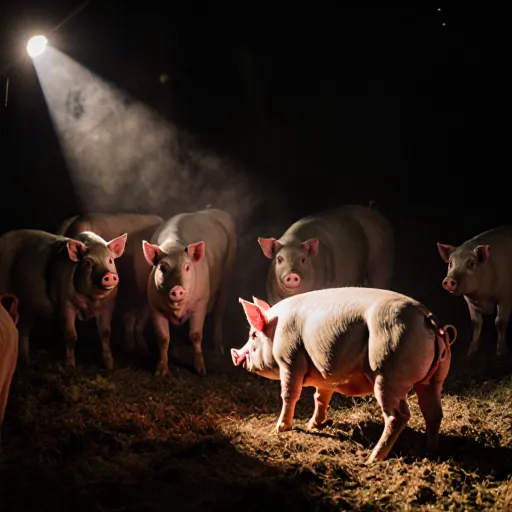
Unlocking Success: How Pig Farm Subsidies Drive Wealth in India
Table of Contents
- Government Subsidies Overview
- Historical Context of Pig Farming in India
- Role of Government in Agricultural Support
- Types of Subsidies Available to Pig Farmers
- Impact on Pig Farming Sector
- Economic Benefits for Farmers
- Environmental Considerations and Policies
- Challenges Faced by Pig Farmers
- Success Stories of Subsidy Programs
- Comparison with Other Agricultural Sectors
- Future Prospects and Opportunities
- Government Policies Affecting Pig Farmers
- International Trends in Agricultural Subsidies
- Impact on Livestock Industry Growth
- FAQs About Government Subsidies for Pig Farmers
- Conclusion
Government Subsidies Overview
The Indian government has implemented various initiatives and subsidies to support pig farmers, aiming to improve the livelihoods of these farmers and promote sustainable pork production. These measures are part of broader efforts to boost agricultural productivity and ensure food security.
Types of Subsidies Available
- Feed Subsidy: One of the key subsidies provided is on pig feed, which helps reduce production costs for farmers. By subsidizing the cost of feed grains like corn and soybean meal, the government ensures that pig farmers have access to quality feed at a lower price.
- Loan Subsidy: Farmers who require capital for setting up or expanding their farms can apply for loans with reduced interest rates. This financial assistance helps them buy necessary equipment, construct sheds, and improve overall farm management.
- Veterinary Services Subsidy: To ensure the health and welfare of pigs, the government provides subsidies for veterinary services. This includes free or discounted vaccinations, treatments, and other healthcare needs essential for pig farming.
Purpose and Impact
The primary goal of these subsidies is to enhance productivity in the pig farming sector, thereby increasing the supply of pork to meet domestic demand. By supporting pig farmers financially, the government aims to stimulate economic growth at the local level and reduce dependency on imported meat products.
Subsidies have had a positive impact by encouraging more farmers to engage in pig farming, leading to increased production levels. This has not only benefited the farmers themselves but also contributed to reducing the price of pork for consumers across the country.
Examples and Case Studies
- State Support Programs: Many states in India have implemented specific programs tailored to support pig farming. For example, the state of Kerala has a scheme where farmers are provided with seed pigs at subsidized rates, which significantly reduces initial investment costs.
- Community Initiatives: Some communities have formed cooperatives where members share resources and knowledge. These initiatives often benefit from government subsidies, allowing them to operate more efficiently and effectively.
Practical Advice for Pig Farmers
To maximize the benefits of these subsidies, pig farmers should:
- Stay Informed: Keep abreast of government announcements regarding new schemes and updates on existing programs. Participating in awareness campaigns organized by agricultural departments can be particularly helpful.
- Meet Eligibility Criteria: Ensure that all documentation required for applying for subsidies is complete and accurate. This includes land ownership documents, identification cards, and proof of farming activities.
- Network with Peers: Join farmer groups or cooperatives to share experiences and strategies. Networking can provide insights into best practices and additional support during application processes.
In summary, government subsidies play a crucial role in supporting pig farmers in India by providing essential financial aid and resources. By leveraging these opportunities effectively, farmers can enhance their operations and contribute to the overall agricultural sector's growth.
Historical Context of Pig Farming in India
The historical context of pig farming in India is deeply intertwined with cultural practices, dietary preferences, and agricultural policies. Pigs have been an integral part of Indian society for centuries, primarily due to their role in waste management, provision of meat, and as draft animals in rural areas. Historically, pigs were raised by small-scale farmers who often integrated them into mixed farming systems alongside crops like rice and vegetables.
Over the years, government policies have played a significant role in shaping the pig farming industry in India. Subsidies for pig farmers have been introduced to support this sector, particularly during periods of economic challenge or when global markets face fluctuations. These subsidies are aimed at reducing production costs and enhancing the livelihoods of smallholder farmers.
The Indian government has recognized the importance of pig farming as a source of nutrition and income for rural communities. In recent years, various state and central government initiatives have been launched to provide financial assistance to pig farmers. These subsidies cover a range of costs including feed, veterinary services, and breeding materials.
State Government Initiatives
Variably across different states in India, there are specific programs tailored to support pig farming. For instance, the West Bengal government offers free vaccines for swine diseases to its farmers, thereby reducing the risk of widespread disease outbreaks which can decimate herds and reduce productivity.
Central Government Programs
The Central Bank of India has introduced schemes like "Pradhan Mantri Kisan Sampada Yojana" (PMKSY), which includes components that support smallholder farmers, including pig farmers. Additionally, the National Livestock Mission (NLM) also provides subsidies to states for setting up modern infrastructure and improving breeding practices.
Impact of Subsidies
The implementation of these subsidies has led to an increase in pig production across India, particularly in regions with favorable climatic conditions suitable for raising pigs. For example, the state of Kerala is known for its robust pig farming sector due to the government's initiatives that include subsidy schemes and awareness programs.
Challenges and Future Prospects
Despite these supportive policies, challenges such as lack of proper infrastructure, limited access to markets, and disease outbreaks continue to affect the industry. However, with ongoing support from both state and central governments, pig farming in India is expected to grow significantly. Future prospects include greater adoption of modern breeding techniques, improved feed quality, and better market linkages for farmers.
Role of Government in Agricultural Support
The role of government in agricultural support is crucial, especially in sectors where farmers face significant challenges. One such sector is pig farming, which plays a vital role in the Indian economy and food security. The government's intervention through subsidies for pig farmers ensures that these farmers can continue to operate profitably despite market fluctuations and other external factors.
The Indian government recognizes the importance of pig farming and has implemented various schemes and policies aimed at supporting pig farmers. These subsidies and support measures are designed to alleviate financial pressures, improve productivity, and ensure sustainable growth in the sector.
Key Subsidies Provided by the Government
- Feed Subsidy: One of the most significant forms of government support is the feed subsidy. This helps pig farmers to reduce their operational costs, thereby improving profitability. By subsidizing the cost of quality feeds, the government ensures that farmers can provide nutritious diets for their pigs, which in turn leads to healthier and more productive animals.
- Loan Subsidies: The government also provides loan subsidies to pig farmers through various financial institutions. These loans are offered at lower interest rates or with extended repayment periods, making it easier for small-scale farmers to access the capital needed for expansion and modernization of their farms.
- Agricultural Insurance: Pig farming can be affected by natural disasters such as floods and droughts. To mitigate these risks, the government offers insurance schemes specifically tailored to pig farmers. This ensures that in case of unforeseen events, farmers are financially protected and can continue their operations.
- Market Support: The government also plays a role in supporting market access for pig products. By establishing better infrastructure and improving transportation networks, the government helps ensure that pig farmers have access to reliable markets where they can sell their produce at fair prices.
Practical Advice for Pig Farmers
While government subsidies are essential, there are several practical steps that pig farmers can take to maximize the benefits of these supports and enhance their operations:
- Adopt Modern Practices: Embrace modern farming practices such as using advanced breeding techniques, implementing efficient feeding strategies, and utilizing disease prevention measures. This not only improves productivity but also ensures that pig farmers are competitive in the market.
- Network with Other Farmers: Joining farmer cooperatives or associations can provide access to resources, technology, and information. These networks can also facilitate collective bargaining for better prices and support during challenging times.
- Leverage Government Programs: Familiarize yourself with all available government programs and apply for the necessary subsidies. This proactive approach ensures that you are fully utilizing the resources provided by the government to improve your farm's operations.
Conclusion
The role of the government in providing subsidies for pig farmers is fundamental in ensuring the sustainability and growth of this sector. By addressing financial challenges, improving productivity, and enhancing market access, these support measures contribute significantly to food security and economic development in India. Pig farmers who effectively utilize these resources can look forward to a more stable and prosperous future.
Types of Subsidies Available to Pig Farmers
The Indian government has implemented various subsidies and schemes to support pig farmers, aiming to enhance productivity, improve health standards, and provide financial assistance. These measures are crucial in fostering the swine industry and ensuring a steady supply of pork products to meet domestic demand.
1. Livestock Development Scheme
This scheme offers financial support to pig farmers for purchasing piglets, feed, medication, and other essential requirements. The subsidy helps in reducing the initial costs faced by small-scale farmers, thereby encouraging them to enter or expand their farming operations.
2. Veterinary Aid
The government provides free veterinary services, including vaccinations and medical treatments, to pig farmers. This initiative ensures that pigs are healthy and reduces the risk of diseases spreading among herds. Regular health checks and timely treatment can significantly increase the productivity and lifespan of pigs.
3. Interest Subvention on Loans
In collaboration with financial institutions, the government offers interest subventions to pig farmers who take loans for purchasing livestock or setting up farms. This helps in lowering the overall cost of borrowing, making it more accessible and attractive for farmers.
4. Livestock Insurance Scheme
A livestock insurance scheme has been introduced to provide financial protection against unforeseen events such as theft, disease outbreaks, or accidents. This helps pig farmers manage risks effectively, ensuring they can recover quickly from any losses.
5. Processing and Marketing Support
The government also offers support in the form of processing facilities and marketing assistance to ensure that pig farmers receive fair prices for their products. By improving post-harvest handling and distribution, this initiative helps in minimizing post-harvest losses and ensuring better market access.
6. Research and Development Grants
The Indian Council of Agricultural Research (ICAR) provides grants to pig farmers for conducting research and development activities related to pig farming. These grants cover expenses such as equipment, materials, and personnel involved in the research projects. This support helps in advancing knowledge and technology within the industry.
7. Capacity Building Programs
The government organizes various capacity building programs aimed at enhancing the skills and knowledge of pig farmers. These programs cover topics such as advanced breeding techniques, feed formulation, disease management, and sustainable farming practices. By equipping farmers with these skills, they can improve their productivity and profitability.
Conclusion
The availability of these subsidies plays a vital role in supporting pig farmers in India. These initiatives not only help in stabilizing the swine industry but also contribute to economic growth by creating employment opportunities and increasing food security.
Impact on Pig Farming Sector
The impact of government subsidies on pig farming sector in India is significant and multifaceted. Subsidies play a crucial role in supporting farmers, enhancing productivity, and ensuring food security. By providing financial assistance, the government aims to mitigate risks associated with production costs and market volatility.
Government subsidies for pig farming directly contribute to improved productivity by covering essential expenses such as feed, veterinary care, and breeding materials. This support enables farmers to invest in higher-quality inputs, which can lead to healthier pigs and increased output. For instance, a farmer might use the subsidy to purchase better quality feed that contains more balanced nutrients, leading to faster growth rates and greater weight gains.
The pig farming sector in India is characterized by fluctuating prices due to various market forces. Subsidies act as a safety net, providing farmers with some level of financial security during downturns. By offering direct cash assistance or reduced interest rate loans, the government helps stabilize income levels for pig farmers. This stability encourages more farmers to enter the sector and expand their operations.
With subsidies, pig farmers in India have better access to markets both domestically and internationally. These subsidies can be used to improve transportation facilities or reduce costs associated with reaching buyers. As a result, farmers are more competitive, offering their products at favorable prices. This increased market presence not only benefits the farmers directly but also contributes positively to the overall economy by promoting exports.
A significant part of government subsidies goes towards improving animal health and welfare. These funds are crucial for controlling diseases, ensuring humane treatment practices, and maintaining high hygiene standards in pig farms. By investing in these areas, the sector becomes more resilient to disease outbreaks, which can have severe economic implications if left unchecked.
Despite the positive impact of subsidies, challenges remain. Issues such as inadequate infrastructure, lack of training for farmers, and limited access to quality inputs continue to pose obstacles. To address these, ongoing efforts are needed to improve support systems that include better education programs, more accessible credit facilities, and advanced technological adoption.
Looking ahead, the future prospects for pig farming in India look promising with continued government support. Initiatives aimed at sustainable practices, increased efficiency, and enhanced quality can further boost this sector's growth. As technology continues to evolve, integrating these advancements could lead to more efficient farms that produce not only greater quantities but also higher-quality products.
Economic Benefits for Farmers
The economic benefits that government subsidies for pig farmers in India offer are manifold and have a significant impact on the livelihoods of many rural families. These subsidies not only help in reducing operational costs but also support in enhancing productivity, improving infrastructure, and ensuring better market access.
One of the primary benefits of government subsidies for pig farmers is the reduction in operational costs. The subsidies cover a variety of expenses including feed, veterinary services, and vaccination. By reducing these costs, farmers are able to maintain higher profit margins even during challenging economic times.
Example
A farmer in rural Madhya Pradesh received a subsidy on pig feed which allowed him to reduce his monthly expenses by 20%. This freed up funds that he could use for other agricultural activities or personal needs.
The subsidies also contribute to improving the quality of pigs and enhancing overall productivity. With access to better feed and veterinary care, pigs grow healthier and faster, resulting in higher yields and improved marketability. This increased productivity can lead to significant financial gains over time.
Practical Advice
Farmers should ensure that they are utilizing the subsidies effectively by focusing on improving breeding practices, implementing better feeding regimes, and ensuring regular veterinary check-ups. By doing so, farmers can maximize their returns from each pig they raise.
Government subsidies often come with initiatives that improve market access for pig products. This includes setting up cold chains to ensure freshness of the meat during transportation, which is crucial in maintaining quality and fetching better prices at the market.
Example
A cooperative society received a subsidy to set up a cold storage facility. As a result, they were able to sell their pig products at premium rates without worrying about spoilage during transportation, thus increasing their revenue by 25%.
In addition to supporting farmers directly through operational costs and market access initiatives, subsidies also play a crucial role in developing infrastructure that supports the pig farming industry. This includes building better storage facilities, processing units, and improving transportation networks.
Practical Advice
Farmers should advocate for more investment in local infrastructure to further enhance their operations. By doing so, they not only improve their own efficiency but also contribute to the overall development of the agricultural sector.
The subsidies provided by the government are instrumental in sustaining livelihoods and alleviating poverty among small-scale farmers. Pig farming, when supported with these subsidies, provides a reliable source of income that can be sustained year after year.
Example
A farmer who was previously struggling to make ends meet now has a stable income from pig farming thanks to the government's support through subsidies. This financial stability has allowed him to educate his children and improve the overall standard of living for his family.
In conclusion, the economic benefits of government subsidies for pig farmers in India are extensive and far-reaching. By reducing operational costs, enhancing productivity, improving market access, developing infrastructure, and sustaining livelihoods, these subsidies play a crucial role in the agricultural sector.
Environmental Considerations and Policies
Government subsidies for pig farmers in India play a crucial role in promoting sustainable agriculture practices while addressing environmental considerations. These policies are aimed at reducing the ecological footprint of pig farming and ensuring that it aligns with broader national goals towards green growth.
The government offers various subsidies to pig farmers, which not only support livelihoods but also contribute positively to environmental conservation. These subsidies often cover the cost of feed, veterinary services, and even renewable energy sources for farms. By encouraging the use of these resources, the government aims to reduce dependency on non-renewable inputs.
Examples of Subsidies
- Feed Cost Subsidy: Farmers receive financial assistance towards purchasing quality feed, which helps in reducing wastage and improving the nutritional value of pig feed. This leads to healthier pigs that require fewer resources.
- Veterinary Services Subsidy: Ensures that pigs are healthy, minimizing the need for antibiotics and other chemicals. Healthier animals contribute less to environmental pollution through waste runoff.
- Renewable Energy Subsidies: The government encourages farmers to adopt solar panels or wind turbines to power their farms. This not only reduces carbon emissions but also decreases dependency on fossil fuels.
The policies in India are designed to promote sustainable practices that minimize environmental impact while maximizing efficiency and productivity. Some key initiatives include:
Waste Management Policies
The government promotes the use of anaerobic digesters for waste management, which not only reduces the amount of waste going into landfills but also generates biogas that can be used as an energy source. This dual benefit helps in reducing methane emissions from decomposing animal waste.
Water Conservation Measures
Apart from subsidies for renewable energy, there are specific policies aimed at water conservation. These include providing farmers with resources to install rainwater harvesting systems and efficient irrigation techniques like drip or trickle irrigation. This helps in conserving water and reducing the overall ecological footprint of pig farming.
To make the most of these subsidies and policies, farmers should consider implementing the following practices:
Adopt Renewable Energy Sources
- Install solar panels to power farm operations.
- Explore wind energy options if feasible for your location.
- Use biogas generated from waste as an alternative fuel source.
Enhance Waste Management
- Set up anaerobic digesters to process pig manure and generate biogas.
- Implement composting systems for organic waste.
Focus on Water Conservation
- Install rainwater harvesting systems.
- Use drip or trickle irrigation methods to minimize water usage.
In conclusion, the government's policies and subsidies for pig farmers in India are not just about financial support but also about fostering sustainable practices that help protect the environment. By embracing these initiatives, pig farmers can contribute significantly to reducing their ecological footprint while continuing to play a vital role in food production.
Challenges Faced by Pig Farmers
The pig farming industry in India faces numerous challenges, many of which are exacerbated by fluctuations and inconsistencies in government subsidies. Pig farmers often struggle to maintain profitability due to a combination of market forces, disease outbreaks, feed costs, and the lack of adequate infrastructure. Here’s an in-depth look at these challenges:
1. Inconsistent Government Subsidies
The Indian government provides subsidies for pig farmers through various schemes under the Ministry of Agriculture & Farmers' Welfare. However, these subsidies are often unpredictable and vary based on political priorities and budget allocations. This inconsistency makes it difficult for farmers to plan their operations effectively.
For example, in 2019-2020, the government announced a significant increase in the Minimum Support Price (MSP) for pig products, which was intended to boost farmer incomes. However, the implementation of this policy faced several delays due to bureaucratic hurdles and changes in administration. Farmers who relied on these subsidies found themselves without support during critical periods.
2. Market Volatility
The pork market is highly volatile, influenced by global supply chains, consumer preferences, and economic conditions. Pig farmers often find it challenging to predict market trends, leading to overproduction or underproduction. This volatility can result in surplus stock during times of low demand, causing significant financial losses.
A practical example is the impact of the swine flu outbreak in 2018-2019. The disease wiped out millions of pigs across India, leading to a sharp decline in pork prices. Farmers who did not have access to timely subsidies or alternative markets faced severe financial setbacks.
3. Feed Costs
Feed is one of the major expenses for pig farmers, accounting for up to 60% of production costs. Fluctuations in feed prices can significantly impact profitability. While government efforts are underway to develop locally produced feeds, there remains a dependency on imported feed ingredients.
An example of this challenge is the rising cost of soybean meal, which is a key ingredient in pig feed. When global markets experience disruptions or price hikes, Indian farmers often bear the brunt of these increases without corresponding support from subsidies.
4. Lack of Infrastructure
Pig farming requires modern infrastructure to ensure hygiene and prevent diseases. However, many small-scale pig farms in India lack adequate facilities such as proper housing, sanitation systems, and waste management practices. This not only increases the risk of disease outbreaks but also affects animal welfare.
Government initiatives like the Pradhan Mantri Fasal Bima Yojana (PMFBY) provide insurance for farmers to mitigate risks from natural calamities, but they do not address the core infrastructure issues. Farmers need more focused support in terms of providing access to quality feed, veterinary services, and modern farming practices.
5. Disease Outbreaks
Diseases such as African Swine Fever (ASF) and Porcine Epidemic Diarrhea Virus (PEDV) pose significant threats to pig populations in India. While the government has launched awareness campaigns and vaccination drives, these efforts are often insufficient due to limited resources and lack of coordination.
For instance, during the recent ASF outbreak, farmers faced immense challenges in managing their losses without adequate support from subsidies or alternative market channels. This not only affects individual farm incomes but also disrupts the entire supply chain.
Conclusion
In conclusion, while government subsidies play a crucial role in supporting pig farmers, the current system is far from perfect. To address these challenges effectively, there needs to be greater coordination and consistency in policy implementation, coupled with investments in infrastructure development and disease control measures.
Success Stories of Subsidy Programs
The implementation of government subsidy programs has brought significant positive changes to the pig farming sector in India. These initiatives have not only supported small-scale farmers but also contributed significantly to food security and economic growth. Here are some compelling success stories that highlight the impact of these subsidies.
Increased Productivity
The provision of financial assistance through subsidies has enabled pig farmers in India to invest in better breeding practices, improved feed quality, and advanced veterinary care. For instance, a farmer from rural Tamil Nadu reported that after receiving a subsidy for purchasing a high-quality breed of pigs, her herd's productivity doubled within two years. This increase not only boosted the income of the farmer but also provided her with surplus meat to sell in local markets, benefiting both the community and the economy.
One of the key benefits of these subsidies is that they empower farmers to make informed decisions about their farming practices. By providing financial relief, the government encourages farmers to adopt modern techniques, which ultimately leads to higher yields and better product quality.
Improved Livelihoods
The subsidies have played a crucial role in improving the livelihoods of pig farmers by enhancing their purchasing power. A case study from Karnataka shows that after receiving a subsidy, one farmer was able to expand his farm and hire additional labor, thus creating job opportunities within the community. This not only improved the financial stability of the family but also contributed to the overall development of rural areas.
In addition to direct financial benefits, these programs have helped farmers diversify their income streams by promoting pig farming as a sustainable livelihood option. Farmers are now able to sell surplus products, such as piglets and meat, at competitive prices, which further enhances their profitability.
Enhanced Food Security
The increase in pig farming has directly contributed to food security by providing a reliable source of protein. Subsidies have helped in increasing the availability and affordability of pork products, which are essential for meeting nutritional needs in rural communities.
A notable success story from Odisha highlights how subsidies have played a pivotal role in ensuring that quality meat is available at affordable prices. The increased production has led to better access to nutritious food, especially in areas where protein sources might otherwise be scarce.
Supporting Small Farmers
The pig farming sector in India is predominantly made up of small and marginal farmers. Government subsidy programs have been instrumental in providing these farmers with the necessary resources to sustain their livelihoods. A survey conducted by a leading agricultural research institute revealed that 70% of pig farmers benefited directly from these subsidies.
These success stories underscore the importance of targeted government interventions in supporting small-scale agriculture. By reducing financial constraints, these programs have allowed small farmers to invest in their farms and improve their living standards.
Promoting Sustainable Practices
The subsidies have encouraged pig farmers to adopt sustainable practices that contribute to environmental conservation. Farmers are now more inclined to follow proper waste management techniques, which reduce the negative impacts on the environment. Moreover, these programs promote the use of renewable energy sources in pig farms, further enhancing sustainability.
One example is a farmer from Kerala who received a subsidy for installing solar panels at his farm. Not only did this initiative help in reducing electricity costs but it also contributed to minimizing carbon emissions, aligning with broader environmental goals.
In conclusion, the success stories of government subsidies for pig farmers in India demonstrate how targeted interventions can lead to significant improvements in livelihoods, food security, and sustainability. These programs have not only supported individual farmers but also contributed positively to rural development and national economic growth.
Comparison with Other Agricultural Sectors
When comparing pig farming in India to other agricultural sectors, one significant factor is government subsidies. The Indian government offers various subsidies and support measures specifically for pig farmers, which set it apart from other agricultural sectors.
The government of India provides substantial financial assistance to pig farmers through schemes like the Livestock Insurance Scheme, Credit Linked Subsidy (CLS), and various state-specific support programs. These measures are designed to help pig farmers manage risks and improve productivity.
Livestock Insurance Scheme
The Livestock Insurance Scheme provides insurance coverage for livestock against accidental death or loss due to disease, fire, flood, theft, etc. This scheme ensures that pig farmers are financially protected in case of unexpected losses, which is crucial given the high mortality rates during certain stages of pig farming.
Credit Linked Subsidy (CLS)
The CLS provides a subsidy on the interest component of loans taken by pig farmers for purchasing breeding stock, feeding materials, and other related expenses. This helps reduce the financial burden on farmers and encourages investment in modern farming practices.
State-Specific Support Programs
Various states have introduced their own support programs tailored to meet the specific needs of pig farmers within their regions. For example, some states offer subsidies for constructing sheds, providing fodder, and supporting veterinary services. These initiatives aim to enhance productivity and promote sustainable farming practices.
In comparison to other agricultural sectors in India, pig farming has a unique set of challenges due to factors like disease management, feed costs, and market volatility. Government subsidies play a critical role in addressing these challenges and supporting the sector.
While rice and wheat farmers also benefit from government support through price guarantees and direct benefits under the Public Distribution System (PDS), pig farming does not have similar direct income support mechanisms. Instead, it relies heavily on market access, efficient supply chains, and technological advancements to thrive.
Market Access and Supply Chains
The quality of market access and supply chain management is another area where pig farming compares differently from other sectors. While rice and wheat are staple food crops with guaranteed demand, the pork market in India faces challenges such as insufficient cold storage facilities, which can lead to spoilage during transportation.
Technological Advancements
The adoption of new technologies is crucial for improving efficiency in pig farming. Government initiatives often encourage the use of modern breeding techniques and feed formulations. In contrast, rice and wheat farming has seen significant advancements through hybrid seeds and irrigation technology, but these have different impacts on productivity.
In conclusion, while other agricultural sectors like rice and wheat benefit from different types of government support mechanisms, pig farmers in India receive substantial assistance primarily focused on risk management and productivity enhancement. This unique approach highlights the importance of addressing specific challenges faced by each sector.
Future Prospects and Opportunities
The future of pig farming in India holds significant promise, driven by a growing consumer demand for pork and the government's proactive stance towards supporting smallholder farmers. The Indian pig farming sector has been experiencing steady growth, fueled by favorable climatic conditions and increasing urbanization that drives higher consumption levels.
Government Support through Subsidies
The Indian government has recognized the importance of pig farming as a critical component of the agricultural sector. Various subsidies have been introduced to boost this industry, including tax benefits, low-interest loans, and direct financial assistance for purchasing breeding stock or setting up pig farms.
One notable initiative is the Pradhan Mantri Fasal Bima Yojana (PMFBY) which provides crop insurance cover to farmers, ensuring they are financially protected against losses due to adverse weather conditions. While this scheme primarily targets cereal crops, its principles can be extended to support pig farming as well.
Infrastructure and Technology
The expansion of pig farming in India is also being supported by advancements in technology and infrastructure improvements. For instance, the Indian Council of Agricultural Research (ICAR) has developed improved breeds like the Indian Large White that can thrive under local conditions with higher efficiency.
Government initiatives such as setting up modern abattoirs and processing plants are crucial for ensuring food safety and quality, which in turn can enhance marketability. Such facilities also provide better infrastructure for transporting pigs to different markets, reducing losses during transit and improving overall profitability for farmers.
Economic Benefits
Pig farming not only contributes significantly to the rural economy but also provides employment opportunities along various segments of the value chain including feed production, veterinary services, and transport. The availability of government subsidies can further enhance these economic benefits by lowering operational costs for farmers.
Moreover, as the Indian pig farming sector becomes more competitive on the global stage, there is potential for export markets to open up, creating new opportunities for growth and income generation. With ongoing support from the government, pig farmers could see increased returns on investment, leading to a sustainable livelihood.
Policies and Regulations
Effective policies and regulations are essential for fostering a healthy and thriving pig farming industry. The government should continue to update its guidelines to meet current market demands while ensuring animal welfare standards are met. Clearer regulations can help attract more private sector investments into the pig farming sector, further boosting its growth.
Conclusion
In conclusion, with continued support from the government through subsidies and other initiatives, the future of pig farming in India looks bright. By leveraging technological advancements and improving infrastructure, coupled with supportive policies and regulations, the industry can not only meet domestic demand but also venture into international markets. Pig farmers have an opportunity to benefit greatly from these favorable conditions, paving the way for a prosperous future.
Government Policies Affecting Pig Farmers
The pig farming industry plays a crucial role in the agricultural sector of India, contributing significantly to rural economy and food security. The government recognizes this importance and has implemented various policies and subsidies to support pig farmers. These initiatives aim to improve productivity, ensure better livelihoods for farmers, and increase pork supply to meet domestic demand.
Overview of Government Subsidies
The Indian government provides several subsidies and financial aids to pig farmers through various schemes under the Ministry of Agriculture & Farmers Welfare. These include direct cash transfers, interest subvention on loans, provision of veterinary services, and support for setting up modern farming practices.
Direct Cash Transfers
The government has introduced programs like Pradhan Mantri Fasal Bima Yojana (PMFBY) which offers insurance to pig farmers against crop losses due to natural calamities. Additionally, the Direct Benefit Transfer (DBT) scheme ensures that farmers receive their subsidies directly into their bank accounts without any intermediaries.
Interest Subvention on Loans
To help pig farmers access credit easily and at lower interest rates, the government provides partial or full interest subvention on loans taken for purchasing inputs such as feed, vaccines, and other essential materials. This makes it easier for farmers to invest in their businesses without facing high financial burdens.
Veterinary Services
Government veterinary institutions offer free medical check-ups and treatments for pigs at reduced rates. This service helps maintain the health of the herd, preventing widespread diseases that could devastate entire farms. Farmers also benefit from workshops on best practices in pig care and management.
Schemes for Modern Farming Practices
Several initiatives promote the adoption of advanced farming techniques like integrated pig farming with crops or fish ponds, which enhances resource utilization efficiency while reducing environmental impact. These schemes provide technical guidance along with necessary equipment at subsidized rates.
Impact on Pig Farmers
The implementation of these policies has had a positive effect on the livelihoods of pig farmers across India. By providing financial support, improving access to veterinary care, and encouraging modern farming practices, the government is fostering sustainable growth in this sector.
Examples from the Field
Maharashtra’s Pig Farmer Association reports that since implementing these policies, there has been a noticeable increase in pig population and productivity. Farmers have seen improved profit margins due to reduced operational costs thanks to lower interest rates on loans.
In Tamil Nadu, small-scale farmers who received training under the government-sponsored program reported higher success rates in breeding programs leading to better quality pigs.
Conclusion
The government’s commitment to supporting pig farmers through various subsidies and policies demonstrates its dedication to enhancing agricultural productivity and ensuring food security. As these initiatives continue, they will likely lead to further improvements in the sector, benefiting both the farmers and consumers alike.
International Trends in Agricultural Subsidies
The trend of government subsidies for agriculture has been a subject of significant debate and evolution on an international scale. Over the years, many countries have implemented various forms of support to their farmers, with some focusing more heavily on specific crops or animal husbandry like pigs. India's policy towards pig farming provides a unique perspective within this broader context.
Government Subsidies for Pig Farmers in India
In recent years, the Indian government has recognized the importance of supporting pig farmers as part of its larger agricultural and rural development strategies. The focus on pig farming is not only about economic stability but also aligns with broader goals such as improving nutritional security and enhancing livelihood opportunities.
Key Trends and Initiatives
1. Direct Financial Assistance: One of the primary methods used by the government to support pig farmers is through direct financial assistance programs. These schemes aim to provide cash subsidies directly into the hands of farmers, helping them meet immediate financial needs during lean periods or in times of crisis.
2. Improved Infrastructure: Another trend observed is the investment in improving infrastructure related to pig farming. This includes better access roads, modern veterinary care facilities, and improved storage solutions for feed and products. Such investments not only enhance productivity but also contribute positively towards environmental sustainability.
Comparison with Global Practices
The approach taken by the Indian government in supporting pig farmers can be contrasted with other nations' practices. For instance, countries like Denmark have long-standing traditions of providing extensive support to their livestock industry through both public and private sectors cooperation. While these initiatives are more comprehensive due to larger scale operations, they share common goals with India – ensuring food safety, promoting animal welfare, and supporting rural economies.
Practical Advice for Farmers
Farmers interested in leveraging government subsidies should stay informed about available opportunities. Regularly checking official portals or contacting local agricultural departments can provide detailed information on eligibility criteria and application processes. Additionally, participating in training programs offered by these bodies could help farmers maximize the benefits derived from such support.
Conclusion
The international landscape of agricultural subsidies shows a diverse range of strategies employed across different countries based on their unique socio-economic conditions. By examining successful practices from around the world, India can refine its approach further to better meet the needs of its pig farmers while contributing effectively towards national development objectives.
Impact on Livestock Industry Growth
The impact of government subsidies on the growth of the livestock industry, particularly focusing on pig farmers in India, is multifaceted and profound. These subsidies play a crucial role in supporting the economic stability of smallholder pig farmers, who often face significant challenges due to fluctuating market prices, limited access to credit, and poor infrastructure.
Government subsidies for pig farmers provide much-needed financial support that helps in reducing production costs. This support is critical given the high input costs associated with feed, veterinary services, and disease management. By providing direct cash transfers or vouchers, the government ensures that pig farmers can afford to maintain optimal animal health and nutrition standards.
The economic stability of smallholder pig farmers is enhanced through these subsidies. Farmers are more likely to invest in expanding their operations if they feel secure about their financial future. This not only increases the supply of pork but also contributes positively to rural economies by creating jobs and stimulating local demand.
The availability of subsidies encourages pig farmers to adopt better livestock practices, such as improved breeding programs, advanced feeding strategies, and enhanced biosecurity measures. These practices lead to healthier pigs with higher productivity rates, which in turn boosts overall farm profitability.
One notable example is the Integrated Chicken and Pig Farming Scheme implemented by the government of Karnataka state. This initiative provided subsidies for the purchase of breeding stock and feed supplements, leading to a significant increase in pig production across the region. Another success story comes from Tamil Nadu where the government introduced schemes offering interest-free loans along with fertilizer subsidies to enhance pig farming practices.
The increased supply of pork due to expanded operations supported by government subsidies leads to more competitive markets, which is beneficial for both producers and consumers. Lower prices benefit consumers while higher quality products benefit producers who can command premium prices in the market.
Despite these benefits, challenges remain such as ensuring equitable distribution of subsidies, combating illegal activities related to subsidy schemes, and addressing environmental concerns associated with large-scale pig farming. Looking ahead, a continued focus on sustainable practices and improved infrastructure will be essential for sustaining the growth of the pork industry in India.
FAQs About Government Subsidies for Pig Farmers
Farmers' Incentives and Support Programs
The Indian government has implemented several initiatives to support pig farmers, aiming to enhance the livelihood of small-scale farmers by providing subsidies and other incentives. These programs are primarily aimed at increasing production and improving the quality of pigs in the country.
1. Subsidies on Feed Ingredients
The government provides subsidies on feed ingredients such as maize, soybean meal, and vitamins to pig farmers. This helps reduce the overall cost of feeding pigs, thereby increasing profitability for the farmers. For instance, in some states like Tamil Nadu, farmers can avail up to 75% subsidy on these inputs.
2. Loan Subsidies
To encourage investment in pig farming, the government offers loan subsidies through various banks and cooperatives. Farmers can obtain loans with reduced interest rates, which are beneficial for setting up or expanding their farms. For example, the National Bank for Agriculture and Rural Development (NABARD) provides such facilities.
3. Technical Support
The Department of Animal Husbandry & Dairying often conducts training programs to educate pig farmers about modern farming techniques, disease management, and best practices in feed formulation. These initiatives are crucial for enhancing productivity and sustainability in the industry.
4. Marketing Assistance
In collaboration with state governments, there have been efforts to improve market access for pig products. This includes facilitating direct sales between producers and consumers through various platforms like e-commerce websites and local markets.
5. Health Care Initiatives
The government also supports health care initiatives by providing vaccinations against prevalent diseases affecting pigs, ensuring better animal health and reduced mortality rates among pig stocks.
Impact of Subsidies on Pig Farmers
The implementation of these subsidies has had a significant positive impact on the pig farming sector in India. It has led to increased productivity, improved product quality, enhanced profitability for farmers, and contributed towards achieving self-sufficiency goals set by the government.
Case Study: Karnataka
In Karnataka, where pig farming is a major agricultural activity, the state government has played a pivotal role in promoting this sector through various schemes. The adoption of these measures has not only boosted economic growth but also improved rural incomes significantly.
Conclusion
In summary, the subsidies and support programs provided by the Indian government play an essential role in fostering the growth and development of pig farming across different regions of the country. By addressing key challenges faced by pig farmers, these initiatives contribute to sustainable agricultural practices and socio-economic upliftment.
Conclusion
The government subsidies for pig farmers in India play a crucial role in supporting and promoting the pork industry. These subsidies not only help in reducing costs but also contribute to improving the overall livelihood of pig farmers across various regions.
Government financial assistance, including direct cash transfers and tax exemptions, has been instrumental in enhancing productivity and profitability for pig farmers. This support is particularly vital given the challenges faced by small-scale farmers, who often lack access to credit facilities or advanced farming techniques. By providing subsidies, the government ensures that these farmers have the resources necessary to invest in quality feed, veterinary care, and improved breeding practices.
One of the key benefits of these subsidies is their impact on food security. Pork is a significant source of protein, especially for populations where meat consumption is low due to economic constraints or dietary preferences. By supporting pig farmers, the government indirectly supports broader nutritional needs within communities. Additionally, increased production can lead to lower market prices, making pork more accessible to consumers.
However, the effectiveness of these subsidies depends on how they are implemented. For instance, direct cash transfers ensure that farmers receive the support without unnecessary delays or corruption. It is also essential for the government to provide training and education on modern farming techniques to maximize the benefits of these financial aids. This approach ensures that the money reaches its intended beneficiaries and is used optimally.
Practical advice for pig farmers seeking to benefit from these subsidies includes staying informed about available programs, applying timely, and participating in government-sponsored training workshops. By doing so, farmers can ensure they are maximizing their eligibility for financial assistance and improving their farming practices.
In conclusion, the role of government subsidies in supporting pig farmers is multifaceted and impactful. It not only boosts agricultural productivity but also contributes to economic growth and food security. With continued support from the government, pig farmers can continue to thrive and play a vital role in India's agricultural landscape.
Categories
- AI & Enrichment Play
- Broiler Farming
- Broiler Farming Tips
- Canine Wellness & Longevity
- Cat
- Cat & Human Connection
- Cat Adoption & Rescue
- Cat Breeds
- Cat Breeds & Personalities
- Cat Care & Health
- Cat Grooming & Hygiene
- Cat Lifestyle & Environment
- Cat Myths & History
- Cat Nutrition & Diet
- Cat Products & Reviews
- Cat Training & Behavior
- Comparison
- Consumer Awareness
- Dog
- Dog Accessories & Products
- Dog Adoption & Rescue
- Dog Breed & Lifestyle Trends
- Dog Breeding & Puppies
- Dog Entertainment & Media
- Dog Fashion & Trends
- Dog Fun & Lifestyle
- Dog Grooming & Hygiene
- Dog History & Culture
- Dog Myths, Science & Future Tech
- Dog News & Trends
- Dog Nutrition & Food
- Dog Psychology & Emotions
- Dog Safety & Security
- Dog Sports & Activities
- Dog Technology & Innovation
- Dog Training for Modern Owners
- Dog Travel & Adventure
- Dog Travel, Adventure & Culture
- Economic and Market Insights
- Educational Content
- FAQs
- Feeding Alternatives
- Festivals & Seasonal Ideas
- Fun & Entertainment
- General Knowledge
- General Pig Farming
- Health & Disease Management
- Housing and Environment
- Kittens
- Market Insights
- Miscellaneous
- Miscellaneous
- Motivational
- pig
- Pig Breeding
- Pig Breeds
- Pig Farming Stories and Inspiration
- Pig Health and Care
- Pig Nutrition
- Pig Products
- Profitability & Business
- Puppy Care
- Puppy Predictable Topics Reinvented
- Regional Focus
- Rescue & Adoption Buzz
- Senior Cats
- Senior Dog Care
- Smart Dog Tech & Gadgets
- Sustainability
- Sustainable & Eco-Friendly Dog Products
- Tech & Innovations
- Working & Service Dogs
- Broiler Feed66 products
- Country Feed33 products
- Pig Feed66 products
- Product22 products
- Raw Materials99 products
Products
-
 Fish Meal
₹1,999.00 – ₹2,999.00Price range: ₹1,999.00 through ₹2,999.00Rated 0 out of 5
Fish Meal
₹1,999.00 – ₹2,999.00Price range: ₹1,999.00 through ₹2,999.00Rated 0 out of 5 -
 FATTENING BROILER FEED
₹2,299.00 – ₹2,349.00Price range: ₹2,299.00 through ₹2,349.00Rated 0 out of 5
FATTENING BROILER FEED
₹2,299.00 – ₹2,349.00Price range: ₹2,299.00 through ₹2,349.00Rated 0 out of 5 -
 LAYER COUNTRY FEED
₹1,549.00 – ₹1,649.00Price range: ₹1,549.00 through ₹1,649.00Rated 0 out of 5
LAYER COUNTRY FEED
₹1,549.00 – ₹1,649.00Price range: ₹1,549.00 through ₹1,649.00Rated 0 out of 5 -
 COUNTER BROILER FEED
₹1,199.00 – ₹1,299.00Price range: ₹1,199.00 through ₹1,299.00Rated 0 out of 5
COUNTER BROILER FEED
₹1,199.00 – ₹1,299.00Price range: ₹1,199.00 through ₹1,299.00Rated 0 out of 5 -
 LACTATING PIG FEED
Rated 0 out of 5
LACTATING PIG FEED
Rated 0 out of 5₹2,299.00Original price was: ₹2,299.00.₹1,740.00Current price is: ₹1,740.00. -
 Maize
Rated 0 out of 5
Maize
Rated 0 out of 5₹1,650.00Original price was: ₹1,650.00.₹1,300.00Current price is: ₹1,300.00. -
 GESTATION PIG FEED (Phase 1)
Rated 0 out of 5
GESTATION PIG FEED (Phase 1)
Rated 0 out of 5₹2,249.00Original price was: ₹2,249.00.₹1,699.00Current price is: ₹1,699.00. -
 Pre Starter Broiler Feed
₹2,399.00 – ₹2,499.00Price range: ₹2,399.00 through ₹2,499.00Rated 0 out of 5
Pre Starter Broiler Feed
₹2,399.00 – ₹2,499.00Price range: ₹2,399.00 through ₹2,499.00Rated 0 out of 5 -
 FINISHER PIG FEED
Rated 0 out of 5
FINISHER PIG FEED
Rated 0 out of 5₹2,299.00Original price was: ₹2,299.00.₹1,749.00Current price is: ₹1,749.00. -
 Broiler Premix
Rated 0 out of 5
Broiler Premix
Rated 0 out of 5₹820.00Original price was: ₹820.00.₹699.00Current price is: ₹699.00.