
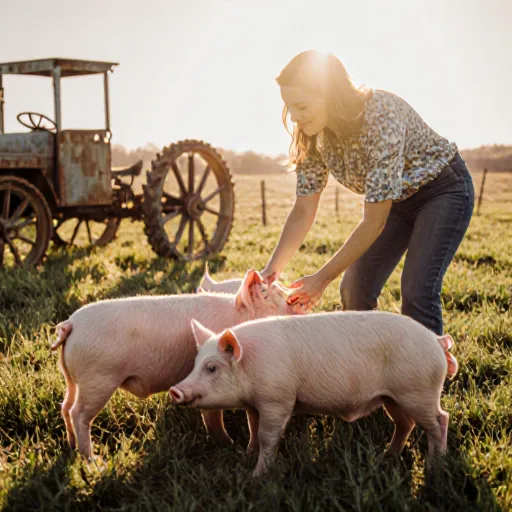
Turn Passion into Profit with Pig Farming
Table of Contents
- Identifying a Profitable Niche in Pig Farming
- Research and Market Analysis for Pig Farming Business
- Setting Up the Necessary Equipment and Tools
- Choosing a Suitable Location for Your Pig Farm
- Selecting Quality Pig Breeds for Profitability
- Obtaining the Necessary Permits and Licenses
- Setting Up Proper Housing for Your Pigs
- Developing a Feeding and Nutrition Plan for Your Pigs
- Implementing Effective Health Management Practices
- Marketing Strategies to Promote Your Pig Farm Products
- Scaling Up Your Pig Farming Business Gradually
- Managing and Hiring Staff for Efficient Operation
- Financial Planning and Budgeting for Sustainable Growth
- Conclusion: Turning Your Hobby into a Successful Pig Farming Business
- FAQs About Starting a Pig Farming Business from a Hobby
Identifying a Profitable Niche in Pig Farming
To turn your hobby into a successful pig farming business, it's crucial to identify a profitable niche. This involves understanding the market demands, identifying unmet needs, and aligning these with your skills and resources. Here’s how you can go about this:
1. Market Research
The first step in identifying a profitable niche is conducting thorough research. Look into various aspects such as consumer trends, price points, and demand for different types of pigs (breeding stock, meat pigs, etc.). Use tools like Google Trends, social media platforms, and industry reports to gather data.
2. Understanding Your Strengths
Identify what makes you unique or special in the pig farming sector. Are you skilled at breeding specific types of pigs? Do you have access to unique feed sources that can enhance pig health and growth rates? Knowing your strengths will help you pinpoint a niche where you can excel.
3. Unmet Needs
Look for areas in the pig farming industry that are underserved or unaddressed. This could be anything from sustainable farming practices to specialty breeds or products like heritage pork. By addressing these gaps, you can carve out a niche market and potentially command higher prices.
4. Customer Preferences
Understanding customer preferences is key. Are consumers looking for organic, free-range pig products? Do they have specific dietary requirements or health concerns that your farm could cater to? By aligning with these preferences, you can create a product line that resonates well with the market.
5. Practical Advice
- Start Small: Begin by focusing on one specific aspect of pig farming rather than trying to cover everything at once. This allows you to refine your niche and build a loyal customer base.
- Leverage Social Media: Use platforms like Instagram, Facebook, or TikTok to showcase your products and connect with potential customers. Engaging with the community can provide valuable insights into what they are seeking in terms of pig farming products.
- Participate in Fairs and Events: Attending local agricultural fairs and farmers' markets is an excellent way to meet buyers directly, learn about emerging trends, and gather feedback on your offerings.
6. Examples of Profitable Niches
Here are a few examples of profitable niches in pig farming:
- Sustainable Pork: Focus on raising pigs that adhere to sustainable practices, such as free-range or organic farming.
- Heritage Breeds: Specialty breeding and marketing heritage breeds which are more flavorful but require a higher price point due to their rarity.
- Pig Products: Diversify your offerings beyond just meat. You could process and sell sausages, hams, or other pig-related products.
By following these steps and leveraging your unique strengths, you can effectively identify a profitable niche in the pig farming business. This strategic approach will not only help you turn your hobby into a sustainable business but also ensure that it remains competitive in the long run.
Research and Market Analysis for Pig Farming Business
To turn your hobby into a successful pig farming business, thorough research and market analysis are crucial. Understanding the demand, supply dynamics, regulatory environment, and potential profitability can significantly increase your chances of success. Below is an in-depth exploration of these aspects tailored specifically to pig farming.
Market Demand and Trends
The global pig farming industry has seen steady growth over the years, driven by increasing demand for pork products worldwide. According to recent market reports, the pig farming business presents a lucrative opportunity, particularly in regions with growing middle-class populations.
Key Markets: The U.S., China, and Europe are leading markets for pig farming due to high consumption rates of pork. In these areas, demand is driven by factors such as changing dietary habits, urbanization, and increasing disposable incomes.
Supply Dynamics
The supply chain in the pig farming industry includes feed suppliers, veterinarians, breeders, and slaughterhouses. Understanding this intricate web of relationships is essential for a successful business venture.
- Feed Suppliers: Efficient sourcing of quality feed is vital to maintaining healthy pigs and reducing production costs. Research local and international suppliers to ensure consistent and cost-effective feed supply.
- Veterinarians: Regular veterinary check-ups are crucial for disease prevention and early intervention in health issues. Establishing a good relationship with your local vet can save you a lot of time and money in the long run.
- Breeders: Selecting high-quality breeding stock is key to increasing productivity and profitability. Investigate reputable breeders who specialize in your desired pig breeds for optimal results.
- Slaughterhouses: Ensure that you have a reliable slaughterhouse partner to handle the processing of your pigs efficiently and ethically.
Regulatory Environment
Compliance with local regulations is non-negotiable in any farming business, including pig farming. Each region has its own set of rules regarding animal welfare, health standards, and environmental protection.
- Animal Welfare: Pigs are intelligent animals that require proper care and living conditions to thrive. Stay updated on the latest guidelines from organizations like the World Organisation for Animal Health (OIE).
- Health Standards: Regular health checks and vaccinations are necessary to prevent diseases and ensure compliance with regulations.
- Environmental Protection: Pig farming generates waste that must be managed responsibly. Implementing proper waste management systems can help you avoid legal issues and environmental fines.
Potential Profitability
The profitability of a pig farming business depends on various factors such as the number of pigs, feed costs, market prices for pork products, and operational expenses.
Costs: Besides purchasing feed and veterinary services, other significant costs include fencing materials, land rent, labor, and utilities. Accurate budgeting is essential to ensure a viable business model.
Revenue Streams: Selling pigs at different stages of growth (piglets, weaned pigs, market-ready pigs) can provide multiple revenue streams. Additionally, by-products like pigskin and pork products can be sold or processed into other commercial goods.
Practical Advice
To turn your hobby into a profitable business, consider the following practical advice:
- Start Small: Begin with a manageable number of pigs to learn the ropes before scaling up.
- Networking: Join farming associations and online communities to connect with other pig farmers. Networking can provide valuable insights, resources, and support.
- Continuous Learning: Stay updated on the latest technologies and best practices in pig farming through workshops, seminars, and courses.
- Diversification: Consider diversifying your product offerings to include value-added products like sausages or processed meats. This can help stabilize income during fluctuations in market demand.
Conclusion
In conclusion, turning a hobby into a successful pig farming business requires careful research and strategic planning. By understanding the market demand, supply dynamics, regulatory environment, and potential profitability, you can make informed decisions that set your venture on a path to success.
Setting Up the Necessary Equipment and Tools
To successfully turn your hobby into a pig farming business, setting up the necessary equipment and tools is crucial. Proper planning will ensure that you are well-equipped to handle all aspects of pig farming efficiently and effectively.
Purchase Essential Feeding Equipment
- Feeders: Invest in automatic feeders for your pigs to maintain a consistent feeding schedule. This is important as it helps regulate their eating habits, which can lead to healthier and more productive animals.
- Buckets or Bowls: Ensure you have enough food storage containers for both dry and wet feeds. These should be easily accessible but also easy to clean and sterilize regularly to prevent the spread of diseases.
Invest in Housing Facilities
Pigs require a comfortable, safe environment that suits their needs. Here are some essential elements for housing:
- Shelter: Provide adequate shelter to protect your pigs from harsh weather conditions. A well-ventilated and shaded area will help keep them cool during hot months.
- Pens or Piggeries: Construct pens that are spacious enough for the number of pigs you plan to raise, ensuring they have ample room to move around and lie down comfortably.
Healthcare Tools
Maintaining pig health is paramount in any farming business. Here’s what you need:
- Veterinary Supplies: Have a first aid kit, antibiotics, and other necessary veterinary supplies on hand for emergencies.
- Instruments: Basic tools like needles, syringes, bandages, and antiseptics are essential for routine checks and minor injuries.
Feeding and Watering Systems
To ensure your pigs receive the right nutrition and hydration levels:
- Automatic Feeders: These not only save time but also help maintain a consistent feeding routine, which is vital for pig health.
- Automatic Waterers: Clean and fresh water should be available at all times. Automatic systems ensure that the water supply is regulated and maintained properly.
Monitoring Equipment
To keep track of your pigs' health, growth, and overall well-being, consider investing in:
- Temperature Sensors: Monitor temperature changes inside the pig house to ensure optimal living conditions.
- Weighing Scales: Regular weighing will help you monitor your pigs' growth rates and ensure they are growing at a healthy pace.
Environmental Control Systems
To maintain the best environment for your pig farm, consider these additional tools:
- Air Circulation Fans: Help control temperature and humidity levels by ensuring proper air circulation.
- Dehumidifiers: Important in preventing respiratory issues among pigs in humid climates.
Practical Advice
To ensure you have all the necessary equipment and tools:
- Research: Before purchasing any equipment, conduct thorough research to find reliable brands that suit your specific needs.
- Consultation: Consult with experienced pig farmers or veterinarians for advice on what is essential for your setup.
- Sustainability: Consider the long-term sustainability of the equipment. Opt for durable, easily maintainable options to reduce replacement costs over time.
By setting up and maintaining these necessary pieces of equipment and tools, you will be well-prepared to turn your hobby into a successful pig farming business. Proper planning and investment in quality resources are key to the long-term success of your venture.
Choosing a Suitable Location for Your Pig Farm
When turning your hobby into a pig farming business, selecting the right location is crucial. The site you choose will influence the success and sustainability of your venture. Here are some key factors to consider when choosing a suitable location for your pig farm.
1. Proximity to Markets
Selecting a location close to markets or processing facilities can save significant transportation costs and ensure a steady supply of pigs. Consider the distance from slaughterhouses, feed suppliers, and distribution centers. For example, if you are located in a rural area with limited infrastructure, it might be challenging to transport pigs efficiently.
Practical Tip: Conduct market research to understand the demand for pork products in your region. This will help you choose a location that aligns with local consumption patterns and transportation logistics.
2. Accessible Transportation
A well-connected site with good road and rail infrastructure is essential for efficient movement of pigs, feed, and other supplies. Ensure there are no restrictions on the type or size of vehicles that can access your farm. For instance, if you plan to transport live pigs over long distances, ensure the roads are wide enough.
Practical Tip: Consult local authorities about any permits or regulations regarding transportation routes near your proposed site. This will help avoid potential delays and additional costs during operations.
3. Availability of Water Supply
Pigs require access to clean water at all times, making the availability of a reliable water supply critical for your farm's success. Ensure that your chosen location has enough fresh water resources or consider installing a borehole if necessary.
Practical Tip: Conduct a thorough survey of local water sources and consult with experts on sustainable water management practices to ensure you have an uninterrupted supply of clean water for your pigs.
4. Land Size and Quality
The size and quality of the land will determine how many pigs you can house comfortably, as well as the type of infrastructure needed. Larger plots offer more flexibility in terms of building structures and expanding operations over time.
Practical Tip: Consider future growth plans when choosing your location. A smaller plot might limit expansion opportunities later on if demand increases.
5. Environmental Factors
The climate, soil type, and proximity to neighboring farms or residential areas should also be taken into account. Extreme weather conditions can impact pig health and productivity. Additionally, consider the noise levels generated by your farm, especially if it's in close proximity to homes.
Practical Tip: Research local environmental regulations regarding farming operations. Compliance with these rules not only helps avoid legal issues but also promotes responsible stewardship of natural resources.
6. Zoning Regulations and Permits
Ensure that your chosen location complies with all relevant zoning laws and has the necessary permits for running a pig farm. Failure to obtain these could lead to significant legal issues down the line.
Practical Tip: Work closely with local government officials early in the planning process to understand all requirements and avoid costly delays later on.
Conclusion
Selecting a suitable location for your pig farm involves careful consideration of several factors, including proximity to markets, accessible transportation, availability of water supply, land size and quality, environmental factors, and compliance with zoning regulations. By addressing these aspects thoroughly upfront, you can set the foundation for a successful and sustainable pig farming business.
Selecting Quality Pig Breeds for Profitability
To turn your hobby into a successful pig farming business, selecting quality pig breeds is paramount. The right breed can significantly influence profitability and sustainability. Here’s how you can choose the best pigs for your farm.
The first step in selecting quality pig breeds is understanding the characteristics of different varieties. For instance, breeds like the Hampshire, Large White, and Landrace are popular because they grow quickly and have high meat yield. Conversely, breeds like Berkshire and Tamworth are favored for their distinct flavor profiles.
Your primary goal will guide your breed selection. If you aim to maximize profit through fast growth and high meat quality, consider breeds like the Landrace or Duroc. For those who value a longer production cycle but want excellent carcass characteristics, Hampshire pigs are an ideal choice.
Choosing healthy stock is crucial. Look for breeds that are disease-resistant and have good hardiness traits. Breeds like the Large White or Yorkshire are known for their strong immune systems and ability to thrive in various environments.
The type of feed your pigs consume directly impacts profitability. Pigs that require less food to produce meat efficiently can significantly reduce costs. breeds like the Landrace and Duroc are known for their efficient feed-to-meat conversion ratios.
Consider where you live and how it might impact your pig farming operation. Some breeds, like the Hampshire or Tamworth, do well in cooler climates due to their thick coats. In contrast, breeds such as the Large White are more suited for warmer regions.
Understanding different pig production systems is key to selecting the right breed for your farm. If you plan on raising pigs in a traditional barn or outdoor setup, certain breeds may be better suited than others due to their behavioral traits and ability to adapt.
Stay informed about current market trends to ensure the pigs you raise are aligned with consumer preferences. For instance, if there is a growing demand for organic pork, raising breeds known for producing high-quality organic meat could be more profitable.
- Research Extensively: Before selecting any breed, do thorough research. Read about the breed’s history, growth rates, and health traits.
- Visit Farms: Visit farms that raise these breeds to see their performance firsthand. This can provide valuable insights into what works in a real-world setting.
- Consult Experts: Speak with veterinarians, agricultural extension agents, or other pig farmers who have experience with the breeds you are considering. They can offer invaluable advice based on practical experience.
For instance, if you live in a region prone to hot summers and cold winters, consider raising a breed like the Hampshire or Duroc that excels in both heat tolerance and cold resistance. Alternatively, if your market is particularly interested in heritage breeds due to their unique flavors, incorporating breeds like Tamworth into your farm can be beneficial.
Obtaining the Necessary Permits and Licenses
To successfully turn your hobby into a pig farming business, obtaining the necessary permits and licenses is an essential step. The requirements can vary significantly depending on local regulations and the scale of your operation. Here’s how you can navigate this process:
Research Local Regulations
The first step in obtaining the right permits and licenses is to thoroughly research all applicable laws, ordinances, and zoning restrictions. Contact your local agricultural extension office or town hall for specific information tailored to your area.
Identify Necessary Permits
- Pest Control Certificate: Ensure your operation is free from disease-carrying pests. This might require regular inspections and treatments.
- Animal Health Certificate: Proof that your pigs meet all health requirements as set by state or local authorities.
- Veterinary License: If you plan to provide veterinary services, a license is required. Consult with a veterinarian for guidance on obtaining this.
- Pollution Control Permit: Your farm must comply with environmental regulations regarding waste disposal and water quality.
Application Process
The application process typically involves submitting detailed documentation to the appropriate governmental agency. Ensure you have all required forms, maps, and plans ready before submission. Here’s a checklist:
- A business plan outlining your farming goals.
- Land ownership or lease agreements.
- Zoning compliance verification.
- Purchase orders for equipment and supplies.
Work with Local Authorities
Building a positive relationship with local authorities can greatly simplify the permit process. Attend town meetings, join agricultural associations, or volunteer in community projects to establish these connections early on.
Stay Compliant
Once your permits and licenses are issued, it's crucial to maintain compliance. Regularly update your records and attend required inspections. This helps ensure that any issues can be addressed promptly without disrupting your operations.
Examples and Practical Advice
Consider these examples:
- Example 1: If you live in a region known for its strict regulations, it might make sense to start small. Begin with a few pigs as a proof of concept before expanding.
- Example 2: For marketing purposes, ensure that your permits are visible on the farm. This builds trust and assures potential customers or buyers about your compliance.
In conclusion, obtaining the necessary permits and licenses is a critical step in turning your hobby into a successful pig farming business. By understanding local regulations, identifying required documentation, and maintaining compliance, you can pave the way for a thriving agricultural enterprise.
Setting Up Proper Housing for Your Pigs
In order to successfully turn your hobby into a pig farming business, it is crucial to ensure that you have proper housing for your pigs. Proper housing not only ensures the health and well-being of your animals but also helps in maintaining high standards of hygiene, which is essential for any commercial operation. The following guidelines will help you set up an appropriate living environment for your pigs.
Pigs are social creatures that thrive in clean and comfortable environments. Proper housing should provide ample space to allow them freedom of movement, encourage natural behaviors such as rooting and wallowing, and protect them from harsh weather conditions and predators.
Space Requirements
The amount of space a pig needs depends on its age, weight, and the type of housing. Generally, adult pigs should have at least 15-20 square feet per pig. Younger pigs require less space but still need room to play and grow. Ensure that the living area is not overcrowded as this can lead to stress and health issues.
Climate Control
Proper temperature control is essential for a healthy pig farm. Pigs are sensitive to heat, so it's important to provide shade, ventilation, and cool water during hot weather. In cold climates, insulation and heaters can help maintain comfortable temperatures.
Flooring and Bedding
The flooring should be non-slip and easy to clean. Concrete or dirt floors are commonly used, but rubber mats or straw bedding can also provide comfort for the pigs. Straw is an excellent choice as it provides insulation against cold temperatures and allows the pigs to root.
- Regular Cleaning: Regular cleaning of the housing area helps prevent the spread of diseases. Use a disinfectant to clean the area thoroughly after each use.
- Proper Ventilation: Ensure that there is good airflow in the housing area. Proper ventilation not only keeps the air fresh but also prevents respiratory problems.
- Natural Lighting: Natural light can help regulate your pigs' circadian rhythms, promoting better sleep and overall health.
There are various types of housing that you can consider for your pig farming business. Here are a few examples:
- Floor Pens: These are simple structures with concrete or dirt floors, suitable for pigs in different stages of growth.
- Hog Troughs: A hog trough is essentially a large metal or plastic container where pigs can feed. It's important to ensure that the trough is easily accessible and cleaned regularly.
- Fully Automated Housing: For larger operations, fully automated housing systems are available. These systems provide controlled environments with automatic feeding, watering, and cleaning systems.
Setting up proper housing for your pigs is a fundamental aspect of turning your hobby into a successful pig farming business. By providing a clean, comfortable, and safe environment, you ensure the health and well-being of your animals, which directly impacts the quality of meat produced and the profitability of your farm.
Developing a Feeding and Nutrition Plan for Your Pigs
To successfully transition from a hobby to a pig farming business, proper feeding and nutrition planning is crucial. This plan ensures that your pigs grow healthily, remain disease-free, and are well-prepared for market or breeding purposes. Here’s how you can create an effective feeding and nutrition plan:
Understanding Pig Nutritional Needs
To develop a comprehensive feeding plan, it's essential to understand the nutritional requirements of pigs at different stages in their life cycle. Pigs need a balanced diet rich in protein, fats, carbohydrates, vitamins, and minerals.
- Protein: Essential for growth and repair. Legumes (like peas) and soybean meal are good sources of protein.
- Fats: Important for energy. Corn is a popular choice in pig feed.
- Carbohydrates: Provide energy. Wheat, barley, and oats are used to provide carbohydrates.
- Vitamins and Minerals: Needed for overall health and development. These are often provided through supplements or fortified feeds.
Feeding Strategies Based on Growth Stages
Pigs have distinct feeding requirements based on their age and growth stage, from weaning pigs to adult breeding sows. Here’s how you can tailor your feeding strategy:
- Weanling Pigs (0-6 weeks): Start with a milk replacer or high-quality starter feed designed for young piglets. This helps them transition smoothly from mother’s milk to solid food.
- Growing Pigs (6 weeks - 14 weeks): Transition to a grower feed that provides the necessary nutrients for muscle development and bone growth. Ensuring adequate protein intake is critical during this stage.
- Fattening Pigs (14 weeks onwards): Focusing on finishing feeds rich in energy and fat content helps increase weight gain efficiently, preparing them for market or further breeding.
Ethical Considerations and Sustainable Practices
Turning a hobby into a pig farming business also involves ethical considerations. Ensuring that your pigs are well-nourished not only benefits their health but also reflects positively on your reputation as a responsible farmer.
- Ethical Feeding: Avoid overfeeding and ensure that all feed is consumed to prevent waste.
- Sustainable Practices: Consider sourcing local, organic ingredients where possible. This can reduce costs and appeal to eco-conscious consumers who value sustainable practices.
Practical Tips for Efficient Feeding
To efficiently manage feeding in your pig farm business:
- Consistent Scheduling: Maintain a regular feeding schedule to regulate the pigs' metabolism and ensure they eat at consistent times.
- Proper Portion Control: Measure feed accurately using scales or portion control devices to prevent overfeeding or underfeeding.
- Hydration: Always provide fresh, clean water. Water is the largest component of pig feed and plays a critical role in digestion and health.
Monitoring Growth and Adjusting Plans
Regular monitoring of your pigs' growth and health can help you refine your feeding and nutrition plan to ensure optimal results. Here’s what to look for:
- Growth Rates: Monitor weight gain over time to see if it aligns with expected growth curves.
- Health Status: Check for signs of illness or malnutrition, such as lethargy or loss of appetite. Adjust the diet accordingly.
By developing a well-thought-out feeding and nutrition plan, you can maximize the health and productivity of your pigs, laying a solid foundation for turning your hobby into a successful pig farming business.
Implementing Effective Health Management Practices
Implementing effective health management practices is crucial for ensuring the well-being of your livestock, whether you are operating a large-scale pig farming business or managing smaller herds for a hobby. The principles remain largely similar across different scales; however, the application can vary based on the size and type of operation.
The first step in effective health management is understanding the basic needs of your pigs. This includes providing them with a clean and safe living environment, proper nutrition, and regular veterinary care. Cleanliness is paramount as it reduces the risk of diseases and infections. A well-ventilated and dry housing structure helps prevent respiratory issues that can be detrimental to pig health.
Regular monitoring of your pigs' behavior, eating habits, and overall health is essential. Early detection of any anomalies allows for timely intervention, minimizing the spread of diseases within the herd. This should include daily checks by farmhands or owners to ensure that all animals are in good condition.
Developing a robust vaccination program is one of the most effective ways to prevent common pig diseases such as swine flu, porcine reproductive and respiratory syndrome (PRRS), and leptospirosis. Vaccines should be administered according to the schedule recommended by your veterinarian. It's important to note that vaccines are only effective if they are applied correctly at the right time.
Strict hygiene practices not only protect your pigs but also safeguard potential buyers and visitors. Regular cleaning of enclosures, utensils, and feeding equipment helps to eliminate bacteria and viruses that can cause illness. Additionally, ensuring that all personnel involved in the care of pigs follow strict hand-washing protocols before and after handling animals is crucial.
Managing stress among your pig herd is another critical aspect of health management. Stress can weaken the immune system, making pigs more susceptible to diseases. To manage stress, consider providing adequate space for each pig to move around freely and offer enrichment activities such as toys or puzzles that encourage natural behaviors.
Consulting with a veterinarian regularly is advisable, especially if you are turning your hobby into a larger pig farming business. A vet can provide tailored advice on health management practices and help address any specific concerns related to your operation’s unique challenges.
In summary, implementing effective health management practices is essential for maintaining the health of your pig herd. By understanding the basic needs of pigs, regularly monitoring their health, developing a vaccination program, practicing strict hygiene, managing stress, and seeking professional consultation when needed, you can ensure that your pigs remain healthy and productive.
Marketing Strategies to Promote Your Pig Farm Products
Turning a hobby into a pig farming business is an exciting venture, but it also comes with the challenge of promoting your products effectively. In this section, we will explore various marketing strategies that can help you successfully promote and sell your pig farm products.
1. Build an Online Presence
Establishing a strong online presence is crucial for any business today, especially in the digital age. Create a professional website that showcases your pig farm and its products. Ensure that your site is easy to navigate and provides all necessary information about your offerings.
- Create a blog: Regularly post updates on your farming journey, share tips for raising pigs, and highlight the benefits of your products. This not only keeps your audience engaged but also positions you as an expert in the field.
- Social media marketing: Utilize platforms like Facebook, Instagram, and TikTok to reach a wider audience. Share photos, videos, and success stories from your farm. Interactive content such as live streams or Q&A sessions can help build community and trust with potential customers.
2. Attend Agricultural Shows and Events
Exhibiting at agricultural shows is an excellent way to meet other farmers, learn from industry experts, and showcase your products directly to consumers. These events provide a unique opportunity for face-to-face interactions, which can lead to long-term relationships.
- Promote yourself: Prepare attractive displays that highlight the quality of your pig products. Provide samples if possible, as tasting can significantly influence purchasing decisions.
- Network: Engage in conversations with attendees and other exhibitors. Share knowledge and insights about sustainable farming practices and the benefits of organic pig products.
3. Collaborate with Local Businesses
Building relationships with local businesses can help you reach a broader audience without needing to invest heavily in marketing efforts. Consider partnering with restaurants, butchers, and grocery stores to supply your products.
- Offer samples: Provide free samples or discounts to encourage these businesses to try your products. This can lead to recurring orders once they appreciate the quality.
- Create partnerships: Collaborate on special offers, joint promotions, and cross-promotions that benefit both parties involved.
4. Utilize Word-of-Mouth Marketing
Happy customers are your best advocates. Encourage satisfied clients to share their experiences with others through word-of-mouth recommendations. Satisfied customers often become repeat buyers and can introduce you to new ones.
- Customer loyalty programs: Implement a rewards system that encourages repeat purchases, such as discounts or free products for loyal customers.
- Promote user-generated content: Encourage customers to share their experiences with your products on social media using specific hashtags. This not only generates buzz but also helps build community around your brand.
5. Leverage Email Marketing
Email marketing is a powerful tool for staying connected with your existing customers and potential buyers. Regularly send newsletters that include updates about new products, farm news, special promotions, and valuable tips on pig care.
- Segment your list: Divide your email subscribers into segments based on their preferences or purchase history to tailor your messages more effectively.
- Personalize communications: Address each recipient by name in your emails, and customize the content according to their interests and previous interactions with you.
By implementing these marketing strategies, you can effectively promote your pig farm products and turn your hobby into a thriving business. Remember that consistency is key, so stay committed to building strong relationships with your customers while continuously refining your approach based on feedback and market trends.
Scaling Up Your Pig Farming Business Gradually
Turning a hobby into a successful pig farming business requires careful planning and gradual scaling. Starting small ensures you can learn the ropes, manage risks, and build a sustainable operation before expanding. Here’s how to scale your pig farming venture gradually while maintaining quality and efficiency.
1. Assess Your Resources
Before taking any steps towards scaling up, assess what resources you currently have at your disposal. This includes:
- Land Availability: Ensure that the land you are using for pig farming is suitable and has enough space to accommodate more pigs as you scale.
- Funding: Determine how much capital you have available or can secure from loans, investors, or grants. Pig farming requires significant initial investment in purchasing breeding stock, feed, equipment, and infrastructure.
- Experience and Knowledge: Reflect on your skills and expertise. While it's possible to learn as you go, having a solid foundation of knowledge about pig care, nutrition, disease management, and farm management can significantly accelerate the scaling process.
2. Start Small
The first step in scaling up is to start with a small number of pigs. This allows you to:
- Learn the Basics: Understand pig behavior, feeding schedules, and health issues.
- Evaluate Market Demand: Gauge local demand for pork products or piglets based on your initial sales.
- Budget Management: Control costs by purchasing only necessary equipment and feed in small quantities initially.
3. Improve Infrastructure
- Housing Facilities: Provide clean, well-ventilated, and disease-free housing for pigs.
- Sanitation Systems: Ensure proper waste management systems are in place. Cleanliness is key to preventing diseases that can decimate your pig population.
4. Diversify Your Products
To scale up gradually, consider diversifying the products you offer beyond just selling pork or piglets:
- Piglet Sales: Offer quality piglets for sale to other farmers looking to start their own operations. This can be a steady revenue stream.
- Premium Pork Products: Focus on producing high-quality pork products that appeal to specialty markets or restaurants.
5. Expand Your Customer Base
As your farm grows, so should your customer base. Explore new avenues for selling your products:
- Social Media Marketing: Utilize platforms like Facebook and Instagram to showcase the quality of your pork or piglets.
- Partnerships: Partner with local restaurants, hotels, and butchers to increase visibility and sales.
6. Seek Professional Advice
To ensure you're making the right decisions as your pig farming business scales up, consider seeking advice from:
- Veterinarians: For expert guidance on animal health and disease management.
- Farm Consultants: To provide insights into best practices in farm management and scaling strategies.
Conclusion
Scaling up your pig farming business gradually is a strategic approach that helps you manage risks, build a sustainable operation, and ensure long-term success. By following these steps—assessing resources, starting small, improving infrastructure, diversifying products, expanding customer bases, and seeking professional advice—you can turn your hobby into a thriving pig farming enterprise.
Managing and Hiring Staff for Efficient Operation
In transitioning from a hobby to a pig farming business, effective management of staff is crucial. The success of your farm depends not only on the quality of pigs you raise but also on how well you manage and hire staff to ensure efficient operation. This section will provide insights into managing and hiring staff for an optimal outcome.
Understanding Your Needs
Before you start looking for employees, it's essential to have a clear understanding of the tasks that need to be performed on your pig farm. Break down the operations into specific roles such as feeding, cleaning, monitoring health, and administrative duties.
Recruitment Process
The recruitment process is critical in ensuring you hire the right people for your business. Here are some steps to follow:
- Carefully Define Job Descriptions: Clearly outline what responsibilities come with each role. Be specific about the skills and experience required.
- Advertise Effectively: Utilize multiple platforms such as job boards, social media, and local newspapers to reach a wider audience.
- Select the Best Candidates: Conduct thorough interviews and background checks to ensure you're hiring reliable and capable individuals.
- Onboard Properly: Provide comprehensive training and orientation to help new hires understand your operations and expectations.
Maintaining a Positive Work Environment
A positive work environment is key to retaining good staff. Here are some tips:
- Offer Competitive Compensation: Pay fair wages that reflect the value of the role and ensure benefits are competitive.
- Create a Supportive Culture: Encourage open communication and foster a team-oriented atmosphere where employees feel supported and valued.
- Promote Professional Development: Provide opportunities for staff to learn new skills and advance their careers within your business.
Delegating Tasks
Effective delegation is essential for maximizing productivity. Here’s how you can do it:
- Trust Your Staff: Give employees the autonomy to make decisions within their roles.
- Set Clear Expectations: Clearly communicate what outcomes you expect from each task.
- Provide Feedback Regularly: Offer constructive feedback to help staff improve and stay motivated.
Solving Challenges
As your pig farming business grows, challenges are inevitable. Here’s how you can address them:
- Stay Proactive: Anticipate potential issues and develop strategies to mitigate risks.
- Adapt Flexibly: Be prepared to adapt your management practices as the business evolves.
- Maintain Open Communication: Keep lines of communication open with all staff members to ensure everyone is on the same page.
Conclusion
Managing and hiring staff for an efficient operation is a significant part of running a successful pig farming business. By carefully planning your recruitment process, creating a positive work environment, effectively delegating tasks, and solving challenges, you can ensure that your team supports the growth and success of your venture.
Financial Planning and Budgeting for Sustainable Growth
In the journey of turning a hobby into a successful venture, such as transforming from a casual interest in farming to establishing a pig farming business, financial planning and budgeting play a crucial role. These skills are not only essential for initial setup but also critical for sustaining growth over time. This section will delve deeper into how these principles can be applied, offering practical advice and examples tailored specifically to the context of turning a hobby into a sustainable pig farming business.
Assessing Initial Costs
The first step in financial planning is understanding the initial costs associated with setting up your pig farming operation. These can include land acquisition, building infrastructure such as pens and shelters, purchasing equipment like feeders and transport vehicles, and acquiring livestock stock or breeding stock.
- Land Acquisition: Evaluate different locations based on factors like proximity to water sources, availability of feed crops, and accessibility for transportation. Calculate the cost per acre including any legal fees or permits required.
- Incubation Facilities: Decide whether you need a fully equipped incubator or can rely more on natural methods. Costs will vary widely depending on your choice.
- Equipment Investment: Estimate the cost of necessary equipment such as feeders, waterers, and ventilation systems for maintaining hygiene and health standards.
Setting Up a Detailed Budget
A well-structured budget is vital to ensure that your venture remains financially healthy. Break down expenses into fixed costs (rent, utilities) and variable costs (feed prices, veterinary fees). Use historical data if available from similar operations or consult with experienced pig farmers for realistic estimates.
- Fixed Costs: These are the costs that remain constant regardless of production levels. They include rent, insurance, and property taxes.
- Variable Costs: Costs that fluctuate based on production volume. This includes feed, medication, and labor wages.
Pricing Strategy
Your pricing strategy should be carefully considered to reflect market demand while ensuring profitability. Research local markets for pig prices and compare them with your costs of production. Consider offering value-added products such as organic pork or specialty cuts which may fetch higher prices.
- Pricing per kilogram of meat based on current market trends.
- Offering discounts for bulk purchases to attract larger clients like restaurants and caterers.
- Incorporating branding into your pricing strategy by promoting quality assurance and sustainability practices associated with your farm.
Risk Management
No matter how meticulously planned, unforeseen circumstances can affect profitability. Implement strategies to mitigate risks such as fluctuations in feed prices or disease outbreaks among livestock. Diversify income streams by selling not just meat but also piglets for breeding purposes or manure for organic fertilizers.
- Regularly monitor market conditions and adjust pricing accordingly.
- Invest in robust health care plans for your livestock to minimize veterinary costs during outbreaks.
- Create relationships with local businesses that can provide additional revenue streams beyond just meat sales.
Conclusion
In conclusion, turning a hobby into a sustainable pig farming business requires careful financial planning and budgeting. By accurately assessing initial costs, setting up detailed budgets, developing sound pricing strategies, and implementing effective risk management techniques, you can set yourself on the path towards successful long-term growth in your venture.
Conclusion: Turning Your Hobby into a Successful Pig Farming Business
Transitioning your hobby of raising pigs into a successful business venture requires careful planning, strategic execution, and a clear understanding of the market demands. This section will guide you through the steps necessary to turn your passion for pig farming into a profitable enterprise.
1. Market Research
Before diving headfirst into your pig farming business, it is essential to conduct thorough market research. Understand the demand for pork products in your local area and beyond. Identify potential customers such as restaurants, grocery stores, or individuals who might be interested in purchasing directly from you.
2. Legal Requirements
Pig farming comes with specific legal requirements that must not be overlooked. Ensure you are compliant with all local and national regulations regarding animal husbandry, land use, and waste management. Obtain the necessary permits and licenses to operate legally.
3. Initial Setup Costs
The initial setup costs for a pig farm can vary widely depending on factors like the size of your operation, equipment needed, and the type of pigs you plan to raise. Investing in high-quality housing, feeders, and other necessary tools will ensure that your animals are healthy and productive.
4. Feeding and Nutrition
A balanced diet is crucial for maintaining the health and productivity of your pig herd. Research different types of feeds available on the market and consider customizing a feed plan tailored to your pigs’ specific needs. Proper nutrition directly impacts growth rates, meat quality, and overall profitability.
5. Breeding and Genetics
Selecting high-quality breeding stock can significantly influence the success of your pig farming business. Look for genetics that promote rapid growth and excellent meat quality. Regularly updating your herd with new, top-performing animals will help maintain competitive advantage in the market.
6. Health Management
Regular veterinary care is vital to prevent disease outbreaks and ensure optimal pig health. Implementing a robust health management program that includes vaccinations, deworming, and routine check-ups can save you money and time by reducing the likelihood of costly treatments.
7. Marketing and Sales
Once your farm is up and running, focus on building strong relationships with buyers who value quality pork products. Utilize various marketing strategies such as social media platforms, local farmers' markets, or online sales to reach a wider audience.
8. Continuous Learning
The world of pig farming is constantly evolving. Stay informed about new trends, technologies, and best practices by attending workshops, conferences, and reading industry publications. This continuous learning will help you stay ahead of the competition and improve your business operations.
Conclusion
In conclusion, turning your hobby into a successful pig farming business is achievable with dedication and hard work. By following these steps—conducting market research, ensuring compliance with legal requirements, managing costs effectively, focusing on nutrition and genetics, maintaining health, developing strong marketing strategies, and continuously learning—you can build a thriving pig farming operation that not only satisfies your passion but also generates significant income.
FAQs About Starting a Pig Farming Business from a Hobby
Turning your hobby into a pig farming business can be an exciting and rewarding venture. However, there are several considerations and steps you need to take before transitioning from a hobbyist to a professional farmer. Below are some frequently asked questions (FAQs) that will help guide you through this process.
1. What Are the Initial Costs Involved?
The initial costs can vary widely depending on the size of your farm and the type of pigs you intend to raise. Common expenses include:
- Purchase of breeding stock
- Construction or renovation of pig pens and shelters
- Feed and bedding supplies
- Veterinary care and equipment
- Licensing and permits
To minimize costs, start with a smaller operation and gradually scale up as you gain experience. Research local suppliers to get competitive prices on your supplies.
2. What Regulations Should I Be Aware Of?
Pig farming is subject to various regulations that vary by region. Here are some key points:
- Obtain the necessary licenses and permits from local authorities before starting your farm.
- Familiarize yourself with animal welfare laws, which typically require proper housing conditions and regular health checks.
- Ensure that you comply with environmental regulations to minimize any negative impact on the surrounding area.
To stay compliant, consider consulting a local agricultural advisor or attorney specializing in farm law.
3. How Do I Market My Products?
Marketing your pig farming products effectively is crucial for success. Consider these strategies:
- Create a professional website showcasing your products and services.
- Participate in local farmers' markets or craft fairs to connect with potential customers.
- Leverage social media platforms to share updates about your farm, engage with the community, and attract new followers.
Building a strong online presence can help you reach a broader audience and build brand loyalty among consumers who value locally sourced products.
4. What Skills Do I Need to Develop?
Beyond the technical skills required for pig farming, there are several soft skills that will be beneficial:
- Business management: Learn about financial planning and record-keeping.
- Pig husbandry: Gain expertise in feeding, health monitoring, and breeding techniques.
- Salesmanship: Develop the ability to sell your products effectively.
- Networking: Connect with other farmers, industry professionals, and suppliers.
Consider enrolling in relevant courses or workshops to enhance your skills. Joining local farming organizations can also provide valuable networking opportunities.
5. How Do I Ensure Animal Welfare?
Animal welfare is not only a legal requirement but also essential for maintaining the health and well-being of your pigs:
- Provide ample space for each pig to move around comfortably.
- Ensure access to clean water at all times.
- Feed a balanced diet tailored to the specific needs of the age and breed of the pigs.
- Regularly monitor their health, providing veterinary care when necessary.
A happy and healthy herd is crucial for producing high-quality meat and maintaining a positive reputation as a responsible pig farmer.
6. What Are the Challenges of Pig Farming?
Pig farming, like any business, comes with its challenges:
- Health issues: Pigs can be prone to various diseases that require prompt action.
- Variability in market demand and prices for pork products.
- The need for continuous investment in infrastructure and supplies.
Stay prepared by developing contingency plans and staying informed about industry trends. Building a robust network of support can also help you navigate these challenges more effectively.
7. Can I Start Small?
Yes, starting small is often recommended for beginners. Here's how to get started:
- Purchase a few high-quality breeding stock to begin with.
- Create a simple but functional setup in your backyard or a dedicated area.
- Gather essential supplies such as feed, bedding, and basic veterinary equipment.
As you grow more confident and successful, you can expand the scale of your operation. Starting small allows you to learn from mistakes without facing large financial losses.
Conclusion
Turning a hobby into a pig farming business is a significant step that requires careful planning and execution. By addressing key questions like costs, regulations, marketing strategies, skill development, animal welfare, challenges, and starting small, you can lay a strong foundation for your venture. With dedication and hard work, you can transform this passion into a thriving business.
Categories
- AI & Enrichment Play
- Broiler Farming
- Broiler Farming Tips
- Canine Wellness & Longevity
- Cat
- Cat & Human Connection
- Cat Adoption & Rescue
- Cat Breeds
- Cat Breeds & Personalities
- Cat Care & Health
- Cat Grooming & Hygiene
- Cat Lifestyle & Environment
- Cat Myths & History
- Cat Nutrition & Diet
- Cat Products & Reviews
- Cat Training & Behavior
- Comparison
- Consumer Awareness
- Dog
- Dog Accessories & Products
- Dog Adoption & Rescue
- Dog Breed & Lifestyle Trends
- Dog Breeding & Puppies
- Dog Entertainment & Media
- Dog Fashion & Trends
- Dog Fun & Lifestyle
- Dog Grooming & Hygiene
- Dog History & Culture
- Dog Myths, Science & Future Tech
- Dog News & Trends
- Dog Nutrition & Food
- Dog Psychology & Emotions
- Dog Safety & Security
- Dog Sports & Activities
- Dog Technology & Innovation
- Dog Training for Modern Owners
- Dog Travel & Adventure
- Dog Travel, Adventure & Culture
- Economic and Market Insights
- Educational Content
- FAQs
- Feeding Alternatives
- Festivals & Seasonal Ideas
- Fun & Entertainment
- General Knowledge
- General Pig Farming
- Health & Disease Management
- Housing and Environment
- Kittens
- Market Insights
- Miscellaneous
- Miscellaneous
- Motivational
- pig
- Pig Breeding
- Pig Breeds
- Pig Farming Stories and Inspiration
- Pig Health and Care
- Pig Nutrition
- Pig Products
- Profitability & Business
- Puppy Care
- Puppy Predictable Topics Reinvented
- Regional Focus
- Rescue & Adoption Buzz
- Senior Cats
- Senior Dog Care
- Smart Dog Tech & Gadgets
- Sustainability
- Sustainable & Eco-Friendly Dog Products
- Tech & Innovations
- Working & Service Dogs
- Broiler Feed66 products
- Country Feed33 products
- Pig Feed66 products
- Product22 products
- Raw Materials99 products
Products
-
 Soya Doc (Soyabean Meal)
₹2,449.00 – ₹2,699.00Price range: ₹2,449.00 through ₹2,699.00Rated 0 out of 5
Soya Doc (Soyabean Meal)
₹2,449.00 – ₹2,699.00Price range: ₹2,449.00 through ₹2,699.00Rated 0 out of 5 -
 Farm Fresh Eggs
₹10.00 – ₹15.00Price range: ₹10.00 through ₹15.00Rated 0 out of 5
Farm Fresh Eggs
₹10.00 – ₹15.00Price range: ₹10.00 through ₹15.00Rated 0 out of 5 -
 LAYER COUNTRY FEED
₹1,549.00 – ₹1,649.00Price range: ₹1,549.00 through ₹1,649.00Rated 0 out of 5
LAYER COUNTRY FEED
₹1,549.00 – ₹1,649.00Price range: ₹1,549.00 through ₹1,649.00Rated 0 out of 5 -
 FATTENING BROILER FEED
₹2,299.00 – ₹2,349.00Price range: ₹2,299.00 through ₹2,349.00Rated 0 out of 5
FATTENING BROILER FEED
₹2,299.00 – ₹2,349.00Price range: ₹2,299.00 through ₹2,349.00Rated 0 out of 5 -
 FINISHER BROILER FEED
₹2,199.00 – ₹2,299.00Price range: ₹2,199.00 through ₹2,299.00Rated 0 out of 5
FINISHER BROILER FEED
₹2,199.00 – ₹2,299.00Price range: ₹2,199.00 through ₹2,299.00Rated 0 out of 5 -
 STARTER COUNTRY FEED
₹1,699.00 – ₹1,799.00Price range: ₹1,699.00 through ₹1,799.00Rated 0 out of 5
STARTER COUNTRY FEED
₹1,699.00 – ₹1,799.00Price range: ₹1,699.00 through ₹1,799.00Rated 0 out of 5 -
 COUNTER BROILER FEED
₹1,199.00 – ₹1,299.00Price range: ₹1,199.00 through ₹1,299.00Rated 0 out of 5
COUNTER BROILER FEED
₹1,199.00 – ₹1,299.00Price range: ₹1,199.00 through ₹1,299.00Rated 0 out of 5 -
 Fish Meal
₹1,999.00 – ₹2,999.00Price range: ₹1,999.00 through ₹2,999.00Rated 0 out of 5
Fish Meal
₹1,999.00 – ₹2,999.00Price range: ₹1,999.00 through ₹2,999.00Rated 0 out of 5 -
 Pre Starter Broiler Feed
₹2,399.00 – ₹2,499.00Price range: ₹2,399.00 through ₹2,499.00Rated 0 out of 5
Pre Starter Broiler Feed
₹2,399.00 – ₹2,499.00Price range: ₹2,399.00 through ₹2,499.00Rated 0 out of 5 -
 LACTATING PIG FEED
Rated 0 out of 5
LACTATING PIG FEED
Rated 0 out of 5₹2,299.00Original price was: ₹2,299.00.₹1,740.00Current price is: ₹1,740.00.