
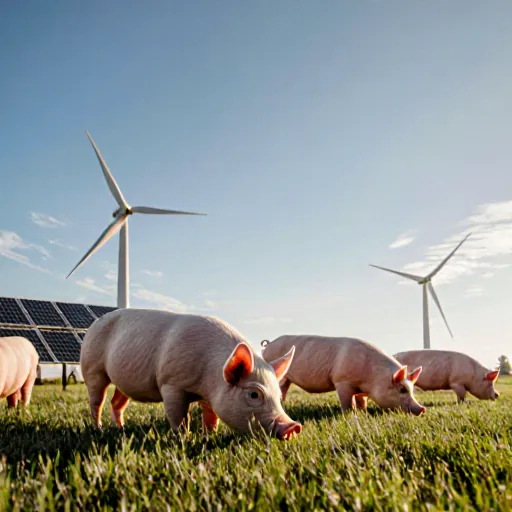
Grow Your Farm, Grow Your Success!
Table of Contents
- Introduction to Pig Farming
- Global Demand for Pork
- Adaptability of Pig Farming to Different Environments
- Technological Advancements Supporting Pig Farming
- Resilience During Economic Downturns
- Environmental Resilience of Pig Farms
- Pig Farming and Food Security
- Health Benefits of Pork Consumption
- Economic Contributions of Pig Farming
- Challenges Faced by the Industry
- Government Support for Pig Farmers
- Innovation in Feed and Nutrition Management
- Future Prospects of Pig Farming
- Conclusion
- FAQs
Introduction to Pig Farming
Pig farming, also known as swine husbandry, has long been recognized for its resilience and adaptability within the agricultural sector. Over the years, pig farming has demonstrated remarkable stability, making it a cornerstone of many rural economies worldwide. This section will delve into why pig farming is a resilient industry and how you can successfully embark on this rewarding venture.
Pig farming involves the raising of domestic pigs (Sus scrofa domesticus) for meat production, which is commonly referred to as pork. This practice not only provides a vital source of food but also contributes significantly to local economies through job creation and income generation.
Resilience in Pig Farming
The resilience of pig farming can be attributed to several factors:
- Demand Stability: Pork is a popular meat product globally, with consistent demand across various markets. This steady demand ensures that pig farmers have reliable income streams.
- Variety in Production: Pig farming offers flexibility in terms of production models—ranging from small-scale family operations to large commercial farms. This adaptability allows pig farmers to tailor their practices according to market needs and personal resources.
- Nutritional Value: Pork is a nutrient-rich food, containing essential proteins, vitamins, and minerals that are crucial for human nutrition. Consequently, this nutritional value enhances consumer preference, reinforcing demand even during economic downturns.
Pig Farming Practices
To ensure success in pig farming, it is important to adopt modern practices and technologies:
- Hygiene and Sanitation: Maintaining clean and hygienic conditions within the farm reduces the risk of disease outbreaks. Proper sanitation practices not only protect the health of your pigs but also comply with regulatory standards.
- Nutritional Management: Feeding pigs a balanced diet ensures optimal growth and development, leading to higher productivity and better meat quality.
- Veterinary Care: Regular veterinary check-ups and vaccinations are crucial for preventing diseases. This proactive approach helps in maintaining healthy herds and minimizing the risk of economic losses due to illness.
Practical Advice for Beginners
If you're considering entering the pig farming industry, here are some practical tips:
- Licensing and Regulations: Familiarize yourself with local regulations regarding pig farming. Obtaining the necessary licenses and permits ensures compliance and protects your farm from legal challenges.
- Market Research: Understand market trends and consumer preferences to tailor your production strategy effectively. This knowledge will help you maximize profits by producing what is in high demand.
- Networking and Resources: Connect with other pig farmers, agricultural experts, and industry associations. Sharing experiences and accessing resources can greatly benefit your farming journey.
Conclusion
In conclusion, pig farming is a resilient industry due to its demand stability, adaptability in production models, and the nutritional value of pork. By adopting modern practices and seeking practical advice, you can successfully establish and grow your pig farm, contributing positively to both economic development and food security.
Global Demand for Pork
The global demand for pork continues to grow, driven by factors such as increasing population, rising incomes, and changing dietary preferences. Pork is a popular meat choice worldwide due to its affordability, versatility, and nutritional value. As more people in developing countries adopt Western-style diets, the consumption of pork is expected to rise further.
Factors Driving Global Demand
- Increasing Population: The global population is growing steadily, leading to an increased demand for food products. Pork, being a relatively inexpensive source of protein, caters to the dietary needs of people across various income levels.
- Rising Incomes: As economies develop and incomes increase, consumers have more disposable income to spend on meat. This trend is particularly evident in emerging markets like China, India, and Brazil, where pork consumption has seen significant growth.
- Dietary Preferences: Changing dietary habits are influencing the global demand for pork. For instance, there is a growing preference for leaner meats and products that offer variety in taste and texture. Pork fits into these preferences well, making it an attractive option for consumers.
Pig Farming's Resilience
Despite the volatility seen in other agricultural sectors, pig farming has demonstrated remarkable resilience. This is largely due to its ability to adapt to market changes and consumer trends while maintaining a strong demand for its products.
Adaptability of Pig Farming
Pig farming can quickly adjust production levels in response to market conditions. For example, during periods of high demand or favorable prices, farmers can expand their operations by increasing the number of sows and pigs. Conversely, during downturns, they can reduce output without significant long-term impacts on profitability.
Consumer Trust and Preference
The trust established between pig farming communities and consumers plays a crucial role in maintaining demand. Transparency about production methods, humane treatment of animals, and adherence to hygiene standards builds confidence among consumers. This is particularly important given the increasing awareness of ethical sourcing and environmental impact.
Technological Advancements
The integration of technology into pig farming has also contributed to its resilience. Innovations such as precision feeding systems, automated monitoring devices, and advanced breeding techniques have enhanced efficiency and productivity. These advancements not only improve the quality of pork but also help farmers manage resources more effectively.
Examples of Resilience
- China: As the world's largest consumer of pork, China has seen significant fluctuations in demand due to various factors including disease outbreaks. Despite these challenges, pig farming continues to thrive due to its adaptability and the strong domestic market.
- Brazil: Brazil is another major player in the global pork industry. Its robust production capacity, coupled with efficient export channels, has helped it withstand economic downturns and maintain steady demand.
In conclusion, the global demand for pork is expected to continue growing due to demographic shifts and changing consumer preferences. Pig farming remains a resilient industry thanks to its adaptability, strong consumer trust, and technological advancements that support efficient production practices.
Adaptability of Pig Farming to Different Environments
The adaptability of pig farming to different environments is one of the key reasons why it stands out as a resilient industry. Pig farming can be successfully practiced in various regions and climates, making it an economically viable option for farmers around the world.
Pigs are highly adaptable animals that can thrive in diverse climatic conditions. From hot tropical areas where they require ample shade and water to cold temperate regions where they need proper insulation, pigs have been successfully raised in a wide range of environments.
For instance, in tropical climates like those found in Southeast Asia or Africa, pig farming can be integrated into rotational crop systems. Pigs are often used as part of an eco-friendly approach to agriculture known as "swine-lot" farming where they consume fallen leaves and other plant matter left behind after the main crops have been harvested.
Pig farming is also characterized by its efficient use of resources. The pigs can subsist on a variety of feeds, including grains, vegetables, and even agricultural by-products that would otherwise go to waste. This resourcefulness contributes significantly to the industry's resilience.
For example, in Europe and parts of North America, pig farmers often use kitchen scraps and surplus crops as feed for their pigs. By utilizing these leftovers, not only does this reduce food waste but it also lowers production costs and enhances sustainability.
The adaptability of pig farming extends to urban settings where space is limited. Modern pig farms are designed to meet the specific needs of city environments, providing a sustainable food source while minimizing environmental impact.
For example, in some cities like Singapore and Copenhagen, vertical farms have been developed that include sections for raising pigs. These farms use advanced technology and innovative farming practices to maximize productivity within small spaces.
The resilience of pig farming is further emphasized by its ability to withstand adverse conditions. Pigs are relatively hardy animals that can survive in a variety of challenging environments, including those with limited access to clean water or where disease outbreaks occur frequently.
For example, during natural disasters or health crises, traditional commercial farms may face significant setbacks. However, small-scale pig farmers in developing countries have shown remarkable resilience by adapting their practices and utilizing local resources effectively.
In summary, the adaptability of pig farming to different environments is a testament to its resilience as an industry. Whether it's through efficient resource use, urban integration, or the ability to withstand tough conditions, pig farming continues to thrive across diverse settings.
Technological Advancements Supporting Pig Farming
The pig farming industry has seen remarkable resilience and growth over the years, largely due to technological advancements that have improved efficiency, productivity, and sustainability. These innovations are not only enhancing the quality of life for farmers but also ensuring a consistent supply of high-quality pork products for consumers worldwide.
Advanced Feeding Systems
One of the most significant technological milestones in pig farming is the introduction of advanced feeding systems. Modern feeders use precision technology to ensure pigs receive exactly the right amount of nutrients, which not only reduces waste but also optimizes growth rates and health. For instance, automated feeders can monitor individual pig consumption patterns and adjust portion sizes accordingly, leading to healthier animals with reduced stress levels.
These systems are particularly beneficial in large-scale operations where manual feeding is impractical. They help reduce labor costs while improving the overall welfare of pigs by providing them with consistent access to food tailored to their specific needs at different stages of growth.
Environmental Control Systems
Pig farming, like any other livestock operation, requires careful management of environmental factors such as temperature, humidity, and ventilation. Advances in technology now allow for more precise control over these elements, creating optimal living conditions that enhance pig health and productivity.
Automated climate control systems use sensors to monitor and adjust the environment inside barns or pens based on real-time data. This ensures that pigs are kept at their ideal comfort levels, which can significantly improve feed efficiency and growth rates. For example, when temperatures rise in summer months, these systems can automatically increase airflow and reduce humidity, helping to prevent heat stress.
Health Monitoring and Disease Detection
Innovations in healthcare technology have also played a crucial role in maintaining pig health and preventing outbreaks of diseases. Smart collars equipped with bio-sensors allow farmers to continuously monitor the health status of their pigs remotely. These devices can detect early signs of illness, such as changes in body temperature or activity levels, enabling prompt intervention before conditions worsen.
Furthermore, advanced diagnostic tools like computerized tomography (CT) scans and magnetic resonance imaging (MRI), previously limited to human medicine, are now being used in veterinary practices. These technologies provide detailed images of internal structures, aiding veterinarians in diagnosing complex medical issues more accurately and efficiently. This enhanced capability for early detection and treatment contributes greatly to the overall resilience of the pig farming industry.
Genetic Improvements
Gene editing techniques such as CRISPR-Cas9 are revolutionizing pig breeding practices by allowing scientists to selectively enhance desirable traits in pigs. By modifying specific genes, researchers can develop breeds that grow faster, have higher resistance to diseases, and produce leaner meat with improved taste. This genetic improvement not only increases profitability for farmers but also supports sustainability goals by reducing resource usage per unit of production.
For example, companies like Genus plc are leveraging these technologies to create new lines of pigs that require less feed while producing more marketable products. Such developments underscore the pig farming industry's commitment to innovation and adaptation in response to global challenges such as climate change and increasing demand for animal protein.
Conclusion
The pig farming sector’s resilience is deeply intertwined with continuous technological progress that addresses various aspects of production, from feed management and environmental control to health monitoring and genetic engineering. These advancements not only bolster the industry's ability to meet growing consumer demands but also contribute positively towards sustainable agricultural practices.
Resilience During Economic Downturns
Pig farming, often seen as a steady and resilient industry, offers valuable insights into maintaining operational continuity during economic downturns. This sector's resilience is rooted in several key factors that make it particularly robust against fluctuations in the broader economy.
The demand for pork remains largely consistent across different economic environments, making pig farming less susceptible to sharp declines during downturns. Pork is a staple food item in many cultures around the world, and its consumption does not typically fluctuate with economic cycles as other luxury goods might.
In times of economic stress, governments often implement support programs to stabilize agricultural sectors, including pig farming. For instance, during the 2008 financial crisis, various countries introduced subsidies and price stabilization measures that helped maintain profitability for farmers.
The adoption of modern technologies in pig farming has significantly enhanced efficiency and productivity. Automated feeders, climate control systems, and advanced breeding techniques all contribute to lower operational costs and increased output. These advancements ensure that even during downturns, farms can operate at optimal levels.
Pig farming is a long-term investment strategy rather than a short-term speculative venture. The lifecycle of pigs from birth to market maturity spans several months, which means that farmers are less affected by rapid market fluctuations. This long cycle also provides time for strategic decision-making and adaptation.
The scalability of pig farming operations allows farmers to adjust production levels based on market conditions. During downturns, smaller-scale farms can reduce output while maintaining profitability by focusing on higher-value niche markets or organic products.
The pig farming industry’s resilience during economic downturns underscores the importance of diversification and sustainability in agricultural practices. By studying this model, other industries can learn valuable lessons about maintaining stability through consistent demand, strategic support from governments, technological innovation, long-term planning, and adaptability.
Environmental Resilience of Pig Farms
Pig farming, an essential component of agricultural practices worldwide, demonstrates remarkable environmental resilience. This resilience is critical for sustaining the industry and ensuring its contribution to global food security remains robust. Understanding the factors that contribute to the environmental resilience of pig farms is crucial for maintaining the sustainability of this sector.
Adaptation to Environmental Challenges
Pig farming has shown a remarkable ability to adapt to various environmental challenges, making it a resilient industry. One key aspect of this resilience lies in the ability of farmers to adjust practices according to changing climatic and ecological conditions.
- Climate Change Adaptation: Pig farms can implement strategies such as improved water management systems, shade structures for livestock, and strategic placement of feedlots to minimize heat stress during hot seasons. For instance, some modern pig farms in tropical regions have adopted solar-powered misting systems that cool the air around the pigs, reducing their stress levels.
- Soil Management: Efficient soil management practices like crop rotation and proper manure application help maintain soil health and fertility, which is crucial for long-term productivity. This approach also reduces the risk of runoff and pollution, enhancing environmental sustainability.
Innovative Technologies
The integration of innovative technologies has significantly bolstered the environmental resilience of pig farms. These technologies not only improve farm efficiency but also contribute to reducing the industry's ecological footprint.
- Smart Feeding Systems: Implementing smart feeding systems can lead to reduced feed waste and lower emissions, as these systems precisely match feed intake with nutritional requirements of the pigs. This results in less resource consumption and a more efficient use of nutrients.
- Biogas Plants: Biogas plants convert pig manure into biogas, which can be used for generating electricity or heating purposes on the farm. This not only reduces waste but also decreases reliance on fossil fuels, making farms more sustainable and resilient to energy price fluctuations.
Economic Stability
The economic stability of pig farming is closely linked to its environmental resilience. A robust economy allows farmers to invest in better practices that enhance both profitability and sustainability.
- Investment in Research: Farmers who are economically stable can afford to invest in research and development, leading to the introduction of more efficient breeding programs and improved management techniques.
- Market Access: Economic stability provides farmers with better market access, allowing them to sell their products at competitive prices. This financial security encourages investment in environmental practices that enhance long-term sustainability.
Social Responsibility
Pig farming's resilience is also reflected in its social responsibility towards the communities where it operates. By adhering to high standards of animal welfare and environmental stewardship, pig farms contribute positively to local environments and economies.
- Community Engagement: Engaging with local communities through educational programs about sustainable farming practices can foster greater understanding and support for the industry.
- Animal Welfare Standards: Ensuring that pigs are raised in humane conditions is not only a moral obligation but also essential for maintaining public trust. Farms that adhere to strict animal welfare standards are more likely to succeed in the long term.
In conclusion, the environmental resilience of pig farms is a testament to the industry's adaptability and commitment to sustainability. By adopting innovative practices, investing in research, and adhering to high standards of social responsibility, pig farming can continue to play a vital role in global food security while minimizing its ecological impact.
Pig Farming and Food Security
Pig farming, also known as swine husbandry, plays a crucial role in global food security. It is a resilient industry that has stood the test of time, providing reliable sources of nutrition to millions of people worldwide. Pork is one of the most consumed meats globally due to its affordability and versatility in various cuisines.
The resilience of pig farming lies in several key factors:
- Demand for Pork: Pork consumption has remained stable despite fluctuations in other meat markets. This steady demand ensures a consistent market for pig farmers.
- Nutritional Value: Pork is rich in essential nutrients such as protein, iron, and vitamin B12, making it an important component of balanced diets.
- Crop Utilization: Pig farming efficiently utilizes agricultural by-products and surplus crops that are not suitable for human consumption. This reduces food waste while providing a source of income for farmers.
In many developing countries, pig farming is a lifeline for rural communities. Small-scale pig farms often serve as a safety net during economic downturns or natural disasters. The low initial investment required to start a pig farm makes it accessible to smallholders.
Examples of Resilient Pig Farming Practices
- Sustainable Feeding Practices: Utilizing feed from food waste and agricultural by-products reduces dependency on expensive commercial feeds. For instance, in countries like the Philippines, pig farmers have successfully integrated kitchen scraps into their diets.
- Crossbreeding Programs: Crossbreeding programs improve productivity and resilience. For example, Chinese breeds are often crossed with European breeds to produce hybrid pigs that grow faster and are more disease-resistant.
To ensure long-term success in pig farming while contributing positively to food security:
- Optimize Feeding Practices: Implement feeding schedules that maximize growth and minimize waste. For example, using precision feeders can help reduce overfeeding and improve overall efficiency.
- Promote Health through Vaccination: Regular health checks and timely vaccinations are crucial to prevent diseases that could decimate pig populations. This not only protects the animals but also ensures a steady supply of meat to the market.
- Adopt Modern Technology: Embrace technological advancements such as automated feeding systems, climate control technologies, and digital monitoring tools. These can enhance productivity and reduce labor costs.
The future of pig farming looks promising with ongoing research into genetically modified pigs that are more resilient to diseases and have higher growth rates. Additionally, vertical farming techniques are being explored to increase production efficiency while reducing environmental impact.
Health Benefits of Pork Consumption
Pork, often considered a versatile and nutritious meat, offers a variety of health benefits that make it an appealing choice in many diets. From its rich protein content to its essential vitamins and minerals, pork consumption can contribute significantly to overall health.
High Quality Protein
Pork provides high-quality protein, which is crucial for muscle repair and growth. This makes it an excellent choice for athletes and individuals looking to build or maintain muscle mass. The amino acids found in pork are essential for various bodily functions, including tissue repair and immune function.
Rich Source of Essential Vitamins
Pork is a good source of several vitamins important for overall health:
- Vitamin B12: Essential for the production of red blood cells and maintenance of the nervous system.
- Niacin (B3): Important for energy metabolism, skin integrity, and digestive function.
- Pantothenic Acid (B5): Necessary for fat and carbohydrate metabolism.
Minerals and Nutrients
In addition to vitamins, pork is rich in essential minerals:
- Phosphorus: Important for bone health and energy production.
- Potassium: Helps regulate blood pressure and supports heart function.
- Selenium: An antioxidant that plays a role in thyroid hormone metabolism and immune function.
Fatty Acids
Pork contains different types of fatty acids, which are important for various physiological functions:
- Monounsaturated Fatty Acids: These help reduce bad cholesterol levels and improve heart health.
- Saturated Fats: While generally consumed in moderation due to their impact on cholesterol levels, they are an integral part of the pork fat profile.
Practical Advice: When incorporating pork into your diet, consider using lean cuts and preparing it with minimal added fats to maximize health benefits while minimizing potential drawbacks. Cooking methods like grilling or baking can help reduce unwanted fats.
Why Pig Farming is a Resilient Industry
Pig farming contributes significantly to the global food supply, and its resilience lies in several factors:
- Demand Stability: Pork consumption is widespread across many cultures, making it less susceptible to fluctuations in consumer preferences compared to some other meat types.
- Rapid Growth: Pigs grow quickly and efficiently, requiring relatively short breeding cycles and minimal land use per unit of production. This makes pig farming economically viable even during economic downturns.
- Diverse Products: From pork chops to sausages, the versatility in products extends the market reach and reduces dependency on a single product type.
The health benefits of pork consumption align closely with the resilience of the pig farming industry. Both contribute to global food security by providing nutritious options that are widely accepted and accessible. By choosing lean cuts and preparing them in heart-healthy ways, consumers can enjoy these benefits while supporting a resilient and sustainable agricultural sector.
Economic Contributions of Pig Farming
Pig farming, or swine husbandry, plays a significant role in the economy of many countries. This industry is not only a vital part of agricultural practices but also contributes to food security and economic resilience. Pig farming's contribution extends beyond just providing meat; it encompasses various sectors such as healthcare, environmental sustainability, and rural development.
The pig farming industry is a key player in ensuring global food security. Pork is one of the most widely consumed meats globally due to its affordability and nutritional value. Countries that are net importers of pork benefit greatly from domestic production, which can reduce dependency on foreign markets during times of international economic instability or trade disputes.
Domestic Production and Trade Balance
In regions where pig farming is a major contributor to the economy, local farmers are less vulnerable to fluctuations in global pork prices. Domestic production stabilizes supply chains and helps maintain favorable trade balances by reducing import costs. For instance, countries like China, Vietnam, and Brazil have seen economic stability through robust pork production which has reduced their reliance on imported meat.
The pig farming industry supports a range of related businesses such as feed manufacturing, veterinary services, and transportation. These ancillary industries generate employment opportunities across various skill levels, from skilled farmers to logistics personnel. Additionally, the demand for pork products drives innovation in processing technologies, enhancing efficiency and quality.
Technology and Innovation
Advancements in breeding techniques, feed formulations, and waste management have improved productivity and reduced environmental impact. For example, genetic selection programs aim to produce leaner pigs with higher meat yield while minimizing resource consumption. These technological improvements not only increase profitability for farmers but also contribute positively to sustainable development goals.
Pig farming is particularly beneficial in rural areas where it can provide essential income sources for smallholder farmers and their families. The industry fosters local economies by creating jobs at different stages of production, from raising pigs to processing and marketing finished products.
Examples of Rural Economic Impact
- Case Study: Vietnam: Pig farming is a significant contributor to the rural economy. Small farmers play a crucial role in supplying raw materials, such as pigs, to larger processing plants located near urban centers.
- Case Study: China: The large-scale pig farming operations in China also support numerous small farms that supply feed and other inputs necessary for maintaining high production levels.
Despite facing challenges like disease outbreaks, market volatility, and environmental concerns, the pig farming industry demonstrates remarkable resilience. Farmers adapt by implementing biosecurity measures, diversifying product lines, and engaging in sustainable practices.
Adaptation Strategies
- Biosecurity: Implementing strict hygiene protocols to prevent the spread of infectious diseases has proven effective. This includes regular cleaning, disinfection, and quarantine procedures.
- Diversification: Farmers are increasingly exploring niche markets such as organic pork or specialty cuts to differentiate their offerings from larger commercial producers.
- Sustainability: Embracing environmentally friendly practices like recycling waste into compost or using renewable energy sources helps maintain long-term viability.
In conclusion, pig farming is more than just an agricultural activity; it's a resilient industry that supports food security, drives economic growth, and contributes positively to rural development. As global challenges continue to evolve, the adaptability and innovation of pig farmers ensure their enduring importance in economies worldwide.
Challenges Faced by the Industry
Pig farming, like any agricultural industry, faces a variety of challenges that can impact its sustainability and growth. Despite these hurdles, pig farming has demonstrated remarkable resilience over time. Understanding and addressing these challenges is crucial for maintaining a robust and sustainable pig farming industry.
1. Market Volatility
The pig farming industry is often subject to market fluctuations due to factors such as global supply chains, demand shifts, and economic downturns. These unpredictable changes can lead to price volatility, affecting the profitability of farmers. To mitigate this risk, farmers need to diversify their markets and explore export opportunities beyond traditional regions.
Example: During the 2018-2019 African Swine Fever outbreak in China, there was a significant drop in pork consumption, leading to reduced demand for pig products. However, resilient farmers in other parts of Asia and Europe capitalized on this shift by expanding their market reach.
Advice: Farmers should stay informed about global trends and develop strategic partnerships with retailers and processors to stabilize supply chains and reduce dependency on a single market.
2. Animal Health Concerns
Pig farming is particularly vulnerable to infectious diseases, which can devastate entire herds if not managed properly. Diseases like African Swine Fever (ASF), Porcine Epidemic Diarrhea Virus (PEDV), and Porcine Reproductive and Respiratory Syndrome (PRRS) have caused severe losses in the industry. Effective biosecurity measures are essential to prevent disease outbreaks.
Example: Countries like Vietnam have implemented strict biosecurity protocols, including quarantine periods for imported pigs, vaccination programs, and improved sanitation practices, which helped them recover more quickly from ASF outbreaks compared to other regions.
Advice: Regular health monitoring, timely vaccinations, and maintaining a clean environment are key steps in ensuring animal health. Collaboration with veterinary professionals can also provide valuable insights into disease prevention strategies.
3. Environmental Impact
Pig farming generates substantial amounts of waste, which if not managed properly, can lead to environmental pollution and harm the ecosystem. Issues like water contamination and air quality degradation are significant challenges that need addressing for sustainable pig farming practices.
Example: Denmark has taken a proactive approach by investing in wastewater treatment technologies and promoting environmentally friendly pig housing systems. These efforts not only mitigate environmental issues but also enhance the industry's reputation among consumers.
Advice: Implementing sustainable farming practices such as using recycled water, installing biofilters to reduce ammonia emissions, and adopting integrated crop-livestock systems can help minimize the ecological footprint of pig farming.
4. Labor Shortages
The labor market is experiencing significant shifts globally, including in the agricultural sector, where skilled workers are becoming harder to find. This labor shortage can impede farm operations and productivity. Recruiting and retaining a motivated workforce is crucial for maintaining efficient pig farming practices.
Example: Some farms have successfully addressed this issue by offering better working conditions, providing training programs, and leveraging technology to automate certain tasks such as feeding and monitoring.
Advice: Investing in employee welfare, offering competitive salaries, and utilizing digital tools can attract and retain talent. Additionally, encouraging young people into the industry through educational campaigns and apprenticeships is vital for future sustainability.
Conclusion
In conclusion, while pig farming faces numerous challenges, its resilience lies in its ability to adapt and overcome these obstacles. By addressing market volatility through diversification, managing animal health with robust biosecurity measures, reducing environmental impact through sustainable practices, and tackling labor shortages effectively, the industry can continue to thrive.
Government Support for Pig Farmers
Given the resilience of pig farming highlighted in "Why Pig Farming is a Resilient Industry," it's crucial to explore how government support plays a significant role in maintaining and enhancing this sector. Government support for pig farmers can be multifaceted, ranging from financial assistance to policy initiatives that bolster economic stability and sustainability.
The government often provides financial relief during difficult economic times or natural disasters. For instance, subsidies for feed ingredients, grants for purchasing equipment, and low-interest loans can significantly alleviate the burden on pig farmers. These measures not only help in weathering short-term crises but also encourage long-term investment in sustainable practices.
Government funding for research and development (R&D) helps pig farmers adopt new technologies, improve animal welfare, and enhance production efficiency. For example, grants to support the breeding of disease-resistant pigs or the implementation of precision farming techniques can lead to higher yields and better product quality.
Policies such as import tariffs on foreign pig products protect domestic producers from unfair competition. Additionally, supportive export policies enable farmers to tap into international markets, thereby increasing their revenue streams. These measures ensure that the pig farming industry remains competitive both domestically and globally.
The government's investment in infrastructure, such as improving road networks and establishing efficient transport systems, can significantly reduce costs associated with transporting pigs to market destinations. This not only benefits farmers but also ensures that consumers have access to fresh and high-quality pork products.
To ensure the next generation of pig farmers is equipped with the necessary skills and knowledge, governments offer training programs and educational resources. These initiatives cover various aspects of pig farming, from basic husbandry practices to advanced management strategies. By investing in education and training, the government helps maintain a skilled workforce that can drive innovation and growth within the industry.
CASE STUDY 1: China's Supportive Policies
In recent years, China has implemented several policies to support its pig farmers. The government has increased subsidies for feed and breeding materials, provided low-interest loans, and offered tax incentives. These measures have helped stabilize the industry after a series of challenges, including African Swine Fever outbreaks.
CASE STUDY 2: Denmark's Innovation Focus
Denmark is renowned for its advanced pig farming practices. The government supports R&D initiatives through funding partnerships between universities and private companies. This collaboration has led to innovations such as automated feeding systems and improved disease management techniques, contributing to the country’s global reputation in pork production.
In summary, government support is essential for pig farmers to overcome challenges and capitalize on opportunities in a resilient industry. By providing financial assistance, fostering innovation, protecting domestic markets, improving infrastructure, and investing in education, governments can help ensure the long-term sustainability of pig farming. The examples from countries like China and Denmark demonstrate that strategic policy interventions can make a significant difference in bolstering this vital sector.
Innovation in Feed and Nutrition Management
The pig farming industry has demonstrated remarkable resilience, partly due to continuous innovation in feed and nutrition management. As challenges such as resource scarcity, environmental concerns, and health regulations evolve, the industry is adapting with cutting-edge solutions that not only enhance productivity but also improve sustainability.
Advanced Feed Formulation
A key area of innovation lies in advanced feed formulation, which involves creating precise dietary plans tailored to meet the specific nutritional needs of pigs at different stages of their life cycle. This precision feeding approach reduces waste and ensures optimal growth and health.
- Protein Optimization: Innovations include the use of alternative protein sources like insects, algae, and by-products from other industries to reduce reliance on traditional soybean meal.
- Vitamins and Minerals: Enhanced formulations ensure that all essential micronutrients are included in optimal amounts, promoting better overall health and resilience against diseases.
Data-Driven Nutrition
The integration of data analytics into feed management has revolutionized the way farms operate. By leveraging real-time data from sensors and monitoring systems, farmers can make informed decisions about feeding schedules and ingredient proportions.
Example: Smart feeders equipped with IoT technology automatically adjust the amount of feed dispensed based on individual pig’s weight gain or health metrics, ensuring efficient use of resources.
Sustainable Feed Sources
The shift towards more sustainable feed sources is another significant trend in the industry. This includes the exploration of renewable and recycled materials that can be used as alternative protein and lipid sources.
- Recycled Products: By-products from other industries, such as bakery waste or distillery grains, are repurposed into high-quality feed components.
- Renewable Resources: Innovations in crop rotation and agroforestry practices help reduce the environmental impact of pig farming by increasing biodiversity and soil health.
Healthier Feed Formulations
To meet growing consumer demand for healthier products, there is a focus on reducing or eliminating controversial additives like antibiotics and growth hormones. The industry is exploring natural alternatives such as probiotics, prebiotics, and essential oils to maintain pig health without compromising performance.
- Probiotics: These beneficial microorganisms help improve gut health and reduce the likelihood of disease outbreaks.
- Prebiotics: Essential for supporting probiotics, these are non-digestible food ingredients that promote the growth of beneficial bacteria in the digestive system.
Practical Advice for Farmers
To implement these innovations effectively, here are some practical tips for pig farmers:
- Educate Yourself and Your Staff: Stay updated with the latest research and best practices in feed management.
- Invest in Technology: Consider investing in precision feeding systems that can provide real-time data on feed consumption and pig health.
- Collaborate with Experts: Work closely with veterinarians, nutritionists, and agricultural scientists to fine-tune your feeding strategies.
In conclusion, the resilience of the pig farming industry is significantly bolstered by continuous innovation in feed and nutrition management. By embracing these advancements, farmers can not only enhance productivity but also contribute positively to environmental sustainability, making this sector a leader in responsible agricultural practices.
Future Prospects of Pig Farming
Pig farming has long been recognized as a resilient industry, with its adaptability and sustainability being key factors in its future prospects. The global demand for pork continues to grow, driven by increasing consumer preferences for affordable, high-quality protein sources. This trend is expected to fuel the expansion of pig farms around the world.
Technological Advancements
The future of pig farming is closely tied to technological innovations that enhance productivity and sustainability. Automation in feeding systems, climate control for optimal growth conditions, and advanced breeding techniques are all contributing to increased efficiency and profitability. For instance, robotic feeders can ensure precise feeding schedules, reducing waste and enhancing animal health.
Additionally, precision farming tools like GPS-guided tractors and drones help farmers manage resources more effectively. These technologies not only improve operational efficiency but also reduce the environmental footprint of pig farming by optimizing land use and minimizing water consumption.
Sustainable Practices
Awareness of sustainable practices is growing, and pig farmers are increasingly adopting methods that minimize their ecological impact. This includes implementing waste management systems to convert manure into biogas or compost, which can be used as renewable energy sources or soil amendments.
Moreover, vertical farming and integrated crop-livestock systems are being explored as viable options for reducing land use and water consumption while enhancing biodiversity. These practices not only contribute to environmental sustainability but also offer economic benefits by creating new revenue streams through the sale of by-products like compost or biofuel.
Global Market Trends
The global market for pork shows a steady upward trend, with China and other Asian countries leading in consumption. As urbanization increases and living standards rise, there is a growing demand for high-quality pork products. This presents significant opportunities for pig farmers to expand their markets beyond local regions.
To capitalize on these trends, pig farmers can focus on exporting to international markets where there is a high demand for organic and ethically produced meat. Certification programs like GlobalGAP or ISO standards provide a pathway for achieving the quality and ethical standards required by global buyers. By adhering to these standards, pig farms can enhance their reputation and command premium prices in competitive markets.
Conclusion
The future of pig farming looks promising, given its resilience in facing challenges and adapting to new opportunities. By embracing technological advancements and sustainable practices, pig farmers can not only increase productivity but also contribute positively to environmental conservation efforts. As global demand for pork continues to grow, there has never been a better time to invest in the pig farming industry.
Conclusion
Why Pig Farming is a Resilient Industry
Pig farming has long been recognized as one of the most resilient industries, demonstrating remarkable adaptability and sustainability. This resilience stems from several key factors that have made it a reliable source of food production even in times of economic uncertainty or agricultural challenges.
Firstly, pigs are omnivores, meaning they can consume a variety of feedstuffs ranging from grains and vegetables to waste products like fruit peels and table scraps. This broad diet allows pig farmers to utilize resources that might otherwise be considered waste, reducing costs and environmental impact. For instance, many large-scale pig farms in Europe use food processing by-products as part of their pigs' diet, turning potential landfill material into valuable nutrition.
Secondly, the global demand for pork remains consistent due to its versatility and nutritional value. Pork is a source of high-quality protein that can be prepared in countless ways, from simple grilled sausages to complex gourmet dishes. This flexibility ensures that regardless of changes in consumer preferences or economic shifts, there will always be a steady market for pigs and their products.
Moreover, pig farming practices have evolved significantly over the years, incorporating modern technologies that enhance efficiency and sustainability. For example, automated feeding systems can monitor and adjust feed intake based on individual pig needs, optimizing resource use and reducing waste. Additionally, advancements in breeding techniques have led to more disease-resistant breeds capable of thriving under various environmental conditions.
The resilience of the pig farming industry is further bolstered by its role in regional economies. Small-scale pig farms provide employment opportunities for rural communities, supporting local food systems and reducing dependency on imported meat products. In many developing countries, traditional pig raising remains a vital component of smallholder agriculture, providing essential protein to families that may lack other sources of nutrition.
In conclusion, the adaptability, economic significance, and sustainability of pig farming make it a resilient industry capable of weathering various challenges. By leveraging diverse feed resources, meeting consistent consumer demand, and embracing technological innovations, pig farmers continue to play a crucial role in global food security while contributing positively to environmental conservation efforts.
FAQs
Pig farming, also known as swine farming or piggeries, is recognized for its resilience and stability within the agricultural sector. This industry has proven to be resilient due to several key factors that contribute to its robust nature, making it an attractive choice for farmers and investors alike.
Factors Contributing to Resilience
1. Consistent Consumer Demand: Pig farming benefits from consistent demand across various regions worldwide. Meat products derived from pigs are widely consumed, making it a reliable source of income for farmers and processors alike. The global population's preference for pork cuts such as ham, bacon, and sausages ensures that there is always a steady market for pig-related products.
2. Diverse Range of Products: Pig farming offers numerous opportunities to diversify product offerings which can help mitigate risks associated with changes in consumer preferences or economic fluctuations. For instance, farmers can produce not only meat but also other valuable by-products like lard, pigskin used for leather goods, and even pet food ingredients.
3. Adaptability to Changing Market Trends: The industry has shown remarkable adaptability in responding to changing consumer trends. Innovations such as organic farming practices, sustainable production methods, and tailored breeding programs cater specifically to niche markets seeking healthier or more ethically sourced products. These developments help ensure long-term profitability despite external challenges.
Practical Advice for Farmers
To thrive in this resilient industry, farmers must stay informed about market trends and adopt sustainable practices that appeal to modern consumers:
- Invest in Quality Assurance: Implementing strict quality control measures ensures that your products meet high standards, enhancing brand reputation.
- Diversify Your Portfolio: Exploring additional product lines beyond traditional meat can provide new revenue streams and hedge against price volatility risks.Promote Sustainability: Emphasizing environmental responsibility through practices like waste management or renewable energy sources appeals to eco-conscious consumers while potentially reducing operational costs.Stay Updated on Technology: Adopting advanced technologies in feeding, breeding and health monitoring can lead to higher efficiency rates and better animal welfare outcomes.
In conclusion, pig farming remains a resilient industry owing to its ability to meet consistent demand, offer diverse products, and adapt to evolving market conditions. By leveraging these strengths alongside practical advice tailored towards sustainable and profitable operations, farmers can secure their place in this dynamic yet reliable sector.
Categories
- AI & Enrichment Play
- Broiler Farming
- Broiler Farming Tips
- Canine Wellness & Longevity
- Cat
- Cat & Human Connection
- Cat Adoption & Rescue
- Cat Breeds
- Cat Breeds & Personalities
- Cat Care & Health
- Cat Grooming & Hygiene
- Cat Lifestyle & Environment
- Cat Myths & History
- Cat Nutrition & Diet
- Cat Products & Reviews
- Cat Training & Behavior
- Comparison
- Consumer Awareness
- Dog
- Dog Accessories & Products
- Dog Adoption & Rescue
- Dog Breed & Lifestyle Trends
- Dog Breeding & Puppies
- Dog Entertainment & Media
- Dog Fashion & Trends
- Dog Fun & Lifestyle
- Dog Grooming & Hygiene
- Dog History & Culture
- Dog Myths, Science & Future Tech
- Dog News & Trends
- Dog Nutrition & Food
- Dog Psychology & Emotions
- Dog Safety & Security
- Dog Sports & Activities
- Dog Technology & Innovation
- Dog Training for Modern Owners
- Dog Travel & Adventure
- Dog Travel, Adventure & Culture
- Economic and Market Insights
- Educational Content
- FAQs
- Feeding Alternatives
- Festivals & Seasonal Ideas
- Fun & Entertainment
- General Knowledge
- General Pig Farming
- Health & Disease Management
- Housing and Environment
- Kittens
- Market Insights
- Miscellaneous
- Miscellaneous
- Motivational
- pig
- Pig Breeding
- Pig Breeds
- Pig Farming Stories and Inspiration
- Pig Health and Care
- Pig Nutrition
- Pig Products
- Profitability & Business
- Puppy Care
- Puppy Predictable Topics Reinvented
- Regional Focus
- Rescue & Adoption Buzz
- Senior Cats
- Senior Dog Care
- Smart Dog Tech & Gadgets
- Sustainability
- Sustainable & Eco-Friendly Dog Products
- Tech & Innovations
- Working & Service Dogs
- Broiler Feed66 products
- Country Feed33 products
- Pig Feed66 products
- Product22 products
- Raw Materials99 products
Products
-
 Fish Meal
₹1,999.00 – ₹2,999.00Price range: ₹1,999.00 through ₹2,999.00Rated 0 out of 5
Fish Meal
₹1,999.00 – ₹2,999.00Price range: ₹1,999.00 through ₹2,999.00Rated 0 out of 5 -
 FATTENING BROILER FEED
₹2,299.00 – ₹2,349.00Price range: ₹2,299.00 through ₹2,349.00Rated 0 out of 5
FATTENING BROILER FEED
₹2,299.00 – ₹2,349.00Price range: ₹2,299.00 through ₹2,349.00Rated 0 out of 5 -
 LAYER COUNTRY FEED
₹1,549.00 – ₹1,649.00Price range: ₹1,549.00 through ₹1,649.00Rated 0 out of 5
LAYER COUNTRY FEED
₹1,549.00 – ₹1,649.00Price range: ₹1,549.00 through ₹1,649.00Rated 0 out of 5 -
 COUNTER BROILER FEED
₹1,199.00 – ₹1,299.00Price range: ₹1,199.00 through ₹1,299.00Rated 0 out of 5
COUNTER BROILER FEED
₹1,199.00 – ₹1,299.00Price range: ₹1,199.00 through ₹1,299.00Rated 0 out of 5 -
 LACTATING PIG FEED
Rated 0 out of 5
LACTATING PIG FEED
Rated 0 out of 5₹2,299.00Original price was: ₹2,299.00.₹1,740.00Current price is: ₹1,740.00. -
 Maize
Rated 0 out of 5
Maize
Rated 0 out of 5₹1,650.00Original price was: ₹1,650.00.₹1,300.00Current price is: ₹1,300.00. -
 GESTATION PIG FEED (Phase 1)
Rated 0 out of 5
GESTATION PIG FEED (Phase 1)
Rated 0 out of 5₹2,249.00Original price was: ₹2,249.00.₹1,699.00Current price is: ₹1,699.00. -
 Pre Starter Broiler Feed
₹2,399.00 – ₹2,499.00Price range: ₹2,399.00 through ₹2,499.00Rated 0 out of 5
Pre Starter Broiler Feed
₹2,399.00 – ₹2,499.00Price range: ₹2,399.00 through ₹2,499.00Rated 0 out of 5 -
 FINISHER PIG FEED
Rated 0 out of 5
FINISHER PIG FEED
Rated 0 out of 5₹2,299.00Original price was: ₹2,299.00.₹1,749.00Current price is: ₹1,749.00. -
 Broiler Premix
Rated 0 out of 5
Broiler Premix
Rated 0 out of 5₹820.00Original price was: ₹820.00.₹699.00Current price is: ₹699.00.