
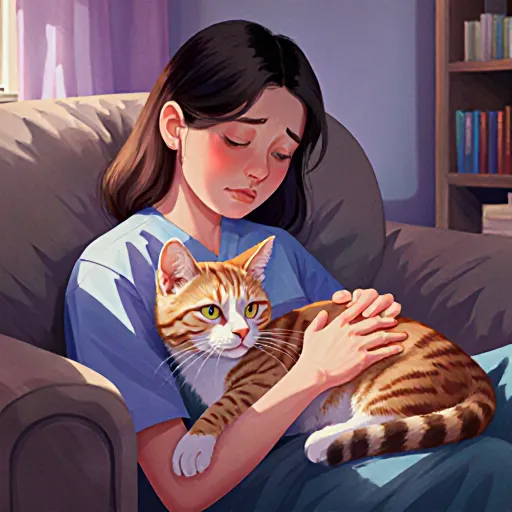
Know When Your Cat Needs Immediate Vet Care
Your Cat’s Health: When Vet Visits Really Matter
Table of Contents
- Signs Your Cat May Need Immediate Vet Attention
- First Year: Establishing a Routine
- Second Year: Monitoring for Early Signs of Disease
- Years 3-7: Checking Vital Health Indicators
- Years 8-10: Assessing Age-Related Changes
- Yearly Check-Ups: Standard Examination
- Annual Vaccinations and Preventive Care
- Dental Health Checks Every 2-3 Years
- Senior Cat Visits: Monthly or Every Two Months
- Behavioral Changes and Their Implications
- Nutritional Needs Assessment Every Year
- Emergency Vet Visits: When to Call Urgently
- Conclusion
- FAQs
Signs Your Cat May Need Immediate Vet Attention
While it's important to follow a regular schedule for your cat’s veterinary check-ups, there are certain signs that may indicate an urgent need for immediate vet attention. These signs can sometimes be subtle but should not be ignored if you suspect something is wrong. Here are some key indicators:
1. Severe Lethargy or Depression
Cats, like humans, can become lethargic when they're feeling unwell; however, severe lethargy that persists for more than a day or two could be a sign of an underlying health issue requiring immediate care. This includes your cat lying down most of the time, not wanting to play, and showing no interest in their usual activities.
2. Difficulty Breathing
If you notice that your cat is breathing rapidly or heavily, wheezing, coughing, or gasping for breath even when resting, it could be a sign of respiratory distress which should not wait. This might indicate issues such as asthma, pneumonia, or other respiratory infections.
3. Changes in Appetite and Weight
A sudden change in your cat’s eating habits can signal health problems. If your typically ravenous kitty suddenly stops eating, or if they begin to eat more than usual but lose weight, these could be signs of a serious condition such as diabetes, hyperthyroidism, or even dental issues.
4. Vomiting and Diarrhea
Vomiting once in a while is common for cats, especially if they’ve eaten something disagreeable. However, if your cat continues to vomit more than twice a day, it can lead to dehydration. Persistent diarrhea or vomiting could also indicate illnesses such as parasites, food allergies, or more serious conditions like feline leukemia virus (FeLV) or Feline Immunodeficiency Virus (FIV).
5. Changes in Urination and Defecation
Notice any changes in your cat's bathroom habits? Frequent urination or straining to urinate could point towards a urinary tract infection, bladder stones, or even kidney disease. Similarly, if you notice blood in their urine or stool, this is an emergency situation that needs immediate attention.
6. Severe Pain or Limping
If your cat suddenly stops using its legs and shows signs of severe pain when touched, it could be a sign of a broken bone, dislocation, or even internal injuries due to trauma. Even if the injury seems minor, it’s important to have it checked by a vet as soon as possible.
7. Sudden Behavioral Changes
Beyond physical symptoms, changes in behavior can also be indicators of health issues. A typically calm cat who suddenly becomes aggressive or anxious might be experiencing pain or discomfort that you cannot see externally. Similarly, a normally active cat who becomes withdrawn and hides away could have an underlying health issue.
Remember, while following the recommended frequency for regular veterinary check-ups is crucial, being aware of these signs can help ensure your cat receives prompt care when necessary. Early intervention can significantly improve outcomes and prevent minor issues from developing into more serious problems.
First Year: Establishing a Routine
Establishing a routine is crucial for your cat's first year, ensuring they grow up healthy and happy. A well-structured daily routine helps regulate their biological clocks, promoting better sleep patterns and overall health. This includes feeding times, play sessions, and grooming schedules.
Feeding your cat on a consistent schedule is essential for their digestive system. Cats are obligate carnivores, meaning they require high-protein diets to thrive. Aim to feed them twice daily if you have an indoor cat. For outdoor cats or those with more active lifestyles, adjust the portions based on their activity level and body condition.
Example Feeding Schedule
- Morning: Breakfast – High-quality dry food suitable for your cat's age and breed.
- Evening: Dinner – Similar to breakfast, but adjust portion sizes if needed.
Ensure you have a consultation with your vet before making any significant dietary changes. They can provide specific advice based on your cat's individual needs.
How often should you take your cat to the vet? While kittens typically need more frequent check-ups, adult cats usually require an annual visit. Here’s a general guideline:
- Kitten: Every 6-8 weeks for the first year.
- Adult Cat: Annually after the first year.
During these visits, your vet will check for any signs of illness or disease, provide vaccinations, and offer advice on nutrition and behavior. Early detection is key to preventing more serious health issues later in life.
Possible Health Issues
Cats can be prone to certain conditions such as dental problems, urinary tract infections, and obesity if not monitored properly. Regular vet checks help catch these issues early when they are easier to treat.
Mental stimulation is just as important for cats as physical activity. Engage your cat in play sessions that challenge their minds, such as puzzle toys or interactive games. This not only keeps them mentally sharp but also strengthens the bond between you.
Practical Play Ideas
- Treat Dispensing Toys: These can keep your cat entertained for hours, providing both mental and physical stimulation.
- Panther Balls or Feathers: Attach these to a toy on a string, which you can move around the room to mimic prey. This encourages hunting behavior while keeping them active.
Aim for at least 15-20 minutes of playtime per day. Consistency is key in maintaining a routine that keeps your cat both physically and mentally healthy.
Regular grooming helps maintain your cat's coat health, prevents hairballs, and strengthens the bond between you two. Depending on your cat’s breed, this can range from daily brushing to weekly sessions. For long-haired cats, especially, regular grooming is essential.
Tools You'll Need
- Brush: Use a slicker brush for short-haired cats and a comb for longer-haired breeds like Persians.
- Grooming Gloves: These are great for shedding seasons or when you don't have much time but still want to groom your cat.
Grooming also provides an opportunity to check for any lumps, bumps, or other irregularities on their skin that might need veterinary attention. It’s a simple yet effective way of keeping your cat healthy and happy.
By establishing a routine early in your cat's life, you are setting them up for a lifetime of health and happiness. Regular feeding, vet check-ups, playtime, and grooming are all essential components of this routine. Remember that the more consistent you are with these practices, the better it will be for both you and your feline friend.
Second Year: Monitoring for Early Signs of Disease
During your cat's second year, regular veterinary check-ups are crucial for monitoring early signs of disease and maintaining overall health. Cats are generally considered to be in their "second half" of youth during this period, which means they are still at a lower risk of many age-related illnesses compared to senior cats. However, early detection is key in managing or preventing diseases that can affect your cat's quality of life.
Signs of Disease to Watch For
- Vomiting and Diarrhea: Frequent vomiting or diarrhea can indicate a wide range of issues from simple dietary indiscretion to more serious conditions like pancreatitis or gastrointestinal infections.
- Persistent Lethargy: If your cat shows signs of lethargy that do not improve after rest, it could be a sign of an underlying health issue such as thyroid problems or even cancer.
- Changes in Appetite: Both loss and increase in appetite can signal significant health changes. Sudden weight gain or loss should prompt a visit to the vet.
- Difficulty Eating or Drinking: If your cat has trouble eating, drinking, or grooming itself, this could indicate oral infections, dental disease, or more severe conditions like neurological disorders.
- Breathing Difficulties: Changes in the way your cat breathes can point to respiratory issues such as feline asthma or even heart problems.
Practical Advice for Monitoring Health
To ensure early detection of any health issues, it's important to establish a routine that includes regular monitoring at home and timely veterinary visits. Here are some practical tips:
- Weight Check: Regularly weigh your cat at home using a scale designed for small pets. A sudden change in weight could indicate an underlying health problem.
- Closet Monitoring: Keep a close eye on litter box usage and any changes in behavior or bathroom habits that might suggest discomfort or illness.
- Vet Visits: While there is no one-size-fits-all answer to how often your cat should see the vet, most veterinarians recommend at least two check-ups during the second year. This allows for early detection and intervention of any developing issues.
Remember, each cat is unique, so it's important to consult with your veterinarian about a tailored health plan that fits your pet's specific needs. Early intervention can make all the difference in managing or preventing diseases effectively.
Years 3-7: Checking Vital Health Indicators
During years 3 to 7 of your cat's life, it is crucial to monitor several vital health indicators that can help ensure your feline friend remains healthy and happy. This period typically marks a transition from the energetic youth of early adulthood to more settled middle age, where certain changes in behavior and physical health may begin to emerge.
- Vital Signs: Regular checks for vital signs such as body temperature, heart rate, and respiratory rate are essential. These indicators should be within normal ranges for your cat's age and breed.
- Weighing Your Cat: Scheduling a weigh-in at least once every six months helps track weight changes that could indicate underlying health issues or changes in activity levels.
- Veterinary Check-Ups: Visiting the vet annually allows for comprehensive check-ups, vaccinations updates, and early detection of potential problems. This frequency is generally recommended by veterinarians to maintain your cat's good health.
Changes in behavior can be subtle but significant during this period. Keep an eye out for signs that may indicate a decline in health, such as:
- Apathy or lack of energy.
- Inability to groom properly or changes in coat appearance.
- Unusual vocalization or increased meowing.
Cats can develop several health issues as they age, including:
- Arthritis: Joint pain and stiffness become more common. Regular exercise and a healthy diet may help manage this condition.
- Dental Disease: Periodontal disease is prevalent in older cats. Brushing your cat's teeth regularly, offering dental treats, or consulting with your vet about professional cleanings can help.
- Renal Disease: Kidney function starts to decline as cats age. Monitoring water intake and food choices may be necessary to support kidney health.
To keep your cat healthy during years 3-7, consider the following tips:
- Nutrition: Switching to a senior cat food can provide appropriate nutrients for aging cats. Consult with your veterinarian regarding the best options.
- Vaccinations and Parasite Control: Continue vaccinations as recommended by your vet, even if it's not annual. Additionally, manage flea, tick, and internal parasite treatments according to your local environment and your cat's lifestyle.
- Dental Care: Brushing teeth at least three times a week is beneficial. Provide dental toys or treats that promote oral health.
By focusing on these vital health indicators and addressing potential issues early, you can help your cat enjoy a long and healthy life during its middle age years. Regular veterinary visits are key in maintaining overall wellness, but so too is attentive observation at home.
Years 8-10: Assessing Age-Related Changes
As cats age, they undergo significant physical and behavioral changes. For a cat that is around 8 to 10 years old, these changes can be subtle but important to monitor closely. This age range typically corresponds to the middle-aged or senior stage of a cat's life, depending on the breed and individual health factors. Here’s how you can assess these changes:
Physical Changes
- Weight Gain or Loss: Cats in this age range may experience weight fluctuations due to decreased activity levels and metabolism changes. Regular veterinary check-ups are crucial to monitor body condition and adjust diet as needed.
- Joint Issues: Cats may develop joint problems like osteoarthritis, leading to stiffness or difficulty moving around. Signs include reluctance to jump, climb stairs, or play. Ensuring a comfortable living environment with soft surfaces can help manage these issues.
- Changes in Coat and Grooming Habits: Older cats may have duller coats or develop dander more frequently due to decreased grooming. Regular brushing can help maintain skin health and prevent hairballs.
Behavioral Changes
- Changes in Sleep Patterns: Older cats may sleep more than younger cats, often taking multiple short naps throughout the day. This is normal but can sometimes indicate health issues if it leads to lethargy or loss of interest in activities.
- Increased Irritability: Cats may become more grumpy or irritable as they age, possibly due to pain from joint issues or changes in cognitive function. Patience and understanding are key during this time.
- Cognitive Decline: Some cats may show signs of cognitive decline, such as forgetting litter box training, losing interest in play, or not recognizing family members. Early intervention with environmental enrichment can help slow down these processes.
Frequency of Veterinary Visits
The frequency at which you should take your cat to the vet during this age range depends on the individual’s health and any specific conditions they might have. However, it is generally recommended to schedule annual check-ups starting around 7-8 years old. These visits allow for early detection of potential health issues.
- Annual Check-Ups: Annual exams help monitor overall health and can catch minor issues before they become major problems.
- Vaccinations: While core vaccines are usually given during kittenhood, boosters may be necessary every 3-4 years depending on the vaccine and your veterinarian’s recommendations.
- Dental Care: Dental exams and cleanings should be part of your cat's routine care. Cats can develop periodontal disease as they age, which can lead to more serious health issues if left untreated.
- Blood Work: Blood tests are particularly important for middle-aged cats to check for early signs of kidney or liver disease, diabetes, and other conditions that commonly affect older felines.
In summary, monitoring your 8-10 year-old cat for physical changes like weight gain/loss, joint issues, and coat quality, along with behavioral shifts such as increased sleepiness or irritability, is essential. Regular vet visits during this period are critical to maintaining their health and catching any potential issues early on. This proactive approach will help ensure your senior cat continues to live a comfortable and healthy life.
Yearly Check-Ups: Standard Examination
Just as humans benefit from regular check-ups to maintain and monitor their health, cats also need periodic visits to the veterinarian for what we call "yearly check-ups." These standard examinations are crucial for keeping your feline companion healthy and ensuring that any potential issues are caught early. The frequency of these visits can vary depending on a cat's age, overall health, and lifestyle, but generally, it is recommended to take your cat to the vet at least once a year.
When Should You Take Your Cat to the Vet?
The American Association of Feline Practitioners (AAFP) recommends that kittens should have their first veterinary visit between 6 and 8 weeks old. After this initial visit, most cats will benefit from annual check-ups as they grow into adulthood. Senior cats, typically those over ten years old, may require more frequent visits due to the increased likelihood of age-related health issues.
What Happens During a Yearly Vet Visit?
During a typical yearly examination, your vet will perform several key tasks:
- Vital Signs Check: Your veterinarian will measure your cat's weight, temperature, and heart rate. These basic checks provide valuable information about your cat’s overall health.
- Nail Clipping: This is not only a grooming task but also prevents overgrown nails that can be uncomfortable for your cat or painful for you when they scratch.
- Ears and Eyes Inspection: Your vet will check the condition of your cat’s ears and eyes to ensure there are no signs of infections, mites, or other issues. This is especially important if your cat spends a lot of time outdoors.
- Dental Examination: Oral health is closely linked to overall well-being in cats. Your vet will examine your cat's teeth and gums for any signs of plaque build-up, tartar, or gingivitis.
- Vaccination Update: Depending on your area’s specific needs, vaccinations can be updated during these visits. It’s important to keep your cat’s immunizations current to prevent serious diseases such as rabies and feline leukemia.
Why Is Regular Vet Care Important?
Regular vet visits are not just about preventative care; they also play a critical role in early disease detection. Many health issues, particularly those that affect older cats, can be subtle or have no obvious symptoms at first. By catching problems early, your veterinarian can recommend appropriate treatments and management strategies, potentially improving the quality of life for your cat.
Practical Advice for Your Cat's Yearly Visit
To make these visits as smooth as possible:
- Stay Calm: Try to keep calm during the visit. A stressed cat is less cooperative and may not allow thorough examination.
- Pet Insurance: Consider getting pet insurance if you haven't already. It can help cover the cost of routine check-ups as well as unexpected medical expenses.
- Healthy Diet: Ensure your cat is on a balanced diet before the visit to get an accurate reading during the weight check.
In conclusion, while it may seem like extra work to take your cat in for regular check-ups, these visits are essential for maintaining your pet's health. By staying proactive and consistent with yearly examinations, you can help ensure that your cat lives a long and healthy life.
Annual Vaccinations and Preventive Care
When it comes to your cat's health, annual vaccinations and preventive care are crucial steps in ensuring a long and healthy life. While "How Often Should You Take Your Cat to the Vet?" is an important question, the answer largely depends on individual factors such as age, breed, lifestyle, and environmental risks. However, there are certain guidelines that can be followed to help ensure your cat stays healthy.
Vaccines are vital in protecting your cat against serious diseases. The frequency of vaccinations may vary depending on the type of vaccine and local regulations. However, a typical schedule includes:
- Feline Rabies Vaccine: Required by law in many regions. Boosters are often needed every one to three years after the initial series.
- Feline Panleukopenia (FP): Also known as feline distemper, this vaccine helps protect against a highly contagious and potentially fatal disease. Typically given in a series during kittenhood and then once annually.
- Feline Calicivirus (FCV) & Feline Rhinotracheitis Virus (FR): These vaccines help protect against upper respiratory infections, which are common in cats. They are usually part of the core vaccine package for kittens and may be included annually as boosters.
- Feline Leukemia Virus (FeLV): Recommended for indoor-outdoor cats or those with a high risk of exposure to infected animals. Booster shots may be required every one to three years after initial vaccination, depending on your vet's recommendation.
It’s important to note that not all cats need all vaccines, as some factors like lifestyle and environment play significant roles in determining the necessity of certain vaccinations.
In addition to vaccinations, regular preventive care is essential for maintaining your cat's health. This includes:
- Dental Checkups: Cats can develop dental problems just like humans. Regular check-ups and cleaning sessions can help prevent issues such as gum disease and tooth loss.
- Parasite Control: Flea, tick, and internal parasite control is crucial to keep your cat comfortable and healthy. Discuss with your vet the best options for your cat's specific needs.
- Weight Management: Obesity in cats can lead to various health issues. Regular weigh-ins and dietary recommendations from your vet can help maintain a healthy weight.
- Nail Trimming: Regular trimming of your cat’s nails is important for their well-being, as overgrown nails can cause discomfort and affect their walking or jumping ability.
While annual visits are a good baseline, some situations may require more frequent visits. These include:
- If your cat is experiencing any unusual behavior or symptoms.
- If you notice changes in their eating habits, weight loss or gain, or activity levels.
- For kittens, the vaccination schedule will be more frequent to ensure they are fully protected against diseases during their early development.
In conclusion, while annual vaccinations and preventive care provide a solid foundation for your cat's health, individual circumstances should guide when you take your cat to the vet. Regular check-ups can help catch potential issues early and keep your feline companion healthy and happy.
Dental Health Checks Every 2-3 Years
Dental health checks are as crucial for cats as they are for humans, yet many pet owners often overlook them. How frequently you should take your cat to the vet can vary based on their individual needs and risks, but one aspect that is consistently emphasized by veterinarians is the importance of regular dental check-ups. Just like How Often Should You Take Your Cat to the Vet? might suggest a yearly visit for overall health assessments, routine dental checks every 2-3 years are recommended by many veterinary professionals.
Why Every 2-3 Years?
The frequency of professional dental cleanings depends on several factors including your cat's diet, grooming habits, and genetic predispositions. While some cats may not require cleaning every two to three years, others might benefit from more frequent visits. The goal is to prevent the early stages of periodontal disease, which can lead to serious health issues if left untreated.
Signs Your Cat Needs Dental Attention
- Bad breath or a noticeable change in your cat's oral hygiene.
- Reddened gums (gingivitis).
- Pain while eating, which might indicate toothache or abscesses.
- Increased saliva or blood in the mouth.
- Difficulty chewing or loss of appetite.
Dental Check-Up Process
A typical dental check-up by a veterinarian involves several steps. Your vet will first examine your cat's teeth and gums for any signs of disease or abnormality. X-rays may be taken to assess the health of the roots and surrounding tissues. If necessary, professional cleaning is performed under anesthesia, which not only cleans the surface but also removes tartar below the gumline.
Preventing Dental Issues
In addition to regular check-ups, there are several steps you can take at home to help maintain your cat's dental health:
- Dental Chews and Toys: Provide your cat with appropriate dental chews that promote plaque removal. Some toys designed for cats also help in keeping their teeth clean.
- Specialized Cat Foods: Certain types of cat food are formulated to reduce the buildup of tartar on teeth.
- Dental Wipes or Toothbrushing: If your cat allows it, brushing its teeth can be an effective way to maintain oral hygiene. Dental wipes are also useful for quick clean-ups between brushings.
Remember, while these measures help manage dental health, they should not replace professional care. Regular visits to the vet ensure that any issues are caught early and treated appropriately. By prioritizing dental check-ups every 2-3 years, you can significantly improve your cat's overall health and well-being.
Senior Cat Visits: Monthly or Every Two Months
Deciding how often to take your senior cat to the vet can be challenging, but it's crucial for maintaining their health and well-being. Just as with younger cats, regular veterinary check-ups are essential, especially for older felines who may face age-related health issues. The general advice on when to bring a cat in for a visit is based on their life stage, but senior cats (typically over 7 years old) have specific needs.
The frequency of your senior cat's visits should be determined by several factors including the health status and lifestyle of your cat. While some veterinarians recommend monthly check-ups for senior cats, others suggest every two months. The key is to find a balance that works best for both you and your pet.
Benefits of Monthly Visits
- Detection of Early Health Issues: Regular visits allow the veterinarian to monitor changes in your cat's health early, potentially catching issues before they become severe. This proactive approach can significantly improve outcomes for many conditions.
- Vaccination Updates and Preventive Care: Keeping vaccinations up-to-date is crucial as your cat ages, especially since their immune system may be less robust. Monthly visits ensure that all necessary vaccines are administered on time.
- Behavioral Changes: Sometimes behavioral changes in senior cats can indicate underlying health problems. Regular check-ups give you the opportunity to discuss any unusual behavior with your veterinarian.
Benefits of Every Two Months
- Cost-Effective: Bringing your cat in less frequently can save you money, as visits every two months are generally less expensive than monthly ones. This is especially beneficial for those on a budget.
- Reduced Stress on Your Cat: Some senior cats may feel anxious or stressed during frequent visits to the vet. Every two months might be more manageable for them, reducing stress and improving their overall experience.
Tips for Determining the Best Schedule
- Consult Your Veterinarian: Ultimately, your veterinarian is the best person to advise you on how often visits are necessary. They can consider factors like breed predispositions, lifestyle, and any existing health conditions.
- Monitor for Signs of Illness: If your cat shows signs of illness or discomfort, don't wait until the next scheduled appointment. Call your vet to discuss when you should bring them in.
- Consider Diet and Exercise: Cats that are underweight or overweight may need more frequent check-ups to address these issues. Discuss diet and exercise plans with your vet if needed.
In summary, the decision between monthly or every two months for senior cat visits should be tailored to the individual needs of your pet. While some cats might benefit from more frequent visits due to higher health risks, others may thrive on a less frequent schedule. The most important thing is consistency and open communication with your veterinarian.
Behavioral Changes and Their Implications
Behavioral changes in cats can be subtle but significant indicators of underlying health issues. Understanding these changes and their implications is crucial, especially when considering how often to take your cat to the vet.
Cats may exhibit various behavioral changes that could signal a need for veterinary attention. These include:
- Increased or decreased appetite: A sudden change in eating habits can indicate health issues such as dental problems, gastrointestinal disorders, or even stress.
- Changes in litter box behavior: Frequent trips to the litter box without producing a successful elimination could suggest urinary tract infections or other medical conditions.
- Altered sleeping patterns: Excessive sleeping or insomnia might be signs of discomfort, pain, or even depression.
- Aggression or withdrawal: These behaviors can indicate pain, fear, or stress and should not be ignored.
To catch these behavioral changes early, regular veterinary check-ups are essential. The frequency of visits depends on your cat's age and health history:
- Puppies: Kittens often visit the vet more frequently than adult cats—typically every 6-12 months during their first year to ensure they receive all necessary vaccinations.
- Adult Cats (Ages 1-7): Healthy adult cats are usually recommended for annual check-ups. This helps in monitoring overall health and detecting any early signs of disease or behavioral changes.
- Senior Cats (Ages 8+): As cats age, their risk of developing chronic conditions increases. Senior cats should be seen by the vet every 6 months to ensure they are healthy and to manage any new health issues promptly.
While annual check-ups are important, it is equally crucial to monitor your cat daily for subtle behavioral changes. Here are some practical tips:
- Observe eating and drinking habits. Any significant change in these behaviors could indicate a health issue.
- Note any changes in litter box usage. Frequent or unusual trips to the litter box might signal a problem that requires veterinary attention.
- Watch for signs of pain. Cats often hide their pain, so look out for increased irritability, decreased activity levels, or difficulty jumping onto furniture.
- Pay attention to social behavior. Changes in your cat's interaction with you or other pets could indicate a health problem.
In conclusion, behavioral changes in cats can have serious implications for their overall health. Regular veterinary check-ups are essential, but daily observation of your cat’s behavior is equally important. By being vigilant and proactive, you can ensure that any potential health issues are addressed promptly, improving the quality of life for your feline companion.
Nutritional Needs Assessment Every Year
Understanding your cat's nutritional needs is crucial for their overall health and well-being. Just as regular veterinary check-ups are important, assessing your cat’s nutritional needs annually can significantly enhance their quality of life. Cats have unique dietary requirements that vary based on factors such as age, weight, activity level, breed, and any health conditions they may have. Here's a detailed guide to help you understand the importance of an annual assessment:
Why Annual Nutritional Assessment Matters
Regularly assessing your cat’s nutritional needs helps ensure that their diet is optimal for maintaining good health. Cats are obligate carnivores, meaning they require a high-protein, low-carbohydrate diet to meet their physiological demands. An annual assessment allows you to stay informed about the latest research in feline nutrition and adjust your cat's diet accordingly.
Key Factors in Nutritional Needs
- Age: Kittens, adult cats, and senior cats have different nutritional requirements. For instance, kittens need more calories and specific nutrients to support their rapid growth. Senior cats may benefit from diets that help manage common age-related conditions like arthritis or kidney disease.
- Kittens: Focus on high-quality protein sources and essential fatty acids for healthy skin and coat, as well as proper bone development.
- Adult Cats: Maintain lean muscle mass while providing adequate nutrients to support a healthy immune system.
- Senior Cats: Look for formulas that address common senior issues such as joint health and kidney function.
- Health Conditions: If your cat has specific health conditions, such as diabetes or thyroid disorders, it's essential to consult with a veterinarian who can recommend appropriate dietary changes. For example, diabetic cats often require reduced carbohydrate intake along with increased fiber.
- Weight Management: Obesity in cats is a growing concern and can lead to various health issues like diabetes, arthritis, and respiratory problems. An annual assessment helps monitor your cat’s weight and adjust their diet or activity level accordingly.
Tips for Annual Nutritional Assessment
- Consult Your Veterinarian: Regular veterinary check-ups are not only about vaccinations but also include a thorough assessment of your cat’s nutritional needs. Your vet can provide personalized recommendations based on their examination and any tests they conduct.
- Observe Behavior: Cats that show signs of malnutrition, such as lethargy or loss of appetite, should be evaluated by a veterinarian immediately. Changes in feeding habits or body condition are important indicators.
- Monitor Weight and Coat: Regularly check your cat’s weight and the quality of their coat to assess if there are any nutritional deficiencies. A healthy cat has a shiny coat, clear eyes, and even weight distribution.
Conclusion
In summary, annual assessments of your cat's nutritional needs play a vital role in maintaining their health and happiness. By working closely with your veterinarian and paying attention to your cat’s behavior and physical condition, you can ensure they are receiving the best possible nutrition for their stage in life. Remember, every cat is unique, so regular check-ups are key to tailoring their diet effectively.
Emergency Vet Visits: When to Call Urgently
While regular veterinary check-ups are important for maintaining your cat's health, understanding when an emergency visit to the vet is necessary can be equally crucial. Cats often hide signs of illness or pain due to their natural instincts, making it hard for pet owners to determine if a situation warrants urgent medical attention.
- Vomiting: If your cat is vomiting frequently or in large quantities, this could be a sign of several serious conditions such as poisoning, blockages, or even infections. Persistent vomiting can also lead to dehydration.
- Fast Breathing or Difficulty Breathing: Cats experiencing difficulty breathing may have an underlying respiratory issue, heart problem, or other severe condition that needs immediate attention.
- Painful Behavior: If your cat is showing signs of pain such as limping, reluctance to move, or unusual behavior like hiding and not eating, it could indicate a broken bone, internal injury, or another serious health issue.
- Seizures or Loss of Coordination: These symptoms can be life-threatening. They may suggest neurological problems, poisoning, or other emergencies.
- Fainting Episodes: Sudden loss of consciousness in cats could indicate a heart problem or low blood sugar.
Even if your cat’s symptoms are not immediately alarming, they can still indicate serious health issues that need prompt attention. These less obvious signs include:
- Change in Appetite or Weight Loss: A sudden change in eating habits, especially a loss of appetite, could be an early sign of diseases like kidney failure, diabetes, or cancer.
- Persistent Lethargy: If your usually active cat is suddenly very tired and unresponsive for more than 24 hours, it may signal underlying health problems such as infections, toxins, or even poisoning.
- Skin Irritations or Abnormal Discharge: Skin issues that don't improve with treatment or show signs of worsening could be indicative of serious conditions like mange or fungal infections.
To help identify when it's best to call your vet urgently, follow these practical tips:
- Keep a Health Journal: Note any changes in behavior, eating habits, and other health indicators. This can provide valuable information for the vet.
- Contact Your Veterinarian: Don't hesitate to call your vet if you have concerns about your cat’s health. Most vets are equipped to advise over the phone and may give you immediate guidance on what steps to take next.
- Calm Your Cat Before Transporting Them: If you decide to bring your cat to the vet, ensure they are calm during transport. This can prevent further stress or injury.
In conclusion, while it’s important to maintain routine veterinary visits for preventive care, knowing when an emergency visit is necessary ensures your cat receives timely and appropriate medical attention. By being vigilant about potential signs of illness and taking prompt action, you can significantly enhance the chances of a positive outcome.
Conclusion
Deciding how often your cat should visit the veterinarian is crucial for maintaining their health and well-being. While some cats may require more frequent check-ups due to specific health issues, the general recommendation is once a year for healthy adult cats. However, this can vary depending on several factors including age, breed, lifestyle, and overall health.
Age: Kittens need more frequent visits as they are growing rapidly and their immune systems are still developing. Typically, kittens should have veterinary check-ups every 4-6 weeks until they reach around six months of age. After that, annual check-ups suffice unless there are any specific concerns.
Breed: Certain breeds may be predisposed to particular health conditions. For instance, Persian cats are prone to respiratory issues and dental problems, while Siamese cats can develop heart diseases earlier in life. Regular vet visits allow for early detection and management of these breed-specific conditions.
Lifestyle: Indoor vs. outdoor cats have different needs when it comes to veterinary care. Outdoor cats face the risk of injuries from fights or accidents, as well as exposure to parasites like fleas and ticks. They might also be more prone to behavioral issues such as anxiety due to stressors in their environment. Conversely, indoor cats still benefit from annual check-ups but may not need as many visits for preventive care compared to outdoor counterparts.
Overall Health: Cats with chronic conditions like diabetes or kidney disease will require more frequent vet visits than healthy cats. These pets need regular monitoring of their condition and medication adjustments under the guidance of a veterinarian. However, even if your cat appears healthy, routine check-ups help catch potential issues early on.
Note: Always consult with your pet's healthcare provider about the best schedule for their individual needs. Factors such as diet changes, travel plans, or new household members might also influence how often you take your cat to see a vet.
Regular veterinary visits are not just about vaccinations and check-ups; they're an opportunity to discuss any concerns you have regarding your cat's behavior, eating habits, or general wellness. Your veterinarian can provide valuable advice tailored specifically for your pet’s unique situation.
FAQs
Ensuring your cat receives regular veterinary care is crucial for maintaining their health and well-being. While every cat's needs may vary, there are general guidelines that can help you decide how often you should take your feline companion to the vet.
Feline Life Stages
The frequency of visits can depend on your cat’s age and life stage:
- Puppies and Kittens (0-1 year): It's recommended to take your kitten to the vet every 6 weeks until they are a year old. This ensures that your kitten receives all necessary vaccinations, deworming treatments, and overall health checks.
- Adult Cats (1-7 years): Healthy adult cats should visit the vet once a year for routine check-ups. These visits help monitor their general health and allow the veterinarian to catch any potential issues early on.
- Senior Cats (7+ years): As cats age, they become more prone to certain health conditions such as arthritis, kidney disease, or thyroid problems. It's advisable to bring your senior cat to the vet every 6 months for check-ups and preventive care.
Potential Signs of Illness
Even if it’s not time for a scheduled visit, there are signs that should prompt you to take your cat to the vet as soon as possible:
- Loss of Appetite: A sudden loss of appetite can be a sign of various health issues including dental problems or more serious conditions like cancer.
- Vomiting or Diarrhea: Persistent vomiting or diarrhea should not be ignored, as these symptoms can indicate digestive disorders or other underlying issues.
- Breathing Difficulties: Any signs of respiratory distress are critical and need immediate attention.
- Behavioral Changes: Sudden changes in your cat’s behavior, such as hiding more than usual or not interacting with you as much, can indicate a health problem.
- Lumps or Growths: Any unusual lumps or growths on your cat should be checked by a veterinarian to rule out cancer or other serious conditions.
Dental and Preventive Care
Regular dental check-ups are essential for cats, just as they are for humans. While not every vet visit needs to include a thorough cleaning, it’s important to monitor your cat's teeth and gums:
- Dental Check-Ups: Some vets recommend professional cleanings once or twice a year, especially if your cat shows signs of gingivitis or other dental issues.
- Vaccinations and Parasite Control: Your vet may also discuss necessary vaccinations and treatments for internal and external parasites (ticks, fleas).
Special Considerations
Certain breeds or cats with specific health conditions might require more frequent visits to the vet. Always consult your veterinarian if you have any concerns about how often your cat should visit:
- Breeds Susceptible to Genetic Conditions: Certain breeds, like Persian cats, are prone to genetic disorders such as polycystic kidney disease or tracheal collapse. Regular check-ups can help monitor these conditions.
- Cats with Pre-Existing Conditions: Cats that have been diagnosed with diabetes, hypertension, or other chronic illnesses should see the vet more frequently for ongoing management and monitoring.
In conclusion, while there are general guidelines, it's important to tailor your cat’s veterinary care plan based on their individual health needs. Regular check-ups not only help in maintaining good health but also ensure that any potential issues are addressed promptly. Always consult with your veterinarian for personalized advice and recommendations.
Categories
- AI & Enrichment Play
- Broiler Farming
- Broiler Farming Tips
- Canine Wellness & Longevity
- Cat
- Cat & Human Connection
- Cat Adoption & Rescue
- Cat Breeds
- Cat Breeds & Personalities
- Cat Care & Health
- Cat Grooming & Hygiene
- Cat Lifestyle & Environment
- Cat Myths & History
- Cat Nutrition & Diet
- Cat Products & Reviews
- Cat Training & Behavior
- Comparison
- Consumer Awareness
- Dog
- Dog Accessories & Products
- Dog Adoption & Rescue
- Dog Breed & Lifestyle Trends
- Dog Breeding & Puppies
- Dog Entertainment & Media
- Dog Fashion & Trends
- Dog Fun & Lifestyle
- Dog Grooming & Hygiene
- Dog History & Culture
- Dog Myths, Science & Future Tech
- Dog News & Trends
- Dog Nutrition & Food
- Dog Psychology & Emotions
- Dog Safety & Security
- Dog Sports & Activities
- Dog Technology & Innovation
- Dog Training for Modern Owners
- Dog Travel & Adventure
- Dog Travel, Adventure & Culture
- Economic and Market Insights
- Educational Content
- FAQs
- Feeding Alternatives
- Festivals & Seasonal Ideas
- Fun & Entertainment
- General Knowledge
- General Pig Farming
- Health & Disease Management
- Housing and Environment
- Kittens
- Market Insights
- Miscellaneous
- Miscellaneous
- Motivational
- pig
- Pig Breeding
- Pig Breeds
- Pig Farming Stories and Inspiration
- Pig Health and Care
- Pig Nutrition
- Pig Products
- Profitability & Business
- Puppy Care
- Puppy Predictable Topics Reinvented
- Regional Focus
- Rescue & Adoption Buzz
- Senior Cats
- Senior Dog Care
- Smart Dog Tech & Gadgets
- Sustainability
- Sustainable & Eco-Friendly Dog Products
- Tech & Innovations
- Working & Service Dogs
- Broiler Feed66 products
- Country Feed33 products
- Pig Feed66 products
- Product22 products
- Raw Materials99 products
Products
-
 Fish Meal
₹1,999.00 – ₹2,999.00Price range: ₹1,999.00 through ₹2,999.00Rated 0 out of 5
Fish Meal
₹1,999.00 – ₹2,999.00Price range: ₹1,999.00 through ₹2,999.00Rated 0 out of 5 -
 FATTENING BROILER FEED
₹2,299.00 – ₹2,349.00Price range: ₹2,299.00 through ₹2,349.00Rated 0 out of 5
FATTENING BROILER FEED
₹2,299.00 – ₹2,349.00Price range: ₹2,299.00 through ₹2,349.00Rated 0 out of 5 -
 LAYER COUNTRY FEED
₹1,549.00 – ₹1,649.00Price range: ₹1,549.00 through ₹1,649.00Rated 0 out of 5
LAYER COUNTRY FEED
₹1,549.00 – ₹1,649.00Price range: ₹1,549.00 through ₹1,649.00Rated 0 out of 5 -
 COUNTER BROILER FEED
₹1,199.00 – ₹1,299.00Price range: ₹1,199.00 through ₹1,299.00Rated 0 out of 5
COUNTER BROILER FEED
₹1,199.00 – ₹1,299.00Price range: ₹1,199.00 through ₹1,299.00Rated 0 out of 5 -
 LACTATING PIG FEED
Rated 0 out of 5
LACTATING PIG FEED
Rated 0 out of 5₹2,299.00Original price was: ₹2,299.00.₹1,740.00Current price is: ₹1,740.00. -
 Maize
Rated 0 out of 5
Maize
Rated 0 out of 5₹1,650.00Original price was: ₹1,650.00.₹1,300.00Current price is: ₹1,300.00. -
 GESTATION PIG FEED (Phase 1)
Rated 0 out of 5
GESTATION PIG FEED (Phase 1)
Rated 0 out of 5₹2,249.00Original price was: ₹2,249.00.₹1,699.00Current price is: ₹1,699.00. -
 Pre Starter Broiler Feed
₹2,399.00 – ₹2,499.00Price range: ₹2,399.00 through ₹2,499.00Rated 0 out of 5
Pre Starter Broiler Feed
₹2,399.00 – ₹2,499.00Price range: ₹2,399.00 through ₹2,499.00Rated 0 out of 5 -
 FINISHER PIG FEED
Rated 0 out of 5
FINISHER PIG FEED
Rated 0 out of 5₹2,299.00Original price was: ₹2,299.00.₹1,749.00Current price is: ₹1,749.00. -
 Broiler Premix
Rated 0 out of 5
Broiler Premix
Rated 0 out of 5₹820.00Original price was: ₹820.00.₹699.00Current price is: ₹699.00.