
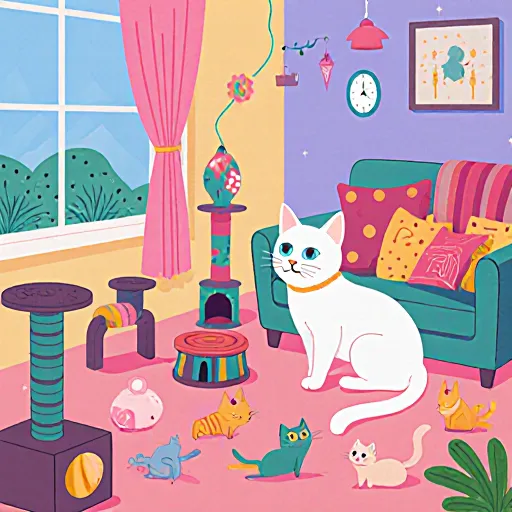
Maximize your feline friend's talents today!
Unlock Your Cat's Full Potential!
Table of Contents
- Introduction
- Understanding Indoor Cat Needs
- Outdoor Cat Diet Overview
- Energy Requirements for Indoor Cats
- Indoor Cat Obesity Challenges
- Outdoor Cat Energy Expenditure
- Outdoor Cat Nutritional Needs
- Impact of Activity Levels on Diet
- Indoor Cat Health and Nutrition
- Outdoor Cat Predation Risk Management
- Introduction to Indoor Feeding Schedules
- Outdoor Feeding Considerations
- Conclusion
- FAQs
Introduction
When it comes to ensuring the health and well-being of your feline friend, choosing the right diet is crucial. The dietary needs of indoor cats differ significantly from those of outdoor cats due to their different lifestyles, activity levels, and environmental factors. Understanding these differences can help you make informed decisions about what to feed your cat, whether it's a pampered pet lounging indoors or an adventurous feline who occasionally ventures outside.
Indoor cats tend to live more sedentary lifestyles compared to their outdoor counterparts. As a result, indoor cats typically burn fewer calories and have different nutritional requirements. Indoor cats are often less active and spend most of their time resting or engaging in low-intensity activities like batting at toys or climbing.
Outdoor cats, on the other hand, experience more dynamic environments that demand higher energy levels. They may hunt for food, play with prey, and engage in a variety of physical activities that require more energy expenditure. This difference in activity level can affect their need for certain nutrients such as protein, fat, and vitamins.
For indoor cats, a diet rich in high-quality animal proteins is essential to maintain muscle mass and support overall health. Since they are less active, indoor cats may need fewer calories but still require adequate nutrition. Dry food that provides balanced nutrients can be an excellent choice as it mimics the natural prey of outdoor cats, which typically consists of small mammals like rodents.
- High Protein Content: Indoor cats should consume diets with at least 26% protein content to support muscle health and overall well-being.
- Fiber-Rich Foods: Including fiber helps regulate digestion, which is important for indoor cats that may not receive the same level of physical activity as outdoor cats.
- Mental Stimulation: Indoor cats can benefit from food formulated to promote mental stimulation and cognitive health. This type of diet often includes ingredients like taurine, which supports brain function.
Outdoor cats have higher energy requirements due to their active lifestyles and the need to hunt for food. Their diet should be designed to meet these increased energy needs while providing essential nutrients like protein, fat, and vitamins.
- High Protein Content: Outdoor cats require diets with at least 28% protein content to support their active lifestyles and hunting behaviors.
- Fat-Rich Foods: Outdoor cats benefit from a higher fat content in their diet, which provides the energy they need for chasing prey and other activities. Omega-3 fatty acids are particularly important as they help reduce inflammation and promote skin health.
- Vitamin Supplements: Cats that spend time outdoors may require additional vitamins, especially if they encounter certain environmental conditions such as pollution or limited exposure to sunlight (which can affect vitamin D synthesis).
The best diet for your cat depends on their lifestyle. If your indoor cat occasionally goes outside, it might be a good idea to provide a more balanced outdoor diet during those times. Conversely, if an outdoor cat spends most of its time indoors due to safety concerns or health issues, you should focus on providing a diet that meets the needs of an indoor cat.
Always consult with your veterinarian to determine the best dietary plan for your specific cat based on their age, activity level, and overall health. Regular veterinary check-ups can help ensure that your cat is receiving all necessary nutrients and adjust the diet as needed over time.
Understanding Indoor Cat Needs
Understanding the needs of indoor cats is crucial for their health and well-being. Indoor cats, unlike their outdoor counterparts, have different dietary requirements due to a more sedentary lifestyle and reduced exposure to natural elements. This section will delve into how these differences affect their diet, ensuring your indoor cat remains healthy.
The energy needs of indoor cats are generally lower compared to outdoor cats due to less physical activity. Outdoor cats spend a significant portion of their day hunting and exercising, which burns more calories. Indoor cats, on the other hand, often have a more sedentary lifestyle, leading to reduced calorie requirements.
For instance, an average indoor cat needs about 20-30 calories per pound of body weight daily, while outdoor cats might need closer to 45-50 calories. This difference in energy expenditure is crucial when choosing a diet for your indoor cat.
Indoor cats have slower metabolisms compared to outdoor cats because they are less active. A slower metabolism means that indoor cats need a more balanced diet with lower caloric density but higher quality nutrients. This helps prevent obesity and related health issues.
For example, dry food can be easier for indoor cats to digest due to the higher carbohydrate content which provides energy in a more stable manner compared to wet food, which is often rich in proteins and fats that can be harder for an inactive cat to process efficiently.
While both indoor and outdoor cats need protein for muscle maintenance and overall health, the type of protein matters. Indoor cats should have a diet with high-quality animal-based proteins, as they are more efficient at digesting these than plant-based proteins. This is because indoor cats do not require the same level of energy that would come from hunting, thus plant-based proteins can be less optimal.
An example of this would be using chicken or fish as a primary protein source in your cat's diet rather than grains or vegetables. This ensures that your indoor cat gets all the essential amino acids it needs without overloading on unnecessary carbohydrates.
Indoor cats need fewer fats compared to outdoor cats, but they still require a certain amount for energy and nutrient absorption. Fats help in absorbing fat-soluble vitamins like A, D, E, and K, which are crucial for indoor cat health.
It's advisable to choose a diet with moderate levels of healthy fats such as omega-3 fatty acids from fish oil or flaxseed oil. These can be found in high-quality commercial cat foods designed specifically for indoor cats. Avoid diets that are too high in fat, which could lead to obesity and associated health problems.
Indoor cats require a balanced intake of vitamins and minerals to support their overall health. Since they do not have the same access to fresh foods as outdoor cats might, it's important to ensure that your indoor cat’s diet is rich in these essential nutrients.
Vitamins like vitamin C are typically provided through fruits and vegetables, which are less available for indoor cats. Therefore, ensuring a well-balanced commercial food designed for indoor cats that includes all necessary vitamins and minerals becomes crucial. Minerals such as calcium, phosphorus, magnesium, and iron should also be present in appropriate proportions to support bone health and overall metabolism.
Since indoor cats do not have the same access to natural water sources like outdoor cats might, it's essential to ensure your cat has easy access to clean water. Encouraging higher water intake can help prevent urinary tract issues and support overall kidney health.
Consider using a pet fountain or changing their water frequently to make sure they are drinking enough. Some brands of cat food designed for indoor cats already have high water content, which can be beneficial in maintaining hydration levels.
In summary, understanding the specific dietary needs of your indoor cat is key to providing them with a healthy lifestyle. By considering factors such as energy requirements, digestion and metabolism, protein content, fat intake, vitamins and minerals, and water consumption, you can choose the best diet for your indoor cat that meets all its nutritional needs.
Outdoor Cat Diet Overview
The dietary needs of outdoor cats differ significantly from those of indoor cats due to their active lifestyles and different nutritional requirements. Outdoor cats often face challenges such as finding natural food sources, avoiding toxic substances, and managing environmental hazards that can affect their overall health.
Understanding the Differences
The primary difference in diet between outdoor and indoor cats is driven by activity levels, metabolism, and environmental factors. Outdoor cats tend to have higher energy demands due to hunting for prey and navigating varied terrains. Therefore, a balanced diet that mimics their natural diet is crucial.
Key Nutritional Components
- Protein: Protein is the backbone of an outdoor cat's diet as it helps in muscle repair and growth. Outdoor cats should consume more animal-based proteins than indoor cats since they are more active. A good protein source could be high-quality meat, including chicken, turkey, or fish.
- Fats: Essential for energy, fats are particularly important for outdoor cats to sustain their high-energy activities. Omega-3 fatty acids found in fish oil can also help reduce inflammation and improve skin and coat health.
- Vitamins and Minerals: Outdoor cats need a robust intake of vitamins A, D, E, and K, as well as minerals like calcium and phosphorus for bone strength. These are crucial to prevent deficiencies that can lead to various health issues.
Bridging the Gap Between Indoor and Outdoor Diets
While it's ideal to cater specifically to an outdoor cat’s dietary needs, many of these requirements overlap with indoor cats. Here are some practical tips:
- Incorporate Variety: Offer a variety of protein sources and flavors in your cat's diet. This not only keeps the cat engaged but also ensures that they receive all necessary nutrients.
- Fresh Water: Ensure that outdoor cats have access to clean, fresh water at all times. Dehydration can be particularly dangerous for active outdoor cats.
- Treats with Caution: While treats are a great way to enrich the diet and bond with your cat, they should not replace core nutrition. Opt for low-calorie, high-nutrient treats like freeze-dried liver or lean meat strips.
Examples of Suitable Foods
To create a balanced outdoor cat diet, consider incorporating the following foods:
- Canned tuna (in water), but not as a primary food due to its high mercury content.
- Poached chicken breast or turkey, which can be easily digested by cats.
- Fresh vegetables like carrots and green beans as they provide essential vitamins without too many calories.
Practical Advice for Outdoor Cat Owners
As an outdoor cat owner, it's important to monitor your cat’s eating habits and ensure that their diet is tailored to meet their specific needs. Here are some steps you can take:
- Regular Vet Check-Ups: Regular visits help in identifying any nutritional deficiencies early.
- Observe Behavior: Changes in energy levels, weight, or coat health could signal dietary issues. Adjust the diet accordingly.
- Vary the Diet: Introduce new foods gradually to prevent adverse reactions and keep your cat interested in eating.
In conclusion, while outdoor cats share some nutritional needs with their indoor counterparts, they require a more robust, active diet that can support their energetic lifestyles. By understanding these differences and providing the right nutrients, you can ensure your outdoor cat remains healthy and happy.
Energy Requirements for Indoor Cats
Indoor cats have different energy requirements compared to their outdoor counterparts due to differences in activity levels and metabolic rates. While outdoor cats expend more energy chasing, hunting, and exploring, indoor cats often lead a more sedentary lifestyle. This difference can significantly impact their dietary needs.
Indoor cats are typically less active than those that live outdoors, which means they have lower energy requirements. However, they still need a balanced diet to maintain good health and prevent obesity. Obesity in indoor cats can lead to various health issues such as diabetes, joint problems, and respiratory diseases.
The best diet for an indoor cat should be formulated with fewer calories compared to the diet intended for outdoor cats. Outdoor cats need more protein and fat to fuel their active lifestyle, while indoor cats can thrive on a higher percentage of carbohydrates which are easier to digest due to lower activity levels.
Protein Content
Cats are obligate carnivores, meaning they require animal-based proteins for proper nutrition. Indoor cats still need a high-protein diet, but the quantity can be slightly less than that required by outdoor cats. For example, an indoor cat might do well on 15-20% protein in their food, whereas an outdoor cat may require closer to 30%. This difference is crucial for maintaining muscle mass and overall health.
Fat Content
Indoor cats also need a moderate amount of fat in their diet. Fat provides essential fatty acids like omega-6 and omega-3, which are important for skin and coat health, as well as cognitive function. However, since indoor cats are less active, the fat content should be adjusted accordingly to avoid excessive calorie intake.
To ensure your indoor cat gets all the necessary nutrients without excess calories, consider the following:
- Choose High-Quality Cat Food: Look for brands that list meat as the first ingredient and have a lower overall calorie count.
- Monitor Portion Sizes: Feed your cat according to the recommendations on the food packaging, but adjust based on their activity level. Indoor cats should be fed smaller portions more frequently.
- Encourage Playtime: Engage your indoor cat in regular play sessions to increase their energy expenditure and stimulate them mentally.
In summary, while both indoor and outdoor cats need a balanced diet rich in animal-based proteins and essential fats, the specific requirements differ due to lifestyle differences. Indoor cats should have diets with fewer calories but still high-quality ingredients to maintain their health and prevent obesity.
Indoor Cat Obesity Challenges
Indoor cats face unique challenges when it comes to maintaining a healthy weight, especially compared to their outdoor counterparts. The lifestyle and environment of indoor cats can contribute significantly to the risk of obesity. Here are some key factors and practical advice for managing your indoor cat's diet and overall health:
Indoor cats have different dietary needs compared to outdoor cats because their activity levels, metabolism rates, and energy expenditures differ. For indoor cats, a balanced diet is crucial in preventing obesity. The best diet for an indoor cat should be rich in high-quality proteins, fats, and essential nutrients while being low in calories.
High-Quality Protein
Protein is the cornerstone of any cat's diet as it helps maintain muscle mass, supports metabolism, and ensures overall health. For indoor cats, choosing a diet that includes high-quality animal protein sources such as chicken, turkey, or fish can be beneficial. These proteins are easily digestible and provide sustained energy without leading to excess weight gain.
Appropriate Calorie Intake
Cat obesity is often the result of consuming too many calories relative to their activity level. Indoor cats tend to be more sedentary, which means they require fewer calories compared to outdoor cats who engage in more physical activities. Overfeeding or providing foods with excessive calorie density can lead to weight gain.
It's important to monitor your indoor cat's food intake and ensure that the amount of food provided is appropriate for their age, breed, size, and activity level. Consulting a veterinarian can help determine the right portion sizes.
Incorporating Treats
Treats are an integral part of any cat's diet but should be given in moderation to avoid excess calorie intake. Opt for healthy treats like rawhide chews, low-calorie treats made from vegetables or fruits (like carrots and apples), or specially formulated cat treats that cater to specific health needs.
The dietary requirements of indoor cats are different from those of outdoor cats. Outdoor cats have a higher energy demand due to the physical activities they engage in, such as hunting and exploring their environment. As a result, they generally need more calories and specific nutrients that help them maintain fitness and stamina.
Outdoor Cat Diet
The best diet for an outdoor cat should be formulated to meet their higher energy demands. This typically includes a mix of commercial cat food with added protein sources like canned tuna or chicken, as well as some variety in dry kibble that offers essential vitamins and minerals.
Indoor Cat Diet
The best diet for an indoor cat should focus on maintaining weight and preventing obesity. This includes feeding high-quality food with controlled calorie levels to match the lower activity level of indoor cats. Feeding schedules should be consistent, avoiding free-feeding where the cat can eat whenever they want.
- Regular Exercise: While it's challenging to replicate outdoor activities indoors, you can engage your cat in various indoor games and activities such as using laser pointers or interactive toys. These activities help burn calories and keep your cat mentally stimulated.
- Monitor Weight: Regularly check your cat's weight by feeling their ribs and backbone. If they feel too bony, it might indicate malnutrition; if they appear too chunky, it could suggest obesity.
- Daily Routine: Establish a consistent feeding schedule with measured portions to help regulate calorie intake. Avoid leaving food out all day as this can lead to overeating.
By understanding the unique dietary needs of indoor cats and comparing them to outdoor cats, you can make informed decisions about your cat's diet and lifestyle. This approach not only helps prevent obesity but also enhances your cat's overall health and well-being.
Outdoor Cat Energy Expenditure
When considering the diet of indoor versus outdoor cats, one critical factor to examine is the energy expenditure of outdoor cats. Unlike their indoor counterparts, outdoor cats are more active and have higher caloric needs due to their natural hunting behaviors and increased physical activity.
Differences in Lifestyle and Energy Requirements
Outdoor cats often spend a significant portion of their day foraging for food, chasing prey, and navigating through various terrains. This active lifestyle demands more energy compared to the sedentary indoor cat that primarily eats prepared pet food. The higher activity levels can lead to increased muscle mass and faster metabolism in outdoor cats.
Caloric Needs of Outdoor Cats
The caloric intake for an outdoor cat should be adjusted based on its specific needs, which may differ from those of indoor cats. On average, a 6-10 pound outdoor cat can burn up to 250 calories per day, depending on the level of activity and environmental factors such as temperature and humidity.
Best Diet for Outdoor Cats
An optimal diet for an outdoor cat should be rich in protein to support muscle development and overall health. High-quality animal-based proteins are essential, providing all necessary amino acids that a cat cannot produce on its own. Additionally, vitamins and minerals play a crucial role in maintaining the outdoor cat's energy levels.
- Protein: Aim for at least 30% protein content in the diet.
- Vitamins and Minerals: Ensure these are present to support bone health, immune function, and overall vitality.
- Fat Content: Include healthy fats like those found in fish or poultry for energy and coat health.
Practical Advice
To ensure your outdoor cat receives the best diet possible, consider consulting a veterinarian who can tailor a meal plan to your pet's specific activity level and nutritional needs. You may also choose to supplement their natural hunting behavior by providing interactive toys that encourage physical activity indoors when they are not outdoors.
Examples of Foods Suitable for Outdoor Cats
- Poultry-based wet food with high protein content
- Canned tuna (as an occasional treat, not as a staple)
- Fish oil supplements to support coat and skin health
By understanding the unique energy expenditure of outdoor cats, you can make informed decisions about their diet that will enhance their quality of life. Always remember, proper nutrition is key to maintaining a healthy and energetic outdoor cat.
Outdoor Cat Nutritional Needs
Cats that spend time outdoors have different nutritional needs compared to indoor cats. The environment, activity level, and exposure to various elements can significantly impact their dietary requirements. Understanding the specific needs of outdoor cats is crucial for ensuring their health and well-being.
Differences in Nutritional Requirements
Outdoor cats often require a higher caloric intake because they are more active, hunting, and moving around. They need a diet that supports muscle maintenance, energy production, and overall physical fitness. In contrast, indoor cats usually have lower activity levels and may benefit from diets with fewer calories to prevent obesity.
Essential Nutrients for Outdoor Cats
- Protein: Outdoor cats need a higher protein content in their diet. Protein is essential for muscle maintenance, immune function, and overall health. High-quality animal-based proteins should be the primary source of nutrients.
- Fat: While outdoor cats require more fat than indoor cats to support energy needs, it should be of high quality and easily digestible. Omega-3 fatty acids are particularly beneficial for skin and coat health.
- Vitamins and Minerals: Outdoor cats may need additional vitamins and minerals due to exposure to environmental elements like dust and pollutants. Vitamin E is crucial for protecting cells from oxidative damage, while calcium and phosphorus are vital for bone health.
Practical Advice for Outdoor Cats
To ensure your outdoor cat gets the best nutrition possible, consider the following tips:
- Customize the Diet: Consult with a veterinarian to create a customized diet plan that meets your cat's specific needs. This may include high-quality commercial food or homemade meals.
- Supplements: Depending on your outdoor cat's environment, you might need to provide additional supplements such as vitamins E and C, antioxidants, and fatty acids.
- Fresh Water: Always ensure that fresh water is readily available. Outdoor cats are more prone to dehydration due to increased activity levels.
Best Diet for Indoor Cats vs Outdoor Cats
The best diet for outdoor cats differs from indoor cats in terms of calorie content, protein and fat ratios, and vitamin and mineral requirements. Here’s a comparison:
| Category | Outdoor Cats | Indoor Cats |
|---|---|---|
| Calories: | Higher, to support increased activity levels and energy expenditure. | Lower, to prevent obesity due to lower activity levels. |
| Protein Content: | Higher, for muscle maintenance and energy production. | Standard, as indoor cats have less physical demand. |
| Fat Content: | Medium to high, but easily digestible. Omega-3 fatty acids are beneficial. | Standard, with a focus on overall health without the need for increased energy support. |
| Vitamins and Minerals: | Additional vitamins E and C, antioxidants, and possibly more calcium and phosphorus due to higher activity levels. | Standard, with a focus on maintaining overall health without the need for increased support. |
In conclusion, outdoor cats have unique nutritional needs that differ from indoor cats. By understanding and addressing these differences, you can provide your feline friend with the best possible diet to ensure they stay healthy and happy.
Impact of Activity Levels on Diet
The activity level of your cat significantly influences their dietary needs. Understanding how much exercise your cat gets is crucial in determining the appropriate diet to ensure they remain healthy and energetic.
Different Activity Levels and Their Impact on Dietary Needs
Cats that live an indoor lifestyle typically have lower energy requirements compared to outdoor cats. Indoor cats spend most of their time resting, playing with toys, or engaging in short bursts of activity. On the other hand, outdoor cats are much more active due to the various activities they engage in such as hunting and exploring.
Indoor Cats
- Breeding Requirements: Indoor cats generally need a diet lower in calories and higher in protein. This helps prevent obesity, which is common among indoor cats who spend less time exercising.
- Digestibility: Cats on an indoor lifestyle may benefit from food that is more easily digestible to avoid stomach upsets caused by the sedentary nature of their life.
- Vitamins and Minerals: Ensure they get all essential vitamins and minerals, especially if your cat does not have access to a varied diet like outdoor cats might through hunting.
Outdoor Cats
- Breeding Requirements: Outdoor cats need more calories in their diets due to the higher level of physical activity. This helps them maintain a healthy weight and energy levels necessary for hunting and exploring.
- Fat Content: Higher fat content can help outdoor cats store enough energy, which is essential given that they may not have as many opportunities to hunt when it’s cold or dark outside.
- Vitamins and Minerals: Outdoor cats also need a balanced intake of vitamins and minerals. However, the diet should be formulated to provide more nutrients that are beneficial for active lifestyles, like taurine which supports vision and heart health.
Practical Advice
To ensure your cat is getting the best nutrition possible, consider consulting a veterinarian. They can provide personalized advice based on your cat's specific lifestyle and overall health. Here are some practical tips:
- Monitor Food Intake: Keep track of how much food your cat eats to prevent overfeeding, which is particularly important for indoor cats.
- Vary the Diet: While it's essential to maintain a balanced diet, varying the type of food can keep your cat engaged and interested in eating.
- Hydration: Ensure that your cat has access to fresh water at all times. Cats on an active lifestyle require more hydration due to increased physical activity.
- Premium Brands: Opt for premium brands that cater specifically to the needs of indoor or outdoor cats, as these are formulated by pet nutritionists with knowledge about specific dietary requirements.
Examples of Foods Suitable for Indoor and Outdoor Cats
| Diet Type | Sample Food Options |
|---|---|
| Indoor Cat Diet | - High-quality canned food with easily digestible ingredients - Prescription diets for weight management |
| Outdoor Cat Diet | - Freeze-dried meats and treats high in fat content - Foods rich in taurine to support heart health |
In conclusion, the activity level of your cat plays a key role in determining their dietary needs. By understanding these differences and adjusting accordingly, you can help ensure that your furry friend remains healthy and happy.
Indoor Cat Health and Nutrition
The dietary needs of indoor cats differ significantly from those of outdoor cats. Indoor living presents unique challenges that affect a cat's nutritional requirements, behavior, and overall health. Understanding these differences is crucial for ensuring your indoor cat remains healthy and vibrant.
Best Diet for Indoor Cats
For indoor cats, the focus should be on maintaining optimal weight and promoting muscle mass preservation. Indoor cats often have a more sedentary lifestyle compared to their outdoor counterparts, which can lead to obesity if not managed carefully.
Premium Dry Food
Premium dry food is an excellent choice for indoor cats as it provides the necessary nutrients and fiber content. Look for brands that offer a balanced diet rich in proteins, vitamins, and minerals. Brands like Blue Buffalo and Iams are popular choices among pet owners who prioritize quality nutrition.
High-Quality Wet Food
Incorporating wet food into your indoor cat's diet can help increase their water intake, which is particularly beneficial for preventing urinary tract issues. Brands like Hill’s Science Diet and Purina ONE offer a variety of flavors and textures that are both palatable and nutritious.
Supplements
Depending on your cat's specific needs, supplements can be an important addition to their diet. Omega-3 fatty acids, for instance, promote skin and coat health and reduce inflammation. Vitamins A and E are also beneficial as they support overall immunity.
Best Diet for Outdoor Cats
In contrast, outdoor cats face a different set of challenges. They require more robust nutrition to fuel their active lifestyles and to help them fend off potential environmental threats like predators or parasites.
Premium Dry Food
For outdoor cats, premium dry food should be high in calories and protein to meet their higher energy demands. Brands such as Royal Canin Outdoor and Purina ONE Natural provide the necessary nutrients to support an active lifestyle.
High-Quality Wet Food
Incorporating wet food into the diet of outdoor cats is also important, but it should be tailored more towards providing energy than just water. Brands like Hill’s Science Diet Outdoor and Purina ONE Natural offer options that are rich in calories.
Supplements
In addition to core nutrients, supplements can help address specific needs such as flea prevention or deworming. Always consult a veterinarian for the best supplement recommendations based on your cat's individual health profile and environment.
Key Differences in Diet
- Caloric Needs: Outdoor cats require more calories to fuel their active lifestyles, while indoor cats need fewer calories to avoid obesity.
- Nutrient Content: Outdoor diets should be rich in protein and energy sources due to the increased physical activity. Indoor diets focus on maintaining a healthy weight with balanced nutrition.
- Water Intake: Both indoor and outdoor cats need plenty of water, but wet food is particularly important for outdoor cats to maintain hydration levels.
Practical Advice
To ensure your cat’s diet aligns with their lifestyle, it's essential to consult a veterinarian. They can provide personalized advice based on your cat's age, health condition, and activity level. Regular veterinary check-ups are also crucial in monitoring overall health and adjusting dietary needs accordingly.
Remember that treats should be given in moderation as they do not contribute significantly to the nutritional balance of your indoor or outdoor cat’s diet.
Outdoor Cat Predation Risk Management
The risk of predation is a significant concern for outdoor cats, as they face threats from various predators such as birds of prey, foxes, coyotes, and even dogs. Managing this risk not only ensures the safety of your pet but also contributes to preserving local wildlife populations.
Understanding Predation Risks
Predation can have severe consequences for outdoor cats, including injury or death. To mitigate these risks, it's essential to understand the specific threats in your area and take appropriate measures. Consulting with local wildlife experts can provide valuable insights into the predator species present and their behaviors.
The Role of Diet in Predation Risk Management
One effective way to manage predation risk is through diet, as it directly influences a cat's energy levels, agility, and overall health. Indoor cats have different dietary needs compared to outdoor cats due to the differences in their lifestyle and environmental factors.
Best Diet for Indoor Cats
Indoor cats generally live more sedentary lifestyles with less physical activity than their outdoor counterparts. Their diet should reflect this by being rich in high-quality protein, essential fats, vitamins, and minerals to support overall health and reduce the risk of obesity.
- High-Quality Protein: Essential for muscle maintenance and repair.
- EFA (Essential Fatty Acids): Important for skin and coat health.
- Vitamins and Minerals: Necessary for various bodily functions including bone strength, immune support, and vision.
Best Diet for Outdoor Cats
Outdoor cats require a diet that can provide them with the energy and nutrients necessary to manage predation risks. Their diet should be more balanced and rich in calories to support their higher activity levels.
- High-Calorie Content: To fuel active lifestyles and support weight maintenance.
- Beta-Carotene: Converts into Vitamin A, which is crucial for vision health.
- Carnitine: Supports the metabolism of fats to provide sustained energy.
Practical Advice for Outdoor Cats
To further reduce predation risks, consider the following practical advice:
- Necklace Collar with Bells: While controversial, this can alert predators to your cat's presence and give them a head start.
- Safe Spaces: Encourage your outdoor cats to stay in safe areas, possibly using enclosed patios or yards.
- Vaccination: Regular vaccinations protect against diseases that can be transmitted by predators.
- Nutritional Supplementation: Ensure they have access to a balanced diet tailored for their outdoor lifestyle.
Conclusion
Managing predation risks for outdoor cats is crucial for both the safety of your pet and the health of local wildlife. By understanding the specific threats in your area, providing an appropriate diet, and implementing practical measures like safe spaces and vaccinations, you can significantly reduce these risks.
Introduction to Indoor Feeding Schedules
Introducing your cat to an indoor feeding schedule is crucial for maintaining their health and happiness. While outdoor cats often have a more varied diet based on their hunting instincts, indoor cats rely entirely on you for their nutrition. Understanding the best diet for indoor cats versus outdoor cats can help you create a feeding schedule that meets all of their nutritional needs.
Cats living indoors and those outdoors have different dietary requirements due to varying lifestyles and environmental factors. Indoor cats typically do not get the same access to fresh prey as outdoor cats, which means they rely on a more balanced diet provided by their owners.
The Best Diet for Indoor Cats
Indoor cats should be fed a high-quality commercial cat food that is specifically formulated for indoor pets. These foods often contain essential nutrients like taurine, which is crucial for heart health and vision in cats. Additionally, indoor cats may need more fiber to help manage digestive issues common in sedentary lifestyles.
- High-Quality Commercial Cat Food: Look for brands that provide a balanced diet with all necessary nutrients.
- Fiber-Rich Foods: Incorporate foods like dry cat kibble or canned food enriched with fiber to aid digestion.
The Best Diet for Outdoor Cats
Outdoor cats have more natural opportunities to catch prey, which means their diet can be supplemented by hunting. However, they still need a well-rounded diet that includes all essential nutrients. Hunting prey provides protein and other vital nutrients, but it's important not to rely solely on this for nutrition.
- Prey-Based Diet: Include small amounts of mice or birds (if you can safely provide them) as part of their diet.
- Balanced Commercial Food: Offer a high-quality commercial cat food that covers all nutritional gaps.
An indoor feeding schedule is essential for managing your cat's diet and ensuring they receive the right amount of nutrients. Consistency in meal times can also help regulate their digestive system and prevent overeating or underfeeding.
Steps to Create a Feeding Schedule:
- Determine Caloric Needs: Indoor cats require fewer calories than outdoor cats because they are less active. Use your vet's advice to determine how many calories your cat needs per day.
- Schedule Mealtimes: Feed your indoor cat at regular intervals, such as two or three times a day. This helps mimic their natural eating habits and prevents overeating.
- Vary the Diet: Rotate between different types of food to ensure they receive a variety of nutrients. Include both dry kibble and canned food in your diet rotation.
Practical Tips for Indoor Feeding
To keep your indoor cat engaged and healthy, consider the following tips:
- Mental Stimulation: Use puzzle feeders to make mealtime more interactive and stimulating.
- Hydration: Ensure your cat has access to fresh water at all times. Indoor cats can become dehydrated easily, so encourage them to drink by offering clean, filtered water in a variety of containers.
- Vet Consultation: Regular check-ups with your veterinarian will help you adjust the feeding schedule and diet as needed based on your cat's health and activity level.
In summary, creating an indoor feeding schedule tailored to your cat’s dietary needs is key to their well-being. By understanding the differences between indoor and outdoor cats' diets and following practical advice for maintaining a balanced diet, you can ensure that your indoor feline companion stays healthy and happy.
Outdoor Feeding Considerations
When it comes to feeding your indoor cats, you may be well-versed in providing a balanced diet that meets their nutritional needs. However, if you're considering allowing your cat to venture outdoors or if you have an outdoor cat, there are several important factors to consider regarding their dietary requirements.
Differences in Diet for Indoor vs Outdoor Cats
The primary difference between the diet of indoor and outdoor cats lies in the energy they expend. Indoor cats typically lead a more sedentary lifestyle compared to their outdoor counterparts, who need additional calories and nutrients due to increased physical activity.
Caloric Needs
Cats that spend time outdoors require more calories than indoor cats because they are likely to be hunting for prey. This can include small animals like birds or rodents, which provide a higher caloric density compared to commercial cat food. On average, outdoor cats need about 30-50% more calories per pound of body weight than their indoor counterparts.
Protein Content
In the wild, outdoor cats eat a high-protein diet that includes muscle and fat from prey animals. Therefore, it's important to provide your outdoor cat with a diet rich in animal-based proteins. This can be achieved by offering them higher quality commercial foods or even supplementing their diet with raw meat or fish (in moderation and under supervision).
Fat Content
Outdoor cats also require more fat in their diets to meet the energy demands of hunting and running. This can be particularly important if your cat is not getting a sufficient amount of protein from its diet. However, too much fat can lead to obesity, so it's crucial to balance this with adequate exercise.
Water Intake
Outdoor cats may also need more water than indoor cats because they are hunting for their food and expending more energy. Dehydration can be a significant issue for outdoor cats, especially in hot weather or if the cat is not drinking enough water from its environment.
Nutritional Supplements
In addition to regular commercial cat food, you might consider adding nutritional supplements to your outdoor cat's diet. These can include vitamins and minerals that are crucial for overall health, such as taurine (which is essential for heart and eye health), omega-3 fatty acids for skin and coat health, and antioxidants for immune support.
Feeding Frequency
The frequency at which you feed your outdoor cat can also differ from an indoor cat. Since they are more likely to be hunting, it might be better to provide smaller meals throughout the day rather than one large meal. This mimics their natural feeding behavior in the wild and can help keep them healthier.
Supervision and Safety
No matter how well you plan your outdoor cat's diet, it's important to supervise their activities as much as possible. Keep an eye out for signs of illness or injury, and ensure they have access to clean water at all times.
By considering these factors and adjusting the diet accordingly, you can help ensure that your outdoor cat remains healthy and thriving.
Conclusion
The dietary needs of indoor cats can differ significantly from those of outdoor cats due to their distinct lifestyles and environmental factors. Understanding these differences is crucial for ensuring your cat's health and well-being.
Key Differences in Diet Between Indoor and Outdoor Cats
- Outdoor Cat Diet: Outdoor cats typically have a more varied diet due to their hunting behavior. They consume a higher protein content, which is essential for maintaining muscle mass and energy levels necessary for chasing prey. A typical outdoor cat's diet might include:
- High-protein foods such as chicken, fish, or other meat sources.
- Vitamins and minerals from natural food sources they catch themselves.
- Fresh water to stay hydrated.
- Indoor Cat Diet: Indoor cats are often fed a more controlled diet, primarily composed of commercial cat foods. Their diet should focus on:
- A balanced mix of proteins, fats, and carbohydrates to support their sedentary lifestyle.
- Vitamins and minerals specifically formulated for indoor living conditions.
- Fresh water at all times.
Practical Advice for Ensuring Your Cat's Diet is Suitable
To ensure your cat is receiving the best diet appropriate to its lifestyle, consider the following tips:
- Consult a Veterinarian: Regular check-ups with your vet are essential. They can provide personalized advice based on your cat's specific needs and any health conditions.
- Monitor Activity Levels: Indoor cats generally have lower energy requirements compared to their outdoor counterparts. Adjust the calorie content of their diet accordingly to avoid obesity.
- Distribute Meals Appropriately: Ensure that indoor cats get multiple small meals throughout the day as they are not hunting for food like outdoor cats do.
- Hydration is Key: Always provide fresh, clean water. Cats may consume more water if their diet includes canned or wet food rather than dry kibble.
Examples of Commercial Foods Suitable for Indoor and Outdoor Cats
Here are some examples of commercial cat foods that cater to the dietary needs of indoor versus outdoor cats:
| Diet Type | Food Example | Main Benefits |
|---|---|---|
| Outdoor Cat Food | Purina Pro Plan Outdoor Plus Formula Adult Dry Dog & Cat Food | High in protein, supports muscle mass and energy levels. |
| Indoor Cat Food | Hill's Science Diet Indoor Plus粮
<|im_start|><|im_start|>GuidId
FAQs
The best diet for indoor cats versus outdoor cats can vary significantly based on their lifestyle and activity levels. Here's a detailed look at each: Diet for Indoor CatsProducts
Shopping Cart
|









