
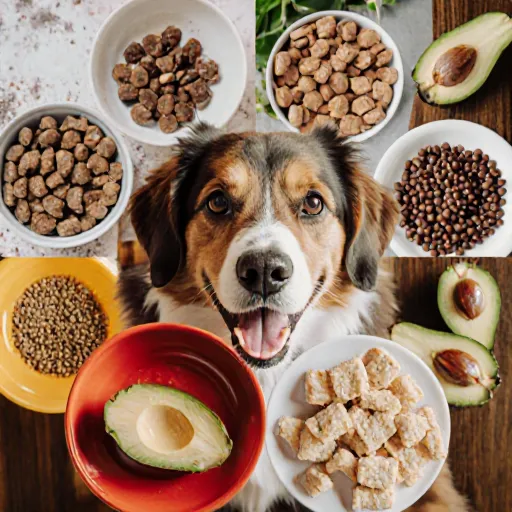
Discover hidden cat favorites you didn't know about!
Surprise! These Human Foods Are Cat Delicacies
Table of Contents
- Can Cats Eat Human Food?
- What is Safe for Cats to Eat?
- Common Foods Cats Can Eat
- Foods That Are Dangerous for Cats
- Why Human Food Isn't Always Safe for Cats?
- Benefits of Feeding Cats Human Foods Safely
- Risks and Dangers Associated with Unsafe Human Food Consumption by Cats
- Safe Treats for Cats
- Unhealthy Foods to Avoid Giving Your Cat
- Signs of Poisoning in Cats Due to Human Food Consumption
- How to Safely Introduce New Foods into a Cat’s Diet
- Consultation with a Veterinarian for Your Cat's Dietary Needs
- Conclusion
- FAQs About Cats Eating Human Food
Can Cats Eat Human Food?
Cats are fascinating creatures with unique dietary needs. While they can eat some human foods, it's crucial to know what is safe and what should be avoided to keep your cat healthy. Understanding which foods are suitable for cats and which ones could cause harm is essential in maintaining their well-being.
Safe Human Foods for Cats
There are certain human foods that can safely be shared with your cat, but they should only make up a small part of their diet. Here are some safe options:
- Fresh Meat (Raw or Cooked): Cats are obligate carnivores, meaning they require animal protein for survival. You can offer them small amounts of cooked chicken or beef as an occasional treat. Ensure the meat is lean and free from spices or seasonings.
- Example: A tiny piece of cooked chicken breast once a week as a special treat.
- Fresh Fish (Cooked): Cats can enjoy small amounts of cooked fish, but it should be plain and free from bones or seasoning. Avoid giving them tuna in oil as it is high in mercury.
- Example: A teaspoon of cooked salmon once a month as an occasional treat.
- Cooked Eggs: Eggs are safe for cats to eat but should be well-cooked. They provide essential nutrients and protein.
- Example: A small boiled egg once every few weeks as a treat.
- Yogurt (Plain): Cats can tolerate plain yogurt in moderation. It may help with digestive issues and provide beneficial probiotics.
- Example: A small spoonful of plain yogurt once a week as an occasional treat.
Hazards to Avoid
Certain human foods are toxic or can cause digestive issues in cats. Here's what you should never feed them:
- Onions & Garlic: These foods contain compounds that can destroy red blood cells, leading to a condition called anemia.
- Example: Avoid feeding your cat any form of onion, including cooked onions or garlic powder.
- Grapes & Raisins: Both grapes and raisins can cause kidney failure in cats. Even small amounts are dangerous.
- Example: Never offer your cat any type of grape or raisin, even as a treat for another animal.
- Milk & Dairy Products: While cats can tolerate small amounts of plain yogurt, they should not have large quantities of milk. Many adult cats are lactose intolerant, leading to digestive upset and diarrhea.
- Example: Only offer a tiny amount of yogurt as a treat; avoid giving your cat regular milk.
- Coffee & Tea: These contain caffeine, which is toxic to cats and can cause hyperactivity, rapid breathing, and even death.
- Example: Keep coffee and tea out of reach of your cat at all times.
- Fatty Foods & Human Junk Food: Fatty foods can cause pancreatitis, a painful condition that affects the pancreas. Avoid feeding your cat anything greasy or salty.
- Example: Never feed your cat potato chips, hot dogs, or other human junk food.
Practical Advice
To ensure you're providing the best care for your cat:
- Consult Your Vet: Always check with your veterinarian before introducing new foods into your cat's diet. They can provide personalized advice based on your cat’s specific health needs.
- Gradual Introduction: If you decide to introduce a new food item, do so gradually and in small amounts. This helps monitor for any adverse reactions or digestive upset.
- Balance the Diet: While sharing human foods can be fun, it’s important to remember that your cat’s main diet should consist of high-quality cat food formulated specifically for their nutritional needs.
What is Safe for Cats to Eat?
Cats are not designed to eat a lot of human food. Their digestive systems are specialized for a diet that closely resembles their natural prey, which includes meat and certain types of fats. However, it's important to know what human foods are safe for cats to consume in moderation as well as those that can be harmful or even fatal.
Safe Human Foods for Cats
Cats can safely eat small amounts of some human foods if they are introduced gradually and in a controlled manner. Here are some examples:
- Fruits (in moderation): Fruits like apples, bananas, and blueberries can be given to cats as occasional treats but should not be the main part of their diet.
- Veggies (cooked or raw): Vegetables such as carrots, green beans, and squash are safe for cats when given in small amounts. However, avoid feeding them onions or garlic due to potential toxicity issues.
- Cheese: A little bit of cheese can be a good treat but should not be the primary food item due to its high-fat content.
- Fish (canned and in moderation): Some cats love canned tuna, which is safe when given in small quantities. However, avoid giving them salted or oil-packed varieties as these can be harmful.
Unsafe Human Foods for Cats
Certain human foods are toxic to cats and should never be fed to them under any circumstances. These include:
- Grapes and Raisins: These can cause kidney failure in cats.
- Mushrooms: Many types of mushrooms are toxic to cats, leading to severe health issues if consumed.
- Sugar-Free Chewing Gum: Contains xylitol which is deadly for cats.
- Raw Meat and Bones: While some raw meat can be safe in small amounts (like chicken or turkey), it's always best to avoid feeding your cat bones as they can cause blockages or other digestive issues.
Practical Advice
The key to keeping your cat healthy is providing them with a balanced and nutritious diet. Always consult with your veterinarian before introducing new foods into your cat's diet, especially if you're considering human foods as treats or additions.
Remember that cats have different nutritional needs than humans do. Their bodies are adapted to thrive on high-protein diets, which is why commercial pet food brands cater specifically to feline nutrition. While it might be tempting to share your meal with your furry friend, it's crucial to stick to the guidelines set by veterinary experts to ensure your cat remains healthy and happy.
Common Foods Cats Can Eat
Understanding what human foods are safe for cats can be confusing, given that not all human food is suitable for feline consumption. It's important to know which items are beneficial and which ones could potentially harm your cat. Here’s a detailed guide on common foods cats can eat:
Fruits
Cats can enjoy certain fruits in moderation, but it's crucial to introduce them gradually to their diet. Start with small portions as an occasional treat.
- Blueberries: These are rich in antioxidants and vitamins, making them a healthy snack for cats. They should be mashed into a soft consistency before feeding.
- Peaches (Pit Removed): The flesh of peaches is safe but the pit contains cyanide which can be toxic to cats.
- Strawberries: Another good option, but they should also be mashed for easier digestion.
Vegetables
Cats can safely eat some vegetables in small quantities as a treat. However, avoid raw green leafy vegetables and onions as they can cause health issues.
- Broccoli (Cooked): This is high in fiber and vitamin C; however, it should be cooked to make it easier for cats to digest.
- Carrots: These are rich in beta-carotene. Feed them in moderation as too much can lead to carotenemia (yellowing of the skin).
- Spinach: While spinach is nutritious, it should be fed sparingly due to its high oxalate content.
Grains and Legumes
Cats are obligate carnivores and do not require grains or legumes in their diet. However, small amounts can be given as occasional treats if your cat enjoys them.
- Rice (Cooked): A simple, mild option that is easy on the digestive system.
- Chickpeas: These are rich in protein but should be mashed and well-cooked before feeding.
- Potatoes: Cooked potatoes can be given as an occasional treat, though they should not form a large part of the diet.
Meat-Based Treats
Meat is naturally part of a cat's diet. However, it's important to ensure that any meat treats you give are cooked and free from bones or harmful spices.
- Tilapia (Cooked): This type of fish is easily digestible for cats. It should be cooked thoroughly without added salt or seasoning.
- Chicken: A popular choice, but make sure it's not seasoned with garlic or onions which can be toxic to cats.
- Turkey (Cooked): Another safe option that is a good source of protein.
Other Considerations
Always ensure that any food given to your cat is free from harmful additives, seasonings, and bones. Additionally, never give dairy products like milk or cheese as cats are lactose-intolerant, leading to digestive issues.
Conclusion: While there are a variety of human foods that can be beneficial for cats in moderation, it's important to always consult with your veterinarian before introducing new items into their diet. This ensures the safety and health of your feline friend.
Foods That Are Dangerous for Cats
While it's important to know what human foods are safe for cats, it's equally crucial to understand which foods can be dangerous and potentially life-threatening for them. Cats have unique nutritional needs that differ from those of dogs or humans, making certain human foods toxic to them.
Foods That Are Toxic
- Onions & Garlic: These contain compounds that can cause severe damage to red blood cells in cats, leading to a condition called hemolytic anemia. Even small amounts of these foods can be harmful.
- Grapes and Raisins: Although the exact toxin is not fully understood, ingestion of grapes or raisins can lead to kidney failure in cats. Symptoms include vomiting, lethargy, and decreased appetite.
- Chocolate: Chocolate contains theobromine, which is toxic to cats. Dark chocolate is particularly dangerous due to its higher concentration of theobromine. Even a small amount can lead to hyperactivity, rapid breathing, tremors, or even seizures.
- Milk: While many people believe that cats love milk, it’s actually not suitable for them in most cases. Lactose intolerance is common in adult cats, and consuming milk can cause digestive issues like diarrhea and vomiting.
- Alcohol: Just a small amount of alcohol can be fatal to cats due to their smaller body size and higher metabolic rate.
Potentially Harmful Foods
- Fatty Foods: High-fat foods can cause pancreatitis, which is an inflammation of the pancreas. This condition can be life-threatening if not treated promptly. Signs include vomiting, diarrhea, and abdominal pain.
- Bones: Bones from fish, poultry, or other meats can splinter into sharp shards that can pierce a cat’s digestive tract. Additionally, the bones may contain harmful bacteria like Salmonella.
Safe Alternatives
If you want to treat your cat, there are some human foods that are safe and even healthy for them in moderation:
- Pumpkin: Pumpkin is rich in fiber and can help regulate a cat's digestive system. It’s also beneficial for hairballs.
- Bananas: Bananas are high in potassium and can provide energy. However, they should be given in very small amounts as too much sugar can cause obesity or diabetes.
- Yogurt (plain): A little plain yogurt can help settle a cat's stomach if it has been upset, but again, in moderation due to lactose content.
Practical Advice
To ensure your cat stays healthy and safe:
- Avoid sharing human food with your cat unless you are certain it’s safe for them. Always check the ingredient list or consult a veterinarian before offering any treat.
- Provide fresh water at all times. Hydration is crucial to prevent urinary tract issues and other health problems in cats.
- If you suspect that your cat has ingested something toxic, contact your vet immediately for advice. Time can be critical in such cases.
Remember, the key to keeping your cat healthy is knowledge and vigilance. By understanding what’s safe and what’s not, you can enjoy a happy and healthy relationship with your furry friend.
Why Human Food Isn't Always Safe for Cats?
Cats are often seen as companion animals, and it's natural to want to share your food with them. However, not all human foods are safe for cats, and some can even be harmful or toxic. Understanding what’s safe and what’s not is crucial for ensuring your cat's health and well-being.
Understanding the Differences Between Cats and Humans
Cats have unique nutritional needs that differ significantly from those of humans. While humans are omnivores, cats are obligate carnivores, meaning they need a diet high in animal-based proteins to thrive. Their digestive systems are not designed to process certain foods that are perfectly safe for humans.
What’s Safe and What’s Not
- Fruits: While small amounts of fruits like apples (without seeds) or pears can be given as a treat, too much fruit can lead to digestive issues. Avoid citrus fruits as they contain oils that are harmful.
- Vegetables: Leafy greens like spinach and kale can be beneficial in small quantities, but large amounts could cause anemia due to high oxalate content. Avoid raw green beans as they can lead to obstruction if swallowed whole.
- Bones: While some people believe that feeding cats bones is safe, it's important to note that raw bones can splinter or cause choking hazards. Additionally, cooked bones can break into sharp fragments, leading to internal injuries.
- Dairy Products: Cats are lactose intolerant, meaning they cannot digest lactose effectively. Consuming dairy products like milk can lead to diarrhea and other digestive issues.
- Fatty Foods: High-fat foods, such as fried chicken or bacon, can cause pancreatitis in cats. Pancreatitis is a serious condition that requires immediate veterinary attention.
Signs of Poisoning
If you suspect your cat has eaten something toxic, watch for signs of poisoning such as vomiting, diarrhea, excessive thirst or urination, lethargy, difficulty breathing, and abdominal pain. If these symptoms appear, seek veterinary help immediately.
Practical Advice
- Consult Your Veterinarian: Before introducing any new food to your cat's diet, consult with a veterinarian. They can provide personalized advice based on your cat’s health and nutritional needs.
- Safe Treats: If you want to give your cat treats, opt for specially formulated treats designed for cats. These treats are often safer and more appropriate than human food.
- Observe Your Cat: Always observe how much of a particular treat or food your cat consumes. Overfeeding can lead to obesity, which is a significant health issue for cats.
Closing Thoughts
In summary, while sharing some human foods with your cat might seem harmless, it's important to remember that their digestive systems are different from ours. By understanding what’s safe and what’s not, you can make informed decisions about your cat’s diet, ensuring they stay healthy and happy.
Benefits of Feeding Cats Human Foods Safely
Integrating human foods into your cat's diet can have several benefits, but it is crucial to understand what’s safe and what’s not. By feeding cats human food safely, you can enhance their overall health, improve digestion, and even strengthen the bond between you and your pet.
Enhanced Nutrition
Feeding cats certain human foods in moderation can provide additional nutrients that are beneficial for their health. For example, vegetables like carrots and green beans are rich in fiber and antioxidants which aid in digestion and promote a healthy heart. However, it is important to note that these should only be given as treats and not as the main source of nutrition.
Improved Digestion
Introducing small amounts of human food can help improve your cat's digestive health. Foods like plain cooked chicken or turkey without added seasonings can provide a good source of protein, which is essential for muscle maintenance and overall growth. Avoid fatty meats as they can cause gastrointestinal issues.
Stronger Bonding
Incorporating human foods into your cat's diet can also strengthen the bond between you and your pet. By feeding them a small amount of food that is safe for cats, such as boiled eggs or plain yogurt, you create an opportunity to interact with your cat in a positive way. This interaction fosters trust and enhances their overall well-being.
Examples of Safe Human Foods
- Vegetables: Carrots, green beans, peas (in small amounts)
- Fruits: Small pieces of apple or pear without seeds
- Meat: Plain cooked chicken or turkey breast
- Dairy: Plain yogurt (small amounts, as some cats are lactose intolerant)
What’s Not Safe for Cats
It is essential to be aware of the foods that can be harmful or toxic to your cat. Here are a few examples:
- Fatty Foods: Such as bacon, butter, and fried foods which can lead to pancreatitis.
- Grapes & Raisins: These can cause kidney failure in cats.
- Lemons & Other Citrus Fruits: Can be highly acidic and may upset your cat’s stomach.
- Coffee, Tea & Chocolate: Contain caffeine or theobromine which are toxic to cats.
Precious Advice
To ensure that you feed your cat human food safely, follow these tips:
- Consult Your Vet: Always consult with a veterinarian before introducing any new foods to your cat's diet.
- Monitor Intake: Keep an eye on the quantity of human food given as too much can lead to obesity or other health issues.
- Start Gradually: Begin with small amounts and gradually increase as you observe your cat's reaction.
- Avoid Human Junk Food: Avoid feeding cats any salty, spicy, or processed human foods which can be harmful to their health.
In conclusion, feeding cats human food safely can bring numerous benefits, but it is crucial to understand what’s safe and what’s not. By following the guidelines provided above and consulting with a veterinarian, you can incorporate some human foods into your cat's diet without compromising their health or safety.
Risks and Dangers Associated with Unsafe Human Food Consumption by Cats
Cats are naturally curious creatures, and it can be tempting to share human food with them. However, not all human foods are safe for cats, and consuming certain items can lead to serious health risks. This section will explore the potential dangers associated with feeding unsafe human food to cats.
What’s Safe & What’s Not
Cats have unique nutritional needs that differ from those of humans. While some human foods may not cause immediate harm, others can be toxic and lead to severe health issues. It's crucial to understand which foods are safe for cats and which should be avoided altogether.
Foods to Avoid
- Onions & Garlic: These contain compounds that can damage a cat’s red blood cells, leading to anemia. Even small amounts consumed over time can cause significant health issues.
- Grapes and Raisins: Both are toxic for cats and can lead to acute kidney failure if ingested in large quantities.
- Milk: Contrary to popular belief, many adult cats are lactose intolerant. Consuming dairy products can cause digestive upset and other gastrointestinal issues.
- Caffeine & Chocolate: These contain methylxanthines that can lead to severe health problems including rapid breathing, heart palpitations, and seizures.
- Bones from Chicken or Fish: While it might seem harmless, these bones can splinter easily and cause choking hazards or internal injuries if ingested.
Foods to Provide Safely
Cats have specific dietary requirements that should be met through a balanced diet formulated for their nutritional needs. However, in moderation, some human foods can be incorporated into your cat’s diet as treats or special occasions:
- Plain Chicken: Boiled chicken without any seasonings can be given occasionally as a treat.
- Fruits and Vegetables: Some fruits like bananas in small quantities can be safe, but it's best to consult with your vet before introducing new foods into your cat’s diet.
- Bananas: A small piece of banana can sometimes be a good treat for cats, especially if they're not allergic to bananas.
Practical Advice
To ensure the safety and health of your cat, it's important to follow these guidelines when considering sharing human food:
- Consult Your Vet: Always consult with your veterinarian before introducing any new foods into your cat’s diet. They can provide personalized advice based on your pet's specific needs.
- Monitor Intake: If you decide to give your cat a human food as a treat, monitor the amount and frequency closely. Overeating even safe treats can lead to weight gain or other health issues.
- Diversify Your Cat’s Diet: While sharing human food occasionally is acceptable, it's essential to ensure that your cat’s primary diet consists of high-quality cat food formulated for their nutritional requirements.
In conclusion, while cats may seem curious and sometimes tempted by the same foods as humans, it's important to prioritize their health and well-being. By understanding what is safe and what poses a risk, you can make informed decisions that keep your feline friend healthy and happy.
Safe Treats for Cats
Feeding your cat human food can be a tricky task. While some foods are perfectly safe and even beneficial for your feline friend, others can be harmful or toxic to their health. It's crucial to understand which human foods are safe treats for cats and which should be avoided at all costs. Here’s an in-depth guide to help you make the right choices.
Safe Human Foods for Cats
Cats can enjoy many of the same foods that humans do, but it's essential to know what is safe for them and how much they should be given. Here are some human foods that are generally considered safe treats for cats:
- Chicken: Cooked chicken breast or thighs can make an excellent treat for your cat. Ensure the meat is free from bones, seasonings, and any harmful additives.
- Example: You can give small pieces of cooked chicken to your cat as a special treat after their meal.
- Fish (Canned): Canned tuna or salmon can be given in moderation, but avoid giving fresh fish due to the risk of parasites. Always check with your vet first if you're considering fish treats for your cat.
- Example: A small amount of canned tuna once a week is safe and enjoyable for most cats.
- Rice: Plain cooked rice can be beneficial as it aids in digestion. Avoid adding salt, butter, or other seasonings to the rice.
- Example: You can offer a small bowl of plain rice to your cat when they are feeling under the weather.
- Cooked Eggs: Boiled eggs without any seasonings or oils are safe for cats. They provide essential proteins and nutrients.
- Example: A small boiled egg once a week can be a nutritious treat for your cat.
- Potatoes (Baked): Baked or boiled potatoes, without butter, salt, or other toppings, are safe and can provide some dietary variation. Be cautious about giving raw or green potatoes as they can contain harmful toxins like solanine.
- Example: A small piece of baked potato as a special treat once in a while is fine for your cat.
- Yogurt: Plain, low-fat yogurt can help with digestion and may even promote healthy gut bacteria. However, it should be given in moderation due to the lactose content which can cause digestive issues if consumed too much.
- Example: A teaspoon of plain yogurt once a day is safe for most cats.
Unsafe Human Foods for Cats
There are many human foods that should never be given to cats as they can cause serious health issues or even poisoning. Here are some common household items and foods that are toxic to cats:
- Onions & Garlic: These contain compounds called disulfides and sulfoxides which damage red blood cells in cats, leading to a condition known as hemolytic anemia.
- Example: Even small amounts of onion or garlic powder in your human food can be harmful if ingested by your cat.
- Grapes & Raisins: These fruits are toxic to cats and can lead to acute kidney failure. It is unclear exactly why, but they should never be given as treats.
- Example: Avoid feeding any grapes or raisins even as a rare treat; instead, choose safer alternatives for your cat.
- Coffee & Tea: These contain caffeine which can cause severe toxicity in cats. Symptoms include vomiting, tremors, and rapid heart rate.
- Example: Keep all caffeinated beverages away from your cat to prevent any potential poisoning.
- Milk & Dairy Products: While cats love milk, it can cause severe digestive issues. Many adult cats are lactose intolerant and consuming dairy products can lead to diarrhea or vomiting.
- Example: Instead of giving cow's milk as a treat, use safe alternatives like watered-down beef broth.
- Alcohol: Any form of alcohol is toxic and can be fatal to cats. Avoid keeping alcoholic beverages within your cat’s reach at all times.
- Example: Keep bottles tightly sealed and out of reach to prevent accidental ingestion by your cat.
- Bones: Cooked or raw bones can cause choking, internal injuries, or even blockages in the digestive tract. Always dispose of leftover bones carefully.
- Example: Instead of giving your cat a bone, opt for safer alternatives like freeze-dried treats or dental chews recommended by your vet.
Practical Advice
To ensure the safety and health of your cat, it's important to consult with your veterinarian before introducing any new human food items into their diet. Even if a particular item is safe for most cats in small amounts, every cat is different, and there could be exceptions based on age, breed, or individual sensitivities.
When offering treats, always observe your cat closely to ensure they are enjoying the treat without any adverse effects. Moderation is key; even the safest human foods should not replace a balanced diet designed for cats.
Unhealthy Foods to Avoid Giving Your Cat
Cats have unique nutritional needs that are different from humans. While it might be tempting to share your food with your furry friend, not all human foods are safe for cats. Understanding what is safe and what’s not can help you avoid potential health issues for your cat.
Common Human Foods That Are Harmful to Cats
- Onions & Garlic: These foods contain compounds that can damage a cat's red blood cells, leading to anemia. Even small amounts can be toxic if ingested over time.
- Grapes and Raisins: Both grapes and raisins are known to cause kidney failure in cats. The exact mechanism of toxicity is not fully understood, but they should never be fed to your cat.
- Milk: Many adult cats are lactose intolerant, meaning that feeding them milk can lead to digestive issues like diarrhea and vomiting.
- Chocolate: Chocolate contains theobromine, which is toxic for cats. Dark chocolate has a higher concentration of this compound and is even more dangerous.
- Bones from Chicken or Other Animals: While many humans enjoy eating bones, these can be very harmful to cats. Bones can splinter and cause choking or internal injuries.
Safe Human Foods for Cats
While there are some foods that should be avoided entirely, there are also human foods that you can safely share with your cat in moderation. Here are a few options:
- Bananas and Avocados: These fruits are generally safe for cats to eat in small amounts.
- Peanut Butter (in small quantities): A little peanut butter can be a treat, but it should not be the main part of your cat's diet. Be sure to choose natural, sugar-free brands.
- Cooked Chicken Breast: In very small amounts and without seasonings or spices, cooked chicken breast can be given as an occasional snack.
Practical Advice
The key to keeping your cat healthy is providing them with a balanced diet that meets their specific nutritional needs. While sharing some human foods can be okay in small quantities, it's important to remember that cats have different dietary requirements than humans.
- Always consult with your veterinarian before introducing new foods into your cat’s diet.
- Aim for a balanced diet of high-quality cat food supplemented by occasional treats or shared human food in very small quantities.
- Be cautious with any changes to your cat's diet, especially if you notice signs of illness or digestive issues after introducing new foods.
Signs of Poisoning in Cats Due to Human Food Consumption
Cats are curious creatures, and it's not uncommon for them to explore the human food on the dinner table. While some foods are safe for cats to eat, others can be highly toxic. Understanding what’s safe and what’s not is crucial to preventing poisoning. Here are signs that your cat may have consumed something harmful:
Common Symptoms of Poisoning
- Vomiting: Frequent vomiting can be a sign that your cat has ingested something toxic.
- Diarrhea: Cats may experience loose stools or frequent bowel movements, which can lead to dehydration.
- Loss of Appetite: If your cat stops eating and shows signs of lethargy, it could indicate poisoning.
- Muscle Tremors or Seizures: These are more severe symptoms that can occur with certain types of poisoning.
- Lethargy and Weakness: A lack of energy and overall weakness may be signs that your cat is not feeling well due to ingesting poison.
- Abdominal Pain: You might notice your cat crouching in a painful position or showing discomfort when touched around the stomach area.
What’s Safe and What’s Not for Cats
Cats have different dietary needs compared to humans, so not everything that is safe for you is safe for them. Here are some examples of human foods that are toxic to cats:
Toxic Foods for Cats
- Onions and Garlic: These can cause anemia by damaging red blood cells.
- Grapes and Raisins: They contain a toxin that can damage kidney function in cats.
- Milk: While some people believe milk is good for all cats, many adult cats are lactose intolerant and consuming it can lead to digestive issues.
- Bones: Chicken bones can splinter and cause internal injuries. Raw bones may also contain harmful bacteria.
- Caffeine: Products like coffee, tea, and chocolate contain caffeine which is toxic to cats.
Safe Foods for Cats
Here are some human foods that can be safely shared with your cat in small quantities:
- Bananas: These are a great source of potassium and fiber.
- Potatoes: Boiled or mashed potatoes without seasoning (salt, butter) can provide some energy to cats.
- Cooked Chicken Breast: This is a good source of protein for your cat. However, ensure it's free from any seasonings.
It’s important to remember that while these foods may be safe in small amounts, they should never replace the balanced diet provided by your vet. Cats require specific nutrients like taurine and arachidonic acid which are not found in many human foods.
What to Do if Your Cat Eats Something Toxic
- Contact a Veterinarian: If you suspect your cat has ingested something toxic, contact your vet immediately. They can provide guidance based on the type of food and quantity consumed.
- Do Not Induce Vomiting: Do not try to make your cat vomit unless instructed by a veterinarian. This could cause further harm.
- Provide Information: When you call your vet, have information about what the cat consumed and how much it ate. This helps in diagnosing the condition accurately.
By understanding which foods are safe for cats and which ones can be harmful, you can help prevent poisoning incidents and ensure your furry friend stays healthy and happy.
How to Safely Introduce New Foods into a Cat’s Diet
Cats are obligate carnivores, meaning their diet should primarily consist of animal-based proteins. However, it is important for cat owners to occasionally introduce new foods into their cat’s diet with care and consideration. This not only helps in maintaining the cat's overall health but also ensures that the pet enjoys a balanced and varied diet.
Understand What Cats Can Eat
Cats can eat some human foods, but it is crucial to be aware of what is safe for them. Here’s a quick overview:
- Fruits and Vegetables: While fruits like apples (without seeds) or bananas are okay in small amounts, vegetables such as carrots can also be fed occasionally.
- Dairy Products: Cats do not have the lactase enzyme needed to digest milk properly. Therefore, dairy products should generally be avoided.
- Meat and Fish: Meat-based foods are safe for cats as long as they are cooked thoroughly to avoid harmful bacteria.
- Bones: Raw bones can pose choking hazards or cause gastrointestinal obstructions. Cooked bones should also be avoided, as they can splinter easily.
Steps for Safely Introducing New Foods
- Start Small: Begin by offering a very small amount of the new food. This helps in identifying any potential allergic reactions or digestive issues early on.
- Monitor for Side Effects: Keep an eye on your cat’s behavior and health after introducing the new food. Look out for signs of discomfort, such as vomiting, diarrhea, or lethargy.
- Gradual Transition: If you are switching to a new type of cat food, make sure to do it gradually over several days. Mix the old and new foods in increasing amounts until you reach 100% of the new diet.
- Avoid Overloading: Ensure that the new food is not overwhelming your cat’s digestive system. Introducing too many changes at once can lead to gastrointestinal upset.
Practical Advice
Here are some practical tips for safely introducing new foods into a cat's diet:
- Consult Your Veterinarian: Always consult with your veterinarian before making any significant changes to your cat’s diet. They can provide personalized advice based on your cat's health and nutritional needs.
- Watch for Sensitivities: Some cats may have sensitivities or allergies to certain foods, such as chicken or beef. Be mindful of these possibilities when introducing new items into the diet.
- Stay Consistent with Water Intake: Ensure your cat has access to fresh water at all times, especially if you are changing their diet frequently or trying out new recipes.
Conclusion
Safely introducing new foods into a cat's diet is crucial for maintaining their health and well-being. By following these guidelines and being mindful of what your cat can eat, you can ensure that they enjoy a balanced and varied diet without any risks to their health.
Consultation with a Veterinarian for Your Cat's Dietary Needs
Ensuring that your cat has the right diet is crucial to their overall health and well-being. While many pet owners believe that feeding their cats human food can be beneficial, it’s important to understand what types of foods are safe and what should be avoided. Consulting a veterinarian for your cat's dietary needs is the best approach.
Can Cats Eat Human Food? What’s Safe & What’s Not
Cats have unique nutritional requirements that differ from those of humans. Therefore, it’s not always safe to feed human food directly to your cat without considering their specific dietary needs.
Safe Foods for Cats
- Fresh Meat: Grilled chicken or turkey can be a good source of protein, but it should be cooked thoroughly and free from seasonings. Avoid feeding raw meat due to the risk of bacteria like Salmonella.
- Fruits (in Moderation): Small amounts of fruits such as apples (without seeds) or bananas can provide vitamins and fiber. However, they should not replace a balanced cat food diet.
- Vegetables: Some vegetables like carrots or green beans in small quantities are okay. Avoid feeding onions or garlic as they can be toxic to cats.
- Eggs: Eggs cooked thoroughly provide protein, but they should not be a staple diet for your cat.
Harmful Foods for Cats
- Onions & Garlic: These can cause anemia in cats by damaging their red blood cells. Even small amounts can be harmful.
- Grapes and Raisins: These fruits are toxic to cats, leading to kidney failure if ingested.
- Milk: While many people assume that milk is safe for cats due to their love of it, dairy products can cause digestive issues such as diarrhea. Some cats may be lactose intolerant.
- Fatty Foods: Excessive consumption of fatty foods can lead to obesity and pancreatitis in cats.
- Bones (Raw): Bones from animals like chicken or beef, if not properly cooked or chewed, can cause choking hazards or blockages in the digestive tract.
Consultation with a Veterinarian: A consultation with your veterinarian is essential to determine the best dietary plan for your cat. They will consider factors such as age, breed, health conditions, and activity level to tailor a diet that meets all nutritional requirements.
Note: Always consult with a veterinarian before introducing new foods into your cat's diet or making significant changes to their current diet.
Conclusion
When it comes to sharing your meal with your feline friend, it's important to understand what foods are safe for cats and which ones can be harmful. Cats have unique nutritional needs that differ significantly from humans, so not everything you eat is suitable for them. Here’s a detailed look at which human foods are safe for cats and which should be strictly avoided.
Safe Human Foods for Cats
- Fish (in moderation): Fish can be a great source of omega-3 fatty acids, which are beneficial for your cat's skin and coat. However, it should be cooked and given in small quantities to avoid causing digestive issues.
- Lean Meat: Cats are obligate carnivores, meaning they need animal-based proteins like lean beef or chicken. These meats provide essential amino acids that cats can't synthesize on their own.
- Yogurt (plain): A small amount of plain yogurt can help with digestive health in older cats, but it should not replace their regular diet.
Harmful Human Foods for Cats
- Grapes and Raisins: These are toxic to cats and can cause kidney failure. Even small amounts can be dangerous, so it's best to keep these out of reach.
- Milk: Contrary to popular belief, most adult cats cannot digest lactose properly. Feeding them milk can lead to severe digestive issues like diarrhea and vomiting.
- Bones: While some people believe that feeding a cat bones is good for their teeth, it's actually dangerous. Raw bones can splinter and cause choking or internal injuries. Cooked bones are equally harmful as they can crumble into sharp pieces.
- Caffeine: Products containing caffeine, such as coffee, tea, and energy drinks, are highly toxic to cats. Even small amounts of caffeine can lead to severe health problems like seizures or heart failure.
In conclusion, while it's tempting to share your meal with your cat, it’s crucial to remember that not everything is safe for them to eat. Always consult a veterinarian before introducing new foods into your cat's diet. By understanding what’s safe and what’s not, you can ensure your kitty stays healthy and happy.
FAQs About Cats Eating Human Food
Cats are naturally curious creatures, and it’s common for pet owners to wonder what human food their cats can safely consume. While some human foods are perfectly safe for your cat to eat, others can be harmful or even toxic. Here are the answers to frequently asked questions about feeding human food to your cat.
1. Can Cats Eat Human Food?
Yes, cats can eat some human food, but it's crucial to understand what is safe and what isn't. Not all human foods are suitable for feline consumption due to differences in nutritional needs and digestive systems.
2. What’s Safe for Cats to Eat?
- Fruits: Some fruits like apples (without seeds), bananas, and blueberries can be fed to cats as treats. However, they should always be given in small quantities.
- Vegetables: Leafy greens such as spinach and kale are good options. They provide essential vitamins but should be cooked or steamed before offering them to your cat.
- Meat: Lean cuts of meat like chicken, turkey, or beef can be a safe treat for cats when given in moderation. Avoid feeding raw meat due to the risk of parasites and bacteria.
- Dairy Products: While some adult cats are lactose intolerant, very small amounts of cottage cheese or plain yogurt might not cause issues. However, excessive dairy consumption can lead to digestive upset.
3. What’s Not Safe for Cats?
- Grapes and Raisins: Both grapes and raisins are highly toxic to cats and can cause kidney failure if ingested.
- Bones: Raw bones can splinter or become lodged in a cat’s digestive tract, causing serious injury. Cooked bones can also pose choking hazards.
- Onions and Garlic: These foods contain compounds that are toxic to cats and can lead to anemia by damaging red blood cells.
- Caffeinated Drinks: Coffee, tea, and energy drinks contain caffeine, which is dangerous for cats due to their small body size. Even small amounts can cause rapid heartbeat, tremors, and seizures.
- Fatty Foods: Rich, fatty human foods like bacon or fried chicken can lead to pancreatitis in cats. This inflammation of the pancreas is painful and requires immediate veterinary care.
4. Practical Advice for Feeding Human Food to Cats
Always consult your veterinarian before introducing new foods into your cat’s diet, especially if you have a senior or sick cat. Here are some practical tips:
- Start Slowly: When introducing new human foods, start with small amounts and observe for any signs of digestive discomfort.
- Monitor for Allergies: Some cats may develop allergies to certain foods. Keep an eye out for signs like itching or diarrhea if you suspect a reaction.
- Avoid Overfeeding: Even safe human foods should be given in moderation, as too much of anything can lead to weight gain and other health issues.
- Consult Your Vet Regularly: As your cat ages or if there are changes in their health status, it’s important to check with your vet about what types of human food are appropriate for them.
In conclusion, while some human foods can be part of a balanced diet for cats, it's essential to know which ones are safe and which should be avoided. Always prioritize your cat’s health by consulting with your veterinarian and introducing new foods gradually and cautiously.
Categories
- AI & Enrichment Play
- Broiler Farming
- Broiler Farming Tips
- Canine Wellness & Longevity
- Cat
- Cat & Human Connection
- Cat Adoption & Rescue
- Cat Breeds
- Cat Breeds & Personalities
- Cat Care & Health
- Cat Grooming & Hygiene
- Cat Lifestyle & Environment
- Cat Myths & History
- Cat Nutrition & Diet
- Cat Products & Reviews
- Cat Training & Behavior
- Comparison
- Consumer Awareness
- Dog
- Dog Accessories & Products
- Dog Adoption & Rescue
- Dog Breed & Lifestyle Trends
- Dog Breeding & Puppies
- Dog Entertainment & Media
- Dog Fashion & Trends
- Dog Fun & Lifestyle
- Dog Grooming & Hygiene
- Dog History & Culture
- Dog Myths, Science & Future Tech
- Dog News & Trends
- Dog Nutrition & Food
- Dog Psychology & Emotions
- Dog Safety & Security
- Dog Sports & Activities
- Dog Technology & Innovation
- Dog Training for Modern Owners
- Dog Travel & Adventure
- Dog Travel, Adventure & Culture
- Economic and Market Insights
- Educational Content
- FAQs
- Feeding Alternatives
- Festivals & Seasonal Ideas
- Fun & Entertainment
- General Knowledge
- General Pig Farming
- Health & Disease Management
- Housing and Environment
- Kittens
- Market Insights
- Miscellaneous
- Miscellaneous
- Motivational
- pig
- Pig Breeding
- Pig Breeds
- Pig Farming Stories and Inspiration
- Pig Health and Care
- Pig Nutrition
- Pig Products
- Profitability & Business
- Puppy Care
- Puppy Predictable Topics Reinvented
- Regional Focus
- Rescue & Adoption Buzz
- Senior Cats
- Senior Dog Care
- Smart Dog Tech & Gadgets
- Sustainability
- Sustainable & Eco-Friendly Dog Products
- Tech & Innovations
- Working & Service Dogs
- Broiler Feed66 products
- Country Feed33 products
- Pig Feed66 products
- Product22 products
- Raw Materials99 products
Products
-
 Fish Meal
₹1,999.00 – ₹2,999.00Price range: ₹1,999.00 through ₹2,999.00Rated 0 out of 5
Fish Meal
₹1,999.00 – ₹2,999.00Price range: ₹1,999.00 through ₹2,999.00Rated 0 out of 5 -
 FATTENING BROILER FEED
₹2,299.00 – ₹2,349.00Price range: ₹2,299.00 through ₹2,349.00Rated 0 out of 5
FATTENING BROILER FEED
₹2,299.00 – ₹2,349.00Price range: ₹2,299.00 through ₹2,349.00Rated 0 out of 5 -
 LAYER COUNTRY FEED
₹1,549.00 – ₹1,649.00Price range: ₹1,549.00 through ₹1,649.00Rated 0 out of 5
LAYER COUNTRY FEED
₹1,549.00 – ₹1,649.00Price range: ₹1,549.00 through ₹1,649.00Rated 0 out of 5 -
 COUNTER BROILER FEED
₹1,199.00 – ₹1,299.00Price range: ₹1,199.00 through ₹1,299.00Rated 0 out of 5
COUNTER BROILER FEED
₹1,199.00 – ₹1,299.00Price range: ₹1,199.00 through ₹1,299.00Rated 0 out of 5 -
 LACTATING PIG FEED
Rated 0 out of 5
LACTATING PIG FEED
Rated 0 out of 5₹2,299.00Original price was: ₹2,299.00.₹1,740.00Current price is: ₹1,740.00. -
 Maize
Rated 0 out of 5
Maize
Rated 0 out of 5₹1,650.00Original price was: ₹1,650.00.₹1,300.00Current price is: ₹1,300.00. -
 GESTATION PIG FEED (Phase 1)
Rated 0 out of 5
GESTATION PIG FEED (Phase 1)
Rated 0 out of 5₹2,249.00Original price was: ₹2,249.00.₹1,699.00Current price is: ₹1,699.00. -
 Pre Starter Broiler Feed
₹2,399.00 – ₹2,499.00Price range: ₹2,399.00 through ₹2,499.00Rated 0 out of 5
Pre Starter Broiler Feed
₹2,399.00 – ₹2,499.00Price range: ₹2,399.00 through ₹2,499.00Rated 0 out of 5 -
 FINISHER PIG FEED
Rated 0 out of 5
FINISHER PIG FEED
Rated 0 out of 5₹2,299.00Original price was: ₹2,299.00.₹1,749.00Current price is: ₹1,749.00. -
 Broiler Premix
Rated 0 out of 5
Broiler Premix
Rated 0 out of 5₹820.00Original price was: ₹820.00.₹699.00Current price is: ₹699.00.