
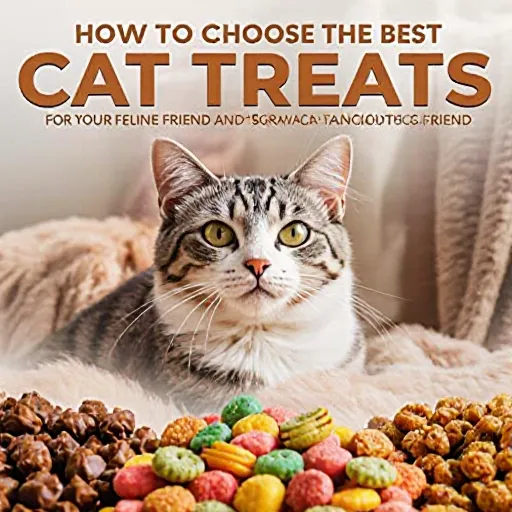
Purrs of Contentment: Pick Perfect Cat Treats!
How to Choose the Best Cat Treats
Table of Contents
- Choosing the Right Type of Treat for Your Cat
- Considering Your Cat's Health Needs
- Checking for Quality Ingredients
- Reading Labels Carefully
- Feeding Amounts and Frequency
- Pricing and Budgeting
- Looking for Brand Reputation
- Consulting with Your Veterinarian
- Evaluating the Taste and Texture Preference of Your Cat
- Considering Special Treats for Different Occasions
- Monitoring Your Cat's Reaction to New Treats
- The Importance of Portion Control
- Understanding the Role of Treats in Your Cat’s Diet
- Conclusion
- FAQ
Choosing the Right Type of Treat for Your Cat
When it comes to choosing the right type of treat for your cat, selecting the best option can have a significant impact on their health and well-being. Just like humans need different types of food for specific dietary needs, cats also require various types of treats tailored to meet different nutritional goals. Here’s how you can choose the best cat treats that are not only tasty but also beneficial for your feline friend.
To start, it is crucial to understand your cat's specific nutritional needs. Cats have unique dietary requirements compared to dogs or other pets. For instance, cats are obligate carnivores, meaning they need a diet rich in animal proteins and fats to meet their physiological demands. Therefore, the treats you choose should complement this need.
- Protein-Rich Treats: Look for treats that contain high-quality protein sources like chicken, beef, or fish. These are excellent choices if your cat enjoys savory snacks and needs a boost of protein in their diet.
- Fat Content: Cats need fats to maintain healthy skin and a shiny coat. Treats with moderate fat content can help keep these aspects of your cat’s health in check.
- Vitamins and Minerals: Ensure that the treats you choose contain essential vitamins like A, D, E, and K, as well as minerals such as calcium and phosphorus to support overall bone health.
Cat treats should also be tailored to your pet’s health condition. If your cat suffers from any specific health issues like diabetes, kidney disease, or dental problems, it is essential to choose treats that cater to these needs.
- Dental Health: Cats with dental issues can benefit from treats designed to help reduce plaque and tartar build-up. These treats often contain ingredients like chlorophyll or enzymes known for their cleaning properties.
- Kidney Disease: For cats diagnosed with kidney disease, it is important to select treats that are lower in phosphorus and moderate in protein content. Treats made from vegetables can be a good option as they provide necessary nutrients without overwhelming the kidneys.
- Diabetes: Cats with diabetes require treats low in carbohydrates and high in fiber. Look for treats that specify being suitable for diabetic cats or consult your veterinarian to choose appropriate options.
Your cat’s lifestyle will also influence the type of treat you should select. Active cats, for instance, might enjoy treats that mimic small prey items like mice or birds, which can stimulate their natural hunting instincts.
- Stimulating Treats: Puzzle toys filled with treats are a great way to keep your cat mentally stimulated and physically active. These toys often contain small treat pieces that require your cat to work for their snack.
- Treat Size: For cats prone to overeating, smaller treats are ideal to ensure they do not consume too many calories in one session. Smaller treats also allow you to control the frequency of feeding without compromising on nutrition.
To make an informed decision, always read the ingredient labels carefully. Avoid treats with excessive fillers and artificial preservatives. Opt instead for natural ingredients that align with your cat’s specific dietary needs.
- Consult Your Veterinarian: Your vet can provide valuable advice on which types of treats are best suited to your cat’s individual health and lifestyle. They can also recommend specific brands or types based on your cat's unique requirements.
- Taste Test: Introduce new treats gradually, allowing your cat time to adjust. This not only helps prevent digestive upset but also gives you an idea of which treats are most appealing to them.
In conclusion, choosing the right type of treat for your cat involves considering their nutritional needs, health conditions, and lifestyle. By making informed decisions based on these factors, you can ensure that your cat enjoys delicious and nutritious treats while also maintaining optimal health.
Considering Your Cat's Health Needs
Choosing the right cat treats is essential for maintaining your feline friend’s overall health and well-being. Just as with humans, diet plays a crucial role in keeping your pet healthy and happy. When selecting treats for your cat, it's important to consider several factors that align with their unique nutritional needs.
Understanding Nutritional Needs
Cats are obligate carnivores, meaning they require a diet high in protein, particularly from animal sources. This dietary necessity can be easily met through quality cat treats designed specifically for your pet’s health requirements. Treats that are rich in vitamins and minerals are also beneficial as they help to support immune function, skin health, and energy levels.
Types of Treats
- Protein-Rich Treats: These treats should be a staple in your cat’s diet. They contain high-quality proteins that help maintain muscle mass and support overall health. Examples include chicken, turkey, fish, and beef-based treats.
- Fruit and Vegetable Treats: Occasional treats made from fruits and vegetables can provide essential nutrients like vitamin C, A, and K, which are crucial for your cat’s immune function and skin health. However, these should only be given in small quantities as they do not provide the same level of protein that cats need.
- Grain-Free Treats: Some cats have sensitivities or allergies to certain grains like wheat, barley, or corn. Grain-free treats are a great option for these felines as they eliminate common allergens from their diet without compromising on taste or nutrition.
Health Concerns and Treat Selection
If your cat is dealing with specific health issues such as kidney disease, diabetes, or obesity, it's essential to choose treats that cater to these conditions. For instance:
- Kidney Disease: Cats suffering from kidney disease should be given low-potassium and phosphorus-rich treats to help manage their condition.
- Diabetes: Diabetic cats benefit from low-carbohydrate, high-protein treats that can help control blood sugar levels.
- Obesity: Cats with weight issues need treats that are lower in calories and higher in fiber to aid in their weight management plan. Look for treats that contain ingredients like green beans or pumpkin which have natural fibers and low calorie counts.
Practical Advice
To ensure you’re making the best choice, follow these tips:
- Read Labels Carefully: Always read the ingredient list and nutritional facts on treat packages. Opt for treats that are free from artificial preservatives, flavors, and colors.
- Consult Your Veterinarian: Your vet can provide valuable insights into your cat’s specific health needs and recommend suitable treats based on their medical history and current condition.
- Limit Portions: While treats are an excellent way to reward good behavior, overfeeding them can lead to weight gain. Be mindful of the portion sizes and frequency of feeding treats to maintain a balanced diet.
In conclusion, considering your cat's health needs when choosing the best cat treats is crucial for their overall well-being. By understanding their nutritional requirements and selecting appropriate treats, you can help ensure they lead a healthy and happy life.
Checking for Quality Ingredients
When it comes to choosing the best cat treats, one of the most crucial aspects is examining the quality of ingredients. Just like human food products, cat treats should be made with high-quality and nutritious ingredients that are beneficial for your pet's health. Here’s a detailed guide on how to check for quality ingredients in cat treats.
Reading the Label
The first step in ensuring quality ingredients is by reading the label carefully. Look for natural, whole-food ingredients instead of artificial preservatives and fillers. Ingredients are listed in descending order based on quantity; thus, the top few items should be recognizable to you as high-quality food sources.
Ingredients to Look For
- Fresh Meat: High-quality cat treats will contain fresh meat such as chicken, turkey, or salmon. These ingredients are rich in essential amino acids and proteins that your cat needs for muscle maintenance and energy.
- Whole Grains: Whole grains like brown rice or oats provide a good source of fiber and complex carbohydrates which are beneficial for digestive health.
- Fresh Vegetables: Fresh vegetables such as carrots or spinach can contribute antioxidants, vitamins, and minerals to your cat’s diet. This adds variety to their treat options and ensures they get a balanced intake.
- Omega-3 Fatty Acids: These are crucial for maintaining skin health, coat quality, and overall well-being. Treats containing fish oil or flaxseed are good sources of omega-3s.
Avoiding Harmful Ingredients
Just as important as knowing what to look for is understanding what ingredients you should avoid:
- Sugar and Artificial Sweeteners: Excessive sugar can lead to weight gain, diabetes, and other health issues. Treats with artificial sweeteners like xylitol are especially dangerous for cats as they can cause toxicity.
- Potato Starch or Corn Syrup: These are often used as fillers instead of high-quality ingredients. They provide little nutritional value and can lead to digestive issues.
- Corn Meal, Soybean Meal: While these can be good sources of protein, they should not take precedence over more natural alternatives like fresh meat or fish in a quality treat formula.
Practical Advice for Choosing High-Quality Treats
To make the best choice for your cat, consider these practical tips:
- Research Brands: Look into brands that are well-known and trusted by other pet owners. Reading reviews can give you an idea of how others perceive their product quality.
- Vary Treats: Incorporate a variety of treats to ensure your cat gets different nutrients each time, but always prioritize those with quality ingredients at the top.
- Consult Your Vet: If you are unsure about specific ingredients or brands, consult your veterinarian. They can provide advice tailored specifically for your cat’s needs based on their health and dietary requirements.
In conclusion, checking for quality ingredients in cat treats is a critical step towards maintaining the overall health of your pet. By following these guidelines and tips, you can make informed decisions that will keep your cat happy and healthy.
Reading Labels Carefully
In choosing the best cat treats, it is imperative to read labels carefully. Just like humans need to be cautious about what they consume, our feline friends also deserve the same level of scrutiny when selecting their snacks. Labels provide crucial information that can help you make an informed decision, ensuring your cat's health and well-being.
Understanding Key Information on Labels
- Ingredients: The first ingredient listed is the primary component of the treat. For instance, if it starts with corn or wheat, consider alternatives that are more beneficial for cats like chicken, fish, or other high-quality proteins.
- Nutritional Content: Check the amount of protein, fat, and calories. High-protein treats can be particularly beneficial as they mimic what a cat would naturally consume in the wild. However, excessive calories can lead to weight gain if not balanced with proper diet.
- Additives and Preservatives: Avoid treats containing unnecessary additives like artificial flavors or preservatives. Opt for natural options that focus on quality ingredients beneficial to your cat's health.
- Sugar Content: Cats don't need sugar, so it's important to look for treats with minimal sugar content. Excessive sugar can lead to health issues such as diabetes and obesity.
Examples of Labels to Look For
Here are some examples of labels you should look out for when choosing the best cat treats:
- High Protein: Treats that list a high-quality protein source first, such as chicken, fish, or turkey.
- Natural Ingredients: Treats made with real meat, vegetables, and no artificial colors or flavors.
- No Sugar Added: Treats that do not contain added sugars, which can be harmful to cats in large quantities.
Practical Advice for Reading Labels
To make the most out of reading labels when choosing cat treats, follow these practical tips:
- Consult Vet Recommendations: Always consult with your veterinarian before introducing new treats to ensure they align with your cat's health needs.
- Diversity in Treats: Vary the types of treats you give your cat to provide a balanced diet, but always check labels for quality and ingredients.
- Control Portion Sizes: While treats are a treat, they should not be the main source of nutrition. Control portion sizes to avoid overfeeding, which can lead to weight-related issues.
By carefully reading labels and making informed decisions about your cat's treats, you can ensure that your furry friend enjoys tasty and nutritious snacks while maintaining their health and happiness.
Feeding Amounts and Frequency
Understanding how much and how often you should feed your cat is crucial for maintaining their health and well-being. This information is essential, especially when considering treats as part of their diet, which can sometimes be overlooked or overindulged in. Let's delve deeper into the topic of feeding amounts and frequency.
Cats are obligate carnivores, meaning that their nutritional needs are primarily met through a meat-based diet. When choosing cat treats, it is important to ensure they complement your pet's overall nutrition without causing an imbalance in their diet. The American Association of Feline Practitioners (AAFP) recommends feeding adult cats between 250-300 calories per day. However, the specific amount can vary based on factors such as weight, activity level, and health condition.
The frequency at which you feed your cat treats is equally important as the amount. Overfeeding treats can lead to obesity and related health issues in cats. The general recommendation from veterinarians is to limit treat consumption to around 5-10% of your cat's total daily caloric intake.
Examples of Treat Feeding Frequency
- Daily Basis: Some pet owners choose to give their cats treats once a day. This could be in the morning or as part of their feeding routine after the main meal. For instance, if your cat consumes 200 calories per day and you want to allocate 10% for treats, that would equate to about 20 calories from treats.
- Occasional Basis: Other pet owners prefer a more flexible approach where treats are given as rewards or during training sessions. This could mean feeding treats multiple times throughout the day but in smaller quantities each time. For example, if you give your cat three 5-calorie treats over the course of the day, that would still only be about 15 calories—still well within the recommended range.
To ensure your cat maintains a healthy weight and balanced diet:
- Read Labels Carefully: Always read the labels on any treats you purchase. Look for those that are formulated specifically for cats and contain natural ingredients rather than artificial preservatives.
- <Monitor Your Cat's Response: Pay attention to how your cat responds to different types of treats. Some cats may prefer certain flavors or textures over others, but it’s important not to overindulge them.
- Use Treats as Rewards: Utilize treats as positive reinforcement during training sessions or to reward good behavior at home.
In conclusion, understanding the appropriate feeding amounts and frequency of treats is vital for your cat's health. By following these guidelines and tips, you can ensure that your pet enjoys their treats while maintaining a healthy diet overall. Remember, moderation is key when it comes to incorporating treats into your cat's daily routine.
Pricing and Budgeting
When it comes to choosing the best cat treats for your furry friend, budget plays a significant role. Just like selecting the perfect treat for your beloved pet, finding the right pricing and budget plan can greatly influence both the quality of care and long-term savings.
Evaluating Quality vs. Price
The first step in determining the best price point is understanding what you are getting for your money. High-quality cat treats often come with premium ingredients that contribute to better dental health, improved digestion, and overall wellbeing of your pet. However, these treats can be more expensive than their cheaper alternatives.
For example, treats made from organic beef liver not only offer nutritional benefits but also cost a bit more due to the higher quality of the ingredient. On the other hand, treats that are primarily composed of filler ingredients like corn or soy will be less expensive but may lack in nutritional value and could potentially harm your cat's health over time.
Understanding Bulk Purchasing
Bulk purchasing can significantly impact your budget. Buying larger quantities at a time might seem like an attractive option due to lower per-unit costs, but it is important to consider the shelf life and storage capabilities of these treats. Ensuring that you do not end up with expired or moldy treats is crucial.
For instance, if you buy large bags of treats in bulk, make sure they are stored properly in a cool, dry place away from direct sunlight. This will help maintain their quality and extend their shelf life, making them more cost-effective over time.
Discounts and Sales
Regularly checking for discounts, sales, or coupons can also greatly affect your budget. Many pet stores and online retailers offer periodic promotions that can help stretch your budget further without compromising on the quality of treats.
An example of this is during holiday seasons when many stores have special offers on pet products. Taking advantage of these opportunities by purchasing treats in bulk could provide long-term savings. However, be cautious not to overstock unless you are sure that you will use all the treats before they expire.
Comparing Long-Term Costs
It's also important to look at the long-term costs associated with different types of cat treats rather than just focusing on the initial price. Cheaper treats might seem appealing, but if they lead to health issues for your cat, you could end up spending more on veterinary bills.
For example, investing in high-quality treats that promote good dental hygiene can prevent costly dental procedures later on. Therefore, while it may cost slightly more initially, the long-term benefits and savings make it a worthwhile investment.
Conclusion
In conclusion, finding the best price for cat treats involves striking a balance between quality and budget. By understanding what you are getting for your money, leveraging bulk purchasing and discounts, and considering long-term costs, you can make informed decisions that keep both your wallet and your pet happy.
Looking for Brand Reputation
When it comes to choosing the best cat treats, just like selecting the right brand of pet food, it's crucial to consider several factors that can significantly impact your cat’s health and overall well-being. This is analogous to how you would carefully choose a brand for your own health needs when looking for quality products for yourself.
Similar to selecting the best cat treats, understanding what your cat requires in terms of nutrition is essential. Cats have specific dietary requirements that differ from those of humans or dogs. For instance, cats are obligate carnivores and need a high-protein diet rich in animal-based proteins.
- Proteins: Look for treats that list meat as the primary ingredient rather than fillers like corn or wheat.
- Fats: Essential fats, such as omega-3 and omega-6 fatty acids, are beneficial for your cat’s skin and coat. Treats should contain sources of these fats from fish, chicken, or other animal products.
- Vitamins and Minerals: Ensure the treats you choose provide essential vitamins and minerals like taurine, which is crucial for heart health and vision in cats.
Just as when you’re looking for a brand that reflects your values or reputation, transparency about ingredients and sourcing can make all the difference. Some brands provide detailed ingredient lists and information on where their products are sourced, which is reassuring to consumers.
- Check for Whole Ingredients: Treats containing whole meat rather than by-products offer a higher nutritional value and are better absorbed by your cat's body.
- Look for Natural Ingredients: Avoid treats with artificial preservatives, colors, or flavors. These can be harmful to your cat’s health over time.
Selecting the best cat treat is also about finding something that suits your pet's individual taste and lifestyle. Much like choosing a brand based on its reputation for quality, picking treats that your cat enjoys can lead to better behavior reinforcement.
- Taste: Cats have different preferences, so it’s worth trying different flavors until you find one they love.
- Size and Texture: Consider the size and texture of treats that are appropriate for your cat's age and activity level. For example, smaller treats can be easier to chew for older cats or those with dental issues.
Just as you might research a brand based on its reputation, reviews from other cat owners can provide valuable insights. However, it’s important to look beyond just the number of likes or stars; consider the quality of feedback and whether it aligns with your specific needs.
- Read Reviews: Look for detailed reviews that discuss not only taste but also nutritional value, effectiveness, and any potential side effects.
- Ask for Recommendations: Talk to veterinarians or other pet owners who are familiar with your cat’s needs. They may have valuable insights into which brands they trust the most.
The cost of a brand does not always reflect its quality, but it is important to consider what you can afford. Similar to how you would evaluate the value for money when choosing products for yourself or your family, finding treats that fit within your budget without compromising on quality is key.
- Compare Prices: Shop around and compare prices from different retailers or online platforms.
- Consider Bulk Buying: Sometimes buying in bulk can save you money, but ensure the treats are still fresh when you purchase them in large quantities.
In conclusion, choosing the best cat treats is a thoughtful process that requires considering your cat’s nutritional needs, reading labels carefully, and making choices based on reputation, reviews, and value. Just as you would seek out brands with a good reputation for quality, take the time to find the perfect treat that meets both your pet's health requirements and their taste preferences.
Consulting with Your Veterinarian
Choosing the right cat treats can be a crucial part of your pet's diet, but it’s equally important to consult with your veterinarian before making any decisions. Your vet is not only an expert in feline health and nutrition but also knows your cat personally, which makes them the best resource for personalized advice.
Why Consult with Your Veterinarian?
- Health Considerations: Certain medical conditions or medications may affect what treats are suitable for your cat. For example, if your cat is on a special diet due to kidney disease or diabetes, specific treats can help manage their condition.
- Avoiding Digestive Issues: Some cats have sensitive stomachs, and certain ingredients in commercial treats could lead to digestive upset. Your vet can guide you towards treats that are more digestible for your cat.
- Maintenance of Oral Health: Treats play a role in maintaining oral health; however, not all treats are created equal. Some can actually harm teeth if they are too hard or too soft. Consulting with your vet will ensure you choose treats that support dental health without causing damage.
Consultation Process
To make the most of this consultation, be prepared to discuss:
- Your cat's current diet and any existing medical conditions.
- Any specific nutritional needs or goals for your pet, such as weight management or muscle maintenance.
- The frequency with which you currently give treats and the quantity involved. This helps in determining how much of a particular type of treat can be included safely in their diet.
Practical Advice from Veterinarians
Veterinarians often recommend:
- Hybrid Treats: Treats that are a combination of different ingredients can be more beneficial for your cat's overall health. For instance, treats containing vitamins and minerals in addition to protein can provide a balanced reward.
- Organic Ingredients: Opting for treats made with organic ingredients is safer for your pet’s digestion and better for their long-term health.
- Fresh Treats: Homemade treats, if done correctly, are often healthier than store-bought options. Always ensure that you follow recipes carefully to avoid harmful ingredients.
Examples of Recommended Treat Types
Based on your cat’s specific needs and the advice from your veterinarian, here are some examples of treats that could be beneficial:
- Low-Calorie Treats: Ideal for cats who need to maintain or lose weight. Look for treats with lower calorie counts but still packed with essential nutrients.
- Joint Health Treats: If your cat has joint issues, these treats can provide additional support and comfort through specific ingredients like glucosamine and chondroitin.
- Treats for Dental Care: Specialized treats designed to help clean teeth and prevent plaque build-up. Ingredients like natural abrasives or enzymes can be beneficial here.
In summary, while choosing the best cat treats is an important decision, it’s always wise to consult with your veterinarian. This ensures that you are providing a treat that not only satisfies your cat but also supports their overall health and well-being.
Evaluating the Taste and Texture Preference of Your Cat
Evaluating the taste and texture preferences of your cat is crucial when choosing the best cat treats. Every cat has unique preferences, which can significantly impact their overall health and well-being. By understanding these preferences, you ensure that your furry companion enjoys their treats while receiving essential nutrients.
The first step in evaluating your cat's taste preference is to observe their behavior during feeding times. Cats have different dietary preferences, and this can influence their choice of treats. Some cats enjoy strong flavors like turkey or chicken, while others prefer milder options such as fish or beef. Conducting small tests by offering various flavors of treats can help you identify which ones your cat prefers.
- Try different flavor profiles: Turkey, chicken, fish, beef, and liver are popular choices for cats.
- Observe how quickly they consume the treat. A quicker consumption might indicate a preference for that particular flavor.
- Note any signs of rejection or indifference towards certain flavors.
Cats also have distinct texture preferences, which can vary based on their age and dietary needs. Younger cats might enjoy softer textures to aid in digestion, while older cats may prefer firmer options for dental health. The texture of the treat should complement your cat's overall diet and address any specific health concerns.
- Consider the hardness: Soft treats are easier to chew but can be less satisfying for cats with stronger jaws. Firm treats provide a more satisfying crunch, which is beneficial for dental hygiene.
- Check consistency: Some cats prefer finely chopped ingredients while others enjoy larger chunks or whole pieces.
- Look for options that mimic natural prey textures to encourage chewing and promote oral health.
Selecting the right treats not only satisfies your cat's preferences but also supports their nutritional needs. Here are some practical tips:
- Consult a Veterinarian: Always consult with your vet to ensure that any dietary changes, including treat selection, align with your cat’s specific health requirements.
- Diversify Treats: Offer a variety of flavors and textures to keep your cat engaged and prevent boredom. This can also help in identifying the treats they truly love.
- Check Ingredients: Opt for treats with high-quality protein sources and minimal additives or preservatives. Look for items that match your cat’s dietary restrictions, such as grain-free options if necessary.
- Portion Control: While treats are a fun part of your cat's diet, they should not replace their main meals. Monitor the amount given to avoid overfeeding.
Cat owners can consider these popular treat options based on taste and texture preferences:
| Taste Preference | Texture Preference | Recommended Treats |
|---|---|---|
| Chicken Flavor | Firm Texture | Yora Chicken & Rice Bites |
| Turkey Flavor | Soft Texture | Bearable Bits Turkey Recipe Treats |
| Fish Flavor | Firm Texture | Blue Buffalo Life Protection Freeze Dried Salmon & Whitefish Treats |
In conclusion, evaluating your cat's taste and texture preferences is essential for choosing the best cat treats. By understanding these preferences and making informed decisions, you can ensure that your pet enjoys their snacks while maintaining a balanced diet.
Considering Special Treats for Different Occasions
Choosing treats for your cat is an essential part of their diet, especially when you want to reward them or celebrate special occasions. Just like selecting the best cat treats in general, it's important to consider the occasion and your cat's specific needs. Here’s how you can choose treats that are not only delicious but also appropriate for different scenarios.
In regular daily life, providing your cat with a balanced diet is crucial. While treats should be given in moderation to avoid overfeeding, it's important to choose the right type of treat that complements their overall nutrition. However, for special occasions or specific events, you may want to go beyond everyday options and opt for more luxurious or unique treats.
Special Occasions
- Birthday Celebrations: For a cat's birthday, consider getting them gourmet treats that are both tasty and nutritious. These can include high-quality dry treats shaped like stars or bones, or even some fresh fish treats if they enjoy them.
- Holidays: During holidays like Christmas, Halloween, or Thanksgiving, you could give your cat themed treats such as miniature turkey legs or pumpkin-flavored snacks. Be mindful that these should be in small quantities to prevent overindulgence.
- Visits to the Vet: If your cat is stressed during a visit to the veterinarian, offering them a calming treat can help ease their anxiety. Treats with natural calming ingredients like chamomile or lavender are ideal for such occasions.
Daily Routines
Beyond just special days, consider how treats fit into your cat's daily routine. For example:
- Training: Training sessions are a perfect opportunity to use treats as positive reinforcement. Choose small, easy-to-break treats like freeze-dried liver treats which can help enhance their training experience.
- Morning and Night Routine: Incorporate treats into your morning or night routine to build consistency in feeding times. For instance, you could offer a few kibbles of dry food mixed with some tuna flakes as a special treat.
Selecting the Right Treats
The key is to select treats that cater not only to your cat's preferences but also meet their nutritional requirements. Here are some practical tips:
- Check Ingredients: Always read the label carefully and ensure the ingredients are high-quality, free from artificial preservatives, and suitable for cats.
- Vary the Treats: Keep a variety of treats on hand to keep your cat engaged. This can include different textures (dry vs wet), flavors, or shapes.
- Consider Your Cat’s Health Needs: If your cat has specific health needs, choose treats that support their condition, such as weight management treats for overweight cats or kidney-friendly options.
In conclusion, treating your cat appropriately during different occasions can make a big difference in their happiness and well-being. By thoughtfully choosing the right treats for each situation, you ensure they stay healthy while enjoying special moments with you.
Monitoring Your Cat's Reaction to New Treats
Once you've chosen the best cat treats, it's crucial to monitor how your feline friend reacts to them. This step ensures that not only do they love their new treats but also that these treats are safe and beneficial for your cat’s health. Here’s a detailed guide on monitoring your cat's reaction to new treats:
1. Start Gradually
Introduce the new treats gradually into your cat's diet. Begin by offering just one or two treats at a time, ensuring that you observe any changes in behavior or health over a few days.
- Example: If your cat has been eating 5 fish-based treats daily, start with 2 new treats and continue feeding the old ones as usual to see how your cat responds.
2. Watch for Immediate Reactions
Cats can react differently to treats, so it's important to be vigilant about any immediate reactions such as vomiting, diarrhea, or lethargy within the first few hours after ingestion.
- Tips: Keep a journal noting when you give your cat new treats and what reactions occur. This data can help you identify patterns over time.
3. Observe Behavior Changes
Beyond immediate physical symptoms, pay attention to how your cat behaves after eating the treat. Does their energy level change? Are they more or less active than usual?
- Practical Advice: If you notice a significant difference in behavior, it might be worth switching back to old treats or consulting with a vet.
4. Check for Allergic Reactions
Allergies are common among cats and can manifest as skin issues, itching, or respiratory problems. If you observe any unusual symptoms such as sneezing or wheezing, discontinue the treats immediately.
- Example: Your cat might have a known allergy to beef, so if you’re introducing beef-based treats, monitor closely for any signs of an allergic reaction.
5. Consider Long-Term Effects
<|im_start|><|im_start|><|im_start|><|im_start|><|im_start|><|im_start|>
The Importance of Portion Control
Portion control is a critical aspect of maintaining your cat's health and well-being, especially when it comes to feeding them treats. Just as with humans, portion control helps prevent overeating and the associated health problems that can arise from consuming too much food or treats. In the context of choosing the best cat treats, understanding and adhering to proper portion control is essential for several reasons.
Understanding Caloric Density
Cat treats come in various forms, including kibble, soft chews, and rawhide alternatives. Each type has different caloric densities, meaning some treats contain more calories than others per serving. For instance, a small piece of hard kibble might have fewer calories compared to a large soft chew or a high-fat treat. By understanding the caloric density of each type of treat, you can better manage your cat's overall calorie intake.
For example, if your cat is already receiving a balanced diet from their main food, incorporating treats that are lower in calories will help prevent them from consuming too many unnecessary calories throughout the day. This becomes even more important as cats age and may require fewer calories to maintain a healthy weight.
Caloric Needs of Cats
Cats have specific caloric needs based on their age, activity level, and overall health. Generally, adult cats need around 200-300 kcal per day for maintenance. However, this can vary depending on factors such as weight loss goals or increased physical activity due to play or exercise.
When choosing the best cat treats, consider how many treats you are giving and their caloric content relative to your cat's overall daily intake. For example, if a single treat contains 5 kcal and your cat has already consumed around 200 kcal in their main food for the day, adding just one or two more treats can significantly increase their total calorie consumption without you realizing it.
Practical Tips for Portion Control
- Weigh Treats: Use a kitchen scale to measure your cat's treats. This allows you to be precise and avoid overfeeding, especially if you are giving multiple types of treats in one day.
- Calorie Counting: Keep track of the caloric content of each treat type and the frequency with which you give them. There are several apps available that can help you monitor your cat's daily calorie intake, including treat portions.
- Consider Treat Size: Choose treats that are smaller in size to make it easier to control the quantity given. For example, small soft chews or cubes of dry kibble might be more manageable than larger, softer alternatives.
- Introduce Variety: Rotate different types of treats occasionally to keep your cat engaged and satisfied without increasing their overall caloric intake too much.
The Impact on Cat Health
Maintaining proper portion control in treating your cat is crucial for several health reasons. Overfeeding treats can lead to obesity, which increases the risk of various health issues such as diabetes, joint problems, and a reduced life expectancy. Obesity in cats can also exacerbate existing conditions like kidney disease or respiratory problems.
On the other hand, portion control allows you to provide your cat with occasional rewards while still keeping their overall caloric intake within healthy limits. This is particularly important if your cat has any specific health concerns that require dietary management.
Conclusion
In summary, when choosing the best cat treats and managing portion control, it's essential to consider the caloric density of each treat type, your cat's daily caloric needs, and practical strategies for controlling portions. By doing so, you can ensure that your cat enjoys their treats without compromising their overall health and well-being.
Understanding the Role of Treats in Your Cat’s Diet
Understanding the role of treats in your cat’s diet is crucial for maintaining their overall health and well-being. While it is important to focus on a balanced, nutritious main diet, treats can play a significant part in reinforcing positive behaviors, rewarding good manners, and providing mental stimulation. However, they should always be considered as supplementary rather than the core of your cat's nutrition.
Types of Treats
There are various types of cat treats available on the market, each with its own benefits:
- Soft Treats: These are often made from ingredients like chicken, fish, or beef. They are easy to chew and can be used for quick rewards.
- Dry Treats: Dry treats tend to have a crunchy texture that can help clean your cat's teeth. However, they should not replace the need for regular dental care from a vet.
- Potato Sticks: Made primarily from potatoes, these are a healthy alternative and provide a satisfying crunch without excess calories.
- Fish Flavored Treats: These treats can be particularly appealing to cats with a preference for fish. They should, however, complement the main diet rather than replace it.
Benefits of Treating Your Cat
Treats offer more than just a tasty treat; they also provide several benefits:
- Bonding: Treats can be used to strengthen the bond between you and your cat. They serve as positive reinforcement during training sessions.
- Behavioral Reinforcement: Rewarding good behavior with treats helps in teaching your cat desired behaviors such as sitting, staying, or using a litter box properly.
- Mental Stimulation: Interactive toys and treat-dispensing devices can provide mental stimulation for cats, which is essential to prevent boredom and stress.
How Much Should You Feed?
The amount of treats you should feed your cat depends on their size, age, activity level, and overall health. As a general guideline:
- Adult Cats: It is recommended that treats make up no more than 10% of your cat’s daily caloric intake.
- Puppies or Kittens: They may require less as they need a higher protein diet for growth and development.
Choosing the Best Cat Treats
When choosing cat treats, consider the following factors to ensure you are making the best choice for your pet:
- Nutritional Content: Look for treats that provide essential nutrients like taurine and omega-3 fatty acids. These are crucial for heart health and skin/muscle development.
- Allergies and Sensitivities: Some cats may have allergies to certain ingredients, so it is important to choose treats free from common allergens such as dairy or gluten.
- Promoting Oral Health: Treats that are designed to promote dental health can be beneficial for keeping your cat’s teeth clean. However, do not rely solely on treats; regular brushing and vet check-ups are essential.
In conclusion, while treats play an important role in a cat's diet by enhancing behavioral training and providing mental stimulation, they should always be given thoughtfully to ensure your pet remains healthy and happy. By understanding the role of treats and choosing the best options for your cat’s specific needs, you can make informed decisions that contribute positively to their overall well-being.
Conclusion
Choosing the best cat treats can be a daunting task, given the numerous options available on the market. It's important to consider several factors before making your decision, including the nutritional value of the treat, its impact on your cat’s dental health, and how it fits into your overall feeding routine.
Understanding Nutritional Value
The nutritional content of cat treats is crucial. Look for treats that are rich in proteins and essential vitamins and minerals. For instance, if you're looking for a treat that supports muscle development or aids in digestion, ensure the ingredients list includes high-quality protein sources like chicken or fish. Treats that contain too many fillers might not be as beneficial for your cat.
Impact on Dental Health
Cat treats that are designed to promote dental health can significantly benefit your pet's oral hygiene. Ingredients such as chlorophyll, which has natural antibacterial properties, or those that provide a mild abrasive effect can help in reducing plaque and tartar buildup. Brands like Greenies offer a range of products aimed at improving dental health through crunchy textures.
Integration with Feeding Routine
Incorporating treats into your cat's feeding routine should be balanced to ensure overall nutritional balance. It’s recommended that treats make up no more than 10% of a cat's daily caloric intake. Overindulgence in treats can lead to weight gain and other health issues.
Practical Advice
To get the most out of your choice, it’s advisable to consult with your veterinarian. They can provide personalized recommendations based on your cat's specific needs. Regularly review the ingredients in the treats you choose as cats' dietary requirements may change over time.
Examples
- Taste of the Wild Grain-Free Cat Treats: Known for their high-quality meat and minimal grain content, these treats are a favorite among pet owners looking to provide balanced nutrition without common allergens.
- Blue Buffalo Life Protection Cat Bites: These treats not only provide essential nutrients but also include omega-3 fatty acids which can support skin health and coat quality.
In conclusion, selecting the right cat treats involves careful consideration of nutritional value, dental benefits, and how they integrate into your feeding routine. By keeping these factors in mind and consulting with a veterinarian, you can choose treats that not only delight your pet but also enhance their overall well-being.
FAQ
Selecting the right cat treats is crucial for your pet's health and happiness. Here are some key factors to consider when choosing the best cat treats:
Nutritional Value
Cat treats should complement, not replace, your cat’s primary diet. Look for treats that provide essential nutrients without being overly caloric. Treats high in protein and low in filler are ideal. For instance, treats made from chicken or turkey can be a good choice as they typically have more protein than those made from grains.
Flavor Preferences
Cats have different taste preferences just like humans do. Some cats may prefer savory flavors while others might enjoy something sweeter. It’s important to experiment with various flavors to find what your cat loves. For example, some cats adore fish-flavored treats, whereas others might go for the aroma and taste of chicken.
Texture and Size
The texture and size of the treat can also impact your cat’s enjoyment and digestion. Harder treats can be beneficial for keeping your cat's teeth clean while softer options are perfect for rewarding during playtime. The size should match the occasion; a small, easily digestible treat is great for daily rewards or training, whereas larger treats might be more suitable as occasional indulgences.
Allergen Considerations
If your cat has known allergies or sensitivities, it’s essential to choose treats that are free from these allergens. For example, if your cat is lactose intolerant, avoid dairy-based treats and look for alternatives like beef or chicken varieties.
Brand Reputation
Reputable brands often conduct rigorous testing on their products to ensure safety and effectiveness. Reading reviews from other pet owners can also provide valuable insights into the quality of a particular brand’s cat treats. Brands that have been around for longer tend to have more reliable information about ingredient sourcing and production processes.
Special Dietary Needs
<|im_start|>
The Importance of Portion Control
Portion control is a critical aspect of maintaining your cat's health and well-being, especially when it comes to feeding them treats. Just as with humans, portion control helps prevent overeating and the associated health problems that can arise from consuming too much food or treats. In the context of choosing the best cat treats, understanding and adhering to proper portion control is essential for several reasons.
Understanding Caloric Density
Cat treats come in various forms, including kibble, soft chews, and rawhide alternatives. Each type has different caloric densities, meaning some treats contain more calories than others per serving. For instance, a small piece of hard kibble might have fewer calories compared to a large soft chew or a high-fat treat. By understanding the caloric density of each type of treat, you can better manage your cat's overall calorie intake.
For example, if your cat is already receiving a balanced diet from their main food, incorporating treats that are lower in calories will help prevent them from consuming too many unnecessary calories throughout the day. This becomes even more important as cats age and may require fewer calories to maintain a healthy weight.
Caloric Needs of Cats
Cats have specific caloric needs based on their age, activity level, and overall health. Generally, adult cats need around 200-300 kcal per day for maintenance. However, this can vary depending on factors such as weight loss goals or increased physical activity due to play or exercise.
When choosing the best cat treats, consider how many treats you are giving and their caloric content relative to your cat's overall daily intake. For example, if a single treat contains 5 kcal and your cat has already consumed around 200 kcal in their main food for the day, adding just one or two more treats can significantly increase their total calorie consumption without you realizing it.
Practical Tips for Portion Control
- Weigh Treats: Use a kitchen scale to measure your cat's treats. This allows you to be precise and avoid overfeeding, especially if you are giving multiple types of treats in one day.
- Calorie Counting: Keep track of the caloric content of each treat type and the frequency with which you give them. There are several apps available that can help you monitor your cat's daily calorie intake, including treat portions.
- Consider Treat Size: Choose treats that are smaller in size to make it easier to control the quantity given. For example, small soft chews or cubes of dry kibble might be more manageable than larger, softer alternatives.
- Introduce Variety: Rotate different types of treats occasionally to keep your cat engaged and satisfied without increasing their overall caloric intake too much.
The Impact on Cat Health
Maintaining proper portion control in treating your cat is crucial for several health reasons. Overfeeding treats can lead to obesity, which increases the risk of various health issues such as diabetes, joint problems, and a reduced life expectancy. Obesity in cats can also exacerbate existing conditions like kidney disease or respiratory problems.
On the other hand, portion control allows you to provide your cat with occasional rewards while still keeping their overall caloric intake within healthy limits. This is particularly important if your cat has any specific health concerns that require dietary management.
Conclusion
In summary, when choosing the best cat treats and managing portion control, it's essential to consider the caloric density of each treat type, your cat's daily caloric needs, and practical strategies for controlling portions. By doing so, you can ensure that your cat enjoys their treats without compromising their overall health and well-being.
Understanding the Role of Treats in Your Cat’s Diet
Understanding the role of treats in your cat’s diet is crucial for maintaining their overall health and well-being. While it is important to focus on a balanced, nutritious main diet, treats can play a significant part in reinforcing positive behaviors, rewarding good manners, and providing mental stimulation. However, they should always be considered as supplementary rather than the core of your cat's nutrition.
Types of Treats
There are various types of cat treats available on the market, each with its own benefits:
- Soft Treats: These are often made from ingredients like chicken, fish, or beef. They are easy to chew and can be used for quick rewards.
- Dry Treats: Dry treats tend to have a crunchy texture that can help clean your cat's teeth. However, they should not replace the need for regular dental care from a vet.
- Potato Sticks: Made primarily from potatoes, these are a healthy alternative and provide a satisfying crunch without excess calories.
- Fish Flavored Treats: These treats can be particularly appealing to cats with a preference for fish. They should, however, complement the main diet rather than replace it.
Benefits of Treating Your Cat
Treats offer more than just a tasty treat; they also provide several benefits:
- Bonding: Treats can be used to strengthen the bond between you and your cat. They serve as positive reinforcement during training sessions.
- Behavioral Reinforcement: Rewarding good behavior with treats helps in teaching your cat desired behaviors such as sitting, staying, or using a litter box properly.
- Mental Stimulation: Interactive toys and treat-dispensing devices can provide mental stimulation for cats, which is essential to prevent boredom and stress.
How Much Should You Feed?
The amount of treats you should feed your cat depends on their size, age, activity level, and overall health. As a general guideline:
- Adult Cats: It is recommended that treats make up no more than 10% of your cat’s daily caloric intake.
- Puppies or Kittens: They may require less as they need a higher protein diet for growth and development.
Choosing the Best Cat Treats
When choosing cat treats, consider the following factors to ensure you are making the best choice for your pet:
- Nutritional Content: Look for treats that provide essential nutrients like taurine and omega-3 fatty acids. These are crucial for heart health and skin/muscle development.
- Allergies and Sensitivities: Some cats may have allergies to certain ingredients, so it is important to choose treats free from common allergens such as dairy or gluten.
- Promoting Oral Health: Treats that are designed to promote dental health can be beneficial for keeping your cat’s teeth clean. However, do not rely solely on treats; regular brushing and vet check-ups are essential.
In conclusion, while treats play an important role in a cat's diet by enhancing behavioral training and providing mental stimulation, they should always be given thoughtfully to ensure your pet remains healthy and happy. By understanding the role of treats and choosing the best options for your cat’s specific needs, you can make informed decisions that contribute positively to their overall well-being.
Conclusion
Choosing the best cat treats can be a daunting task, given the numerous options available on the market. It's important to consider several factors before making your decision, including the nutritional value of the treat, its impact on your cat’s dental health, and how it fits into your overall feeding routine.
Understanding Nutritional Value
The nutritional content of cat treats is crucial. Look for treats that are rich in proteins and essential vitamins and minerals. For instance, if you're looking for a treat that supports muscle development or aids in digestion, ensure the ingredients list includes high-quality protein sources like chicken or fish. Treats that contain too many fillers might not be as beneficial for your cat.
Impact on Dental Health
Cat treats that are designed to promote dental health can significantly benefit your pet's oral hygiene. Ingredients such as chlorophyll, which has natural antibacterial properties, or those that provide a mild abrasive effect can help in reducing plaque and tartar buildup. Brands like Greenies offer a range of products aimed at improving dental health through crunchy textures.
Integration with Feeding Routine
Incorporating treats into your cat's feeding routine should be balanced to ensure overall nutritional balance. It’s recommended that treats make up no more than 10% of a cat's daily caloric intake. Overindulgence in treats can lead to weight gain and other health issues.
Practical Advice
To get the most out of your choice, it’s advisable to consult with your veterinarian. They can provide personalized recommendations based on your cat's specific needs. Regularly review the ingredients in the treats you choose as cats' dietary requirements may change over time.
Examples
- Taste of the Wild Grain-Free Cat Treats: Known for their high-quality meat and minimal grain content, these treats are a favorite among pet owners looking to provide balanced nutrition without common allergens.
- Blue Buffalo Life Protection Cat Bites: These treats not only provide essential nutrients but also include omega-3 fatty acids which can support skin health and coat quality.
In conclusion, selecting the right cat treats involves careful consideration of nutritional value, dental benefits, and how they integrate into your feeding routine. By keeping these factors in mind and consulting with a veterinarian, you can choose treats that not only delight your pet but also enhance their overall well-being.
FAQ
Selecting the right cat treats is crucial for your pet's health and happiness. Here are some key factors to consider when choosing the best cat treats:
Nutritional Value
Cat treats should complement, not replace, your cat’s primary diet. Look for treats that provide essential nutrients without being overly caloric. Treats high in protein and low in filler are ideal. For instance, treats made from chicken or turkey can be a good choice as they typically have more protein than those made from grains.
Flavor Preferences
Cats have different taste preferences just like humans do. Some cats may prefer savory flavors while others might enjoy something sweeter. It’s important to experiment with various flavors to find what your cat loves. For example, some cats adore fish-flavored treats, whereas others might go for the aroma and taste of chicken.
Texture and Size
The texture and size of the treat can also impact your cat’s enjoyment and digestion. Harder treats can be beneficial for keeping your cat's teeth clean while softer options are perfect for rewarding during playtime. The size should match the occasion; a small, easily digestible treat is great for daily rewards or training, whereas larger treats might be more suitable as occasional indulgences.
Allergen Considerations
If your cat has known allergies or sensitivities, it’s essential to choose treats that are free from these allergens. For example, if your cat is lactose intolerant, avoid dairy-based treats and look for alternatives like beef or chicken varieties.
Brand Reputation
Reputable brands often conduct rigorous testing on their products to ensure safety and effectiveness. Reading reviews from other pet owners can also provide valuable insights into the quality of a particular brand’s cat treats. Brands that have been around for longer tend to have more reliable information about ingredient sourcing and production processes.
Special Dietary Needs <|im_start|>
Products
-
 Fish Meal
Price range: ₹1,999.00 through ₹2,999.00
Fish Meal
Price range: ₹1,999.00 through ₹2,999.00
-
 FATTENING BROILER FEED
Price range: ₹2,299.00 through ₹2,349.00
FATTENING BROILER FEED
Price range: ₹2,299.00 through ₹2,349.00
-
 LAYER COUNTRY FEED
Price range: ₹1,549.00 through ₹1,649.00
LAYER COUNTRY FEED
Price range: ₹1,549.00 through ₹1,649.00
-
 COUNTER BROILER FEED
Price range: ₹1,199.00 through ₹1,299.00
COUNTER BROILER FEED
Price range: ₹1,199.00 through ₹1,299.00
-
 LACTATING PIG FEED
Original price was: ₹2,299.00.₹1,740.00Current price is: ₹1,740.00.
LACTATING PIG FEED
Original price was: ₹2,299.00.₹1,740.00Current price is: ₹1,740.00.
-
 Maize
Original price was: ₹1,650.00.₹1,300.00Current price is: ₹1,300.00.
Maize
Original price was: ₹1,650.00.₹1,300.00Current price is: ₹1,300.00.
-
 GESTATION PIG FEED (Phase 1)
Original price was: ₹2,249.00.₹1,699.00Current price is: ₹1,699.00.
GESTATION PIG FEED (Phase 1)
Original price was: ₹2,249.00.₹1,699.00Current price is: ₹1,699.00.
-
 Pre Starter Broiler Feed
Price range: ₹2,399.00 through ₹2,499.00
Pre Starter Broiler Feed
Price range: ₹2,399.00 through ₹2,499.00
-
 FINISHER PIG FEED
Original price was: ₹2,299.00.₹1,749.00Current price is: ₹1,749.00.
FINISHER PIG FEED
Original price was: ₹2,299.00.₹1,749.00Current price is: ₹1,749.00.
-
 Broiler Premix
Original price was: ₹820.00.₹699.00Current price is: ₹699.00.
Broiler Premix
Original price was: ₹820.00.₹699.00Current price is: ₹699.00.