
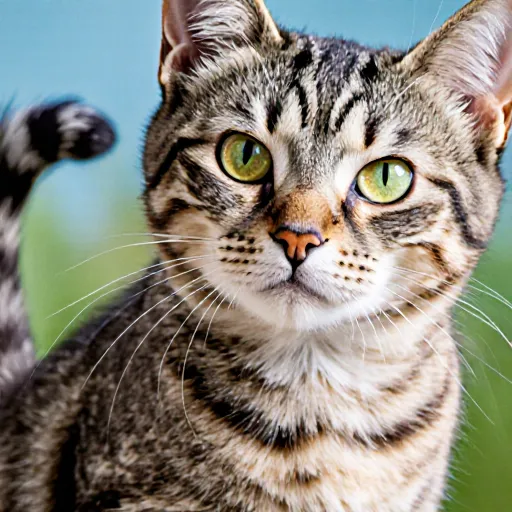
Decoding Feline Signals: What Does My Cat Want?
Is Your Cat Trying to Communicate Something?
Table of Contents
- Why Does My Cat Meow So Much?
- Understanding the Nature of Cats
- Communication Through Meows
- Meowing as a Sign of Hunger
- Attention Seeking Behavior
- Stress and Anxiety
- Seeking Affection
- Medical Conditions
- Lack of Environmental Stimulation
- Age and Life Stage
- Indoor vs Outdoor Cats
- Meowing Patterns Over Time
- How to Reduce Excessive Meowing
- Conclusion
- FAQ
Why Does My Cat Meow So Much?
Cats are known for their vocal nature, and while some cats are quieter than others, it's common to wonder why your cat meows so much. There could be several reasons behind this behavior, and understanding these can help you address the issue effectively.
Communication
Cats use meowing as a form of communication. They may meow at different times of the day or night depending on what they need from you. Here are some reasons why your cat might be calling out:
- Demanding Attention: Cats often meow to get your attention, whether it's for food, playtime, or just a cuddle.
- Seeking Comfort: If your cat is scared or feeling lonely, they may meow for comfort and companionship.
- Expressing Hunger or Thirst: If it's mealtime or when your cat is dehydrated, you'll likely hear them meowing more frequently.
Medical Reasons
Sometimes, excessive meowing can be a sign of underlying health issues. Here are some medical conditions that could cause your cat to meow more than usual:
- Congestive Heart Failure: Cats with heart problems may meow more frequently as they struggle to breathe.
- Dental Issues: If your cat is in pain due to dental problems, they might vocalize more often.
- Pain or Discomfort: Other physical discomforts can also cause cats to meow excessively.
Behavioral Adjustments
If your cat's excessive meowing is due to behavioral issues, there are steps you can take to address it:
- Establish a Routine: Cats thrive on routine. Ensuring that feeding times and playtimes follow a consistent schedule can help reduce unnecessary vocalization.
- Provide Playtime and Stimulations: Engaging your cat in play sessions or providing toys and interactive games can satisfy their playful nature, reducing the urge to meow for attention.
Tips and Tricks
To help your cat meow less frequently, consider these practical tips:
- Check Your Cat's Diet: Ensure that you are feeding your cat a high-quality diet. Cats on low-quality food may meow more often in search of better nutrition.
- Maintain Hydration: Always ensure your cat has access to fresh water and consider offering wet food, which can help keep them hydrated.
- Provide a Secure Environment: Ensure that your home is a safe and secure place for your cat. Cats feel more comfortable in a familiar environment, reducing their stress levels and the need to vocalize.
In conclusion, while it's natural for cats to meow from time to time, excessive meowing could be due to a combination of factors ranging from simple attention-seeking behavior to underlying medical conditions. By understanding why your cat is meowing so much and addressing the root cause, you can help them lead a healthier, happier life.
Understanding the Nature of Cats
Cats are fascinating creatures with a rich array of behaviors that often leave us puzzled. One such behavior is excessive meowing, which can be quite common and sometimes even frustrating for cat owners. To truly understand why your cat might be meowing so much, it's crucial to delve into the nature of cats themselves.
Cats are naturally solitary hunters, but they also have a strong social instinct that leads them to form close bonds with their human family. This dual nature can sometimes manifest in behaviors like meowing. Meowing is primarily used by kittens when they are dependent on their mother for care and nourishment, but as cats grow older, the frequency of this vocalization tends to decrease significantly.
Cats use a variety of sounds, including meows, hisses, purrs, and trills, to communicate. While adult cats generally do not meow at each other, they frequently vocalize when interacting with humans. This is because domestication has transformed the way cats communicate with their human companions.
1. Attention Seeking: The most common reason for excessive meowing in cats is attention seeking. Cats may meow to get your notice or ask you to play, feed them, or simply spend time with them. If your cat has learned that meowing consistently brings positive outcomes, they might continue this behavior.
2. Seeking Comfort: Sometimes a cat's excessive meowing can be due to seeking comfort during times of stress or anxiety. Cats are sensitive animals and may vocalize when they feel insecure or threatened in their environment.
3. Health Issues: Unusually loud or persistent meowing could sometimes indicate an underlying health issue that requires veterinary attention. Conditions such as dental problems, urinary tract issues, or even arthritis can lead to increased vocalization. If you notice any changes in your cat's behavior, it is advisable to consult a veterinarian.
4. Age Factors
As cats age, they sometimes become more vocal. Older cats may meow more frequently as part of their natural aging process, especially if they are experiencing hearing loss or cognitive decline.
To address the issue of excessive meowing, consider the following practical advice:
- Establish a Routine: Cats thrive on routine. By feeding your cat at specific times and engaging in play sessions at regular intervals, you can help manage their expectations and reduce unnecessary vocalization.
- Create a Comfortable Environment: Ensure that your cat has a secure space where they feel safe and comfortable. This could include providing cozy bedding, interactive toys, or even a scratching post to keep them entertained.
- Playtime is Key: Regular play sessions can help satisfy a cat's natural hunting instincts and provide mental stimulation, reducing the likelihood of excessive meowing for attention.
- Vet Check-Ups: If you suspect that your cat’s increased vocalization might be due to health issues, consult with a veterinarian for proper diagnosis and treatment.
By understanding the nature of cats and recognizing the reasons behind their vocalizations, you can better address any excessive meowing in your pet. With patience, consistency, and the right strategies, you can help ensure that your cat remains content and happy in its environment.
Communication Through Meows
Cats are often referred to as "mystery" animals, but when it comes to understanding your feline friend's meowing, you're already on the right path. Meowing is a form of communication for cats, and while it might seem like they're just being noisy, each meow can have a different meaning depending on the context.
Cats meow in various situations—when they want food, when they're seeking attention, or even as an expression of happiness. Unlike dogs, which primarily use body language and barking to communicate, cats rely heavily on vocalization through meows. This form of communication is more complex because it can vary based on the tone, pitch, and context in which the meow occurs.
Reasons for Frequent Meowing
Hunger: Cats are creatures of habit; if they know that a certain time of day corresponds to mealtime, they might start meowing as early as 15 minutes before you're expected to feed them. This is their way of reminding you that it's almost time for food.
Attention Seeking: Cats often use meows to get your attention, especially if they want something like a play session or petting. It could also be an attempt to bond with you or simply because they miss your company when you're away from home during the day.
Happiness and Contentment: Believe it or not, cats can express joy through meows too! When they're content and happy, their meows are usually short, high-pitched sounds. This is often seen in a relaxed cat who feels secure and loved by you.
Pain or Illness: If your cat's meowing pattern changes suddenly—becoming more frequent or louder—it could be an indicator that something isn't quite right with their health. Persistent high-pitched meows can suggest pain, while deep, constant meowing might hint at anxiety or a medical issue.
Tips for Managing Frequent Meowing
To manage your cat's frequent meowing effectively, consider the following tips:
- Establish a Routine: Cats are creatures of habit. By feeding them at regular times and ensuring their basic needs are met consistently, you can reduce instances where they might meow for attention.
- Cat Toys: Keep your cat entertained with toys that challenge its mind and body. This not only reduces meowing but also helps in keeping your cat physically active and mentally stimulated.
- Quality Time: Spend time playing with your cat and offering affection. This can help reduce the frequency of attention-seeking meows by ensuring they get enough interaction throughout the day.
- Vet Check-ups: Regular check-ups at the vet are essential to rule out any health issues that might be causing excessive meowing or unusual vocalizations.
Conclusion
The next time you hear your cat meow, remember it's not just a sound—it's a way for them to communicate their needs and emotions. Understanding these nuances can help strengthen the bond between you and your feline companion while also ensuring that they are happy and healthy.
Meowing as a Sign of Hunger
While your cat may meow for various reasons, one common reason is hunger. Understanding when and why your cat might be meowing to signal hunger can help you provide the care they need.
Distinguishing Meows for Hunger
Cats use different vocalizations depending on their needs. If your cat is hungry, it may approach you with a persistent, high-pitched meow or cry. This type of vocalization is often heard in the early morning when cats are typically most active.
Behavioral Cues
Alongside vocalizations, certain behaviors can indicate that your cat is hungry:
- Eating from the counter or table: This behavior might suggest that your cat is looking for food and could be a sign of hunger.
- Frequent visits to their feeding area: Your cat may visit its bowl multiple times, only to find it empty. This can indicate that more food is needed.
Timing Matters
Cats are naturally crepuscular animals, meaning they are most active at dawn and dusk. If you notice your cat meowing during these times, especially if it's accompanied by signs of hunger like those mentioned above, this could be a sign that the feeding schedule needs to be adjusted.
Practical Advice for Addressing Hunger
To address excessive meowing due to hunger:
- Establish a regular feeding schedule: Feeding your cat at specific times can help reduce unnecessary meows. Cats usually do not need to eat multiple times a day, but the frequency depends on their age and activity level.
- Consider portion control: Overfeeding or leaving food in the bowl all day might lead to increased begging for more food.
- Interactive feeding toys: These can encourage your cat to work for its food, which might help reduce the frequency of meows and keep them occupied.
Conclusion
While cats may meow for a variety of reasons, hunger is one that you should consider if accompanied by other signs like those listed above. By understanding your cat's signals and adjusting their feeding routine accordingly, you can help ensure they are well-fed without relying on excessive vocalization.
References
Why Does My Cat Meow So Much?
Attention Seeking Behavior
Cats, like all animals, have their own ways of communicating. One common behavior is excessive meowing, which can often be mistaken for attention-seeking by owners. However, there's more to it than just wanting your attention. Understanding the reasons behind this behavior can help you address it constructively.
Reasons Behind Excessive Meowing
- Hunger: Sometimes, a cat's meowing is simply due to hunger. It's their way of reminding you that they need food. Ensure your feeding schedule and portion sizes are consistent.
- Boredom: Cats can get bored just like humans do. If your cat spends long hours alone, they might resort to excessive meowing as a way to entertain themselves or signal for playtime.
- Socialization Needs: Cats are social creatures and thrive on interaction. Lack of attention from their owners could lead them to seek it in unconventional ways.
- Pain or Illness: Unusual meowing can also be a sign that your cat is unwell. If the behavior persists, consult a veterinarian to rule out any underlying health issues.
Addressing Attention-Seeking Meowing
To tackle this behavior effectively, consider the following strategies:
- Create an Engaging Environment: Provide your cat with toys, interactive feeders, and opportunities for play. This can help satisfy their curiosity and reduce the urge to meow for attention.
- Pet Them Regularly: Spend quality time with your cat each day. This strengthens the bond between you and your pet and helps prevent them from seeking attention through excessive meowing.
- Use Positive Reinforcement: Reward your cat when they engage in desired behaviors, such as playing quietly or using their scratching post. Over time, this can positively influence their behavior.
- Maintain a Routine: Cats thrive on routine. By establishing consistent mealtimes and playtimes, you provide them with the structure they need to feel secure.
Examples of Practical Solutions
Here are some practical examples based on common scenarios:
- If your cat meows when you're watching TV:
- Create a separate play area where they can watch the TV with you. This way, they get entertainment without disturbing you.
- If your cat meows during the night:
- Ensure their litter box is clean and accessible, and check if they need more water or food. Sometimes, this can be a signal that they are uncomfortable or hungry.
- If your cat meows for attention while you're busy with work:
- Train them to play independently by offering toys that keep them occupied. Praise and reward good behavior during playtime.
In conclusion, while excessive meowing can sometimes be annoying, it often serves a purpose. By understanding the underlying reasons for this behavior and implementing strategies to address it, you can help your cat lead a happier, healthier life. Remember, patience and consistent effort are key in managing attention-seeking behaviors effectively.
Stress and Anxiety
Stress and anxiety can have a significant impact on your cat's behavior, including excessive meowing. Understanding why your cat might be meowing so much due to stress or anxiety is crucial for providing the right care and support.
- Environmental Changes: Moving to a new home, changes in routine, or even rearranging furniture can cause your cat significant stress. Sudden noise or activity levels in the environment can also contribute.
- Separation Anxiety: Cats are social animals and often form strong bonds with their owners. Separation anxiety occurs when a cat is left alone for extended periods, leading to increased vocalization as they seek attention or comfort from you.
- Health Issues: Underlying health problems such as dental pain, urinary tract infections, or thyroid issues can cause discomfort and stress in cats. If your cat seems more vocal than usual, it could be a sign that something is wrong with their health.
Cats express stress and anxiety through various behaviors, including increased meowing. Other common signs include:
- Changes in eating or drinking habits
- Increased hiding or lack of interaction with family members
- Aggression towards other pets in the household
- Unusual litter box behavior such as frequent visits or accidents outside the litter box
To help manage your cat's stress, consider enriching their environment:
- Create a Calm Space: Ensure there are areas in your home where your cat can retreat to feel safe. This might include high perches or cozy spots away from noise and activity.
- Mental Stimulation: Use puzzle feeders, interactive toys, or laser pointers to engage your cat's mind. These activities not only reduce stress but also provide physical exercise which is beneficial for your pet’s overall health.
- Scent Therapy: Some cats find comfort in certain scents like lavender or chamomile. Introducing these into the environment can create a calming atmosphere.
If you suspect that your cat's increased meowing is due to stress and anxiety, it’s important to consult with your veterinarian first. They can rule out any health issues causing the behavior and provide guidance on appropriate management strategies.
In conclusion, understanding the reasons behind your cat's excessive vocalization is key to addressing their needs effectively. By providing a stable environment, offering plenty of attention and playtime, and consulting with your vet when necessary, you can help alleviate stress and anxiety in your pet.
Seeking Affection
When your cat meows frequently, it often indicates that they are seeking affection or attention. Cats communicate through various methods, and meowing is one of the most common ways to express their needs or desires. Understanding why your cat might be meowing excessively can help you provide the care and love they seek.
Cats are social animals, even if they appear aloof at times. They rely heavily on their owners for companionship and emotional support. When your cat meows frequently, it is often an attempt to draw you closer or signal that they need attention. This behavior can be especially noticeable during certain periods of the day when cats feel most comfortable and connected to their human family.
- Demanding Playtime: Your cat may meow loudly or persistently as a way to ask you to play. If your schedule doesn't allow for much interaction, this could be why they are seeking attention.
- Routine Check-ins: Cats often meow in the morning and evening when they expect food, water, or just simply want to check in with their human family members.
- Demanding Attention at Bedtime: Some cats become particularly vocal as bedtime approaches. They might be looking for a goodnight cuddle or a bit more time before you turn off the lights and go to sleep.
To prevent your cat from becoming too reliant on vocalization for attention, it's important to provide affection in ways that are mutually beneficial. Here are some tips:
- Create Routine Play Sessions: Consistent playtime can satisfy your cat's need for interaction without leading to constant meowing. Choose times when you're available and make these sessions a regular part of the day.
- Promote Physical Interaction: Spend quality time petting, grooming, or simply sitting together. This helps strengthen the bond between you and your cat without encouraging excessive vocalization.
- Offer Mental Stimulation: Cats can become frustrated if they are bored. Interactive toys that require problem-solving can provide mental stimulation and reduce the urge to meow for attention.
In summary, frequent meowing in your cat is usually an indicator of them seeking affection or attention. By understanding this behavior and providing appropriate responses, you can strengthen your bond with your feline friend while maintaining a balanced routine that meets their needs without enabling too much vocalization.
Medical Conditions
Cats are known for their expressive vocalizations, and while meowing is a natural behavior, excessive or unusual meowing can sometimes indicate underlying health issues. Understanding why your cat might be meowing more than usual can help you identify potential medical conditions that require attention.
Common Medical Causes of Excessive Meowing
- Senility and Cognitive Dysfunction: Older cats may experience cognitive decline, leading to increased vocalization. This condition is similar to Alzheimer's disease in humans and can cause confusion, disorientation, and over-vocalization.
- Hyperthyroidism: An overactive thyroid gland can lead to hyperthyroidism, which increases the cat’s metabolism and can result in increased energy levels and vocalization. Symptoms of hyperthyroidism include weight loss despite an increased appetite, increased thirst, frequent urination, and, yes, excessive meowing.
- Urinary Tract Infections (UTIs): UTIs are more common in older cats but can occur at any age. Cats with a UTI may exhibit changes in their normal litter box habits or increased vocalization as they struggle to pass urine. If your cat is showing signs of discomfort and frequent trips to the litter box, it’s important to consult a veterinarian promptly.
- Arthritis: Painful joints due to arthritis can lead to irritability and more frequent meowing. Cats with arthritis might also exhibit changes in their activity levels or movement patterns.
Practical Steps to Take
If you notice that your cat is meowing excessively, it’s important to rule out any medical causes before attributing the behavior to other factors such as boredom or attention-seeking. Here are some steps you can take:
- Consult a Veterinarian: Always start with a check-up at your veterinarian to rule out any underlying health issues that could be causing increased vocalization.
- Monitor Changes in Behavior and Routine: Keep an eye on any changes in your cat's behavior, eating habits, or activity levels. These observations can provide valuable insights into what might be triggering the excessive meowing.
- Adjust the Environment: Sometimes, environmental factors such as noise, changes in temperature, or even the presence of new pets or family members can stress your cat and lead to increased vocalization. Ensuring a calm and stable environment can sometimes help reduce this behavior.
Conclusion
While meowing is a normal part of feline communication, excessive meowing should not be overlooked as it could signal underlying health issues. By being observant and proactive in addressing any changes in your cat’s behavior, you can help ensure their overall well-being. If you’re concerned about your cat's increased vocalization, always seek advice from a veterinarian to rule out any serious medical conditions.
Lack of Environmental Stimulation
Why does my cat meow so much?
The excessive meowing of a cat can often be attributed to a lack of environmental stimulation. Cats are naturally curious and active creatures, designed for hunting and exploring their environment. When these natural instincts are not fulfilled, it can lead to increased vocalization as your cat seeks attention or stimulation.
Understanding the Role of Environmental Stimulation
Cats require mental and physical challenges to remain healthy and happy. Lack of environmental enrichment can contribute significantly to excessive meowing. Cats need opportunities to explore, hunt, and play which are crucial for their well-being.
Common Causes of Lack of Environmental Stimulation
- Limited Space: Indoor cats that live in small spaces may not have adequate room to roam and explore. This can lead to boredom, which results in increased vocalization.
- Predatory Instincts: Cats are hunters by nature. Without opportunities to chase toys or interact with their environment, they might resort to meowing as a way to express frustration or seek playtime.
- Social Interaction: Cats often bond with their owners through interaction and play. When this is limited, cats may vocalize more in an attempt to get attention or engage in activities.
Signs of a Cat in Need of Stimulation
If your cat frequently meows, especially when you're home or during certain times of the day (like early morning), it could be a sign that they are seeking stimulation. Other signs include pacing, playing with their own tail, or digging at carpets and furniture.
Providing Adequate Environmental Stimulation
- Create Play Spaces: Set up various play areas around your home where your cat can explore and engage in activities. This could include a variety of toys such as feather wands, laser pointers, or interactive puzzle feeders.
- Interactive Toys: Engage with your cat using toys that require interaction, like balls on strings or remote-controlled mice. Cats love to chase after these and it helps keep them physically active.
- Cat Trees and Climbing Structures: Provide climbing structures where your cat can climb and explore. These not only provide physical exercise but also mental stimulation as they can observe their surroundings from high vantage points.
- Different Environments: Rotate toys or create new environments for your cat. Cats love novelty, so changing up what's available to them can keep them interested and engaged.
Conclusion
In summary, while excessive meowing in cats can have various causes, a significant contributor is often the lack of environmental stimulation. By providing your cat with ample opportunities for play, exploration, and interaction, you not only reduce their vocalization but also enhance their overall quality of life.
Age and Life Stage
The frequency and intensity of a cat's meowing can vary greatly depending on its age and life stage. Understanding these stages can help you better comprehend why your furry friend might be vocalizing more than usual.
Puppyhood (Kittens)
Kittens, often referred to as kittens or puppies in the cat world, are very active and curious. During this early stage of development, they communicate a lot with their siblings and mother using vocalizations that sound like meows. These sounds help them get attention from their caregivers as well.
- Meowing for Attention: Kittens may meow frequently to get your attention or to be fed. This is especially common during meal times.
- Exploration and Play: Meowing can also indicate that a kitten is exploring its environment, playing, or seeking interaction with humans.
Adolescence
As kittens grow into adolescents, their vocalization might change slightly. Adolescence in cats can last until around the age of two years, but it can vary based on individual cat and breed.
- Vocal Changes: Meowing may become more complex during this stage as your cat begins to develop its unique vocal patterns.
- Socialization: Adolescents are very social and may meow more when trying to bond with other cats or humans. They are also learning important behaviors and skills necessary for adulthood.
Adult Cat
Once a cat reaches adulthood, its vocal behavior typically stabilizes. However, there can still be variations in meowing depending on the cat's needs and environment.
- Health Concerns: If an adult cat is meowing excessively or differently than usual, it could be a sign of health issues such as dental problems, arthritis, or other medical conditions that are causing pain. Always consult with your veterinarian if you notice unusual vocalizations.
- Vocalization for Social Interaction: Adult cats still use meows to communicate with their human companions, often seeking affection, food, or attention.
Senior Cat
Senior cats may experience changes in their vocalization patterns as they age. These changes can be due to aging-related conditions that affect the cat's physical and mental health.
- Vocal Changes with Age: Older cats might meow less frequently but could have a hoarse or weak voice if there are underlying issues like dental disease, arthritis, or cognitive dysfunction syndrome (CDS).
- Social Behavior: Despite potential health challenges, senior cats still may seek attention and interaction through vocalization.
In conclusion, the amount of meowing your cat does can provide valuable insights into its age and life stage. By paying attention to these cues, you can better understand what your cat is trying to communicate and ensure it gets the care and attention it needs at different stages of its life.
Indoor vs Outdoor Cats
The behavior of your cat, including how much it meows, can vary greatly depending on whether the cat is an indoor or outdoor animal. While both types have unique needs and behaviors, there are key differences that influence their vocalization patterns.
Outdoor Cats: Natural Meowers
Outdoor cats often exhibit more frequent meowing because they are mimicking natural communication methods used in the wild. In outdoor settings, cats need to communicate with other felines to establish boundaries and maintain social hierarchies. Meowing serves as a way for them to convey messages about their territory or to call out for companionship.
For example, an outdoor cat might meow more frequently when it sees another feline in the neighborhood, using its voice to assert dominance or simply to check if there are other cats around. Additionally, these cats may meow at different times of day or night because they rely on vocalization as a primary method of communication.
Practical advice for outdoor cat owners: Ensure that your outdoor cat has adequate resources such as food, water, and shelter from the elements. Regularly check on your pet to ensure its safety and well-being. Providing interactive toys can also help reduce excessive meowing by keeping them mentally stimulated.
Indoor Cats: Adapted to Human Interaction
Indoor cats tend to have fewer reasons for vocalizing as much because they are accustomed to relying on humans for communication and care. However, some indoor cats still experience the urge to communicate with their human companions, often through meowing.
One common reason for an indoor cat's increased meowing is a desire for attention or food. Cats may use meowing as a way to ask for what they need. Another factor could be stress or anxiety, which can cause them to vocalize more frequently. Changes in the environment, such as new furniture or visitors, might also trigger excessive meowing.
Practical advice for indoor cat owners: Establish a routine that includes regular feeding times and play sessions. Spend quality time with your cat each day to build strong bonds and reduce stress-related behaviors. If you notice unusual changes in behavior, consult a veterinarian to rule out any underlying health issues.
Comparing Indoor vs. Outdoor Cats
- Vocalization Patterns: Outdoor cats tend to meow more frequently due to their natural communication methods, while indoor cats may meow less but still vocalize when they need attention or are stressed.
- Social Interactions: Outdoor cats use meowing to communicate with other felines in the area, whereas indoor cats rely on humans as their primary social contacts. This shift can lead to different patterns of communication between these two groups.
- Behavioral Needs: Both types of cats have unique behavioral needs that should be addressed by their respective owners. Ensuring proper care and attention is crucial for maintaining a healthy and happy cat, regardless of its living environment.
In conclusion, understanding the differences between indoor and outdoor cats can help pet owners provide better care and address any behavioral issues more effectively. By considering these factors, you can create a nurturing environment that meets your cat's needs while keeping them healthy and happy.
Meowing Patterns Over Time
Understanding why your cat meows so much can be a fascinating journey into feline behavior. Cats, unlike dogs who bark primarily for communication, use vocalizations like meowing as a means to express themselves and interact with their environment. Over time, these patterns of vocalization can change based on various factors such as age, health, and even the presence or absence of certain stimuli in their lives.
Early Life: Kittens and Meow
Kittens are born deaf and blind but they start to meow almost immediately after birth. This vocalization serves multiple purposes during this critical early period. Kittens use meows to communicate with their mother, calling for food or attention. The frequency of these calls increases as the kitten grows more reliant on its mother until it is weaned.
During this stage, kittens are developing their social skills and learning how to interact with other cats in a litter. Meowing helps them establish bonds and understand hierarchy within the group. By observing this early meowing pattern, you can better understand your adult cat's communication style which may have roots in its kittenhood experiences.
Adulthood: Adjustments in Vocal Patterns
As cats grow older into adulthood, their vocal patterns often start to stabilize. However, they might still meow more frequently under certain circumstances such as when seeking food or attention from humans. This is a natural part of an adult cat's behavior, reflecting its ongoing need for interaction and care.
Cats in this phase also use meowing to mark territory by attracting potential mates during mating seasons. It’s important to note that while adult cats generally have more consistent patterns compared to kittens, their vocalizations can still vary depending on environmental changes like a new pet or the addition of a human family member.
Senior Cats: Changes and Challenges
Senior cats may experience changes in their meowing habits due to physical and mental health issues. Conditions such as hearing loss, arthritis, dental problems, or cognitive decline can affect how much they vocalize. Seniors might also meow more frequently if they are feeling anxious about changes in their routine.
For instance, a senior cat that used to be quiet suddenly begins to vocalize more could indicate a health issue that needs attention. It’s crucial for pet owners to monitor these changes and consult with veterinarians when necessary. Regular check-ups can help identify any underlying medical conditions early on, ensuring timely treatment.
Practical Advice
- Respond Consistently: If your cat consistently meows for food or attention, responding predictably helps set boundaries and expectations. Ignoring occasional calls might help reduce unnecessary vocalization over time.
- Promote Playtime: Engaging in play with your cat can provide mental stimulation and physical exercise, potentially reducing excessive meowing caused by boredom.
- Check for Health Issues: Persistent changes in meowing patterns should prompt a visit to the vet. Early detection of health problems through regular check-ups is key to maintaining your cat's overall well-being.
In conclusion, understanding why and how your cat’s meowing patterns change over time can significantly enhance your relationship with them. By being observant and responsive, you not only meet their needs but also foster a healthier bond built on mutual respect and care.
How to Reduce Excessive Meowing
Cats communicate through a variety of vocalizations, and meowing is one of the most common. However, excessive meowing can be a sign that your cat needs something or is feeling stressed or anxious. Cats often meow to get attention, express hunger, indicate discomfort, or signal distress.
Understanding the Causes
Cats may meow excessively due to several reasons:
- Hunger or Thirst: If your cat is not getting enough food or water, they will often meow more frequently.
- Pain or Illness: Cats that are in pain may vocalize more than usual. Persistent excessive meowing could be a sign of an underlying health issue.
- Anxiety or Stress: Changes in routine, environment, or the presence of new pets or people can cause your cat to feel stressed and vocalize more.
- Boredom: Cats are active creatures that need stimulation. Boredom can lead to excessive meowing as a way to engage their owners.
Tips for Reducing Excessive Meowing
Here are some practical strategies you can use to reduce your cat's excessive meowing:
1. Address Basic Needs
Ensure that your cat's basic needs are met, including food, water, and litter box maintenance.
2. Provide Mental Stimulation
Cats need mental stimulation to keep them engaged and occupied. Use toys such as puzzle feeders or interactive toys like feather wands to provide entertainment and prevent boredom-induced meowing.
3. Create a Calm Environment
If your cat is stressed, creating a calm environment can help reduce their anxiety and the associated vocalization. Consider adding cozy bedding, soft blankets, or even a cat tree to provide comfort and security.
4. Establish a Routine
Cats thrive on routine. By establishing consistent feeding times, playtime, and bedtime routines, you can help reduce stress-related meowing. Cats will feel more secure when they know what to expect each day.
5. Ignore Meowing (with Exceptions)
Ignoring meows can be an effective way to discourage excessive vocalization. However, it's important not to completely ignore your cat if they are in pain or distress. Instead, look for signs of genuine distress and address those situations appropriately.
6. Consider Your Cat’s Age
Cats at different stages of life may vocalize more than usual due to natural changes. For example, older cats often meow more as they age. If you're concerned about your senior cat's health, consider a visit to the vet.
Conclusion
Excessive meowing can be frustrating for both owners and pets alike, but understanding its causes and implementing practical solutions can help reduce it. By addressing basic needs, providing mental stimulation, creating calm environments, establishing routines, and responding appropriately to your cat's signals, you can significantly reduce their excessive vocalization.
Conclusion
Understanding why your cat meows so much can be a fascinating journey, filled with insights into their behavior and communication. Cats are vocal animals, and while they may not always speak our language, their meowing serves various purposes ranging from seeking attention to expressing discomfort or pain.
The Reasons Behind Excessive Meowing
- Attention Seeking: Cats often use meowing as a way to get your attention. This is especially true for kittens and older cats who may feel the need to remind you of their presence. For instance, a cat that has been left alone for extended periods might increase its meowing when you return home.
- Pain or Illness: If your cat suddenly starts meowing more frequently than usual, it could be an indication of underlying health issues such as dental problems, arthritis, or even kidney disease. Persistent meowing coupled with other symptoms like lethargy or loss of appetite should prompt a visit to the vet.
- Boredom and Lack of Stimulation: Cats are intelligent creatures that thrive on mental and physical stimulation. If your cat does not get enough interaction and playtime, it may express its frustration through excessive meowing. Providing toys, puzzle feeders, and regular exercise can help alleviate this.
- New or Changes in Environment: Moving to a new home or introducing other pets into the household can cause stress for your cat, leading to increased vocalization as they adjust to their surroundings.
What You Can Do About It
To manage excessive meowing, consider these practical steps:
- Provide Adequate Attention and Care: Spend quality time with your cat through playtime, petting, and grooming. This not only strengthens the bond between you but also prevents behavioral issues.
- Ensure Proper Healthcare: Regular check-ups at the vet can help identify and address any medical conditions causing discomfort to your cat.
- Create a Stimulation-Rich Environment: Incorporate various toys, scratching posts, and interactive games into your cat's daily routine. Puzzle feeders are particularly effective in keeping them mentally engaged.
- Patience and Consistency: Training and managing your cat’s behavior requires patience. Positive reinforcement techniques can be very effective in redirecting unwanted behaviors like excessive meowing to more appropriate outlets.
In conclusion, while a bit of meowing is normal for cats, understanding the reasons behind their vocalizations can help you address any underlying issues promptly and ensure your feline companion remains healthy and content. Remember, each cat is unique, so what works for one may not work for another, which highlights the importance of observing patterns and consulting with veterinarians if necessary.
For more information on why cats meow, consider exploring resources like Why Does My Cat Meow So Much?. These resources offer invaluable insights into feline behavior and how to respond effectively to various vocalizations.
FAQ
Why Does My Cat Meow So Much?
Cats are notorious for their vocalizations, and while some cats are more talkative than others, it's natural for them to meow. However, if you find your cat meowing excessively, there could be several reasons behind this behavior. Here’s a detailed look at why your cat might be meowing so much and what you can do about it.
1. Attention Seeking
The most common reason for excessive meowing is that your cat is looking for attention. Cats are social animals, and they often vocalize to get their owners' attention or to show affection. If your cat meows when you enter the room, it might simply be hoping that you'll interact with them.
Tip: Try to engage your cat in playtime or give them some treats when they are quiet. Over time, this can reduce their tendency to vocalize for attention.
2. Hunger
Cats sometimes meow as a sign that they're hungry. If you have noticed that your cat's meowing increases during feeding times, it could be related to hunger.
Tip: Establish a regular feeding schedule and provide food at those times only. This can help reduce unnecessary meowing for food.
3. Boredom
A bored cat might vocalize more frequently as a way of entertaining themselves or to attract your attention. If you think this could be the case, consider enriching your cat's environment with toys, scratching posts, and interactive play sessions.
Tip: Rotate toys regularly to keep them interesting for your cat. Puzzle feeders can also provide mental stimulation.
4. Health Issues
If your cat is meowing more than usual or if the meowing sounds different (e.g., louder, more distressed), it could be a sign of an underlying health issue. Conditions such as dental pain, urinary tract issues, arthritis, or even hyperthyroidism can cause cats to vocalize more.
Tip: If you suspect your cat might be in pain or sick, consult with your veterinarian for a thorough check-up. Early diagnosis and treatment are crucial.
5. Age-Related Changes
Senior cats may meow more due to cognitive changes that come with aging. They might also experience physical discomfort that leads them to vocalize more than younger cats.
Tip: Ensure your senior cat’s environment is comfortable and accessible. Regular vet check-ups are essential for monitoring any age-related health issues.
6. Outdoor Influences
Cats that go outdoors might meow to communicate with other cats or respond to stimuli they encounter in the wild, such as birds or wildlife. Indoor cats sometimes mimic this behavior when they hear sounds outside your window.
Tip: While it's not always possible, keeping your cat indoors can reduce exposure to these external triggers.
7. Hormonal Changes
Cats that are not spayed or neutered might meow more during their estrus cycle as a way of seeking mates. Neutering or spaying cats helps manage this behavior and prevents unwanted pregnancies.
Tip: Consider discussing spay/neuter options with your vet, especially if you have an unaltered cat that is showing increased meowing related to mating behaviors.
Conclusion
In many cases, excessive meowing can be addressed by providing more attention, stimulating activities, and addressing any potential health issues. However, if the problem persists or seems unusual, it's best to consult a veterinarian for professional advice.
Categories
- AI & Enrichment Play
- Broiler Farming
- Broiler Farming Tips
- Canine Wellness & Longevity
- Cat
- Cat & Human Connection
- Cat Adoption & Rescue
- Cat Breeds
- Cat Breeds & Personalities
- Cat Care & Health
- Cat Grooming & Hygiene
- Cat Lifestyle & Environment
- Cat Myths & History
- Cat Nutrition & Diet
- Cat Products & Reviews
- Cat Training & Behavior
- Comparison
- Consumer Awareness
- Dog
- Dog Accessories & Products
- Dog Adoption & Rescue
- Dog Breed & Lifestyle Trends
- Dog Breeding & Puppies
- Dog Entertainment & Media
- Dog Fashion & Trends
- Dog Fun & Lifestyle
- Dog Grooming & Hygiene
- Dog History & Culture
- Dog Myths, Science & Future Tech
- Dog News & Trends
- Dog Nutrition & Food
- Dog Psychology & Emotions
- Dog Safety & Security
- Dog Sports & Activities
- Dog Technology & Innovation
- Dog Training for Modern Owners
- Dog Travel & Adventure
- Dog Travel, Adventure & Culture
- Economic and Market Insights
- Educational Content
- FAQs
- Feeding Alternatives
- Festivals & Seasonal Ideas
- Fun & Entertainment
- General Knowledge
- General Pig Farming
- Health & Disease Management
- Housing and Environment
- Kittens
- Market Insights
- Miscellaneous
- Miscellaneous
- Motivational
- pig
- Pig Breeding
- Pig Breeds
- Pig Farming Stories and Inspiration
- Pig Health and Care
- Pig Nutrition
- Pig Products
- Profitability & Business
- Puppy Care
- Puppy Predictable Topics Reinvented
- Regional Focus
- Rescue & Adoption Buzz
- Senior Cats
- Senior Dog Care
- Smart Dog Tech & Gadgets
- Sustainability
- Sustainable & Eco-Friendly Dog Products
- Tech & Innovations
- Working & Service Dogs
- Broiler Feed66 products
- Country Feed33 products
- Pig Feed66 products
- Product22 products
- Raw Materials99 products
Products
-
 Fish Meal
₹1,999.00 – ₹2,999.00Price range: ₹1,999.00 through ₹2,999.00Rated 0 out of 5
Fish Meal
₹1,999.00 – ₹2,999.00Price range: ₹1,999.00 through ₹2,999.00Rated 0 out of 5 -
 FATTENING BROILER FEED
₹2,299.00 – ₹2,349.00Price range: ₹2,299.00 through ₹2,349.00Rated 0 out of 5
FATTENING BROILER FEED
₹2,299.00 – ₹2,349.00Price range: ₹2,299.00 through ₹2,349.00Rated 0 out of 5 -
 LAYER COUNTRY FEED
₹1,549.00 – ₹1,649.00Price range: ₹1,549.00 through ₹1,649.00Rated 0 out of 5
LAYER COUNTRY FEED
₹1,549.00 – ₹1,649.00Price range: ₹1,549.00 through ₹1,649.00Rated 0 out of 5 -
 COUNTER BROILER FEED
₹1,199.00 – ₹1,299.00Price range: ₹1,199.00 through ₹1,299.00Rated 0 out of 5
COUNTER BROILER FEED
₹1,199.00 – ₹1,299.00Price range: ₹1,199.00 through ₹1,299.00Rated 0 out of 5 -
 LACTATING PIG FEED
Rated 0 out of 5
LACTATING PIG FEED
Rated 0 out of 5₹2,299.00Original price was: ₹2,299.00.₹1,740.00Current price is: ₹1,740.00. -
 Maize
Rated 0 out of 5
Maize
Rated 0 out of 5₹1,650.00Original price was: ₹1,650.00.₹1,300.00Current price is: ₹1,300.00. -
 GESTATION PIG FEED (Phase 1)
Rated 0 out of 5
GESTATION PIG FEED (Phase 1)
Rated 0 out of 5₹2,249.00Original price was: ₹2,249.00.₹1,699.00Current price is: ₹1,699.00. -
 Pre Starter Broiler Feed
₹2,399.00 – ₹2,499.00Price range: ₹2,399.00 through ₹2,499.00Rated 0 out of 5
Pre Starter Broiler Feed
₹2,399.00 – ₹2,499.00Price range: ₹2,399.00 through ₹2,499.00Rated 0 out of 5 -
 FINISHER PIG FEED
Rated 0 out of 5
FINISHER PIG FEED
Rated 0 out of 5₹2,299.00Original price was: ₹2,299.00.₹1,749.00Current price is: ₹1,749.00. -
 Broiler Premix
Rated 0 out of 5
Broiler Premix
Rated 0 out of 5₹820.00Original price was: ₹820.00.₹699.00Current price is: ₹699.00.