
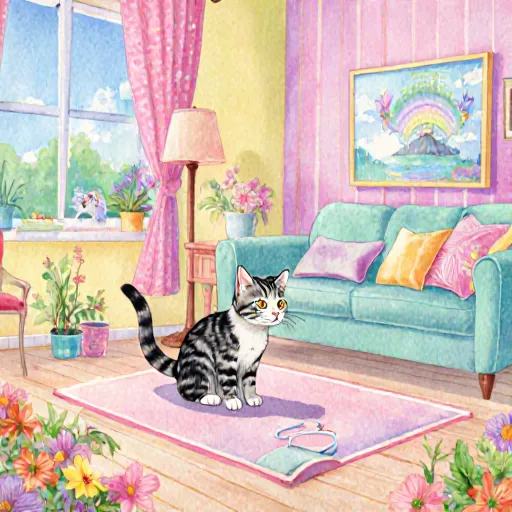
Master litter training with these 3-day tips for your kitten.
How to Litter Train a Kitten in 3 Days
Table of Contents
- Choosing the Right Litter Box for Your Kitten
- Introducing the Litter Box to Your Kitten
- Creating a Routine and Consistency
- Supervising Your Kitten During Training
- Rewarding Good Behavior with Treats
- Identifying and Correcting Mistakes Gently
- Keeping the Litter Box Clean at All Times
- Gradually Increasing Training Time
- Introducing New Surfaces and Scents Gradually
- Handling Outdoor Accidents Properly
- Encouraging Positive Experiences with the Litter Box
- Understanding Your Kitten's Signals and Needs
- Adjusting to Different Situations and Locations
- The Importance of Patience in Litter Training
- Conclusion: Consistency is Key
- FAQs About Litter Training Your Kitten
Choosing the Right Litter Box for Your Kitten
When it comes to litter training a kitten, selecting the right litter box is crucial. A well-chosen litter box can greatly influence your kitten's potty habits and overall comfort during the training process. In this section, we will explore various factors to consider when choosing a litter box for your kitten and how it can facilitate the successful litter training in just 3 days.
Factors to Consider
- Size: Kittens are smaller than adult cats, so choose a litter box that is not too big for them. A box that is too large may discourage your kitten from using it because they feel overwhelmed.
- Material and Design: Opt for a litter box made of non-slip material to ensure stability and safety. Some boxes come with an elevated edge, which can be helpful if you have multiple cats or kittens that need to share the same box.
- Cover Option (Optional): If your kitten feels shy or needs encouragement, a covered litter box can provide a sense of security and privacy. This might help them feel more comfortable using the litter box early on in the training process.
Practical Advice for Training with the Right Litter Box
To successfully train your kitten to use the litter box, it's important that both you and the litter box are easy for them to access. Here’s how a well-chosen litter box can assist in this process:
- Place It in the Right Location: Ensure the litter box is placed away from high-traffic areas and noisy environments, as these can stress your kitten. A quiet space where they feel safe will make it easier for them to use the litter box.
- Regular Cleaning: Keep the litter box clean at all times. Kittens are fastidious creatures and prefer a clean environment. Replace the litter regularly and scoop out waste daily, especially if using clumping litter.
- Use Appropriate Litter: Choose a litter that is appropriate for kittens, as they have sensitive noses and can be easily discouraged by strong odors or irritating materials. Fine-grained litters are usually better suited for smaller kittens because they can step on them more easily.
Examples of Suitable Litter Boxes
Here are a few examples of litter boxes that cater well to the needs of kittens:
- Nordic Naturals Pet Bed & Litter Box Set: This set includes a large bed and a small litter box, making it perfect for a growing kitten. The elevated edge provides safety while still allowing your kitten easy access.
- PetSafe Scoop Away Litter Box: This compact litter box is ideal for smaller spaces or multiple pets. It’s easy to clean and has an automatic lid that can be adjusted based on the size of the cat using it.
- Dr. Beck's Clear View Litter Box: With its clear front, this litter box allows you to monitor your kitten’s behavior easily while keeping them comfortable. It comes in various sizes suitable for different stages of growth.
By choosing the right litter box and setting up a conducive environment, you can significantly aid in the successful litter training process within just 3 days. Remember that consistency is key, but with the appropriate tools and guidance, your kitten will learn to use the litter box effectively and efficiently.
Introducing the Litter Box to Your Kitten
When you bring your new kitten home, it's essential to introduce them to their litter box properly. This process is a crucial step in ensuring that your kitten learns and understands where they should go to the bathroom. Proper introduction of the litter box can help prevent accidents inside the house and make your kitten’s transition into their new home easier.
Step 1: Choosing the Right Litter Box
The first step is selecting a suitable litter box for your kitten. Kittens are usually small, so a shallow box with low sides works best. This allows them to easily climb in and out. The litter box should be placed in a quiet area of the home where your kitten can feel safe while using it.
It's important to choose a litter box made from non-toxic materials that are easy for kittens to use. Avoid using any scented litters or deodorizers, as these can be overwhelming and intimidating for a small kitten.
Step 2: Positioning the Litter Box
The location of the litter box is crucial in encouraging your kitten to use it. Place the litter box in a quiet area that is easily accessible but not too close to their sleeping area. Kittens are naturally drawn towards the scent of their mother, so placing the litter box near where they sleep can help them associate this space with bathroom activities.
It's also important to avoid moving the litter box frequently. Cats and kittens have a natural instinct for consistency. Frequent changes in location or type of litter can confuse your kitten and delay the training process.
Step 3: Encouraging Your Kitten to Use the Litter Box
To encourage your kitten to use the litter box, it's essential to introduce them gradually. Place a small amount of their urine or stool in the litter box shortly after they have used the toilet or when you notice signs that they are about to urinate or defecate.
Be patient and consistent with this process. Kittens can be unpredictable at first, but over time they will start to associate the litter box with bathroom activities. It’s important not to punish your kitten if they make a mistake; instead, clean up any accidents promptly and calmly, then try again later.
Practical Tips for Successful Litter Training
Provide multiple litter boxes in different areas of the home, especially if you have more than one kitten. This ensures that there is always an option nearby.
Clean the litter box regularly to maintain hygiene and encourage your kitten to use it.
Consider using unscented litters or plain clay litters until your kitten is fully trained. Once they are consistently using the litter box, you can introduce a scented litter if desired.
Additional Considerations for Kittens Under 12 Weeks Old
Kittens under 12 weeks old should have access to their litter box at all times. They are not fully trained yet and may need to go to the bathroom more frequently. It's important to watch your kitten closely during this period and take them to the litter box when you notice signs of needing to go.
For older kittens, training can be completed in 3 days with consistent use and positive reinforcement, as outlined in "How to Litter Train a Kitten in 3 Days." This method emphasizes consistency and timing, ensuring that your kitten learns where they should go at all times.
By following these steps and tips, you will help your kitten become properly litter trained in no time. Remember, patience is key when introducing the litter box to your kitten, as this process takes time and consistent effort on your part.
Creating a Routine and Consistency
Litter training your kitten is an essential step towards ensuring a clean, healthy environment. By following a structured routine and maintaining consistency, you can help your kitten learn where to go potty quickly and effectively. Here's how to do it:
Day 1: Setting the Stage
The first day of litter training is all about setting up the right conditions for success. Place the litter box in a quiet, easily accessible location where your kitten can find it without difficulty. Kittens are naturally clean animals and will likely dig at the litter if you provide one. Make sure the box is large enough so that the kitten can comfortably turn around inside.
- Choose the Right Litter: Opt for a clumping litter as it is easier to scoop out and clean, which will help keep your kitten interested in using the box. Avoid scented litters; kittens are sensitive to strong smells.
- Place the Box: Put the box in an area where you see the kitten spending a lot of time. This could be near its food and water bowls or sleeping spot, but not so close that it feels trapped.
Day 2: Encouraging Use
On the second day, start encouraging your kitten to use the litter box by gently guiding it into the box when you notice signs of needing to go. Kittens are naturally drawn to the scent and feel of their waste after a few days, so they should catch on quickly.
- Watch for Signs: Watch your kitten closely for signs that it needs to potty, such as pacing near its current spot or squatting. When you see these behaviors, immediately take the kitten to the litter box and wait a few minutes before leaving them alone.
- Praise and Reward: Keep calm during the training process but offer gentle praise when your kitten successfully uses the litter box. This positive reinforcement will help it associate using the box with good behavior.
Day 3: Consistency is Key
The final day of your three-day training period should focus on reinforcing the behaviors you've already established and ensuring that your kitten continues to use the litter box. By now, it should be comfortable with its new routine.
- Consistency: Stick to a regular feeding schedule and take your kitten outside the litter box after meals or playtime. Consistency will help your kitten learn when it's time to potty.
- Regular Cleaning: Clean the litter box daily, scooping out soiled material and washing it with mild soap. This helps keep the area hygienic and pleasant for both you and your kitten.
By following these steps over three days, you'll establish a strong routine that will make litter training a breeze. Remember, consistency is key to successful training. Stay patient and positive, and soon enough, your kitten will be using the litter box like a pro!
Supervising Your Kitten During Training
Supervising your kitten during litter training is crucial for ensuring success. While the goal is to litter train a kitten in just 3 days, it's important to note that every kitten is different and may require individual attention. Here are some practical tips on how to effectively supervise your kitten throughout this process.
Set Up the Litter Box
The first step in supervising your kitten during training is setting up a suitable litter box. Choose a small, low-sided box for easier access and visibility. Use unscented litter that's free of clumping or deodorizing agents to help your kitten recognize it as a natural place to eliminate. Place the litter box in a quiet area away from noisy household activities.
Establish a Routine
Consistency is key when supervising your kitten during training. Kittens have small bladders, so frequent trips to the litter box are necessary. Establish a routine where you take your kitten to the litter box first thing in the morning and every few hours throughout the day. This helps build a habit of using it immediately after waking up or eating.
Positive Reinforcement
Supervision also involves encouraging good behavior through positive reinforcement. Praise your kitten when it uses the litter box correctly, but avoid overdoing it to prevent overwhelming your pet. You can use treats as a reward for proper behavior, ensuring that your kitten associates using the litter box with something enjoyable.
Stay Observant
Supervising closely involves staying observant of your kitten's behaviors and signals. Kittens may not always indicate they need to go immediately, but you can learn to recognize their signs, such as pacing near the litter box or circling around the area where it usually eliminates. By being attentive, you can catch these moments and take action promptly.
Be Patient and Persistent
Litter training a kitten is a process that requires patience and persistence. Supervision plays an integral role in this journey. If your kitten doesn't understand right away or has accidents outside the litter box, remain calm and consistent. Clean up accidents with a mixture of water and vinegar to eliminate any lingering odors that might encourage your kitten to return to the same spot.
Encourage Exploration
Supervising also means encouraging your kitten's natural curiosity. Provide them with safe spaces, toys, and activities that keep them engaged and mentally stimulated. A happy and active kitten is less likely to engage in destructive behaviors like chewing or scratching when it’s not potty training.
Conclusion
Supervising your kitten during litter training involves setting up the right environment, establishing a routine, using positive reinforcement, staying observant, being patient, and encouraging exploration. By following these steps, you can facilitate the process of teaching your kitten to use the litter box effectively in just 3 days.
Rewarding Good Behavior with Treats
In much the same way that rewarding good behavior is crucial during the process of litter training a kitten, positive reinforcement can play a pivotal role in shaping your cat's behavior in various aspects of life. Just as kittens need encouragement to use the litter box correctly, they also benefit from learning appropriate behaviors through treats and praise.
Positive reinforcement involves providing something rewarding after a desired action has been performed by your cat. This encourages them to repeat that behavior in the future. For instance, if you want your kitten to use the litter box properly, praising or giving treats when they do so is an effective form of positive reinforcement.
Examples and Practical Advice
- Timing: It's essential to reward your kitten immediately after they demonstrate good behavior. This helps associate the treat or praise with the specific action, making it easier for them to understand what is expected of them.
- Type of Treats: Cats enjoy various types of treats, but it's important to choose those that are small enough not to cause an upset stomach and healthy enough to contribute positively to their diet. Dry kibble, soft biscuits, or even pieces of cooked chicken can be effective.
- Praise and Affection: While treats are a great motivator, verbal praise and affection from you can also reinforce good behavior. Combine these elements for optimal results.
When training your kitten to use the litter box correctly, follow these steps:
- Consistency is Key: Take your kitten to the litter box at regular intervals and encourage them to go there by using a treat or saying a specific word.
- Praise and Reward Promptly: As soon as they use the litter box correctly, offer immediate praise and perhaps a small treat. This positive reinforcement will help your kitten understand what is expected of them.
- Consistent Litter Box Location: Place the litter box in a quiet area where your cat feels safe. Consistency in location helps in reinforcing the behavior over time.
By applying these principles consistently, you can effectively encourage your kitten to develop good behaviors and avoid problematic ones such as inappropriate toileting outside the litter box.
Identifying and Correcting Mistakes Gently
Just as how you would approach litter training a kitten, identifying and correcting mistakes gently is crucial for maintaining harmony within your WordPress blog. The goal isn’t to impose strict rules but to guide users towards positive behavior that enhances the overall experience of visiting your site.
Understanding Mistakes
First, it's important to understand what mistakes might look like in a WordPress context. These can range from simple errors such as leaving comments with inappropriate language or not following community guidelines, to more complex issues like spamming your blog’s comment section or violating user privacy policies.
Setting Clear Expectations
Before you start correcting mistakes, it's essential to set clear expectations. Just as a kitten needs consistent guidance and understanding from its caretakers, users of your WordPress blog need to know what is expected of them. Clearly outline the community guidelines and rules in an easily accessible location on your site.
Approaching Mistakes Gently
When a mistake is identified, the approach should be gentle but firm. Much like how you would calmly explain to a kitten that it’s not allowed to jump on the kitchen counter, you need to provide clear and kind explanations of why certain actions are inappropriate.
Examples
- Mistake: Posting comments with offensive language. Gentle Correction: "We value respectful communication on our blog. Could you please revise your comment to be more courteous?"
- Mistake: Repeated spamming of the comment section. Gentle Correction: "It seems like there might have been a misunderstanding about how we handle comments here. Let's ensure it doesn't happen again."
Taking Action
After providing gentle corrections, monitor the situation to see if the user has made improvements. If necessary, escalate the issue in a polite and professional manner. Always maintain a tone of understanding and empathy, which can help prevent the user from feeling attacked or discouraged.
Encouraging Positive Behavior
Just as rewarding a kitten for successfully using the litter box encourages it to continue good behavior, acknowledging users who follow your guidelines can reinforce positive actions. Publicly praising well-behaved users not only reinforces their good habits but also sets an example for others.
Conclusion
By identifying and correcting mistakes gently, you create a welcoming environment on your WordPress blog that encourages long-term engagement and positive user interactions. It's all about fostering a space where users feel valued and supported in their efforts to contribute positively.
Keeping the Litter Box Clean at All Times
Keeping your kitten's litter box clean at all times is crucial for their health and well-being, much like ensuring that a newly litter-trained kitten maintains proper bathroom habits. The cleanliness of the litter box directly influences how often your kitten will use it correctly, thus preventing accidents in the house.
The importance of maintaining a clean litter box cannot be overstated. If left uncleaned, the box can quickly become a breeding ground for bacteria and parasites, which can lead to health issues not only for your kitten but also for you as their caregiver. Regular cleaning helps in preventing these problems.
Frequency of Cleaning
For kittens who are still learning to use the litter box, it's recommended to clean the box at least twice a day. This frequency ensures that your kitten gets used to using a clean and fresh environment every time they need to relieve themselves. As your kitten becomes more accustomed to going in the box, you can gradually reduce the cleaning frequency but should still aim for daily or even multiple times a day if necessary.
Practical Tips
- Remove Soiled Litter: Whenever you notice that the litter is soiled or there are any clumps, it's time to remove them. This not only keeps the box cleaner but also reduces the risk of your kitten developing bad habits.
- Use Appropriate Cleaning Products: Use pet-safe cleaning solutions when cleaning the litter box. Avoid harsh chemicals that can be harmful to both you and your pet.
- Rinse Regularly: After removing soiled litter, rinse the box thoroughly with water to eliminate any lingering odors or residues.
- Change Litter Completely: Depending on how frequently you clean, it might be necessary to change out all of the litter completely every few days. This step is essential in maintaining a fresh and inviting environment for your kitten.
Encouraging Proper Use
Maintaining a clean litter box is more than just about hygiene; it's also about encouraging your kitten to use the box correctly. By cleaning it at all times, you're reinforcing that this is where they should go when they need to relieve themselves. This consistency helps in preventing accidents and ensures that your kitten understands what behavior is expected of them.
Additional Considerations
If you have multiple kittens or are just starting the litter training process, consider getting a larger litter box with higher sides. This can make it easier for your kitten to learn where they should go and prevent accidents in other areas of your home.
By keeping the litter box clean at all times, not only will you be fostering a healthier environment for your kitten, but you'll also be setting up a routine that promotes good hygiene practices. Remember, consistency is key when it comes to litter training and maintaining cleanliness in the litter box.
Gradually Increasing Training Time
Just like how you would gradually increase the time a kitten spends outside of its litter box, training a new cat to use the litter box properly involves careful steps. Here’s how you can do it effectively:
1. Start with Short Sessions
Begin by spending just 5-10 minutes each day in front of the litter box with your cat. Encourage them to use the litter box by gently placing their paws on the litter and guiding them into position. This helps them associate this area with elimination.
2. Increase Time Gradually
As they become more comfortable, gradually increase the time spent together in front of the litter box. For instance, start at 5 minutes on the first day and increase it by 10 minutes each subsequent day until you reach your desired training duration.
3. Consistency is Key
The most critical aspect of this process is consistency. Cats thrive in routine environments; therefore, stick to the same time every day for litter box training sessions. This helps establish a pattern that they will eventually follow naturally.
4. Positive Reinforcement
Use positive reinforcement techniques such as treats or praise whenever your cat successfully uses the litter box during these sessions. Over time, this will encourage them to continue using it consistently.
5. Monitor Progress and Adjust
Cats may not learn at the same pace, so monitor their progress closely. If you notice any signs of discomfort or stress (e.g., hiding from litter box sessions), adjust your approach by reducing the duration of training times until they feel more comfortable.
6. Create a Comfortable Environment
Ensure that the litter box is in an easily accessible location and use soft, absorbent litter to make it inviting for your cat. A clean, quiet space without distractions can help reduce anxiety and encourage successful training sessions.
7. Patience is Essential
Remember, just like with a kitten, patience is essential in training an adult cat. Some cats might grasp the concept quickly while others may take longer to adjust. Be patient throughout this process and celebrate each small victory along the way.
8. Seek Professional Help When Needed
If after following these steps your cat continues to have issues with litter box use, consider seeking professional advice from a veterinarian or animal behaviorist who can provide personalized guidance based on specific circumstances.
Introducing New Surfaces and Scents Gradually
Just as introducing new litter and potty training a kitten can be challenging, gradually introducing new surfaces and scents into your home or garden is crucial for maintaining harmony and comfort. Whether you're adding a new flooring material to your living space or exploring fragrances that enhance your environment, the process should be done thoughtfully and methodically.
Introducing new surfaces and scents gradually ensures minimal disruption for both you and your pets. Kittens, in particular, need time to acclimate to changes in their environment. Similarly, when introducing something new into your home or garden, it's important to allow everyone to adjust at their own pace.
- Identify the Change: Determine what you're introducing into your environment. It could be a new type of flooring, furniture, or even a different scent for your space.
- Start Small: Begin with a small area to introduce the new element. For example, if adding a new carpet, start by placing it in one room and observe how everyone interacts with it.
- Observe Behavior: Pay close attention to your pets' or family members' reactions. Note any signs of discomfort or stress that might indicate the change is too abrupt.
- Gradually Expand Use: Once you've observed positive interactions, slowly expand the use of the new surface across different areas of your home.
- Select the Scent: Choose a scent that aligns with the environment you're aiming to create. For instance, a fresh scent for your kitchen or a more calming aroma for your bedroom.
- Test the Fragrance: Before full implementation, test the fragrance in a small space like a corner of the room. Observe if there are any adverse reactions.
- Increase Exposure Gradually: Start with light exposure to the scent and gradually increase it over time. This allows everyone to adapt without feeling overwhelmed.
- Monitor Feedback: Keep an eye on how the environment feels after introducing new scents. Make adjustments as needed based on feedback from yourself, pets, or family members.
- Create a Routine: Establishing a routine around the use of new surfaces or scents can help everyone adjust more easily. For example, using a specific fragrance every evening to create a calming atmosphere.
- Mix Old and New: Blend old and new elements until you're fully comfortable with the change. This gradual mixture helps in creating a seamless transition.
- Be Patient: Change is never easy, especially for living beings that are used to certain conditions. Patience is key when introducing new elements into your environment.
By following these steps and tips, you can successfully introduce new surfaces and scents gradually, creating a welcoming and comfortable space for everyone involved. Just as with litter training a kitten in three days, the process requires careful planning and execution to ensure a successful transition.
Handling Outdoor Accidents Properly
Handling outdoor accidents properly is crucial for maintaining a clean and healthy environment, especially when dealing with pets. Just as you would litter train a kitten in 3 days with patience and consistency, managing outdoor accidents requires similar attention to detail and persistence. Here are some practical steps and tips:
When it comes to training a kitten, the process is all about creating associations and providing guidance. Similarly, teaching your pet to use an outdoor space responsibly involves establishing clear boundaries and expectations.
Step 1: Establishing Routine and Supervision
For both indoor litter training and outdoor potty training, setting up a routine is key. Kittens need supervision during the day, so you can guide them to their litter box regularly. In the same vein, if your pet uses an outdoor space, it's important to supervise their activities. This helps in recognizing patterns and providing immediate feedback.
Step 2: Positive Reinforcement
Positive reinforcement is a powerful tool that works wonders for both litter training and teaching pets about outdoor spaces. When your kitten uses the litter box correctly, praise them or offer a small treat. Conversely, if you catch your pet in an indoor accident, calmly clean up the mess without punishing them harshly.
For outdoor accidents, ensure that there is a designated area for your pet to use outside. Praise and reward your pet when they use this space correctly. This reinforces good behavior and builds trust between you and your pet.
Step 3: Consistency is Key
Consistency in routines, training methods, and expectations ensures that both indoor litter box users and outdoor potty users learn effectively. Kittens need a consistent routine to understand what's expected of them. Similarly, your pet must be consistent in their behavior when using the outdoors.
Additional Tips
- Outdoor Space Setup: If you're training your pet for outdoor use, consider setting up a small, enclosed space with a specific area for them to relieve themselves. This mimics the controlled environment of an indoor litter box.
- Weather Considerations: Just as kittens can be sensitive to extremes in temperature and humidity, so too can your pet. Ensure that their outdoor potty spot is weather-appropriate, whether it's warm and sunny or cold and rainy.
- Patience: Much like litter training a kitten, teaching pets about outdoor spaces requires patience. Some pets may take longer to understand the concept, so be patient and consistent in your approach.
In conclusion, handling outdoor accidents properly involves creating a routine, using positive reinforcement, and maintaining consistency. By applying these principles consistently, you can help your pet learn to use outdoor spaces responsibly, just as you would with indoor litter training for a kitten.
Encouraging Positive Experiences with the Litter Box
Encouraging positive experiences with the litter box is crucial for establishing healthy bathroom habits in your kitten. This process, much like how to litter train a kitten in 3 days, involves consistency, patience, and understanding. Here are some detailed steps and practical tips that will help make this experience as comfortable and rewarding as possible for both you and your kitten.
The first step in encouraging positive experiences with the litter box is setting up an inviting space. Choose a quiet, private area where your kitten can feel secure while using the litter box. The location should be easily accessible yet out of the way so that it doesn't interfere too much with everyday activities.
Selecting the appropriate type of litter is another key factor in training your kitten successfully. Opt for unscented litters as kittens can be sensitive to strong odors and perfumes, which may deter them from using the box. Fine-grained sand-like litters are often recommended because they are similar to outdoor soil and can help kittens understand where they should eliminate.
To create positive associations with the litter box, it’s important to introduce your kitten gently but consistently. Place them in the litter box after meals or play sessions when they’re likely to need to go. Praise and gentle petting can reinforce good behavior. Be patient; kittens may take time to understand what you want.
Consistency in your approach will greatly contribute to the success of litter training. Establish a routine that includes regular feedings, playtime, and trips to the litter box at specific intervals. Kittens, like most animals, thrive on routines which can make them more predictable and easier to train.
If your kitten has an accident outside of the litter box, handle it calmly without punishment or scolding. Instead, clean up any messes thoroughly using an enzyme-based cleaner designed for pet accidents, as urine odors can linger and discourage your kitten from returning to the litter box.
When your kitten successfully uses the litter box, provide immediate positive reinforcement. This could be in the form of praise, a favorite treat, or gentle petting. The goal is to associate good behavior with pleasant experiences, thereby encouraging them to continue using the litter box.
If your kitten seems reluctant or continues to have accidents, consider consulting a veterinarian. Health issues like urinary tract infections can cause discomfort and lead to inappropriate elimination behaviors. Additionally, sometimes behavioral problems need expert advice from a professional trainer.
By creating an inviting environment, selecting the right litter, encouraging positive associations, maintaining consistency, handling accidents gracefully, and providing reinforcement, you set your kitten on the path to successful litter box training. This process mirrors how to litter train a kitten in 3 days by focusing on small, consistent steps that gradually build into reliable bathroom habits.
Understanding Your Kitten's Signals and Needs
To effectively litter train a kitten, it is crucial to understand their signals and needs. Kittens communicate in various ways, and recognizing these signals can help you provide the right environment and care for your new pet.
Observing Body Language
Kittens often exhibit certain behaviors when they need to use the litter box. Understanding their body language can prevent accidents and ensure successful training. Here are some common signals:
- Pawing at the Litter Box: This is one of the clearest signals that your kitten needs to go. Encourage them by placing them in the litter box when they exhibit this behavior.
- Tail Twitching or Wagging: A tail that is moving rapidly might indicate excitement, but it can also signal a need to use the toilet if accompanied by other signals like circling.
- Circling and Pacing: Kittens may circle around the house or litter box before they eliminate. This behavior indicates that they are about to go.
- Breathing Heavily: A kitten breathing heavily can sometimes indicate they need to relieve themselves, especially if it’s paired with other signals like circling or pawing at a spot.
Creating the Right Environment
The environment plays a significant role in your kitten's training. Providing them with the right setup can make the process smoother and more successful:
- Select an Appropriate Litter Box: Choose a litter box that is large enough for your kitten to comfortably turn around, jump into, and dig in. For small kittens, a low-sided box might be ideal.
- Place the Litter Box Properly: Place the litter box in a quiet area where your kitten can go without distractions. Avoid placing it near their food or water to reduce the likelihood of accidents.
- Clean the Litter Box Regularly: Clean the litter box daily and thoroughly clean it once a week. A dirty litter box can discourage your kitten from using it properly.
Prompting and Reinforcing Good Behavior
To train your kitten effectively, you need to be prompt and consistent in reinforcing good behavior:
- Use a Litter Box Timer: Set reminders every few hours to take your kitten to the litter box. This helps them establish a routine.
- Praise and Treats: Reward your kitten with praise and treats when they use the litter box correctly. Positive reinforcement is key in training kittens.
- Be Patient: Every kitten is different, so be patient and consistent. Some may take longer to learn than others.
Consistency is Key
Consistency in your approach will greatly improve the training process:
- Establish a Routine: Kittens thrive on routine. Establishing a consistent schedule for feeding, playtime, and litter box visits helps them learn and adjust more quickly.
- Avoid Punishment: Never punish your kitten for accidents. Instead, clean the mess thoroughly and redirect their attention to the litter box.
By understanding your kitten's signals and needs, you can create an environment that promotes successful litter training in just 3 days or less. With patience, consistency, and positive reinforcement, you'll have a well-trained kitten in no time!
Adjusting to Different Situations and Locations
In much the same way that you would approach litter training a kitten, adjusting to different situations and locations requires a structured yet flexible plan. Just as you establish a routine with your new kitten, understanding how to adapt your blog content for various contexts can significantly enhance its impact.
Setting Up the Environment
Similar to setting up a clean, accessible litter box in a quiet corner of your home, preparing your blog's environment involves choosing the right tools and platforms. For instance, if you're moving from a simple personal blog to a more professional WordPress site, ensure that all necessary plugins and themes are ready for use.
Creating a Routine
Just as you create a daily schedule for your kitten’s litter training sessions, establish consistent posting times on your blog. Consistency helps build trust with your audience and ensures they know when to expect new content from you.
Observation and Flexibility
Litter training requires close observation of the kitten's behavior. Similarly, for a blog, being attentive to what resonates most with your readers can help guide content creation. If certain topics or formats receive more engagement, consider focusing on those areas.
Training in Different Locations
Just as you would introduce your kitten to different rooms and spaces gradually, expanding the scope of your blog might involve introducing new sections or categories. For example, if you start with lifestyle content, branching out into travel or tech blogs can attract a broader audience.
Patient and Persistent
Finally, like litter training, adjusting to different situations and locations isn’t always immediate. It requires patience and persistence. Be prepared for some setbacks, but keep refining your approach until you find the right fit for both your blog and its audience.
Practical Advice
- Start with a Plan: Just as you would have an initial plan for litter training, outline what you want to achieve with your blog in different locations or situations. This could be expanding into new niches, launching a podcast, or integrating video content.
- Test and Adjust: Like testing the kitten’s reaction to the litter box, experiment with different approaches until you find what works best for both you and your audience.
- Leverage Feedback: Just as you would observe and learn from your kitten's behavior, use feedback from readers and analytics tools to refine your content strategy.
In summary, adjusting to different situations and locations is an ongoing process that requires careful planning, observation, and flexibility. By following these steps, you can successfully adapt your blog to various contexts and continue growing as a writer.
The Importance of Patience in Litter Training
The importance of patience in litter training cannot be overstressed, especially when tackling the task of how to litter train a kitten in just 3 days. Patience is key because every kitten is unique and they learn at their own pace. Rushing the process can lead to frustration for both you and your new pet.
Patience allows you to observe and understand your kitten’s behavior closely. Kittens are curious creatures, and they learn through exploration. When starting the litter training process, it is crucial to be patient as you introduce them to their new environment. Ensure that the litter box is easily accessible and in a quiet spot away from any noisy or busy areas.
Consistency is one of the most important aspects of training, and this applies equally to patience. You must remain consistent with your routine, such as taking the kitten to the litter box at regular intervals every day. This consistency helps reinforce positive behavior and reduces the chances of accidents outside the box.
Using positive reinforcement can be an effective tool when training kittens. When your kitten uses the litter box correctly, praise them or give a small treat as a reward. This not only encourages good behavior but also strengthens the bond between you and your pet.
Despite your best efforts, there may be setbacks in the litter training process. Patience is essential during these times as well. If your kitten has an accident outside of the litter box, do not scold them. Instead, clean up any mess promptly and return the kitten to the litter box. This approach teaches the kitten where they should relieve themselves without causing stress or anxiety.
- Be Patient with Accidents: Accidents will happen, especially during the initial stages of training. Stay calm and clean up accidents immediately.
- Pick Up and Place Gently: When you take your kitten to the litter box, pick them up gently and place them on top of it without forcing or rushing them.
- Create a Routine: Establish a daily routine that includes trips to the litter box at regular intervals. This helps the kitten learn when it's time to go.
In conclusion, patience is essential in the process of how to litter train a kitten in just 3 days. By being patient and consistent with your training methods, you can ensure that your kitten learns correctly and enjoys the process. Remember, every kitten is different, so it’s important to adapt your approach based on their individual needs.
Conclusion: Consistency is Key
Consistency is Key
When it comes to how to litter train a kitten in just three days, consistency plays an incredibly pivotal role. Consistency helps set clear boundaries and expectations for your little feline friend, ensuring that the training process goes smoothly and effectively.
Establishing a Routine: Starting from day one of beginning the training, it's essential to establish a routine. Kittens are creatures of habit, and setting a consistent time each day for litter box use can help them learn where their bathroom should be. For example, take your kitten to the litter box immediately after meals or when they wake up in the morning. This helps create a pattern that the kitten will soon recognize.
Positive Reinforcement: Positive reinforcement is another cornerstone of consistent training. When your kitten uses the litter box correctly, reward them with praise, petting, or even a small treat if they are receptive to such incentives. This positive feedback helps reinforce good behavior and encourages them to repeat it.
Patience: Consistency also means being patient. Kittens, like children, learn at their own pace. Some might catch on quickly while others may take a bit longer. It's important not to get discouraged if your kitten isn't perfect right away. With consistent efforts and care, they will eventually pick up the habit.
Environmental Factors: Ensuring that the litter box is easily accessible and clean can also contribute greatly to consistency in training. Place the litter box in a quiet area where your kitten feels comfortable going to the bathroom without distractions or disturbances. Keeping the litter box clean, scooping it regularly, and changing the litter frequently are all crucial steps towards maintaining hygiene and encouraging use of the box.
Consistency with Supervision: Kittens need close supervision during this training period to ensure they learn the right behavior. By being present during their bathroom breaks, you can guide them into the correct position in the litter box. Over time, your presence will no longer be necessary as your kitten internalizes the habit.
In conclusion, consistency is key when litter training a kitten in just three days. By establishing routines, using positive reinforcement, maintaining patience, considering environmental factors, and providing close supervision, you can ensure that your kitten learns and adopts the correct bathroom habits efficiently and effectively.
FAQs About Litter Training Your Kitten
Frequently Asked Questions
Q: When should I start litter training my kitten?
Litter training can begin as early as 4 weeks of age, but many kittens will not be fully toilet trained until they are about 6 months old. It's important to introduce your kitten to the litter box consistently from a young age so that it understands where to go.
Q: What type of litter should I use?
The best type of litter for kittens is unscented, clumping litter. Avoid litters with strong scents or additives as these can be overwhelming for a kitten. A fine-grained litter can also be problematic since it could cause the kitten to ingest some accidentally.
Q: How many times should I check on my kitten?
For kittens, you'll need to monitor their bathroom habits frequently. Kittens generally need to go potty after eating, waking up from a nap, or if they’ve played for an extended period. You might need to take your kitten to the litter box every 1-2 hours during the day and more frequently at night.
Q: What should I do if my kitten doesn't use the litter box?
If your kitten is not using the litter box, try moving it closer to where they sleep or play. Some kittens prefer different types of litter boxes such as having a lower entry for easier access, or they may prefer uncovered over covered boxes. Consistency and patience are key; if accidents occur, avoid scolding the kitten but instead clean up any mess immediately with an enzyme cleaner to remove all odors.
Q: How do I make sure my kitten stays litter trained?
To keep your kitten trained, maintain a routine and consistency. Provide easy access to the litter box at all times (ideally within 2-3 feet of their sleeping area). Clean the litter box regularly, at least once or twice daily for very young kittens, to ensure it stays inviting.
Q: What if my kitten has an accident outside the litter box?
If your kitten has an accident, clean up any mess thoroughly using a good enzyme cleaner. Scolding or punishing them can be counterproductive and may make your kitten fearful of their own bathroom area. Instead, place the kitten in front of the litter box immediately after an accident to reinforce that this is where they should go.
Q: How long will it take for my kitten to learn?
Litter training can be a process that takes several days to weeks. Using positive reinforcement, such as rewarding your kitten with treats and praise when they use the litter box correctly, can help speed up this process.
Q: What if my kitten is having trouble adjusting?
If you find that your kitten is still having difficulty after a few days, it might be worth considering whether you have made any changes to their routine or environment. Sometimes, moving house, a new pet, or other stressors can affect how well they are learning.
Additional Tips for Litter Training in 3 Days
1. Establish a Routine: Kittens thrive on routine; make sure to take them to the litter box at regular intervals, especially after eating or playing.
2. Positive Reinforcement: When your kitten uses the litter box correctly, reward them with treats and praise to reinforce good behavior.
3. Clean Accidents Promptly: If there is an accident, clean it thoroughly with an enzyme cleaner and return the kitten to the litter box immediately.
4. Monitor Their Sleep Schedule: Kittens often wake up during the night to eat or play, which is when they might need to go potty. Ensure their litter box is easily accessible in the middle of the night so you can catch them quickly.
5. Keep the Litter Box Clean: A clean and inviting litter box will encourage your kitten to use it correctly. Scoop out waste daily, and thoroughly clean the box with soap and water once a week or more often if necessary.
Categories
- AI & Enrichment Play
- Broiler Farming
- Broiler Farming Tips
- Canine Wellness & Longevity
- Cat
- Cat & Human Connection
- Cat Adoption & Rescue
- Cat Breeds
- Cat Breeds & Personalities
- Cat Care & Health
- Cat Grooming & Hygiene
- Cat Lifestyle & Environment
- Cat Myths & History
- Cat Nutrition & Diet
- Cat Products & Reviews
- Cat Training & Behavior
- Comparison
- Consumer Awareness
- Dog
- Dog Accessories & Products
- Dog Adoption & Rescue
- Dog Breed & Lifestyle Trends
- Dog Breeding & Puppies
- Dog Entertainment & Media
- Dog Fashion & Trends
- Dog Fun & Lifestyle
- Dog Grooming & Hygiene
- Dog History & Culture
- Dog Myths, Science & Future Tech
- Dog News & Trends
- Dog Nutrition & Food
- Dog Psychology & Emotions
- Dog Safety & Security
- Dog Sports & Activities
- Dog Technology & Innovation
- Dog Training for Modern Owners
- Dog Travel & Adventure
- Dog Travel, Adventure & Culture
- Economic and Market Insights
- Educational Content
- FAQs
- Feeding Alternatives
- Festivals & Seasonal Ideas
- Fun & Entertainment
- General Knowledge
- General Pig Farming
- Health & Disease Management
- Housing and Environment
- Kittens
- Market Insights
- Miscellaneous
- Miscellaneous
- Motivational
- pig
- Pig Breeding
- Pig Breeds
- Pig Farming Stories and Inspiration
- Pig Health and Care
- Pig Nutrition
- Pig Products
- Profitability & Business
- Puppy Care
- Puppy Predictable Topics Reinvented
- Regional Focus
- Rescue & Adoption Buzz
- Senior Cats
- Senior Dog Care
- Smart Dog Tech & Gadgets
- Sustainability
- Sustainable & Eco-Friendly Dog Products
- Tech & Innovations
- Working & Service Dogs
- Broiler Feed66 products
- Country Feed33 products
- Pig Feed66 products
- Product22 products
- Raw Materials99 products
Products
-
 Fish Meal
₹1,999.00 – ₹2,999.00Price range: ₹1,999.00 through ₹2,999.00Rated 0 out of 5
Fish Meal
₹1,999.00 – ₹2,999.00Price range: ₹1,999.00 through ₹2,999.00Rated 0 out of 5 -
 FATTENING BROILER FEED
₹2,299.00 – ₹2,349.00Price range: ₹2,299.00 through ₹2,349.00Rated 0 out of 5
FATTENING BROILER FEED
₹2,299.00 – ₹2,349.00Price range: ₹2,299.00 through ₹2,349.00Rated 0 out of 5 -
 LAYER COUNTRY FEED
₹1,549.00 – ₹1,649.00Price range: ₹1,549.00 through ₹1,649.00Rated 0 out of 5
LAYER COUNTRY FEED
₹1,549.00 – ₹1,649.00Price range: ₹1,549.00 through ₹1,649.00Rated 0 out of 5 -
 COUNTER BROILER FEED
₹1,199.00 – ₹1,299.00Price range: ₹1,199.00 through ₹1,299.00Rated 0 out of 5
COUNTER BROILER FEED
₹1,199.00 – ₹1,299.00Price range: ₹1,199.00 through ₹1,299.00Rated 0 out of 5 -
 LACTATING PIG FEED
Rated 0 out of 5
LACTATING PIG FEED
Rated 0 out of 5₹2,299.00Original price was: ₹2,299.00.₹1,740.00Current price is: ₹1,740.00. -
 Maize
Rated 0 out of 5
Maize
Rated 0 out of 5₹1,650.00Original price was: ₹1,650.00.₹1,300.00Current price is: ₹1,300.00. -
 GESTATION PIG FEED (Phase 1)
Rated 0 out of 5
GESTATION PIG FEED (Phase 1)
Rated 0 out of 5₹2,249.00Original price was: ₹2,249.00.₹1,699.00Current price is: ₹1,699.00. -
 Pre Starter Broiler Feed
₹2,399.00 – ₹2,499.00Price range: ₹2,399.00 through ₹2,499.00Rated 0 out of 5
Pre Starter Broiler Feed
₹2,399.00 – ₹2,499.00Price range: ₹2,399.00 through ₹2,499.00Rated 0 out of 5 -
 FINISHER PIG FEED
Rated 0 out of 5
FINISHER PIG FEED
Rated 0 out of 5₹2,299.00Original price was: ₹2,299.00.₹1,749.00Current price is: ₹1,749.00. -
 Broiler Premix
Rated 0 out of 5
Broiler Premix
Rated 0 out of 5₹820.00Original price was: ₹820.00.₹699.00Current price is: ₹699.00.