
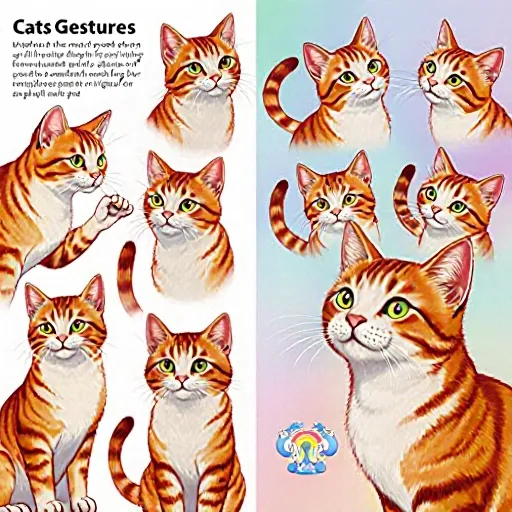
Decoding Feline Body Language for Cat Lovers
Unlocking the Secrets Behind a Cat’s Gestures
Table of Contents
- Understanding the Basics of Cat Body Language
- Ears and Their Meaning
- Tail as a Communicative Tool
- Pupils and Eye Contact
- Head Tilting for Attention
- Rubbing Against You (Bunting)
- Kneading with Paws
- Stretching and Yawning
- Spitting Out Grooming Hair
- Rubbing Face on Objects
- Approaching Slowly to Show Trust
- Hissing and Growling as Warning Signs
- Purring for Various Reasons
- Conclusion
- FAQ
Understanding the Basics of Cat Body Language
Understanding cat body language is crucial for anyone who shares their home with a feline companion. Cats communicate primarily through non-verbal cues, which can sometimes be subtle and easily overlooked by those unfamiliar with them. Here’s an in-depth look at the basics of cat body language:
Cats use their eyes and ears to express a range of emotions, from contentment to fear or aggression.
- Ears Forward: This position indicates curiosity, interest, and openness. If your cat’s ears are forward when you approach them, it can be interpreted as a sign that they feel safe and comfortable in your presence.
- Ears Back: When the ears are flattened against the head or pulled back, this is often a sign of stress, fear, or submission. In some cases, it could also indicate aggression.
The tail can tell you a lot about your cat's mood and feelings:
- High Tail: A puffed-up tail that is held high is often a sign of excitement, happiness, or confidence.
- Tail Between Legs: When the tail is tucked between your cat’s legs, it could mean fear, anxiety, or submission. This posture can also indicate a sense of vulnerability.
- Twitching Tail: A rapidly twitching tail usually indicates irritation, frustration, or aggression. It might be best to give your cat some space when they are in this state.
Cats’ eyes can convey a variety of emotions:
- Wide Eyes: Wide, dilated pupils can indicate fear or excitement. Narrowed pupils may reflect aggression or a heightened state of alertness.
- Glowing Eyes: The light reflection in your cat’s eyes is known as the "cat glow." This occurs when light hits their irises and makes them appear to shine. It can be a sign that they are feeling playful or relaxed.
Self-grooming in cats is normal, but certain behaviors might indicate underlying issues:
- Hair Pulling: If your cat begins to pull out their fur and ingest it, they may be dealing with stress or anxiety. This behavior can also lead to hairballs if not addressed.
- Fur Fluffing: Cats fluff up their fur when they are cold or anxious. Recognizing this can help you provide the necessary warmth or comfort your cat needs during such moments.
Approaching a cat in the wrong way can lead to stress and anxiety, but understanding their body language helps:
- Slow Movements: Approach your cat slowly and calmly. Quick movements might make them feel threatened.
- Respect Their Space: If a cat is showing signs of fear or aggression, it’s important to give them space until they are ready for interaction.
In conclusion, understanding the basics of cat body language can greatly enhance your relationship with your feline friend. By paying attention to these subtle cues, you can better understand their needs and provide the appropriate care and attention they deserve.
Ears and Their Meaning
Understanding cat body language is crucial for any cat owner or enthusiast. One of the most expressive parts of a cat’s body are their ears, which can provide valuable insights into your feline friend's emotional state. Here, we delve deeper into what different ear positions and movements might mean.
1. Erect Ears
Erect ears indicate that the cat is alert and curious. This position suggests that the cat is paying close attention to its surroundings or has detected something interesting, such as a sound or movement. Owners can use this moment to engage in playtime or grooming.
<img src="erect_ears.jpg" alt="Cat with erect ears">
2. Tilted Ears
When a cat tilts its head, it's often a sign of interest or confusion. This movement can help the cat focus on specific sounds and analyze them more closely. It might be trying to determine whether the sound is friendly or threatening.
<img src="tilted_ears.jpg" alt="Cat with tilted ears">
3. Flattened Ears
If a cat flattens its ears, it could be indicating fear, aggression, or frustration. This is a defensive posture and can occur when the cat feels threatened by a perceived danger, such as another animal or an unfamiliar environment. Owners should approach such cats with caution to avoid startling them.
<img src="flattened_ears.jpg" alt="Cat with flattened ears">
4. Slight Forward Ears
A cat might slightly lean its head forward and point the ears in one direction if it is interested in something specific, like a prey animal or another cat. This position can also indicate excitement, especially during playtime.
<img src="forward_ears.jpg" alt="Cat with forward ears">
5. Flattened and Tucked Back Ears
This is a more extreme defensive posture that indicates the cat feels extremely threatened or stressed. The flattened and tucked back position can also be seen when the cat is feeling physically overstimulated, such as in an overly noisy environment.
<img src="defensive_ears.jpg" alt="Cat with flattened and tucked ears">
Practical Advice for Owners
Understanding these ear movements can help owners respond appropriately to their cat's needs. If you notice your cat flattening its ears, it might be time to give them some space or a quieter environment. Conversely, when you see erect and forward ears, it’s an ideal time to engage in play or provide affection.
Conclusion
Cat's ear movements are key indicators of their emotional states, making them an essential part of cat body language. By paying attention to these subtle changes, owners can better understand and interact with their feline companions more effectively.
<img src="happy_cat.jpg" alt="Happy cat with ears perked up">
Tail as a Communicative Tool
The tail of a cat is one of its most expressive and important body parts when it comes to communication. Understanding the nuances of your cat's tail can significantly enhance your bond with them, helping you interpret their emotions and needs more effectively.
Common Tail Gestures
- Puffed Tail: When a cat is feeling aggressive or threatened, they may puff up their tails. This posture makes them appear larger to the potential threat, which can be a defensive mechanism. It's important not to approach your cat when you notice this behavior.
- Slightly Curved Upward: When a cat is feeling curious or slightly interested in something, they may raise their tail slightly. This gesture often accompanies a forward-leaning posture and can indicate mild curiosity or friendliness.
- Tail Twitching: Rapid twitching of the tail usually indicates agitation, frustration, or excitement. If your cat is agitated, it's best to provide them with space until they calm down. However, if they are excited, you might be able to engage in playtime.
- Tail Tucking Between Legs: When a cat tucks its tail between its legs, it is typically showing fear or submission. Cats may do this when they feel threatened by another animal or person. In such situations, it's important to be gentle and not startle them.
- Tail Lashing: A slow back-and-forth motion of the tail usually indicates mild annoyance or irritation. This could be a precursor to more aggressive behavior if ignored.
Practical Advice for Understanding Tail Gestures
- Observation: Always observe your cat's tail in conjunction with other body language indicators. A wagging tail does not always indicate happiness, and a still tail doesn't necessarily mean the cat is calm.
- Consistency: Familiarize yourself with different tail gestures over time to understand what they typically mean for your particular cat. Every cat might have slightly different ways of expressing themselves.
- Respect Boundaries: If you notice your cat exhibiting signs of fear or aggression, respect their space and avoid making them feel cornered or threatened.
Conclusion
Understanding a cat's tail language is an integral part of comprehending their emotional state. By paying attention to the different gestures your cat uses with its tail, you can better cater to their needs and maintain a healthier relationship with them.
Pupils and Eye Contact
In understanding cat body language, the eyes play a crucial role. The size of a cat’s pupils and their eye contact can reveal important information about its emotional state and intentions. By paying close attention to these subtle cues, you can better communicate with your feline companion and ensure a harmonious relationship.
Cats have the ability to dilate their pupils much wider than humans or many other animals, which allows them to see in very low light. However, pupil dilation is also used as a form of communication and can indicate various moods:
- Wide Pupils (Dilated): When a cat's pupils are fully dilated, it may be signaling that it feels threatened or anxious. This could be due to a loud noise, unfamiliar surroundings, or the presence of another animal they perceive as a threat. In such cases, it is important to give your cat space and time to feel secure.
- Pinpoint Pupils: Conversely, when a cat's pupils are small (pinpoint), it may indicate that the cat feels aggressive or defensive. This could be a response to feeling cornered or provoked. It is essential to avoid sudden movements and loud noises in this situation.
- Normally Dilated Pupils: Cats often dilate their pupils when they are engaged with prey, which can include toys or even shadows. This behavior is a natural part of their hunting instincts. Understanding that this could be a sign of excitement or playfulness helps you interact positively.
Eye contact between humans and cats is also an important aspect of communication:
- Avoid Intense Eye Contact: Cats tend to find prolonged eye contact uncomfortable or even threatening. When engaging with your cat, it's best to avoid staring at them for extended periods. Instead, use brief glances interspersed with other body language cues like head movements.
- Brief Eye Contact: On the other hand, short and gentle eye contact can be a sign of trust and affection between you and your cat. If your cat initiates this by looking at you, it could indicate that they are comfortable with you and possibly seeking interaction or attention.
- Side-Eye: Cats often use side-eye when they want to observe something without revealing their full attention directly. This is a common behavior when they are curious about new objects or other animals in the vicinity. Recognizing this can help you understand what piques your cat’s interest.
To better understand and respond to your cat's cues related to pupils and eye contact:
- Observe Cues Carefully: Pay attention to the size of your cat’s pupils, their color changes, and how they use their eyes during different interactions. Over time, you will start recognizing patterns that help you understand what your cat is feeling or wanting.
- Create a Safe Environment: If your cat shows signs of stress through dilated pupils or intense eye contact, ensure it feels secure by providing hiding spots and reducing any potential triggers like loud noises or sudden movements.
- Use Positive Reinforcement: When your cat approaches you with comfortable eye contact, reward this behavior with praise or treats. This encourages a positive association between feeling at ease around you and being able to make eye contact.
Head Tilting for Attention
Cats are known for their quirky behaviors, and one such behavior that often intrigues pet owners is head tilting. When your cat tilts its head, it's not just a playful gesture; there’s actually a deeper meaning behind this action. Understanding why cats tilt their heads can help you build a stronger bond with them and provide better care.
The Purpose Behind Head Tilts
Cats use head tilts as a form of communication, often to ask for something or to express curiosity. Here are some possible reasons why your cat might be tilting its head:
- Asking for Attention: Cats tilt their heads when they want you to pay attention to them. This is similar to how puppies whine for treats, but with cats, it's more subtle.
- Expressing Curiosity: If your cat tilts its head while looking at something unfamiliar, it’s likely trying to understand the source of the sound or object.
- Pain or Discomfort: In some cases, a head tilt could indicate that your cat is experiencing discomfort. If combined with other signs like lethargy or decreased appetite, you should consult a vet.
Practical Advice for Owners
To better understand and respond to your cat’s head tilts:
- Pay Attention: When your cat tilts its head, it's a clear signal that it needs you. Ignore this behavior at your own risk; it can lead to increased frustration on both sides.
- Provide Stimulating Toys: If the tilt is due to curiosity, offer different toys or environments to keep them engaged and reduce any stress from boredom.
- Cheerful Responses: Reward your cat with affection and treats when it tilts its head. Positive reinforcement can make this behavior even more rewarding for both of you.
Examples in Action
Here are some scenarios where you might see a head tilt:
- Your cat is sitting by the window, tilting its head as it watches birds outside. This indicates curiosity and interest.
- When you return home from work, your cat greets you at the door with a head tilt. This shows that it's asking for attention or playtime.
- If your cat is rubbing against you but also tilting its head, this could be an indicator of pain in its face or jaw area.
Understanding and responding to these signals can make a big difference in your relationship with your feline friend. By paying attention to their body language, you not only strengthen the bond but also ensure they are healthy and happy.
Rubbing Against You (Bunting)
In cat behavior, rubbing against humans or other cats is commonly referred to as "bunting." This action involves your cat pressing its face and head against you. Bunting is a significant part of how cats communicate their affection and social bonds. Understanding this behavior can help strengthen the bond between you and your feline friend.
Understanding Cat Body Language: The Significance of Bunting
Bunting is one of the most visible signs that a cat is feeling close to you or another cat. Cats use bunting as a way to mark their territory, but it also serves as a form of social communication and affection. When your cat rubs against you, they are not only showing love, but they are also leaving behind scent glands located around the face and cheeks.
Why Does Your Cat Bunt?
- Expressing Affection: Cats bunt to show that they enjoy your company. It is a clear sign of trust and comfort between you two.
- Social Bonding: By rubbing against another cat or human, the cat establishes and reinforces social bonds.
- Territorial Marking: Cats leave behind pheromones through bunting to mark their territory. This is a natural behavior that ensures they feel safe in their environment.
How to Respond When Your Cat Bunts
To reinforce positive interactions, it's important to respond with affectionate gestures like petting or giving them treats. This helps your cat understand that bunting is a good thing and encourages them to do it more often.
Examples of Situations Where Your Cat Might Bunt
- After Grooming: Cats might rub against you after grooming themselves as a way of sharing their scent with you.
- When Happy or Playful: If your cat is feeling playful, it may bunt to signal that they want to play or spend time with you.
- In Familiar Environments: Cats often choose familiar and safe environments to mark with their scent by bunting.
Practical Advice for Encouraging Bunting
To encourage your cat to bunt, you can try the following:
- Cat-Specific Toys: Use toys that are designed to encourage natural bunting behavior.
- Pheromone Products: Using pheromone diffusers or catnip can stimulate a bunting response in your cat.
- Positive Reinforcement: Reward your cat with treats and affection when they show bunting behavior to encourage more of it.
Bunting is an important aspect of your cat's social interaction. By understanding this behavior, you can better communicate with your feline companion and strengthen the bond between you both.
Kneading with Paws
When you see your cat knead or push their paws into soft materials like your lap, blankets, or toys, it is often a sign of contentment and affection. Kneading is an instinctive behavior that cats display from kittenhood. It's important to understand this behavior as part of interpreting the overall body language of your feline companion.
The Origins of Kneading
Kittens knead their mother’s belly with their paws when nursing, which is a sign of comfort and contentment. This behavior is deeply ingrained in cats as they grow older because it triggers the release of oxytocin, the hormone associated with bonding and affection.
Symbols of Affection
When your cat kneads you or a soft object like a pillow, it's often seen as an expression of love. However, this behavior doesn't always mean they are ready for petting. Cats can become overstimulated if handled too much after showing signs of affection through kneading.
Signs to Watch For
- Purring: Often accompanies kneading and is another sign that your cat is feeling content.
- Closed Eyes: Indicates a relaxed state, suggesting the cat feels safe enough to be vulnerable.
- Tail Position: A relaxed tail or one held high can signal happiness. However, if the tail is flicking back and forth quickly, it might indicate frustration.
Practical Advice
If your cat kneads you, it's best to remain still and let them initiate contact. Encourage this behavior by offering a soft area for them to knead when they show signs of contentment. This could be your lap, or even a specially made pillow designed to encourage kneading.
Be mindful not to move too quickly towards petting unless the cat shows clear signals that it wants to be touched further. Overstimulation can lead to stress in cats and might result in them fleeing the area or becoming defensive.
Examples of Kneading Behavior
- Kittens Nursing: Kittens knead their mother's belly during nursing, which is a sign of contentment and comfort.
- Affectionate Adults: Older cats may knead their owners or soft fabrics to express affection. This behavior can be mistaken for aggression if not recognized as part of the cat’s communication process.
Kneading is a complex behavior that goes beyond just physical contact—it's an expression of trust and comfort between you and your cat. By understanding this and other aspects of cat body language, you can deepen the bond with your feline companion and ensure they feel safe and loved.
Stretching and Yawning
Understanding cat body language is crucial for building a strong bond with your feline friend. Two common behaviors that can provide valuable insights are stretching and yawning. These actions, often overlooked by pet owners, can tell you a lot about what your cat might be feeling or experiencing.
Stretching: A Sign of Well-being
Cats stretch their bodies for various reasons, but in many cases, it’s a clear sign that they are content and relaxed. When your cat stretches, it usually means they are happy and at ease. This behavior is often seen after waking up from a nap or when the cat feels secure and comfortable.
Stretching involves several movements:
- Arching Back: Your cat might arch its back, extending its spine as far as it can. This is often accompanied by a deep breath, which helps to lengthen the muscles in the spine.
- Opening Mouth Wide: While not always yawning, opening the mouth wide is another stretch behavior that can be mistaken for yawning.
However, stretching can also indicate other states. If your cat is stretching while being approached by a stranger or in an unfamiliar environment, it could be a sign of nervousness or tension rather than contentment. In such cases, the stretch might not be as deep and could be more abrupt.
Yawning: Beyond Sleepiness
While yawning is often associated with tiredness in humans, for cats, it can have different meanings. Just like stretching, a cat’s yawn isn’t always about sleep; instead, it might be an indicator of stress or anxiety.
- Relaxation: Like humans, your cat might yawn when they are bored or simply need to relax after a period of high alertness. If you observe this behavior, it’s likely that your cat is trying to release tension and calm down.
- Fake Yawning: Cats sometimes engage in what appears to be "fake yawning" as a form of communication or mimicry. This might be done to show submission or as part of a greeting ritual when they are meeting another cat or human friend.
To better understand your cat’s yawns, observe the context:
- If it occurs just before or during an interaction with you, it might be a sign that they trust and feel safe around you.
- On the other hand, if your cat is yawning in response to something stressful—like loud noises or the presence of another animal—it could indicate heightened stress levels. In this case, it’s important to address the cause of their stress by creating a more calming environment for them.
Practical Advice
To ensure your cat is comfortable and happy, here are some practical tips:
- Create Calm Spaces: Ensure there are areas in the home where your cat can retreat to feel safe. This might include high shelves, cozy beds, or simply a quiet corner away from loud noises.
- Play and Exercise: Regular play sessions can help reduce stress and promote relaxation in cats. Toys that encourage stretching and yawning behaviors are particularly beneficial.
- Schedule Routine Activities: Cats thrive on routine, which helps them feel secure. Establish consistent times for feeding, playing, and interaction to minimize stress.
By paying attention to these subtle but significant signs of stretching and yawning, you can better understand your cat’s emotional state and provide the best care possible. Remember, a happy cat is a healthy cat!
Spitting Out Grooming Hair
Cats are known for their meticulous grooming habits, spending a significant portion of their day licking themselves. However, if you notice your cat frequently spitting out hair while grooming, it could be a sign that something is amiss. This behavior goes beyond just shedding and can indicate various underlying issues or health concerns. Understanding this behavior in the context of cat body language will help you determine what might be going on.
What Does It Mean When Your Cat Spits Out Grooming Hair?
Cats that are grooming excessively but still spit out hair could be experiencing a range of issues, from minor discomfort to more serious health conditions. Here’s how to interpret this behavior:
- Teeth Issues: If your cat's teeth or gums are in pain due to dental problems such as gingivitis or tooth decay, they may find grooming uncomfortable and spit out hair.
- Hairball Concerns: Excessive grooming can lead to the formation of hairballs. Cats with sensitive stomachs might react by spitting out clumps of hair during grooming sessions.
- Parasites or Skin Issues: If your cat has fleas, mites, or any other skin irritations, they may groom excessively and spit out hair as a response to the discomfort.
- Stress or Anxiety: Changes in the environment, such as new pets or furniture, can stress cats. Grooming is sometimes an outlet for this stress, leading them to over-groom and potentially spit out clumps of hair.
- Boredom or Lack of Mental Stimulation: Cats that are under-stimulated may resort to excessive grooming as a way to entertain themselves.
Practical Steps to Address the Issue
To help your cat, start by addressing any potential health issues. Here’s what you can do:
- Consult Your Veterinarian: If you suspect dental problems or skin irritations, a vet visit is essential. They may prescribe medication or recommend a specific diet.
- Provide Dental Care: Regular brushing of your cat's teeth can prevent oral health issues and reduce the likelihood of excessive grooming leading to hairballs.
- Use Quality Flea Control Products: Keep your home free from parasites by using appropriate flea treatments for both indoor and outdoor cats.
- Create a Calm Environment: Minimize changes in the household and provide comfort and security for your cat. Offer new toys, scratching posts, and other forms of mental stimulation to reduce stress.
- Ensure Proper Nutrition: A balanced diet can help prevent hairball formation and overall health issues. Consider consulting a vet about specific dietary options that might suit your cat’s needs.
Observing Other Signs in Cat Body Language
Cats communicate a lot through their body language, and observing other signs alongside the spitting out of grooming hair can provide additional clues:
- Excessive licking or biting at certain areas might indicate skin irritation or injury.
- Hunched posture during grooming could suggest pain or discomfort in their back or spine.
- Paying more attention to one side of the body can signal an issue with that particular area.
By understanding these nuances in your cat's behavior, you can better address any issues and ensure your furry friend remains healthy and happy. Remember, while occasional grooming is normal, persistent or unusual behaviors like spitting out grooming hair should not be ignored. Early intervention can make a significant difference in maintaining your cat’s well-being.
Rubbing Face on Objects
Cats are known for their unique and sometimes quirky behaviors, one of which is rubbing their faces against objects. This behavior might seem simple at first glance, but it actually tells a significant story about your cat's emotions and how they view the world around them.
Why Do Cats Rub Their Faces on Objects?
Cats rub their faces on various objects for several reasons, primarily related to scent marking and bonding. By doing so, cats are leaving behind their unique facial pheromones—a form of chemical communication that helps them mark territory or express affection.
Scent Marking
When your cat rubs its face on a surface like furniture, curtains, or even you, it's marking the object as part of their territory. This is especially common with vertical surfaces, where they can reach high up and leave scent behind. By doing this, cats are signaling to other animals (including humans) that this space belongs to them.
Expressing Affection
Cats also rub their faces on you or objects as a sign of affection and trust. This behavior often occurs when they feel comfortable and safe with you. It's similar to how humans might hug someone close to them, but for cats, it’s a way of saying "I care about you."
Exploration
Cats are natural explorers, and rubbing their faces on objects is part of this exploration process. They use their whiskers and facial glands to gather information about the environment around them. By doing so, they can identify familiar scents or even pick up new ones that could be interesting.
Practical Advice for Encouraging Positive Rubbing Behavior
To encourage positive rubbing behavior and strengthen the bond with your cat, consider these tips:
- Provide Plenty of Scratching Posts: Cats need to scratch not just for exercise but also to maintain their claws. By offering a variety of scratching posts or trees, you can help direct this natural behavior in a positive way.
- Use Positive Reinforcement: If your cat is rubbing on furniture that you don't want it to, gently redirect its attention to an acceptable surface and praise them when they use it correctly. Over time, they'll learn which surfaces are okay for them to rub against.
- Create a Comfortable Environment: Ensure that your home provides plenty of cozy spots where your cat can relax. This will make them more likely to choose these spaces over furniture or other surfaces.
Examples in Action
Here are some real-life scenarios you might observe:
- Your Cat Rubs Against Your Leg: This is a clear sign that your cat feels safe and comfortable with you. It's a way for them to express affection and seek attention.
- Cat Rubs on Furniture: When your cat rubs against the back of a chair or sofa, they are marking it as theirs. This is especially common in multi-cat households where territorial boundaries need to be established.
In conclusion, rubbing their faces on objects isn't just about leaving scent marks; it's a rich form of communication for cats. By understanding this behavior and responding positively, you can foster a stronger bond with your feline companion while ensuring they have the space they need to express themselves naturally.
Approaching Slowly to Show Trust
When interacting with cats, approaching them slowly and showing trust is crucial for building a positive relationship. Cats are more sensitive to sudden movements and loud noises than dogs, which makes it essential to understand their body language before initiating any interaction.
Understanding Cat Body Language
Cats communicate primarily through body posture, tail movements, facial expressions, and vocalizations. By understanding these signals, you can gauge a cat's mood and respond appropriately. Here are some key indicators:
- Tail Position: A tail held high generally indicates happiness or confidence. If the tail is low or between the legs, it usually shows fear, stress, or discomfort.
- Ears: Ears forward suggest interest and curiosity; ears flattened back can indicate aggression or anxiety.
- Piloerection (Hissing Cats): When a cat's fur stands up along its spine, it is often a sign of fear or threat. This is known as piloerection.
- Vocalizations: Purring can indicate contentment but also stress in some cases. A hissing sound shows anger or agitation.
Approaching Slowly to Show Trust
To approach a cat and show trust, it's important to move slowly and avoid making any sudden movements. Cats can perceive even slight changes in your body posture as threatening if they are not used to you.
- Start from a Safe Distance: Begin at least 2-3 feet away from the cat, allowing them time to observe you without feeling pressured.
- Use Soft Tone of Voice: Cats can hear sounds much higher in frequency than humans. Speaking softly and using a calm tone helps convey that you are not a threat.
- Avoid Eye Contact: Direct eye contact can be interpreted as aggressive by some cats, so it's best to avoid staring them down initially.
Practical Advice
Once the cat shows signs of interest or relaxation (such as unflattened ears, a relaxed body posture, and no signs of aggression), you can gradually close the distance. Offer treats or toys to further encourage positive behavior.
- Treats: Small pieces of cheese or catnip can help build trust when introduced gently. Always make sure they are in a position where the cat can take them without feeling rushed.
- Toys: Interactive toys like feather wands or laser pointers can engage cats and encourage positive interactions. Be mindful not to rush; allow the cat to approach on its own terms.
Remember, every cat is unique, and what works for one may not work for another. Patience and persistence are key when approaching a cat slowly to show trust. By understanding their body language and responding appropriately, you can create a safe environment where the cat feels secure enough to open up to interaction.
Hissing and Growling as Warning Signs
Understanding cat body language is crucial for any cat owner or anyone who interacts frequently with cats. One of the most alarming signals a cat can give, especially when it comes to warning signs, is hissing and growling. These behaviors are not merely expressions of aggression; they represent various levels of discomfort, stress, and fear that your feline companion might be experiencing.
Contextualizing Hissing and Growling
Hissing and growling in cats can occur for a variety of reasons, ranging from mild irritation to full-blown aggression. It's important to understand the context in which these behaviors arise to determine how best to handle them:
- Stress or Anxiety: Cats may hiss when they feel threatened or stressed. This could be due to changes in their environment, such as new furniture, visitors, or loud noises. In these cases, the cat is trying to communicate its discomfort without escalating into more harmful actions.
- Invasion of Personal Space: Cats are territorial and have strict personal space boundaries. When a person or another animal invades this space, especially suddenly or unexpectedly, it can trigger hissing as a defense mechanism.
- Pain or Illness: If your cat is in pain due to an injury or illness, they may become more irritable and react with growls or hisses when touched or moved. This could be mistaken for aggressive behavior, but it's actually the cat's way of protecting itself from further harm.
Cats are naturally cautious in new situations. If a cat is brought to a vet for the first time or put into an unfamiliar environment like a hotel room, they might hiss out of fear and uncertainty rather than aggression toward you.
Interpreting Hissing and Growling Signals
The intensity and duration of hissing and growling can vary greatly depending on the situation. Here are some ways to interpret these signals:
- Mild Hiss: A brief, low-intensity hiss often indicates mild discomfort or irritation. In such cases, it's best to give your cat space until they calm down.
When a growl is deep and prolonged, it suggests a higher level of stress or fear. It might also indicate that the cat feels threatened enough to escalate to more aggressive actions if provoked further. Hissing combined with other warning signs like arched back, raised fur (piloerection), and ears flattened can signal a readiness for fight or flight. In this case, it's crucial to remove the stressor immediately and avoid any actions that might escalate the situation.
Tips for Managing Hissing and Growling
When your cat hisses or growls, it's important to respond in a way that shows understanding and respect for its boundaries while also ensuring its safety:
- Create a Safe Space: If you notice signs of stress or fear leading to hissing or growling, create a quiet, safe space for your cat. This could be a separate room with minimal stimulation until they calm down.
Instead of punishing the behavior, focus on rewarding calm and relaxed behaviors. Positive reinforcement can help reinforce that being around you is a positive experience. Some cats may take longer to feel comfortable in new environments or with new people. Patience is key, as rushing your cat could trigger more stress responses like hissing or growling. If your cat consistently shows signs of distress that lead to aggressive behaviors like hissing and growling, it might be beneficial to consult a veterinarian or animal behaviorist for advice on managing these issues effectively.
Conclusion
Hissing and growling are natural warning signs in cats, serving as vital communication tools. By understanding the context behind these behaviors and responding appropriately, you can help your cat feel more secure and reduce instances of stress-related aggression. Always remember that a calm, patient environment is essential for fostering positive interactions with your feline companion.
Purring for Various Reasons
Purring is one of the most recognizable and endearing behaviors exhibited by cats. While it’s often associated with contentment, purring can serve multiple purposes beyond just expressing happiness or relaxation. Understanding cat body language is crucial to interpreting these behaviors accurately. Below are some reasons why your cat might be purring:
The most well-known reason for a cat’s purr is contentment, especially during petting or after being fed. However, this doesn’t mean that all purring cats are happy. Sometimes, they might be trying to comfort themselves during stressful situations.
Example: When you stroke your cat gently while talking to them in a soothing voice, the cat starts to purr. This is a clear sign of relaxation and contentment.
Cats sometimes use purring as a way to gain attention from their human companions or other pets. They might not always be asking for food, but rather just for your company or affection.
Example: Your cat approaches you and starts rubbing against your leg while purring softly. This is usually a sign of seeking attention or wanting some quality time with you.
Cats might also purr when they are feeling anxious, stressed, or injured as a way to soothe themselves. This behavior can be observed in cats that are sick, recovering from an illness, or simply seeking comfort after a stressful event.
Example: If your cat has recently had surgery and is under strict veterinary care, you might notice them purring softly while lying down. This could indicate they are trying to alleviate stress and pain through the soothing sound of their own voice.
Purring can be a form of bonding between a cat and its human companions. It’s believed that cats purr to create a connection, much like dogs wagging their tails or humans smiling at each other.
Example: After returning home from work, you hear your cat purring near the door as soon as it catches sight of you. This is likely an expression of affection and joy to see you again after a long day apart.
Cats have been known to purr at injured or sick parts of their body, which can help with healing. The frequency of cat purring (around 25-140 Hertz) is believed to promote bone healing and tissue repair.
Example: If your cat has a minor injury that needs time to heal, you might notice it frequently lying on the injured area while purring. This could be its way of self-healing through the soothing vibrations produced by its purr.
Cats often purr when they are in stressful situations as a form of stress relief and relaxation. Just like humans might hum or sing to calm themselves, cats use their purring ability to ease tension.
Example:
If you bring home a new pet or move to a new house, your cat may start purring more frequently as it adjusts to the changes. This is its way of dealing with stress and finding peace in an unfamiliar environment.
Conclusion
Understanding cat body language is crucial for anyone who shares their home with a feline companion. Cats communicate primarily through non-verbal cues, and being able to interpret these signals can significantly improve the bond between you and your pet. Here are some key aspects of cat body language:
Common Body Postures
- Tail Position: A flicking or twitching tail indicates frustration, while a puffed-out tail is a sign of anger or fear.
- Ears: Ears that are flattened against the head show submission or fear. Perked ears indicate curiosity or interest.
- Hair Standing Up: When a cat's fur stands up, it can be due to fear or excitement. This is known as piloerection and often makes the cat appear larger, which can intimidate potential threats.
Movements
- Head Tilting: Cats often tilt their heads when they are trying to understand a sound or smell. It's also a sign of curiosity or interest in something new or unusual.
- Belly Rubbing: When a cat rubs its belly on you, it is seeking attention and affection. This behavior can also indicate trust and comfort with the person.
- Stretching: A relaxed stretch usually indicates contentment and well-being. However, if done suddenly or in an agitated manner, it could be a sign of discomfort or fear.
Eyes
- Dilated Pupils: Wide eyes with dilated pupils can indicate extreme fear. In contrast, narrowed slits in the eyes suggest anger or a threat.
- Glowing Eyes: When a cat's eyes glow in low light, it is not necessarily a sign of illness; rather, this is a natural reflection that highlights the cat's visual acuity and attention to its surroundings.
Practical Advice
By observing these behaviors, you can better understand what your cat is trying to tell you. Here are some practical tips:
- Respect Space: If a cat's ears flatten and its tail starts twitching, it may be time to give them space. Overwhelming a fearful or angry cat can lead to aggression.
- Play Time: Cats often stretch and roll when they are in playful moods. Engage with them through interactive toys to channel this energy into positive playtime.
- Comfortable Environment: A cat that constantly rubs its belly or paws at you is expressing a need for your attention. Ensure it has a comfortable and stimulating environment where it can feel secure and happy.
In conclusion, by learning to understand the subtle signals from your cat's body language, you can create a more harmonious and fulfilling relationship with your pet. Every gesture and posture carries a message, and by paying attention, you'll be better equipped to respond appropriately and strengthen the bond between you.
FAQ
Cat body language is an essential aspect of feline communication. By observing your cat's posture, tail movements, facial expressions, and even ear positions, you can better understand what they are trying to convey. Here’s a detailed breakdown of common signals that cats use:
1. Tail Movements
- Straight up or arched over the back: This indicates that your cat feels confident and is showing affection.
- Vertical but slightly bent at the tip: Your cat may be curious, alert, or interested in something around them.
- Tail flicking: This can range from a slow back-and-forth movement to a quick side-to-side flick. It generally indicates frustration or irritation.
- Whiskers pointing forward: Your cat is likely in an open, relaxed posture, feeling calm and happy.
2. Head and Facial Expressions
- Ears forward: This indicates curiosity or interest.
- Ears flat against the head: Your cat may be feeling aggressive, scared, or threatened.
- Mouth open in a small yawn: This is often seen when your cat is relaxed and content. It can also be a precursor to purring.
3. Eye Contact
- Bright, wide eyes: This can indicate excitement or alertness.
- Squinting or half-closed eyes: Your cat may be feeling relaxed and comfortable with you.
- Dilated pupils: This could mean your cat is scared, aggressive, or excited. However, it can also occur in low light conditions.
4. Ear Positions
- Ears slightly back and forward: Your cat may be curious or listening to something.
- Ears flattened against the head: This is a sign of stress, fear, or aggression.
- Ears perked up: Your cat is likely alert and attentive.
5. Purring
Purring in cats can have multiple meanings depending on the context. While it’s often associated with contentment, purring can also be a sign of stress or illness. If your cat is purring and seems uncomfortable, it might be wise to consult a veterinarian.
6. Grooming
- Excessive grooming: This could indicate stress, anxiety, or even boredom.
- Grooming themselves more than usual: Your cat may be feeling anxious or stressed about something in their environment.
In conclusion, understanding your cat's body language can strengthen the bond between you and your feline companion. By paying attention to these signals, you can better meet your cat’s needs and ensure they feel secure and happy in their environment.
Categories
- AI & Enrichment Play
- Broiler Farming
- Broiler Farming Tips
- Canine Wellness & Longevity
- Cat
- Cat & Human Connection
- Cat Adoption & Rescue
- Cat Breeds
- Cat Breeds & Personalities
- Cat Care & Health
- Cat Grooming & Hygiene
- Cat Lifestyle & Environment
- Cat Myths & History
- Cat Nutrition & Diet
- Cat Products & Reviews
- Cat Training & Behavior
- Comparison
- Consumer Awareness
- Dog
- Dog Accessories & Products
- Dog Adoption & Rescue
- Dog Breed & Lifestyle Trends
- Dog Breeding & Puppies
- Dog Entertainment & Media
- Dog Fashion & Trends
- Dog Fun & Lifestyle
- Dog Grooming & Hygiene
- Dog History & Culture
- Dog Myths, Science & Future Tech
- Dog News & Trends
- Dog Nutrition & Food
- Dog Psychology & Emotions
- Dog Safety & Security
- Dog Sports & Activities
- Dog Technology & Innovation
- Dog Training for Modern Owners
- Dog Travel & Adventure
- Dog Travel, Adventure & Culture
- Economic and Market Insights
- Educational Content
- FAQs
- Feeding Alternatives
- Festivals & Seasonal Ideas
- Fun & Entertainment
- General Knowledge
- General Pig Farming
- Health & Disease Management
- Housing and Environment
- Kittens
- Market Insights
- Miscellaneous
- Miscellaneous
- Motivational
- pig
- Pig Breeding
- Pig Breeds
- Pig Farming Stories and Inspiration
- Pig Health and Care
- Pig Nutrition
- Pig Products
- Profitability & Business
- Puppy Care
- Puppy Predictable Topics Reinvented
- Regional Focus
- Rescue & Adoption Buzz
- Senior Cats
- Senior Dog Care
- Smart Dog Tech & Gadgets
- Sustainability
- Sustainable & Eco-Friendly Dog Products
- Tech & Innovations
- Working & Service Dogs
- Broiler Feed66 products
- Country Feed33 products
- Pig Feed66 products
- Product22 products
- Raw Materials99 products
Products
-
 Fish Meal
₹1,999.00 – ₹2,999.00Price range: ₹1,999.00 through ₹2,999.00Rated 0 out of 5
Fish Meal
₹1,999.00 – ₹2,999.00Price range: ₹1,999.00 through ₹2,999.00Rated 0 out of 5 -
 FATTENING BROILER FEED
₹2,299.00 – ₹2,349.00Price range: ₹2,299.00 through ₹2,349.00Rated 0 out of 5
FATTENING BROILER FEED
₹2,299.00 – ₹2,349.00Price range: ₹2,299.00 through ₹2,349.00Rated 0 out of 5 -
 LAYER COUNTRY FEED
₹1,549.00 – ₹1,649.00Price range: ₹1,549.00 through ₹1,649.00Rated 0 out of 5
LAYER COUNTRY FEED
₹1,549.00 – ₹1,649.00Price range: ₹1,549.00 through ₹1,649.00Rated 0 out of 5 -
 COUNTER BROILER FEED
₹1,199.00 – ₹1,299.00Price range: ₹1,199.00 through ₹1,299.00Rated 0 out of 5
COUNTER BROILER FEED
₹1,199.00 – ₹1,299.00Price range: ₹1,199.00 through ₹1,299.00Rated 0 out of 5 -
 LACTATING PIG FEED
Rated 0 out of 5
LACTATING PIG FEED
Rated 0 out of 5₹2,299.00Original price was: ₹2,299.00.₹1,740.00Current price is: ₹1,740.00. -
 Maize
Rated 0 out of 5
Maize
Rated 0 out of 5₹1,650.00Original price was: ₹1,650.00.₹1,300.00Current price is: ₹1,300.00. -
 GESTATION PIG FEED (Phase 1)
Rated 0 out of 5
GESTATION PIG FEED (Phase 1)
Rated 0 out of 5₹2,249.00Original price was: ₹2,249.00.₹1,699.00Current price is: ₹1,699.00. -
 Pre Starter Broiler Feed
₹2,399.00 – ₹2,499.00Price range: ₹2,399.00 through ₹2,499.00Rated 0 out of 5
Pre Starter Broiler Feed
₹2,399.00 – ₹2,499.00Price range: ₹2,399.00 through ₹2,499.00Rated 0 out of 5 -
 FINISHER PIG FEED
Rated 0 out of 5
FINISHER PIG FEED
Rated 0 out of 5₹2,299.00Original price was: ₹2,299.00.₹1,749.00Current price is: ₹1,749.00. -
 Broiler Premix
Rated 0 out of 5
Broiler Premix
Rated 0 out of 5₹820.00Original price was: ₹820.00.₹699.00Current price is: ₹699.00.