
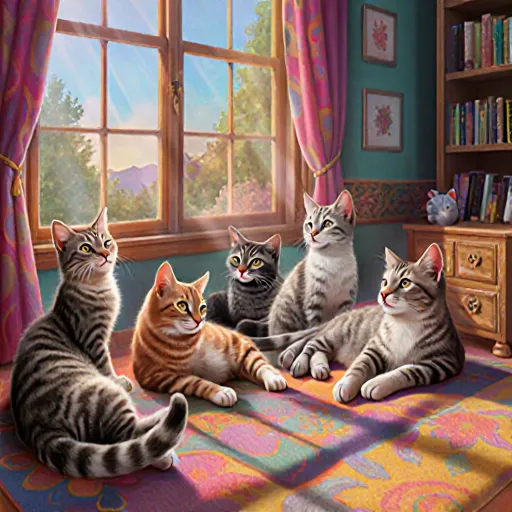
Discover rare felines you might not have seen yet!
Uncommon Cats You Need to Know
Table of Contents
- American Bobtail
- Devon Rex
- Sphynx Cat
- Cornish Rex
- Munchkin
- Manx
- Russian Lilac
- Havana Brown
- Ocicat
- Pixie-Bob
- Chausie
- Russian White Tonkinese
- Brazilian Shorthair
- Dilute Tabby
- FAQ
- Conclusion
American Bobtail
The American Bobtail is a rare cat breed known for its distinctive short, kinked or curled tail. This breed captures the imagination of many due to its unique appearance and playful personality. Much like other rare breeds, it has a rich history that dates back several decades.
History and Background
The American Bobtail's journey to recognition as a distinct breed began in the 1960s when a litter of kittens was born with unusually short tails. These kittens were the result of a spontaneous genetic mutation. The breeder, Jim Ross, recognized their potential for development into a unique cat breed and began a selective breeding program.
Over time, this program resulted in a well-defined breed that combines the agility, intelligence, and affectionate nature of wild cats with the domesticated charm that makes them such wonderful pets. The American Bobtail is recognized by several registries including TICA (The International Cat Association).
Physical Characteristics
The most striking feature of the American Bobtail is its tail, which can range from a small kink to a full curl. Beyond this unique attribute, these cats are medium-sized with muscular bodies, large ears, and expressive eyes that can be green, blue, or odd-eyed (one eye each color).

Personality and Temperament
The American Bobtail is known for its friendly and playful nature. These cats are often referred to as "dog-like" because they love interaction with their human companions, enjoy games, and can be trained to perform simple tricks.
They are also known for being good with children and other pets, making them an excellent choice for families. Their intelligence makes them quick learners when it comes to using the litter box and even learning basic commands through positive reinforcement training methods.
Care and Maintenance
Maintaining a healthy American Bobtail involves regular grooming sessions given their long, thick coat which can be prone to matting if not kept in good condition. Daily brushing helps keep the coat healthy and shining while also strengthening the bond between you and your cat.
In addition to grooming, providing plenty of exercise through interactive play is crucial for keeping these active cats happy and healthy. Toys that challenge their mind as well as body are particularly appreciated by them.
Conclusion
The American Bobtail stands out among rare cat breeds due to its captivating appearance and delightful personality. Whether you're looking for a new companion or simply curious about lesser-known feline species, the American Bobtail offers much more than meets the eye!
Devon Rex
Among the rare cat breeds that many people have never heard of, one particularly unique and fascinating breed is the Devon Rex. Known for its curly coat and friendly disposition, the Devon Rex has captured the hearts of cat lovers around the world.
Origins and History
The Devon Rex first appeared in England in the early 1950s. It was discovered by a farmer named William Murphy who found his cat "Polonium" with its distinctive curly coat. The breed gained recognition when it was imported to France, where it was further developed and refined.
Physical Characteristics
The Devon Rex is easily recognizable by its curly fur, which can vary in length but is typically short and soft. Their body shape is slender with large, round ears that are slightly pointed at the tips. The breed also has a fox-like appearance due to its longer hind legs.

Temperament
The Devon Rex is known for being very affectionate and social. They enjoy human interaction and often seek attention from their owners, making them excellent pets for families or individuals who spend a lot of time at home. Despite their small size (typically weighing between 5 to 9 pounds), they are quite energetic and playful.
Health Considerations
Like all breeds, the Devon Rex can inherit certain health issues common in cats with curly coats, such as hairballs due to over-grooming. However, proper grooming and regular veterinary care can help manage these potential problems. It is also important to note that they are prone to dental diseases; thus, routine dental check-ups and proper brushing are recommended.
Fun Facts
- The Devon Rex was the first breed in which a naturally occurring mutation of the keratin gene appeared.
- This breed is one of the few cats that can curl up into a tight ball, thanks to their flexible bodies.
- Devon Rexes are often referred to as "fairy cats" due to their magical and whimsical appearance.
Breeding and Care
To breed Devon Rexes, it's important to ensure that the kittens inherit from healthy parents. Proper nutrition is crucial for their growth; feeding them a high-quality diet formulated for kitten development can help. Regular veterinary check-ups and vaccinations are also essential for keeping your Devon Rex in optimal health.
Conclusion
The Devon Rex stands out among rare cat breeds with its distinctive looks and friendly nature. If you're looking for a unique pet that will bring joy to your life, consider this charming little kitty. With proper care and attention, the Devon Rex can be a delightful companion for many years.
Sphynx Cat
Among the many rare cat breeds you’ve never heard of, one stands out for its unique appearance and striking personality—the Sphynx cat. Known for its hairless coat, this breed is both a marvel in feline genetics and a beloved companion.
Uniqueness of the Sphynx Cat
The Sphynx cat is a natural mutation that was first discovered in Canada in 1966. It’s characterized by its lack of fur, which makes it appear hairless. Despite this, they retain their distinct whiskers and tail. The breed comes in various colors and patterns, showcasing an array of vivid hues.

Health and Care
Caring for a Sphynx cat requires extra attention to their skin. Regular baths are essential, as they don’t have fur to trap dirt. They also need more oil applied to keep their skin healthy and prevent dryness.
- Weekly or bi-weekly baths
- Daily brushing with a soft cloth (even though they’re hairless)
- Application of special oils to the skin
Personality and Behavior
Sphynx cats are known for their extroverted personalities. They are social, playful, and often affectionate with both humans and other pets. Their intelligence makes them easy to train, and they can even learn tricks like a dog.
"Sphynx cats are the best of all worlds—like having a cat but without fur, plus an extra layer of fun!"
Popular Colors and Patterns
| Color/Pattern | Description |
|---|---|
| Black Sphynx | A rich, deep black coat with a bold presence. |
| Tabby Sphynx | Striped with gold or copper tones for an elegant appearance. |
| Solid White Sphynx | A pure white coat that looks like a snowball. |
Living with a Sphynx Cat
Despite being hairless, the Sphynx cat can experience cold temperatures due to their lack of insulation. Therefore, it’s important to keep them warm and provide them with heated pads or blankets.
Cornish Rex
The Cornish Rex is a truly unique and rare breed within the world of cat ownership. With its distinctive appearance, this breed has captured the hearts of many who are drawn to its striking looks and playful personality.
Distinctive Features
The Cornish Rex is instantly recognizable by its slender body structure, arched spine, and long legs. Its coat is incredibly soft and curly, with a texture similar to silk. Despite the unusual appearance, this breed remains exceptionally healthy and active.

History of the Cornish Rex
The Cornish Rex is a relatively new breed in the world of cats, having been first discovered by accident. In 1950, a farmer named William Wheaton noticed that one of his farm cats had given birth to kittens with an unusual curly coat. This discovery led to the foundation of the Cornish Rex breed.
Cornish Rex cats were officially recognized in 1962 and have since gained popularity for their unique appearance and temperament.
Temperament and Personality
The Cornish Rex is known for its friendly, affectionate nature. Despite being a small breed, these cats are full of energy and love to play and interact with their human companions. They are often described as 'dog-like' in their loyalty and attentiveness.
Interaction with Humans
Cornish Rexes thrive on attention and enjoy spending time with their owners. They are social creatures who demand a lot of interaction, making them ideal pets for individuals or families looking for a companion animal that loves to be the center of attention.
These cats are known to follow their human around the house, much like dogs, which can sometimes make them feel more like part of the family. They enjoy being petted and cuddled and will often initiate play sessions with toys or even use their paws to entice you into playing.
Health Considerations
The Cornish Rex is generally a healthy breed, but like any other animal, it can be susceptible to certain health issues. Regular vet check-ups and a balanced diet are essential to ensure the longevity of your Cornish Rex.
- Dental Health: Regular brushing helps prevent dental problems.
- Ear Care: Keeping their ears clean can help avoid infections.
- Grooming: Their curly coats require daily grooming to prevent matting and skin issues.
In summary, Cornish Rex cats are more than just a breed of unique appearance; they offer a lifestyle that is rich in companionship and joy. If you're looking for something different from the common breeds, this rare cat might be perfect for you!
Munchkin
The Cornish Rex
The Cornish Rex is a breed with a distinctive curly coat. This breed originated in Cornwall, England, but surprisingly, it has an unusual gene that causes its hair to curl. Despite the name suggesting a connection to the region of Cornwall, there's no direct link between this cat and the county; it just happens to share the same name.Physical Characteristics:
- Curly fur with a soft texture
- Pale blue eyes or copper-colored eyes (though other eye colors are possible)
- Tall and slender body
The Singapura
The Singapura is the smallest breed of cat. Named after Singapore, where it was discovered in 1970s, this breed has a compact, muscular build with a long tail that’s proportionate to its body size.Physical Characteristics:
- Short legs and a stocky body
- Tail is longer than the back legs
- Coat color ranges from a light brown tabby to a solid black or dark brown
The Devon Rex
Another curly-haired cat breed, the Devon Rex originated in Devon, England. Similar to the Cornish Rex, it has an unusual gene that causes its fur to curl.Physical Characteristics:
- Curls of varying degrees throughout the body and tail
- A stocky, muscular build
- Tails can be short or kinked
The Russian Blue
Although not as uncommon as some other breeds mentioned here, the Russian Blue is still considered rare and elusive. Known for its striking green eyes and beautiful silver-blue coat, this breed has a story that spans across various cultures.Physical Characteristics:
- Silver-blue to grayish-green coat
- Green or blue eyes
- A muscular build with a well-proportioned body
The Havanese Shorthair (Mau Bata)
Originating in Cuba, the Havanese Shorthair is known for its large head and intense green eyes. This breed has been around since the 19th century but became even rarer during the Cuban revolution as many cats were abandoned.Physical Characteristics:
- Large head with prominent cheekbones
- Larger than most breeds, weighing about 6-8 kg (13-17 lbs)
- Green eyes that can range from a bright green to a deep hazel
Tips for Caring for Rare Cat Breeds:
- Prioritize research: Before adopting, do thorough research on the breed's needs and ensure you can provide them.
- Regular Vet Visits: Keep up-to-date with regular vet visits to monitor health and address any issues early.
- Specialized Diet: Feed a diet that meets their specific nutritional requirements. For instance, some breeds might need a higher protein intake than others.
- Tailored Environments: Provide an environment that accommodates their unique physical traits, such as extra space for long-haired breeds or a comfortable resting area for those with joint issues.
Manx
The Manx cat is a breed that has captured the hearts of many with its distinct characteristics. Originally from the Isle of Man, this cat breed is known for its round body, short or absent tail (a trait that sets it apart), and generally friendly demeanor.
History and Origins
The Manx has a rich history that dates back to the 17th century. Theories about their unique tailless feature range from mutations due to inbreeding on the Isle of Man to tales of mythical creatures. Despite these legends, it is widely accepted that the Manx breed was formed through natural selection and careful breeding.
Distinctive Features
The most notable characteristic of the Manx is its tail. While some individuals are born with a full, long tail, others have only a stub or are completely tailed-less (a trait referred to as "rumpy"). The Manx comes in various coat colors and patterns such as tabby, calico, white, black, tortoiseshell, and more.
Temperament
The temperament of the Manx is often described as friendly and playful. They are known to be good companions for families with children due to their gentle nature. These cats love to interact and can easily become attached to their owners, making them affectionate pets.
Pedigree
The Manx has gained recognition from major cat registries such as The International Cat Association (TICA) and the Cat Fanciers' Association (CFA). They have won numerous awards for their beauty and charm. Breeding standards emphasize a well-proportioned body, expressive eyes, and that signature short or absent tail.
Health Considerations
Like any breed, the Manx is prone to certain health issues due to its genetic makeup. One such issue is spinal problems associated with variations in the tail's development. It’s important for owners to work closely with veterinarians who are knowledgeable about this breed.
Conclusion
The Manx cat remains a rare and unique breed that continues to inspire fascination among cat lovers around the world. Their friendly nature, combined with their distinctive appearance, makes them a cherished addition to many households.
Russian Lilac
The Russian Lilac is a lesser-known cat breed that has captured the hearts of many with its unique appearance and friendly temperament. This rare feline beauty belongs to the Sphynx family, which is characterized by its hairless or nearly hairless coat.
Despite their lack of fur, Russian Lilacs are far from being aloof. In fact, they are known for their affectionate nature, making them excellent pets for those seeking a companionable cat. Their skin can be soft and warm to the touch, which adds an extra layer of cuddle appeal.
Physical Characteristics
The Russian Lilac's most striking feature is its distinctive lilac or lavender coat color. This unique pigmentation sets it apart from other hairless breeds. Their large, expressive eyes and slender build further enhance their elegant appearance. The breed standards emphasize the importance of a well-proportioned body with firm muscles.
Personality Traits
Russian Lilacs are sociable and playful, making them great companions for families or individuals who enjoy active lifestyles. They are known to be very interactive with their human family members, often seeking attention and affection through purring and gentle nuzzling. Their intelligence also makes them easy to train, whether it’s learning tricks or simply understanding household routines.
Health Considerations
While Russian Lilacs are generally healthy, like any other breed, they may be prone to certain health issues common among hairless cats. These include skin infections due to their lack of fur to protect them from the environment and potential dehydration since they rely on grooming less for moisture retention.
Care Tips
- Daily Grooming: Even though Russian Lilacs are hairless, it's essential to maintain their skin health by regularly cleaning them with a soft cloth. This helps remove any dirt or dead skin cells.
- Bathing: Occasionally bathing is necessary for keeping the skin clean and healthy. However, it should be done sparingly since excessive bathing can strip away natural oils from the skin.
- Diet: Providing a balanced diet that includes essential fatty acids and vitamins is crucial to maintaining the overall health of your Russian Lilac. Consult with a veterinarian for specific dietary recommendations tailored to this breed's needs.
Famous Russian Lilacs
The Russian Lilac has been featured in various media, including books and television shows. One notable example is the character "Milo" from the TV series "The Cat in the Hat Knows a Lot About That!", which helped bring more attention to this rare breed.
For those interested in adopting or learning more about Russian Lilacs, reputable breeders can provide valuable information and support. It's always advisable to choose a cat with a documented health history from experienced and ethical breeders.
Havana Brown
While many cat enthusiasts are familiar with popular breeds like Siamese, Maine Coon, and Persian cats, there is a world of rare cat breeds that remain relatively unknown. One such breed is the Havana Brown—a unique and strikingly beautiful feline known for its rich chocolate-brown coat.
The Havana Brown is one of the oldest registered British shorthaired cat breeds, with a history that dates back to the early 1900s. Its origins can be traced back to the United Kingdom, where it was developed by crossing Siamese cats and domestic brown tabbies. The aim was to create a cat that closely resembled the Siamese in temperament but possessed a rich chocolate-brown coat instead of the usual lighter hues.
The Havana Brown is recognized for its distinctive, glossy chocolate-brown fur and piercing yellow eyes. This breed has a medium-sized, muscular build with a long, slender body, giving it an elegant appearance. Their ears are medium-sized and slightly rounded at the tips, and their tails are long and tapering.
The Havana Brown is known for its lively and affectionate nature. It enjoys being around people and often seeks attention, making it an ideal companion cat. These cats are intelligent and playful, which makes them engaging pets. They thrive in a stimulating environment with opportunities to play and explore.
The Havana Brown is generally a healthy breed, but like any other, they can be susceptible to certain health issues. Regular vet check-ups are important to ensure their well-being. Some common concerns include dental care due to their high activity levels which can lead to tooth wear and gum disease.
A balanced diet is crucial for the Havana Brown. High-quality cat food that meets all nutritional requirements should be provided. It's important to monitor portion sizes and ensure they are getting enough protein, as active cats need a high-protein diet to support their energy levels.
Grooming the Havana Brown is relatively easy thanks to its short coat. Regular brushing can help keep their fur in top condition and prevent matting. Additionally, training should be gentle but consistent. Socialization from a young age helps ensure they remain friendly and adaptable as they grow.
The Havana Brown is not just a beautiful breed; it's also a loving and energetic companion that can bring joy to any home. If you're looking for something different from the usual cat breeds, consider adding one of these rare yet wonderful companions to your family.
Ocicat
The Ocicat is a relatively new cat breed that has quickly become one of the most fascinating and unique among rare cat breeds. It was first created in 1964 by crossing an Abyssinian with a Siamese, aiming to produce a seal-point Siamese but without the pointed coloring. The result was the Ocicat—a strikingly spotted coat that resembles a wild cat, yet it is entirely domesticated.
The Ocicat's coat is one of its most distinctive features, ranging in colors from cinnamon to blue, with silver and gold highlights that shimmer beautifully under light. Their eyes are typically green or copper, adding to their exotic appearance. Despite their striking looks, the Ocicat is known for being a gentle and social companion, making it an excellent choice for families.
Temperament and Personality
The Ocicat's temperament is one of its most appealing traits. They are highly intelligent and have a playful nature that makes them great companions for both children and adults. Due to their high energy levels, they enjoy interactive playtime and can often be trained to perform tricks similar to dogs.
They are social cats who thrive on attention and interaction with their owners. This breed is known to form strong bonds with family members and loves to sit in laps or be near their human companions as much as possible. Ocicats also enjoy a good game of fetch, making them a fun-loving addition to any household.
Care Requirements
While the Ocicat is generally healthy, like all breeds, it can be prone to certain health issues such as dental problems and hip dysplasia. Regular veterinary check-ups are recommended to ensure your Ocicat remains in good health.
In terms of grooming, their coat requires minimal maintenance; weekly brushing should suffice to keep their fur tangle-free and vibrant. Their active nature also means they need a stimulating environment with plenty of toys and space for exercise.
Conclusion
The Ocicat is a breed that offers the best of both worlds: the beauty and mystery of wild cats combined with the loving, affectionate nature of domesticated pets. If you're looking for something out of the ordinary in your next feline friend, consider an Ocicat. Their unique appearance and friendly disposition make them a standout choice among rare cat breeds.
Pixie-Bob
While most cat enthusiasts are familiar with common breeds such as Siamese, Persian, and Maine Coon, there are numerous lesser-known rare cat breeds that offer unique characteristics and personalities. One of the most fascinating among them is the Pixie-Bob—a breed known for its striking resemblance to wild bobcats.
The Pixie-Bob was developed in the late 1980s by crossing domestic cats with bobcat hybrids. The goal was to create a cat that looked like a smaller version of a bobcat but had the temperament of a house pet. The breed's name comes from its appearance, which combines "Pixie" (referring to its small size) and "Bobcat."
The Pixie-Bob is known for its medium to large build, with a muscular body that gives it a powerful yet agile look. Its head is broad with prominent cheekbones, high-set ears, and a short tail that often appears stump-like—a trait reminiscent of bobcats. The coat color can vary widely, including tabby patterns, which further enhance the wild appearance.
Despite its intimidating looks, the Pixie-Bob is generally a friendly and affectionate cat that enjoys human interaction. They are known for their playful nature and can be quite active indoors. However, they also require mental stimulation to prevent boredom, which can lead to destructive behaviors.
Regular veterinary check-ups are essential for ensuring the health of a Pixie-Bob cat. Given their size and activity levels, maintaining an appropriate diet is crucial. Owners should provide a balanced diet rich in protein, which can be found in high-quality dry or wet food. Additionally, due to their active nature, regular exercise through playtime with toys is recommended.
The Pixie-Bob represents the perfect blend of wild allure and domestic comfort for those who appreciate both the aesthetic appeal and temperament of a unique cat breed. If you're looking to own a rare cat that stands out not just in appearance but also in personality, this might be the breed for you.
Chausie
The Chausie is a fascinating and lesser-known breed of domestic cat that offers a unique blend of wild and domestic traits. This cat breed is named after the Jungle Cat (Felis chaus), also known as the Indian Mosaic, which belongs to the Felidae family. The Chausie is a relatively new creation in the world of cat breeding, originating in the United States during the 1970s.
Physical Characteristics
The Chausie's physical appearance is strikingly similar to its wild ancestor, with features that make it an attractive and distinctive breed. They have a long, athletic body with muscular legs, a broad head, and large, expressive eyes. Their coat can be short or slightly longer and comes in various colors, including tabby, tortoiseshell, and bicolor patterns. The Chausie's size ranges from 10 to 25 pounds (4.5 to 11 kg), making them a medium to large-sized cat breed.
Behavioral Traits
Despite their wild ancestry, Chausies are known for being affectionate and people-oriented cats. They bond well with their human families and enjoy spending time in close proximity to their owners. Their intelligence is another notable trait; they can be trained to perform simple tricks and respond positively to positive reinforcement training.
Health Considerations
The Chausie's health profile mirrors that of other domestic cat breeds, but due to its wild lineage, it may have a higher predisposition to certain inherited diseases. Regular veterinary check-ups are essential for maintaining the health of this breed. Owners should be aware of potential hereditary conditions and consult with their veterinarian regarding preventive measures.
Unique Traits
The Chausie is known for its high energy levels, which makes it an excellent choice for active households or families with children who can keep up with the cat's playful nature. They are also adept climbers and enjoy perching on high surfaces to survey their surroundings.
Conclusion
The Chausie is a rare and unique breed that combines the best of both worlds—wilderness and domestication. Their striking appearance, affectionate nature, and energetic personality make them an attractive option for cat enthusiasts seeking something different from the more common breeds. If you're considering adopting this breed, be prepared for an active and loving companion who will bring joy to your home.
Russian White Tonkinese
The Russian White Tonkinese is a lesser-known yet fascinating breed within the world of rare cat breeds. This unique feline comes from Russia and combines the elegance and charm typical of Tonkinese cats with the snow-white coat that sets it apart.
Origins and History
The Russian White Tonkinese breed's history is closely tied to its parent breeds, the Tonkinese and the Russian White. The Tonkinese itself has roots in Thailand but was developed in the United States during the mid-20th century by blending Siamese and Burmese cats. Over time, these mixed breeds gained popularity for their striking looks, which include a unique coat pattern combining both colors.
The Russian White, on the other hand, is an all-white variety that emerged from the same Tonkinese lineage but with a focus on maintaining pure white coats. It was initially recognized in Russia and later introduced to the United States where it gained attention for its distinct appearance. The combination of these two lines led to the development of the Russian White Tonkinese.
Physical Characteristics
The Russian White Tonkinese is a medium-sized cat with a muscular yet agile body, much like its Tonkinese parent. Their eyes are typically almond-shaped and can be either dark blue or aqua in color, adding to their striking appearance.
One of the most notable features of this breed is its coat, which is short, sleek, and glossy. The Russian White variety maintains a pure white coat that contrasts beautifully with the darker points on the face, ears, tail, and paws characteristic of Tonkinese cats. This combination creates an exquisite visual effect.
Personality Traits
The Russian White Tonkinese is known for being a very sociable and active breed. These cats are highly intelligent and enjoy engaging with their human companions, often participating in playtime and showing curiosity about the world around them.
They thrive on interaction and are not content to simply lounge about; they need mental stimulation through toys, puzzles, or even interactive play sessions. This makes them excellent pets for those who can provide an active lifestyle and plenty of attention.
Care and Maintenance
Due to their short, sleek coat, Russian White Tonkinese require minimal grooming. Regular brushing with a soft-bristled brush is sufficient to keep the fur healthy and tangle-free. However, it's important to monitor their overall health closely as they can be prone to certain genetic conditions.
Proper nutrition is crucial for this breed, ensuring they receive balanced meals that support their active lifestyle and overall well-being. Regular veterinary check-ups are recommended to catch any potential health issues early.
Purchasing a Russian White Tonkinese
Given the rarity of this breed, finding a reputable breeder is essential when considering adopting a Russian White Tonkinese. It's important to research thoroughly and ensure that any breeder you consider has a good track record of health testing and responsible breeding practices.
Adoption from shelters or rescue organizations can also be an option if you're interested in this breed, though they may not always be purebred Russian White Tonkinese. Always prioritize the cat's well-being over any other factor.
Brazilian Shorthair
The Brazilian Shorthair is a lesser-known breed that hails from Brazil. This cat breed has gained recognition for its unique appearance and friendly disposition, making it a cherished addition to many households. Despite being relatively new in the world of cat breeding, this breed has already made a significant impact due to its distinctive traits.
Origins and History
The Brazilian Shorthair's origins can be traced back to the early 1900s when the first attempts were made to develop a distinct feline breed in Brazil. Breeders aimed to create a cat that was both strong and adaptable, capable of thriving in various environments within their country. The Brazilian Shorthair is believed to have been influenced by local street cats, contributing to its robust and hardy nature.
Physical Characteristics
The Brazilian Shorthair boasts a muscular build with a medium-sized frame. Its short coat can vary in color and pattern, including tabby, solid colors, or bicolors, showcasing the diversity within this breed. One of its most notable features is its large, expressive eyes, which add to its charming appearance.
Personality Traits
Brazilian Shorthairs are known for their affectionate and sociable nature. They tend to bond closely with their families and enjoy being part of daily activities. This breed is also very intelligent, making training relatively easy if done consistently.
Health and Care
Maintaining the health of a Brazilian Shorthair requires regular veterinary check-ups and a balanced diet suitable for their size and activity level. Due to their robust nature, they generally have fewer health issues compared to some other breeds, but it's essential to provide them with proper care.
Comparison with Other Rare Cat Breeds
When comparing the Brazilian Shorthair with other rare cat breeds mentioned in "Rare Cat Breeds You’ve Never Heard Of," we find distinct similarities and differences. For instance, while the Brazilian Shorthair shares some characteristics with the Turkish Angora due to both being strong and agile, it differs significantly from breeds like the Havanese or American Curl, which are more known for their unique ear shape.
Practical Advice
- Diet: Ensure your Brazilian Shorthair receives a high-quality diet that meets its nutritional needs. Consult with a veterinarian to tailor the feeding plan according to age and activity level.
- Exercise: Regular playtime is crucial for keeping them active and healthy. Engage in interactive games or provide toys to keep your cat physically and mentally stimulated.
- Grooming: While the Brazilian Shorthair has a short coat, regular brushing can help maintain its shine and prevent matting.
The Brazilian Shorthair continues to captivate pet lovers with its unique charm and friendly personality. Whether you're a seasoned breeder or considering adopting your first cat, this rare breed offers a delightful addition to any home.
Dilute Tabby
Dilute tabby is a rare cat breed that offers a unique and striking appearance, which sets it apart from more common domestic cats. This breed is characterized by its distinct coat patterns and colors, often featuring a lighter base color than typical tabbies, making them stand out in the world of rare cat breeds.
The dilution gene affects the intensity of pigmentation in a cat's fur. For standard tabby cats, this gene is not active, resulting in their rich and varied colors. However, when this gene is present, it lightens the overall coat color, creating a more subtle and elegant appearance.
Physical Characteristics
Dilute tabby cats typically have a lighter base color to their coat, which can range from shades of blue (blue-cream) or lilac (lilac-cream). The stripes on their coats may be less pronounced and more subtle compared to non-diluted tabbies. Their eyes are usually green or amber, adding to the distinctiveness of this breed.
Temperament and Personality
Dilute tabby cats are known for being affectionate and social animals. They enjoy human interaction and are often described as playful and curious. Despite their gentle nature, they can also be quite independent, making them a good choice for those looking for both companionship and space.
History and Origins
The origin of the dilute tabby is somewhat unclear; it appears to have emerged as a result of natural mutations in domestic cat populations. Historically, they were not widely recognized until more recent times when breeders began focusing on developing unique and rare breeds.
Popularity and Recognition
While the dilute tabby may not be as well-known as other rare breeds like the Singapura or Peterbald, they are gaining popularity among cat enthusiasts who appreciate their distinct features. Organizations such as the International Cat Association (TICA) have recognized them, further cementing their place in the world of rare and unique felines.
Practical Advice for Owners
Caring for a dilute tabby cat involves providing them with a stimulating environment to keep them active and happy. Ensure they have plenty of toys, scratching posts, and space to roam around indoors or in a secure outdoor area if possible. Regular grooming is essential due to their long coats, which can easily become matted.
Conclusion
The dilute tabby cat breed is not only visually striking but also possesses a charming personality that makes them delightful pets. Their unique appearance and gentle nature make them an excellent choice for those seeking something different in their feline companion.
FAQ
Question 1: What are rare cat breeds?
Rare cat breeds refer to those feline varieties that are not widely known or commonly seen. These cats often have unique physical characteristics and histories, making them less popular compared to mainstream breeds like the Siamese or Persian. For example, the Sphynx is a rare breed due to its hairless coat, which makes it quite distinctive.
Question 2: Why are these breeds considered rare?
Rare cat breeds might be considered less popular for various reasons. Sometimes, they are simply new and have not yet gained widespread recognition. Other times, their rarity is due to a smaller gene pool or specific health issues that make them difficult to breed successfully. For instance, the Munchkin has a genetic condition affecting its legs, which can lead to mobility problems.
Question 3: How do I choose a rare cat breed?
Choosing a rare cat breed involves more research than picking from common breeds. You should look into the breed's specific needs and characteristics that align with your lifestyle. For example, if you're looking for a low-maintenance pet, consider the Devon Rex or Cornish Rex due to their minimal grooming requirements.
Question 4: Are rare cat breeds more expensive?
Yes, generally speaking, rare cat breeds can be more costly. This is often because of limited availability and the specialized care they might require. The Chantilly-Tours, for instance, is a very rare breed that may cost significantly more than standard breeds due to its rarity.
Question 5: What are some examples of rare cat breeds?
- Singapura: Known for being the smallest domestic cat breed, this breed is also one of the rarer ones. Their small size and distinctive appearance make them unique.
- Don Sphynx: A hairless variety of the Sphynx breed, this cat has no fur but a smooth, velvety skin that can get warm to the touch.
- Tiffany Cat: This is another rare breed with a distinctive coat pattern. They are often described as having an oriental appearance combined with long fur and a semi-long body shape.
Question 6: Where can I find information about rare cat breeds?
You can find comprehensive information on rare cat breeds through specialized breed associations, online forums dedicated to rare cats, and reputable breeding websites. Websites like The International Cat Association (TICA) or the Cat Fanciers' Association (CFA) often have detailed profiles of various breeds.
Question 7: How do I care for a rare cat breed?
Caring for a rare cat breed requires specific attention to their unique needs. For instance, the Devon Rex may need more frequent grooming despite having little fur due to its tendency to shed. Always research the specific health concerns and grooming requirements of any breed you are considering.
Conclusion
Exploring rare cat breeds you've never heard of can be an exciting journey into the world of feline genetics. These unique cats are often overlooked by many, yet they possess fascinating qualities that make them stand out among their more common counterparts.
The Unique Characteristics
From the striking appearance of the Chantilly Cat with its large ears and wide-set eyes to the playful demeanor of the Minskin, each breed has its own set of remarkable traits. The Chantilly's distinctive features not only make it a visual treat but also highlight the diversity within the feline family.
Similarly, the Minskin is known for its lack of fur on parts of its body, which gives it a distinct look and touch. This breed exemplifies how natural variations can lead to unique and beautiful creatures in nature.
The Importance of Rare Breeds
Preserving rare cat breeds is crucial as it helps maintain genetic diversity within the feline population. Genetic diversity ensures that species are better equipped to adapt to changing environments and resist diseases. By supporting these less-known breeds, we contribute to the overall health and survival of all felines.
Purchasing and Caring for Rare Cats
When considering adopting a rare cat breed like these, it is important to research thoroughly. Understanding their specific needs can ensure they receive the best care possible. For instance, the Chantilly Cat requires extra attention due to its large ears, which need regular cleaning to prevent infections.
Caring for any pet should be approached with love and dedication. However, adopting a rare breed involves additional responsibilities since these cats often require specialized diets and environments that cater to their unique needs.
Conclusion
In conclusion, exploring the lesser-known corners of feline genetics offers us a window into the extraordinary diversity within our feline friends. By embracing and supporting rare breeds such as the Chantilly Cat and Minskin, we not only enrich our lives but also contribute to the preservation of genetic diversity.
Products
-
 Fish Meal
Price range: ₹1,999.00 through ₹2,999.00
Fish Meal
Price range: ₹1,999.00 through ₹2,999.00
-
 FATTENING BROILER FEED
Price range: ₹2,299.00 through ₹2,349.00
FATTENING BROILER FEED
Price range: ₹2,299.00 through ₹2,349.00
-
 LAYER COUNTRY FEED
Price range: ₹1,549.00 through ₹1,649.00
LAYER COUNTRY FEED
Price range: ₹1,549.00 through ₹1,649.00
-
 COUNTER BROILER FEED
Price range: ₹1,199.00 through ₹1,299.00
COUNTER BROILER FEED
Price range: ₹1,199.00 through ₹1,299.00
-
 LACTATING PIG FEED
Original price was: ₹2,299.00.₹1,740.00Current price is: ₹1,740.00.
LACTATING PIG FEED
Original price was: ₹2,299.00.₹1,740.00Current price is: ₹1,740.00.
-
 Maize
Original price was: ₹1,650.00.₹1,300.00Current price is: ₹1,300.00.
Maize
Original price was: ₹1,650.00.₹1,300.00Current price is: ₹1,300.00.
-
 GESTATION PIG FEED (Phase 1)
Original price was: ₹2,249.00.₹1,699.00Current price is: ₹1,699.00.
GESTATION PIG FEED (Phase 1)
Original price was: ₹2,249.00.₹1,699.00Current price is: ₹1,699.00.
-
 Pre Starter Broiler Feed
Price range: ₹2,399.00 through ₹2,499.00
Pre Starter Broiler Feed
Price range: ₹2,399.00 through ₹2,499.00
-
 FINISHER PIG FEED
Original price was: ₹2,299.00.₹1,749.00Current price is: ₹1,749.00.
FINISHER PIG FEED
Original price was: ₹2,299.00.₹1,749.00Current price is: ₹1,749.00.
-
 Broiler Premix
Original price was: ₹820.00.₹699.00Current price is: ₹699.00.
Broiler Premix
Original price was: ₹820.00.₹699.00Current price is: ₹699.00.