
Unlock Siamese Cats' Unique Traits and Care Tips
Siamese Secrets: Traits & Care for Life
Table of Contents
- Introduction to Siamese Cats
- Distinctive Physical Characteristics
- Temperament and Personality Traits
- Communication with Their Owners
- Social Interaction Needs
- Health Care Essentials
- Nutritional Requirements
- Exercise and Play Preferences
- Grooming Needs for Siamese Cats
- Training Tips for Siamese Kittens
- Common Health Issues and Prevention
- Conclusion
- FAQ: Frequently Asked Questions
- Further Reading
Introduction to Siamese Cats
Siamese cats, also known as Wichian Matsaen in their native Thailand, are one of the oldest and most recognizable breeds of domesticated cats. With a rich history that dates back over two centuries, these elegant felines have captured the hearts of cat enthusiasts worldwide for their distinctive appearance and engaging personalities.
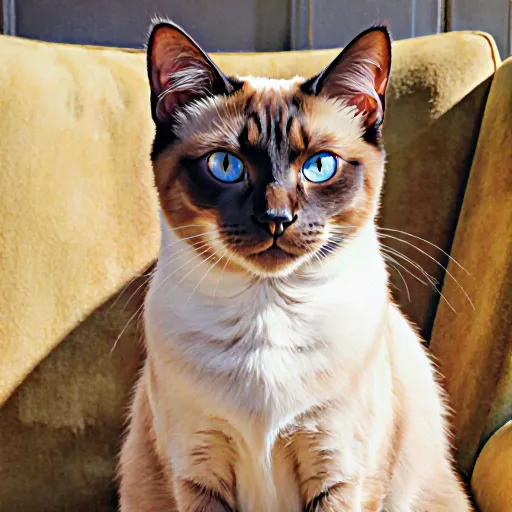
Siamese cats are renowned for their striking blue almond-shaped eyes, sleek coats that come in a variety of colors including seal point, blue point, chocolate point, and lilac point, and their graceful body structure. Their coat patterns typically follow the Siamese point coloration, which means they have lighter fur on their extremities such as their face, ears, paws, and tail.
Their charming personality is often described as active, social, and intelligent. Siamese cats are known to be excellent communicators, vocalizing frequently through chirps, trills, and meows. They are highly interactive with humans and other pets, forming strong bonds quickly. Their curious nature makes them adept at solving puzzles and games designed for mental stimulation.
Despite their playful and affectionate side, Siamese cats can also be quite independent. They enjoy exploring their environment and often demand attention from their owners. This combination of independence and need for interaction requires a balanced approach to care; owners must provide ample opportunities for play and mental engagement while allowing the cat some personal space.
Siamese cats are not only beloved pets but also excellent companions for individuals who enjoy the company of an active, intelligent animal. Their unique appearance and engaging personality make them stand out among other breeds, often being mistaken for a mix of several different types due to their expressive features.
For more detailed information about the care and behavior of Siamese cats, consider referring to the comprehensive guide "Siamese Cats: Personality & Care Guide." This resource provides in-depth insights into meeting the needs of these energetic and affectionate pets.
Distinctive Physical Characteristics
The Siamese cat breed is renowned for its striking and distinctive physical traits that set it apart from other domestic cats. These features contribute significantly to their unique appearance, which often captivates owners from the moment they lay eyes on one.
Colorpoints
One of the most notable characteristics of Siamese cats is their colorpoint pattern. This refers to a cat's darker colored extremities (ears, tail, paws) and face while the rest of its body remains lighter in color. The colorpoints are a result of a temperature-sensitive gene that influences pigmentation only where temperatures are lower, such as on the extremities.
Example: A Siamese cat might have a darker colored face and paws with a lighter body fur. This striking contrast not only adds to their aesthetic appeal but also makes them easily recognizable in any environment.
Eyes
Siamese cats are typically born with blue eyes, which can range from a very light bluish-grey to an intense sapphire blue. Their eyes are almond-shaped, giving them a distinctive look that many find captivating. The almond shape of their eyes is believed to enhance their vision in low-light conditions, making it easier for them to navigate through dimly lit spaces.
Example: A Siamese cat with a bright blue eye color and an almond-shaped face provides a striking visual appeal that many people find irresistible.
Ears
The ears of Siamese cats are large, erect, and pointed. They sit high on the head, giving the cat a more alert and perceptive look. These large ears not only enhance their hearing but also contribute to their unique physical appearance.
Practical Tip: Due to their large size, Siamese cats need extra care with ear cleaning to prevent any potential infections or issues that may arise from dirt accumulation in the ear canals.
Bone Structure
Siamese cats are known for their slender and muscular build. They have a longer body than many other domestic breeds, which is often referred to as "ideal" or "standard" length. Their legs are also long and elegant, giving them an overall graceful appearance.
Practical Tip: Owning a Siamese cat with such a lean build requires providing ample opportunities for exercise through play and interactive sessions. This helps to keep their muscles in top shape and prevents any potential health issues related to obesity or lack of physical activity.
Tail
The tail of a Siamese cat is typically long, thin, and straight. It curves upwards at the end, creating an elegant finish that complements their overall physique.
Example: A Siamese cat with a slender body, elegant tail, and large ears can be seen as a true reflection of its breed's characteristics.
Coat
The coat of a Siamese cat is short-haired and glossy. It should be smooth to the touch, enhancing their overall appearance and making them look more refined and elegant.
Practical Tip:
- Maintain regular brushing sessions to keep their coat healthy and shiny.
- Avoid excessive grooming during shedding seasons as this can lead to over-grooming behaviors in your cat.
Conclusion
The distinctive physical characteristics of Siamese cats are not only aesthetically pleasing but also functional, enhancing their ability to adapt and thrive in various environments. From their colorpoints that make them stand out in any room to their almond-shaped eyes that provide excellent low-light vision, every aspect of the Siamese cat's appearance serves a purpose. By understanding these characteristics, prospective owners can better appreciate the unique qualities that make Siamese cats such special and cherished pets.
Temperament and Personality Traits
The temperament and personality traits of Siamese cats are a fascinating aspect of their unique nature. Known for being highly social, these cats thrive on companionship and interaction with humans. Their intelligence and curiosity make them engaging pets who enjoy playing and exploring the world around them.
Siamese cats are known for their affectionate nature. They form strong bonds with their owners and often demand attention. Their high sociability makes them perfect for households where they will receive plenty of interaction, such as families or couples who spend a lot of time at home.
Siamese cats are extremely intelligent. They learn quickly and can be trained to perform various tasks. This intelligence also makes them excellent problem solvers, often finding ways to open doors or reach items they want. Their curiosity drives them to explore their environment thoroughly.
Siamese cats are energetic creatures that require plenty of stimulation to keep them happy and healthy. They enjoy playing with toys, such as feather wands or interactive puzzle feeders, which help satisfy their energy levels. Regular playtime is essential for maintaining their mental health.
Siamese cats are often described as vocal pets. They communicate their wants and needs through a variety of sounds, including chirping, trilling, and meowing. Their assertiveness means they will let you know when something is bothering them or if they simply want your attention.
Siamese cats are independent by nature and enjoy exploring on their own. However, this doesn't mean they don't form attachments to their owners. They value the bond they have with their human companions and will seek out time spent together.
- Daily Interaction: Spend quality time playing with your Siamese cat to satisfy its energetic nature. Interactive toys can help keep them engaged and content.
- Create Enriched Environment: Provide various toys, scratching posts, and safe spaces for your Siamese cat to explore. This helps fulfill their natural curiosity and keeps them mentally stimulated.
- Predictable Routine: Establish a routine that includes feeding times, playtime, and cuddle sessions. Siamese cats thrive on consistency.
Siamese cats often exhibit behaviors that reflect their personality traits:
- Attention Seeking: A Siamese cat may follow you around the house, meowing for attention or treats.
- Problem Solving: When faced with a challenge, such as opening a door or reaching an item, they will work hard to figure out how to overcome it.
- Exploration: Siamese cats are known for being explorers. They may climb on furniture, investigate new smells, or wander around the house to find interesting things.
Communication with Their Owners
Siamese cats are renowned for their vocal nature and their strong bond with their owners. These felines have a reputation for being talkative, often meowing frequently to communicate various needs or simply to keep their humans engaged. Understanding how Siamese cats communicate can greatly enhance your relationship with them, making them feel more comfortable and valued.
Understanding Siamese Communication
Siamese cats express themselves through a variety of vocalizations and body language. Recognizing these signals is key to effective communication:
- Vocalizations: Siamese are known for their distinctive, clear meows. They may use this sound to alert you to something they need, such as food, attention, or a walk. Sometimes, if they don't get what they want, the volume and frequency of their meowing can increase.
- Body Language: Watch for signs like tail position (upright indicates alertness), ear movement (flattened ears signal fear or anger), and facial expressions. Siamese cats often have expressive faces that can convey emotions such as curiosity, contentment, or annoyance.
Promoting Effective Communication
Encouraging open communication with your Siamese cat involves a few simple steps:
- Respond Promptly: When your Siamese meows for attention or food, respond as soon as possible. This reinforces that they have your attention and are more likely to communicate when they need something.
- Create a Routine: Establishing consistent routines can help your cat feel secure and less anxious about communication. For example, feeding at the same time every day or playing specific games at certain times.
- Playtime and Interaction: Engage in activities that both you and your Siamese enjoy. This not only strengthens your bond but also helps them feel more relaxed and less inclined to vocalize excessively.
Practical Tips for Owners
To further deepen the communication between you and your Siamese cat, consider these practical tips:
- Use Positive Reinforcement: When your cat communicates effectively or performs a desired behavior, reward them with praise or treats. This positive reinforcement can encourage more effective communication.
- Create a Comfortable Environment: Ensure that your Siamese has a space where they feel safe and secure. This reduces stress and anxiety, making it easier for them to communicate naturally.
- Learn Their Preferences: Observe what activities or types of interaction your Siamese enjoys the most. Tailor your communication style to suit their preferences for the best results.
Examples and Case Studies
To illustrate effective communication, consider these examples:
- Example 1: Sarah has a Siamese named Luna who meows loudly every evening to be let in for dinner. By consistently responding promptly at that time, Sarah has trained Luna to communicate her hunger effectively.
- Example 2: John's Siamese, Max, has learned that sitting by the door means it's time to go outside. Understanding and respecting his signals allows John to spend more quality time with Max.
By understanding and responding to the unique communication style of your Siamese cat, you can foster a stronger bond and ensure their happiness and well-being. Remember that each Siamese is an individual, so it's essential to observe and adapt accordingly to meet their specific needs.
Health Care Essentials
The health and well-being of your Siamese cat are paramount to ensuring a long and happy life. Proper nutrition, regular veterinary care, grooming, and attention to their physical and mental needs are crucial aspects of caring for these elegant felines. Below are some essential elements you should focus on to keep your Siamese cat healthy and thriving.
Nutrition
Siamese cats have high energy levels and a fast metabolism, so their diet must be tailored accordingly. High-quality protein is key, as it supports muscle development and overall health. It's important to avoid overfeeding, especially if your Siamese cat has a tendency towards being overweight.
- Commercial Cat Food: Look for premium brands that provide complete nutrition without unnecessary fillers. Brands like Blue Buffalo and Royal Canin offer formulations specifically designed for active cats.
- Grains and Carbohydrates: While Siamese cats can tolerate grains, it's best to choose food with minimal carbohydrates and focus on meat as the primary ingredient.
- Bonus Treats: Offer treats in moderation. Avoid overfeeding table scraps that could lead to obesity or digestive issues.
Veterinary Care
Regular veterinary check-ups are essential for early detection of health issues. Siamese cats can sometimes be prone to certain conditions such as dental problems, respiratory infections, and urinary tract issues due to their anatomy. Establish a relationship with your vet early on so they get used to you and your cat.
- Dental Cleanings: Siamese cats often need professional dental cleanings more frequently than other breeds. This helps prevent gum disease and tooth loss.
- Vaccinations: Keep your Siamese cat up-to-date on vaccinations to protect them from common feline diseases like rabies, feline leukemia virus (FeLV), and others recommended by your vet.
- Annual Exams: Annual check-ups help monitor your cat’s health and catch potential problems early. This includes routine blood work, fecal exams, and physical examinations.
Grooming
Siamese cats have a distinctive coat that is short-haired but often requires regular grooming to maintain its sheen and prevent matting. Regular brushing not only keeps your cat’s coat in excellent condition but also helps reduce hairballs, which are more common in Siamese cats due to their double coat shedding.
- Weekly Brushing: Use a soft brush or comb suitable for short-haired breeds. This will help remove loose fur and prevent matting.
- Bath Time: Bathing your Siamese cat is rarely necessary, as their natural oils are sufficient to keep them clean. However, if they get into something messy, a gentle bath can be beneficial.
Mental Stimulation
Siamese cats are known for being intelligent and active. Providing mental stimulation is just as important as physical care to keep your Siamese cat happy and healthy. Engage your cat in playtime, provide puzzle toys, or consider interactive games that challenge their mind.
- Playtime: Spend time playing with your Siamese cat using feather toys or laser pointers to stimulate both physical activity and mental engagement.
- Puzzle Toys: Offer puzzle toys that require your cat to solve for treats, which can help keep them mentally sharp.
Maintaining the health and happiness of a Siamese cat is a rewarding endeavor. By focusing on proper nutrition, regular veterinary care, grooming, and providing mental stimulation, you will ensure your Siamese cat leads a healthy and fulfilling life.
Nutritional Requirements
Understanding and meeting the nutritional requirements of a Siamese cat is crucial for maintaining its overall health, growth, and vitality. Siamese cats have unique dietary needs due to their active lifestyle and metabolic rates. It's important to tailor your cat’s diet according to its life stage, activity level, and specific health conditions.
Life Stage Nutritional Needs
Siamese cats go through various stages of growth and development, each requiring different nutritional components:
- Puppies/Kittens: During the early life stage, Siamese kittens need a high-protein diet to support their rapid growth. This should include essential nutrients such as taurine, vitamin A, and linoleic acid.
- Dry Adult Cats: As they enter adulthood, adult Siamese cats require a balanced diet that includes lean protein, healthy fats, and complex carbohydrates. It's important to avoid overfeeding; this can lead to obesity, which is particularly problematic for Siamese cats due to their high activity levels.
- Senior Cats: Senior Siamese cats should have a diet lower in calories but rich in nutrients like omega-3 fatty acids and antioxidants. These help manage conditions such as arthritis, kidney disease, and dental health.
Dietary Components for Siamese Cats
Siamese cats have a high metabolism, which means they need diets that are both nutrient-dense and easily digestible. Here’s what to include in their diet:
- Protein: High-quality protein is essential for maintaining muscle mass and supporting overall health. Good sources of protein include chicken, beef, fish, and eggs.
- Fats: Healthy fats like omega-3 fatty acids are crucial to support their skin, coat, and cardiovascular health. Omega-6 fatty acids should be balanced with omega-3s for a healthy ratio.
- Vitamins and Minerals: Siamese cats need adequate amounts of vitamins A, D, E, and K; as well as calcium, phosphorus, and other minerals to support bone density, immune function, and organ health.
Practical Tips for Feeding Your Siamese Cat
To ensure your Siamese cat's nutritional needs are met:
- Dry vs. Wet Food: A combination of dry and wet food can be beneficial. Dry food provides essential nutrients while promoting dental health, whereas wet food is rich in moisture, which helps prevent urinary tract issues.
- Portion Control: Siamese cats are prone to obesity due to their high metabolism. Monitor portion sizes carefully, especially if they have access to free-choice feeding.
- Treats and Snacks: Treats should be given in moderation as part of the overall diet plan. Opt for low-calorie treats that align with your Siamese cat's nutritional requirements.
Special Considerations
Siamese cats may have specific dietary needs depending on their health conditions:
- Kidney Disease: Cats with kidney disease should be fed a diet lower in protein and phosphorus. Prescription diets are available from veterinarians that cater to these needs.
- Joint Health: For Siamese cats suffering from arthritis, joint supplements containing glucosamine and chondroitin can be beneficial when incorporated into their diet.
In conclusion, understanding the nutritional requirements of a Siamese cat is key to ensuring they lead healthy, happy lives. Always consult with your veterinarian for personalized advice tailored to your cat's specific needs.
Exercise and Play Preferences
Siamese cats are known for their high energy levels and intelligence. Understanding their exercise and play preferences can help ensure they lead happy, healthy lives both physically and mentally.
Natural Hunting Instincts
Siamese cats have strong natural hunting instincts, which makes them particularly active and playful. They enjoy interactive toys that mimic small prey movements, such as feather wands or laser pointers. These activities not only provide physical exercise but also satisfy their instinctual need to hunt.
Playful Nature
Siamese cats are highly social and enjoy interacting with both their human companions and other animals. They thrive in environments where they can engage in play, whether it's a game of fetch or just simple interactions. Regular playtime helps prevent boredom and reduces the risk of behavioral issues stemming from pent-up energy.
Different Preferences by Age
Siamese kittens are particularly energetic and playful. They enjoy exploring their environment, climbing, and pouncing on small objects. It's important to provide them with safe spaces where they can play without causing harm. Older Siamese cats may still be active but might prefer more relaxed activities like gentle walks or short interactive sessions.
Interactive Play
Siamese cats love interactive play. Here are some examples of toys that can engage them:
- Feliscratch Feather Wand: This toy allows you to mimic the movement of prey, which激发
Grooming Needs for Siamese Cats
Siamese cats are known for their luxurious coats that require regular grooming to maintain their health and appearance. While they do not shed as much as other breeds, their coat still needs attention to prevent matting and ensure it remains lustrous and healthy.
Daily Grooming
Siamese cats tend to be fastidious groomers themselves, which means they spend a lot of time licking their fur. However, this does not mean you can neglect them. Daily brushing is recommended to remove dead hair, distribute natural oils, and keep the coat in top condition.
Weekly Grooming
While daily brushing is beneficial, a thorough grooming session once a week will help maintain your Siamese's coat in its best shape. During this time, you can inspect their skin for any signs of irritation or infection and check their nails to ensure they are not overgrown.
Special Considerations
Siamese cats have a tendency to get tangles and mats, especially around the legs and tail. Regular brushing will help prevent these issues from becoming more severe. If you do find tangles or mats, it is important to treat them carefully with a comb designed for this task.
Professional Grooming
Every 6-8 weeks, consider taking your Siamese cat to a professional groomer. Professional grooming not only ensures that their coat is in perfect condition but also helps reduce the risk of any underlying skin conditions being overlooked.
Tips for Grooming
- Use the Right Tools: Invest in a high-quality brush or comb suitable for long-haired cats. This will make grooming more comfortable and effective.
- Be Gentle: Siamese cats can be sensitive, so it's important to handle them gently during brushing sessions to avoid causing discomfort.
- Incorporate Grooming into Routine: Make grooming a fun part of your routine. This could involve playing games or giving treats to keep your cat engaged and relaxed.
Conclusion
Grooming is an essential aspect of Siamese cat care, helping to keep their coat healthy and preventing issues that can arise from neglect. By following these tips and advice, you can ensure your Siamese cat remains looking its best while maintaining a strong bond between you and your pet.
Training Tips for Siamese Kittens
Training your Siamese kitten can be both rewarding and challenging. Siamese cats are known for their intelligent, curious nature, which makes them quick learners but also prone to becoming bored easily if left unstimulated. Here are some practical tips tailored specifically for training a Siamese kitten:
1. Establish a Routine
Siamese kittens thrive on routine, just like their adult counterparts. Consistency in feeding times, playtimes, and sleep schedules helps them feel secure and reduces stress. Start by creating a schedule that includes ample time for play, which is essential for keeping your kitten mentally stimulated.
2. Positive Reinforcement
Siamese cats respond well to positive reinforcement training. Reward good behavior with treats or praise. For instance, if you want your kitten to use the litter box properly, take them there when they are ready and reward them immediately after they do their business.
3. Interactive Play
Siamese kittens love interactive play, so incorporate toys that encourage mental engagement. Feather wands, laser pointers, and puzzle feeders are great options. Regular play sessions not only help in training but also strengthen the bond between you and your kitten.
4. Crate Training
Crate training can be beneficial for both you and your Siamese kitten. It provides a safe space where they feel secure, especially when you're away from home or during travel. Start by placing the crate in an area of the house where your kitten spends time and leave the door open so they can explore it freely.
5. Socialization
Socializing your Siamese kitten early on is crucial for their development. Expose them to different people, environments, and other animals in a positive way. This helps prevent behavioral issues such as fearfulness or aggression later in life.
6. Grooming
Siamese cats have long coats that require regular grooming to prevent matting and reduce shedding. Daily brushing sessions can also be a great opportunity for bonding with your kitten. Use a wide-tooth comb or a slicker brush depending on the coat type.
7. Health Checks
Regular veterinary check-ups are essential to ensure that your Siamese kitten remains healthy and strong. Keep track of their vaccinations, spaying/neutering if applicable, and any other health-related concerns specific to this breed.
By following these training tips, you can help your Siamese kitten grow into a well-behaved, happy companion. Remember that every kitten is unique, so adjust the strategies as needed based on their individual personality and preferences.
Common Health Issues and Prevention
Siamese cats are known for their intelligence, affectionate nature, and distinctive appearance. However, like any other breed, they can be prone to certain health issues. Understanding these common problems and implementing preventive measures can help ensure your Siamese cat leads a healthy and happy life.
Dental Health
Siamese cats are susceptible to dental disease due to their small jaws and large teeth. Regular brushing is essential, but it's also important to provide dental toys or treats that can help reduce plaque buildup. Veterinarians recommend annual dental check-ups to prevent more serious issues like tooth decay or gum disease.
Example: Using a soft-bristled brush and pet-specific toothpaste, you can establish a routine of brushing your Siamese's teeth at least three times a week. Additionally, offering them toys that encourage chewing can help maintain their oral hygiene.
Respiratory Infections
Siamese cats are prone to respiratory infections due to their brachycephalic (short-nosed) structure. These issues can range from simple colds to more serious conditions like feline herpesvirus or chlamydiosis. Keeping your cat's environment clean and stress-free, along with regular veterinary check-ups, is crucial.
Prevention Tips: Ensure adequate ventilation in the home, especially during winter months when windows are often kept closed. Providing a humidifier can also help keep their nasal passages moist, reducing the risk of respiratory infections. If your cat shows signs of sneezing or discharge from the eyes or nose, consult a vet immediately.
Obesity
Siamese cats are known for their sweet nature and can easily develop obesity if not managed properly. Obesity in cats can lead to serious health complications such as diabetes, arthritis, and heart disease. A balanced diet and regular exercise are essential.
Practical Advice: Monitor your Siamese's weight regularly and adjust their food portions accordingly. Engage them in playtime activities like interactive toys or laser pointers to encourage physical activity. Avoid overfeeding treats and opt for healthier alternatives such as rawhide chews or catnip toys.
Musculoskeletal Disorders
Due to their slender build, Siamese cats can be prone to musculoskeletal disorders like hip dysplasia and joint problems. Proper nutrition and regular exercise during kittenhood can help prevent these issues later in life.
Prevention Strategies: Ensure your Siamese cat gets plenty of calcium and phosphorus-rich foods while they are growing, as these nutrients support bone development. Encourage them to stay active with daily play sessions and avoid obesity, which can put extra strain on their joints. Regular vet visits for check-ups can also help identify any emerging issues early.
Eye Issues
Siamese cats are known for their large, almond-shaped eyes, but this unique feature can sometimes lead to eye problems such as corneal ulcers or keratitis. Proper care and routine veterinary visits are important to catch any issues early.
Preventive Measures: Use a mild saline solution to clean your Siamese's eyes gently, removing any discharge or dust that may irritate their delicate ocular surface. Regular check-ups with an ophthalmologist can help monitor their eye health and catch potential issues before they become serious.
Conclusion
As we have explored in depth, Siamese cats are renowned for their distinct appearance and unique personality traits. Their striking color point pattern and almond-shaped eyes make them instantly recognizable among cat enthusiasts. This distinctive look is the result of selective breeding over many generations, a process that has shaped their physical characteristics as well as their behavior.
Siamese cats are known for being vocal, often chattering or meowing loudly to get your attention. They are social and affectionate, thriving on interaction with humans. This trait makes them perfect companions for families who enjoy spending time at home. However, it also means that they can become anxious or bored if left alone for extended periods, which is a crucial consideration when deciding to adopt one of these cats.
When caring for Siamese cats, it's essential to provide them with mental and physical stimulation through playtime, toys, and interactive feeding sessions. Regular interaction and socialization are vital to their well-being. Additionally, they require a high-quality diet rich in protein, as they have higher caloric needs compared to other breeds.
Siamese cats also have specific grooming requirements due to their long, silky coats. Daily brushing is recommended to prevent matting and reduce shedding. Regular vet check-ups are crucial for maintaining their health, especially given that Siamese can be prone to certain genetic conditions such as hip dysplasia and dental issues.
In summary, Siamese cats bring a lot of joy and companionship to those who are prepared to provide them with the care they need. Their vocal nature, affectionate personalities, and unique appearance make them an excellent choice for many households. By understanding their needs and providing appropriate care, you can ensure that your Siamese cat will thrive in your home.
For more detailed information on caring for Siamese cats, including specific dietary recommendations, grooming tips, and behavioral insights, please refer to the comprehensive Siamese Cats: Personality & Care Guide.
FAQ: Frequently Asked Questions
Q: Are Siamese cats as vocal and demanding as they are portrayed?
A: Yes, Siamese cats are indeed known for their vocal nature. They tend to communicate frequently with their owners through meowing, which can sometimes be quite loud. This trait stems from their natural instincts of seeking attention or expressing needs such as food, playtime, or affection. However, it is important to note that not all Siamese cats are equally vocal. While some may meow more than others, they generally do maintain a high level of interaction with their owners.
Practical advice: To manage the communication needs of your Siamese cat, ensure you provide them with ample attention and activities. Feeding them at specific times can help establish routines that reduce excessive vocalization during other periods.
Q: What kind of care does a Siamese cat require?
A: Caring for a Siamese cat involves several key aspects including diet, grooming, exercise, and mental stimulation. Siamese cats are active and intelligent, requiring daily play sessions to keep them mentally engaged.
- Diet: A balanced diet is crucial for your Siamese's health. High-quality cat food that meets their nutritional needs should be provided. It’s advisable to consult with a veterinarian regarding the specific dietary requirements of your cat, especially considering any special needs or conditions.
- Grooming: Siamese cats have short, sleek coats that require minimal grooming. Regular brushing can help remove loose fur and reduce shedding. However, during their moult seasons (spring and autumn), you may need to brush them more frequently.
- Exercise and Playtime: Engaging your cat in regular play sessions is essential for maintaining their physical health and mental well-being. Toys that challenge their minds are particularly effective in keeping them entertained and stimulated.
Practical advice: Establish a routine where you spend quality time with your Siamese, playing and engaging in activities that cater to both their physical and mental needs. Consistency in these activities can help create a strong bond between you and your cat.
Q: How do I socialize my Siamese kitten?
A: Socializing a Siamese kitten is crucial to ensure they grow up to be well-adjusted, friendly pets. It involves exposing them gradually to different environments, people, and other animals.
- Introduce new experiences: Take your kitten to various places like parks or pet stores where they can meet new people and experience different smells and sights.
- Handle regularly: Gently hold and touch your kitten frequently, especially during the first few weeks of their life. This helps them become comfortable with physical contact from early on.
- Play with other pets: Introduce your Siamese kitten to other animals in a gradual manner under close supervision to ensure they learn proper social behaviors.
Practical advice: Start socialization at an early age, ideally within the first few weeks of life. The earlier you begin, the more resilient and adaptable your Siamese kitten will become. Consistency in these practices is key to a successful socialization process.
Q: Are Siamese cats good for first-time cat owners?
A: Siamese cats can be excellent pets for first-time cat owners. Their intelligence and friendly nature make them easy to train, and their vocal communication can actually help you become a better pet owner by teaching you to recognize various forms of behavior and needs.
However, they do require more attention than some other breeds because of their high energy levels and need for constant interaction. They are also known for being very attached to their owners, which means they can be quite demanding when it comes to companionship.
Practical advice: If you're a first-time cat owner considering a Siamese, make sure you have the time and resources to meet their needs. Providing them with a stimulating environment both indoors and out will help keep them happy and healthy.
Further Reading
The Siamese cat is one of the most recognizable breeds known for its striking color point pattern and intelligent personality. Beyond its physical appearance, understanding the nuances of their behavior can greatly enhance your experience as a pet owner. In this section, we delve deeper into the unique characteristics and care requirements that are essential for owning a Siamese cat.
Understanding Siamese Cat Behavior
Siamese cats are known for their talkative nature and strong bonds with their human companions. They are highly social animals who thrive on interaction and stimulation. This breed is often referred to as the "chatterbox" of catdom due to their tendency to vocalize more frequently than other breeds, especially when they want attention or have something to say.
Siamese cats also exhibit a high level of curiosity and playfulness. They enjoy exploring their environment and are quick learners, making them well-suited for interactive toys and training exercises. However, it's important to provide mental stimulation to keep them engaged and prevent boredom which could lead to destructive behavior.
Siamese Cat Health and Care
To ensure a long and healthy life for your Siamese cat, proper care is crucial. Regular veterinary check-ups are essential, as Siamese cats can inherit certain health issues such as progressive retinal atrophy (PRA) or amyloidosis. Early detection through routine exams can help manage these conditions effectively.
Feeding a high-quality diet that meets all nutritional needs is vital for the overall well-being of your Siamese cat. Consult with your veterinarian to determine the best food options based on age, activity level, and any specific health concerns. Additionally, providing fresh water at all times is crucial.
Creating a Safe Environment
A secure home environment is key to maintaining your Siamese cat's happiness and safety. Ensure that there are no toxic plants or chemicals within reach of your pet. Install appropriate barriers where necessary, such as covering electrical wires or securing cabinets containing harmful substances.
Providing plenty of climbing spaces like shelves, perches, and tree-like structures can also enrich their lives by stimulating natural behaviors. Siamese cats are agile climbers, so giving them vertical space encourages exercise which is beneficial for both physical health and mental well-being.
Promoting Socialization and Bonding
Siamese cats form strong emotional connections with their family members. Early socialization plays a significant role in fostering positive relationships between the cat and humans as well as other animals in the household. Expose your Siamese kitten to various experiences, people, places, and sounds during its early development stages.
Engage in regular playtime sessions not only for fun but also to reinforce these bonds further. Consistent positive reinforcement training can help establish a strong relationship based on mutual respect and trust.
Conclusion
In summary, owning a Siamese cat comes with its own set of responsibilities aimed at meeting their physical and emotional needs. By understanding their unique personality traits, providing proper care, creating a safe environment, promoting socialization, and offering enriching activities, you can create a loving and fulfilling home for your Siamese companion.
Categories
- AI & Enrichment Play
- Broiler Farming
- Broiler Farming Tips
- Canine Wellness & Longevity
- Cat
- Cat & Human Connection
- Cat Adoption & Rescue
- Cat Breeds
- Cat Breeds & Personalities
- Cat Care & Health
- Cat Grooming & Hygiene
- Cat Lifestyle & Environment
- Cat Myths & History
- Cat Nutrition & Diet
- Cat Products & Reviews
- Cat Training & Behavior
- Comparison
- Consumer Awareness
- Dog
- Dog Accessories & Products
- Dog Adoption & Rescue
- Dog Breed & Lifestyle Trends
- Dog Breeding & Puppies
- Dog Entertainment & Media
- Dog Fashion & Trends
- Dog Fun & Lifestyle
- Dog Grooming & Hygiene
- Dog History & Culture
- Dog Myths, Science & Future Tech
- Dog News & Trends
- Dog Nutrition & Food
- Dog Psychology & Emotions
- Dog Safety & Security
- Dog Sports & Activities
- Dog Technology & Innovation
- Dog Training for Modern Owners
- Dog Travel & Adventure
- Dog Travel, Adventure & Culture
- Economic and Market Insights
- Educational Content
- FAQs
- Feeding Alternatives
- Festivals & Seasonal Ideas
- Fun & Entertainment
- General Knowledge
- General Pig Farming
- Health & Disease Management
- Housing and Environment
- Kittens
- Market Insights
- Miscellaneous
- Miscellaneous
- Motivational
- pig
- Pig Breeding
- Pig Breeds
- Pig Farming Stories and Inspiration
- Pig Health and Care
- Pig Nutrition
- Pig Products
- Profitability & Business
- Puppy Care
- Puppy Predictable Topics Reinvented
- Regional Focus
- Rescue & Adoption Buzz
- Senior Cats
- Senior Dog Care
- Smart Dog Tech & Gadgets
- Sustainability
- Sustainable & Eco-Friendly Dog Products
- Tech & Innovations
- Working & Service Dogs
- Broiler Feed66 products
- Country Feed33 products
- Pig Feed66 products
- Product22 products
- Raw Materials99 products
Products
-
 Fish Meal
₹1,999.00 – ₹2,999.00Price range: ₹1,999.00 through ₹2,999.00Rated 0 out of 5
Fish Meal
₹1,999.00 – ₹2,999.00Price range: ₹1,999.00 through ₹2,999.00Rated 0 out of 5 -
 FATTENING BROILER FEED
₹2,299.00 – ₹2,349.00Price range: ₹2,299.00 through ₹2,349.00Rated 0 out of 5
FATTENING BROILER FEED
₹2,299.00 – ₹2,349.00Price range: ₹2,299.00 through ₹2,349.00Rated 0 out of 5 -
 LAYER COUNTRY FEED
₹1,549.00 – ₹1,649.00Price range: ₹1,549.00 through ₹1,649.00Rated 0 out of 5
LAYER COUNTRY FEED
₹1,549.00 – ₹1,649.00Price range: ₹1,549.00 through ₹1,649.00Rated 0 out of 5 -
 COUNTER BROILER FEED
₹1,199.00 – ₹1,299.00Price range: ₹1,199.00 through ₹1,299.00Rated 0 out of 5
COUNTER BROILER FEED
₹1,199.00 – ₹1,299.00Price range: ₹1,199.00 through ₹1,299.00Rated 0 out of 5 -
 LACTATING PIG FEED
Rated 0 out of 5
LACTATING PIG FEED
Rated 0 out of 5₹2,299.00Original price was: ₹2,299.00.₹1,740.00Current price is: ₹1,740.00. -
 Maize
Rated 0 out of 5
Maize
Rated 0 out of 5₹1,650.00Original price was: ₹1,650.00.₹1,300.00Current price is: ₹1,300.00. -
 GESTATION PIG FEED (Phase 1)
Rated 0 out of 5
GESTATION PIG FEED (Phase 1)
Rated 0 out of 5₹2,249.00Original price was: ₹2,249.00.₹1,699.00Current price is: ₹1,699.00. -
 Pre Starter Broiler Feed
₹2,399.00 – ₹2,499.00Price range: ₹2,399.00 through ₹2,499.00Rated 0 out of 5
Pre Starter Broiler Feed
₹2,399.00 – ₹2,499.00Price range: ₹2,399.00 through ₹2,499.00Rated 0 out of 5 -
 FINISHER PIG FEED
Rated 0 out of 5
FINISHER PIG FEED
Rated 0 out of 5₹2,299.00Original price was: ₹2,299.00.₹1,749.00Current price is: ₹1,749.00. -
 Broiler Premix
Rated 0 out of 5
Broiler Premix
Rated 0 out of 5₹820.00Original price was: ₹820.00.₹699.00Current price is: ₹699.00.
Social Interaction Needs
Siamese cats are known for their friendly and social personalities. They thrive on interaction and often seek constant attention from their human companions. Understanding these social needs is crucial for ensuring that your Siamese cat lives a happy and healthy life.
High Engagement
Siamese cats are very active and require a lot of engagement to prevent boredom and loneliness. They are not content with just being left alone or in a small space for long periods. Regular playtime is essential, as it helps satisfy their energy levels and keeps them mentally stimulated.
Interactive Toys
To help meet the social interaction needs of your Siamese cat, consider using interactive toys that mimic hunting behaviors. These include feather wands, laser pointers, or small throwable balls. Engaging in these activities not only provides entertainment but also strengthens the bond between you and your cat.
Playtime with Other Pets
If you have other pets like dogs or smaller animals, supervised play sessions can be a great way to encourage social interaction for both cats. Siamese cats are often tolerant of other household pets if introduced properly. Ensure that all interactions are safe and positive for everyone involved.
Human Interaction
Siamese cats are known for being very people-oriented. They enjoy sitting on laps, cuddling, and following their owners around the house. Regular physical contact such as petting and grooming can help satisfy their need for social interaction. Consider incorporating these activities into your daily routine to ensure your Siamese cat feels loved and valued.
Environmental Enrichment
Beyond playtime, creating an enriching environment is vital. This includes providing various perching spots, hiding places, and climbing structures that stimulate their natural instincts. Additionally, rotating toys frequently can keep the environment exciting and prevent boredom.
Training and Commands
Siamese cats are intelligent and responsive to training. Teaching basic commands like "come," "sit," or "stay" not only reinforces your bond but also provides a new challenge for them. Positive reinforcement with treats can make this process enjoyable and rewarding for both you and your cat.
Conclusion
In summary, Siamese cats have significant social interaction needs that should be addressed to ensure their well-being. By providing ample playtime, engaging in human interactions, creating an enriching environment, and incorporating training into your daily routine, you can meet these needs effectively. A happy and healthy Siamese cat is a contented and affectionate companion.