
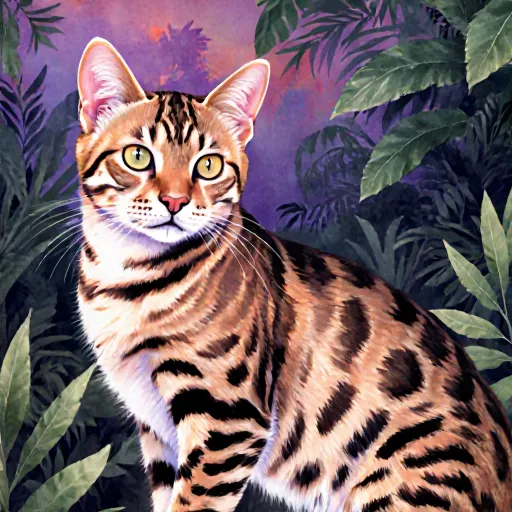
Discover the Untold Stories of Bengal's Legendary Figures
Bengal Legends: Everything You Need to Know
Table of Contents
- Introduction to Bengal Cats
- Historical Background of Bengal Cats
- Physical Appearance and Characteristics
- Temperament and Personality Traits
- Health and Lifespan
- Dietary Needs of Bengal Cats
- Exercise Requirements for Bengals
- Grooming Needs of Bengals
- Training and Socialization Tips
- Common Health Issues in Bengals
- Breeding and Adoption Options
- Interaction with Other Pets
- Conclusion
- FAQ
Introduction to Bengal Cats
Bengal cats are a fascinating breed that combine wild elegance and domestic charm. Originating from crosses between domestic cats and Asian leopard cats, these felines inherit striking physical attributes from their wild ancestors. The Bengal's unique coat patterns, often resembling spots or rosettes similar to those of leopards or tigers, make them instantly recognizable and highly sought after by cat enthusiasts.
Their energy levels are another hallmark of the breed; Bengals are known for being incredibly active and playful. They require plenty of stimulation both mentally and physically. An enriched environment with toys, climbing structures, and interactive games can help satisfy their energetic natures. Regular play sessions not only keep them healthy but also strengthen the bond between owner and pet.
Bengals are social animals that thrive on interaction with humans. They enjoy being part of daily family activities and often follow their owners around the house like devoted companions. However, while they love attention, they can sometimes be independent thinkers who choose when to seek out company or solitude based on mood.
One key aspect of owning a Bengal is understanding how to meet its specific needs. Nutritionally speaking, Bengals should have access to high-quality cat food formulated for active cats. It's important to monitor their weight carefully due to their tendency towards obesity when not sufficiently exercised. Fresh water and clean litter boxes are essential components of maintaining good health.
Training a Bengal might seem challenging at first because these intelligent creatures can be quite stubborn. Positive reinforcement methods work best; rewards such as treats or praise for desired behaviors encourage repetition without causing stress to the cat. Teaching basic commands like 'come,' 'sit,' and even more advanced tricks can provide mental stimulation while enhancing obedience.
Before bringing a Bengal into your home, consider factors like lifestyle compatibility and space availability. Given their high activity levels, Bengals need plenty of room to move around both indoors and potentially outdoors (under supervision). If you're prepared for the commitment involved in caring for such an energetic breed, a Bengal could make an incredibly rewarding addition to any household.
For further information about Bengal cats, including detailed care guides tailored specifically for this unique breed, refer to the comprehensive resource "Bengal Cats: Everything You Need to Know."
Historical Background of Bengal Cats
The historical background of Bengal cats is a fascinating journey through time, marked by their exotic origins and captivating evolution. Bengal cats were first introduced into the world of domesticated pets in the late 20th century. The breeding program that led to the creation of this unique breed began with Dr. Willard Centerway in the United States during the 1960s.
Dr. Centerway's aim was to create a housecat that had the striking appearance of an exotic wild cat but retained the docile and affectionate nature of domesticated felines. He worked with a series of wild Asian Leopard Cats (Prionailurus bengalensis), crossbreeding them with domestic cats, primarily Siamese and Egyptian Mau. This pioneering effort resulted in kittens that displayed striking coat patterns reminiscent of their wild ancestors.
The offspring from these early crossings were the foundation for what would become the Bengal breed. However, it wasn't until 1976 when Dr. hybridization techniques improved significantly, leading to healthier and more stable offspring. In 1 generation that Dr. Marilyn Krieger took over the breeding program and helped establish the Bengal breed as we know today.
The breed gained official recognition from The International Cat Association (TICA) in 1983, followed by other associations such as The Cat Fanciers' Association (CFA), which recognized it in 2006. This recognition paved the way for Bengals to become a popular and sought-after breed worldwide.
Since then, Bengal cats have gained immense popularity among cat enthusiasts due to their striking coat patterns, which range from simple spots to complex marbling patterns that resemble watermelon seeds or cloud-like formations. The physical characteristics of Bengal cats include a muscular build, long legs, and large paws, giving them an athletic appearance.
Practical advice for those interested in adopting a Bengal cat includes understanding their high energy levels and active nature. Owners should provide ample opportunities for play and exercise to ensure the cat remains healthy and happy. Additionally, Bengals are known for being highly intelligent and can be trained using positive reinforcement techniques similar to dogs.
Examples of famous Bengal cats include "Tiger," a Bengal cat who gained international recognition due to his striking appearance and behavior. Tiger was featured in numerous publications and became an ambassador for the breed, helping to raise awareness about Bengals among potential owners.
In conclusion, the historical background of Bengal cats is rich with innovation and dedication from dedicated breeders like Drs. Centerway and Krieger. Their efforts have resulted in a breed that combines the best traits of wild and domesticated felines, making them an exciting addition to any household.
Physical Appearance and Characteristics
Bengal cats, known for their exotic looks and striking patterns, are a unique breed that captivates many cat lovers. Their physical appearance and characteristics make them stand out from other domesticated felines.
Hypoallergenic Features
One of the most appealing aspects of Bengal cats is their hypoallergenic potential, which makes them a popular choice for individuals with allergies to pet dander. While no cat breed is completely free from allergens, Bengals often produce less of the protein Fel d1, which triggers allergic reactions in many people. This characteristic is due to their hybrid background, blending domesticated cats with Asian leopard cats.
Distinctive Coat and Patterns
Bengals are renowned for their mesmerizing coats, which come in a variety of patterns including marble, spotted, and snow (which refers to the coloration rather than the pattern). Their coat is short but dense, providing them with a sleek, elegant appearance. The pattern on their bodies mimics the spots or rosettes found on leopards, tigers, and jaguars, making Bengals one of the most visually striking cat breeds.
Slim Build
Bengal cats are typically smaller than other domesticated cats but have a more muscular build. They are slender with long legs and a broad head. This slim yet athletic body type contributes to their agility and energy, making them excellent climbers and jumpers.
Large Ears and Eyes
The large, expressive ears of Bengals add to their exotic appearance, while their eyes can range from green to gold in color. This feature is one of the key indicators of a Bengal cat's wild ancestry. Their large eyes provide them with excellent peripheral vision, allowing them to spot potential threats or prey.
High Energy and Playfulness
Bengals are known for their high energy levels and playful nature. Their energetic behavior often reminds owners of their wild ancestors, the Asian leopard cats. They enjoy interactive play sessions with toys that mimic small animals like mice or birds. Owners should be prepared to engage in frequent playtime and provide mental stimulation.
Intelligent and Affectionate
Bengal cats are highly intelligent, which makes them easy to train. They can learn tricks and even use the litter box with minimal effort. Despite their intelligence and energy, they are also affectionate and bond strongly with family members. Bengals often seek out attention and enjoy being petted or held.
Health Considerations
Bengal cats generally have good health due to their hybrid heritage, which can help them avoid some of the common genetic conditions found in domesticated breeds. However, it's important for owners to stay informed about potential health issues and take regular veterinary check-ups.
Conclusion
In summary, Bengal cats are a fascinating breed with unique physical appearances and characteristics that set them apart from other domestic cats. Their exotic look, hypoallergenic features, intelligent nature, and affectionate demeanor make them an attractive choice for many cat lovers. Regular care and attention to their high-energy needs will ensure they remain healthy and happy companions.
Temperament and Personality Traits
Bengal cats are known for their striking appearance, but what sets them apart is their unique temperament and personality traits. Understanding these aspects is crucial for anyone considering adopting a Bengal cat or simply wanting to know more about this exotic breed.
Playful Nature
Bengals are incredibly playful cats, often displaying the energy of much larger felines like leopards and tigers. This high level of playfulness stems from their natural hunting instincts. They love interactive toys that mimic prey movements such as feather wands or laser pointers. Regular play sessions can help manage this energy, keeping your Bengal physically fit and mentally stimulated.
Example: A typical day for a Bengal might involve chasing after a dangling toy attached to a string or running around the house in pursuit of an imaginary mouse.
Affectionate but Independent
Bengals are affectionate cats that bond strongly with their human family members. They enjoy human interaction, often seeking out attention and cuddling. However, they also possess a strong sense of independence. Unlike some other breeds, Bengals do not demand constant attention; instead, they prefer to make their own decisions and explore their environment freely.
Practical Advice: Provide your Bengal with a variety of toys and hiding spots where they can feel secure while still having the freedom to explore. Regular interaction in short bursts is ideal for maintaining this balance between affection and independence.
Noisy Communicators
One of the most distinct characteristics of Bengal cats is their vocalization. They are known to be more talkative than many other cat breeds, often communicating with a wide range of meows and trills. This trait can be both a blessing and a challenge for owners.
Example: A Bengal might chirp or trill in the morning as a way to greet you, which is quite different from the more subtle vocalizations of other cat breeds.
Lovely with Children
Bengals are generally very tolerant and patient around children. Their large size and playful nature make them excellent companions for families with kids. However, it's important to introduce your Bengal gradually to the child and supervise their interactions at the beginning.
Practical Advice: Supervision during playtime ensures that both the child and the cat have a safe and enjoyable experience. Encourage gentle handling and respect from the children towards their new feline friend.
Social Needs
Bengals thrive in environments where they can socialize with humans and other pets. They are highly sociable creatures that enjoy company and attention. If you're considering adopting a Bengal, it's essential to have a home environment that meets these needs.
Example: A Bengal might sit on your lap one moment and then leap off to join your dog in play the next.
Care Tips for Bengals
To ensure your Bengal lives a happy and healthy life, consider their specific needs. Regular grooming is necessary due to their short, dense coats. Mental stimulation through play and interactive toys helps maintain their physical fitness. Additionally, provide plenty of vertical space like tree-like structures or tall shelves for climbing.
Health and Lifespan
Understanding a Bengal cat's health and lifespan is crucial for any prospective owner. These exotic-looking cats are not just about their striking appearance; they also come with specific needs that can impact their overall well-being and longevity.
Bengal cats, being the result of crossing domesticated cats with wild Asian leopard cats (Prionailurus binturong), inherit a unique set of traits. While these cats are generally robust due to their hybrid vigor, they may also carry some health concerns specific to their genetic background.
Common Health Concerns
- Hypertrophic Cardiomyopathy (HCM): This is a common heart disease in Bengal cats. It can lead to thickening of the heart muscle, which affects its ability to pump blood effectively. Early signs include difficulty breathing and lethargy.
- Gastrointestinal Issues: Due to their wild ancestry, Bengals may be more prone to digestive problems like diarrhea or constipation. Feeding a high-quality diet rich in fiber can help manage these issues.
Health Maintenance Tips
- Vaccinations: Just like any other cat, regular vaccinations are essential to protect Bengals from common feline diseases such as rabies and leukemia.
- Diet: A balanced diet is crucial for maintaining Bengal's health. Opt for high-quality cat food that meets their nutritional needs. Wet food can help prevent urinary tract issues in these active cats.
- Exercise: Bengals are energetic and need plenty of physical activity to keep them healthy. Interactive toys, climbing structures, and daily playtime are essential for keeping them fit and reducing the risk of obesity.
Bengal cats typically have a lifespan similar to other breeds of domesticated cats, which can range from 15 to 20 years. However, individual life spans can vary significantly based on genetics, diet, and overall care. Proper healthcare and lifestyle choices play a critical role in ensuring a long and healthy life for your Bengal.
Factors Influencing Lifespan
- Genetics: The genetic background of the cat, especially if it has more wildcat blood, can influence its health and lifespan. Regular vet check-ups help monitor any potential issues early on.
- Diet: A balanced diet rich in essential nutrients supports a healthy immune system and helps prevent diseases associated with poor nutrition.
- Veterinary Care: Routine visits to the veterinarian for vaccinations, health checks, and dental care are vital. Early detection of any potential health issues can significantly improve the cat's quality of life and longevity.
Conclusion
In summary, while Bengal cats have a robust build due to their hybrid nature, they still require specific care tailored to their unique needs. By understanding these requirements and providing proper healthcare and lifestyle choices, you can help ensure your Bengal cat enjoys a long and healthy life.
Dietary Needs of Bengal Cats
Bengal cats, known for their striking coat patterns and playful personalities, have unique dietary needs that set them apart from other domestic cat breeds. Proper nutrition is crucial to maintaining the health and vitality of your Bengal cat. Understanding these specific dietary requirements can help you ensure that your cat receives optimal nutrition.
Understanding the Natural Diet
Bengals are a relict hybrid breed, meaning they have roots in wild Asian leopard cats (Prionailurus bengalensis). This genetic background influences their dietary preferences and nutritional needs. In their natural habitat, these wild ancestors subsisted primarily on small prey such as rodents, birds, and insects. Consequently, Bengals tend to have a higher protein requirement compared to other domestic breeds.
Protein Content
The high-protein diet of Bengal cats reflects their evolutionary history. They require more protein than many other cat breeds, with an ideal range typically between 45% and 60% of their total caloric intake. Feeding a high-quality commercial food formulated specifically for Bengals can help meet these higher needs.
Fats
Another aspect influenced by their wild ancestry is the need for healthy fats in their diet. Fats play an essential role in energy production and support the health of their coat. However, it's important to balance this with carbohydrates as excessive fat can lead to obesity. A moderate amount, usually around 20%, helps maintain a lean yet energetic Bengal.
Vitamins & Minerals
Given their unique dietary needs, vitamins and minerals are also critical components of the Bengal's diet. They should be provided through a balanced commercial food or supplements recommended by your veterinarian. Deficiencies in certain nutrients like taurine (which is particularly important for heart health) can lead to serious health issues.
Water Intake
Due to their active lifestyle and higher protein intake, Bengals need plenty of water to stay hydrated and support proper digestion. Offering multiple sources of fresh water in various locations around the house may encourage increased consumption. Additionally, feeding canned food can help increase overall hydration.
Special Considerations
While commercial cat foods designed for Bengals are available, they should be supplemented with raw meat to mimic their natural diet as closely as possible. Always consult with a veterinarian before introducing any new elements into your Bengal's diet. Also, avoid feeding them human food regularly; while some items might be okay in small quantities, certain foods can be toxic or harmful.
Conclusion
Understanding and meeting the dietary needs of Bengal cats is key to their overall health and happiness. By providing a high-protein diet rich in fats but balanced with carbohydrates, along with adequate vitamins, minerals, and fresh water, you're setting your cat up for long-term well-being.
Exercise Requirements for Bengals
Bengal cats, known for their high energy levels and playful nature, require regular exercise to maintain their physical health and mental stimulation. Here are some key points and practical advice on how you can ensure your Bengal cat stays active and happy:
Understanding Bengal Cats' Exercise Needs
Bengals have an energetic and curious disposition that makes them different from other breeds. They were bred to mimic the natural behavior of wildcats, so they need plenty of exercise to keep them mentally stimulated and physically fit.
Interactive Toys
Providing interactive toys can be a great way to engage your Bengal in play. Toys that require interaction or have moving parts are particularly appealing to Bengals. Some popular choices include:
- Feather wands for chasing and pouncing.
- Moving laser pointers which simulate the movements of prey.
- Interactive feeding toys that encourage problem-solving behavior.
Climbing and Jumping
Bengals love to climb, jump, and explore. Providing them with vertical space can help satisfy their natural instincts. Consider setting up:
- Multiple levels in your cat's play area.
- Cat trees or tall scratching posts that allow for climbing.
Outdoor Play (with Supervision)
For those who live in an environment where it is safe to do so, supervised outdoor play can be a wonderful way for your Bengal to get exercise. However, it's important to ensure that the area is secure and free of hazards.
Daily Playtime
Consistency is key when it comes to exercising your Bengal. Aim for at least 20-30 minutes of play each day, broken into shorter sessions if possible. This helps maintain their energy levels throughout the day and keeps them engaged.
Rotate Toys Regularly
To keep things interesting and stimulate your cat's curiosity, regularly rotate toys in their environment. Cats can get bored with the same toys after a while, so introducing new items periodically can reignite enthusiasm for playtime.
Promoting Overall Health
Exercise is not just about keeping Bengals active; it also plays a role in promoting overall health. Regular exercise can help prevent obesity and reduce the risk of other health issues such as arthritis, diabetes, and heart disease that are more common among cats.
Encouraging Natural Instincts
Bengals' natural instincts for hunting can be satisfied by providing them with opportunities to "hunt" in your home. This could include using toy mice or lizards, and even playing hide-and-seek games where you encourage them to find hidden objects.
By incorporating these strategies into your routine, you'll not only keep your Bengal cat healthy and happy but also strengthen the bond between you and your pet.
Grooming Needs of Bengals
Bengal cats, known for their wild and exotic appearance, have unique grooming needs that set them apart from other domesticated cat breeds. These cats are not hypoallergenic but still make wonderful pets due to their intelligence and playful nature. Understanding these grooming requirements can help ensure your Bengal stays healthy and happy.
Bengals do not shed as much as some other cat breeds, primarily because they have a short coat that is similar in density to wild cats like leopards. However, their shedding can increase during seasonal changes. Regular brushing once or twice a week is usually sufficient to keep your Bengal's coat looking its best. This routine not only helps maintain the beauty of their fur but also strengthens the bond between you and your pet.
To effectively groom your Bengal, it’s important to use appropriate tools that match the texture of their coat:
- Slicker Brush: Ideal for removing loose hair and tangles. It is especially useful during shedding seasons.
- Grooming Gloves: Soft gloves with stiff bristles can mimic the effect of brushing while being gentler on your hands.
- Feline Nail Clippers: Keeping nails trimmed helps prevent overgrown claws that could catch on fabrics or furniture.
While a regular brushing routine is essential, there are areas of the Bengal’s body that might need extra attention to keep their grooming needs met:
- Ears: Check for any signs of infection or excess wax. Clean gently with a cotton ball and veterinarian-approved ear cleaner.
- Nails: Trim nails regularly, about every 2-3 weeks depending on how active your Bengal is.
- Mouth: Clean teeth and gums to prevent oral health issues. Offer toys that encourage chewing for natural cleaning.
The type of food you feed your Bengal can also influence their grooming needs:
- High-Quality Protein: A diet rich in protein helps maintain a healthy coat and reduces shedding. Look for foods that contain natural proteins like chicken, fish, or beef.
- Fiber Content: Foods with adequate fiber can help promote digestion and prevent hairballs, reducing the need to groom as much due to less hair ingested.
- Vitamins & Minerals: Ensure your Bengal gets essential vitamins like Omega-3 and Omega-6 fatty acids which are vital for a healthy skin and coat. Supplements can be added based on your veterinarian’s advice.
Bengals, like all cats, love to play with their paws, but it's important to keep them clean and healthy:
- Trimming: Regular trimming of nails is crucial for preventing overgrown claws.
- Cleaning: Use a damp cloth to gently wipe down your Bengal’s paws after they’ve been outside. This helps remove any dirt or debris that could irritate their skin.
Maintaining good hygiene is crucial for the overall health of your Bengal:
- Daily Inspections: Check your cat’s body daily for any signs of injury, lumps, or changes in behavior. Early detection can lead to early treatment.
- Bath: While not necessary frequently due to their short fur, occasional bathing is recommended if the coat becomes very dirty or oily. Use a gentle, pH-balanced cat shampoo.
In conclusion, with consistent and proper grooming practices, your Bengal will maintain its stunning appearance while staying healthy and content. Remember that every Bengal cat is unique, so it's always good to observe their specific needs and adjust your care routine accordingly. Regular interactions during grooming sessions can also serve as an excellent opportunity for bonding with your pet.
Training and Socialization Tips
Bengal cats, known for their striking appearance and high energy levels, require special attention when it comes to training and socialization. These steps are crucial in ensuring your Bengal cat grows up to be a well-adjusted, friendly companion. Here are some practical tips tailored specifically for Bengal cats:
Early Socialization
Starting the process of socialization early is vital for Bengals as they tend to be more independent and sometimes wary around new people or environments. Introduce your Bengal kitten to different types of people, including children, elderly individuals, and strangers. This exposure helps them become accustomed to varied voices, scents, and movements.
- Use Positive Reinforcement: Reward Bengals with treats and affection for calm behavior around new faces or environments. Positive reinforcement encourages them to associate positive experiences with social interactions.
- Create Familiar Scenarios: Set up playdates with other cats or dogs in a controlled environment. This not only helps them learn to coexist but also builds their confidence when meeting new animals.
Daily Routine and Structure
Bengals thrive on routine, which aids in their socialization process. Establishing a consistent daily schedule will help your Bengal feel secure and predict the day's events.
- Meal Times: Feed your cat at specific times of the day to create a predictable routine.
- Playtime: Allocate time each day for play. Interactive toys like laser pointers or feather wands can be particularly engaging for Bengals, encouraging them to bond with you during these sessions.
Training Tips
Bengals are intelligent and trainable but may require a different approach compared to other cat breeds due to their active nature. Patience is key when training your Bengal cat.
- Lure Training: Use treats or toys to guide Bengals through commands. For instance, teach them to come when called by using a treat as an incentive.
- Clicker Training: Clicker training can be very effective for Bengals who are quick learners and enjoy the game-like aspect of it. Pair the sound of the clicker with treats to reinforce good behavior.
Handling Bengals During Travel or Visitors
Bengals, like many cats, may feel stressed during travel or when there's a lot of unfamiliar activity in their space. Proper preparation and gradual exposure can help minimize anxiety.
- Vet Visits: Prepare your Bengal for vet visits by rewarding them with treats and positive reinforcement. Gradually introduce the carrier to make it part of their routine, not something to fear.
- New Companions: When introducing a new pet or person into your home, allow time for gradual introductions rather than overwhelming them with too many changes at once.
Conclusion
Incorporating these training and socialization tips will go a long way in making your Bengal cat an adaptable and friendly companion. Remember, each Bengal is unique; observe their preferences and adjust the training methods accordingly to ensure they grow up happy and well-socialized.
Common Health Issues in Bengals
Bengal cats, known for their striking looks and playful personalities, can sometimes be prone to certain health issues. Understanding these common problems is crucial for any owner looking to keep their Bengal cat healthy and happy. Below are some of the most prevalent health concerns you should be aware of.
Respiratory Infections
Bengal cats, like other breeds, can suffer from respiratory infections. These infections can range in severity from mild to severe, depending on the underlying cause. Common causes include viruses such as feline herpesvirus (FHV-1) or calicivirus (FCV), which are highly contagious and often result in sneezing, runny nose, and watery eyes.
Prevention: Regular vaccinations can help protect your Bengal from these viruses. Good hygiene practices, such as regularly cleaning litter boxes and keeping the home clean, also play a significant role in preventing respiratory infections.
Dental Disease
Just like humans, cats need regular dental care to avoid issues that can affect their overall health. Dental disease in Bengals can lead to more serious problems such as periodontal disease, tooth loss, and even systemic infections. Regular brushing of your Bengal's teeth is essential.
Tips: Use a soft-bristled brush designed for cats or a specially formulated cat toothbrush. Offer dental treats recommended by veterinarians to support oral health. Consult with your vet about professional teeth cleaning if needed.
Gastrointestinal Issues
Bengals are known for their adventurous eating habits, which can sometimes lead to gastrointestinal issues such as constipation or diarrhea. Feeding a high-quality diet that is appropriate for Bengals (not too rich in proteins) and providing clean water at all times is key.
Advice: Avoid feeding table scraps and ensure your Bengal has access to fresh, clean water daily. Monitor their diet closely and consult with a vet if digestive issues persist or worsen.
Obesity
Overweight Bengals are at risk for various health problems including diabetes, joint pain, and heart disease. Proper exercise and a balanced diet are essential to maintaining an ideal weight.
Solutions: Engage your Bengal in play activities such as chasing toys or climbing obstacles. Ensure their food portions are appropriate for their activity levels and age. Regular veterinary check-ups can help monitor weight and adjust feeding schedules accordingly.
Musculoskeletal Disorders
Bengals have a higher risk of musculoskeletal disorders due to their active nature and muscular build. Conditions like hip dysplasia and luxating patellas (slipped kneecaps) can be common in this breed.
Precautions: Regular exercise, particularly water-based activities, can help maintain joint health. Early signs of discomfort should prompt a visit to the vet for diagnosis and treatment options.
Hypertrophic Cardiomyopathy
This is one of the most serious heart conditions affecting Bengals. It causes an enlargement of the heart muscle, leading to congestive heart failure if left untreated. Symptoms can include difficulty breathing, lethargy, and a decrease in appetite.
Monitoring: Regular veterinary check-ups are crucial for early detection and intervention. Ultrasound screenings by a vet who specializes in cardiology may be necessary.
In conclusion
Understanding the common health issues faced by Bengals is vital for their long-term well-being. By being proactive and vigilant, you can help your Bengal lead a healthy life filled with love and companionship.
Breeding and Adoption Options
Bengal cats are a unique and popular breed known for their exotic appearance and playful personalities. When considering breeding or adopting a Bengal cat, there are several important factors to keep in mind to ensure the health, happiness, and well-being of both the kittens and the owners.
Breeding Options
Breeding Bengal cats can be an exciting venture for those who have experience in managing a breeding program. However, it's crucial to understand that responsible breeding practices are essential to maintain the health and genetic diversity of the breed. Here’s what you need to know:
- Health Checks: Before any mating occurs, both parents should undergo thorough health checks by a veterinarian experienced with exotic pets. This ensures no hereditary diseases are passed on to offspring.
- Cattery Setup: Proper cattery conditions are vital for the health and comfort of both the mother cat (queen) and the kittens. The space should be clean, warm, and stress-free to minimize risks during gestation and birth.
- Felv/FIV Testing: Feline Leukemia Virus (FeLV) and Feline Immunodeficiency Virus (FIV) are serious concerns in breeding programs. Both parents must test negative for these viruses to prevent transmission of the diseases to their offspring.
Adoption Options
Adopting a Bengal cat can be an equally rewarding experience, offering a loving home without the commitment required for breeding. Here are some tips and considerations:
- Pick a Reputable Shelter or Breeder: Choose a reputable shelter or breeder who provides health guarantees and offers support after adoption. This helps ensure you receive a healthy, well-socialized kitten.
- Ask Questions: Before adopting, ask about the history of the cat, including any genetic traits, behavior patterns, and previous medical issues. Understanding these can help in preparing your home environment to best suit the adopted Bengal’s needs.
- Socialization: Bengal cats thrive on interaction. Ensure that you spend time socializing them early, which will make them more comfortable around people and other animals later in life.
In conclusion, whether choosing to breed or adopt a Bengal cat, it's important to approach the process with thorough research and preparation. By following these guidelines, you can ensure that any new addition to your family brings joy and companionship for years to come.
Interaction with Other Pets
Bengal cats, known for their playful and energetic nature, can have a variety of interactions with other pets. However, the way they interact depends significantly on individual personalities, the age of the pets, and how early socialization takes place.
Early Socialization
The earlier a Bengal cat is exposed to other pets in a controlled environment, the more likely it is to develop positive interactions. Early socialization helps in creating bonds that can last a lifetime. For example, if you have a dog and are considering adopting a Bengal kitten, start by introducing them gradually. Allow supervised play sessions where both pets get used to each other's presence.
Observing Behavior
Each Bengal cat is unique, so it’s important to observe their behavior towards other pets. Some Bengals may be more tolerant of dogs or other cats than others. For instance, a Bengal named Leo might playfully chase after his dog buddy, while another Bengal named Luna prefers to keep her distance. Always supervise interactions and intervene if there are any signs of aggression.
Introducing New Pets
When introducing a new pet into the household with an existing Bengal cat, it’s crucial to do so gradually. Start by allowing them to get used to each other through scent exchanges. Place the new pet's items in different parts of the house where the Bengal can explore and become accustomed to their smell. Once they are more comfortable with the scents, allow supervised face-to-face interactions.
Playtime and Activities
Engaging in playtime is a great way for Bengals to interact positively with other pets. Interactive toys that encourage both cats and dogs to work together can be particularly beneficial. For example, use a feather teaser or laser pointer to create engaging sessions where both pets are involved. This not only strengthens the bond between your pets but also provides mental stimulation.
Space and Boundaries
While Bengals generally get along well with other pets, it’s important to respect each pet's space and boundaries. Ensure that there is enough room for both pets to retreat if they need a break from the interaction. Providing separate sleeping areas and designated spaces can help maintain peace in your home.
Dealing with Aggression
If you notice signs of aggression between your Bengal cat and another pet, it’s essential to address the issue promptly. This could involve separating them temporarily or seeking advice from a professional behaviorist. Positive reinforcement training can also help in reducing aggressive behaviors by rewarding calm and cooperative interactions.
Conclusion
In summary, Bengal cats can interact positively with other pets given proper socialization, supervision, and management of their environments. By fostering these positive relationships early on, you can ensure a harmonious living space for all your pets.
Conclusion
Bengal cats are a unique breed that combines the wild beauty of their ancestors, the Asian leopard cat, with the domestic affection of a pet. They are known for their strikingly beautiful coats and playful personalities. In this detailed blog post, we have covered various aspects of Bengal cats to provide you with all the information you need to decide if these extraordinary felines might be right for you.
Coat and Appearance
Bengals are instantly recognizable by their coat patterns. They can have a wide variety of markings, including spots, marbling, and rosettes—similar to those found on leopards or jaguars. These unique patterns make each Bengal cat distinctive and eye-catching.
Behavior and Personality
Bengal cats are known for their high energy levels and active lifestyles. They are intelligent, playful, and often enjoy engaging with their owners in various activities. Bengals can be very affectionate towards their human family members but may also be wary of strangers. They tend to bond closely with one or two individuals within the household.
Diet and Nutrition
To ensure your Bengal cat stays healthy, it's important to provide a balanced diet. High-quality dry food formulated for active cats is a good choice. Additionally, you might consider incorporating wet food into their diet as well. Supplements such as Omega-3 fatty acids can also support coat health and overall wellness.
Exercise and Playtime
Bengals require plenty of exercise to keep them healthy and happy. Providing them with interactive toys, climbing structures, and regular play sessions is crucial for their mental and physical well-being. Puzzle feeders and laser pointers are excellent tools to stimulate your Bengal's natural hunting instincts.
Health Considerations
Bengals are generally healthy cats, but like any breed, they can be prone to certain health issues such as dental problems or urinary tract infections. Regular veterinary check-ups and routine care are essential to maintaining your Bengal's health.
Selecting a Bengal Cat
If you're considering adopting a Bengal cat, it's important to find one from a reputable breeder who prioritizes the cat's well-being. Research different breeders online or through local pet organizations to ensure you’re making an informed decision.
Remember that owning a Bengal requires commitment and dedication. They are not low-maintenance pets, but their unique charm can make them rewarding companions for those willing to invest time into their care.
FAQ
Are you considering adopting a Bengal cat or just curious about their unique traits? Here are some frequently asked questions along with detailed answers to help you understand these exotic felines better.
General Information
Q: What is a Bengal cat?
A: A Bengal cat is a domesticated breed that combines the striking appearance of wild Asian Leopard cats with the temperament and healthiness of housecats. Developed through selective breeding, Bengals are known for their beautiful coat patterns, which can resemble spots or marbled designs similar to those found in leopards.
Healthcare
Q: What kind of healthcare do Bengal cats require?
A: Like any other cat breed, Bengals need regular veterinary check-ups and vaccinations. Since they are a relatively new breed with some genetic background from their wild relatives, it's important to monitor their health closely for any signs of hereditary issues or infections related to their feral ancestry.
Diet
Q: What should I feed my Bengal cat?
A: Bengals have high energy levels due to both their wild and domestic heritage. They thrive on a diet rich in protein, vitamins, and minerals. High-quality dry food or canned meat-based diets are suitable options. It’s also beneficial to include some raw foods such as fresh meats or fish in your cat's diet, but always consult with your vet before making significant changes.
Exercise & Training
Q: How do I keep my Bengal active?
A: Bengals are highly energetic and playful, similar to their wild cousins. Providing them with plenty of toys, climbing structures, and interactive play sessions can help burn off excess energy. Regular walks on a harness (if suitable) and engaging in training exercises that challenge their intelligence will keep your Bengal happy and healthy.
Behavior
Q: Are Bengals affectionate?
A: Yes, Bengals are known for being very loving and affectionate pets. They often bond closely with their owners and enjoy human interaction. However, each individual cat may vary slightly in terms of personality, so while they generally love attention, you should also consider this when selecting a pet.
Adoption
Q: Where can I find a Bengal cat?
A: You can adopt or purchase a Bengal cat from reputable breeders who specialize in this breed. Always ensure that the breeder follows ethical practices and provides you with thorough information about the kitten's background, health records, and care instructions.
Conclusion
In conclusion, Bengals make wonderful companions if properly cared for and given adequate attention. Their unique appearance and energetic nature make them stand out among other cat breeds, but remember that every pet has special needs that require careful consideration from their owners.
Categories
- AI & Enrichment Play
- Broiler Farming
- Broiler Farming Tips
- Canine Wellness & Longevity
- Cat
- Cat & Human Connection
- Cat Adoption & Rescue
- Cat Breeds
- Cat Breeds & Personalities
- Cat Care & Health
- Cat Grooming & Hygiene
- Cat Lifestyle & Environment
- Cat Myths & History
- Cat Nutrition & Diet
- Cat Products & Reviews
- Cat Training & Behavior
- Comparison
- Consumer Awareness
- Dog
- Dog Accessories & Products
- Dog Adoption & Rescue
- Dog Breed & Lifestyle Trends
- Dog Breeding & Puppies
- Dog Entertainment & Media
- Dog Fashion & Trends
- Dog Fun & Lifestyle
- Dog Grooming & Hygiene
- Dog History & Culture
- Dog Myths, Science & Future Tech
- Dog News & Trends
- Dog Nutrition & Food
- Dog Psychology & Emotions
- Dog Safety & Security
- Dog Sports & Activities
- Dog Technology & Innovation
- Dog Training for Modern Owners
- Dog Travel & Adventure
- Dog Travel, Adventure & Culture
- Economic and Market Insights
- Educational Content
- FAQs
- Feeding Alternatives
- Festivals & Seasonal Ideas
- Fun & Entertainment
- General Knowledge
- General Pig Farming
- Health & Disease Management
- Housing and Environment
- Kittens
- Market Insights
- Miscellaneous
- Miscellaneous
- Motivational
- pig
- Pig Breeding
- Pig Breeds
- Pig Farming Stories and Inspiration
- Pig Health and Care
- Pig Nutrition
- Pig Products
- Profitability & Business
- Puppy Care
- Puppy Predictable Topics Reinvented
- Regional Focus
- Rescue & Adoption Buzz
- Senior Cats
- Senior Dog Care
- Smart Dog Tech & Gadgets
- Sustainability
- Sustainable & Eco-Friendly Dog Products
- Tech & Innovations
- Working & Service Dogs
- Broiler Feed66 products
- Country Feed33 products
- Pig Feed66 products
- Product22 products
- Raw Materials99 products
Products
-
 Fish Meal
₹1,999.00 – ₹2,999.00Price range: ₹1,999.00 through ₹2,999.00Rated 0 out of 5
Fish Meal
₹1,999.00 – ₹2,999.00Price range: ₹1,999.00 through ₹2,999.00Rated 0 out of 5 -
 FATTENING BROILER FEED
₹2,299.00 – ₹2,349.00Price range: ₹2,299.00 through ₹2,349.00Rated 0 out of 5
FATTENING BROILER FEED
₹2,299.00 – ₹2,349.00Price range: ₹2,299.00 through ₹2,349.00Rated 0 out of 5 -
 LAYER COUNTRY FEED
₹1,549.00 – ₹1,649.00Price range: ₹1,549.00 through ₹1,649.00Rated 0 out of 5
LAYER COUNTRY FEED
₹1,549.00 – ₹1,649.00Price range: ₹1,549.00 through ₹1,649.00Rated 0 out of 5 -
 COUNTER BROILER FEED
₹1,199.00 – ₹1,299.00Price range: ₹1,199.00 through ₹1,299.00Rated 0 out of 5
COUNTER BROILER FEED
₹1,199.00 – ₹1,299.00Price range: ₹1,199.00 through ₹1,299.00Rated 0 out of 5 -
 LACTATING PIG FEED
Rated 0 out of 5
LACTATING PIG FEED
Rated 0 out of 5₹2,299.00Original price was: ₹2,299.00.₹1,740.00Current price is: ₹1,740.00. -
 Maize
Rated 0 out of 5
Maize
Rated 0 out of 5₹1,650.00Original price was: ₹1,650.00.₹1,300.00Current price is: ₹1,300.00. -
 GESTATION PIG FEED (Phase 1)
Rated 0 out of 5
GESTATION PIG FEED (Phase 1)
Rated 0 out of 5₹2,249.00Original price was: ₹2,249.00.₹1,699.00Current price is: ₹1,699.00. -
 Pre Starter Broiler Feed
₹2,399.00 – ₹2,499.00Price range: ₹2,399.00 through ₹2,499.00Rated 0 out of 5
Pre Starter Broiler Feed
₹2,399.00 – ₹2,499.00Price range: ₹2,399.00 through ₹2,499.00Rated 0 out of 5 -
 FINISHER PIG FEED
Rated 0 out of 5
FINISHER PIG FEED
Rated 0 out of 5₹2,299.00Original price was: ₹2,299.00.₹1,749.00Current price is: ₹1,749.00. -
 Broiler Premix
Rated 0 out of 5
Broiler Premix
Rated 0 out of 5₹820.00Original price was: ₹820.00.₹699.00Current price is: ₹699.00.