
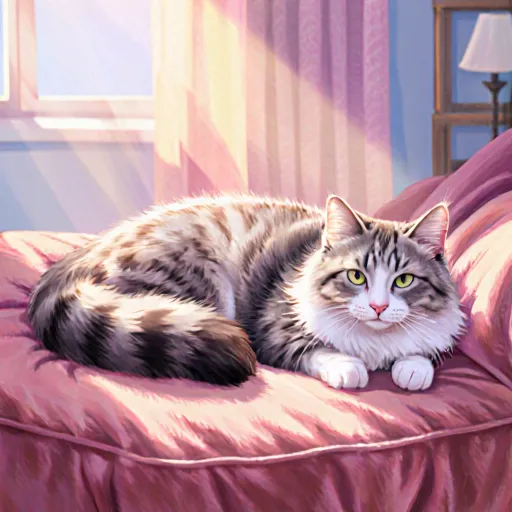
Unlock the secret to owning a British Shorthair cat
Love Me, Spoil Me—British Shorthairs Need It!
Table of Contents
- British Shorthair Cats: An Overview
- Origins and History
- Physical Appearance
- Temperament and Personality
- Intelligence and Playfulness
- Lifespan and Health
- Dietary Needs
- Grooming Requirements
- Exercise Recommendations
- Interaction with Families and Children
- Common Health Issues to Watch For
- Training Tips for British Shorthairs
- Conclusion
- FAQs about British Shorthair Cats
British Shorthair Cats: An Overview
The British Shorthair cat is one of the most iconic and beloved feline breeds, renowned for its distinctive physical features and gentle temperament. This section aims to provide an in-depth overview of this charming breed, drawing from key characteristics outlined in "British Shorthair Cats: Characteristics & Care."
One of the most striking features of British Shorthairs is their round and muscular body structure. They are often described as having a compact, powerful build, which makes them appear more solid compared to other breeds. Their head is broad with high cheekbones, giving them a somewhat flattened face appearance. This unique facial shape contributes significantly to their distinct look, making it easy to identify an English Shorthair.
British Shorthairs are known for being exceptionally calm and friendly cats. According to "British Shorthair Cats: Characteristics & Care," these cats typically have a gentle nature, making them excellent companions for families with children or other pets. They tend to be non-aggressive towards strangers and can easily adjust to new environments. Their calm demeanor also makes them suitable as indoor-only cats.
The British Shorthair's coat is short, dense, and velvety-smooth, which gives it a luxurious feel. It comes in a variety of colors including blue (the traditional color), chocolate, lilac, cream, silver, gold, tortoiseshell, and many more patterns. Regular grooming is essential to maintain their beautiful coats; brushing them 2-3 times per week can help prevent matting and keep their coat looking its best.
A well-balanced diet is crucial for maintaining good health in British Shorthairs. "British Shorthair Cats: Characteristics & Care" recommends feeding them high-quality cat food that meets their nutritional needs, especially as they age. It's important to provide enough protein while keeping fats and sugars at moderate levels. Additionally, ensure your British Shorthair has access to plenty of fresh water daily.
Like all breeds, British Shorthairs may be prone to certain health issues such as obesity due to their tendency towards being sedentary and having a high caloric intake. Regular veterinary check-ups are recommended starting from kittenhood through adulthood. Monitoring for signs of arthritis can also be beneficial given the breed's predisposition.
In summary, British Shorthairs offer much more than just companionship; they bring warmth and joy into homes with their loving nature and charming appearance. By understanding and addressing these aspects, you can ensure a happy and healthy life for your British Shorthair cat.
Origins and History
The British Shorthair cat breed has a rich and storied history that dates back to ancient times. This breed is one of the oldest breeds known, with origins that can be traced back thousands of years. In Britain, it was originally referred to as the "English Domestic Shorthair" before being renamed to its current name, "British Shorthair," in 1978.
Historically, British Shorthairs were valued for their versatility and practicality rather than their appearance. They were working cats, often found on farms where they served as effective mousers. This utility was crucial during the colder climates of Britain, as these cats could easily adapt to cold weather due to their dense, double-layered coats.
The breed's characteristics have remained relatively unchanged over time, reflecting its role as a working cat for centuries. Their calm and steady demeanor made them ideal companions for people who needed a pet that was less active than breeds like Siamese or Abyssinians. This tranquility also contributed to their popularity in British households.
During the Victorian era, interest in purebred cats grew, leading to increased efforts to standardize and improve the breed. Breeders began focusing on specific traits such as coat color, pattern, and texture, which further defined the British Shorthair. This period also saw an increase in cat shows where British Shorthairs often excelled due to their robust build and striking appearance.
The British Shorthair's status as a breed of choice for many households extended beyond Britain, with enthusiasts across Europe and North America embracing them. Their solid, well-proportioned bodies, round faces, and wide-set eyes make them instantly recognizable and beloved worldwide.
Today, while still valued for their practical qualities, British Shorthairs are also celebrated for their elegant appearance in the world of cat shows. They continue to be popular pets known for their friendly nature, loyalty, and easygoing temperament, making them a favorite among many families.
Physical Appearance
The British Shorthair is a breed known for its robust and well-proportioned body, which reflects the traditional cat's physical attributes. Their dense coat provides insulation against cold weather, making them especially suited to cooler climates.
Body Structure
The British Shorthair has a broad chest with strong legs that are medium in length and sturdy. This gives the cat an overall robust appearance. The build is muscular yet balanced, ensuring strength without appearing overly bulky. Their wide head is domed, giving them a prominent forehead, which is a hallmark of this breed.
Head Shape
The head shape can vary slightly but should always be in proportion to the body. The face is broad and round with high cheekbones that give the cat its signature look. The eyes are large, round, and set wide apart, often appearing almost spherical when viewed from the side. Their coloration can range widely, including blue for blue British Shorthairs (the most popular variety), but also green or gold in other colors.
Coat
The coat of a British Shorthair is short and dense, which helps protect them from the cold. The undercoat is thick, providing insulation against cold weather. This makes it a particularly hardy breed for cooler climates. The coat can be in various colors such as blue, black, chocolate, lilac, cream, tortoiseshell, calico, and more.
Size
The British Shorthair is typically a large cat, with males often reaching up to 10-12 pounds and females being slightly smaller at around 8-9 pounds. Their size contributes significantly to their physical appearance and overall presence in the home.
Practical Tips for Maintaining Appearance
- Bathing: Regular grooming is essential, but bathing should be kept minimal due to their dense coat. Use a gentle cat shampoo suitable for short-haired cats and consult with your vet if you need recommendations.
- Diet: Maintain a healthy diet that supports overall health and appearance. Consult with your veterinarian to determine the best feeding schedule and type of food for your British Shorthair.
- Veterinary Care: Regular veterinary check-ups are crucial, especially as they age, to ensure their health is maintained and any issues detected early on.
Conclusion
The physical appearance of British Shorthairs is a testament to their robustness and traditional elegance. Their dense coats, broad heads, and muscular bodies make them a striking presence in any household. Proper care ensures that these attributes are preserved, allowing your British Shorthair to remain healthy and vibrant throughout its life.
Temperament and Personality
The temperament and personality of British Shorthair cats are often highlighted by their calm, affectionate, and friendly nature. These traits make them excellent companions for both adults and children. Their laid-back attitude towards life is one of the main reasons they are such popular pets.
Characteristics
- Calm and Quiet: British Shorthairs are known for their tranquil demeanor, which means they are not overly vocal. This makes them suitable for apartment living as they do not meow incessantly.
- Affectionate: Despite being calm, these cats show a lot of affection towards their owners. They enjoy gentle petting and spending time with people.
- Friendly: British Shorthairs are friendly both to humans and other pets in the household. This makes them great for families with multiple animals.
- Socially Engaged: While they do not demand constant attention, they still enjoy interactive playtime with their owners. They respond positively to games that involve toys or affectionate handling.
Care Requirements
Maintaining the temperament and personality of a British Shorthair is largely about ensuring proper care and understanding their needs:
Diet
Proper nutrition plays a crucial role in supporting their calm and affectionate nature. A balanced diet rich in high-quality proteins, vitamins, and minerals helps keep them healthy and content.
Exercise
Although they are not hyperactive, regular playtime is essential to keep British Shorthairs mentally stimulated. Interactive toys that encourage chasing or retrieving can help satisfy their playful instincts without being overly demanding on your time.
Grooming
Their short, dense coat requires minimal grooming; weekly brushing will help prevent matting and ensure they stay healthy and comfortable. Grooming also allows for early detection of any skin issues or signs of discomfort.
Health Care
Regular veterinary check-ups are important to monitor their overall health, particularly for hereditary conditions that can affect British Shorthairs like polycystic kidney disease (PKD). Early intervention and a healthy lifestyle help maintain their temperament and personality.
Practical Advice
- Create a Comfortable Environment: Provide them with cozy spaces to relax, such as soft beds or plush cat trees. This helps them feel secure and content.
- Patient Training: While they are generally easy-going, it's important to train them patiently using positive reinforcement techniques for basic commands or tricks.
- Socialization: Expose them gradually to different stimuli in a controlled manner. This helps them remain friendly and adaptable throughout their lives.
Conclusion
In summary, the temperament and personality of British Shorthair cats are a delightful combination of calmness, affectionate behavior, and friendliness. With appropriate care and attention to their needs, you can ensure that they continue to exhibit these wonderful traits for years to come.
Intelligence and Playfulness
The British Shorthair cat breed is renowned for its calm, gentle demeanor and striking appearance. While often described as "chill," these cats possess a surprising level of intelligence and playfulness that can sometimes go unnoticed by the casual observer.
Despite their reputation for being laid-back, British Shorthairs are surprisingly intelligent animals. They learn quickly and can be trained to perform simple tasks such as using a litter box or opening doors with a paw. Their intelligence also manifests in their ability to solve puzzles and figure out how to get what they want.
Training Your British Shorthair
Intelligent cats like the British Shorthairs can be trained using positive reinforcement techniques. Reward them with treats or praise when they perform a desired behavior, such as sitting quietly for a petting session or staying in their designated area during visiting hours.
Examples of Intelligent Behavior
- Pawing for Attention: A British Shorthair may use its paw to gently nudge your hand or arm, indicating that it wants attention. This is not just playful behavior but also a sign of their intelligence in communicating with you.
- Solving Puzzles: Place a treat inside an empty water bottle and watch as your British Shorthair figures out how to tip the bottle to get to its prize. This demonstrates their problem-solving skills that many other cat breeds lack.
- Understanding Commands: With consistent training, these cats can learn basic commands like "come," "sit," or "stay." They may even understand more complex instructions if taught through repetitive exposure and positive reinforcement.
While British Shorthairs are generally relaxed and low-energy, they can be playful at times. Their playfulness is most noticeable during their early years but can continue into adulthood with proper stimulation.
Encouraging Playful Behavior
To keep your British Shorthair engaged and happy, it's important to provide them with appropriate toys and activities that cater to their physical and mental needs. Cats enjoy interactive playtime where they can use their natural hunting instincts.
Recommended Toys for Playful British Shorthairs
- Fishing Pole Toy: A classic toy that simulates the movement of prey, perfect for catching your cat's attention. You can gently wave it around to encourage chasing and pouncing.
- Bird Feeder Toy: Attach a bird feeder toy to a string or stick, allowing your cat to interact with "birds" while indoors. This mimics their natural hunting behavior in a safe environment.
- Kittipaws or Climbing Toys: Encourage exploration and physical activity by providing platforms for them to climb on. These toys help satisfy their innate need for vertical space.
Playtime Activities
Set aside dedicated playtime each day, especially during the early morning hours or late evening when your British Shorthair is most active. During these sessions, engage in interactive games that challenge their minds and bodies. Remember to keep a close eye on them to ensure they don't overexert themselves.
Understanding the intelligence and playfulness of your British Shorthair can greatly enhance your relationship with your pet. By providing mental stimulation through training and physical activity, you're not only keeping them healthy but also enriching their lives. Always ensure that any activities you engage in are safe for both you and your cat.
Lifespan and Health
Understanding the lifespan and health of a cat is crucial for any responsible pet owner. For British Shorthair cats, these factors are especially important due to their distinct characteristics and care requirements.
The average lifespan of a well-cared-for British Shorthair cat can range from 12 to 15 years, with some living even longer if they receive proper nutrition, regular veterinary check-ups, and a healthy lifestyle. This relatively long life span is one of the reasons why these cats are so popular among owners who want pets that will be around for many years.
Health-wise, British Shorthairs generally have strong constitutions but can be prone to certain health issues if not properly managed. One condition commonly seen in this breed is polycystic kidney disease (PKD), which affects the kidneys and can lead to kidney failure over time. Early diagnosis and management of PKD are essential for maintaining your cat's long-term health.
Another potential health concern for British Shorthairs is obesity, primarily due to their sedentary nature and tendency towards overeating. Obesity in cats can lead to various health problems such as diabetes, arthritis, and respiratory issues. Regular exercise and a balanced diet are key to keeping your British Shorthair at an ideal weight.
Regular veterinary check-ups are crucial for monitoring your cat’s overall health. Early detection of any potential issues can significantly improve treatment outcomes. Vaccinations, parasite control, and dental care should also be part of your British Shorthair's routine care to ensure they stay healthy throughout their lives.
Dietary Considerations
Proper nutrition plays a vital role in the longevity and health of your cat. A diet rich in quality protein, vitamins, and minerals is essential for maintaining muscle mass, energy levels, and overall well-being. It’s important to choose high-quality food specifically formulated for British Shorthairs, as they have unique nutritional needs.
Avoid overfeeding or giving too many treats, which can contribute to obesity. Feeding portion-controlled meals based on your cat's age, activity level, and health status is recommended. Additionally, ensure fresh water is always available to prevent dehydration and promote kidney health.
Exercise and Play
While British Shorthairs are known for their laid-back nature, they still require some form of physical activity to stay healthy and happy. Providing opportunities for play and exercise can help maintain a healthy weight and prevent behavioral issues that may arise from boredom.
You can engage your cat in interactive play sessions using toys such as feather wands or laser pointers. These activities not only promote physical fitness but also strengthen the bond between you and your pet. Regular outdoor time, if safe for your environment, is another great way to encourage movement and stimulation.
Environmental Enrichment
British Shorthairs thrive in environments where they feel secure yet have opportunities to explore and interact with their surroundings. Offering multi-level perches, scratching posts, and various toys can help keep your cat mentally stimulated and physically active.
Create a comfortable resting area where your cat feels safe but is also exposed to different levels of stimulation. This helps prevent boredom and promotes overall mental health. Consider rotating toys or introducing new stimuli periodically to keep your British Shorthair engaged and curious.
Dietary Needs
The dietary needs of a British Shorthair cat are crucial for maintaining their health and well-being. Understanding these needs is essential for any owner looking to provide optimal care for their cat. The characteristics of the British Shorthair, such as their dense fur and generally calm demeanor, influence their nutritional requirements.
British Shorthairs are prone to gaining weight easily due to their sedentary nature. Therefore, a well-balanced diet is essential to prevent obesity, which can lead to various health issues like diabetes and joint problems. High-quality cat food should be rich in protein, vitamins, and minerals while being low in fat.
Protein Requirements
Cats are obligate carnivores, meaning they require a diet high in animal-based proteins to thrive. For British Shorthairs, ensuring that at least 50% of their daily caloric intake comes from protein is recommended. Foods like chicken, beef, and fish should be included in their diet.
Vitamins and Minerals
British Shorthairs need a balanced intake of essential vitamins such as A, C, D, E, and K, along with minerals like calcium, phosphorus, and magnesium. These nutrients support bone health, which is particularly important for this breed known for its robust physique.
Fiber Content
Due to their shorter digestive tracts compared to other breeds, British Shorthairs can be prone to hairballs if they don't consume enough fiber. Including foods with high fiber content, such as green beans or pumpkin, can help prevent hairball formation.
Aim for two meals per day, fed at consistent times to maintain a routine. Overfeeding is common due to their calm nature, so portion control is key. For adult British Shorthairs, a typical daily intake could range from 1/4 to 1/3 cup of dry food or equivalent in wet food.
British Shorthairs can be prone to urinary tract issues, especially as they age. Feeding a diet low in magnesium and rich in omega-3 fatty acids can help support kidney health and reduce the risk of bladder stones.
Snack Suggestions
- Dried fish flakes: A treat for their protein needs.
- Canned tuna: Offers a good balance of fats and proteins.
- Yogurt: Contains probiotics that help digestion but should be given in moderation.
Always consult with your veterinarian to tailor the diet according to your cat's specific needs, especially if they have any health conditions or are undergoing certain life stages such as pregnancy or senior years.
Grooming Requirements
For British Shorthair cats, grooming is a relatively low-maintenance task. However, it's crucial to understand their grooming needs to ensure they remain healthy and comfortable.
Daily Care
British Shorthairs have short, dense coats that can get tangled if not cared for properly. Daily brushing is recommended to prevent matting and keep the coat in good condition. Using a soft-bristled brush or a slicker brush works well for this purpose.
Weekly Grooming Sessions
Aim to set aside time each week for more thorough grooming sessions. These sessions should include:
- Brushing the Coat: Brush your cat's coat once a week with a steel comb or a wide-toothed comb. This helps remove loose fur, dirt, and dead skin cells.
- Nail Trimming: Trim your cat’s nails every 2-4 weeks to prevent overgrowth and potential injury. Be careful not to cut into the pink part of the nail (the quick).
- Ears Cleaning: Check your cat's ears for any signs of infection or debris, such as redness, odor, or excessive wax. Clean them if necessary with a cotton ball and a vet-recommended ear cleaner.
Bath and Hygiene
British Shorthairs generally do not require frequent baths due to their short hair, which can be prone to oiliness. A bath every few months is usually sufficient unless your cat gets into something that requires cleaning.
- Bathing: When bathing your British Shorthair, use a gentle, hypoallergenic shampoo specifically designed for cats. Avoid getting water in their eyes and ears to prevent infections.
- Dry Completely: After the bath, make sure your cat's fur is thoroughly dried before letting them outside or into the house. Excessive moisture can lead to skin issues.
Special Considerations
British Shorthairs are prone to gaining weight easily due to their sedentary nature and preference for tasty treats. Regular grooming can also help manage their weight by encouraging more activity through play sessions. Additionally, keep an eye on their overall health during these grooming sessions.
Professional Grooming
If you're not comfortable doing the grooming yourself or if your cat has a particularly challenging coat to handle, consider taking them to a professional groomer once every 6-8 weeks. Professional groomers can provide specialized care and advice tailored to your British Shorthair's unique needs.
Exercise Recommendations
Ensuring that your British Shorthair cat gets sufficient exercise is crucial for maintaining their overall health and well-being. Despite their calm and laid-back nature, these cats can still benefit from regular physical activity to prevent obesity and enhance their mental stimulation.
Daily Exercise Tips
- Interactive Toys: Use interactive toys such as feather wands or laser pointers. These stimulate your cat's natural hunting instincts, keeping them physically active. For example, a simple feather on an extendable wand can keep your British Shorthair engaged for hours.
- Playtime: Set aside time each day to play with your cat. Even short sessions of interactive play can make a big difference in their overall activity levels and energy expenditure.
- Hiding Toys: Hide small toys around the house for your cat to discover on their own. This not only provides exercise but also challenges their minds, keeping them mentally stimulated.
Mental Stimulation
British Shorthairs can sometimes be prone to boredom, which might lead to destructive behaviors if left unattended. Here are some ideas for mental stimulation:
- Food Puzzle Toys: Use food puzzle toys that require your cat to solve a mini-puzzle to get their meal. This is an excellent way to provide both physical and mental exercise.
- Obstacle Courses: Create simple obstacle courses using furniture or household items for your cat to maneuver through. This can be as simple as placing some boxes in the path of your British Shorthair.
Outdoor Safety
If you decide to let your British Shorthair spend time outdoors, ensure they are safely enclosed in a secure outdoor space or supervised at all times. Cats can be curious and may wander into dangerous situations:
- Catio: Consider building a catio, an enclosed outdoor space that allows your cat to enjoy the fresh air without the risks.
- Veterinary Advice: Always consult with your vet about the best options for keeping your British Shorthair safe while outdoors.
Regular Checks
Monitor your cat's activity levels regularly. If you notice a significant drop in their usual level of exercise, it might be worth checking with your veterinarian to ensure there are no underlying health issues that need addressing. Regular check-ups can also help catch any potential problems early.
In conclusion, incorporating regular exercise and mental stimulation into the daily routine of your British Shorthair cat is essential for their overall health and happiness. By following these simple recommendations, you can ensure that your cat remains active, healthy, and content in their environment.
Interaction with Families and Children
The British Shorthair cat, often regarded as a gentle giant among felines, is known for its calm and friendly demeanor. This makes it an excellent companion for families and children alike. Its large, round eyes, plush coat, and sturdy build can instantly draw in any child's curiosity, creating a special bond between them and the family pet.
Characteristics that Facilitate Positive Interactions
The British Shorthair's calm nature is one of its most appealing traits when it comes to interacting with children. Unlike some more hyperactive cat breeds, they are not overly demanding or fidgety, which can be overwhelming for younger kids who may have shorter attention spans. Instead, they tend to seek out affection in quiet moments and can patiently tolerate the often unpredictable behavior of children.
Another key characteristic is their patience and tolerance. British Shorthairs are generally not prone to becoming upset or stressed by the playful roughhousing that often accompanies interactions with kids. They can easily handle being picked up, carried around, and even nuzzled in ways that might be too rough for other cat breeds.
Moreover, their size makes them a safe companion for children who are just learning how to care for pets. Handling large cats like the British Shorthair at an early age can instill a sense of responsibility and empathy in children as they learn how to respect and properly interact with animals.
Practical Advice for Families
To ensure that interactions between your British Shorthair and children are positive, there are some practical steps you can take:
- Supervision: While the cat's temperament is generally good with kids, supervision during playtime is still advisable. This ensures that both the child and the cat remain safe.
- Teaching Gentle Handling: Encourage your children to handle the cat gently, using soft hands and a gentle touch. Teach them about the importance of not pulling on the tail or ears as these are sensitive areas for cats.
- Respect Boundaries: Just like adults, British Shorthairs have their limits. Teach your children to respect when the cat wants to play and when it needs a break. Signs that the cat might need some time alone include walking away or licking its paws.
Examples of Positive Interactions
One common scenario is during mealtime, where British Shorthairs often form a close bond with their families. Many children enjoy feeding the cat and watching it eat. This interaction can be especially rewarding for kids who are learning to take care of others.
In playtime activities, whether using toys or engaging in simple games, you'll notice that the British Shorthair is often a patient participant. They will often stay by your child's side, enjoying the company and occasionally joining in on the fun with their own playful antics.
For children who are just learning about pets, having a British Shorthair around can be an invaluable experience. The cat's calm and gentle nature makes it easier for kids to understand the importance of pet care and the value of companionship animals bring into our lives.
Conclusion
In conclusion, the British Shorthair is more than just a pet; it can be an integral part of your family's life. With its calm nature and patient attitude, it offers a wonderful opportunity for children to learn responsibility and empathy. By following some simple guidelines and providing a nurturing environment, you'll find that your British Shorthair becomes not only the best friend but also a cherished member of your family.
Common Health Issues to Watch For
The British Shorthair cat is known for its robust and sturdy build, often referred to as the "couch potato" of the cat world. This breed's calm demeanor and affectionate nature make it a popular choice among cat owners. However, like any other feline species, they are prone to certain health issues that require regular care and vigilance from their owners.
1. Hypertrophic Cardiomyopathy (HCM)
Hypertrophic cardiomyopathy is the most common heart disease in cats, especially affecting middle-aged British Shorthairs. This condition involves thickening of the heart muscle, which can impair its ability to pump blood effectively. Signs include difficulty breathing, lethargy, and a tendency for sudden death. Regular veterinary check-ups are crucial for early detection.
2. Urinary Tract Issues
British Shorthairs are susceptible to urinary tract infections (UTIs) due to their anatomy. Straining to urinate, blood in the urine, and frequent but small amounts of urine are signs that may indicate a UTI or more serious issues like urinary blockage. Ensuring your cat has access to clean water and providing a balanced diet can help prevent these problems.
3. Obesity
The sedentary lifestyle characteristic of British Shorthairs makes them particularly prone to obesity, which can lead to various health complications including diabetes and joint issues. Monitoring their diet and ensuring they get regular exercise is key in maintaining a healthy weight.
4. Dental Health
Dental disease is common among British Shorthairs due to their large facial structure which can make cleaning hard-to-reach areas difficult. Regular brushing of your cat's teeth, providing dental treats, and having professional cleanings performed by a vet are all important steps in preventing tooth decay and gum disease.
5. Kidney Disease
Kidney disease is more common in older British Shorthairs and can be hereditary or caused by other factors such as diet and water intake. Symptoms include increased thirst, weight loss, lethargy, and frequent urination. Early diagnosis through regular blood tests and adjusting your cat's diet if necessary are vital.
6. Arthritis
As British Shorthairs age, they may develop arthritis due to their large body size which puts strain on their joints. Signs of arthritis include difficulty moving, stiffness when getting up or lying down, and changes in behavior such as less activity. Providing a soft, supportive bed, maintaining an appropriate weight, and using anti-inflammatory medications prescribed by your vet can help manage this condition.
Regular veterinary care is essential for monitoring these common health issues in British Shorthair cats. By staying informed about potential risks and implementing proactive measures, you can ensure a long and healthy life for your feline friend.
Training Tips for British Shorthairs
Training your British Shorthair kitten or adult cat can be a rewarding experience, but it requires understanding their unique characteristics and needs. British Shorthairs are known for their calm, gentle nature and loyalty to their families. However, this doesn't mean they automatically learn behaviors that you desire without any effort on your part. Proper training is essential in ensuring your British Shorthair behaves well both at home and when meeting new people or animals.
Understanding Your British Shorthair
To effectively train a British Shorthair, it's important to first understand their breed-specific traits:
- Calm Disposition: They are not as active or vocal compared to other breeds. This calm nature means they learn at a different pace than more energetic cats.
- Loyalty: These cats form strong bonds with their owners, which makes them more receptive to positive reinforcement training methods.
- Independent Yet Affectionate: While they are independent and self-sufficient, they also enjoy the companionship of their owners. This dual nature means training should focus on both independence and interaction.
Training Tips
Here are some practical tips for training your British Shorthair:
- Start Early: Begin training as soon as you bring your kitten home. Even if they seem uninterested, consistent practice will make a difference.
- Use Positive Reinforcement: Cats respond well to positive reinforcement such as treats and praise. Avoid harsh punishments which could lead to fear or aggression.
- Create a Routine: British Shorthairs thrive in routines. Establish consistent feeding, playing, and training schedules to help them understand expectations.
- Interactive Playtime: Use toys to train your cat. This not only helps with basic obedience but also keeps your cat mentally stimulated. For instance, teach them commands like "come" or "sit" during play sessions.
Examples of Training
Here are some examples of behaviors you can work on:
- Come When Called: Use a high-pitched, cheery voice to call your cat. Reward them immediately when they respond.
- Sit and Stay: Start with short sessions where you ask your cat to sit or stay for just a few seconds. Gradually increase the duration as they become more comfortable.
- Cat Leash Training: If your British Shorthair enjoys outdoor adventures, consider leash training them. Use a harness instead of a collar to avoid stress and discomfort. Start in a safe environment like your yard before moving to public spaces.
Patient and Consistent Approach
Patience is key when training British Shorthairs. They are not as quick learners as some other breeds, so it's important to be consistent in your training sessions. Each session should be short but frequent. Remember, the bond you build during this time will last a lifetime.
Conclusion
Training your British Shorthair is not just about teaching them specific commands or behaviors—it's also an opportunity to strengthen your relationship and ensure they are happy and well-adjusted members of your household. By understanding their breed characteristics and using the right training techniques, you can create a harmonious living environment for both you and your beloved cat.
Conclusion
After diving deep into the world of British Shorthairs, it's clear that these cats are not just pets but companions with unique characteristics and needs. Their solid, well-proportioned bodies and round faces make them instantly recognizable, yet their gentle nature and calm demeanor often surprise many first-time observers. This breed thrives on routine and affection, making them ideal for families where time can be spent together in a more relaxed manner.
British Shorthairs are known for their robust health, which is largely due to their short coats that require minimal grooming. However, this doesn't mean they're low-maintenance pets. Regular interaction and attention are crucial to ensure they remain happy and content. It's important to note that while these cats have a lower energy level than some other breeds, they still need physical activity. Daily play sessions or interactive toys can help keep them fit and active.
When it comes to diet, British Shorthairs do well on high-quality cat food designed for their specific nutritional needs. It's advisable to consult with a veterinarian to determine the best feeding schedule and portion size based on age, weight, and activity level. Overfeeding can lead to health issues such as obesity, which is particularly problematic in this breed due to their tendency to maintain a higher body mass.
For those considering adopting a British Shorthair, it's essential to prepare your home environment. Their short coats mean they are prone to shedding, especially during seasonal changes, so regular vacuuming and cleaning of fabrics is necessary. Additionally, providing them with their own space—whether a cozy bed or a specific area in the house—can help reduce stress and ensure they feel secure.
Lastly, socialization plays a crucial role in the development of any cat, but it's especially important for British Shorthairs to prevent shyness. Early exposure to different environments, people, and other animals can significantly enhance their confidence and make them more adaptable. Regular visits to the vet are also recommended to keep health issues at bay.
In summary, while British Shorthairs may not require as much attention or activity as some other breeds, they still need a nurturing environment and regular care to thrive. Their calm, affectionate nature makes them wonderful pets for those who want a low-key but loving companion. By providing them with the right diet, grooming, and socialization, you can ensure that your British Shorthair remains healthy, happy, and content.
Remember, each cat is unique, so it's important to observe your pet's individual needs and adjust care accordingly. With proper attention and love, a British Shorthair can be the perfect addition to any home.
FAQs about British Shorthair Cats
Q: Are British Shorthairs Hypoallergenic?
While there is no such thing as a completely hypoallergenic cat, some breeds are considered less allergenic for people with mild allergies. British Shorthairs have shorter hair which can reduce the amount of dander that gets into your home. However, it's important to note that individual reactions to cat allergens vary greatly. If you or someone in your household is severely allergic, it might be wise to consult a healthcare provider before getting any cat.
Q: How Long Do British Shorthairs Live?
Generally, the average lifespan of a well-cared-for British Shorthair can range from 12 to 16 years. They are known for their sturdy build and strong constitution which contributes to their longevity. Regular vet check-ups and maintaining a healthy diet are key factors in ensuring they live long, happy lives.
Q: Are British Shorthairs Good with Children?
Yes, British Shorthairs are often great companions for families with children due to their calm and gentle nature. They can be patient as your child plays around them without getting easily frustrated or stressed out. However, it's always important to teach kids how to handle animals gently to ensure the safety of both the cat and the child.
Q: What Are Their Grooming Needs?
British Shorthairs have short coats that require minimal grooming – just brushing every couple of weeks should be sufficient. Regular grooming helps prevent matting and keeps their coat clean and healthy. Additionally, this low-maintenance cat can adapt easily to different household environments.
Q: Are They Good Jumpers?
Yes, British Shorthairs are known for being agile despite their stocky appearance. Their strong leg muscles allow them to jump higher than one might initially think. Regular exercise and playtime can help keep your British Shorthair healthy and active.
Q: What Do They Eat?
British Shorthairs have a hearty appetite which is understandable given their robust build. It's important to choose high-quality cat food that meets all the nutritional needs of an adult cat. Feeding them balanced diets can include wet and dry foods, but always consult with your veterinarian for specific dietary recommendations based on age and health.
Q: Do They Make Good Pets?
Absolutely! British Shorthairs are affectionate and make wonderful pets for those who desire a calm, steady companion. Their calm demeanor makes them suitable for apartment living as well as larger homes. They're also known for their intelligence which allows them to learn basic commands over time.
Q: Are They Good with Other Pets?
Yes, British Shorthairs can be good companions for other pets in the household if they are introduced properly and socialized early on. Their calm nature generally means that they will not provoke or stress out other animals. However, it's crucial to ensure all pets have a chance to get used to each other before fully integrating them into one living space.
Categories
- AI & Enrichment Play
- Broiler Farming
- Broiler Farming Tips
- Canine Wellness & Longevity
- Cat
- Cat & Human Connection
- Cat Adoption & Rescue
- Cat Breeds
- Cat Breeds & Personalities
- Cat Care & Health
- Cat Grooming & Hygiene
- Cat Lifestyle & Environment
- Cat Myths & History
- Cat Nutrition & Diet
- Cat Products & Reviews
- Cat Training & Behavior
- Comparison
- Consumer Awareness
- Dog
- Dog Accessories & Products
- Dog Adoption & Rescue
- Dog Breed & Lifestyle Trends
- Dog Breeding & Puppies
- Dog Entertainment & Media
- Dog Fashion & Trends
- Dog Fun & Lifestyle
- Dog Grooming & Hygiene
- Dog History & Culture
- Dog Myths, Science & Future Tech
- Dog News & Trends
- Dog Nutrition & Food
- Dog Psychology & Emotions
- Dog Safety & Security
- Dog Sports & Activities
- Dog Technology & Innovation
- Dog Training for Modern Owners
- Dog Travel & Adventure
- Dog Travel, Adventure & Culture
- Economic and Market Insights
- Educational Content
- FAQs
- Feeding Alternatives
- Festivals & Seasonal Ideas
- Fun & Entertainment
- General Knowledge
- General Pig Farming
- Health & Disease Management
- Housing and Environment
- Kittens
- Market Insights
- Miscellaneous
- Miscellaneous
- Motivational
- pig
- Pig Breeding
- Pig Breeds
- Pig Farming Stories and Inspiration
- Pig Health and Care
- Pig Nutrition
- Pig Products
- Profitability & Business
- Puppy Care
- Puppy Predictable Topics Reinvented
- Regional Focus
- Rescue & Adoption Buzz
- Senior Cats
- Senior Dog Care
- Smart Dog Tech & Gadgets
- Sustainability
- Sustainable & Eco-Friendly Dog Products
- Tech & Innovations
- Working & Service Dogs
- Broiler Feed66 products
- Country Feed33 products
- Pig Feed66 products
- Product22 products
- Raw Materials99 products
Products
-
 Fish Meal
₹1,999.00 – ₹2,999.00Price range: ₹1,999.00 through ₹2,999.00Rated 0 out of 5
Fish Meal
₹1,999.00 – ₹2,999.00Price range: ₹1,999.00 through ₹2,999.00Rated 0 out of 5 -
 FATTENING BROILER FEED
₹2,299.00 – ₹2,349.00Price range: ₹2,299.00 through ₹2,349.00Rated 0 out of 5
FATTENING BROILER FEED
₹2,299.00 – ₹2,349.00Price range: ₹2,299.00 through ₹2,349.00Rated 0 out of 5 -
 LAYER COUNTRY FEED
₹1,549.00 – ₹1,649.00Price range: ₹1,549.00 through ₹1,649.00Rated 0 out of 5
LAYER COUNTRY FEED
₹1,549.00 – ₹1,649.00Price range: ₹1,549.00 through ₹1,649.00Rated 0 out of 5 -
 COUNTER BROILER FEED
₹1,199.00 – ₹1,299.00Price range: ₹1,199.00 through ₹1,299.00Rated 0 out of 5
COUNTER BROILER FEED
₹1,199.00 – ₹1,299.00Price range: ₹1,199.00 through ₹1,299.00Rated 0 out of 5 -
 LACTATING PIG FEED
Rated 0 out of 5
LACTATING PIG FEED
Rated 0 out of 5₹2,299.00Original price was: ₹2,299.00.₹1,740.00Current price is: ₹1,740.00. -
 Maize
Rated 0 out of 5
Maize
Rated 0 out of 5₹1,650.00Original price was: ₹1,650.00.₹1,300.00Current price is: ₹1,300.00. -
 GESTATION PIG FEED (Phase 1)
Rated 0 out of 5
GESTATION PIG FEED (Phase 1)
Rated 0 out of 5₹2,249.00Original price was: ₹2,249.00.₹1,699.00Current price is: ₹1,699.00. -
 Pre Starter Broiler Feed
₹2,399.00 – ₹2,499.00Price range: ₹2,399.00 through ₹2,499.00Rated 0 out of 5
Pre Starter Broiler Feed
₹2,399.00 – ₹2,499.00Price range: ₹2,399.00 through ₹2,499.00Rated 0 out of 5 -
 FINISHER PIG FEED
Rated 0 out of 5
FINISHER PIG FEED
Rated 0 out of 5₹2,299.00Original price was: ₹2,299.00.₹1,749.00Current price is: ₹1,749.00. -
 Broiler Premix
Rated 0 out of 5
Broiler Premix
Rated 0 out of 5₹820.00Original price was: ₹820.00.₹699.00Current price is: ₹699.00.