
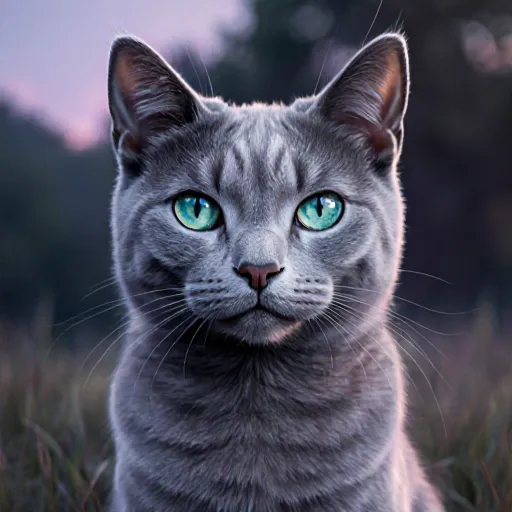
Unlock the mystery of Russian Blue's charm!
The Allure That Makes Russian Blues Irresistible
Table of Contents
- Introduction to Russian Blue Cats
- Physical Characteristics of Russian Blues
- Distinctive Markings and Fur Color
- Temperament and Personality Traits
- History and Origin of Russian Blue Cats
- Health and Lifespan of Russian Blues
- Dietary Needs for Russian Blue Cats
- Grooming Requirements
- Interaction and Socialization with Humans
- Training Tips for Russian Blues
- Common Health Issues in Russian Blue Cats
- Breeding and Genetics of Russian Blues
- Caring for a Growing Russian Blue Kitten
- Conclusion
- FAQ
Introduction to Russian Blue Cats
Physical Characteristics of Russian Blues
The physical characteristics of Russian Blue cats are indeed a testament to their unique beauty and elegance, as described in "Russian Blue Cats: Beauty and Elegance." These cats have a distinctive appearance that sets them apart from other breeds. Their most striking feature is the deep blue-gray coat, which is often compared to the color of polished silver or the hue of freshly fallen snow. This color is a result of a unique gene called the "blue" gene, which limits pigmentation in their coats.
Another notable characteristic of Russian Blues is their almond-shaped eyes, which are typically a striking bright green. The symmetry and shape of these eyes contribute to their enigmatic appearance, often described as having an expressive gaze that seems almost human-like. This eye color is also a result of the "blue" gene, making it closely associated with the cat's coat color.
Russian Blues have a medium-sized, sleek body with well-defined muscles that give them a lithe and agile appearance. Their legs are relatively long compared to their bodies, and their paws are small and oval-shaped, adding to their elegant demeanor. The tail is also relatively long and tapering, further enhancing the overall balanced look of the breed.
Their coat is short and close-lying, providing a smooth and soft texture that is easy to groom. Despite their luxurious appearance, Russian Blues do not require extensive grooming, as their coats are naturally shed in a process known as "blowouts," which occurs twice a year. This shedding process helps maintain the cleanliness of their coat.
Given their physical attributes, it's no wonder that Russian Blues are often referred to as the "princes and princesses" of the cat world. Their sleek and graceful form, combined with their expressive eyes and striking coat color, makes them a favorite among cat enthusiasts. If you're considering adopting one, you'll find that they are not only visually appealing but also known for their affectionate nature and friendly disposition.
For practical advice on caring for Russian Blues, it's important to note that while they are relatively low-maintenance in terms of grooming, they do require regular veterinary check-ups to ensure good health. Their diet should consist of high-quality cat food that meets their nutritional needs, particularly protein and other essential nutrients. Additionally, providing them with stimulating toys and a safe, enriching environment will help keep them happy and healthy.
Distinctive Markings and Fur Color
The Russian Blue is a breed known for its striking appearance, primarily characterized by its unique fur color and distinct markings. This cat’s beauty lies in the way these features complement each other, creating an elegant and distinctive look.
Distinctive Markings
One of the most notable features of Russian Blues is their striking blue eyes, which contrast beautifully with their silver-gray fur. The color of their fur is a medium to dark gray, often referred to as "seal blue" in the cat world, which gives them a sleek and elegant appearance.
Their markings are typically very subtle, featuring a few faint stripes on their face, legs, and tail. Unlike some other breeds with more prominent patterns, Russian Blues have what is known as an "iris" pattern—meaning the markings form a circular shape around the eyes. This marking adds to their regal appearance.
Their overall appearance is often described as having a "coat of polished steel," reflecting light in a way that enhances their already beautiful fur. The sleek and smooth texture of their coat contributes significantly to this elegant look, making them stand out among other cat breeds.
Fur Color
The Russian Blue's fur color is one of the most distinctive features of the breed. It ranges from a silvery gray to a darker blue-gray, with the "seal blue" being the most recognized and desired shade by breed standards. The color is a result of the cat's unique genetic makeup that allows for this specific hue.
The fur’s texture is also smooth and dense, which helps in maintaining its lustrous appearance. This luxurious coat not only looks beautiful but also provides excellent insulation against cold temperatures, which has made them popular in colder regions.
Practical Advice
Care for Russian Blues involves keeping their fur clean and healthy. Regular brushing helps to remove any loose hair and keeps the coat looking its best. Their dense undercoat makes them prone to shedding, especially during seasonal changes, so consistent grooming is important.
While they may not need as much attention compared to other long-haired breeds, it’s still beneficial to keep their environment stimulating with toys and interactive play sessions. This helps in maintaining their mental health and physical fitness.
Conclusion
The Russian Blue is truly a breed of elegance and beauty. Their distinctive markings and fur color, combined with their unique genetic makeup, make them stand out from other cat breeds. With proper care and attention to their grooming needs, these cats can maintain their regal appearance for years, ensuring they remain a sight to behold.
Temperament and Personality Traits
The Russian Blue is a breed known for its striking beauty and elegant demeanor, but what many people may not realize is that this cat's appearance closely mirrors its personality. With a temperament that is often described as calm, quiet, and reserved, the Russian Blue offers a unique blend of elegance and charm. Here are some in-depth traits that define their temperament and personality:
Reserved and Calm
The Russian Blue cat's temperament is characterized by its calm and composed nature. Unlike some other breeds who may be more energetic or vocal, the Russian Blue prefers a quiet life. This doesn't mean they are uninterested in their surroundings; quite the opposite. They are observant and curious about their environment but express these traits with subtlety.
Example: You might come home from work to find your Russian Blue sitting calmly on the windowsill, watching birds outside rather than demanding attention or jumping around excitedly.
Courteous and Gentle
Their gentle nature makes them well-suited as indoor pets. They are known for being polite and not overly demanding of affection. This doesn't mean they are aloof; it simply means that their interactions with people or other pets tend to be more subtle.
Example: When someone enters the room, a Russian Blue might greet them by nuzzling gently against their leg rather than jumping up and down in excitement.
Playful but Not Overly Active
Despite their calm nature, Russian Blues enjoy playtime. However, they do not require as much activity or exercise compared to some other breeds. A few interactive sessions with toys can keep them happy and entertained for hours.
Example: If you have a toy mouse on a string, your Russian Blue will likely pounce on it energetically but won't demand constant attention as they might in other cat breeds.
Loyal to Their Owners
While the Russian Blue may not be overly demonstrative of affection, there is no doubt that these cats are loyal. They form strong bonds with their owners and tend to gravitate towards familiar faces when they enter a room.
Example: If you spend time with your Russian Blue regularly, it will recognize you and seek out your company more often than others in the household.
Social but Not Overly Affectionate
Their social nature allows them to get along well with other animals and even strangers. However, they are not overly affectionate pets that constantly demand attention. This balance makes them a good fit for families or individuals who enjoy the companionship of a cat without needing constant interaction.
Example: A Russian Blue may greet new visitors by walking up to them and rubbing against their leg, but it won't jump into their lap demanding cuddles like some other breeds might do.
Moderate Grooming Needs
Besides being a pleasure to look at due to their sleek blue coat, Russian Blues also have moderate grooming needs. They are generally clean cats who groom themselves thoroughly.
Example: While they do not require daily brushing like some other long-haired breeds, regular combing can help maintain the health of their beautiful fur and keep them comfortable.
Dedication to Their Owners
Their dedication is seen in the way they choose a specific spot in your home as their favorite resting place. This spot might be near you on the couch or by an open window, but it will remain consistent and personal.
Example: If you always sit with them on the windowsill, eventually, this will become their preferred spot for napping, showing a strong sense of loyalty to that specific place associated with you.
Critical Care
Their need for critical care is not only about physical health but also emotional well-being. They require attention and affection from their owners, even if it's subtle. This ensures they remain content and continue to enjoy a healthy life.
Example: Making sure your Russian Blue gets quality time with you each day can prevent them from becoming stressed or anxious in the home environment.
In Conclusion
The temperamental traits of the Russian Blue make them a unique and delightful addition to any household. Their calm, reserved nature combined with their loyalty and affection towards their owners create a perfect blend of elegance and charm that is unmatched by many other cat breeds.
History and Origin of Russian Blue Cats
The history and origin of Russian Blue cats are shrouded in mystery, with many stories and legends surrounding their beginnings. The Russian Blue is one of the oldest natural cat breeds, believed to have originated from the Kola Peninsula in Russia around 1860. However, some believe that these cats were brought back by sailors from the northwestern coast of Russia during the late 19th century.
The breed's name "Russian Blue" is derived from its distinctive blue-gray coat color and the country of origin. The Russian Blues' striking appearance is characterized by their silver-tipped guard hairs and a dense, fine undercoat that gives them a unique sheen. Their eyes are typically bright green, which adds to their elegance and charm.
One popular legend suggests that these cats were sacred to the ancient Egyptians due to their resemblance to their mythological gods, particularly Thoth, who was depicted as a cat with blue fur. This connection is purely mythological, but it has added to the allure of Russian Blues in modern times.
It wasn't until 1912 that Russian Blues were officially recognized outside of Russia. They were first exhibited at an English cat show and quickly gained popularity for their beauty and temperament. The breed was introduced to North America in the early 20th century, where they became increasingly sought after by enthusiasts.
The Russian Blue's history is not just about its origins but also about its role in the world of breeding and competition. In modern times, these cats participate in cat shows, where their elegance and unique characteristics are showcased. Breeders worldwide strive to preserve the breed's natural qualities while enhancing desirable traits.
The Russian Blue's history is a testament to its enduring appeal. Despite the passage of time, this breed remains one of the most recognizable and admired cats in the world. Their natural beauty and temperament continue to captivate cat lovers everywhere.
Health and Lifespan of Russian Blues
The Russian Blue, a breed known for its striking silver fur and expressive green eyes, is celebrated not just for its appearance but also for its remarkable health and longevity. In "Russian Blue Cats: Beauty and Elegance," the authors delve into the breed's physical attributes while emphasizing their robust health profile.
The Russian Blue is a naturally occurring breed originating from the Kola Peninsula in Russia. Their genetic purity ensures they are less prone to many common cat diseases found in mixed breeds. This natural heritage contributes significantly to their overall health.
Dietary Considerations
Proper nutrition plays a crucial role in maintaining the Russian Blue's health and lifespan. A balanced diet should include high-quality protein, essential fatty acids, vitamins, and minerals. Owners should avoid overfeeding as obesity can lead to various health issues such as diabetes and joint problems.
Vaccinations and Preventive Care
Regular veterinary check-ups are vital for keeping Russian Blues healthy. Vaccinations against common feline diseases like rabies, FVR (feline viral rhinotracheitis), FCV (feline calicivirus), and FPV (feline panleukopenia) are crucial.
- Initial vaccinations should be given at 8-9 weeks old followed by boosters at 12 weeks and 16 weeks.
- Pets should also receive annual check-ups to monitor their health and catch any issues early.
Daily Care
Regular grooming is essential for Russian Blues. Their coat, while low-maintenance compared to long-haired breeds, still requires brushing at least twice a week to prevent matting and reduce shedding indoors.
On average, Russian Blues have an excellent lifespan due to their strong genetics and overall health. With proper care, they can live up to 15 years or more. This is a testament to the breed's resilience and vitality.
Comparative Longevity
Compared to other cat breeds, Russian Blues have an above-average lifespan. For instance, Siamese cats often live between 12-15 years, while Persian cats may only reach up to 8-10 years due to their more delicate constitutions.
Conclusion
The Russian Blue's health and longevity are remarkable features that add to the joy and companionship they offer. By providing them with a balanced diet, regular veterinary care, and attentive daily grooming, owners can ensure these beautiful cats enjoy long, healthy lives.
As stated in "Russian Blue Cats: Beauty and Elegance," the breed's health is not just about genetics but also the result of responsible breeding practices and proper care. Owners should prioritize their Russian Blue’s wellbeing to maximize their potential lifespan.
Dietary Needs for Russian Blue Cats
The dietary needs of Russian Blue cats, as detailed in "Russian Blue Cats: Beauty and Elegance," are crucial for ensuring their health and longevity. These cats have specific nutritional requirements due to their unique physiology and metabolic rates.
Understanding the Basics
Russian Blues are known for their dense, single-layered coats that provide insulation against cold temperatures. This adaptability reflects in their metabolic rate, which is relatively higher compared to other breeds. Therefore, they require a diet rich in essential nutrients such as proteins, fats, and vitamins.
Protein Content
A high-protein diet supports the overall development of Russian Blues, especially during kittenhood when rapid growth occurs. Proteins are vital for muscle maintenance and repair. Foods like chicken, beef, and fish should form a significant part of their diet.
Fat Content
While it's important to provide enough proteins, fats play an equally crucial role in maintaining the health of Russian Blues. The breed is known for its dense coat, which requires energy from fats to maintain its luster and thickness. Fats also help in the absorption of fat-soluble vitamins (A, D, E, K).
Essential Vitamins
Russian Blues need a balanced intake of essential vitamins such as Vitamin A for coat health, Vitamin C for immune support, and B-complex vitamins which are integral for energy metabolism. Ensuring these nutrients is vital to prevent deficiencies that can lead to various health issues.
Minerals
The dietary needs of Russian Blues include essential minerals such as calcium for bone development, phosphorus for the formation of bones and teeth, and magnesium which aids in muscle function. Proper mineral balance is crucial to avoid conditions like rickets or dental problems.
Water Intake
Adequate hydration is important for all cats but particularly so for Russian Blues. Their dense coats can lead to higher body temperature, making them more prone to dehydration. Always ensure fresh water is available and consider using wet food options which typically contain a higher percentage of moisture.
Commercial Cat Foods
When choosing commercial cat foods for Russian Blues, it's essential to look for brands that are specifically formulated for adult cats or kittens. Brands like Purina One SmartBlend and Royal Canin offer options tailored to the nutritional requirements of different breeds.
Home-Prepared Diets
For those opting for home-prepared diets, it's crucial to consult with a veterinarian or a veterinary nutritionist. A well-balanced homemade diet should include lean meats, vegetables, and grains in the right proportions. Supplements may be necessary to ensure all essential nutrients are covered.
Special Considerations
Russian Blues, like any cat breed, can have individual dietary needs based on their age, activity level, and health status. Regular veterinary check-ups help monitor these needs and make necessary adjustments in their diet.
In conclusion, understanding the specific dietary needs of Russian Blue cats is key to ensuring they remain healthy and vibrant. By providing a balanced diet rich in essential nutrients, owners can contribute significantly to the longevity and overall well-being of this elegant breed.
Grooming Requirements
When it comes to grooming a Russian Blue, their beauty and elegance are not just skin-deep; they require thoughtful attention to detail. Regular grooming is essential for maintaining their sleek coat and overall health. Here’s how you can ensure your Russian Blue stays as beautiful and elegant as the day you brought them home.
Understanding the Coat
The Russian Blue has a single-layered, short coat that requires minimal grooming but still needs regular care to stay in top condition. The breed's coat is dense and water-resistant, which helps protect them from the harsh environments they originated from. This coat is also self-grooming, so your cat will spend time licking itself, keeping it generally clean.
Frequency of Grooming
Grooming a Russian Blue once or twice a week should be sufficient for most cats. However, if you have an indoor-outdoor cat or one that spends more time in humid environments, daily brushing might be necessary to prevent matting and keep their coat healthy.
Tools of the Trade
To properly groom your Russian Blue, you will need a few basic tools:
- A soft-bristled brush: This is ideal for removing loose fur and stimulating blood circulation in their coat.
- A slicker brush: Essential for de-tangling the coat without causing discomfort to your cat. Be gentle as Russian Blues can be sensitive about brushing.
- Clippers (if necessary): For particularly stubborn mats or areas that are difficult to reach, clippers may be needed but should be used sparingly and with care.
Tips for Grooming
Here are some practical tips to make grooming a pleasurable experience for both you and your Russian Blue:
- Start Early: If you introduce grooming at an early age, it becomes a natural part of your cat's routine. This helps prevent any anxiety or resistance towards brushing.
- Choose the Right Time: Grooming can be done as a bonding activity before feeding time or playtime to make it more enjoyable for both you and your pet.
- Be Gentle: Russian Blues are sensitive, so ensure that you use gentle strokes. If your cat seems uncomfortable, stop and try again another day.
- Check for Skin Issues: While grooming, check for any signs of skin irritation or infections. A healthy coat is a sign of overall health, but it’s important to be vigilant.
Professional Grooming
If you find that your Russian Blue needs more intensive grooming than what can be done at home, consider taking them to a professional groomer. Professional grooms can help keep the coat in top condition and identify any potential health issues early on.
Conclusion
Grooming is not just about maintaining your Russian Blue's beauty; it’s also an essential part of ensuring their overall well-being. With a bit of care and regular attention, you can help keep your Russian Blue looking as elegant and beautiful as they naturally are.
Interaction and Socialization with Humans
The interaction and socialization of Russian Blue cats, renowned for their striking beauty and elegance, play a crucial role in shaping their behavior towards humans. These cats are often described as intelligent and independent, yet they have a deep affection for those who earn their trust. Understanding how to interact with them can greatly enhance your bond and ensure that they feel secure and comfortable around you.
Building Trust
The first step in socializing Russian Blues is building trust. They are naturally cautious, especially when meeting new people or entering a new environment. Take time to let them explore their surroundings at their own pace. Offer treats and gentle petting as positive reinforcement to help them feel more at ease.
Positive Reinforcement
Consistent use of positive reinforcement is key when socializing Russian Blues. Reward good behavior with treats, toys, or affection. For example, if your cat approaches you for petting, offer a treat to encourage further interaction. This not only reinforces positive behavior but also strengthens the bond between you and your feline companion.
Playtime
Playing is an excellent way to socialize Russian Blues while keeping them physically active and mentally stimulated. Use toys such as feather wands or small balls that mimic prey, which can pique their natural hunting instincts. Engaging in play sessions helps build trust and strengthens the bond between you and your cat.
Consistency is Key
Socializing Russian Blues requires consistency and patience. Each interaction should be positive and stress-free for them to feel secure. Be consistent with your routine, such as feeding times or play sessions, as this helps them understand what to expect from you.
Understanding Their Needs
To effectively socialize Russian Blues, it's important to understand their unique needs. They are generally aloof and independent but can be very affectionate once they trust you. Spend time with them daily, offering attention when they seek it, rather than forcing interaction.
Examples of Positive Socialization
- Regular Petting: Gentle petting on the back or head can be very comforting to Russian Blues. Start with short sessions and gradually increase as they become more comfortable.
- Treats for Trust: Offer treats when your cat shows signs of trust, such as staying in a room without retreating into hiding.
- Petting on the Belly: Russian Blues are known to be sensitive and can enjoy belly rubs, but only after they have shown clear signs of comfort. Start by petting gently on the side before moving to the tummy area.
Practical Advice
Always approach Russian Blues with patience and respect for their boundaries. They may not be as demonstrative as some other cat breeds, but they appreciate a steady flow of positive reinforcement. By understanding their behavior and providing them with the right environment, you can foster a strong and loving relationship.
Closing Thoughts
In conclusion, socializing Russian Blue cats requires time, patience, and consistency. By following these tips and understanding their unique needs, you can create a bond that is both fulfilling for you and your cat. Remember, they are not only beautiful but also deeply affectionate once they trust you.
Training Tips for Russian Blues
Training a Russian Blue cat, known for its striking silver-grey coat and elegant demeanor, can be both rewarding and challenging. These cats are intelligent and independent, which means they respond well to training but also need clear boundaries and consistent reinforcement.
Russian Blues have a reputation for being aloof yet affectionate, making them excellent companions for those who can meet their high standards of care. Understanding their nature is key to effective training:
- Intelligence: Russian Blues are one of the most intelligent cat breeds. They learn quickly and enjoy mental stimulation.
- Aloofness: While they can be very affectionate, their independent nature means they won't always seek constant attention or interaction.
- Loyalty: Russian Blues form strong bonds with their human family members and will appreciate consistent training and positive reinforcement.
To effectively train a Russian Blue, it's important to use positive reinforcement methods. This includes treats, praise, and playtime as rewards for good behavior. Here are some practical tips:
1. Start Early
Introduce your Russian Blue to basic commands such as "sit," "stay," and "come" early in life. Consistency is key. For example, if you use the word "sit" while holding a treat above their head, they'll quickly learn the association.
2. Use Clicker Training
Clicker training is an excellent way to train Russian Blues. It provides clear and immediate feedback. When your cat performs a desired action, click the clicker followed by a treat. Over time, they will associate the clicking sound with positive reinforcement.
3. Leash Training
Russian Blues can be trained to walk on a leash. Start in a controlled environment such as your backyard or a quiet park. Use treats and praise to encourage them to follow you, gradually increasing the distance walked.
4. Indoor Litter Box Training
Russian Blues are generally clean cats but still require proper litter box training. Place their litter box in a quiet area where they can have privacy. If your cat goes outside the box, gently pick them up and place them inside it.
5. Interactive Toys
To keep Russian Blues mentally stimulated, use interactive toys that encourage problem-solving skills. This helps prevent boredom-related behaviors such as scratching furniture or chewing on inappropriate items.
Consistency and patience are crucial when training a Russian Blue cat:
- Be patient with your Russian Blue. They learn at their own pace, so avoid getting frustrated if they don't catch on immediately.
- Use positive reinforcement consistently to build trust and strengthen the bond between you and your cat.
- Provide plenty of mental stimulation through toys and activities to keep your Russian Blue happy and healthy.
By following these training tips, you can help your Russian Blue reach their full potential as a well-trained companion. Remember, the goal is not just obedience but also mutual understanding between you and your cat.
Common Health Issues in Russian Blue Cats
Despite their striking appearance, Russian Blue cats are generally healthy, but like any other breed, they can be prone to certain health issues. Understanding these common problems can help you provide the best care for your Russian Blue cat.
Dental Issues
Like many breeds, Russian Blues may experience dental issues such as plaque and tartar buildup, gingivitis, and even periodontal disease. Regular brushing of their teeth and routine check-ups with a veterinarian are crucial in maintaining good oral health. It is recommended to start these practices early in the cat's life to establish a routine that they will tolerate.
Eye Infections
Russian Blue cats can be susceptible to eye infections, especially if they have excessive tear production or hair around their eyes. This condition can lead to irritation and discomfort. Regular cleaning of the area with a soft cloth and a pet-safe solution is essential. If you notice any signs of infection such as redness, discharge, or squinting, it's important to seek veterinary care promptly.
Respiratory Issues
Russian Blues can be prone to respiratory issues due to their narrow heads and short muzzles. This makes them more susceptible to upper respiratory infections which can cause sneezing, coughing, runny nose, and difficulty breathing. Keeping the environment free from allergens and irritants is crucial. If your cat shows signs of respiratory distress, it's best to consult with a veterinarian.
Obesity
Russian Blues, like other breeds, can also struggle with obesity if not properly managed. Obesity in cats can lead to various health problems including diabetes, joint issues, and heart disease. A balanced diet and regular exercise are key to maintaining a healthy weight. Provide your cat with interactive toys that encourage physical activity and ensure they have access to fresh water.
Hereditary Conditions
Russian Blues can inherit specific health conditions from their lineage, such as hypertrophic cardiomyopathy (HCM), which is a common heart disease in cats. Regular check-ups with your veterinarian can help monitor for these hereditary issues and ensure early detection if any signs arise.
Pelvic Congenital Anomalies
Some Russian Blues may experience pelvic congenital anomalies, which can lead to reproductive health issues in both male and female cats. If you are considering breeding your cat or have concerns about their reproductive health, discussing these issues with a veterinarian is advisable.
The book "Russian Blue Cats: Beauty and Elegance" provides detailed information on the breed's temperament, history, and care needs. This resource can be invaluable in understanding how to best support your Russian Blue cat's overall health and well-being.
Breeding and Genetics of Russian Blues
The breeding and genetics of Russian Blues, as detailed in "Russian Blue Cats: Beauty and Elegance," is a fascinating subject that delves into the unique characteristics and genetic traits that make this breed stand out. Russian Blues are known for their striking blue eyes and distinct silver-gray coat, which have been meticulously bred over generations to maintain purity.
The foundation of Russian Blue breeding lies in understanding the specific genes responsible for the breed's unique traits. The cat's distinctive grayish-blue coat is primarily due to a recessive gene called the "blue gene," which affects the production of melanin in the hair follicles. This gene, when homozygous (i.e., present in both copies), results in the characteristic silver-gray color.
Additionally, the blue gene interacts with other genes to influence the intensity and depth of the cat's coat color, ensuring that each Russian Blue has a uniform and desirable hue.
The breed standard for Russian Blues emphasizes their striking blue eyes. This trait is also governed by specific genetic factors. The color of the eyes in Russian Blues is directly related to how they handle a gene called "B," which influences eye pigmentation. Blue-eyed Russian Blues are typically those that have inherited two copies of this gene.
It's important to note that while blue-eyed Russian Blues are more common, they are not a requirement for the breed standard. Some Russian Blues with one copy of the B gene may exhibit green or hazel eyes, which also fall within acceptable standards.
The breeding practices used to maintain the purity and desired traits of Russian Blues involve careful selection of parent cats. Breeders aim for a balanced mix of genetic diversity while preserving the breed's distinctive features. This involves selecting cats that not only meet the physical standards but also carry desirable genetic profiles.
For example, breeders often seek out cats with strong immune systems and healthy dispositions to ensure offspring are robust and less prone to hereditary health issues. In "Russian Blue Cats: Beauty and Elegance," it is emphasized that responsible breeding practices include rigorous health testing for common inherited diseases such as progressive retinal atrophy (PRA), which can affect vision in cats.
Maintaining genetic diversity is crucial for the long-term health of Russian Blue populations. Inbreeding, while sometimes necessary to maintain specific traits, can lead to increased occurrences of inherited diseases within a breed. Breeders must strike a balance between preserving desirable genetics and introducing fresh genes from other reputable bloodlines.
In "Russian Blue Cats: Beauty and Elegance," the importance of genetic diversity is highlighted through examples of successful breeding programs that have maintained high levels of health and reduced incidence of hereditary disorders in their litters. These programs often involve collaboration between breeders to share valuable genetic information and ensure a healthy gene pool for future generations.
If you're considering breeding Russian Blues or simply want to learn more about this elegant breed, there are several practical steps you can take:
- Research Thoroughly: Familiarize yourself with the breed standard and health requirements. This ensures that you understand what is expected in terms of appearance and well-being.
- Consult Experts: Seek advice from experienced Russian Blue breeders who can offer guidance on breeding practices, health testing, and genetic considerations.
- Participate in Health Programs: Engage with organizations that provide resources for maintaining the health of your breeding cats. This might include participating in health registries or joining groups focused on Russian Blue genetics.
In conclusion, the breeding and genetics of Russian Blues is a complex yet rewarding field that requires careful attention to both appearance and genetic well-being. By understanding the underlying genetic principles and following responsible breeding practices, enthusiasts can contribute to the preservation and enhancement of this beautiful breed.
Caring for a Growing Russian Blue Kitten
Conclusion
Russian Blue cats are often referred to as "cats of royalty" due to their striking appearance and elegant demeanor. Their stunning, almost metallic green eyes combined with a dense, blue-gray coat make them instantly recognizable and highly sought after by cat enthusiasts worldwide. The breed's history is rich and steeped in legend; the Russian Blues' origins can be traced back to Russia, where they were believed to have been sacred to the Tsars.
These cats are not only beautiful but also known for their intelligence, loyalty, and affectionate nature. They are often described as "walking shadows" due to their sleek, lean bodies that make them appear smaller than they actually are. This distinctive look is complemented by their agile movements and grace in motion.
Despite their regal appearance, Russian Blues are known for being very social and loving pets. They form strong bonds with their owners and enjoy human interaction, making them excellent companions. However, due to their independent nature, they also need time alone, which can be a balance that requires careful consideration.
When it comes to grooming, Russian Blues are relatively low maintenance. Their short coat does not require extensive brushing; however, regular cleaning of the ears and trimming of the nails is important for maintaining health and hygiene. Additionally, their striking eyes may need occasional cleaning if they develop any discharge or dust.
For those considering adopting a Russian Blue, it's essential to understand that while they are generally healthy cats with an average lifespan of 12-16 years, like all breeds, they can be prone to certain health issues such as patellar luxation and progressive retinal atrophy (PRA). Regular veterinary check-ups are crucial for early detection and treatment of any potential health problems.
In terms of practical advice for Russian Blue owners, it's important to provide a stimulating environment to cater to their intellectual curiosity. Puzzle toys and interactive play sessions can help keep them mentally engaged and physically active. Additionally, while they may not require as much attention as some other breeds, spending quality time with your Russian Blue is key in ensuring their emotional well-being.
In conclusion, the Russian Blue cat breed is a remarkable choice for those looking for a beautiful, intelligent, and affectionate pet. Their elegance and charm make them stand out among other felines, while their unique personality traits ensure they are not only visually striking but also deeply rewarding companions. Whether you're a seasoned cat owner or a first-time pet parent, Russian Blues offer a rich experience that is sure to delight.
FAQ
Q: What makes Russian Blue cats so unique?
Russian Blues are often considered the epitome of elegance and beauty in the world of felines. Their distinctive silver-blue coat is one of the most striking features that sets them apart from other cat breeds. This coloration, known as "blue," gives them a sleek, almost metallic appearance that has captivated cat lovers for generations. The breed also boasts piercing green eyes, which complement their elegant fur perfectly.
Q: Are Russian Blues hypoallergenic?
While no cat is completely hypoallergenic, some breeds are less allergenic than others due to their lower shedding tendencies. Russian Blues are known for their minimal shedding, which can make them a better option for people with allergies or sensitivities. However, it's important to note that individual reactions can vary, and an allergy test with the cat is always recommended.
Q: How do Russian Blue cats behave?
Russian Blues are known for their gentle and affectionate nature. They tend to be very people-oriented and enjoy being part of the family. Despite their quiet demeanor, they can be quite playful and have a mischievous side that makes them entertaining pets. Their intelligence also means they can learn tricks and commands easily.
Q: How do I take care of a Russian Blue?
Caring for a Russian Blue is relatively straightforward thanks to their low-maintenance grooming needs. Regular brushing helps prevent matting, especially during shedding seasons. Their coat is generally easy to keep clean and healthy with regular baths if necessary (always check with your vet before bathing). Like all cats, they require a balanced diet, plenty of water, and mental stimulation through play.
Q: Are Russian Blues good for first-time cat owners?
Yes, Russian Blues can be excellent pets for first-time cat owners. Their gentle nature, intelligence, and lower maintenance needs make them ideal for beginners. However, it's important to ensure you have the time and resources to provide a loving home. Like any pet, they need attention, care, and affection.
Q: How long do Russian Blue cats live?
The average lifespan of a well-cared-for Russian Blue is around 12-16 years. Proper nutrition, regular vet check-ups, and a loving environment contribute to their longevity. Providing a balanced diet rich in essential nutrients can further support their overall health.
Q: What should I expect during my Russian Blue's first year?
The early stages of a Russian Blue’s life are crucial for growth and development. During the first year, you should focus on providing proper nutrition, ensuring they receive all necessary vaccinations, and offering plenty of love and attention to help them bond with their family. Regular vet check-ups will also be important to monitor their health and development.
Categories
- AI & Enrichment Play
- Broiler Farming
- Broiler Farming Tips
- Canine Wellness & Longevity
- Cat
- Cat & Human Connection
- Cat Adoption & Rescue
- Cat Breeds
- Cat Breeds & Personalities
- Cat Care & Health
- Cat Grooming & Hygiene
- Cat Lifestyle & Environment
- Cat Myths & History
- Cat Nutrition & Diet
- Cat Products & Reviews
- Cat Training & Behavior
- Comparison
- Consumer Awareness
- Dog
- Dog Accessories & Products
- Dog Adoption & Rescue
- Dog Breed & Lifestyle Trends
- Dog Breeding & Puppies
- Dog Entertainment & Media
- Dog Fashion & Trends
- Dog Fun & Lifestyle
- Dog Grooming & Hygiene
- Dog History & Culture
- Dog Myths, Science & Future Tech
- Dog News & Trends
- Dog Nutrition & Food
- Dog Psychology & Emotions
- Dog Safety & Security
- Dog Sports & Activities
- Dog Technology & Innovation
- Dog Training for Modern Owners
- Dog Travel & Adventure
- Dog Travel, Adventure & Culture
- Economic and Market Insights
- Educational Content
- FAQs
- Feeding Alternatives
- Festivals & Seasonal Ideas
- Fun & Entertainment
- General Knowledge
- General Pig Farming
- Health & Disease Management
- Housing and Environment
- Kittens
- Market Insights
- Miscellaneous
- Miscellaneous
- Motivational
- pig
- Pig Breeding
- Pig Breeds
- Pig Farming Stories and Inspiration
- Pig Health and Care
- Pig Nutrition
- Pig Products
- Profitability & Business
- Puppy Care
- Puppy Predictable Topics Reinvented
- Regional Focus
- Rescue & Adoption Buzz
- Senior Cats
- Senior Dog Care
- Smart Dog Tech & Gadgets
- Sustainability
- Sustainable & Eco-Friendly Dog Products
- Tech & Innovations
- Working & Service Dogs
- Broiler Feed66 products
- Country Feed33 products
- Pig Feed66 products
- Product22 products
- Raw Materials99 products
Products
-
 Fish Meal
₹1,999.00 – ₹2,999.00Price range: ₹1,999.00 through ₹2,999.00Rated 0 out of 5
Fish Meal
₹1,999.00 – ₹2,999.00Price range: ₹1,999.00 through ₹2,999.00Rated 0 out of 5 -
 FATTENING BROILER FEED
₹2,299.00 – ₹2,349.00Price range: ₹2,299.00 through ₹2,349.00Rated 0 out of 5
FATTENING BROILER FEED
₹2,299.00 – ₹2,349.00Price range: ₹2,299.00 through ₹2,349.00Rated 0 out of 5 -
 LAYER COUNTRY FEED
₹1,549.00 – ₹1,649.00Price range: ₹1,549.00 through ₹1,649.00Rated 0 out of 5
LAYER COUNTRY FEED
₹1,549.00 – ₹1,649.00Price range: ₹1,549.00 through ₹1,649.00Rated 0 out of 5 -
 COUNTER BROILER FEED
₹1,199.00 – ₹1,299.00Price range: ₹1,199.00 through ₹1,299.00Rated 0 out of 5
COUNTER BROILER FEED
₹1,199.00 – ₹1,299.00Price range: ₹1,199.00 through ₹1,299.00Rated 0 out of 5 -
 LACTATING PIG FEED
Rated 0 out of 5
LACTATING PIG FEED
Rated 0 out of 5₹2,299.00Original price was: ₹2,299.00.₹1,740.00Current price is: ₹1,740.00. -
 Maize
Rated 0 out of 5
Maize
Rated 0 out of 5₹1,650.00Original price was: ₹1,650.00.₹1,300.00Current price is: ₹1,300.00. -
 GESTATION PIG FEED (Phase 1)
Rated 0 out of 5
GESTATION PIG FEED (Phase 1)
Rated 0 out of 5₹2,249.00Original price was: ₹2,249.00.₹1,699.00Current price is: ₹1,699.00. -
 Pre Starter Broiler Feed
₹2,399.00 – ₹2,499.00Price range: ₹2,399.00 through ₹2,499.00Rated 0 out of 5
Pre Starter Broiler Feed
₹2,399.00 – ₹2,499.00Price range: ₹2,399.00 through ₹2,499.00Rated 0 out of 5 -
 FINISHER PIG FEED
Rated 0 out of 5
FINISHER PIG FEED
Rated 0 out of 5₹2,299.00Original price was: ₹2,299.00.₹1,749.00Current price is: ₹1,749.00. -
 Broiler Premix
Rated 0 out of 5
Broiler Premix
Rated 0 out of 5₹820.00Original price was: ₹820.00.₹699.00Current price is: ₹699.00.