
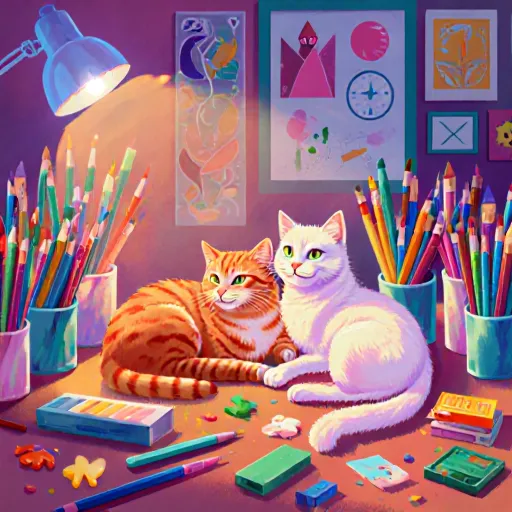
Unlock creativity that cats will adore!
Cats Will Love Your Creativity!
Table of Contents
- Section 1: Introduction to DIY Cat Toys
- Section 2: Gather Your Supplies
- Section 3: Old Socks and Cardboard Boxes
- Section 4: Toilet Paper Rolls and String
- Section 5: Scrap Fabric Teasers
- Section 6: Household Items You Probably Have Already
- Section 7: Balloon Toys
- Section 8: Wadded Up Paper Balls
- Section 9: Bottle Cap and String Fly
- Section 10: Feather Wand Toys
- Section 11: DIY Fishing Rod with a Scraps of Fabric
- Section 12: Catnip-Infused Toys
- Section 13: How to Keep the Fun Going
- Conclusion
- FAQ
Section 1: Introduction to DIY Cat Toys
In recent years, the trend of creating your own DIY cat toys has gained significant traction among pet owners who are passionate about their feline companions. This movement not only saves money but also offers a creative outlet for those looking to bond with their cats in unique ways. By making your own toys, you can customize them to match your cat's specific preferences and behaviors, ensuring that every play session is both fun and engaging.
Creating DIY cat toys at home is a rewarding activity that allows you to observe your cat’s behavior closely. By understanding what excites or entertains your cat, you can tailor the toy to their individual preferences. For instance, some cats love small, fast-moving objects like feathers or lasers, while others may enjoy interactive games that involve sound and texture.
Materials You'll Need
- Polyester fiber stuffing (for stuffable toys)
- Sewing supplies such as needles, thread, scissors, etc.
- Cotton or yarn for knitted toys
- Old socks and tights (for wiggly toy creation)
- Beads or buttons (for adding texture to toys)
Examples of DIY Cat Toys
1. Feather Wands: These are classic cat toys that can be easily made using a feather boa and an old wooden dowel or stick. Simply tie the feather boa to one end of the stick, ensuring it’s secure. This toy is perfect for engaging your cat in play sessions where they chase after moving objects.
2. Sock Toys: Cut a small hole at the bottom of an old sock and stuff it with polyester fiber stuffing or cotton. Sew up the opening to create a plush toy that your cat can bat around. You can also add some beads or buttons inside for extra texture.
3. String Teasers: Use an old piece of tights, cut into small segments and tie them together with rubber bands to make string teases. Cats love to play tug-of-war with these toys by pulling the strings away from you, making it a great exercise for both your cat and yourself.
Practical Advice
- Size Matters: When creating DIY toys, always ensure that the toy is safe for your cat. Avoid small parts that could be swallowed or choking hazards. Toys should be appropriately sized to prevent any risk of injury.
- Hygiene: Regularly wash and sanitize homemade toys to maintain cleanliness. This ensures your cat remains healthy while playing with their toys.
- Creativity is Key: Don’t limit yourself to traditional materials; think outside the box! You can use household items like cardboard tubes, paper bags, and even empty toilet rolls for creative toy-making activities.
In conclusion, making your own DIY cat toys at home provides a fulfilling hobby while ensuring that you have an array of engaging and safe playthings for your feline friend. By tailoring these toys to your cat’s unique personality and preferences, you can enhance their overall well-being and strengthen the bond between you and your pet.
Section 2: Gather Your Supplies
Before you dive into creating your own fun DIY cat toys, it's important to gather all necessary supplies. Having everything ready at hand will make the process smoother and more enjoyable. Here is a list of items you might need:
List of Essential Supplies
- Yarn or String: For making knotted toys, yarn can be used to create textured toys that cats love to pounce on and play with. You can find various colors and textures in your local craft store.
- Wooden Sticks or Branches: These can be used as the base for DIY perches, scratch posts, and even simple batting toys. Ensure they are safe and non-toxic if your cat will chew on them.
- PVC Pipes or Hoops: These can be used as batting toys, where you fill the pipe with batting material and tie it shut. Cats love to chase this toy around the house!
- Twine or Fishing Line: This is great for making dangling toys or fishing poles. Twine is strong enough to hold the weight of your cat's paws without breaking.
- Batting Material: This is used to stuff DIY toys like batting balls, pillows, or even simple stuffed animals. It can be found in craft stores and comes in various thicknesses for different toy sizes.
- Fabric Scraps or Old Clothing: These can be used to make simple stuffed animals, mats, or batting toys. Look for old sweaters, curtains, or towels that are no longer needed in your home.
- Catnip or Herbs: These can be added to your DIY toys to make them more appealing to your cat. Sprinkle some dried catnip onto batting material, or even sew it into the fabric of a toy.
- Baby Socks or Old Socks: These can be turned into simple batting toys by cutting holes in the toes and filling them with batting material.
Example: Use a colorful piece of yarn to make a knotted ball or a string wrapped around a small wooden stick for an interactive toy.
Example: Attach a few wooden branches to a sturdy cardboard box or pipe cleaner to create a fun scratching post that also encourages climbing.
Example: Use a PVC pipe, some batting material, and a rubber band to create a small bat-shaped toy that your cat can enjoy.
Example: Attach a small toy or feather to one end of the twine and dangle it in front of your cat for an interactive play session. Cats love this type of toy as it mimics prey movement.
Example: Create a soft ball by stuffing it with batting material and wrapping it in fabric scraps. Your cat will love to roll this around and bat at it!
Example: Turn an old sweater into a soft mat by cutting it into strips and then weaving them together. This not only provides a fun toy but also gives you a new use for old clothes.
Example: Stuff a small cloth with cotton and catnip for a homemade mouse that cats love to pounce on. The scent will draw them in like a magnet!
Example: Cut two pairs of socks, stuff each one with batting, and sew them shut to create soft balls that your cat will enjoy rolling around and playing with.
Tips for Assembling Your DIY Toys
- Select Safe Materials: Make sure all materials are safe for cats. Avoid using anything toxic or sharp that could harm your pet during playtime.
- Consider the Size: Ensure toys are appropriately sized so they won't be a choking hazard for your cat. Toys should fit comfortably in their paws but not be too small to swallow.
- Incorporate Catnip: Adding catnip or other herbs like valerian root can make DIY toys more enticing and engaging for your feline friend.
- Different Textures: Cats love toys with different textures. Try using wool, cotton, and other fabrics to create a variety of toys that appeal to their senses.
Section 3: Old Socks and Cardboard Boxes
Using everyday household items like old socks and cardboard boxes, you can create simple yet effective DIY cat toys that are not only budget-friendly but also environmentally friendly. These projects are perfect for keeping your feline friend entertained while recycling materials that might otherwise go to waste.
DIY Sock Mouse
Creating a sock mouse is a quick and easy project that cats love. Start by taking an old sock and stuffing it with some catnip or dried lavender for extra scent appeal. Alternatively, you can simply stuff the sock with small pieces of fabric scraps to create a soft texture your cat will enjoy.
- Choose a sturdy but flexible sock that is no longer in use.
- Fill the sock with stuffing material such as catnip or old fabrics. Be careful not to overstuff it, allowing for easy movement when played with.
- Tie off the top of the sock securely. You can also add a loop at one end so your cat can easily grab and play with it.
Once done, watch as your cat's excitement level skyrockets. This simple toy can provide hours of fun for them!
Cardboard Box Fort
A cardboard box fort is a fantastic way to stimulate both your cat's physical and mental health. It’s also a great opportunity to create an indoor space that feels safe and cozy, which many cats enjoy.
- Select a sturdy cardboard box with no holes or tears for safety reasons.
- Cut out some shapes from the top of the box, like portholes or doorways. This allows your cat to see through and interact with it more effectively.
- Line the inside of the box with a soft blanket or towel. Add any other cozy elements that might make your cat feel comfortable, such as cushions or additional blankets.
Your cat will likely enjoy exploring this new space and may even take to it as their own personal hideaway spot. Not only does this project serve as a fun toy, but it also serves as an excellent addition to your home decor!
DIY DIY Catnip Pouch
This project combines the benefits of both the sock mouse and the cardboard box fort into one cozy treat for your cat. By creating a pouch filled with catnip, you can provide your furry friend with an engaging and stimulating toy.
- Select a medium-sized sock that is still in good condition.
- Fill the sock with catnip or dried lavender. You may want to add some small treats inside as well for extra motivation.
- Tie off the top securely and then cut out a rectangular flap at one end of the sock. This will allow your cat to easily access the treats.
Place this pouch in a fun spot, perhaps near a window or behind a curtain where it can be easily discovered by your cat. This toy not only keeps your cat busy but also encourages exploration and play.
Tips for Making DIY Cat Toys
- Ensure all materials are safe and non-toxic, especially if they involve stuffing with fabrics or other materials that could be harmful if ingested by cats.
- Consider your cat's individual preferences. Some cats may prefer toys with a strong scent like catnip, while others might enjoy visual stimulation from toy mice or feather wands.
- Rotate the toys periodically to maintain their interest and prevent boredom.
- Supervise playtime initially to ensure your cat doesn't get injured by any of the materials used in the DIY projects.
Incorporating these homemade toys into your routine can significantly enhance your relationship with your pet while providing them with endless hours of joy and entertainment. Happy crafting!
Section 4: Toilet Paper Rolls and String
Creating homemade toys for your cat can be a rewarding activity, not only because it allows you to spend quality time with your pet but also because you get creative and reuse items that might otherwise end up in the trash. One of the most versatile materials for making DIY cat toys is toilet paper rolls combined with string. This simple combination provides endless entertainment for your feline friend.
Why Toilet Paper Rolls?
Toilet paper rolls are lightweight, easy to manipulate, and provide an interesting texture that cats love to bat around or pounce on. They’re also readily available in most households, making them a convenient choice for impromptu playtime.
Materials You Will Need
- Toilet paper rolls (empty ones)
- String or yarn of various lengths and colors
- Cissors
- (Optional) Feathers, bells, or small toys to attach for extra fun
DIY Toys You Can Make
Toilet Paper Roll Teaser Wand
This is a simple yet effective toy that can keep your cat entertained for hours. Here's how you do it:
- Cut the toilet paper roll into small sections if desired.
- Thread one end of the string or yarn through the holes at both ends of the roll.
- Tie a knot to secure the string in place.
- If you want, add feathers, bells, or small toys for added appeal.
Attach this wand to a stick and wave it around. Your cat will have fun batting at it and trying to catch it mid-air!
Toilet Paper Roll Broom
This toy mimics the feel of a broom, which many cats love to swipe and bat against.
- Stack several toilet paper rolls together.
- Wrap string or yarn around the stack tightly, securing it at both ends.
- Attach a handle (like a wooden dowel) at one end for your cat to grip and push along the floor.
Your cat will enjoy chasing this toy across the room. It's also great for encouraging exercise and playtime.
Toilet Paper Roll Mice
Create small mice toys that cats can pounce on or chase around the house.
- Take a single toilet paper roll and cut it in half lengthwise, leaving one end intact to create the mouse's head.
- Wrap string or yarn around the body of the toy multiple times for extra thickness and texture.
- Attach small toys like feathers or bells to the tail area for added interest.
Your cat will have a blast trying to catch these realistic-looking mice!
Tips for Successful DIY Cat Toys
- Vary the length and thickness of the string or yarn used. Different cats prefer different textures.
- Attach various types of toys, such as feathers or small bells, to make your creations more appealing.
- Observe your cat's behavior and adjust the toy accordingly. If it prefers something else, try modifying the toy slightly.
Conclusion
Toilet paper rolls and string are simple yet effective materials for creating fun DIY cat toys at home. They provide a great way to engage your cat in play while also offering an opportunity for you to bond with them. Try out these ideas, and see which ones resonate most with your furry friend!
Section 6: Household Items You Probably Have Already
Creating fun and engaging toys for your cat doesn't have to be expensive or complicated. Many of the household items you already have in your home can be repurposed into exciting DIY cat toys that will keep your feline friend entertained and happy. Here are some creative ideas:
1. Empty Plastic Bottles
Fill an empty plastic bottle with dried beans, rice, or even small pebbles. Seal the bottle tightly and punch holes in it so that the contents can rattle around inside. This will create a toy that your cat can shake to make noise, encouraging them to play.
2. Scrunch Up Socks
A simple way to entertain your cat is by scrunching up an old sock and letting it loose on the floor. The movement and sound will attract your cat's attention, making them chase after the "toy."
3. Cardboard Boxes
Cats love to explore and play in cardboard boxes. Take a large box, cut some holes for ventilation, and let your cat enjoy climbing, jumping, and playing inside. You can even add some treats or toys to make it more exciting.
4. String and Feathers
Tie a small feather onto the end of a piece of string (or you could use a yarn pom-pom) and dangle it in front of your cat. This is an age-old method that cats love because they are naturally drawn to moving objects.
5. Paper Tissues
Stack several layers of paper tissues into a tall tower, then use a rolling pin or similar object to knock it over. This will provide your cat with entertainment while also satisfying their natural curiosity and hunting instincts.
6. Scrunchy Toys
Create small scrunchy toys by taking an old sock, filling it with cotton balls, and then tying the end to create a ball-like shape. These soft, squeezable toys are perfect for your cat to play and cuddle with.
7. Empty Tins or Cans
Fill empty tins or cans (like tuna fish cans) with treats or small toys. Seal the can with duct tape and punch holes in it so that the contents rattle around inside when shaken. This type of toy is great for cats who enjoy chewing.
8. Twigs and Branches
If you have access to twigs or branches from your garden, you can create a natural hunting toy by attaching them with a piece of string or yarn. Your cat will love batting at the twig and pretending it's something to catch.
9. Bubble Wrap
Bubble wrap is another fun option that cats enjoy. Simply lay out some bubble wrap and let your cat have a blast popping all the bubbles while you watch in amusement.
10. Paper Cups or Plates
Tear up paper cups, plates, or napkins into small pieces and place them on the floor for your cat to chase. This can be especially fun if you use a laser pointer to make the pieces move around in front of your cat.
These household items turned DIY cat toys are not only budget-friendly but also provide endless entertainment for your furry friend. By repurposing things you already have, you're not only saving money but also reducing waste and adding fun to your pet's life.
Section 7: Balloon Toys
Balloon toys have long been a favorite among cat owners for their interactive and playful nature. These simple, often homemade treats can keep your feline friend entertained for hours on end, encouraging physical activity and mental stimulation. In this section, we will delve into how you can create these balloon-based toys at home using only common household items.
Materials Needed
- Balloons (any size or color)
- String or twine
- Paperclip (optional)
- Safety pins (optional)
DIY Balloon Wand Toy
This toy is not only fun for your cat but also an excellent way to interact with them. Follow these steps:
- Choose a balloon of the desired size, and inflate it completely.
- Tie a knot at the end to keep the air inside.
- Thread one or two lengths of string through the tied-up end of the balloon. You can tie them in an X-shape for extra stability.
- (Optional) Attach a paperclip or safety pin to the ends of the strings to make it easier to hold.
To play, gently wave the wand toy in front of your cat's face. As they chase after the moving balloon, their natural hunting instincts will be triggered. This toy is particularly effective for engaging indoor cats who might feel bored or restless.
DIY Balloon Teether Toy
If you have a kitten or an older cat who likes to chew on things, this teething toy can provide relief from sore gums while keeping them occupied. Here's how to make it:
- Select a small balloon and partially inflate it.
- Wrap the inflated part with some fabric (like an old t-shirt or bandage cloth) and secure it tightly with string or tape.
- Tie the ends of the balloon securely to prevent any air from escaping.
This toy is perfect for cats who enjoy gnawing on soft objects. It's also great for helping kittens teethe safely without damaging anything in your home.
DIY Balloon Ball Toy
A simple rubber band can turn a balloon into an interactive ball that your cat will love to chase and pounce on. Instructions are as follows:
- Select a medium-sized balloon, partially inflate it.
- Secure the opening of the balloon with a rubber band or twist-tie.
- Toss the ball around for your cat to chase and pounce on.
This toy encourages active play, which is crucial for keeping cats physically fit. It also mimics the motion of prey, stimulating both physical activity and hunting behavior in your pet.
Conclusion
Balloon toys are a great addition to any cat's toy collection because they're easy to make, cost-effective, and provide endless hours of fun. By incorporating these DIY balloon toys into your cat’s playtime, you can significantly enhance their well-being by encouraging exercise and mental engagement.
Section 8: Wadded Up Paper Balls
One of the simplest and most cost-effective ways to create engaging toys for your feline friend is by using everyday household items like paper balls. These wadded-up paper balls are not only fun and interactive but also incredibly easy to make at home. Cats love the challenge of batting, tearing apart, or simply playing with these makeshift toys, which can help keep them entertained and mentally stimulated.
Materials Needed
- Paper (newspapers, office paper, etc.)
- Tape or glue (optional)
- Safety scissors
- Cat toy accessories (string, feathers, bells, etc., optional)
Step-by-Step Instructions
- Gather Your Materials: Start by collecting the necessary materials. Ensure you have a good supply of paper and any additional accessories you might want to add.
- Wad Up the Paper: Take several sheets of paper and crumple them into balls. The size can vary depending on your cat's preferences, but generally, medium-sized balls are ideal for most cats.
- Add Accessories (Optional): If you want to make the toy more stimulating or appealing, consider adding a string, feather, or small bell inside the paper ball. This will not only enhance the fun factor but also help with your cat's hunting instincts.
- Secure the Ball: If you find that the balls tend to unravel quickly, use a little tape or glue to secure them. However, be cautious about using too much adhesive, as some cats might try to eat the toy and it could be harmful if ingested.
Examples of Use
Cats love to chase, pounce on, and play with moving objects. By attaching a string or feather to the paper ball, you can mimic the motion of prey, making it even more enticing for your cat. You can also roll the balls across the floor, hang them from a toy pole, or simply let your cat interact with them in their natural way.
Practical Advice
Rotate Toys: To keep your cat interested and engaged, it's important to rotate toys regularly. Cats can easily get bored of the same toy after a few days or weeks, so try introducing new versions of old favorites like paper balls.
Safety First: Ensure that any materials used are safe for your cat. Avoid using glossy or heavily coated papers as they may contain harmful chemicals. Also, be mindful of the size of the toy to prevent choking hazards.
Monitor Playtime: While it's important to encourage playtime, always supervise your cat when they're playing with homemade toys, especially if there are any small parts that could come off easily.
Conclusion
Wadded-up paper balls may seem like a simple toy, but their versatility and affordability make them perfect for both budget-conscious pet owners and those looking to provide stimulating playtime for their felines. With just a few minutes and some basic materials, you can create an endless supply of fun and engaging toys that will keep your cat happy and healthy.
Section 9: Bottle Cap and String Fly
One of the simplest yet most effective DIY cat toys you can make at home is the bottle cap and string fly. This toy not only provides entertainment for your furry friend but also encourages physical activity, mental stimulation, and playtime that strengthens the bond between you and your cat.
Materials Needed:
- A sturdy plastic or metal bottle cap
- Thread or fishing line (strong enough to withstand being pulled by a cat)
- Tape, glue gun, or hot glue for attaching the string to the bottle cap
- (Optional) Feather or small toy attached to the end of the string for extra allure
Step-by-Step Instructions:
- Select a Bottle Cap: Choose a sturdy bottle cap that won't easily bend or break during play. Plastic caps are generally more flexible and less prone to damage.
- Cut the String: Measure about 10-15 feet of string or fishing line, depending on your space and how much room you want for your cat to run around. Ensure it's long enough to keep your cat engaged without being too short that they might get tangled.
- Tie the String: Attach one end of the string securely to the bottle cap using tape, glue gun, or hot glue. Make sure the attachment is strong and won't come loose easily.
- Add a Feather (Optional): If you want to make your toy more enticing, add a small feather to the end of the string. This will mimic prey and attract your cat's attention even more effectively.
Tips for Success:
- Rotate Toys Regularly: Cats can get bored with toys quickly, especially if they have multiple play items. Rotate the bottle cap and string fly toy periodically to keep your cat interested.
- Watch for Safety: Ensure that no parts of the toy pose a choking hazard or risk of ingestion. The bottle cap should be securely fastened and not easily detachable.
- Encourage Playtime: Use this toy to initiate play sessions with your cat. Spend time chasing after the string fly with them, which can help keep them active and engaged.
Benefits for Your Cat:
Making and playing with a bottle cap and string fly offers several benefits for your feline companion:
- Vigorous Exercise: Cats need regular physical activity to stay healthy. This toy allows them to run, jump, and pounce.
- Mental Stimulation: The challenge of catching the string fly keeps their minds active and sharp.
- Bonding Time: Playing together strengthens your relationship with your cat as you spend quality time enjoying each other's company.
Conclusion:
The bottle cap and string fly is a versatile, fun, and easy DIY toy that can bring hours of joy to both you and your cat. With just a few materials and some creativity, you can create an effective play tool that keeps your pet entertained while promoting physical fitness.
Section 10: Feather Wand Toys
Feather wand toys are a classic choice for engaging your cat's natural hunting instincts. These toys can be simple to make at home, offering both fun and entertainment for your pet while also providing an inexpensive yet effective way to keep your cat active and mentally stimulated.
DIY Feather Wand Toy: A Step-by-Step Guide
Making a feather wand toy is a great project that you can undertake with basic supplies. Here’s how you can create one for your cat:
- Gather Materials: You will need a plastic or wooden dowel, feathers (real or artificial), string or fishing line, and some tape.
- Prepare the Dowel: Cut your dowel to the appropriate length. A length of around 18-24 inches is suitable for most cats.
- Tie Feathers: Tie one or more feathers onto the end of the dowel using string or fishing line. This can be done in various ways, including tying them directly to the dowel or looping them with string to create a cluster effect.
- Secure the Setup: Once your feathers are secured, wrap tape around the base of the feathers and the end of the dowel to make sure everything is tightly fastened. This step ensures that there is no risk of any loose parts falling off during playtime.
Benefits of Feather Wand Toys
Feather wands are beneficial for your cat in several ways:
- Engages Hunting Instincts: The movement and fluttering of the feathers mimic prey, which can help satisfy a cat's natural hunting urge.
- Mental Stimulation: Playing with feather wands encourages your cat to think and strategize when trying to catch the toy, enhancing cognitive function.
- Physical Exercise: The interactive nature of playing with feather wands helps burn excess energy, which can be particularly useful if you are dealing with a hyperactive or overweight cat.
- Strong Bonding Tool: Feather wands provide an opportunity for you and your cat to engage in playtime together. This not only strengthens the bond between you but also provides valuable quality time for both of you.
Tips for Maximizing Fun with Feather Wand Toys
To make the most out of your feather wand toy, try these tips:
- Use a Remote Control Toy: By using a remote control toy or simply moving the wand in different directions and speeds, you can simulate realistic prey movements. This variety keeps the playtime interesting for both you and your cat.
- Vary the Feather Placement: Try changing the placement of the feathers to see which style attracts more interest from your cat. Some cats prefer a single feather while others enjoy multiple clusters.
- Incorporate Different Environments: Play with your cat in different settings such as on the floor, in high places like windowsills, or even outdoors (weather permitting) to see what kind of environment they respond best to.
Comparing Feather Wand Toys to Other DIY Cat Toys
If you're also looking into other DIY cat toys as mentioned in the article "Fun DIY Cat Toys You Can Make at Home," feather wand toys can be a complementary addition. Here’s how they compare:
| Toy | Feather Wand Toy | Bird Feeder | Treasure Hunt Toys |
|---|---|---|---|
| Engagement Level: | High, as it stimulates hunting instincts and requires interaction. | Moderate, depending on how the feeder is set up. | High when played with, moderate otherwise. |
| Cost: | Inexpensive to make at home. Materials can be found in most households or stores. | Depends on the quality of materials used but generally inexpensive. | Medium to high, depending on the complexity and type of items used (like hollow logs). |
| Maintenance: | Low maintenance if you avoid using real feathers which can shed easily. Washable materials are ideal. | Low to moderate, depending on the feeder's design and frequency of use. | High, especially for items like logs that need regular cleaning. |
In conclusion, feather wand toys are a versatile and engaging option for cat owners looking to enhance their pet’s playtime. By following simple DIY instructions and incorporating the tips provided here, you can create an effective and enjoyable toy that will keep your cat entertained and happy.
Section 11: DIY Fishing Rod with a Scraps of Fabric
Making your own DIY fishing rod can be a rewarding and fun activity, especially when you incorporate it as part of entertaining your pet cat. This project not only provides an engaging toy for your furry friend but also allows you to repurpose scraps of fabric that might otherwise go to waste. By turning these materials into a functional fishing rod, you'll create an item that can keep your cat entertained and happy.
Materials Needed
- A few sturdy sticks (like broom handles or wooden dowels)
- Fabric scraps in various colors and patterns
- Pliers or wire cutters
- Thread or strong fishing line
- Tape (masking tape works well)
Step-by-Step Guide
- Select Your Sticks: Choose sturdy sticks that are long enough to provide a good handle for your fishing rod. Ensure they have a smooth surface for comfortable handling.
- Cut and Prepare the Fabric: Cut pieces of fabric into strips or squares that you can easily tie onto the end of your stick. The size will depend on how long you want the tail of your toy to be. Make sure each piece is securely cut so they won't unravel.
- Tie Fabric to the Stick: Use pliers or wire cutters to fashion a makeshift hook from one end of the stick. Then, tie the fabric pieces onto this hook using thread or fishing line. You can create multiple tails for extra fun and variety in playtime.
- Tape for Stability: Securely tape the fabric pieces around the base where they meet the stick to ensure everything stays intact during play. This step is crucial as it keeps your cat safe from any loose or dangling threads that could be ingested by accident.
Additional Tips and Tricks
To make your DIY fishing rod even more appealing, you can add some soft stuffing inside the fabric pieces before tying them to the stick. This will give it extra weight and make the tail appear more realistic when moving through the air during play.
For an added touch of creativity, consider incorporating different textures such as furry fabrics or sparkly materials to mimic the look and feel of a real fish. Cats are often attracted by motion, so adding some lightweight beads or sequins that sway slightly with movement can enhance its appeal significantly.
Encouraging Playtime
Cats love interactive toys because they stimulate their natural hunting instincts. By using your homemade fishing rod, you're not just providing entertainment; you're also helping to keep your cat mentally stimulated and physically active. Regular play sessions can help prevent boredom and reduce destructive behaviors associated with pent-up energy.
To get the most out of this activity, engage in playful interactions with your cat. Move the toy slowly at first, then gradually increase its speed as your pet becomes more engaged. This approach teaches them how to chase after objects while honing their reflexes and coordination skills.
Conclusion
Making a DIY fishing rod with scraps of fabric is an excellent way to recycle household materials into something both useful and enjoyable for your cat. It’s a simple yet effective project that adds variety to your pet's play options while fostering bonding time between you two.
Section 12: Catnip-Infused Toys
Catnip is a well-known stimulant for cats, and its effects can make your feline friend feel extra playful. Incorporating catnip into toys not only makes playtime more engaging but also strengthens the bond between you and your furry companion. In this section, we will explore how to create fun DIY cat toys infused with catnip at home.
Materials You'll Need
- Dry or fresh catnip (available at pet stores or online)
- Fabric scraps in various colors and patterns
- Sewing needle and thread
- Cotton batting
- Yarn or embroidery floss for securing the catnip inside
- Stuffed animal stuffing (optional)
DIY Catnip-Infused Toys: Simple Projects You Can Try at Home
Catnip-Stuffed Squeaky Mouse
Create a fun and interactive toy for your cat by filling an old sock with cotton batting, then stuffing it with fresh or dried catnip. Sew the opening closed and add a small squeaker inside to make it more engaging.
Catnip-Packed Feather Wand
For this project, use a wooden dowel or an old paintbrush handle as the base for your wand. Wrap the base with fabric scraps that match your cat's preferences. Once wrapped, stuff the fabric with catnip and secure it in place using embroidery floss.
Catnip-Filled Sling Toy
This toy is perfect for tossing and catching. Start by cutting a rectangular piece of fabric slightly larger than your desired sling size. Sew three sides shut, leaving one side open for filling. Place the catnip inside and sew the last side closed.
How to Make Your DIY Catnip Toys Even More Fun
- Vary the Texture: Use different fabrics with various textures, such as soft cotton or rough burlap, to keep your cat interested. Cats love variety, and changing up the texture can make these toys more exciting.
- Incorporate Scent Variations: Besides catnip, you could also try other scents like lavender or valerian root that are known to be appealing to cats. This adds another layer of interest for your furry friend.
- Create Interactive Elements: Adding small bells or reflective strips can make these toys more engaging and help stimulate your cat's hunting instincts.
Conclusion
Catnip-infused DIY toys are not only fun to make but also provide a great way to enhance the playtime experience for your cat. By incorporating elements that cater to their natural behaviors, you can create toys that are both enjoyable and stimulating. Start with these simple projects and watch as your cat's enjoyment of playtime increases.
Section 13: How to Keep the Fun Going
Keeping your cat entertained is not just about providing them with endless playtime; it’s also crucial for their mental health and physical well-being. By creating fun, interactive toys yourself, you can ensure that your furry friend has plenty of activities to keep them engaged throughout the day. Here are some ideas on how to make DIY cat toys at home.
1. Paper Bag Teasers
Create a simple yet effective toy by rolling up an empty paper bag into a tight tube and attaching it to a string or ribbon. This creates a long, flexible wand that your cat can chase. You can add some texture by poking holes through the bag with a fork or pinning on some feathers. When you move the wand around, your cat will be mesmerized by its motion.
Materials Needed: Empty paper bags, string/ribbon, scissors, optional: feathers or pom-poms
2. Cardboard Box Forts
Cats love to play and hide in small spaces. Build a simple fort using boxes from old cardboard packaging. Cut the edges of the boxes so that they can be easily connected with tape, then stack them up into a cozy little space for your cat to explore or sleep.
Materials Needed: Cardboard boxes (from delivery packages), scissors, tape
3. Squeaky Mice and Brooms
Tie several small items like bottle caps, cotton balls, or beads to the bristles of a broom handle. When your cat swats at it, these lightweight objects will make a fun noise as they fall off. Similarly, you can wrap some old socks with stuffing and add squeakers inside to create an easy-to-make toy that mimics the shape of a mouse.
Materials Needed: Old broom, bottle caps, cotton balls, beads (optional), socks, stuffing, scissors
4. String Teasers
Tie a small toy to one end of some string or yarn and attach the other end to your cat’s favorite treat. Then dangle it just out of reach for your cat to bat at. This activity can keep cats busy while also giving them something safe to play with.
Materials Needed: String/yarn, small toy (e.g., ping pong ball), treat
5. Paper Tube Teasers
Take a cardboard toilet paper or paper towel roll and cut it into smaller sections. Then tie each section with string to create several shorter tubes. Your cat can play with these by batting them around the house or even rolling them up for more fun.
Materials Needed: Cardboard toilet paper/paper towel rolls, string
Tips for Keeping Playtime Fun and Safe
- Rotate Toys Regularly: Cats can become bored with the same toy quickly. Rotate their toys every few days to keep things fresh.
- Use Natural Materials: Whenever possible, use natural materials like wood or cotton in your DIY projects to avoid exposing your cat to harmful chemicals.
- Encourage Interactive Play: Instead of just offering static toys, encourage active play by engaging with your cat. This helps strengthen the bond between you and your pet while keeping them entertained.
By taking time to create these simple yet effective DIY toys, not only will you be providing your cat with endless entertainment but also contributing positively towards their overall health and happiness. Remember, the key is variety – switch up the types of toys they play with regularly so that your furry friend always has something new and exciting to discover each day.
Conclusion
Exploring fun DIY cat toys you can make at home offers a creative and cost-effective way to keep your feline companion engaged and entertained. Crafting these toys not only provides mental and physical stimulation for cats but also strengthens the bond between pet owners and their pets. Here are some detailed ideas and practical advice on creating engaging DIY cat toys:
DIY Cardboard Tube Brooms
Cardboard tube brooms can be a great way to encourage your cat’s natural hunting instincts. By placing feathers or small treats at the end of each tube, you create an interactive toy that mimics prey. Ensure the tubes are safe for cats by making sure they have no sharp edges and are securely fastened.
"Feathers placed in cardboard tubes make a simple but effective cat toy."
Yarn Wrapped Scrunchies
Wrap yarn around old scarves or pieces of fabric to create scrunchies that your cat can bat and pounce on. These toys are not only fun for cats but also serve as an excellent way to keep their claws trimmed, as they tend to scratch the yarn instead of furniture.
"Yarn wrapped scrunchies offer a double benefit: entertainment and grooming."
String Teasers
A simple piece of string can be turned into an engaging toy by attaching it to various objects or using it in a loop form. Cats love chasing after dangling strings, which helps them develop their reflexes and coordination skills.
"Attach a string to a feather for a classic toy that’s always fun."
Fabric Squeakers
Stuffed old socks or fabric bags with small squeakers inside can provide auditory stimulation. Cats are naturally drawn to sounds, and these toys can be placed around the house for your cat to discover.
"Squeaky toys add an extra layer of fun through sound."
Interactive Puzzle Feeders
DIY puzzle feeders made from cardboard boxes or plastic containers with holes cut in them can challenge your cat’s problem-solving abilities. Encourage your cat to work for its food by hiding treats inside these devices.
"Problem-solving toys not only entertain but also promote healthy eating habits."
DIY Catnip Toys
If you have a cat that loves catnip, consider making DIY catnip toys. Stuffing old socks or fabric bags with catnip and letting your cat play with them can provide hours of enjoyment. Ensure the materials are washable to maintain cleanliness.
"DIY catnip toys offer a natural way to stimulate your cat’s senses."
In summary, creating fun DIY cat toys is an excellent hobby that benefits both you and your cat. From simple cardboard tubes to more complex interactive feeders, these homemade toys can enrich your pet's life. Remember to always supervise playtime with new toys and rotate them regularly to keep things fresh for your furry friend.
FAQ
Q: Why is it important to make homemade cat toys?
Making your own cat toys can be a rewarding and cost-effective way to keep your pet entertained. Homemade toys are often more interactive, which can stimulate both your cat's body and mind. They provide a break from store-bought toys that might not challenge them as effectively. Additionally, crafting these toys yourself allows you to customize the toy to suit your cat’s preferences and behaviors.
Q: What materials do I need to make DIY cat toys?
The materials needed for making homemade cat toys can vary depending on the type of toy you're creating. Here are some basic supplies you might consider having on hand:
- Old socks or t-shirts (for stuffing into a burlap bag)
- Burlap bags
- Catnip or dried herbs
- Twine, yarn, or string
- Popsicle sticks
- Old cards or paper (for making cardboard balls)
Q: Can you give me an example of a simple DIY cat toy?
A popular and easy-to-make toy is the "burlap bag mouse." Here's how to make one:
- Cut a small opening in the burlap bag, just large enough for your cat’s paw to fit through.
- Stuff the bag with some catnip or dried herbs. This will add an enticing scent that will keep your cat interested.
- Tie off the end of the bag and let it sit in a quiet corner of your home so that your cat can discover it on its own.
Q: How do I ensure the toy is safe for my cat?
It’s crucial to make sure any homemade toys are safe for your pet. Avoid using materials like plastic or metal, as these could pose a choking hazard if ingested. Always check that there are no loose strings or parts of the toy that could come apart and become dangerous. You should also consider the size of the toy; it shouldn’t be too small to prevent any risk of aspiration.
Q: What are some fun variations on homemade cat toys?
Besides the burlap bag mouse, here are a few other ideas:
- Popsicle Stick Feeder: Attach several popsicle sticks to a piece of twine and hang it in your cat’s favorite spot. This toy is great for encouraging vertical play.
- Fabric Mouse on a String: Sew fabric into a simple mouse shape, stuff it with catnip or herbs, and attach it to the end of a string. Your cat can chase and bat at this toy as they would a real prey.
- Cardboard Box Castle: Encourage your cat’s natural digging instincts by creating a small castle out of cardboard boxes. This is not only fun but also provides a cozy space for them to relax in.
Q: How do I know if my DIY toy is working?
To gauge whether your homemade toy is effective, observe your cat’s behavior while playing with it. If they are enthusiastic and engage with the toy for an extended period, then you’ve succeeded in providing them with a stimulating playtime activity. If not, try adjusting the toy to better match their preferences—perhaps by altering its scent or the material used.
Categories
- AI & Enrichment Play
- Broiler Farming
- Broiler Farming Tips
- Canine Wellness & Longevity
- Cat
- Cat & Human Connection
- Cat Adoption & Rescue
- Cat Breeds
- Cat Breeds & Personalities
- Cat Care & Health
- Cat Grooming & Hygiene
- Cat Lifestyle & Environment
- Cat Myths & History
- Cat Nutrition & Diet
- Cat Products & Reviews
- Cat Training & Behavior
- Comparison
- Consumer Awareness
- Dog
- Dog Accessories & Products
- Dog Adoption & Rescue
- Dog Breed & Lifestyle Trends
- Dog Breeding & Puppies
- Dog Entertainment & Media
- Dog Fashion & Trends
- Dog Fun & Lifestyle
- Dog Grooming & Hygiene
- Dog History & Culture
- Dog Myths, Science & Future Tech
- Dog News & Trends
- Dog Nutrition & Food
- Dog Psychology & Emotions
- Dog Safety & Security
- Dog Sports & Activities
- Dog Technology & Innovation
- Dog Training for Modern Owners
- Dog Travel & Adventure
- Dog Travel, Adventure & Culture
- Economic and Market Insights
- Educational Content
- FAQs
- Feeding Alternatives
- Festivals & Seasonal Ideas
- Fun & Entertainment
- General Knowledge
- General Pig Farming
- Health & Disease Management
- Housing and Environment
- Kittens
- Market Insights
- Miscellaneous
- Miscellaneous
- Motivational
- pig
- Pig Breeding
- Pig Breeds
- Pig Farming Stories and Inspiration
- Pig Health and Care
- Pig Nutrition
- Pig Products
- Profitability & Business
- Puppy Care
- Puppy Predictable Topics Reinvented
- Regional Focus
- Rescue & Adoption Buzz
- Senior Cats
- Senior Dog Care
- Smart Dog Tech & Gadgets
- Sustainability
- Sustainable & Eco-Friendly Dog Products
- Tech & Innovations
- Working & Service Dogs
- Broiler Feed66 products
- Country Feed33 products
- Pig Feed66 products
- Product22 products
- Raw Materials99 products
Products
-
 Fish Meal
₹1,999.00 – ₹2,999.00Price range: ₹1,999.00 through ₹2,999.00Rated 0 out of 5
Fish Meal
₹1,999.00 – ₹2,999.00Price range: ₹1,999.00 through ₹2,999.00Rated 0 out of 5 -
 FATTENING BROILER FEED
₹2,299.00 – ₹2,349.00Price range: ₹2,299.00 through ₹2,349.00Rated 0 out of 5
FATTENING BROILER FEED
₹2,299.00 – ₹2,349.00Price range: ₹2,299.00 through ₹2,349.00Rated 0 out of 5 -
 LAYER COUNTRY FEED
₹1,549.00 – ₹1,649.00Price range: ₹1,549.00 through ₹1,649.00Rated 0 out of 5
LAYER COUNTRY FEED
₹1,549.00 – ₹1,649.00Price range: ₹1,549.00 through ₹1,649.00Rated 0 out of 5 -
 COUNTER BROILER FEED
₹1,199.00 – ₹1,299.00Price range: ₹1,199.00 through ₹1,299.00Rated 0 out of 5
COUNTER BROILER FEED
₹1,199.00 – ₹1,299.00Price range: ₹1,199.00 through ₹1,299.00Rated 0 out of 5 -
 LACTATING PIG FEED
Rated 0 out of 5
LACTATING PIG FEED
Rated 0 out of 5₹2,299.00Original price was: ₹2,299.00.₹1,740.00Current price is: ₹1,740.00. -
 Maize
Rated 0 out of 5
Maize
Rated 0 out of 5₹1,650.00Original price was: ₹1,650.00.₹1,300.00Current price is: ₹1,300.00. -
 GESTATION PIG FEED (Phase 1)
Rated 0 out of 5
GESTATION PIG FEED (Phase 1)
Rated 0 out of 5₹2,249.00Original price was: ₹2,249.00.₹1,699.00Current price is: ₹1,699.00. -
 Pre Starter Broiler Feed
₹2,399.00 – ₹2,499.00Price range: ₹2,399.00 through ₹2,499.00Rated 0 out of 5
Pre Starter Broiler Feed
₹2,399.00 – ₹2,499.00Price range: ₹2,399.00 through ₹2,499.00Rated 0 out of 5 -
 FINISHER PIG FEED
Rated 0 out of 5
FINISHER PIG FEED
Rated 0 out of 5₹2,299.00Original price was: ₹2,299.00.₹1,749.00Current price is: ₹1,749.00. -
 Broiler Premix
Rated 0 out of 5
Broiler Premix
Rated 0 out of 5₹820.00Original price was: ₹820.00.₹699.00Current price is: ₹699.00.