
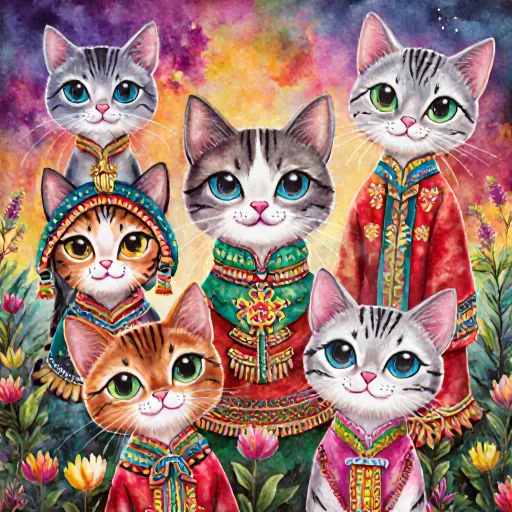
Debunking Cat Myths in Fun Ways!
Funny Cat Myths and Superstitions from Around the World
Table of Contents
- Funny Cat Myth Origins
- European Cats in Legends
- Asian Feline Beliefs and Myths
- North American Cat Myths
- Australian Native Cats in Aboriginal Legends
- South American Feline Stories and Superstitions
- Middle Eastern Cat Myths
- East African Cats in Folklore
- South Asian Cat Lore and Superstitions
- North African Cat Myths
- Conclusion
- FAQ Section
Funny Cat Myth Origins
Funny cat myths and superstitions have been a part of human culture for centuries, reflecting the complex relationship between cats and humans. These beliefs can vary widely across different cultures and regions, often blending folklore with practical observations about feline behavior.
The origins of these myths are deeply rooted in early human experiences with cats. Early civilizations observed the hunting prowess and agility of cats, which contributed to their status as symbols of protection and good fortune. However, this admiration was not universal, leading to a variety of funny cat myths that reflect both reverence and fear.
Superstitions in Different Cultures
- In Japan: One popular myth is the belief that if a cat washes its face after eating, it predicts a change in the weather. This myth combines practical observation (cats cleaning themselves) with a playful twist on natural phenomena.
- In Egypt: Cats were revered as sacred animals and often mummified to honor their role in society. However, there are also humorous myths that involve cats playing tricks on each other or humans, like the idea of "cat burglars" sneaking into houses without being noticed.
- In Europe: There is a funny superstition about black cats crossing paths with travelers. In some parts of Europe, it’s believed that if a black cat crosses your path from left to right, you'll have bad luck, but if it goes the opposite way, good fortune awaits.
- In North America: The idea of "cat naps" has evolved from a simple rest period into a fun stereotype. People often joke that cats can fall asleep anywhere and at any time, which is partly true but also exaggerated for comedic effect.
The Humor in Cat Behavior
Many funny cat myths stem from the quirky behaviors of cats themselves. Their independence, playfulness, and sometimes mischievous tendencies lend themselves well to humor. For example:
- Cats often seem to "know" when it's time for a nap or snack, leading to humorous observations about their intuitive skills.
- Their ability to leap to high places like windowsills and shelves can lead to amusing stories of them "invading" the kitchen or bedroom without permission.
Practical Advice for Dealing with Funny Cat Myths
While these myths are fun, it's important to approach them with a sense of humor and an understanding that they are not based on facts. Here’s how you can navigate and embrace these myths:
- Embrace the Fun: Incorporate funny cat myths into your daily life by sharing stories or engaging in playful banter about them with friends and family.
- Encourage Critical Thinking: When discussing these myths, encourage others to think critically about where they come from and how they are perpetuated. This can lead to deeper conversations about culture and belief systems.
- Adapt to Your Environment: Tailor your interactions with these myths to the context you're in. For example, if you're traveling abroad, be mindful of local cat superstitions that might differ from home.
In conclusion, funny cat myths and superstitions offer a unique window into the cultural diversity and shared experiences of people around the world. By embracing these playful beliefs, we can deepen our appreciation for both cats and the rich tapestry of human folklore.
European Cats in Legends
The lore surrounding cats, particularly those found in Europe, is rich with stories that blend humor and mystique. From ancient times to modern-day urban legends, these tales often reflect deeper cultural values and beliefs. Here are some examples of funny cat myths and superstitions from around the world that have their roots in European traditions.
Funny Cat Myths
- The Nine Lives of a Cat: While this phrase is used in various cultures, its origin can be traced back to ancient Egypt and later spread through Europe. The idea that cats have nine lives has evolved into humorous anecdotes where a cat seems to escape seemingly impossible situations, much like the nine lives themselves.
- The Cat Who Walks Backwards: In some European folklore, it is said that a cat walks backwards at night when no one can see. This myth often leads to amusing tales of how people try to catch or observe this elusive behavior.
- Cats and Mice in the Kitchen: A common humorous legend involves cats and mice sharing a house, where the mouse is always one step ahead of the cat, leading to endless comedic scenarios of pursuit and evasion.
Superstitions
European superstitions about cats have also woven their way into everyday life. Here are some examples:
- Cats Crossing Your Path: In many European cultures, it is believed that a cat crossing your path brings good luck. This belief can be turned into humorous anecdotes where people wait for a cat to cross the street before proceeding with their day.
- The Black Cat Curse: On the flip side of the coin, black cats are often associated with bad omens. Despite this, there is humor in the idea that these "curse-casting" black cats might accidentally cause more chaos than they intend to.
- Cats and Weddings: In some European traditions, it is believed that a cat will bring good fortune if seen on your wedding day. This can lead to amusing stories of people hoping for just the right moment to spot a cat in their path before walking down the aisle.
In conclusion, the legends and myths surrounding cats in Europe are not only entertaining but also offer insights into cultural beliefs and practices. From humorous tales to practical superstitions, these stories continue to captivate imaginations and add a touch of whimsy to everyday life.
Asian Feline Beliefs and Myths
Asian cultures have long held a myriad of beliefs and myths surrounding felines, much like the fascinating array of funny cat myths and superstitions found across various parts of the world. These beliefs are deeply rooted in folklore, tradition, and cultural significance.
In many Asian countries, cats are believed to have protective powers. In Japan, for instance, the Maneki-neko (or "beckoning cat") is a popular symbol of good fortune and wealth. This figurine is often seen in shops and businesses as a charm against bad luck and as an invitation for customers to enter. The legend behind this charm tells that a nobleman was sitting under a tree when his pet cat lifted one paw, beckoning him to come inside during a lightning storm. As the story goes, the man escaped unharmed by following the cat's gesture.
In Chinese culture, tabby cats are considered lucky. It is believed that they bring good fortune to their owners. This belief has led many people to seek out a tabby cat for protection against misfortune or as a way to attract prosperity.
While black cats are often seen as lucky in the West, in some parts of Asia, they have quite the opposite reputation. In China and Vietnam, owning a black cat is thought to bring bad luck or even invite evil spirits into one's home. This is particularly true when it comes to pregnant women, who might be advised to avoid having contact with such cats for fear of harm to themselves or their unborn child.
In some Asian cultures, white cats are associated with death and mourning. In Japan, for example, seeing a white cat crossing one's path is considered very unlucky. This superstition is so strong that in certain areas of the country, it is customary to kill a white kitten on the first day of the year as an offering to ensure good fortune.
If you're considering adopting or caring for a cat in an Asian context, understanding these beliefs can help navigate potential cultural misunderstandings. For instance, if you bring home a white cat from one of these regions, it might be wise to prepare your friends and family for the reactions you may encounter. Emphasizing the positive aspects of your choice—such as the protective qualities or good luck associated with cats in general—can help mitigate any negative perceptions.
The beliefs surrounding Asian felines are a fascinating blend of folklore and cultural significance, much like many other superstitions found around the world. While these myths may seem humorous to some, they hold deep meaning for those who believe in them. By embracing or at least respecting these traditions, you can better connect with your community and possibly even enrich your own experiences with felines.
North American Cat Myths
North America, just like other parts of the world, has its own set of humorous cat myths and superstitions that have been passed down through generations. These beliefs often blend folklore with practical wisdom or simple funniness. Understanding these can offer a deeper insight into how people perceive cats in this part of the world.
One popular North American myth is that cats have nine lives. While not entirely true, it's a comforting thought! Cats are incredibly agile and resilient; they can often survive falls from great heights due to their ability to land on their feet (a behavior called the "cat righting reflex"). This has led to the belief in multiple lives. In reality, while cats can be very tough, they still need proper care and safety measures like cat carriers for long trips.
Practical Advice
- Cat Carriers: Investing in a good-quality carrier is essential for safe transport. Look for carriers that are easy to open, have ventilation, and are made from sturdy materials.
- Safe Spaces: Ensure your home has no dangerous spots or objects that could harm your cat when they jump from high places.
Nine Lives Myth
The idea of cats having nine lives is not only found in North America but also around the world, including in ancient Egypt. In North American culture, it's often seen as a playful myth rather than a literal fact. However, this doesn't negate the deep emotional bond many people have with their feline companions.
Black Cats and Bad Luck
In North America, like in other parts of the world, black cats are often associated with bad luck or misfortune. This myth has roots in European folklore brought over by early settlers. Despite this, many people believe that a black cat crossing one's path is a sign of good fortune rather than ill omens.
Practical Advice
- Pet Insurance: Consider pet insurance to cover any potential medical expenses related to accidents or bad luck scenarios involving your cat.
- Supportive Community: Engage with local veterinary and community groups to get advice on how to keep your cat safe and healthy.
Cats have a rich cultural significance in many parts of the world. For instance, in Japan, cats are associated with good luck, especially for newlyweds as they symbolize fertility and prosperity. Meanwhile, in some cultures, certain breeds or colors of cats are seen to have special powers or abilities.
Practical Advice
- Cultural Sensitivity: Be aware of the cultural significance of pets in different regions and treat all animals with respect.
- Education: Educate yourself about these myths to appreciate their cultural contexts better and share this knowledge respectfully with others.
Cats are fascinating creatures that have captured human imagination for centuries. Whether you're in North America, Europe, Asia, or anywhere else around the world, there's always something new and interesting to learn about these beloved animals. By embracing both the humor and wisdom behind cat myths and superstitions, we can deepen our connection with them while maintaining a sense of fun and playfulness.
Australian Native Cats in Aboriginal Legends
Australia's native cats, particularly the wild cat species like the feral cat (Felis catus) and the dingo (Canis lupus dingo), hold a special place in Aboriginal Australian culture. These animals are not only seen as part of the natural environment but also feature prominently in various legends and stories. In Aboriginal traditions, these cats are often associated with hunting prowess and survival skills.
The dingo, for instance, is revered by some Aboriginal groups for its role in controlling pest species like rabbits and foxes, which can be a significant threat to native wildlife. Legends about the dingo often depict it as an intelligent and resourceful creature that helps humans in various ways. One such story tells of how the dingo guided early settlers across desolate landscapes by leaving scent markers, ensuring their safe passage.
Wild cats, especially feral cats, are sometimes portrayed differently. While they are acknowledged for their hunting abilities, there is a more cautionary tone when it comes to their interactions with humans and livestock. Legends may describe how mischievous or even harmful these cats can be, reflecting the balance between admiration and fear.
These stories are not only entertaining but also serve as moral lessons, teaching young members of Aboriginal communities about the importance of coexistence and respect for all creatures in nature. For example, one myth might caution against leaving food out at night to avoid attracting these wild cats, which could be dangerous or disruptive.
When considering global perspectives on animals in myths, it's interesting to note how different cultures view similar species through their own lenses. For instance, in some parts of the world, feral cats are seen as pests and are often eradicated. In contrast, Australian Aboriginal stories highlight a more nuanced relationship with these wild creatures. This difference underscores the importance of understanding local contexts when interpreting cultural narratives.
Moreover, the role of these animals in superstitions can also be explored. Around the world, certain behaviors or sightings of cats are believed to bring good or bad fortune. In Australia, these beliefs might relate specifically to native species and their interactions with human settlements or wildlife. Understanding these superstitions can provide deeper insights into how different cultures perceive nature.
In conclusion, Australian native cats play a significant role in Aboriginal legends, embodying both respect and caution. These stories not only enrich our understanding of the past but also offer valuable lessons for the present and future interactions with nature. By appreciating these cultural perspectives, we can foster greater appreciation and protection of Australia's unique wildlife.
South American Feline Stories and Superstitions
South America, rich in cultural diversity and folklore, has its own unique array of feline stories and superstitions. These tales often intertwine with local beliefs about the natural world and are passed down through generations, adding a layer of mystique to the region's heritage.
Similar to other parts of the world, South America has its share of funny cat myths that blend humor with cultural significance. One such myth involves the "Talking Cat" from Brazil. The story goes that a wise old man was once seen talking to his pet cat. Curious people approached him and asked if he had a magical companion. With a smile, the old man replied, “He may not speak my language, but I understand every word he says.” This myth highlights the bond between humans and animals and the whimsical nature of South American storytelling.
Cats in many parts of South America are believed to possess supernatural abilities. For instance, it is said that if a black cat crosses your path from left to right, you will have good luck for the day. However, if it goes from right to left, expect bad fortune. This belief is mirrored in other cultures around the world where black cats often symbolize either good or ill omens depending on their direction of travel.
In Peru, there exists a legend about a magical feline named "Maita." Maita was said to be able to transform into different forms and could grant wishes. Stories vary widely about her interactions with humans; some say she was kind-hearted while others depict her as mischievous. This legend is cherished by many in the region, embodying both wonder and caution.
If you're a cat owner looking to embrace these stories and traditions into your daily life with your pets, consider making small offerings or gestures that reflect the cultural significance of cats. For example, placing a small dish of water by your door in the morning might symbolize the belief that it brings good fortune. Additionally, engaging in storytelling with your children about South American felines could foster an appreciation for both the animals and their rich cultural context.
Cats have been central figures in many global myths and superstitions, much like those found in South America. For instance, similar to how Egyptian deities often took feline forms, the Huaco Jecuare of Venezuela is a creature believed to be an animal spirit that protects people from harm. Similarly, the Greek cat myth of Ailuros, who could turn into a black panther, shares themes with the South American legends about shape-changing creatures.
Middle Eastern Cat Myths
The rich cultural tapestry of the Middle East is woven with a fascinating array of myths, legends, and superstitions. Among these, cat-related tales hold a special place, often blending humor with deeper meanings rooted in folklore.
Funny Cat Myths
Just like in other parts of the world, Middle Eastern cultures have their share of humorous stories about cats. One such story is the tale of "The Curious Mouser." In this comedic anecdote, a street cat named Mousa embarks on an adventure to catch mice but ends up playing with them instead, leading to much laughter and mirth. This story not only entertains but also highlights the playful nature of cats.
Another funny myth involves cats as clever tricksters. In one version, a cat convinces a group of birds that it can fly by showing off its agility on rooftops. The birds are so impressed that they offer to carry the cat in their flock during migration. This humorous tale emphasizes the strategic thinking and charm often attributed to Middle Eastern cats.
Superstitions from Around the World: Comparisons
In contrast to the humor found in some Middle Eastern cat myths, superstitions regarding cats can be quite serious. Across various cultures, cats have often been seen as both benevolent and malevolent forces.
In European folklore, black cats are frequently associated with bad luck or witchcraft. However, in many Middle Eastern countries, the perception of black cats is different. In some regions, a black cat crossing one's path is believed to bring good fortune rather than ill omens.
Another example from around the world involves the idea that feeding stray cats may lead to an increase in their numbers and subsequently more competition for food resources. This belief can sometimes be seen as superstition or environmental concern, depending on the context. In some Middle Eastern cultures, however, this practice is not viewed similarly but rather with a sense of community responsibility.
Practical Advice: Embracing Cats in Your Home
If you're considering adopting or caring for a cat, especially if you live in the Middle East, it's important to be aware of local beliefs and practices. While some superstitions may seem strange or outdated from an outsider’s perspective, they often reflect cultural values and traditions.
For instance, in many parts of the Middle East, cats are seen as sacred creatures. Adopting a cat can therefore carry with it certain responsibilities and respect for their role within the community. It's advisable to research and understand these practices before making any decisions regarding your pet’s care.
Cats often bring joy and companionship into people's lives, but they also require attention and love. By embracing cats as part of your household while respecting local customs, you can create a harmonious environment for both yourself and your feline friend.
East African Cats in Folklore
East Africa, rich in cultural diversity and folklore, has a unique place for its feline inhabitants. Cats have long been woven into the fabric of local stories and beliefs. These myths and superstitions are often passed down through generations, reflecting the values, fears, and aspirations of communities in this region.
One humorous myth from East Africa tells the tale of a cat who was so busy grooming itself that it missed an important ceremony. The cat’s mistake was not taken lightly; instead of being scolded, the community celebrated the cat's loyalty to its personal hygiene as a sign of respect for beauty and cleanliness.
Another amusing myth involves a group of cats who decided to compete in a running race. Each cat had a specialty: some were sprinters, others were long-distance runners. The most unexpected winner was a small tabby cat that won by playing tricks on its opponents, such as hiding and suddenly appearing at the finish line.
In many East African cultures, cats are believed to have supernatural powers. One common superstition is that if you see a black cat walking towards your home, it brings good fortune. However, if the cat walks away from your house, it's said to be a sign of bad luck.
Another belief holds that keeping a cat in your house can ward off evil spirits. This practice is rooted in the idea that cats have a natural ability to sense and repel negative energy. People often leave bowls of milk outside for stray cats, not only as an act of kindness but also as a way to ensure these protective creatures are nearby.
For travelers visiting East African regions, understanding local beliefs and practices can enrich the experience. If you're staying in a home with cats or near a community that keeps them, it's polite to observe any customs surrounding these animals. For instance, if you're invited to eat indoors, it is customary not to wear shoes inside the house, as this shows respect for the household’s cleanliness and tradition.
Cats are also believed to bring good omens in certain situations. For example, if a cat jumps onto your lap unexpectedly or meows loudly at night, locals often see this as a sign of good fortune or guidance. If you're feeling lost or uncertain about something, keeping an eye on the cats may provide unexpected reassurance.
In conclusion, while these myths and superstitions might seem funny to outsiders, they play a significant role in the cultural identity of East African communities. Embracing these traditions can deepen your appreciation for local culture and make your visit more meaningful.
South Asian Cat Lore and Superstitions
In South Asia, cats hold a unique place not just as household pets but also as subjects of lore and superstition. The relationship between humans and felines in this region is rich with cultural significance and tradition. Cats are often seen as symbols of both good fortune and misfortune, depending on the specific beliefs and practices within different communities.
Just like other parts of the world, South Asia has its share of humorous cat myths that blend the real with the imagined. One common belief is that if a cat meows at midnight, it means someone in the house will receive an unexpected gift. This superstition adds a touch of whimsy to everyday life, turning simple sounds into tales of fortune.
Myth: Cats and Their Nine Lives
In many South Asian cultures, cats are believed to have nine lives—a tradition that dates back centuries. While this belief is shared in other parts of the world, it takes on a unique flavor here. People often joke about cats surviving falls from great heights or escaping from seemingly impossible situations, attributing these miracles to their extra lives.
Superstition: The Lucky Cat
The "lucky cat" (Burmese: 招財貓 or Japanese: 縁起猫) is a popular symbol in South Asia, representing prosperity and good fortune. Statues of these mythical cats are placed in homes and businesses to ward off bad luck and bring wealth. A funny twist on this superstition involves people setting up competitions for their "lucky cat" statues, where the goal is to see whose feline friend brings them the most unexpected gifts or lucky situations.
Myth: Cats and Their Communication
Cats are often thought to communicate through a series of meows that each have a specific meaning. However, in South Asian folklore, cats are believed to speak only when they need to say something important—usually about bringing good or bad news. This myth has led to humorous situations where people wait anxiously for their cat’s next word, hoping it might predict the future.
Superstition: Cats and Weather
Cats are also believed to have a knack for predicting weather changes. If you see your cat behaving in an unusual way—such as basking in the sun instead of hiding under furniture—it’s said to be a sign that the weather will change soon. While this is purely superstition, it has given rise to humorous jokes about cats being nature's own weather forecasters.
Myth: Cats and Their Friends
In some parts of South Asia, there’s a belief that cats have the ability to form friendships with other creatures, including birds and even humans. This myth has given rise to funny stories where cats are seen playing games or having tea parties with their avian companions. These tales often include humorous misunderstandings or comical situations that highlight the unique bond between felines and their animal friends.
Superstition: Cats and Their Jumps
A common superstition in South Asia is that a cat will jump over someone's head if they are about to receive news. This belief adds an element of humor, as it suggests cats have the ability to predict future events with uncanny accuracy. People often joke about their cats’ supposed psychic abilities, leading to light-hearted debates and laughter.
North African Cat Myths
North Africa, like many other regions around the world, is rich with fascinating cat myths that have been passed down through generations. These stories often blend elements of humor and superstition, much like those found in other parts of the globe.
Just as in Funny Cat Myths from around the world, North African cat myths can be quite humorous. One such example is the myth about cats and their love for music. It is said that when a North African musician plays an instrument, particularly the djembé, the local cats gather to listen, not because they understand the music but because it reminds them of the rhythmic sounds made by their paws on the ground.
Another funny myth involves the relationship between cats and mirrors. In some North African tales, it is believed that if a cat sees its reflection in a mirror, it will try to "catch" itself, only to be left with nothing but confusion. This humorous interaction between cats and mirrors adds a touch of whimsy to the folklore.
Like many other cultures, North Africa has its share of superstitions surrounding cats. One common belief is that seeing a cat jump over your path will bring you bad luck. This superstition stems from the idea that cats can sense misfortune and avoid it by altering their course.
In another superstition, it is said that if a black cat crosses your path, it brings good fortune rather than bad luck. However, this belief varies depending on the region within North Africa, as superstitions can differ even among neighboring cultures.
If you are writing a blog about North African cat myths, it is essential to approach these stories with both respect and humor. Research thoroughly to ensure accuracy in your descriptions of the myths. You can enhance your content by including images or videos that illustrate the cultural significance of cats in North Africa.
Additionally, consider interviewing local storytellers or elders who may have firsthand knowledge of these myths. Their perspectives can add depth and authenticity to your blog posts. By blending humor with respect for tradition, you can create engaging content that resonates with both local and international audiences.
Conclusion
Incorporating humorous cat myths and superstitions into your blog can be a delightful way to engage readers who are fascinated by both cats and cultural lore. These tales, often filled with humor and sometimes absurdity, provide a unique lens through which to view the feline world. From ancient Egypt where cats were revered as gods to more modern interpretations, these stories offer a rich tapestry of human fascination.
For instance, in many parts of Europe, it is believed that if you wake up and see your cat standing on its hind legs, it’s a sign that someone close to you will soon visit. This superstition adds a touch of whimsy to daily life, turning the mundane into something magical. Similarly, in Japan, it's said that if you drop a cup of tea while holding a cat, it brings good luck. These kinds of beliefs add an element of fun and unpredictability to everyday experiences.
In contrast, some myths are rooted in humor rather than superstition. For example, the idea that a cat can walk on its hind legs is often seen as amusing and not taken seriously by most people. However, this myth highlights the cat's agility and balance, turning something potentially mundane into an entertaining spectacle.
When writing about these funny cat myths and superstitions for your blog, it’s important to balance facts with whimsy. Readers appreciate a blend of educational content with entertaining anecdotes. For example, you might start by debunking common misconceptions such as the belief that cats always land on their feet (which is not entirely true, though they do have excellent balance). Then, you can explore the cultural origins and humorous aspects of these beliefs.
Practical advice for incorporating these elements into your blog includes:
- Research Thoroughly: Dive deep into the historical and cultural significance behind each myth or superstition. This will help you provide accurate information while also adding depth to your posts.
- Incorporate Visuals: Use images, videos, or GIFs that are relevant to the myths and superstitions you discuss. Visual content can make your blog more engaging and memorable.
- Share Personal Stories: Share your own experiences with these myths or superstitions. This personal touch can connect readers with your blog on a deeper level.
In conclusion, exploring the funny cat myths and superstitions from around the world not only enriches your content but also adds an element of fun and education to your WordPress-compatible blog. By blending humor with cultural insights, you can create engaging and informative posts that readers will love.
FAQ Section
Cats have been fascinating creatures for centuries, often associated with various myths and superstitions. These beliefs can vary widely across different cultures, sometimes leading to humorous misunderstandings or practices.
1. Cats Bringing Good Luck in Japan
In Japanese culture, cats are believed to bring good luck. It's common for people to keep a cat as a pet because of this belief. However, the superstition is not limited to just any cat; it specifically refers to the maneki-neko (招き猫), which translates to "beckoning cat." This figurine is said to wave its paw to invite prosperity and good fortune into one's home.
Practical Advice: If you're considering bringing a cat as luck to your household, starting with a maneki-neko can be a fun and symbolic gesture. However, remember that the true essence of bringing good fortune is based on care and love for your pet.
2. Cats Catching Mice in Egypt
In ancient Egyptian culture, cats were highly valued not just for pest control but also because they protected sacred animals like birds from predators. The cat was actually considered a god, and it was believed that cats could catch mice with such precision that the act itself was almost magical.
Practical Advice: While modern-day cats may not have the same mystical power as their ancient ancestors, they still serve an important role in pest control. Ensure your cat has a safe and stimulating environment to keep it engaged and healthy.
3. Cats Brining Bad Luck in Western Culture
In some Western cultures, black cats are often associated with bad luck. However, this belief is not universal. In the United States, for instance, black cats are sometimes considered a symbol of Halloween and may even be dressed up as part of the festivities.
Practical Advice: If you're hosting or attending events like Halloween parties, consider the cultural significance of your guests' beliefs. It can be fun to learn about different perspectives and celebrate diversity by sharing stories or participating in traditions that are meaningful to various groups.
4. Cats as Guardian Spirits in Vietnam
In Vietnamese culture, cats are believed to have the power of guardian spirits. It is said that they can protect homes from evil forces and keep people safe during sleep. This belief extends even further; some think that a cat sleeping near you can help ward off nightmares.
Practical Advice: If you're looking for ways to enhance the safety of your home, consider adopting a pet if you haven't already. Cats not only provide companionship but also contribute positively to mental health and stress reduction.
5. Cats as Sacred Animals in India
In Hindu culture, cats are considered sacred animals associated with the goddess Kali or Durga. It is believed that offering food to a cat can bring blessings from these deities.
Practical Advice: If you're exploring Hindu traditions and practices, consider learning more about how other cultures view animals and nature. This knowledge can enrich your understanding and appreciation of different belief systems.
Conclusion
The world is full of diverse beliefs and superstitions surrounding cats. While some may seem odd or humorous to us today, they are deeply rooted in the cultural practices and values of various communities.
Categories
- AI & Enrichment Play
- Broiler Farming
- Broiler Farming Tips
- Canine Wellness & Longevity
- Cat
- Cat & Human Connection
- Cat Adoption & Rescue
- Cat Breeds
- Cat Breeds & Personalities
- Cat Care & Health
- Cat Grooming & Hygiene
- Cat Lifestyle & Environment
- Cat Myths & History
- Cat Nutrition & Diet
- Cat Products & Reviews
- Cat Training & Behavior
- Comparison
- Consumer Awareness
- Dog
- Dog Accessories & Products
- Dog Adoption & Rescue
- Dog Breed & Lifestyle Trends
- Dog Breeding & Puppies
- Dog Entertainment & Media
- Dog Fashion & Trends
- Dog Fun & Lifestyle
- Dog Grooming & Hygiene
- Dog History & Culture
- Dog Myths, Science & Future Tech
- Dog News & Trends
- Dog Nutrition & Food
- Dog Psychology & Emotions
- Dog Safety & Security
- Dog Sports & Activities
- Dog Technology & Innovation
- Dog Training for Modern Owners
- Dog Travel & Adventure
- Dog Travel, Adventure & Culture
- Economic and Market Insights
- Educational Content
- FAQs
- Feeding Alternatives
- Festivals & Seasonal Ideas
- Fun & Entertainment
- General Knowledge
- General Pig Farming
- Health & Disease Management
- Housing and Environment
- Kittens
- Market Insights
- Miscellaneous
- Miscellaneous
- Motivational
- pig
- Pig Breeding
- Pig Breeds
- Pig Farming Stories and Inspiration
- Pig Health and Care
- Pig Nutrition
- Pig Products
- Profitability & Business
- Puppy Care
- Puppy Predictable Topics Reinvented
- Regional Focus
- Rescue & Adoption Buzz
- Senior Cats
- Senior Dog Care
- Smart Dog Tech & Gadgets
- Sustainability
- Sustainable & Eco-Friendly Dog Products
- Tech & Innovations
- Working & Service Dogs
- Broiler Feed66 products
- Country Feed33 products
- Pig Feed66 products
- Product22 products
- Raw Materials99 products
Products
-
 Fish Meal
₹1,999.00 – ₹2,999.00Price range: ₹1,999.00 through ₹2,999.00Rated 0 out of 5
Fish Meal
₹1,999.00 – ₹2,999.00Price range: ₹1,999.00 through ₹2,999.00Rated 0 out of 5 -
 FATTENING BROILER FEED
₹2,299.00 – ₹2,349.00Price range: ₹2,299.00 through ₹2,349.00Rated 0 out of 5
FATTENING BROILER FEED
₹2,299.00 – ₹2,349.00Price range: ₹2,299.00 through ₹2,349.00Rated 0 out of 5 -
 LAYER COUNTRY FEED
₹1,549.00 – ₹1,649.00Price range: ₹1,549.00 through ₹1,649.00Rated 0 out of 5
LAYER COUNTRY FEED
₹1,549.00 – ₹1,649.00Price range: ₹1,549.00 through ₹1,649.00Rated 0 out of 5 -
 COUNTER BROILER FEED
₹1,199.00 – ₹1,299.00Price range: ₹1,199.00 through ₹1,299.00Rated 0 out of 5
COUNTER BROILER FEED
₹1,199.00 – ₹1,299.00Price range: ₹1,199.00 through ₹1,299.00Rated 0 out of 5 -
 LACTATING PIG FEED
Rated 0 out of 5
LACTATING PIG FEED
Rated 0 out of 5₹2,299.00Original price was: ₹2,299.00.₹1,740.00Current price is: ₹1,740.00. -
 Maize
Rated 0 out of 5
Maize
Rated 0 out of 5₹1,650.00Original price was: ₹1,650.00.₹1,300.00Current price is: ₹1,300.00. -
 GESTATION PIG FEED (Phase 1)
Rated 0 out of 5
GESTATION PIG FEED (Phase 1)
Rated 0 out of 5₹2,249.00Original price was: ₹2,249.00.₹1,699.00Current price is: ₹1,699.00. -
 Pre Starter Broiler Feed
₹2,399.00 – ₹2,499.00Price range: ₹2,399.00 through ₹2,499.00Rated 0 out of 5
Pre Starter Broiler Feed
₹2,399.00 – ₹2,499.00Price range: ₹2,399.00 through ₹2,499.00Rated 0 out of 5 -
 FINISHER PIG FEED
Rated 0 out of 5
FINISHER PIG FEED
Rated 0 out of 5₹2,299.00Original price was: ₹2,299.00.₹1,749.00Current price is: ₹1,749.00. -
 Broiler Premix
Rated 0 out of 5
Broiler Premix
Rated 0 out of 5₹820.00Original price was: ₹820.00.₹699.00Current price is: ₹699.00.