
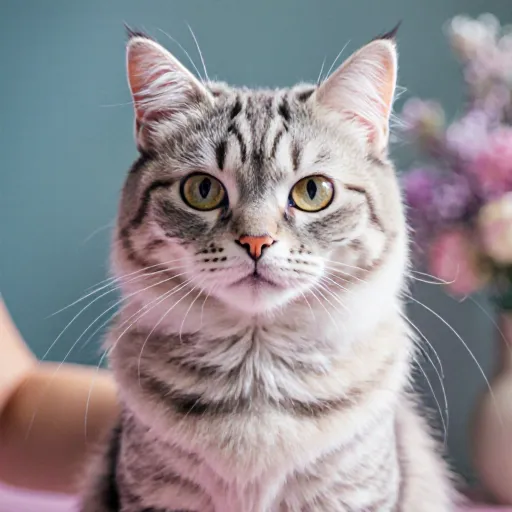
Unlock Your Cat's Glittering Coat with These Tips!
Secrets to Stunning Cat Grooming Revealed Here.
Table of Contents
- Introduction to Cat Grooming
- Comb and Brush Selection
- Nail Clippers for Cats
- Ear Cleaner and Cotton Tips
- Toothbrush and Dental Paste
- Spray Bottle for Skin Care
- Slicker Brush for De-Shedding
- Thermal Grooming Gloves
- Towel and Comfy Rest Spot
- Professional Clippers for Cats
- Feline Grooming Tables
- Grooming Bags and Storage Solutions
- Tips for Grooming Cats with Special Needs
- Conclusion
- FAQ
Introduction to Cat Grooming
Introducing your cat to grooming can be a rewarding experience for both you and your feline friend. Regular grooming helps maintain your cat's overall health, promotes a shiny coat, reduces shedding, and strengthens the bond between you and your pet. However, the right tools are essential to make this process as comfortable and effective as possible.
Cats have various skin types and fur lengths, so it’s important to choose grooming tools that suit their specific needs. Short-haired cats typically require less frequent brushing compared to long-haired breeds, but all cats can benefit from regular grooming sessions. Understanding your cat's coat type—whether it is short, medium, or long—will help you select the most appropriate brushes and combs.
- Slicker Brush: Ideal for removing loose hairs from short-haired cats. It has fine, closely spaced wires that glide easily through the coat without causing discomfort to your cat.
- Felician Comb: A versatile tool suitable for all coat types. Its wide teeth are great for detangling and removing mats from long-haired breeds like Persians or Maine Coons.
- Pin Brush: Perfect for short-haired cats with a firm grip, it helps in eliminating undercoat hair and promoting a smooth coat appearance.
- Skin Brush: This brush is used to stimulate the skin’s circulation. It can also be beneficial after bathing your cat by drying them off quickly due to increased blood flow near the surface of the skin.
To make grooming sessions enjoyable and stress-free, follow these tips:
- Start grooming sessions in short intervals. Cats have short attention spans, so it’s better to do multiple brief sessions rather than one long one.
- Use treats as positive reinforcement during grooming. This will help your cat associate grooming with something enjoyable.
- Pick a quiet and comfortable area where you both can relax. Minimize distractions to keep the session focused on grooming.
Selecting the right tools for your cat’s grooming routine is crucial in ensuring their comfort and well-being during these sessions. By understanding your cat's coat type and using appropriate tools, you can make grooming a regular and enjoyable part of your pet care routine.
Comb and Brush Selection
Selecting the right comb and brush is essential for maintaining your cat's coat, promoting healthy skin, and reducing shedding. The type of tools you choose should depend on your cat’s fur type and length.
Types of Brushes and Combs
- Slicker Brush: Ideal for short-haired cats with minimal undercoat, a slicker brush helps remove loose hair and tangles. It is gentle on the skin and provides a deep clean.
- Bristle Brush: Suitable for long-haired cats or those with moderate to heavy shedding, a bristle brush works effectively in removing mats and tangles from thick fur without causing discomfort to your cat.
- Soft-Guard Slicker Brush: Designed specifically for short-haired cats with sensitive skin. This comb is made of soft bristles that prevent irritation while still being effective at detangling.
- Flea Comb: Essential for detecting and removing fleas, this fine-toothed comb helps in identifying small parasites and their eggs even if they are not visible to the naked eye. Flea combs are particularly useful during warmer months or when your cat has been exposed to outdoor environments.
- Wide-Tooth Comb: Useful for brushing long-haired cats, this comb helps reduce tangles by gently separating hair without pulling on it harshly. It is also helpful in removing dirt and debris from the coat.
Selecting the Right Tool
To determine which brush or comb is best suited for your cat, consider the following:
- Type of Fur: If you have a short-haired cat with minimal shedding, a slicker brush will suffice. For long-haired cats prone to mats and heavy shedding, a bristle brush might be more appropriate.
- Sensitivity: Cats with sensitive skin should use brushes or combs made from soft materials. Soft-Guard Slicker Brushes are particularly recommended for these cases.
- Maintenance: Flea combs and wide-toothed combs require less frequent use compared to slicker brushes, but they offer more targeted benefits.
Practical Advice
To ensure your cat enjoys the grooming process, it is important to make them comfortable. Here are some tips:
- Start Early: Begin grooming sessions early in your cat's life so they become accustomed to being handled and brushed.
- Short Sessions: Keep brushing sessions short, especially for cats who may not enjoy it. A few minutes several times a week can be more effective than long sessions once a month.
- Praise and Rewards: Offer praise or treats during grooming to make the experience positive and enjoyable for your cat.
Conclusion
Selecting the right comb and brush is crucial in ensuring your cat's coat remains healthy, shiny, and free from tangles. By understanding your cat’s fur type and using appropriate tools, you can significantly enhance their overall grooming experience.
Nail Clippers for Cats
Regular grooming is essential for your cat's overall health and well-being. Among the various tools you need, nail clippers are one of the most important items in a cat owner’s grooming kit. Properly trimming your cat's nails can prevent discomfort, injury to both your cat and yourself, as well as potential health issues.
Why Nail Clippers Are Essential
Nail clipping is not only about keeping your cat's nails at a manageable length but also about maintaining their overall health. Overgrown nails can cause discomfort, pain, and even lameness in cats if left untrimmed. Moreover, sharp, overgrown claws could accidentally scratch you or other pets in the household.
Types of Nail Clippers
- Scissors-Type Clippers: These are similar to human nail clippers and work best on short-haired cats. They provide a precise cut but can be less effective on thick or curved nails.
- Sidewalk Roller Clippers: These clippers have a rotating blade that rolls over the nail to cut it. They are great for cats with thicker nails but can be less precise.
- Snap-off Clippers: These clippers are specifically designed for cats with long, curved nails. They can be quite effective but require more skill to use properly.
- Diamond Stone Clippers: These are more advanced tools used by professionals. They help in filing down the nails rather than cutting, which can be beneficial if you're not comfortable with sharp nail clippings.
Example: The FURminator Nail Clippers are known for their precision and safety features, making them ideal for the average cat owner.
Example: The PetSafe Sidekick Nail Trimmer is popular among pet owners due to its easy-to-use design and ability to handle thick claws easily.
Example: The Furever Pet Nail Clipper is perfect for those who want a clipper that allows them to confidently tackle their cat's longer and thicker claws.
Example: The ProGroom Diamond Nail Filing Stones provide a smooth finish without causing any damage to your cat's paws.
Steps for Proper Nail Clipping
- Prepare the Environment: Make sure you have all necessary tools and a place where your cat feels safe. Some cats may require treats or distractions to stay calm during nail trimming.
- Calm Your Cat: A relaxed cat is easier to handle. Spend some quality time with your cat before starting the grooming session.
- Position the Clipper Correctly: Hold the clipper parallel to the ground and at a slight downward angle for an easier, safer cut.
- Pinch the Nail: Gently pinch the nail between your thumb and index finger to expose the quick (blood supply).
- Cut the Tip of the Nail: Use short, controlled strokes to clip only the tips of the nails. Avoid cutting into the pink visible part.
- Filing (Optional): After clipping, you can use a file or diamond stone to smooth out any rough edges and give your cat's nails a comfortable finish.
Tips for Successful Nail Trimming
- Start Early: If possible, start nail trimming while the kitten is still young. This will make it easier to train them into accepting regular grooming sessions as part of their routine.
- Praise and Reward: Always give your cat lots of praise and treats after successful trimming. Positive reinforcement can significantly reduce any stress for both you and your cat.
- Be Prepared to Try Again: Not every session will be perfect, especially if your cat is anxious. It’s okay to try multiple times until the grooming becomes a positive experience for everyone involved.
Conclusion
Nail clippers are an indispensable part of any cat owner's grooming toolkit. Regular nail trimming ensures that your feline friend remains healthy and happy, while also keeping you safe from potential scratches. With the right tool and technique, nail clipping can be a straightforward process that benefits both you and your pet.
Ear Cleaner and Cotton Tips
When it comes to maintaining your cat's overall health, grooming is an essential part of their care. One often-overlooked aspect of grooming is cleaning a cat's ears. This task can sometimes be intimidating, but with the right tools, it becomes much easier and more effective. Two must-have items for this purpose are ear cleaner and cotton tips.
Why Clean Your Cat’s Ears?
Cat ears serve as their primary means of temperature regulation and can also help them hear better in the environment around them. However, they are prone to infections, especially if not kept clean. Regular ear cleaning helps to remove excess wax and debris before it leads to discomfort or more severe issues.
Choosing the Right Ear Cleaner
The choice of ear cleaner is crucial as it should be safe for your cat's ears. Opting for a veterinarian-recommended product ensures that you are using something appropriate for felines. Look for cleaners that are alcohol-free to avoid irritating your cat’s ears.
- Clue-It Ear Cleaner: This is highly recommended by many veterinarians as it's designed specifically for cats and helps keep their ears clean, dry, and healthy.
- Auravet Gel: Another excellent option that can be used to treat ear infections while also cleaning the area gently.
Using Cotton Tips Safely
Cotton tips are essential for getting into those hard-to-reach areas of your cat’s ears. However, they should never be inserted deeply into the ear canal as this could cause injury to the delicate structures inside.
- Minty Ear Cotton Tips: These not only help clean but also have a soothing mint scent that cats tend to enjoy.
- Ear Care Cotton Tips: Designed specifically for ear cleaning, these are gentle and effective in removing excess wax without harming your pet.
Step-by-Step Guide to Cleaning Your Cat’s Ears
- Ensure you have all the necessary tools ready: ear cleaner, cotton tips, and a comfortable space for your cat.
- Spritz a small amount of the ear cleaner into each of your cat's ears. Be careful not to get it in their eye area.
- Allow your cat to shake its head gently (this helps loosen any debris).
- Using the cotton tips, carefully wipe out the visible wax and debris from the outer ear canal.
- For deeper cleaning, your veterinarian might recommend flushing the ears with a solution. Always follow their advice before proceeding.
Precautions and Tips
Regularly checking for signs of infection such as redness, excessive shaking of the head, or foul smell is important. If you notice anything unusual, consult a vet immediately. Additionally, never use human ear cleaners on your cat as they can be harsh and potentially harmful.
Purchase Recommendations
- Clue-It Ear Cleaner: Available at most veterinary supply stores and online retailers like Amazon.
- Minty Ear Cotton Tips: Also widely available, including from Petco and Petsmart.
- For a more comprehensive kit, consider the PetSafe Ear Cleaning Kit which includes all necessary tools for ear cleaning.
In conclusion, using an ear cleaner and cotton tips is not just about keeping your cat's ears clean; it’s also about ensuring their overall health. Regular maintenance can prevent more serious issues down the line, making these grooming tools indispensable in a cat owner’s toolkit.
Toothbrush and Dental Paste
Caring for your cat’s dental health is just as important as grooming their fur. A clean mouth can prevent a variety of health issues, including bad breath, gum disease, and even more serious conditions like kidney and heart problems. Regular brushing and the use of dental paste specifically formulated for cats are key components in maintaining your feline companion's oral hygiene.
Why Use a Toothbrush?
The toothbrush is one of the most essential tools for cat grooming, especially when it comes to oral health. Cats often have sensitive teeth and gums, which can be easily irritated by harsh human dental products or improper brushing techniques. A soft-bristled toothbrush designed specifically for cats helps prevent gum damage while effectively removing plaque and tartar.
Choosing the Right Toothbrush
- Size: Opt for a brush that fits comfortably in your hand but is small enough to reach all areas of your cat’s mouth. It should have soft bristles that are gentle on their sensitive gums.
- Shape: Look for brushes with ergonomic handles that make it easy for you to hold and maneuver around your cat's mouth without causing discomfort or stress.
- Type: Consider silicone-bristled toothbrushes, as they are more resilient than nylon bristles and less likely to harbor bacteria. Always replace the brush regularly to ensure hygiene.
How to Brush Your Cat's Teeth
- Get Comfortable: Make brushing a part of your routine, so it becomes a positive experience for both you and your cat. Start by gently rubbing your cat’s mouth with your fingers before introducing the brush.
- Start Slowly: Introduce the toothbrush gradually to help your cat get used to the sensation. Begin by brushing in short, gentle strokes along their gum line.
- Brushing Techniques: Focus on the outer surfaces of the teeth as this is where plaque and tartar most commonly accumulate. Spend a few seconds on each tooth, moving slowly across the surface without applying too much pressure.
Dental Paste: A Flavorful Solution
Using dental paste specifically designed for cats ensures that you’re not exposing your pet to harmful chemicals or flavors they may find repulsive. Cats are naturally inclined to avoid anything that tastes strange, so using a paste in a flavor they enjoy can make the process much more bearable.
Selecting the Right Dental Paste
- Flavor: Choose flavors like poultry or tuna, which are typically favored by cats. Ensure that the product is free from xylitol, an ingredient found in some human toothpaste that can be toxic to cats.
- Purpose: Look for pastes formulated specifically for cats’ smaller mouths and sensitive teeth. These products often come in small sizes, making them easier to manage when dealing with a wriggling cat.
Making the Experience Positive
To ensure your cat remains cooperative during brushing sessions, make it a positive experience by rewarding them afterward. A small treat or playtime can act as great incentives for your feline friend to enjoy their dental care routine.
Incorporating regular toothbrushing and the use of dental paste into your daily grooming schedule is an excellent way to promote long-term oral health in cats. By providing them with the right tools and making the process enjoyable, you’re giving your cat a gift that keeps on giving—healthy, shiny teeth and fresh breath.
Spray Bottle for Skin Care
In a world where skin care routines are increasingly complex, the humble spray bottle stands as an indispensable tool. Just like grooming tools are essential for maintaining your cat's coat, a good spray bottle can make all the difference in keeping your skin healthy and radiant.
A spray bottle is not just about applying water to your face; it’s about providing the perfect consistency of moisture that suits various skin types. Whether you're dealing with oily, dry, or combination skin, a spray bottle can help in creating customized skin care solutions.
For Oil Control
If you have oily skin, a spritz of water from your spray bottle can help to control oil production and refresh your face throughout the day. This is particularly useful if you're wearing makeup or working in an environment where your skin tends to get greasy.
For Hydration
In contrast, those with dry skin can benefit from a spritz of hydrosol or distilled water for hydration. Hydrosols are flower waters that have been used for centuries in herbal medicine and aromatherapy to balance and moisturize the skin.
To make your spray bottle even more effective, you can add a few drops of essential oils or hyaluronic acid. For example, lavender oil can soothe and calm irritated skin, while tea tree oil is excellent for treating acne-prone skin.
DIY Solutions
- Hyaluronic Acid Spray: Mix a teaspoon of hyaluronic acid with two cups of distilled water and a few drops of your favorite essential oil. This blend can help to plump up the skin, making it look more hydrated and vibrant.
- Lavender Hydrosol: Simply add a few drops of lavender hydrosol to your spray bottle for its calming properties.
Just as you would choose different grooming tools based on the needs of your cat (like a soft-bristled brush for long-haired cats or a slicker brush for shedding), choosing the right spray bottle for your skin care routine is crucial. A fine mist bottle can be used for sensitive skin, while a broad-spectrum mist might be better suited for those with more robust skin types.
Conclusion
Incorporating a spray bottle into your daily skin care regimen can make it easier to maintain healthy skin. It’s a small but powerful tool that, when used correctly, can enhance the effectiveness of your overall skin care routine, much like how grooming tools are essential for keeping your cat in top condition.
Slicker Brush for De-Shedding
One of the most important aspects of cat grooming is de-shedding. Regular shedding can be a natural process, but excessive shedding can lead to hairballs and a mess in your home. Slicker brushes are an essential tool that helps manage this issue by removing loose hairs, preventing matting, and promoting healthy skin. Here’s why you should consider adding a slicker brush to your cat grooming toolkit.
How Slicker Brushes Work
Slicker brushes have fine, closely spaced wire bristles that gently lift and remove loose hair from the coat. This process not only keeps your home clean but also helps in removing dead hair from the skin’s surface, promoting a healthier coat for your cat.
Benefits of Using Slicker Brushes
- Reduces Shedding: Regular brushing with a slicker brush can significantly reduce shedding by removing loose hairs before they fall onto furniture and floors. This makes it easier to keep your home clean and reduces the need for frequent vacuuming.
- Promotes Healthy Skin: Brushing helps to distribute natural oils across the coat, which in turn promotes a healthy skin condition for your cat. It also allows you to check for any signs of skin irritation or infections early on.
- Prevents Matted Hair: Regular use of a slicker brush can prevent hair from matting together, especially around the tail and legs where tangles are common. This not only makes grooming easier but also helps maintain your cat’s overall hygiene.
- Encourages Bonding: Grooming with your pet is an excellent way to bond with them. Slicker brushes provide a relaxing experience for both you and your cat, making it a great opportunity for quality time together.
Selecting the Right Slicker Brush
When choosing a slicker brush for your cat, consider their coat type. Cats with short hair may do well with a medium to large-sized brush, while long-haired cats will benefit from smaller brushes that can reach into tighter areas. Additionally, look for brushes made from high-quality materials such as stainless steel or carbon fiber, which are durable and comfortable for both you and your cat.
Practical Tips for Using a Slicker Brush
- Start Early: Introduce the brush to your kitten early so they get used to it. This makes grooming sessions less stressful as your cat grows older.
- Brush Regularly: Aim for at least once a week, and more often if you notice increased shedding due to changes in season or environment.
- Be Gentle: Always brush gently to avoid causing discomfort or pain. Start from the back of your cat’s body and work towards the head to minimize stress.
- Clean the Brush Regularly: Clean the bristles after each use to prevent hair buildup, which can lead to odors and matting issues.
Conclusion
Incorporating a slicker brush into your cat’s grooming routine is one of the best things you can do for their health and comfort. By regularly using this tool, you are helping to maintain a clean home environment while also promoting overall pet wellness.
Thermal Grooming Gloves
The thermal grooming gloves are an indispensable tool for anyone looking to make cat grooming sessions not only more efficient but also more comfortable. These gloves provide a dual purpose—serving as both a brush and a mitt, they allow you to gently massage your cat's coat while removing loose fur and dead skin cells.
Benefits of Thermal Grooming Gloves
- Efficient Coat Maintenance: The thermal structure ensures that every stroke reaches deep into the coat, helping to reduce shedding and maintain a healthier appearance for your cat. This feature is especially beneficial during seasonal changes when fur grows thick.
- Massage Therapy: The warmth from these gloves mimics the natural grooming behavior of cats by providing a soothing massage that can help relieve stress and tension, promoting relaxation in your pet.
- Hygienic and Gentle Cleansing: The thermal material also acts as a gentle cleanser. It helps to lift dirt and debris from your cat's coat without the harshness of traditional brushes or combs.
Practical Tips for Using Thermal Grooming Gloves
To get the most out of thermal grooming gloves, follow these practical tips:
- Start Early in the Routine: Incorporate thermal grooming into your daily routine. This helps to acclimate your cat to the sensation and reduces any stress they might experience during the process.
- Vary Your Approach: Try different strokes—long, gentle pulls or circular motions—to see what your cat responds best to. Some cats may prefer more intense brushing, while others enjoy a gentler touch.
- Catch Problem Areas Early: Regular grooming with thermal gloves can help you spot any skin conditions or changes in fur texture early, allowing for timely treatment and care.
Best Practices for Selecting Thermal Grooming Gloves
Selecting the right thermal grooming glove is crucial to ensuring that your cat enjoys the session as much as you do. Here are some factors to consider:
- Fabric Quality: Look for gloves made from high-quality, non-abrasive fabrics such as cotton or a blend of microfiber and spandex. These materials provide gentle yet effective cleaning action without causing irritation.
- Sizing: Ensure that the gloves fit your cat comfortably but not too loosely to avoid slippage during grooming sessions.
- Durability: Opt for durable products that can withstand daily use and repeated cleanings. This longevity will save you money in the long run by reducing replacement costs.
Conclusion: Essential Tools for Every Cat Owner
In conclusion, thermal grooming gloves are a must-have tool for any cat owner committed to maintaining their pet's health and happiness. By incorporating these versatile tools into your daily routine, you can ensure that both you and your feline companion enjoy the experience of grooming.
Towel and Comfy Rest Spot
Ensuring your cat has a comfortable and stress-free grooming experience is crucial for both their well-being and the effectiveness of grooming sessions. Providing them with a cozy, warm towel and a comfy rest spot can make all the difference in getting through those inevitable yet necessary grooming tasks.
Selecting the Right Towel
The right towel is not just about comfort but also hygiene. Opt for towels that are large enough to cover your cat completely, ensuring they feel secure and cozy during grooming sessions. Look for plush towels made from soft, non-abrasive materials such as microfiber or cotton. These materials are gentle on the fur and skin of your cat.
Examples of Comfortable Towels
- Microfiber Towels: Absorbent yet soft, making them perfect for drying off after baths or grooming sessions. They are also easy to clean and disinfect.
- Cotton Towels: Provide a plush and cozy feeling that cats often enjoy. They are highly absorbent but may not be as quick-drying as microfiber towels.
Create a Comfy Rest Spot
A comfortable rest spot for your cat during grooming sessions should mimic their natural resting places, promoting relaxation and reducing stress. Consider setting up a cozy corner in a quiet area of the home where they feel safe and secure.
Setting Up the Rest Spot
- Choose a Quiet Area: Cats are sensitive to their environment, so it's important to pick a spot that is away from loud noises or sudden movements. This helps them feel safe and more cooperative during grooming.
- Add Soft Pillows or Blankets: Place a soft pillow or blanket in the rest spot. These should be plush enough for your cat to relax on but not so thick that it becomes uncomfortable for you when you need to handle them.
- Incorporate Familiar Scents: Cats have an excellent sense of smell, and familiar scents can help make them feel more at ease. You could use a soft cat bed or a blanket with your scent on it.
Must-Have Cat Grooming Tools
In addition to the towel and comfy rest spot, having essential grooming tools can enhance the comfort and efficiency of the grooming process. Here are some key tools you should consider:
Clippers for Cats with Long Hair
If your cat has a long coat, investing in good quality clippers is essential. They will help keep your cat's fur at a manageable length and prevent matting, which can be painful for them.
Spritz Bottle of Water or Specialized Grooming Oil
A spritz bottle of water or specialized grooming oil can make the process smoother by helping to remove tangles. Look for products that are specifically designed for cats and will not irritate their skin.
Brushes and Combs
- Slicker Brush: Ideal for short-haired or medium-haired cats, this brush helps remove loose hair and tangles without causing discomfort to your cat.
- Grooming Comb: Perfect for long-haired cats, a good comb will help in removing dead undercoat and surface fur. Be sure it is designed specifically for cats as human combs can be too coarse.
Cat Nail Clippers
Caring for your cat's nails is an important part of their grooming routine, ensuring they don't become overgrown and potentially painful. Choose a pair of clippers that are specifically designed for cats to avoid accidental cuts or injuries.
Practical Advice for Comfortable Grooming
To ensure your cat enjoys their grooming sessions, make the experience as pleasant as possible by keeping things gentle and calm. Here are some tips:
- Short Sessions: Keep each session short and sweet. Cats have a shorter attention span than dogs.
- Reward Good Behavior: Use treats or praise to reward your cat for good behavior during grooming sessions.
- Regular Routine: Establish a regular routine so that grooming becomes a familiar and non-stressful part of their daily life.
Professional Clippers for Cats
When it comes to maintaining your cat's health and appearance, grooming is a crucial aspect. For professional cat groomers or even dedicated pet owners, having the right tools can make all the difference in achieving a perfectly groomed cat. Among these essential tools, clippers stand out as indispensable for ensuring precise haircuts without causing stress to your feline friend.
Why Professional Clippers Are Necessary
Cats have delicate skin and sensitive fur that requires gentle handling during grooming sessions. Using the right clipper can help prevent accidental cuts or nicks, which are common when using scissors on a wriggly cat. Professional clippers are designed to be ergonomic and comfortable for both you and your cat, making the experience more enjoyable and stress-free.
Types of Clippers Available
- Voltage Options: Ensure that the clipper has a voltage suitable for your country to avoid any electrical issues. For example, 110V clippers are popular in North America, while 220V models are more common in Europe and Asia.
- Titanium Blades: These blades last longer than regular steel blades, making them a cost-effective choice despite the higher initial investment. Titanium blades also allow for finer cuts without overheating as quickly.
- Vibrating Clippers: For sensitive cats or areas of the body that need more care, vibrating clippers can be an excellent option. They provide gentle yet effective trimming, reducing the risk of discomfort to your pet.
Selecting the Right Clipper
The size and type of clipper you choose should depend on the breed and coat length of your cat. Short-haired cats may not need as large a clipper, while long-haired breeds might benefit from a larger one with more attachments.
Example: Oster ClipNiru Cordless Clippers
The Oster ClipNiru is a popular choice among professional cat groomers. It offers multiple attachment options to handle different grooming needs, including trimming whiskers and ears. The clipper’s lithium-ion battery provides long-lasting power, ensuring that your grooming session can continue without interruptions.
Example: Furminator Clippers
The Furminator is known for its precision in handling thick coats. It comes with various combs and blades to cater to different coat types, making it a versatile option for both short-haired and long-haired cats.
Tips for Using Professional Clippers Effectively
- Start Small: Begin by trimming small areas of your cat's body before tackling larger sections. This approach helps manage any anxiety your pet might have during the grooming process.
- Distribute Pressure Evenly: Apply gentle but firm pressure while using the clipper to ensure a smooth, even cut.
- Frequent Breaks: Cats can become easily fatigued and stressed. Take regular breaks during your grooming sessions to give your cat time to relax and recover.
In conclusion, investing in high-quality professional clippers is a wise decision for anyone looking to maintain their cat's grooming needs effectively. By selecting the right clipper based on your cat’s specific requirements and using it with care, you can ensure that every grooming session is both comfortable and efficient.
Feline Grooming Tables
Must-Have Cat Grooming Tools for Effective Grooming Sessions
Grooming your cat is an essential part of pet care, helping to maintain their overall health and hygiene. A well-groomed cat not only looks beautiful but also reduces shedding, prevents matting, and promotes healthy skin and coat. To ensure you have the best experience with your feline friend during grooming sessions, here are some must-have tools that will make the process smoother and more enjoyable for both you and your pet.
1. Slicker Brush
The slicker brush is one of the most important tools in a cat owner's grooming kit. It has very fine wires that can easily remove loose fur, especially from long-haired cats. When using this tool, start at the tail and work your way towards the head to avoid pulling on sensitive areas.
2. Pin Brush
The pin brush is designed for short-haired breeds who need a thorough brushing once or twice a week. This brush helps in detangling knots and removing dead hair from the coat. Make sure you use it carefully as too much pressure can hurt your cat's skin.
3. Feline Grooming Table
A grooming table is essential for keeping your cat still during grooming sessions, especially if they are not used to it or tend to move around a lot. It provides a stable surface that allows you to work on your pet without fear of them escaping or getting injured.
4. Flea Comb
Fleas and other parasites can be problematic for cats, so having a flea comb is crucial. This tool helps in detecting these pests early on by allowing you to check every part of the cat's body thoroughly during grooming sessions. Regular use with this comb will help keep your pet free from external irritants.
5. Nail Clippers
Trimming your cat’s nails regularly prevents overgrowth and potential issues such as breaking or bleeding. Always be gentle when trimming; you should aim for just the tip of the nail, avoiding the pink area (the quick) which contains blood vessels and nerves.
6. Ear Cleaner
Cats do not typically have ear problems like dogs but it's still good practice to clean their ears regularly as part of their grooming routine. Use a cotton ball dipped in pet-safe ear cleaner rather than cotton swabs, which can push dirt further into the ear canal.
7. Dental Care Tools
Cats don’t need daily brushing like dogs do, but it’s still beneficial to keep your cat's teeth clean by using dental care tools such as toothbrushes or wipes designed specifically for cats. Good oral hygiene helps prevent periodontal disease which can lead to more serious health issues.
8. Haircut Scissors
If you're considering giving your cat a professional-looking haircut, having appropriate scissors is necessary. These specialized tools allow precise cuts that won't harm your pet's skin while still achieving the desired style or length.
Using these must-have cat grooming tools properly can significantly improve your relationship with your feline companion during grooming sessions. Remember to always use them gently and patiently, taking into account your cat’s comfort level. With consistent care using high-quality products, you'll help ensure that your cat stays healthy and happy for years to come.
Grooming Bags and Storage Solutions
Maintaining a clean, well-groomed cat is essential for their health and comfort. However, keeping all the grooming tools organized can be quite a challenge. To ensure that you have everything at hand when it's time to groom your furry friend, investing in high-quality grooming bags and storage solutions is highly recommended.
Grooming Bags
A grooming bag is not just about carrying tools; it’s also a practical way to keep your workspace tidy. There are various types of grooming bags available, each designed with specific features that cater to different needs:
- Carry All Necessities: A good grooming bag should be spacious enough to hold all the essential tools you need for a thorough grooming session. This includes brushes, combs, clippers, nail clippers, and any other accessories that might be required.
- Durable Material: Opt for bags made from durable materials like nylon or polyester. These are not only lightweight but also resistant to wear and tear, making them ideal for frequent use.
- Easy Access: Some grooming bags come with multiple compartments, allowing you to organize your tools efficiently. This ensures that each tool is easily accessible without the hassle of rummaging through a large, unorganized bag.
For example, the PetGroomer Deluxe Grooming Bag offers a variety of compartments and is made from durable fabric that can withstand daily use. It also features a padded handle for comfortable carrying.
Storage Solutions
To keep your grooming tools organized when you're not using them, consider investing in a proper storage solution:
- Cat Grooming Tool Kits: These kits often come with drawers or compartments specifically designed for holding brushes, combs, and other grooming tools. They are an excellent way to keep everything at your fingertips.
- Wall-Mounted Shelves: If you have enough wall space, installing shelves can be a great storage solution. This not only keeps your tools out of the way but also prevents them from being knocked over accidentally.
- Built-In Cabinets: For larger setups, built-in cabinets with drawers are ideal as they provide ample space for storing all grooming supplies and other pet care items.
One popular choice is the Pet Organizer Cat Grooming Tool Kit. This kit includes a drawer with multiple compartments, making it easy to sort and store your tools. It also comes with a handle for convenience when moving from one area of the home to another.
Practical Tips
- Regular Cleaning: Regularly cleaning both your grooming bag and storage solutions will help maintain hygiene and extend their lifespan. Use mild soap and water, or a specialized pet cleaner if available.
- Organize by Frequency of Use: Place the tools you use most frequently in easily accessible locations within your grooming bag or storage solution. This saves time and ensures that nothing is forgotten during grooming sessions.
Tips for Grooming Cats with Special Needs
Grooming cats with special needs can be a challenging but rewarding task. Cats with mobility issues, skin conditions, or other health concerns may require more attention and care during the grooming process to ensure their overall well-being. Here are some practical tips for effectively grooming these feline friends using essential cat grooming tools.
Selecting the appropriate grooming tools is crucial when dealing with special needs cats. The right tools can make the process more comfortable and less stressful for both you and your pet.
- Soft Sponges or Wipes: For cats who may have sensitive skin, soft sponges or wipes are ideal for cleaning their coats gently without causing irritation. This is particularly useful for older cats or those with compromised immune systems.
Example: Look for hypoallergenic and fragrance-free options to prevent further irritation.
Selecting the appropriate brush is essential to avoid causing pain or discomfort. For cats with mobility issues, consider a wide-toothed comb or a rubber curry brush. These tools are gentle on the skin and can help remove loose fur without exerting too much pressure.
- Wide-Toothed Comb: Helps to remove tangles while minimizing stress for arthritic cats who may have difficulty reaching certain areas of their bodies.
- Rubber Curry Brush: Provides a gentle massage that can be soothing and enjoyable for the cat, especially if they are sensitive to pressure.
Grooming sessions should be frequent but not overwhelming. Start with short sessions and gradually increase the duration as your cat becomes more comfortable with the routine. This approach helps in building trust between you and your pet, making grooming a positive experience.
Practical Advice: Always end the session on a positive note by praising or rewarding your cat. Positive reinforcement can encourage them to look forward to future sessions.
Cats with special needs may require additional care for their skin and coat due to mobility issues or underlying health conditions. Ensuring that they are well-hydrated is key, as this can help maintain the quality of their fur and skin.
- Hydration: Offer fresh water daily and consider adding wet food to their diet if dry food alone does not suffice.
- Skin Care: If your cat has skin conditions, consult a veterinarian for recommendations on appropriate shampoos or treatments. Regular grooming can also help in keeping the skin clean and healthy.
If you find that grooming at home is becoming too challenging due to your cat's special needs, consider seeking professional grooming services. Many groomers specialize in handling cats with specific health issues and can provide expert care.
Note: Always ensure the groomer has experience with cats of similar needs before booking an appointment.
Grooming a cat with special needs requires patience, understanding, and the right tools. By following these tips and using essential grooming tools like soft sponges, specialized brushes, and rubber curry brushes, you can help ensure your furry friend remains healthy and happy.
Conclusion
When it comes to maintaining your cat's well-being, grooming is an essential part of their overall health. For a smooth and efficient grooming session, having the right tools can make all the difference. Here are some must-have cat grooming tools that every responsible pet owner should invest in:
1. Slicker Brush
The slicker brush is indispensable for removing loose fur, especially during shedding seasons. It helps to reduce hairballs and makes your cat's coat look shiny and healthy. When choosing a slicker brush, make sure it has fine, tightly spaced wires that can effectively remove the tangles without causing discomfort to your kitty.
For example, the FURminator Slicker Brush is highly recommended as it is made from durable stainless steel and comes in various sizes to fit different cat breeds. Regular brushing with this tool not only keeps your home free of fur but also strengthens the bond between you and your pet.
2. Pin Brush
The pin brush is great for detangling a cat's coat, especially long-haired breeds like Persians or Maine Coons. It works by gently lifting out tangles while leaving the fur in place to avoid pulling on the skin. When using this tool, be gentle and work through one section of fur at a time.
For instance, the FURminator Pin Brush is designed with flexible pins that are softer than regular pin brushes, making them more comfortable for your cat's sensitive skin. This brush can also help prevent matting by catching loose hair before it becomes embedded in the coat.
3. Comb
A wide-tooth comb is perfect for detangling and maintaining a healthy coat, especially after baths or when the fur is matted from excessive grooming. It allows you to remove tangles without pulling on the skin or causing discomfort to your cat.
The FURminator Wide-Tooth Comb features flexible, wide-set teeth that are perfect for long-haired cats prone to matting. Regular use of this comb can help prevent matting and keep your cat's coat looking its best.
4. Nail Clippers
Maintaining your cat's nails is crucial as overgrown nails can lead to discomfort or even infections. Regular nail trimming not only keeps your pet comfortable but also prevents them from scratching furniture or walls unintentionally.
For a safer and more effective nail clipping experience, the FURminator Nail Clipper with Safety Guard is highly recommended. This tool features a safety guard that protects against accidental cuts while providing precise control for even the most delicate nails. Always ensure you have some cat treats on hand to reward your kitty after each successful trim.
5. Ear Cleaner
Clean ears are not only hygienic but also essential in preventing infections and other ear-related issues. Regular cleaning helps maintain good hearing health for your cat.
The FURminator Ear Cleaner is specifically designed to gently clean your cat's ears without causing irritation or discomfort. It contains ingredients that soothe and protect the delicate skin inside the ear canal, making it an excellent choice for regular ear care. Always check with a veterinarian before using any new products on your pet.
6. Toothbrush
A clean mouth is just as important as healthy fur for overall cat health. Regular brushing helps prevent dental issues such as plaque build-up and gum disease.
The FURminator Cat Toothbrush with Soft Bristles is a great choice for keeping your kitty's teeth in top condition. The soft bristles are gentle on your pet’s gums while still providing effective cleaning. Remember to introduce brushing gradually and praise your cat during the process to make it a positive experience.
Conclusion
In conclusion, investing in quality grooming tools is an investment in your cat's health and happiness. By regularly using these essential tools—such as the slicker brush, pin brush, wide-tooth comb, nail clippers, ear cleaner, and toothbrush—you can help keep your furry friend looking and feeling their best. Remember to always choose tools that are specifically designed for cats to ensure they are safe and comfortable for your pet.
FAQ
When it comes to keeping your cat's coat healthy and shiny, grooming is an essential part of pet care. Here are some frequently asked questions regarding the must-have cat grooming tools you should consider for a happy and well-groomed feline companion.
1. What are the Must-Have Cat Grooming Tools?
- Comb or Brush: A high-quality brush is one of the most important tools you can have for your cat's grooming routine. Different types of brushes serve different purposes, such as wide-toothed combs for shedding hair and bristle brushes for smoothing out the coat.
- Nail Clippers: Regular nail trimming is crucial to prevent overgrown nails that can be painful for your cat. Look for clippers specifically designed for cats to avoid causing discomfort or injury.
- Toothbrush and Toothpaste: Dental health is just as important for cats as it is for humans. A soft-bristled toothbrush and specialized dental care toothpaste can help keep your kitty's teeth clean and healthy, reducing the risk of gum disease.
- Ears Cleaner: Cleaning your cat's ears regularly helps to prevent infections and keeps them smelling good. Use a cotton ball or pad with a gentle ear cleaner rather than cotton swabs which could potentially damage the ear canal.
2. How Often Should I Groom My Cat?
The frequency of grooming depends on your cat's coat type and how much shedding they do. For instance, short-haired cats might only need a quick brush once or twice a week, while long-haired breeds may require daily brushing to prevent matting.
3. What Should I Look for in Cat Brushes?
- Material: Natural bristle brushes are great for shedding hair, while rubber or plastic combs can be used to detangle the coat and remove loose hairs.
- Size and Shape: Choose a brush that fits comfortably in your hand and is appropriate for your cat's size. Smaller brushes may work better on short-haired cats, whereas larger ones are more suitable for long-haired breeds.
- Durability: Invest in high-quality brushes made from durable materials that won't fray easily or lose their shape over time.
4. Tips for Grooming Your Cat
- Create a Positive Experience: Make grooming sessions enjoyable by treating your cat and providing positive reinforcement. This will help make the experience less stressful for both you and your pet.
- Pet-Specific Products: Always use pet-safe products, including shampoos, conditioners, and brushes designed specifically for cats. Human products can be harmful if ingested by your cat during grooming sessions.
- Maintain Regular Grooming Schedule: Establish a regular routine to make grooming part of your daily or weekly schedule. This helps keep your cat's coat healthy and promotes good grooming habits.
5. What Should I Do if My Cat Has Irritations?
If you notice redness, swelling, or discharge during grooming sessions, it may be a sign of irritation or infection. Consult with your veterinarian to ensure proper care and treatment.
Conclusion
Grooming is an essential part of caring for your cat's overall health and well-being. By providing the right tools and following these tips, you can help keep your feline companion looking their best while fostering a strong bond between you and your pet.
Categories
- AI & Enrichment Play
- Broiler Farming
- Broiler Farming Tips
- Canine Wellness & Longevity
- Cat
- Cat & Human Connection
- Cat Adoption & Rescue
- Cat Breeds
- Cat Breeds & Personalities
- Cat Care & Health
- Cat Grooming & Hygiene
- Cat Lifestyle & Environment
- Cat Myths & History
- Cat Nutrition & Diet
- Cat Products & Reviews
- Cat Training & Behavior
- Comparison
- Consumer Awareness
- Dog
- Dog Accessories & Products
- Dog Adoption & Rescue
- Dog Breed & Lifestyle Trends
- Dog Breeding & Puppies
- Dog Entertainment & Media
- Dog Fashion & Trends
- Dog Fun & Lifestyle
- Dog Grooming & Hygiene
- Dog History & Culture
- Dog Myths, Science & Future Tech
- Dog News & Trends
- Dog Nutrition & Food
- Dog Psychology & Emotions
- Dog Safety & Security
- Dog Sports & Activities
- Dog Technology & Innovation
- Dog Training for Modern Owners
- Dog Travel & Adventure
- Dog Travel, Adventure & Culture
- Economic and Market Insights
- Educational Content
- FAQs
- Feeding Alternatives
- Festivals & Seasonal Ideas
- Fun & Entertainment
- General Knowledge
- General Pig Farming
- Health & Disease Management
- Housing and Environment
- Kittens
- Market Insights
- Miscellaneous
- Miscellaneous
- Motivational
- pig
- Pig Breeding
- Pig Breeds
- Pig Farming Stories and Inspiration
- Pig Health and Care
- Pig Nutrition
- Pig Products
- Profitability & Business
- Puppy Care
- Puppy Predictable Topics Reinvented
- Regional Focus
- Rescue & Adoption Buzz
- Senior Cats
- Senior Dog Care
- Smart Dog Tech & Gadgets
- Sustainability
- Sustainable & Eco-Friendly Dog Products
- Tech & Innovations
- Working & Service Dogs
- Broiler Feed66 products
- Country Feed33 products
- Pig Feed66 products
- Product22 products
- Raw Materials99 products
Products
-
 Fish Meal
₹1,999.00 – ₹2,999.00Price range: ₹1,999.00 through ₹2,999.00Rated 0 out of 5
Fish Meal
₹1,999.00 – ₹2,999.00Price range: ₹1,999.00 through ₹2,999.00Rated 0 out of 5 -
 FATTENING BROILER FEED
₹2,299.00 – ₹2,349.00Price range: ₹2,299.00 through ₹2,349.00Rated 0 out of 5
FATTENING BROILER FEED
₹2,299.00 – ₹2,349.00Price range: ₹2,299.00 through ₹2,349.00Rated 0 out of 5 -
 LAYER COUNTRY FEED
₹1,549.00 – ₹1,649.00Price range: ₹1,549.00 through ₹1,649.00Rated 0 out of 5
LAYER COUNTRY FEED
₹1,549.00 – ₹1,649.00Price range: ₹1,549.00 through ₹1,649.00Rated 0 out of 5 -
 COUNTER BROILER FEED
₹1,199.00 – ₹1,299.00Price range: ₹1,199.00 through ₹1,299.00Rated 0 out of 5
COUNTER BROILER FEED
₹1,199.00 – ₹1,299.00Price range: ₹1,199.00 through ₹1,299.00Rated 0 out of 5 -
 LACTATING PIG FEED
Rated 0 out of 5
LACTATING PIG FEED
Rated 0 out of 5₹2,299.00Original price was: ₹2,299.00.₹1,740.00Current price is: ₹1,740.00. -
 Maize
Rated 0 out of 5
Maize
Rated 0 out of 5₹1,650.00Original price was: ₹1,650.00.₹1,300.00Current price is: ₹1,300.00. -
 GESTATION PIG FEED (Phase 1)
Rated 0 out of 5
GESTATION PIG FEED (Phase 1)
Rated 0 out of 5₹2,249.00Original price was: ₹2,249.00.₹1,699.00Current price is: ₹1,699.00. -
 Pre Starter Broiler Feed
₹2,399.00 – ₹2,499.00Price range: ₹2,399.00 through ₹2,499.00Rated 0 out of 5
Pre Starter Broiler Feed
₹2,399.00 – ₹2,499.00Price range: ₹2,399.00 through ₹2,499.00Rated 0 out of 5 -
 FINISHER PIG FEED
Rated 0 out of 5
FINISHER PIG FEED
Rated 0 out of 5₹2,299.00Original price was: ₹2,299.00.₹1,749.00Current price is: ₹1,749.00. -
 Broiler Premix
Rated 0 out of 5
Broiler Premix
Rated 0 out of 5₹820.00Original price was: ₹820.00.₹699.00Current price is: ₹699.00.