
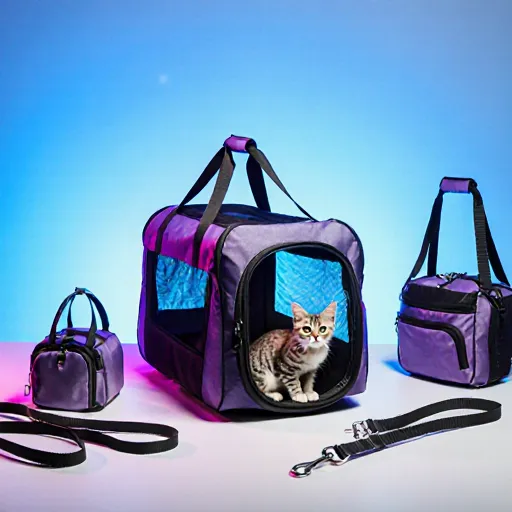
Top Picks for Your Feline Friend's Journey!
Discover the Best in Cat Travel Accessories Today!
Table of Contents
- Understanding Your Cat's Travel Needs
- Choosing the Right Carrier
- Preparing a Comfortable Environment for Your Pet
- Proper Identification Tags and Microchips
- Travel Vaccinations and Health Checks
- Essential Travel Documents for Your Cat
- Choosing the Right Mode of Transportation
- Pet-Specific Travel Tips: Air Travel
- Pet-Specific Travel Tips: Road Trips
- Pack an Emergency Kit for Your Cat's Trip
- Feeding and Hydration During the Journey
- Preparing Your Home for Your Cat's Return
- Signs of Stress in Traveling Cats
- Conclusion
- FAQ
Understanding Your Cat's Travel Needs
When planning a trip with your cat, it’s crucial to understand and address their travel needs. Proper preparation can make the journey more comfortable for both you and your furry companion. Here are some essential factors to consider:
Cats require a secure environment that minimizes stress during travel. This includes providing them with a quiet, enclosed space such as a carrier. Ensure the carrier is large enough for your cat to move around comfortably but not so big that they feel exposed.
Example:
If you're traveling by car, place a blanket or towel inside the carrier to make it more inviting. You can also include familiar items like a small pillow or their favorite toy for extra comfort.
Cats rely heavily on scent recognition. Introduce them to the travel environment before your trip by placing the carrier in areas where they spend time, such as near your bed or living room. This helps them associate the carrier with positive experiences.
Practical Advice:
- Catnip can be a useful tool to make the carrier more appealing. Sprinkle some inside the carrier and let your cat explore it on their own terms before the trip.
- Establish a routine that includes feeding, playtime, and interaction with your cat. Consistency can reduce anxiety during travel.
The mode of transportation you choose will significantly affect your cat’s comfort. Cats are generally more comfortable in a car than in an airplane or train, but each option has its own set of safety precautions.
Travel Essentials for Cars:
- Use a harness instead of a collar to secure the carrier during travel.
- Avoid traveling long distances at high speeds. Take frequent breaks to allow your cat to stretch and relieve themselves.
- Ensure proper ventilation in the car while keeping windows closed enough for safety.
Travel Essentials for Planes:
- Cats are allowed on flights but only as carry-on luggage. Ensure they have a secure space and access to water during transit.
- Contact the airline in advance about any specific requirements or restrictions regarding cats.
- Provide your cat with an extra layer of comfort, such as a cozy blanket, during the flight.
During travel, it’s important to handle your cat gently and interact with them positively. Cats can sense stress in their environment, so maintaining calm behavior is crucial.
Tips for Handling:
- Avoid picking up the carrier when your cat is agitated or anxious; instead, let them acclimate on their own terms.
- Offer treats and praise during travel to reinforce positive behavior.
- If your cat shows signs of stress, such as excessive meowing or hiding, give them space and time to settle down.
In summary, understanding your cat's travel needs involves providing a secure environment, familiarizing them with the travel experience, choosing appropriate transportation, and handling them gently. By considering these factors, you can ensure that your trip is not only enjoyable but also stress-free for both you and your feline companion.
Choosing the Right Carrier
Selecting the appropriate carrier is a crucial step when planning trips with your cat. The right carrier ensures your feline companion stays comfortable, secure, and stress-free during travel. Here are key factors to consider when choosing the best carrier for your cat:
Size and Shape
The size of the carrier should be proportional to the size of your cat. For small cats or kittens, a medium-sized carrier is generally suitable. Larger breeds may require a larger carrier with more space to move around.
Example: If your cat is large-boned, consider carriers that provide ample room for your cat to turn and sit upright. A carrier shaped like an airplane can be particularly effective as it mimics the position cats often sleep in at home.
Materials and Comfort
The material of the carrier is important for both comfort and hygiene. Soft materials such as fleece or microfiber are generally more comfortable for your cat. Ensure that the carrier has a good ventilation system to prevent overheating, especially during long journeys.
Example: Use carriers made from breathable fabrics like cotton to provide a cool environment inside the carrier. Avoid carriers with plastic interiors as they can be hot and uncomfortable for your cat.
Airflow
Cats are prone to overheating, so it’s important that the carrier allows for good airflow. Look for carriers with mesh panels or multiple vents to ensure fresh air circulation.
Practical Advice: If you’re planning a long car trip, consider placing an ice pack inside the carrier before your journey begins. This can help maintain a cool environment for your cat and prevent overheating.
Lid Design
The lid design is another crucial aspect of choosing the right carrier. A secure but easily accessible lid ensures that you can quickly and safely load your cat into the carrier without causing stress.
Example: Some carriers have a hinged lid with a Velcro closure, which allows for quick access while keeping the carrier snugly shut when in transit. Ensure the latch is sturdy but simple to open.
Additional Features
Some carriers come equipped with additional features that can enhance your cat’s travel experience. These may include a harness or leash attachment for easy transportation and a handle for carrying. Some even offer foldable design, making storage easier.
Example: For frequent travelers, consider a carrier with a harness attachment so you can take your cat outside the vehicle safely during stops.
Conclusion
Selecting the right carrier for your cat is an investment in both your travel experience and your feline companion's comfort. By considering size, material, airflow, and additional features, you can ensure that your cat enjoys a stress-free journey every time.
Preparing a Comfortable Environment for Your Pet
When traveling with your cat, creating a comfortable environment is crucial to ensure their well-being and minimize stress. A calm and familiar setting can significantly reduce anxiety during the trip. Here’s how you can prepare a cozy space for your feline friend:
Familiar Scents
Cats are highly sensitive to scents, so it's important to include items that have your cat's familiar scent. Bring along their favorite blanket or toy. The smell of home will help them feel secure and less anxious during the trip.
Travel Carrier
A travel carrier is an essential part of a cat’s travel essentials. Make sure it's roomy enough for your pet to lie down comfortably, but not so large that they feel overwhelmed. Line the carrier with something soft like a blanket or a towel and place their favorite toy inside.
Comfortable Bedding
Cats need a comfortable surface to rest on during travel. You can use a small bed or a thick blanket inside the carrier. Ensure that it is clean, cozy, and easy for your cat to get in and out of.
Interactive Toys
To keep your cat mentally stimulated during the trip, include some interactive toys such as feather wands or laser pointers. These can help distract them from feeling stressed about being in a confined space.
Food and Water
Bring enough food for the duration of the trip to avoid any potential digestive issues that could arise due to changes in diet. Additionally, provide clean water in a small, portable container. It's also a good idea to offer your cat wet food or canned treats as they are more enticing than dry food during travel.
Medication and Health Supplies
If your cat requires medication for anxiety or other health conditions, make sure you have it readily available in the event of an emergency. It's always good to consult with your veterinarian on any special considerations before a trip.
Quiet Environment
A quiet environment is ideal for cats during travel as loud noises and unfamiliar surroundings can be stressful. If possible, try to choose less busy times or routes for your journey. Alternatively, you could use noise-canceling headphones or play calming music or white noise to help soothe your cat.
Regular Breaks
To prevent stress from building up, it's important to provide regular breaks during long car rides. These stops can also be used for bathroom trips and a chance for your cat to stretch their legs safely outside the vehicle.
Predictable Routine
Try to maintain a predictable routine as much as possible during travel. This includes feeding times, playtime, and rest periods. Cats thrive on routines, so keeping things consistent can help them feel more secure.
By preparing these essential elements for your cat's comfort, you can make the travel experience smoother and less stressful for both you and your furry companion. With a little preparation and thoughtfulness, you’ll be able to enjoy your journey with peace of mind knowing that your pet is well taken care of.
Proper Identification Tags and Microchips
Ensuring your cat's safety during travel is crucial, and having proper identification tags and microchips can significantly increase the chances of a safe reunion if they ever go missing. These tools are not only essential but also legally required in many places around the world.
Identification Tags
Identification (ID) tags are one of the most common ways to identify your cat when traveling. These can include:
- Name and Contact Information: Always ensure that your cat's tag includes your name, phone number, and address.
- Veterinarian’s Name and Phone Number: Listing your veterinarian can be helpful in case of emergencies.
- TAG Size and Placement: For travel purposes, ensure that the ID tags are not too big to avoid hindrance but still visible. They should be worn securely around the cat's neck or collar.
An example of a well-used tag for travel might look like this: "Whiskers | 1234567890 | Dr. Cat Lover | Vets Best Friends Clinic." This ensures that anyone who finds your cat during transit can easily contact you.
Microchips
A microchip is a more permanent solution for identification, and it's especially important for travel as it provides a reliable way to track the owner. Here’s how to effectively use them:
- Placement: Microchips are implanted beneath your cat's skin, typically between the shoulder blades. This ensures they will not be lost like tags can.
- DATABASE Registration: Ensure that you register the chip with a recognized pet recovery database such as PetMicrochipRegistry.com or the American Kennel Club (AKC).
- Regular Check-ups: Regular vet visits are crucial to check if the microchip is still readable and to ensure it remains in place.
An example of a microchipping scenario during travel: If you're moving internationally, always verify that your cat's microchip can be read by scanners used in different countries. Some international airlines may require proof of microchipping as part of their pet policies.
Combining Both for Maximum Safety
To maximize your cat’s safety and ensure a faster return if they go missing, it's advisable to combine both identification methods. This dual approach significantly increases the likelihood that your cat will be reunited with you.
- Tag as Backup: Even if your cat is microchipped, keep an ID tag on them for immediate and local recognition in case of separation during travel.
- Vet Records: Keep copies of all important documents like the microchip registration and travel vaccinations handy. These can be crucial when you're traveling with your pet.
In conclusion, preparing for safe travel with your cat involves more than just ensuring they have the right identification tags and microchips. It's about being fully prepared to handle any unexpected situation that may arise during your trip. By taking these precautions, you're giving your feline companion the best chance at a happy and healthy journey.
Travel Vaccinations and Health Checks
Ensuring your cat's safety during travel is crucial, especially if you're taking them to new destinations. Proper vaccinations and health checks are not just important for your pet's well-being but also necessary to comply with regulations in different countries.
Vaccinations Your Cat Should Have Before Travel
- Feline Rabies Vaccination: Essential if you're traveling internationally, as rabies is a reportable disease that requires strict protocols. Typically, kittens should receive their first rabies vaccine at 16 weeks of age, followed by a booster one year later.
- Feline Distemper/Calicivirus/Rhinotracheitis Vaccination: This combination covers three common and highly contagious viral diseases that can affect cats. It's typically given in two doses at around 8 and 12 weeks of age, followed by annual boosters.
- Bordetella Bronchiseptica (Kennel Cough): Useful if you're traveling to areas where indoor boarding or catteries are popular. This vaccine helps protect against upper respiratory infections and is often given annually.
Health Checks: A Must Before Your Trip
A routine health check-up with your veterinarian before travel ensures that your cat is in the best possible condition for their journey. Here's what to expect during this visit:
- Vaccination Verification: Your vet will review and update your cat's vaccination status.
- Blood Tests: These can detect any underlying health issues that might affect travel, such as heartworm or flea infestations.
- Laboratory Workup: Routine tests like a complete blood count and urinalysis ensure your cat is free from parasites, infections, and other potential risks.
Packing for Your Journey
In addition to vaccinations and health checks, proper packing is essential. Here's what you should include in your travel kit:
- Travel carrier: Ensure it’s sturdy enough to withstand the trip.
- Familiar items: Include a blanket or toy that your cat will recognize and feel secure with.
- Pet-friendly snacks: Provide some treats for stress management during travel.
International Travel Tips
If you're traveling internationally, it's vital to understand the specific requirements of each country. For example:
- Rabies Vaccination Certificate: Some countries require proof of a rabies vaccination given at least 30 days before entry.
- Negative Canine Distemper Virus Test: Certain nations might demand this test to prevent the spread of diseases.
- Veterinary Certificates: Always have detailed documentation regarding your cat’s health history and vaccination status.
Conclusion
By ensuring your cat is properly vaccinated, undergoes necessary health checks, and has all the right documents for travel, you're setting them up for a safe and stress-free journey. Always research specific requirements for each destination to ensure compliance with regulations.
Essential Travel Documents for Your Cat
When traveling with your cat, it's crucial to have all the necessary travel documents and information readily available. Proper documentation not only ensures a smooth journey but also safeguards your pet's well-being. Below are some essential items you should prepare:
Vaccination Records
Ensure that your cat is up-to-date on all required vaccinations before traveling. Common vaccines include those for rabies, feline leukemia (FeLV), and feline immunodeficiency virus (FIV). Keep these records in a safe place or print them out if you're planning international travel. Many countries have specific health requirements for pets entering their borders.
Health Certificate
A health certificate is often required by airlines and border authorities when importing cats into different countries. This document must be issued by a licensed veterinarian within 10 days of travel and should confirm that your cat has received all necessary vaccinations and is free from certain diseases.
Microchip Documentation
Having your cat microchipped is highly recommended as it provides a permanent way to identify your pet. Ensure you have the microchip number and any associated information readily accessible, either on a physical card or in an app that can be easily accessed during travel.
Pet Insurance
While not always required by law, having pet insurance can provide peace of mind knowing your cat is covered for potential health issues encountered during travel. Some policies also cover veterinary care abroad.
Travel Crate or Carrier
A secure and comfortable travel crate or carrier is essential to keep your cat safe and stress-free during the trip. Make sure it's large enough for your pet to stand up, turn around, and lie down comfortably. Line the bottom with soft bedding such as a blanket or towel.
Food and Medications
Bring along an adequate supply of your cat's favorite food and any medications they may need. Pack extra portions in case you encounter delays or changes to your travel plans. It might also be wise to include some treats for comfort during the trip.
Contact Information
Make sure to have a list of important contact information including your vet, local animal control, and any emergency services in case you need assistance while traveling abroad.
Packing Tips
- Include a few toys for entertainment.
- Pack items to make the carrier more comfortable like blankets or cat beds.
- Bring along your cat's favorite scent item (e.g., a shirt you've worn).
- Note down any specific dietary requirements or preferences for your cat.
By preparing these essential travel documents and items, you can ensure that your cat has the best possible experience during your journey. Always check with airlines and destination countries to understand their specific requirements regarding pets.
Choosing the Right Mode of Transportation
Selecting the appropriate mode of transportation is crucial when traveling with your cat, especially for long distances or international travel. The comfort and safety of your feline companion should be a top priority. Here are some considerations to help you choose the right mode of transport:
1. Air Travel
Air travel can be stressful for cats, so it's important to ensure they are comfortable and secure during the journey. Airlines often have strict policies regarding pets, especially cats, so make sure to check their guidelines well in advance.
- Carrier Selection: Purchase a sturdy, ventilated carrier that is large enough for your cat to move around comfortably but not too spacious as it might cause them stress. Line the carrier with soft bedding such as towels or blankets.
- Packing Essentials: Include food, water, and litter if necessary. Provide familiar scents by placing a cloth with your scent inside the carrier to help calm your cat during travel.
- Behavioral Preparation: Familiarize your cat with the carrier several days before traveling. Place treats in the carrier to create positive associations.
2. Car Travel
Cars can be a more relaxed option compared to planes, but they still require preparation and care to ensure your cat's comfort and safety.
- Safety Restraints: Use a pet harness or carrier designed for travel in cars. This will prevent your cat from getting hurt during sudden stops or turns.
- Familiar Environment: Allow your cat to explore the car before any trips to get them used to the vehicle's smell and sound.
3. Train Travel
Trains can be a viable option for those traveling with cats, especially if they are well-behaved and accustomed to new environments.
- Comfortable Environment: Ensure the cat has access to a comfortable area away from drafts or busy areas. Provide familiar scents and enough space to move around.
- Travel Time:** Be aware that long train journeys can be stressful for cats, so try to minimize travel time as much as possible.
4. Bus Travel
Buses are generally not the best option for traveling with cats due to noise levels and movement, but they can sometimes be unavoidable.
- Quiet Environment: If possible, choose a seat where your cat will have some privacy from other passengers.
- Familiar Scents & Comfort: Provide familiar scents and make sure the cat has enough space to move around without feeling confined.
5. Public Transport (Subway, Tram)
Public transport can be stressful for cats due to noise levels, sudden movements, and unfamiliar environments. It should only be considered if your cat is accustomed to such situations.
- Familiar Scent and Comfort: Use familiar scents like a piece of clothing or blanket that has your scent to help calm your cat during the journey.
- Short Journeys:** Short journeys are preferable as cats can get anxious in crowded spaces for extended periods.
In conclusion, the right mode of transportation depends on various factors including your cat's temperament, travel distance, and schedule. By preparing adequately with the right carrier, familiar scents, and comfortable environment, you can help ensure a stress-free journey for both you and your feline companion.
Pet-Specific Travel Tips: Air Travel
Traveling with your cat can be an exciting adventure, but it also requires careful planning to ensure a safe and comfortable journey. Here are some essential tips specifically tailored for air travel with cats.
Cat Carrier Preparation
The carrier is the safest place for your cat during the flight. Make sure to choose a carrier that is large enough for your pet but not too big, as this can make it harder for them to feel secure inside. Before the trip, you should let your cat get used to their carrier by placing treats and toys inside. This helps reduce anxiety and stress.
Comfortable Environment
To keep your cat comfortable during the flight, bring a familiar blanket or towel that they can sleep on in the carrier. Avoid using scented items like lavender-scented towels as some cats are sensitive to certain smells. Providing a cozy environment will help ease their stress.
Mealtimes and Hydration
Cats do not need to eat or drink before a flight, but it's important to provide them with water in the carrier on long flights. You might want to offer small meals a few hours before departure to prevent any digestive discomfort during travel.
Medication and Health Checks
If your cat has specific health issues, consult your veterinarian about administering medication before or during the flight. For some pets, anti-anxiety medications can be beneficial. Always carry a copy of their medical records and any necessary prescriptions in case of an emergency.
Identification
To ensure that your cat is returned safely if they get separated from you during transit, make sure to attach identification tags clearly stating your contact information to the carrier. Additionally, consider a microchip implant for added security.
Behavioral Signs of Stress
Be on the lookout for signs that your cat is stressed or uncomfortable during travel. These may include pacing inside the carrier, hiding in one corner, refusing food, or urinating. If you notice any distress, inform the airline staff immediately.
Packing Essentials
- Familiar items like blankets or towels
- Water bottle and bowl for long flights
- Cat toys to keep them entertained
- A note from your vet if there are any special dietary needs
- Contact information for the airline's pet policy
Arrival and Handling
When you arrive at your destination, avoid rushing your cat out of the carrier. Give them time to acclimate to their new surroundings slowly. If they are traveling to a different climate or environment, it might take some time for them to adjust.
Traveling with your cat can be a memorable experience if you follow these essential tips. By preparing well in advance and considering the comfort of your pet, you can help ensure that their travel is both safe and stress-free.
Pet-Specific Travel Tips: Road Trips
Traveling with your cat can be an exciting adventure, but it requires careful planning to ensure their comfort and safety. Here are some essential tips and items you should consider when embarking on a road trip with your feline friend.
1. Car-Safe Carrier
The most important item for traveling in the car is a secure, ventilated carrier. Cats can be unpredictable during travel; therefore, it's crucial to keep them contained safely inside the vehicle. Ensure that the carrier fits comfortably with some space for your cat to move around and rest.
2. Comfortable Bedding
Provide a soft blanket or towel in the carrier so your cat has something familiar and comfortable to lie on during travel. Cats are known to feel more secure when they have their own space, especially when traveling long distances.
3. Familiar Scents
Maintain a sense of familiarity by placing one of your cat's favorite toys or a blanket that smells like home inside the carrier. This can help reduce anxiety and stress during travel. You might also consider using calming pheromone spray designed for cats, which can provide additional reassurance.
4. Food and Water
Bring along your cat's regular food to avoid any digestive issues from a sudden change in diet. While traveling, offer small amounts of water regularly. Ensure the carrier has easy access for feeding and hydration.
5. Identification and Medications
Always ensure that your cat is wearing an ID tag with all relevant contact information. If you're planning a longer trip, consider bringing any necessary medications and prescriptions along as well.
6. Interactive Toys and Games
To keep your cat entertained during the journey, bring some interactive toys or games that they enjoy. This can make the ride more engaging for them and help pass the time. Puzzle feeders are also a great idea as they encourage mental stimulation.
7. Monitoring Your Cat's Health
Keep an eye on your cat throughout the trip to monitor their behavior. If you notice any signs of stress, such as excessive meowing or pacing, try to address it promptly by providing more comfort or distractions. It may also be helpful to take breaks frequently to allow them to stretch and move around.
8. Safe Rest Stops
Plan safe rest stops that are pet-friendly. Look for locations where you can let your cat out of the carrier for some fresh air, exercise, and bathroom breaks if needed. This will help maintain their physical health during long trips.
In conclusion, preparing thoroughly with these essentials ensures a safer and more enjoyable experience for both you and your feline companion during road trips. Remember to always prioritize your cat's comfort and safety above all else!
Pack an Emergency Kit for Your Cat's Trip
Traveling with your cat can be a delightful experience, but it’s crucial to ensure they are comfortable and safe throughout the journey. Just like you would prepare an emergency kit before embarking on any trip, packing the right essentials for your feline friend is key. Here’s how to pack an emergency kit specifically tailored for your cat's travel needs.
1. Medications
Always include any necessary medications in your cat's travel kit. This includes prescription drugs, flea and tick prevention treatments, and antihistamines if your cat is prone to allergies during travel. It’s a good idea to have a copy of their medical records as well.
2. First Aid Supplies
A basic first aid kit for cats should include items such as cotton balls, tweezers, a sterile saline solution, and a pair of gauze pads. Additionally, keep antiseptic wipes or a small bottle of peroxide to clean any cuts or wounds your cat may incur during the trip.
3. ID Tags and Collar
An ID tag with your contact information is essential, especially if you're traveling in an unfamiliar area. A secure collar that fits well on your cat can help keep these tags in place, even if your cat tries to escape during transit.
4. Transportation Items
Your cat's carrier should be large enough for them to stand up and turn around comfortably. Make sure it is secure and padded inside with a soft blanket or towel. Attach your cat’s ID tag to the carrier as well, in case they escape.
5. Food and Water
Traveling can upset your cat's routine, so pack enough food for at least two days. Include any specific dietary requirements your cat may have. Don’t forget a portable water dish and some wet wipes to clean their paws if needed.
6. Litter and Waste Bags
For long trips, it's important to bring an extra litter box or at least enough litter for your cat’s needs during the trip. Also, include biodegradable waste bags for disposing of litter in a responsible manner.
7. Toys and Comfort Items
Cats can get anxious during travel, so bring along some favorite toys to help ease their stress. A soft blanket or stuffed animal that your cat is used to can also provide comfort.
8. Clumping Litter
If you are traveling for an extended period, clumping litter will be easier to manage than non-clumping litter. It forms clumps when wet, making it simpler to scoop and dispose of waste.
9. Carrier Accessories
Consider bringing a few treats or a small can opener for opening cat food during the trip. Having these items in your carrier ensures you have everything you need right at hand.
10. Vet Information and Contact Numbers
Include a list of local veterinarians, along with any specific instructions or medication regimens from your vet. This will help ensure that even if an emergency does arise, you have the necessary information to get prompt care for your cat.
Packing these essentials into a well-organized kit can make your trip more comfortable and enjoyable for both you and your furry companion. Remember, preparation is key when traveling with cats, so take some time to gather all of these items before you go on the road.
Feeding and Hydration During the Journey
Caring for your cat during a trip can be both exciting and challenging, especially when it comes to maintaining their health through proper feeding and hydration. Ensuring that your feline companion is well-nourished and hydrated during travel is crucial to minimizing stress and ensuring they stay comfortable throughout the journey.
Cats have specific dietary needs that differ from those of dogs or humans. Cats are obligate carnivores, meaning their diet must primarily consist of animal-based proteins. This makes it important to choose a high-quality cat food that meets these nutritional requirements.
Before the Trip
- Switching Food: If you're planning on traveling for an extended period, it might be wise to switch your cat's diet gradually a week before departure. This helps prevent digestive upset and ensures they are used to eating their new food.
- Pack Plenty of Food: Bring enough dry or wet food to last through the trip. If you're traveling by car, you can easily pack a cooler with canned or pouch cat food. Always check the expiration dates and make sure your cat enjoys the flavors available.
- Hydration: Cats are prone to urinary tract issues, especially when they aren't getting enough water. Therefore, it's essential to carry bottled water for your cat in a travel-friendly container or pack small bowls of water along with you.
During the Journey
The environment during travel can be stressful and dry, leading cats to drink less water than usual. To counteract this, provide frequent access to fresh water and consider using portable fountains that are designed to keep water moving and therefore more appealing to your cat.
- Short Breaks: If you're traveling by car or bus, make sure to take regular breaks every 2-3 hours. This gives your cat time to stretch, use the litter box if necessary, and hydrate properly.
- Travel Carriers: Always keep a secure travel carrier with food and water available for your cat inside. Cats can be stressed by loud noises or movement, so they need a calm environment during transit.
Post-Trip Care
Once you return home after the trip, gradually transition back to their regular feeding schedule and diet. Monitor your cat's behavior closely for any signs of stress-related issues such as vomiting, diarrhea, or changes in appetite.
- Consistent Routine: Cats thrive on routine, so try to keep mealtimes consistent even after the trip. This helps them feel secure and reduces anxiety.
- Hydration Checks: Keep an eye on your cat's water intake over the next few days. If they don't seem to be drinking as much as usual, consider offering wet food or broth to encourage hydration.
Your cat’s well-being during travel is a reflection of your attention and care. By understanding their dietary needs, providing them with the right types of food and water, and ensuring they have breaks when traveling, you can help keep your furry companion healthy and happy throughout the journey.
Preparing Your Home for Your Cat's Return
Expanding on Preparing Your Home for Your Cat’s Return: Just like packing travel essentials for your cat when you go away, ensuring a safe and comfortable environment at home is essential when welcoming your feline friend back. Cats are creatures of routine and familiarity, so creating the right atmosphere can help them adjust to life at home more smoothly.
1. Familiar Scents
Cats have an excellent sense of smell, which helps them feel secure in their environment. Bringing back some of your cat's travel items or using a scented diffuser with their favorite scent can help ease their transition home.
- Bring back the cat’s favorite blanket or toy.
- Use a diffuser to release essential oils like lavender, which are known for promoting calmness and relaxation in cats.
2. Familiar Routines
Cats thrive on routine; it provides them with a sense of security. Try to maintain the same feeding schedule and petting times as before your trip.
- Feed at consistent times, even if you're tired after returning home.
- Set up playtime routines that mimic pre-trip activities.
3. Clean and Comfortable Space
A clean space is not just about hygiene; it’s also crucial for your cat's emotional well-being. Ensure all areas of the home are free from any stressors or hazards that could cause fear.
- Check for any potential hazards, such as exposed wires or open doors.
- Ensure your cat has access to a safe and comfortable sleeping area with fresh bedding.
4. Interactive Toys
Toys are more than just fun; they help keep cats mentally stimulated, which is particularly important if you've been away for an extended period. Offer your cat some new toys to play with and interact with while you're at home.
- Interactive laser pointers that engage your cat in physical activity.
- Moving feather wands or other dynamic toys to keep your cat mentally active.
5. Monitor Their Behavior
It's important to observe your cat closely after returning home to ensure they're settling in well and not displaying any signs of stress or anxiety.
- Note if your cat is hiding more than usual, as this could indicate a need for extra time and attention.
- Observe their eating habits; changes here can also be an indicator of how they are feeling.
In conclusion, preparing your home for your cat’s return involves creating a welcoming environment that mimics the familiarity cats have while away. By addressing their needs in terms of scents, routines, safety, and stimulation, you set the stage for a smooth transition back to life at home.
Signs of Stress in Traveling Cats
When traveling with your cat, it's important to recognize the signs of stress early on to ensure a comfortable and safe journey. Travel Essentials for Cats can help you prepare for this experience by providing essential items that cater to your feline’s needs during travel. Here are some common signs that your cat may be feeling stressed:
Behavioral Changes
- Pacing and Restlessness: If your cat is pacing around the carrier or showing signs of restlessness, it could indicate stress. Cats are creatures of habit and routine; sudden changes can be overwhelming.
- Aggression: Increased aggression towards you or other pets in the home might be a sign that your cat is feeling anxious about the upcoming travel.
Physical Signs
- Muscle Tension: Your cat's body may become stiff and tense. This can manifest as arching their back or curling into a tight ball, which are defensive postures often seen in stressful situations.
- Vomiting or Loss of Appetite: Stress can lead to digestive issues such as vomiting or loss of appetite. Ensuring your cat has access to water and the travel essentials like litter can help mitigate these issues.
Changes in Litter Box Behavior
Cats that are stressed may lose interest in using their litter box, leading to accidents around the house. This is a critical sign because it indicates your cat is so uncomfortable they can't even meet basic bathroom needs.
Increased Vocalization
- Crying or Meowing: An increase in vocalizations can be another indicator that your cat is feeling stressed. While some meows might just be for attention, it's important to pay attention if the frequency increases.
Practical Advice
To help reduce stress during travel, consider using items from Travel Essentials for Cats such as:
- Cat Carriers: A well-fitted carrier that is a familiar and safe space can greatly reduce your cat's anxiety. Ensure the carrier has ventilation and comfort features.
- Litter and Waste Bags: Always keep a supply of litter on hand for emergencies, especially if traveling to unfamiliar areas where finding suitable alternatives might be difficult.
- Comfortable Bedding: Providing a soft blanket or towel inside the carrier can make your cat feel more secure. Familiar scents like a favorite toy or bedding can also help calm them down.
By being aware of these signs and taking proactive steps to address them, you can ensure that your traveling companion enjoys the journey just as much as you do!
Conclusion
Traveling with your cat can be an exciting adventure, but it also comes with its own set of challenges. Ensuring that you have a comprehensive list of travel essentials for cats is crucial to their comfort and safety during the trip. Here are some essential items every cat owner should consider packing:
1. Secure Travel Carrier
A secure, comfortable carrier is non-negotiable when traveling with your cat. Choose one that fits your cat snugly but allows for easy access. A carrier lined with a soft cloth can make the journey more pleasant. It's important to introduce your cat to their travel carrier well in advance of any trip so they feel safe and secure.
2. Familiar Scents
To reduce anxiety, bring along items that have your scent on them, such as a piece of clothing or a blanket. Cats can be comforted by the familiar scents of home during travel. This practice helps in reducing stress and making the transition smoother.
3. Comfortable Bedding
A soft, absorbent bed inside your cat's carrier is essential for their comfort and well-being. Choose bedding that is easy to clean and has a texture that your cat enjoys. This can be anything from a plush blanket to an orthopedic pillow.
4. Food and Water
Ensure you have enough food and water for the duration of your trip, especially if it's more than a few hours. Avoid giving your cat unfamiliar foods before the trip; instead, stick to their regular diet. If your cat is prone to motion sickness or has dietary restrictions, consult with a vet about any special care they may need.
5. Medications
If your cat requires medication, make sure you have it readily available and accessible during the trip. Keeping a copy of their medical records in case of emergencies is also recommended. Always consult with your vet regarding any travel-related concerns or necessary precautions.
6. Identification
A secure collar with identification tags, including your contact information, is crucial for safety and to ensure that you can be reached if your cat gets lost. Consider having a microchip implanted as well; this provides an additional layer of security in case the collar comes off.
7. Entertainment
To keep your cat entertained during travel, consider bringing along favorite toys or interactive play items. A puzzle feeder can also be a fun and enriching way to keep them occupied while traveling.
In conclusion, preparing for travel with your cat involves careful planning and consideration of their needs. By packing the right essentials, you can ensure that your furry friend has a comfortable and stress-free journey. Remember, each cat is different, so tailor these recommendations to fit your pet's specific requirements. Happy travels!
FAQ
Traveling with your cat can be exciting, but it also comes with its fair share of challenges. Here are some frequently asked questions and answers to help you prepare for a safe and comfortable trip with your furry friend.
Q: What are the essential items I need to pack for my cat's travel?
To ensure your cat has a stress-free travel experience, it’s important to have the right essentials packed. Here’s what you should include:
- Cat Carrier: A secure and comfortable carrier is crucial. Make sure it’s the right size for your cat and that they can move around comfortably.
- Litter and Litter Pan: If traveling by car, a portable litter box is essential to maintain hygiene.
- Familiar Items: Include bedding or toys from home to provide comfort. A familiar scent can help reduce stress during travel.
- Food and Water: Pack enough food for the duration of your trip, along with fresh water.
- Treats: Bring some treats as a reward or distraction if needed.
- Veterinary Documentation: Carry copies of all important medical records and vaccinations in case you need to visit a vet during the trip.
Q: How can I make sure my cat is comfortable in the carrier?
To ensure your cat remains calm and safe, it’s essential to get them used to the carrier before travel. Here are some tips:
- Familiarize Your Cat with the Carrier: Place the carrier in a quiet area of the house and let your cat explore it on their own.
- Lure Your Cat In: Use treats or toys to encourage your cat to enter the carrier. Once inside, close the door gently for short periods and praise them.Create a Comfortable Environment: Line the carrier with soft bedding or towels that your cat is used to. You can even place some of their favorite blankets in there.
- Use Carrier Accessories: Consider using a blanket or towel that has your scent on it, which can help reduce anxiety during travel.
Q: What should I do if my cat becomes stressed during the trip?
If you notice signs of stress such as pacing, whining, or lethargy, here are some steps you can take:
- Distract Your Cat: If your cat is becoming upset, try offering them a treat or toy to focus on.
- Provide Comfort: Offer words of encouragement and comfort. A familiar voice can be soothing during stressful times.
- Monitor the Environment: Ensure that the environment in the car is not too noisy or overwhelming for your cat. Keep the carrier in a quiet area if possible.
- Contact Your Veterinarian: If stress persists, consult with your vet about potential solutions or medication options.
Q: Can I take my cat on an airplane?
Cats can travel as carry-on or checked luggage depending on the airline’s policies. Here are some important considerations:
- Airline Policies: Check with your chosen airline regarding their pet policies, including size and weight restrictions.
- Veterinary Clearance: Some airlines require a health certificate from your vet to ensure that your cat is fit for travel.Closed Carrier Requirement: Most airlines require cats to be transported in a closed carrier. Ensure you choose one that meets the airline’s specifications.
- Temperature Control: Airlines will regulate temperatures, but it's important to ensure your cat has access to fresh water and food during transit.
By following these guidelines and preparing adequately, traveling with your cat can be a positive experience for both you and your feline companion. Remember, the key is preparation and ensuring your cat feels secure throughout the journey.
Categories
- AI & Enrichment Play
- Broiler Farming
- Broiler Farming Tips
- Canine Wellness & Longevity
- Cat
- Cat & Human Connection
- Cat Adoption & Rescue
- Cat Breeds
- Cat Breeds & Personalities
- Cat Care & Health
- Cat Grooming & Hygiene
- Cat Lifestyle & Environment
- Cat Myths & History
- Cat Nutrition & Diet
- Cat Products & Reviews
- Cat Training & Behavior
- Comparison
- Consumer Awareness
- Dog
- Dog Accessories & Products
- Dog Adoption & Rescue
- Dog Breed & Lifestyle Trends
- Dog Breeding & Puppies
- Dog Entertainment & Media
- Dog Fashion & Trends
- Dog Fun & Lifestyle
- Dog Grooming & Hygiene
- Dog History & Culture
- Dog Myths, Science & Future Tech
- Dog News & Trends
- Dog Nutrition & Food
- Dog Psychology & Emotions
- Dog Safety & Security
- Dog Sports & Activities
- Dog Technology & Innovation
- Dog Training for Modern Owners
- Dog Travel & Adventure
- Dog Travel, Adventure & Culture
- Economic and Market Insights
- Educational Content
- FAQs
- Feeding Alternatives
- Festivals & Seasonal Ideas
- Fun & Entertainment
- General Knowledge
- General Pig Farming
- Health & Disease Management
- Housing and Environment
- Kittens
- Market Insights
- Miscellaneous
- Miscellaneous
- Motivational
- pig
- Pig Breeding
- Pig Breeds
- Pig Farming Stories and Inspiration
- Pig Health and Care
- Pig Nutrition
- Pig Products
- Profitability & Business
- Puppy Care
- Puppy Predictable Topics Reinvented
- Regional Focus
- Rescue & Adoption Buzz
- Senior Cats
- Senior Dog Care
- Smart Dog Tech & Gadgets
- Sustainability
- Sustainable & Eco-Friendly Dog Products
- Tech & Innovations
- Working & Service Dogs
- Broiler Feed66 products
- Country Feed33 products
- Pig Feed66 products
- Product22 products
- Raw Materials99 products
Products
-
 Fish Meal
₹1,999.00 – ₹2,999.00Price range: ₹1,999.00 through ₹2,999.00Rated 0 out of 5
Fish Meal
₹1,999.00 – ₹2,999.00Price range: ₹1,999.00 through ₹2,999.00Rated 0 out of 5 -
 FATTENING BROILER FEED
₹2,299.00 – ₹2,349.00Price range: ₹2,299.00 through ₹2,349.00Rated 0 out of 5
FATTENING BROILER FEED
₹2,299.00 – ₹2,349.00Price range: ₹2,299.00 through ₹2,349.00Rated 0 out of 5 -
 LAYER COUNTRY FEED
₹1,549.00 – ₹1,649.00Price range: ₹1,549.00 through ₹1,649.00Rated 0 out of 5
LAYER COUNTRY FEED
₹1,549.00 – ₹1,649.00Price range: ₹1,549.00 through ₹1,649.00Rated 0 out of 5 -
 COUNTER BROILER FEED
₹1,199.00 – ₹1,299.00Price range: ₹1,199.00 through ₹1,299.00Rated 0 out of 5
COUNTER BROILER FEED
₹1,199.00 – ₹1,299.00Price range: ₹1,199.00 through ₹1,299.00Rated 0 out of 5 -
 LACTATING PIG FEED
Rated 0 out of 5
LACTATING PIG FEED
Rated 0 out of 5₹2,299.00Original price was: ₹2,299.00.₹1,740.00Current price is: ₹1,740.00. -
 Maize
Rated 0 out of 5
Maize
Rated 0 out of 5₹1,650.00Original price was: ₹1,650.00.₹1,300.00Current price is: ₹1,300.00. -
 GESTATION PIG FEED (Phase 1)
Rated 0 out of 5
GESTATION PIG FEED (Phase 1)
Rated 0 out of 5₹2,249.00Original price was: ₹2,249.00.₹1,699.00Current price is: ₹1,699.00. -
 Pre Starter Broiler Feed
₹2,399.00 – ₹2,499.00Price range: ₹2,399.00 through ₹2,499.00Rated 0 out of 5
Pre Starter Broiler Feed
₹2,399.00 – ₹2,499.00Price range: ₹2,399.00 through ₹2,499.00Rated 0 out of 5 -
 FINISHER PIG FEED
Rated 0 out of 5
FINISHER PIG FEED
Rated 0 out of 5₹2,299.00Original price was: ₹2,299.00.₹1,749.00Current price is: ₹1,749.00. -
 Broiler Premix
Rated 0 out of 5
Broiler Premix
Rated 0 out of 5₹820.00Original price was: ₹820.00.₹699.00Current price is: ₹699.00.