
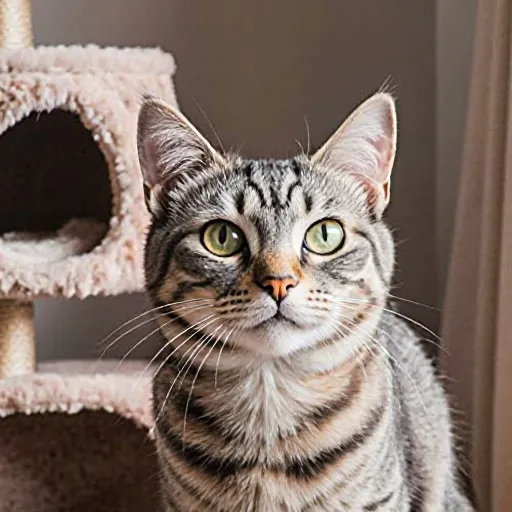
Create a Safe Haven for Aging Felines
How to Make Your Home Senior Cat-Friendly
Table of Contents
- 1. Introduction to Senior Cats
- 2. Understand Common Senior Cat Health Issues
- 3. Provide a Comfortable and Safe Environment
- 4. Ensure Easy Access to Food and Water
- 5. Create a Senior-Friendly Resting Area
- 6. Keep Indoor Areas Cat-Safe
- 7. Enhance Visibility for Older Cats
- 8. Maintain a Routine and Consistency
- 9. Promote Mental Stimulation and Enrichment
- 10. Provide Opportunities for Exercise
- 11. Consider Mobility Needs
- 12. Address Vision and Hearing Loss
- 13. Ensure Proper Grooming Practices
- 14. Prepare for Potential Medical Emergencies
- Conclusion
- FAQ
1. Introduction to Senior Cats
As cats age, their physical and behavioral needs change, making it crucial for owners to adapt their homes and routines accordingly. This section focuses on introducing senior cats to your home environment, ensuring they feel safe, comfortable, and supported in their later years.
Cats are considered seniors typically starting at the age of seven or older. As they reach this stage, they may experience a decline in mobility, vision, hearing, and overall health. It is essential for owners to recognize these changes early on to provide appropriate care.
Physical Changes
- Reduced Mobility: Aging cats often have difficulty jumping or climbing stairs, which can limit their access to certain areas of the home. Ensuring they have easy and safe ways to move around is important.
- Vision and Hearing Loss: Cats may experience a decrease in their senses, making it harder for them to navigate safely. Soft flooring and minimal changes in lighting can help mitigate this challenge.
- Dental Health: Older cats are prone to dental issues, which can affect their eating habits. Regular veterinary check-ups and providing appropriate chew toys can help maintain oral health.
Behavioral Changes
Cats may also exhibit behavioral changes as they age, such as increased irritability or a preference for solitude. It is important to respect these preferences while still ensuring they have access to social interaction and play when desired.
To provide a comfortable environment for your senior cat, consider the following tips:
1. Create a Safe Space
- Nesting Areas: Provide cozy and easily accessible spaces where your cat can retreat to feel secure.
- High-Rise Perches: Install shelves or platforms that allow your cat to rest at an elevated height without strain.
2. Simplify the Home
A clutter-free home can reduce stress and make it easier for senior cats to move around. Remove any obstacles like wires, loose rugs, or items that could trip them up.
3. Enhance Safety Measures
- Fenceless Windows: Ensure windows are closed or have screens to prevent your cat from falling out.
- Non-Slip Surfaces: Use non-slip mats for slippery floors and consider ramps if necessary for stairs.
4. Provide Comfortable Resting Areas
Cats love soft, warm spaces to rest in. Consider using heated beds or providing additional blankets around your home.
5. Maintain a Routine
Consistency is key for senior cats. Establish regular feeding times and play sessions to help maintain their routine and mental stimulation.
In conclusion, by making simple adjustments to your home environment, you can create a welcoming and safe space that caters to the specific needs of your senior cat. This not only enhances their quality of life but also strengthens the bond between you and your feline friend.
2. Understand Common Senior Cat Health Issues
As cats age, they become more prone to various health issues that can affect their quality of life. Understanding these common senior cat health issues is crucial for ensuring your elderly feline companion stays healthy and happy. This knowledge will also help you make your home senior cat-friendly, as discussed in the article "How to Make Your Home Senior Cat-Friendly."
1. Arthritis
Arthritis is one of the most common health problems affecting older cats. It causes pain and stiffness, particularly in joints like the hips and knees. This can make it difficult for your senior cat to jump or climb stairs. To help manage arthritis, consider providing soft bedding and easy-access perches. Regular veterinary check-ups are also important to monitor the condition.
2. Dental Disease
Dental disease is another prevalent issue in older cats. Plaque buildup can lead to infections that affect the gums and teeth, causing pain and potentially even tooth loss. A senior cat-friendly home should include a variety of dental treats and toys designed to promote oral health. Regular brushing with a vet-approved toothpaste can also help prevent dental issues.
3. Kidney Disease
Kidney disease, particularly chronic kidney disease (CKD), is common in senior cats. This condition can lead to dehydration and electrolyte imbalances if not managed properly. Ensuring your cat has access to fresh water at all times and monitoring their diet are key steps. Your vet may recommend a special renal diet to help manage the condition.
4. Hypertension
Hypertension (high blood pressure) can occur in older cats, especially those with kidney disease or hyperthyroidism. This condition can lead to damage to vital organs like the kidneys and eyes. Monitoring your senior cat's blood pressure is crucial, and a diet low in sodium may help manage this issue.
5. Cognitive Dysfunction Syndrome (CDS)
Cognitive Dysfunction Syndrome affects many older cats and can cause changes in behavior such as confusion, decreased interaction with people, and altered sleep-wake cycles. Making your home more stimulating for a senior cat with CDS can help maintain their mental sharpness. Interactive toys, puzzle feeders, and regular playtime are beneficial.
Practical Tips to Make Your Home Senior Cat-Friendly
- Soft Bedding: Provide soft, warm bedding that your senior cat can easily access. Consider placing it in quiet areas with minimal foot traffic.
- Elevated Perches: Install elevated perches to help older cats navigate the home more comfortably. This is especially useful for climbing stairs or jumping onto counters.
- Quiet Areas: Create quiet, cozy spaces where your senior cat can feel safe and secure, away from loud noises and bustling activity.
- Frequent Water Access: Ensure that there are multiple water sources throughout the home to encourage your senior cat to drink more water.
- Dental Toys: Offer dental toys and treats that promote oral health. Regular brushing with a vet-approved toothpaste is also beneficial.
By understanding these common senior cat health issues, you can take proactive steps to ensure your elderly feline companion lives a healthy, comfortable life. Remember, regular veterinary check-ups are essential for monitoring and managing any health conditions that may arise.
3. Provide a Comfortable and Safe Environment
To ensure your senior cat lives comfortably and safely, creating a home environment that is tailored to their needs is crucial. As cats age, they may experience physical changes such as reduced mobility, vision or hearing loss, and slower reaction times. By making strategic adjustments, you can help maintain their quality of life and ease any challenges they might face.
1. Modify Furniture and Surfaces
- Provide Elevated Lying Areas: Senior cats often have difficulty climbing stairs or jumping onto high surfaces like counters or beds. Place soft, padded platforms at the right height for your cat to reach easily. This helps them feel safe and secure without straining their joints.
- Install Non-Slip Flooring: Cats with mobility issues might struggle to walk on slippery floors. Opt for non-slip mats or textured flooring in key areas like bathrooms, kitchens, and hallways to prevent slipping accidents.
2. Create a Safe and Comfortable Space
Designate a quiet area of the home where your senior cat can retreat for rest and relaxation. This space should be free from noise, drafts, and other stressors. Furnish it with soft blankets or pillows for them to curl up in.
3. Maintain Cleanliness and Order
A clutter-free environment is easier for senior cats to navigate. Regularly clean their litter boxes, dining areas, and sleeping quarters to keep these spaces hygienic and inviting.
4. Ensure Accessibility to Essential Needs
- Litter Box Placement: Place litter boxes on the ground level if your cat struggles with stairs. This ensures easy access for them, reducing stress during elimination.
- Eating and Drinking Stations: Position food and water bowls in easily accessible locations to prevent accidents and reduce the risk of falls.
5. Encourage Regular Movement
Even senior cats benefit from regular physical activity, which can help improve their circulation and mental sharpness. Engage them with interactive toys that require minimal effort to play with, such as dangling feathers or lightweight laser pointers.
6. Provide Warmth in Cooler Areas
Cats often seek out warm spots to rest. Use pet heating pads or place cushions and blankets near heat sources like radiators or sunny windows. This allows them to find a comfortable spot without needing too much energy.
7. Monitor for Health Changes
Keep an eye on your senior cat's behavior and health. If you notice unusual changes, such as reduced activity levels, weight loss or gain, changes in eating habits, or signs of pain, consult a veterinarian promptly.
By implementing these strategies, you can create a home environment that is both comfortable and safe for your senior cat, enhancing their overall well-being and quality of life. Remember, each senior cat's needs are unique, so it may take some experimentation to find the perfect setup that meets their individual requirements.
4. Ensure Easy Access to Food and Water
To make your home senior cat-friendly, it's crucial to ensure easy access to food and water. As cats age, their mobility may decrease slightly, making it more challenging for them to reach certain areas of the house. Here are some practical tips and examples to help you create an accessible environment:
1. Place Food and Water Bowls in Convenient Locations
Position food and water bowls in multiple locations around your home where your senior cat can easily access them without having to climb stairs or jump onto furniture. Cats, especially older ones, may have difficulty reaching high spots. Consider placing a bowl on each level of your home—on the kitchen counter, at ground level by doors, and near their sleeping areas.
2. Use Elevated Feeding Stations
If you notice that your cat is having trouble getting to certain areas, consider using elevated feeding stations designed for indoor cats. These are available in various styles and heights, allowing you to adjust the level based on your senior cat's needs. Elevating food and water can make it easier for them to access these essentials.
3. Install a Pet Door
If your home has multiple levels or if there are areas that are hard for your older cat to reach, consider installing a pet door that allows easy in-and-out access. This can be particularly helpful if the senior cat prefers certain areas of the house, such as the bedroom, where they feel safe and comfortable.
4. Use Accessible Food Dispensers
For cats who enjoy puzzle feeders or automatic dispensers, these can be a great addition to your home. They not only make mealtime more engaging for older cats but also ensure that they have access to food and water without needing constant supervision.
5. Keep Water Fresh
Fresh water is essential for senior cats, especially as hydration can become a challenge due to various health issues. Consider using a pet fountain or a bowl with a water filter to ensure the water stays fresh and appealing to your cat.
6. Monitor Water Intake
Senior cats may have lower water intake, which can lead to dehydration. Keep an eye on how much water they are drinking each day. If you notice a decrease, consider adding ice cubes or flavored water to their bowl to encourage them to drink more.
By ensuring easy access to food and water in your home, you're helping your senior cat stay healthy and comfortable. These simple adjustments can make a big difference in the quality of life for your aging feline friend.
5. Create a Senior-Friendly Resting Area
Just as you would create a senior-friendly home for your beloved cat, it's important to establish a comfortable and safe resting area for elderly humans. This space should be designed to support their needs while promoting relaxation and well-being.
Choose the Right Location
Selecting an appropriate spot in your home is crucial. It should be quiet, out of direct sunlight if they find it too harsh, and away from drafty areas that could lead to cold temperatures or discomfort. A bedroom corner with a window that overlooks nature or a peaceful view can provide a sense of serenity.
Comfortable Furniture
Invest in high-quality, comfortable seating such as a plush armchair, a recliner, or a memory foam sofa. Ensure the furniture has arms and is at an appropriate height so they can easily sit up and get back to a lying position without strain.
Accessibility Features
Consider adding features that make it easier for seniors to move around. This includes non-slip mats in front of the seating area, grab bars nearby if necessary, and adequate lighting so they can see clearly when getting up or sitting down. A lever handle on doors instead of a knob can also be helpful.
Warmth and Hydration
Keep a warm water bottle or heating pad within reach to help them stay comfortable, especially during colder months. Having easy access to a drink station with cool water is also essential for their hydration needs.
Personal Touches
Add personal touches that reflect their interests and preferences. This might include favorite books, magazines, or a small plant they can tend to. These elements not only provide comfort but also enhance the space's appeal and encourage them to spend time there.
Regular Maintenance
To ensure the area remains inviting and supportive over time, regularly check that all furniture is in good condition, that any equipment or tools are functioning properly, and that the space continues to meet their evolving needs as they age further. Regular cleaning also helps maintain a pleasant environment.
By creating this senior-friendly resting area, you can help ensure your loved one enjoys peace and comfort during their downtime, enhancing both their quality of life and your own family's experience together.
6. Keep Indoor Areas Cat-Safe
Maintaining a safe and stimulating environment for your indoor cat is crucial, especially as they age. This section will guide you on how to make your home senior cat-friendly, ensuring their well-being and comfort.
Create a Safe Space
Seniors can sometimes experience joint pain or mobility issues that may hinder their ability to navigate certain areas of the house. Setting up a safe space for them will help reduce stress and make their environment more accessible. This could include:
- Cat Towers and Perches: Install multi-level cat towers with perches at various heights. This allows your senior cat to get to high places without straining too much.
- Comfortable Bedding: Ensure they have cozy spots where they can rest safely, such as beds or cushions in quiet areas of the home.
Promote Mental and Physical Stimulation
To keep your senior cat mentally sharp and physically active, incorporate activities that challenge them. This is particularly important for indoor cats who may not get enough exercise outdoors. Consider:
- Interactive Toys: Use toys like feather wands or laser pointers to engage their hunting instincts.
- Treasure Hunts: Hide treats around the house in various locations for your cat to discover, which encourages natural behavior and physical activity.
Maintain a Healthy Routine
A stable routine helps senior cats feel secure. Keep their feeding times consistent and provide fresh water at all times. Regular grooming sessions can also be beneficial, as they not only keep your cat clean but also help you monitor their health by checking for lumps or skin conditions.
Considerations for Common Senior Cat Health Issues
Senior cats often face age-related health challenges such as arthritis and kidney disease. Here are some tips to address these:
- Avoid Rough Play: If your senior cat has arthritis, avoid rough play that could cause pain.
- Monitor Water Intake: Cats with kidney issues should have easy access to water and you may need to monitor their drinking habits closely.
Pet-Safe Decorations
To ensure the safety of your home, it's important to make sure that all decorations are pet-safe. Avoid using toxic plants or small objects that could be easily swallowed by your cat. Additionally:
- Use Non-Toxic Plants: Replace any indoor plants that are toxic for cats with non-toxic alternatives.
- Cable Management: Secure all electrical cables to prevent your cat from chewing on them, which could be dangerous.
Regular Vet Check-Ups
Keeping up with regular veterinary check-ups is essential for maintaining your senior cat’s health. Your vet can provide personalized advice and treatments based on the specific needs of your aging feline companion.
7. Enhance Visibility for Older Cats
To ensure your senior cat can see and navigate their environment safely, it's crucial to enhance visibility around the home. Older cats may experience reduced vision due to various factors like cataracts or age-related eye conditions. Here are some practical tips to make your home more visible and friendly for older cats:
1. Increase Lighting
Seniors often struggle with low light, which can lead to accidents if they trip over objects on the floor. Installing brighter lights in dark areas of your home such as hallways, staircases, and near food bowls can help. LED nightlights are especially useful for creating a safer environment.
2. Use Reflective Surfaces
Adding reflective surfaces can make objects more visible to cats with impaired vision. Install mirrors or use reflective tape on the edges of obstacles such as stairs, furniture legs, and other hazards. This helps your cat navigate areas more confidently.
3. Mark Objects Clearly
Use non-toxic marking pens or paint to outline objects that may be hard for your senior cat to see. This includes the edges of rugs, furniture legs, and even steps. By making these objects stand out, you're giving your cat a clearer path through your home.
4. Provide Clear Pathways
Ensure that pathways are clear and free from clutter. Seniors may have difficulty seeing small or low-lying obstacles, so keeping walkways unobstructed can prevent accidents. Consider using rugs with distinct patterns to delineate safe areas.
5. Install Visual Cues
Visual cues such as textured floors, raised edges on furniture, and contrasting colors between objects can help your cat understand the layout of the home more clearly. For example, using a darker rug in front of a light-colored door can make it easier for your senior cat to navigate.
6. Use Glow-in-the-Dark Accessories
Glow-in-the-dark accessories such as strips or tape placed along pathways and at the edges of hazards can provide a safe, visible route for your cat. These accessories are especially helpful in dark areas where light may not reach.
7. Consider Vision-Supportive Supplements
While improving lighting and using visual cues in your home is essential, you might also consider feeding your senior cat a diet rich in nutrients that support eye health. Talk to your veterinarian about incorporating supplements like lutein, omega-3 fatty acids, and vitamins A and E into their diet.
8. Regular Eye Checkups
If you notice any changes in your senior cat's eyesight or behavior, it's important to consult with a veterinarian for an eye checkup. Early intervention can prevent further vision loss and keep your cat comfortable and safe at home.
By implementing these strategies, you can significantly enhance the visibility of your home for older cats, making their living space safer and more enjoyable. Remember, the goal is to create a environment that promotes independence while ensuring safety.
8. Maintain a Routine and Consistency
To make your home senior cat-friendly, maintaining a routine and consistency is crucial. Senior cats, like humans, thrive on stability which can greatly enhance their quality of life. By keeping a consistent schedule for feeding, playtime, and grooming, you help reduce stress and anxiety in your aging feline friend.
Feeding Routine
Seniors cats have different nutritional needs than younger cats. Therefore, it's important to provide a diet that is appropriate for their age and health condition. Feeding at the same time every day helps regulate your cat’s digestion and ensures they are getting the right nutrients.
- Feeding Time: Establish a feeding schedule that works for both you and your senior cat, but stick to it as closely as possible.
- Portion Control: Overeating can lead to obesity which is particularly dangerous for older cats. Monitor portion sizes based on the advice of your veterinarian.
Daily Routine
A consistent daily routine provides a sense of security and predictability that is especially beneficial for senior cats. This includes regular playtime, which keeps their mind sharp and physically active, and grooming sessions to keep them comfortable.
- Playtime: Engage in interactive play with your cat using toys like feather wands or laser pointers. Even if they are not as energetic as younger cats, even short bursts of activity can be beneficial.
- Grooming Sessions: Older cats may need more frequent grooming to prevent matting and skin irritation. Use a soft brush that is appropriate for your cat's coat type.
Consistency in Environment
Maintaining consistent environmental factors such as temperature, noise levels, and lighting can also make your home more senior-friendly. Cats may develop preferences based on their past experiences or physical limitations that could be exacerbated by changes.
- Temperature: Ensure that the temperature in your home is comfortable for your cat year-round.
- Noise Levels: Minimize loud noises and sudden movements which can startle or stress senior cats.
- Lights: Avoid bright lights at night to prevent disturbing their sleep. Consider using a soft nightlight if needed for your cat's comfort.
Encouraging Senior Cat Health
In addition to the daily routine, there are other practical steps you can take to ensure your senior cat remains healthy and happy:
- Vet Check-Ups: Regular check-ups with your veterinarian are essential. They can monitor overall health and catch any issues early.
- Exercise: Encourage mild exercise that is appropriate for their age, such as walking them on a leash if they are used to it or engaging in gentle play.
By focusing on maintaining a routine and consistency, you can create an environment that supports the health and happiness of your senior cat. This not only enhances their quality of life but also strengthens the bond between you and your pet as they age together.
9. Promote Mental Stimulation and Enrichment
Mental stimulation is crucial for senior cats, just as it is for younger pets. Keeping your elderly cat mentally active can help prevent cognitive decline and keep them engaged in their environment. This not only enhances their well-being but also strengthens the bond between you and your pet. Here are several ways to promote mental enrichment for your senior cat:
Interactive Toys
Interactive toys can be a great way to engage your senior cat both mentally and physically. Puzzle feeders, for instance, encourage your cat to work for their food, which stimulates their mind. These feeders come in various designs—some require the cat to push buttons or manipulate small objects, while others dispense treats when the cat presses specific areas.
For example, a simple treat-dispensing toy can be made by placing treats inside an empty plastic bottle with holes cut into it. As your senior cat plays with the bottle, they will retrieve their treats in an entertaining and mentally stimulating way. This not only keeps them engaged but also provides a sense of accomplishment.
Catnip Toys
Many senior cats still enjoy playing with toys that contain catnip or other scents they find appealing. These scented toys can reignite old playfulness in your pet and provide enjoyment even if their activity levels have slowed down slightly due to age.
You could create a DIY version by simply placing some dried catnip inside an empty sock or a small mesh bag, then attaching it to a string for hanging. Your senior cat can enjoy batting at the toy while being reminded of its younger days when they played more vigorously with similar toys.
Environmental Enrichment
Beyond physical play items, creating an enriched environment can significantly enhance your senior cat’s mental health and well-being. This includes providing them with a variety of perches at different heights around the house, so they can observe their surroundings without having to exert too much energy.
For instance, you could use tall cat trees or even place some simple platforms on bookshelves. These elevated spots give your senior cat a sense of security and control over their environment, which is especially important as they age and may feel more anxious about changes in the home.
Positive Reinforcement Training
If you haven't already started training your cat using positive reinforcement techniques, now is an excellent time to begin. Even a simple command like "sit" can be taught with treats or other small rewards. Not only does this provide mental stimulation for your senior cat but it also helps strengthen the bond between you and them.
Start by keeping training sessions short and sweet, perhaps 5-10 minutes long, several times a day. Reward your cat with praise and treats when they follow the command correctly. Over time, you can introduce more complex commands or even teach them new tricks like "roll over" or "play dead," all while enjoying quality time together.
Regular Veterinary Check-Ups
While not a direct method of mental stimulation, regular visits to the veterinarian are essential for maintaining your senior cat’s overall health. During these check-ups, ensure that any signs of cognitive decline or other health issues are addressed promptly.
A healthy brain is a happy brain. By keeping your senior cat in good physical condition through proper nutrition and medical care, you are indirectly supporting their mental health as well. Always consult with your vet regarding the best practices for enriching your senior cat’s life based on their specific needs and conditions.
In summary, promoting mental stimulation and enrichment for senior cats is a vital aspect of their care. By incorporating interactive toys, scented play items, creating an enriched environment, engaging in positive reinforcement training, and ensuring regular veterinary check-ups, you can help keep your elderly cat mentally sharp and happily engaged with the world around them.
10. Provide Opportunities for Exercise
Incorporating exercise into a senior cat's daily routine can significantly enhance their quality of life. Just like humans, cats need to stay active to maintain muscle tone and prevent obesity, which is especially important as they age. However, the approach needs to be gentle and adapted to their slower pace.
Safe Play Areas
Create a safe play area for your senior cat where they can explore and exercise without risking injury. Use baby gates or closed doors to prevent them from wandering into areas that might pose hazards, such as stairs or busy hallways. Ensure the space is free of clutter and sharp objects.
Interactive Toys
Choose toys that stimulate both their mind and body. String toys on a wand are excellent for simulating prey. You can gently move it around, making your cat chase after it. Another fun option is to use feathers or small balls that roll across the floor. These toys not only provide physical exercise but also encourage mental engagement.
Feather Teasers and Laser Pointers
Feather teasers and laser pointers are popular choices for older cats because they can be used at a distance, which is less strenuous on their joints. While lasers do not have physical substance, you can point them toward moving objects or toys to engage your cat's hunting instincts. Be cautious with the intensity of the beam to avoid causing discomfort.
Structured Play Sessions
To ensure that exercise remains a positive experience for your senior cat, establish regular play sessions. This helps in setting expectations and maintaining a routine. For instance, you could dedicate 10-15 minutes every day to interactive playtime. Consistency will help keep your cat engaged and looking forward to these moments.
Encourage Natural Behaviors
Cats are natural hunters and diggers. Encourage these behaviors by providing scratching posts or a sandbox if they enjoy digging. Scratching is essential for senior cats as it helps maintain their claws, which can become overgrown with age.
In conclusion, making your home senior cat-friendly involves creating safe spaces and engaging in activities that promote exercise without being overly strenuous. By doing so, you are not only enhancing their physical health but also enriching their emotional well-being, ensuring they enjoy a more active and fulfilling life as they age.
11. Consider Mobility Needs
As cats age, their mobility can decline due to conditions such as arthritis. This can make it difficult for them to access certain areas of the home or perform everyday tasks like using a litter box or climbing stairs. By considering your senior cat's mobility needs, you can create a more comfortable and accessible environment that enhances their quality of life.
1. Optimize Accessible Spaces
Create areas within your home where your senior cat can easily access essential items such as food, water, litter box, and sleeping spots. Elevate feeding and drinking stations to a height that is easier for them to reach without needing to jump or stretch excessively.
- Elevated Feeders: Use elevated feeders which allow your cat to eat while sitting comfortably on the floor or at an elevated surface. This reduces strain and helps prevent joint pain.
- Litter Box Accessibility: Ensure that the litter box is easily accessible from multiple areas of the house, ideally located in a low-traffic zone to minimize stress.
2. Install Non-Slip Flooring
Seniors cats with mobility issues can benefit greatly from non-slip flooring that provides better traction and stability. This can help prevent slips, falls, and injuries in the home environment.
- Durable Surfaces: Install rugs or mats made of rubberized materials to provide additional grip for your cat's paws.
- Slip-Proof Tiles: Consider tiles with a textured surface that can offer better traction on bathroom and kitchen floors where there is a higher chance of slipping.
3. Modify Stairs
If your home has stairs, consider making them more accessible for your senior cat. Modifications such as installing carpet runners or ramps can make it easier for them to navigate these areas without straining their joints.
- Stair Ramps: A ramp leading up or down the staircase can help a senior cat reach higher floors with ease, reducing stress and preventing injuries.
- Carpet Runners: Adding carpet runners to stairs provides additional traction and comfort for your cat as they move up and down.
4. Encourage Exercise and Mobility
Maintaining a routine that encourages exercise is important for senior cats, even those with mobility issues. Engaging in regular playtime or using interactive toys can help keep them active and mentally stimulated.
- Interactive Toys: Use laser pointers, feather wands, or other interactive toys to encourage your cat to move around the home. This helps improve their joint mobility while keeping them entertained.
- Play Sessions: Allocate time each day for short play sessions that are tailored to your senior cat's energy levels and abilities.
By focusing on these areas, you can create a safer and more comfortable living environment for your senior cat, ensuring they remain active, happy, and healthy.
12. Address Vision and Hearing Loss
As cats age, they may experience a decline in their senses such as vision and hearing. Addressing these issues can significantly enhance the comfort and quality of life for your senior cat. Here are some practical steps you can take to make your home more senior-friendly.
1. Provide Visual Aids
Seniors with poor vision may find it difficult to navigate their environment. To help them, consider using visual aids such as:
- Luminous Pathways: Install night lights or glow-in-the-dark tape on the floor near the entrance and along pathways.
- Familiar Objects: Keep familiar objects in their usual places to help them recognize their surroundings.
- Bright Colors: Use bright, contrasting colors for furniture and accessories that can help your cat distinguish between items more easily.
2. Enhance Hearing
Cats with hearing loss may struggle to hear you calling them or other sounds in the environment. Here’s how you can make their life easier:
- Vibration-Based Calls: Use a vibration collar or similar device that sends vibrations to your senior cat's head, mimicking the sound of your voice.
- Movement Indicators: Place toys and objects that move slowly in front of them, which can attract their attention despite reduced hearing.
- Visual Signals: Use hand signals or gestures to communicate with your senior cat. This can be especially useful during feeding times or when you need to call them.
3. Create a Safe and Comfortable Environment
A secure, comfortable living space is crucial for a senior cat dealing with vision and hearing loss:
- Non-Slip Floors: Install non-slip mats or rugs in key areas to prevent your cat from slipping.
- Tactile Markers: Place tactile markers (like raised dots) on objects that need to be touched, such as food dishes or litter boxes.
- Hiding Spots: Provide multiple hiding spots in different areas of the home. This can help them feel secure and less anxious about navigating their environment.
4. Regular Veterinary Check-Ups
Regular visits to the vet are essential for monitoring your senior cat's health, including their vision and hearing. Early detection of issues can prevent further problems and ensure timely treatment:
- Ophthalmic Exams: Have your vet check your senior cat’s eyes regularly to detect any signs of vision impairment.
- Audiological Assessments: Discuss the possibility of hearing tests with your vet. Early intervention can provide options for managing hearing loss effectively.
In conclusion, addressing vision and hearing loss in senior cats requires a thoughtful approach that enhances their quality of life. By implementing these home modifications and ensuring regular veterinary care, you can help your aging feline companion continue to enjoy their environment despite any sensory challenges.
13. Ensure Proper Grooming Practices
To ensure your senior cat remains healthy and comfortable, proper grooming practices are essential. Just like with puppies or kittens, maintaining a routine can help manage their overall well-being as they age. Regular grooming sessions not only promote good hygiene but also provide an opportunity for bonding between you and your pet. This is especially important for older cats who may require more attention due to physical limitations.
Brushing Your Senior Cat
Regular brushing is crucial for senior cats, helping to prevent hairballs and mats from forming. It also stimulates circulation and keeps the coat looking shiny and healthy. Depending on your cat's fur type, you might need a variety of brushes:
- Senior Cats with Short Fur: Use a soft-bristled brush or a rubber curry comb to gently massage their skin and remove loose hair.
- Cats with Medium to Long Hair: A slicker brush is ideal for removing tangles without causing discomfort.
Trimming the Claws
As cats age, their claws can grow faster and may need trimming more frequently. This reduces the risk of overgrown nails that could lead to discomfort or injury:
- Choose a Proper Tool: Opt for nail clippers designed specifically for cats. Some owners find it helpful to use a sandpaper block to gently file down particularly sharp claws.
- Be Gentle and Patient: Keep the session short and positive, rewarding your cat with treats if they cooperate well.
Cleaning the Ears
Ear cleaning is important for maintaining good auditory health in senior cats. Use a cotton ball or pad to gently wipe out any visible dirt or debris inside the ear canal:
- Use Ear Cleaner: Always use a solution designed specifically for cats; avoid using human products.
- Avoid Irritation: Be careful not to push the cotton too deeply into the ear, as this can cause irritation or even damage the eardrum.
Checking the Skin and Coat
During grooming sessions, take time to thoroughly check your senior cat's skin for any signs of irritation, rashes, or lumps. Pay special attention to areas that are harder to reach:
- Inspect Regularly: Look for redness, bumps, or changes in texture that could indicate a health issue.
- Maintain Hygiene: Keep the coat clean and free from dirt, which can lead to skin infections.
Creating a Home Environment That Supports Grooming
To make grooming less stressful for your senior cat, create a home environment that encourages calmness:
- Choose the Right Time: Schedule grooming sessions when your cat is most relaxed and least likely to be distracted by other activities.
- Maintain Comfort: Ensure your cat has access to a comfortable space where they feel safe during grooming. Placing treats or toys nearby can help encourage cooperation.
By incorporating these grooming practices into your daily routine, you not only enhance the quality of life for your senior cat but also contribute significantly to their overall health and happiness. Remember, a little bit of extra care goes a long way in ensuring that your beloved feline friend enjoys a comfortable and fulfilling golden age.
14. Prepare for Potential Medical Emergencies
Making your home senior cat-friendly is not just about creating a comfortable and stimulating environment; it's also crucial to prepare for potential medical emergencies. As cats age, they become more susceptible to health issues such as arthritis, kidney disease, heart problems, and cognitive decline. By taking proactive steps now, you can ensure that your senior cat has the best possible care during any emergency.
Key Considerations
- Easy Access to Your Senior Cat: Ensure that your home is easy for your senior cat to navigate. Remove obstacles and add ramps or steps where necessary. This will help prevent injuries if they need to move around quickly due to pain or discomfort.
- Consider adding a ramp or step stool so that your cat can easily access its favorite spots without straining.
- Ensure there are no slippery floors that could cause falls, especially in areas where your cat frequently moves around.
- Predicting Behavior Changes: Senior cats may show signs of distress or discomfort. Recognizing these changes can help you catch issues early and seek veterinary care sooner.
- Unusual behavior such as hiding more than usual, loss of appetite, excessive sleeping, or changes in litter box habits.
- Note any sudden changes in activity levels or energy.
Emergency Preparedness
Having a plan and necessary supplies ready can make all the difference in an emergency. Here are some steps you can take:
- Create a Medical Emergency Kit: Assemble a kit containing essential items that your vet may need, such as medications, medical records, a first aid kit for cats (including antiseptic wipes and tweezers), and any special dietary needs.
- Keep copies of all vaccination records, past medical reports, and prescription refills in an easily accessible location.
- Ensure you have enough medication on hand to last until your next vet appointment. This includes not just pain relief but also any other medications specific to your senior cat’s conditions.
- Contact Information: Keep a list of emergency contacts handy, including the names and phone numbers of your veterinarian, local emergency clinics, and pet insurance providers.
- Make sure all contact information is up to date and easy to access.
- Consider creating an "Emergency Pet Kit" that includes your cat's medical records, a harness for travel, and other essentials.
Final Thoughts
By making your home senior cat-friendly and preparing for potential emergencies, you are ensuring the best possible care for your beloved pet. This proactive approach can significantly improve their quality of life during their golden years and help you handle any unexpected situations with confidence.
Conclusion
Creating a senior cat-friendly home is crucial for ensuring your elderly feline companion enjoys their golden years to the fullest. Cats, especially as they age, require special care and attention to maintain their health and happiness. By making small but significant changes in your home environment, you can help extend the quality of life for your aging cat.
Firstly, consider the physical challenges that come with seniority. Arthritis is common among older cats, leading to reduced mobility and discomfort. Providing soft, raised platforms allows them to easily reach their favorite spots without straining. For instance, a soft bed or cushion on a table can serve as an excellent resting spot for your cat.
Additionally, ensuring easy access to litter boxes is paramount. Seniors often have less flexibility, so having multiple, accessible litter boxes in various rooms of the house can help prevent accidents and stress. Opting for covered litter boxes might also be beneficial since they tend to provide more privacy for senior cats.
The comfort of your senior cat doesn't stop at physical accommodations. Mental stimulation is just as important. Interactive toys that mimic prey, such as feather wands or laser pointers, can help keep your cat's mind sharp and active. Puzzle feeders are another excellent tool; they require the cat to work for their food, which can provide mental engagement.
Lastly, ensure a safe environment by keeping certain hazards out of reach. Medications, household chemicals, and electrical cords should be stored away from curious paws. Windowsills and balconies present another risk—ensure that your senior cat cannot easily escape through them by installing pet-safe barriers or ensuring the doors are always closed.
In conclusion, making your home senior cat-friendly involves a combination of physical adjustments and thoughtful considerations for their well-being. By addressing both their needs for comfort and mental stimulation, you can create an environment where your aging feline companion feels secure and content. Always remember that each cat is unique, so it's important to observe their specific preferences and adjust accordingly.
For more detailed advice on how to make your home senior cat-friendly, refer to the guide How to Make Your Home Senior Cat-Friendly.
FAQ
Ensuring your senior cat feels at home and comfortable is crucial for their well-being. Here are some frequently asked questions along with detailed answers to help you create a safe, loving environment for your aging feline friend.
1. How can I make my home more accessible for my senior cat?
Making small adjustments around the house can greatly enhance your senior cat's comfort and mobility. Here are some practical tips:
- Install non-slip rugs: Place non-slip rugs in key areas such as near food bowls, water dishes, litter boxes, and favorite spots to rest.
- Create ramps or steps: If your senior cat has trouble climbing stairs, consider adding ramps or platforms so they can easily access different levels of the home.
- Secure cords and wires: Keep electrical cords out of reach to prevent accidents. Use cord covers or tape them down securely.
2. What kind of litter box should I provide for my senior cat?
Litter boxes are an essential part of your senior cat's routine, and choosing the right one can make a big difference:
- Elevated litter boxes: These are particularly helpful if your senior cat has arthritis or joint pain. They provide easier access to the box without requiring too much bending.
- Large, shallow boxes: Senior cats may have difficulty bending over and digging in deep litter. A large, shallow box can make it easier for them to use the litter box comfortably.
3. How do I ensure my senior cat stays hydrated?
Hydration is critical for your senior cat's health. Here are some ways to encourage water consumption:
- Multiple water stations: Place water bowls in different areas of the home so your cat can easily access them.
- Fountain-style water fountains: Many senior cats prefer running water. Consider a fountain to make drinking more appealing.
4. What should I feed my senior cat?
A proper diet is key to maintaining your senior cat's health and comfort:
- Consult with your vet: Your veterinarian can recommend the best type of food for your senior cat based on their specific needs.
- Monitor portion sizes: As cats age, they often need fewer calories. Be mindful of serving appropriate portions to avoid overfeeding.
5. How can I keep my senior cat mentally stimulated?
Mental stimulation is just as important for your aging feline as physical activity:
- Toys and puzzles: Engage your senior cat with interactive toys and puzzle feeders that require them to work for their food.
- Regular play sessions: Spend time playing with your senior cat daily. Even short, simple games can keep their minds sharp.
6. What should I do if my senior cat seems less active?
A decrease in activity is common as cats age, but it's important to monitor for any signs of illness:
- Consult your veterinarian: If you notice a significant change in behavior or energy levels, schedule an appointment with your vet.
- Adjust their environment: Make sure the home remains stimulating and comfortable. Sometimes a minor adjustment can make a big difference.
By addressing these questions and implementing the advice provided, you can create a welcoming and safe space for your senior cat, ensuring they enjoy their golden years to the fullest.
Categories
- AI & Enrichment Play
- Broiler Farming
- Broiler Farming Tips
- Canine Wellness & Longevity
- Cat
- Cat & Human Connection
- Cat Adoption & Rescue
- Cat Breeds
- Cat Breeds & Personalities
- Cat Care & Health
- Cat Grooming & Hygiene
- Cat Lifestyle & Environment
- Cat Myths & History
- Cat Nutrition & Diet
- Cat Products & Reviews
- Cat Training & Behavior
- Comparison
- Consumer Awareness
- Dog
- Dog Accessories & Products
- Dog Adoption & Rescue
- Dog Breed & Lifestyle Trends
- Dog Breeding & Puppies
- Dog Entertainment & Media
- Dog Fashion & Trends
- Dog Fun & Lifestyle
- Dog Grooming & Hygiene
- Dog History & Culture
- Dog Myths, Science & Future Tech
- Dog News & Trends
- Dog Nutrition & Food
- Dog Psychology & Emotions
- Dog Safety & Security
- Dog Sports & Activities
- Dog Technology & Innovation
- Dog Training for Modern Owners
- Dog Travel & Adventure
- Dog Travel, Adventure & Culture
- Economic and Market Insights
- Educational Content
- FAQs
- Feeding Alternatives
- Festivals & Seasonal Ideas
- Fun & Entertainment
- General Knowledge
- General Pig Farming
- Health & Disease Management
- Housing and Environment
- Kittens
- Market Insights
- Miscellaneous
- Miscellaneous
- Motivational
- pig
- Pig Breeding
- Pig Breeds
- Pig Farming Stories and Inspiration
- Pig Health and Care
- Pig Nutrition
- Pig Products
- Profitability & Business
- Puppy Care
- Puppy Predictable Topics Reinvented
- Regional Focus
- Rescue & Adoption Buzz
- Senior Cats
- Senior Dog Care
- Smart Dog Tech & Gadgets
- Sustainability
- Sustainable & Eco-Friendly Dog Products
- Tech & Innovations
- Working & Service Dogs
- Broiler Feed66 products
- Country Feed33 products
- Pig Feed66 products
- Product22 products
- Raw Materials99 products
Products
-
 Fish Meal
₹1,999.00 – ₹2,999.00Price range: ₹1,999.00 through ₹2,999.00Rated 0 out of 5
Fish Meal
₹1,999.00 – ₹2,999.00Price range: ₹1,999.00 through ₹2,999.00Rated 0 out of 5 -
 FATTENING BROILER FEED
₹2,299.00 – ₹2,349.00Price range: ₹2,299.00 through ₹2,349.00Rated 0 out of 5
FATTENING BROILER FEED
₹2,299.00 – ₹2,349.00Price range: ₹2,299.00 through ₹2,349.00Rated 0 out of 5 -
 LAYER COUNTRY FEED
₹1,549.00 – ₹1,649.00Price range: ₹1,549.00 through ₹1,649.00Rated 0 out of 5
LAYER COUNTRY FEED
₹1,549.00 – ₹1,649.00Price range: ₹1,549.00 through ₹1,649.00Rated 0 out of 5 -
 COUNTER BROILER FEED
₹1,199.00 – ₹1,299.00Price range: ₹1,199.00 through ₹1,299.00Rated 0 out of 5
COUNTER BROILER FEED
₹1,199.00 – ₹1,299.00Price range: ₹1,199.00 through ₹1,299.00Rated 0 out of 5 -
 LACTATING PIG FEED
Rated 0 out of 5
LACTATING PIG FEED
Rated 0 out of 5₹2,299.00Original price was: ₹2,299.00.₹1,740.00Current price is: ₹1,740.00. -
 Maize
Rated 0 out of 5
Maize
Rated 0 out of 5₹1,650.00Original price was: ₹1,650.00.₹1,300.00Current price is: ₹1,300.00. -
 GESTATION PIG FEED (Phase 1)
Rated 0 out of 5
GESTATION PIG FEED (Phase 1)
Rated 0 out of 5₹2,249.00Original price was: ₹2,249.00.₹1,699.00Current price is: ₹1,699.00. -
 Pre Starter Broiler Feed
₹2,399.00 – ₹2,499.00Price range: ₹2,399.00 through ₹2,499.00Rated 0 out of 5
Pre Starter Broiler Feed
₹2,399.00 – ₹2,499.00Price range: ₹2,399.00 through ₹2,499.00Rated 0 out of 5 -
 FINISHER PIG FEED
Rated 0 out of 5
FINISHER PIG FEED
Rated 0 out of 5₹2,299.00Original price was: ₹2,299.00.₹1,749.00Current price is: ₹1,749.00. -
 Broiler Premix
Rated 0 out of 5
Broiler Premix
Rated 0 out of 5₹820.00Original price was: ₹820.00.₹699.00Current price is: ₹699.00.