
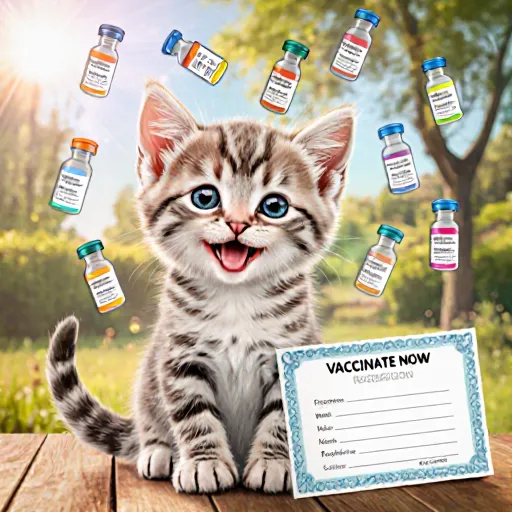
Protect your kitten with vaccines today!
Vaccinate Now for a Healthier Kitten
Table of Contents
- Understanding Kitten Vaccinations
- Initial Vaccination Schedule
- Common Vaccines for Kittens
- Side Effects and Monitoring
- Vaccinations at Different Ages
- Choosing a Veterinarian
- Importance of Vaccination for Indoor Kittens
- Traveling with Vaccinated Kittens
- Special Considerations for Multi-Kitten Families
- Cost of Vaccinations
- Nutrition and Vaccination Timing
- Conclusion
- FAQ
Understanding Kitten Vaccinations
Understanding kitten vaccinations is crucial for ensuring your pet's health and well-being. Kittens are particularly vulnerable during their early stages of life, as they have a developing immune system. Proper vaccination helps protect them against various diseases that could otherwise lead to severe health issues or even death.
The recommended vaccination schedule for kittens typically starts at around six weeks old and continues until they are about four months old. Here’s a general guide based on the Kitten Vaccination Guide:
- First Vaccine (6-8 weeks): The first vaccine is often a combination of several core vaccines, including Feline Viral Rhinotracheitis, Calicivirus, Panleukopenia, and Rabies. It's essential to consult with your veterinarian for the specific brand and type of vaccine that will be used.
- Second Vaccine (10-12 weeks): The second dose is usually given in a follow-up visit. This ensures that the kitten’s immune system has time to respond fully to the vaccines administered during the first visit.
- Booster Shots: Booster shots are necessary for maintaining long-term immunity against these diseases. These are typically scheduled at one year and then every three years after that.
Vaccines work by introducing a small amount of weakened or dead pathogen into the kitten’s body, which triggers an immune response. This prepares the kitten's immune system to recognize and fight off future infections more effectively.
- Prevention: The primary purpose is to prevent serious illnesses that could otherwise severely impact your kitten’s health.
- Protection: Vaccinations provide protection not only for the individual but also for the broader community, reducing the spread of diseases within a population.
Vaccinations are generally safe, but like any medical procedure, they can have side effects. Common reactions include mild fever, lethargy, or decreased appetite. It's important to monitor your kitten closely after each vaccination.
- Immediate Care: If you notice any severe allergic reactions such as difficulty breathing, swelling around the face or throat, or persistent vomiting, seek veterinary attention immediately.
- Consultation: Always consult with your veterinarian about any concerns or questions regarding vaccinations. They can provide personalized advice tailored to your kitten’s specific needs.
In conclusion, understanding the importance of kitten vaccinations is fundamental in ensuring a healthy life for your pet. By following the recommended schedule and taking appropriate precautions, you are making a significant contribution to your kitten's overall well-being.
Initial Vaccination Schedule
The initial vaccination schedule is a crucial step in ensuring your kitten grows up to be healthy and resilient. Proper vaccinations not only protect your pet from life-threatening diseases but also contribute significantly to the overall well-being of your cat. This guide will provide an in-depth look into the recommended vaccination schedule for kittens, based on common practices.
First Visit (8-9 Weeks Old)
- FVRCP Vaccine: This is a core vaccine that protects against three diseases: Feline Viral Rhinotracheitis, Calicivirus, and Panleukopenia. It's highly recommended for all kittens as these are common illnesses in the feline community.
Second Visit (12-14 Weeks Old)
- FVRCP Vaccine Booster: The second dose of the FVRCP vaccine is given to ensure immunity is strong and long-lasting. This booster helps in building a robust immune response against the mentioned diseases.
Third Visit (16-20 Weeks Old)
- Rabies Vaccine: Administered at this stage, this vaccine is essential for legal compliance as well as your pet's health. Rabies can be fatal and is a serious public health concern.
It’s important to note that the timing of these vaccinations can vary slightly based on geographic location or the specific veterinarian’s recommendations. Always follow the advice given by your vet, who will tailor the schedule to suit the kitten's needs and ensure maximum protection.
Additional Vaccinations Consideration
- Bordetella (Kennel Cough): This vaccine is particularly recommended if you plan on frequenting areas where many other cats are present, such as kennels or cat parks. It protects against the Bordetella bronchiseptica bacteria which causes respiratory infections.
- Feline Leukemia Virus (FeLV): This vaccine is necessary for kittens that will be living outdoors or with other unvaccinated cats, as it helps protect them from FeLV. However, the effectiveness of this vaccine may vary and it’s crucial to discuss its necessity with your vet.
Remember, vaccinations are not just about protecting against diseases; they also ensure that your kitten stays healthy throughout their life. By adhering to a strict schedule and following up on all recommended vaccinations, you’re giving your pet the best chance at a long and healthy life.
Practical Tips for Vaccination Success
- Consult Your Veterinarian: Always discuss the vaccination schedule with your vet. They can provide personalized advice based on your kitten's health, lifestyle, and environment.
- Stay Organized: Keep a detailed record of all vaccinations given to your kitten. This will help you remember when booster shots are due and ensure that no doses are missed.
- Monitor for Side Effects: While most kittens tolerate vaccines well, some may experience mild side effects like low-grade fever or lethargy. If you notice any severe reactions, contact your veterinarian immediately.
In conclusion, adhering to the initial vaccination schedule is a vital aspect of responsible pet ownership. By ensuring your kitten receives all recommended vaccines at the appropriate times, you’re setting them up for a happy and healthy life. Always stay informed and proactive about your pet's health needs.
Common Vaccines for Kittens
When it comes to kitten vaccinations, it's crucial to follow a strict schedule recommended by your veterinarian. The primary goal is to protect against several common and potentially life-threatening diseases. Below are the most common vaccines for kittens as outlined in the Kitten Vaccination Guide:
- Feline Rhinotracheitis Virus (Herpesvirus Type 1): This virus can cause upper respiratory infections, which are highly contagious. Symptoms include sneezing, coughing, and nasal discharge. Vaccination helps prevent severe forms of the disease in kittens.
Example: If a kitten shows signs of respiratory infection during its first few weeks after vaccination, it might not be fully protected yet.
Practical Advice: Ensure your kitten receives all recommended doses at the appropriate intervals to build adequate immunity.
- Feline Calicivirus (FCV): Another component of upper respiratory infections, this virus can lead to severe inflammation and ulceration in the mouth. Vaccination is essential for kittens as it helps prevent these complications.
Example: A kitten that has not been vaccinated against FCV may show symptoms like painful ulcers on its gums and tongue.
Practical Advice: Vaccinating your kitten before introducing them to a new environment or other cats is critical for their safety.
- Feline Panleukopenia Virus (FPV): This virus can cause severe gastrointestinal issues, including vomiting and diarrhea. It's highly contagious and potentially fatal in kittens.
Example: A kitten with FPV may experience acute vomiting and lethargy leading to rapid dehydration.
Practical Advice: Ensure your veterinarian administers the first dose of this vaccine at an early age, typically around six weeks old.
- Feline Leukemia Virus (FeLV): This virus can lead to a weakened immune system and other serious health issues. Vaccination is particularly important for kittens that will be living outdoors or in environments where they may come into contact with FeLV-positive cats.
Example: An unvaccinated kitten exposed to an infected cat could quickly develop severe illness.
Practical Advice: Discuss the risks and benefits of this vaccine with your veterinarian, especially if you plan on keeping your kitten indoors for its entire life.
- Feline Immunodeficiency Virus (FIV): This is a retrovirus that can weaken a cat's immune system over time. Vaccination against FIV is not universally recommended as there are limited and conflicting studies on its efficacy, but it may be considered in certain circumstances.
Example: FIV-positive cats often suffer from recurrent infections and other health problems.
Practical Advice: Consult your veterinarian for the best advice regarding this vaccine based on your kitten's lifestyle and risk factors.
| Vaccine | Initial Dose (Weeks) | Second Dose (Weeks) | Third Dose (Weeks) |
|---|---|---|---|
| FVRCP (Feline Rhinotracheitis, Calicivirus, Panleukopenia) | 6-8 weeks | 10-12 weeks | 14-16 weeks |
| FeLV (Feline Leukemia Virus) | 9-11 weeks | 13-15 weeks | (Booster at 1 year, then annually if risk persists) |
Note: The Kitten Vaccination Guide also recommends monitoring your kitten's response to vaccines and consulting with a veterinarian about any concerns or adjustments needed.
Side Effects and Monitoring
In any vaccination protocol, understanding potential side effects is crucial for both pet owners and veterinarians. The kitten vaccination guide emphasizes the importance of recognizing and managing these possible adverse reactions to ensure the health and well-being of young cats.
Common Side Effects
- Fever: A slight increase in body temperature is common after vaccinations. It usually resolves on its own within a day or two without requiring treatment, unless it exceeds 104°F (40°C).
- Lethargy: Kittens may appear more tired than usual for a few days following the vaccination. This is typically temporary and can be managed by providing extra rest.
- Pain at Injection Site: Some kittens might experience minor discomfort or swelling around the injection site. Applying a cold compress wrapped in a clean cloth can help alleviate this issue.
Monitoring for Adverse Reactions
It is essential to monitor your kitten closely after receiving vaccinations. While most side effects are mild and temporary, it's crucial to seek veterinary attention if you notice any severe or persistent symptoms.
| Symptom | Severity Level | Action |
|---|---|---|
| Severe Lethargy | High | Contact your vet immediately. |
| Vomiting or Diarrhea | Moderate to High | Observe for signs of dehydration and consult a vet if symptoms persist. |
| Difficulty Breathing | High | This is a medical emergency; take your kitten to the nearest animal hospital immediately. |
Consult with your veterinarian about which vaccines are necessary for your kitten's specific situation, as not all kittens need every available vaccine. The guide recommends discussing your kitten’s lifestyle and environment with a vet to tailor the vaccination schedule effectively.
Promoting Recovery
To help your kitten recover from any side effects of vaccinations:
- Ensure they have plenty of rest.
- Provide a nutritious diet that is easy to digest, such as canned food or soft kibble.
- Stay hydrated by offering fresh water frequently.
By being vigilant and proactive in monitoring your kitten after vaccinations, you can help ensure they have the best possible outcome. Always refer back to a reputable guide like the Kitten Vaccination Guide for additional details tailored specifically to your pet's needs.
Vaccinations at Different Ages
Ensuring your kitten receives all necessary vaccinations is crucial for their health and protection against various diseases. The vaccination schedule typically follows a timeline that is recommended by veterinarians to build immunity effectively. Here’s an in-depth look at the vaccination process during different stages of a kitten's life.
Birth to 6 Weeks
In this early stage, kittens are highly susceptible to infections and rely on maternal antibodies passed through their mother's milk for protection. It is crucial that they receive these natural defenses as they are not yet capable of producing their own immune responses.
6 to 8 Weeks
At around 6 weeks, the first set of vaccinations can be administered. The vaccines at this stage typically include protection against diseases like feline distemper (panleukopenia), calicivirus, and rhinotracheitis (herpesvirus). This is the beginning of a series that will continue to provide immunity as your kitten grows.
10 to 12 Weeks
The second set of vaccinations should be given around this age. By now, the maternal antibodies have waned, and your kitten needs these vaccines to build up its own immunity against several diseases. Ensure that you follow your vet’s advice regarding timing and frequency.
14 Weeks
This is the final set of core vaccinations for kittens. By this time, your kitten should have developed a good immune response from the previous sets of vaccines. Your vet might also recommend additional vaccines such as those against chlamydia or leukemia virus depending on your local environment and risk factors.
Beyond 12 Weeks
For kittens that start their vaccinations later than the recommended schedule, it is important to continue with the series of booster shots. Booster vaccines are essential as they reinforce the immunity provided by the initial vaccines. It’s always advisable to consult your veterinarian for a tailored vaccination plan.
Practical Advice
- Regular Vet Visits: Always ensure that you keep up with regular visits to the vet, not just for vaccinations but also for check-ups and general health advice.
- Hygiene: Maintain good hygiene practices around your home, especially if there are other pets or visitors who might carry infectious agents into the home.
- Environment Control: Keep your kitten’s environment clean and safe to avoid exposure to harmful pathogens that can affect their health negatively.
Conclusion
Following a structured vaccination schedule is vital for protecting your kitten against diseases. By adhering strictly to the recommendations provided by your veterinarian, you are ensuring that your pet grows up healthy and strong. Remember, preventive care is always better than treating illnesses once they occur.
Choosing a Veterinarian
Selecting the right veterinarian is crucial for ensuring your kitten receives proper care and vaccinations. A reliable vet not only provides medical services but also offers advice on nutrition, behavior, and overall health management. Here are some essential factors to consider when choosing a veterinarian:
Experience and Specialization
Veterinarians who specialize in small animals or kittens have the expertise needed to provide appropriate care during critical stages of your kitten's development. Look for vets with experience in pediatrics, as they are trained specifically to handle young cats' unique health needs.
Location and Hours
Choose a vet that is conveniently located near you or accessible through house calls if needed. Consider the office hours of the clinic; you want one that offers appointments at times that fit your schedule, especially during busy kitten care periods like vaccination schedules.
Clinical Environment
The setting where you bring your kitten can greatly influence their experience and comfort level with going to the vet. A friendly, clean, and well-organized environment helps reduce stress for both pets and owners alike. Observing how other patients are treated during visits will give insight into the quality of care provided by staff members.
Reviews and Recommendations
Seek recommendations from friends or family who have used their services. Online reviews can also provide valuable insights, but remember that every pet is different so take them with a grain of salt. It's important to find someone whose approach aligns well with your values regarding animal welfare.
Vaccination Protocol
A good veterinarian will follow an effective vaccination protocol tailored for kittens based on current recommendations from organizations like the American Association of Feline Practitioners (AAFP). This typically includes core vaccines such as those against rabies, panleukopenia, calicivirus, and herpesvirus. Make sure your chosen vet adheres strictly to these guidelines.
Emergency Care Availability
Even with the best preventive care practices in place, emergencies can happen. Ensure that the veterinarian offers emergency services if needed. Some clinics even have after-hours hotlines or partnerships with local emergency facilities.
Additional Services Offered
Beyond just vaccinations, look for veterinary offices that offer additional services like spaying/neutering, flea and tick prevention, dental care, microchipping, and wellness exams. These extra services can contribute significantly to maintaining your kitten’s long-term health.
Personal Connection
Building a strong relationship with your veterinarian is key to getting the best care for your pet. Establishing open lines of communication ensures that any concerns or questions are addressed promptly, fostering trust between you and your vet throughout your kitten’s life cycle.
To summarize, selecting the right veterinarian involves careful consideration of multiple factors including experience, location, clinical environment, reviews, vaccination protocols, emergency care availability, additional services offered, and personal connection. By choosing wisely early on, you set up your kitten for a lifetime of good health through appropriate veterinary care.
Importance of Vaccination for Indoor Kittens
The importance of vaccination for indoor kittens cannot be overstressed, as it plays a crucial role in safeguarding their health and well-being. Indoor environments may seem safer compared to outdoor spaces, but they are not entirely free from risks that can compromise your kitten's health. Even if your indoor kitten never steps outside, there are several factors to consider when it comes to vaccination.
- Fleas and Ticks: Fleas can jump from one pet to another, including indoor pets. Additionally, ticks can be brought into the home on shoes or clothing.
- Airborne Viruses: Indoor kittens may still come into contact with airborne viruses that are carried by people or other animals visiting your home.
- Poisonous Substances: Household chemicals, plants, and even certain foods can be harmful to cats if ingested.
The Kitten Vaccination Guide recommends a series of vaccinations starting at around 6-8 weeks of age. This includes core vaccines such as those protecting against:
- Rhinotracheitis (Feline Herpesvirus)
- Panleukopenia (Feline Parvo)
- Calicivirus
- Feline Leukemia Virus (for kittens up to 6 months of age, if at risk)
The first set of vaccinations is typically followed by boosters at around 12-16 weeks and then again at one year. After this initial series, your veterinarian will recommend a vaccination schedule based on your kitten’s lifestyle.
- Prevention of Serious Diseases: Vaccinations help prevent severe illnesses that can be fatal or cause lifelong suffering. For example, Feline Leukemia Virus (FeLV) and Feline Immunodeficiency Virus (FIV) are potentially deadly diseases.
- Protection from Airborne Viruses: Indoor kittens exposed to visitors or other pets may contract airborne viruses like feline herpesvirus and calicivirus, which can lead to respiratory infections.
- Reduction in Veterinary Costs: Preventing serious diseases through vaccination can significantly reduce the need for expensive treatments later on.
While vaccinations are generally safe, some kittens may experience mild side effects such as temporary fever or lethargy. These symptoms typically resolve within a day or two. It's important to monitor your kitten closely after vaccination and contact your veterinarian if you notice severe reactions.
In conclusion, while indoor living offers many advantages for kittens, it does not eliminate the need for vaccinations. Vaccinations provide essential protection against a range of diseases that could harm your indoor kitten, even in an enclosed space. Following the Kitten Vaccination Guide can help ensure your kitten remains healthy and happy throughout its life.
Traveling with Vaccinated Kittens
Traveling with vaccinated kittens can be an exciting yet challenging experience for both you and your furry companion. Ensuring that your kitten is fully vaccinated before the trip is crucial to their safety and well-being. Here’s a comprehensive guide based on the Kitten Vaccination Guide to help you prepare for safe travel.
Before traveling with your kitten, it's essential to ensure they are up-to-date with all necessary vaccinations. This not only protects them from diseases but also complies with regulations at various destinations.
- Feline Distemper (Panleukopenia): Protects against a highly contagious and potentially fatal disease that affects the digestive system of kittens and other cats. This vaccine is typically given in a series starting at around 6 to 8 weeks old.
- Rabies: Essential for preventing rabies, which is a deadly virus that can be transmitted to humans and other animals. Rabies vaccinations are usually administered after the kitten’s first set of distemper shots.
- Feline Calicivirus (FCV): Protects against a highly contagious respiratory disease in cats. This vaccine is part of many core vaccination protocols.
- Rhinotracheitis: Helps prevent the feline herpesvirus, which can cause severe upper respiratory infections in kittens and adult cats.
Proper packaging is critical to ensure your kitten remains safe during transit. Here are some tips:
- Select a Secure Carrier: Use a sturdy, well-ventilated carrier that provides enough space for your kitten to move around comfortably but securely.
- Warmth and Comfort: Include blankets or towels inside the carrier to keep your kitten warm and comfortable. You might also consider bringing their favorite toy.
- Adequate Ventilation: Ensure that the carrier has enough ventilation to allow fresh air circulation, but avoid drafts by placing a blanket over the opening.
- Identification: Attach your kitten’s ID tag or microchip information on the outside of the carrier. It's also wise to include your contact information and destination details in case anything happens during transit.
If you must travel before all vaccinations are completed, consult with a veterinarian for advice. Some vaccines can be given as early as three weeks old, but others require several boosters over time to provide full protection.
- Early Travel Risks: Unvaccinated kittens are more susceptible to infections and diseases. If you must travel before the full vaccination schedule is complete, ensure that your kitten stays in a clean environment with minimal exposure to other animals.
- Veterinary Advice: A vet can provide guidance on how best to manage your kitten’s health during this period of incomplete vaccinations.
After returning from a trip, monitor your kitten closely for any signs of illness. While travel stress might cause temporary lethargy or reduced appetite, persistent symptoms should prompt a visit to the vet.
- Reassess Vaccinations: Discuss with your veterinarian whether additional vaccinations are needed based on where you traveled and what kind of environment they encountered.
- Cleanliness: Keep your home clean, especially if there were other animals present during the trip. Clean all surfaces thoroughly to prevent the spread of infectious agents.
By following these guidelines, you can help ensure that your vaccinated kitten enjoys a safe and comfortable journey with you. Always consult with a veterinarian for personalized advice tailored to your specific situation.
Special Considerations for Multi-Kitten Families
Managing a multi-kitten family can be incredibly rewarding, but it also comes with unique challenges. One of the most critical aspects of caring for multiple kittens is ensuring they all receive proper vaccinations in a timely manner. This section provides special considerations for multi-kitten families based on the Kitten Vaccination Guide.
When you have more than one kitten, it's essential to follow a consistent vaccination schedule to ensure all kittens receive their shots at the appropriate times. The American Association of Feline Practitioners (AAFP) recommends that kittens begin their core vaccinations as early as 6 weeks old and continue until they are around 16 weeks old.
Initial Vaccination
The first set of shots is crucial. For a multi-kitten family, it's important to ensure all kittens receive the initial vaccination at the same time if possible. This helps in minimizing stress on both the kittens and their caregivers while ensuring that no kitten falls behind. For example, if you have three kittens named Whiskers, Mittens, and Shadow, schedule an appointment for their first round of shots together.
Follow-Up Vaccinations
Vaccination schedules often require a series of follow-up doses to be effective. In a multi-kitten household, it's important to keep track of each kitten’s vaccination history and ensure that all kittens receive their follow-ups on time. Miscommunication or busy schedules can lead to missed appointments, which could leave your kittens vulnerable.
Special Considerations
Some kittens may have unique health needs, such as allergies or underlying medical conditions. These considerations should be taken into account when planning the vaccination schedule. Always consult with your veterinarian about any special considerations for individual kittens in your multi-kitten family.
Despite careful planning, sometimes complications can arise. For instance, one kitten might be sick or recovering from an illness, which could affect the vaccination schedule. In such cases, it's advisable to contact your veterinarian for advice on when to reschedule the vaccination appointment.
Example Scenario
Consider a scenario where you have two kittens named Luna and Leo. Luna is slightly older than Leo and had already received her initial shots before coming home with you. Leo, however, has just started his series of vaccinations. If Luna starts to show signs of illness, it's important to temporarily adjust the vaccination schedule for both kittens until Luna’s health stabilizes.
Managing a multi-kitten family requires careful planning and attention to detail, especially when it comes to their vaccinations. By following the AAFP’s guidelines and considering the unique needs of each kitten, you can ensure that all your kittens stay healthy and protected.
Cost of Vaccinations
When it comes to kitten vaccinations, many pet owners are often surprised by the cost. The expenses can vary depending on factors such as the type of vaccines used, the clinic's fees, and any additional services provided. Here’s a detailed look at what you might expect in terms of costs.
Initial Vaccination Costs
The initial series of vaccinations for kittens typically includes several core vaccines aimed at protecting them from common diseases such as feline viral rhinotracheitis, calicivirus, panleukopenia (FPV), and rabies. The cost can range widely:
- Core Vaccines: This package usually costs between $40 to $150 depending on the clinic. Core vaccines are crucial as they protect against life-threatening illnesses.
- Rabies Vaccine: The rabies vaccine is required by law in many areas and can add another $20 to $60 to the total cost, especially if a booster is needed later.
Additional Vaccinations
Besides core vaccines, you may also consider additional vaccinations based on your kitten’s lifestyle or environment. For example:
- Feline Leukemia (FeLV): Recommended for kittens that will be living indoors and potentially coming into contact with other cats. This vaccine costs around $30 to $50.
- Bordetella: Necessary if your kitten will be in environments where there is a high risk of respiratory infections, such as dog parks or kennels. The cost ranges from $15 to $40.
Vaccine Boosters
Vaccination protocols often require boosters at specific intervals to ensure that the kitten remains fully protected against diseases. Typically, these are given when your kitten is about four months old and then again at one year of age:
- Initial Series Boosters: These are generally priced similarly to the initial vaccination series, usually between $40 to $150.
- Annual Boosters: Annual vaccinations can cost approximately $30 to $120 each year depending on the clinic and any new vaccine recommendations by veterinarians.
Emergency Situations
In case of an emergency, such as a kitten contracting a serious illness or being exposed to a contagious disease, additional treatments may be necessary. These can significantly increase the overall cost:
- Antibiotics and Anti-viral Treatments: If your kitten is ill, treating it with antibiotics or anti-virals could add hundreds of dollars to your expenses.
- Hospitalization Costs: If the kitten needs hospitalization, costs can range from $200 to over a thousand dollars depending on the severity and duration of care.
Practical Advice
To manage these costs effectively, here are some practical tips:
- Choose a Reliable Veterinarian: Regular check-ups with a trusted vet can help catch potential health issues early and prevent costly treatments.
- Research Discounts: Look for clinics that offer vaccination packages or discounts, especially for multiple services or first-time clients.
- Consider Pet Insurance: Having pet insurance can provide financial protection against unexpected medical expenses, including those related to vaccinations and treatments.
In conclusion, while the cost of kitten vaccinations can vary significantly, understanding what is included in each package and planning for ongoing care can help you manage these expenses more effectively. Always consult with your veterinarian to ensure that your kitten receives the best possible protection against potential health risks.
Nutrition and Vaccination Timing
Proper nutrition and vaccination timing are crucial factors in the overall health and development of your kitten. By understanding how these two aspects interact, you can ensure that your furry friend grows up strong and healthy.
The Importance of Nutrition
Nutrition plays a vital role in supporting your kitten's immune system, aiding in recovery from vaccinations, and promoting overall growth. Kittens have specific nutritional needs that differ from adult cats. A high-quality kitten food formulated for their age group should be provided to meet these requirements.
Vaccination Timing
Timing your kitten's vaccinations correctly is essential to ensure they are protected against common diseases without overwhelming their developing immune system. Typically, kittens receive a series of vaccines starting at around 6-8 weeks old and continuing every few weeks until they reach about 16 weeks.
Nutrition Timing in Relation to Vaccinations
It's important to ensure that your kitten is well-nourished before, during, and after vaccination periods. Proper nutrition helps support the immune system, which aids in faster recovery and better response to vaccines. Feeding high-quality food rich in proteins, vitamins, and minerals can significantly enhance their overall health.
Sample Vaccination Schedule
| Vaccination | Age (Weeks) | Nutrition Suggestion |
|---|---|---|
| FVRCP (Feline Viral Rhinotracheitis, Calicivirus, Panleukopenia) | 8-10 weeks | Ensure the kitten is well-fed with a high-quality kitten food to support immune function. |
| FVRCP Booster | 12 weeks | Continue feeding a balanced, nutrient-rich diet to support ongoing growth and development. |
| Likely additional vaccines as per your vet's advice | 16 weeks | Maintain the same high-quality food regimen for continued health benefits. |
Practical Advice
- Consult Your Veterinarian: Always consult with your vet to determine the best vaccination schedule and nutritional recommendations for your specific kitten. Different breeds and life stages may require adjustments.
- Monitor Body Condition: Keep an eye on your kitten's body condition, ensuring they are neither underfed nor overfed. A healthy weight is crucial for optimal health.
- Vary Their Diet: While it’s important to stick with a quality kitten food during the vaccination period, occasionally offering new foods can help prevent boredom and encourage varied eating habits.
In conclusion, aligning nutrition and vaccination timing is key to your kitten's health. By providing proper nutrition throughout this critical developmental stage and ensuring timely vaccinations, you are setting the foundation for a long, healthy life for your pet. Always stay informed about any updates or recommendations from your veterinarian.
Conclusion
In the journey of raising a healthy kitten, vaccination plays a pivotal role. The Kitten Vaccination Guide provides an essential roadmap for ensuring your pet’s health and well-being by identifying necessary vaccinations at different stages of a kitten's development.
Vaccinations are not just about preventing diseases; they also protect kittens from severe health risks that can compromise their quality of life. According to the Kitten Vaccination Guide, kittens should receive their first set of vaccines around 6-8 weeks of age. This early vaccination schedule is crucial as it helps build immunity against various infectious diseases before the kitten's immune system fully matures.
The core vaccinations recommended for kittens typically include:
- Rabies
- Distemper (also known as Feline Viral Rhinotracheitis, Calicivirus, and Panleukopenia)
These vaccines are vital because they protect against some of the most common and potentially deadly diseases that can affect kittens. For instance, distemper can lead to severe respiratory infections, while panleukopenia causes life-threatening diarrhea and vomiting.
The Kitten Vaccination Guide also emphasizes the importance of booster shots at 12-16 weeks old. These additional doses are necessary because they help maintain immunity levels that initially wane over time. Regular check-ups with a veterinarian during these early stages ensure that any gaps in protection can be addressed promptly.
Besides core vaccines, the guide suggests considering non-core vaccinations based on geographical location and lifestyle factors of your kitten. For example, if you live in an area where there is a high prevalence of feline leukemia virus (FeLV), getting this vaccination might be advisable even though it isn't typically recommended for all kittens.
In conclusion, adhering to the Kitten Vaccination Guide ensures that your kitten receives timely and appropriate vaccinations. This proactive approach not only safeguards against life-threatening illnesses but also contributes significantly to fostering a long, healthy life for your pet. Remember, every kitten is unique; therefore, always consult with a veterinarian to tailor the vaccination schedule to suit individual needs.
FAQ
Ensuring your kitten receives all necessary vaccinations is crucial for their health and well-being. Below are some frequently asked questions to help guide you through the process.
Q: When should I start vaccinating my kitten?
A: It's important to begin vaccinations as soon as your kitten reaches 6-8 weeks of age. The Kitten Vaccination Guide recommends that a series of vaccinations be given at intervals until the kitten is around 16 weeks old.
Q: How many vaccines does my kitten need?
A: Kittens typically receive a combination vaccine, which protects against several diseases such as Feline Viral Rhinotracheitis (FVR), Calicivirus (FCV), Panleukopenia (FP), and Rabies. The Kitten Vaccination Guide suggests three core vaccines—FVR, FCV, and FP—and one non-core vaccine for rabies.
Q: Are there any side effects to kitten vaccinations?
A: While most kittens tolerate their vaccines well, some may experience mild side effects such as lethargy or a slight fever. These usually subside within 24-48 hours. However, if your kitten shows signs of severe reaction like difficulty breathing or swelling around the injection site, you should contact your veterinarian immediately.
Q: Can I vaccinate my indoor-only kitten?
A: Even though your kitten lives indoors, they still need vaccinations. The Kitten Vaccination Guide emphasizes that indoor kittens are not entirely protected from certain diseases that could be brought into the home by visitors or outdoor pests.
Q: How often do I need to booster these vaccines?
A: Booster shots are typically recommended every 1-3 years, depending on the type of vaccine and your veterinarian’s recommendations. The Kitten Vaccination Guide advises reviewing vaccination schedules with your vet annually to ensure all necessary boosters are administered.
Q: Can I combine vaccinations for my kitten?
A: Yes, you can get multiple vaccines at the same time, as long as they do not interfere with each other. The Kitten Vaccination Guide recommends combining core and non-core vaccines when possible to minimize stress on your kitten.
Q: What should I do if my kitten misses a vaccination appointment?
A: If you miss an appointment, contact your vet as soon as possible. They can advise whether the missed dose needs to be repeated or if it is safe to continue with the next scheduled vaccine.
Q: Are there any alternative vaccines available for kittens?
A: Yes, some alternative vaccines are available that may offer broader protection against additional diseases. The Kitten Vaccination Guide suggests discussing these options with your veterinarian to determine if they are appropriate for your kitten based on lifestyle and risks.
Remember, the key is consistent communication with your vet throughout this process. Regular check-ups help ensure your kitten remains healthy and protected from potential threats.
Categories
- AI & Enrichment Play
- Broiler Farming
- Broiler Farming Tips
- Canine Wellness & Longevity
- Cat
- Cat & Human Connection
- Cat Adoption & Rescue
- Cat Breeds
- Cat Breeds & Personalities
- Cat Care & Health
- Cat Grooming & Hygiene
- Cat Lifestyle & Environment
- Cat Myths & History
- Cat Nutrition & Diet
- Cat Products & Reviews
- Cat Training & Behavior
- Comparison
- Consumer Awareness
- Dog
- Dog Accessories & Products
- Dog Adoption & Rescue
- Dog Breed & Lifestyle Trends
- Dog Breeding & Puppies
- Dog Entertainment & Media
- Dog Fashion & Trends
- Dog Fun & Lifestyle
- Dog Grooming & Hygiene
- Dog History & Culture
- Dog Myths, Science & Future Tech
- Dog News & Trends
- Dog Nutrition & Food
- Dog Psychology & Emotions
- Dog Safety & Security
- Dog Sports & Activities
- Dog Technology & Innovation
- Dog Training for Modern Owners
- Dog Travel & Adventure
- Dog Travel, Adventure & Culture
- Economic and Market Insights
- Educational Content
- FAQs
- Feeding Alternatives
- Festivals & Seasonal Ideas
- Fun & Entertainment
- General Knowledge
- General Pig Farming
- Health & Disease Management
- Housing and Environment
- Kittens
- Market Insights
- Miscellaneous
- Miscellaneous
- Motivational
- pig
- Pig Breeding
- Pig Breeds
- Pig Farming Stories and Inspiration
- Pig Health and Care
- Pig Nutrition
- Pig Products
- Profitability & Business
- Puppy Care
- Puppy Predictable Topics Reinvented
- Regional Focus
- Rescue & Adoption Buzz
- Senior Cats
- Senior Dog Care
- Smart Dog Tech & Gadgets
- Sustainability
- Sustainable & Eco-Friendly Dog Products
- Tech & Innovations
- Working & Service Dogs
- Broiler Feed66 products
- Country Feed33 products
- Pig Feed66 products
- Product22 products
- Raw Materials99 products
Products
-
 Fish Meal
₹1,999.00 – ₹2,999.00Price range: ₹1,999.00 through ₹2,999.00Rated 0 out of 5
Fish Meal
₹1,999.00 – ₹2,999.00Price range: ₹1,999.00 through ₹2,999.00Rated 0 out of 5 -
 FATTENING BROILER FEED
₹2,299.00 – ₹2,349.00Price range: ₹2,299.00 through ₹2,349.00Rated 0 out of 5
FATTENING BROILER FEED
₹2,299.00 – ₹2,349.00Price range: ₹2,299.00 through ₹2,349.00Rated 0 out of 5 -
 LAYER COUNTRY FEED
₹1,549.00 – ₹1,649.00Price range: ₹1,549.00 through ₹1,649.00Rated 0 out of 5
LAYER COUNTRY FEED
₹1,549.00 – ₹1,649.00Price range: ₹1,549.00 through ₹1,649.00Rated 0 out of 5 -
 COUNTER BROILER FEED
₹1,199.00 – ₹1,299.00Price range: ₹1,199.00 through ₹1,299.00Rated 0 out of 5
COUNTER BROILER FEED
₹1,199.00 – ₹1,299.00Price range: ₹1,199.00 through ₹1,299.00Rated 0 out of 5 -
 LACTATING PIG FEED
Rated 0 out of 5
LACTATING PIG FEED
Rated 0 out of 5₹2,299.00Original price was: ₹2,299.00.₹1,740.00Current price is: ₹1,740.00. -
 Maize
Rated 0 out of 5
Maize
Rated 0 out of 5₹1,650.00Original price was: ₹1,650.00.₹1,300.00Current price is: ₹1,300.00. -
 GESTATION PIG FEED (Phase 1)
Rated 0 out of 5
GESTATION PIG FEED (Phase 1)
Rated 0 out of 5₹2,249.00Original price was: ₹2,249.00.₹1,699.00Current price is: ₹1,699.00. -
 Pre Starter Broiler Feed
₹2,399.00 – ₹2,499.00Price range: ₹2,399.00 through ₹2,499.00Rated 0 out of 5
Pre Starter Broiler Feed
₹2,399.00 – ₹2,499.00Price range: ₹2,399.00 through ₹2,499.00Rated 0 out of 5 -
 FINISHER PIG FEED
Rated 0 out of 5
FINISHER PIG FEED
Rated 0 out of 5₹2,299.00Original price was: ₹2,299.00.₹1,749.00Current price is: ₹1,749.00. -
 Broiler Premix
Rated 0 out of 5
Broiler Premix
Rated 0 out of 5₹820.00Original price was: ₹820.00.₹699.00Current price is: ₹699.00.