
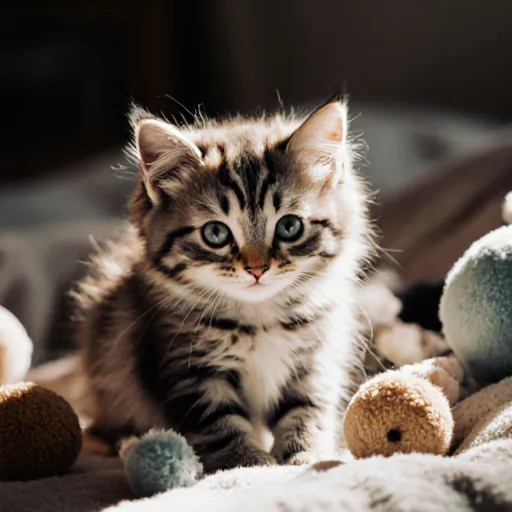
Keep kittens safe during playtime! Tips for pet owners.
Kitten Care: Play Safely Now
Table of Contents
- Choosing the Right Kitten for Playtime
- Setting Up a Safe Play Area
- Supervising Your Play Session
- Using Gentle Toys and Objects
- Introducing the Kitten to Simple Games
- Understanding the Kitten's Body Language
- Setting Playtime Limits
- Avoiding Rough Play
- Teaching the Kitten Gentle Biting and Scratching
- Playing Outside the Home - Safety Tips
- Ensuring Regular Vet Checks
- Providing a Balanced Diet and Proper Nutrition
- Conclusion: Safe Play Enhances Bonding
- FAQ About Playing Safely with Your Kitten
- Final Thoughts and Recommendations for Future Playtime
Choosing the Right Kitten for Playtime
To ensure that playtime with your kitten is both enjoyable and safe, it's crucial to choose the right kitten for this activity. Here are some key factors to consider when selecting a kitten that will enjoy and benefit from playtime:
1. Age
The age of the kitten plays a significant role in determining their energy levels and playfulness. Kittens between 8 weeks and 4 months old are typically at their most playful stage. During this period, they explore the world through play and interaction. If you're looking for a companion that will be energetic during playtime, choose an older kitten within this age range.
For instance, if you have children or other pets, a kitten around 12 weeks old might be ideal as they are not too young to understand simple commands and boundaries.
2. Breed
Breed can influence how much energy your kitten has and their natural inclination towards play. Some breeds, like Siamese or Abyssinians, are known for being highly active and playful due to their energetic personalities. On the other hand, breeds that tend to be more laid-back might not be as enthusiastic about chasing toys.
For example, a Siamese kitten will likely enjoy interactive play sessions with you, while a Persian kitten might prefer cuddling over vigorous playtime.
3. Personality
Every kitten has its own unique personality traits that determine how they respond to play. Some kittens are naturally curious and love to explore, while others may be more cautious or shy. Choosing a kitten with a playful nature will ensure you have an enthusiastic playmate.
If you're considering adopting from a shelter, observe the kitten's behavior during your visit. A kitten that shows interest in toys or interacts positively with other animals is likely to enjoy and benefit from playtime more.
4. Health
A healthy kitten will be full of energy and ready for playtime. Regular check-ups at the vet can help ensure your kitten remains healthy, allowing you to enjoy many playful sessions together. A kitten that is energetic and lively indicates good overall health.
For example, if a kitten has been vaccinated appropriately and shows no signs of illness or injury, it will be more likely to engage in active playtime with you without being hindered by health issues.
Practical Advice for Safe Playtime
Use appropriate toys that are safe and age-appropriate. Avoid small objects that can be swallowed or sharp items that could cause harm.
Supervise play sessions to ensure no one gets hurt and to prevent destructive behaviors.
Rotate toys regularly to keep the kitten's interest high, as boredom can lead to undesirable behavior during playtime.
Conclusion
Selecting the right kitten for playtime is not just about finding one that enjoys playing; it’s also about ensuring your own safety and providing a positive experience for both you and your kitten. By considering factors like age, breed, personality, and health, you can set up successful and enjoyable play sessions.
Setting Up a Safe Play Area
Creating a safe play area for your kitten is crucial to ensure their well-being and happiness. A safe environment not only prevents accidents but also helps in fostering healthy behavior. Here are some practical steps and tips to help you set up an ideal play space:
Create a Separated Space
Start by creating a separate area within your home where the kitten can explore, play, and rest without any risk of danger. This could be a small room or a part of the living space that is easily accessible but safe from hazards.
Remove Hazards
Ensure there are no dangerous objects within reach. Kittens are curious by nature and might try to chew on electrical cords, swallow small items, or jump onto surfaces not meant for them. Remove any potential choking hazards like yarn, string, or buttons.
Provide Age-Appropriate Toys
Pick toys that match your kitten’s age and size. For example, a 4-week-old kitten should have soft, non-toxic items to play with, while older kittens can enjoy interactive toys like feather wands or laser pointers.
Encourage Safe Play Behavior
Teach your kitten the importance of boundaries and safe play behavior. You can use treats as positive reinforcement when they engage in appropriate activities. For instance, if your kitten starts to chew on inappropriate items, gently redirect their attention to a suitable toy.
Maintain Cleanliness
A clean environment reduces the risk of infections and illnesses. Regularly wash toys with mild soap and water, and keep the play area free from litter that could be ingested by your kitten.
Monitor Playtime
Supervise your kitten during their playtime to ensure they are not overexerting themselves or engaging in potentially harmful activities. Kittens can tire quickly and need frequent rest breaks. A good rule of thumb is to allow 10 minutes of play for every month of age.
Provide Resting Spaces
Your kitten should have access to a quiet, comfortable spot where they can rest and recharge after playing. This could be a cozy bed or blanket in their designated space.
Encourage Socialization
Socializing your kitten with other pets or people is important for their development. However, ensure that interactions are supervised to prevent any accidents. Introduce them gradually and allow both the kitten and the established pet(s) time to adjust.
Keep it Interesting
To keep your kitten engaged and motivated, regularly rotate toys or introduce new ones. This helps in preventing boredom which can lead to destructive behaviors.
Be Consistent with Rules
Consistency is key when setting rules for playtime. If you have a no-chasing rule while your kitten is playing, consistently reinforce this behavior using positive reinforcement techniques like praise or treats.
By following these steps, you can create a safe and stimulating environment that encourages healthy development in your kitten. Remember, the goal is to keep them safe and engaged so they grow up happy and well-adjusted.
Supervising Your Play Session
In order to ensure that your kitten is safe and happy during playtime, it's crucial to supervise every play session. Supervision doesn't mean you have to be constantly hovering over the interaction; instead, it involves being attentive and ready to step in if necessary. Here are some tips on how to supervise your play session effectively:
Set Up a Safe Environment
Create an environment that is free from hazards where both you and your kitten can enjoy the playtime without any risks. Ensure there are no small objects or sharp edges that could injure either of you. Toys should be appropriate for kittens, not too big to cause choking or too rough to damage delicate kitten paws.
Use Appropriate Toys
Choose toys that are safe and suitable for kittens. Feathers on string, soft balls, and small stuffed animals can provide endless entertainment but should be used under supervision as they might pose a choking hazard if swallowed. Rotate the toys frequently to keep your kitten engaged without getting bored.
Watch for Signs of Overexertion
Cats, including kittens, can get tired quickly. Look out for signs that your kitten is becoming overstimulated or exhausted, such as panting, hiding, or looking uninterested in play. If you notice these signs, gently call the session to a close and give your kitten some quiet time.
Encourage Safe Play Behavior
Show your kitten how to play safely by demonstrating appropriate interactions with toys. For example, if your kitten tries to bite or scratch too roughly, gently move their paws away from you or redirect them towards the toy. Positive reinforcement can be used to encourage these safe behaviors.
Keep Play Sessions Short and Intense
Kittens have short attention spans, so keeping play sessions brief but intense is key. Aim for 10-15 minute sessions several times a day rather than one long session. This helps to avoid overstimulation or fatigue.
Be Ready to Step In
Even with the best supervision, accidents can happen. Be ready to intervene if your kitten shows signs of distress, such as excessive meowing or hiding under furniture, or if they are playing too roughly for you to be comfortable.
Stay Positive and Patient
Supervision also involves staying positive and patient. Playtime is not just about the kitten's entertainment; it’s a bonding experience. By supervising with care, you’re teaching your kitten what is acceptable behavior during play and creating lasting memories.
Examples of Safe Play
- Using feather wands or laser pointers for interactive play.
- Introducing soft toys that mimic prey animals like mice or birds.
- Playing hide-and-seek games where the kitten has to find you or a toy.
- Making use of puzzle feeders during playtime which can also serve as brain exercises.
Promoting Safe Play
To promote safe and enjoyable play sessions, it's important to understand your kitten’s behavior. Observe their body language to gauge when they're enjoying the game or getting tired. Adjust the play accordingly, ensuring that every interaction is positive and stress-free.
Remember, supervising your play session with a kitten is more than just keeping an eye on them; it's about fostering a safe environment where both you and your kitten can have fun while learning important lessons in behavior and communication. By following these guidelines, you're setting the stage for a lifetime of happy and healthy interactions.
Using Gentle Toys and Objects
To ensure your kitten plays safely while also encouraging healthy behaviors, it's important to provide them with appropriate toys and objects. Kittens are naturally curious creatures, but their teeth and claws can be quite sharp during this stage of development. Using gentle toys helps prevent accidental damage to furniture or other items in the home.
Choosing the Right Toys
Selecting toys that are specifically designed for kittens is crucial. Look for soft, durable materials that won't easily tear or break into small pieces. Feather wands, catnip mice, and crinkly paper bags can be particularly engaging for your kitten. These items not only entertain but also help satisfy their natural instincts to pounce and play.
Encouraging Safe Play
To encourage safe and gentle play, it's important to supervise your kitten when they are playing with toys or objects. This allows you to step in if the behavior becomes too rough. Additionally, you can use positive reinforcement by praising them when they show gentleness. If your kitten starts to get too aggressive during playtime, gently remove the toy and redirect their attention elsewhere.
Examples of Gentle Toys
- Feather Wand: A feather attached to a long handle is perfect for dangling in front of your kitten. They can chase it without the risk of tearing it apart.
- Catnip Mouse: These small, plush mice are designed to be soft and easily gripped by a kitten's teeth.
- Crinkly Paper Bag: An old paper bag with some holes punched in it can provide hours of entertainment while also making fun sounds for your kitten to investigate.
Practical Advice
When introducing new toys, observe how your kitten interacts with them. If they seem to be playing too aggressively, consider swapping out the toy for something softer or less destructible. You can also try different types of play sessions throughout the day to keep their energy levels balanced and prevent boredom.
Conclusion
In conclusion, using gentle toys and objects is a key part of safe playtime with your kitten. By providing them with appropriate items that encourage healthy behaviors, you can help ensure they grow up happy and well-adjusted. Remember to supervise play sessions and use positive reinforcement to guide their behavior.
Introducing the Kitten to Simple Games
Introducing a kitten to simple games can be an exciting and rewarding experience for both you and your furry companion. Simple games not only help in the socialization process but also provide mental stimulation, which is crucial for their overall development. However, it's essential to play safely with a kitten to prevent any accidents or injuries.
Understanding Your Kitten's Limits
The first step in introducing your kitten to simple games is understanding their current energy level and physical capabilities. Kittens are naturally playful, but they have limited endurance and coordination compared to adult cats. Start with short play sessions and gradually increase the duration as they grow and become stronger.
Choosing Suitable Games
For kittens, simple games that involve chasing, pouncing, or gentle interaction are ideal. Here are a few examples:
- Poly Tunnels: These are fun and safe for kittens as they can run through them without the risk of getting stuck.
- Twirling Feathers: A simple toy with a feather attached is perfect for play. Just make sure to keep it at an appropriate height so that your kitten doesn't strain itself while reaching for it.
- Moving Objects: Use objects like small balls or light toys that can be moved around the room. This encourages your kitten to chase and pounce, which is a natural hunting behavior.
Establishing Safe Play Rules
To ensure safe play sessions with your kitten:
- Avoid Rough Play: Kittens should never be subjected to rough or aggressive play. This can lead to behavioral issues later in life.
- Use Toys, Not Hands: Always encourage the use of toys instead of paws and mouths. This helps in redirecting their natural curiosity into safe activities.
- Maintain a Positive Tone: Keep your voice calm and upbeat during playtime to create a positive association with these activities.
Signs of Exhaustion or Disinterest
Keep an eye on your kitten's signals that they might be tired or bored. These signs include:
- Panting and heavy breathing
- Decreased energy levels
- Resting posture, such as lying down with eyes half-closed
If you notice any of these signs, it's time to end the play session. Remember, it's important to respect your kitten's limits and not force them into activities.
Encouraging Bonding Through Play
Playtime is a fantastic opportunity for bonding with your kitten. Here are some tips on how to make these sessions more engaging:
- Be Patient and Consistent: Kittens learn through repetition, so be patient as you introduce different games.
- Vary the Toys: Keep your kitten entertained by rotating toys. This keeps playtime interesting and prevents boredom.
- Incorporate Scent Games: Cats have an excellent sense of smell. Try hiding treats or using scented objects to make games more exciting for them.
Conclusion
Introducing your kitten to simple, safe games is a wonderful way to promote their physical and mental health while fostering a stronger bond between you and your pet. Always remember that the key is to keep playtime enjoyable and safe for both of you.
Understanding the Kitten's Body Language
To play safely with a kitten, it is crucial to understand its body language. By observing and interpreting your kitten's signals, you can ensure that both you and your pet have an enjoyable and safe experience.
- Pawing at You: When a kitten paws at you or bats at objects, it is often expressing interest in play. This behavior can be interpreted as the kitten's way of mimicking hunting, which is an essential part of its natural instincts.
- Tail Wagging: A playful tail typically moves in a rhythmic motion from side to side or up and down. However, it is important not to mistake this for anger or frustration later on.
- Mewing: Kittens often make high-pitched noises when they are looking for playtime or attention. This sound can be encouraging you to interact with them in a fun way.
- Rapid Eye Movements: If your kitten's eyes are moving rapidly, it could indicate that they are getting bored and looking for stimulation. This is a sign to increase playtime.
- Messing Around: Kitten may begin to chew on or bite at their surroundings when they are feeling restless. Redirect this behavior by giving them a toy instead of your belongings.
- Pinned Ears: When the ears flatten against the head, it can signal fear or anxiety. If you see this, it's best to stop any play and give your kitten some space.
- Hiding: Kittens may seek a hiding spot when they feel threatened or anxious. Respect their need for safety by not pursuing them further.
To keep play sessions safe, follow these tips:
- Avoid Rough Toys: Use soft toys that mimic prey-like objects such as mice or birds. Rough or hard toys can be dangerous for your kitten's sensitive jaw and teeth.
- No Human Hands: Never use your bare hands to play rough with a kitten, as this can lead to unintentional injury. Instead, use toys that they can grab or pounce on safely.
- Safe Environment: Ensure the space you are playing in is safe and free from hazards such as small objects that could be swallowed or dangerous plants.
By understanding your kitten's body language, you can create a positive play environment that encourages their natural behaviors while keeping both of you safe and happy. Always observe closely and adjust the play according to how your kitten reacts.
Setting Playtime Limits
While it's important for kittens to get plenty of exercise and stimulation, it’s equally crucial to set boundaries on playtime. Excessive play can lead to overstimulation or exhaustion, which might result in behavioral issues or health problems if not managed properly.
Understanding Your Kitten’s Needs
Each kitten is unique, and understanding their specific needs will help you set appropriate playtime limits. A good indicator of when your kitten has had enough playtime is observing signs such as a lack of interest in toys or an increased need for sleep.
Creating a Schedule
To manage playtime effectively, it's beneficial to establish a schedule that suits both you and your kitten. For example, early morning might be the best time when you're both energetic, while evenings could be less suitable as the kitten may be more tired.
Interactive Play
Interactive play with your kitten not only helps in setting limits but also strengthens the bond between you. Instead of allowing free playtime where the kitten might get too excited, engage in short bursts of interactive games like chasing a feather or playing fetch. This approach keeps the play fun and manageable.
Use Toys Wisely
To help limit playtime without stifling your kitten’s enthusiasm, use toys strategically. For instance, you can hide treats in various places around your home to encourage exploration but be careful not to overwhelm them with too many hiding spots at once.
Consistency is Key
Consistency in setting and enforcing playtime limits helps the kitten understand expectations. If you start by allowing short, fun play sessions daily and gradually increase them as your kitten matures, they will learn to adapt to these changes without feeling overwhelmed.
Example: A Daily Playtime Routine
- Morning session (10-15 minutes) - Interactive games with toys like a laser pointer or feather.
- Lunchtime break (5-10 minutes) - Short playtime with simple activities to keep energy levels up but not too high.
- Evening session (10-15 minutes) - Another round of interactive games, this time perhaps using a toy mouse or stuffed animal.
Signs of Overstimulation
If you notice your kitten displaying signs such as excessive meowing, avoidance behavior, lethargy, or loss of interest in play, it's a clear signal that they have had enough. In such cases, it’s important to stop the play session and give them some quiet time.
Conclusion
Setting playtime limits with your kitten is an essential part of their care routine. By understanding their individual needs, creating a consistent schedule, using toys wisely, and recognizing signs of overstimulation, you can ensure that both you and your kitten have fun and healthy play sessions.
Avoiding Rough Play
When it comes to playing safely with your kitten, it's essential to understand that kittens are naturally curious and playful creatures. However, this playfulness can sometimes lead to rough behavior if not properly guided. Rough play can cause injury to both you and the kitten, which is why it's crucial to teach your kitten how to interact gently from an early age.
Understanding Your Kitten’s Behavior
Kittens are still learning about their world, and they use play as a way to practice important life skills. For instance, when they're playing with you or other kittens, they’re refining their hunting techniques. This is why it's common for them to bite and scratch during play. However, this behavior can escalate if not properly managed.
Setting Boundaries
The key to preventing rough play is setting clear boundaries early on. When your kitten starts to show signs of becoming too rough—like biting or scratching—you should immediately stop the play session and redirect their attention to a more appropriate toy. This teaches them that certain behaviors are not acceptable.
Redirecting Play Behavior
Instead of focusing on physical contact, encourage your kitten to engage with toys that stimulate their natural instincts. For example, you can use feather wands or small balls for chasing and pouncing. These activities mimic the hunting behavior of a young cat but in a safe and controlled manner.
Teaching Gentle Play
To reinforce gentle play, offer praise and treats when your kitten behaves appropriately. Positive reinforcement helps solidify good behaviors while discouraging unwanted actions. For instance, if your kitten gently paws at you during playtime, reward that behavior with a treat or petting.
Patience is Key
Taking the time to patiently guide your kitten through these lessons will ensure they grow into a well-behaved adult cat. Remember, it's not just about stopping rough play; it's also about teaching them what behaviors are acceptable and enjoyable for both of you.
Encouraging Playtime
While avoiding rough play is important, don’t let this discourage your efforts to spend time with your kitten. Regular play sessions help strengthen the bond between you and your pet. Just make sure these sessions are fun, safe, and beneficial for both of you.
Final Thoughts
In conclusion, avoiding rough play is essential in ensuring a happy and healthy relationship between you and your kitten. By setting boundaries early on, redirecting their attention to appropriate activities, teaching gentle behaviors through positive reinforcement, and being patient throughout the process, you can create a safe environment that nurtures both of your enjoyment.
Teaching the Kitten Gentle Biting and Scratching
When you're playing with a kitten, it's crucial to teach them how to play gently. Kittens are naturally playful creatures, but they can sometimes use their teeth or claws too vigorously during playtime. Here’s how to ensure your play sessions remain safe and enjoyable for both you and the kitten.
Understanding Kitten Behavior
Kittens often mimic hunting behaviors by using their mouths and paws, which can result in rough handling of toys or even nipping at fingers. While this behavior is normal during playtime, it's important to guide them towards gentler actions early on.
Using Toys Appropriately
The use of appropriate toys can significantly reduce the chances of your kitten biting and scratching too hard. Soft plush toys or feathers attached to strings are excellent choices as they mimic prey-like movements, encouraging gentle play without causing harm.
- Plush Toys: These are soft and safe for the kitten’s mouth, promoting gentle nipping and clawing.
- Bird Feathers on Strings: These can be moved around to mimic a small bird or mouse, keeping your kitten engaged in playful behavior without encouraging aggressive actions.
Positive Reinforcement
Using positive reinforcement is key when teaching your kitten gentler play behaviors. When the kitten bites or scratches too roughly during play, gently remove yourself from the interaction and redirect their attention to a toy instead.
Example: If your kitten nips too hard while playing with you, calmly stop the game by removing your hand or moving away slightly. Then engage them in another fun activity involving toys. This teaches them that rough behavior leads to less playtime.
Redirecting Behavior
If you find yourself in a situation where the kitten is getting too rough, it's important to redirect their attention and energy towards gentler activities immediately.
- Use Toys: Gently take away your hand from the interaction and replace it with a toy. Encourage them to play with the new object instead.
- End Playtime: If redirection doesn't work, it might be time to stop the play session for a short while. This helps set boundaries on what is acceptable behavior during play.
Consistent Training
Consistency in training and discipline is essential when teaching your kitten gentle biting and scratching habits. Kittens learn through repetition, so it's important to maintain a consistent approach throughout all play sessions.
Tips: Establish a routine where you regularly play with the kitten using appropriate toys. Be patient during this process; consistency will yield better results over time.
Patience and Love
Patiently guiding your kitten towards gentler behaviors is crucial, as they are still learning what is acceptable in their environment. Always remember that kittens have a short attention span, so it's important to be patient during training sessions.
Love: Throughout the training process, always ensure that you show lots of love and affection towards your kitten. This positive reinforcement will help build trust between you and your pet.
Playing Outside the Home - Safety Tips
When playing outside the home, safety should always be a top priority. Just as you would with a kitten in "How to Play Safely with a Kitten," it's important to ensure that both the human and the environment are protected from harm.
Supervision is Key
Like when playing with a kitten, supervision is crucial. Always make sure you have an adult present while you play outside. This ensures immediate assistance if anything goes wrong or if there's any potential danger. Whether it’s exploring the backyard or venturing into a park, having an adult nearby can help prevent accidents and provide guidance.
Know Your Surroundings
Before playing outside, familiarize yourself with your surroundings. Look for potential hazards such as sharp objects, busy streets, or areas that could be unsafe. This is similar to ensuring the kitten has a safe space where it can explore without facing any immediate threats. Understanding what's around you helps in making informed decisions about where and how you play.
Dress Appropriately
Just as you would dress your kitten appropriately for its environment, dressing yourself accordingly is essential. Wear appropriate clothing and footwear that allow you to move freely but also protect you from injury. For instance, if playing in a park with lots of grass or dirt, wearing sturdy shoes can help prevent trips and falls.
Stay Hydrated
Hydration is important for any outdoor activity, whether you're playing outside the home or just spending time outdoors. Just like ensuring your kitten has access to water, keeping yourself hydrated helps maintain energy levels and prevents dehydration. Take regular breaks to drink water.
Use Protective Gear
If you're engaging in activities that may require it (such as cycling or playing sports), always wear the necessary protective gear such as helmets, knee pads, and elbow guards. This is similar to how you might protect a kitten's delicate bones if it were to fall while exploring.
Learn Basic First Aid
It’s wise to know basic first aid skills, which can be incredibly useful in both indoor and outdoor settings. Knowing what to do in case of minor injuries or emergencies can make all the difference. For instance, knowing how to treat a cut or bruise is like being prepared for a kitten that might accidentally scratch itself while playing.
Stay Calm and Smart
The most important tip when playing outside is to stay calm and smart. Use your judgment to assess situations, avoid risks, and make smart decisions. Just as you would teach a kitten not to jump on the stove or explore dangerous areas indoors, teach yourself to recognize and respect boundaries in outdoor play.
Ensuring Regular Vet Checks
Ensuring regular vet checks is crucial for maintaining your kitten's health and ensuring they grow into a healthy adult cat. Just as it's important to play safely with a kitten, regular veterinary check-ups are essential for their overall well-being. Here’s why these visits matter and how you can ensure they're stress-free.
- Vaccinations: Kitten vaccinations help protect them from various diseases that are prevalent in your area. Ensuring timely vaccinations is a key part of keeping your kitten healthy.
- Detecting Health Issues Early: Regular check-ups can catch any potential health issues early, making treatment more effective and less costly.
- Promoting Good Dental Health: Your vet can assess the condition of your kitten's teeth and recommend proper care to prevent future problems like gum disease or tooth loss.
- Care and Advice: Your veterinarian is a wealth of knowledge. They can offer advice on nutrition, behavior, and any specific needs for your breed of cat.
Making sure that your kitten feels safe and comfortable during vet visits can help them grow into an adult cat who is less anxious about these check-ups. Here are some practical tips:
- Positive Associations: Start associating the carrier or car ride with positive experiences, like treats and playtime.
- Short Trips: Before a vet visit, take short trips to the car with your kitten. This can help them get used to the environment without the added stress of medical procedures.
- Pain-Free Handling: Learn proper handling techniques from your veterinarian so that your kitten feels secure and less afraid during the exam.
- Stay Calm: Your kitten picks up on your cues. If you remain calm, it can help them feel more at ease.
To ensure that playtime is safe and enjoyable for both you and your kitten:
- Use Appropriate Toys: Choose toys that are suitable for kittens. Avoid small objects that can be easily swallowed or sharp items that could cause harm.
- Supervise Playtime: Always supervise your kitten during playtime to prevent over-excitement which might lead to injury.
- Encourage Natural Behaviors: Encourage behaviors like pouncing, batting, and chasing. These are natural activities that help kittens develop strength and agility.
In conclusion, ensuring regular vet checks is just as important as playing safely with a kitten. By prioritizing your kitten's health through consistent check-ups and creating a stress-free environment during these visits, you're setting the foundation for a happy and healthy cat. Remember to use positive reinforcement and proper handling techniques both at home and during veterinary appointments.
Providing a Balanced Diet and Proper Nutrition
Ensuring that your kitten receives a balanced diet and proper nutrition is crucial for their overall health and development. A well-nourished kitten will grow into a healthy adult cat, with strong bones, muscles, and a vibrant coat. The nutritional needs of kittens are different from those of adult cats because they have higher energy requirements to support their rapid growth and development.
Understanding Nutritional Needs
Kittens require specific nutrients for healthy growth:
- Protein: Essential for muscle development. Protein is found in meat-based kitten foods, which are a great source of amino acids.
- Example: Chicken, turkey, or fish.
- Fat: Provides energy and supports brain growth and development. Omega-3 fatty acids are particularly important for a kitten's vision and cognitive function.
- Example: Salmon oil, flaxseed oil.
- Vitamins and Minerals: Vitamins A, C, D, E, K, and B-complex are essential for various bodily functions. Calcium and phosphorus support bone growth.
- Example: Multivitamin supplements designed for kittens.
Choosing the Right Food
Selecting a high-quality kitten food is important. Look for foods that are formulated specifically for kittens and contain all the necessary nutrients in appropriate amounts:
- Complete and Balanced Diets: Foods that meet all of an animal's nutritional requirements without supplementation.
- Fresh Ingredients: Avoid products with fillers like corn, wheat, or artificial colors. Opt for foods made from fresh meat, vegetables, and fruits.
Portion Control
It's important to feed kittens the right amount of food at each meal to prevent obesity:
- Newborn Kittens (0-4 weeks): Feed every 2-3 hours.
- Puppies & Kittens (4-12 weeks): Gradually increase feeding intervals as they grow older.
- Adolescent Kittens (12 weeks to 6 months): Feed them three times a day and reduce portions as they approach adult size.
Supplements for Growing Kittens
Supplements can be beneficial, especially if your kitten is on a vegetarian diet or if you're feeding homemade meals:
- Vitamins and Minerals: Ensure they get the essential vitamins and minerals they need.
- Omega-3 Fatty Acids: Support brain development, skin health, and coat shine.
Playing Safely with a Kitten
While providing proper nutrition is essential for your kitten's growth, it's also important to ensure they have safe playtime to develop their motor skills:
- Use Toys Made for Cats: Avoid giving small objects or toys that can be easily swallowed. Opt for catnip toys, feather wands, and interactive laser pointers.
- Supervise Playtime: Always supervise playtime to prevent accidents and ensure your kitten is playing safely.
- Encourage Safe Behavior: Teach your kitten how to play gently by rewarding calm interactions and redirecting aggressive behavior.
In conclusion, providing a balanced diet and proper nutrition for your kitten is key to their overall health. By choosing the right food and supplementing their diet as needed, you can help ensure that they grow up strong and healthy. Just remember to supervise playtime to keep them safe and engaged.
Conclusion: Safe Play Enhances Bonding
Safe play is not just about preventing harm but also about strengthening the bond between you and your kitten. By engaging in safe play, you establish trust and set healthy boundaries that are crucial for your kitten’s development.
Safe play encourages kittens to explore their environment while ensuring they don't encounter any dangers. It involves providing appropriate toys and supervision during playtime. Toys such as feather wands, crinkle balls, or soft plushes are ideal for encouraging safe interaction without causing harm.
Examples of Safe Play
- Feather Wand Play: Using a feather wand allows you to guide the kitten’s play in a controlled manner. This not only keeps your kitten entertained but also helps in redirecting their natural hunting instincts into something safe.
- Bird Feeder Toys: These can be particularly useful for indoor cats, offering a fun way to mimic outdoor activities like chasing birds without the risk of harm.
- Interactive Puzzle Feeders: These toys engage your kitten’s mind and body, promoting physical activity while keeping them mentally stimulated.
When playing with your kitten, it's important to observe their behavior. If they start showing signs of frustration or aggression during play, it might be a sign that the toy is too stimulating or not appropriate for them.
- Observe Your Kitten: Always watch your kitten closely during playtime. Signs of stress include flinching, hiding, or avoiding contact. If you notice any of these behaviors, it's best to stop the play session and give your kitten some space.
- Use Positive Reinforcement: Reward good behavior with praise or treats. This reinforces positive interactions and helps build a stronger bond between you both.
- Vary Your Play Sessions: Cats can get bored easily, so it's important to vary the types of toys and activities you use during play sessions. This keeps your kitten engaged and prevents them from becoming bored or destructive.
Safe play not only benefits your kitten’s physical health but also contributes significantly to their emotional well-being. By engaging in safe, supervised play, you help foster a sense of security and trust between you and your kitten.
- Reduces Stimulation: Safe play can help reduce stress for both you and your kitten by providing an outlet for natural behaviors like hunting and pouncing.
- Bonding Opportunity: Playing safely together strengthens the bond between you and your kitten, creating a deeper emotional connection that lasts a lifetime.
In conclusion, safe play is an essential part of kitten care. By following these guidelines and using appropriate toys, you can ensure both your safety and that of your playful feline companion. Remember, the goal is not only to keep your kitten entertained but also to create a nurturing environment where they feel secure and loved.
FAQ About Playing Safely with Your Kitten
How to Play Safely with a Kitten
Playing safely with your kitten is essential for both their well-being and the development of a strong bond between you. Here are some tips and practical advice to ensure that playtime is enjoyable and safe for everyone involved.
Understanding Your Kitten's Needs
Kittens, especially young ones, have different needs compared to adult cats. They are more playful and curious but also more vulnerable due to their smaller size and developing bodies. Understanding these differences is key to providing safe playtime.
- Age Considerations: Young kittens, typically up to 6 months old, should have less strenuous play sessions. They are still learning about their environment and may not fully understand the consequences of their actions.
- Breed Differences: Some breeds of cats are more active than others. Researching your kitten's breed can give you insights into their energy levels and preferred activities.
Selecting Safe Toys
Choosing the right toys is crucial for ensuring safe playtime with your kitten. Here are some recommendations:
- Bird-Feather Toys: These can be fun for your kitten to chase, but make sure they are not small enough to swallow.
- Plush Toys: Soft toys that are easy to grip and not easily torn apart are good options. Avoid those with buttons or other small parts that could pose a choking hazard.
- Bouncing Balls: These can be stimulating for your kitten, but ensure they are large enough so the kitten cannot swallow them.
Setting Boundaries
Just like with children, setting boundaries is important to keep playtime safe and enjoyable. Here’s how you can do it:
- Supervision: Always supervise playtime, especially when your kitten is still very young. You need to be there to intervene if the play becomes too rough.
- Safe Spaces: Designate certain areas of your home as safe zones where playing and exploring are allowed. Keep other areas off-limits to both you and the kitten.
- Time Limits: Set a time limit for playtime to prevent exhaustion or boredom from setting in too quickly.
Encouraging Safe Play Behavior
Cats, including kittens, can sometimes overplay and become rough. Teaching your kitten safe play behavior is essential:
- Redirect Rough Play: If you notice your kitten becoming too rough during playtime, gently remove the toy or redirect their attention to a more appropriate activity.
- Praise Good Behavior: When your kitten behaves safely and appropriately during playtime, make sure to praise them. Positive reinforcement can encourage good behavior.
Conclusion
Playing safely with your kitten is about understanding their needs, providing the right environment, and setting clear boundaries. By following these guidelines, you can ensure that playtime remains a fun experience for both you and your furry friend.
Final Thoughts and Recommendations for Future Playtime
Now that we've covered how to play safely with a kitten, let's delve deeper into what you can do to ensure your future playtime is both enjoyable and safe for both you and the little feline friend.
To truly enjoy playtime with your kitten, it’s essential to understand its behavior. Kittens are naturally playful creatures, but their play can sometimes be mistaken as aggression or mischief if you don’t know what to look for. For instance, when a kitten bats at your hand with its paw, it's mimicking the way it would catch prey in nature.
Another key behavior is that kittens often use their mouths and paws to explore the world around them. This can sometimes lead to nips or scratches if they’re not properly supervised. By understanding these behaviors, you can better anticipate when your kitten might need a break from playtime.
To keep things fun and safe, it’s important to provide appropriate toys for your kitten. Instead of using your hands or fingers during playtime, use small objects like feather wands, toy mice, or soft balls that your kitten can easily catch and bat around. This not only reduces the risk of injury but also keeps your kitten engaged in stimulating activities.
Interactive toys are especially beneficial as they mimic hunting behaviors which kittens find exciting. You can also incorporate puzzle feeders to make mealtime more engaging, encouraging problem-solving skills that are crucial for their cognitive development.
A consistent play routine can help your kitten develop healthy habits and ensure that playtime remains a positive experience. Set aside specific times during the day when you play with your kitten, such as after meals or before bedtime. This consistency helps in creating a predictable schedule for both of you.
Additionally, it’s crucial to respect your kitten's energy levels. Just like humans, kittens need their rest and can get tired easily. If you notice signs of fatigue, such as yawning or less interest in play, it might be time to end the session. Gradually increase the duration of playtime as your kitten grows and becomes more active.
To make sure that playtime remains positive for both you and your kitten, always encourage good behavior during play sessions. If your kitten starts to use its claws aggressively or mouths too hard, gently discourage this by stopping the game and moving away from it in a calm manner.
Positive reinforcement is also key. When your kitten plays nicely, reward it with praise, petting, or small treats if appropriate. This will help reinforce good behavior during playtime.
In conclusion, understanding and adapting to a kitten's natural behaviors can make all the difference in creating safe and enjoyable playtimes. By providing suitable toys, maintaining consistency in routines, and encouraging positive interactions, you can ensure that both you and your kitten have fun while keeping safety at the forefront.
Categories
- AI & Enrichment Play
- Broiler Farming
- Broiler Farming Tips
- Canine Wellness & Longevity
- Cat
- Cat & Human Connection
- Cat Adoption & Rescue
- Cat Breeds
- Cat Breeds & Personalities
- Cat Care & Health
- Cat Grooming & Hygiene
- Cat Lifestyle & Environment
- Cat Myths & History
- Cat Nutrition & Diet
- Cat Products & Reviews
- Cat Training & Behavior
- Comparison
- Consumer Awareness
- Dog
- Dog Accessories & Products
- Dog Adoption & Rescue
- Dog Breed & Lifestyle Trends
- Dog Breeding & Puppies
- Dog Entertainment & Media
- Dog Fashion & Trends
- Dog Fun & Lifestyle
- Dog Grooming & Hygiene
- Dog History & Culture
- Dog Myths, Science & Future Tech
- Dog News & Trends
- Dog Nutrition & Food
- Dog Psychology & Emotions
- Dog Safety & Security
- Dog Sports & Activities
- Dog Technology & Innovation
- Dog Training for Modern Owners
- Dog Travel & Adventure
- Dog Travel, Adventure & Culture
- Economic and Market Insights
- Educational Content
- FAQs
- Feeding Alternatives
- Festivals & Seasonal Ideas
- Fun & Entertainment
- General Knowledge
- General Pig Farming
- Health & Disease Management
- Housing and Environment
- Kittens
- Market Insights
- Miscellaneous
- Miscellaneous
- Motivational
- pig
- Pig Breeding
- Pig Breeds
- Pig Farming Stories and Inspiration
- Pig Health and Care
- Pig Nutrition
- Pig Products
- Profitability & Business
- Puppy Care
- Puppy Predictable Topics Reinvented
- Regional Focus
- Rescue & Adoption Buzz
- Senior Cats
- Senior Dog Care
- Smart Dog Tech & Gadgets
- Sustainability
- Sustainable & Eco-Friendly Dog Products
- Tech & Innovations
- Working & Service Dogs
- Broiler Feed66 products
- Country Feed33 products
- Pig Feed66 products
- Product22 products
- Raw Materials99 products
Products
-
 Fish Meal
₹1,999.00 – ₹2,999.00Price range: ₹1,999.00 through ₹2,999.00Rated 0 out of 5
Fish Meal
₹1,999.00 – ₹2,999.00Price range: ₹1,999.00 through ₹2,999.00Rated 0 out of 5 -
 FATTENING BROILER FEED
₹2,299.00 – ₹2,349.00Price range: ₹2,299.00 through ₹2,349.00Rated 0 out of 5
FATTENING BROILER FEED
₹2,299.00 – ₹2,349.00Price range: ₹2,299.00 through ₹2,349.00Rated 0 out of 5 -
 LAYER COUNTRY FEED
₹1,549.00 – ₹1,649.00Price range: ₹1,549.00 through ₹1,649.00Rated 0 out of 5
LAYER COUNTRY FEED
₹1,549.00 – ₹1,649.00Price range: ₹1,549.00 through ₹1,649.00Rated 0 out of 5 -
 COUNTER BROILER FEED
₹1,199.00 – ₹1,299.00Price range: ₹1,199.00 through ₹1,299.00Rated 0 out of 5
COUNTER BROILER FEED
₹1,199.00 – ₹1,299.00Price range: ₹1,199.00 through ₹1,299.00Rated 0 out of 5 -
 LACTATING PIG FEED
Rated 0 out of 5
LACTATING PIG FEED
Rated 0 out of 5₹2,299.00Original price was: ₹2,299.00.₹1,740.00Current price is: ₹1,740.00. -
 Maize
Rated 0 out of 5
Maize
Rated 0 out of 5₹1,650.00Original price was: ₹1,650.00.₹1,300.00Current price is: ₹1,300.00. -
 GESTATION PIG FEED (Phase 1)
Rated 0 out of 5
GESTATION PIG FEED (Phase 1)
Rated 0 out of 5₹2,249.00Original price was: ₹2,249.00.₹1,699.00Current price is: ₹1,699.00. -
 Pre Starter Broiler Feed
₹2,399.00 – ₹2,499.00Price range: ₹2,399.00 through ₹2,499.00Rated 0 out of 5
Pre Starter Broiler Feed
₹2,399.00 – ₹2,499.00Price range: ₹2,399.00 through ₹2,499.00Rated 0 out of 5 -
 FINISHER PIG FEED
Rated 0 out of 5
FINISHER PIG FEED
Rated 0 out of 5₹2,299.00Original price was: ₹2,299.00.₹1,749.00Current price is: ₹1,749.00. -
 Broiler Premix
Rated 0 out of 5
Broiler Premix
Rated 0 out of 5₹820.00Original price was: ₹820.00.₹699.00Current price is: ₹699.00.
Recently Viewed Products
-
 Natural Extracted Rice Bran Oil
₹6,500.00
Natural Extracted Rice Bran Oil
₹6,500.00