
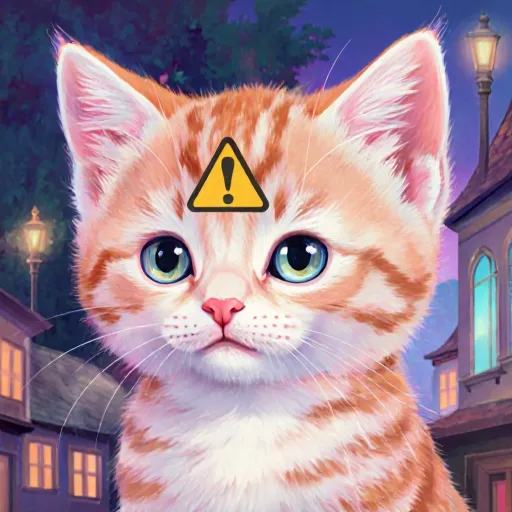
Discover unseen dangers to protect your beloved kittens.
Uncover Hidden Kittens' Risks Now
Table of Contents
- Choosing the Wrong Kitten Breed
- Not Providing Proper Identification
- Neglecting Socialization Early on
- Ignoring Proper Nutrition and Feeding Schedule
- Overlooking Dental Care
- Not Setting Up a Safe Environment Immediately
- Failing to Vaccinate Promptly and Properly
- Leaving Kittens Alone for Extended Periods Without Supervision
- Neglecting Grooming and Hygiene
- Not Establishing a Routine Early On
- Failing to Address Behavioral Issues Early
- Over-Treating or Under-Treating Medical Conditions
- Not Considering Spaying/Neutering Early Enough
- Neglecting Regular Vet Check-Ups and Care
- FAQs About Caring for Your Kitten
- Conclusion
Choosing the Wrong Kitten Breed
When first-time kitten owners are selecting their new pet, it’s easy to fall into the trap of choosing a breed that sounds cute or appealing but may not be suitable for your lifestyle and home environment. This section focuses on common mistakes made by beginners when picking the wrong kitten breed, which can lead to dissatisfaction and even surrendering the kitten to shelters.
1. Ignoring Personal Preferences
One of the most critical errors first-time owners make is ignoring their personal preferences. Every family has unique needs—whether it's space availability, time for grooming, or energy levels required to keep a cat active and healthy.
- Lack of Space: If you live in an apartment with limited space, choosing a breed that requires lots of room can lead to problems. For instance, large breeds like Maine Coons may not be the best choice if your living area is small.
- Grooming Requirements: Some breeds have high grooming needs, such as Siamese or Persians, while others require minimal upkeep, like Sphynx cats. Ensure you can commit to the level of care required by the breed.
2. Not Considering Lifestyle
Your daily routine and lifestyle play a significant role in determining which kitten breed will thrive best with you. If you are an active person who enjoys outdoor activities, an energetic breed like a Bengal or Abyssinian might be more suitable.
- Daily Playtime: Kittens need lots of interaction and play to stay mentally stimulated. Active breeds can keep your home lively but also require consistent engagement from you.
- Work Schedule: If you work long hours, a calmer breed like the British Shorthair might be more appropriate because they are content with minimal attention during the day.
3. Overlooking Health Considerations
Picking a kitten based solely on appearance can overlook important health factors that affect long-term care and cost. Some breeds have higher risks of hereditary diseases or are prone to certain illnesses, which can lead to unexpected vet bills.
- Disease Prone Breeds: For example, Persian cats often suffer from respiratory issues due to their flat faces, making them more challenging and costly to care for. Research the health profiles of different breeds before deciding on one.
- Veterinary Costs: Some smaller breeds like Munchkins might have lower maintenance costs initially but could be predisposed to joint problems later in life, increasing veterinary expenses significantly over time.
4. Emotional Attachment Misalignment
Selecting a kitten purely based on its cuteness or resemblance to another breed you admire can lead to disappointment if the reality doesn’t match expectations. Kittens grow into adults and develop distinct personalities, habits, and energy levels.
- Behavioral Disparities: For example, choosing a highly vocal breed like the Russian Blue when you prefer silent pets can lead to frustration over time. Spend time observing different kittens’ behaviors to find one that aligns with your preferences.
- Personality Matches: Consider adopting based on traits such as friendliness, playfulness, or independence rather than looks alone.
Practical Tips for Avoiding These Mistakes
To ensure you make the right choice when selecting a kitten breed:
- Research Extensively: Read up on various breeds’ characteristics, including personality traits, health issues, and care needs.
- Visit Multiple Kittens: Spend time observing different kittens to get a feel for their temperaments and personalities. This will help you identify which breed suits your household best.
- Consult with Professionals: Speak to veterinarians, breeders, or experienced cat owners who can offer advice based on their expertise and experience.
In summary, choosing the right kitten breed is crucial for a happy relationship between you and your pet. By avoiding common pitfalls such as ignoring personal preferences, lifestyle factors, health considerations, and emotional attachments, first-time owners can make more informed decisions that lead to healthier, happier cats.
Not Providing Proper Identification
One of the most important responsibilities for any new kitten owner is ensuring that their pet has proper identification. This ensures that if your kitten ever gets lost or separated from you, they can be easily returned home. However, many first-time owners make mistakes in this area, leading to unnecessary stress and difficulty in reuniting with their pets.
Mistake 1: Failing to Microchip Your Kitten
Microchipping is a safe and effective way to identify your pet. It involves the insertion of a tiny chip, about the size of a grain of rice, under your kitten's skin. This chip contains a unique identification number that can be scanned by veterinarians or shelters. While some vets automatically microchip kittens at spay/neuter appointments, it is important to check and ensure this has been done.
Example: A pet owner named Sarah neglected to have her new kitten microchipped before the adoption process was completed. When the kitten ran away from the backyard, Sarah had a tough time finding where the kitten was taken. If she had had the kitten microchipped, it would have been easier for animal control or shelters to find and contact her.
Advice: Microchip your kitten at the earliest opportunity, ideally before they leave the breeder or shelter. This is a simple procedure that can be done by your veterinarian.
Mistake 2: Not Using ID Tags Properly
ID tags are another essential form of identification for pets. These small tags should include your kitten's name, your contact information (including phone number), and your address. Some owners also choose to add a second number such as their cell phone or work number.
Example: Mark got his new kitten without putting any ID tags on it. One day, the kitten escaped and was brought to an animal shelter. Without proper identification, it took several days for Mark to be contacted by the shelter. If he had put a collar with ID tags on the kitten, this would have made the process much quicker.
Advice: Ensure you provide your kitten with both a microchip and an ID tag. Keep in mind that collars can come off easily, so having a microchip is crucial as a backup plan.
Mistake 3: Underestimating the Importance of Identification
Some new pet owners underestimate the importance of identification for their pets. They may think that if their kitten stays inside all the time, it will never go missing. However, accidents can happen. Kittens are curious and can easily find a way out through doors left ajar or windows.
Example: Lisa believed her indoor-only kitten would not need identification since she kept it indoors at all times. One day, the kitten found its way outside through an open window. When the kitten was found by neighbors and brought to the animal shelter, it took days for Lisa to be notified and retrieve her pet. Had the kitten been microchipped or had proper ID tags, this would have been a much smoother process.
Advice: Always prioritize your kitten's identification regardless of where they spend most of their time. Even indoor cats can find ways out and become lost.
Mistake 4: Not Keeping Information Updated
Information on the ID tags, such as phone numbers or addresses, should be kept updated at all times. Changes in address, phone number, or even cell phone carrier can make it difficult for animal shelters to reach you.
Example: John had recently moved and changed his phone number but failed to update the information on the ID tag of his kitten. When the kitten was found by a neighbor, they tried to contact him using the old phone number, which resulted in delays before John was notified. If he had updated the information promptly after moving, this would have been avoided.
Advice: Regularly check and update all forms of identification for your kitten whenever you move or change any important contact details. This ensures that there is always accurate information available in case of an emergency.
Neglecting Socialization Early on
One of the most common mistakes that first-time kitten owners make is neglecting socialization during the early stages. This oversight can have significant long-term effects on your kitten's behavior and well-being. Proper socialization is crucial for ensuring your kitten grows up to be a friendly, outgoing, and well-adjusted adult cat.
The Importance of Early Socialization
During the first few months of life, kittens are highly receptive to learning appropriate behaviors from their environment. This critical period lasts until around 12 weeks old. During this time, they learn how to interact with people, other animals, and various stimuli in a positive way. Neglecting socialization during these formative stages can lead to behavioral issues later on.
Common Mistakes
- Isolating the Kitten: Keeping your kitten isolated from other people and animals can prevent them from learning essential social skills. Kittens need interaction with humans and other creatures to develop confidence and appropriate behavior.
- Lack of Exposure: Not exposing your kitten to different environments, sounds, and objects can make them more anxious or fearful in new situations. This lack of exposure increases the risk of developing phobias or aggressive behaviors.
- Inconsistent Handling: Inconsistent handling by different people can confuse a kitten, leading to anxiety or fearfulness when approached by strangers later in life.
Practical Advice for Proper Socialization
To ensure your kitten receives the right amount of socialization, follow these tips:
- Create a Positive Environment: Introduce your kitten to various people in a gentle and positive manner. Encourage family members or friends to interact with them regularly.
- Vary Stimuli Gradually: Expose your kitten to different sounds, scents, textures, and objects gradually. Start with simple stimuli and increase the complexity as they become more comfortable.
- Handle Regularly: Pick up and hold your kitten gently but frequently. This will make them accustomed to being handled by humans from an early age.
- Encourage Playtime: Engage in play sessions with your kitten using toys that mimic the movements of other animals. This helps them learn how to interact in a playful, non-threatening way.
Examples and Practical Scenarios
Example 1: Regular Interaction: A first-time owner who regularly holds their kitten for short periods each day not only builds trust but also ensures the kitten is comfortable being picked up by different people.
Example 2: Gradual Exposure to New Sounds: Introducing a new sound, like the doorbell or vacuum cleaner, and rewarding your kitten with treats can help them become accustomed to these noises without fear.
Example 3: Handling by Multiple People: Encourage different members of your family to regularly handle the kitten. This helps the kitten learn that being held is a positive experience.
Conclusion
Neglecting socialization early on can have profound and often negative impacts on a kitten’s development. By recognizing this common mistake and implementing proper socialization techniques, you can help ensure your kitten grows up to be a well-adjusted and friendly companion.
Ignoring Proper Nutrition and Feeding Schedule
One of the most common mistakes first-time kitten owners make is neglecting proper nutrition and disregarding a consistent feeding schedule. Ensuring that your kitten receives all the necessary nutrients at the correct times is crucial for their growth, health, and overall well-being.
The Importance of Proper Nutrition
During their early development, kittens have specific nutritional needs that are different from those of adult cats. Kittens require a diet rich in protein, fat, vitamins, and minerals to support rapid growth and development. A balanced diet helps prevent deficiencies and promotes strong bones, teeth, and organs.
Common Mistakes
- Feeding Table Scraps: While it may seem harmless to give your kitten table scraps from your meal, this can lead to nutritional imbalances. Human food often lacks the essential nutrients kittens need and can even be harmful, causing digestive issues or obesity.
- Overfeeding or Underfeeding: Overfeeding can lead to obesity, while underfeeding can result in malnutrition. Both extremes can have serious health implications for your kitten. It's important to monitor their weight and feeding habits closely.
- Inconsistent Feeding Schedules: Kittens thrive on a routine that includes regular feedings throughout the day. Irregular meals can disrupt their digestive system and lead to poor growth or other health issues.
Practical Advice
To ensure your kitten gets the best nutrition, it's recommended to choose high-quality kitten food that meets all of its dietary requirements. Look for foods labeled as 'complete and balanced' specifically formulated for kittens by reputable brands.
- Follow a Feeding Schedule: Establishing a feeding schedule is essential. For kittens, this typically means feeding them three to four times a day until they are six months old. You can gradually reduce the frequency as they grow older.
- Monitor Their Weight and Health: Regularly check your kitten's weight and overall health. If you notice any significant changes or concerns, consult with a veterinarian.
- Provide Fresh Water: Always ensure that your kitten has access to clean water. Dehydration can be a serious issue for kittens, especially in hot weather.
Conclusion
Ignoring proper nutrition and feeding schedules can have long-lasting effects on your kitten's health and development. By understanding the importance of these aspects and avoiding common mistakes, you can help ensure that your kitten grows up strong and healthy.
Overlooking Dental Care
Just like first-time kitten owners, new cat owners sometimes overlook the importance of dental care. Proper dental hygiene is crucial for maintaining your pet's overall health and preventing various health issues. Ignoring dental care can lead to severe complications such as gum disease, tooth loss, and even organ damage if bacteria from infected teeth enter the bloodstream.
Common Mistakes New Cat Owners Make
- Failing to Brush Teeth Regularly: Daily brushing is essential for keeping your cat's teeth clean. However, many new owners do not realize this importance until it's too late. Start by introducing the toothbrush and toothpaste gradually, using treats as positive reinforcement.
- Not Providing Dental Toys or Treats: Cats can benefit from dental toys and treats that promote oral health. These products help scrape away plaque and reduce tartar buildup. However, not all toys are safe for cats to chew on; always choose those designed specifically for pet use.
- Ignoring Professional Dental Cleanings: Regular check-ups at the vet are important, but some owners neglect professional dental cleanings because they believe their cat's teeth look fine. Even if your cat isn't showing signs of tooth problems, these routine visits can catch issues early and prevent more serious conditions from developing.
Practical Advice for Proper Dental Care
To ensure your cat maintains good dental health, follow these steps:
- Brush Your Cat's Teeth Daily: Use a soft-bristled toothbrush and cat-specific toothpaste. Be gentle to avoid causing pain or stress.
- Provide Safe Chewing Toys: Encourage your pet to chew by providing safe, durable toys that promote natural teeth cleaning through gnawing action.
- Schedule Regular Vet Visits: Aim for annual check-ups where the vet can perform thorough examinations and professional cleanings if necessary. Early intervention can save both you and your cat a lot of trouble down the line.
- Monitor Diet: Feeding dry food instead of wet food can help reduce plaque formation, but it's not sufficient on its own. A balanced diet along with proper brushing is key to preventing dental diseases.
By being aware of these common mistakes and taking proactive steps toward maintaining your cat’s oral health, you can ensure they live a longer, healthier life free from painful conditions associated with poor dental care.
Not Setting Up a Safe Environment Immediately
For first-time kitten owners, setting up a safe environment immediately upon bringing your new pet home is crucial. A safe and welcoming space can help your kitten adjust to its new surroundings more comfortably and reduce stress. However, many first-time owners make common mistakes that can be harmful or stressful for their kittens.
Common Mistakes First-Time Kitten Owners Make
- Failing to Create a Safe Space: Many new kitten owners overlook the importance of creating a secure space immediately. Kittens are curious creatures and may explore areas that could be dangerous for them, such as open windows or busy hallways. A safe environment should include barriers to keep your kitten away from potential hazards.
- Example: Place baby gates at the bottom of stairs to prevent your kitten from falling down. Ensure there are no electrical wires that could be chewed on, and secure any hanging plants or decorations that might pose a choking hazard.
- Ignoring Noise and Light Sensitivity: Kittens can be sensitive to loud noises and sudden changes in light. Loud sounds like vacuum cleaners or thunderstorms can startle them, while bright lights may cause discomfort or even stress.
- Example: Keep the environment quiet when your kitten is first settling into its new home. Use soft lighting and avoid loud noises until you are sure your kitten is comfortable in the space.
- Overstimulation: Kittens have high energy levels but need time to adjust. Overstimulating them can lead to stress, exhaustion, or even illness. It’s important to provide playtime and interaction gradually as they get used to their new home.
- Example: Start with short play sessions (10-15 minutes) a few times a day. As your kitten gets more comfortable, you can gradually increase the duration of playtime.
- Failing to Provide Necessary Resources: Kittens need access to food, water, litter boxes, and toys right away. Failing to set these up properly or in a safe location can cause stress or prevent your kitten from settling in comfortably.
- Example: Place the litter box in a quiet corner of the home where it is easily accessible but not too close to where you eat. Ensure there are multiple water sources and that they are placed in safe, easy-to-reach areas for your kitten.
- Ignoring Vet Visits: Some first-time owners delay taking their kittens to the vet because they believe it's unnecessary or too expensive. However, early veterinary care is crucial for ensuring your kitten receives necessary vaccinations and check-ups that can prevent future health issues.
- Example: Schedule a visit with your veterinarian within the first few days of bringing your kitten home to discuss vaccinations and any other necessary treatments. This will help ensure your kitten is healthy from the start.
Tips for Setting Up a Safe Environment
To avoid these common pitfalls, here are some practical tips:
- Identify Potential Hazards: Take time to assess your home and identify any potential hazards that could be harmful to your kitten. Remove or secure these items immediately.
- Create a Quiet Area: Kittens can get stressed by loud noises, so create a quiet, calm area where they can rest and feel safe from the hustle and bustle of daily life.
- Promote Playtime Safely: Provide toys that are safe for your kitten to play with. Supervise initial play sessions to ensure they are engaging in healthy behaviors without overstimulating them.
- Ensure Accessibility to Resources: Make sure all essential items such as food, water, and litter boxes are easily accessible but not in areas that could be dangerous for your kitten.
- Regular Vet Check-Ups: Establish a routine of regular vet check-ups. This helps monitor the health of your kitten from an early age, preventing potential issues before they become serious.
Failing to Vaccinate Promptly and Properly
When it comes to kitten care, one of the most critical aspects that first-time owners often overlook is failing to vaccinate their kittens promptly and properly. Vaccinations are not just a necessary preventive measure but also a legal requirement in many regions. Failing to adhere to this schedule can leave your kitten susceptible to potentially deadly diseases.
Common Mistakes First-Time Kitten Owners Make
- Delaying the First Vaccination: Kittens need their first vaccination when they are around 6-8 weeks old. Delaying this can leave your kitten vulnerable to infectious diseases such as Feline Panleukopenia (FP), Feline Calicivirus, and Feline Herpesvirus. These diseases can be severe or even fatal in young kittens.
- Skipping Booster Shots: Booster shots are essential for maintaining immunity against these deadly diseases. Skipping one of the recommended booster shots can compromise your kitten's health as they grow older. For example, a three-shot series typically given at 6 weeks, 9 weeks, and 12 weeks is crucial.
- Incomplete Vaccination Schedule: Ensuring that all required vaccinations are completed is critical for comprehensive protection. Missing out on any part of the recommended schedule can leave your kitten unprotected against various illnesses.
- Not Consulting with a Veterinarian: Each kitten's health and immune system can vary, making it important to consult with a veterinarian before starting the vaccination process. Your vet will help tailor a specific vaccination plan based on factors like breed, lifestyle, and geographic location.
Tips for First-Time Owners to Vaccinate Properly
- Stick to the Schedule: Follow your veterinarian's advice regarding when and how often to vaccinate. Consistency is key in ensuring that your kitten receives all necessary vaccines at the appropriate times.
- Monitor Side Effects: While most kittens will tolerate their vaccinations well, some may experience mild side effects such as lethargy or a slight temperature increase. If you notice anything more severe, contact your vet immediately.
- Ensure Hygiene and Comfort: Make the vaccination process as comfortable for your kitten as possible. Keep the environment calm and familiar to minimize stress during visits to the veterinarian.
Conclusion
Failing to vaccinate promptly and properly is a common mistake that first-time kitten owners make, but it can have serious consequences. By understanding the importance of timely vaccinations and avoiding these pitfalls, you can ensure your kitten grows up healthy and protected against preventable diseases.Leaving Kittens Alone for Extended Periods Without Supervision
When you're a first-time kitten owner, it's natural to have concerns about leaving your kittens alone for extended periods without supervision. Proper care and attention are crucial during the formative weeks of a kitten’s life. This guide aims to address common mistakes and provide practical advice on how to ensure that your kittens are safe and healthy when you're not around.
Common Mistakes First-Time Kitten Owners Make
Mistake 1: Ignoring the Need for Constant Monitoring
Kittens require constant monitoring, especially during their early weeks. They can't regulate their body temperature as well as adult cats and are more prone to dehydration, hypothermia, or overheating.
Mistake 2: Not Providing Adequate Resting Spaces
Kittens need a quiet place where they can rest, eat, and play. Ensuring that this area is comfortable and away from drafts is crucial.
Mistake 3: Underestimating Food and Water Consumption
Kittens have high energy requirements and must be fed multiple times daily. They should always have access to fresh water as well.
Practical Advice for Leaving Kittens Alone Safely
1. Create a Safe Environment
Ensure the kitten’s area is free of any potential hazards. Remove items that could be dangerous, such as small objects they can swallow, electrical cords, and chemicals.
2. Provide a Comfortable Bedding
Use soft blankets or a commercially available cat bed to give your kittens a cozy place to rest. Make sure the bedding is clean and dry at all times.
3. Establish a Routine
Kittens thrive on routine, which helps them feel secure. Feed them meals at regular intervals and set aside time for play and interaction each day.
4. Monitor Their Health Closely
Keep an eye out for any signs of illness or distress such as lethargy, loss of appetite, or unusual behavior. If you notice anything amiss, contact your veterinarian immediately.
Conclusion
Leaving kittens alone for extended periods requires careful planning and attention to detail. By avoiding common mistakes and following practical advice, you can help ensure that your kittens grow up healthy and happy. Always prioritize their safety and well-being above all else when making decisions about their care.
Neglecting Grooming and Hygiene
One of the most common mistakes that first-time kitten owners make is neglecting grooming and hygiene. While kittens are adorable, they also require regular care to maintain their health and appearance. Failing to pay attention to these needs can lead to a variety of issues that may be avoidable with proper care.
Understanding the Importance of Grooming
Grooming is crucial for kittens as it helps keep their coat clean, prevents matting, and encourages healthy skin. Regular brushing not only promotes these benefits but also strengthens the bond between you and your kitten. For long-haired breeds, daily brushing is necessary to prevent hairballs and tangles.
Common Mistakes in Grooming
- Frequent Skipping of Brushing: Many new owners might neglect grooming due to time constraints or lack of experience. However, regular brushing helps keep the coat in good condition and prevents shedding.
- Overlooking Dental Hygiene: Kittens need their teeth checked just like humans. Neglecting dental hygiene can lead to gum disease and tooth loss.
- Inadequate Bathing: While kittens don't require frequent baths, they do need occasional cleaning. Over-bathing can strip the natural oils from a kitten's skin, leading to dryness and irritation.
Tips for Effective Grooming
To ensure your kitten stays healthy and happy, follow these tips:
- Brush Regularly: Use a soft-bristled brush or comb to gently brush your kitten's coat. This helps remove loose hairs and prevents matting.
- Clean Their Ears: Use a cotton ball dipped in mineral oil, baby oil, or a veterinarian-recommended ear cleaner to wipe out any excess wax or debris from the ears.
- Trim Nails Regularly: Keep your kitten's nails trimmed to avoid overgrowth that can lead to discomfort and damage to furniture. Use a nail clipper designed for cats.
- Clean Teeth: Introduce brushing their teeth early on using a soft-bristled toothbrush or finger brush, and gradually introduce them to dental treats and toys.
Examples of the Consequences
If grooming is neglected, several issues can arise:
- Matted Fur: Untreated matted fur can lead to discomfort for your kitten and potentially require professional intervention.
- Gum Disease: Poor dental hygiene can lead to serious gum disease, which may necessitate veterinary care.
- Dry Skin and Irritation: Over-bathing or not bathing at all can cause skin problems that might need medical attention.
Conclusion
In conclusion, neglecting grooming and hygiene is a common mistake first-time kitten owners make. However, with proper care and regular routines, you can help your kitten stay healthy and happy. By following the tips provided, you'll not only improve their appearance but also enhance their overall well-being.
Not Establishing a Routine Early On
Establishing a routine is one of the most important aspects of kitten care, yet many first-time owners overlook this critical step. Starting from an early age, creating a consistent daily schedule helps your kitten grow into a healthy and happy adult cat. Here are some common mistakes that arise when not establishing a routine early on:
1. Lack of Structured Feeding Times
Feeding your kitten at irregular intervals can lead to digestive issues, overeating, or underfeeding. Kittens need to be fed several times a day, and their feeding schedule should gradually transition to adult cat portions as they mature. By not establishing a routine early on, you risk making it harder for the kitten to adapt to an appropriate meal plan later.
Example: Feeding a kitten three meals per day until 10 weeks old, followed by two meals at 12 months and then transitioning to one meal a day as they grow older is a recommended routine.
Practical Advice: Start with feeding your kitten four times daily. Gradually reduce the number of feedings as it grows until you reach a schedule that fits your lifestyle, but always ensure consistent timing and portion sizes.
2. Irregular Litter Box Cleaning
A clean litter box is essential for both the health of the kitten and maintaining good hygiene within your home. Cats are naturally clean animals, so they will avoid a dirty litter box. Not cleaning the litter box regularly can lead to behavioral issues or even health problems such as urinary tract infections.
Example: Kittens should use their litter box more frequently than adult cats, making it crucial to keep the area clean and odor-free at all times. Cleaning after each bowel movement is recommended for very young kittens until they are 12 weeks old.
Practical Advice: Clean your kitten’s litter box daily and spot-clean as needed between full cleanings. Ensure that the litter box is easily accessible to them at all times, ideally in a quiet area with minimal disturbances.
3. Lack of Playtime Routine
Kittens are playful by nature, but without structured playtime, they may become bored or develop destructive habits as they grow older. A lack of routine can lead to excessive chewing and scratching on inappropriate objects such as furniture.
Example: Kittens need at least 20 minutes of interactive play each day to stay stimulated and healthy. This should include playing with toys, climbing, and exploring their environment.
Practical Advice: Incorporate short play sessions into your daily routine, focusing on activities that encourage physical activity such as fetching games or using feather wands. Ensure you have a variety of safe toys available for your kitten to interact with throughout the day.
4. Skipping Health Checks and Vaccinations
A lack of structured visits to the veterinarian can lead to missed opportunities for early detection of health issues or preventive care such as vaccinations. Kittens need regular check-ups starting at 8 weeks old, with follow-up appointments based on your vet's recommendations.
Example: A typical kitten vaccination schedule includes shots at 6-8 weeks, 10-12 weeks, and 14-16 weeks of age. Ensuring these are part of a routine helps protect the kitten from preventable diseases.
Practical Advice: Set reminders in your calendar for each vet visit and vaccination. This will help you stay on top of important health milestones and ensure that your kitten receives all necessary care.
Conclusion
In conclusion, establishing a routine early on is crucial for the health and happiness of your kitten. By addressing feeding schedules, litter box cleaning, playtime, and veterinary visits as part of an organized daily schedule, you set your kitten up for a successful life. Remember that consistency in these areas not only promotes better physical health but also enhances the bond between you and your pet.
Failing to Address Behavioral Issues Early
First-time kitten owners often make common mistakes that can lead to behavioral issues later on. Failing to address these issues early is a frequent pitfall, and it can have long-lasting negative impacts on both the cat's behavior and the owner's experience.
- Not Providing Enough Playtime: Kittens are naturally playful animals. Not giving them sufficient playtime can lead to pent-up energy, which may manifest as destructive behavior such as scratching furniture or biting.
- Lack of Supervision During Early Stages: Without proper supervision, kittens might engage in behaviors that could be harmful if not corrected early on. For instance, they might chew on electrical cords or jump from high surfaces which can result in serious injuries.
- Ignoring Socialization Needs: Kittens need interaction and socialization with humans and other animals to develop well-rounded personalities. Neglecting this aspect can lead to timidness or aggression later in life.
Ignoring behavioral issues early on can cause significant problems down the road, affecting both the kitten and the owner's relationship. For instance:
- Increased Aggression: If a kitten’s biting or scratching is not addressed promptly, it may develop into more aggressive behaviors that are difficult to manage later.
- Damage to Property: Unchecked destructive tendencies can lead to costly damage around the home. This includes torn upholstery, broken toys, and chewed books.
- Health Risks: Certain behaviors like excessive grooming or self-mutilation could indicate underlying health issues that need immediate attention from a vet.
To prevent these issues, here are some practical steps you can take:
- Provide a Stimulating Environment: Ensure your kitten has plenty of toys and spaces to play. Rotate their toys regularly to keep them interesting.
- Supervise Early Interactions: Keep an eye on your kitten during its early stages, especially around other animals or unfamiliar environments.
- Socialize Regularly: Introduce your kitten to different people and pets gradually. Positive interactions will help build trust and reduce fearfulness.
- Praise Good Behavior: Encourage good behaviors with treats, praise, and affection. This positive reinforcement can be very effective in shaping a kitten's behavior positively.
In conclusion, while it is easy to overlook early signs of behavioral issues, doing so can lead to significant challenges for both the owner and the cat. By understanding common mistakes and taking proactive steps, you can help ensure a happier and healthier relationship with your kitten from the start.
Over-Treating or Under-Treating Medical Conditions
When it comes to managing medical conditions, striking the right balance between over-treating and under-treating is crucial. First-time kitten owners often make common mistakes in both directions, which can be instructive for understanding these issues:
Over-Treating Medical Conditions
Over-treating a medical condition means giving more medication or treatment than necessary. This can lead to unnecessary side effects and increased costs without improving the patient's health. For first-time kitten owners, this might manifest in over-vaccination or over-administration of medications.
- Over-Vaccination: Kittens are usually vaccinated at specific intervals during their early months. However, some owners may follow an overly aggressive vaccination schedule without consulting a veterinarian. This can lead to weakened immune systems and increased risk of adverse reactions.
- Over-Medicating: Administering medications more frequently or in higher doses than recommended by a vet can cause serious health issues for your kitten. Always follow the prescribed dosages carefully and consult with a veterinarian if you have any doubts.
Under-Treating Medical Conditions
Under-treating occurs when medical conditions are not addressed adequately, leading to prolonged suffering or worsening of symptoms. First-time kitten owners might underestimate the severity of their kittens' health issues and delay seeking proper treatment.
- Delayed Veterinary Care: Ignoring signs of illness or injury can have serious consequences for a young kitten's health. If you notice your kitten acting abnormally, losing weight, vomiting, or showing lethargy, it is essential to consult a veterinarian promptly.
- Inadequate Medication Dosage: Using lower than recommended dosages of medication can fail to effectively treat the underlying condition, potentially causing the illness to persist longer and possibly becoming more difficult to manage later on.
Common Mistakes First-Time Kitten Owners Make
In addition to over-treating or under-treating medical conditions, first-time kitten owners often make other mistakes that can impact their kittens' health:
- Ignoring Diet and Nutrition: Feeding an inappropriate diet for a growing kitten can lead to nutritional deficiencies. Kittens require specific nutrients during their rapid growth phase.
- Inadequate Grooming: Not grooming your kitten regularly can cause matting, skin problems, and discomfort. Regular brushing helps keep the coat healthy and reduces shedding.
To avoid these pitfalls, it is advisable to educate yourself about kitten care and always consult with a veterinarian for advice tailored to your specific kitten's needs. Proper management of medical conditions ensures that your kitten grows into a healthy adult cat.
Not Considering Spaying/Neutering Early Enough
One of the most common mistakes first-time kitten owners make is not considering spaying or neutering early enough. While this might seem like a straightforward decision, it can have significant impacts on your pet's health and behavior, as well as contribute to reducing pet overpopulation.
Understanding Spaying/Neutering
Spaying (for females) and neutering (for males) are surgical procedures that prevent animals from reproducing. These surgeries not only help control the pet population but also improve your kitten's health in several ways:
- Pain Reduction: Spaying or neutering at an early age can reduce the risk of certain diseases such as ovarian cancer and uterine infections.
- Better Behavior: Unneutered males are more prone to wandering and exhibiting aggressive behaviors. Neutering can help calm these tendencies, making your kitten a better companion.
- Predictable Growth: Early spaying or neutering allows for more predictable growth patterns in your kitten's development.
The Importance of Timing
Many first-time owners delay these procedures, thinking their kittens are too young. However, it is recommended to have the surgery done when the kitten reaches 6 to 9 months of age. This timing ensures that your kitten has fully developed physically and emotionally before the procedure.
Common Mistakes
- Failing to Research: Not all veterinarians recommend early spaying/neutering, which can lead to confusion. It's important to research thoroughly and consult with a trusted veterinarian who can provide guidance based on your kitten's specific needs.
- Ignoring Health Risks: Many owners focus solely on the cost or convenience of not having their kittens spayed/neutered early, ignoring potential health risks. Untreated conditions like ovarian cysts in females can lead to severe complications and require more extensive surgeries later.
- Delaying Until It's Too Late: Some owners wait until their kitten is already showing behavioral issues or health problems before considering spaying/neutering, which can be a sign of other underlying issues that need immediate attention.
Practical Advice
To avoid these mistakes, here are some practical steps you can take:
- Consult with Your Vet Early: Schedule a visit to your veterinarian early in your kitten's life. They can provide advice and recommendations based on your kitten’s breed, health status, and lifestyle.
- Prepare for the Procedure: Once you decide on spaying or neutering, prepare for the procedure by following the vet’s instructions regarding diet, activity levels, and post-operative care.
- Monitor Your Kitten's Health: After the surgery, closely monitor your kitten's behavior and health. Early signs of any issues should be addressed promptly with a follow-up visit to your veterinarian.
In conclusion, not considering spaying or neutering early enough is one of the most common mistakes first-time kitten owners make. By understanding the importance of these procedures, recognizing potential pitfalls, and following practical advice, you can ensure your kitten grows up healthy and well-behaved.
Neglecting Regular Vet Check-Ups and Care
One of the most critical aspects of owning a kitten is providing them with regular veterinary check-ups and proper care. However, many first-time kitten owners often make mistakes by neglecting these essential practices. This can lead to health issues that could have been easily prevented with timely veterinary visits.
Mistake 1: Skipping Initial Vaccinations
One of the most common mistakes first-time kitten owners make is skipping their initial vaccinations. Kittens need a series of vaccines to protect them from deadly diseases such as feline leukemia (FeLV), rabies, and distemper. These vaccines are typically administered at different stages during the first few months of life.
Skipping these vaccinations can leave your kitten vulnerable to serious health risks. For example, if a kitten is exposed to FeLV or rabies before receiving all necessary shots, it could contract one of these diseases and suffer severe consequences. It's important to follow the vaccination schedule provided by your vet exactly.
Practical Advice: Always keep track of when your kitten’s vaccinations are due. Most vets will send reminders via email or SMS. If you miss a dose, consult with your veterinarian as soon as possible to reschedule and understand any potential risks.
Mistake 2: Neglecting Dental Hygiene
Many first-time kitten owners overlook the importance of dental hygiene for their pets. Just like humans, cats can develop periodontal disease if they don't receive proper care for their teeth and gums. However, unlike human teeth brushing routines, kittens typically do not need daily toothbrushing until they are much older.
Regular check-ups with your vet should include a dental examination to assess the health of your kitten's teeth and gums. Your vet might also recommend a professional cleaning if necessary.
Practical Advice: While you don't need to brush your kitten’s teeth every day, ensure that they have plenty of opportunities to chew on toys or treats designed for dental hygiene. Always consult with your veterinarian regarding the best products and practices for maintaining good oral health.
Mistake 3: Overlooking Parasite Control
Another frequent mistake first-time kitten owners make is neglecting parasite control, which can include both internal (like worms) and external parasites (such as fleas or ticks). Parasites can cause serious health issues for kittens if left untreated.
In some areas, certain parasites are more common than others. For instance, in regions with warmer climates, fleas might be a bigger concern compared to areas with harsher winters where heartworms could be more prevalent. It's crucial to discuss your kitten’s specific parasite risks with your vet during their first visit.
Practical Advice: Your vet will likely recommend a monthly flea and tick treatment, as well as an appropriate deworming schedule based on the environment you live in. Regularly monitor your kitten for signs of parasites such as scratching or unusual behavior. If you notice anything suspicious, contact your veterinarian immediately.
Mistake 4: Failing to Monitor Growth and Development
Many first-time owners may not realize the importance of monitoring their kitten’s growth and development closely during the early stages of life. Kittens grow rapidly, and any abnormalities in weight gain or physical development can indicate underlying health issues that require veterinary attention.
Veterinary check-ups are essential for ensuring your kitten is growing at a healthy rate and developing normally. Your vet will weigh your kitten and perform a thorough examination to identify any potential problems early on.
Practical Advice: Keep detailed records of your kitten's weight, height, and overall behavior throughout their first year. If you notice any deviations from the norm or concerning behaviors, don't hesitate to contact your veterinarian. Early intervention can make a significant difference in addressing potential health issues.
Mistake 5: Ignoring Behavioral Signs
Behavioral changes can sometimes be an early indicator of underlying health problems that need prompt attention. For example, if your kitten starts to lose interest in play or suddenly becomes lethargic, these could be signs of illness.
Vets are trained to spot behavioral changes and assess whether they may indicate a more serious issue. Regular visits allow you to discuss any concerns with your vet and ensure that both physical and mental health are being monitored effectively.
Practical Advice: Pay attention to how much time your kitten spends eating, sleeping, or playing. Keep a log of these activities and share them during veterinary check-ups. This information can help your vet make an accurate assessment of your kitten’s overall health.
In conclusion, neglecting regular veterinary check-ups and proper care for your kitten is one of the most common mistakes first-time owners make. By following the advice provided here and ensuring timely visits to the vet, you can help ensure that your kitten grows into a healthy, happy adult cat. Remember, prevention is always better than cure when it comes to pet health.
FAQs About Caring for Your Kitten
Caring for a kitten can be an exciting and rewarding experience, but it also comes with its own set of challenges. Here are some common mistakes that first-time kitten owners often make, along with tips to help you avoid them:
1. Not Providing Proper Nutrition
Problem: One of the most critical mistakes is feeding your kitten an improper diet. Kittens need a high-protein, nutrient-dense food that supports their rapid growth and development.
Solution: Consult with your veterinarian to determine the best type of kitten food for your pet's specific needs. Ensure you are providing the correct amount of food at each feeding and avoiding table scraps or human foods that can be harmful to kittens.
2. Skipping Vaccinations
Problem: Many first-time owners skip vaccinations, thinking they are unnecessary, but this can lead to serious health issues later on.
Solution: Follow your veterinarian's advice regarding the kitten vaccination schedule. Vaccinations protect kittens from diseases like feline leukemia and rabies.
3. Not Providing Enough Attention
Problem: Kittens are highly social animals, and they need plenty of attention to develop properly. Neglecting this can lead to behavioral issues later in life.
Solution: Spend time playing with your kitten daily. Use toys that encourage natural behaviors like pouncing and batting at things. This not only keeps them physically active but also helps bond you with your new pet.
4. Not Cleaning the Litter Box Regularly
Problem: A neglected litter box can lead to health issues for both the kitten and their owner due to potential parasite infections or bad odors.
Solution: Clean the litter box daily, scoop out any waste. Replace the entire litter at least once a week or as needed. This helps maintain a clean living environment for your pet.
5. Forgetting About Dental Health
Problem: Kittens often develop dental issues early in life if their teeth are not cared for properly.
Solution: Start brushing your kitten's teeth from a young age using pet-safe toothpaste and brushes. Provide toys or treats that help keep their teeth clean, such as catnip sticks or hard food kibble.
6. Not Providing Appropriate Toys
Problem: Kittens have an endless supply of energy and need stimulating activities to prevent boredom and destructive behavior.
Solution: Offer a variety of toys that cater to different aspects of your kitten's development, such as teething toys, climbing trees, or interactive puzzle feeders. Rotate the toys regularly to keep them interesting.
7. Not Establishing a Routine Early On
Problem: Kittens are creatures of habit and thrive on routine. A lack of structure can lead to behavioral issues, anxiety, or even health problems.
Solution: Create a daily schedule that includes feeding times, play sessions, nap times, and litter box visits. Consistency helps kittens feel secure and happy in their environment.
8. Ignoring Grooming Needs
Problem: Some first-time owners do not realize how important grooming is for a kitten's health and well-being.
Solution: Start brushing your kitten regularly to remove loose fur, prevent mats, and strengthen the bond between you and your pet. For long-haired kittens, this may need to be done daily or every other day.
Conclusion
Caring for a kitten is a wonderful experience that requires dedication and attention to detail. By avoiding these common mistakes, you can ensure that your kitten grows up healthy, happy, and well-cared-for.
Conclusion
First-time kitten owners often make several common mistakes that can affect their new pet's health and happiness. Understanding these pitfalls can help you provide a better environment for your kitten and ensure they grow up healthy and happy. Here are some key areas where new owners might falter:
Nutrition Missteps
One of the most critical mistakes is not providing an appropriate diet for kittens. Kittens have different nutritional needs compared to adult cats, and feeding them with food meant for adults can lead to health issues such as obesity or malnutrition. It's essential to feed your kitten a high-quality kitten-specific formula until they reach about one year of age.
For example, if you choose dry kibble for your kitten, make sure it is specifically labeled as suitable for kittens and contains all the necessary nutrients like taurine which is crucial for their heart health. Always consult with a veterinarian to determine the best feeding schedule and portion sizes based on your kitten's age and activity level.
Overlooking Vaccinations
Another frequent mistake is delaying or skipping vaccinations, leaving kittens vulnerable to various diseases. Kittens need a series of shots from their initial vaccination at around 8 weeks old, followed by boosters every few weeks until they are about four months old. Skipping even one dose can leave your kitten at risk.
For instance, the FVRCP (Feline Viral Rhinotracheitis, Calicivirus, Panleukopenia) vaccine is a crucial part of their immunization schedule. Ensuring you follow through with all recommended visits to the vet ensures that your kitten remains protected against these potentially deadly diseases.
Ignoring Dental Health
Many first-time owners neglect dental hygiene, which can lead to serious health issues like periodontal disease if left untreated. Regular brushing and providing dental treats or toys designed for cats can help maintain your kitten's oral health.
A simple routine of brushing your kitten’s teeth at least twice a week with a cat-specific toothbrush and toothpaste can make a big difference. Additionally, offering them products like Catnip Dental Toys which encourage chewing can naturally clean their teeth while they play.
Overstimulation
New owners sometimes provide too much stimulation or interaction at once, overwhelming the kitten and causing stress. Kittens are energetic but also prone to fatigue; it's important to recognize signs of tiredness and allow them rest periods.
For example, if you’re playing with your kitten using a feather toy, ensure that play sessions are short—about 5-10 minutes at a time—and include quieter activities like petting or cuddling afterward to help wind down. Providing a cozy space where they can relax and recharge is equally important.
Not Understanding Socialization
Socializing your kitten properly from an early age is vital for their development as well as your relationship with them. If not socialized correctly, kittens may become overly shy or even aggressive towards people they don’t know later in life.
You should introduce your kitten to different environments, sounds, and people gradually. This can be done by inviting friends over regularly and allowing the kitten to explore new areas under supervision. Early exposure helps build their confidence and makes them more adaptable as adults.
By avoiding these common mistakes, you can set up a nurturing environment for your kitten that promotes their overall health and happiness. Remember, every kitten is unique, so it's important to observe your pet closely and adjust care routines accordingly.
Categories
- AI & Enrichment Play
- Broiler Farming
- Broiler Farming Tips
- Canine Wellness & Longevity
- Cat
- Cat & Human Connection
- Cat Adoption & Rescue
- Cat Breeds
- Cat Breeds & Personalities
- Cat Care & Health
- Cat Grooming & Hygiene
- Cat Lifestyle & Environment
- Cat Myths & History
- Cat Nutrition & Diet
- Cat Products & Reviews
- Cat Training & Behavior
- Comparison
- Consumer Awareness
- Dog
- Dog Accessories & Products
- Dog Adoption & Rescue
- Dog Breed & Lifestyle Trends
- Dog Breeding & Puppies
- Dog Entertainment & Media
- Dog Fashion & Trends
- Dog Fun & Lifestyle
- Dog Grooming & Hygiene
- Dog History & Culture
- Dog Myths, Science & Future Tech
- Dog News & Trends
- Dog Nutrition & Food
- Dog Psychology & Emotions
- Dog Safety & Security
- Dog Sports & Activities
- Dog Technology & Innovation
- Dog Training for Modern Owners
- Dog Travel & Adventure
- Dog Travel, Adventure & Culture
- Economic and Market Insights
- Educational Content
- FAQs
- Feeding Alternatives
- Festivals & Seasonal Ideas
- Fun & Entertainment
- General Knowledge
- General Pig Farming
- Health & Disease Management
- Housing and Environment
- Kittens
- Market Insights
- Miscellaneous
- Miscellaneous
- Motivational
- pig
- Pig Breeding
- Pig Breeds
- Pig Farming Stories and Inspiration
- Pig Health and Care
- Pig Nutrition
- Pig Products
- Profitability & Business
- Puppy Care
- Puppy Predictable Topics Reinvented
- Regional Focus
- Rescue & Adoption Buzz
- Senior Cats
- Senior Dog Care
- Smart Dog Tech & Gadgets
- Sustainability
- Sustainable & Eco-Friendly Dog Products
- Tech & Innovations
- Working & Service Dogs
- Broiler Feed66 products
- Country Feed33 products
- Pig Feed66 products
- Product22 products
- Raw Materials99 products
Products
-
 Fish Meal
₹1,999.00 – ₹2,999.00Price range: ₹1,999.00 through ₹2,999.00Rated 0 out of 5
Fish Meal
₹1,999.00 – ₹2,999.00Price range: ₹1,999.00 through ₹2,999.00Rated 0 out of 5 -
 FATTENING BROILER FEED
₹2,299.00 – ₹2,349.00Price range: ₹2,299.00 through ₹2,349.00Rated 0 out of 5
FATTENING BROILER FEED
₹2,299.00 – ₹2,349.00Price range: ₹2,299.00 through ₹2,349.00Rated 0 out of 5 -
 LAYER COUNTRY FEED
₹1,549.00 – ₹1,649.00Price range: ₹1,549.00 through ₹1,649.00Rated 0 out of 5
LAYER COUNTRY FEED
₹1,549.00 – ₹1,649.00Price range: ₹1,549.00 through ₹1,649.00Rated 0 out of 5 -
 COUNTER BROILER FEED
₹1,199.00 – ₹1,299.00Price range: ₹1,199.00 through ₹1,299.00Rated 0 out of 5
COUNTER BROILER FEED
₹1,199.00 – ₹1,299.00Price range: ₹1,199.00 through ₹1,299.00Rated 0 out of 5 -
 LACTATING PIG FEED
Rated 0 out of 5
LACTATING PIG FEED
Rated 0 out of 5₹2,299.00Original price was: ₹2,299.00.₹1,740.00Current price is: ₹1,740.00. -
 Maize
Rated 0 out of 5
Maize
Rated 0 out of 5₹1,650.00Original price was: ₹1,650.00.₹1,300.00Current price is: ₹1,300.00. -
 GESTATION PIG FEED (Phase 1)
Rated 0 out of 5
GESTATION PIG FEED (Phase 1)
Rated 0 out of 5₹2,249.00Original price was: ₹2,249.00.₹1,699.00Current price is: ₹1,699.00. -
 Pre Starter Broiler Feed
₹2,399.00 – ₹2,499.00Price range: ₹2,399.00 through ₹2,499.00Rated 0 out of 5
Pre Starter Broiler Feed
₹2,399.00 – ₹2,499.00Price range: ₹2,399.00 through ₹2,499.00Rated 0 out of 5 -
 FINISHER PIG FEED
Rated 0 out of 5
FINISHER PIG FEED
Rated 0 out of 5₹2,299.00Original price was: ₹2,299.00.₹1,749.00Current price is: ₹1,749.00. -
 Broiler Premix
Rated 0 out of 5
Broiler Premix
Rated 0 out of 5₹820.00Original price was: ₹820.00.₹699.00Current price is: ₹699.00.