
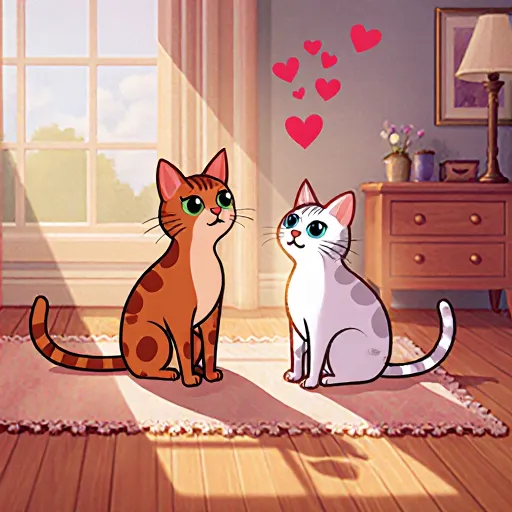
Decoding Your Cat's Affection!
Who Does Your Cat Really Love?
Table of Contents
- How Cats Initially Interact With Family Members
- The Role of Scent in Choosing a Favorite Person
- Behavioral Patterns That Indicate Preference
- The Influence of Early Experiences on Cat Behavior
- How Cats Show Affection and Affinity
- Understanding the 'Special' Person Through Playtime
- The Impact of Feeding Patterns on Cat Attachments
- Environmental Factors That Affect Cat Preferences
- How Cats Respond to Different Personalities
- The Role of Grooming in Building Relationships
- Cats and the 'Favorite' Person's Behavior
- Common Misconceptions About Cat Preferences
- Factors That May Cause Changes in Preference Over Time
- How to Identify Your Cat's Favorite Person
- FAQ: Questions About How Cats Choose Their Favorite Person
- Conclusion
How Cats Initially Interact With Family Members
Cats, much like humans, have a unique way of forming bonds and initially interacting with family members. While each cat is an individual, there are common behaviors and patterns that can be observed during the initial stages of interaction. These interactions often set the foundation for the bond between cats and their human companions.
Exploring and Familiarization
Cats are naturally curious creatures and tend to explore their surroundings before engaging fully with people or other animals. When first introduced into a household, they will spend time observing family members from a safe distance. They may watch as you move about the room or observe your routines without immediately approaching. This exploratory behavior is crucial for them to feel secure in their new environment.
Body Language and Initial Signals
The way cats communicate during these initial stages can provide insights into how they are feeling and what they might be seeking from family members. For instance:
- Cats in a relaxed posture: Cats that approach you with their tails high, ears forward, and body loose may indicate curiosity or friendliness.
- Tail position: A tail that is held upright or swishing can signal excitement. However, if the tail is low or tucked between the legs, it could be a sign of fear or anxiety.
Petting and Interaction
Once they feel comfortable enough, cats may start seeking physical contact through gentle head butts, nuzzling, or rubbing against your legs. These actions are often interpreted as a way for the cat to express affection and seek attention.
The Role of Routine
Establishing routines can help cats feel more secure in their new environment. Cats have natural circadian rhythms that they bring with them from wherever they were before joining your family. By providing consistent feeding times, play sessions, and petting moments, you can create a routine that helps the cat settle into its new home.
Comparison to "How Cats Choose Their Favorite Person"
The initial stages of interaction are foundational for how cats eventually choose their favorite person. During these early interactions, behaviors such as proximity seeking (being near you), following you around the house, and showing interest in your activities can indicate a developing bond. Over time, through consistent positive reinforcement and mutual trust-building, one or more family members may become the cat's preferred individual.
Practical Advice
- Be Patient: Allow the cat to set its own pace for interaction. Rushing can be stressful for both you and the cat.
- Use Treats Wisely: Positive reinforcement through treats or praise can encourage desired behaviors during this period of getting to know each other.
- Create a Safe Space: Provide a quiet, cozy area where your new family member feels safe and secure until it is ready for more interaction.
In conclusion, the initial stages of how cats interact with their family members are essential in laying the groundwork for a strong bond. By understanding these interactions and providing appropriate care and attention, you can help your cat feel at home and develop a meaningful relationship with its new family.
The Role of Scent in Choosing a Favorite Person
The role of scent in choosing a favorite person is a fascinating topic that extends beyond just humans. While it may seem like a simple act to choose someone as your favorite, the underlying mechanisms are complex and involve multiple sensory inputs, with olfactory (smell) cues playing a crucial role.
Cats, much like humans, use scent as one of their primary tools for selecting companions. Unlike visual or auditory preferences that might change frequently, a cat’s preference is often based on familiarity and comfort. Cats have an extraordinary sense of smell, which they use to identify familiar scents and distinguish them from unfamiliar ones.
- Familiarity: A cat will likely choose someone whose scent it recognizes over strangers. This is why cats may bond more closely with individuals who frequently interact with the home environment or those who have spent time petting, feeding, and playing with them.
- Comfort: Cats are naturally cautious creatures. They choose people who provide them with a sense of security and comfort. This often involves someone who is gentle and non-threatening to their sensitive nature.
- Consistency: Cats prefer consistency in their routine and environment. A person who maintains regular feeding times, play sessions, and affectionate interactions is more likely to be chosen as a favorite.
Example: If a family member consistently feeds the cat and spends quality time with it, the cat will likely view this person as its favorite. Over time, the familiar scent of that individual becomes associated with positive experiences.
Practical Advice: Be mindful of your approach when interacting with a cat. Avoid sudden movements or loud noises that might startle the animal. Instead, use a calm voice and steady movements to build trust over time.
Example: If you consistently feed your cat at the same time every day, it will associate that moment with positive experiences like food and attention, making you its favorite person by default.
Humans also rely heavily on scent when forming preferences. Unlike cats, however, humans have a more complex social structure that involves visual cues and verbal communication as well. Nonetheless, olfactory signals play an essential role in human relationships.
- Familiarity: Just like cats, familiarity is key in determining a favorite person for humans. The scent of someone we have spent significant time with becomes deeply ingrained in our memory and preferences.
- Chemical Signals: Humans also respond to pheromones and other chemical signals that can influence behavior and attraction. These signals are subtle and often not consciously perceived but can significantly impact our choices.
- Social Context: In human relationships, the social context also plays a crucial role. A person who is present in significant life events such as weddings, births, or graduations will likely be favored due to shared experiences and memories.
Example: Pheromones from close family members or long-term partners may trigger a sense of belonging, trust, and comfort, making them favorites for many people.
In conclusion, while the mechanisms may differ between cats and humans, both species use scent as a primary factor in forming preferences. Understanding this can help in building stronger bonds with those around us by creating consistent, positive interactions based on mutual trust and familiarity.
Behavioral Patterns That Indicate Preference
Cats, like humans, have individual preferences that are influenced by a variety of factors including personality, temperament, and past experiences. Understanding these behavioral patterns can help pet owners recognize which behaviors indicate their cat's preference for certain individuals or members of the household. Here’s an in-depth look at some common behavioral patterns that may suggest your cat has developed a favorite person.
Cats often groom themselves, but when they choose to allow someone else to groom them, this can be a strong indicator of preference. If your cat only allows one family member or individual to pet and brush them, it might suggest that person is their favorite. For example, if your cat lets you comb their fur more willingly than others in the household, this could mean you’re their preferred companion for grooming.
Cats show preference through seeking out physical contact with specific individuals. If your cat consistently seeks to be held or cuddled by one person more often than others, it’s likely that this individual is their favorite. You might notice them lying closer to you on the couch or nuzzling and rubbing against you more frequently.
Cats can indicate a preference by following someone around the house, especially when it’s an individual who is particularly attentive or engaging with them. If your cat follows you from room to room, it may be because they enjoy being close to you or want more of your attention.
Cats can show preference for certain individuals through their eating habits as well. For instance, if your cat only allows one person to feed them or give treats, this individual is likely their favorite. They may also be more eager to eat when that specific person feeds them.
Cats often choose the individual they play with most as their favorite. If your cat consistently plays with one particular family member, it’s a good sign that this person is special to them. This might include bringing toys for you or engaging in more playful behaviors when together.
Cats can also indicate preference through their sleeping habits. If your cat consistently chooses to sleep next to one individual, they may be developing a strong bond with them. This could include choosing to curl up on the person’s lap or sleep near them at night.
Understanding these behavioral patterns can help you identify which members of your household are most special to your cat and how best to nurture that relationship. By recognizing these preferences, you can ensure that each member of the family feels valued by their feline companion.
The Influence of Early Experiences on Cat Behavior
The early experiences a cat has can significantly influence its behavior, including how it chooses its favorite person. Just like human infants, cats develop their preferences and behaviors based on the interactions they have during their formative weeks with their mother, littermates, and primary caretakers. These early experiences shape the cat's socialization, trust, and attachment patterns.
Cats that are properly socialized during the critical socialization period (around 2-7 weeks of age) tend to be more outgoing, friendly, and comfortable around people. On the other hand, cats that do not receive adequate socialization may become fearful or aggressive towards unfamiliar individuals. This early socialization plays a crucial role in determining how cats interact with humans later in life.
The primary caretaker during the kitten's first few weeks has a significant impact on the cat's behavior and preferences. Cats that are handled frequently by their owners early on tend to be more affectionate and responsive to them as adults. For example, if a kitten is regularly picked up and held by its owner, it may develop a strong bond with that person and choose them as its favorite.
Cats form attachment patterns based on the individuals who provide their basic needs—food, shelter, and affection. The cat's chosen favorite person is often the one who provides these essential elements consistently. For instance, if a cat learns that its owner always feeds it or offers love and attention, it may choose that person as its preferred companion.
Besides socialization, other factors such as temperament, breed, and individual personality play roles in how cats choose their favorite person. Certain breeds, like Siamese or Burmese, are known for being more vocal and interactive with humans, which can influence a cat's preference. However, even within the same litter, individual differences in behavior can lead to different attachment styles.
- Early and Consistent Handling: Handle your kitten regularly from an early age to foster a bond and promote trust. This includes petting, holding, and playing with the cat.
- Provide Attention Equitably: Ensure that all family members spend time interacting with the cat so it doesn't become overly attached to just one person.
- Create a Safe Environment: Make sure your home is safe and welcoming for your cat, which will encourage it to feel secure enough to choose you as its favorite.
In summary, the early experiences a cat has are crucial in shaping its behavior, including how it chooses its favorite person. By understanding and fostering these early interactions, owners can help their cats develop positive relationships that last a lifetime.
How Cats Show Affection and Affinity
Cats are often misunderstood, seen as aloof and independent creatures. However, they can show a lot of affection and affinity towards their owners. Understanding how cats choose their favorite person can give you insights into the subtle ways in which your cat expresses love.
1. Physical Affection
Cats may not be as overtly affectionate as dogs, but they have unique ways of showing physical comfort and closeness. One common sign is when a cat curls up next to you or kneads your legs with its paws. This behavior, often called "bunting," is similar to how kittens nuzzle their mothers; it's a way for them to mark you as familiar and safe.
Another sign of affection is when your cat licks you. While this might seem like an unwelcome or strange action at first, it’s actually a bonding gesture that mimics the grooming behavior cats use on each other in their social groups.
2. Vocalization
Cats can show affection through meowing and purring. A cat's voice can change when it feels close to you—meows become softer, more frequent, and sometimes higher-pitched as a sign of love or contentment. Similarly, purring is often associated with comfort and care, though some experts believe that purring can also help cats heal faster.
Pay attention to the context in which your cat vocalizes; it might be trying to communicate its affection for you or simply seeking attention or food.
3. Body Language
Cats use body language extensively to convey their feelings, including affection and trust. When a cat approaches you with its tail held high, it's showing that it feels safe and happy around you. Tail flicking can also be a sign of affection, but it often depends on the context; a slow, relaxed flick is usually positive, while a fast or rigid flick might indicate irritation.
Other signs include headbutting (bumping your face with its own), which is another form of marking and showing affection. Cats also use their body posture to show closeness—lying down beside you or nuzzling into your lap can be clear signs that they want to spend time with you.
4. Choosing a Favorite Person
Cats are selective about who they choose as their favorite person, and the process is influenced by various factors such as scent recognition, early socialization, and the amount of interaction received during the kittenhood stage. Typically, cats will form stronger bonds with one or two people in a household.
If your cat has chosen you as its favorite, it might show this through increased physical contact, more frequent meows or purring, and general signs of contentment around you. To reinforce these bonds, spend quality time playing, grooming, and feeding the cat. This not only strengthens the relationship but also helps in maintaining a healthy bond.
Practical Advice
- Consistent Interaction: Cats thrive on routine and consistency. Spend regular, quality time with your cat to build and maintain strong bonds.
- Cat-Safe Grooming: Grooming sessions can be a great way for you both to bond. Use a soft brush or comb that is safe for cats.
- Playtime: Engage in play activities like fetching games or using feather wands. This not only strengthens your relationship but also provides mental and physical stimulation.
In conclusion, understanding how cats show affection can deepen the bond between you and your feline companion. By paying attention to these subtle signals and providing a nurturing environment, you can enjoy a closer relationship with your cat.
Understanding the 'Special' Person Through Playtime
Cats are mysterious creatures, and while they may seem aloof to many, there is often one person who captures their affection completely. The bond between a cat and its favorite human is unique and often revolves around playtime. Understanding the 'special' person through playtime can provide valuable insights into your relationship with your feline companion.
Cats choose their favorite person based on a variety of factors, including familiarity, comfort, and the quality of interaction during playtime. By closely observing how your cat interacts during play sessions, you can gain deeper insight into which human they feel most connected to.
Play Preferences
- Type of Play: Cats often prefer certain types of games over others. Some might enjoy chasing toys that move in unpredictable ways like feathers or laser pointers, while others may be more interested in interactive play where they can physically interact with their human.
- Durability and Size of Toys: A cat's favorite person is also likely the one who provides them with well-maintained, appropriately sized toys. Cats are particular about the size and durability of their toys; a larger or heavier toy might not be suitable for your smaller cat, whereas a softer texture may irritate their sensitive paws.
- Frequency of Play: Consistency is key in building a strong bond with your cat during playtime. Cats are creatures of habit and will likely form a preference for the person who plays with them regularly. Irregular or infrequent play sessions might not foster the same level of attachment as those that occur more frequently.
Interacting During Play
The way you interact during play can greatly influence your cat's affinity towards you. Here are some tips to ensure you're providing an enriching and enjoyable playtime experience:
- Engage in Eye Contact: Cats often enjoy playing when their human companion has a playful, energetic demeanor. Maintaining eye contact during play can make the game more engaging for your cat.
- Use Positive Reinforcement: Praise and treats can enhance the positive experience of playtime. Cats respond well to verbal affirmations or small rewards after successful interactions during play sessions.
- Respond to Your Cat's Cues: Be attuned to your cat’s signals, such as tail movements or body posture, which indicate their level of interest in continuing the game. Adjusting the pace and intensity of the game based on these cues can keep them engaged for longer periods.
The key to understanding your cat's favorite person lies in consistently providing an environment where they feel secure, loved, and stimulated. By focusing on playtime and tailoring it to the preferences of your specific feline companion, you can deepen the bond between you two.
Practical Advice
- Create a Routine: Establishing a regular schedule for playtime can help reinforce positive behavior. Consistency helps in creating predictability and trust within your relationship with your cat.
- Vary the Play Activities: Keeping your play sessions fresh by introducing new toys or trying different games can prevent boredom and keep your cat engaged and excited.
- Be Patient: Not all cats are equally playful, so it's important to be patient and let your cat set the pace. Some cats may need more encouragement than others during playtime.
In conclusion, understanding how your cat chooses its favorite person through playtime involves closely observing their behavior, preferences, and responses during these sessions. By paying attention to these details and adapting your approach accordingly, you can strengthen the bond between you and your feline companion, making playtime an even more enjoyable experience for both of you.
The Impact of Feeding Patterns on Cat Attachments
The relationship between feeding patterns and cat attachments is a topic that has garnered significant attention among pet owners, veterinarians, and animal behaviorists. Feeding habits can significantly influence how cats form bonds with their human companions, impacting the development of trust and affection. Understanding these dynamics not only enhances the bond but also improves overall pet care.
Understanding Cat Attachments
Cats are social animals that can develop attachments to humans. These attachments vary in strength based on several factors, including the quality of interaction between the cat and its human caregiver and the environment they share. Cats typically exhibit three types of attachment: secure, insecure avoidant, and insecure resistant. Securely attached cats are more likely to seek out their caregivers for comfort and attention during times of stress or distress.
The Role of Feeding Patterns
Feeding patterns play a crucial role in the development of these attachments. Cats that receive consistent, positive reinforcement through feeding interactions tend to form stronger bonds with their owners. Regular feeding times provide a sense of routine and security for cats, which is essential for their psychological well-being.
Consistency Counts
A schedule that is consistent and predictable can help establish trust between the cat and its owner. For instance, if a cat knows exactly when it will be fed, it learns to anticipate these times and associate them with positive experiences. This predictability also helps in reducing anxiety and stress for the cat.
Interactive Feeding Sessions
Incorporating play or interaction during feeding can further strengthen the bond between a cat and its owner. For example, using puzzle feeders that require the cat to solve a problem to obtain food can enhance mental stimulation and provide an opportunity for bonding. This type of feeding not only makes mealtime more engaging but also encourages cats to look forward to these sessions.
Individual Preferences
Cats have individual preferences when it comes to their favorite person or people within the household. Factors such as feeding habits can influence which human a cat chooses. Cats who are fed exclusively by one individual may develop a stronger attachment to that person than they would to others in the home. This is because consistent and positive interactions during feeding times foster a deeper emotional connection.
Observing Cat Behavior
To understand how your cat forms attachments, observe its behavior around mealtime. Cats that approach their owner eagerly when it's time to eat or stay close after being fed are likely forming stronger bonds based on these interactions. Additionally, cats that seek out their preferred person during feeding times may be signaling a preference for those interactions.
Practical Advice
To foster strong attachments through feeding patterns:
- Create Routines: Establish regular mealtimes and stick to them as much as possible. Consistency helps in building trust.
- Incorporate Play: Use toys or interactive feeders to make mealtime more engaging for your cat.
- Observe Preferences: Notice which human the cat seems most comfortable with during feeding and ensure those interactions are positive.
- Vary Locations: Try different locations within the home for feeding sessions. This can help reduce stress and make mealtime more enjoyable for your cat.
By understanding how feeding patterns impact cat attachments, you can create a more enriching environment that promotes trust and affection between you and your feline companion. Remember, every cat is unique, so it's essential to observe their behaviors and adjust accordingly to ensure they feel secure and loved.
Environmental Factors That Affect Cat Preferences
The environmental factors that influence a cat's preference for one person over another are multifaceted, involving not only the individual personality traits of both the cat and the human but also the dynamics of their interactions within various settings. Understanding these elements can provide deeper insights into why certain cats bond more closely with specific individuals.
1. Personal Space and Comfort Zones
Cats are naturally territorial creatures, and they often choose people who respect their personal space and understand the importance of maintaining a comfortable environment for them. For instance, if a cat feels too crowded or stressed in certain situations (like during noisy gatherings), it may gravitate towards individuals who can provide calm and quiet spaces.
Example: In a family setting where one member is always surrounded by loud noise and constant movement while another maintains a serene atmosphere, the cat might prefer the latter. This behavior is rooted in the cat’s need for security and peace, which are crucial factors influencing their choice of favorite person.
2. Interaction Patterns
The way people interact with cats plays a significant role in shaping their preferences. Cats can sense when someone is gentle and patient or rushed and distracted. Consistent and positive interactions foster stronger bonds, while inconsistent ones can lead to uncertainty and avoidance.
Practical Advice: Spend quality time engaging in activities that the cat enjoys, such as playing with toys or grooming. Avoid sudden movements or loud noises unless you want to startle them, which might make the experience less enjoyable for both parties involved.
3. Routine and Daily Activities
Cats thrive on routine; they feel secure when their daily activities follow a predictable pattern. If one person consistently provides food or treats at specific times, the cat may develop a preference for that individual because it associates them with comfort and safety.
Example: In households where feeding schedules are rigidly followed by certain members, cats might develop strong preferences for those individuals due to the reliability of mealtime interactions. Conversely, erratic routines could confuse or frustrate the cat, leading to less favorable behavior towards the person responsible for such inconsistency.
4. Sensory Experiences
A cat’s senses—sight, smell, and hearing—are highly tuned. Certain scents, sounds, or visual cues can either attract or repel a cat depending on past experiences or instinctive behaviors. A person who uses similar products (like cleaning supplies) that the cat associates with pleasant memories may find themselves favored.
Example: If a cat was once given treats while being petted by someone wearing a specific fragrance, they might associate that scent with positive reinforcement and seek out that individual more frequently. Similarly, familiar voices or certain tones can also influence a cat’s preferences based on past rewarding experiences.
5. Emotional Bonding
Beyond physical interactions, emotional connections play a vital role in determining a cat's favorite person. Cats are capable of forming deep bonds with those who show them affection and care consistently over time. These relationships often develop gradually as the cat learns to trust and rely on a particular individual.
Practical Advice: Be patient and consistent in your interactions with the cat. Show affection through gentle petting, speaking softly, and offering treats when they are calm and receptive. Building these emotional bridges takes time but can lead to stronger preferences for certain individuals within the household.
Conclusion
In conclusion, while some cats may show a preference for one person simply because of familiarity or proximity, others develop deeper connections based on mutual understanding and positive reinforcement. By recognizing how environmental factors influence these choices, pet owners can better nurture their relationships with their feline companions and enhance the overall harmony within the household.
How Cats Respond to Different Personalities
Cats are often perceived as independent and aloof, but they can be quite responsive to different human personalities. While it's true that cats have their own preferences (as seen in "How Cats Choose Their Favorite Person"), understanding how cats respond to various traits can help you develop a deeper bond with your feline companion.
Cats react differently to the energy, mood, and behavior of their human companions. Here are some common personality types that can influence how cats interact:
- Quiet and Calm Individuals: Cats often gravitate toward quieter people who move slowly and speak softly. This is because they prefer a calm environment where there’s less stress. If you're someone who speaks in low tones and moves gently, your cat might be more comfortable with you.
- Playful and Active Individuals: Cats love to play, but they tend to be more selective about who they choose to play with. Playful people often have a higher likelihood of success when it comes to engaging their feline companion in games or interactive activities.
- Social and Talkative Individuals: While many people think cats are indifferent to human conversation, they do respond to tone and enthusiasm. Cats can be more inclined to interact with someone who talks in an animated manner or uses a higher pitch voice.
- Solitary and Reserved Individuals: Some people prefer solitude, which can be ideal for cats who also enjoy some alone time. Cats that are not overly social or who have had negative experiences with other humans might prefer quieter, more reserved individuals.
Example: Sarah, who has a very quiet and introspective personality, noticed that her cat always seeks her out after a long day at work when she's calm and relaxed. The contrast between the hustle and bustle of the office and the serene atmosphere in her home is likely why her cat prefers her.
Example: John enjoys being very active and loves to play fetch. His cat, Whiskers, always runs up to him for playtime as soon as he starts moving around the house. The energy exchange between them creates a fun environment that both of them enjoy.
Example: Lisa frequently talks to her cat, Muffin, about everything from the weather to daily events. She has noticed that Muffin is much more responsive during these conversations compared to when she's silent. The engagement and interaction seem to make a positive impact on their relationship.
Example: Tom is very solitary and spends most of his time reading in a quiet corner of the house. His cat, Luna, often chooses to nap beside him when he's engrossed in a book. This peaceful coexistence seems to suit both their personalities perfectly.
To better understand how your cat responds to different personalities, consider the following practical advice:
- Observe Your Cat’s Behavior: Pay attention to when and with whom your cat spends time. This can give you valuable insights into what kind of interaction they enjoy.
- Experiment with Different Energies: Try engaging with your cat in different ways—quietly, playfully, or conversationally—and observe their responses. You might discover which style works best for both of you.
- Create a Balanced Environment: While it's important to understand how your cat responds to certain types of behavior, creating an environment that balances solitude and social interaction can help ensure your cat is happy and content.
In conclusion, while cats may have their own preferences (as seen in "How Cats Choose Their Favorite Person"), understanding how different personalities affect their behavior can enrich the relationship between you and your feline companion. By being aware of these factors, you can create a more harmonious and enjoyable living situation for both you and your cat.
The Role of Grooming in Building Relationships
Grooming is a crucial aspect of feline behavior, often serving as a bond-building activity between cats and their owners. This behavior is not only about physical cleanliness but also plays a significant role in strengthening the emotional connection between a cat and its preferred human companion. Cats are known for their selective nature when it comes to choosing a favorite person; they tend to be more affectionate and spend more time grooming a particular individual, which can be interpreted as a sign of trust and close relationship.
Cats groom themselves using their tongue, which has backward-facing barbs. However, they also groom each other through social interactions, especially in multi-cat households. When it comes to humans, this grooming behavior can be observed as the cat licks its owner's hands or face. This action is not just about cleaning; it releases endorphins that contribute to a sense of well-being and relaxation for both the cat and the human.
When a cat grooms its owner, it’s akin to marking them as part of its territory. This behavior is seen as a sign of affection and trust. By grooming their favorite person, cats are expressing that this individual is important to them. It’s like they're saying, "You belong here with me." Grooming can also reduce stress by creating a calming environment for both the cat and the owner.
Cats are highly perceptive and can sense when their owners are attentive and nurturing. They tend to bond more closely with people who provide them with attention, care, and playtime. The favorite person is often the one who spends time grooming or petting the cat regularly. This consistent interaction reinforces the bond between the two.
To strengthen your relationship with your cat through grooming, consider implementing a routine that includes regular brushing and combing sessions. These activities can help you both relax while also providing the cat with essential care. Additionally, using treats or toys during these times can make grooming an enjoyable experience for your furry friend.
- Daily Brushing: Dedicate a few minutes each day to brushing your cat's fur. This not only helps prevent mats but also allows you to bond with your cat.
- Petting Sessions: Spend time petting and stroking your cat, focusing on areas where they enjoy being touched. This can include the neck, head, or back.
- Playtime: Engage in interactive play using toys that mimic prey. This not only provides mental stimulation but also strengthens the bond between you and your cat.
- Be Consistent: Regular grooming sessions can help maintain a strong relationship with your cat. Consistency in care and attention is key to building trust.
- Observe Your Cat: Pay close attention to how your cat interacts with you and other family members. This will give you insights into which person the cat prefers and why.
- Create a Comfortable Environment: Ensure that your home is a safe, comfortable place for your cat. A secure environment can help reduce stress and anxiety, making grooming sessions more enjoyable for both of you.
In conclusion, grooming plays an essential role in building strong relationships with cats. By understanding the significance of this behavior and implementing routines that incorporate it, you can foster a deeper connection with your feline companion. Remember, every cat is unique, so take time to observe and adapt to their individual preferences.
Cats and the 'Favorite' Person's Behavior
Understanding how cats choose their favorite person can be both fascinating and enlightening for any cat owner. While every cat is unique, there are patterns and behaviors that often indicate a strong bond between the cat and its owner. These behaviors are not just about affection but also about trust, security, and the development of a routine.
- Follow Your Owner Everywhere: Cats that feel secure and have a favorite person are more likely to follow them around. This behavior suggests that they feel safe with their owner and trust them as the primary caregiver.
- Seeking Attention in Specific Ways: Some cats may meow or rub against your legs more than others, indicating a preference for you. These behaviors are often seen as a way to communicate affection and need.
- Sharing Bedtime: Cats that sleep with their favorite person typically do so because they feel safe and secure in the familiar environment of their owner's bed or bedroom.
- Comforting Behavior During Stress: If your cat approaches you during stressful situations like thunderstorms or loud noises, it may be seeking comfort from its favorite person. This behavior is a sign of trust and a close bond between you and the cat.
- Create Routine: Cats thrive on routine, so establishing consistent feeding times and play sessions can help strengthen your bond. Consistency helps in creating a sense of security.
- Quality Time: Spend quality time with your cat by playing with them or engaging in simple activities like petting or talking to them. Cats value this one-on-one time.
- Observe and Understand: Pay attention to your cat's behavior and preferences. This will help you understand what they need and how to best meet their needs.
Cats often choose the person who is most attentive, provides the most care, and spends the most time with them. This can include the person who feeds them regularly, plays with them, or simply sits quietly next to their favorite cat.
- Example 1: Sarah often takes her cat for long walks in the park. Her cat loves this activity and always greets her at the door when it's time to go outside. This strong association with outdoor activities has made Sarah the cat's favorite person.
- Example 2: John works from home, so he spends more time at home than his wife or children. His cat, Whiskers, often sits on his lap while he works and only comes to his wife when it’s mealtime. This behavior indicates that Whiskers views John as the primary caretaker.
In conclusion, understanding how cats choose their favorite person can enhance your relationship with your pet. By observing and responding to these behaviors, you can strengthen the bond between you and your cat, creating a more fulfilling and enjoyable experience for both of you.
Common Misconceptions About Cat Preferences
Many people believe that cats choose their favorite person based on factors like affection or playfulness, but this is just one aspect of cat behavior. Understanding how cats make these choices can help you bond better with your feline friend. Here are some common misconceptions about cat preferences:
While affection is a strong factor in many cases, cats also choose based on practical needs such as warmth and comfort. A cat might spend more time with you if your presence offers them these essential elements.
Example:
Cats often gravitate towards people who they feel safe with or who provide a secure environment for them to sleep and rest. For instance, if you consistently keep the temperature in your home warm during cold days, your cat might spend more time near you.
Contrary to popular belief, cats do have preferences. However, these preferences are not always obvious or easily understood by humans. Cats use various cues such as body language and vocalizations to express their likes and dislikes.
Example:
Cats might show a preference for certain family members by rubbing against them more frequently or following them around the house. This behavior can indicate that they feel more comfortable with these individuals.
While play is an essential part of a cat's life, it is not always the main factor in choosing a favorite person. Cats might engage in play with anyone who provides them with stimulating toys or activities, but their overall affection and preference are more complex.
Example:
Cats often seek out people who they know will throw a ball for them or engage in interactive play. However, this does not necessarily mean that the cat's favorite person is the one with whom it plays the most. The bond formed through these interactions can be significant but should not overshadow other factors.
While cats are not as trainable as dogs, they can develop strong bonds with specific individuals. Through consistent and positive reinforcement techniques, you can encourage your cat to spend more time with you.
Practical Advice:
Provide your cat with a comfortable resting place near where you spend most of your time.
Engage in activities that both you and the cat enjoy together, such as reading or watching TV.
Offer treats and praise when your cat shows signs of seeking you out for affection or playtime.
Avoid the misconception that cats choose based solely on how much attention they receive. While attention can be a positive reinforcement, it is not the sole determining factor.
Example:
Cats might initially respond to increased petting and stroking but eventually seek out less frequent interactions if they feel their needs are being met in other ways.
In conclusion, understanding how cats choose their favorite person involves recognizing that this choice is influenced by a combination of environmental factors, comfort levels, and the quality of interaction. By addressing these misconceptions, you can foster a deeper bond with your feline companion and provide them with the best possible care and attention.
Factors That May Cause Changes in Preference Over Time
Cats, much like humans, can form strong bonds with certain individuals. However, their preferences can and do change over time due to various factors. Understanding these changes is crucial for maintaining a harmonious relationship between you and your feline companion.
1. Changes in Routine
Cats are creatures of habit. Any significant changes in daily routines, such as shift work or travel, can affect their behavior and preferences. For example, if you typically feed your cat at 6 PM but suddenly change it to 8 AM, the cat may show less affection towards you during feeding times until they adjust.
2. Environmental Changes
Environmental changes such as moving into a new home or adding other pets can cause stress and affect your cat's behavior. Your cat might initially prefer one person over another, but if the environment changes significantly, this preference may shift. For instance, if you bring a new dog into the house, your cat may spend more time with the person who feeds both of them.
3. Health Issues
If one person in the household is sick or takes on less active roles due to health issues, the cat might start spending more time with another family member. Cats are highly attuned to human emotions and can sense when someone is unwell. Over time, this can lead to a change in their affectionate behavior towards that individual.
4. Age-Related Factors
Cats go through different stages of life, each with its own set of needs. As they age, their preferences may shift as well. Older cats may become more attached to one person who is consistently there for them during those later years.
5. Emotional Bonding
The emotional bond between you and your cat can evolve over time. Cats are capable of forming deep connections with their owners, but these bonds can change based on the quality of interaction. Positive reinforcement such as playtime or grooming sessions can strengthen this bond, while neglect or inconsistent behavior from a particular person might weaken it.
Practical Advice
- Consistency: Try to maintain consistent routines and interactions with your cat. This helps in building strong and stable relationships.
- Show Affection Regularly: Cats need love and attention too! Show affection daily, not just when you want something from them.
- Understand Changes: Be patient if there are changes in your cat's behavior. Understanding that these shifts are part of their natural life cycle can help manage expectations.
How to Identify Your Cat's Favorite Person
Understanding how cats choose their favorite person can be a fascinating journey. Unlike dogs that often bond with everyone, cats have selective and sometimes complex preferences when it comes to who they consider "theirs." Identifying your cat's favorite person involves observing behaviors and recognizing patterns in interactions.
The first step in identifying your cat's favorite person is closely observing their behavior. Cats communicate in various ways, from purring to body language, all of which can give clues about who they feel the closest to.
- Purring: Purring is often seen as an expression of contentment and trust between a cat and its owner. If your cat spends more time purring in one person's presence, that person is likely their favorite.
- Nuzzling and Head Butting: Cats use nuzzling and head butting to show affection. If you notice your cat doing this more frequently with a particular person, it could be the sign that they consider that person special.
- Sleeping Together: Some cats like to sleep next to their favorite people. Pay attention to where your cat prefers to rest its head at night or during naps.
- Following You Around: Cats that follow you from room to room, especially if it's a particular person they are following, may be showing a preference for that individual.
Cats use body language as another form of communication. Certain postures and behaviors can indicate which person your cat feels most comfortable with.
- Tail Position: When a cat's tail is held high and bushy, it often signals contentment and trust. If you see this behavior more frequently when interacting with one person, they are likely the favorite person.
- Ears: Cats that have their ears forward towards a particular person are showing interest and engagement in that interaction.
- Pawing: Pawing at you is often a sign of affection. If your cat does this more with one person, they may be expressing their preference for them.
Cats are creatures of habit, and routines can help in understanding who they favor the most. Consistent interactions with your cat over time will allow you to better understand which person they associate positively with.
- Dinner Time: Cats often form strong bonds with their owners during feeding times. If you notice that your cat is more eager or attentive during mealtime with a particular person, this could be the favorite person.
- Treats and Playtime: Similar to dinner time, treats and playtime are also great opportunities to observe your cat's behavior. The person who provides these can become the favorite.
The environment in which you interact with your cat plays a crucial role in shaping their preferences. Cats are sensitive to changes and new people, so it’s important to consider how often they encounter different individuals.
Consistency: Cats need consistency in their daily routines. If one person consistently spends quality time with your cat, that person is more likely to become the favorite.
New Companions: When new people enter the household, it might take some time for your cat to adjust and form a bond. Be patient and observe how long it takes for your cat to show signs of preference towards these newcomers.
To identify your cat's favorite person, try the following tips:
- Quality Time: Spend dedicated time with each member of your family. Cats can form strong bonds during this quality interaction.
- Ongoing Observation: Continuously observe your cat’s behavior and interactions over a period of time to gather reliable data.
- Positive Reinforcement: Use treats and praise as positive reinforcement when you notice your cat showing signs of affection towards a particular person. This can strengthen the bond further.
In conclusion, identifying your cat's favorite person involves careful observation and understanding of their behavior. By following these tips and paying attention to specific behaviors such as purring, nuzzling, sleeping together, or following you around, you can better understand which member of your family holds a special place in your cat’s heart.
FAQ: Questions About How Cats Choose Their Favorite Person
Cats are known for their independent nature, yet many pet owners observe that their feline companions have a preferred human. This preference can form based on various factors such as the amount of time spent together, the owner's level of engagement during playtime or feeding, and even the voice tone used when interacting with the cat.
For example, if one family member always plays with the cat using a feather toy or spends quality time grooming it, the cat might bond more closely to that person. This behavior is not strictly about love but rather a form of trust and familiarity. Over time, as the cat learns to associate certain activities or interactions with positive experiences, it may develop a preference for one particular individual.
Practical advice: To encourage your cat's bonding with you, try incorporating play sessions, feeding times, or simple petting into your daily routine. Consistency in these behaviors can help strengthen the bond and make you the preferred person for your feline friend.
While there is no conclusive scientific evidence that proves cats prefer owners of a certain gender, it's common to observe behavioral differences between male and female cats in terms of how they interact with humans. Males might be more outgoing and eager for attention, while females could be more reserved or selective about who they seek out.
However, it is important to note that this generalization can vary widely among individual cats. Some male cats may prefer a quiet interaction, while some female cats are very social. The key factor in determining a cat's favorite person lies more in the dynamics of each specific relationship rather than any inherent preference based on gender.
Practical advice: If you're concerned about your cat's behavior or want to ensure that all members of your household have a good relationship with your pet, try to include everyone in playtime and grooming sessions. This way, every family member can foster a strong bond with the cat.
The age or maturity level of an individual may play a role in how a cat decides whom they want to bond with. Younger children, for instance, might be more unpredictable and less consistent in their interactions due to their developmental stage. Cats are sensitive to changes in behavior and emotions, so they could perceive younger children as less reliable.
On the other hand, adults who maintain a calm demeanor and provide stable routines may be perceived by cats as more trustworthy partners for bonding. However, it's not just about age; it also depends on how consistently that person interacts with the cat over time.
Practical advice: If you have younger children or are dealing with an older cat, consider engaging in activities that help build trust and consistency. Consistent routines and gentle interactions can go a long way toward making your cat feel secure and comfortable around you.
The environment in which a cat lives can significantly impact its behavior and preferences. For instance, if one family member spends more time at home, the cat might naturally gravitate towards that person because they are present more frequently. Additionally, if someone is quieter or less active, the cat may feel more comfortable around them.
Another factor to consider is the presence of other pets in the household. Cats can be territorial and sometimes prefer a particular person who doesn't have another pet's attention or who has a different relationship with their fellow animals.
Practical advice: Create an environment where everyone in the household can spend quality time with your cat. Encourage open communication about each member’s schedule to ensure that all family members get the opportunity to bond with your feline companion.
Conclusion
Understanding how cats choose their favorite person is not just a fun topic for pet owners; it also offers valuable insights into feline behavior. Cats, unlike dogs, are more independent and often make their choices based on trust and comfort rather than obedience or attachment. This innate behavior can sometimes lead to misunderstandings between cat lovers who expect their pets to display affection like some other animals might.
Behavioral Factors Influencing Cat Preferences
Cats are highly sensitive to environmental cues, and their preferences for certain individuals often stem from the way they feel safest and most comfortable. Cats tend to bond with people who consistently provide them with care, attention, and a secure environment. For example, if one person in the household always feeds the cat or spends extra time petting it, the cat might gravitate towards that individual over others.
Examples of Favoritism
- Different Interactions: A favorite person may receive more grooming from the cat. Cats often purr and lick their preferred humans in a way similar to how they would with another family member.
- Precise Attention Seeking: The cat might choose specific moments when it wants attention, such as sitting on or near that particular person's lap. This can be a clear sign of preference.
Practical Advice for Enhancing Your Cat’s Affection
To increase your chances of becoming your cat's favorite, it is important to be consistent in providing care and attention. Here are some practical tips:
- Regular Petting Sessions: Dedicate time daily for petting, scratching behind the ears, or playing with your cat.
- Cat-Friendly Environment: Ensure that your home is a safe and stimulating environment. Cats love to explore, so provide them with toys and climbing structures.
- Quality Interaction: Engage in activities that both you and the cat enjoy, such as feeding sessions or playtime. This helps build stronger bonds.
Remember, every cat is unique, and their preferences can change over time due to various factors like health, mood, or even new pets in the household. By understanding your cat's behavior and providing a nurturing environment, you can significantly improve your relationship with your feline friend.
Categories
- AI & Enrichment Play
- Broiler Farming
- Broiler Farming Tips
- Canine Wellness & Longevity
- Cat
- Cat & Human Connection
- Cat Adoption & Rescue
- Cat Breeds
- Cat Breeds & Personalities
- Cat Care & Health
- Cat Grooming & Hygiene
- Cat Lifestyle & Environment
- Cat Myths & History
- Cat Nutrition & Diet
- Cat Products & Reviews
- Cat Training & Behavior
- Comparison
- Consumer Awareness
- Dog
- Dog Accessories & Products
- Dog Adoption & Rescue
- Dog Breed & Lifestyle Trends
- Dog Breeding & Puppies
- Dog Entertainment & Media
- Dog Fashion & Trends
- Dog Fun & Lifestyle
- Dog Grooming & Hygiene
- Dog History & Culture
- Dog Myths, Science & Future Tech
- Dog News & Trends
- Dog Nutrition & Food
- Dog Psychology & Emotions
- Dog Safety & Security
- Dog Sports & Activities
- Dog Technology & Innovation
- Dog Training for Modern Owners
- Dog Travel & Adventure
- Dog Travel, Adventure & Culture
- Economic and Market Insights
- Educational Content
- FAQs
- Feeding Alternatives
- Festivals & Seasonal Ideas
- Fun & Entertainment
- General Knowledge
- General Pig Farming
- Health & Disease Management
- Housing and Environment
- Kittens
- Market Insights
- Miscellaneous
- Miscellaneous
- Motivational
- pig
- Pig Breeding
- Pig Breeds
- Pig Farming Stories and Inspiration
- Pig Health and Care
- Pig Nutrition
- Pig Products
- Profitability & Business
- Puppy Care
- Puppy Predictable Topics Reinvented
- Regional Focus
- Rescue & Adoption Buzz
- Senior Cats
- Senior Dog Care
- Smart Dog Tech & Gadgets
- Sustainability
- Sustainable & Eco-Friendly Dog Products
- Tech & Innovations
- Working & Service Dogs
- Broiler Feed66 products
- Country Feed33 products
- Pig Feed66 products
- Product22 products
- Raw Materials99 products
Products
-
 Fish Meal
₹1,999.00 – ₹2,999.00Price range: ₹1,999.00 through ₹2,999.00Rated 0 out of 5
Fish Meal
₹1,999.00 – ₹2,999.00Price range: ₹1,999.00 through ₹2,999.00Rated 0 out of 5 -
 FATTENING BROILER FEED
₹2,299.00 – ₹2,349.00Price range: ₹2,299.00 through ₹2,349.00Rated 0 out of 5
FATTENING BROILER FEED
₹2,299.00 – ₹2,349.00Price range: ₹2,299.00 through ₹2,349.00Rated 0 out of 5 -
 LAYER COUNTRY FEED
₹1,549.00 – ₹1,649.00Price range: ₹1,549.00 through ₹1,649.00Rated 0 out of 5
LAYER COUNTRY FEED
₹1,549.00 – ₹1,649.00Price range: ₹1,549.00 through ₹1,649.00Rated 0 out of 5 -
 COUNTER BROILER FEED
₹1,199.00 – ₹1,299.00Price range: ₹1,199.00 through ₹1,299.00Rated 0 out of 5
COUNTER BROILER FEED
₹1,199.00 – ₹1,299.00Price range: ₹1,199.00 through ₹1,299.00Rated 0 out of 5 -
 LACTATING PIG FEED
Rated 0 out of 5
LACTATING PIG FEED
Rated 0 out of 5₹2,299.00Original price was: ₹2,299.00.₹1,740.00Current price is: ₹1,740.00. -
 Maize
Rated 0 out of 5
Maize
Rated 0 out of 5₹1,650.00Original price was: ₹1,650.00.₹1,300.00Current price is: ₹1,300.00. -
 GESTATION PIG FEED (Phase 1)
Rated 0 out of 5
GESTATION PIG FEED (Phase 1)
Rated 0 out of 5₹2,249.00Original price was: ₹2,249.00.₹1,699.00Current price is: ₹1,699.00. -
 Pre Starter Broiler Feed
₹2,399.00 – ₹2,499.00Price range: ₹2,399.00 through ₹2,499.00Rated 0 out of 5
Pre Starter Broiler Feed
₹2,399.00 – ₹2,499.00Price range: ₹2,399.00 through ₹2,499.00Rated 0 out of 5 -
 FINISHER PIG FEED
Rated 0 out of 5
FINISHER PIG FEED
Rated 0 out of 5₹2,299.00Original price was: ₹2,299.00.₹1,749.00Current price is: ₹1,749.00. -
 Broiler Premix
Rated 0 out of 5
Broiler Premix
Rated 0 out of 5₹820.00Original price was: ₹820.00.₹699.00Current price is: ₹699.00.
Recently Viewed Products
-
 Soya Doc (Soyabean Meal)
₹2,449.00 – ₹2,699.00Price range: ₹2,449.00 through ₹2,699.00
Soya Doc (Soyabean Meal)
₹2,449.00 – ₹2,699.00Price range: ₹2,449.00 through ₹2,699.00
-
 Natural Extracted Rice Bran Oil
₹6,500.00
Natural Extracted Rice Bran Oil
₹6,500.00