
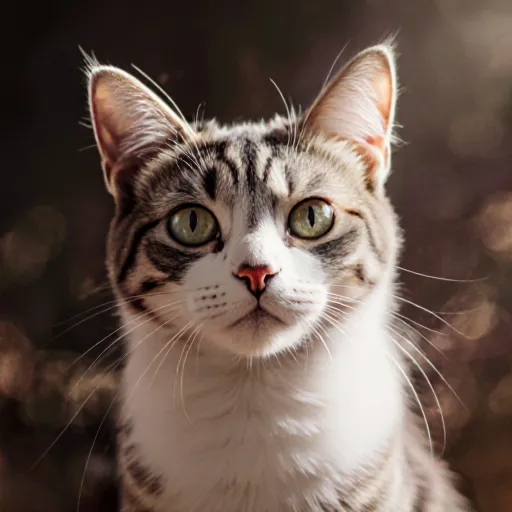
Discover the secrets behind your cat's mysterious mind!
Unlock the Mind of Your Cat Today!
Table of Contents
- Do Cats Recognize Their Owners?
- The Role of Familiarity
- Scent as a Clue
- Visual Cues and Recognition
- Behavioral Indicators of Recognition
- The Importance of Regular Interaction
- Training and Conditioning for Stronger Bonds
- Communication Between Owners and Cats
- Understanding Cat Body Language
- Environmental Factors in Recognition
- The Role of Voice in Recognition
- Conclusion: How Cats Recognize Their Owners
- FAQs About Cat Recognition
- Additional Tips for Strengthening the Owner-Cat Bond
- Closing Thoughts and Final Reflections
Do Cats Recognize Their Owners?
Cats are often thought of as independent and mysterious creatures, but many people wonder if their feline friends recognize them. The answer isn't straightforward due to the differences in how cats' brains process information compared to humans. However, research has provided some insights that can help us understand this better.
Cats are known for their keen senses of smell and hearing, which play a significant role in how they perceive the world around them. They rely heavily on these senses to recognize people, especially those who care for them regularly. Studies have shown that cats can distinguish between familiar and unfamiliar voices and scents. For example, when introduced to new people, cats may react differently based on previous interactions.
Cats are capable of recognizing the sounds of their owner's voice, though it might not be as immediate or profound as a dog’s recognition. Scientists have conducted experiments where they played recordings of familiar and unfamiliar voices for cats. Cats tended to respond more positively when hearing a familiar voice, indicating a level of vocal recognition.
Cats also recognize their owners through visual cues. They are adept at recognizing the silhouette or general appearance of people they regularly interact with. This is why it's common to see your cat greet you after being away for a while, even if you’ve changed clothes.
Cats exhibit various behaviors that indicate recognition:
- Purring: Often seen as a sign of contentment and affection, purring can also be associated with recognizing someone familiar.
- Mewing or Meowing: Cats may meow more when they recognize the voice of their owner.
- Following You Around: Cats that follow you around might do so because they recognize and associate you with positive experiences, such as feeding time or playtime.
To help your cat further recognize you, try to maintain consistency in your routine. For instance:
- Consistent Greeting: Always greet your cat the same way each time.
- Familiar Scents and Voices: Regularly let your cat smell and hear you.
- Predictable Feeding Time: Cats love to know when they will eat, so maintaining a predictable schedule can reinforce recognition.
In summary, while cats do recognize their owners through various sensory inputs and behaviors, the process is more nuanced compared to that of dogs. By understanding how your cat perceives you and providing consistent interaction, you can strengthen this bond.
The Role of Familiarity
The role of familiarity in a cat's recognition of its owner is multifaceted, involving not just sight or sound but also scent and behavior. Cats are highly adept at recognizing their owners through a combination of these senses, which play significant roles in fostering an understanding between the pet and its caregiver.
Cats rely on visual cues to identify familiar faces. While they do not have as good color vision as humans, they can distinguish shapes, movement, and patterns that are associated with their owners. Over time, cats learn to recognize the unique characteristics of your face, such as the shape of your head or the way you move. For example, a cat might start associating the sight of its owner coming through the door with feeding time or playtime.
Cats have an acute sense of smell and rely heavily on scent to recognize people. They can pick up unique scents from their owners that remain in the home even after you are not present. This is why cats often greet owners with a particular intensity upon return, recognizing them by smell before visual confirmation. Owners who wear specific perfumes or colognes that their cats associate with them will likely receive an enthusiastic greeting.
Beyond sight and scent, the behavior of a cat's owner can also help it recognize familiar patterns. Cats are creatures of habit, and they come to expect certain behaviors from their owners that signal playtime or feeding time. For instance, if you always sit in the same chair for meal times or regularly engage in interactive play sessions with your cat using a toy mouse, the cat will learn these behavioral cues as a way to associate you with positive experiences.
- Create Familiarity: Introduce new scents slowly by wearing the same perfume or using the same hand lotion for several days before introducing your cat. This helps build a scent association over time.
- Predictable Routines: Establish and maintain a consistent routine, especially around feeding times and play sessions, to help cats understand when you will be available.
- Positive Reinforcement: Use treats or petting as positive reinforcement during interactions with your cat. This not only strengthens the bond but also helps in building familiarity through association.
In conclusion, while cats do recognize their owners, it is through a complex interplay of visual, scent, and behavioral cues that they achieve this recognition. By understanding the role of familiarity, pet owners can enhance their relationship with their feline companions and create an environment where both the owner and cat feel secure and understood.
Scent as a Clue
Do cats recognize their owners? This is a question that often comes up among pet owners. While it's true that cats are less demonstrative than dogs, they do form strong bonds with their human companions and rely heavily on scent to identify people.
Cats use a combination of visual cues and olfactory signals to recognize their owners. Scent plays an integral role in how cats perceive the world around them, including familiar faces. When you come home after being away for some time, your cat might not jump into your arms as excitedly as it would with its owner, but it will likely sniff your shoes, clothing, or even the air near you.
According to a study published in the journal "Applied Animal Behaviour Science," cats are capable of recognizing their owners based on scent. The research suggests that while visual cues like sight and sound help maintain familiarity, olfactory recognition is crucial for deepening the bond between cat and owner. This means that even if your cat doesn't greet you with as much enthusiasm as a dog might, it still recognizes you through its sense of smell.
Practical Advice
- Change Your Scent Regularly: Cats can pick up on subtle changes in your scent. If you've been away for a while or have been near unfamiliar places, try to wear clothes that carry your familiar smell when you return home.
- Use Your Scent to Bond: Spend quality time with your cat, petting and playing with it. Over time, this will reinforce positive associations in its mind, making it more likely to respond to you based on both scent and behavior.
If your cat isn't overly excited at first, it may be because its sense of smell is picking up on something different about you. Giving it time can help as the olfactory signals align again.
Examples
Have you ever noticed how your cat behaves differently when certain family members or friends are around? Cats often greet familiar people with a series of headbutts, rubs against legs, and purrs. These actions are all part of the bonding process between cats and their owners.
"Cats have an impressive memory for scents and can recognize their owners based on these olfactory cues." - Dr. John Bradshaw, Anthrozoology Institute
Dr. Bradshaw's research supports the idea that while cats may not bark or wag their tails to greet their owners as dogs do, they are highly attuned to scent and use it to identify and connect with people they know.
Conclusion
In conclusion, while cats don't show their affection in the same way that dogs might, they do recognize their owners through a combination of visual cues and olfactory signals. Understanding this can help pet owners strengthen the bond they share with their feline companions by providing familiar scents and spending quality time together.
Visual Cues and Recognition
Understanding how cats recognize their owners is crucial for pet owners who want to build a strong bond with their feline companions. While cats are often perceived as less expressive or affectionate compared to dogs, they do have unique ways of recognizing and interacting with their humans.
Cats rely heavily on visual cues to identify familiar faces and places. Their eyesight is particularly adapted for hunting and survival in low-light conditions, which means that their vision can be sharper than many might think. Here are some ways cats use visual cues:
- Facial Recognition: Despite popular belief, studies have shown that cats can recognize the faces of familiar humans. A study by the University of Tokyo demonstrated that cats' brains process facial features in a manner similar to how humans do. This means that a cat’s response (such as rubbing against you or following your eyes) could be an indication that they've recognized you.
- Color and Shape: Cats are also sensitive to colors like red, green, and blue. They might not react to certain shades in the same way dogs do, but they can still distinguish between different objects based on color and shape. This is particularly useful when training or calling your cat from a distance.
- Movements: Cats are highly attuned to movement, which is why they often respond more strongly to sudden movements than static ones. This makes them excellent hunters but also means that subtle changes in body posture can be significant cues for them.
Cats use a combination of visual, olfactory (smell), and auditory signals to recognize their owners:
- Olfactory Recognition: Cats have an excellent sense of smell. While they are less reliant on it compared to dogs, they can still identify familiar scents. This is why introducing new people into your home should be done gradually; allowing the cat time to adjust and recognize them.
- Auditory Recognition: Cats respond well to voices and certain sounds. They may approach you when called by name or a specific sound, even if they don’t always make eye contact as dogs do.
To help your cat recognize and bond with you more strongly:
- Consistent Interaction: Spend time each day engaging with your cat through play or grooming. Cats thrive on routine, so consistency in your interactions can reinforce the familiarity between you.
- Use Visual Cues Effectively: Try to incorporate visual cues into feeding times or training sessions. For example, show them a specific toy or treat container and associate it with you.
- Create Familiar Environments: Keep your home familiar by using the same scents (like catnip) and sounds (such as a particular clicker). This helps cats feel secure and recognize their surroundings more easily.
By understanding how cats use visual cues to recognize their owners, you can enhance your relationship with your feline friend. Remember that every cat is unique, so it may take time to find the best way to connect with yours.
Behavioral Indicators of Recognition
Cats are often considered to be more independent compared to dogs, but the question of whether they recognize their owners has sparked a lot of interest among pet owners and animal behaviorists. Understanding the behavioral indicators that suggest cats recognize their owners can help foster stronger bonds between pets and humans.
1. Head Butting
Cats use head butting as a sign of affection and to display recognition. When your cat bumps its head against you, it is often interpreted as a friendly gesture that shows familiarity with you. This behavior can be seen as the feline equivalent of giving someone a hug.
2. Purring
Purring in cats is typically associated with contentment and relaxation, but when a cat starts purring specifically around its owner, it might indicate that the cat recognizes you. However, purring can also occur for other reasons like seeking affection or feeling unwell.
3. Following You Around
Cats that follow their owners around the house are often seen as a sign of attachment and trust. When a cat consistently seeks out your presence, it could be an indication that it recognizes you and feels secure with you nearby. This behavior can also suggest that the cat values the time spent in your company.
4. Meowing
Cats use meowing as a form of communication. If your cat starts to meow more frequently when it sees or hears you, especially if it has developed a specific sound for you, this might be an indication that the cat recognizes and responds to your presence.
5. Tail Signals
The way a cat holds its tail can provide clues about how it feels towards you. A relaxed or slightly arched tail could indicate friendliness and recognition. On the other hand, an upright tail that is not accompanied by any aggressive signals may also suggest that your cat recognizes you.
6. Grooming Behavior
Cats often groom themselves to keep clean, but they can also groom their owners as a sign of affection and trust. If your cat begins grooming you or other family members, it might be an indication that the cat feels close enough to you to show this behavior.
Practical Advice for Encouraging Recognition
- Create Routine Interactions: Establishing a daily routine where you spend time with your cat can help strengthen your bond. This could include feeding times, play sessions, or just petting and talking to it.
- Use Positive Reinforcement: Reward positive behaviors such as head butting or purring when they occur near you. Treats or extra affection can encourage these behaviors over time.
- Engage in Play: Playing with your cat, especially using toys that mimic prey movements, can increase the bond and make it more likely for your cat to recognize and respond to you during playtime.
Understanding these behavioral indicators can help owners better interpret their pets' actions and strengthen the relationship between humans and cats. By paying attention to these signs of recognition, pet owners can create a more positive and rewarding experience with their feline companions.
The Importance of Regular Interaction
The importance of regular interaction between cats and their owners cannot be overstated. Understanding whether or not cats recognize their owners is a fascinating subject that delves into the complex relationship between humans and felines. While cats are often considered more aloof than dogs, they still form deep bonds with their human companions.
Cats have been living alongside humans for thousands of years, and during this time, they've developed a remarkable ability to recognize familiar voices and scents. Studies in animal cognition have shown that cats can indeed differentiate between people they know and strangers. They are particularly sensitive to the sound of their owner's voice, often responding more quickly to it.
Behavioral Indicators
Cats exhibit various behaviors when they recognize their owners:
- Head butting: Cats will gently nudge you with their heads. This behavior is a sign of affection and familiarity.
- Purring: Purring can indicate contentment, especially if your cat has recognized you.
- Louder meows or increased vocalization: Cats may vocalize more when they see someone they recognize, indicating excitement or recognition.
Importance of Regular Interaction
Regular interaction with your cat is crucial for several reasons:
- Bonding and Affection: Spending time together strengthens the bond between you. Cats may not always show their affection as overtly as dogs, but they do appreciate it.
- Health Maintenance: Regular interactions help monitor your cat's behavior for any signs of illness or discomfort.
- Cognitive Stimulation: Engaging in activities like playing and grooming keeps your cat mentally sharp. Cats that are regularly stimulated tend to be happier and healthier.
Practical Advice for Regular Interaction
To ensure you're providing the best care and companionship, consider these tips:
- Create a Routine: Establish regular times for play, feeding, and grooming. Cats thrive on routine and predictability.
- Vary Activities: Rotate different types of toys to keep your cat's interest high and prevent boredom. Interactive toys like laser pointers or puzzle feeders are great options.
- Positive Reinforcement: Reward good behavior with treats, praise, or simply a kind word. Positive reinforcement helps reinforce the positive interaction between you and your cat.
Cats' Perception of Familiarity
Cats are incredibly perceptive when it comes to recognizing people they know well. Their sense of smell is particularly acute, allowing them to identify familiar scents even if they haven't seen the person in a while. However, visual recognition isn't their strong suit compared to dogs. This doesn't mean cats don't recognize owners; rather, it emphasizes how cats' methods of interaction and recognition differ from those of dogs.
Understanding that your cat recognizes you and appreciates your company is essential for providing the best care possible. Regular interactions not only enhance the bond between you and your feline friend but also contribute to their overall well-being. By recognizing the importance of this relationship, you can ensure a happy and healthy life for your pet.
Training and Conditioning for Stronger Bonds
Training and conditioning are essential elements that can significantly enhance the relationship between you and your cat. While cats may not always show their affection as overtly as dogs, they do recognize and form bonds with their owners in unique ways. Understanding how to train and condition your cat can help strengthen these bonds and make your interactions more fulfilling.
Cats are highly intelligent animals with complex behaviors that can be influenced by training and conditioning. By understanding what motivates your cat, you can create a positive environment for both of you to thrive in. Cats respond well to reinforcement-based training methods, which involve rewarding good behavior rather than punishing bad behavior.
Positive Reinforcement
Positive reinforcement is the cornerstone of effective cat training. This method involves rewarding your cat when they exhibit desired behaviors. Treats, verbal praise, and pets are all excellent forms of positive reinforcement that can encourage good behavior. For example, if you want to encourage your cat to use a scratching post instead of your furniture, reward them with treats or affection every time they use the post.
Consistency is Key
To effectively train and condition your cat, consistency is crucial. Cats thrive in predictable environments, so it's important to maintain a routine and be consistent with commands and rewards. Over time, this will help your cat associate certain behaviors with positive outcomes, making training more effective.
Cats are naturally suspicious of strangers and new environments. Building trust takes time but is essential for strong bonds between you and your pet. Training can play a significant role in this process. Simple obedience commands like "sit" or "come" not only teach your cat to follow basic instructions but also help build mutual respect and understanding.
Interactive Play
Play is another excellent way to bond with your cat while simultaneously working on their training and conditioning. Toys that encourage natural behaviors, such as hunting or pouncing, can keep your cat mentally stimulated and physically active. Engaging in play sessions also helps you understand your cat's likes and dislikes, making it easier to tailor your training methods accordingly.
Every cat is unique, so it's important to train them according to their individual needs. Here are some common behaviors you might want to work on:
- Come when called: This can be a life-saving skill for cats who tend to roam. Use treats and positive reinforcement to teach your cat that coming to you is rewarding.
- Use the litter box consistently: Training your cat to use their litter box properly can prevent accidents indoors. Reward them immediately after they use the litter box correctly.
- Play nicely with other pets: If you have multiple cats or plan to introduce a new pet, training your cats to get along well is crucial. Encourage positive interactions through supervised play sessions and rewarding good behavior.
Cats may not always vocalize their affection as openly as dogs do, but they can recognize and form strong bonds with their owners. By incorporating training and conditioning into your daily routine, you can strengthen these bonds, making both of you happier and healthier pets.
Communication Between Owners and Cats
While the question, "Do cats recognize their owners?" is fascinating, it's important to explore how communication between owners and cats extends beyond mere recognition. Understanding this dynamic can significantly enhance your relationship with your feline companion.
The Nature of Cat Communication
Cats communicate in a variety of ways that go beyond just vocalizations or visual signals. They use body language, scent marking, and even their presence to convey messages to their owners. Cats are highly attuned to human behavior and can pick up on subtle cues such as tone of voice, posture, and mood.
Body Language
Cats express a wide range of emotions through body language. For instance:
- Tail Position: A straight-up tail indicates confidence or playfulness, while a curled tail can signal relaxation or contentment.
- Ears: Ears that are forward suggest interest or attentiveness, whereas flattened ears might indicate fear or frustration.
- Hissing and Growling: These sounds are clear signals of discomfort or aggression.
Vocalizations
Cats use meows to communicate with their owners. The type of meow can vary depending on the context:
- Short, high-pitched meows: This is often used when asking for attention or food.
- Long, drawn-out meows: Used to express a sense of urgency or demand.
- Purring: While purring can indicate contentment, it can also be a sign of stress or illness. If your cat starts purring more than usual, consider seeking veterinary advice.
Scent Marking and Territory
Cats are territorial creatures, and they use scent marking to communicate their presence:
- Scratching: Cats scratch to leave both visual marks (scratches on furniture) and scent marks. This is a way for them to mark territory.
- Peeing in Specific Places: Cats sometimes pee outside of the litter box as a form of territorial marking or stress response.
Enhancing Communication
To strengthen communication with your cat, consider these practical tips:
- Playtime: Engage in play to bond and understand what your cat enjoys. This can help you interpret their behavior better.
- Learnt Language: Over time, you'll learn to recognize the specific sounds your cat makes for different needs or moods.
- Consistent Routine: Cats thrive on routine. By understanding and adapting to their daily rhythms, you can better meet their needs.
Understanding Cats' Emotional States
Cats are complex creatures with a range of emotional states that owners should be aware of:
- Happiness and Playfulness: Cats often purr, rub against you, or chase toys when they're in a good mood.
- Anxiety and Stress: Signs include hiding, pacing, and over-grooming. In such cases, it's important to provide comfort and seek professional advice if needed.
In conclusion, while the bond between owners and cats may not involve complex verbal communication like humans do, there is a rich and intricate form of communication that can be deeply rewarding when understood. By observing and responding to your cat's signals, you can foster a strong and loving relationship.
Understanding Cat Body Language
Understanding cat body language is crucial for pet owners who want to ensure their cats are happy and healthy. While it's true that cats do recognize their owners, interpreting their body language can provide deeper insights into their emotional states and needs. Here’s how you can understand your cat better:
- Head Position: A cat's head position can tell a lot about its mood. When a cat lowers its head, it is often a sign of contentment or relaxation. However, if the head is held high and ears are flat against the skull, this may indicate anxiety or fear.
- Ears: The direction of your cat's ears can reveal much about how they're feeling. Ears that are pricked forward suggest curiosity or interest, while flattened ears might mean the cat is scared or stressed.
- Tail: A wagging tail in cats isn't always a sign of happiness like it is with dogs. It can indicate excitement but also aggression if the hair along the tail starts to puff up. A flicking tail could mean that your cat is annoyed, while a tail held high and stiff may signal threat or dominance.
- Mouth: A partially opened mouth with the lips pulled back slightly can show a relaxed cat, but if the mouth is fully open and teeth are bared, it's a sign of aggression. In contrast, a closed mouth with the lips gently pressed together might indicate a playful mood.
- Paws: When your cat is tense or stressed, they may walk on their toes rather than the whole footpad, which can be easily observed by the way their paws leave prints. Cats that are relaxed will land softly with their entire paw making contact.
Cats have a complex range of emotions and can feel love, joy, frustration, and even jealousy towards you or other pets. By understanding these nuances through body language, you can better respond to their needs:
- Comfortable and Happy: A content cat will often knead its paws against your leg as a sign of affection and trust.
- Anxious or Stressed: If your cat is pacing, hiding in dark areas, or avoiding social interactions, they might be experiencing anxiety. It’s important to identify the source of stress and provide comfort.
- Sick or Unwell: Changes in behavior such as lethargy, decreased appetite, and unusual posture can indicate health issues that require a vet's attention.
To foster a strong bond with your cat and ensure their well-being:
- Observe Regularly: Pay close attention to your cat's body language at different times of the day. This will help you recognize patterns in behavior that can alert you to any changes.
- Respond Appropriately: When your cat signals a need, whether it’s for food, playtime, or just cuddles, be responsive. This reinforces positive interactions and strengthens your bond.
- Create a Safe Environment: Ensure that your home is a safe place where your cat feels secure. By reducing stressors in the environment, you can help your cat maintain its mental health.
Cats are intelligent and expressive animals whose body language can be a key to understanding their emotional states and needs. By learning to recognize these signals, you not only improve your relationship with your pet but also ensure their overall well-being. Remember that cats may not always vocalize their emotions, so being observant is essential.
Environmental Factors in Recognition
Environmental factors play a crucial role in how cats recognize and interact with their owners. Understanding these factors can help pet owners better comprehend the behavior of their feline companions.
Cats are highly sensitive to their environment, and this sensitivity directly impacts their ability to recognize familiar faces or voices. Several environmental elements contribute to a cat's recognition process:
- Spatial Familiarity: Cats are territorial creatures that rely heavily on the environment they know. If a cat is accustomed to its owner’s scent, voice, and routines within a familiar space, it is more likely to recognize them. This familiarity is built over time as the cat learns to associate certain stimuli with specific people.
- Visual Cues: Cats have excellent vision but rely on other senses for recognition at times. While they can see their owners, visual cues alone might not be enough; environmental factors such as lighting and noise levels can affect how clearly a cat perceives its surroundings. For instance, if the lighting is dim or there are sudden loud noises, it may hinder a cat's ability to recognize its owner.
- Sound Cues: Cats can identify their owners through voice commands and the sound of footsteps. Environmental factors like background noise levels and echo can distort these sounds, making them harder for cats to recognize. For example, if a cat is accustomed to hearing its owner speak in a quiet room but then hears that same voice in an overly noisy environment, it might not be able to identify the speaker.
- Touch: Cats use touch as a form of recognition and communication. If a cat does not regularly interact with its owner through physical contact (such as petting or being picked up), it may have difficulty recognizing that person by touch alone. Regular tactile interactions are crucial for building and maintaining recognition.
- Scent: Cats rely heavily on scent to recognize familiar individuals. Environmental factors such as air quality, ventilation, and the presence of other scents can impact a cat's ability to smell its owner accurately. For instance, if there is an overwhelming stench from food or another strong odor in the house, it might mask the distinctive scent that cats use for recognition.
To enhance your cat’s ability to recognize you and improve overall bonding, consider implementing these tips:
- Create a Familiar Environment: Ensure your living space is consistent in terms of layout, routines, and scents. Cats thrive in predictable environments, which helps them feel secure and more likely to recognize familiar people.
- Use Positive Reinforcement: Reward your cat with treats or affection when it interacts with you, especially during times when its recognition abilities might be challenged by environmental factors (e.g., after a long absence).
- Train for Specific Commands: Teaching your cat specific commands can help improve its ability to recognize and respond to you. This training should be done in an environment where distractions are minimal.
- Maintain Regular Interaction: Consistent interactions, such as petting or playing, help reinforce recognition. Cats learn through repetition, so regular engagement is key.
- Consider Scent Diffusers: Using a cat-friendly diffuser to maintain a consistent scent in the home can help your cat recognize you more easily. However, ensure that any scents are safe for both cats and humans.
In summary, while cats have an impressive ability to recognize their owners, environmental factors significantly influence this process. By understanding and managing these factors, pet owners can enhance the bond between themselves and their feline companions. Regular interaction, consistency in routines, and creating a familiar environment are all crucial steps toward helping your cat recognize you effectively.
The Role of Voice in Recognition
The role of voice in recognition is a fascinating topic, especially when considering whether cats recognize their owners. While there are many theories and studies exploring the cognitive abilities of animals, particularly dogs, regarding human-voice recognition, it's essential to delve deeper into what science tells us about feline behavior.
Cats have a complex auditory system that allows them to respond to various sounds. However, voice recognition as we understand it for humans is more nuanced and involves emotional connections and long-term memory processing. While cats can be trained to associate certain sounds with specific actions or rewards, the extent of their ability to recognize human voices remains less clear.
Several studies have been conducted on how well animals, including cats, recognize human voices:
- Dogs and Humans: Research has shown that dogs can indeed recognize the voice of their owner. They exhibit behaviors like wagging tails or coming to greet when they hear familiar vocalizations.
- Cats: In contrast, cats do not show as strong a response to human voices compared to dogs. Studies suggest that while cats can be trained to respond to specific sounds (like the click of a treat), their ability to recognize and differentiate between voices is limited.
Despite not recognizing their owners' voices, cats do use vocalizations for communication. Meowing, purring, and other sounds serve different purposes:
- Purring: Often associated with contentment or healing, but can also signal distress.
- Meowing: Used to get attention or express needs (food, affection).
Cats have a high level of intelligence and are capable of learning through associative learning. However, their ability to form long-term emotional bonds with humans is more limited compared to dogs. This does not mean cats do not recognize any human voices; they can learn to associate specific sounds or actions with certain individuals.
While your cat may not recognize you by voice, there are ways to strengthen the bond:
- Consistent Interaction: Spend quality time each day engaging in play or feeding sessions. Consistency helps cats learn patterns and build trust.
- Vocal Reinforcement: Use your voice to reinforce positive behaviors during training sessions, such as saying "good kitty" when they sit obediently.
- Personal Touch: Cats can recognize familiar scents and physical touch. Spend time petting them regularly.
In conclusion, while cats do not have the same level of voice recognition abilities as dogs, they still form strong bonds with their owners through other means such as scent and touch. Understanding these nuances can help you create a more fulfilling relationship with your feline friend.
Conclusion: How Cats Recognize Their Owners
How Cats Recognize Their Owners
Cats are known for their mysterious and independent nature, often leading many to wonder: do cats recognize their owners? The answer is nuanced. While cats may not have the same level of emotional attachment as dogs, they are capable of recognizing familiar scents, sounds, and even faces.
Firstly, it's important to understand that cats rely heavily on smell for recognition. Their sense of smell is far more acute than humans', and they use this ability to identify family members, other pets, and even the furniture they inhabit. When a cat greets its owner, it may be more about recognizing the person's scent rather than their facial features or voice.
For example, when a cat rubs against you, it is often marking you with its scent by rubbing its face or body on you. This is a form of communication and recognition that strengthens the bond between you two. Over time, if you spend enough time around your cat, it will also associate your presence with positive experiences.
Another way cats recognize their owners is through sound. Cats are very attuned to the sounds in their environment and can learn to recognize the voice of their owner. However, this recognition may not be as immediate or consistent as that shown by dogs. A cat might respond to its name being called or to the sound of a familiar voice, but it may not always react with the same enthusiasm.
Visual recognition is also important, though cats are less reliant on sight compared to their other senses. Cats learn to associate certain movements and sounds with their owners over time. For instance, if you often play with your cat using a particular toy or engage in a specific activity that only occurs when the owner is around, your cat will start to recognize these as cues for interaction.
Practical advice for strengthening this recognition includes providing consistent routines and positive reinforcement. Spend regular time interacting with your cat, playing with them, feeding them, or simply petting them. Over time, your cat will come to associate these activities with you and form stronger bonds based on these associations.
In conclusion, while cats may not recognize their owners in the same way dogs do, they are indeed capable of recognizing familiar scents, sounds, and patterns of behavior. By understanding how cats recognize their owners, pet owners can better bond with their pets and create a more fulfilling relationship.
FAQs About Cat Recognition
Cats are often praised for their independence and mysterious nature, but do they actually recognize their owners? This is a question that many pet owners have been curious about. Below are some frequently asked questions and answers regarding cat recognition.
Do Cats Recognize Their Owners?
Yes, cats can indeed recognize their owners. While it might not be as obvious or immediate as the bond between a dog and its owner, cats have been found to remember and respond to familiar faces and voices. Studies have shown that cats are capable of recognizing their owners through visual cues, sounds, and even scent.
How Do Cats Recognize Their Owners?
- Vision: Cats use vision to recognize their owners. They can differentiate between familiar faces and strangers based on facial features. However, they are more adept at recognizing people when they are closer.
- Auditory Cues: Cats rely heavily on sound for recognition. They can identify their owner's voice from a distance or among many others. This is why calling your cat by name often works well to get their attention.
- Scent: While cats are less reliant on smell compared to dogs, they still use scent as one of the ways to recognize people and other familiar scents in their environment.
Can Cats Recognize Faces?
Cats can indeed recognize faces. Research has shown that cats are capable of recognizing their owner's face even when it is partially covered or altered slightly. This demonstrates a level of cognitive ability to identify familiar features.
Do Cats Recognize All Humans Equally?
No, cats do not recognize all humans equally. They tend to show more recognition and affection towards people they are familiar with. However, cats can also be selective in their interactions, preferring those who feed them or spend time with them.
How Do I Know If My Cat Recognizes Me?
- If your cat approaches you when called, jumps up to greet you, or meows specifically for you, it is a clear sign that they recognize you as their owner.
- Cats may also show affectionate behavior such as headbutting, rubbing against you, and purring more when you are present.
Practical Advice for Strengthening the Bond
To help your cat recognize and bond with you better:
- Consistent Routine: Establish a routine where you interact with your cat on a regular basis. This helps in building trust and familiarity.
- Use Their Name: Call your cat by name during feeding times or when playing to reinforce the association between their name and you.
- Playtime: Engage in play sessions with toys that can mimic the behavior of birds or mice, which are natural stimuli for cats. This not only strengthens the bond but also helps them recognize your presence during these activities.
Conclusion
In summary, while cats may not be as demonstrative as dogs when it comes to showing affection, they do indeed recognize their owners through various means such as vision, sound, and scent. By understanding how your cat recognizes you and providing consistent interaction, you can strengthen the bond between you and your feline companion.
Additional Tips for Strengthening the Owner-Cat Bond
The question, "Do cats recognize their owners?" often sparks curiosity and discussion among cat lovers. While it's clear that cats form bonds with their humans, scientific research suggests that while they don't see us exactly as dogs do, they still develop a strong attachment to familiar figures in the household.
Understanding Cat Behavior
Cats are known for their independence and often appear aloof. However, this doesn’t mean they lack affection or recognition of their owners. Cats communicate through body language, scent marking, and vocalizations. By paying attention to these cues, you can deepen the bond between you and your feline companion.
Consistent Interaction
One of the most effective ways to strengthen the owner-cat bond is through consistent interaction. Spend quality time with your cat daily, whether it’s playing, grooming, or simply sitting together. Regular petting sessions can help create a sense of security and trust.
Playtime for Bonding
Cats love to play, and this provides an excellent opportunity to bond with them. Interactive toys that mimic prey, such as laser pointers or feather wands, can engage your cat’s natural hunting instincts while also providing mental stimulation. Choose activities that suit both of you—some cats may prefer a more silent playtime where they simply follow the owner around.
Creating Familiar Scents
Cats are highly sensitive to scent and can recognize their owners by smell. Incorporating your scent into their environment can help strengthen this bond. Use items like blankets, towels, or even your hands to rub against them. This will make you more familiar to the cat through olfactory cues.
Consistent Feeding Routines
Cats thrive on routine, and feeding times are a great opportunity to interact with them. By consistently offering meals at specific times each day, your cat can come to associate these moments with positive experiences like playtime or attention from you.
Understanding Your Cat's Body Language
To truly understand your cat’s feelings towards you and strengthen the bond, it’s important to interpret their body language correctly. Signs that a cat is happy and comfortable around you include grooming behavior (grooming both themselves and you), purring, and rubbing against your leg or body.
Respect Their Space
While it's natural to want to spend as much time with your cat as possible, it’s equally important to respect their need for space. Allow them to come to you when they are ready. Overwhelming a cat can lead to stress and anxiety, which may result in retreating from you rather than approaching.
Positive Reinforcement
Cats respond well to positive reinforcement. Reward your cat with treats or affection whenever they engage in desired behaviors such as coming when called or using the litter box correctly. This can encourage them to repeat these actions and reinforce the bond between you two.
Conclusion
In summary, while cats may not vocalize their love for their owners like dogs do, there are many ways to strengthen the owner-cat bond through consistent interaction, playtime, familiar scents, feeding routines, understanding body language, and respecting their space. By paying attention to these aspects, you can create a deep and lasting relationship with your feline companion.
Closing Thoughts and Final Reflections
Exploring the question "Do cats recognize their owners?" is not merely about understanding feline behavior but delving into the deeper aspects of animal cognition and the unique bond between humans and pets. This inquiry touches on several critical points that are essential for any WordPress blog aiming to engage readers with depth and detail.
Cats, like many other animals, possess a remarkable ability to recognize familiar scents, sounds, and even visual cues associated with their owners. While cats may not exhibit the same level of social interaction as dogs, they are still capable of recognizing and forming attachments to specific individuals. This recognition is often rooted in mutual behavior patterns that develop over time.
Research indicates that cats can recognize their owner's voice, a fact supported by numerous pet owners who report instances where their feline companions respond more attentively when called by name or familiar commands. However, the extent of this recognition varies from cat to cat and often depends on the level of interaction they have had with their owners.
It is important to note that while cats can recognize their owners, it does not necessarily mean they understand complex emotions or concepts. Cats are generally more focused on survival instincts and immediate needs, which means they may not exhibit the same level of loyalty or affection as dogs in certain contexts. Nonetheless, this does not diminish the bond between a cat and its owner.
Practical advice for pet owners who wish to strengthen their relationship with their cats includes consistent interaction, feeding routines, and playtime. These activities help reinforce recognition and create stronger bonds. Additionally, understanding that cats are more independent than dogs can lead to healthier relationships where the cat feels respected in its own space.
In conclusion, while cats do recognize their owners, this recognition is primarily based on learned behaviors and associations rather than complex emotional attachment. Recognizing this distinction can help pet owners appreciate the unique nature of feline companionship. By fostering an environment that meets both the cat's needs for independence and interaction, pet owners can cultivate a bond that enriches both lives.
Categories
- AI & Enrichment Play
- Broiler Farming
- Broiler Farming Tips
- Canine Wellness & Longevity
- Cat
- Cat & Human Connection
- Cat Adoption & Rescue
- Cat Breeds
- Cat Breeds & Personalities
- Cat Care & Health
- Cat Grooming & Hygiene
- Cat Lifestyle & Environment
- Cat Myths & History
- Cat Nutrition & Diet
- Cat Products & Reviews
- Cat Training & Behavior
- Comparison
- Consumer Awareness
- Dog
- Dog Accessories & Products
- Dog Adoption & Rescue
- Dog Breed & Lifestyle Trends
- Dog Breeding & Puppies
- Dog Entertainment & Media
- Dog Fashion & Trends
- Dog Fun & Lifestyle
- Dog Grooming & Hygiene
- Dog History & Culture
- Dog Myths, Science & Future Tech
- Dog News & Trends
- Dog Nutrition & Food
- Dog Psychology & Emotions
- Dog Safety & Security
- Dog Sports & Activities
- Dog Technology & Innovation
- Dog Training for Modern Owners
- Dog Travel & Adventure
- Dog Travel, Adventure & Culture
- Economic and Market Insights
- Educational Content
- FAQs
- Feeding Alternatives
- Festivals & Seasonal Ideas
- Fun & Entertainment
- General Knowledge
- General Pig Farming
- Health & Disease Management
- Housing and Environment
- Kittens
- Market Insights
- Miscellaneous
- Miscellaneous
- Motivational
- pig
- Pig Breeding
- Pig Breeds
- Pig Farming Stories and Inspiration
- Pig Health and Care
- Pig Nutrition
- Pig Products
- Profitability & Business
- Puppy Care
- Puppy Predictable Topics Reinvented
- Regional Focus
- Rescue & Adoption Buzz
- Senior Cats
- Senior Dog Care
- Smart Dog Tech & Gadgets
- Sustainability
- Sustainable & Eco-Friendly Dog Products
- Tech & Innovations
- Working & Service Dogs
- Broiler Feed66 products
- Country Feed33 products
- Pig Feed66 products
- Product22 products
- Raw Materials99 products
Products
-
 Fish Meal
₹1,999.00 – ₹2,999.00Price range: ₹1,999.00 through ₹2,999.00Rated 0 out of 5
Fish Meal
₹1,999.00 – ₹2,999.00Price range: ₹1,999.00 through ₹2,999.00Rated 0 out of 5 -
 FATTENING BROILER FEED
₹2,299.00 – ₹2,349.00Price range: ₹2,299.00 through ₹2,349.00Rated 0 out of 5
FATTENING BROILER FEED
₹2,299.00 – ₹2,349.00Price range: ₹2,299.00 through ₹2,349.00Rated 0 out of 5 -
 LAYER COUNTRY FEED
₹1,549.00 – ₹1,649.00Price range: ₹1,549.00 through ₹1,649.00Rated 0 out of 5
LAYER COUNTRY FEED
₹1,549.00 – ₹1,649.00Price range: ₹1,549.00 through ₹1,649.00Rated 0 out of 5 -
 COUNTER BROILER FEED
₹1,199.00 – ₹1,299.00Price range: ₹1,199.00 through ₹1,299.00Rated 0 out of 5
COUNTER BROILER FEED
₹1,199.00 – ₹1,299.00Price range: ₹1,199.00 through ₹1,299.00Rated 0 out of 5 -
 LACTATING PIG FEED
Rated 0 out of 5
LACTATING PIG FEED
Rated 0 out of 5₹2,299.00Original price was: ₹2,299.00.₹1,740.00Current price is: ₹1,740.00. -
 Maize
Rated 0 out of 5
Maize
Rated 0 out of 5₹1,650.00Original price was: ₹1,650.00.₹1,300.00Current price is: ₹1,300.00. -
 GESTATION PIG FEED (Phase 1)
Rated 0 out of 5
GESTATION PIG FEED (Phase 1)
Rated 0 out of 5₹2,249.00Original price was: ₹2,249.00.₹1,699.00Current price is: ₹1,699.00. -
 Pre Starter Broiler Feed
₹2,399.00 – ₹2,499.00Price range: ₹2,399.00 through ₹2,499.00Rated 0 out of 5
Pre Starter Broiler Feed
₹2,399.00 – ₹2,499.00Price range: ₹2,399.00 through ₹2,499.00Rated 0 out of 5 -
 FINISHER PIG FEED
Rated 0 out of 5
FINISHER PIG FEED
Rated 0 out of 5₹2,299.00Original price was: ₹2,299.00.₹1,749.00Current price is: ₹1,749.00. -
 Broiler Premix
Rated 0 out of 5
Broiler Premix
Rated 0 out of 5₹820.00Original price was: ₹820.00.₹699.00Current price is: ₹699.00.
Recently Viewed Products
-
 Rice DDGS (Distillers Dried Grains with Solubles from Rice)
₹1,600.00Original price was: ₹1,600.00.₹1,449.00Current price is: ₹1,449.00.