
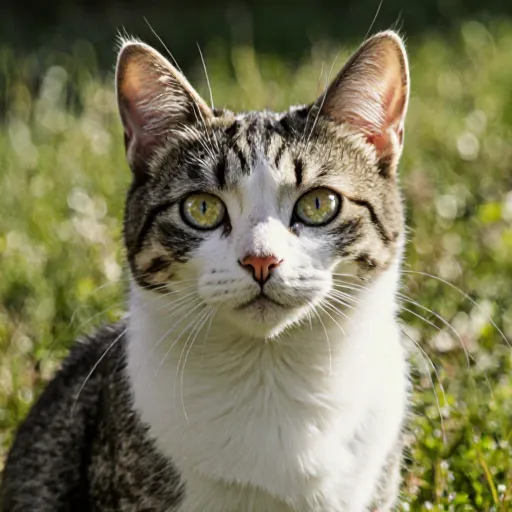
Protect your feline friend with these simple tips!
How to Keep Cats Safe Outdoors
Table of Contents
- Choosing Safe Outdoor Spaces for Your Cat
- Secure Identification and Microchipping
- Protective Clothing and Gear
- Supervising Your Cat's Outdoor Time
- Avoiding Traffic Hazards
- Predator Protection
- Poisonous Plants and Other Dangers
- Temperature Extremes and Weather
- Safe Socialization with Other Cats
- Maintaining Regular Vaccinations
- Nutritional Considerations for Outdoor Cats
- Creating a Cat-Friendly Neighborhood
- Handling Emergencies and First Aid
- Conclusion
- FAQ
Choosing Safe Outdoor Spaces for Your Cat
To keep your cat safe outdoors, it's crucial to choose the right environment and take preventive measures. While many pet owners dream of letting their cats roam freely, this can pose significant risks. Here are some guidelines and practical advice on how to keep your feline friend safe while allowing them outdoor time.
1. Secure Your Yard
Ensure that your yard is secure from unwanted visitors by installing a sturdy fence or ensuring that any existing one is in good condition. Cats are excellent jumpers and climbers, so make sure there are no easy escape routes for them.
Example:
- Fencing: Consider installing a secure six-foot fence with a buried portion to prevent digging underneath.
- Gates: Use latched gates or automatic closers to keep your cat inside the yard.
2. Supervised Outdoor Time
Supervised outdoor time is one of the safest ways for cats to experience the outdoors while minimizing risks. This approach allows you to monitor your cat's behavior and surroundings, ensuring they are not exposed to dangers.
Practical Advice:
- Short Periods: Start with short periods of supervised outdoor time and gradually increase the duration as your cat becomes more comfortable.
- Weather Conditions: Avoid letting your cat out during extreme weather conditions, such as high winds or heavy rain.
3. Use a Cat Tree
Cat trees provide both climbing and resting opportunities for your cat, which can help reduce the temptation to escape from your yard. They also serve as safe havens where your cat can relax and feel secure.
Example:
- Hanging Perches: Attach hanging perches or window boxes to trees for added vertical space and stimulation.
- Multipurpose Cat Tree: Choose a cat tree with multiple levels, scratching posts, and hiding spots to keep your cat entertained and content.
4. Avoid High Traffic Areas
Cats are naturally curious creatures, but they can be easily overwhelmed in high traffic areas. By avoiding these locations, you reduce the risk of accidents or encounters with aggressive animals.
Practical Advice:
- Avoid Busy Streets: Keep your cat away from busy streets and highways where they could be exposed to traffic hazards.
- Stay Away from Neighborhood Strays: Avoid areas with many stray cats, as these can pose health risks to your pet.
5. Use a Harness and Leash
For short periods of supervised outdoor time, consider using a harness and leash for additional security. This allows you to walk your cat in safe areas while still giving them the freedom they enjoy.
Example:
- Harnesses: Choose a comfortable, well-fitting harness designed specifically for cats.
- Leashes: Use a flexible cat leash to allow your cat some freedom of movement while keeping them close to you.
6. Consult with Your Veterinarian
Your veterinarian can provide valuable insights and recommendations based on your cat's specific needs and health conditions. They may also suggest vaccinations or other preventive measures to protect your cat from outdoor dangers.
Practical Advice:
- Vaccinations: Ensure that your cat is up-to-date with all necessary vaccinations, including those for rabies and feline leukemia.
- Health Checks: Regular health checks can help identify any potential issues before they become serious problems.
In conclusion, keeping your cat safe outdoors requires careful planning and consideration of various factors. By following these guidelines and tips, you can provide your feline friend with the freedom and security they deserve while minimizing risks. Remember that supervision and a secure environment are key to ensuring your cat's well-being.
Secure Identification and Microchipping
Ensuring that your cat is secure and safe when they go outdoors requires more than just a collar and tag. Proper identification and microchipping are crucial steps in keeping your feline companion protected, especially if they manage to escape from home or get lost while exploring the neighborhood.
Importance of Identification
The first line of defense for your outdoor cat is a proper form of identification. This can include:
- Collar and Tags: A simple collar with your contact information attached can be the first thing people see if your cat gets lost or caught by animal control.
- ID Microchip: Implanting a microchip is an effective way to ensure that your cat has a permanent form of identification. When scanned, this small device provides crucial information about you and your pet's medical history.
The Role of Microchipping
Microchipping is a safe, painless procedure where a tiny chip is inserted under the skin between your cat’s shoulder blades. This chip contains a unique ID number that can be scanned by veterinarians and shelters.
- Permanent Identification: Unlike a collar or tag, which can fall off or get removed, microchipping provides a permanent solution to identification.
- Medical Information: Many microchips also store important health information that can be invaluable if your cat needs urgent medical attention and you're not available to provide details.
Steps to Take for Your Outdoor Cat
- Contact Your Veterinarian: Schedule an appointment with a trusted vet who offers microchipping services. They will guide you through the process and ensure that your cat is comfortable during the procedure.
- Update Identification Information: Always keep your contact information up to date on any tags or ID systems used by your cat. This includes changing numbers if you move or get a new phone number.
- Regular Check-ups: Just like regular health check-ups, it's essential to have the microchip scanned periodically to ensure its functionality and location is correct.
Examples and Case Studies
Here are a couple of case studies that highlight the effectiveness of microchipping:
- Case Study 1: A neighborhood cat named Whiskers was found wandering near a construction site. Without any tags or collars, the shelter scanned her and found the microchip containing her owner's contact details. She was reunited with her family after just two days.
- Case Study 2: Another instance involves a stray cat who was brought to an animal rescue center without identification. After being scanned for a microchip, the shelter was able to identify her owner and return her home safely.
Practical Advice
To keep your outdoor cat safe:
- Microchip Early: Have your kitten microchipped as soon as possible after adoption or at the appropriate age recommended by your vet.
- Stay Informed: Keep yourself informed about local laws regarding identification and microchipping. Some areas require proof of a microchip for outdoor cats, and compliance can help avoid fines.
- Use Professional Services: Opt for professional services for microchipping to ensure the procedure is done correctly and safely for your cat.
In conclusion, secure identification and microchipping are essential steps in keeping cats safe when they go outdoors. By taking these precautions, you can provide peace of mind knowing that even if your pet gets lost, there’s a high chance of them being found and returned to you.
Protective Clothing and Gear
To ensure your feline friend enjoys the outdoors safely, investing in appropriate protective clothing and gear is crucial. Outdoor adventures can be filled with potential dangers like sharp objects, harsh weather conditions, and encounters with other animals that may not be friendly to your cat. Here’s how you can equip your cat for a safe outdoor experience.
Cat Harnesses
One of the most important pieces of gear is a secure, comfortable harness. Unlike leashes that attach directly to a collar and pose risks of choking or injury if caught on something, harnesses distribute pressure across your cat's torso, making them much safer for walks outside. When choosing a harness, look for ones with adjustable straps and soft padding at the neck and chest to ensure comfort.
Example: The PetSafe Freedom Harness is highly recommended as it is easy to put on and offers good fit adjustments. Always make sure that the harness fits snugly but not too tightly, allowing for a few inches of space between the harness and your cat's body when they are standing.
Cat Boots
If your area has sharp objects or hot pavements, protecting your cat’s paws with boots is essential. Cat boots can provide cushioning against rough terrain, reduce stress on their joints, and prevent injuries from cuts and scrapes. They also protect against extreme temperatures like ice and snow.
Example: The Feliway Paws are a great option for providing traction, warmth, and protection during cold weather or for cats who tend to step on hot surfaces. Ensure the boots fit well without being too tight and that your cat is comfortable wearing them before extended outdoor time.
Insect Repellent Clothing
Outdoor environments can be home to mosquitoes, ticks, fleas, and other pests that could pose health risks to your cat. Protective clothing treated with insect repellent can help keep these pests away, reducing the chance of disease transmission.
Example: Products like the Feliway Flea Collar or spot-on treatments such as Revolution for Cats are designed specifically for cats and provide lasting protection against parasites without being harmful to your pet. Always follow the manufacturer’s instructions carefully when applying these products outside of their normal use.
Identifications
No matter how well you protect them, there is always a risk that your cat may get lost or separated while outdoors. Ensuring they are properly identified can make it much easier to reunite if this happens. Tags attached to their harnesses with your phone number and address, along with a microchip implantation (which should be discussed with your vet), can significantly increase the chances of recovery.
Example: The AVID Microchip System is one of the most trusted brands for pet identification. Once implanted by a veterinarian, it provides a permanent solution that lasts the lifetime of your cat and can be easily read by scanners at shelters or vet clinics.
Final Tips
- Acclimatize Gradually: Don't rush into long outdoor sessions; start with short periods in a secure, controlled environment. This helps your cat get used to being outside and ensures they are physically prepared.
- Monitor Weather Conditions: Avoid taking your cat out during extreme weather conditions such as heavy rain or intense heat. Check the forecast before each outing and adjust based on the comfort and safety of your pet.
- Observe Your Cat's Behavior: Always pay close attention to signs that your cat is uncomfortable or stressed, which might indicate it’s time to bring them back indoors.
In summary, providing protective clothing and gear for your outdoor-loving cat can significantly enhance their safety while they enjoy the great outdoors. By choosing the right equipment and being vigilant about their needs, you can help ensure that these special moments are both fun and secure for everyone involved.
Supervising Your Cat's Outdoor Time
To ensure your cat's safety while allowing them to enjoy outdoor time, supervision is key. Supervision doesn't mean you have to be directly with your cat at all times; instead, it involves creating a safe environment and using tools like fencing or harnesses. Here are some practical tips on how to supervise your cat’s outdoor time effectively:
1. Create a Safe Outdoor Environment
The first step in supervising your cat's outdoor time is ensuring that the space they access is secure and safe. This includes:
- Fencing: Install a sturdy fence to keep your cat within an enclosed area. Ensure it is tall enough (at least 6 feet) to prevent them from climbing over.
- Remove Hazards: Clear away any potential hazards like sharp objects, toxic plants, or chemicals that could harm your cat.
- Maintenance: Regularly check the fencing for any gaps or wear and tear. Repair it promptly to maintain its effectiveness.
2. Use Harnesses and Leashes
For cats that are used to going outside, a harness and leash can provide an extra layer of protection. Unlike collars, which can slip off easily, harnesses are designed for safety and comfort:
- Purchase Quality Equipment: Invest in a well-made harness that fits your cat properly. Ensure the straps are secure but not too tight.
- Training: If you haven't already, train your cat to wear the harness. Positive reinforcement can make this process easier and more enjoyable for both you and your cat.
3. Monitor Your Cat's Behavior
Even in a controlled environment, it’s important to observe your cat's behavior while they are outside:
- Watch for Anomalies: Be aware of any unusual behavior that might indicate discomfort or distress. Cats may not vocalize pain like dogs do, so subtle signs such as reluctance to move or unusual grooming could be red flags.
- Observe Their Interactions: Keep an eye on how your cat interacts with other animals and people. Early intervention can prevent conflicts that might lead to injury.
4. Set Clear Rules
To ensure the safety of your cat, establish clear rules for their outdoor time:
- Determine Time Limits: Limit how long your cat can be outside each day to avoid overexposure.
- Establish Boundaries: Define specific areas where your cat is allowed to roam. This helps prevent them from wandering into dangerous situations, such as busy roads or unfamiliar territories.
5. Encourage Positive Experiences
Making outdoor time a positive experience for your cat can encourage them to enjoy it more:
- Treats and Toys: Bring along treats or toys that you can use as rewards during their time outside. This not only makes the experience enjoyable but also reinforces good behavior.
- Vary Activities: Rotate activities such as playing with different toys or offering new stimulation to keep your cat engaged and interested in outdoor time.
In conclusion, supervising your cat's outdoor time is crucial for their safety. By creating a secure environment, using appropriate tools like harnesses, monitoring behavior closely, setting clear rules, and encouraging positive experiences, you can help ensure that your cat enjoys safe and fulfilling outdoor adventures.
Avoiding Traffic Hazards
Outdoor adventures can be exciting for cats, but the dangers posed by traffic are real and significant. Here’s how you can help your feline friend stay safe while enjoying some fresh air.
1. Establish a Safe Outdoor Space
Creating a designated outdoor space where your cat feels secure is one of the best ways to keep them safe from traffic hazards. Use fencing or a kitty condo that attaches securely to an existing fence, allowing your cat access to a small, enclosed area outside.
- Fencing: Ensure that any fencing you use is high enough and secure to prevent your cat from climbing out. A 6-foot tall fence can be effective in keeping cats contained safely within the yard.
- Kitty Condos: These are great for giving your cat a safe, elevated spot outside where they can observe their surroundings without being exposed to traffic. Choose one that is securely anchored and placed away from busy roads.
2. Teach Your Cat Traffic Safety
Cats need to learn basic safety rules just like humans do. Teaching them how to avoid dangerous situations can significantly reduce their risk of being hit by a vehicle.
- Encourage Indoor Play: A well-stimulated indoor environment with toys and puzzles can help keep your cat entertained and less inclined to venture outdoors at night or during busy traffic periods.
- Use Leashes and Harnesses: While leashes are not typically used for cats, some owners use harnesses on short walks in areas away from roads. This allows you to control their movements and keep them safe near streets.
3. Monitor Traffic Patterns
Understanding the traffic patterns around your home can help you make decisions about when it’s safest for your cat to be outside. Here are some tips:
- Avoid Busy Times: Cats should not be allowed outdoors during peak traffic hours, such as early morning and late evening.
- Observe Road Conditions: Keep an eye on road conditions in your neighborhood. If there are frequent accidents or construction zones near your home, it’s best to keep your cat indoors during these times.
4. Use Identification Tags and Microchips
No matter how much you try to protect your cat from traffic hazards, the risk of them escaping is still a possibility. To ensure they are returned safely if they do venture out, consider these precautions:
- Identification Tags: Attach identification tags with your contact information and address to your cat’s collar. This can greatly increase the chances that someone will return your lost pet.
- Microchipping: A microchip is a small device implanted under your cat's skin, containing your contact information. It provides an additional layer of security in case tags are removed or damaged.
Conclusion
By providing a safe outdoor space and teaching your cat basic safety rules, you can significantly reduce the risks associated with traffic hazards. Always monitor traffic patterns closely and ensure that any time spent outdoors is safe and supervised. Your efforts will help keep your furry friend happy and healthy while enjoying their little adventures.
Predator Protection
Keeping your cat safe outdoors is a critical concern for many pet owners. Cats are natural hunters, but they also face numerous risks from predators and environmental hazards. By implementing effective protection strategies, you can help ensure that your feline friend remains healthy and happy while enjoying the great outdoors.
Understanding Predators
Predators like coyotes, foxes, raccoons, and even larger birds of prey pose significant threats to outdoor cats. These predators are not only dangerous but can also introduce parasites or diseases into your cat's system, which could be fatal if left untreated.
Enhancing Your Cat's Safety
- Microchip and ID Tags: Ensure your cat is microchipped and wears an ID tag. This greatly increases the chances of safe recovery if your cat gets lost or attacked by a predator.
- Microchipping involves implanting a small chip under your cat's skin, which can be scanned to retrieve important information about ownership and contact details.
- ID tags are attached to the collar and should include your name, phone number, and address. They also often have QR codes linking to more detailed owner information.
- Safe Enclosures: Consider creating a secure outdoor space for your cat using fencing or enclosures. Ensure that any gaps in the fence are small enough to prevent predators from entering, and make sure the enclosure is high enough to deter climbing animals like raccoons.
- A simple wooden fence with chicken wire attached can be an effective deterrent if it's tall enough and properly secured at ground level.
- For more substantial protection, consider a DIY cat run or an enclosed yard that includes a sturdy roof to prevent access from above.
- Nighttime Curfew: Outdoor cats are most vulnerable during the night when predators are active. Implementing a strict nighttime curfew can greatly reduce your cat's exposure to dangerous situations.
Protecting Your Cat from Disease and Parasites
In addition to physical threats, outdoor cats can also be exposed to various diseases and parasites carried by predators or found in their environment. Ensuring your cat is up-to-date on vaccinations and parasite control is crucial.
- Vaccinations: Keep your cat's vaccinations current to protect against common infectious diseases such as rabies, feline leukemia virus (FeLV), and distemper.
- Parasite Control: Regularly check for fleas, ticks, and worms. Use appropriate treatments prescribed by a vet to keep your cat free from parasites that can be transferred from prey or predators.
Community Engagement
Engaging with your local community can provide additional support and resources for protecting outdoor cats. Many neighborhoods have initiatives aimed at reducing the number of feral cats, which in turn reduces their interactions with predators.
- Contact Local Animal Control: Reach out to your local animal control or humane society for information on spay/neuter programs and community cat projects.
- Participate in Neighborhood Efforts: Join neighborhood groups focused on wildlife conservation. These groups often have resources and advice specifically tailored to keeping outdoor cats safe.
By taking these proactive steps, you can significantly enhance the safety of your cat when they venture outdoors. Remember, a little extra effort now can prevent many potential risks later.
Poisonous Plants and Other Dangers
Cats, especially outdoor cats, face numerous hazards that can harm their health. One of the most common threats is exposure to poisonous plants. Many household and garden plants are toxic to cats, causing a range of symptoms from mild discomfort to life-threatening conditions.
Identifying Poisonous Plants
It's crucial for cat owners to be aware of the plants in their environment that could pose a risk. Some common examples include:
- Lily (especially lilies): Highly toxic, especially for indoor cats. Even a small amount can cause kidney failure.
- Amaryllis: Contains oxalates that can cause vomiting and irritation of the mouth and throat if ingested.
- Rhododendron: Can lead to lethargy, vomiting, and even coma in severe cases.
- Nandina: Causes gastrointestinal upset, diarrhea, and vomiting.
- Tulip and Hyacinth Bulbs: If ingested, they can cause intense stomach pain and possible hemorrhaging.
Preventative Measures
To keep your cat safe from these dangers, it's essential to:
- Research Your Surroundings: Understand which plants in your area are toxic to cats. You can consult local resources or websites like the ASPCA Poison Control Center.
- Keep Cats Indoors: If possible, keeping your cat indoors significantly reduces the risk of exposure to harmful plants and other outdoor dangers. Indoor cats tend to live longer and healthier lives.
- Use Safe Alternatives: Replace toxic plants with safer options that are less harmful to pets. For example, consider pet-friendly alternatives like spider plants or peace lilies.
What to Do if Your Cat Eats a Poisonous Plant
If you suspect your cat has ingested a poisonous plant:
- Contact Your Veterinarian Immediately: Time is critical in these situations. Prompt medical attention can make all the difference.
- Do Not Induce Vomiting Without Guidance: Some plants require immediate veterinary intervention, but inducing vomiting at home could exacerbate the situation if not done correctly.
Other Outdoor Dangers to Watch Out For
Beyond poisonous plants, outdoor cats face other potential hazards:
- Vehicles: Cars and trucks pose a significant risk. Cats can be startled by sudden movements or sounds and dart into traffic.
- Predatory Animals: Wild animals such as raccoons, foxes, and even larger cats like cougars can prey on smaller pets. Ensuring your cat stays indoors at night minimizes this risk.
- Bleach and Other Chemicals: Some homeowners use chemicals to clean or maintain their yards. Cats may come into contact with these substances through paws or ingestion, leading to irritation or poisoning.
In conclusion, by being vigilant about the plants in your area and understanding the risks associated with outdoor living, you can help protect your cat from potentially life-threatening situations. Prioritizing your pet's safety ensures they live a longer and healthier life.
Temperature Extremes and Weather
Keeping cats safe outdoors requires careful consideration of temperature extremes and weather conditions. Extreme temperatures, whether hot or cold, can pose significant risks to a cat's health and well-being. Here are some crucial points to help ensure your outdoor kitty remains safe:
Cats have different tolerances for heat and cold compared to humans. They lack sweat glands except in their paw pads, making them more vulnerable to overheating or hypothermia. High temperatures can lead to heatstroke, while low temperatures increase the risk of frostbite and hypothermia.
During periods of high temperature, it's crucial to limit outdoor time for your cat. Here are some practical tips:
- Provide shade: Ensure your cat has access to shaded areas where they can rest and cool down.
- Monitor water intake: Keep multiple bowls of clean, fresh water available at all times. Cats often don't drink enough during hot weather.
- Avoid peak heat hours: Limit outdoor activities to early morning or late evening when temperatures are cooler.
In cold climates, hypothermia and frostbite become concerns. Here’s how you can protect your cat in chilly weather:
- Use warm clothing: Consider providing a sweater or coat for your cat during colder months.
- Cover exposed areas: Cats often have sensitive ears, paws, and tails. Covering these with warm materials can help prevent frostbite.
- Check for ice and snow: Ice and snow can create hazardous walking surfaces. Ensure your cat avoids slippery areas or provide safe alternatives like ramps or non-slip mats.
Sudden changes in weather, such as thunderstorms or heavy rain, can be frightening and potentially dangerous for cats. Here’s how to handle these situations:
- Create a safe indoor space: Designate a quiet room where your cat can feel secure during storms.
- Monitor outdoor activities: If severe weather is forecasted, it may be best to keep your cat indoors for the duration of the storm.
- Provide comfort: Cats can sense their owners' stress. Stay calm and offer extra affection and reassurance during stressful times.
While temperature extremes are a concern, outdoor cats also face threats from other animals. During extreme weather conditions, these dangers may increase:
- Increased visibility of prey: In colder temperatures, small mammals like mice and rabbits may be more visible, making them easier targets for predators.
- Predator behavior changes: Extreme weather can cause birds and other animals to seek shelter, potentially leading to increased hunting activity by cats or their natural predators.
By understanding the risks associated with temperature extremes and severe weather conditions, you can take proactive steps to keep your outdoor cat safe. Regularly checking the weather forecast and adjusting your cat's activities accordingly will help ensure their health and happiness.
Safe Socialization with Other Cats
Safe socialization with other cats is crucial for maintaining a balanced and peaceful outdoor environment. Just as it's important to keep your indoor cats safe from harm when they venture outside, ensuring that they interact safely with their feline neighbors can prevent stress, conflict, and potential injuries. Proper socialization helps in creating a community of cats where each individual feels secure and respected.
Understanding Cat Behavior
Cats are territorial creatures by nature, which means that they need to be introduced gradually when sharing outdoor spaces with other cats. Understanding their body language is key to ensuring safe interactions. Signs of stress or aggression in cats include ears flattened backward, tail held low, and dilated pupils. If you observe these signs, it's important to intervene or separate the cats before a conflict escalates.
Gradual Introduction
The gradual introduction process is essential for new outdoor cat companions. Start by allowing your cat and another feline friend to get acquainted in a neutral, enclosed space like a small yard or an area with a fence where they can see each other but not interact directly. This helps them understand that the other cat is there without feeling threatened. Gradually increase the time spent together under close supervision until you’re confident that they are comfortable around one another.
Marking Territory
Cats use scent marking to establish boundaries and claim territory. When introducing your cat to a new outdoor space or adding them to an existing feline community, it's important to understand this behavior. Providing your cat with their own scratching post or tree can help them mark their territory without feeling the need to do so around other cats. This reduces conflict and helps maintain harmony in the area.
Supervision and Monitoring
No matter how well-integrated your outdoor cats are, always supervise them when they’re together outside. Even if you trust their ability to handle themselves, unexpected situations can arise that require immediate intervention. Keep a close eye on body language and sounds to ensure no aggressive behavior occurs. If conflicts do occur, it's important to separate the cats calmly and without further provocation.
Practical Tips for Safe Socialization
- Use Leashes: For initial introductions or if you have a cat that tends to wander off, using leashes can provide a safe way for your cats to explore together.
- Observe Body Language: Always pay attention to the body language of both cats. Signs of stress should prompt immediate separation.
- Create Neutral Spaces: Establish areas where all cats in the community can retreat if needed, ensuring there are no feelings of confinement or invasion.
- Maintain Routine: Consistency helps reduce anxiety and promotes a sense of security for your outdoor cats. Try to maintain regular feeding times and play sessions.
Conclusion
Safe socialization with other cats is an important aspect of keeping your pets safe and happy outdoors. By understanding their behavior, providing proper introduction methods, and maintaining supervision, you can help ensure a harmonious coexistence in your community. Remember that patience and consistency are key to achieving this balance.
Maintaining Regular Vaccinations
To keep your cat safe while they enjoy the outdoors, maintaining regular vaccinations is one of the most crucial steps you can take. Vaccinations not only protect your pet from a variety of serious diseases but also play a significant role in preventing the spread of these illnesses to other animals and the environment.
Understanding the Importance of Vaccinations
Cats that spend time outdoors are more susceptible to various health risks. These include exposure to wildlife, parasites, and disease-carrying insects like ticks and mosquitoes. Regular vaccinations help build immunity against these potential threats, ensuring your cat remains healthy and happy.
Common Vaccinations for Outdoor Cats
- Feline Rabies Vaccine: Essential to protect both your pet and the community from rabies. The vaccine is generally given as a kitten and then every one or three years, depending on local regulations.
- Feline Leukemia Virus (FeLV) Vaccine: Recommended for kittens and adult cats that have direct contact with other animals. It helps prevent the spread of this virus which can cause severe illness and death in cats.
- Bordetella Bronchiseptica Vaccine: This vaccine is recommended for cats, especially those that go to boarding facilities or groomers. It protects against respiratory infections like kennel cough.
- Feline Calicivirus (FCV) and Feline Herpesvirus (FHV): These vaccines are often bundled into one shot known as a "rhinotracheitis" vaccine, which helps protect your cat from upper respiratory infections that can be quite serious in outdoor cats.
Practical Advice for Keeping Vaccinations on Track
To ensure your cat receives all necessary vaccinations on time, consider the following tips:
- Create a Vaccination Schedule: Work with your veterinarian to establish a schedule that fits your cat's lifestyle and age. This ensures you don't miss any important vaccination dates.
- Use Reminders: Set reminders on your phone or calendar to keep track of when it’s time for vaccinations. Many veterinarians also offer reminder services via text or email.
- Stay Informed: Keep up-to-date with any changes in your local area that may affect vaccination protocols, such as new strains of viruses or updated regulations from health authorities.
Additional Steps to Protect Your Outdoor Cat
In addition to vaccinations, there are several other steps you can take to protect your cat while they enjoy the outdoors:
- Microchipping: This provides a permanent way of identifying your pet and increases the chances of them being reunited with you if they become lost.
- Flea and Tick Prevention: Use appropriate treatments to keep your cat safe from parasites that can transmit diseases or cause discomfort. Consult your veterinarian for the best products available.
- Parasite Control: Regularly check your cat for signs of fleas, ticks, and other parasites. Discuss with your vet about the most effective ways to control these pests.
Conclusion
Maintaining regular vaccinations is an important part of keeping your outdoor cat safe and healthy. By working closely with your veterinarian and following a consistent vaccination schedule, you can ensure that your furry friend remains protected from the many risks associated with spending time outside.
Nutritional Considerations for Outdoor Cats
Ensuring that outdoor cats are well-nourished is crucial for their overall health and safety. The nutrients they consume directly impact their ability to thrive in an outdoor environment, resist diseases, and maintain energy levels necessary for survival.
Understanding Outdoor Cat Nutrition
Cats that live outdoors face unique nutritional challenges compared to their indoor counterparts. They require specific dietary needs tailored to the rigors of an outdoor lifestyle. For instance, they need higher protein intake to support muscle and tissue health, which is essential for hunting and escaping predators.
Protein Needs
Cats are obligate carnivores, meaning their diet must be based on animal products. Outdoor cats require more protein than indoor cats because they need the energy from a high-protein diet to maintain their body temperature, especially in cooler weather.
Example: A cat that is not properly fed may lose weight and muscle mass, which can impair its ability to hunt effectively. Providing high-quality meat-based food can help prevent this issue.
Fats
Fats are crucial for outdoor cats as they provide essential energy and aid in the absorption of fat-soluble vitamins (A, D, E, K). Outdoor cats often have higher energy requirements due to increased physical activities such as hunting and running.
Example: A mix of lean meats like chicken or turkey along with small amounts of fish can provide adequate fats for an outdoor cat's diet. However, it is important not to overfeed fats, which can lead to obesity and health issues.
Vitamins and Minerals
Outdoor cats need a balanced intake of vitamins and minerals to support their immune systems and overall well-being. Vitamin A supports vision and skin health, while vitamin D helps with calcium absorption for strong bones and teeth. Zinc is important for wound healing.
Example: Wild prey typically provides adequate amounts of these nutrients. However, if your cat's diet primarily consists of commercial food, ensure the food contains these essential vitamins and minerals to avoid deficiencies.
Feeding Frequency
The feeding frequency for outdoor cats can vary based on their activity levels. Generally, they should be fed at least twice a day to maintain energy levels throughout the day.
Practical Advice: Consider using automatic feeders that release food in small portions throughout the day. This mimics the feeding pattern of wild prey and can help keep outdoor cats active and healthy.
Hydration
Cats naturally have lower thirst drives compared to dogs, which means they are more prone to dehydration. Outdoor cats need access to clean water at all times, especially if they are hunting in hot weather or running around for extended periods.
Tips: Place multiple water stations throughout your outdoor space, and consider using a dripper bottle that refills automatically. This ensures the cat has easy access to fresh water whenever it is thirsty.
Creating a Cat-Friendly Neighborhood
Creating a cat-friendly neighborhood is not just about providing safe spaces for your pets, but also ensuring that all cats within the community are well-cared for and protected from various risks. This approach aligns closely with the principles outlined in "How to Keep Cats Safe Outdoors," which emphasizes the importance of preventing harm while promoting a harmonious environment.
The safety of outdoor cats is paramount, and creating a cat-friendly neighborhood involves more than just keeping them indoors. It requires a comprehensive strategy that includes reducing environmental hazards, fostering community engagement, and ensuring accessible resources for both feral and pet cats.
Environmental Hazards
- Predation: Encourage the presence of wildlife-friendly spaces such as bird feeders and gardens that attract natural prey, which can reduce the likelihood of domestic cats hunting. This not only minimizes predation risks but also supports local ecosystems.
- Toxic Substances: Use non-toxic fertilizers and pest control methods in your garden to avoid exposing cats to harmful substances like snail baits or chemicals that could be fatal if ingested.
Fostering Community Engagement
A cat-friendly neighborhood thrives when there is strong community support. Here are some steps you can take:
- Organize Neighborhood Meetings: Discuss the importance of a safe outdoor environment for cats and brainstorm collective actions. This could include organizing cleanup drives or advocating for leash laws in parks.
- Collaborate with Local Authorities: Work with city planners to design safer spaces for both humans and animals. Advocate for the establishment of cat-friendly zones that are free from hazards like potholes, broken glass, and traffic.
Accessible Resources
To support a thriving community of cats, it's crucial to ensure they have access to essential resources:
- Nesting Sites: Provide areas where cats can rest and hide. This could be as simple as offering boxes filled with soft blankets or creating enclosed spaces in bushes.
- Food and Water Sources: Establish stations that provide clean water and nutritious food for feral cats living in the area. These should be placed away from high traffic areas to ensure safety.
Practical Advice
Here are some practical tips for creating a safe outdoor environment for your cat:
- Install Gates: If you have a cat that likes to explore, install gates at all exits and entrances. This way, they can enjoy the outdoors while being protected from dangers.
- Use Feline-Friendly Products: Invest in products designed specifically for outdoor cats such as reflective collars or GPS trackers that monitor their location.
By taking these steps and involving your community, you can create a cat-friendly neighborhood where both domestic and feral cats are safe and thrive. Remember, the key is to balance enjoyment with security, ensuring that all members of our furry companions are protected from harm.
Handling Emergencies and First Aid
Outdoor activities can be exhilarating for your cat, but the risks they face are also greater. Understanding how to handle emergencies and provide first aid is crucial in keeping your feline companion safe when they go outdoors. Here’s a guide on what you need to know.
1. Identification Tags
Always ensure your cat has a collar with identification tags, including your contact information. This simple step can make all the difference if your cat gets lost while exploring outside. Additionally, consider getting a microchip implanted by a veterinarian; it’s a permanent form of identification that can help reunite you with your pet.
2. Recognizing Signs of Distress
- Vomiting or Diarrhea: These could indicate poisoning, ingestion of foreign objects, or other health issues. If these symptoms persist for more than a few hours, seek veterinary assistance immediately.
- Bloody Nasal Discharge: This can be a sign of serious conditions like upper respiratory infections or even cancer. Prompt treatment is necessary to avoid complications.
- Seizures: If your cat is experiencing seizures, keep them calm and quiet in a dark environment away from any stimuli. Avoid moving the cat unless absolutely necessary, such as if they are in immediate danger of being hit by a vehicle.
3. Basic First Aid Techniques
- Cut or Laceration: If your cat has an open wound, apply gentle pressure with a clean cloth to stop bleeding. Once the bleeding has stopped, cover the area with a sterile bandage. Avoid putting any medication on the cut unless instructed by a veterinarian.
- Burns: Cool the burn under running water for at least 10 minutes and then apply aloe vera or a burn ointment to soothe the skin. Cover the area with a sterile gauze pad. Do not use ice, as it can cause further damage.
- Injury from a Dog: If your cat has been attacked by another animal, check for bites and scratches. Clean the wounds thoroughly with warm water and mild soap. Seek veterinary care immediately if there are any signs of infection or serious injury.
4. Poisoning
Poisoning is a common risk when cats explore outdoors, especially in areas where toxic plants grow or chemicals are used. If you suspect your cat has ingested something harmful, bring the container of whatever was consumed (if safe to do so) along with your cat to the veterinarian for immediate treatment.
5. Environmental Hazards
- Cars: Keep an eye on your cat when they are near roads or parking lots and ensure they stay in a safe area where they cannot dash out into traffic.
- Poisonous Plants: Familiarize yourself with common toxic plants found in your area and keep them out of reach. If you notice your cat has ingested any plant material, contact your veterinarian immediately.
- Wildlife: Encourage your cat to stay close by when outdoors, as encounters with wildlife can lead to injuries or infections like rabies. Keep vaccinations up-to-date and supervise outdoor time closely.
In conclusion, being prepared for emergencies and knowing basic first aid techniques can make a significant difference in the outcome of an accident or illness. Always prioritize your cat's safety by keeping them indoors when possible and providing them with safe outdoor experiences when necessary.
Conclusion
Ensuring that your cats remain safe when they go outdoors is a crucial responsibility for any pet owner. By implementing several strategic measures, you can significantly reduce the risks associated with outdoor activities and enhance your cat's overall well-being. Here are some practical tips based on the article "How to Keep Cats Safe Outdoors" to help keep your feline friends secure:
When allowing your cat outside, it is vital to supervise their activities as closely as possible. This not only helps you prevent any potential dangers but also ensures that your cat does not get lost or wander into hazardous areas. For instance, if you live in an area with a high population of wildlife, such as foxes or raccoons, keeping a close eye on your cat can help avoid conflicts between them and these animals. Additionally, supervising outdoor time allows you to quickly intervene if your cat starts displaying signs of stress, fear, or aggression.
To prevent your cat from escaping the yard and venturing into unfamiliar territory, it is essential to secure your property with effective fencing. High fences can deter unwanted visitors like dogs and other cats that might provoke or threaten your pet. Consider installing a fence that is at least six feet tall, as this height often acts as an effective deterrent for most predators and wandering animals. Furthermore, ensure the yard is free of any toxic plants or chemicals that could harm your cat.
If you want to allow your cat some freedom while still keeping them safe from outdoor hazards, consider installing a cat door. This allows your pet to come and go as they please without leaving the comfort of your home. However, it is important to ensure that the entrance is secure and that only your cat can access it. You could also pair this with a microchip for added security, ensuring that even if your cat gets lost or escapes, they have a reliable means of identification.
In addition to physical precautions, educating your cat about potential dangers is another effective way to keep them safe outdoors. Cats learn quickly, and with some basic training, you can teach them to avoid hazards like busy streets or areas where they might encounter other animals aggressively. For instance, if you live in an area with many birds, teaching your cat not to pounce on them can prevent fights that could lead to injury.
To maintain overall health and well-being, it is important to take your cat for regular veterinary check-ups. These visits allow the veterinarian to monitor your cat's health closely and address any issues before they become serious problems. Vaccinations are also crucial in protecting against various diseases that cats can contract from the outdoor environment.
By following these practical tips based on "How to Keep Cats Safe Outdoors," you can significantly enhance the safety and well-being of your feline friends while allowing them to enjoy the outdoors. Remember, every cat is unique, so it's important to tailor your approach to suit their individual needs and personality.FAQ
Maintaining a safe outdoor environment for your cat is crucial, as it can significantly impact their health and well-being. Here are some detailed tips and practical advice to help you ensure your feline friend has a secure and enjoyable time outside.
1. Supervised Outdoor Time
One of the safest ways to allow your cat outdoors is by providing them with supervised outdoor time in a controlled area. This can be achieved using an enclosed balcony, cat tree, or a specially designed outdoor enclosure. Enclosed spaces prevent your cat from wandering into dangerous areas and reduce the risk of them being hit by cars or encountering wild animals.
Example: Consider building or purchasing a cat tree with a small shelter attached to your balcony. This setup allows your cat to explore while staying safe from outdoor hazards.
2. Declawing and Safety Shoes
Declawing is often debated, but for cats that will be spending time outdoors, it can offer an extra layer of protection. While some veterinarians recommend declawing to prevent your cat from scratching trees or fences, others argue against it due to the pain and recovery process involved. If you decide on declawing, ensure your cat has a soft, padded area indoors to minimize discomfort.
Another option is to use safety shoes for your cat. These are specially designed collars that have small protective pads on them. They can help protect your cat's paws from cuts and scrapes while they play outside.
3. Proper Vaccinations
To keep your outdoor cat healthy, it is essential to ensure they are up-to-date with all necessary vaccinations. This includes rabies, feline leukemia (FeLV), and feline immunodeficiency virus (FIV) vaccines. Regular check-ups with a veterinarian can also help identify any potential health issues early on.
Practical Advice: Schedule annual visits to the vet for vaccinations and overall health checks. This proactive approach ensures your cat remains safe from various diseases that are more common in outdoor environments.
4. Safe Cat Collars
A well-fitting collar with a safety tag is crucial for identifying your cat if they ever manage to escape or get lost. However, it’s important not to use traditional collars made of metal as they can be harmful when caught on fences or trees. Instead, opt for breakaway collars which will release if the cat gets tangled up.
Example: Look for collars with reflective strips that can help your cat become more visible in low light conditions, making it easier for you to spot them during playtime outside.
5. Avoid Certain Times of Day
Cats are typically most active at dawn and dusk when they hunt prey like mice or birds. However, these times also coincide with increased traffic on roads, making it dangerous for your cat to be out during this period. Try to limit your cat’s outdoor time to earlier mornings or late afternoons.
Tip: Establish a routine where your cat goes outside early in the morning and comes back inside before dusk when it starts getting darker.
6. Neutering/Spaying
Having your cat neutered or spayed can greatly reduce their urge to roam outdoors, which makes them less likely to encounter dangers like traffic accidents or fights with other animals. In addition, it helps prevent unwanted litters and reduces the risk of certain diseases.
Promotion: Speak with your vet about the benefits of sterilizing your cat at an appropriate age. It's a simple procedure that can lead to healthier pets and safer outdoor living conditions for them.
Conclusion
By following these guidelines, you can create a safe space for your cat to explore while minimizing the risks associated with outdoor activities. Remember, each cat is unique, so it may take some time to find what works best for yours. Always consult with your veterinarian for personalized advice tailored specifically to your pet's needs.
Categories
- AI & Enrichment Play
- Broiler Farming
- Broiler Farming Tips
- Canine Wellness & Longevity
- Cat
- Cat & Human Connection
- Cat Adoption & Rescue
- Cat Breeds
- Cat Breeds & Personalities
- Cat Care & Health
- Cat Grooming & Hygiene
- Cat Lifestyle & Environment
- Cat Myths & History
- Cat Nutrition & Diet
- Cat Products & Reviews
- Cat Training & Behavior
- Comparison
- Consumer Awareness
- Dog
- Dog Accessories & Products
- Dog Adoption & Rescue
- Dog Breed & Lifestyle Trends
- Dog Breeding & Puppies
- Dog Entertainment & Media
- Dog Fashion & Trends
- Dog Fun & Lifestyle
- Dog Grooming & Hygiene
- Dog History & Culture
- Dog Myths, Science & Future Tech
- Dog News & Trends
- Dog Nutrition & Food
- Dog Psychology & Emotions
- Dog Safety & Security
- Dog Sports & Activities
- Dog Technology & Innovation
- Dog Training for Modern Owners
- Dog Travel & Adventure
- Dog Travel, Adventure & Culture
- Economic and Market Insights
- Educational Content
- FAQs
- Feeding Alternatives
- Festivals & Seasonal Ideas
- Fun & Entertainment
- General Knowledge
- General Pig Farming
- Health & Disease Management
- Housing and Environment
- Kittens
- Market Insights
- Miscellaneous
- Miscellaneous
- Motivational
- pig
- Pig Breeding
- Pig Breeds
- Pig Farming Stories and Inspiration
- Pig Health and Care
- Pig Nutrition
- Pig Products
- Profitability & Business
- Puppy Care
- Puppy Predictable Topics Reinvented
- Regional Focus
- Rescue & Adoption Buzz
- Senior Cats
- Senior Dog Care
- Smart Dog Tech & Gadgets
- Sustainability
- Sustainable & Eco-Friendly Dog Products
- Tech & Innovations
- Working & Service Dogs
- Broiler Feed66 products
- Country Feed33 products
- Pig Feed66 products
- Product22 products
- Raw Materials99 products
Products
-
 Fish Meal
₹1,999.00 – ₹2,999.00Price range: ₹1,999.00 through ₹2,999.00Rated 0 out of 5
Fish Meal
₹1,999.00 – ₹2,999.00Price range: ₹1,999.00 through ₹2,999.00Rated 0 out of 5 -
 FATTENING BROILER FEED
₹2,299.00 – ₹2,349.00Price range: ₹2,299.00 through ₹2,349.00Rated 0 out of 5
FATTENING BROILER FEED
₹2,299.00 – ₹2,349.00Price range: ₹2,299.00 through ₹2,349.00Rated 0 out of 5 -
 LAYER COUNTRY FEED
₹1,549.00 – ₹1,649.00Price range: ₹1,549.00 through ₹1,649.00Rated 0 out of 5
LAYER COUNTRY FEED
₹1,549.00 – ₹1,649.00Price range: ₹1,549.00 through ₹1,649.00Rated 0 out of 5 -
 COUNTER BROILER FEED
₹1,199.00 – ₹1,299.00Price range: ₹1,199.00 through ₹1,299.00Rated 0 out of 5
COUNTER BROILER FEED
₹1,199.00 – ₹1,299.00Price range: ₹1,199.00 through ₹1,299.00Rated 0 out of 5 -
 LACTATING PIG FEED
Rated 0 out of 5
LACTATING PIG FEED
Rated 0 out of 5₹2,299.00Original price was: ₹2,299.00.₹1,740.00Current price is: ₹1,740.00. -
 Maize
Rated 0 out of 5
Maize
Rated 0 out of 5₹1,650.00Original price was: ₹1,650.00.₹1,300.00Current price is: ₹1,300.00. -
 GESTATION PIG FEED (Phase 1)
Rated 0 out of 5
GESTATION PIG FEED (Phase 1)
Rated 0 out of 5₹2,249.00Original price was: ₹2,249.00.₹1,699.00Current price is: ₹1,699.00. -
 Pre Starter Broiler Feed
₹2,399.00 – ₹2,499.00Price range: ₹2,399.00 through ₹2,499.00Rated 0 out of 5
Pre Starter Broiler Feed
₹2,399.00 – ₹2,499.00Price range: ₹2,399.00 through ₹2,499.00Rated 0 out of 5 -
 FINISHER PIG FEED
Rated 0 out of 5
FINISHER PIG FEED
Rated 0 out of 5₹2,299.00Original price was: ₹2,299.00.₹1,749.00Current price is: ₹1,749.00. -
 Broiler Premix
Rated 0 out of 5
Broiler Premix
Rated 0 out of 5₹820.00Original price was: ₹820.00.₹699.00Current price is: ₹699.00.