
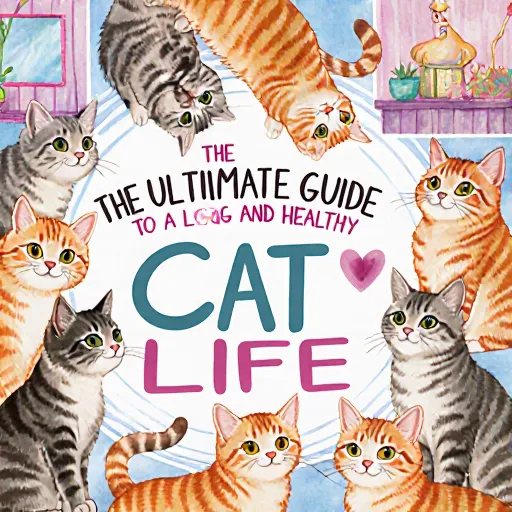
Unlock Secrets to Extend Your Feline Companion's Lifespan
The Ultimate Guide to Cat Life Span
Table of Contents
- How Long Do Cats Live in General?
- Factors Affecting Lifespan
- Indoor vs Outdoor Cats
- Genetics and Lifespan
- Nutrition and Longevity
- Exercise and Its Role in Lifespan
- Veterinary Care and Average Lifespan
- Breeds with Longer Lifespans
- Dietary Supplements for Extending Lifespan
- Lifespan of Cats in Different Climates
- Common Health Issues and Their Impact on Lifespan
- Conclusion
- FAQ
How Long Do Cats Live in General?
Cats, like all living creatures, have a life expectancy that can vary widely based on factors such as breed, health care, diet, and environment. On average, indoor cats tend to live longer than outdoor cats due to fewer risks from accidents, diseases, and predators. Here’s a more detailed look at how long cats typically live:
Indoor cats are generally healthier and have a lower risk of accidents or infectious diseases compared to their outdoor counterparts. According to the American Association of Feline Practitioners, indoor cats often live into their late teens or even early twenties under optimal care conditions. For instance, with proper nutrition, regular veterinary check-ups, and a safe environment free from stressors like traffic noise or rough playmates, some breeds can reach this impressive age.
Cats that spend time outdoors face many more challenges to their longevity. They are at greater risk of injuries from car accidents, fights with other animals, and exposure to diseases. Outdoor cats also need to be more vigilant against predators such as dogs or larger cats like bobcats. On average, outdoor cats live much shorter lives than indoor cats, often only reaching about 2-5 years. However, there are exceptions—some exceptionally hardy or well-cared-for outdoor cats can survive longer.
The breed of cat also plays a role in determining how long they might live. For example, Siamese cats tend to have shorter life spans due to certain inherited health conditions like asthma or heart disease. On the other hand, Maine Coon cats are known for their longevity but can still vary widely depending on individual care and environment.
A cat's diet is crucial in determining how long they live. High-quality food that meets all nutritional needs helps maintain a healthy weight, supports the immune system, and delays age-related diseases. Regular visits to a veterinarian for vaccinations, health screenings, and parasite control are also vital. A balanced diet with proper vitamins and minerals can help extend your cat's life by preventing common health issues like obesity or dental disease.
Investing in pet insurance can provide peace of mind knowing you'll have financial support for unexpected vet visits throughout the cat’s life. This ensures that any necessary treatments don’t put a strain on your finances, allowing you to focus on providing the best care possible.
In general, with proper care and attention, cats can live between 10 to 20 years or even longer. The key is maintaining their overall health through a combination of good nutrition, regular veterinary visits, and a safe living environment. Understanding these factors will help you provide the best possible care for your beloved feline friend.
Factors Affecting Lifespan
The lifespan of cats can vary significantly based on a multitude of factors, some of which are within your control and others that are not. Understanding these factors can help you provide the best care for your feline companion to maximize their potential lifespan. Here’s an in-depth look at what affects how long do cats live?
Cats, like humans, have a genetic makeup that influences longevity. Some breeds are known to live longer than others due to certain genes that promote healthier aging. For instance, Maine Coons and Siamese often come with genetic traits that can extend their lives by several years compared to other breeds.
While you cannot change your cat’s breed, being aware of it helps in understanding the general expectations for your pet's lifespan. Always consult a vet who specializes in feline health to get a more accurate prediction based on your specific cat's genetics and background.
A nutritious diet plays a critical role in extending a cat’s lifespan. Feeding your cat the right type of food can make a significant difference. High-quality, well-balanced diets rich in essential nutrients like proteins, vitamins, and minerals are crucial.
- Proteins: Essential for muscle maintenance and repair.
- Vitamins: Necessary for various bodily functions including vision, bone health, and immune function.
- Minerals: Important for heart, nerve, and muscle function.
Avoid overfeeding or underfeeding your cat as both can lead to health issues that shorten their lifespan. Consult your vet to determine the right type and amount of food for your cat’s age, size, and activity level.
Vaccinations and regular veterinary check-ups are vital in preventing illnesses and managing existing conditions. Vaccines protect cats from diseases like Feline Leukemia (FeLV) and Feline Immunodeficiency Virus (FIV), which can significantly reduce a cat’s lifespan if left untreated.
- Vaccinations: Preventable diseases such as rabies, feline leukemia, and others can be managed effectively with timely vaccinations.
- Parasite Control: Regular treatment for fleas, ticks, and internal parasites helps prevent infections that could otherwise shorten your cat's life.
In addition to vaccines, regular check-ups allow early detection of health issues such as kidney disease or diabetes. Early intervention can often reverse these conditions or manage them effectively, extending the cat’s lifespan.
The environment in which your cat lives greatly impacts its longevity. Indoor cats generally live longer than outdoor cats because they are protected from environmental hazards such as traffic accidents, extreme weather, and encounters with wild animals or aggressive pets. However, indoor-only cats should be provided with mental and physical stimulation to prevent boredom and obesity.
- Indoor vs Outdoor: Indoor cats live longer due to fewer risks but need more mental and physical activities.
- Mental Stimulation: Toys, interactive play sessions with you or other pets can keep your cat mentally active.
Serious illnesses such as cancer, kidney disease, and heart conditions can drastically reduce a cat's lifespan. While some diseases are hereditary, many others can be prevented or managed with proper care and veterinary attention. Early diagnosis and treatment of these issues can significantly improve your cat’s quality of life.
- Cancer: Common in older cats; early detection can increase the chances of successful treatment.
- Kidney Disease: Manageable with a diet and medication tailored to your pet's needs.
- Heart Conditions: Regular monitoring by a vet can help manage heart conditions effectively.
In conclusion, while genetics play a part in determining how long do cats live, there are numerous ways you can extend your cat’s lifespan through proper nutrition, regular healthcare, and a healthy lifestyle. By providing the best care for your feline companion, you can help ensure they enjoy a longer, healthier life.
Indoor vs Outdoor Cats
The lifestyle of a cat significantly impacts its lifespan. While both indoor and outdoor cats can have long, healthy lives, the environment in which they live greatly influences their longevity.
Indoor Cats
Cats that are kept indoors generally enjoy longer lifespans compared to their outdoor counterparts. This is largely due to the controlled environment they inhabit and the protection from various hazards found outdoors.
- Health Risks: Indoor cats avoid many of the health risks associated with life outside, such as injuries from fights or accidents, exposure to toxins, and disease vectors like fleas and ticks. They are also less likely to be hit by cars.
- Predation Risk: Outdoor cats face a much higher risk of predation by larger animals, which can lead to fatal injuries. Indoor cats are not exposed to this threat.
Research has shown that indoor cats often live between 12 and 15 years, with some living even longer if well-cared for. This is a significant increase compared to outdoor cats, whose average lifespan can be as low as 3 to 4 years due to the aforementioned risks.
Outdoor Cats
Cats that spend time outdoors face numerous challenges and threats that can greatly reduce their life expectancy. These factors include:
- Predators: Outdoor cats are at risk of being attacked by other animals such as birds of prey, dogs, or wild predators like foxes.
- Vehicles: Roads and vehicles pose a significant danger to outdoor cats. Many cats are killed each year after being hit by cars.
- Diseases: Outdoor cats can contract diseases from other animals, which may not be present in indoor environments. This includes diseases like rabies, feline leukemia virus (FeLV), and others spread through bites or contact with infected animals.
- Toxins: Cats that roam outdoors are more likely to come into contact with poisons and other harmful substances.
The average lifespan of an outdoor cat is much shorter, often between 3 to 4 years. However, some cats may live longer if they have a strong community support system or are kept in relatively safe areas. Despite these exceptions, the overall risk factors make it significantly harder for outdoor cats to reach advanced ages.
Practical Advice
If you are considering adopting a cat, one of the best ways to ensure its longevity is by keeping it indoors. Indoor cats require less space and can be just as happy with proper care, interactive toys, and regular human interaction. If you do decide to allow your cat outdoors, take every precaution possible to minimize risks:
- Secure your yard or use a secure outdoor enclosure.
- Keep an eye on your cat’s outdoor activities and movements.
- Ensure that your cat is vaccinated against common diseases and wears identification tags for easy recovery if it gets lost.
In conclusion, the lifestyle of a cat plays a crucial role in determining its lifespan. Indoor cats typically live longer due to reduced exposure to hazards and threats found outdoors. By providing an indoor environment, you not only enhance your cat's quality of life but also significantly increase their expected lifespan.
Genetics and Lifespan
The longevity of cats is influenced by a variety of factors, with genetics playing a significant role. Just as human lifespans can vary widely based on hereditary traits, so too do the lives of cats. Genetics can determine not just the length but also the quality of life for felines.
Hereditary Traits and Lifespan
Cats with certain genetic predispositions may live longer than others. For instance, Siamese cats are often noted to have a shorter average lifespan compared to other breeds, which is sometimes attributed to their higher energy levels and more active lifestyles that can lead to wear and tear on their bodies.
On the other hand, studies suggest that some breeds may live longer due to specific genetic factors. For example, Maine Coons are known for their robust build and strong constitution, which could contribute to a longer lifespan in comparison to smaller breeds like the Munchkin, who tend to have shorter legs and might be more prone to certain health issues.
Genetic Predispositions to Health Issues
Certain genetic conditions can significantly impact a cat's life expectancy. For instance, Persian cats are prone to respiratory problems due to their flat faces, which can shorten their lifespan. Similarly, Abyssinians might be more susceptible to certain autoimmune diseases.
The presence of these health issues highlights the importance of understanding one’s breed and consulting with a veterinarian about specific risks associated with your cat's genetic makeup.
Promoting Longevity Through Genetics
While genetics can't be changed, there are ways to support a cat's health based on their genetic predispositions. For instance:
- Regular Vet Visits: Regular check-ups are crucial for early detection of any potential issues.
- Appropriate Diet: A balanced diet tailored to the breed and age can help manage weight and support overall health.
- Exercise: Ensuring that your cat gets enough exercise, especially if they are a more active breed like a Siamese or Maine Coon, is vital for maintaining a healthy lifestyle.
Conclusion
In summary, while genetics cannot be altered, understanding and working with these factors can greatly influence how long your cat lives. By knowing the genetic predispositions of your cat’s breed, you can take proactive steps to ensure a longer and healthier life for your feline companion.
References:
- How Long Do Cats Live? - VetInfo
- Genetics of Cat Lifespan - PetMD
- Breed-Specific Health Concerns for Cats - American Association of Feline Practitioners (AAFP)
Nutrition and Longevity
Understanding how nutrition plays a role in cat longevity is crucial for pet owners aiming to ensure their feline companions live long, healthy lives. The average lifespan of cats can vary significantly based on various factors including breed, genetics, lifestyle, and most importantly, the quality of their diet.
Key Nutritional Factors Affecting Cat Longevity
- Protein Content: Cats are obligate carnivores, meaning they require a high-protein diet. Proteins help in muscle maintenance and overall body function. Ensuring the cat receives an adequate amount of protein from quality animal sources is essential.
- Fats: Fats provide energy for cats but must be sourced carefully as too much can lead to obesity, which shortens life expectancy. Omega-3 and omega-6 fatty acids are particularly beneficial in maintaining skin health, joint function, and overall well-being.
- Vitamins and Minerals: Cats need specific vitamins like Vitamin A, D, E, and K, as well as minerals such as calcium, phosphorus, magnesium, and sodium. Deficiencies or excesses of these nutrients can lead to various health issues that affect longevity.
Feeding Schedule and Portion Control
Overfeeding is a common issue in cat nutrition which can shorten their lives. Cats should be fed according to their age, size, activity level, and overall health condition. Kittens need more frequent feedings due to their rapid growth rate, while adult cats generally do well on two meals a day.
Supplements and Treats
While supplements can enhance the diet, they should be used judiciously. Always consult with a veterinarian before introducing any new supplement into your cat's diet. Too many treats or table scraps can contribute to weight gain which is linked to shorter lifespans in cats.
Examples of High-Quality Cat Foods
- Hill’s Science Diet: This brand offers a wide range of formulas tailored to different life stages, including growth and senior diets. It is highly regarded for its nutritional content which supports overall health.
- Science Diet Omit: This formula is specifically designed for cats with food allergies and intolerances. The diet excludes the most common allergens (chicken, beef, dairy, wheat) while still providing essential nutrients.
Promoting Longevity Through Nutrition
To maximize your cat's lifespan through nutrition, focus on a balanced diet that meets all its nutritional needs. Regular veterinary check-ups can help monitor the health of your pet and adjust dietary plans as needed. Additionally, providing fresh water at all times is crucial for hydration which supports overall health.
Conclusion
In conclusion, while genetics play a significant role in determining how long cats live, nutrition is one of the most critical factors that pet owners can control to enhance their cat's longevity. By providing high-quality food and paying attention to dietary details like protein content, fat sources, and vitamin intake, you are setting your cat up for a longer, healthier life.
Exercise and Its Role in Lifespan
Exercising is a fundamental aspect of maintaining overall health, and its influence extends beyond physical well-being. In the context of how long cats live, exercise plays a crucial role in enhancing their lifespan and quality of life.
Just like humans, regular physical activity is essential for cats to stay healthy and vibrant. Cats that engage in consistent exercise tend to have better cardiovascular health, stronger muscles, and healthier joints. These benefits contribute significantly to their overall longevity.
Studies show that active cats live longer on average compared to those who are sedentary or under-exercised. For instance, a 2019 study published in the Journal of Feline Medicine and Surgery highlighted that cats engaged in regular playtime had lower risks of obesity-related health issues such as diabetes and heart disease.
Types of Exercise for Cats
- Interactive Playtime: Interactive toys such as laser pointers, feather wands, or small balls are excellent tools for encouraging exercise. These activities not only keep cats physically active but also provide mental stimulation.
- Obstacle Courses: Setting up simple obstacle courses using furniture and household items can be a fun way to increase your cat’s physical activity levels. This type of exercise helps improve coordination and agility, which are important for maintaining overall health.
- Jumping and Climbing Games: Cats are natural climbers and jumpers. Encouraging these behaviors through the use of climbing trees or vertical spaces can greatly enhance their physical fitness.
Promoting a Healthy Lifestyle
In addition to exercise, proper nutrition is also crucial in determining how long cats live. Combining an active lifestyle with a balanced diet ensures that your cat maintains optimal health throughout its life. It’s important to consult with your veterinarian regarding the best nutritional choices for your specific cat.
Practical Advice
- Create a Routine: Establishing a regular playtime routine can help keep your cat active and engaged. Aim for at least 10-15 minutes of interactive play each day.
- Vary the Activities: Cats get bored easily, so it’s important to vary the types of exercise you provide to ensure they remain interested and motivated.
- Monitor Your Cat's Activity Level: Pay attention to your cat’s energy levels and adjust the intensity of activities accordingly. Overexertion can be harmful, especially for older cats or those with health issues.
In conclusion, exercise is not just about physical fitness; it also plays a vital role in enhancing mental well-being. By incorporating regular playtime and various forms of exercise into your cat’s daily routine, you are providing them with the best possible chance at enjoying a long and healthy life.
Veterinary Care and Average Lifespan
Understanding how long cats live is crucial for pet owners, as it helps them prepare for their cat's health and care needs over time. Factors such as breed, lifestyle, diet, and access to veterinary care significantly influence a cat’s lifespan. On average, indoor cats tend to live longer than outdoor cats due to the protection they have from environmental hazards and predators.
Factors Influencing Cat Lifespan
- Breed: Some breeds are predisposed to certain health issues that can shorten their lifespan. For instance, Siamese cats tend to live longer than Manx cats due to fewer genetic health problems.
- Lifestyle: Indoor cats generally enjoy a longer life span compared to outdoor cats because they face less risk from traffic accidents and other environmental dangers. However, indoor cats also need more mental and physical stimulation through play and interaction with their owners.
- Diet: A balanced diet rich in essential nutrients is vital for maintaining a cat’s health. Foods high in protein and antioxidants can support overall well-being and longevity.
Importance of Veterinary Care
Regular veterinary check-ups are crucial for maintaining your cat's health and ensuring they live a long, healthy life. Early detection of diseases like cancer or kidney disease through routine blood tests can significantly improve treatment outcomes. Vaccinations also play an essential role in protecting cats against infectious diseases.
Practical Advice
- Schedule Regular Vet Visits: Aim for at least two check-ups per year, especially if your cat is older. These visits can help catch any potential health issues early on.
- Eat Well and Stay Active: Feed your cat a high-quality diet and ensure they get plenty of exercise to keep them healthy and strong.
- Keep Them Indoors: If possible, keeping your cat indoors can greatly increase their lifespan by protecting them from traffic accidents, fights with other animals, and exposure to harsh weather conditions.
The average lifespan of a cat is around 12-15 years for indoor cats. However, some well-cared-for cats have been known to live into their early teens or even beyond that. By focusing on the factors mentioned above and providing your cat with love and care, you can help ensure they enjoy a long and healthy life.
Breeds with Longer Lifespans
Not all cat breeds live the same amount of time. Some breeds are known for their longer lifespans, which can contribute to a healthier and more active life for your pet. Understanding these differences can help you choose the right breed or simply provide better care for your current feline companion.
- Sphynx Cat: Known for their unique hairless coat, Sphynxes are generally healthy and can live up to 15 years. Their smooth skin requires regular grooming and care.
- Orientals (Siamese, Burmese, etc.):
- Abyssinians: Abyssinians have a rich history and are often robust cats that can live up to 15-16 years. They are known for their agility and playfulness.
The Oriental Shorthairs, including popular breeds like the Siamese or Burmese, are known for their intelligence and friendly nature but can also live up to 17 years with proper care.
While choosing the right breed is important, there are several steps you can take to ensure your cat lives a longer life:
- Regular Vet Check-Ups: Regular visits to the veterinarian for check-ups and vaccinations help identify potential health issues early.
- Balanced Diet: Feeding your cat a high-quality, balanced diet is crucial. Consult with your vet about the best food options tailored to your cat's specific needs.
- Vigorous Exercise: Encourage playtime and physical activity. Toys that stimulate both body and mind are particularly effective for promoting health and longevity.
- Lovely Environment: Provide a safe, stimulating environment where your cat can explore and relax comfortably.
Selecting a breed like the Sphynx, Oriental Shorthair, or Abyssinian can indeed increase your cat's lifespan. However, it is important to remember that individual care, diet, exercise, and environment also play critical roles in determining how long your feline friend will live.
Dietary Supplements for Extending Lifespan
When considering how to extend the lifespan of a beloved pet like a cat, it's important for pet owners to explore various strategies that can promote longevity and overall health. One such strategy involves dietary supplements designed specifically for pets. While humans have access to numerous vitamins and minerals, cats are obligate carnivores and require a specialized diet. In this context, certain dietary supplements can play a crucial role in extending the lifespan of cats.
According to various studies and data, the average lifespan for indoor cats ranges from 10 to 15 years. Outdoor cats typically live shorter lives due to environmental risks such as traffic, predators, and diseases. Indoor cats enjoy a safer environment but are also more susceptible to age-related health issues if not properly cared for.
- Vitamin E: Known for its antioxidant properties, Vitamin E helps protect cells from damage caused by free radicals. This can be particularly beneficial in older cats as it supports their immune system and skin health.
- Beta-Carotene: An important vitamin that converts into Vitamin A, which is essential for maintaining vision and supporting a healthy coat. Beta-carotene also acts as an antioxidant.
- EPA & DHA (Omega-3 Fatty Acids): These fatty acids are crucial for heart health and can help reduce inflammation in cats. They are found naturally in fish oil, which many cat supplements contain.
- L-Carnitine: Amino acid derivative that helps transport fatty acids into cells to be used as energy. It also plays a role in fat metabolism and muscle function.
When incorporating supplements into your cat's diet, it is essential to consult with a veterinarian. Not all supplements are safe or necessary for every cat, and improper use can lead to health issues. Here are some practical tips:
- Consult Your Vet: Always discuss the possibility of adding supplements to your cat's diet with your vet first. They will consider factors like age, breed, size, and any existing medical conditions.
- Dose Appropriately: Follow the dosage instructions provided by the supplement manufacturer or as recommended by your veterinarian. Overdosing on certain nutrients can be harmful to cats.
- Choose High-Quality Supplements: Ensure that any supplements you choose are from reputable sources and made with high-quality ingredients. Look for products specifically formulated for cats.
While dietary supplements cannot guarantee a longer life, they can be an important part of your cat's health regimen. By ensuring that your pet receives the necessary nutrients through quality food and appropriate supplementation, you are helping to support their overall well-being and potentially extend their lifespan. Remember, longevity is not just about length but also about quality of life—keeping cats active, healthy, and happy throughout their years can be the greatest gift a pet owner can provide.
Lifespan of Cats in Different Climates
The lifespan of cats can vary significantly depending on their living environment and climate. Factors such as temperature, humidity, access to healthcare, diet, and overall care play crucial roles in determining how long a cat may live. Let's explore how different climates might impact the longevity of cats.
In tropical regions with high temperatures and humidity, the heat can be challenging for older or less resilient cats. In such climates, cats that are not acclimated properly may face higher risks of heat stress and dehydration. However, well-cared-for indoor cats in these areas typically enjoy long lives.
Examples:
- Siamese Cats: These cats originate from Thailand and can thrive in tropical climates. With proper care, a Siamese cat living in the tropics might live up to 15 years or more.
- Maine Coon Cats: Surprisingly, Maine Coons also adapt well to tropical heat due to their dense fur coats. A Maine Coon in these climates can live around 12-17 years with attentive care.
In temperate regions, the moderate temperatures provide a balanced environment for cats. Cats living here generally have longer lifespans compared to those in extreme climates. Regular access to veterinary care and a nutritious diet are key factors contributing to their longevity.
Examples:
- Abyssinian Cats: Known for their high energy levels, Abyssinians can live up to 15 years in temperate climates. Their robust health makes them well-suited to these conditions.
- Ragdoll Cats: Ragdolls are known for being very relaxed and adaptable, making them ideal pets in temperate regions where they have access to a comfortable indoor environment.
In arctic regions with extremely cold temperatures, cats face significant challenges. The harsh conditions make it difficult for outdoor cats to survive long-term. Indoor cats in these areas are much more likely to live longer lives, often into their teens or even beyond.
Examples:
- Persian Cats: Persian cats are known for their long, luxurious coats which provide excellent insulation against cold. Living in arctic climates, they can live up to 12 years with proper care and nutrition.
- Siberian Cats: Siberians have thick, double-layered fur that helps them survive the coldest of temperatures. They can also reach an age of around 12-15 years in such environments.
In desert climates with extreme heat and arid conditions, cats need to be well-adapted to survive. Cats that are not used to these harsh conditions may struggle. However, indoor cats in deserts can live longer lives.
Examples:
- Norwegian Forest Cats: These cats have a thick double coat which helps them endure the cold of their native Scandinavia but also provides some protection against desert heat. With proper care, they can live 12-15 years in desert climates.
- Exotic Shorthair Cats: While not as well-suited for extreme desert heat as long-haired breeds, Exotic Shorthairs are adaptable and can live up to 12 years with adequate care.
In conclusion, the climate significantly influences a cat's lifespan. Indoor cats in any climate generally have longer lives due to controlled environments and consistent medical care. Ensuring your pet has access to a balanced diet, regular veterinary check-ups, and a comfortable living space can greatly enhance their longevity.
Common Health Issues and Their Impact on Lifespan
Understanding how various health issues can affect a cat's lifespan is crucial for pet owners. Cats, like humans, can suffer from numerous health conditions that may impact their longevity. By being aware of these common issues and taking preventive measures, you can help your feline companion live a longer, healthier life.
1. Kidney Disease
Kidney disease is one of the most common health problems in cats, especially as they age. This condition can lead to kidney failure if not managed properly. Early detection and treatment are essential for improving your cat's quality of life. Signs of kidney disease may include increased thirst, frequent urination, weight loss, and lethargy.
Management strategies include dietary changes, medication, and regular veterinary check-ups. Feeding a diet low in phosphorus and protein can help manage the condition. Regular monitoring by your vet is crucial to catch any signs of worsening health early on.
2. Dental Disease
Dental disease in cats is another common issue that can have long-term effects if left untreated. Gum disease, tooth decay, and infections are common problems that can lead to more severe issues like abscesses or even heart disease. Regular brushing of your cat's teeth at home is an excellent preventive measure.
Veterinary dental cleanings are also recommended every one to two years for most cats. Signs of dental disease include bad breath, excessive drooling, and difficulty eating. Early intervention can prevent more serious complications down the line.
3. Obesity
Obesity is a significant concern in many domestic cats today due to sedentary lifestyles and overfeeding. Overweight cats are at higher risk for developing diabetes, arthritis, and other health issues. Maintaining an ideal weight can extend your cat's life significantly.
To help manage your cat’s weight, ensure they have a balanced diet with appropriate portion sizes and encourage regular exercise through playtime or interactive toys. Monitoring their body condition score (BCS) regularly can help you keep track of any changes in weight.
4. Arthritis
Arthritis is more common than many people realize, affecting around 20% of cats by the age of seven. While it’s often thought to be a condition that only affects older animals, younger cats can also develop arthritis due to genetic factors or injury.
The signs include stiffness after resting, reluctance to jump, and changes in behavior such as increased irritability. Pain management through medication prescribed by your vet is one way to manage this condition. Additionally, maintaining a healthy weight and providing soft surfaces for your cat to rest on can reduce the strain on their joints.
5. Cancer
Cancer is another leading cause of mortality in cats, especially as they age. While it’s difficult to prevent cancer outright, certain lifestyle factors such as minimizing exposure to toxins and maintaining a healthy diet can lower your cat's risk. Early detection is key for improving outcomes.
Signs of cancer may include lumps or swellings that persist, unusual sores that don't heal, weight loss not due to diet changes, and lethargy or appetite loss. Regular veterinary check-ups are important for early detection. Treatments such as surgery, chemotherapy, and radiation therapy are available depending on the type and stage of cancer.
While cats have a longer average lifespan than many other pets—typically ranging from 12 to 18 years—their health can be greatly influenced by these common issues. By staying proactive about your cat's health through regular veterinary care, proper nutrition, and attention to behavioral changes, you can significantly enhance their longevity.
Conclusion
Understanding how long cats typically live is crucial for pet owners, as it helps them prepare and plan for their furry companions' life stages. While individual lifespans can vary significantly depending on genetics, lifestyle, and health care, there are some general trends that can provide a good estimate of the average lifespan of domesticated cats.
Cats generally fall into two main categories: indoor or outdoor cats. Indoor cats tend to live longer than their outdoor counterparts due to fewer risks from traffic accidents, predators, and other environmental hazards. On average, indoor cats can live anywhere between 12 to 18 years, with some living even longer if they receive proper care.
Outdoor cats face different challenges that significantly impact their lifespan. They are exposed to a wider range of dangers such as cars, dogs, and other wild animals. Additionally, outdoor cats often have less access to veterinary care, which can lead to untreated health issues. Outdoor cats typically live between 3 to 5 years, sometimes even shorter if they do not receive adequate support.
Health plays a crucial role in determining how long a cat lives. Regular visits to the vet for check-ups and vaccinations are essential for maintaining your pet's health. Cats that are well-fed, exercised, and kept healthy overall tend to live longer and more vibrant lives. Factors such as weight management and dental care also contribute to a cat's longevity.
Genetics can influence a cat's lifespan as well. Some breeds may have shorter or longer lifespans compared to others. For instance, Maine Coons are known for their long life expectancies, while Siamese cats might not live as long due to certain genetic predispositions towards health issues.
Environmental factors such as temperature and climate can also affect a cat's lifespan. Cats living in warmer climates with moderate temperatures may enjoy longer lives compared to those living in harsher environments where they are exposed to extreme conditions for extended periods. Providing appropriate shelter and ensuring your pet is comfortable in their environment can greatly enhance their longevity.
Education plays a significant role in extending the life of cats. Pet owners who stay informed about best practices, recognize signs of illness early on, and provide proper care are more likely to have cats that live longer lives. By understanding how long cats typically live, pet owners can better appreciate their pets' time with them and make decisions that contribute to a healthier, happier life for their feline companions.
Considering the average lifespans of domesticated cats—whether indoor or outdoor—can help pet owners plan for the various stages of their cat's life. By providing proper care, attention, and love, you can significantly improve your cat’s quality of life and potentially extend its lifespan beyond what might be considered typical.
As mentioned in the article "How Long Do Cats Live?", it is important to remember that individual cats are unique and their lifespans can vary. By focusing on proper care, health management, and providing a loving home environment, pet owners can help ensure their feline friends live long, healthy lives.
FAQ
Q: How Long Do Cats Usually Live?
The average lifespan of a cat can vary greatly depending on factors such as breed, lifestyle, and care. Generally speaking, indoor cats tend to live longer than outdoor cats due to fewer risks from accidents, diseases, and predators.
Indoor cats typically live between 12 to 18 years, while outdoor cats may only live for 5 to 7 years on average. However, it's not uncommon for indoor cats to reach their mid-20s or even beyond if they receive excellent care and regular vet check-ups.
Q: What Factors Influence a Cat’s Lifespan?
- Diet: A balanced diet rich in nutrients is essential for maintaining good health. High-quality cat food that meets your pet's nutritional needs can help extend their life.
- Veterinary Care: Regular check-ups and vaccinations can prevent diseases and catch issues early on, which can significantly impact a cat's lifespan.
- Lifestyle: Indoor cats have fewer risks from accidents, fights with other animals, and traffic. Outdoor cats face more dangers but also have the advantage of being able to fend for themselves in some ways.
- Breed: Some breeds are simply predisposed to certain health issues that can shorten their lifespan. For example, Maine Coons may be prone to heart problems, while Siamese cats might suffer from respiratory diseases.
Q: How Can I Make My Cat Live Longer?
- Provide a Healthy Diet: Consult with your veterinarian to ensure you're feeding your cat the right type and amount of food. A diet rich in protein, vitamins, and minerals can significantly impact their longevity.
- Keep Them Indoors: If possible, keeping your cat indoors will protect them from dangers like cars, other animals, and diseases spread by insects or wild animals.
- Regular Vet Check-ups: Annual check-ups can help detect problems early on and ensure that your cat is getting all the necessary vaccinations. Preventive care is key to a longer life for your pet.
- Provide Mental Stimulation: Cats need mental exercise just like they need physical activity. Puzzle feeders, toys, and interactive play sessions can help keep their minds sharp and engaged.
Q: What Are Some Common Health Issues That Affect Cat Lifespan?
- Dental Disease: Poor dental health can lead to severe infections that spread to other parts of the body, affecting overall health and potentially shortening a cat's life.
- Kidney Disease: Kidney disease is common in older cats and can be fatal if not managed properly. Early detection through regular check-ups can make a big difference.
- Cancer: Like other animals, cats can develop cancer. While some cancers are treatable with early intervention, others require aggressive treatments that may have side effects.
Q: What Should I Do if My Cat Is Showing Signs of Aging?
If your cat is showing signs of aging such as slower movements, changes in appetite or behavior, or increased sleeping, it's important to consult a veterinarian. Regular check-ups can help monitor their health and catch any issues early.
Q: Is There Any Way to Predict My Cat’s Lifespan?
While there are no guarantees, you can increase the chances of your cat living a long life by providing them with proper care. Regular vet check-ups and maintaining a healthy lifestyle are key factors in extending their lifespan.
Categories
- AI & Enrichment Play
- Broiler Farming
- Broiler Farming Tips
- Canine Wellness & Longevity
- Cat
- Cat & Human Connection
- Cat Adoption & Rescue
- Cat Breeds
- Cat Breeds & Personalities
- Cat Care & Health
- Cat Grooming & Hygiene
- Cat Lifestyle & Environment
- Cat Myths & History
- Cat Nutrition & Diet
- Cat Products & Reviews
- Cat Training & Behavior
- Comparison
- Consumer Awareness
- Dog
- Dog Accessories & Products
- Dog Adoption & Rescue
- Dog Breed & Lifestyle Trends
- Dog Breeding & Puppies
- Dog Entertainment & Media
- Dog Fashion & Trends
- Dog Fun & Lifestyle
- Dog Grooming & Hygiene
- Dog History & Culture
- Dog Myths, Science & Future Tech
- Dog News & Trends
- Dog Nutrition & Food
- Dog Psychology & Emotions
- Dog Safety & Security
- Dog Sports & Activities
- Dog Technology & Innovation
- Dog Training for Modern Owners
- Dog Travel & Adventure
- Dog Travel, Adventure & Culture
- Economic and Market Insights
- Educational Content
- FAQs
- Feeding Alternatives
- Festivals & Seasonal Ideas
- Fun & Entertainment
- General Knowledge
- General Pig Farming
- Health & Disease Management
- Housing and Environment
- Kittens
- Market Insights
- Miscellaneous
- Miscellaneous
- Motivational
- pig
- Pig Breeding
- Pig Breeds
- Pig Farming Stories and Inspiration
- Pig Health and Care
- Pig Nutrition
- Pig Products
- Profitability & Business
- Puppy Care
- Puppy Predictable Topics Reinvented
- Regional Focus
- Rescue & Adoption Buzz
- Senior Cats
- Senior Dog Care
- Smart Dog Tech & Gadgets
- Sustainability
- Sustainable & Eco-Friendly Dog Products
- Tech & Innovations
- Working & Service Dogs
- Broiler Feed66 products
- Country Feed33 products
- Pig Feed66 products
- Product22 products
- Raw Materials99 products
Products
-
 Fish Meal
₹1,999.00 – ₹2,999.00Price range: ₹1,999.00 through ₹2,999.00Rated 0 out of 5
Fish Meal
₹1,999.00 – ₹2,999.00Price range: ₹1,999.00 through ₹2,999.00Rated 0 out of 5 -
 FATTENING BROILER FEED
₹2,299.00 – ₹2,349.00Price range: ₹2,299.00 through ₹2,349.00Rated 0 out of 5
FATTENING BROILER FEED
₹2,299.00 – ₹2,349.00Price range: ₹2,299.00 through ₹2,349.00Rated 0 out of 5 -
 LAYER COUNTRY FEED
₹1,549.00 – ₹1,649.00Price range: ₹1,549.00 through ₹1,649.00Rated 0 out of 5
LAYER COUNTRY FEED
₹1,549.00 – ₹1,649.00Price range: ₹1,549.00 through ₹1,649.00Rated 0 out of 5 -
 COUNTER BROILER FEED
₹1,199.00 – ₹1,299.00Price range: ₹1,199.00 through ₹1,299.00Rated 0 out of 5
COUNTER BROILER FEED
₹1,199.00 – ₹1,299.00Price range: ₹1,199.00 through ₹1,299.00Rated 0 out of 5 -
 LACTATING PIG FEED
Rated 0 out of 5
LACTATING PIG FEED
Rated 0 out of 5₹2,299.00Original price was: ₹2,299.00.₹1,740.00Current price is: ₹1,740.00. -
 Maize
Rated 0 out of 5
Maize
Rated 0 out of 5₹1,650.00Original price was: ₹1,650.00.₹1,300.00Current price is: ₹1,300.00. -
 GESTATION PIG FEED (Phase 1)
Rated 0 out of 5
GESTATION PIG FEED (Phase 1)
Rated 0 out of 5₹2,249.00Original price was: ₹2,249.00.₹1,699.00Current price is: ₹1,699.00. -
 Pre Starter Broiler Feed
₹2,399.00 – ₹2,499.00Price range: ₹2,399.00 through ₹2,499.00Rated 0 out of 5
Pre Starter Broiler Feed
₹2,399.00 – ₹2,499.00Price range: ₹2,399.00 through ₹2,499.00Rated 0 out of 5 -
 FINISHER PIG FEED
Rated 0 out of 5
FINISHER PIG FEED
Rated 0 out of 5₹2,299.00Original price was: ₹2,299.00.₹1,749.00Current price is: ₹1,749.00. -
 Broiler Premix
Rated 0 out of 5
Broiler Premix
Rated 0 out of 5₹820.00Original price was: ₹820.00.₹699.00Current price is: ₹699.00.
Recently Viewed Products
-
 FINISHER BROILER FEED
₹2,199.00 – ₹2,299.00Price range: ₹2,199.00 through ₹2,299.00
FINISHER BROILER FEED
₹2,199.00 – ₹2,299.00Price range: ₹2,199.00 through ₹2,299.00