
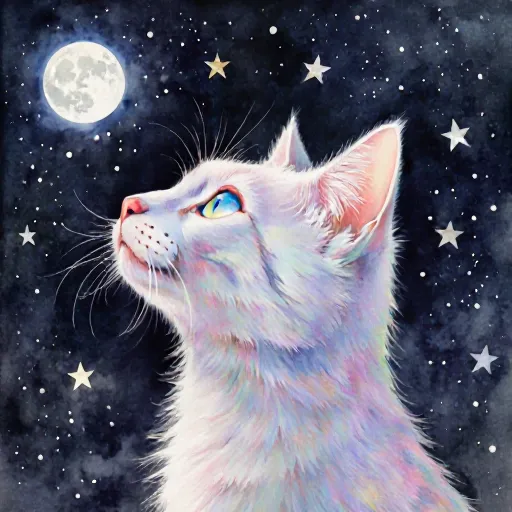
Unlock Your Cat's Night Vision Secret
Why Cats See the Stars Better Than You
Table of Contents
- Introduction to Cat Behavior
- Definition of Nocturnal Animals
- General Characteristics of Cats
- Cats' Natural Sleeping Patterns
- Factors Influencing Cats' Activity Levels
- Role of Light in Cat Behavior
- Comparing Indoor vs Outdoor Cats
- Cats and Their Hunting Instincts
- Behavioral Changes with Age
- Common Beliefs About Cat Behavior
- Evidence Supporting Cats as Nocturnal Animals
- Evidence Against Cats Being Fully Nocturnal
- Conclusion on Whether Cats Are Truly Nocturnal
- FAQs About Cat Behavior and Nocturnality
- Final Thoughts
Introduction to Cat Behavior
Cats have a reputation for being nocturnal, but are they really? This section delves into the fascinating world of cat behavior by examining their activity patterns, sleep cycles, and the reasons behind these behaviors. Understanding whether cats are truly nocturnal can help you better care for your feline friend.
Nocturnal animals are creatures that are most active during the night, while diurnal animals are active during the day. Cats exhibit some traits of both nocturnal and diurnal behavior, making their activity patterns more complex than simply being "nocturnal."
Activity Patterns
Cats are often referred to as crepuscular rather than strictly nocturnal. Crepuscular animals are most active at dawn and dusk, which aligns well with the behavior of many housecats. In nature, wild cats also tend to hunt during these low-light periods when their prey is more easily spotted.
In domesticated settings, however, cats' activity can be influenced by factors such as household routines, available food sources, and environmental stimuli like light levels in the home. Some cats may still follow a nocturnal pattern if they are exposed to or trained to interact with their owners during late hours.
Biological Rhythms
Cats have an internal biological clock that regulates when they sleep and wake up, but this can vary widely between individuals. Studies show that cats typically sleep for about 12-16 hours a day, with shorter periods of activity spread throughout the night and early morning.
Their circadian rhythms are influenced by factors like light exposure; however, they also have an innate drive to hunt and explore which may cause them to wake up and move around during the night even if it's not their primary active time.
Practical Advice for Coexistence
To accommodate your cat's natural behavior while maintaining a harmonious household, consider providing them with opportunities to engage in play and exercise both at dawn/evening times (crepuscular hours) and during the day. Interactive toys, laser pointers, or even simple feather wands can keep them entertained.
Ensure that your cat has plenty of stimulation outside of playtime as well—such as climbing structures or scratching posts—to satisfy their natural instincts without disrupting your family's sleep patterns too much.
Conclusion
In summary, while cats may share some characteristics with nocturnal animals due to their hunting behaviors and activity during twilight hours, they are more accurately described as crepuscular. By understanding these nuances in cat behavior, pet owners can create a healthier environment for both themselves and their pets.
Definition of Nocturnal Animals
The term "nocturnal" refers to animals that are primarily active during the night, typically avoiding sunlight and carrying out most of their activities from dusk until dawn. These creatures have adapted to thrive in low-light conditions, often developing keen senses such as exceptional vision, hearing, and smell to navigate effectively at night.
Cats can be considered a mix of both nocturnal and crepuscular animals. While many people believe cats are strictly nocturnal, this is not entirely accurate. Cats are most active during the twilight hours—just before dawn and just after sunset (crepuscular), making them neither purely diurnal nor purely nocturnal. However, their ability to adapt to various light conditions means they can adjust their activity levels based on environmental factors such as weather or food availability.
For instance, in environments where there is limited natural light due to overcast skies or artificial lighting, cats may extend their nighttime activities. Conversely, during bright sunny days, cats are more likely to rest and conserve energy. This flexibility allows domesticated cats to coexist with human schedules despite not being strictly nocturnal.
Understanding whether your pet cat is truly nocturnal can help you provide a more suitable environment for their nighttime activities. For example, ensuring that your home has adequate lighting during the early morning and evening hours can encourage your cat's natural behaviors. Additionally, maintaining a consistent feeding schedule can mimic the patterns of availability they might encounter in nature.
In conclusion, while cats are often described as nocturnal due to their hunting habits at night, it is more accurate to say that they exhibit crepuscular behavior—being most active during twilight hours. This adaptability makes them a fascinating subject for further exploration into the world of nocturnal and semi-nocturnal animals.
General Characteristics of Cats
Cats, often regarded as mysterious and enigmatic creatures, possess a set of general characteristics that contribute significantly to their behavior and interactions. One of the most debated topics surrounding cats is whether they are truly nocturnal animals or not.
The concept of cats being primarily nocturnal has been widely accepted for many years, but recent studies suggest that this might be an oversimplification. Cats have several adaptations that help them see well in low light conditions, which makes them more active at night. However, their activity levels are not solely determined by the time of day.
Physical Adaptations for Night Vision
- Enhanced Retinas: Cats have a higher concentration of rod cells in their retinas compared to humans. Rod cells are responsible for detecting light and dark differences, making them more efficient at night.
- Pupillary Dilation: The pupils of cats can expand much wider than those of humans, allowing more light to enter the eye during low-light conditions.
Behavioral Patterns
Cats are not strictly nocturnal; rather, they are crepuscular. This means that their peak activity periods occur just before dawn and just after dusk, when natural light levels are lower but not completely dark.
"Cats are neither purely diurnal (active during the day) nor strictly nocturnal (active at night). Instead, they are primarily crepuscular, meaning they are most active in the twilight hours."
Practical Advice for Cat Owners
- Create a Nighttime Routine: Cats thrive on routine. Establishing a regular feeding and play schedule can help you predict when your cat will be more active.
- Provide Toys and Stimulation: Engage your cat in play sessions during the evening to tire them out, which may lead to better sleep patterns for both of you at night.
- Consider Nighttime Lighting: Soft lighting can help create a more comfortable environment for your cat. This is especially useful if you have a window that gets lots of natural light during the night.
Examples and Observations
Many experienced cat owners will attest to their pets' increased activity levels at dusk or dawn. For instance, a family might notice that their cat spends more time playing with toys right before bedtime or is more curious during early morning hours.
It's important for pet owners to understand these characteristics and behaviors so they can better cater to the needs of their feline companions. By recognizing when your cat is most active, you can provide appropriate care and attention, leading to a happier and healthier relationship with your pet.
Cats' Natural Sleeping Patterns
Cats are often perceived as nocturnal animals, and while it is true that their activity peaks during the night, they do not sleep exclusively at night. The concept of cats being "nocturnal" can be misleading because their natural sleeping patterns are more complex than a simple day-night split.
Cats are typically referred to as crepuscular animals, which means they are most active during the twilight hours—morning and evening. This behavior is not merely about being awake at night but also about taking advantage of lower predator activity in these periods.
Domestic cats have adapted their sleeping patterns to fit the rhythms of human households as well. They may nap during the day, especially if they are kept indoors, and become more active after dusk, aligning with the evening activities of many pet owners.
Factors Influencing Cats' Sleep Cycles
- Age: Kittens sleep more than adult cats. Adult cats tend to have longer periods of deep sleep compared to younger ones, and their sleep cycles are less fragmented.
- Activity Level: More energetic cats might be more active during the day and nap at night, while those who spend a lot of time outdoors may adjust their sleeping patterns based on environmental cues like temperature and light levels.
- Diet: Cats that are fed late in the evening or just before bedtime can stay awake longer as they digest. On the other hand, cats who eat earlier might sleep more during the night.
Practical Advice for Managing Your Cat's Sleep Schedule
To ensure your cat gets enough rest and stays healthy, consider the following tips:
- Create a Routine: Establishing a regular feeding schedule can help regulate your cat’s sleep cycle. Feeding dinner earlier in the evening might encourage your cat to sleep through the night.
- Provide Toys and Playtime: Engage your cat with play sessions during the day, which can tire them out and make it easier for them to settle down at night.
- Ensure a Comfortable Sleeping Area: Provide a cozy place where your cat feels safe and secure. This could be a soft bed or a quiet corner that is away from household noise.
Examples of Cats' Adaptability
Cats are highly adaptable to their environments, including the living spaces they inhabit. For instance, if you work late hours and your cat becomes more active at night when you're not around, consider setting up a routine where you play with them during the day so they can wind down for sleep in the evening.
Some cats are known to follow specific routines, like sleeping near an open window or door, which allows them to feel safe and secure. Understanding these behaviors helps in creating a more balanced life for your pet, ensuring both you and your cat enjoy each other's company without compromising on sleep quality.
Conclusion
In summary, while cats are often referred to as nocturnal animals, their natural sleeping patterns are influenced by various factors. By understanding these patterns and adapting them to fit a domestic environment, you can ensure that your cat enjoys sufficient rest and stays healthy.
Factors Influencing Cats' Activity Levels
While it's commonly believed that cats are primarily nocturnal, their activity levels can be influenced by a variety of factors. Understanding these influences helps pet owners provide an environment that meets the feline's needs and keeps them healthy and happy.
1. Natural Light Exposure
Cats are crepuscular by nature, meaning they are most active during twilight hours—dawn and dusk. However, their activity can be influenced by the amount of natural light in their environment. Cats that are exposed to more natural light may exhibit higher activity levels during daylight hours.
2. Environmental Stimulation
Cats require mental and physical stimulation to stay active and healthy. Providing toys, puzzles, and interactive play sessions can significantly increase their activity levels. For example, laser pointers or feather wands are excellent tools for engaging your cat in physical exercise.
3. Diet and Nutritional Needs
The type of food a cat consumes can impact its energy levels and activity. A diet rich in taurine and other essential nutrients is crucial for maintaining optimal health and energy. Feeding at specific times, such as just before dusk, may mimic their natural feeding schedule if they were hunting in the wild.
4. Age
Cats of different age groups have varying levels of activity. Kittens are naturally more energetic due to their high metabolism and growing bodies. Adult cats tend to be less active, while senior cats may experience a decline in energy levels due to age-related health issues.
5. Seasonal Changes
The seasons can also affect a cat's activity level. During colder months, when there is less daylight and outdoor activities are limited, indoor cats might be more sedentary. Conversely, during warmer weather, they may spend more time outdoors, increasing their activity levels.
6. Breeder and Genetic Factors
The breed of the cat can also play a role in its activity level. Some breeds are known for being particularly energetic or playful, such as Siamese cats, which tend to be more active than others. These genetic differences should be considered when assessing a cat's typical behavior.
7. Health and Medical Conditions
The health of the cat is crucial in determining its activity levels. Cats with certain medical conditions may need to limit their physical activities or require specific care. For instance, cats recovering from an injury or those suffering from arthritis might exhibit lower energy levels.
Practical Advice
- Ensure your cat has access to a safe outdoor space if it prefers being more active outdoors.
- Establish a routine where feeding and playtime align with the natural crepuscular period.
- Consider providing mental stimulation through puzzle feeders or interactive games, especially for indoor cats.
In conclusion, while cats are naturally more active during twilight hours, their activity levels can be influenced by various factors. By understanding these influences and making adjustments to your cat's environment, you can help ensure they remain active and healthy throughout the day.
Role of Light in Cat Behavior
The role of light in cat behavior is profound and critical, especially when considering whether or not cats are truly nocturnal. While it's often said that cats are primarily active at night due to their natural instincts, the influence of light cannot be overstated.
The term "nocturnal" refers to animals that are predominantly active during the night and rest during the day. Cats, like many other species, have evolved with a natural circadian rhythm that makes them more alert in low-light conditions. However, this doesn't mean they're entirely nocturnal; rather, they exhibit crepuscular behavior—peak activity around dawn and dusk.
Light plays a significant role in regulating a cat's internal clock. Exposure to bright light during the evening can disrupt their natural circadian rhythm, making it difficult for them to settle down or sleep normally. This is why many cats tend to be more active in dimly lit environments where they feel secure and less pressured by external stimuli.
- Create a Dark Environment: Ensure your cat's sleeping area is darkened at night to mimic their natural environment. Use blackout curtains or blinds if necessary.
- Maintain Consistent Schedule: Establish regular feeding and playtime schedules that align with your cat's natural activity periods, which are typically during dawn and dusk.
- Limit Evening Activities: Avoid stimulating your cat too much before bedtime. Gentle activities like petting or quiet games can help wind down their energy levels without overexcitement.
Cats often engage in hunting and playing during the twilight hours because these are times when prey is most active. Observing this behavior, you might notice your cat becoming more playful or alert just before sunrise or sunset. This is a clear example of their crepuscular nature influenced by light.
In summary, while cats are not strictly nocturnal, they do exhibit significant activity during twilight hours due to the influence of light and their natural circadian rhythms. By understanding this relationship between light and behavior, pet owners can better accommodate their cats' needs, ensuring both a healthier lifestyle for their pets and a more harmonious household environment.
Comparing Indoor vs Outdoor Cats
When considering whether cats are really nocturnal, it's important to understand the differences between indoor and outdoor cats. Both types of cats have unique behaviors that can be influenced by their environment, but one thing remains consistent: many cats exhibit a preference for night-time activities due to their natural instincts.
Indoor cats often adjust their activity patterns to match the schedules of their human companions. While they may still show signs of nocturnal tendencies, such as being more active late at night or early in the morning, they tend not to venture outside during these times. Outdoor cats, on the other hand, are more likely to follow their natural instincts and spend much of their time hunting for food, exploring their surroundings, and engaging in other activities that require them to be out and about during the day.
The lifestyle differences between indoor and outdoor cats can have significant health implications. Indoor cats are less likely to encounter harmful substances or predators but may develop behavioral issues if they do not get enough mental stimulation or physical exercise. Outdoor cats face different challenges, including the risk of injury from traffic, exposure to harsh weather conditions, and potential conflicts with other animals.
Cats are often described as nocturnal because many species exhibit a preference for night-time activities. However, this generalization does not apply to all cats equally. Indoor cats, especially those living in modern homes with controlled environments and predictable schedules, might be less strictly nocturnal than their outdoor counterparts. Their activity patterns can shift based on the availability of stimuli or interaction with humans.
- Mental Stimulation: Provide toys and puzzle feeders to keep your indoor cat entertained throughout the day. This helps mimic natural hunting behaviors that would otherwise occur during nighttime.
- Regular Exercise: Encourage play sessions with interactive toys, which can help burn off excess energy and reduce the likelihood of behavioral issues developing due to boredom.
- Safety Measures: Ensure your outdoor cat wears a reflective collar and microchip so that it can be easily identified in case of an emergency. Also, consider providing a safe space where the cat can retreat when feeling threatened.
- Vaccinations and Parasite Control: Regular veterinary care is crucial for keeping outdoor cats healthy and protecting them against various diseases and parasites.
In conclusion, while many cats do exhibit nocturnal behaviors due to their evolutionary history as predators, the lifestyle of your cat largely determines how strictly they adhere to these patterns. Whether you have an indoor or outdoor cat, understanding their natural tendencies can help you provide a healthier and happier life for them.
Cats and Their Hunting Instincts
Cats are often considered natural hunters, a trait that has developed over thousands of years through their evolution as predators. While many assume cats to be strictly nocturnal due to their reputation for being active at night, the reality is more nuanced. Cats have adapted to different hunting patterns based on their environment and species, but they do share some common traits related to their hunting instincts.
Cats are primarily crepuscular creatures rather than strictly nocturnal. This means that they are most active during the twilight hours—around dawn and dusk. These times of day offer several advantages for hunting, including reduced visibility for prey and limited predation from larger animals.
Common Hunting Patterns
- Crepuscular Activity: Cats often hunt in the early morning and late evening when their vision is at its best. They can detect even minimal movements in low light, making these times ideal for ambushing prey.
- Nocturnal Hunting: Some cats, especially those living in urban or semi-urban environments, may adapt to being more active at night due to human activity patterns. However, this is not a natural behavior and can lead to health issues like obesity if they do not get enough exercise during the day.
- Dormant Hours: Kittens and older cats might spend most of their time sleeping or lounging around. Older cats also tend to be less active at night due to joint pain or other age-related factors.
To encourage your cat’s natural hunting behaviors, consider providing opportunities that mimic their wild instincts:
- Interactive Toys: Use feather wands or laser pointers to stimulate your cat's predatory drive. This not only helps them burn energy but also strengthens the bond between you and your pet.
- Nighttime Activities: If your cat prefers night activities, make sure they have safe indoor spaces with toys and climbing structures. This can help channel their energy constructively without causing problems for you or neighbors.
- Outdoor Play: For outdoor cats, ensure that they are properly vaccinated and neutered before allowing them to roam. Provide secure enclosed spaces where they can practice their hunting skills safely.
In summary, while it’s true that many cat behaviors align with being crepuscular rather than strictly nocturnal, individual preferences and environmental factors play a significant role. Understanding these nuances allows you to better cater to your pet's needs, ensuring they remain healthy and happy in their environment.
Behavioral Changes with Age
As cats age, their behavior can undergo significant changes that are often influenced by both physical and environmental factors. These changes can be subtle but are important to recognize for maintaining a cat's overall well-being. One common question is whether cats are really nocturnal; while younger cats tend to exhibit more active behaviors at night, as they grow older, this pattern may shift.
Shifts in Activity Patterns
Younger cats are typically more active during the nighttime hours due to their natural prey-catching instincts and heightened sensory abilities. However, as cats age, they often experience changes in energy levels and physical health that can lead to reduced activity during the evening hours. This change might be attributed to decreased muscle tone, joint stiffness, or even cognitive decline associated with aging.
Changes in Sleep Patterns
The transition from nightime to daytime activities is not just about changes in energy levels but also involves alterations in sleep patterns. Older cats may spend more time sleeping and resting due to reduced physical activity. This increased naptime can lead to a decrease in the number of times they venture out at night. Additionally, older cats might prefer quieter areas within your home for napping, further reducing their nighttime activities.
Impact on Outdoor Time
Outdoor time is another area where behavioral changes become noticeable with age. Younger cats tend to spend more time outside exploring and hunting, especially during the night when they can rely on enhanced senses like hearing and vision in low light conditions. Older cats may show a preference for indoor spaces over outdoor exploration due to environmental concerns such as safety from traffic or predators. This shift towards less outdoor activity is consistent with the general trend of increased rest time seen in older felines.
Practical Advice
To support your aging cat’s changing needs, consider making adjustments around their living environment. For instance, ensuring that food and water bowls are easily accessible to them at all times will help reduce stress during mealtime transitions. Creating comfortable resting spots in quiet areas of the house can encourage your older cat to maintain its usual activity patterns without feeling overwhelmed by noise or movement elsewhere.
It’s also crucial to monitor any significant changes in behavior that could indicate underlying health issues. Regular veterinary check-ups are essential for early detection and management of conditions like arthritis, kidney disease, or cognitive dysfunction syndrome (CDS), which can affect a cat's energy levels and activity patterns over time.
Common Beliefs About Cat Behavior
Many people believe that cats are strictly nocturnal creatures, meaning they are most active at night and rest during the day. However, this belief is a common misconception about cat behavior. While it's true that many cats do exhibit behaviors consistent with being nocturnal due to their evolutionary history as predators, not all cats follow this pattern.
Cats have been domesticated for thousands of years, yet some of their wild instincts persist. These instincts influence their hunting patterns and activity levels. In the wild, cats are primarily crepuscular, meaning they are most active at dawn and dusk when prey is more readily available. This behavior has not entirely disappeared in domesticated cats; many still show an increased level of activity around these times.
However, individual cat behavior can vary greatly depending on factors such as breed, age, environment, and personal preferences. Some breeds are naturally more active during the day than at night, while others may retain their nocturnal tendencies. Additionally, younger cats tend to have higher energy levels compared to older ones, which might make them more active in the evening hours.
Environmental factors also play a role in determining when your cat is most active. Indoor cats that spend time outside are likely to be more influenced by natural light cycles and thus may exhibit more nocturnal behavior. Conversely, indoor-only cats who receive ample stimulation during the day from interactive toys or human interaction could adjust their activity patterns accordingly.
Understanding these nuances can help pet owners better accommodate their feline companions' needs. For instance, providing opportunities for play and exercise earlier in the evening might encourage your cat to be more active during those times rather than waiting until it gets dark outside. Proper nutrition is also important; feeding schedules should consider when your cat is most alert and likely to eat.
In conclusion, while some cats do follow a strict nocturnal schedule, others may prefer daytime activities or display a more balanced circadian rhythm. Observing your own pet’s behavior over time will give you insights into what works best for them, ensuring both the cat's happiness and satisfaction of their owner.
Evidence Supporting Cats as Nocturnal Animals
Are cats really nocturnal? Despite popular belief, many people think that all cats are naturally nocturnal. However, this is not entirely accurate as the term "nocturnal" refers to animals that are most active during the night and rest during the day. Not all cat breeds follow this pattern.
Cats, especially domestic housecats, have been observed to be more active at night than during the day. This behavior is influenced by their natural instincts as hunters. In the wild, many small animals are most active after sunset, making it an ideal time for predators like cats to hunt. This evolutionary adaptation has led some cat breeds to maintain a nocturnal lifestyle even in domestic settings.
For instance, the Siamese breed is known for its high energy levels and activity during nighttime hours. Owners often report that their Siamese cats are more playful and less lethargic after dark compared to other times of the day. This behavior aligns with their natural tendencies as predators.
Another factor contributing to a cat's nocturnal activities is its physiology. Cats have excellent night vision, thanks to a higher concentration of rod cells in their retinas. These specialized cells allow them to see much better in low light conditions than humans or many other animals. Additionally, cats' large pupils and reflective tapetum lucidum (a layer behind the retina) enhance their ability to see at night.
Cats also have a heightened sense of hearing compared to humans. This acute auditory perception helps them detect even subtle sounds in the environment, making it easier for them to locate prey or other stimuli during low-light conditions.
While some cats are naturally more active at night, this does not mean that all cats follow this pattern. Factors such as age, breed, and individual temperament can influence a cat's activity levels throughout the day and night. For example, older cats may have less energy to be active late into the night due to natural aging processes.
In conclusion, while there is evidence supporting that some breeds of cats are more nocturnal than others, it would be inaccurate to say all cats are strictly nocturnal animals. Understanding these nuances can help pet owners provide better care and meet the unique needs of their feline companions.
Evidence Against Cats Being Fully Nocturnal
Despite popular belief, cats are not fully nocturnal animals. While it is true that they do possess excellent night vision and can be quite active during the evening hours, extensive research has shown that their behavior and biology do not align entirely with a strictly nocturnal lifestyle.
Evidence from Behavioral Studies
Behavioral studies have revealed that cats are crepuscular rather than fully nocturnal. This means they are most active during the twilight hours of dawn and dusk, rather than throughout the entire night. Observations in controlled environments show that cats prefer to rest and sleep during the darkest parts of the night but become more alert as light levels increase towards dawn.
For instance, a study published in the Journal of Comparative Psychology found that domestic cats spent 60% of their time sleeping or resting, with only 15-20% active during nighttime hours. This aligns with their wild ancestors who also exhibited crepuscular activity patterns for hunting purposes.
Natural Light and Energy Conservation
Cats conserve energy by not relying solely on nocturnal activities. Their circadian rhythms are influenced by environmental factors such as light, temperature, and food availability. Research indicates that cats adjust their activity levels based on the natural light cycle of their environment rather than an internal clock set purely for night-time activities.
An example of this is seen in outdoor environments where wildcats like bobcats or lynxes show similar crepuscular behaviors, balancing energy expenditure with optimal hunting conditions. Domestic cats often mimic these patterns due to shared evolutionary roots.
Practical Implications for Cat Care
Cat owners should consider their pet's natural activity cycles when planning playtime and feeding schedules. Providing opportunities for exercise during the evening can help meet your cat's energy needs without conflicting with its preference for rest in darkness.
For instance, interactive toys that simulate prey movements are effective tools for engaging cats after sunset when they naturally become more active. Additionally, maintaining a consistent routine around meal times helps regulate their biological clocks and ensures better overall health and well-being.
Conclusion
In summary, while cats have adapted to take advantage of low-light conditions for hunting and other activities, they do not follow a fully nocturnal lifestyle. Understanding this balance between night-time adaptability and natural activity patterns is crucial for providing the best care possible for your feline companion.
Conclusion on Whether Cats Are Truly Nocturnal
Whether cats are truly nocturnal has long been a topic of debate among pet owners and wildlife enthusiasts alike. To determine if this claim holds true, it's essential to understand the characteristics that define nocturnal animals. Nocturnal creatures typically have highly developed night vision, adapted circadian rhythms, and behaviors that peak during the evening or nighttime hours.
Cats possess several traits that align with those of nocturnal animals. For instance, their large pupils allow for greater light absorption in low-light conditions, enhancing their ability to see at night. Additionally, cats have a higher concentration of rod cells in their retinas, which are responsible for vision in dim light.
However, while these physical adaptations suggest that cats can thrive under low-light conditions, it does not mean they strictly follow a nocturnal lifestyle. Many domesticated cats have been bred over generations to adjust to the作息:
Many people wonder if cats are truly nocturnal. While it's true that many cat owners experience their felines being more active at night, there is some debate about whether cats are strictly nocturnal or not. Cats have been observed to be quite active during the night. Their large pupils and excellent night vision allow them to see in low light conditions better than humans can. However, saying that cats are strictly nocturnal is not entirely accurate. No, not all cats are nocturnal. The activity level of individual cats can vary depending on several factors such as age, breed, and even the environment they live in. Some cats may prefer to be more active during the day while others stay up late. The misconception that all cats are nocturnal may stem from several factors: If managing an active nighttime kitty is becoming challenging for you, consider these tips: Cats are fascinating creatures with unique behaviors that can sometimes differ from what we expect. Understanding their natural instincts and adapting your care accordingly can help ensure a harmonious coexistence between you and your feline companion. After delving into the fascinating world of feline behavior, it becomes evident that while many assume cats are purely nocturnal creatures, this is not entirely accurate. The truth is more nuanced and reflects a blend of factors such as breed, individual personality, and environmental conditions. Cats have adapted to being active during both day and night due to their evolutionary roots as hunters. In the wild, cats would hunt at dawn and dusk when prey is most active, but they can also be seen foraging in daylight hours if resources are scarce or if they are indoor pets with limited outdoor access. Indoor cats often adapt their activity patterns to align more closely with human schedules. They may sleep through the day and become more alert at night when they have less competition from humans for attention. However, this does not mean that all indoor cats are strictly nocturnal; many will still choose to play or engage in activities during daylight hours. Outdoor cats, particularly those living in rural areas or with access to large backyards, tend to be more active at night because they have more opportunities for hunting and exploring. Yet, even these felines may rest during the hottest parts of the day when temperatures are highest, preferring cooler times of the evening or early morning. It is also important to consider the breed of cat. Some breeds, like Siamese cats, are known for being more active and vocal throughout the night, possibly due to their instinctual hunting behaviors and higher energy levels. In contrast, other breeds might be more sedate during nighttime hours. Given this variability in behavior, it is clear that no single answer can definitively label cats as either strictly nocturnal or diurnal (active during the day). The key takeaway is understanding that each cat's activity patterns are influenced by a combination of genetics, environment, and individual preferences. By observing your own cat's behavior over time, you can better understand its natural rhythm. Practical advice for pet owners: If you have a cat that seems to be more active at night, consider providing it with stimulating toys or activities during the day to tire them out and help them sleep better at night. Alternatively, if your cat is an early riser, make sure they have enough playtime in the morning to satisfy their energy needs. In summary, while cats do exhibit some nocturnal tendencies due to their natural hunting instincts, it would be misleading to generalize and say all cats are strictly nocturnal. Each cat is unique, and by observing your pet’s behavior, you can create a more fulfilling environment for both of you.FAQs About Cat Behavior and Nocturnality
Are Cats Really Nocturnal?
Are All Cats Nocturnal?
Why Do Cats Seem Nocturnal?
How Can You Manage a Nocturnal Cat?
Final Thoughts
Categories
- AI & Enrichment Play
- Broiler Farming
- Broiler Farming Tips
- Canine Wellness & Longevity
- Cat
- Cat & Human Connection
- Cat Adoption & Rescue
- Cat Breeds
- Cat Breeds & Personalities
- Cat Care & Health
- Cat Grooming & Hygiene
- Cat Lifestyle & Environment
- Cat Myths & History
- Cat Nutrition & Diet
- Cat Products & Reviews
- Cat Training & Behavior
- Comparison
- Consumer Awareness
- Dog
- Dog Accessories & Products
- Dog Adoption & Rescue
- Dog Breed & Lifestyle Trends
- Dog Breeding & Puppies
- Dog Entertainment & Media
- Dog Fashion & Trends
- Dog Fun & Lifestyle
- Dog Grooming & Hygiene
- Dog History & Culture
- Dog Myths, Science & Future Tech
- Dog News & Trends
- Dog Nutrition & Food
- Dog Psychology & Emotions
- Dog Safety & Security
- Dog Sports & Activities
- Dog Technology & Innovation
- Dog Training for Modern Owners
- Dog Travel & Adventure
- Dog Travel, Adventure & Culture
- Economic and Market Insights
- Educational Content
- FAQs
- Feeding Alternatives
- Festivals & Seasonal Ideas
- Fun & Entertainment
- General Knowledge
- General Pig Farming
- Health & Disease Management
- Housing and Environment
- Kittens
- Market Insights
- Miscellaneous
- Miscellaneous
- Motivational
- pig
- Pig Breeding
- Pig Breeds
- Pig Farming Stories and Inspiration
- Pig Health and Care
- Pig Nutrition
- Pig Products
- Profitability & Business
- Puppy Care
- Puppy Predictable Topics Reinvented
- Regional Focus
- Rescue & Adoption Buzz
- Senior Cats
- Senior Dog Care
- Smart Dog Tech & Gadgets
- Sustainability
- Sustainable & Eco-Friendly Dog Products
- Tech & Innovations
- Working & Service Dogs
- Broiler Feed66 products
- Country Feed33 products
- Pig Feed66 products
- Product22 products
- Raw Materials99 products
Products
-
 Fish Meal
₹1,999.00 – ₹2,999.00Price range: ₹1,999.00 through ₹2,999.00Rated 0 out of 5
Fish Meal
₹1,999.00 – ₹2,999.00Price range: ₹1,999.00 through ₹2,999.00Rated 0 out of 5 -
 FATTENING BROILER FEED
₹2,299.00 – ₹2,349.00Price range: ₹2,299.00 through ₹2,349.00Rated 0 out of 5
FATTENING BROILER FEED
₹2,299.00 – ₹2,349.00Price range: ₹2,299.00 through ₹2,349.00Rated 0 out of 5 -
 LAYER COUNTRY FEED
₹1,549.00 – ₹1,649.00Price range: ₹1,549.00 through ₹1,649.00Rated 0 out of 5
LAYER COUNTRY FEED
₹1,549.00 – ₹1,649.00Price range: ₹1,549.00 through ₹1,649.00Rated 0 out of 5 -
 COUNTER BROILER FEED
₹1,199.00 – ₹1,299.00Price range: ₹1,199.00 through ₹1,299.00Rated 0 out of 5
COUNTER BROILER FEED
₹1,199.00 – ₹1,299.00Price range: ₹1,199.00 through ₹1,299.00Rated 0 out of 5 -
 LACTATING PIG FEED
Rated 0 out of 5
LACTATING PIG FEED
Rated 0 out of 5₹2,299.00Original price was: ₹2,299.00.₹1,740.00Current price is: ₹1,740.00. -
 Maize
Rated 0 out of 5
Maize
Rated 0 out of 5₹1,650.00Original price was: ₹1,650.00.₹1,300.00Current price is: ₹1,300.00. -
 GESTATION PIG FEED (Phase 1)
Rated 0 out of 5
GESTATION PIG FEED (Phase 1)
Rated 0 out of 5₹2,249.00Original price was: ₹2,249.00.₹1,699.00Current price is: ₹1,699.00. -
 Pre Starter Broiler Feed
₹2,399.00 – ₹2,499.00Price range: ₹2,399.00 through ₹2,499.00Rated 0 out of 5
Pre Starter Broiler Feed
₹2,399.00 – ₹2,499.00Price range: ₹2,399.00 through ₹2,499.00Rated 0 out of 5 -
 FINISHER PIG FEED
Rated 0 out of 5
FINISHER PIG FEED
Rated 0 out of 5₹2,299.00Original price was: ₹2,299.00.₹1,749.00Current price is: ₹1,749.00. -
 Broiler Premix
Rated 0 out of 5
Broiler Premix
Rated 0 out of 5₹820.00Original price was: ₹820.00.₹699.00Current price is: ₹699.00.
Recently Viewed Products
-
 Rice DDGS (Distillers Dried Grains with Solubles from Rice)
₹1,600.00Original price was: ₹1,600.00.₹1,449.00Current price is: ₹1,449.00.