
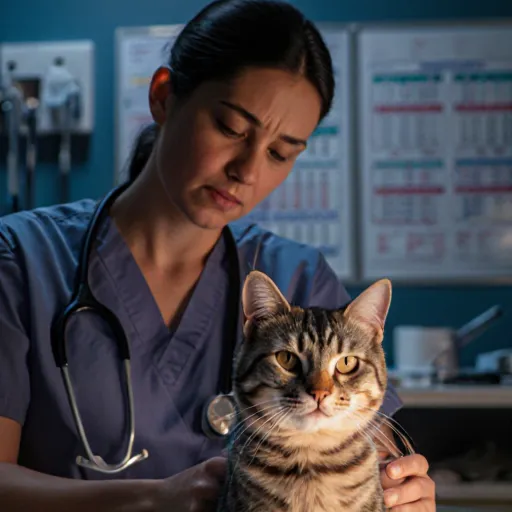
Act Fast: Signs Your Feline Friend Needs Immediate Vet Care
Recognize These; Your Cat Needs Urgent Vet
Table of Contents
- Signs Your Cat Needs Immediate Attention
- Extreme Lethargy or Lack of Energy
- Difficulty Breathing or Labored Respiration
- Severe Vomiting or Diarrhea
- Bloody Urination or Faeces
- Signs of Infection or Discharge from the Eyes, Nose, or Mouth
- Severe Limping or Trouble Walking
- Signs of Severe Pain or Suffering
- Recurring Skin or Coat Issues
- Severe Weight Loss or Gain
- Changes in Drinking or Urinating Habits
- Behavioral Changes that Worry You
- Unusual or Abnormal Lumps Under the Skin
- Conclusion
- FAQ
Signs Your Cat Needs Immediate Attention
While some signs may indicate that your cat needs a vet visit, there are certain symptoms that warrant immediate attention. These signals suggest that something serious might be happening and require prompt medical care to ensure the well-being of your pet.
- Lethargy or Unusual Sleepiness: If your cat is unusually drowsy, unresponsive, or has a complete loss of energy, it could be a sign that something is wrong. Cats typically have high energy levels and sudden changes in their activity can indicate illness.
- Agitation or Severe Restlessness: Excessive pacing, frequent meowing, or unusually restless behavior might suggest pain or discomfort.
- Vomiting: While occasional vomiting can happen after eating too quickly or hairballs, persistent vomiting should be taken seriously. If your cat is vomiting more than once a day for several days, it could signal an underlying issue.
- Fever: Signs of fever in cats include panting (which they don't normally do), warm ears and skin, or shivering despite being warm.
- Inability to Use the Litter Box: If your cat suddenly stops using its litter box, it could be a sign of urinary tract issues or even more serious health problems. Prompt veterinary care is necessary in this case.
- Muffled Meowing: If your cat is meowing less than usual or has a muffled, hoarse voice, it could be an indication of pain or respiratory issues.
- Pain When Moving: Observe if your cat hesitates to jump up on furniture or climb stairs. Difficulty in moving can indicate joint problems or other painful conditions.
- Loss of Appetite: Cats that suddenly refuse food might be feeling unwell, especially if combined with other symptoms like lethargy. Dehydration can also occur quickly in cats refusing to eat.
- Increased Thirst and Urination: If your cat has a sudden increase in water intake or frequent trips to the litter box, it could be indicative of diabetes, kidney disease, or other serious health conditions.
If you observe any of these signs, it is crucial to seek veterinary care immediately. Delaying treatment can lead to more severe complications and may negatively impact your cat's recovery.
Extreme Lethargy or Lack of Energy
Extreme lethargy or lack of energy is another critical sign that your cat may require a visit to the veterinarian. It can be difficult for pet owners to determine if their cat's low energy levels are normal or indicative of something more serious. However, there are certain signs and symptoms that should not be ignored.
Signs Your Cat Needs a Vet Visit
- Persistent Lethargy: If your cat has been unusually inactive for several days or weeks, it could signal an underlying health issue. Cats that are normally energetic and playful but suddenly become very still and unresponsive should be evaluated by a vet.
- Variations in Eating Habits: Cats who refuse to eat for more than 24 hours or those eating much less than usual may also need medical attention. Changes in diet can sometimes lead to gastrointestinal issues, which could be serious if not addressed promptly.
- Water Consumption: Increased water intake (polydipsia) often accompanies other signs of illness such as excessive urination or vomiting. This change might indicate kidney disease, diabetes mellitus, hyperthyroidism, or even stress.
- Changes in Elimination Habits: Diarrhea lasting longer than a day, constipation, or straining to defecate could point towards gastrointestinal problems like inflammatory bowel disease or pancreatitis. These conditions can be painful and require immediate veterinary care.
It is important to recognize these signs early because they might represent minor inconveniences or major health crises depending on their cause. Early diagnosis and treatment are crucial for ensuring your cat's recovery and maintaining its overall well-being.
Tips for Handling Your Cat's Health
- Monitor Regularly: Keep a close eye on your cat’s daily routine including eating, drinking, sleeping patterns. Note any deviations from what is normal for them.
- Consult a Veterinarian Immediately: Should you observe any concerning changes, do not hesitate to contact your vet right away. Many issues can be addressed more effectively when detected early.
- Ensure Proper Nutrition and Hydration: Providing balanced meals and clean water helps support general health. Sometimes dietary adjustments alone are enough to resolve certain behavioral patterns related to energy levels.
In conclusion, extreme lethargy or lack of energy in cats should never be taken lightly. By being aware of the signs discussed here, you can take proactive steps towards your cat’s health and ensure timely veterinary intervention if necessary.
Difficulty Breathing or Labored Respiration
Cats, like all pets, can experience respiratory issues that require immediate attention. Difficulty breathing, also known as labored respiration, is a serious condition that indicates your cat is having trouble getting oxygen into its lungs. This symptom can be alarming and may signal underlying health problems ranging from minor to severe.
Signs Your Cat Needs a Vet Visit
- Noisy Breathing: Wheezing, snorting, or gurgling sounds during breathing. These can be signs of airway obstruction, infections, or other respiratory issues.
- Rapid or Labored Breathing: Your cat may breathe faster than usual (tachypnea) and may appear to be working hard to get enough air. This could indicate a variety of conditions including asthma, heart disease, or upper respiratory infections.
- Drooling or Open-Mouth Breathing: Cats usually breathe through their nose, but when they can't, they may resort to open-mouth breathing. This is often seen in cats suffering from severe respiratory distress.
- Coughing: Persistent coughing, especially if it’s dry and non-productive, should not be ignored. It could indicate irritation or inflammation of the airways or even a more serious condition like feline asthma.
- Blue Gums or Tongue: If your cat's gums or tongue appear blue (cyanosis), this is a clear sign that they are not getting enough oxygen and immediate veterinary care is necessary.
Difficulty breathing in cats can have many causes, including respiratory infections, asthma, heart disease, foreign body inhalation, or even trauma. The sooner you seek professional help, the better chance your cat has of a full recovery. If any of these signs are present, do not hesitate to contact your veterinarian for an immediate evaluation.
Steps to Take Before Visiting the Vet
- Stay Calm: Keeping calm will help you make clear decisions and provide better care for your cat.
- Maintain Environment Stability: Keep the environment quiet and free from stress. Avoid moving or handling your cat unnecessarily until a professional can assess the situation.
- Provide Support: If possible, support your cat's body in a position that allows for easier breathing. This might mean sitting upright if your cat is comfortable with it.
Remember, early intervention is key to improving your cat’s chances of recovery. Always trust your instincts as a pet owner; if you feel something is wrong, don't delay in seeking medical attention.
Severe Vomiting or Diarrhea
Signs Your Cat Needs a Vet Visit
- Severe Vomiting or Diarrhea: If your cat is experiencing severe vomiting or diarrhea, it can be a sign of a serious underlying issue. Continuous loss of fluids through vomiting and diarrhea can lead to dehydration, which requires immediate medical attention.
- Look for signs such as more than two episodes of vomiting or three instances of diarrhea in one day. This is particularly concerning if your cat appears listless, lethargic, or is not eating or drinking water.
Additional Signs to Look For:
- Fever: Elevated body temperature can indicate an infection that needs treatment by a veterinarian.
- Pain During Movement: If your cat is in obvious discomfort or shows signs of pain when moving, it might be due to internal injuries or other health issues. This requires prompt veterinary care.
- Loss of Appetite: Prolonged lack of interest in food can signal a serious problem and should not be ignored.
Possible Causes for Severe Vomiting or Diarrhea:
- Infections (bacterial, viral, or parasitic)
- Digestive issues such as gastritis or colitis
- Intestinal blockages
- Poisoning from ingesting toxic substances
- Allergies to certain foods or environmental factors
Immediate Care and Prevention:
- Keep your cat hydrated by offering small amounts of water frequently, but avoid forcing it if it is uninterested.
- Maintain a calm environment to help reduce stress which can exacerbate the situation.
- Do not administer any medication without consulting a vet; incorrect treatment could worsen the condition.
When to Call the Vet:
- If vomiting or diarrhea lasts more than 24 hours.
- If there is blood in the vomit or feces.
- If your cat shows signs of weakness, lethargy, or collapse.
Understanding these symptoms and knowing when to seek veterinary help can significantly improve your cat's chances of a speedy recovery. Always prioritize professional medical advice over self-treatment to ensure the best care for your pet.
Bloody Urination or Faeces
Signs Your Cat Needs a Vet Visit
Bloody urine or faeces in cats is often indicative of a serious health issue that requires immediate veterinary attention. While minor bleeding can sometimes be due to less severe conditions, persistent or recurring cases should always prompt a visit to the vet.
Understanding Bloody Urination
Bloody urine, or hematuria, is one of the most common signs that your cat needs medical attention. It can be caused by a variety of factors ranging from less serious conditions like urinary tract infections (UTIs) to more severe issues such as kidney disease or bladder stones.
Causes and Concerns
- Urinary Tract Infections: UTIs are one of the most common causes of bloody urine in cats. They can be painful and uncomfortable, leading to frequent trips to the litter box without urination.
- Kidney Disease: Chronic kidney disease (CKD) or acute kidney failure can also lead to bloody urine as the kidneys struggle to filter waste effectively.
- Bladder Stones: Struvite, calcium oxalate, or other types of bladder stones can cause irritation and bleeding in the urinary tract.
Signs You Should Act Quickly
- Bloody urine that persists for more than a day or two.
- Frequent trips to the litter box, but no urination.
- Pain during urination (straining).
- Increased thirst and urination.
Bloody Faeces
Bloody faeces or stool can indicate a variety of health issues, some of which are life-threatening. It is crucial to seek veterinary care if your cat exhibits signs of bloody stools.
Common Causes
- Gastrointestinal Infections: Bacterial or viral infections can cause inflammation and bleeding in the gut, leading to bloody faeces.
- Digestive Obstructions: Foreign objects such as bones or string can lead to blockages that result in bloody stools.
- Inflammatory Bowel Disease (IBD): This chronic condition can cause inflammation and ulcers in the digestive tract, leading to bleeding.
Signs of Urgency
- Bloody stools that persist or worsen.
- Painful defecation (straining).
- Reduced appetite and lethargy.
- Vomiting in conjunction with bloody faeces.
What to Do When You Notice Bloody Urination or Faeces
As soon as you notice any signs of bloody urine or faeces, it is important to take your cat to the vet. Early diagnosis and treatment can improve outcomes significantly.
- Contact Your Veterinarian: Call your veterinarian immediately to discuss the situation and determine if an urgent visit is necessary.
- Observe Your Cat: Note any other symptoms, such as lethargy, vomiting, or changes in behavior, that might give further insight into what’s wrong.
- Prepare for the Visit: Have a list of medications your cat is currently taking and be ready to describe all symptoms in detail.
In summary, bloody urine or faeces should never be ignored. Early intervention by a veterinarian can make a significant difference in your cat’s health outcomes. Always prioritize immediate veterinary care if you notice these signs.
Signs of Infection or Discharge from the Eyes, Nose, or Mouth
When it comes to signs of infection or discharge from the eyes, nose, or mouth in your cat, it is essential to be vigilant and seek veterinary attention if you notice any unusual symptoms. These signs can indicate a variety of health issues that require prompt treatment. Below are some common indicators that your cat might need a vet visit:
Eye Discharge
- Pus or Mucus: If you notice any discharge from your cat's eyes, it could be an indication of an infection. Clear mucus is usually normal, but yellow, green, or thicker discharge can suggest a bacterial or viral infection.
- Redness and Inflammation: Reddened or swollen eyelids can indicate inflammation or irritation, which might be due to allergies, infections, or other underlying issues.
- Eyes Squinting or Closing: Cats that are squinting or completely closing their eyes may have a painful condition such as conjunctivitis, corneal ulcers, or uveitis. This is often a clear sign that your cat needs immediate medical attention.
Nasal Discharge
- Clear, Thick, or Colored Mucus: Similar to eye discharge, the color and consistency of nasal mucus can provide clues. Clear or slightly cloudy discharge is normal, but thick, yellow, green, or brown mucus can be a sign of infection, especially if accompanied by sneezing.
- Sneezing: Frequent sneezing can indicate an upper respiratory tract infection or allergic reaction. If it persists or is severe, it's important to consult your vet.
Mouth or Gums
- Bleeding: Bleeding from the mouth or gums can be a sign of oral diseases like gingivitis, periodontal disease, or even trauma. It's important to check for any lacerations or signs of infection.
- Painful Behavior: If your cat is reluctant to eat or has difficulty eating due to pain in the mouth, this could indicate a serious issue such as dental abscesses or other oral infections.
These symptoms can range from mild discomfort to severe health concerns. It's crucial to recognize when these signs are present and seek professional advice. Early intervention can often prevent more serious complications and ensure your cat receives the necessary treatment promptly.
Comparing with Signs Your Cat Needs a Vet Visit
- Persistent Symptoms: If any of these signs persist for more than a day or two, it is highly advisable to contact your vet. Persistent symptoms can be a sign that the issue requires professional attention.
- Sudden Onset: Sudden onset of severe symptoms like extreme lethargy, loss of appetite, or difficulty breathing should prompt immediate veterinary care.
In summary, understanding and recognizing these signs can help you provide timely treatment for your cat. Always consult a veterinarian if you are unsure about the cause of any unusual behavior or symptoms.
Severe Limping or Trouble Walking
Signs Your Cat Needs a Vet Visit: Severe Limping or Trouble Walking
If your cat is exhibiting severe limping or trouble walking, it could be an indication of a more serious underlying issue. Pain and difficulty in movement can stem from various causes that range from minor injuries to potentially life-threatening conditions.
Common Causes of Severe Limping or Trouble Walking
- Injuries: Cats can sustain cuts, sprains, fractures, and other injuries while playing or exploring. If your cat suddenly starts limping or is hesitant to put weight on a particular leg, it could be due to an injury.
- Painful Conditions: Conditions such as arthritis, joint infections, or bone diseases can cause severe pain in cats, leading them to limp or have trouble walking. If you notice your cat has difficulty moving and exhibits other signs of discomfort, consult a vet immediately.
- Infections: Soft tissue injuries like cuts or wounds that aren't properly treated can lead to infections. These infections can cause severe pain and make it difficult for cats to walk normally.
- Nerve Issues: Nerves in the spinal cord or legs can become damaged, leading to issues with walking and movement. This could be due to trauma, compression from tumors, or other neurological conditions.
Signs Your Cat Needs Immediate Vet Attention
If your cat shows any of the following signs in addition to severe limping or trouble walking, it's crucial to seek veterinary care as soon as possible:
- Pain when touched or moved (pain upon palpation).
- Swelling or deformity of the leg.
- Bleeding or discharge from the affected area.
- Inability to use one or more legs at all.
- Sudden onset and worsening over time.
Possible Veterinary Diagnoses
Once you've taken your cat to the vet, they may conduct a series of tests and examinations to diagnose the cause:
- X-rays: To check for bone fractures or joint issues.
- Laboratory Tests: To rule out infections or other medical conditions.
- Veterinary Physical Examination: To assess the extent of pain and any visible injuries.
Home Care Tips Until You Can See a Vet
While waiting to see your veterinarian, you can help by:
- Making sure the cat has a comfortable space to rest and recover.
- Avoiding giving medications unless advised by a vet as some over-the-counter pain relievers are toxic to cats.
- Monitoring your cat's activity levels closely and preventing them from engaging in activities that could exacerbate their condition.
Signs of Severe Pain or Suffering
Identifying signs that your cat is experiencing severe pain or suffering can be challenging, especially since cats are natural hunters and instinctively hide signs of illness to avoid appearing vulnerable. However, recognizing these critical indicators is crucial for ensuring your pet receives timely veterinary care. This section will delve deeper into the common signs that suggest your cat may require urgent medical attention.
- Withdrawn and Unresponsive: A normally active cat that suddenly becomes lethargic, uninterested in play or interaction, and shows little to no response to stimuli may be experiencing severe pain.
- Pacing or Restless Movements: Cats with severe pain often exhibit unusual behaviors like pacing back and forth or restlessly moving around. This can indicate discomfort that is preventing them from settling down comfortably.
- Painful Gait: If your cat is limping, favoring one leg over the other, or walking in a peculiar manner, it could be an indication of severe pain. This can be due to injuries, arthritis, or other painful conditions.
- Inflammation and Swelling: Cats with inflammation around their joints, lumps under the skin, or any area showing signs of swelling should see a vet immediately. These could be signs of infections or more serious issues such as tumors.
- Vomiting and Diarrhea: While occasional vomiting or diarrhea can occur due to dietary changes, persistent or severe cases can signal underlying health problems like gastrointestinal obstructions or poisoning.
- Changes in Appetite: Cats who have lost their appetite entirely or are eating much less than usual should be evaluated by a vet. A sudden loss of appetite can indicate serious diseases such as kidney failure, liver disease, or cancer.
If you notice any combination of the above signs in your cat, it is advisable to seek veterinary assistance promptly. Early intervention can make a significant difference in managing and treating severe pain or suffering effectively. Always consider consulting your vet if you have concerns about your pet's health.
Remember, while this guide provides some insights into recognizing when your cat needs urgent medical attention, only a qualified veterinarian can provide a definitive diagnosis and appropriate treatment. If in doubt, don't hesitate to call or visit your local animal hospital for advice.
Recurring Skin or Coat Issues
Signs your cat needs a vet visit are critical for addressing potential health issues, but recurring skin or coat problems can also indicate deeper underlying conditions that require professional attention. While some minor skin irritations may clear up with home remedies or over-the-counter treatments, persistent or worsening symptoms should prompt you to seek veterinary care.
Common Indicators of Skin and Coat Issues
- Hair Loss: Excessive shedding or patchy hair loss can be a sign of various conditions such as ringworm, flea allergy dermatitis, hormonal imbalances like hypothyroidism, or even stress. If you notice areas where your cat’s coat is thinning or completely bald, it's important to consult with a veterinarian.
- Redness and Inflammation: Reddened skin is often an early sign of infection or irritation from parasites like fleas, mites, or even certain plants. Cats can also develop allergic reactions leading to red, inflamed skin. Persistent inflammation that doesn't improve with initial treatment should be evaluated by a vet.
- Scabs and Bumps: Scabbed areas on your cat’s skin could indicate an underlying issue such as mange mites or a bacterial infection. If these areas are accompanied by hair loss or if the bumps become larger or more numerous, it is time to see a veterinarian.
- Foul Odor: A noticeable change in your cat's coat odor can be due to infections caused by bacteria or yeast. This could also signal an internal health issue that needs immediate attention from a professional.
- Tiny Black Specks: If you see small black specks, known as "flea dirt," this is a clear indicator of flea infestations. Fleas can cause severe itching and lead to skin infections if not treated promptly.
Potential Causes and Solutions
- Parasites: Fleas, ticks, and mites are common culprits for skin irritations in cats. Regular flea treatments and thorough cleaning of your home can help manage these issues. However, professional advice might be needed if the infestation is severe.
- Allergies: Food allergies or environmental factors like pollen can cause allergic reactions that affect a cat's coat and skin. Identifying allergens and avoiding them can reduce symptoms; however, immunotherapy under veterinary supervision may also be necessary.
- Hormonal Imbalances: Thyroid disorders or other hormonal issues might lead to hair loss or changes in the texture of your cat’s fur. Blood tests and appropriate medication prescribed by a vet are essential for managing such conditions.
- Cancerous Growths: While less common, certain skin cancers like lymphosarcoma can present with skin lesions that resemble wounds or ulcers. Immediate veterinary consultation is crucial if you suspect any abnormal growths on your cat's body.
When to See a Vet
- If the problem persists despite basic treatments.
- If there is no improvement after three days of using over-the-counter remedies or home treatments.
- If your cat shows signs of distress, such as constant scratching, chewing on affected areas, or excessive licking.
- If you notice any unusual swelling or discharge from the skin.
Remember, early intervention is key in managing skin and coat issues effectively. By recognizing these signs early and seeking appropriate veterinary care, you can help ensure your feline friend enjoys a healthier, more comfortable life.
Severe Weight Loss or Gain
Signs your cat needs a vet visit: Severe weight loss or gain
Abnormal weight changes can be indicative of underlying health issues. While some cats naturally have fluctuating weights, severe and unexplained weight loss or gain should prompt you to consult with a veterinarian.
- Fur appears dull: When your cat loses significant weight, their fur may appear less shiny and lack its usual vibrancy. This can be due to the body breaking down fat for energy.
- Decreased activity levels: A cat that used to be active but now has a noticeable decrease in energy or movement might be experiencing severe weight loss.
- Hiding more often: Cats who are less active and spend most of the time hiding could have health issues. Hiding can also be associated with stress, but if accompanied by other signs like lack of appetite or vomiting, it's a sign to visit a vet.
- Breathing difficulties: Obese cats may have difficulty breathing due to excess weight putting pressure on their respiratory system. This can be dangerous and requires immediate veterinary attention.
- Limited mobility: Cats who are overweight might find it difficult to move around or climb stairs, which could lead to them being less active overall.
- Increased lethargy: Overweight cats may become more tired and spend most of their time sleeping. If this is not consistent with your cat's normal behavior, you should consider consulting a vet for potential underlying issues.
In both cases, if you notice any of these signs or changes in your cat’s behavior that are outside the norm, it is best to consult a veterinarian as soon as possible. Early detection and treatment can significantly improve your cat's health outcomes.
Changes in Drinking or Urinating Habits
Changes in your cat's drinking and urination habits can be important signs that something may not be right with their health. While occasional changes are normal, persistent alterations could indicate a more serious issue requiring veterinary attention.
If you notice your cat is drinking more water than usual or urinating frequently, it can signal several underlying issues:
- Feline Diabetes: One of the primary symptoms of diabetes in cats is increased thirst (polydipsia) and frequent urination. If you observe that your cat has to drink more water than usual or is visiting the litter box more often, it could be a sign.
- Hyperthyroidism: Cats with hyperthyroidism can experience similar symptoms due to increased metabolic rates. Monitoring for changes in behavior and health is crucial.
- Liver Disease: Liver issues may cause cats to drink more water and have frequent urination as their body tries to manage the buildup of toxins.
Conversely, if you notice a decrease in your cat's drinking or urinating habits, it could be another sign that requires medical attention:
- Liver Disease (Again): Liver disease can also cause reduced water intake and decreased urination as the body’s waste management system becomes impaired.
- Pancreatitis: Inflammation of the pancreas can cause a decrease in appetite, which might lead to less drinking and urinating. This condition is painful for cats and should be addressed promptly by a vet.
- Cystitis or Urinary Tract Issues: These conditions often manifest with reduced urine output as well as signs of pain during urination. Prompt veterinary care can help prevent severe complications.
To catch these changes early and ensure your cat receives the best care possible:
- Maintain Regular Vet Visits: Regular check-ups are crucial for monitoring any potential health issues before they become serious.
- Observe Changes Carefully: Pay attention to details like how often your cat drinks, uses the litter box, and changes in their behavior. Keeping a journal of these observations can be very helpful during vet consultations.
- Hydration Monitoring: Ensure your cat has access to clean water at all times. Some cats prefer certain types or brands; try different options to see what they like best.
In conclusion, changes in drinking and urination habits are significant indicators of a cat's health status. Early detection through regular check-ups and close monitoring can make a big difference in your pet’s wellbeing. If you notice any unusual patterns or signs that persist for more than 24 hours, it is essential to consult with a veterinarian immediately.
Behavioral Changes that Worry You
When it comes to your beloved cat, observing any behavioral changes can be unsettling. While some changes are simply due to natural aging or a change in routine, others may indicate that your cat needs a veterinary visit. Understanding the signs of when something is not quite right can help you provide timely care for your pet. Here’s an expanded look at behavioral changes that should raise concern:
Increased Aggression
If your usually gentle and friendly cat suddenly becomes aggressive, it could be a sign of pain, discomfort, or underlying health issues such as arthritis or kidney disease. Cats may also lash out if they feel threatened in their environment or are experiencing stress.
Excessive Grooming (Hyper-grooming)
While some cats groom themselves to keep clean, excessive grooming can be a sign of anxiety, pain, or even skin irritation. It’s important to monitor your cat's grooming habits and consult a vet if you notice an increase in this behavior.
Changes in Appetite
A sudden loss or gain in appetite should not be ignored. Cats may lose their appetite due to stress, dental problems, or internal issues such as diabetes. On the other hand, excessive eating could indicate hyperthyroidism or other metabolic disorders.
Increased Restlessness
A cat that is more restless than usual might be experiencing pain, discomfort, or anxiety. This can manifest in increased pacing, difficulty sleeping, or seeking out dark or quiet areas. If you notice your cat acting unusually restless, it’s important to seek veterinary advice.
Excessive Vocalization
Cats that meow more than usual might be trying to communicate something—whether they are hungry, bored, in pain, or experiencing anxiety. Persistent and unusual vocalization can also signal conditions such as dental issues or hyperthyroidism.
Unusual Elimination Habits
Cats that suddenly have accidents outside the litter box may be dealing with urinary tract infections, constipation, or other health problems. Changes in elimination habits can also indicate stress or anxiety in the home environment.
Changes in Litter Box Behavior
Pay attention to how your cat uses its litter box. Consistent changes such as avoiding the litter box altogether may signal pain, discomfort, or even a behavioral issue like litter box aversion due to cleanliness or type of litter.
In summary, any significant change in your cat’s behavior can be worrying and should prompt you to consult with a veterinarian. Early intervention can ensure that any health issues are addressed promptly, ensuring the best care for your beloved pet. Always trust your instincts and prioritize your cat's well-being by seeking professional advice when necessary.
Unusual or Abnormal Lumps Under the Skin
Identifying unusual or abnormal lumps under your cat's skin can be unsettling, but understanding what these lumps might indicate and when to seek veterinary attention is crucial for your pet's health. While some lumps are harmless, others could signal a more serious condition that requires immediate medical intervention.
Symptoms to Watch For
- Size and Growth: If you notice any lumps growing rapidly or becoming significantly larger within a short period of time, this is a sign that needs urgent attention. Rapid growth can be indicative of cancerous tumors like fibrosarcoma.
- Pain and Sensitivity: Cats with painful or sensitive lumps might be more hesitant to move or may exhibit discomfort when touched. Persistent pain or sensitivity in an area could suggest a condition such as mast cell tumors, which are common in cats.
- Erosion or Ulceration: If the lump has caused tissue damage leading to erosion or ulcers around it, this is often a sign of more serious underlying issues. Erosions can be associated with inflammatory conditions like pyoderma.
- Bleeding: Lumps that bleed easily or cause bleeding in areas where they are located could indicate a problem such as a hemangioma or other vascular anomalies.
When to Seek Veterinary Care
- If you notice any of the above symptoms, it is important not to delay seeking veterinary care. Early diagnosis and treatment can greatly improve your cat's chances of recovery.
- Your veterinarian will likely perform a physical examination, take x-rays if necessary, and may recommend further testing such as fine needle aspirates or biopsies to determine the exact nature of the lump.
- Signs that your cat needs urgent veterinary attention include lumps accompanied by weight loss, changes in appetite, lethargy, or signs of infection like increased redness, swelling, or pus discharge around the area.
Possible Causes and Conditions
- Fibrosarcoma: This is a type of cancer that can develop at the site of previous vaccine injections. Prompt removal by a veterinarian can improve outcomes significantly.
- Mast Cell Tumors: These are common in cats and often present as lumps on or under the skin. They can vary in size and may be painful to the touch. Treatment typically involves surgical removal followed by chemotherapy if necessary.
- Pyoderma: This is a bacterial skin infection that can cause erosion, ulcers, and drainage around affected areas. It often requires antibiotics and sometimes other treatments depending on severity.
- Hemangioma: These are benign tumors of the blood vessels and can appear as lumps under the skin. They may bleed easily or cause irritation in the area.
Preventive Measures
While not all lumps can be prevented, taking proactive steps can help reduce their occurrence:- Diet: Feed your cat a balanced diet rich in essential nutrients to support overall skin and immune health.
- Vaccinations: Follow recommended vaccination schedules from your vet to avoid the risks associated with vaccine-induced fibrosarcoma.
- Clean Environment: Keep your home environment clean and free of irritants that could lead to skin infections or other issues.
Conclusion
When it comes to your cat's health, being attuned to their behavior and physical signs is crucial. Cats are often masters at masking discomfort or pain until the condition becomes severe. This makes it especially important for you as a pet owner to understand the early warning signs that indicate it might be time to visit the vet. Here are some in-depth insights into these signs, along with practical advice on how to recognize and respond.
Behavioral Changes
Cats can exhibit various behavioral changes that may signal they need a veterinary visit. For instance, if your usually affectionate cat suddenly withdraws from you or other family members, it could be an early sign of illness. Similarly, increased irritability or aggression is not typical and might indicate pain or discomfort. Changes in litter box behavior—such as going outside the box more frequently or experiencing difficulty using it—are also important to monitor.
Physical Signs
Physical symptoms can be equally telling. Weight loss or gain, changes in appetite (either increased or decreased), and vomiting are common signs that something might not be right with your cat. Diarrhea or constipation should also not go unnoticed as they can indicate digestive issues or other underlying health problems.
Respiratory Issues
If you notice any changes in your cat's breathing, it could signal a respiratory issue such as asthma or an upper respiratory infection. Wheezing, coughing, and difficulty breathing are clear indicators that require immediate attention from a veterinarian.
Changes in Mobility
Arthritis is common in older cats, but if you notice your cat has trouble jumping up to their favorite perch or seems hesitant when walking on hard surfaces, it might be time for a vet visit. These changes can also indicate other musculoskeletal issues that need professional attention.
Eyes and Ears
Discharge from the eyes or ears, redness, or swelling could suggest an infection or another serious condition requiring treatment by a veterinarian. Cats are known for cleaning their fur thoroughly, so changes in grooming behavior might also indicate illness.
In summary, it's essential to be vigilant about any changes in your cat's routine and appearance. Early detection of health issues can lead to better outcomes and prevent further complications. Always consult with a veterinarian if you notice multiple or persistent signs that your cat is not feeling well. By staying informed and proactive, you can ensure your feline companion enjoys a long and healthy life.
FAQ
Signs Your Cat Needs a Vet Visit: In-Depth Explained
1. Persistent Vomiting or Diarrhea: While occasional vomiting or diarrhea can be caused by dietary indiscretion, persistent issues are cause for concern. If your cat has been vomiting more than once a day for over 24 hours, or if they have loose stools that last longer than 36 hours, it's time to consult a veterinarian. Persistent gastrointestinal distress could indicate a more serious condition such as an obstruction or infection.
2. Changes in Appetite: Cats are typically finicky eaters, but if you notice your cat has lost their appetite for more than 48 hours or is eating significantly less than usual, it could signal a problem. Changes in feeding habits can be due to various factors like stress, dental issues, or underlying medical conditions such as kidney disease.
3. Difficulty Breathing: If you observe your cat breathing heavily, gasping for air, or having trouble breathing altogether, this is a red flag that requires immediate veterinary attention. Respiratory distress can be caused by asthma, heartworms, or even simple stress in cats.
4. Behavioral Changes: Cats are generally very consistent in their behavior. If you notice your cat showing signs of lethargy, aggression, or extreme shyness that lasts for more than a day, it could be due to an internal health issue or external factors like environmental stressors.
5. Unusual Lumps or Swelling: Cats can develop lumps and swelling under normal circumstances, but if you notice any unusual changes in size, color, or texture, it's important to get your cat checked by a vet. These could be signs of an infection or even cancer.
6. Urinating or Defecating Outside the Litter Box: While some cats might do this out of stress or behavioral issues, persistent accidents can also indicate a medical problem such as urinary tract infections in males or constipation in females.
7. Weight Fluctuations: Cats that are losing weight without any changes to their diet or activity level could be experiencing an underlying health issue. Conversely, if your cat is suddenly gaining weight despite eating less or being more active, it might also indicate a problem such as diabetes.
8. Visible Skin Issues: Persistent scratching, hair loss, and skin irritation are not normal behaviors in healthy cats. These symptoms can point to allergies, parasites, or infections that need prompt treatment by a veterinarian.
9. Eye or Ear Problems: Any discharge from the eyes or ears, redness, swelling, or unusual behavior around these areas should be checked by a vet right away. These symptoms can indicate infections, injuries, or other serious conditions.
10. Feline Leukemia Virus (FeLV) or Feline Immunodeficiency Virus (FIV): If your cat has been exposed to these viruses and is showing signs of lethargy, loss of appetite, fever, or swollen lymph nodes, it's crucial to seek medical help immediately.
Practical Advice: Regular check-ups with a veterinarian are essential for maintaining your cat's health. By following a consistent schedule for vaccinations and preventive care, you can catch any potential issues early. Additionally, keeping an eye on these signs will allow you to identify problems promptly and ensure timely treatment.
Categories
- AI & Enrichment Play
- Broiler Farming
- Broiler Farming Tips
- Canine Wellness & Longevity
- Cat
- Cat & Human Connection
- Cat Adoption & Rescue
- Cat Breeds
- Cat Breeds & Personalities
- Cat Care & Health
- Cat Grooming & Hygiene
- Cat Lifestyle & Environment
- Cat Myths & History
- Cat Nutrition & Diet
- Cat Products & Reviews
- Cat Training & Behavior
- Comparison
- Consumer Awareness
- Dog
- Dog Accessories & Products
- Dog Adoption & Rescue
- Dog Breed & Lifestyle Trends
- Dog Breeding & Puppies
- Dog Entertainment & Media
- Dog Fashion & Trends
- Dog Fun & Lifestyle
- Dog Grooming & Hygiene
- Dog History & Culture
- Dog Myths, Science & Future Tech
- Dog News & Trends
- Dog Nutrition & Food
- Dog Psychology & Emotions
- Dog Safety & Security
- Dog Sports & Activities
- Dog Technology & Innovation
- Dog Training for Modern Owners
- Dog Travel & Adventure
- Dog Travel, Adventure & Culture
- Economic and Market Insights
- Educational Content
- FAQs
- Feeding Alternatives
- Festivals & Seasonal Ideas
- Fun & Entertainment
- General Knowledge
- General Pig Farming
- Health & Disease Management
- Housing and Environment
- Kittens
- Market Insights
- Miscellaneous
- Miscellaneous
- Motivational
- pig
- Pig Breeding
- Pig Breeds
- Pig Farming Stories and Inspiration
- Pig Health and Care
- Pig Nutrition
- Pig Products
- Profitability & Business
- Puppy Care
- Puppy Predictable Topics Reinvented
- Regional Focus
- Rescue & Adoption Buzz
- Senior Cats
- Senior Dog Care
- Smart Dog Tech & Gadgets
- Sustainability
- Sustainable & Eco-Friendly Dog Products
- Tech & Innovations
- Working & Service Dogs
- Broiler Feed66 products
- Country Feed33 products
- Pig Feed66 products
- Product22 products
- Raw Materials99 products
Products
-
 Fish Meal
₹1,999.00 – ₹2,999.00Price range: ₹1,999.00 through ₹2,999.00Rated 0 out of 5
Fish Meal
₹1,999.00 – ₹2,999.00Price range: ₹1,999.00 through ₹2,999.00Rated 0 out of 5 -
 FATTENING BROILER FEED
₹2,299.00 – ₹2,349.00Price range: ₹2,299.00 through ₹2,349.00Rated 0 out of 5
FATTENING BROILER FEED
₹2,299.00 – ₹2,349.00Price range: ₹2,299.00 through ₹2,349.00Rated 0 out of 5 -
 LAYER COUNTRY FEED
₹1,549.00 – ₹1,649.00Price range: ₹1,549.00 through ₹1,649.00Rated 0 out of 5
LAYER COUNTRY FEED
₹1,549.00 – ₹1,649.00Price range: ₹1,549.00 through ₹1,649.00Rated 0 out of 5 -
 COUNTER BROILER FEED
₹1,199.00 – ₹1,299.00Price range: ₹1,199.00 through ₹1,299.00Rated 0 out of 5
COUNTER BROILER FEED
₹1,199.00 – ₹1,299.00Price range: ₹1,199.00 through ₹1,299.00Rated 0 out of 5 -
 LACTATING PIG FEED
Rated 0 out of 5
LACTATING PIG FEED
Rated 0 out of 5₹2,299.00Original price was: ₹2,299.00.₹1,740.00Current price is: ₹1,740.00. -
 Maize
Rated 0 out of 5
Maize
Rated 0 out of 5₹1,650.00Original price was: ₹1,650.00.₹1,300.00Current price is: ₹1,300.00. -
 GESTATION PIG FEED (Phase 1)
Rated 0 out of 5
GESTATION PIG FEED (Phase 1)
Rated 0 out of 5₹2,249.00Original price was: ₹2,249.00.₹1,699.00Current price is: ₹1,699.00. -
 Pre Starter Broiler Feed
₹2,399.00 – ₹2,499.00Price range: ₹2,399.00 through ₹2,499.00Rated 0 out of 5
Pre Starter Broiler Feed
₹2,399.00 – ₹2,499.00Price range: ₹2,399.00 through ₹2,499.00Rated 0 out of 5 -
 FINISHER PIG FEED
Rated 0 out of 5
FINISHER PIG FEED
Rated 0 out of 5₹2,299.00Original price was: ₹2,299.00.₹1,749.00Current price is: ₹1,749.00. -
 Broiler Premix
Rated 0 out of 5
Broiler Premix
Rated 0 out of 5₹820.00Original price was: ₹820.00.₹699.00Current price is: ₹699.00.