
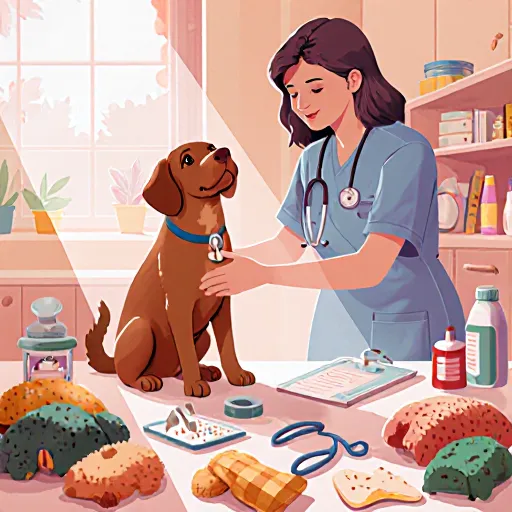
Prioritize Your Pet’s Health with Top Care Tips
Your Pet Deserves the Best Care
Table of Contents
- Benefits of Early Disease Detection
- Preventative Care and Vaccinations
- Monitoring Your Pet's Health
- Identifying Behavioral Changes Early
- Nutritional Guidance from a Vet
- Understanding Breed-Specific Needs
- Emergency Situations and Preparedness
- Longevity and Quality of Life
- Cost-Effective in the Long Run
- Building a Strong Bond with Your Vet
- Tailored Care for Special Needs Pets
- Addressing Common Health Concerns Early
- Comprehensive Wellness Exams
- Support for Senior Pet Care
- Conclusion
- FAQ
Benefits of Early Disease Detection
The importance of early disease detection cannot be overstated, especially when it comes to maintaining a healthy pet. Early intervention can significantly improve the chances of recovery and enhance your pet's quality of life. Regular veterinary checkups are crucial in achieving this goal. By visiting the vet on a routine basis, you ensure that any potential health issues are caught early, before they escalate into more serious problems.
Detecting diseases at an early stage often means that treatments can be less invasive and more effective. For instance, many types of cancer in pets have a much higher survival rate when caught early on. Regular checkups allow veterinarians to monitor your pet's health closely and identify subtle changes or signs of illness that you might not notice.
One of the key benefits of early disease detection is its cost-effectiveness. Treating diseases in their initial stages often requires fewer resources and less intensive care, leading to lower medical bills overall. Ignoring symptoms or delaying checkups can lead to more severe conditions that require expensive treatments later on. For example, dental issues in pets are common but can be managed with regular cleanings at the vet. Left untreated, however, they can lead to costly surgeries.
Early detection and treatment of diseases not only extend your pet's lifespan but also improve their overall quality of life. Pets that receive timely veterinary care are less likely to experience pain or discomfort from untreated conditions. For instance, managing arthritis in dogs early can help them retain mobility and enjoy more active lifestyles.
Regular checkups also provide an opportunity for you to build a strong relationship with your veterinarian. This trust is invaluable when it comes to making informed decisions about your pet's health. Your vet can offer personalized advice based on your pet's specific needs and health history, ensuring that you are well-equipped to care for them effectively.
Apart from catching diseases early, regular checkups promote preventive care, which is essential in maintaining long-term pet health. Vaccinations, parasite control, and screenings for common conditions are all part of a comprehensive preventive care plan. For example, heartworm prevention in dogs is crucial, but if your dog already has the disease, it can be difficult to reverse its effects.
In summary, regular veterinary checkups play a vital role in early disease detection and overall pet health. By prioritizing these visits, you are investing in your pet's wellbeing and ensuring that they lead long, healthy lives. Remember, the earlier you detect a problem, the better your chances of successful treatment and recovery.
Preventative Care and Vaccinations
The importance of preventative care and vaccinations for pets cannot be overstated. Just as regular check-ups are crucial for humans to maintain overall health, routine veterinary visits play a vital role in keeping your pet healthy and happy. During these appointments, veterinarians can catch potential health issues early on, ensuring timely treatment and preventing the development of more serious conditions.
Vaccinations are a cornerstone of preventative care for pets. They protect your furry friend from potentially life-threatening diseases by stimulating the immune system to fight off specific pathogens. By staying up-to-date with vaccinations, you can significantly reduce the risk of your pet contracting serious illnesses such as rabies, parvovirus, and distemper.
- Rabies Vaccine: Required by law in many regions, this vaccine is essential for preventing rabies. Rabies is a deadly viral disease that can be transmitted to humans through contact with infected animals. Ensure your pet gets the rabies vaccine as recommended by your vet.
- Pet Distemper Vaccine: Protects against canine distemper virus (CDV), which can cause respiratory, gastrointestinal, and nervous system problems in dogs. Regular boosters are necessary to maintain immunity.
- Feline Leukemia Virus (FeLV) Vaccine: Recommended for cats, this vaccine helps protect against FeLV, a viral infection that weakens the immune system and can lead to serious diseases like leukemia and lymphoma.
In addition to vaccinations, regular veterinary check-ups are essential for monitoring your pet's overall health. These visits allow veterinarians to perform thorough examinations that might not be possible at home. Early detection of health issues can often lead to more effective treatment and better outcomes.
- Physical Examinations: During a check-up, the vet will examine your pet's eyes, ears, mouth, skin, and coat for any signs of discomfort or disease. They might also palpate internal organs to ensure they are functioning correctly.
- Vital Signs Monitoring: Blood pressure, heart rate, and respiratory rate can provide valuable insights into your pet's health status.
- Dental Check-ups: Oral health is closely linked to overall health. Regular dental check-ups help prevent periodontal disease and tooth loss.
To ensure your pet receives the best care possible, follow these practical tips:
- Schedule Regular Vet Appointments: Most vets recommend annual check-ups for pets, but some may need more frequent visits depending on their age or health conditions.
- Follow Vaccination Schedules: Work closely with your veterinarian to establish a vaccination schedule that suits your pet's needs. Booster shots are often required at specific intervals to maintain immunity.
- Monitor for Changes in Behavior and Health: Be vigilant about any changes in your pet's behavior, eating habits, or physical appearance. Early signs of illness can be subtle but important to address promptly.
- Stay Informed About New Vaccines and Protocols: Veterinary medicine is continually evolving. Stay updated on new vaccines and protocols that might benefit your pet’s health.
In conclusion, preventative care through regular vet checkups and vaccinations is an investment in the longevity and quality of life for your pet. By prioritizing these aspects of pet healthcare, you can help ensure a healthier and happier companion for years to come.
Monitoring Your Pet's Health
The importance of regular veterinary check-ups for your pet cannot be overstated. Monitoring your pet's health is crucial to ensuring they live a long, happy, and healthy life. Regular visits allow veterinarians to detect potential health issues early on, before they can develop into more serious conditions that may require extensive treatment or surgery.
One of the primary reasons for regular check-ups is the ability to catch diseases and conditions in their earliest stages. Common health issues like dental disease, ear infections, skin allergies, and joint problems can all be managed more effectively when caught early on. For instance, catching a minor urinary tract infection early can prevent it from becoming a severe kidney infection.
疫苗接种
Identifying Behavioral Changes Early
Identifying behavioral changes early is crucial for maintaining your pet's overall health and well-being. Regular veterinary check-ups play a vital role in catching these subtle shifts before they escalate into more serious issues. Pets, much like humans, can experience behavioral changes due to various reasons such as aging, illness, stress, or even environmental factors.
The Role of Regular Vet Check-Ups
Regular visits to the veterinarian are not just about vaccinations and routine health screenings. They provide a platform for early detection of behavioral changes through detailed observation by experienced professionals. Veterinarians have the expertise to recognize patterns that may indicate underlying medical conditions or other factors influencing your pet's behavior.
Common Behavioral Changes to Look Out For
- Lack of Interest in Activities: If your normally active dog suddenly loses interest in playing or exercising, it could be a sign of pain or illness. Similarly, a cat that used to enjoy climbing and exploring may lose these interests.
- Changes in Eating Habits: A pet who starts eating less or more than usual might have an underlying health condition. For instance, increased thirst and urination could be signs of diabetes in dogs and cats.
- Increased Anxiety or Aggression: Sudden changes in your pet's attitude towards other animals or humans can signal stress or discomfort, which might need medical attention.
Practical Advice for Early Detection
To help identify behavioral changes early, it is essential to pay close attention to your pet’s daily routines and behaviors. Here are some tips:
- Maintain a Consistent Routine: Pets thrive on routine. Any disruption can lead to stress and changes in behavior.
- Note Changes Over Time: Keep a journal or log of your pet's activities, eating habits, and behaviors. This will help you spot any patterns or deviations more easily.
- Consult Your Vet Regularly: Even if there are no apparent issues, regular check-ups allow for continuous monitoring of behavioral changes.
In conclusion, early identification of behavioral changes can lead to timely interventions that improve your pet's quality of life. By emphasizing the importance of regular veterinary check-ups, we ensure pets receive prompt care and maintain their optimal health. Remember, your vet is a crucial partner in understanding and addressing these changes.
Nutritional Guidance from a Vet
Ensuring your pet receives proper nutrition is fundamental for maintaining their overall health and wellbeing. A veterinarian plays a crucial role in providing nutritional guidance that caters specifically to the needs of your pet based on their species, age, breed, lifestyle, and any existing medical conditions.
The Role of Regular Vet Checkups
Regular veterinary checkups are essential for maintaining your pet's health. They allow veterinarians to monitor your pet's nutritional status and make adjustments as necessary. During these visits, vets can assess body condition scores (BCS), which help determine if your pet is underweight, overweight, or within a healthy weight range.
Body Condition Scores
A Body Condition Score (BCS) is a visual and hands-on tool used by veterinarians to assess the fatness of an animal. It ranges from 1-9, with 5 being ideal. A score of less than 5 indicates that your pet may be underweight, while scores above 5 suggest overweight or obesity.
Customized Nutritional Plans
Veterinarians can provide customized nutritional plans to meet the specific needs of your pet. This might include prescription diets for pets with certain medical conditions like diabetes, kidney disease, or food allergies. For example, a dog with diabetes may require a diet that is lower in carbohydrates and higher in fiber.
Signs Your Pet May Need Nutritional Adjustments
- Excessive weight gain or loss
- Poor coat quality
- Lethargy or increased energy levels
- Diarrhea or constipation
- Decreased appetite or excessive thirst
If you notice any of these signs, it's important to consult your veterinarian for a thorough evaluation and potential nutritional adjustments.
Conclusion
In summary, regular vet checkups are vital not just for routine health maintenance but also for ensuring your pet receives the right nutrition. By working closely with your veterinarian, you can provide your pet with the best care possible, promoting a long and healthy life.
Understanding Breed-Specific Needs
Understanding breed-specific needs is crucial for ensuring the health and happiness of your pet. Different breeds have distinct physical, behavioral, and nutritional requirements that can significantly impact their overall well-being. Regular vet checkups are essential in monitoring these specific needs and addressing any potential issues early.
Various breeds require different levels of exercise, grooming, and dietary considerations. For instance, large breeds like Great Danes have higher caloric requirements to support their growth and development, while smaller breeds such as Chihuahuas need more frequent checkups due to their susceptibility to certain health issues.
Exercise
Breeds with high energy levels, like Border Collies or Australian Shepherds, need regular physical activity to prevent behavioral problems and maintain mental health. On the other hand, breeds that are more sedentary may require less intense exercise but still benefit from daily walks or playtime.
Grooming
Some breeds have thick coats that require frequent brushing to prevent matting and skin issues. For example, double-coated breeds like Siberian Huskies need more intensive grooming compared to smooth-haired breeds such as Beagles. Regular vet checkups can also help identify any early signs of skin irritation or infections related to excessive grooming.
Dietary Considerations
Breeds with specific dietary needs, like those prone to joint issues (such as large breeds), should be fed specialized diets recommended by their veterinarians. Regular checkups ensure that the pet is receiving appropriate nutrients and supplements tailored to its breed's health requirements.
Behavioral traits vary widely among different breeds, influencing how they interact with people, other animals, and their environment. Understanding these behaviors helps in providing the right environment and training to keep your pet content and well-adjusted.
Socialization
Breed-specific socialization is important for puppies. For example, Border Collies need early exposure to various environments and people to develop good behavior patterns. Regular vet checkups provide an opportunity to discuss these needs with the veterinarian who can offer specific advice based on your pet's breed.
Training
Different breeds have varying levels of intelligence, which affects their responsiveness to training. Breeds like Border Collies are highly intelligent and need consistent, positive reinforcement training methods. Regular checkups can help ensure that the training techniques used are suitable for your pet's breed.
Regular veterinary checkups are vital in managing breed-specific health issues early. Early detection and treatment can prevent complications, improve outcomes, and enhance quality of life. For instance, certain hereditary conditions like hip dysplasia in Bernese Mountain Dogs require ongoing monitoring.
By maintaining a consistent schedule for these appointments, pet owners can ensure that their pets are receiving the best care possible. It is also an opportunity to discuss any breed-specific concerns with the vet and adjust treatment or preventive measures as needed.
In conclusion, understanding and addressing breed-specific needs through regular veterinary checkups plays a critical role in ensuring a healthy and happy pet. Tailoring care plans based on these specific requirements can lead to a longer, healthier life for your beloved companion.
Emergency Situations and Preparedness
Emergencies can happen at any time, and they often come without warning. Whether it's a sudden injury, an allergic reaction, or even just the unexpected change in behavior, being prepared for these situations is crucial for your pet's health and well-being. Regular veterinary checkups play a vital role in ensuring that you are ready to handle such emergencies effectively.
Why Regular Vet Checkups Matter
Regular checkups allow veterinarians to monitor your pet's overall health, catch potential issues early on, and provide preventive care. By staying proactive about your pet's health, you can avoid more serious problems that might arise if left unchecked.
- Detection of Early Health Issues: Regular checkups give veterinarians the opportunity to detect illnesses or injuries at their earliest stages when they are easier and less expensive to treat. This is especially important for pets prone to certain conditions, such as arthritis in dogs or diabetes in cats.
- Vaccinations and Preventive Treatments: Vaccinations are a cornerstone of preventive care, protecting your pet against serious diseases like rabies, parvovirus, and leptospirosis. Regular checkups also allow for the administration of other necessary treatments, such as flea and tick prevention, heartworm protection, and deworming.
- Behavioral Assessments: Sometimes, changes in a pet's behavior can indicate underlying health issues that need immediate attention. During regular visits, veterinarians can observe your pet's behavior, which might help them identify any unusual signs early on.
Critical Moments: When Immediate Vet Care Is Necessary
While you should always seek veterinary assistance for any health issue, there are certain emergency situations that require immediate attention. Here are some examples:
- Sudden Injuries or Illnesses: If your pet is injured in an accident or shows signs of illness such as vomiting, diarrhea, lethargy, or difficulty breathing, it's important to call a veterinarian immediately.
- Poisoning or Exposure: If your pet has ingested something toxic or been exposed to hazardous substances, you should contact a vet right away. Poisonings can be life-threatening and require prompt medical intervention.
- Allergic Reactions: Pets can have allergic reactions to various triggers like foods, medications, or environmental factors. These reactions can range from mild itching to severe anaphylaxis, which requires urgent veterinary care.
Preparedness Tips for Pet Owners
To be well-prepared for emergencies and ensure your pet receives timely medical attention, consider the following tips:
- Create an Emergency Kit: Have a first-aid kit at home that includes bandages, antiseptic wipes, tweezers, and other necessary supplies. Familiarize yourself with basic pet first aid techniques.
- Keep Contact Information Handy: Keep your veterinarian's contact information, as well as the nearest emergency animal hospital, easily accessible in case of an emergency.
- Have a Backup Plan: In case your regular vet is unavailable, having alternative veterinary clinics or after-hours services available can be lifesaving. Research and store this information ahead of time.
Conclusion
In conclusion, while emergencies are inevitable, the impact they have on your pet's health can be minimized through regular vet checkups and proper preparedness. By staying proactive with your pet’s care, you equip yourself to handle unexpected situations more effectively, potentially saving both their life and yours.
Longevity and Quality of Life
The importance of regular veterinary check-ups cannot be overstated when it comes to ensuring both the longevity and quality of life for pets. These check-ups serve as a proactive approach to maintaining optimal health, catching potential issues early on before they escalate into more serious problems.
Veterinary check-ups provide an opportunity for pet owners to stay informed about their pet's overall health. Regular visits allow veterinarians to conduct thorough examinations and monitor any changes in behavior or physical condition that might indicate underlying health issues.
For instance, many conditions such as dental disease, thyroid disorders, and cancer can be detected early through routine blood tests, X-rays, and other diagnostic procedures. Early intervention often leads to more effective treatment options and better outcomes for the pet's well-being.
One of the most significant benefits of regular veterinary check-ups is preventive care. This includes vaccinations, parasite control (ticks, fleas, worms), and dental hygiene recommendations tailored to your pet’s specific needs.
Vaccinations are crucial in preventing deadly diseases like rabies, distemper, and parvovirus. Parasite prevention not only protects pets from external parasites but also helps prevent the spread of these parasites to other animals and even humans. Proper dental care can reduce the risk of oral infections that could lead to more serious health issues.
Beyond physical health, regular check-ups contribute significantly to a pet's emotional and behavioral well-being. During these visits, veterinarians can assess your pet’s behavior and provide advice on training and managing common behavior issues such as anxiety or aggression.
For example, if a dog shows signs of separation anxiety, the veterinarian might recommend specific exercises or strategies to help manage this condition. Early intervention in behavioral issues can significantly enhance the quality of life for both pets and their owners.
Veterinarians provide personalized care plans based on your pet's unique health profile, which includes age, breed, lifestyle, and environmental factors. These tailored plans ensure that every aspect of your pet’s care is optimized for their specific needs.
For instance, an elderly cat might require a different diet than a young dog due to differences in metabolism and activity levels. By tailoring the care plan to each individual animal, veterinarians can help pets live longer, healthier lives suited to their particular circumstances.
In summary, regular veterinary check-ups are essential for maintaining a pet's longevity and quality of life. They offer early detection of health issues, preventive care measures, behavioral health assessment, and personalized care plans that cater to each pet’s unique needs. Investing time in these routine visits can lead to significant improvements in your pet's overall well-being.
Cost-Effective in the Long Run
The importance of regular veterinary check-ups for pets cannot be overstated, especially when considering their long-term benefits and cost-effectiveness. While it might seem more economical to skip routine visits in the short term, doing so can lead to significant costs down the line due to untreated health issues or more severe conditions requiring extensive treatment.
Regular check-ups allow veterinarians to catch minor problems early on before they escalate into major health crises that could potentially be life-threatening. This proactive approach not only improves your pet's quality of life but also helps in preventing costly emergency veterinary visits later in the year or even years down the road.
Examples of Early Detection Benefits
- Dental Health: Tartar buildup can lead to gum disease and tooth loss. Regular cleanings prevent these issues, saving you from more expensive dental procedures later on.
- Vaccination Compliance: Ensuring your pet is up-to-date with necessary vaccinations prevents the spread of contagious diseases, which could otherwise result in quarantines or even euthanasia if not treated promptly.
- Early Diagnosis of Chronic Conditions: Some chronic conditions like diabetes and hypothyroidism can be managed effectively when caught early. Without timely intervention, these conditions may lead to more complicated health problems requiring extensive care.
In summary, while regular veterinary check-ups require an initial investment in time and money, they are essential for maintaining your pet's overall health and well-being. By investing in regular visits now, you ensure that minor issues don't become major ones, thereby saving yourself from higher medical bills and stress associated with more severe health concerns.
Building a Strong Bond with Your Vet
Building a strong bond with your veterinarian is crucial for ensuring the health and well-being of your pet. Regular vet checkups are not just about vaccinations and routine care; they are also an opportunity to develop a trusting relationship with your vet, which can significantly impact your pet's healthcare journey.
Regular veterinary checkups play a vital role in maintaining your pet's health. These visits allow for early detection and treatment of potential issues, preventing minor problems from turning into major health crises. Here are some reasons why regular vet checkups are essential:
- Prompt Identification of Health Issues: Regular checkups give your veterinarian the opportunity to monitor your pet's overall health closely. Early detection can lead to more effective treatments and better outcomes.
- Vaccinations and Preventive Care: Vaccines help protect your pet from various diseases, and preventive care includes parasite control, dental hygiene checks, and other necessary procedures that keep your pet healthy.
- Tailored Advice: Your vet can provide personalized advice based on your pet's specific needs. This might include diet recommendations, exercise plans, or behavioral tips.
A strong relationship between you and your veterinarian fosters trust, which is essential for effective communication about your pet's health. Here are some practical steps to build this bond:
- Choose the Right Veterinarian: Select a vet who listens carefully to your concerns and provides clear explanations of medical conditions or procedures. This sets the foundation for a trusting relationship.
- Be Prepared: Before your appointment, prepare a list of any symptoms or issues you've noticed since your last visit. Be ready to discuss your pet's diet, exercise habits, and any changes in behavior.
- Ask Questions: Don't hesitate to ask questions if something isn't clear. Understanding the diagnosis and treatment plan can help you better support your pet at home.
- Show Your Pet Some Love: During visits, show your pet affection. This can help them feel more comfortable around the vet's office, reducing stress for both your pet and yourself.
Consistency is key when it comes to building a strong bond with your veterinarian. By scheduling regular checkups and following through on any recommended treatments or tests, you demonstrate your commitment to your pet's health.
For example, if your vet recommends annual blood work for your senior cat, make sure to follow through with these appointments. Consistency not only strengthens the bond between you and your vet but also ensures that your pet receives the best possible care.
In summary, regular vet checkups are an investment in your pet's health, and building a strong relationship with your veterinarian is essential for making the most of these visits. By following these tips and maintaining consistency, you can ensure that both you and your pet have a positive experience during each visit.
Tailored Care for Special Needs Pets
The importance of regular vet checkups for special needs pets cannot be overstated. Just like humans, our furry friends can suffer from a variety of health issues that require specialized attention and care. Pets with special needs often face unique challenges that standard pet care might not address effectively. Regular veterinary checkups play a crucial role in maintaining the overall health and well-being of these animals.
Special needs pets refer to those that require extra attention due to specific medical conditions, physical limitations, or behavioral challenges. Examples include pets with chronic diseases such as diabetes, arthritis, or epilepsy; those with mobility issues like amputations or severe joint problems; and even certain breeds prone to genetic disorders.
Chronic Conditions
Pets suffering from chronic conditions need regular monitoring to manage their symptoms effectively. For instance, diabetic pets require frequent blood sugar checks and dietary management. Epileptic dogs might benefit from medication adjustments based on seizure frequency and severity. These checkups ensure that any changes in the pet's condition are addressed promptly.
Physical Limitations
Pets with physical limitations such as mobility issues or amputations need specialized care to prevent further complications. Regular vet visits help in assessing their progress and adjusting treatments or assistive devices like orthotics or wheelchairs. Veterinarians can also provide advice on maintaining a safe and accessible environment for these pets.
Genetic Disorders
Breeds with genetic disorders, such as certain dog breeds prone to hip dysplasia or eye problems, should undergo regular screenings. Early detection of symptoms allows for timely intervention, improving the quality of life and potentially preventing more severe issues down the line.
- Disease Prevention: Early diagnosis and treatment can prevent minor health issues from becoming serious problems. For example, a simple dental cleaning at an early stage can avoid more invasive procedures later on.
Note: Regular checkups allow for the detection of oral health issues such as periodontitis or tooth abscesses that could lead to systemic infections if left untreated.
- Early Intervention: Many conditions, especially in special needs pets, can be managed more effectively when detected early. This includes behavioral changes due to pain or discomfort, which might otherwise go unnoticed without regular veterinary care.
- Lifespan Extension: By addressing health issues promptly and ensuring optimal care, the lifespan of a special needs pet can be significantly extended. Pets that receive regular checkups tend to live healthier, longer lives with improved quality of life.
Every pet is unique, just like every person. What works for one may not work for another. Therefore, it's essential that the vet understands each pet’s specific needs and health history. This personalized approach ensures that treatments are tailored to meet the individual requirements of your special needs pet.
Examples of Tailored Care
- Dietary Adjustments: Pets with certain medical conditions may require specific diets. For example, a diabetic dog might need a low-carb diet, while an arthritic cat could benefit from joint-friendly food.
- Medication Management: Regular checkups help in adjusting medications as the pet's condition changes over time. This ensures that the pet is receiving the most effective treatment possible without any adverse effects.
- Behavioral Support: Some pets with special needs may experience anxiety or other behavioral issues. Veterinarians can provide guidance on managing these behaviors, offering advice on training techniques and stress-reducing activities.
To ensure your special needs pet receives the best care possible, follow these tips:
- Schedule Regular Checkups: Even if your pet seems healthy, regular checkups are crucial. This allows the vet to monitor any developing issues and adjust treatments as necessary.
- Keep Detailed Health Records: Maintain a comprehensive record of your pet's medical history, including vaccinations, previous surgeries, and current medications. Share this information with your veterinarian during each visit.
- Stay Informed: Attend to any health concerns immediately by staying informed about the latest veterinary practices and treatments related to your pet’s condition.
In conclusion, regular vet checkups are vital for ensuring that special needs pets receive the care they need. By providing personalized attention and early intervention, veterinarians can significantly improve the quality of life for these pets, ensuring they remain healthy and happy for as long as possible.
Addressing Common Health Concerns Early
Regular vet checkups are crucial for addressing common health concerns early, ensuring your pet remains healthy and happy. Many ailments can be managed or prevented by catching them during their initial stages.
Early detection of potential health issues is one of the primary benefits of regular vet checkups. For instance, dental diseases such as periodontitis are common in pets but can often go unnoticed until they cause severe pain and discomfort. Regular cleanings at your veterinarian's office can help prevent this and ensure that any issues are caught early.
By addressing minor health concerns before they escalate, you can avoid more serious conditions down the line. For example, catching a urinary tract infection (UTI) in its early stages with a timely checkup allows for treatment that might prevent kidney damage or other complications.
Routine vaccinations are a vital part of preventive care and form the cornerstone of regular vet checkups. For example, rabies and distemper vaccines not only protect your pet from these serious diseases but also help prevent the spread to other animals or humans.
Your veterinarian can also assist in identifying behavioral changes that could be indicative of underlying health issues. For instance, a sudden lack of energy might suggest anemia, while excessive drinking could point towards diabetes.
Senior pets require more frequent checkups to monitor age-related conditions and ensure they are living comfortably. Regular screenings can help manage chronic diseases like arthritis or heart disease effectively.
Incorporating regular vet checkups into your pet care routine helps promote overall health beyond just treating illnesses. It encourages better nutrition and exercise, which are essential for maintaining a healthy weight and preventing obesity-related problems.
- Schedule annual wellness visits at the beginning of each year.
- Keep a record of your pet's medical history, including vaccination dates and previous treatments.
- Communicate any changes in behavior or health to your veterinarian immediately.
Comprehensive Wellness Exams
The importance of regular veterinary check-ups for pets cannot be overstated. Just as humans benefit from routine medical examinations, pets also need comprehensive wellness exams to ensure their overall health and well-being. These exams are crucial in preventing diseases, identifying issues early on, and maintaining a healthy lifestyle for your furry friend.
A comprehensive wellness exam involves a thorough evaluation of your pet's physical condition by a veterinarian. This includes examining the eyes, ears, teeth, skin, and coat; checking vital signs such as heart rate, temperature, and respiratory rate; assessing the overall behavior and temperament; and evaluating any visible signs of illness or discomfort.
- Disease Prevention: Early detection of diseases can significantly improve treatment outcomes. Many health conditions, such as heart disease, diabetes, and cancer, are easier to manage when detected early.
- Vaccinations: Ensuring your pet is up-to-date on vaccinations helps protect them from various infectious diseases that could be fatal if left untreated.
- Dental Health: Dental checkups can identify potential issues like gum disease, tooth decay, and infections. Proper dental care also improves overall health by preventing bacteria from entering the bloodstream.
- Behavioral Assessment: Veterinarians are trained to assess behavioral changes that could indicate underlying medical conditions or stress in pets.
To ensure your pet receives the best care, it is essential to follow these practical tips:
- Schedule Regular Appointments: Follow your veterinarian's recommendations for how frequently your pet should have a wellness exam. For puppies and kittens, this may be every 6 months; for adult pets, annual checkups are generally recommended.
- Be Prepared: Bring any relevant medical history or records of previous vaccinations when visiting the vet. This information is crucial for providing the best care tailored to your pet's specific needs.
- Ongoing Care at Home: Between checkups, maintain a regular grooming and feeding schedule. Regular exercise and mental stimulation are also important components of maintaining overall health.
In conclusion, comprehensive wellness exams are vital for keeping your pet healthy and happy. By prioritizing routine veterinary checkups, you can catch potential health issues early, ensuring a long and prosperous life for your beloved companion. Remember, the investment in regular vet care is an important step towards maintaining your pet's well-being.
Support for Senior Pet Care
Supporting senior pet care is crucial as pets age, and one of the most important aspects of this support is ensuring regular veterinarian check-ups. These check-ups play a vital role in maintaining your pet's health and identifying potential issues early on.
Regular veterinary check-ups for senior pets are essential because they help monitor the overall health status, detect diseases at an early stage, and provide timely treatment. As pets age, their bodies undergo various changes that can lead to a range of health issues, from arthritis and heart disease to kidney problems and cognitive decline.
Early Detection of Health Issues
One of the primary reasons for regular vet visits is early detection of potential health issues. Many diseases, such as cancer or kidney failure, can be managed more effectively when detected in their initial stages. Routine blood tests and physical examinations allow veterinarians to identify these issues before they become serious.
Tailored Care Plans
During regular check-ups, your veterinarian can develop a tailored care plan based on your pet's specific needs and health condition. This plan may include dietary recommendations, exercise routines, and preventive medications to keep your senior pet healthy and active.
Monitoring Vital Signs
Veterinarians will monitor vital signs such as heart rate, respiration rate, blood pressure, and body weight during check-ups. These readings help in assessing the overall health of your pet and making necessary adjustments to their care plan.
Preventive Care
In addition to treating existing conditions, regular vet visits also focus on preventive care. This includes vaccinations, parasite control, dental cleanings, and even mental stimulation for older pets prone to cognitive decline.
Practical Tips for Senior Pet Owners
- Schedule Routine Appointments: Aim to have your senior pet checked every 6-12 months or as recommended by your veterinarian.
- Stay Informed: Educate yourself about common health issues in senior pets and the signs that indicate something might be wrong. This knowledge can help you recognize symptoms early on.
- Follow Recommendations: Always follow the advice of your veterinarian regarding diet, exercise, medications, and any other aspects of care.
Conclusion
In conclusion, regular vet check-ups are a cornerstone of senior pet care. They provide early detection of health issues, enable personalized treatment plans, and ensure your pet lives a long and healthy life. By prioritizing these appointments, you're taking the best possible steps to support your senior pet's well-being.
Conclusion
The importance of regular veterinary check-ups for pets cannot be overstated. These visits are crucial not just for preventive care but also for early detection and management of various health issues that can affect your pet's well-being. Regular vet check-ups allow veterinarians to monitor the overall health of your pet, detect potential problems before they become serious, and provide necessary treatments or advice.
During routine check-ups, veterinarians perform a comprehensive physical examination which includes checking vital signs such as heart rate, respiratory rate, and body temperature. They also assess the condition of the eyes, ears, mouth, and skin, and evaluate any changes in behavior that might indicate underlying health issues. Vaccinations are administered during these visits to protect your pet against various diseases, ensuring a strong immune system.
For senior pets, regular check-ups become even more critical as they are prone to age-related conditions like arthritis or kidney disease. Early detection of such conditions can significantly improve the quality and duration of their life. Regular blood tests and other diagnostic procedures can help monitor these conditions closely, allowing for timely interventions.
In addition to health care, regular check-ups also provide an opportunity for pet owners to discuss any concerns they may have about their pets' behavior or diet. Veterinarians can offer advice on proper nutrition, exercise routines, and training techniques that are tailored to the specific needs of your pet. This personalized approach ensures that both you and your pet receive the best care possible.
Ignoring regular veterinary check-ups can lead to serious health complications for pets. Untreated conditions not only affect the quality of life but can also become extremely costly to treat later on. By prioritizing these visits, you are investing in your pet's long-term health and happiness. Remember, prevention is always better than cure when it comes to maintaining good health.
In conclusion, regular veterinary check-ups play a vital role in ensuring the well-being of pets. They are not just about disease prevention but also about early detection, management, and overall care. By making these visits part of your pet's routine, you can help maintain their health and happiness for years to come.
FAQ
The well-being of your pet is just as important as that of a human family member, and regular veterinary checkups play an essential role in maintaining their health. These visits not only help detect potential health issues early but also ensure that your pet receives the necessary vaccinations, preventive treatments, and overall care they need to live a long, happy life.
Early Detection of Health Issues
One of the primary reasons for regular checkups is the ability to catch health problems early. Many diseases in pets can be difficult to detect without professional expertise. For instance, dental disease in dogs often goes unnoticed until it has progressed significantly. Regular checkups allow veterinarians to identify such issues early and provide timely treatment.
Vaccinations and Preventive Care
Another crucial aspect of regular veterinary visits is the administration of necessary vaccinations. These protect your pet from various diseases that can be life-threatening or highly contagious, such as rabies, distemper, and leptospirosis. Additionally, preventive care includes treatments for internal parasites like heartworms and external parasites like ticks and fleas.
Behavioral Health
Beyond physical health, regular checkups also help monitor your pet’s behavioral health. Changes in behavior can indicate underlying health issues or stressors that need addressing. For example, a previously active dog who suddenly becomes lethargic might be exhibiting signs of pain or illness.
Longevity and Quality of Life
The importance of regular checkups cannot be overstated when it comes to ensuring the longevity and quality of your pet’s life. Pets age much faster than humans, so early intervention is crucial. Regular visits allow veterinarians to monitor aging-related issues such as arthritis or kidney disease, which can significantly impact a pet's comfort and mobility.
Practical Advice for Pet Owners
- Schedule Checkups: Follow your veterinarian’s recommendations regarding frequency of visits. For most pets, this is annually or biannually, but some breeds or conditions may require more frequent visits.
- Prepare for the Visit: Before each appointment, compile a list of any concerns you have about your pet's health, behavior, or diet to discuss with the vet.
- Follow Up on Recommendations: If the veterinarian recommends further tests or treatments, make sure to follow up promptly. This ensures that any issues are addressed as soon as possible.
In conclusion, regular veterinary checkups are not just routine visits; they are vital for maintaining your pet's overall health and well-being. By prioritizing these appointments, you can help ensure a longer, healthier life for your furry friend.
Identifying Behavioral Changes Early
Identifying behavioral changes early is crucial for maintaining your pet's overall health and well-being. Regular veterinary check-ups play a vital role in catching these subtle shifts before they escalate into more serious issues. Pets, much like humans, can experience behavioral changes due to various reasons such as aging, illness, stress, or even environmental factors.
The Role of Regular Vet Check-Ups
Regular visits to the veterinarian are not just about vaccinations and routine health screenings. They provide a platform for early detection of behavioral changes through detailed observation by experienced professionals. Veterinarians have the expertise to recognize patterns that may indicate underlying medical conditions or other factors influencing your pet's behavior.
Common Behavioral Changes to Look Out For
- Lack of Interest in Activities: If your normally active dog suddenly loses interest in playing or exercising, it could be a sign of pain or illness. Similarly, a cat that used to enjoy climbing and exploring may lose these interests.
- Changes in Eating Habits: A pet who starts eating less or more than usual might have an underlying health condition. For instance, increased thirst and urination could be signs of diabetes in dogs and cats.
- Increased Anxiety or Aggression: Sudden changes in your pet's attitude towards other animals or humans can signal stress or discomfort, which might need medical attention.
Practical Advice for Early Detection
To help identify behavioral changes early, it is essential to pay close attention to your pet’s daily routines and behaviors. Here are some tips:
- Maintain a Consistent Routine: Pets thrive on routine. Any disruption can lead to stress and changes in behavior.
- Note Changes Over Time: Keep a journal or log of your pet's activities, eating habits, and behaviors. This will help you spot any patterns or deviations more easily.
- Consult Your Vet Regularly: Even if there are no apparent issues, regular check-ups allow for continuous monitoring of behavioral changes.
In conclusion, early identification of behavioral changes can lead to timely interventions that improve your pet's quality of life. By emphasizing the importance of regular veterinary check-ups, we ensure pets receive prompt care and maintain their optimal health. Remember, your vet is a crucial partner in understanding and addressing these changes.
Nutritional Guidance from a Vet
Ensuring your pet receives proper nutrition is fundamental for maintaining their overall health and wellbeing. A veterinarian plays a crucial role in providing nutritional guidance that caters specifically to the needs of your pet based on their species, age, breed, lifestyle, and any existing medical conditions.
The Role of Regular Vet Checkups
Regular veterinary checkups are essential for maintaining your pet's health. They allow veterinarians to monitor your pet's nutritional status and make adjustments as necessary. During these visits, vets can assess body condition scores (BCS), which help determine if your pet is underweight, overweight, or within a healthy weight range.
Body Condition Scores
A Body Condition Score (BCS) is a visual and hands-on tool used by veterinarians to assess the fatness of an animal. It ranges from 1-9, with 5 being ideal. A score of less than 5 indicates that your pet may be underweight, while scores above 5 suggest overweight or obesity.
Customized Nutritional Plans
Veterinarians can provide customized nutritional plans to meet the specific needs of your pet. This might include prescription diets for pets with certain medical conditions like diabetes, kidney disease, or food allergies. For example, a dog with diabetes may require a diet that is lower in carbohydrates and higher in fiber.
Signs Your Pet May Need Nutritional Adjustments
- Excessive weight gain or loss
- Poor coat quality
- Lethargy or increased energy levels
- Diarrhea or constipation
- Decreased appetite or excessive thirst
If you notice any of these signs, it's important to consult your veterinarian for a thorough evaluation and potential nutritional adjustments.
Conclusion
In summary, regular vet checkups are vital not just for routine health maintenance but also for ensuring your pet receives the right nutrition. By working closely with your veterinarian, you can provide your pet with the best care possible, promoting a long and healthy life.
Understanding Breed-Specific Needs
Understanding breed-specific needs is crucial for ensuring the health and happiness of your pet. Different breeds have distinct physical, behavioral, and nutritional requirements that can significantly impact their overall well-being. Regular vet checkups are essential in monitoring these specific needs and addressing any potential issues early.
Various breeds require different levels of exercise, grooming, and dietary considerations. For instance, large breeds like Great Danes have higher caloric requirements to support their growth and development, while smaller breeds such as Chihuahuas need more frequent checkups due to their susceptibility to certain health issues.
Exercise
Breeds with high energy levels, like Border Collies or Australian Shepherds, need regular physical activity to prevent behavioral problems and maintain mental health. On the other hand, breeds that are more sedentary may require less intense exercise but still benefit from daily walks or playtime.
Grooming
Some breeds have thick coats that require frequent brushing to prevent matting and skin issues. For example, double-coated breeds like Siberian Huskies need more intensive grooming compared to smooth-haired breeds such as Beagles. Regular vet checkups can also help identify any early signs of skin irritation or infections related to excessive grooming.
Dietary Considerations
Breeds with specific dietary needs, like those prone to joint issues (such as large breeds), should be fed specialized diets recommended by their veterinarians. Regular checkups ensure that the pet is receiving appropriate nutrients and supplements tailored to its breed's health requirements.
Behavioral traits vary widely among different breeds, influencing how they interact with people, other animals, and their environment. Understanding these behaviors helps in providing the right environment and training to keep your pet content and well-adjusted.
Socialization
Breed-specific socialization is important for puppies. For example, Border Collies need early exposure to various environments and people to develop good behavior patterns. Regular vet checkups provide an opportunity to discuss these needs with the veterinarian who can offer specific advice based on your pet's breed.
Training
Different breeds have varying levels of intelligence, which affects their responsiveness to training. Breeds like Border Collies are highly intelligent and need consistent, positive reinforcement training methods. Regular checkups can help ensure that the training techniques used are suitable for your pet's breed.
Regular veterinary checkups are vital in managing breed-specific health issues early. Early detection and treatment can prevent complications, improve outcomes, and enhance quality of life. For instance, certain hereditary conditions like hip dysplasia in Bernese Mountain Dogs require ongoing monitoring.
By maintaining a consistent schedule for these appointments, pet owners can ensure that their pets are receiving the best care possible. It is also an opportunity to discuss any breed-specific concerns with the vet and adjust treatment or preventive measures as needed.
In conclusion, understanding and addressing breed-specific needs through regular veterinary checkups plays a critical role in ensuring a healthy and happy pet. Tailoring care plans based on these specific requirements can lead to a longer, healthier life for your beloved companion.
Emergency Situations and Preparedness
Emergencies can happen at any time, and they often come without warning. Whether it's a sudden injury, an allergic reaction, or even just the unexpected change in behavior, being prepared for these situations is crucial for your pet's health and well-being. Regular veterinary checkups play a vital role in ensuring that you are ready to handle such emergencies effectively.
Why Regular Vet Checkups Matter
Regular checkups allow veterinarians to monitor your pet's overall health, catch potential issues early on, and provide preventive care. By staying proactive about your pet's health, you can avoid more serious problems that might arise if left unchecked.
- Detection of Early Health Issues: Regular checkups give veterinarians the opportunity to detect illnesses or injuries at their earliest stages when they are easier and less expensive to treat. This is especially important for pets prone to certain conditions, such as arthritis in dogs or diabetes in cats.
- Vaccinations and Preventive Treatments: Vaccinations are a cornerstone of preventive care, protecting your pet against serious diseases like rabies, parvovirus, and leptospirosis. Regular checkups also allow for the administration of other necessary treatments, such as flea and tick prevention, heartworm protection, and deworming.
- Behavioral Assessments: Sometimes, changes in a pet's behavior can indicate underlying health issues that need immediate attention. During regular visits, veterinarians can observe your pet's behavior, which might help them identify any unusual signs early on.
Critical Moments: When Immediate Vet Care Is Necessary
While you should always seek veterinary assistance for any health issue, there are certain emergency situations that require immediate attention. Here are some examples:
- Sudden Injuries or Illnesses: If your pet is injured in an accident or shows signs of illness such as vomiting, diarrhea, lethargy, or difficulty breathing, it's important to call a veterinarian immediately.
- Poisoning or Exposure: If your pet has ingested something toxic or been exposed to hazardous substances, you should contact a vet right away. Poisonings can be life-threatening and require prompt medical intervention.
- Allergic Reactions: Pets can have allergic reactions to various triggers like foods, medications, or environmental factors. These reactions can range from mild itching to severe anaphylaxis, which requires urgent veterinary care.
Preparedness Tips for Pet Owners
To be well-prepared for emergencies and ensure your pet receives timely medical attention, consider the following tips:
- Create an Emergency Kit: Have a first-aid kit at home that includes bandages, antiseptic wipes, tweezers, and other necessary supplies. Familiarize yourself with basic pet first aid techniques.
- Keep Contact Information Handy: Keep your veterinarian's contact information, as well as the nearest emergency animal hospital, easily accessible in case of an emergency.
- Have a Backup Plan: In case your regular vet is unavailable, having alternative veterinary clinics or after-hours services available can be lifesaving. Research and store this information ahead of time.
Conclusion
In conclusion, while emergencies are inevitable, the impact they have on your pet's health can be minimized through regular vet checkups and proper preparedness. By staying proactive with your pet’s care, you equip yourself to handle unexpected situations more effectively, potentially saving both their life and yours.
Longevity and Quality of Life
The importance of regular veterinary check-ups cannot be overstated when it comes to ensuring both the longevity and quality of life for pets. These check-ups serve as a proactive approach to maintaining optimal health, catching potential issues early on before they escalate into more serious problems.
Veterinary check-ups provide an opportunity for pet owners to stay informed about their pet's overall health. Regular visits allow veterinarians to conduct thorough examinations and monitor any changes in behavior or physical condition that might indicate underlying health issues.
For instance, many conditions such as dental disease, thyroid disorders, and cancer can be detected early through routine blood tests, X-rays, and other diagnostic procedures. Early intervention often leads to more effective treatment options and better outcomes for the pet's well-being.
One of the most significant benefits of regular veterinary check-ups is preventive care. This includes vaccinations, parasite control (ticks, fleas, worms), and dental hygiene recommendations tailored to your pet’s specific needs.
Vaccinations are crucial in preventing deadly diseases like rabies, distemper, and parvovirus. Parasite prevention not only protects pets from external parasites but also helps prevent the spread of these parasites to other animals and even humans. Proper dental care can reduce the risk of oral infections that could lead to more serious health issues.
Beyond physical health, regular check-ups contribute significantly to a pet's emotional and behavioral well-being. During these visits, veterinarians can assess your pet’s behavior and provide advice on training and managing common behavior issues such as anxiety or aggression.
For example, if a dog shows signs of separation anxiety, the veterinarian might recommend specific exercises or strategies to help manage this condition. Early intervention in behavioral issues can significantly enhance the quality of life for both pets and their owners.
Veterinarians provide personalized care plans based on your pet's unique health profile, which includes age, breed, lifestyle, and environmental factors. These tailored plans ensure that every aspect of your pet’s care is optimized for their specific needs.
For instance, an elderly cat might require a different diet than a young dog due to differences in metabolism and activity levels. By tailoring the care plan to each individual animal, veterinarians can help pets live longer, healthier lives suited to their particular circumstances.
In summary, regular veterinary check-ups are essential for maintaining a pet's longevity and quality of life. They offer early detection of health issues, preventive care measures, behavioral health assessment, and personalized care plans that cater to each pet’s unique needs. Investing time in these routine visits can lead to significant improvements in your pet's overall well-being.
Cost-Effective in the Long Run
The importance of regular veterinary check-ups for pets cannot be overstated, especially when considering their long-term benefits and cost-effectiveness. While it might seem more economical to skip routine visits in the short term, doing so can lead to significant costs down the line due to untreated health issues or more severe conditions requiring extensive treatment.
Regular check-ups allow veterinarians to catch minor problems early on before they escalate into major health crises that could potentially be life-threatening. This proactive approach not only improves your pet's quality of life but also helps in preventing costly emergency veterinary visits later in the year or even years down the road.
Examples of Early Detection Benefits
- Dental Health: Tartar buildup can lead to gum disease and tooth loss. Regular cleanings prevent these issues, saving you from more expensive dental procedures later on.
- Vaccination Compliance: Ensuring your pet is up-to-date with necessary vaccinations prevents the spread of contagious diseases, which could otherwise result in quarantines or even euthanasia if not treated promptly.
- Early Diagnosis of Chronic Conditions: Some chronic conditions like diabetes and hypothyroidism can be managed effectively when caught early. Without timely intervention, these conditions may lead to more complicated health problems requiring extensive care.
In summary, while regular veterinary check-ups require an initial investment in time and money, they are essential for maintaining your pet's overall health and well-being. By investing in regular visits now, you ensure that minor issues don't become major ones, thereby saving yourself from higher medical bills and stress associated with more severe health concerns.
Building a Strong Bond with Your Vet
Building a strong bond with your veterinarian is crucial for ensuring the health and well-being of your pet. Regular vet checkups are not just about vaccinations and routine care; they are also an opportunity to develop a trusting relationship with your vet, which can significantly impact your pet's healthcare journey.
Regular veterinary checkups play a vital role in maintaining your pet's health. These visits allow for early detection and treatment of potential issues, preventing minor problems from turning into major health crises. Here are some reasons why regular vet checkups are essential:
- Prompt Identification of Health Issues: Regular checkups give your veterinarian the opportunity to monitor your pet's overall health closely. Early detection can lead to more effective treatments and better outcomes.
- Vaccinations and Preventive Care: Vaccines help protect your pet from various diseases, and preventive care includes parasite control, dental hygiene checks, and other necessary procedures that keep your pet healthy.
- Tailored Advice: Your vet can provide personalized advice based on your pet's specific needs. This might include diet recommendations, exercise plans, or behavioral tips.
A strong relationship between you and your veterinarian fosters trust, which is essential for effective communication about your pet's health. Here are some practical steps to build this bond:
- Choose the Right Veterinarian: Select a vet who listens carefully to your concerns and provides clear explanations of medical conditions or procedures. This sets the foundation for a trusting relationship.
- Be Prepared: Before your appointment, prepare a list of any symptoms or issues you've noticed since your last visit. Be ready to discuss your pet's diet, exercise habits, and any changes in behavior.
- Ask Questions: Don't hesitate to ask questions if something isn't clear. Understanding the diagnosis and treatment plan can help you better support your pet at home.
- Show Your Pet Some Love: During visits, show your pet affection. This can help them feel more comfortable around the vet's office, reducing stress for both your pet and yourself.
Consistency is key when it comes to building a strong bond with your veterinarian. By scheduling regular checkups and following through on any recommended treatments or tests, you demonstrate your commitment to your pet's health.
For example, if your vet recommends annual blood work for your senior cat, make sure to follow through with these appointments. Consistency not only strengthens the bond between you and your vet but also ensures that your pet receives the best possible care.
In summary, regular vet checkups are an investment in your pet's health, and building a strong relationship with your veterinarian is essential for making the most of these visits. By following these tips and maintaining consistency, you can ensure that both you and your pet have a positive experience during each visit.
Tailored Care for Special Needs Pets
The importance of regular vet checkups for special needs pets cannot be overstated. Just like humans, our furry friends can suffer from a variety of health issues that require specialized attention and care. Pets with special needs often face unique challenges that standard pet care might not address effectively. Regular veterinary checkups play a crucial role in maintaining the overall health and well-being of these animals.
Special needs pets refer to those that require extra attention due to specific medical conditions, physical limitations, or behavioral challenges. Examples include pets with chronic diseases such as diabetes, arthritis, or epilepsy; those with mobility issues like amputations or severe joint problems; and even certain breeds prone to genetic disorders.
Chronic Conditions
Pets suffering from chronic conditions need regular monitoring to manage their symptoms effectively. For instance, diabetic pets require frequent blood sugar checks and dietary management. Epileptic dogs might benefit from medication adjustments based on seizure frequency and severity. These checkups ensure that any changes in the pet's condition are addressed promptly.
Physical Limitations
Pets with physical limitations such as mobility issues or amputations need specialized care to prevent further complications. Regular vet visits help in assessing their progress and adjusting treatments or assistive devices like orthotics or wheelchairs. Veterinarians can also provide advice on maintaining a safe and accessible environment for these pets.
Genetic Disorders
Breeds with genetic disorders, such as certain dog breeds prone to hip dysplasia or eye problems, should undergo regular screenings. Early detection of symptoms allows for timely intervention, improving the quality of life and potentially preventing more severe issues down the line.
- Disease Prevention: Early diagnosis and treatment can prevent minor health issues from becoming serious problems. For example, a simple dental cleaning at an early stage can avoid more invasive procedures later on.
- Early Intervention: Many conditions, especially in special needs pets, can be managed more effectively when detected early. This includes behavioral changes due to pain or discomfort, which might otherwise go unnoticed without regular veterinary care.
- Lifespan Extension: By addressing health issues promptly and ensuring optimal care, the lifespan of a special needs pet can be significantly extended. Pets that receive regular checkups tend to live healthier, longer lives with improved quality of life.
Note: Regular checkups allow for the detection of oral health issues such as periodontitis or tooth abscesses that could lead to systemic infections if left untreated.
Every pet is unique, just like every person. What works for one may not work for another. Therefore, it's essential that the vet understands each pet’s specific needs and health history. This personalized approach ensures that treatments are tailored to meet the individual requirements of your special needs pet.
Examples of Tailored Care
- Dietary Adjustments: Pets with certain medical conditions may require specific diets. For example, a diabetic dog might need a low-carb diet, while an arthritic cat could benefit from joint-friendly food.
- Medication Management: Regular checkups help in adjusting medications as the pet's condition changes over time. This ensures that the pet is receiving the most effective treatment possible without any adverse effects.
- Behavioral Support: Some pets with special needs may experience anxiety or other behavioral issues. Veterinarians can provide guidance on managing these behaviors, offering advice on training techniques and stress-reducing activities.
To ensure your special needs pet receives the best care possible, follow these tips:
- Schedule Regular Checkups: Even if your pet seems healthy, regular checkups are crucial. This allows the vet to monitor any developing issues and adjust treatments as necessary.
- Keep Detailed Health Records: Maintain a comprehensive record of your pet's medical history, including vaccinations, previous surgeries, and current medications. Share this information with your veterinarian during each visit.
- Stay Informed: Attend to any health concerns immediately by staying informed about the latest veterinary practices and treatments related to your pet’s condition.
In conclusion, regular vet checkups are vital for ensuring that special needs pets receive the care they need. By providing personalized attention and early intervention, veterinarians can significantly improve the quality of life for these pets, ensuring they remain healthy and happy for as long as possible.
Addressing Common Health Concerns Early
Regular vet checkups are crucial for addressing common health concerns early, ensuring your pet remains healthy and happy. Many ailments can be managed or prevented by catching them during their initial stages.
Early detection of potential health issues is one of the primary benefits of regular vet checkups. For instance, dental diseases such as periodontitis are common in pets but can often go unnoticed until they cause severe pain and discomfort. Regular cleanings at your veterinarian's office can help prevent this and ensure that any issues are caught early.
By addressing minor health concerns before they escalate, you can avoid more serious conditions down the line. For example, catching a urinary tract infection (UTI) in its early stages with a timely checkup allows for treatment that might prevent kidney damage or other complications.
Routine vaccinations are a vital part of preventive care and form the cornerstone of regular vet checkups. For example, rabies and distemper vaccines not only protect your pet from these serious diseases but also help prevent the spread to other animals or humans.
Your veterinarian can also assist in identifying behavioral changes that could be indicative of underlying health issues. For instance, a sudden lack of energy might suggest anemia, while excessive drinking could point towards diabetes.
Senior pets require more frequent checkups to monitor age-related conditions and ensure they are living comfortably. Regular screenings can help manage chronic diseases like arthritis or heart disease effectively.
Incorporating regular vet checkups into your pet care routine helps promote overall health beyond just treating illnesses. It encourages better nutrition and exercise, which are essential for maintaining a healthy weight and preventing obesity-related problems.
- Schedule annual wellness visits at the beginning of each year.
- Keep a record of your pet's medical history, including vaccination dates and previous treatments.
- Communicate any changes in behavior or health to your veterinarian immediately.
Comprehensive Wellness Exams
The importance of regular veterinary check-ups for pets cannot be overstated. Just as humans benefit from routine medical examinations, pets also need comprehensive wellness exams to ensure their overall health and well-being. These exams are crucial in preventing diseases, identifying issues early on, and maintaining a healthy lifestyle for your furry friend.
A comprehensive wellness exam involves a thorough evaluation of your pet's physical condition by a veterinarian. This includes examining the eyes, ears, teeth, skin, and coat; checking vital signs such as heart rate, temperature, and respiratory rate; assessing the overall behavior and temperament; and evaluating any visible signs of illness or discomfort.
- Disease Prevention: Early detection of diseases can significantly improve treatment outcomes. Many health conditions, such as heart disease, diabetes, and cancer, are easier to manage when detected early.
- Vaccinations: Ensuring your pet is up-to-date on vaccinations helps protect them from various infectious diseases that could be fatal if left untreated.
- Dental Health: Dental checkups can identify potential issues like gum disease, tooth decay, and infections. Proper dental care also improves overall health by preventing bacteria from entering the bloodstream.
- Behavioral Assessment: Veterinarians are trained to assess behavioral changes that could indicate underlying medical conditions or stress in pets.
To ensure your pet receives the best care, it is essential to follow these practical tips:
- Schedule Regular Appointments: Follow your veterinarian's recommendations for how frequently your pet should have a wellness exam. For puppies and kittens, this may be every 6 months; for adult pets, annual checkups are generally recommended.
- Be Prepared: Bring any relevant medical history or records of previous vaccinations when visiting the vet. This information is crucial for providing the best care tailored to your pet's specific needs.
- Ongoing Care at Home: Between checkups, maintain a regular grooming and feeding schedule. Regular exercise and mental stimulation are also important components of maintaining overall health.
In conclusion, comprehensive wellness exams are vital for keeping your pet healthy and happy. By prioritizing routine veterinary checkups, you can catch potential health issues early, ensuring a long and prosperous life for your beloved companion. Remember, the investment in regular vet care is an important step towards maintaining your pet's well-being.
Support for Senior Pet Care
Supporting senior pet care is crucial as pets age, and one of the most important aspects of this support is ensuring regular veterinarian check-ups. These check-ups play a vital role in maintaining your pet's health and identifying potential issues early on.
Regular veterinary check-ups for senior pets are essential because they help monitor the overall health status, detect diseases at an early stage, and provide timely treatment. As pets age, their bodies undergo various changes that can lead to a range of health issues, from arthritis and heart disease to kidney problems and cognitive decline.
Early Detection of Health Issues
One of the primary reasons for regular vet visits is early detection of potential health issues. Many diseases, such as cancer or kidney failure, can be managed more effectively when detected in their initial stages. Routine blood tests and physical examinations allow veterinarians to identify these issues before they become serious.
Tailored Care Plans
During regular check-ups, your veterinarian can develop a tailored care plan based on your pet's specific needs and health condition. This plan may include dietary recommendations, exercise routines, and preventive medications to keep your senior pet healthy and active.
Monitoring Vital Signs
Veterinarians will monitor vital signs such as heart rate, respiration rate, blood pressure, and body weight during check-ups. These readings help in assessing the overall health of your pet and making necessary adjustments to their care plan.
Preventive Care
In addition to treating existing conditions, regular vet visits also focus on preventive care. This includes vaccinations, parasite control, dental cleanings, and even mental stimulation for older pets prone to cognitive decline.
Practical Tips for Senior Pet Owners
- Schedule Routine Appointments: Aim to have your senior pet checked every 6-12 months or as recommended by your veterinarian.
- Stay Informed: Educate yourself about common health issues in senior pets and the signs that indicate something might be wrong. This knowledge can help you recognize symptoms early on.
- Follow Recommendations: Always follow the advice of your veterinarian regarding diet, exercise, medications, and any other aspects of care.
Conclusion
In conclusion, regular vet check-ups are a cornerstone of senior pet care. They provide early detection of health issues, enable personalized treatment plans, and ensure your pet lives a long and healthy life. By prioritizing these appointments, you're taking the best possible steps to support your senior pet's well-being.
Conclusion
The importance of regular veterinary check-ups for pets cannot be overstated. These visits are crucial not just for preventive care but also for early detection and management of various health issues that can affect your pet's well-being. Regular vet check-ups allow veterinarians to monitor the overall health of your pet, detect potential problems before they become serious, and provide necessary treatments or advice.
During routine check-ups, veterinarians perform a comprehensive physical examination which includes checking vital signs such as heart rate, respiratory rate, and body temperature. They also assess the condition of the eyes, ears, mouth, and skin, and evaluate any changes in behavior that might indicate underlying health issues. Vaccinations are administered during these visits to protect your pet against various diseases, ensuring a strong immune system.
For senior pets, regular check-ups become even more critical as they are prone to age-related conditions like arthritis or kidney disease. Early detection of such conditions can significantly improve the quality and duration of their life. Regular blood tests and other diagnostic procedures can help monitor these conditions closely, allowing for timely interventions.
In addition to health care, regular check-ups also provide an opportunity for pet owners to discuss any concerns they may have about their pets' behavior or diet. Veterinarians can offer advice on proper nutrition, exercise routines, and training techniques that are tailored to the specific needs of your pet. This personalized approach ensures that both you and your pet receive the best care possible.
Ignoring regular veterinary check-ups can lead to serious health complications for pets. Untreated conditions not only affect the quality of life but can also become extremely costly to treat later on. By prioritizing these visits, you are investing in your pet's long-term health and happiness. Remember, prevention is always better than cure when it comes to maintaining good health.
In conclusion, regular veterinary check-ups play a vital role in ensuring the well-being of pets. They are not just about disease prevention but also about early detection, management, and overall care. By making these visits part of your pet's routine, you can help maintain their health and happiness for years to come.
FAQ
The well-being of your pet is just as important as that of a human family member, and regular veterinary checkups play an essential role in maintaining their health. These visits not only help detect potential health issues early but also ensure that your pet receives the necessary vaccinations, preventive treatments, and overall care they need to live a long, happy life.
Early Detection of Health Issues
One of the primary reasons for regular checkups is the ability to catch health problems early. Many diseases in pets can be difficult to detect without professional expertise. For instance, dental disease in dogs often goes unnoticed until it has progressed significantly. Regular checkups allow veterinarians to identify such issues early and provide timely treatment.
Vaccinations and Preventive Care
Another crucial aspect of regular veterinary visits is the administration of necessary vaccinations. These protect your pet from various diseases that can be life-threatening or highly contagious, such as rabies, distemper, and leptospirosis. Additionally, preventive care includes treatments for internal parasites like heartworms and external parasites like ticks and fleas.
Behavioral Health
Beyond physical health, regular checkups also help monitor your pet’s behavioral health. Changes in behavior can indicate underlying health issues or stressors that need addressing. For example, a previously active dog who suddenly becomes lethargic might be exhibiting signs of pain or illness.
Longevity and Quality of Life
The importance of regular checkups cannot be overstated when it comes to ensuring the longevity and quality of your pet’s life. Pets age much faster than humans, so early intervention is crucial. Regular visits allow veterinarians to monitor aging-related issues such as arthritis or kidney disease, which can significantly impact a pet's comfort and mobility.
Practical Advice for Pet Owners
- Schedule Checkups: Follow your veterinarian’s recommendations regarding frequency of visits. For most pets, this is annually or biannually, but some breeds or conditions may require more frequent visits.
- Prepare for the Visit: Before each appointment, compile a list of any concerns you have about your pet's health, behavior, or diet to discuss with the vet.
- Follow Up on Recommendations: If the veterinarian recommends further tests or treatments, make sure to follow up promptly. This ensures that any issues are addressed as soon as possible.
In conclusion, regular veterinary checkups are not just routine visits; they are vital for maintaining your pet's overall health and well-being. By prioritizing these appointments, you can help ensure a longer, healthier life for your furry friend.
Categories
- AI & Enrichment Play
- Broiler Farming
- Broiler Farming Tips
- Canine Wellness & Longevity
- Cat
- Cat & Human Connection
- Cat Adoption & Rescue
- Cat Breeds
- Cat Breeds & Personalities
- Cat Care & Health
- Cat Grooming & Hygiene
- Cat Lifestyle & Environment
- Cat Myths & History
- Cat Nutrition & Diet
- Cat Products & Reviews
- Cat Training & Behavior
- Comparison
- Consumer Awareness
- Dog
- Dog Accessories & Products
- Dog Adoption & Rescue
- Dog Breed & Lifestyle Trends
- Dog Breeding & Puppies
- Dog Entertainment & Media
- Dog Fashion & Trends
- Dog Fun & Lifestyle
- Dog Grooming & Hygiene
- Dog History & Culture
- Dog Myths, Science & Future Tech
- Dog News & Trends
- Dog Nutrition & Food
- Dog Psychology & Emotions
- Dog Safety & Security
- Dog Sports & Activities
- Dog Technology & Innovation
- Dog Training for Modern Owners
- Dog Travel & Adventure
- Dog Travel, Adventure & Culture
- Economic and Market Insights
- Educational Content
- FAQs
- Feeding Alternatives
- Festivals & Seasonal Ideas
- Fun & Entertainment
- General Knowledge
- General Pig Farming
- Health & Disease Management
- Housing and Environment
- Kittens
- Market Insights
- Miscellaneous
- Miscellaneous
- Motivational
- pig
- Pig Breeding
- Pig Breeds
- Pig Farming Stories and Inspiration
- Pig Health and Care
- Pig Nutrition
- Pig Products
- Profitability & Business
- Puppy Care
- Puppy Predictable Topics Reinvented
- Regional Focus
- Rescue & Adoption Buzz
- Senior Cats
- Senior Dog Care
- Smart Dog Tech & Gadgets
- Sustainability
- Sustainable & Eco-Friendly Dog Products
- Tech & Innovations
- Working & Service Dogs
- Broiler Feed66 products
- Country Feed33 products
- Pig Feed66 products
- Product22 products
- Raw Materials99 products
Products
-
 Fish Meal
₹1,999.00 – ₹2,999.00Price range: ₹1,999.00 through ₹2,999.00Rated 0 out of 5
Fish Meal
₹1,999.00 – ₹2,999.00Price range: ₹1,999.00 through ₹2,999.00Rated 0 out of 5 -
 FATTENING BROILER FEED
₹2,299.00 – ₹2,349.00Price range: ₹2,299.00 through ₹2,349.00Rated 0 out of 5
FATTENING BROILER FEED
₹2,299.00 – ₹2,349.00Price range: ₹2,299.00 through ₹2,349.00Rated 0 out of 5 -
 LAYER COUNTRY FEED
₹1,549.00 – ₹1,649.00Price range: ₹1,549.00 through ₹1,649.00Rated 0 out of 5
LAYER COUNTRY FEED
₹1,549.00 – ₹1,649.00Price range: ₹1,549.00 through ₹1,649.00Rated 0 out of 5 -
 COUNTER BROILER FEED
₹1,199.00 – ₹1,299.00Price range: ₹1,199.00 through ₹1,299.00Rated 0 out of 5
COUNTER BROILER FEED
₹1,199.00 – ₹1,299.00Price range: ₹1,199.00 through ₹1,299.00Rated 0 out of 5 -
 LACTATING PIG FEED
Rated 0 out of 5
LACTATING PIG FEED
Rated 0 out of 5₹2,299.00Original price was: ₹2,299.00.₹1,740.00Current price is: ₹1,740.00. -
 Maize
Rated 0 out of 5
Maize
Rated 0 out of 5₹1,650.00Original price was: ₹1,650.00.₹1,300.00Current price is: ₹1,300.00. -
 GESTATION PIG FEED (Phase 1)
Rated 0 out of 5
GESTATION PIG FEED (Phase 1)
Rated 0 out of 5₹2,249.00Original price was: ₹2,249.00.₹1,699.00Current price is: ₹1,699.00. -
 Pre Starter Broiler Feed
₹2,399.00 – ₹2,499.00Price range: ₹2,399.00 through ₹2,499.00Rated 0 out of 5
Pre Starter Broiler Feed
₹2,399.00 – ₹2,499.00Price range: ₹2,399.00 through ₹2,499.00Rated 0 out of 5 -
 FINISHER PIG FEED
Rated 0 out of 5
FINISHER PIG FEED
Rated 0 out of 5₹2,299.00Original price was: ₹2,299.00.₹1,749.00Current price is: ₹1,749.00. -
 Broiler Premix
Rated 0 out of 5
Broiler Premix
Rated 0 out of 5₹820.00Original price was: ₹820.00.₹699.00Current price is: ₹699.00.